Caesar
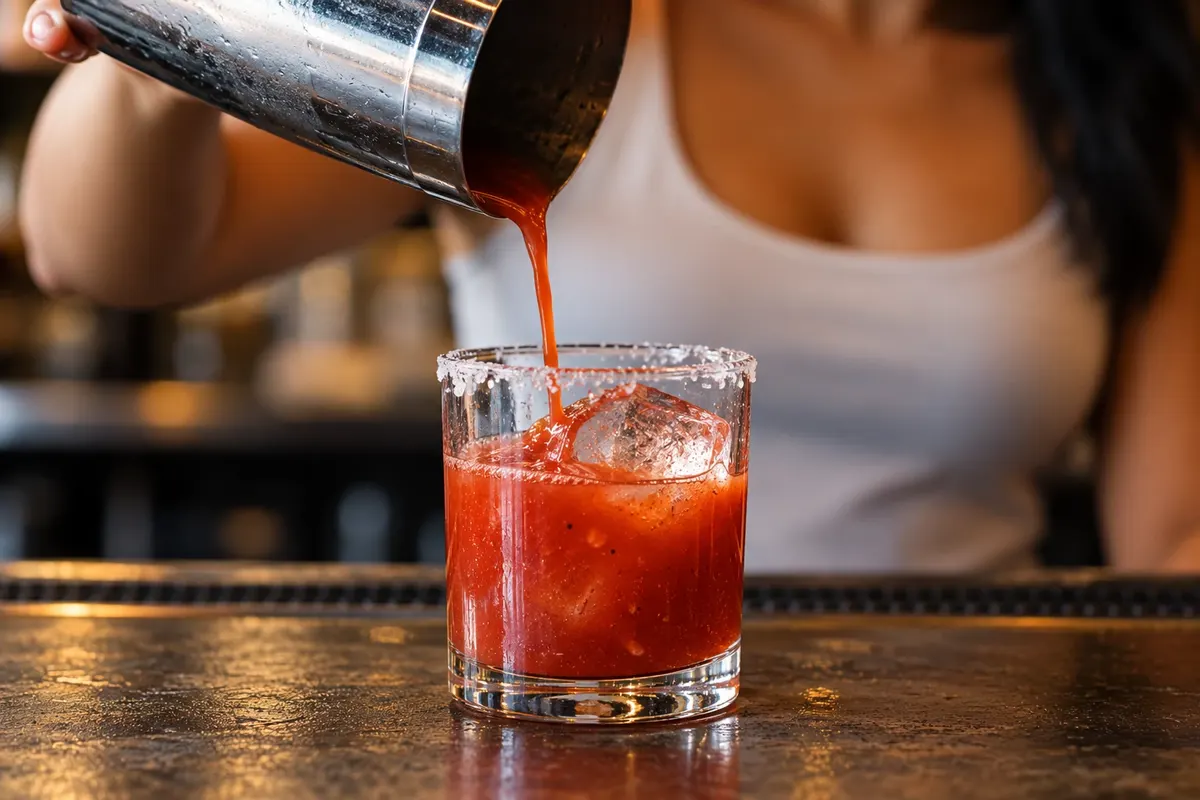
Vodka cocktail with tomato and clam juices, Worcestershire sauce and hot sauce, served in a tall glass with a celery salt rim, a celery stalk and lemon. It was created in Calgary in 1969 and is considered Canada’s national cocktail.
Flavors · Ontário
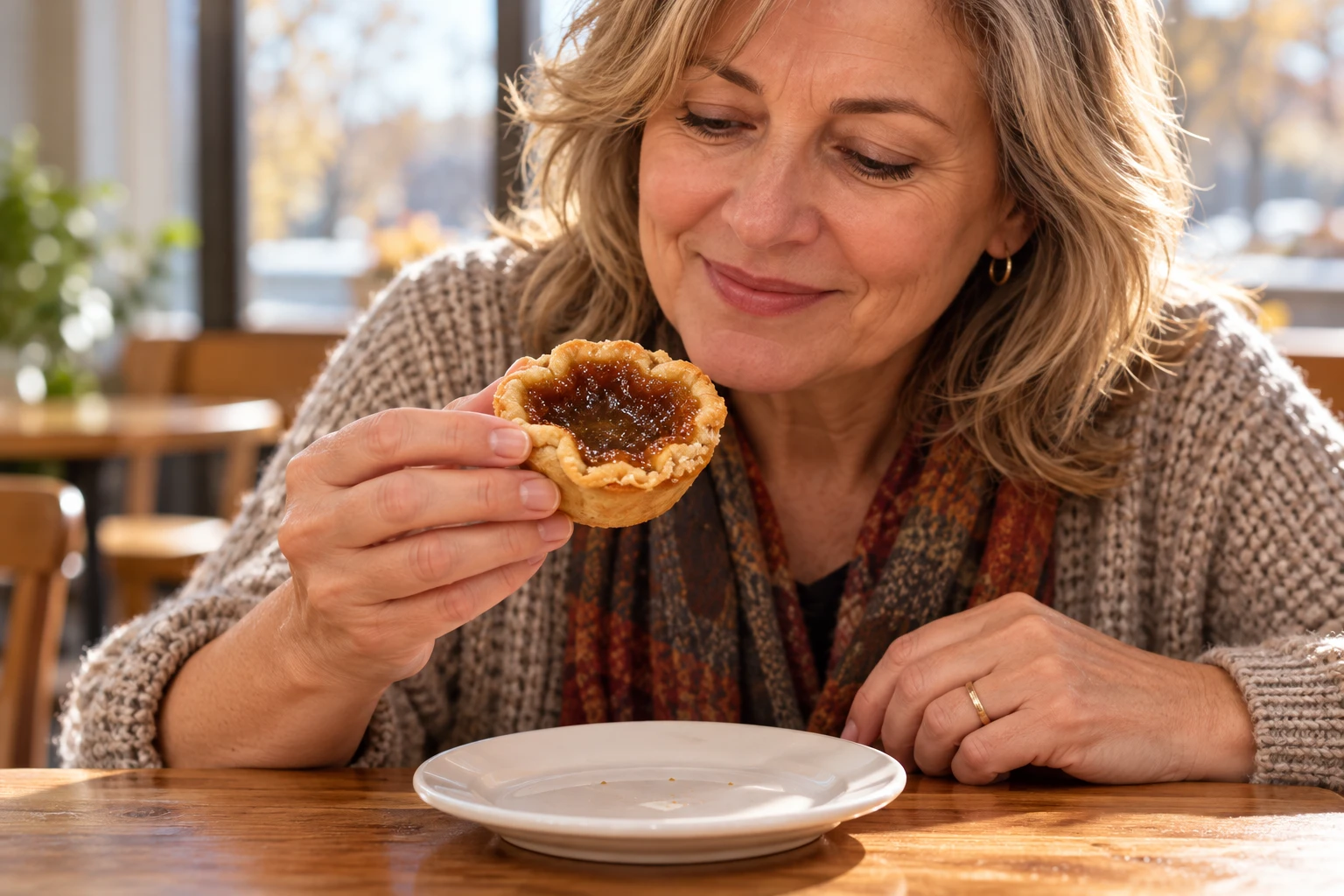
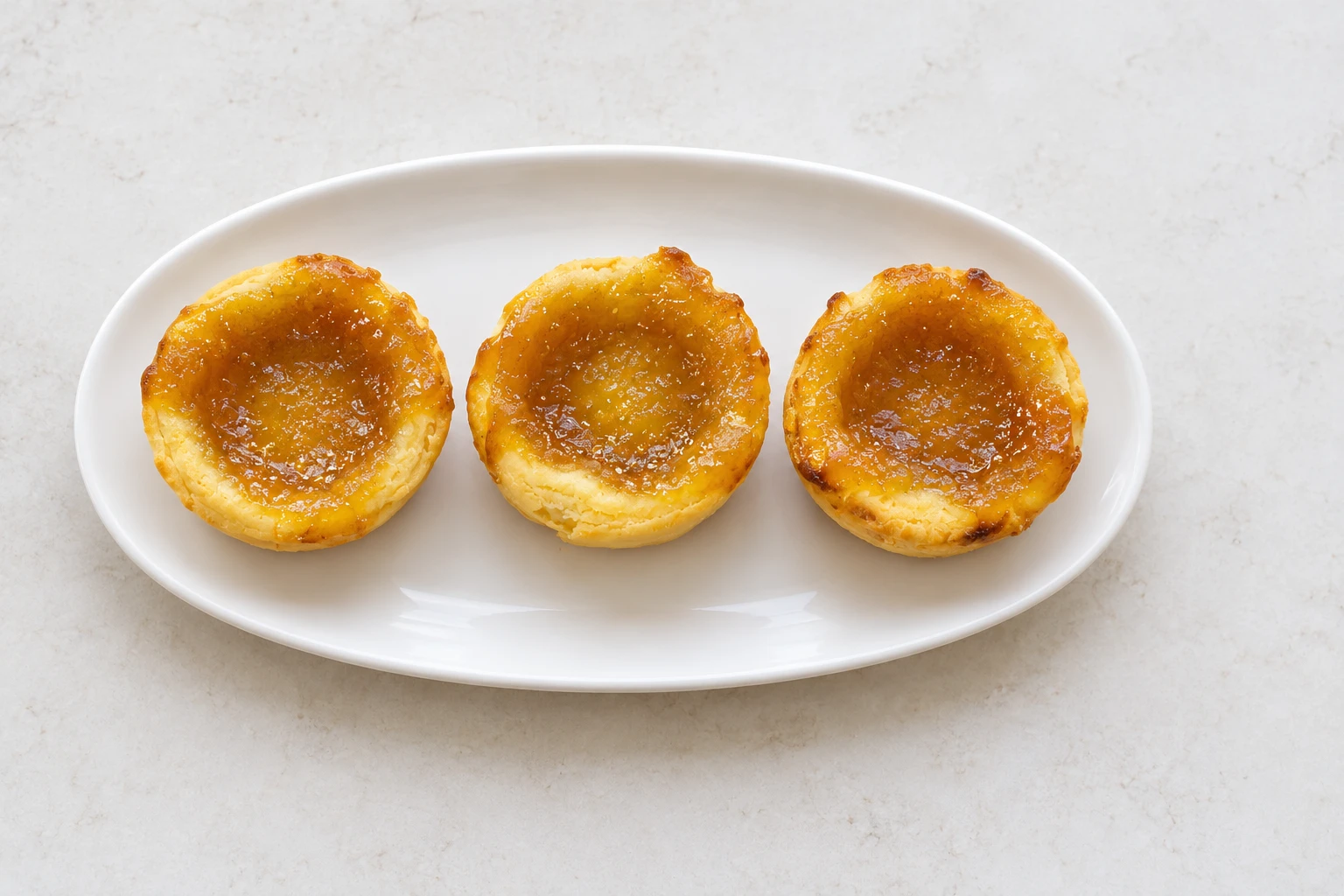
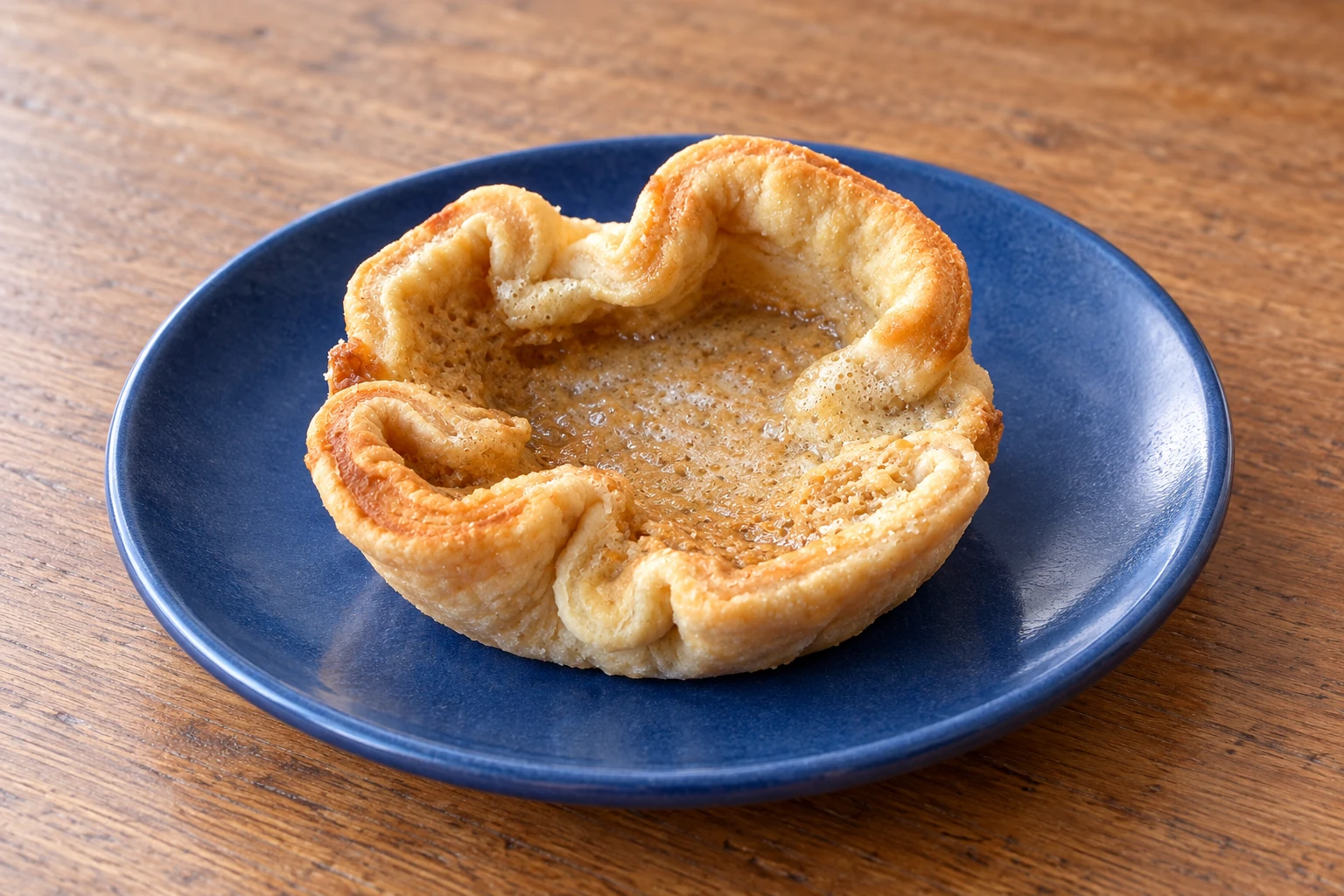
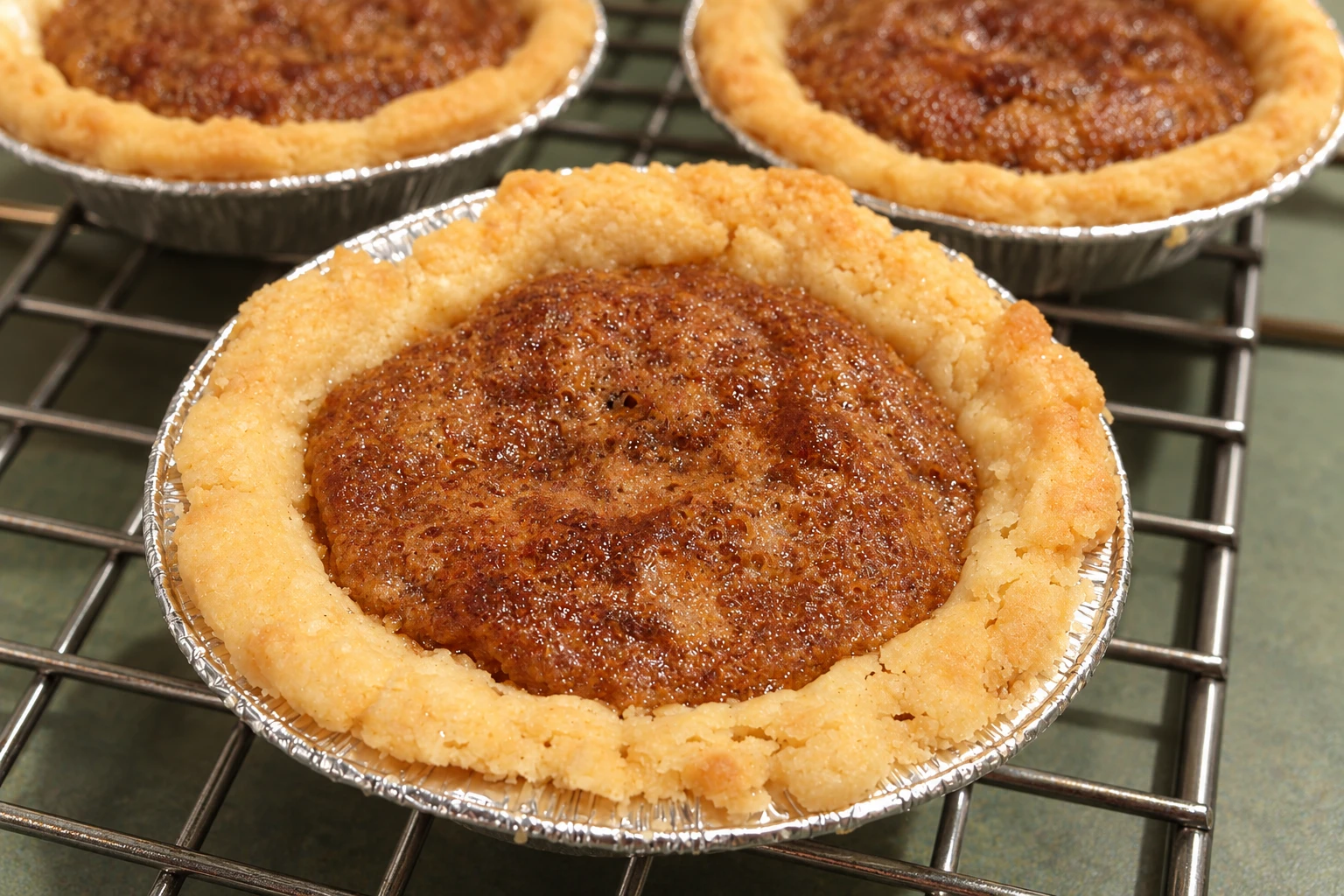
Individual tart made with pie crust filled with butter, sugar, syrup and egg; creamy inside and firmer on top. The earliest known printed recipe dates from 1900 in Barrie, and the tart features on bakery and festival trails in Ontario.
Traditional sweet from Ontário
Also known as: butter tarts, tartelette au beurre
Illustrative images. The pictures in this guide are illustrations based on the real place, not photographs, and may differ from it.
Click a photo to enlarge it.
Butter tart — Ontário, Canada
A butter tart is a small tart made with a flaky pie crust and filled with butter, brown sugar, syrup and egg. In the oven the filling becomes semi-solid, with a firmer, crispier top. The Canadian Encyclopedia calls it quintessentially Canadian.
The oldest known printed record is a filling recipe for tarts published in 1900 in a cookbook compiled by volunteers of the Royal Victoria hospital in Barrie, Ontario, sold to raise funds. The recipe is attributed to Mrs. Malcolm MacLeod, a resident of the town, and the book is kept in the Simcoe County archives. It is the earliest known record, not proof of origin: the Canadian Encyclopedia suggests the tart may descend from Quebec’s tarte au sucre and from recipes adapted by the filles du roi, young French women sent to New France between 1663 and 1673.
Two debates surround the butter tart. The first is whether it should include raisins: older recipes did not, today raisins or dried currants are accepted, and walnuts are already considered a step too far by some. The second is texture: some prefer a runny filling, others want it firm. In Quebec it is common to substitute corn syrup with maple syrup.
In Ontario the tart features on bakery trails, such as those in the Kawarthas and Northumberland, with dozens of stops, contests and festivals like the one in Midland. It’s easy to find in bakeries, cafés and markets across the province.

Pie crust; filling of butter, brown sugar, syrup (corn or maple) and egg, sometimes with vanilla. Raisins or dried currants are optional.
By hand, at room temperature or slightly warm; served as a dessert or with coffee.
Year-round; also at summer fairs and festivals in Ontario.
Your questions
It’s a small pie-crust tart filled with butter, brown sugar, syrup and egg, creamy inside and firmer on top.
It depends on the maker. Older recipes did not include them; today raisins or dried currants are accepted, but many people prefer them without. Walnuts are often considered a different recipe.
The earliest printed record is a 1900 recipe from a Barrie, Ontario cookbook. The origin may be older: one theory links the tart to Quebec’s tarte au sucre.
Flavors of Canada

Vodka cocktail with tomato and clam juices, Worcestershire sauce and hot sauce, served in a tall glass with a celery salt rim, a celery stalk and lemon. It was created in Calgary in 1969 and is considered Canada’s national cocktail.

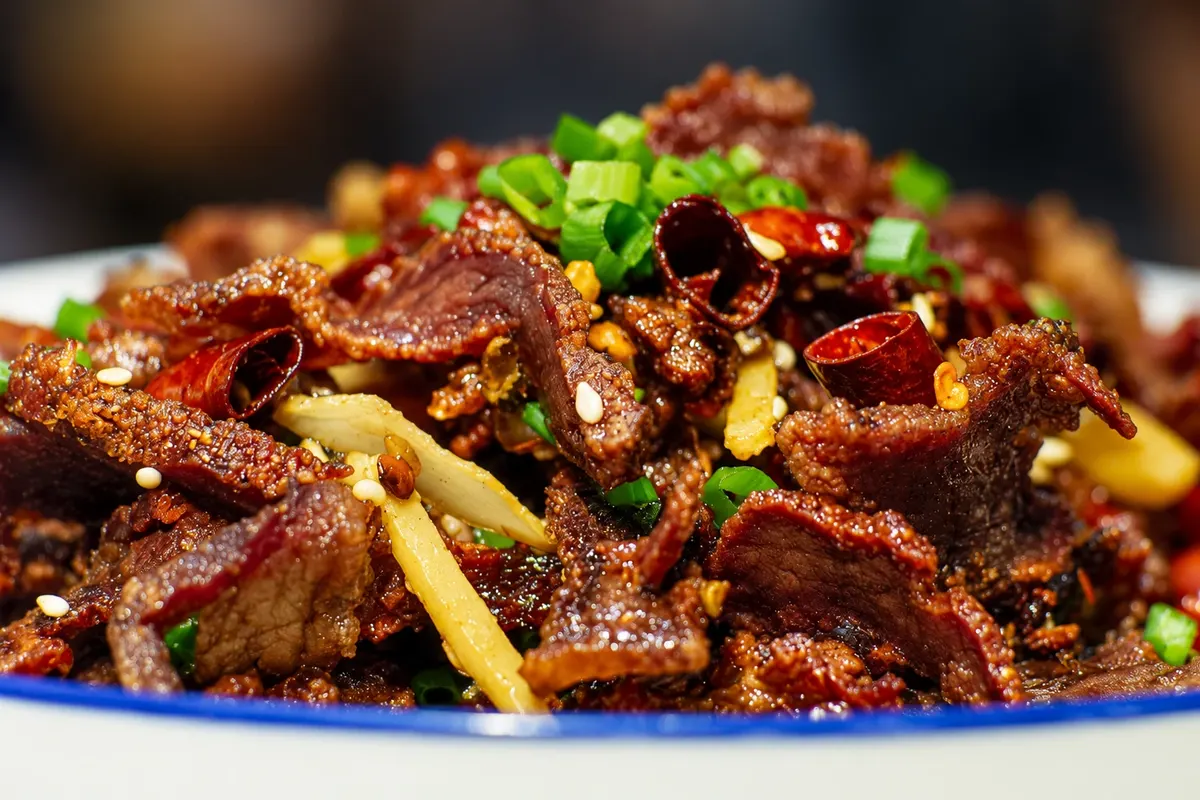
Strips of breaded beef fried until crispy, tossed in a sweet-and-spicy sauce with ginger, garlic and chili, served with sautéed vegetables and rice. Created in Calgary in the 1970s at a Chinese-Canadian restaurant, it spread across the Prairies and the country.

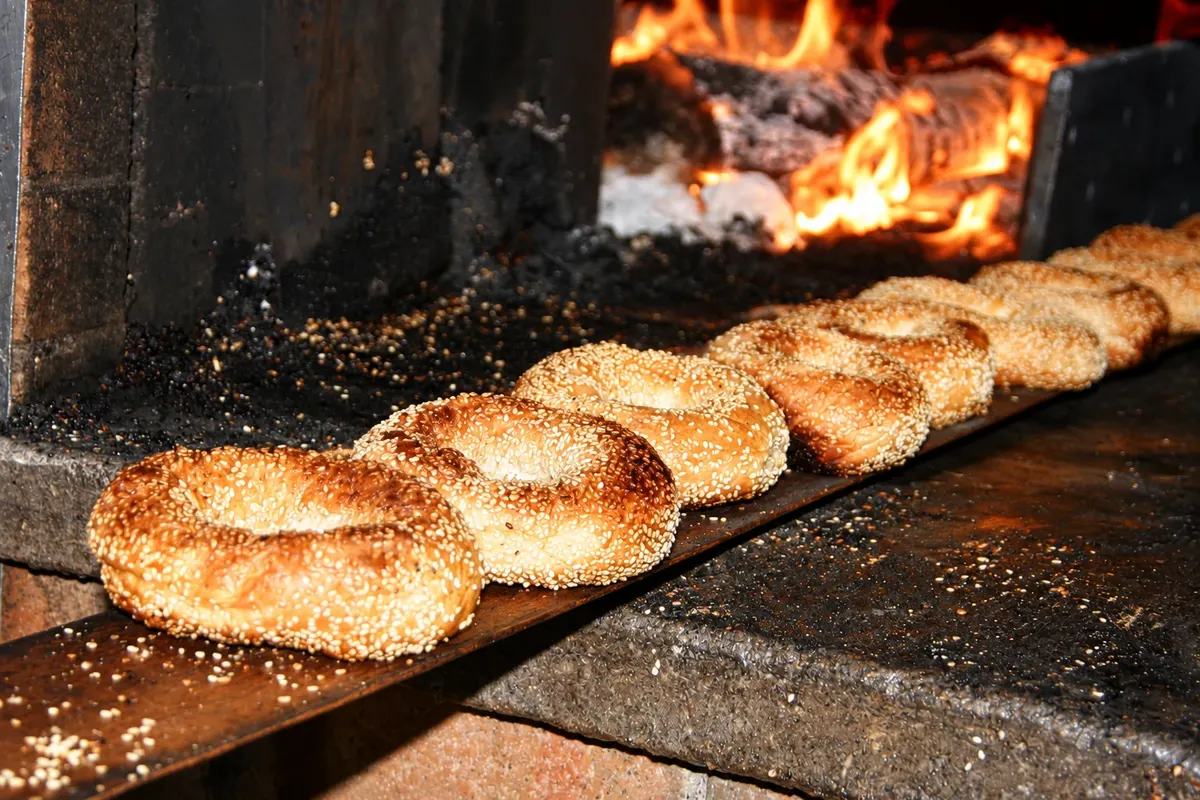
Smaller, more compact and slightly sweet, hand-rolled, dipped in boiling water with honey and baked in a wood-fired oven. It arrived in Montreal with Jewish immigrants from Eastern Europe in the early 20th century and became one of the city’s signatures.

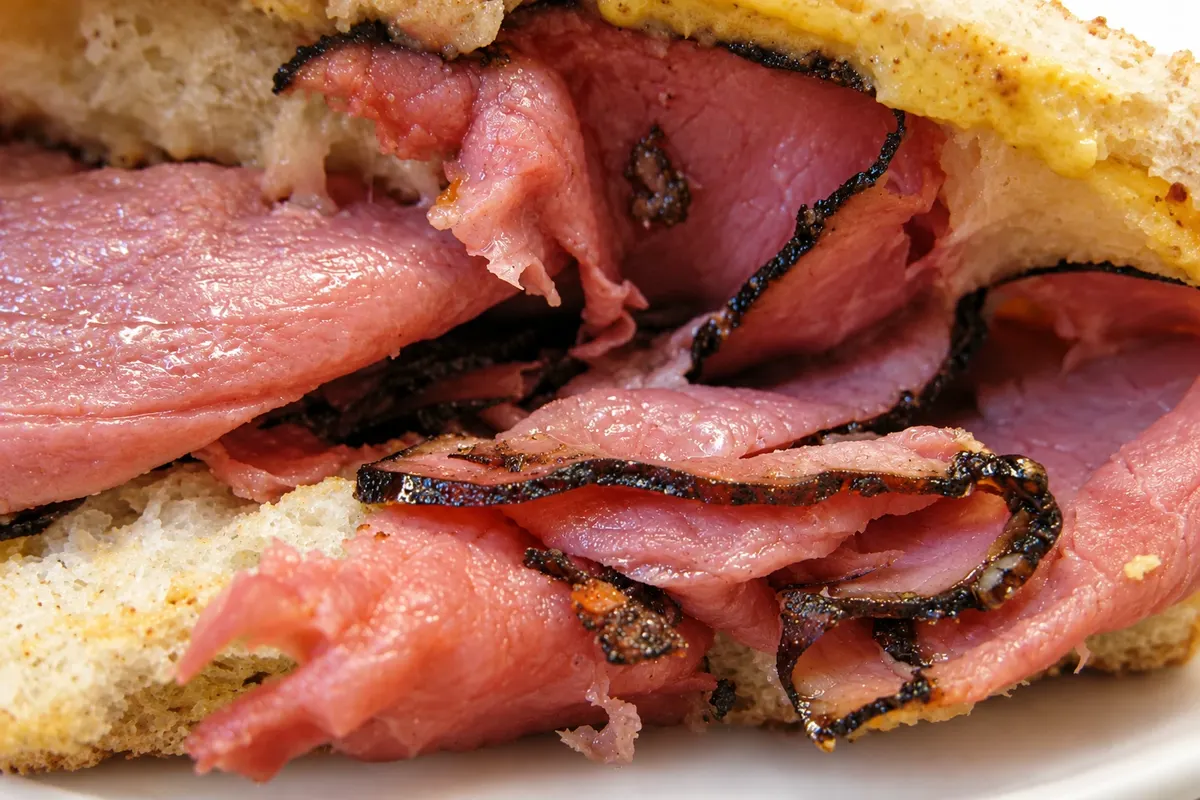
Beef brisket cured with salt and spices, smoked and cooked, served in thick slices on rye bread with mustard. Brought to Montreal by Jewish immigrants from Eastern Europe between the late 19th and early 20th centuries, it is one of the dishes most associated with the city.

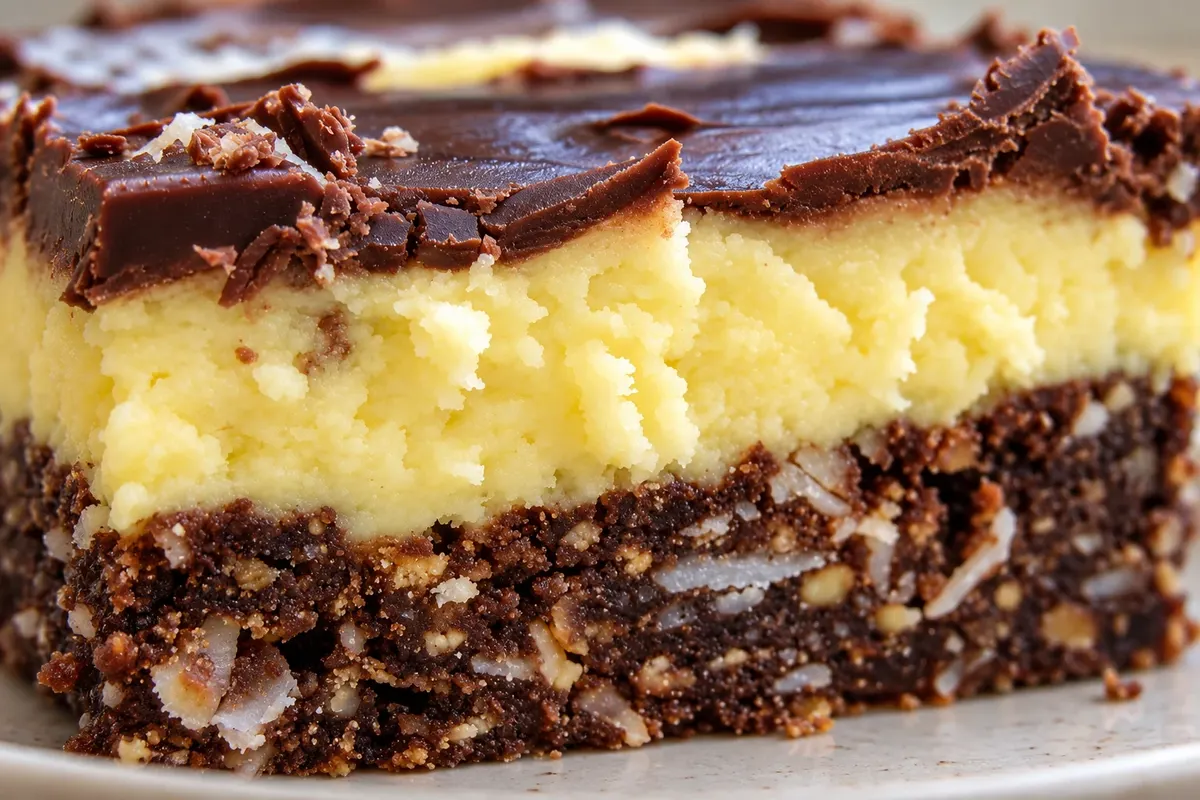
Sweet in three layers that doesn’t go in the oven: cookie base with cocoa, coconut and almonds, a yellow vanilla cream in the middle, and chocolate on top. It’s named for the city of Nanaimo on Vancouver Island, which selected an official recipe in the 1980s.

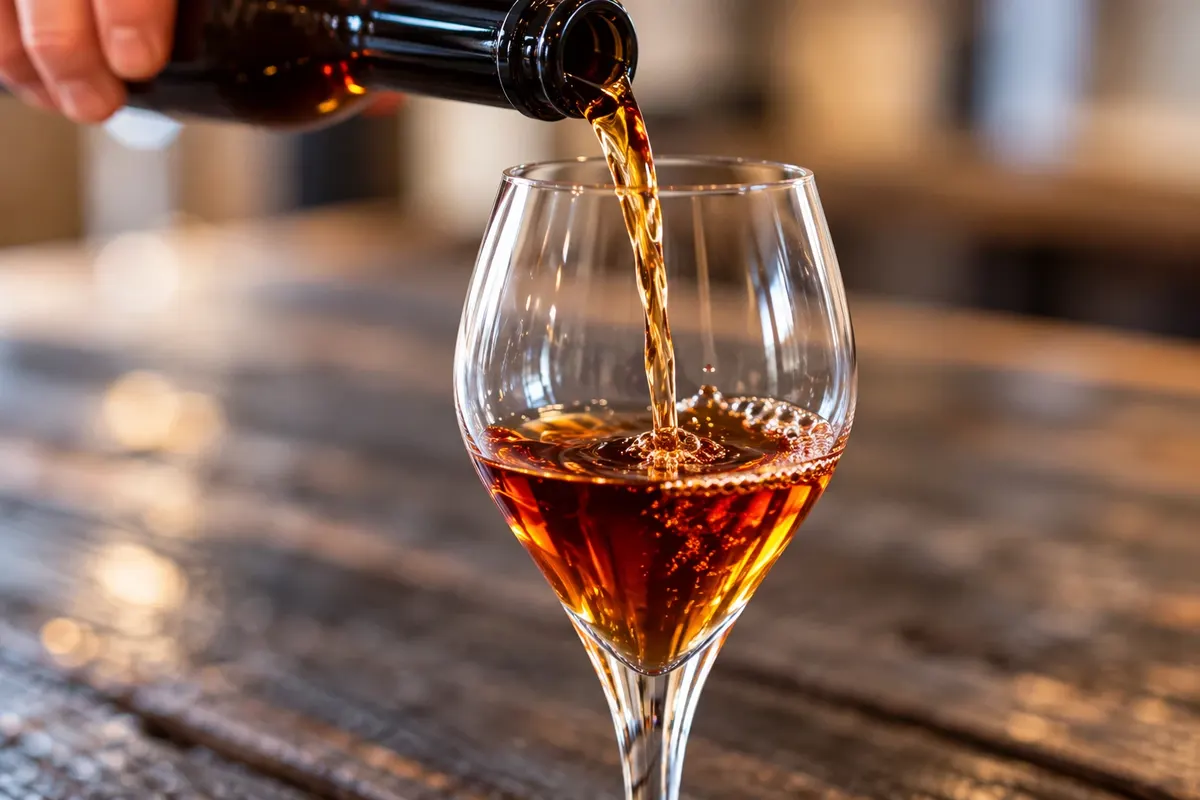
Dessert wine made from grapes that freeze naturally on the vine and are harvested and pressed frozen, which concentrates sugar and acidity. In Niagara-on-the-Lake, on the Niagara Peninsula, wineries produce it and the town hosts a winter festival dedicated to it.

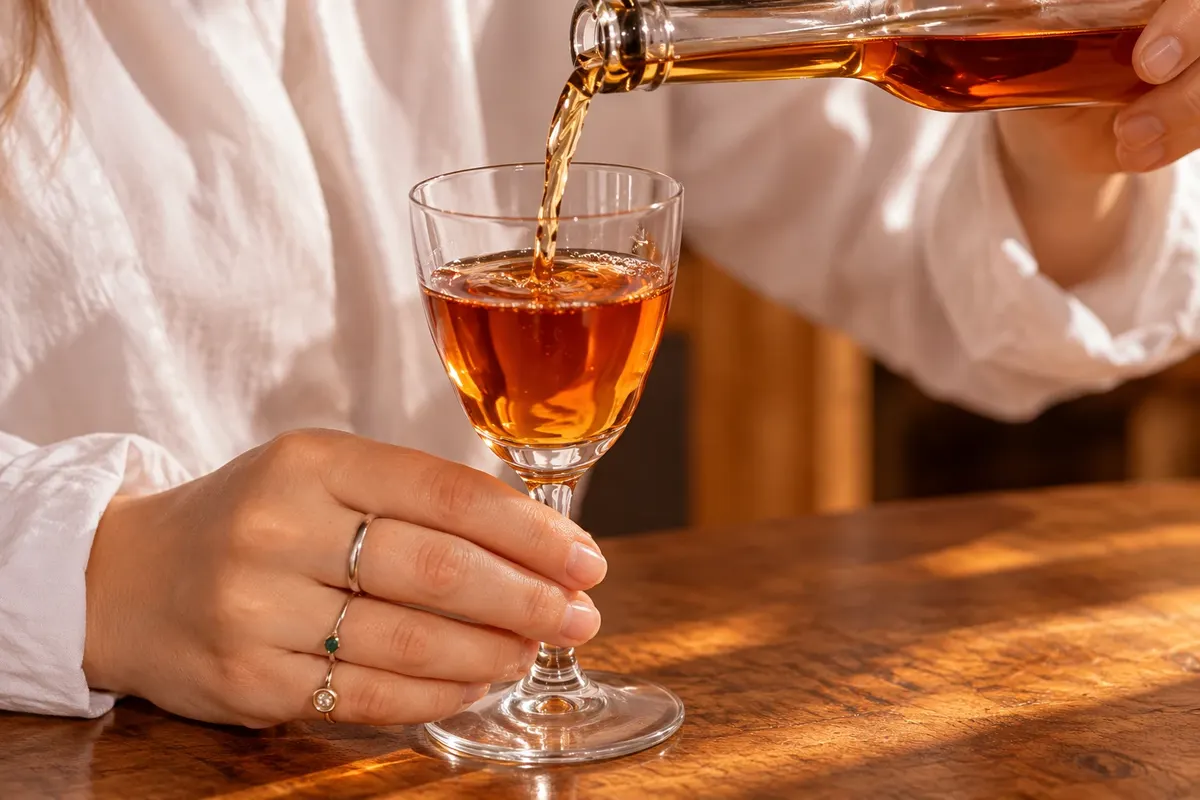
Sweet cider distilled only from Quebec apples, whose sugar is concentrated by the natural cold of winter. Protected as a geographical indication, it has aromas of fresh and baked apple, honey and dried fruit.

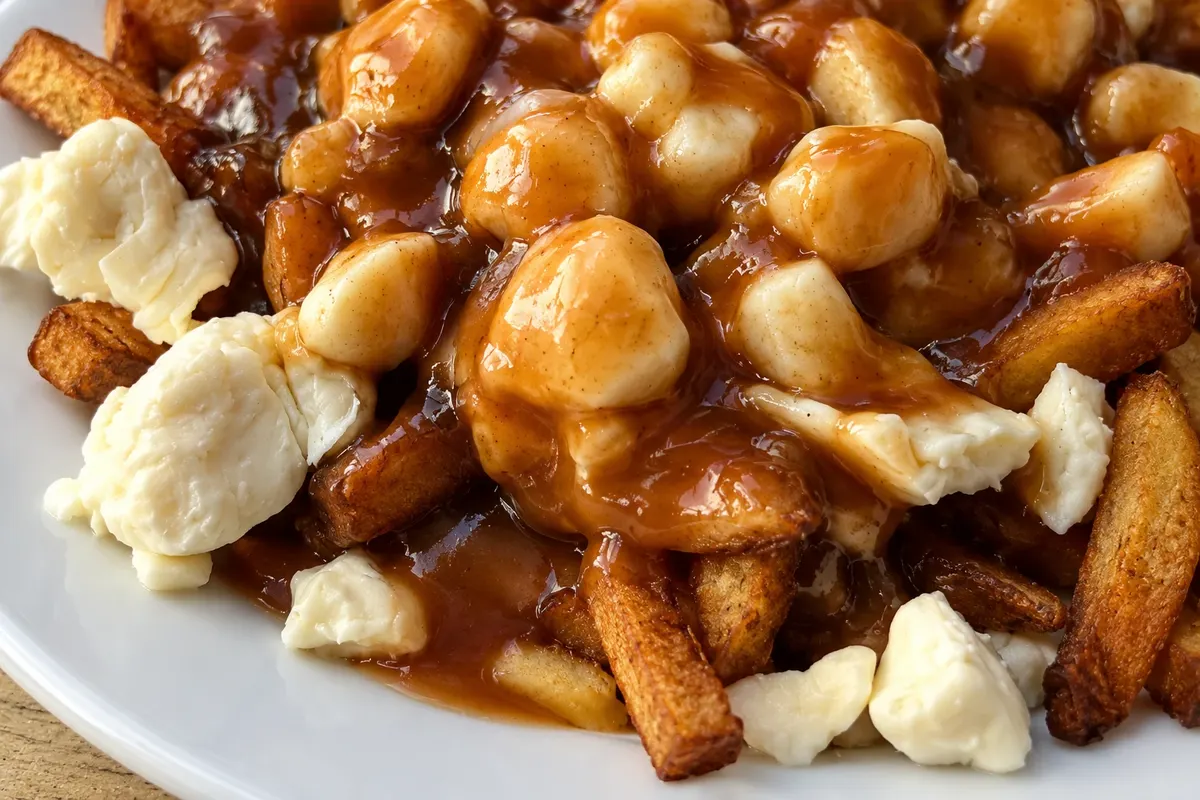
French fries topped with fresh cheese curds that squeak between your teeth, and a hot gravy. It originated in roadside eateries in rural Quebec in the late 1950s and became one of the province’s culinary symbols.

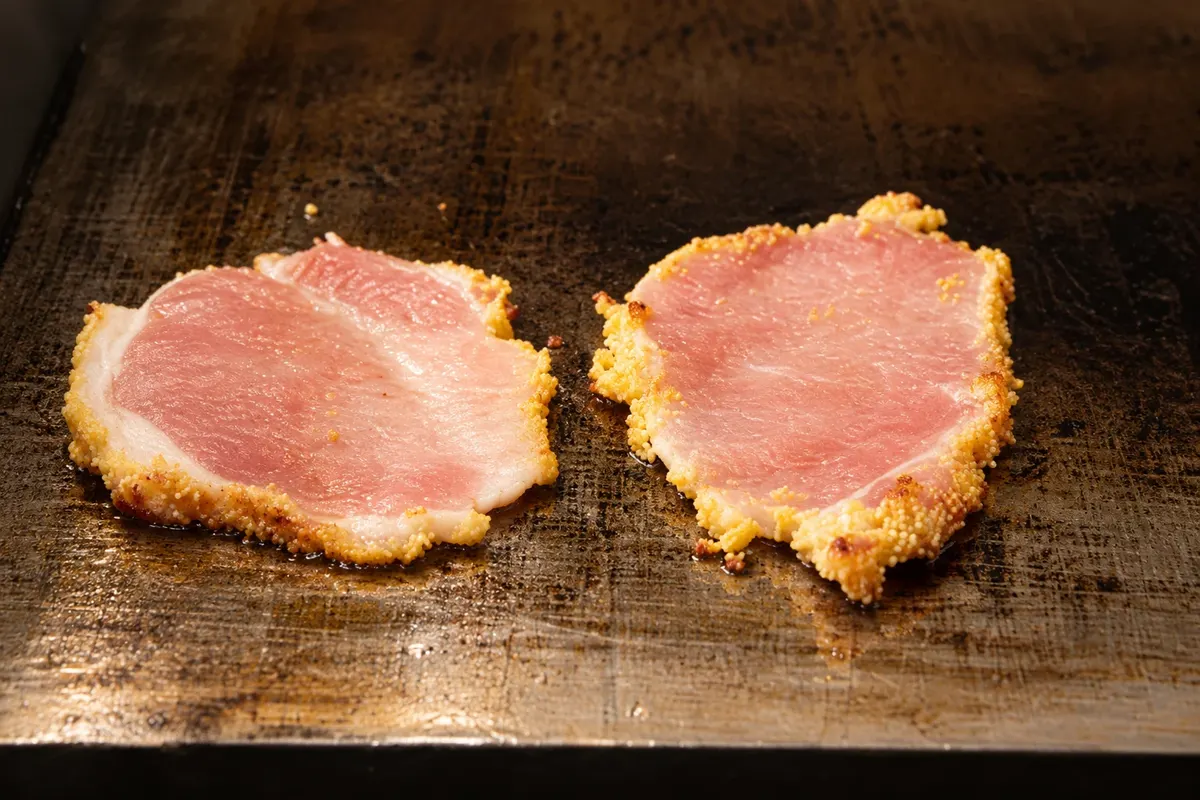
Sandwich of cured, unsmoked pork loin, coated in cornmeal, grilled and served hot on a soft roll, usually with mustard. Linked to Toronto’s pork history, it was declared the city’s signature dish in 2016.