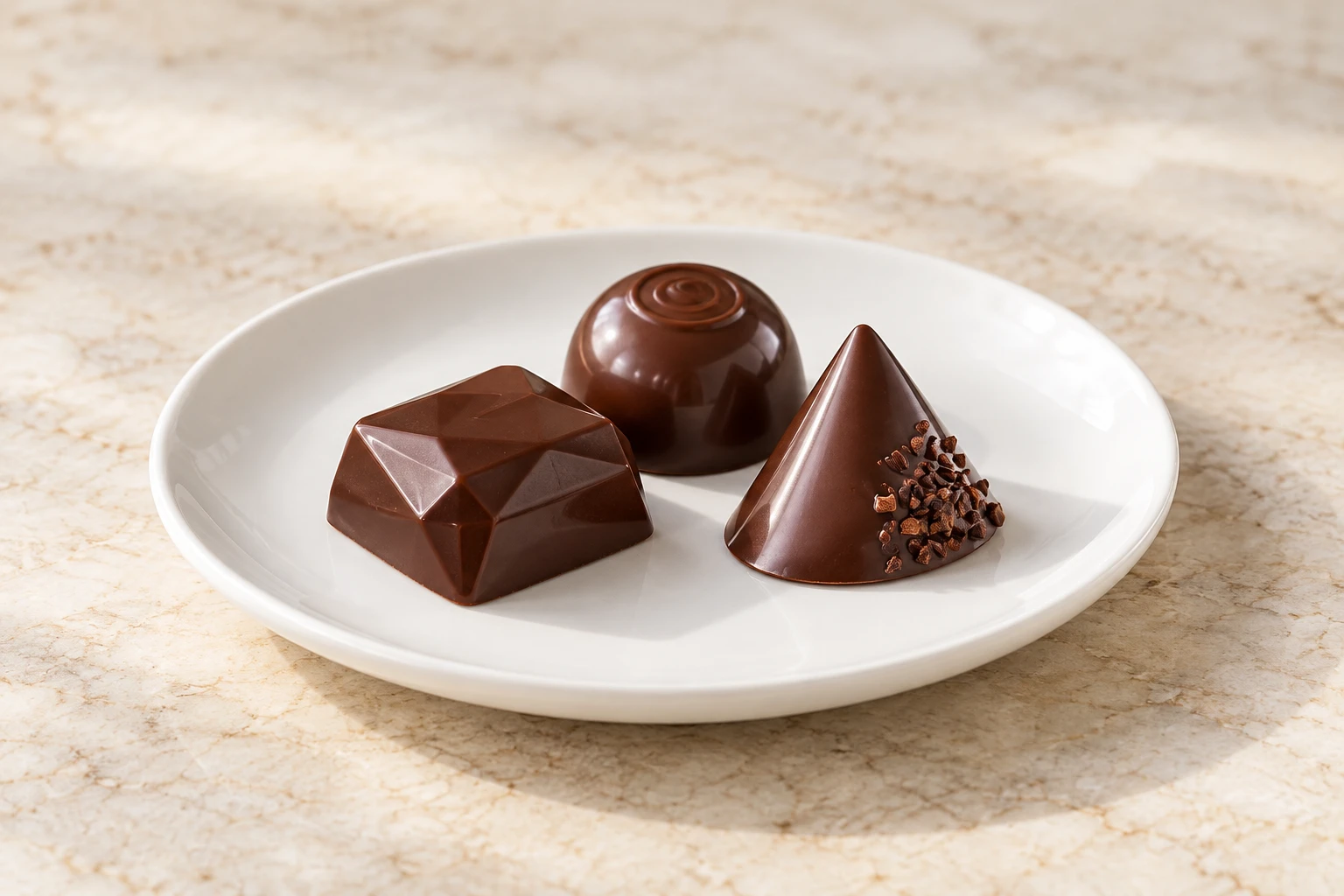
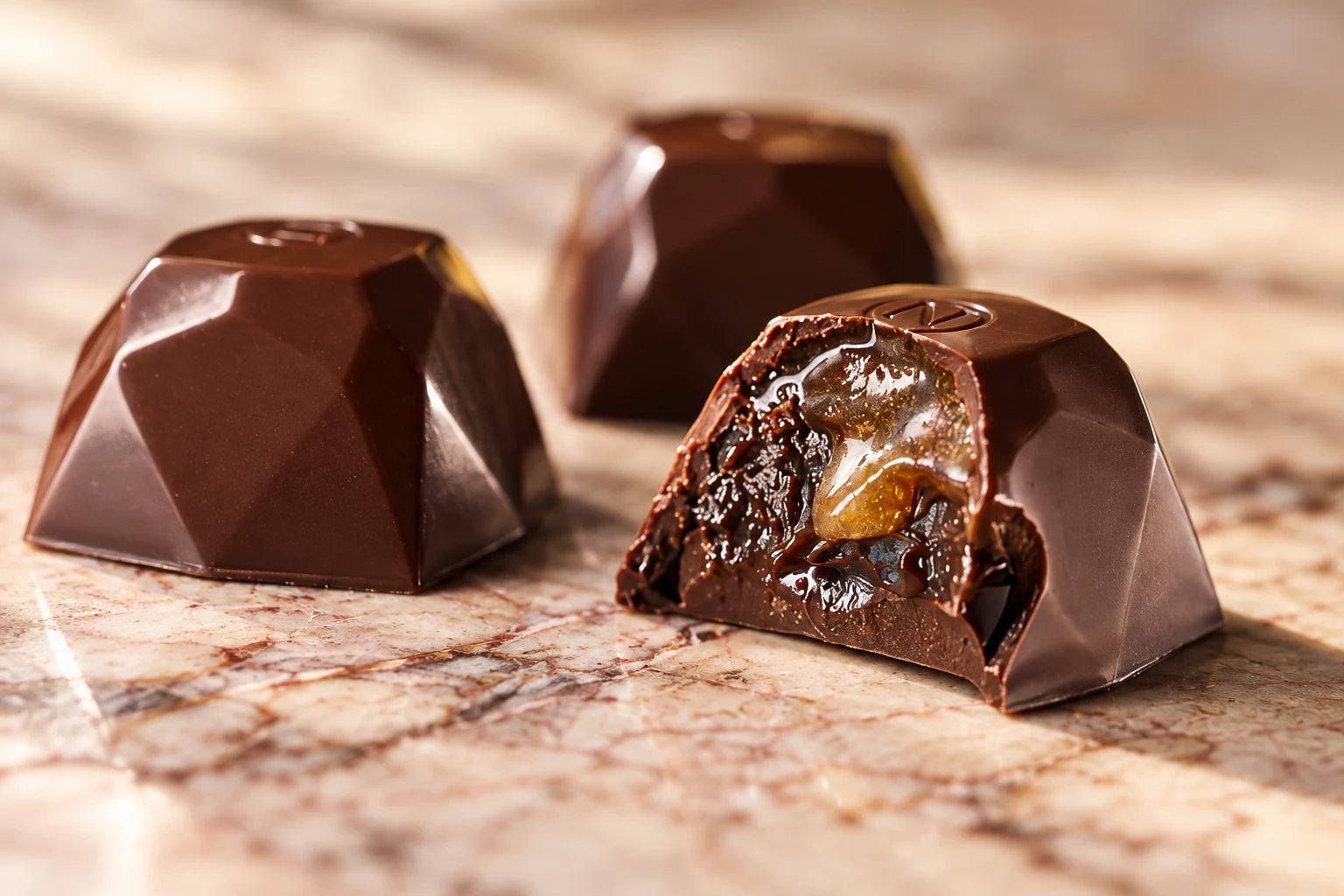
In Belgium, praline is a filled chocolate bonbon: a thin chocolate shell surrounding a soft filling. In France, the same word refers to a different sweet, the almond coated in caramelized sugar; for that reason, in other countries the Belgian praline is often simply called filled chocolate. Fillings vary widely: ganache (chocolate with cream), praliné (paste of hazelnut or roasted almond with sugar), buttercream, caramel, marzipan, fruit or liqueur.
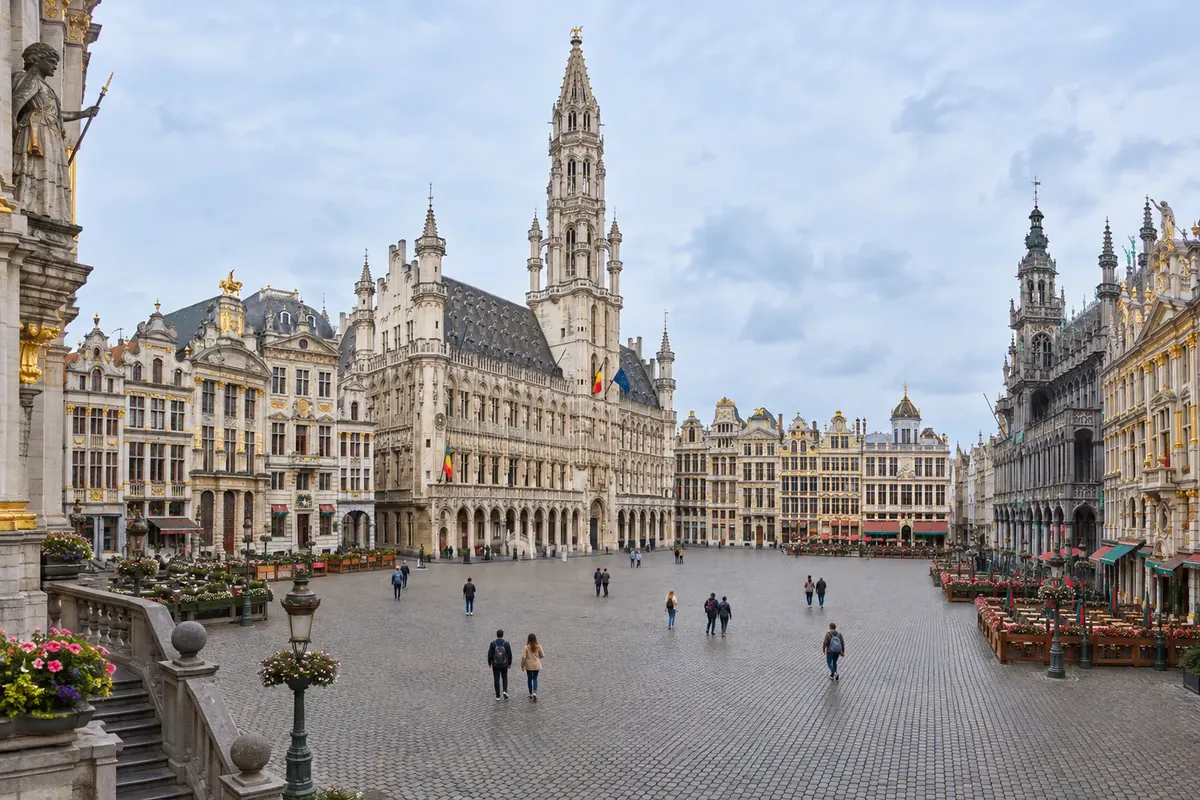
The history of the praline centers on a family and a covered gallery in Brussels. In 1857 the Swiss Jean Neuhaus opened a pharmacy in the Galerie de la Reine, one of the Galeries Royales Saint-Hubert, where he sold lozenges and confectionery. According to the story told by the house itself and repeated by the city’s tourism, he covered bitter-tasting medicines with a layer of chocolate. In 1912 his grandson, Jean Neuhaus Jr., replaced the medicine with a creamy filling and named the result praline.
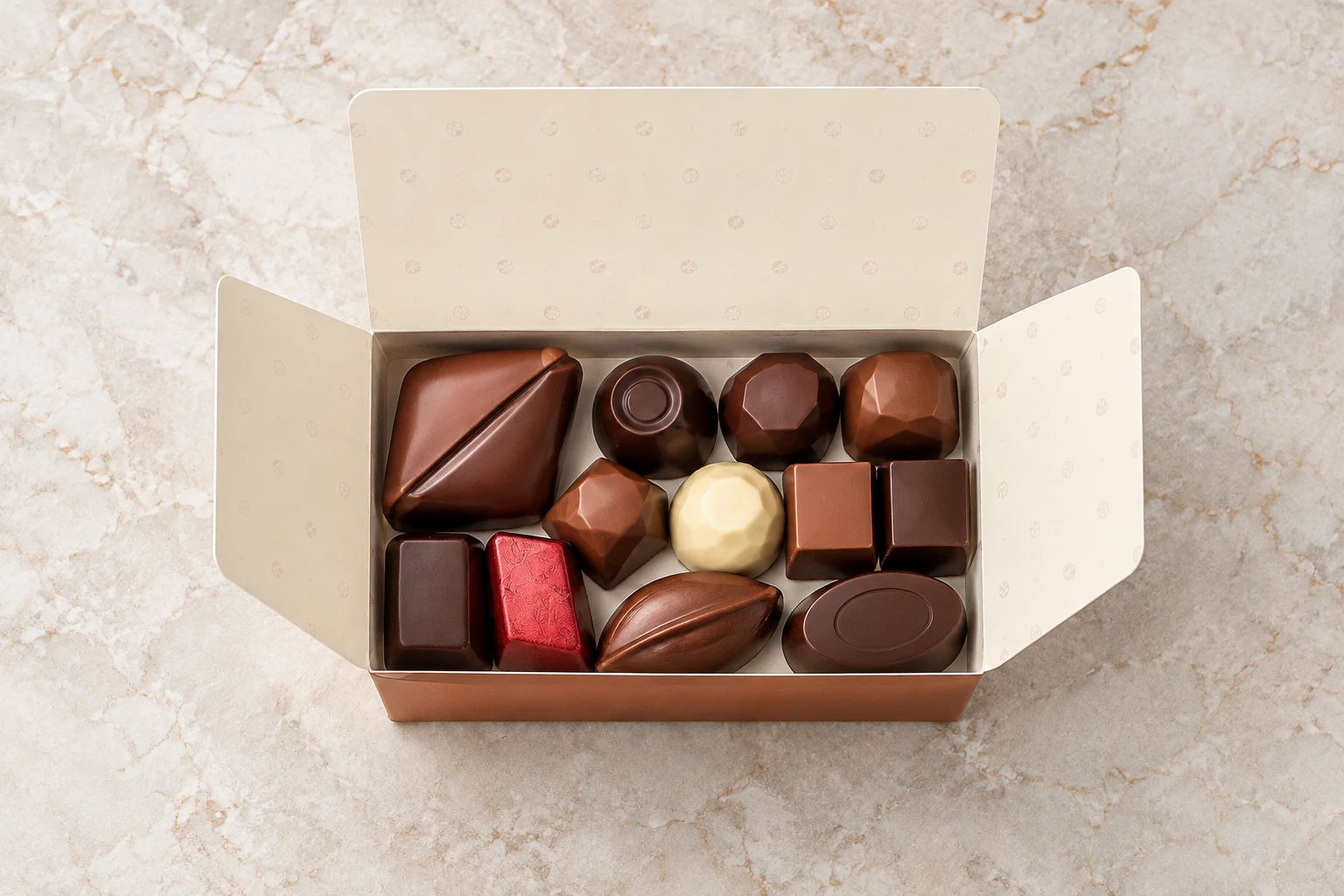
At first, pralines left the shop in paper cones and arrived crushed. In 1915 Louise Agostini, wife of Jean Neuhaus Jr., designed a rigid cardboard box for transporting them: the ballotin. The box came in many sizes, from a single praline up to a kilo, and became the typical packaging for chocolate gifts in Belgium.
Other chocolatiers soon copied the novelty, and the praline became a specialty across the country. Some houses linked to Brussels became known worldwide, such as Leonidas, founded by confectioner Leonidas Kestekides, who was awarded at the Ghent world exhibition in 1913 and later settled in the capital, and Godiva, whose story begins with the pralines Pierre Draps started making in Brussels in 1926. The Brussels-Capital Region inscribed the tradition and know-how of chocolate on its inventory of intangible cultural heritage, presenting the city as the birthplace of the praline and the ballotin.
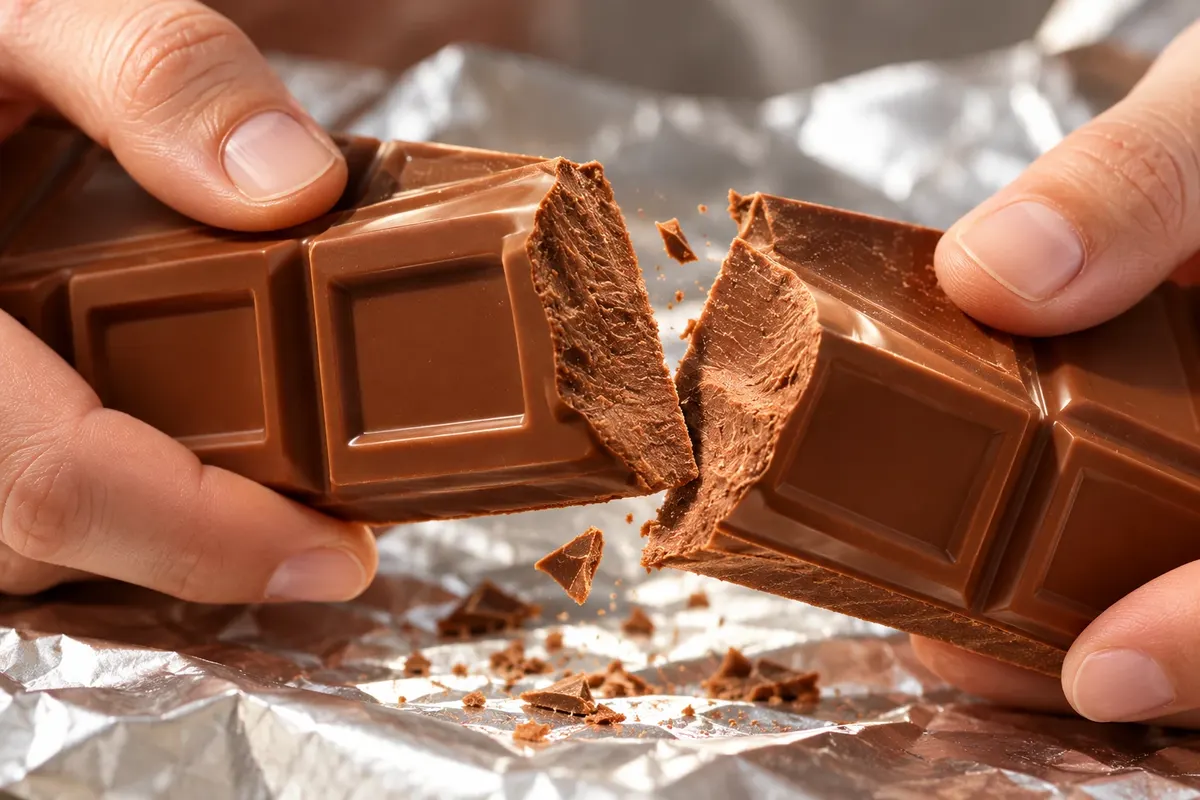
There are two main methods of making them. In molded pralines, tempered chocolate is poured into molds to create the shell, which is filled and then sealed. In dipped pralines, a ready filling is immersed in tempered chocolate. Tempering, a precise control of temperature, is what gives chocolate its shine and the snap when bitten. According to the same inventory, Belgian chocolatiers maintain a commitment to use only cocoa butter in the chocolate mass.
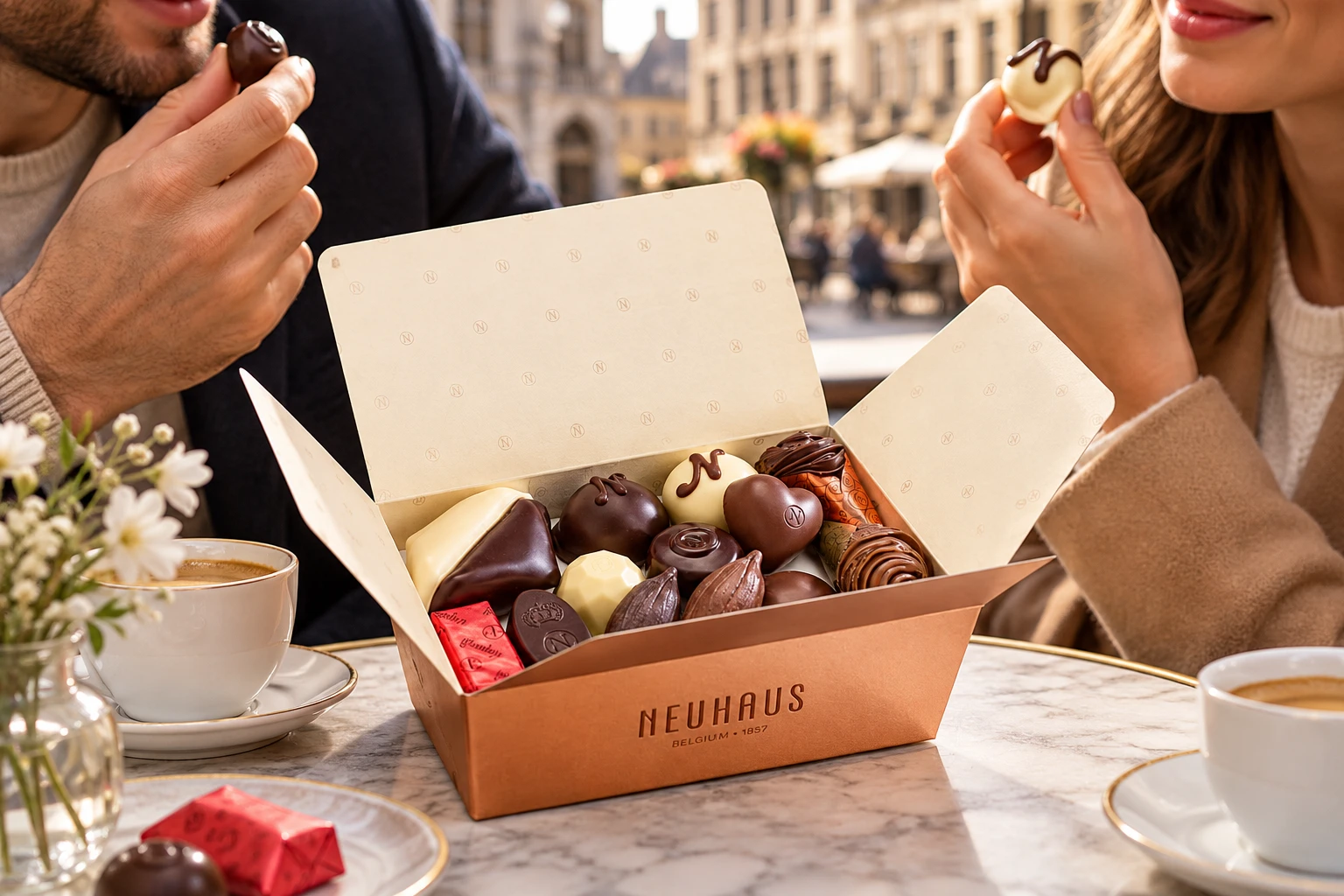
In Belgium, pralines are a common gift on visits, special occasions and at work, and often arrive at the table with coffee at the end of a meal. In chocolateries they are sold individually or in ballotins, and each house has its own shapes and fillings.


 Brazil
 Argentina
 Bolivia
 Chile
 Colombia
 Ecuador
 Guyana
 French Guiana
 Falkland Islands (Malvinas)
 Paraguay
 Peru
 Suriname
 Uruguay
 Venezuela
 Germany
 Austria
 Croatia
 Denmark
 Spain
 Finland
 France
 Greece
 the Netherlands
 Hungary
 Ireland
 Iceland
 Italy
 Luxembourg
 Norway
 Poland
 Portugal
 the United Kingdom
 the Czech Republic
 Sweden
 Switzerland
 Turkey
 Canada
 the United States
 Mexico
 the Dominican Republic
 South Africa
 Australia
 Fiji
 New Zealand
 Papua New Guinea