Antwerpse handjes
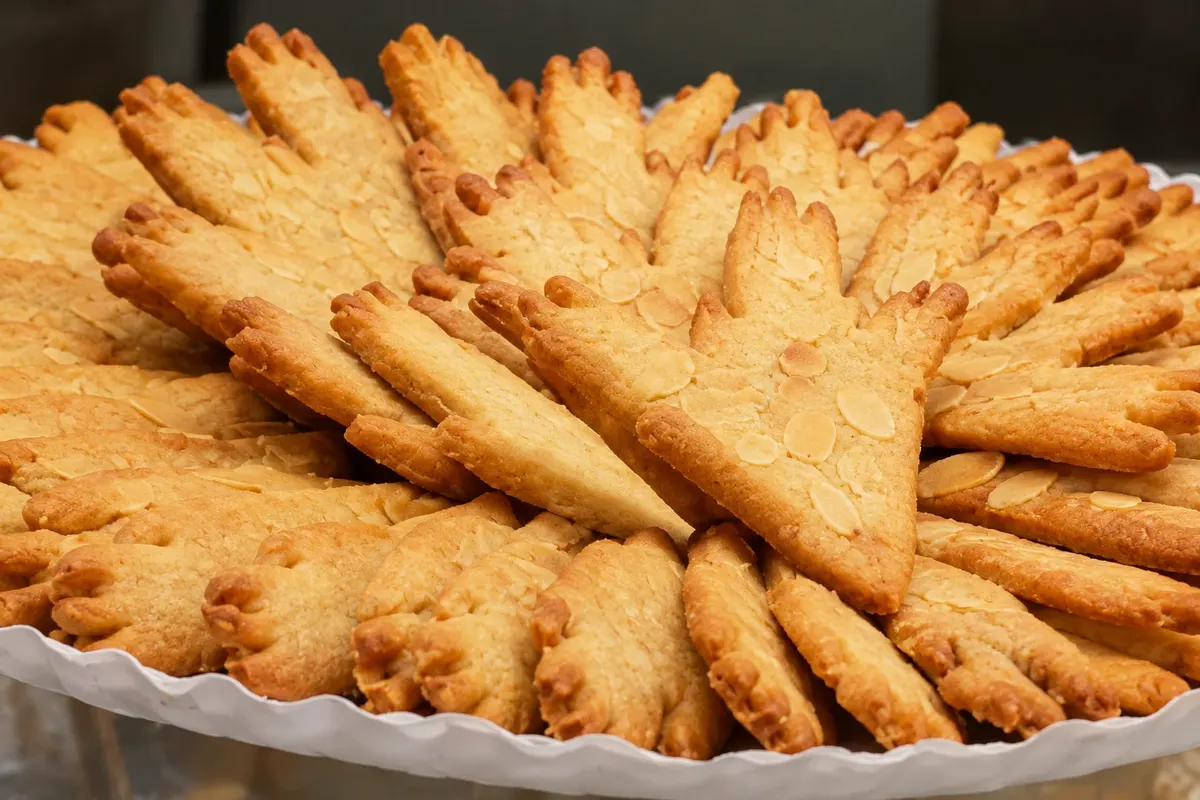
Butter cookie with almond slices, or chocolate bonbon, shaped like a hand. It recalls the legend of the hero Brabo and the giant Antigoon, which explains the name Antwerpen, and has been a city specialty since 1934.
Illustrative images. The pictures in this guide are illustrations based on the real place, not photographs, and may differ from it.
Flavors · Flandres Ocidental
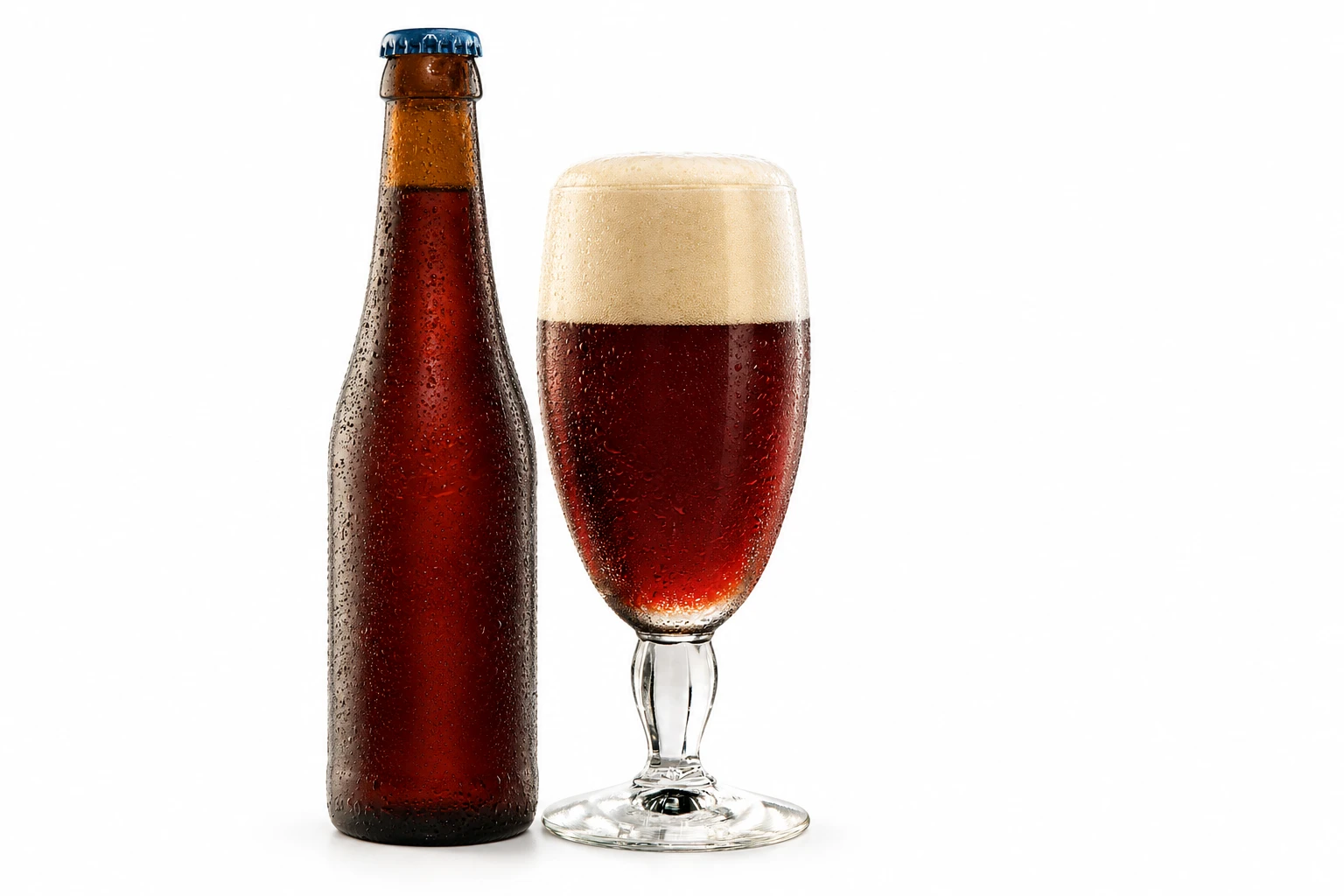
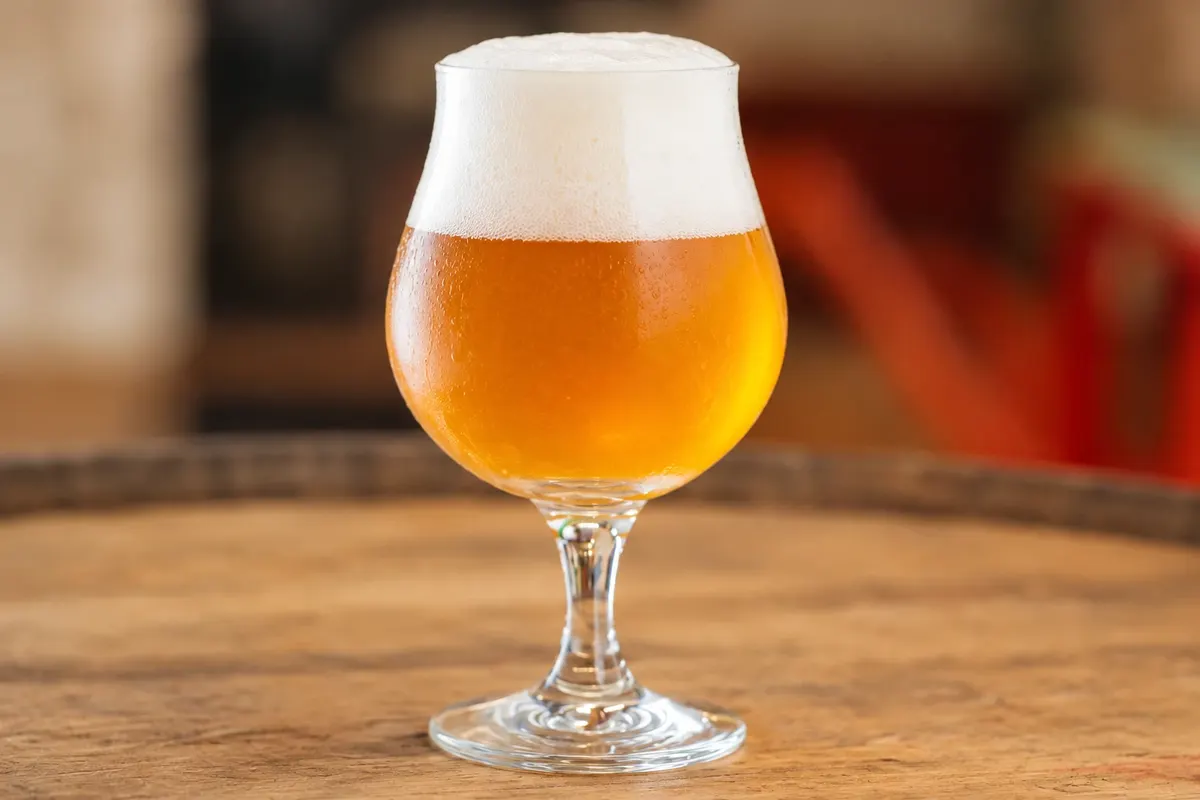
Mixed-fermentation beer, mildly acidic, matured in large upright oak barrels called foeders. The European Union protects the name as a geographical indication, with production in parts of West Flanders.
Traditional drink from Flandres Ocidental
Also known as: Flanders Red Ale, roodbruin bier, Zuid-West-Vlaams roodbruin bier
Click a photo to enlarge it.
Vlaams roodbruin bier — Flandres Ocidental, Belgium
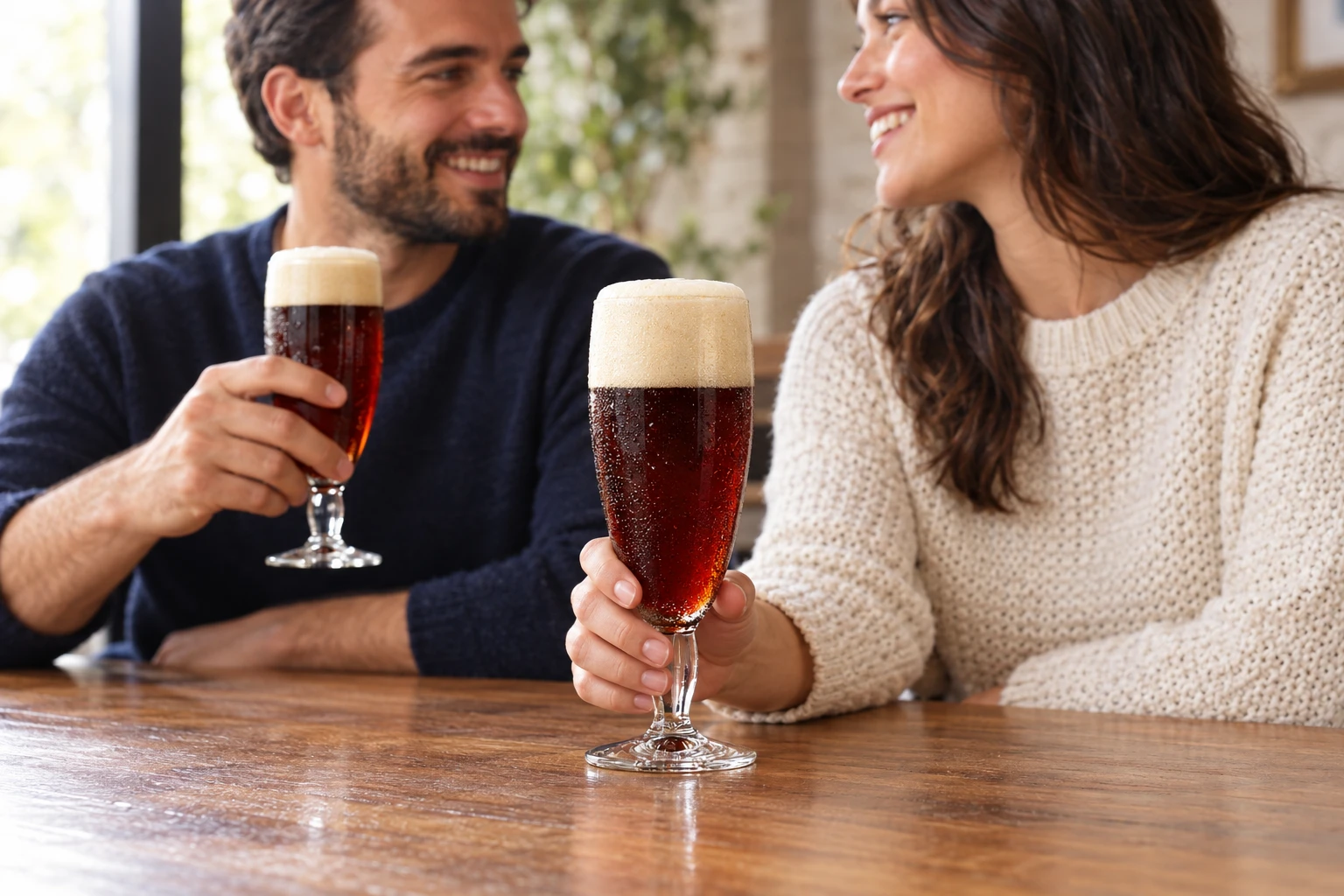
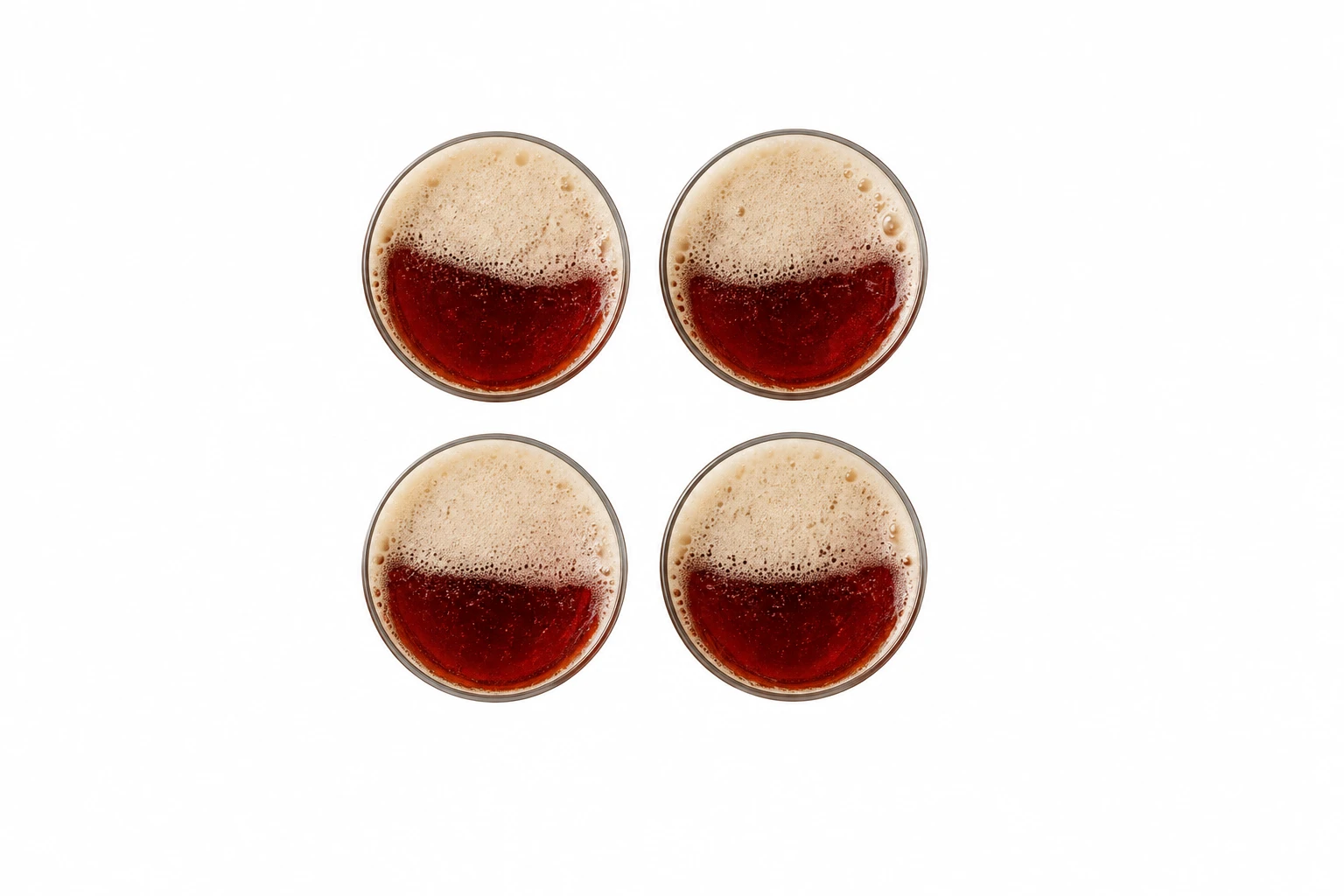
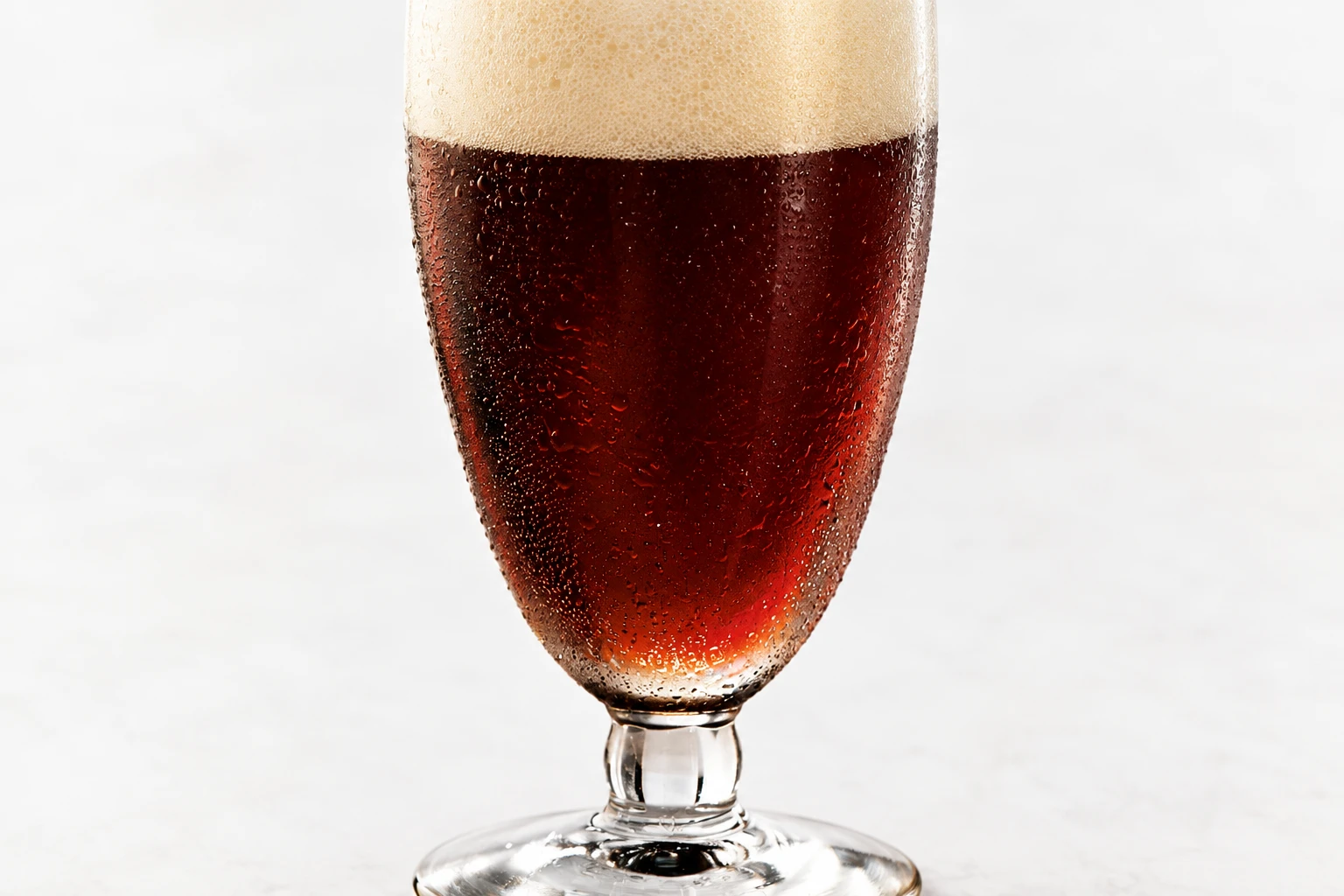
Vlaams roodbruin is a reddish-brown beer with a mildly acidic taste. What defines it is the maturation: all or part of the beer spends a long time in foeders, huge upright oak barrels. There, yeasts and bacteria continue their work and give the beer its acidity and fruity aroma.
Brewing begins like other top-fermented beers. Then, in the wood, mixed fermentation occurs with microorganisms such as Saccharomyces, Lactobacillus and Brettanomyces. Many breweries blend matured beer with young beer to balance the flavor. Hops are used sparingly, because bitterness does not pair well with acidity.
Its origin lies in the Middle Ages, in the former County of Flanders, west of the Scheldt river. Beer was flavored with a mixture of herbs, the gruit, instead of hops, and therefore did not keep well; maturation in wood and slight acidity helped preserve it. Later, the matured beer began to be blended with young beer, a technique that survives today.
The European Union registered the name Vlaams roodbruin bier / Flanders Red Ale as a protected geographical indication. Brewing, maturation in the barrels and blending must take place in defined parts of West Flanders, where breweries in towns such as Roeselare and Vichte maintain whole rooms of foeders.
It is served cool, as an aperitif or at the table. Some versions include red fruits, and those with more matured beer are more acidic and complex.

Flandres Ocidental
European geographical indication: brewing, maturation in foeders and blending in defined parts of West Flanders.
Barley malt, yeast, other raw or malted cereals or fermentable sugars, local water, hops and, depending on the brewery, herbs, red fruits and natural sugars.
Cold, in a glass, as an aperitif or to accompany a meal.
Your questions
It is a reddish-brown beer from West Flanders, made by mixed fermentation with a mildly acidic flavor, matured in large oak barrels. The name is protected by the European Union.
They are huge upright oak barrels where roodbruin beer matures for long periods. The wood and the microorganisms that live in it give the beer its acidity and aroma.
Because of mixed fermentation in the wood: in addition to yeasts, lactic bacteria act during maturation and produce a mild acidity.
Flavors of Belgium

Butter cookie with almond slices, or chocolate bonbon, shaped like a hand. It recalls the legend of the hero Brabo and the giant Antigoon, which explains the name Antwerpen, and has been a city specialty since 1934.

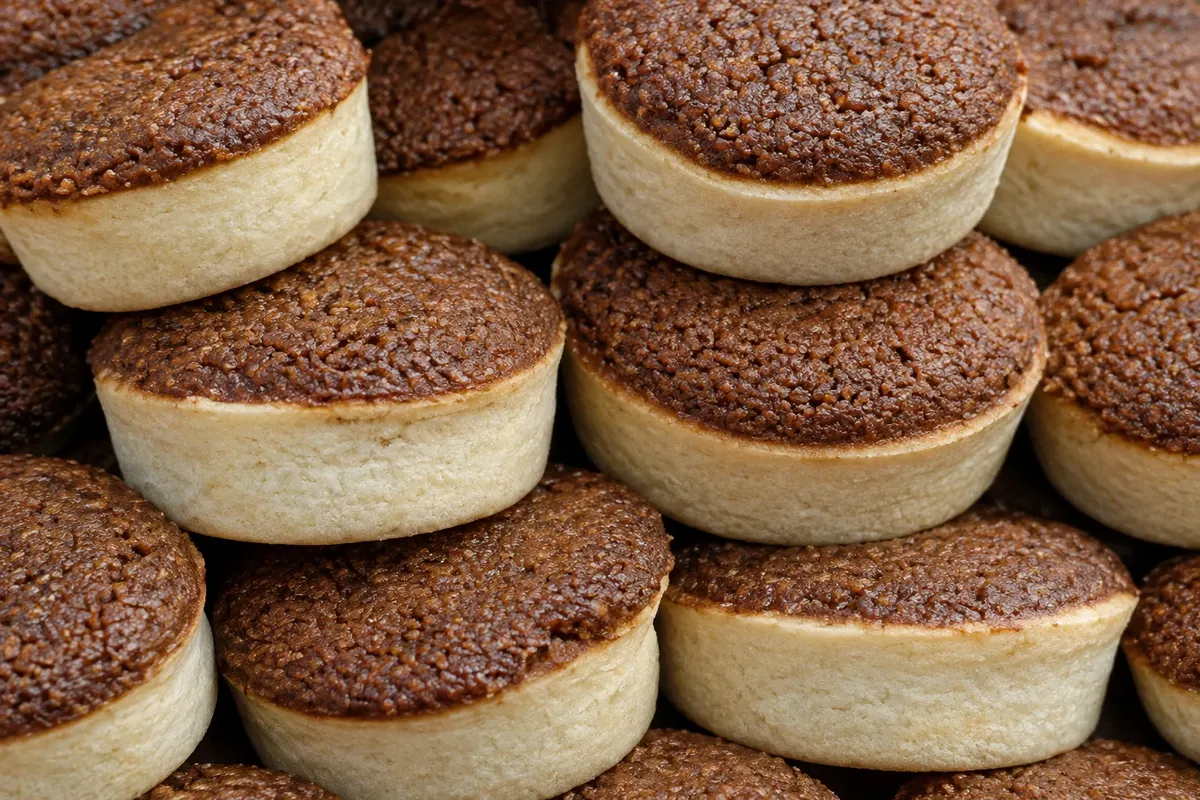
Round tartlet from Lier, in the province of Antwerp, with a crisp sugar-free pastry and a dark filling of breadcrumbs, cane sugar syrup and spices. The name is protected by a European geographical indication.

Beer of spontaneous fermentation, made from a blend of young and aged lambics, which ferments again in the bottle. The tradition comes from the Pajottenland and the Zenne valley in Flemish Brabant, and also from Brussels.

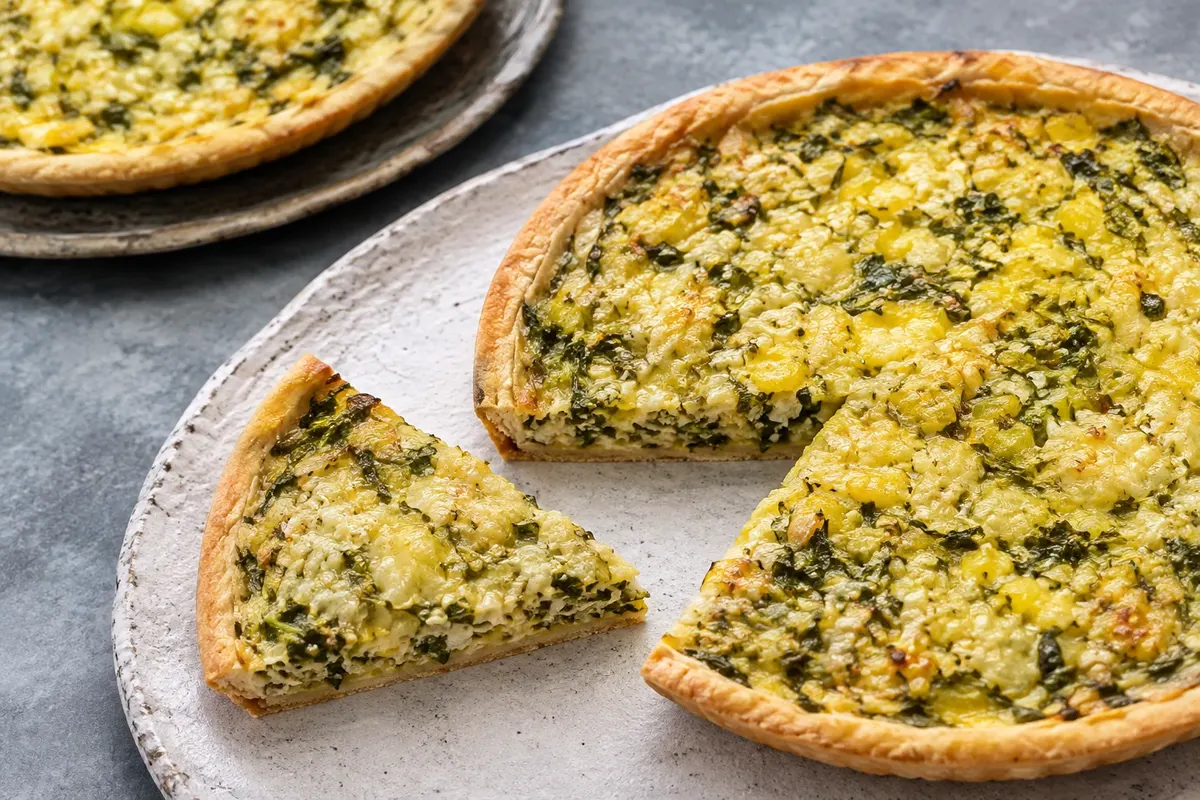
Savory pie from Nivelles, in Walloon Brabant, made with fermented fresh cheese, chard, eggs and plenty of butter, served very hot. A local brotherhood evaluates producers and awards quality seals every year.

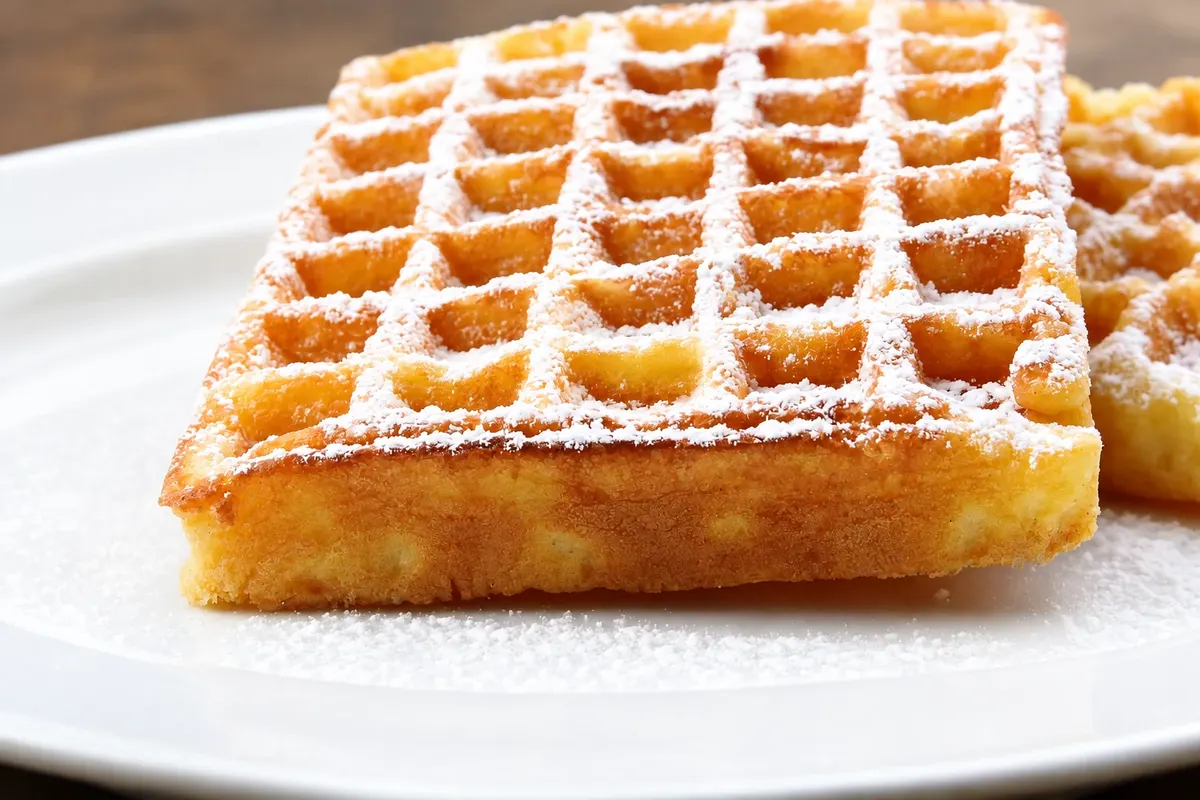
Rectangular waffle, light and crispy on the outside, soft on the inside, served dusted with confectioners' sugar. It is the first specialty presented by Brussels official tourism and appears in Flemish paintings related to celebrations.

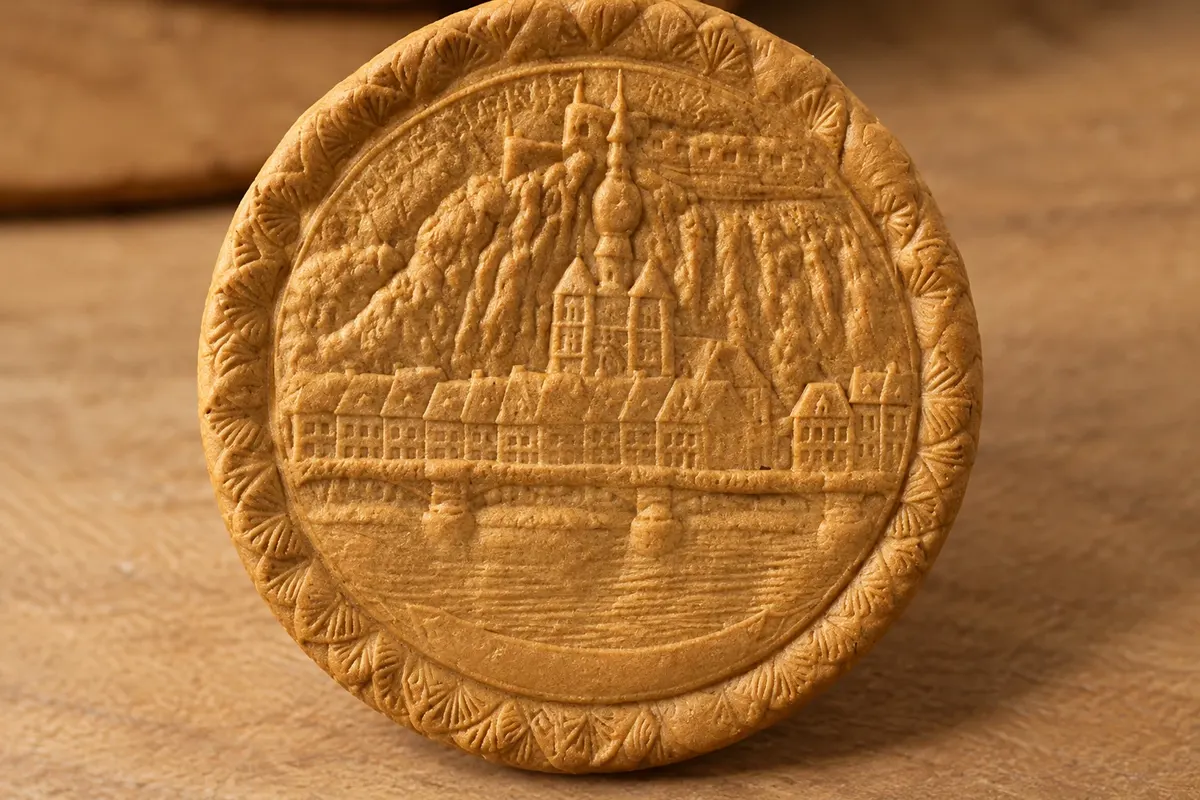
Very hard cookie, made only of honey and wheat flour, pressed in wooden molds carved with animals, figures and views of the city. A tradition of Dinant, in the Meuse valley, it should be softened in the mouth, not bitten.

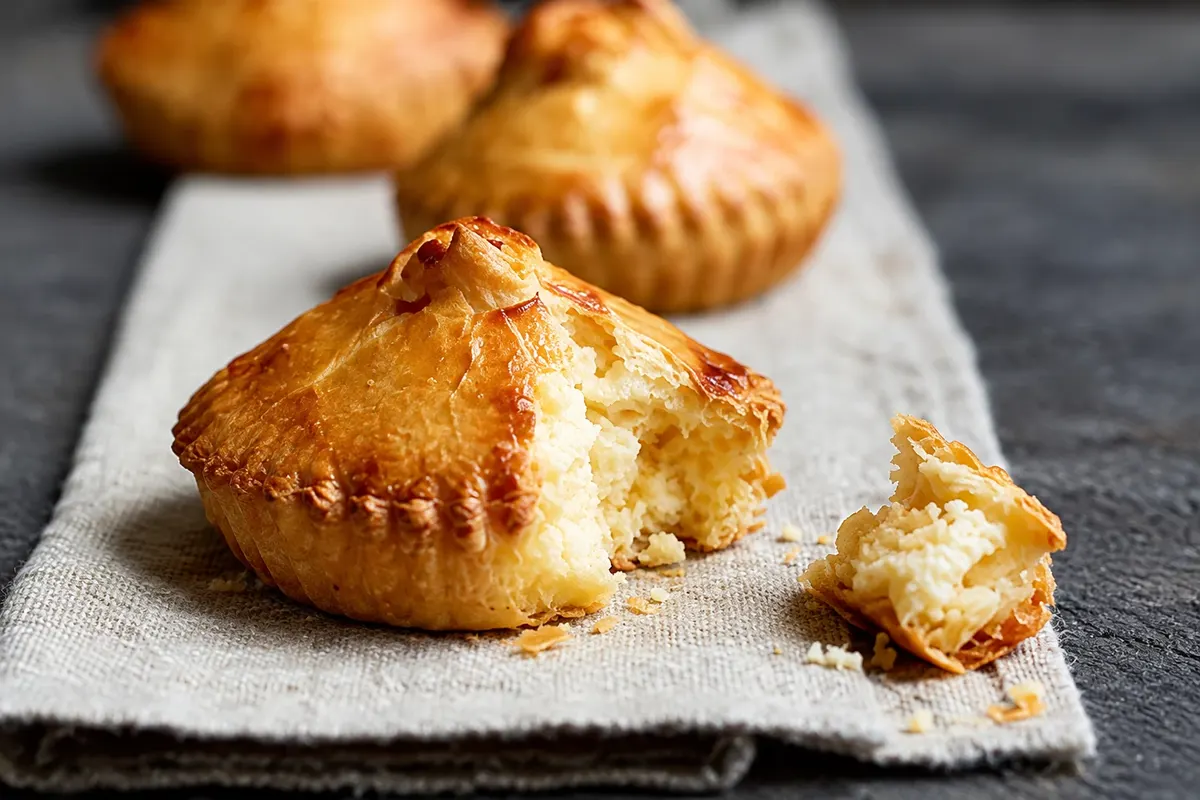
Little tart of puff pastry filled with matten, the curd of raw cow’s milk, eggs and sugar. It is made in Geraardsbergen and Lierde, in the province of East Flanders, and has a protected geographical indication by the European Union.

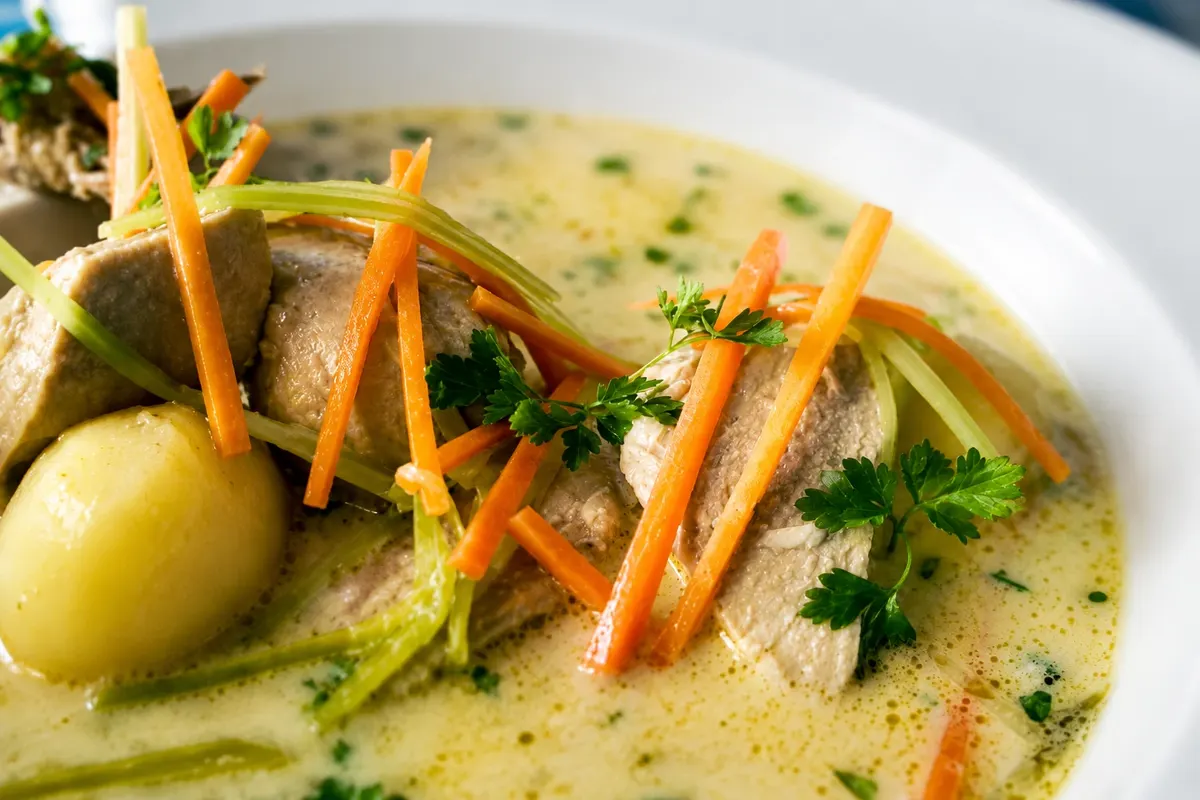
Creamy stew from Ghent, with a broth thickened by cream, vegetables like carrot, leek and celery, potato and chicken. The earliest versions were made with river fish, and fish still appears in some of the city’s kitchens.

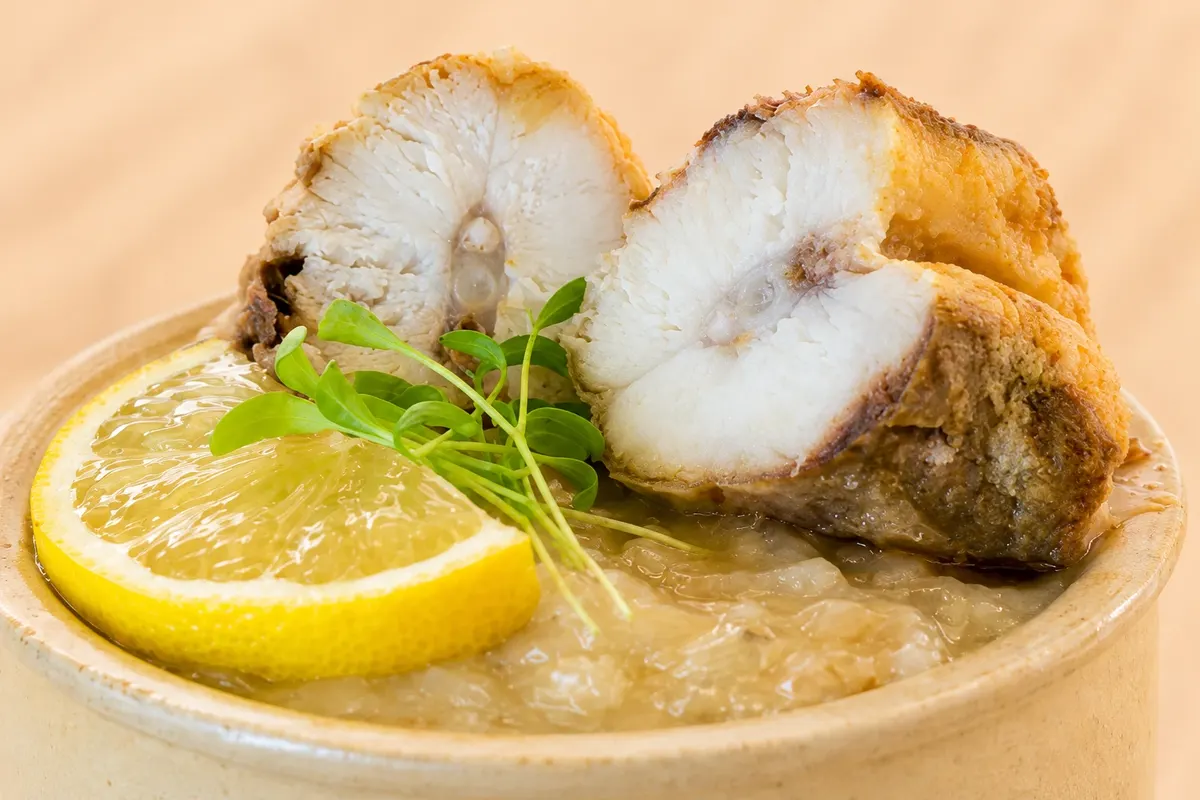
Cooked fish, served cold in a vinegar jelly with onion, traditionally in a stoneware jar. It has a European geographical indication, produced in Chimay and in neighboring municipalities of the provinces of Hainaut and Namur.

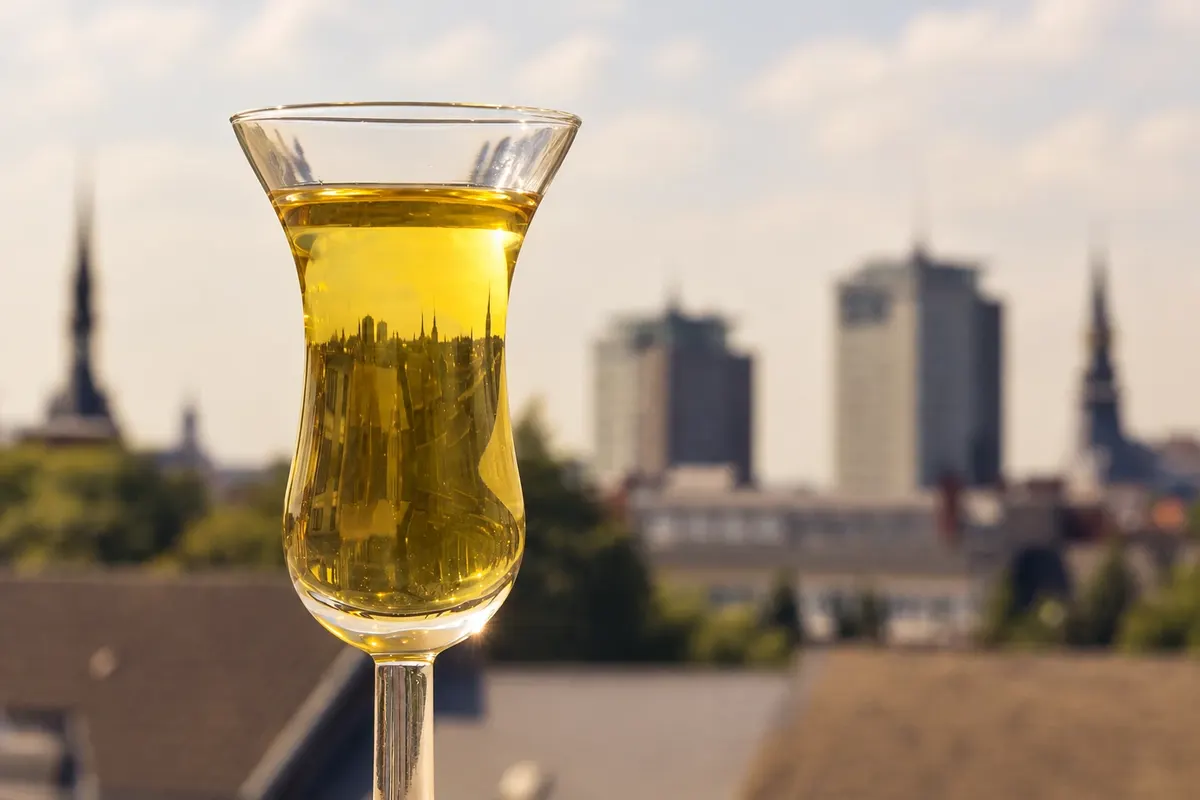
Cereal spirit flavored with juniper and herbs, milder and sweeter than other jenever. It has a European geographical indication: it must be distilled in Hasselt, Zonhoven or Diepenbeek. The city maintains a museum of the drink in a former distillery.

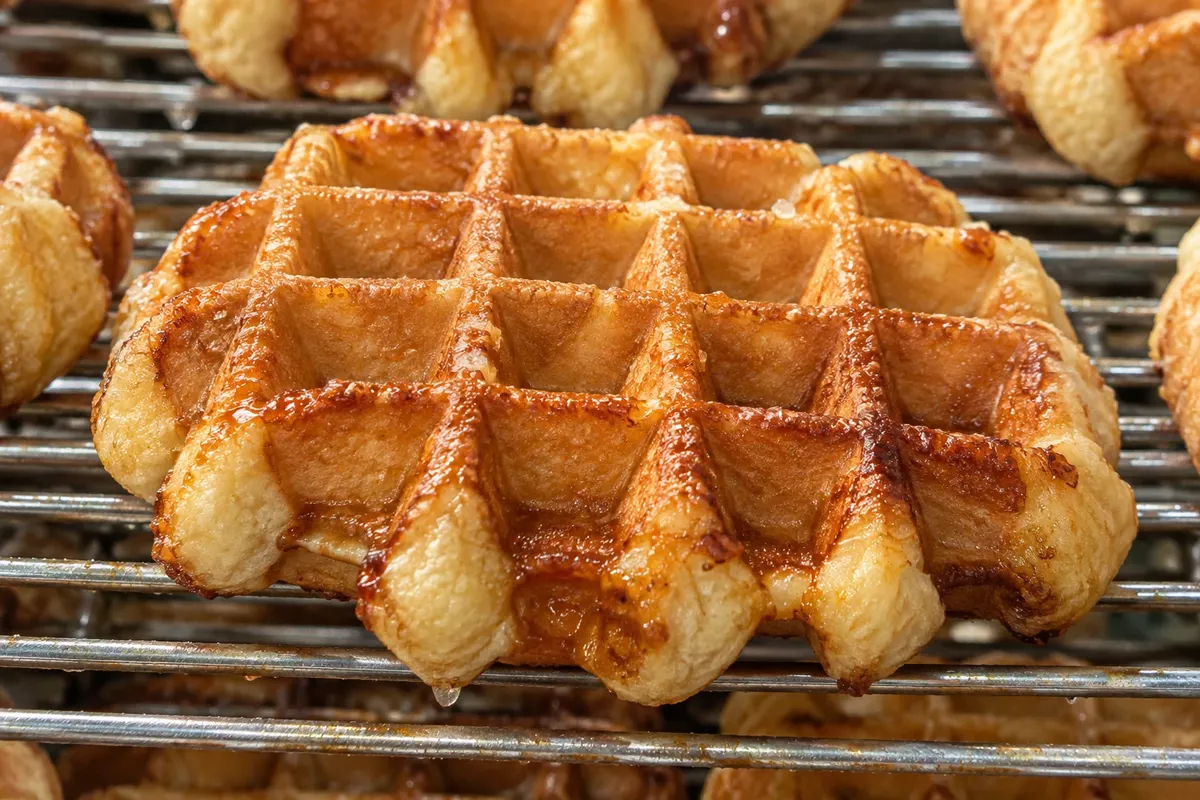
Dense waffle, made from a brioche-like dough with pieces of pearl sugar that caramelize on the griddle. Rounded and without corners, it is eaten hot and without toppings. According to tradition, it was created in Liège in the 18th century.

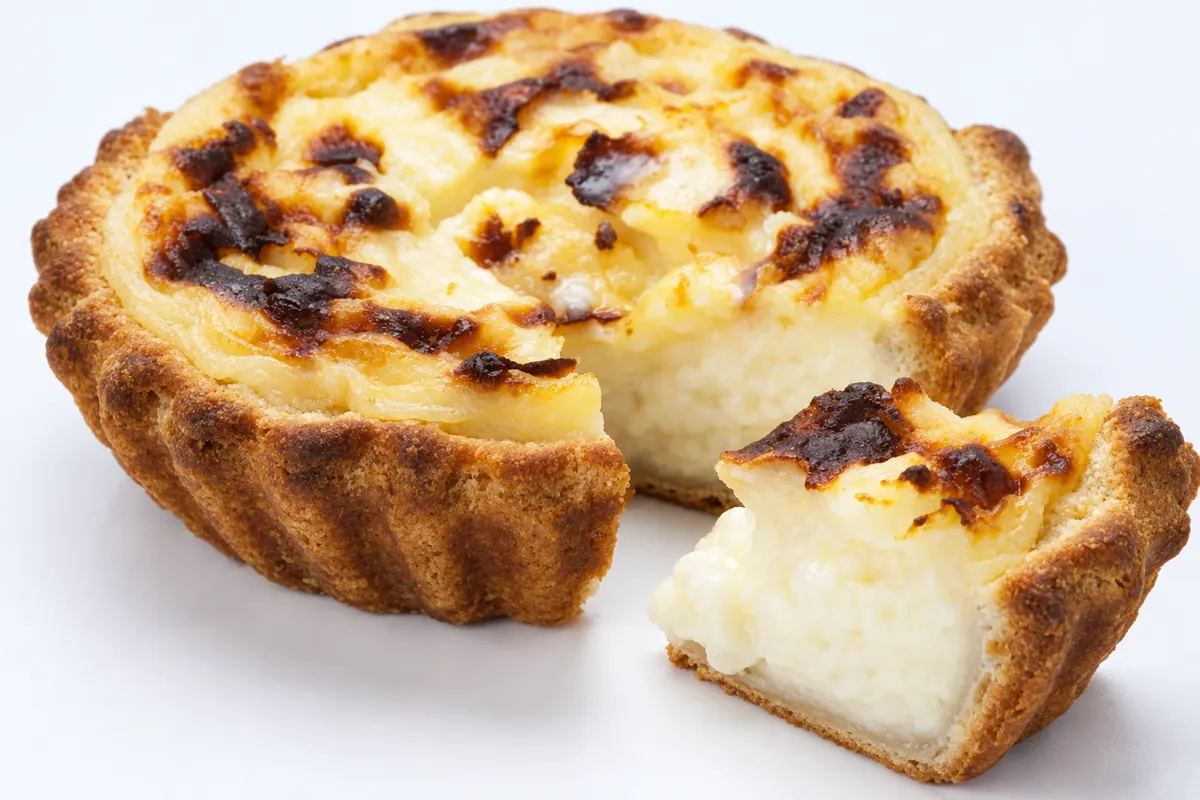
Open tart of creamy rice pudding on a thin crust, typical of Verviers in the province of Liège. Eaten warm or cold, at any time of day, often with coffee.

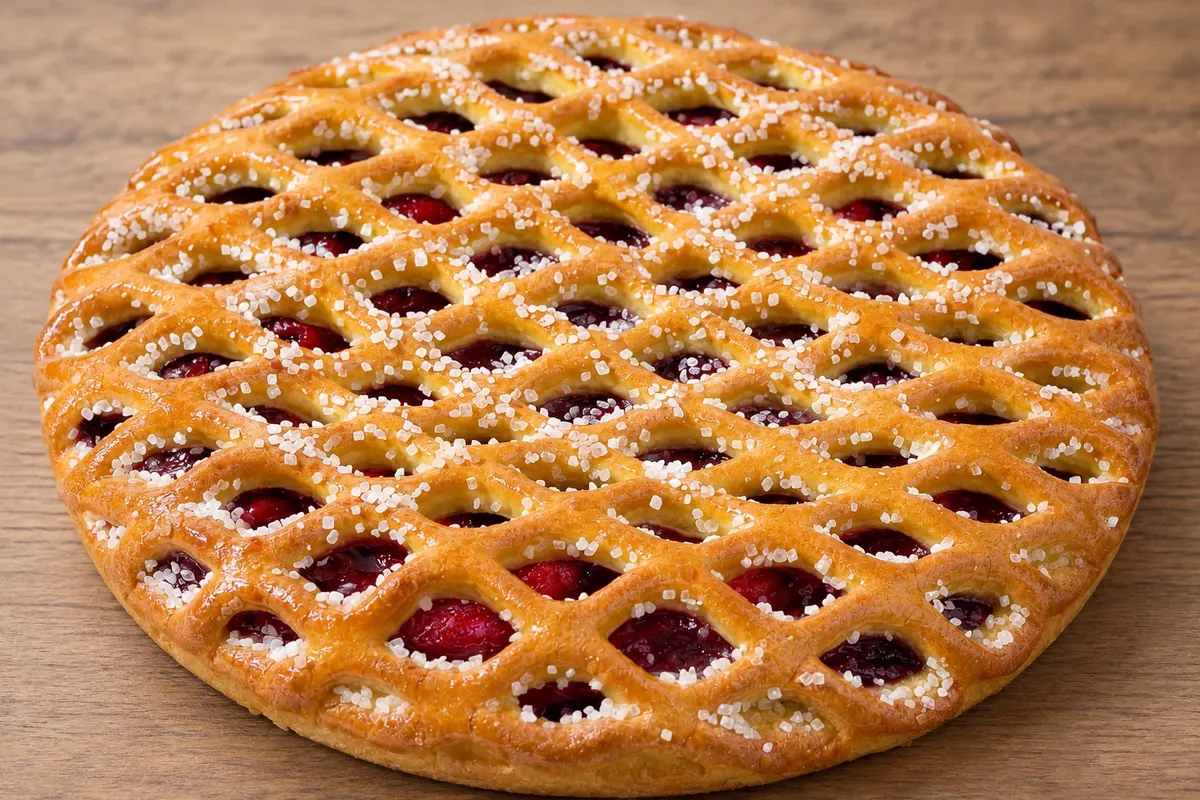
Round tart of thin fermented pastry dough with a generous filling of fruit, rice pudding or cream. It is made in Belgian Limburg and Dutch Limburg, and the name is protected by a European geographical indication.

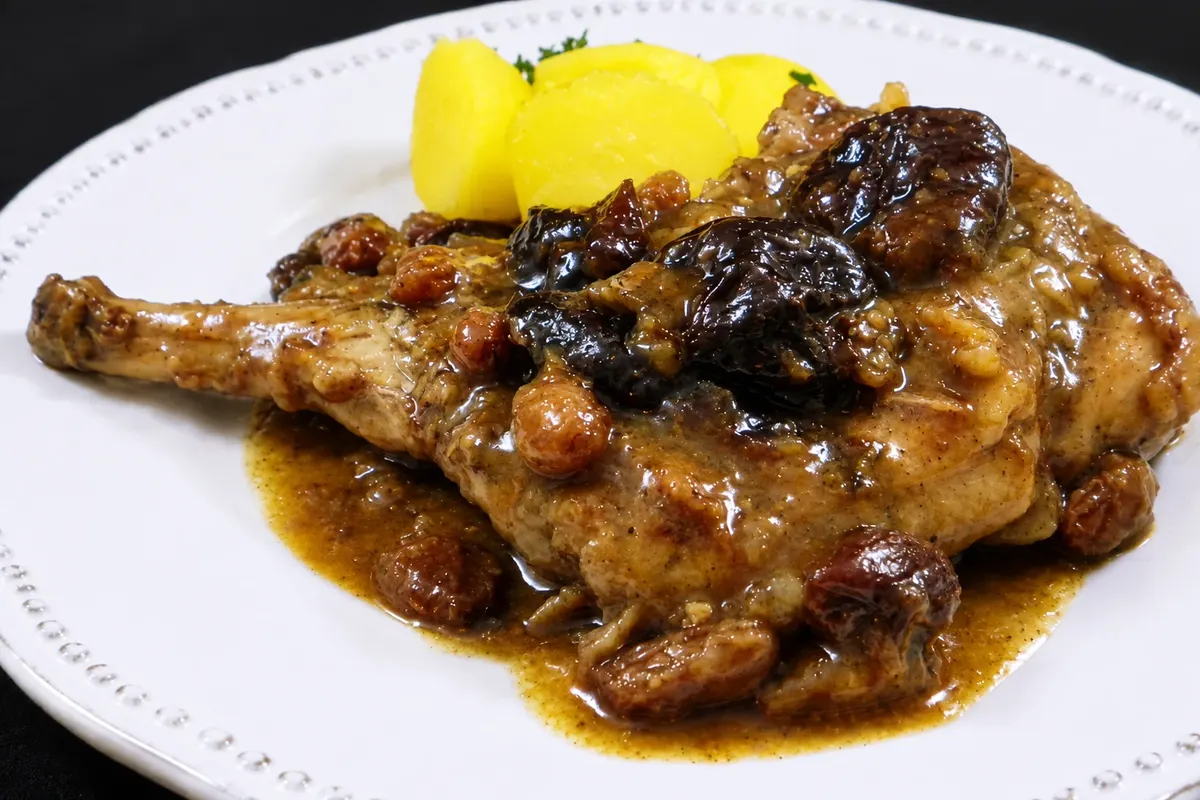
Rabbit slowly cooked with onion, black plum and raisins, served with potato. It is the dish of the Lundi perdu dinner, the Monday after Epiphany, a tradition of Tournai recognized as intangible heritage by the Fédération Wallonie-Bruxelles.