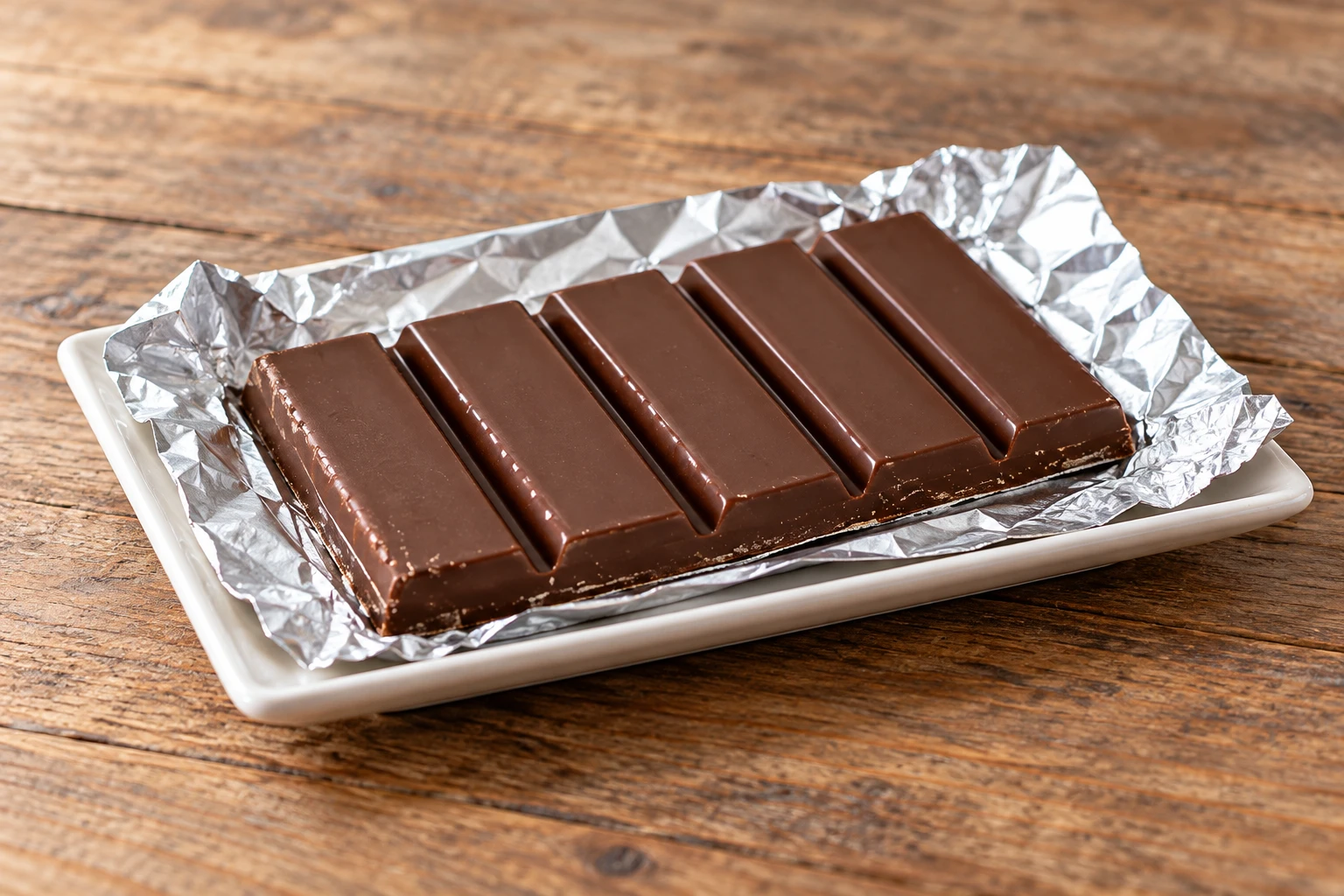
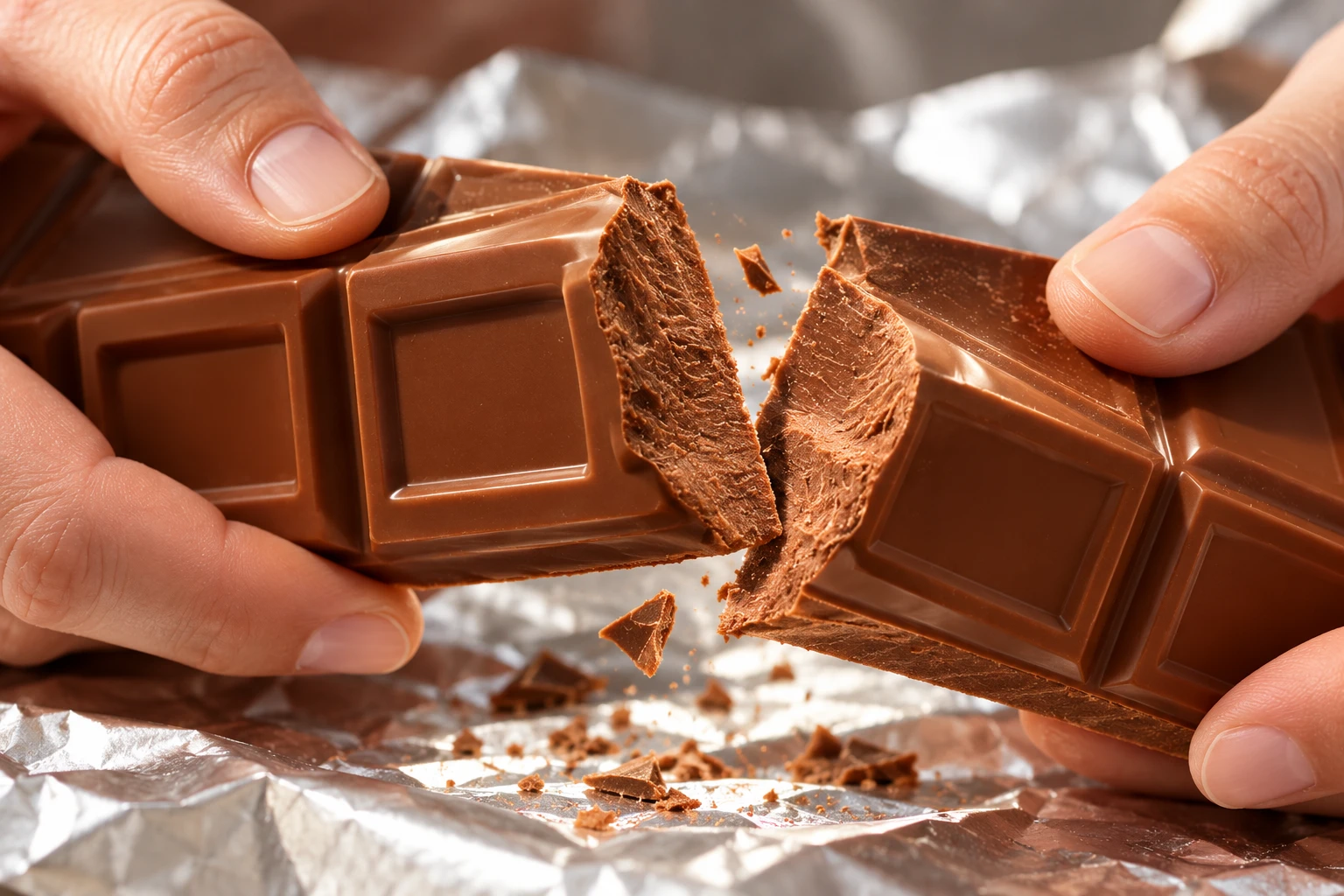
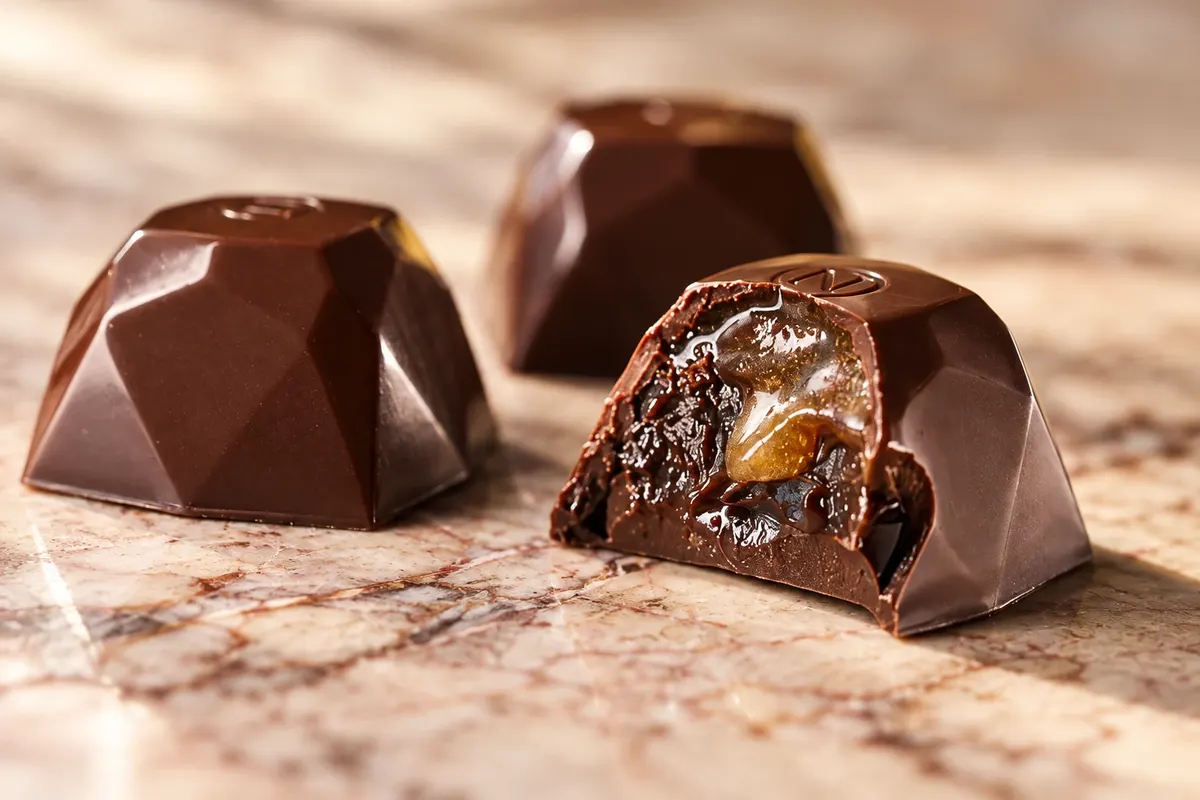
In Belgium, chocolate is part of everyday life. It’s in supermarket bars, neighborhood chocolateries, the spread on breakfast bread, and the boxes taken as gifts. This entry deals with chocolate bars and the country’s chocolate-making tradition; the praline, the filled chocolate bonbon associated with Brussels, has its own page.
Cocoa does not grow in Belgium: it comes from tropical countries in Africa, Latin America, Asia and Oceania. The industry began in the 19th century. Brussels’ inventory of intangible cultural heritage records that the city’s first steam engine, in 1835, moved chocolate production from workshop to factory, and that the first chocolate factory in the country was opened in Antwerp in 1845 by Adolphe Meurisse. The same inventory records that, at one time, some cocoa came from the Congo, then a Belgian colony, but production there remained limited. The name of one of the oldest brands recalls another origin: Côte d'Or means the Gold Coast, the colonial name of present-day Ghana, from where some beans came.
The country has regulated chocolate for a long time. A royal decree of November 18, 1894 began requiring a minimum of 35% cocoa for a product to be sold under that name, to combat fraud. When the European Union allowed up to 5% of cocoa butter to be replaced with other vegetable fats, Belgium opposed it, and the sector remained faithful to recipes using only cocoa butter, according to the same record. Since 2007, the industry association Choprabisco has maintained the Belgian Chocolate Code: the expression Belgian chocolate should be reserved for chocolate mixed, refined and conched in the country.
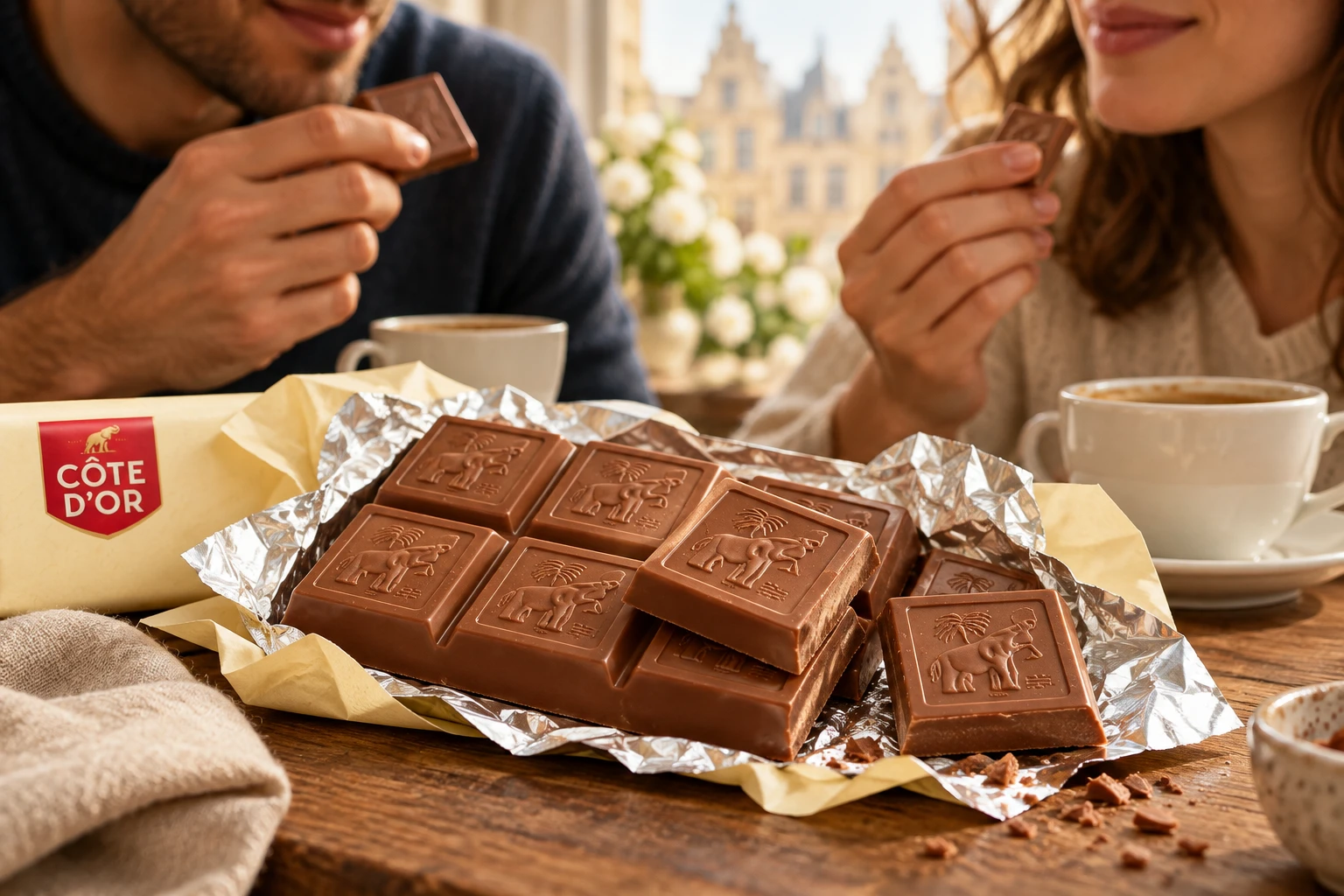
Some brands help tell that story. Côte d'Or was registered in Brussels in 1883 by chocolatier Charles Neuhaus, and the elephant that identifies it has appeared since 1906; the federal government portal Focus on Belgium calls it Belgians’ favorite chocolate. In Wieze, in East Flanders, Octaaf Callebaut began making bars in 1911 on a family property that had been a brewery, and soon started producing couverture chocolate for chocolatiers. The Wieze factory is cited as the largest chocolate factory in the world, and the port of Antwerp is among Europe’s main cocoa ports.
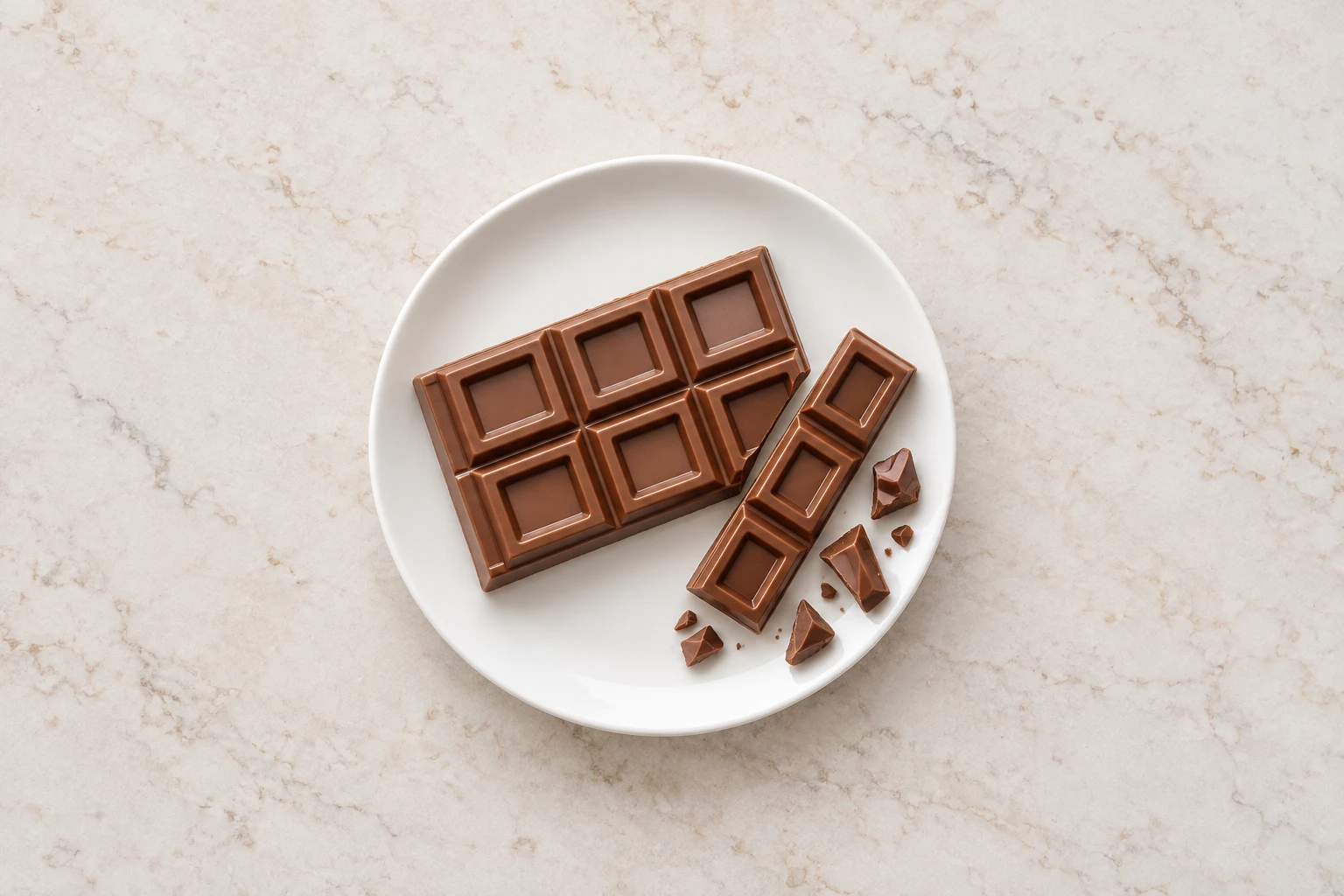
Couverture chocolate, richer in cocoa butter, is the basis of artisanal work: chocolatiers buy this ready chocolate and melt it to mold bars, bonbons and figures, while others roast their own beans. Many chocolateries make house bars from different origins and cocoa percentages, and some restaurants serve small squares of chocolate with coffee.
Chocolate also accompanies travel. According to Brussels’ inventory, it is the preferred gift for private visits, business and diplomatic occasions, and Brussels Airport records the highest volume of chocolate sales among airports in the world. At festive dates, shops fill with chocolate in other forms: eggs and bunnies at Easter, Saint Nicholas figures in early December, hearts on Valentine’s Day.


 Brazil
 Argentina
 Bolivia
 Chile
 Colombia
 Ecuador
 Guyana
 French Guiana
 Falkland Islands (Malvinas)
 Paraguay
 Peru
 Suriname
 Uruguay
 Venezuela
 Germany
 Austria
 Croatia
 Denmark
 Spain
 Finland
 France
 Greece
 the Netherlands
 Hungary
 Ireland
 Iceland
 Italy
 Luxembourg
 Norway
 Poland
 Portugal
 the United Kingdom
 the Czech Republic
 Sweden
 Switzerland
 Turkey
 Canada
 the United States
 Mexico
 the Dominican Republic
 South Africa
 Australia
 Fiji
 New Zealand
 Papua New Guinea