

 Antarctica
 Argentina
 Bolivia
 Chile
 Colombia
 Ecuador
 Guyana
 French Guiana
 Falkland Islands (Malvinas)
 Paraguay
 Peru
 Suriname
 Uruguay
 Venezuela
 Germany
 Austria
 Belgium
 Croatia
 Denmark
 Slovakia
 Slovenia
 Spain
 Finland
 France
 Greece
 the Netherlands
 Hungary
 Ireland
 Iceland
 Italy
 Luxembourg
 Norway
 Poland
 Portugal
 the United Kingdom
 the Czech Republic
 Sweden
 Switzerland
 Turkey
 Bermuda
 Canada
 the United States
 Greenland
 Mexico
 Saint Pierre and Miquelon
 the Dominican Republic
 Japan
 South Africa
 Egypt
 Australia
 Fiji
 New Zealand
 Papua New Guinea
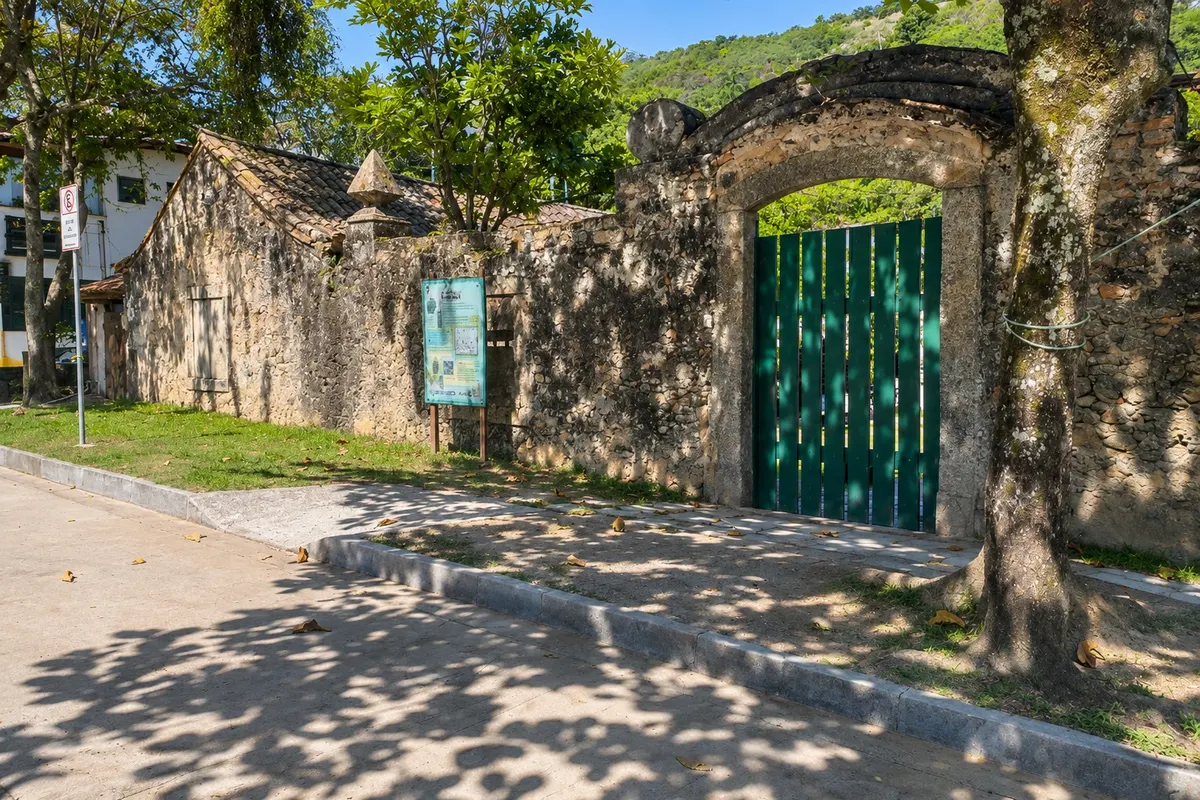
museum · Niterói, RJ
Itaipu Archaeology Museum
Ibram Museum housed in the ruins of the 18th-century Recolhimento de Santa Teresa, next to Itaipu Beach. The collection gathers pieces from the region’s sambaquis and dunes, left by the peoples who lived on the coast thousands of years ago.
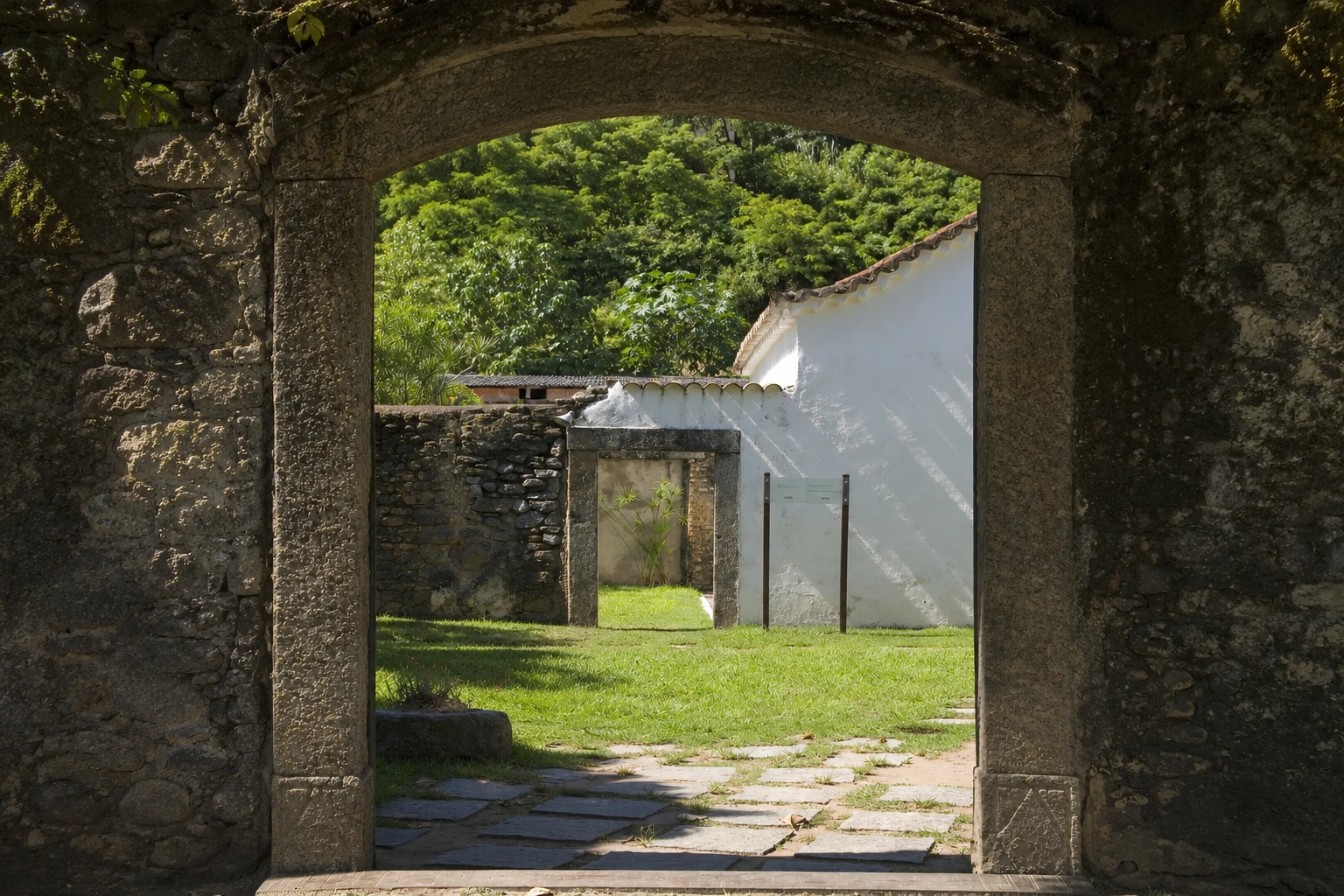
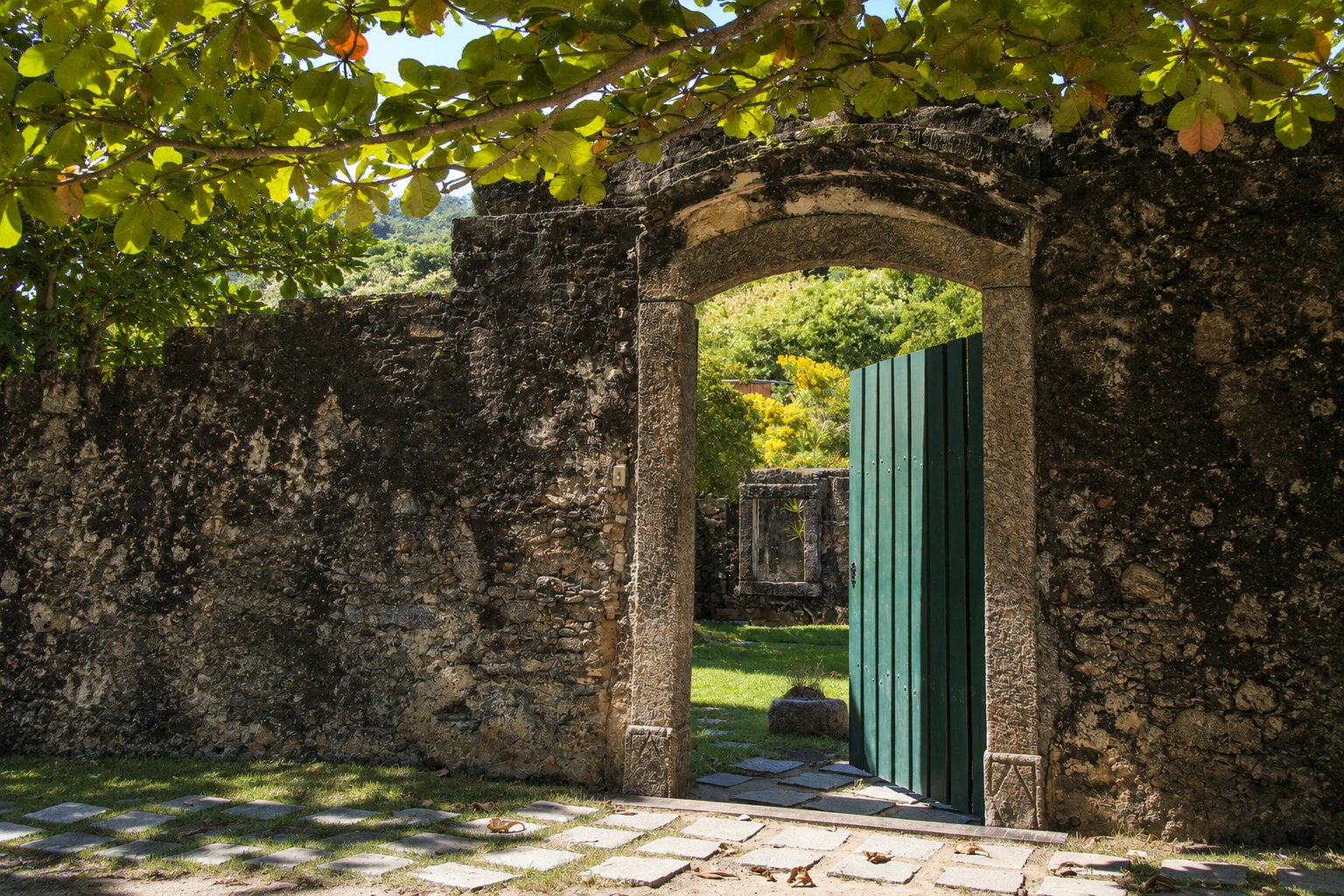
In the photo: Exterior stone masonry façade of the Itaipu museum, green gate under a stone arch, trees and shadows on the sidewalk.
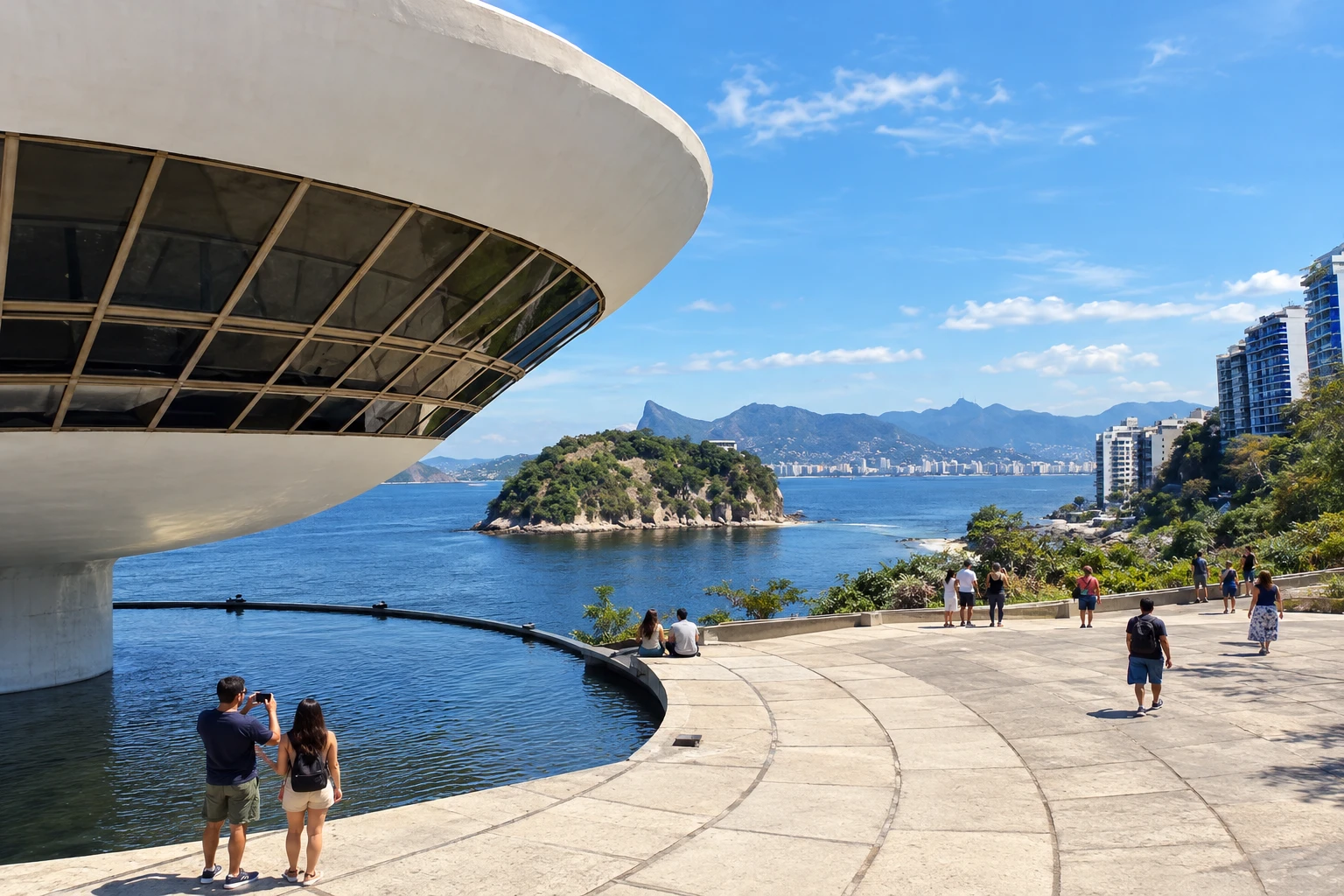
Illustrative images. The pictures in this guide are illustrations based on the real place, not photographs, and may differ from it.


A look at the place
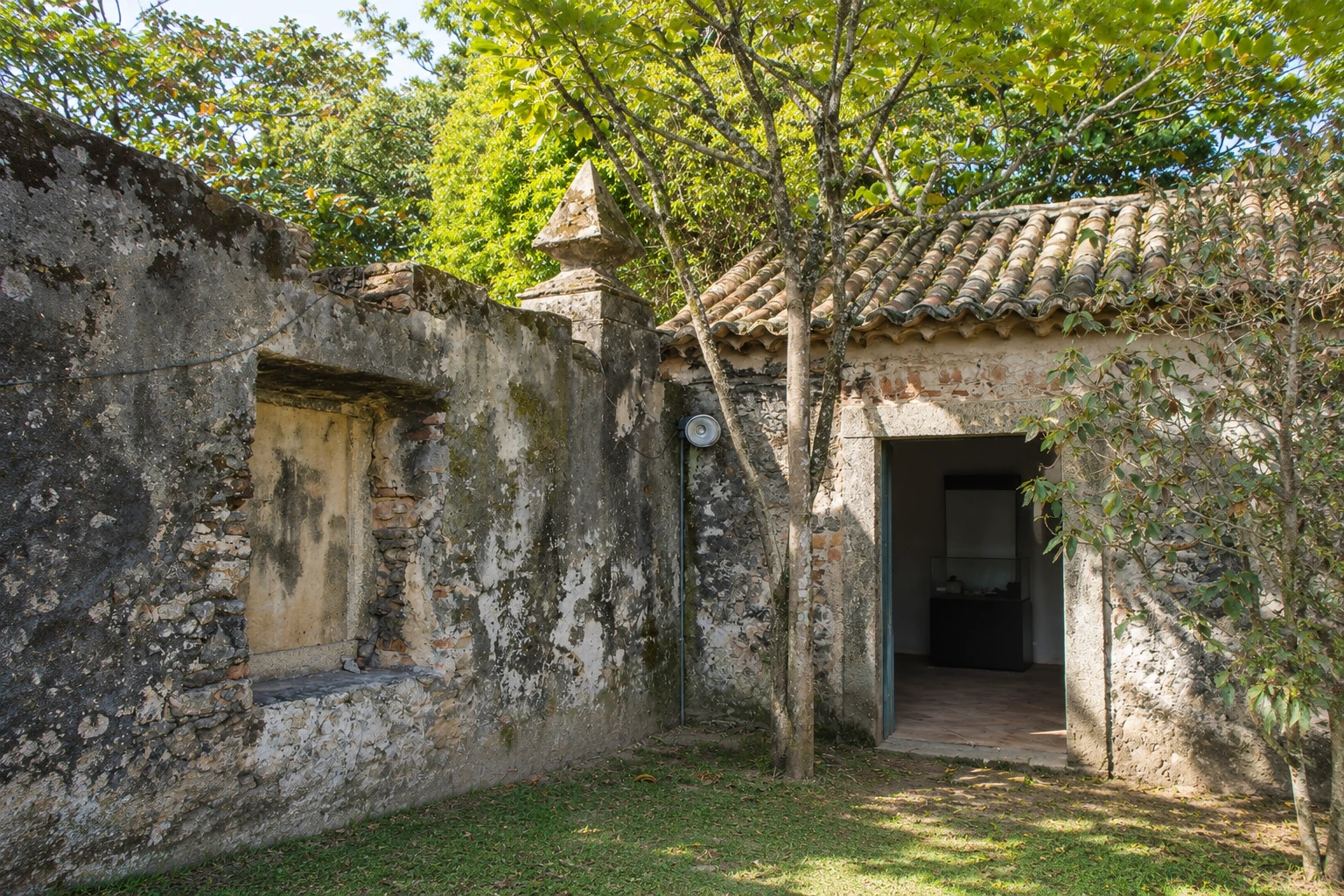
Itaipu Archaeology Museum in pictures
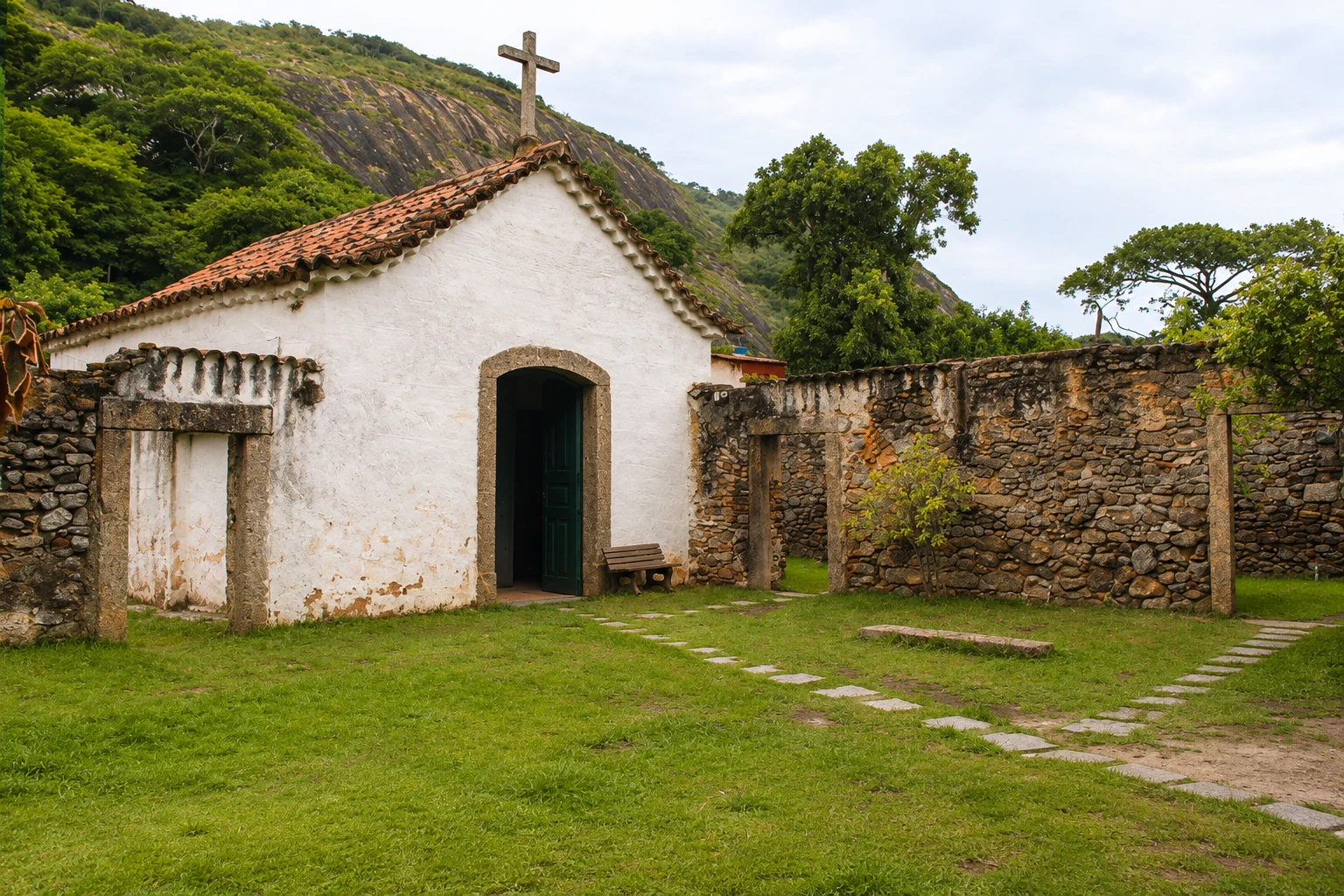
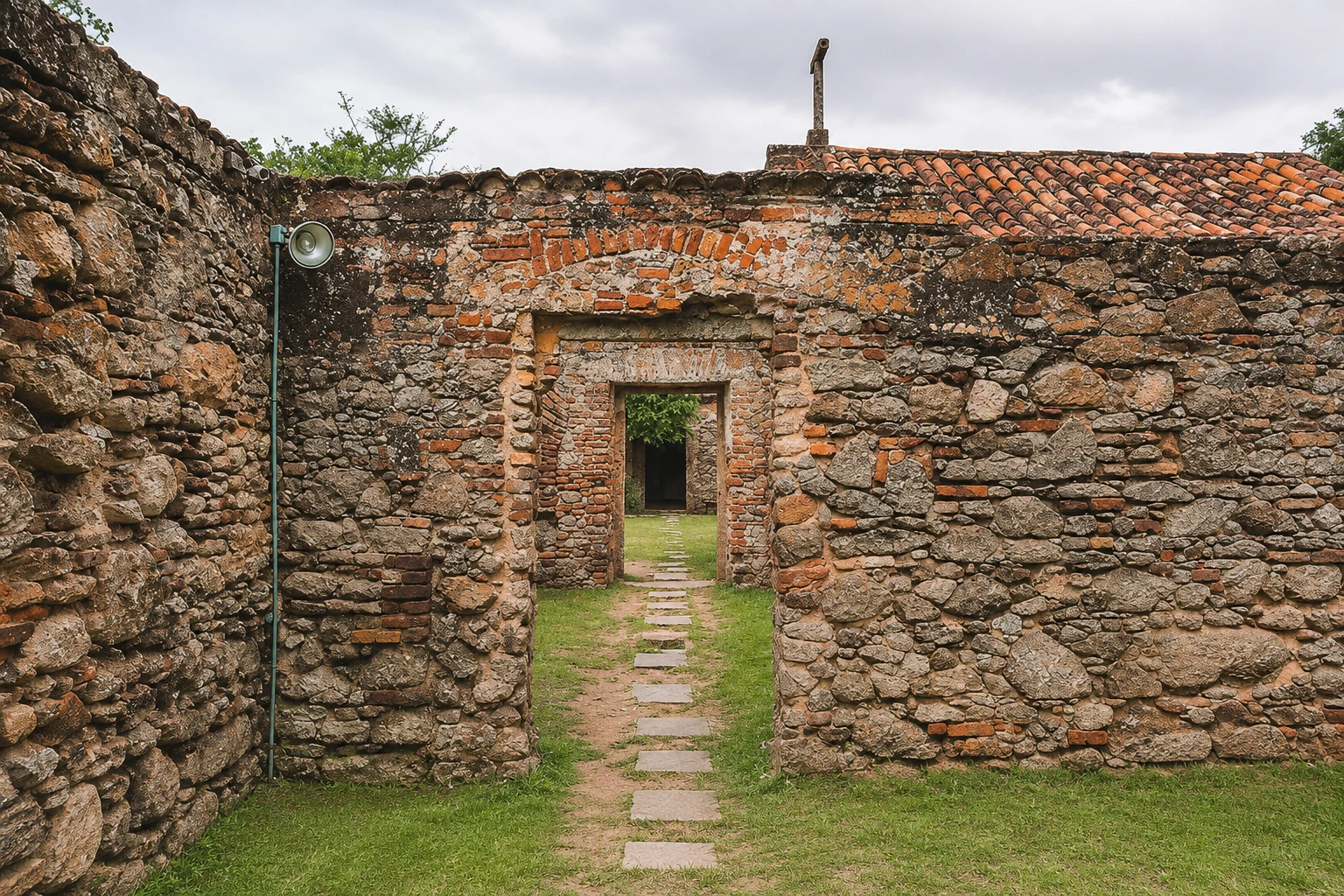
These pictures are illustrations based on the real place, not photographs. They may differ from the place.
Click the picture to enlarge it.
Discover
About Itaipu Archaeology Museum
The Itaipu Archaeology Museum occupies the ruins of the former Recolhimento de Santa Teresa, built in the 18th century next to Itaipu Beach in Niterói’s Oceanic Region. The stone-and-lime walls that remain of the recolhimento, a religious house that sheltered women, were listed as federal heritage in 1955 and today form the museum building.
The museum opened in 1977 and is a unit of the Brazilian Institute of Museums (Ibram). The core of the collection is a set of archaeological pieces assembled by a local resident, Hildo de Mello Ribeiro, to which were added materials from excavations at the Duna Grande site, Duna Pequena and the Sambaqui de Camboinhas, all nearby.
The exhibitions show how the fishing and gathering groups who occupied the coast long before the Portuguese arrived lived: stone and bone tools, shells and food remnants found in the sambaquis, mounds formed by layers of shells accumulated over centuries. The museum also works with the memory of the Itaipu fishing community.
Outside, the ruins stand a few steps from the sand, beside the fishermen’s colony, with Itaipu’s cove and its islands ahead. Visits are often combined with a walk along the beach and the channel that connects the lagoon to the sea.
Opening hours vary during the week: check the museum’s website for visiting days and times before you go.
Before you go
Practical information
Cidade Turismo reviews its information regularly, but something may have changed. Check with the place before planning your trip.
How much time to set aside
From 1 to 1½ hours for the ruins and the exhibitions. Adding Itaipu Beach, allow half a day.
Best time
Year-round, but check ahead for the days the museum is open. In the morning, combine the visit with Itaipu Beach and the activity of the fishing boats; at late afternoon, the cove is lit by the sunset.
How to get there
The museum is on Itaipu Beach, next to the fishermen’s colony, in Niterói’s Oceanic Region. From downtown, follow Estrada Francisco da Cruz Nunes to Itaipu. There are municipal buses from Niterói city center to the beach.
Tip
Visit the museum before walking along Itaipu Beach: after seeing the collection, the surrounding hills and dunes take on a different meaning. Ask at reception whether a guided visit is available that day.
Official website
Get your questions answered
Frequently asked questions about Itaipu Archaeology Museum
Where is the Itaipu Archaeology Museum located?
On Itaipu Beach, in Niterói’s Oceanic Region, next to the fishermen’s colony, in the ruins of the former Recolhimento de Santa Teresa.
What is in the Itaipu Archaeology Museum?
Archaeological pieces from the region’s sambaquis and dunes, such as stone and bone tools, shells and traces of the fishing and gathering peoples who lived on the coast long before the Portuguese arrived.
What is a sambaqui?
A mound formed by layers of shells, food remains and objects accumulated over centuries by peoples who lived on the coast. Near Itaipu, the Sambaqui de Camboinhas was excavated.
Is the Itaipu Archaeology Museum building historic?
Yes. The museum occupies the ruins of the 18th-century Recolhimento de Santa Teresa, listed as federal heritage in 1955.
Is the Itaipu Archaeology Museum open every day?
No. Check opening days and hours on the museum’s official channel, the Brazilian Institute of Museums, before you go.
Beyond the guide


