1 city

 Search
 Brazil
 Antarctica
 Argentina
 Bolivia
 Chile
 Colombia
 Ecuador
 Guyana
 French Guiana
 Falkland Islands (Malvinas)
 Paraguay
 Peru
 Suriname
 Uruguay
 Venezuela
 Germany
 Austria
 Belgium
 Croatia
 Denmark
 Slovakia
 Slovenia
 Spain
 Finland
 France
 Greece
 the Netherlands
 Hungary
 Ireland
 Iceland
 Italy
 Luxembourg
 Norway
 Poland
 Portugal
 the United Kingdom
 the Czech Republic
 Sweden
 Switzerland
 Turkey
 Bermuda
 Canada
 the United States
 Greenland
 MexicoSaint Pierre and Miquelon
 the Dominican RepublicTurkey
 South Africa
 Egypt
 Australia
 Fiji
 New Zealand
 Papua New Guinea
Commune · Saint-Pierre Island
The island of the capital: colorful wooden houses around the harbor, the cathedral, the Basque fronton, museums about cod fishing and the boat to Île aux Marins, a fishing village abandoned in 1963.
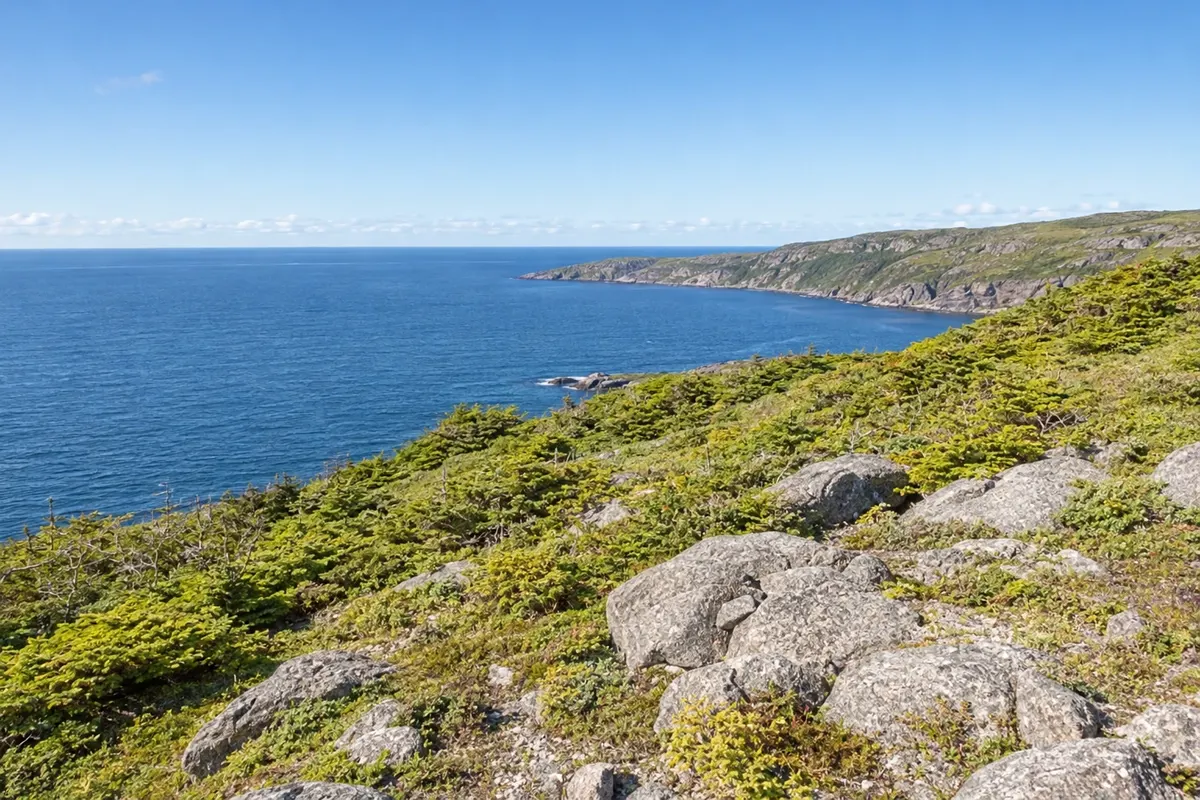
In the photo: Coast at Anse à Dinan, on the island of Saint-Pierre.
Illustrative images. The pictures in this guide are illustrations based on the real place, not photographs, and may differ from it.
The commune
The commune of Saint-Pierre includes the island of the same name, about 26 km², and the islets around it: Île aux Marins, Grand Colombier, Petit Colombier, Île aux Pigeons and Île aux Vainqueurs. Nearly the entire archipelago population lives here—about 5,200 people—and this is where the airport, the ferry port and the seat of the French territorial collectivity are located.
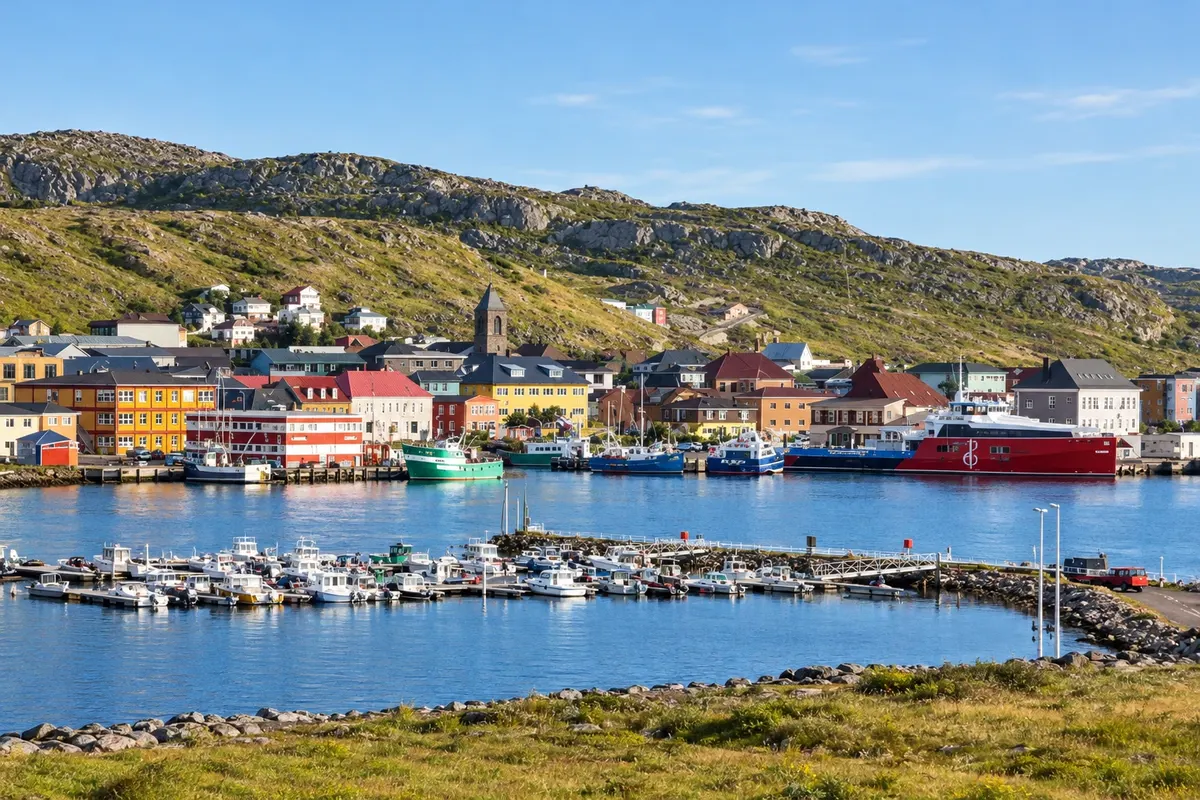
The town of Saint-Pierre climbs up sloping streets from the harbor, with wooden houses painted in bright colors. Near Place du Général-de-Gaulle are the quay, the tourist office and the cathedral, rebuilt from 1905 to 1907 after a fire. Further north, the Fronton Zazpiak Bat, dating from 1906, is a Basque pelota court, a reminder of the Basque fishermen who populated the islands alongside Bretons and Normans.
Two museums recount local life. L'Arche houses the collectivity’s archives and collections, from cod fishing on the Grand Banks to the Prohibition era in the United States, when Saint-Pierre was a hub for smuggled alcohol; the Musée Héritage gathers everyday objects from the 19th and 20th centuries.
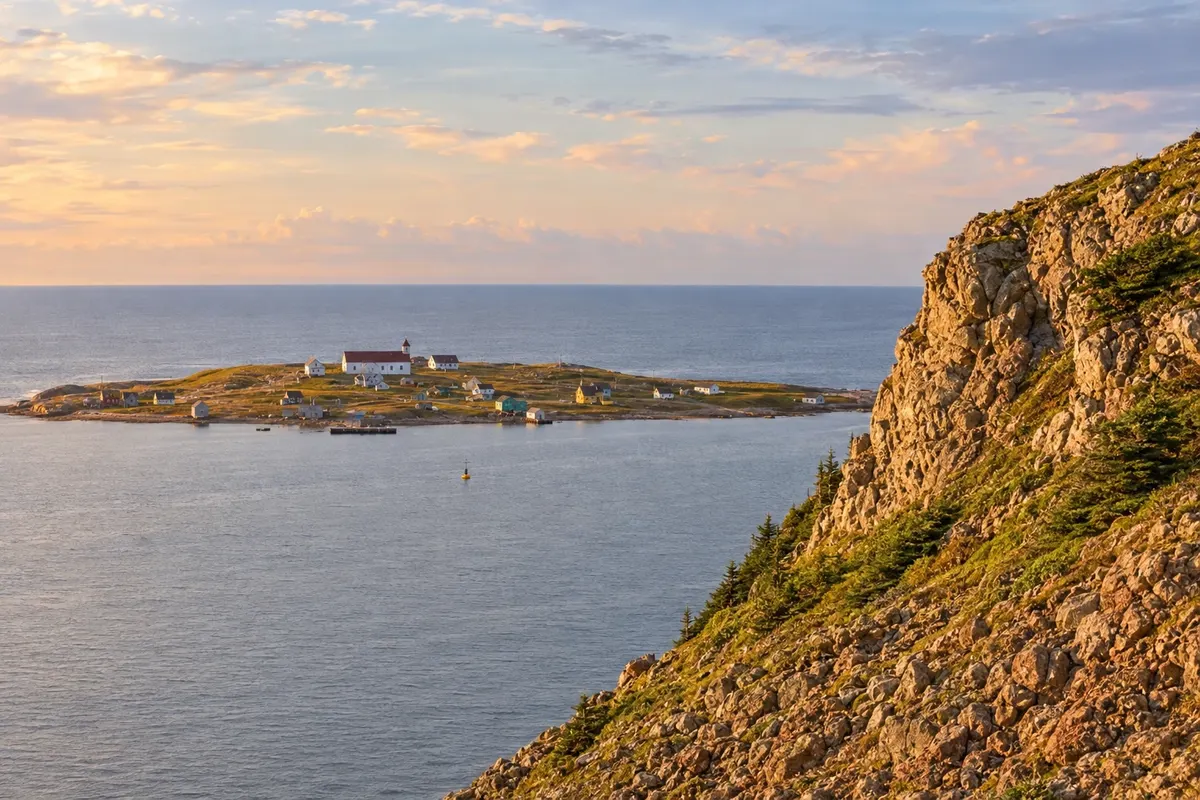
Opposite the harbor, about a ten-minute boat ride away, Île aux Marins was a fishing village until 1963. The church Notre-Dame-des-Marins, the school, the former town hall and restored houses form an open-air museum, with the hull of the ship Transpacific stranded on the beach. Guided visits depart from the L'Arche museum.
Outside the town, the Anse à Henry trail passes an archaeological site with signs of occupation going back thousands of years and offers views to Grand Colombier, a reserve where seabirds nest, including the Atlantic puffin. At the harbor entrance, the red-and-white lighthouse of Pointe aux Canons, from 1862, and the cannons of the old battery are the island’s postcard sights; in Les Salines are the colorful fishermen’s huts.
Destinations
From July to September, average highs are between 17 and 19 °C and it is the season for boat trips to Île aux Marins and Grand Colombier. In July, fog is frequent. In September, fog is less common but there is a little more rain. From December to March, winter is cold and windy, with snow and highs near 0 °C.
Saint-Pierre Airport (FSP), at Pointe-Blanche south of town, receives flights from St. John's (about 45 minutes), Halifax (about 1h30) and Montreal (about 3h15) in Canada, and only in summer from Paris (about 5 hours). By sea, the ferry links Fortune, Newfoundland, to the port of Saint-Pierre year-round in about 90 minutes. When connecting through Canada or taking the ferry, Canadian entry rules apply. The airport is a few kilometers from the center; taxis are available. Confirm schedules and reservations before you go.
Your questions
By boat, departing from Saint-Pierre harbor: the crossing takes about 10 minutes. The L'Arche museum organizes guided visits to the island, with reservations the day before, and the island is explored on foot, from the quay to the cemetery, passing the church, the school and the Archipélitude museum. Boat times vary with the season: confirm before you go.
Two to three days allow you to see the town, the museums, Île aux Marins and the Anse à Henry trail. To include Miquelon and Langlade, allow one or two more days because of ferry and flight schedules.
No. The town center is walkable despite the hills, and there are taxis and minibus tours of the island lasting just over an hour. To reach Anse à Henry or Cap à l'Aigle you can walk or take a taxi. Cars and bicycles are also available to rent.
At Grand Colombier, the island north of Saint-Pierre that is a seabird reserve where the Atlantic puffin nests. The island can be seen from the sea on boat trips that depart from the harbor in season, and from the top of the Anse à Henry trail. The presence of the birds varies throughout the year.
L'Arche, the collectivity’s museum and archive, tells the story of fishing, shipwrecks and the Prohibition era, and even exhibits a guillotine. Musée Héritage displays objects and scenes of local life from the 19th and 20th centuries. On Île aux Marins, the Archipélitude museum occupies the old school and other village houses.
Yes, by ferry, with about 90 minutes of crossing each way, or by a short flight when weather permits. Because schedules are not daily in all seasons, many people prefer to stay overnight in Miquelon. Check times before planning.