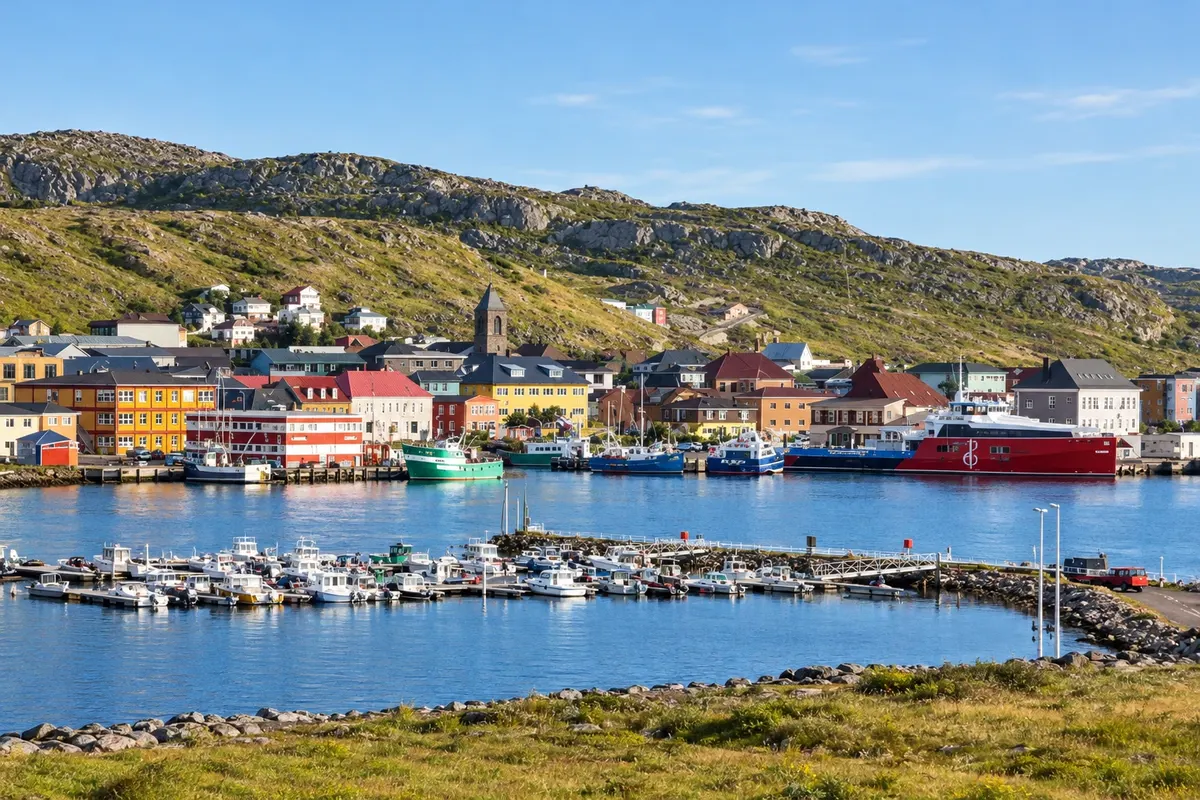
Saint-Pierre is the town where nearly nine out of ten residents of Saint-Pierre and Miquelon live, a French territory in the North Atlantic about 19 km from the Burin Peninsula in Newfoundland (Canada). The town occupies the east coast of the island of the same name and slopes down to the harbor, where ferries dock and boats depart for the nearby islets. The airport is at Pointe-Blanche, south of downtown.
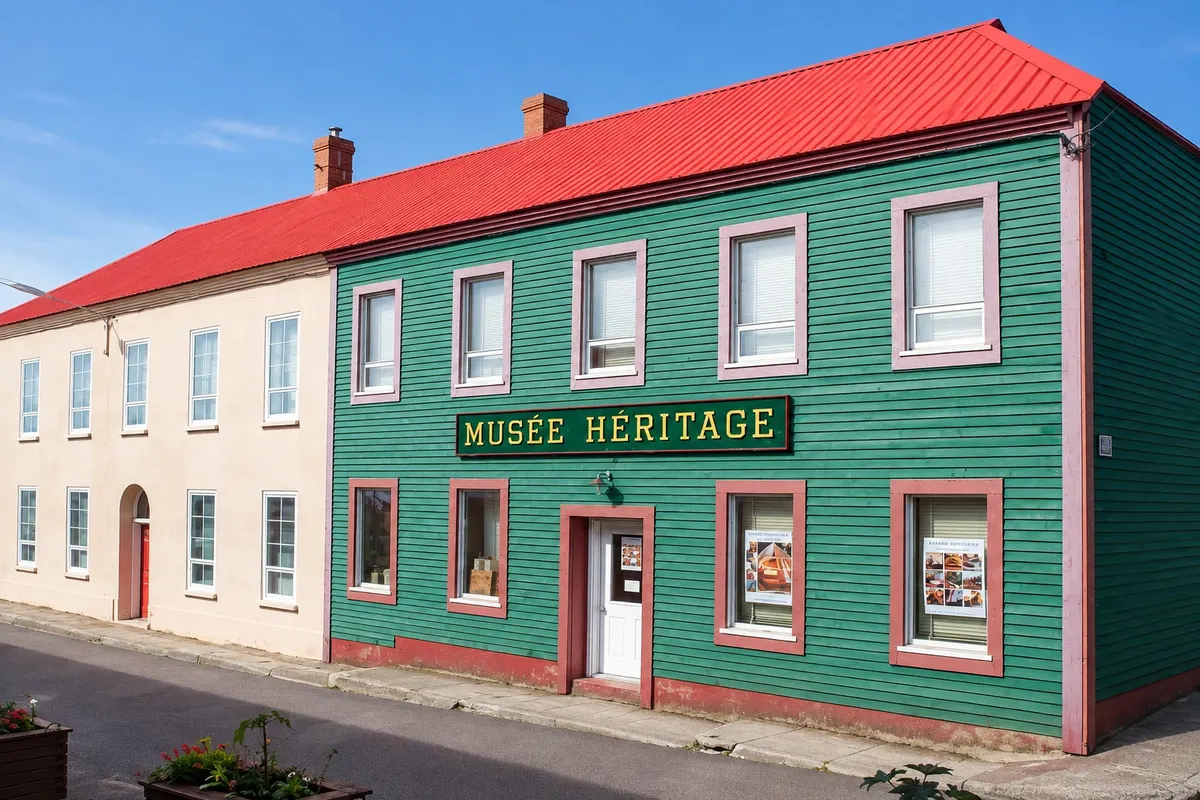
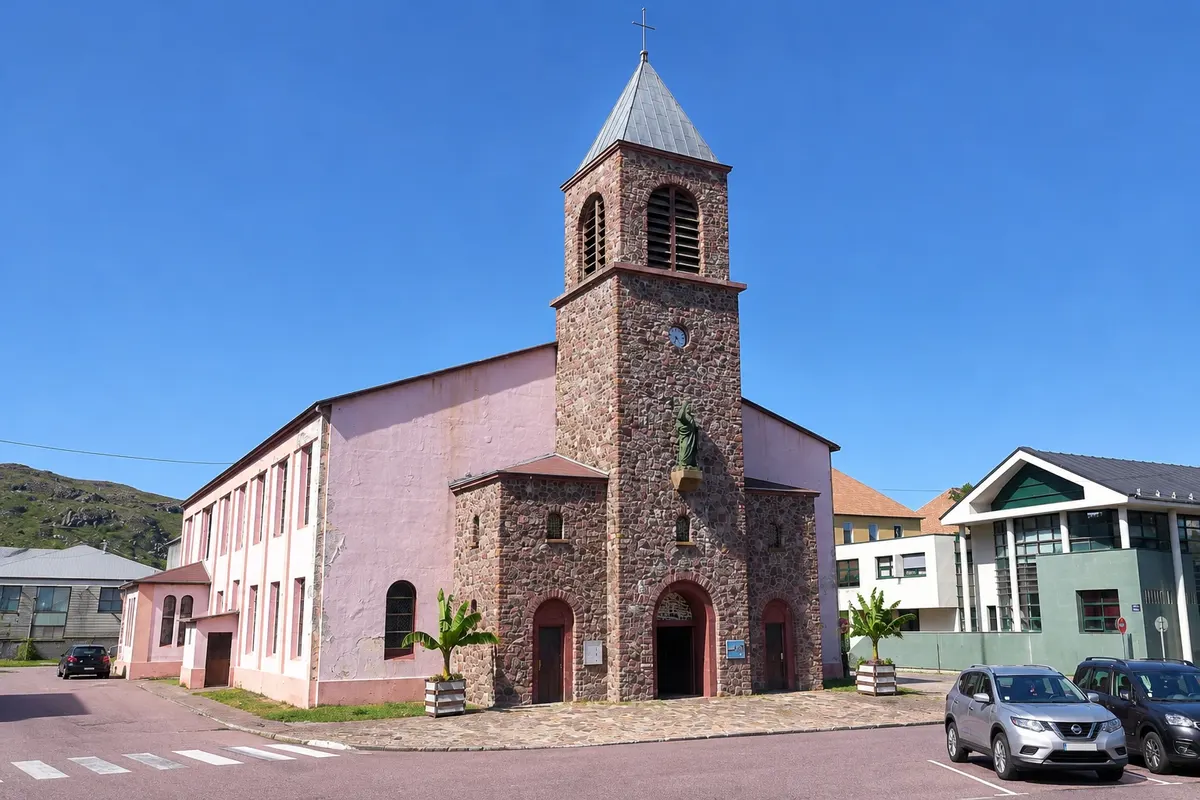
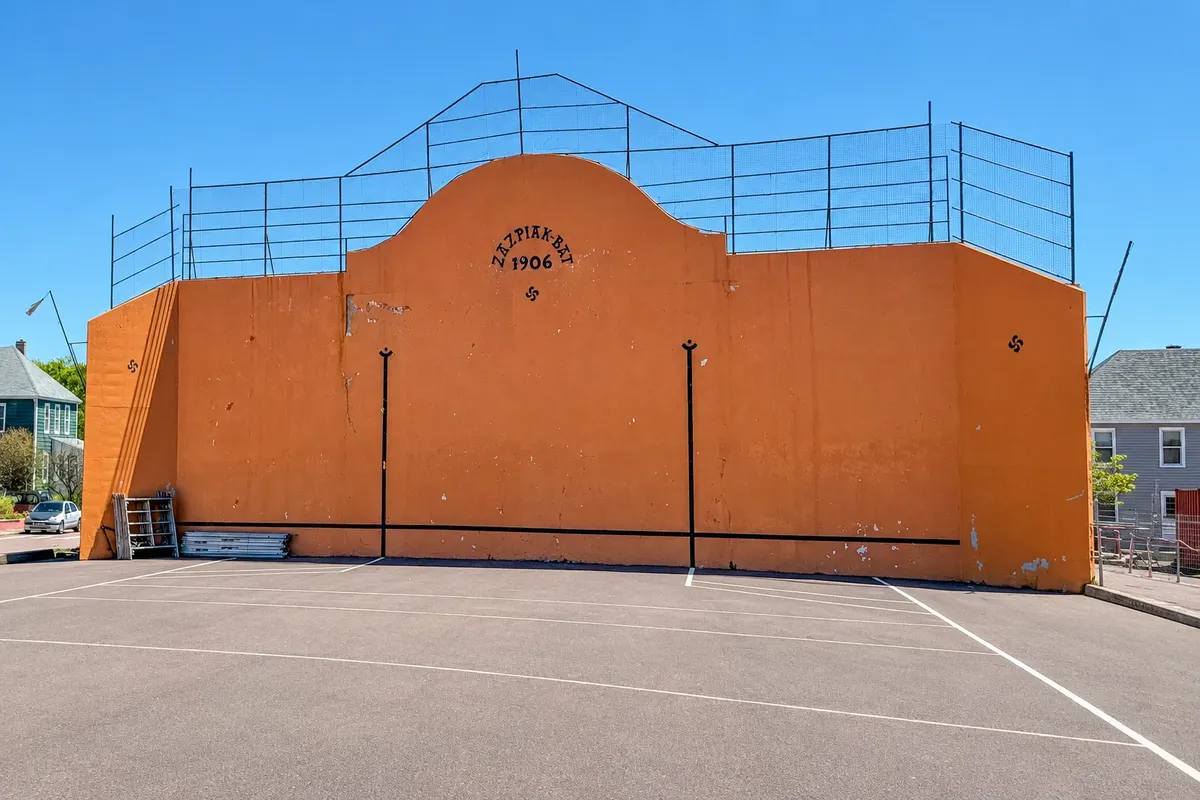
The centre can be explored on foot. Around General de Gaulle square are the quay, the post office and the cathedral, rebuilt after the 1902 fire with interiors modeled on Basque churches. The streets climb between wooden houses painted yellow, red, blue and green, many with a tambour, the small enclosed entrance that shelters the door from the wind. To the north, the Zazpiak Bat fronton is the Basque pelota court and the stage for the Basque festival in August. Two museums tell the local story: L'Arche, the community museum and archive, and the Musée Héritage, a private collection of objects from island life.
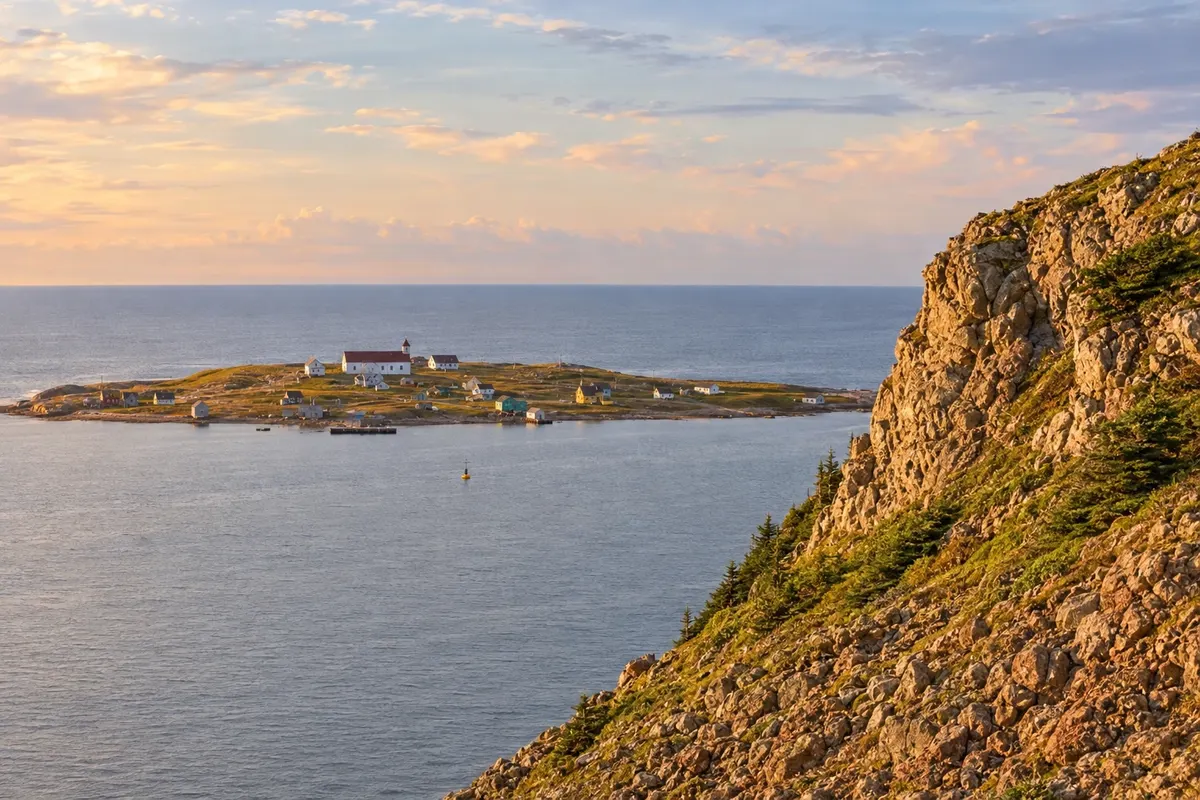
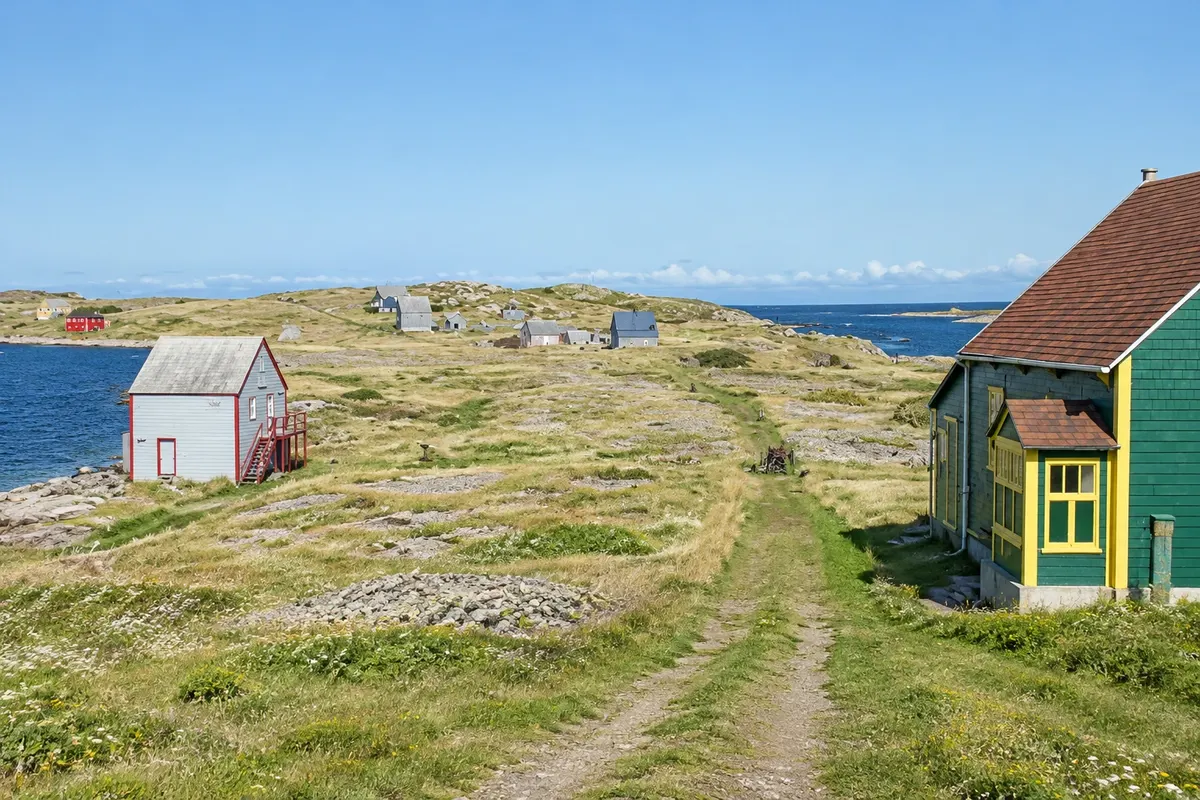
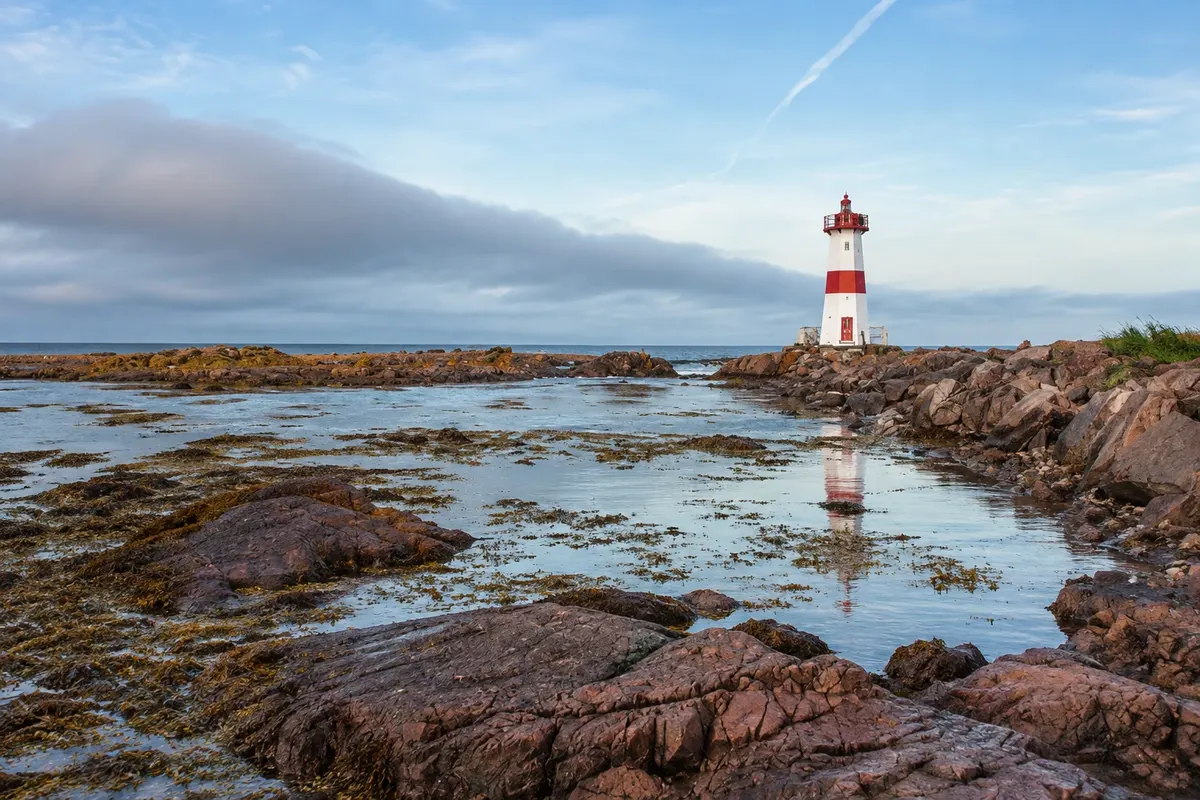
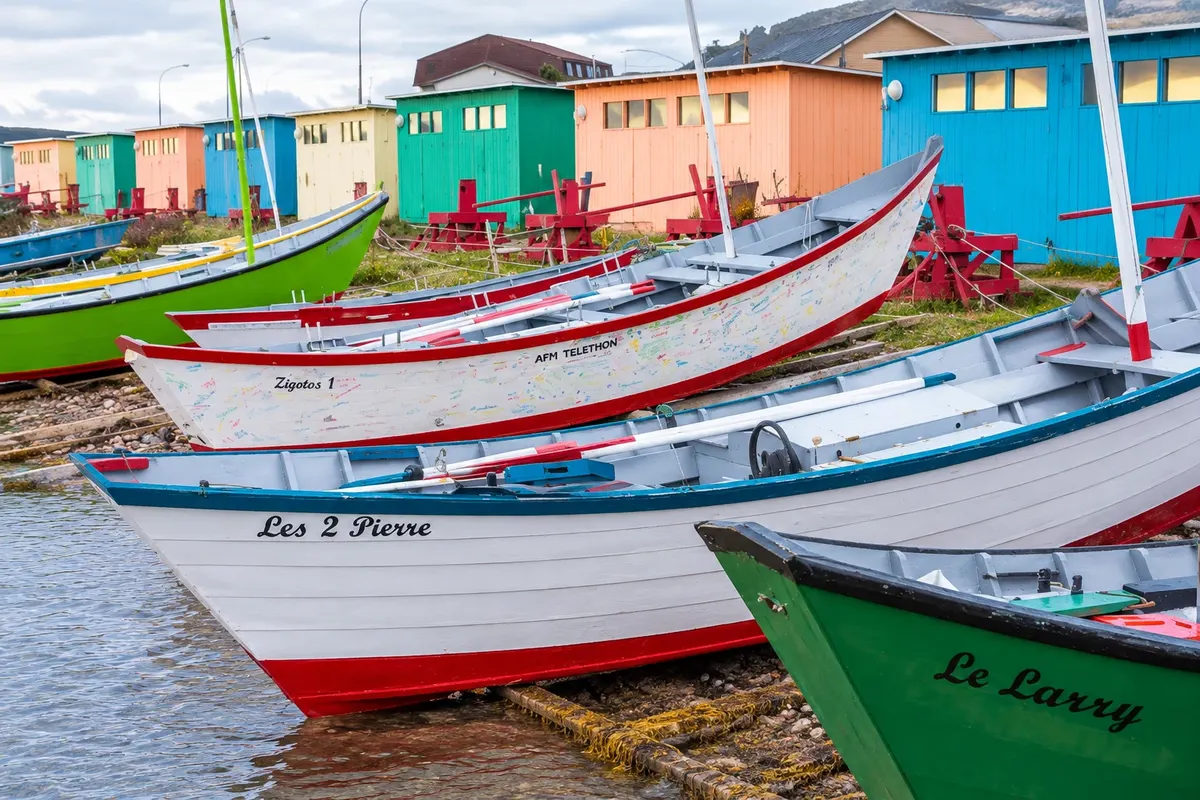
At the harbour entrance, the Pointe aux Canons lighthouse, white with a red band, and the old battery’s cannons form the island’s most photographed view; beside them, the colorful huts of Les Salines store artisanal fishers’ gear. Across the water is Île aux Marins, which was a fishing village with a church, school and town hall until the 1960s and is visited on a guided tour.
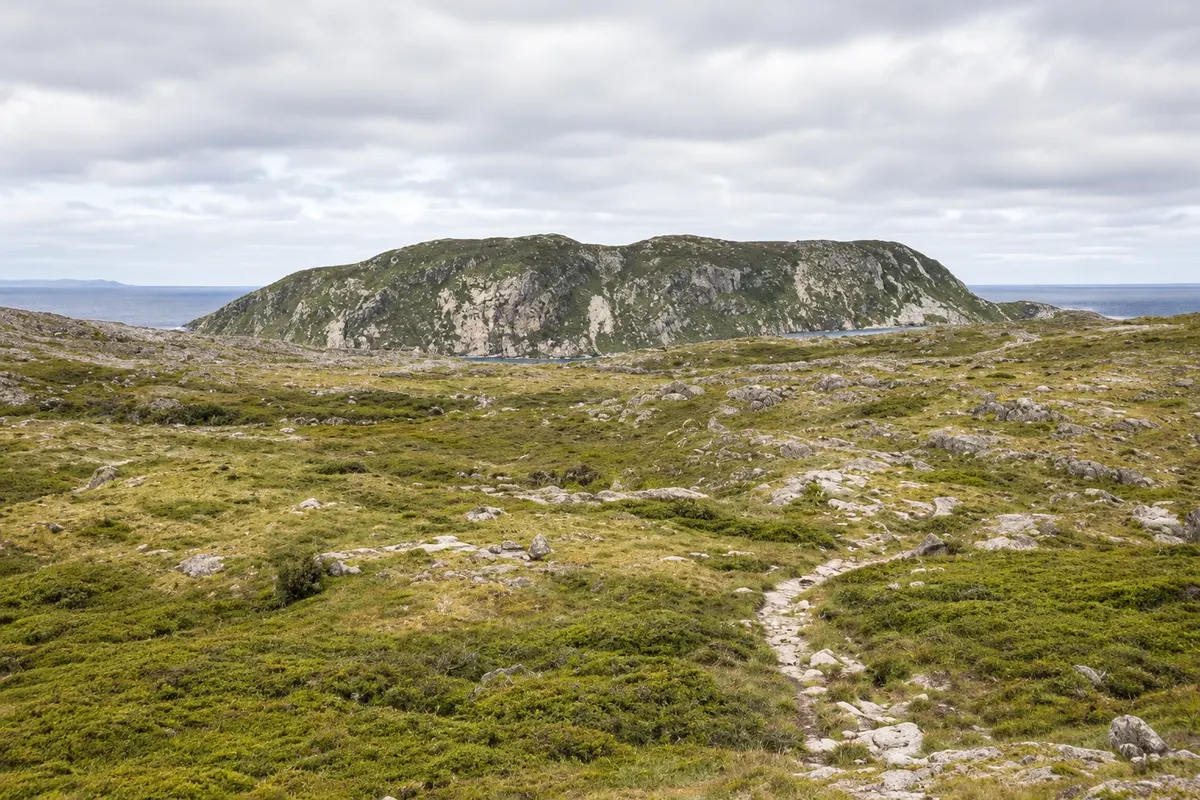
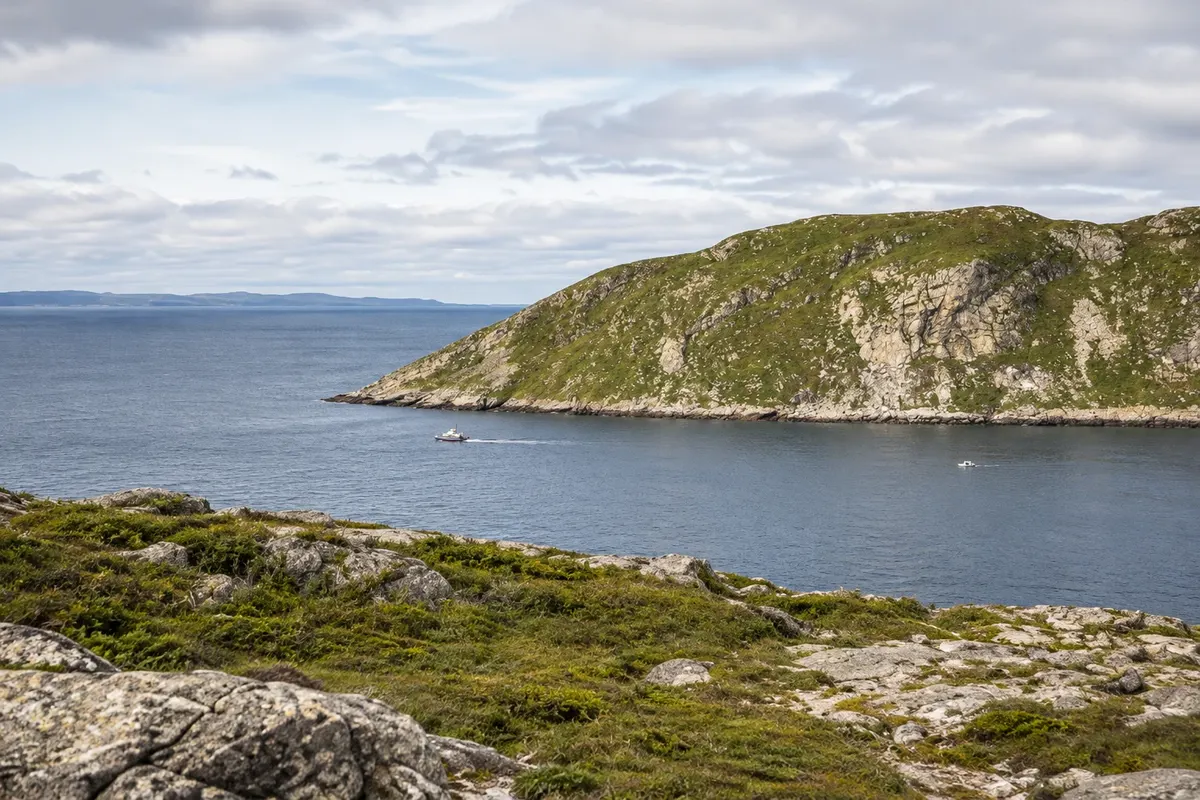
Outside town, the island has trails among ponds, peat bogs and cliffs. The most popular leads to Anse à Henry, an archaeological site at the northern tip, facing the Grand Colombier, a skerry where seabirds such as Atlantic puffins nest.
This destination brings together 1 city: Saint Pierre.


 Brazil
 Antarctica
 Argentina
 Bolivia
 Chile
 Colombia
 Ecuador
 Guyana
 French Guiana
 Falkland Islands (Malvinas)
 Paraguay
 Peru
 Suriname
 Uruguay
 Venezuela
 Germany
 Austria
 Belgium
 Croatia
 Denmark
 Slovakia
 Slovenia
 Spain
 Finland
 France
 Greece
 the Netherlands
 Hungary
 Ireland
 Iceland
 Italy
 Luxembourg
 Norway
 Poland
 Portugal
 the United Kingdom
 the Czech Republic
 Sweden
 Switzerland
 Turkey
 Bermuda
 Canada
 the United States
 Greenland
 Mexico
 the Dominican Republic
 South Africa
 Egypt
 Australia
 Fiji
 New Zealand
 Papua New Guinea