Dish · San Francisco
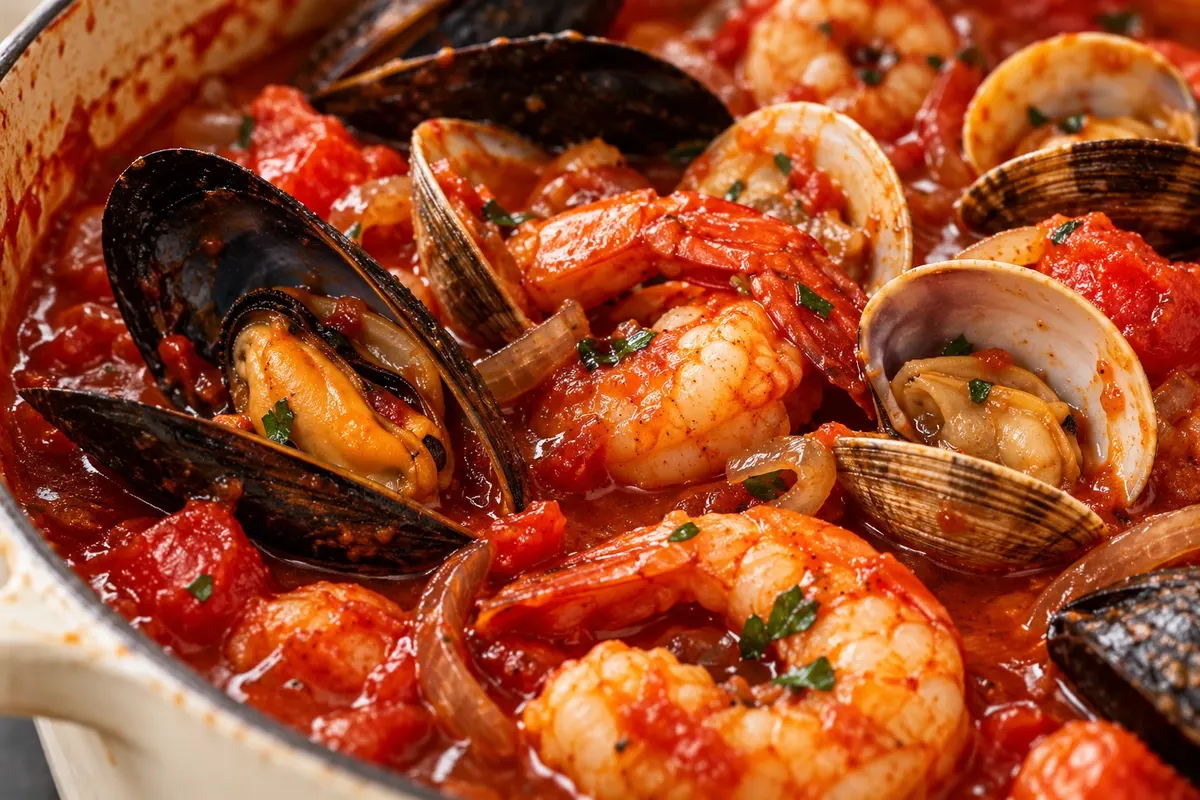
Cioppino
Stew of fish and seafood in a tomato-and-wine broth, created in the 19th century by Italian fishermen, mostly from Genoa, on the San Francisco pier. It is served with bread for dipping into the broth.

 Search
 Brazil
 Argentina
 Bolivia
 Chile
 Colombia
 Ecuador
 Guyana
 French Guiana
 Falkland Islands (Malvinas)
 Paraguay
 Peru
 Suriname
 Uruguay
 Venezuela
 Germany
 Austria
 Belgium
 Croatia
 Denmark
 Spain
 Finland
 France
 Greece
 the Netherlands
 Hungary
 Ireland
 Iceland
 Italy
 Luxembourg
 Norway
 Poland
 Portugal
 the United Kingdom
 the Czech Republic
 Sweden
 Switzerland
 Turkey
 Canadathe United States
 Mexico
 the Dominican RepublicTurkey
 South Africa
 Australia
 Fiji
 New Zealand
 Papua New Guinea
Popular festival · San Francisco
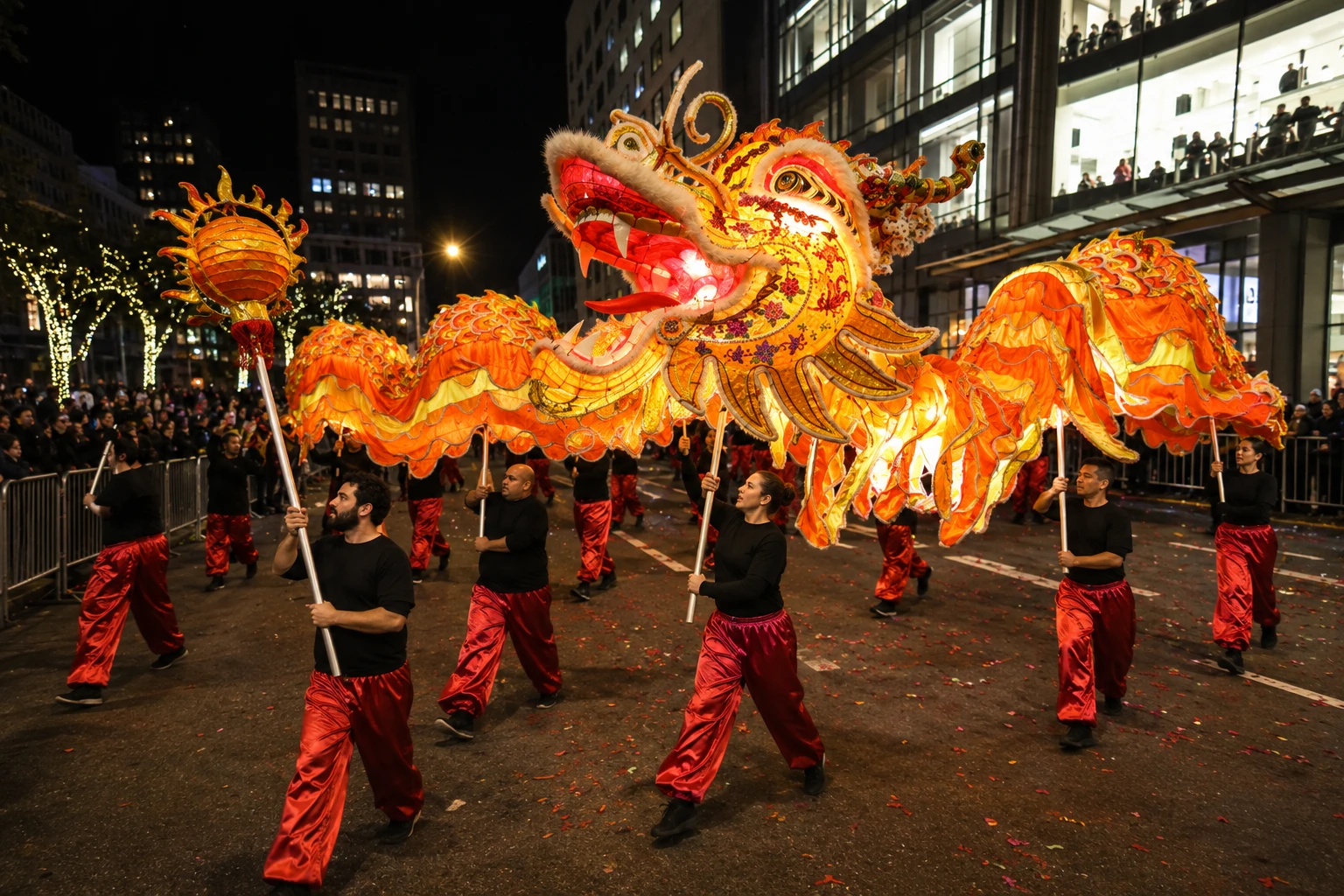
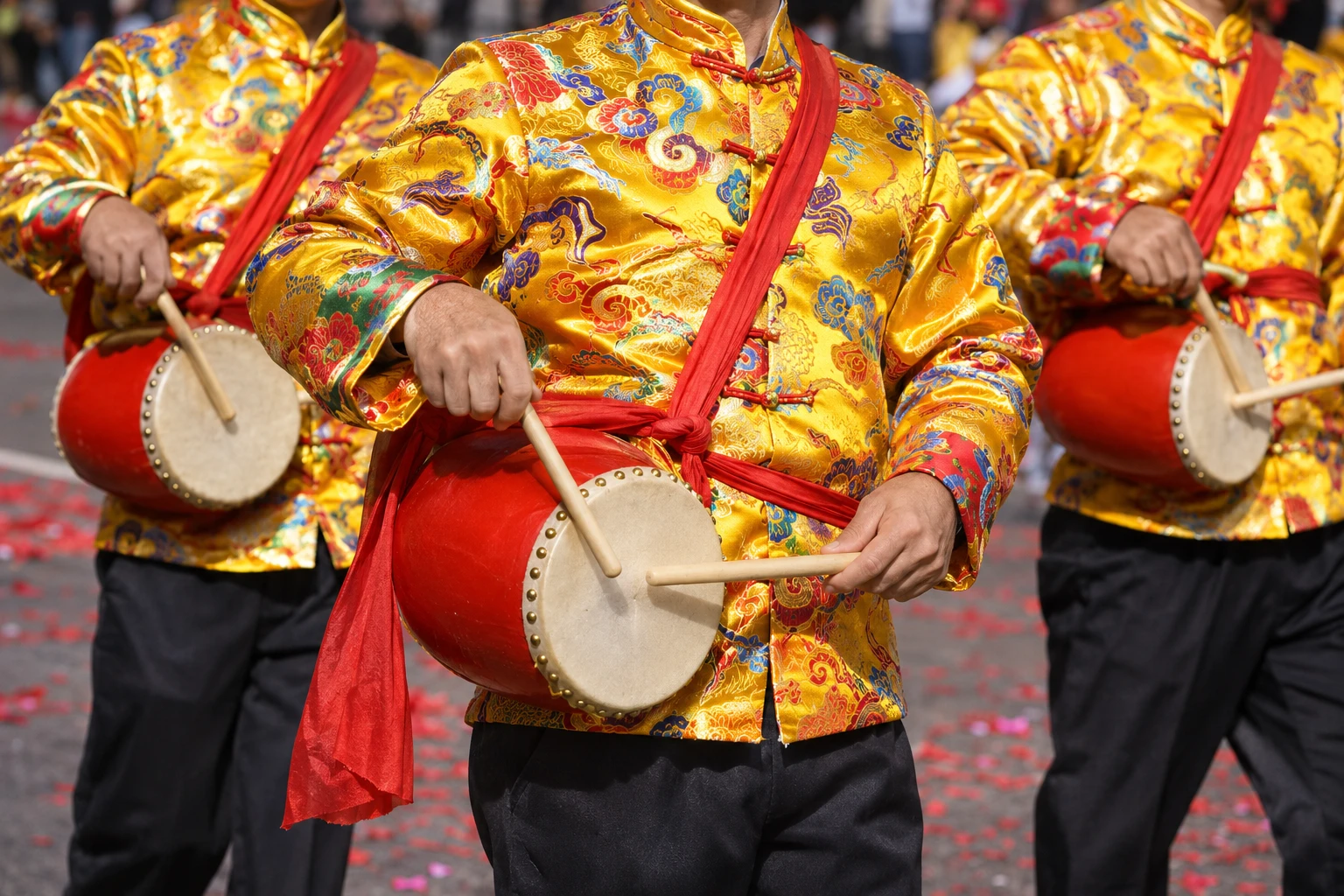
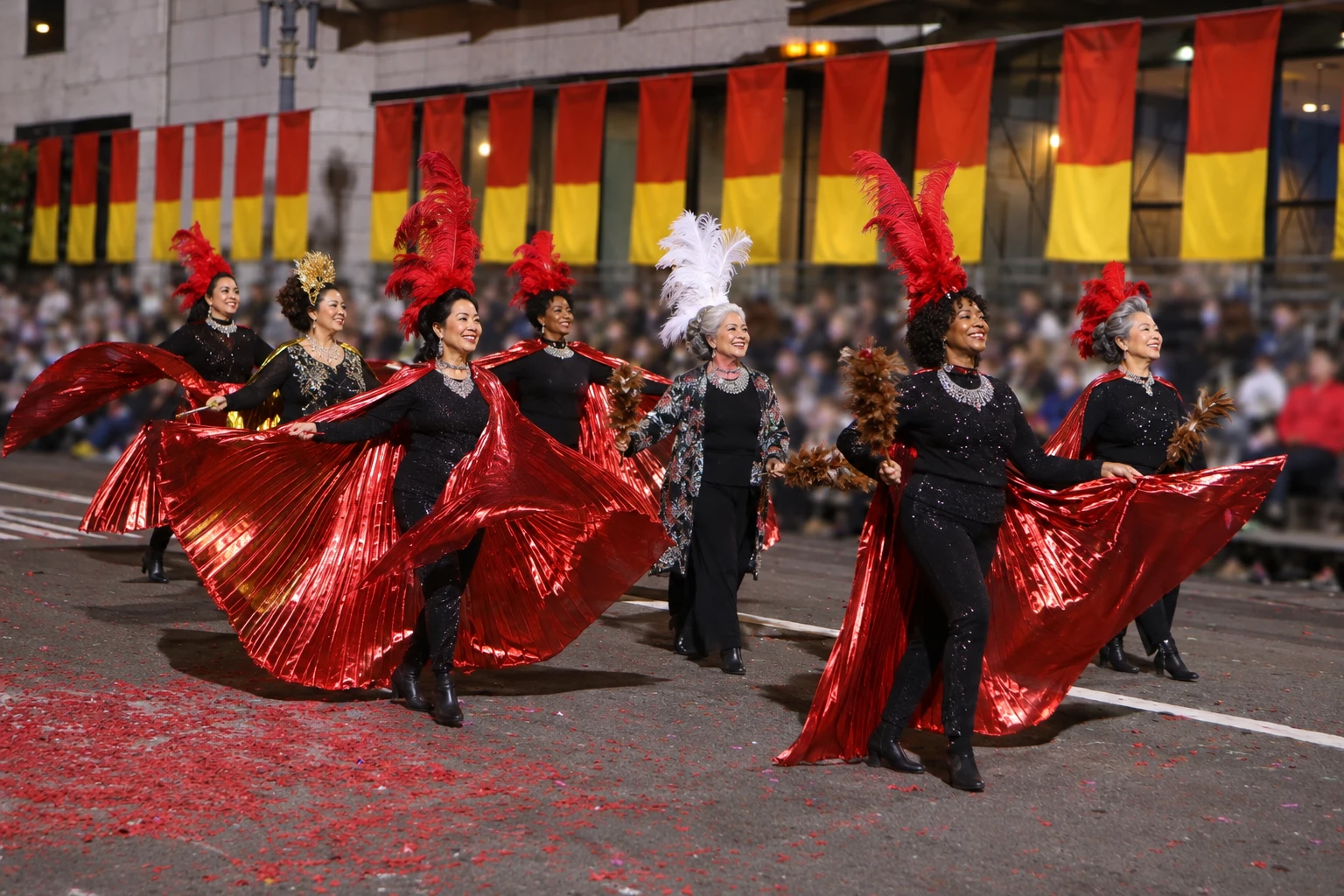
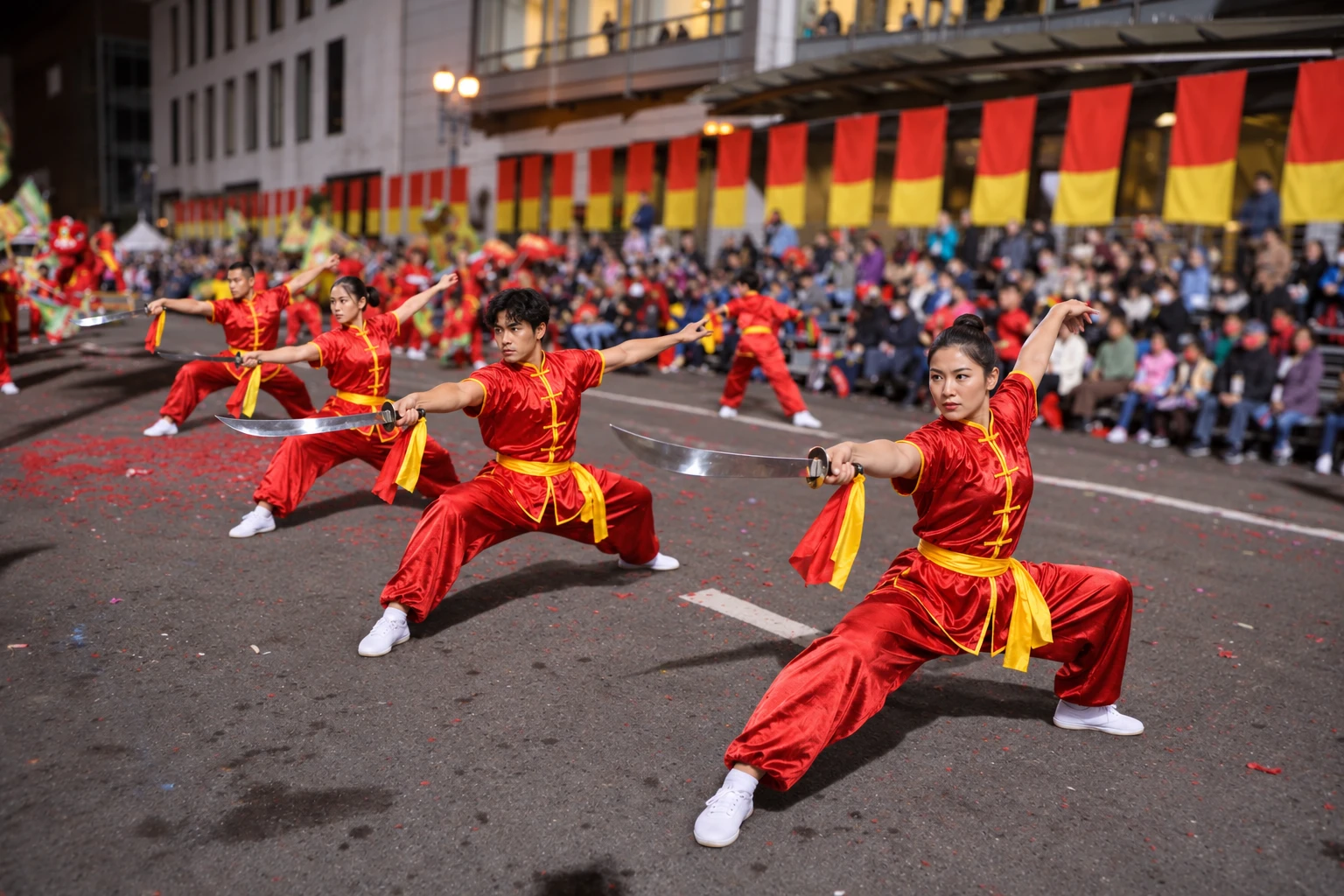
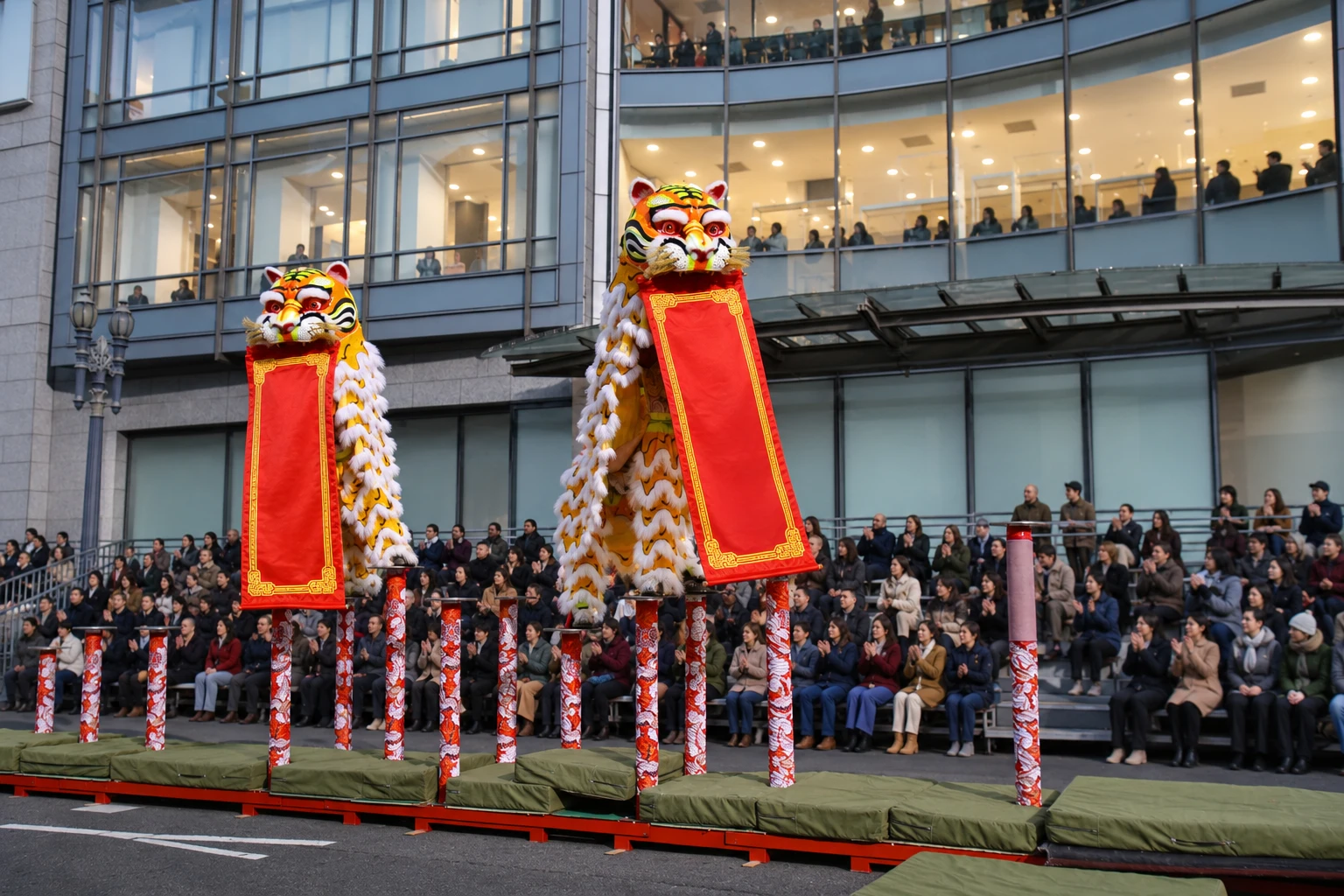
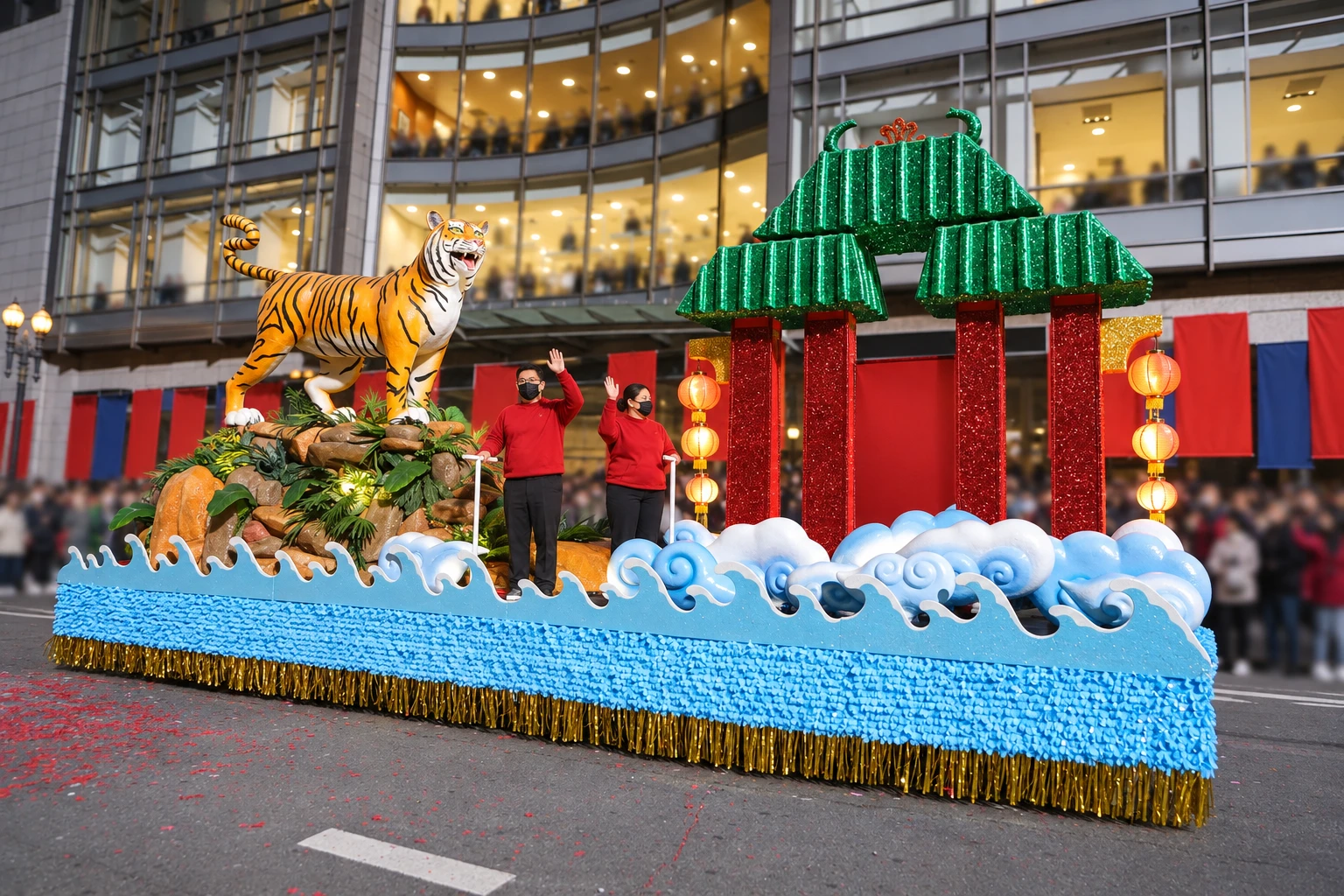
San Francisco Lunar New Year nighttime illuminated parade organized by the Chinese Chamber of Commerce: floats, lion dance, acrobats, bands and, at the end, the Golden Dragon carried by dozens of people, amid firecrackers and lanterns.
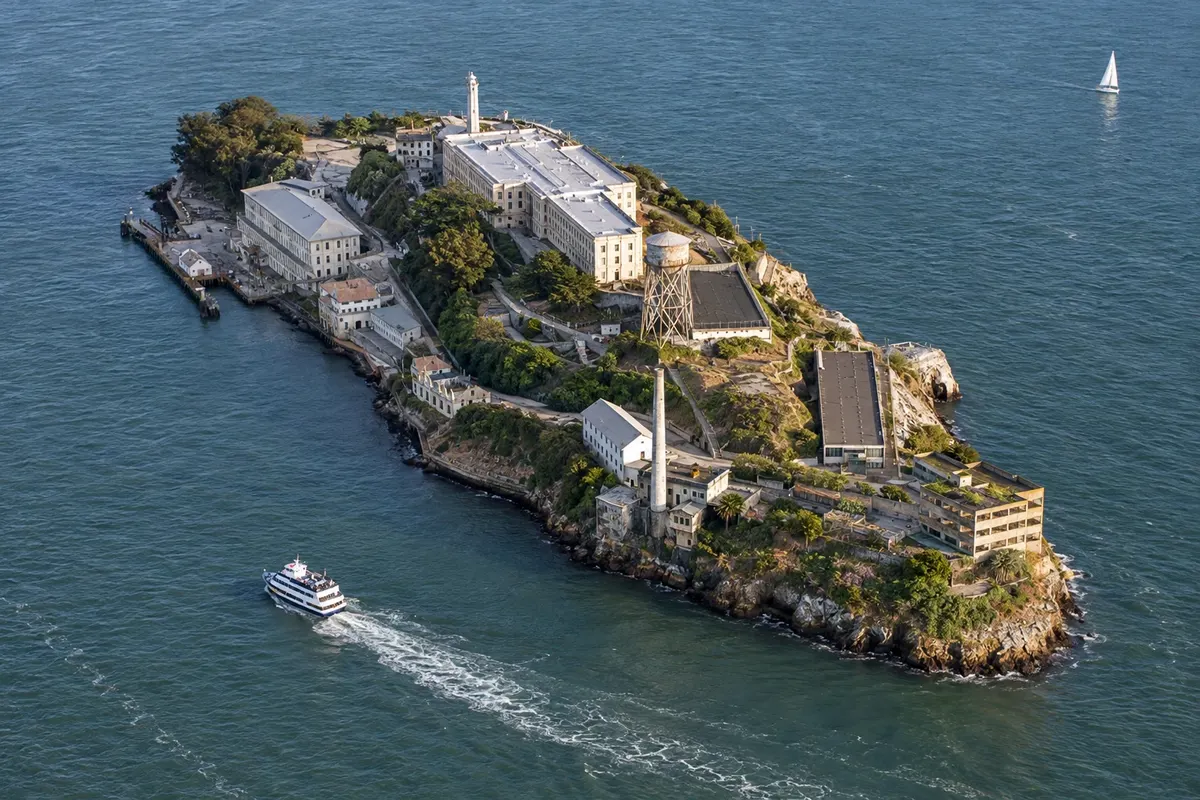
In the photo: San Francisco
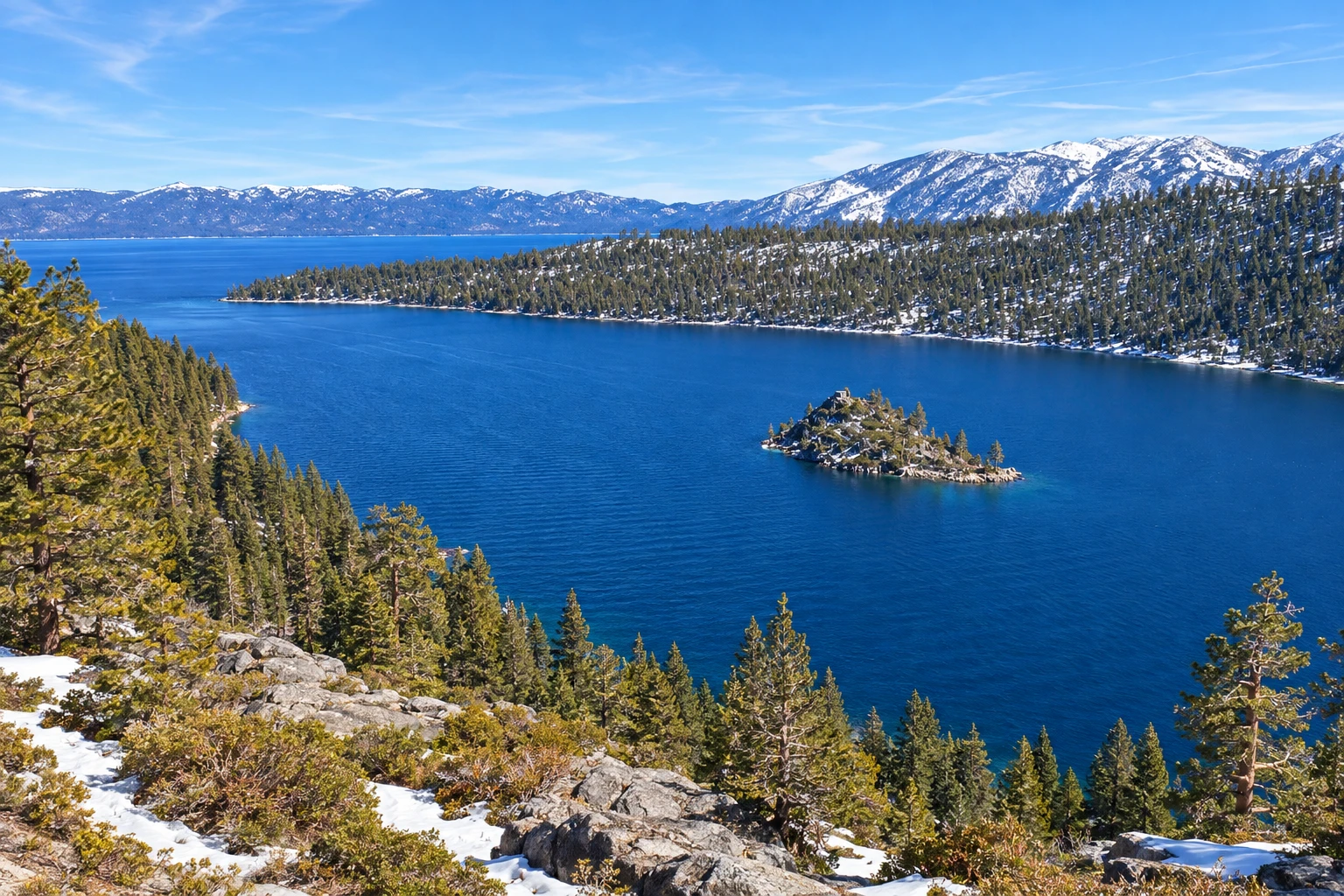
Illustrative images. The pictures in this guide are illustrations based on the real place, not photographs, and may differ from it.

Click a photo to enlarge it.
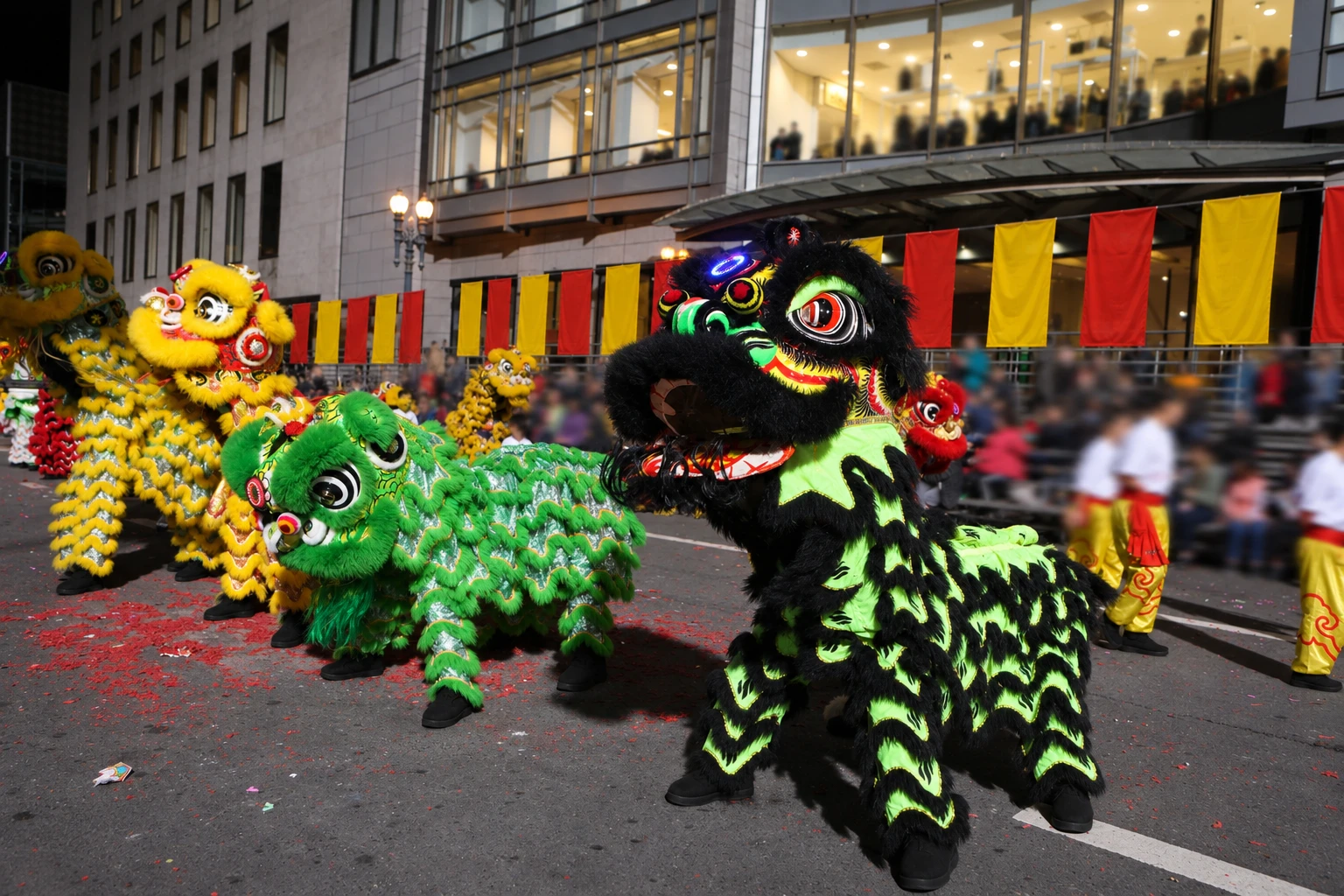
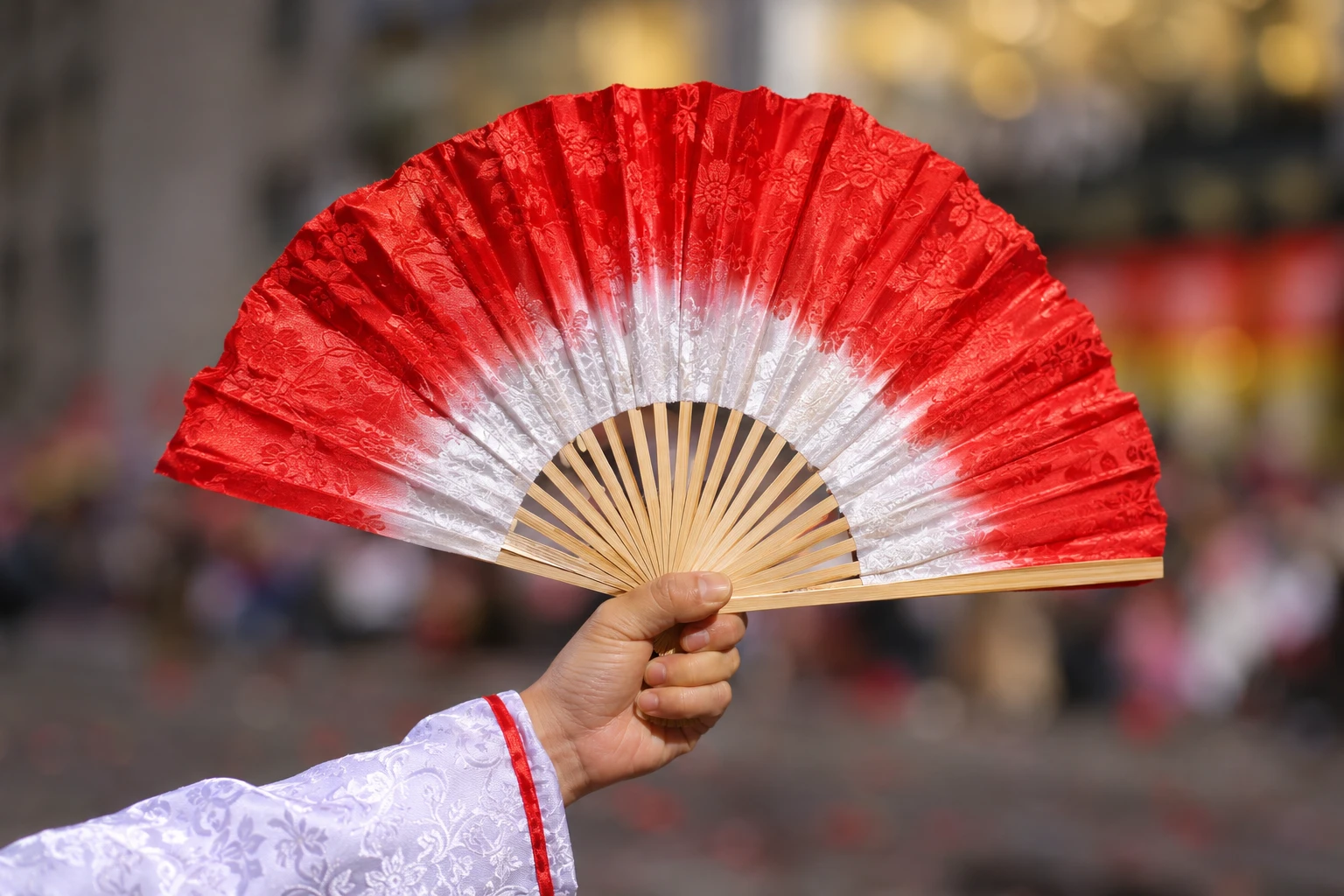
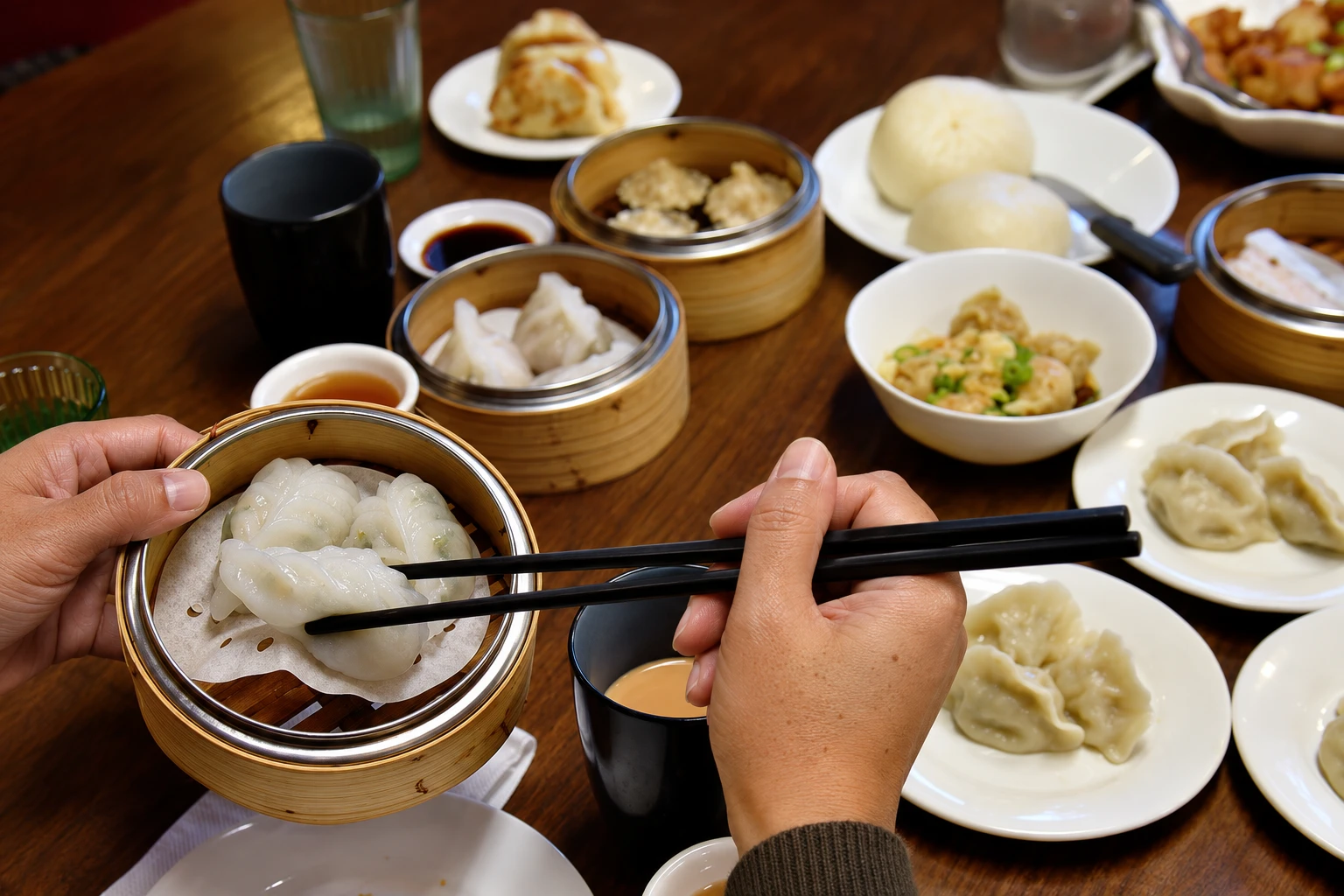
San Francisco Chinese New Year — San Francisco
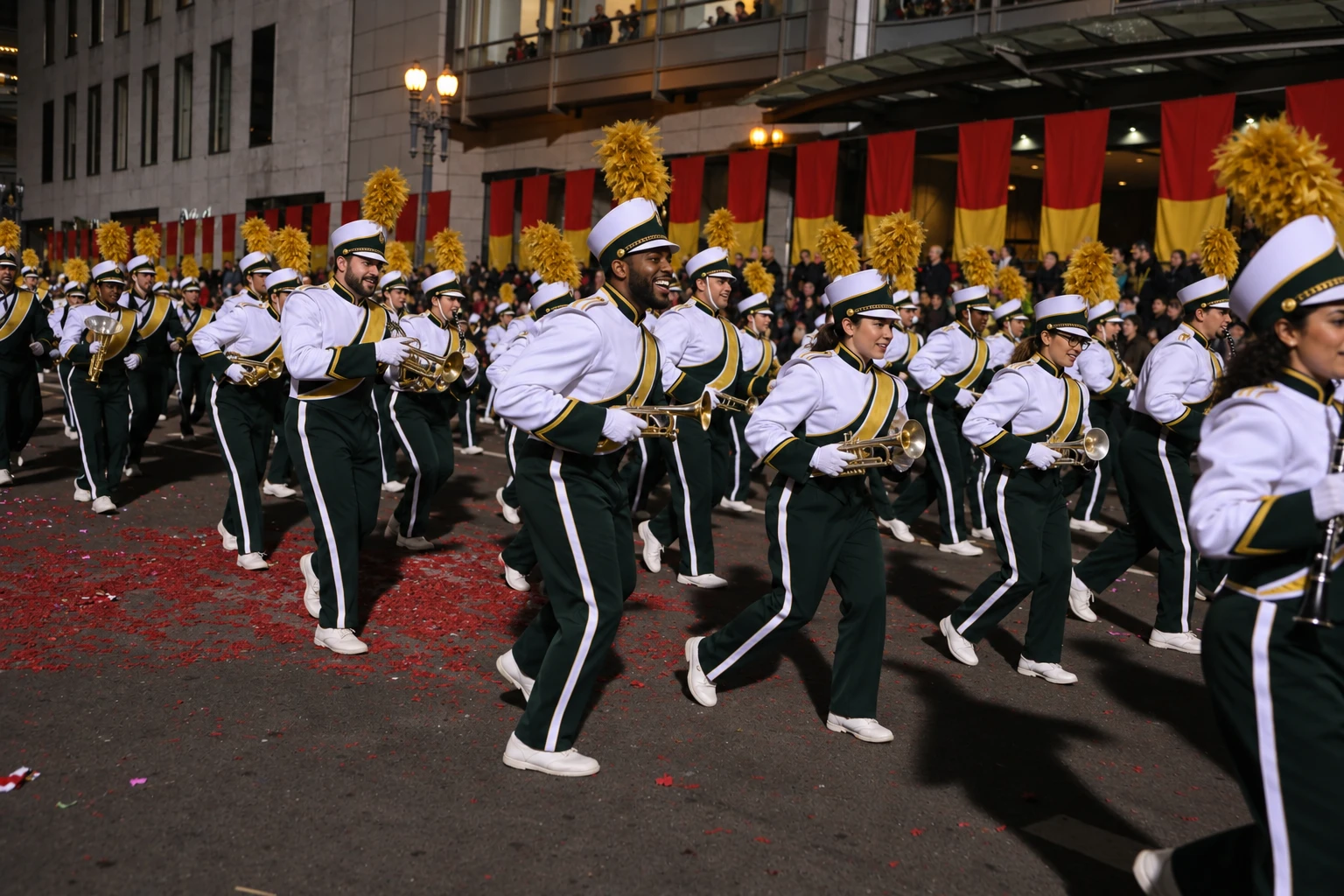
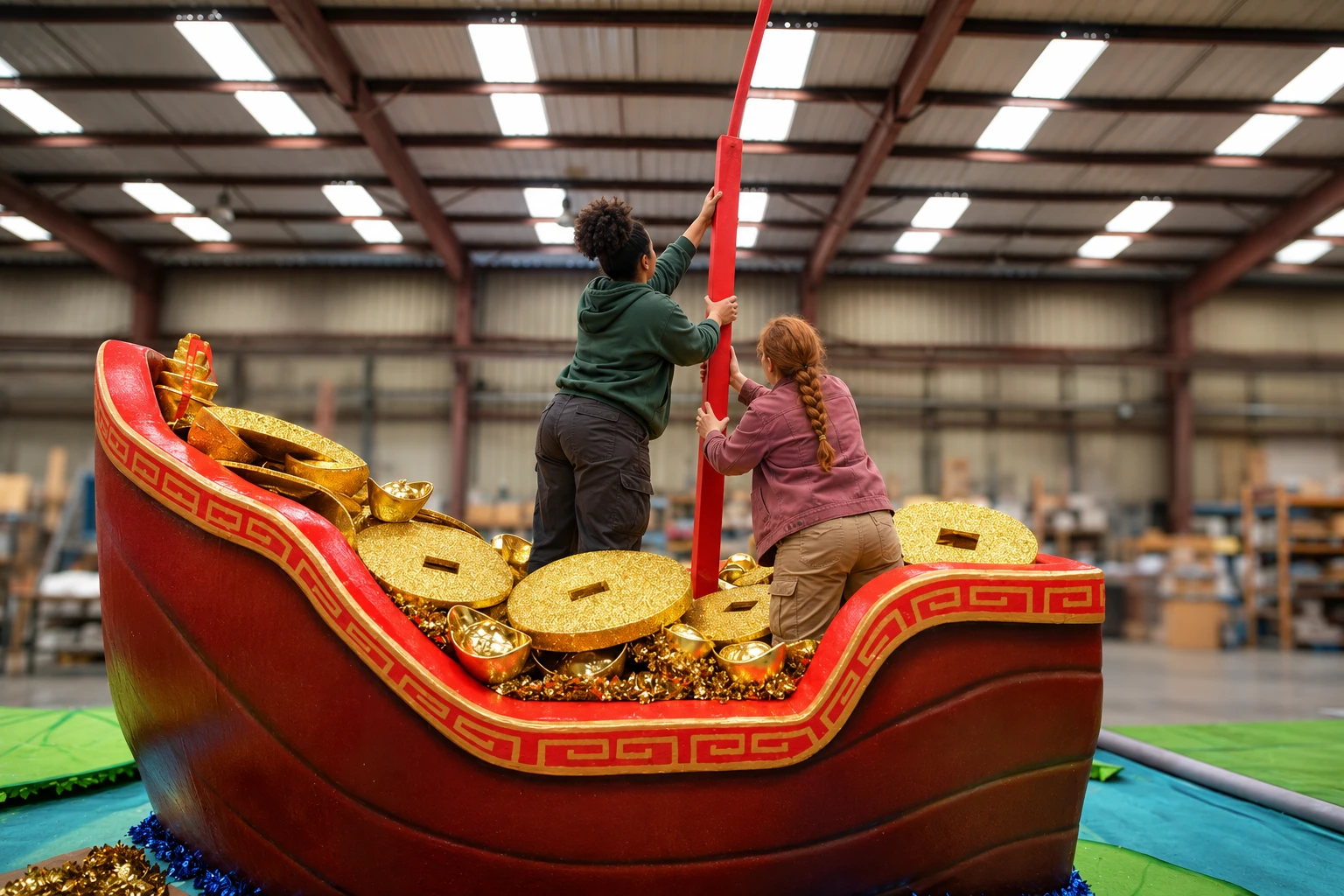
On a Saturday night, a few weeks after Lunar New Year, between February and early March; the celebration in Chinatown lasts several days.
February/March
Dates change every year: check this year's date before you travel.
The festival
San Francisco celebrates Lunar New Year with the largest festival of its kind outside Asia. The highlight is the nighttime illuminated parade, one of the few remaining in North America, which crosses downtown into Chinatown with floats, lion dancers, acrobats, martial arts groups, stilt walkers, school bands and, closing the procession, the Golden Dragon — a figure dozens of meters long carried by a team of more than a hundred people amid bursts of firecrackers.
The tradition dates back to the 19th century. During the Gold Rush, the small settlement that would become San Francisco received tens of thousands of people, including many Chinese workers who went to the mines and to build the railroads. By the 1860s, the community began celebrating the New Year with a parade — a format that didn’t exist in China — with flags, banners, lanterns, drums and firecrackers to ward off evil spirits, along Grant Avenue and Kearny Street. It was a way to show their culture to the rest of the city.
In 1958, the Chinese Chamber of Commerce of San Francisco took over organization and moved the parade to the evening. In the 1970s, the growing crowds and fire department concerns shifted the route to wider downtown streets, and from 1987 television broadcasts helped turn the date into a festival lasting about a month.
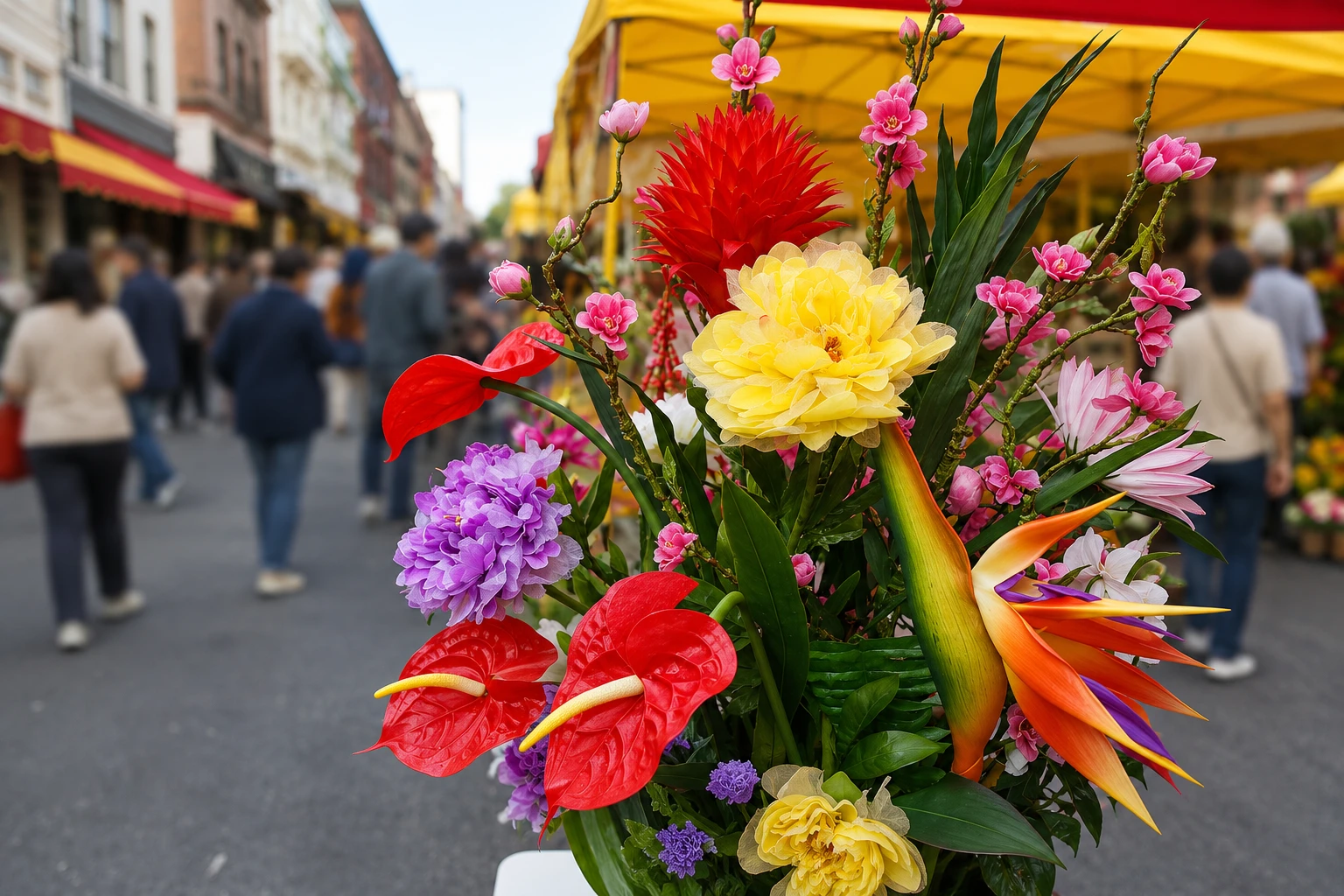
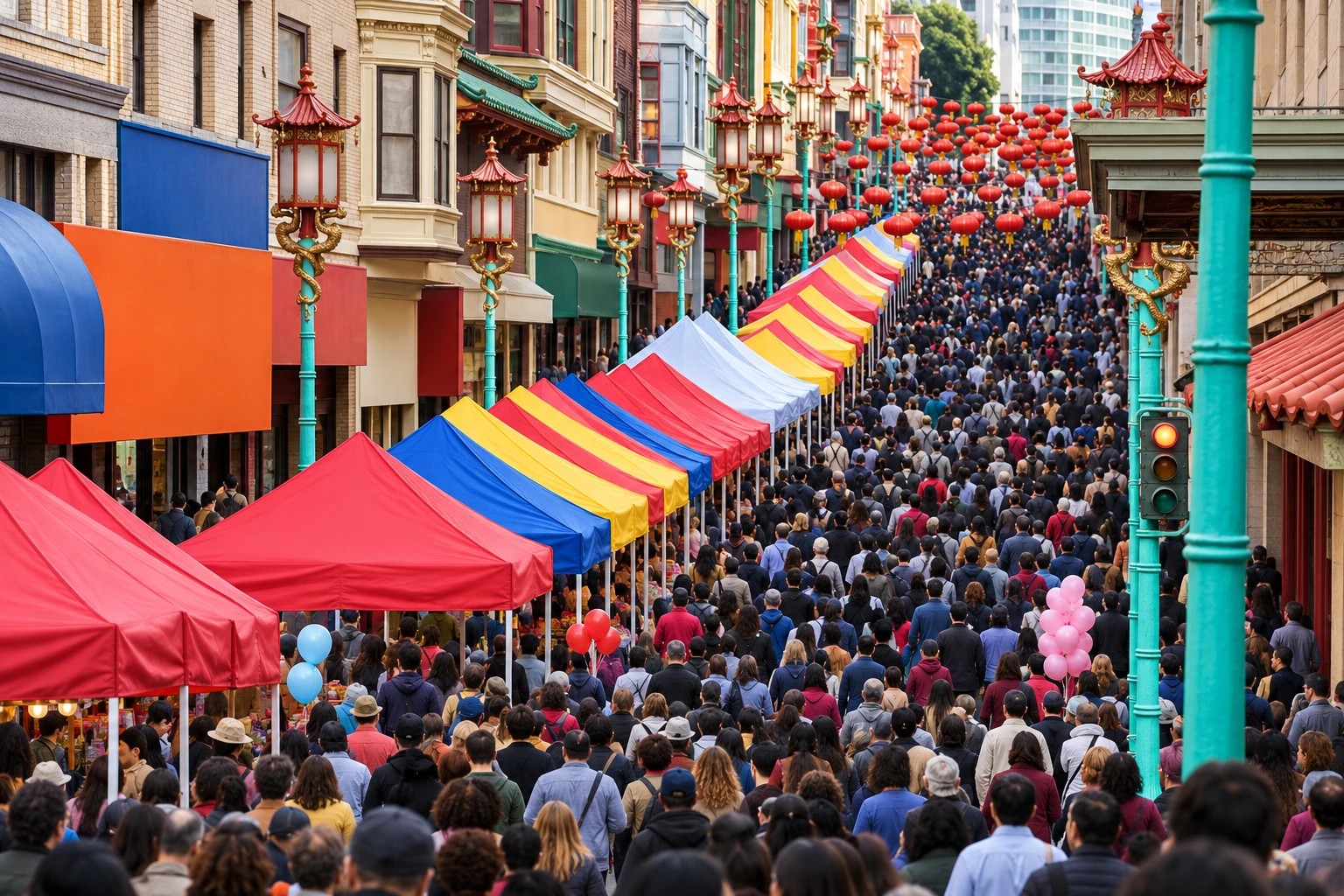
The program starts before New Year’s. The weekend before the date, Grant Avenue, Chinatown’s historic axis, hosts the Flower Fair with more than a hundred stalls selling fresh flowers, fruit, sweets and household items that families buy to start the year with luck. On the parade weekend the neighborhood’s street fair takes place, also on Grant Avenue, with stalls, food, folk dances, Chinese opera, drums and the parade’s giant puppets on display for photos. The calendar also includes the Miss Chinatown USA pageant, a road race and a basketball tournament.
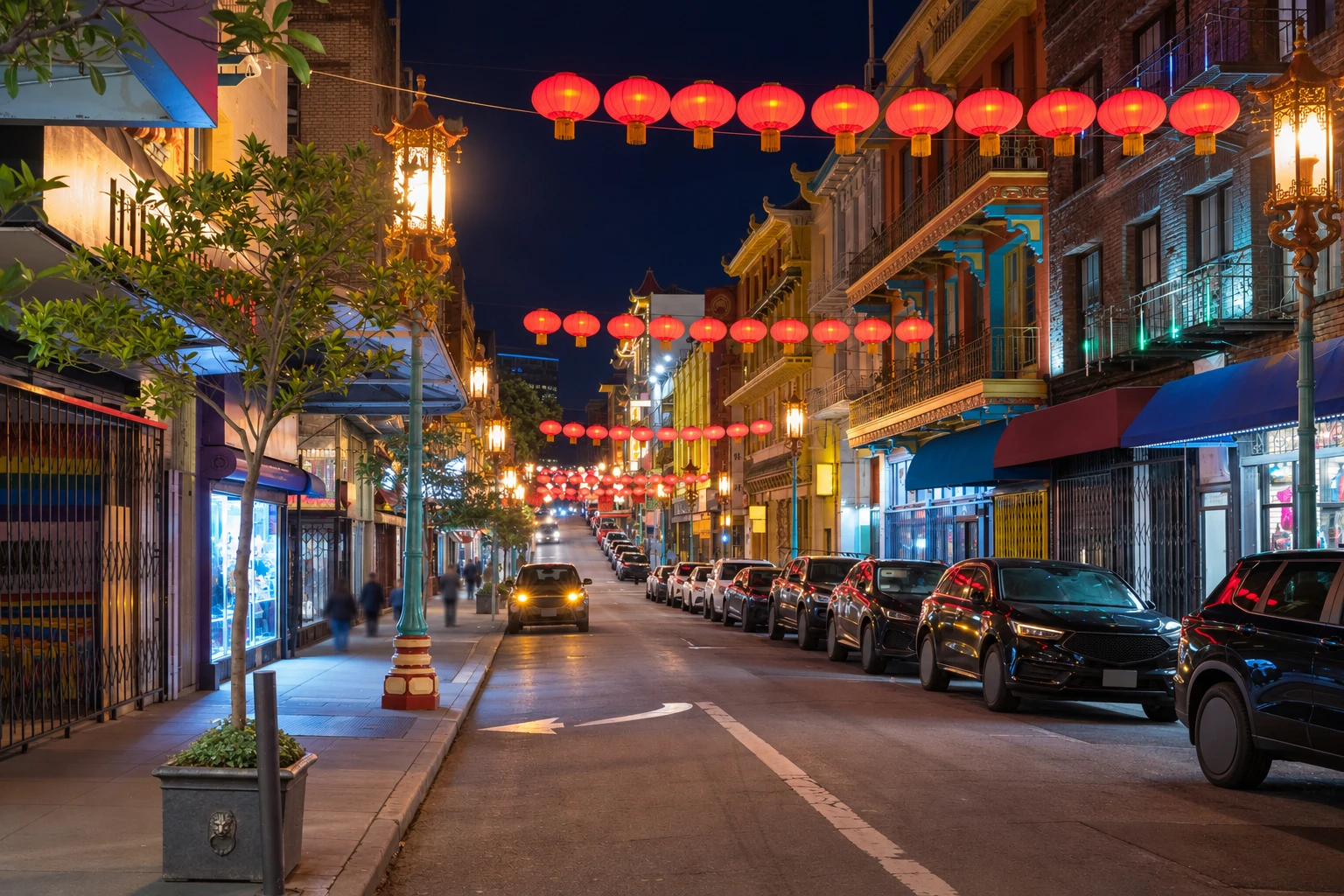
The parade features the zodiac animal of the year on floats and costumes, and groups from schools, neighborhood associations, martial arts clubs and Asian communities of other origins in the city. The lion dance, with two performers under the same costume to the sound of drums, cymbals and gongs, also appears in front of shops and restaurants in Chinatown during the festivities to bring luck to businesses. Chinatown, one of the oldest Chinese neighborhoods in North America, is decorated with red lanterns throughout the period, and for visitors to California at the end of winter it’s the chance to see the neighborhood at its liveliest.
The passage of the Golden Dragon that closes the parade amid smoke and firecrackers. The lion dance and martial arts groups along the route, and the illuminated floats featuring the year’s zodiac animal. The Flower Fair on Grant Avenue the weekend before New Year’s, with flowers, tangerines, sweets and red decorations. The neighborhood street fair on the parade weekend, with a stage for folk dances, opera and drums and the parade’s giant puppets for photos. Chinatown’s streets lit with red lanterns at night after the parade. The lion dance in front of shops and restaurants during the festival days. Grant Avenue and the neighborhood’s alleys with tea houses, bakeries and herbal shops on any day of the period.
The parade begins in the early evening and travels through downtown before entering Chinatown; sidewalks are open to the public, but the best spots fill up early, so arrive in advance and choose a straight stretch where groups stop to perform. If you want a guaranteed seat you can buy bleacher tickets from the organizer. Downtown has street closures and limited parking; use public transit. February nights in San Francisco are often cold and damp with wind: bring a coat and a hat. For small children, firecracker bursts can be frightening; ear protection helps. The street fairs run during the day and pair well with the nighttime parade: spend the afternoon on Grant Avenue and head to the route in the late afternoon. Chinatown is within walking distance of downtown and Union Square.
At the street fair stalls and in Chinatown restaurants, Lunar New Year dishes and sweets: steamed buns, spring rolls, sesame and red bean sweets and tangerines, which are exchanged as symbols of good luck. At the Flower Fair, in addition to plants, stalls sell fruit and sweets for the New Year table. The neighborhood bakeries sell cakes and Chinese buns, and tea houses serve dim sum throughout the day.
The parade date changes each year with the lunar calendar and is only announced by the organizer; confirm before booking travel. If you also want to see the Flower Fair, remember it takes place weeks earlier, the weekend before New Year’s. The parade weekend draws many visitors to downtown; book accommodation in advance near Union Square or the Financial District, from where you can walk to the route. Bleacher seats are sold on the official website before the event. February is usually low season in San Francisco, which makes finding lodging easier outside the parade weekend.
In the city
Flavors of the United States
Stew of fish and seafood in a tomato-and-wine broth, created in the 19th century by Italian fishermen, mostly from Genoa, on the San Francisco pier. It is served with bread for dipping into the broth.
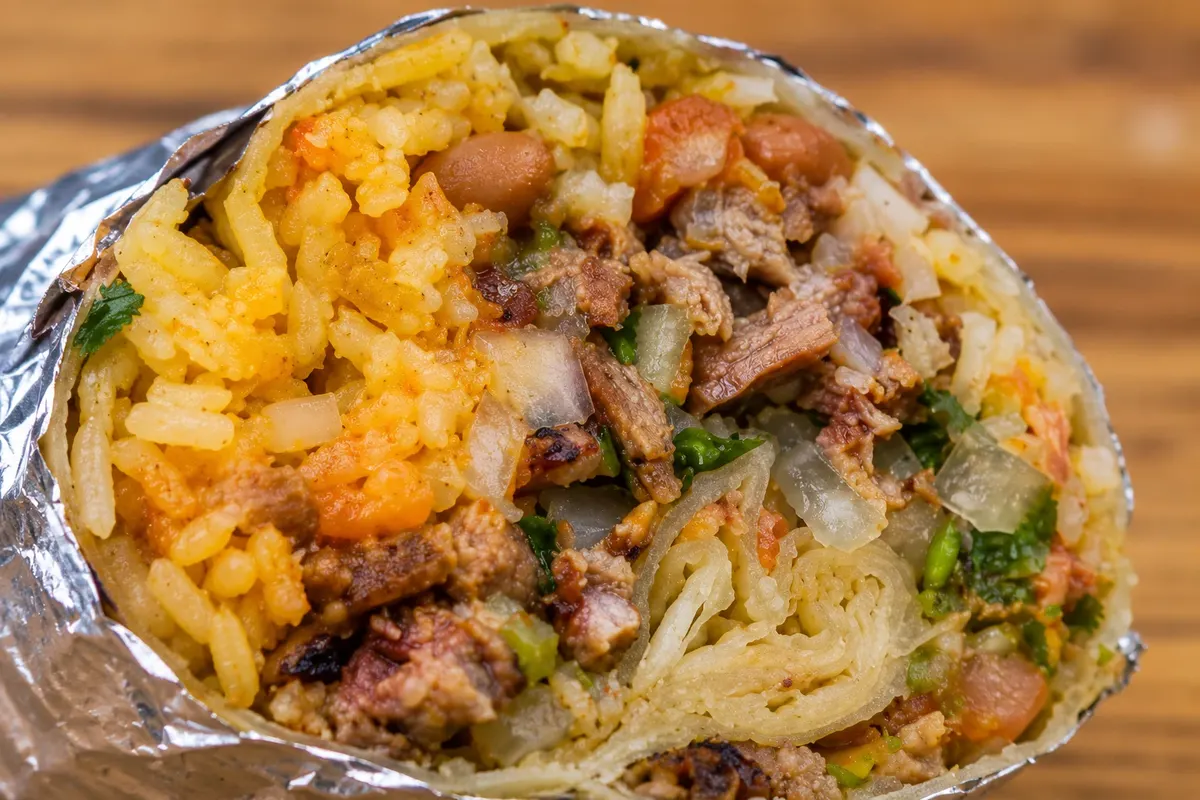
Large burrito made with a flour tortilla, filled with meat, rice, beans, salsa and sour cream, wrapped in aluminum foil. It originated in the taquerías of the Mission neighborhood in San Francisco in the 1960s.
February/March
 March
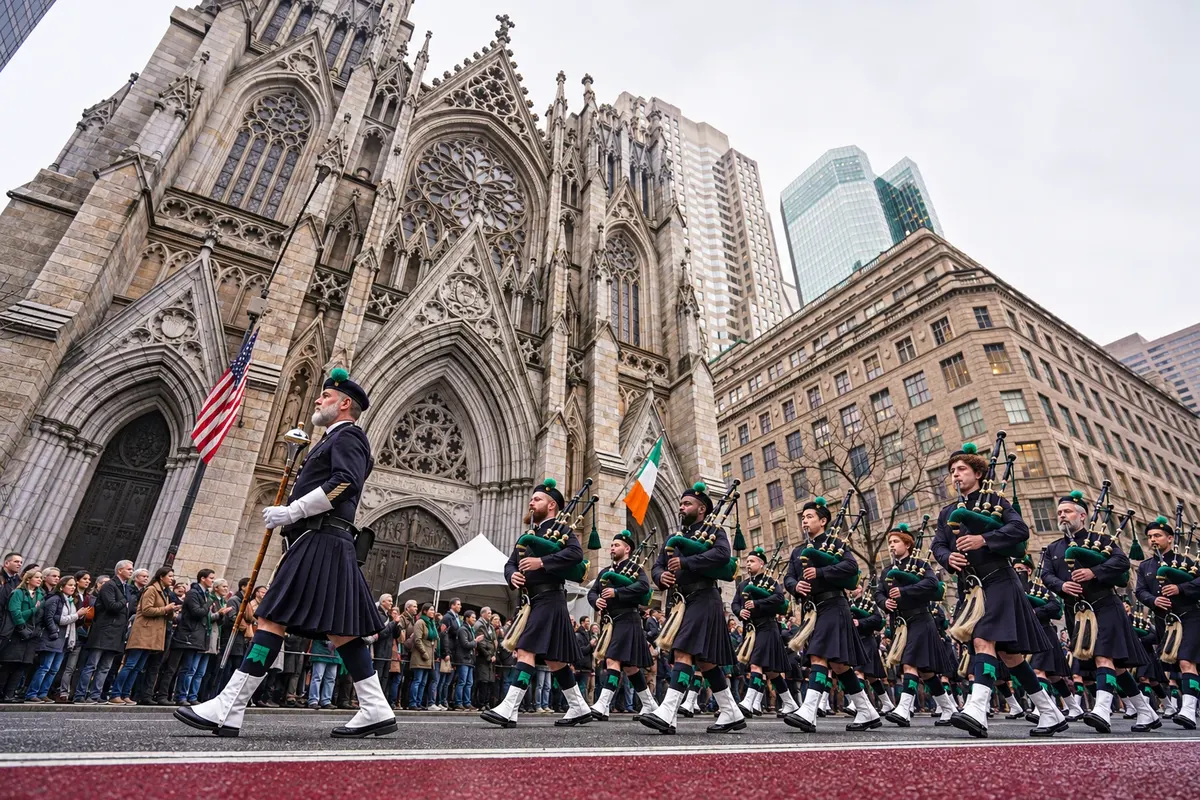
On March 17, St. Patrick’s Day; if the date falls on a Sunday, the parade is moved to Saturday, March 16.
Irish parade along Fifth Avenue in Manhattan on St. Patrick’s Day: bagpipers, bands, Irish associations and groups from across the country march on foot, with no floats, passing in front of St. Patrick’s Cathedral.
 March/April
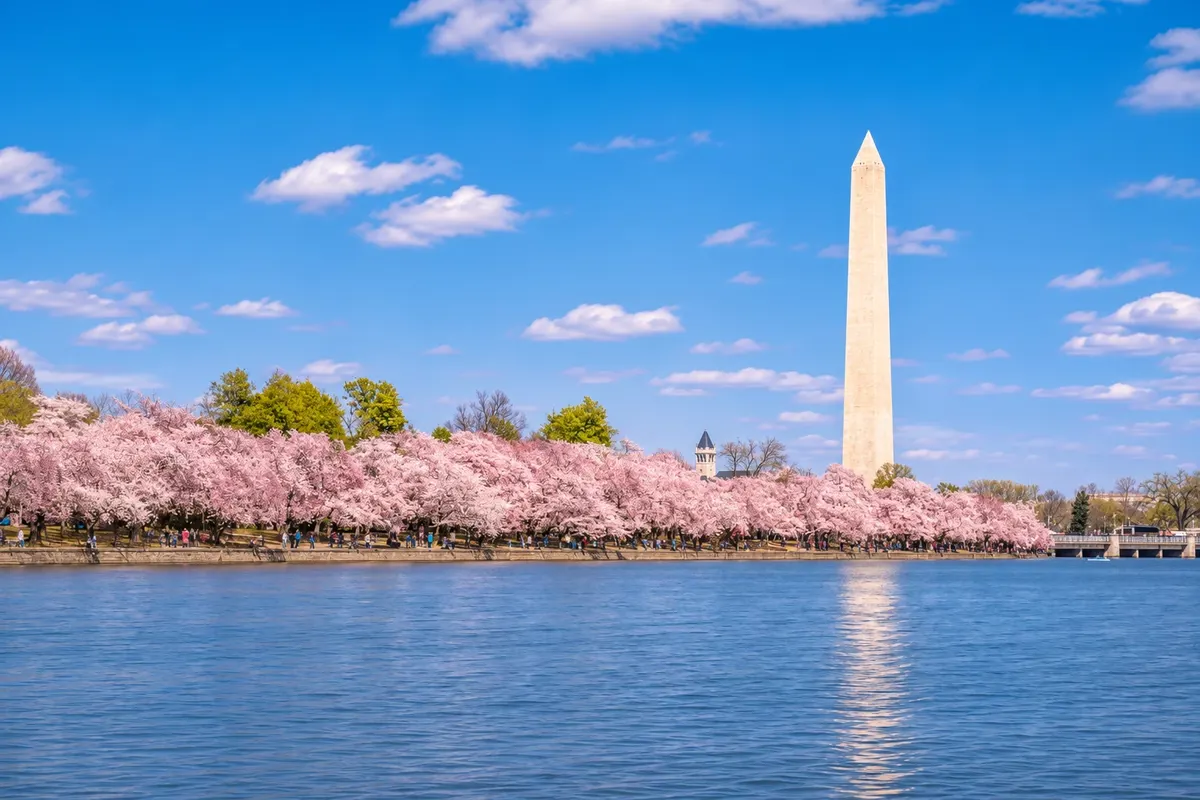
From mid or late March to mid April, lasting about four weeks, following the blooming of the cherry trees in Washington.
Spring festival in Washington that celebrates the cherry trees donated by Tokyo in 1912: weeks of events around the Tidal Basin and the National Mall, including a kite festival, a parade on Constitution Avenue, fireworks and a big Japanese street festival.
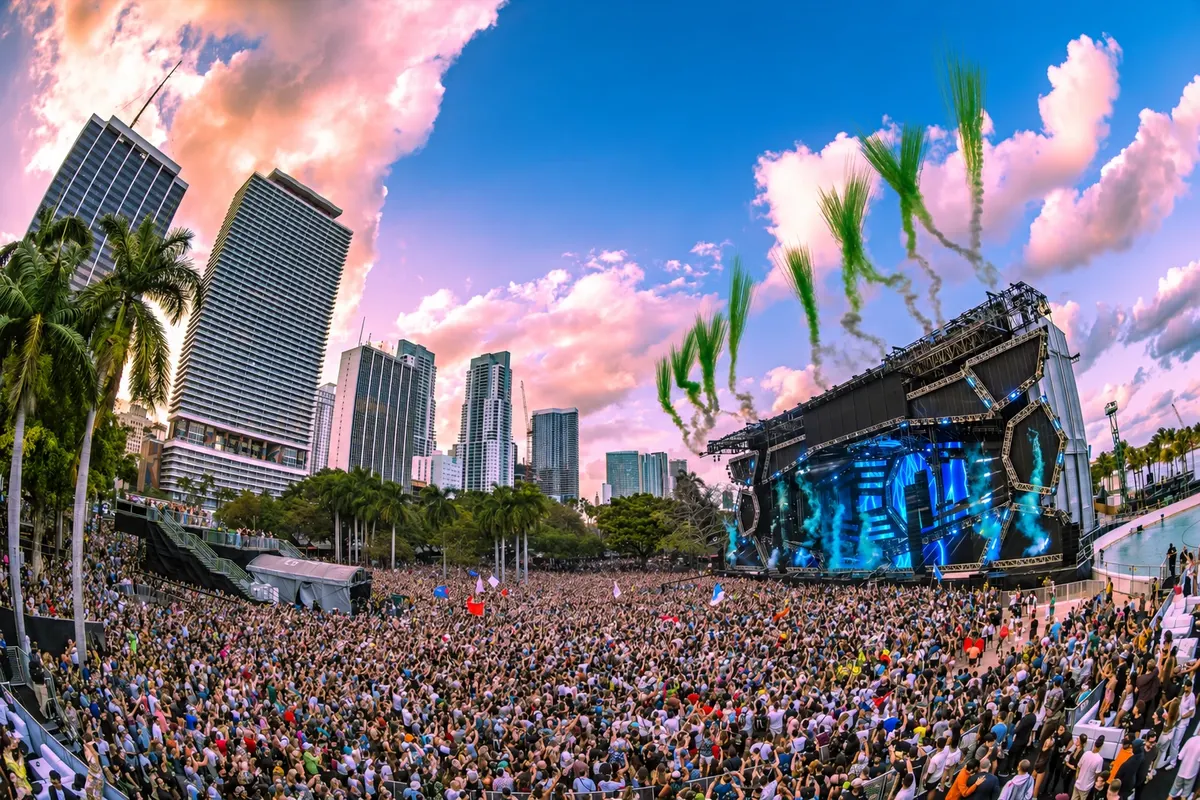 March
Over three consecutive days in March, from Friday to Sunday, usually in the last week of the month.
A three-day electronic music festival at Bayfront Park, beside Biscayne Bay in downtown Miami; the highlight of a week when the city hosts parties and DJ shows from around the world.
Your questions
Usually in February, on a Saturday night, after the lunar calendar turns. Because the date varies, the Chinese Chamber of Commerce announces the day each year.
It’s the figure that ends the parade: a dragon tens of meters long, carried by more than a hundred people, passing amid bursts of small firecrackers.
No, not to watch from the sidewalks. There are reserved-seat grandstands sold separately by the organizer.
Festivals and events in the United States
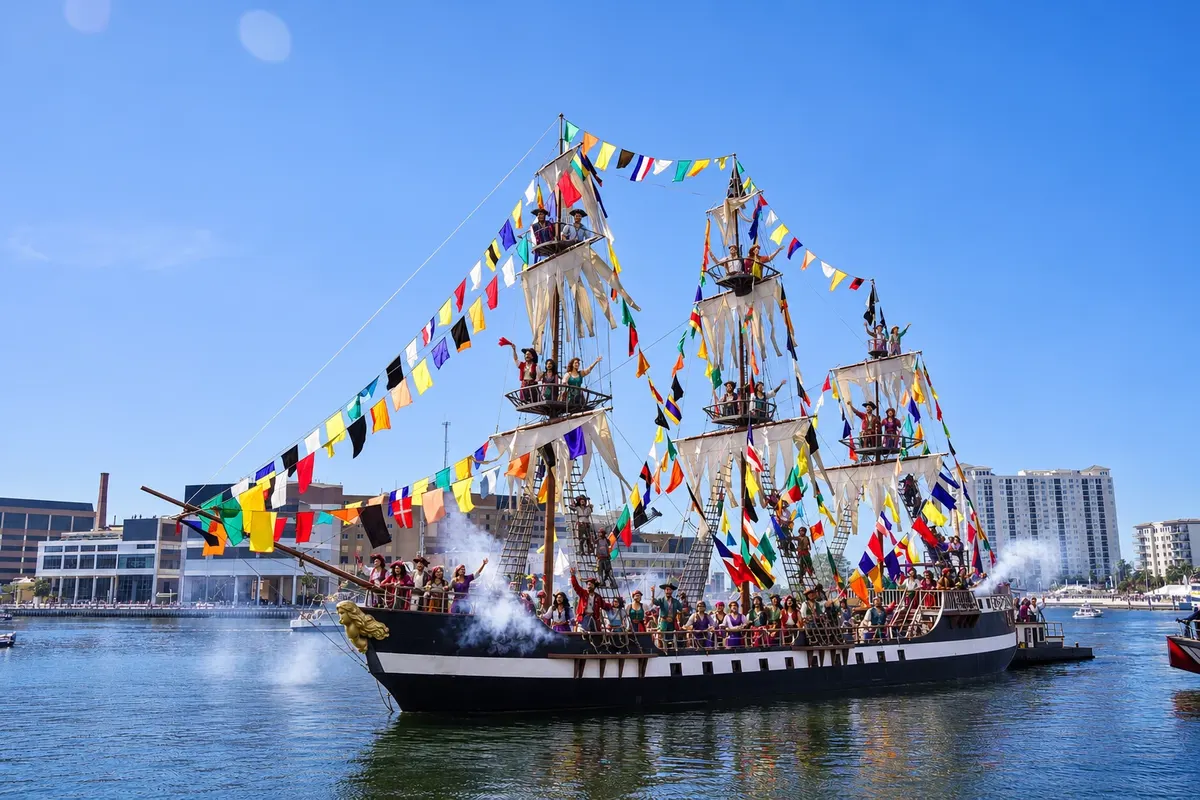 January
On the last Saturday in January; the children’s parade takes place on the previous Saturday.
Tampa’s pirate festival in Florida: a pirate ship sails into the bay with hundreds of boats, the pirates take the key to the city and march along Bayshore Boulevard, throwing beaded necklaces to the costumed crowd.
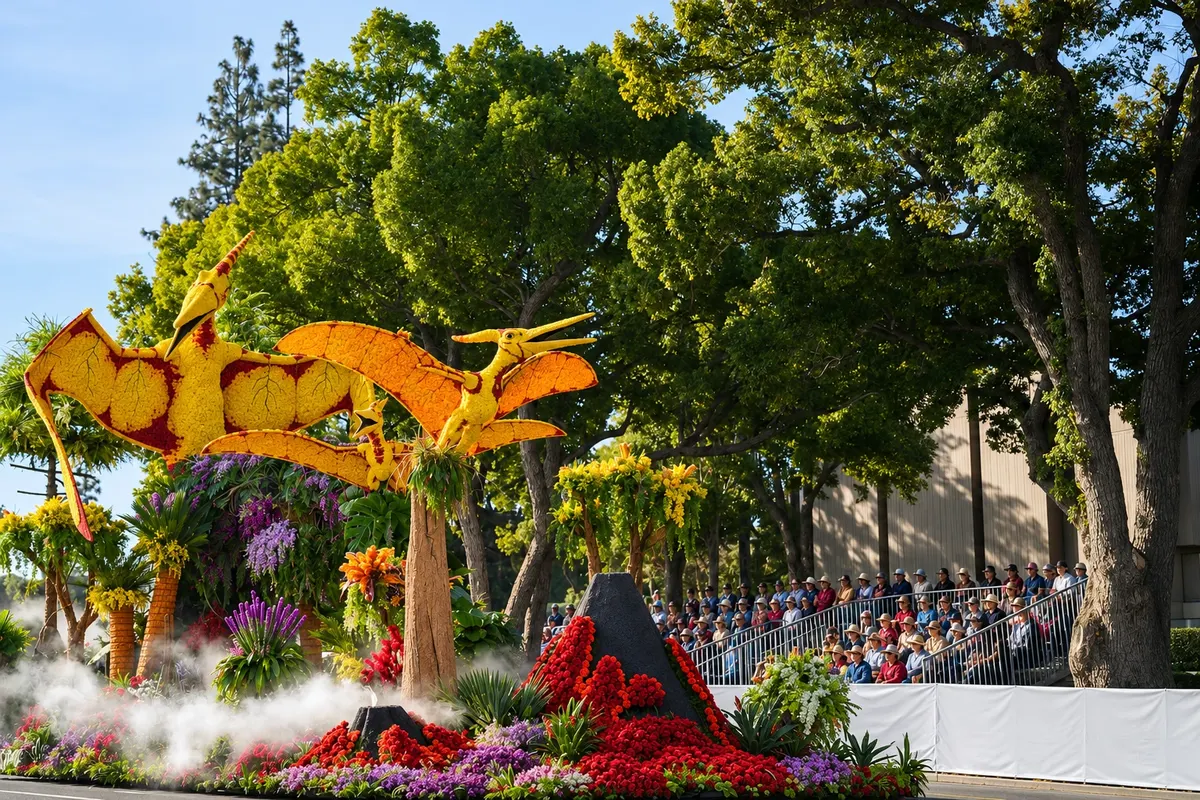 January
On the morning of January 1; if the 1st falls on a Sunday, the parade is held on Monday, January 2.
New Year’s Day parade in Pasadena, near Los Angeles, featuring floats completely covered with flowers, seeds and other natural materials, marching bands and mounted units along Colorado Boulevard. On the same day, the Rose Bowl stadium hosts the college football game of the same name.
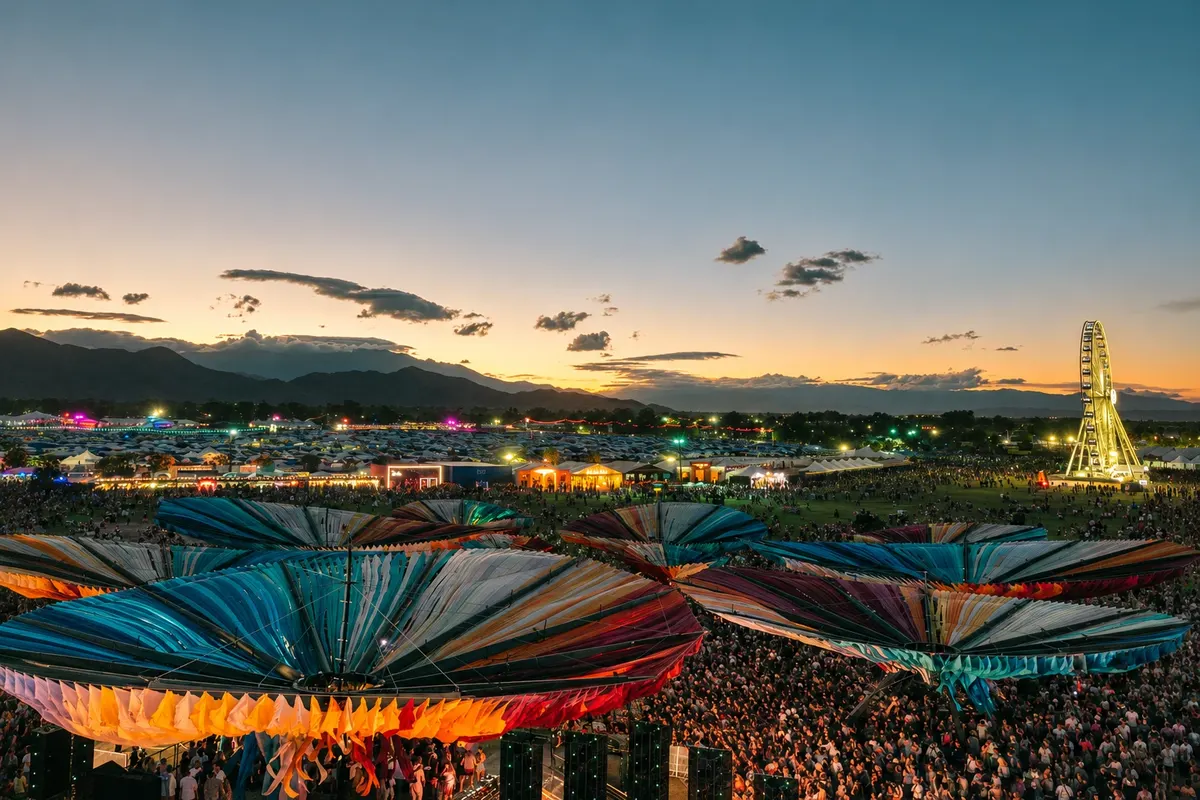 April
In April, over two consecutive weekends, Friday through Sunday, with the same lineup both weekends.
A music and arts festival in the Coachella Valley desert at the Empire Polo Club in Indio, California: two April weekends with stages for rock, pop, hip-hop and electronic music, large art installations, and on‑site camping.
 April/May
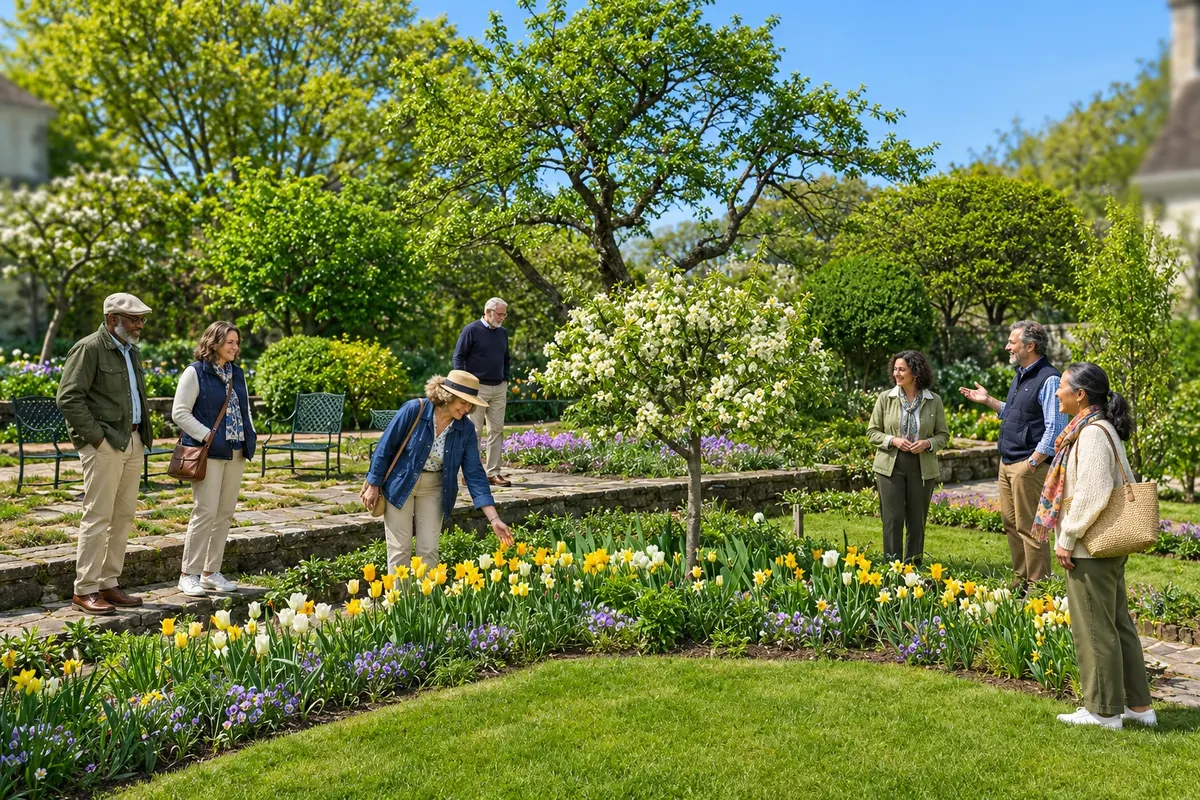
For eight consecutive days, usually in the second half of April and sometimes into early May; each locality opens its houses and gardens on specific days.
For eight spring days, private homes, gardens and historic properties across Virginia open to the public, decorated with floral arrangements made by garden clubs; proceeds fund the restoration of the state’s historic gardens.
 June
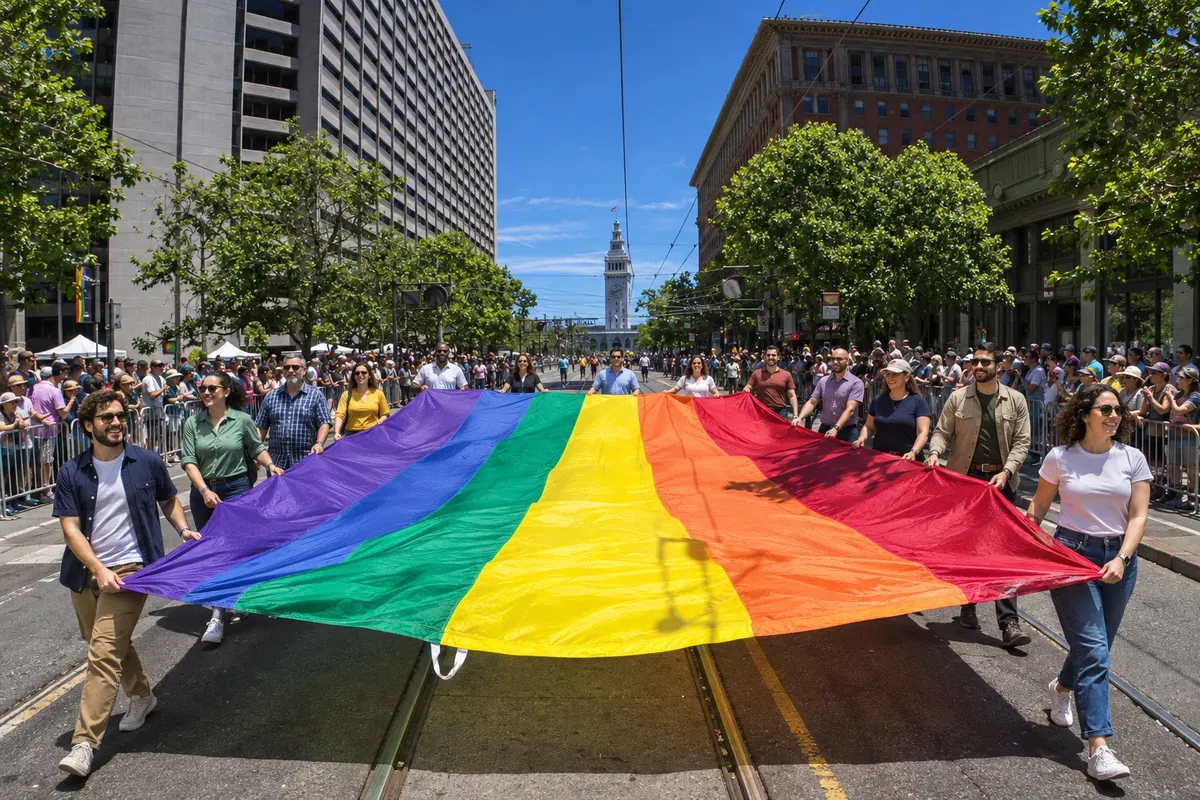
On the last full weekend of June; the celebration runs Saturday and Sunday, and the parade takes place on Sunday morning.
One of the world’s largest LGBT+ pride events: on the last weekend of June, San Francisco hosts a festival with stages and booths at Civic Center and, on Sunday morning, a parade along Market Street featuring hundreds of groups from the city.
 July
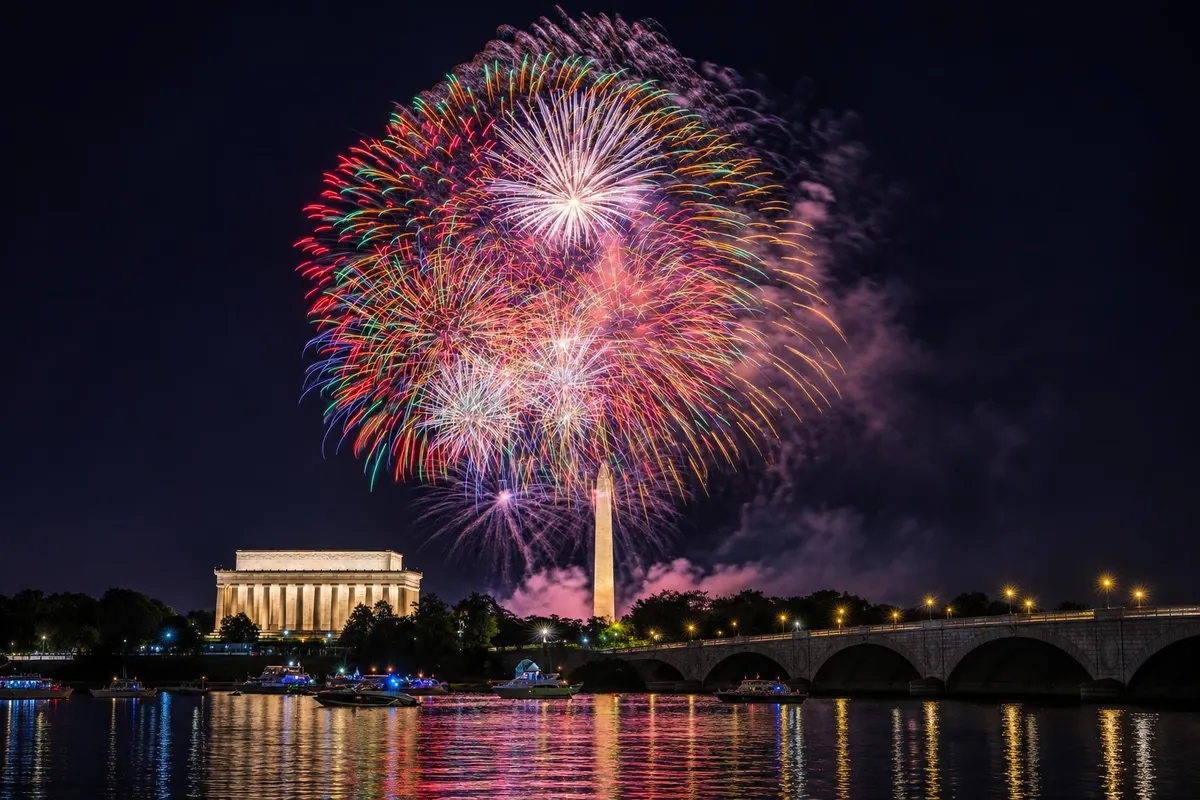
On July 4, Independence Day in the United States.
Independence Day in the U.S. capital: a parade on Constitution Avenue, a concert on the Capitol lawn and, at night, one of the country’s largest fireworks displays over the National Mall memorials.