Dish · San Francisco
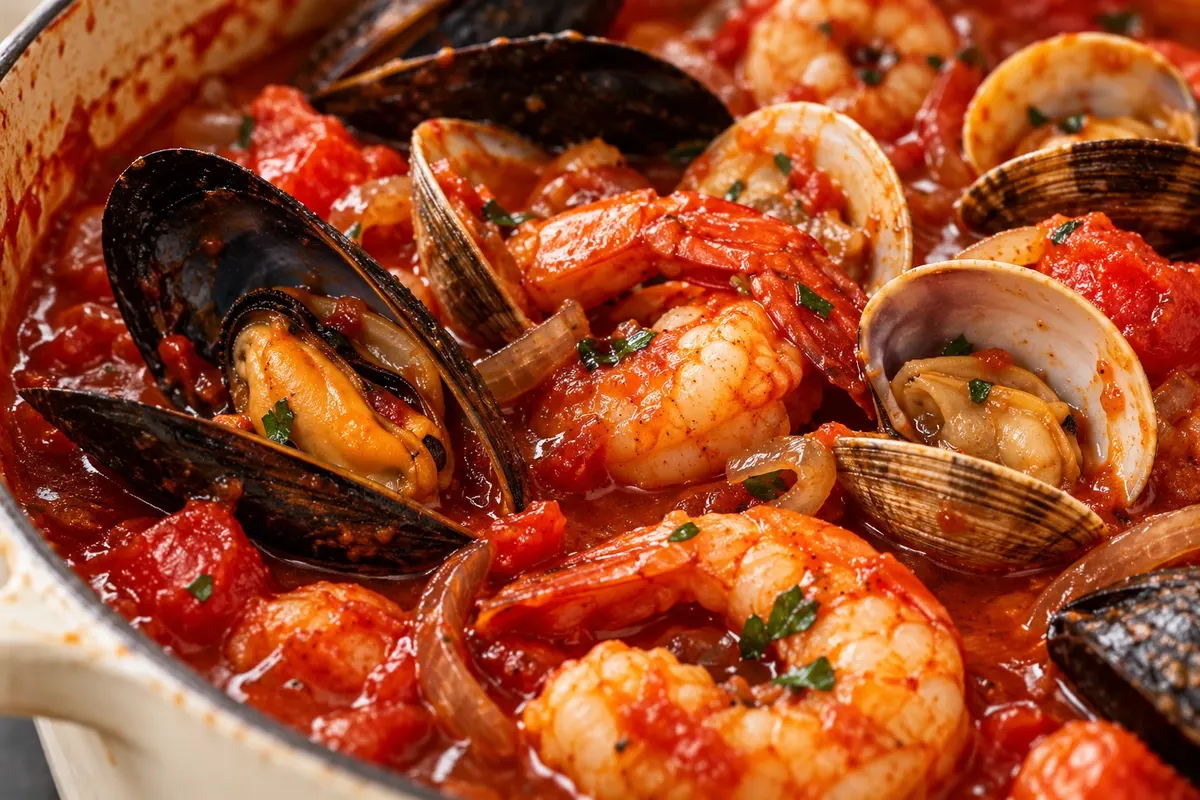
Cioppino
Stew of fish and seafood in a tomato-and-wine broth, created in the 19th century by Italian fishermen, mostly from Genoa, on the San Francisco pier. It is served with bread for dipping into the broth.

 Search
 Brazil
 Argentina
 Bolivia
 Chile
 Colombia
 Ecuador
 Guyana
 French Guiana
 Falkland Islands (Malvinas)
 Paraguay
 Peru
 Suriname
 Uruguay
 Venezuela
 Germany
 Austria
 Belgium
 Croatia
 Denmark
 Spain
 Finland
 France
 Greece
 the Netherlands
 Hungary
 Ireland
 Iceland
 Italy
 Luxembourg
 Norway
 Poland
 Portugal
 the United Kingdom
 the Czech Republic
 Sweden
 Switzerland
 Turkey
 Canadathe United States
 Mexico
 the Dominican RepublicTurkey
 South Africa
 Australia
 Fiji
 New Zealand
 Papua New Guinea
Popular festival · San Francisco
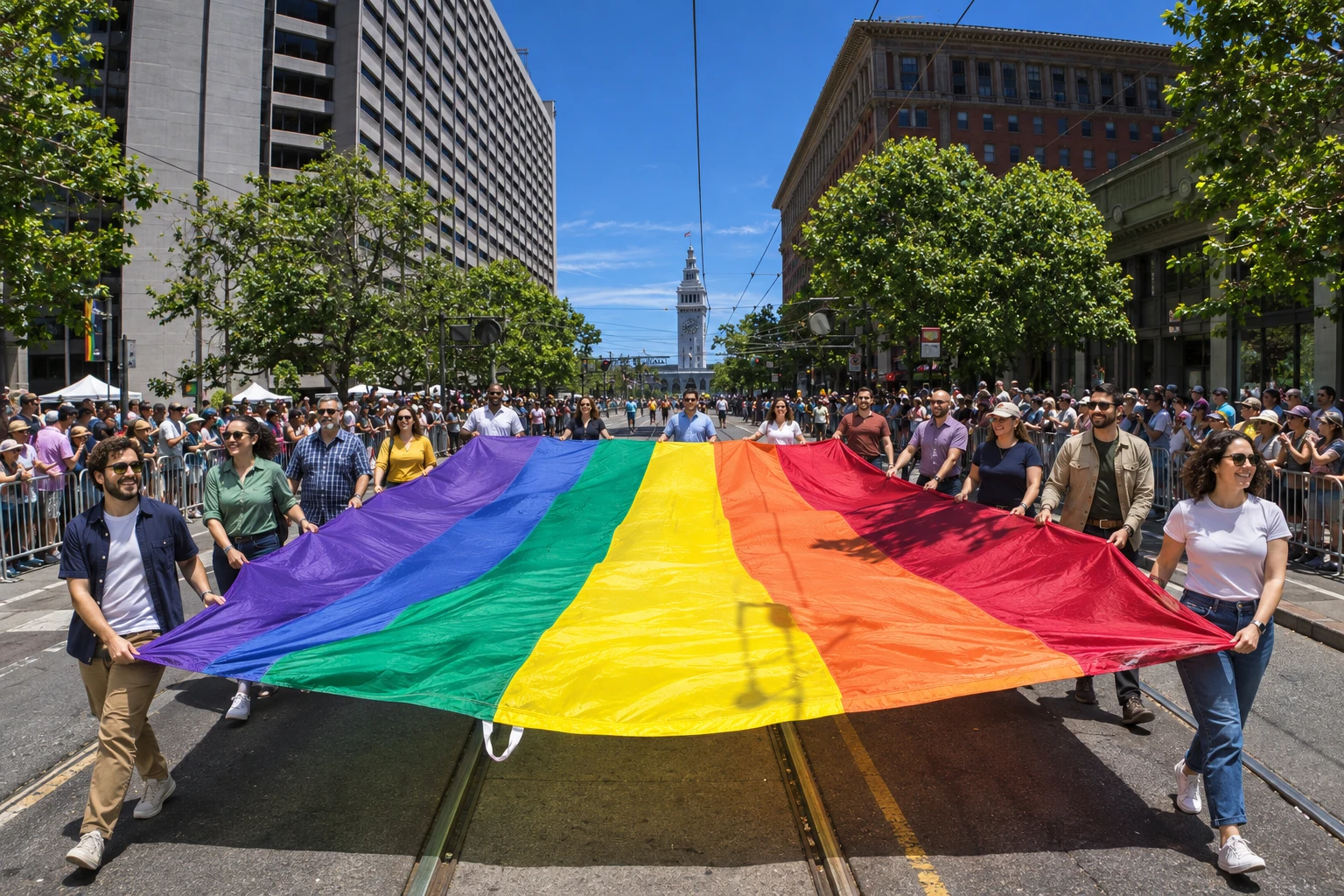
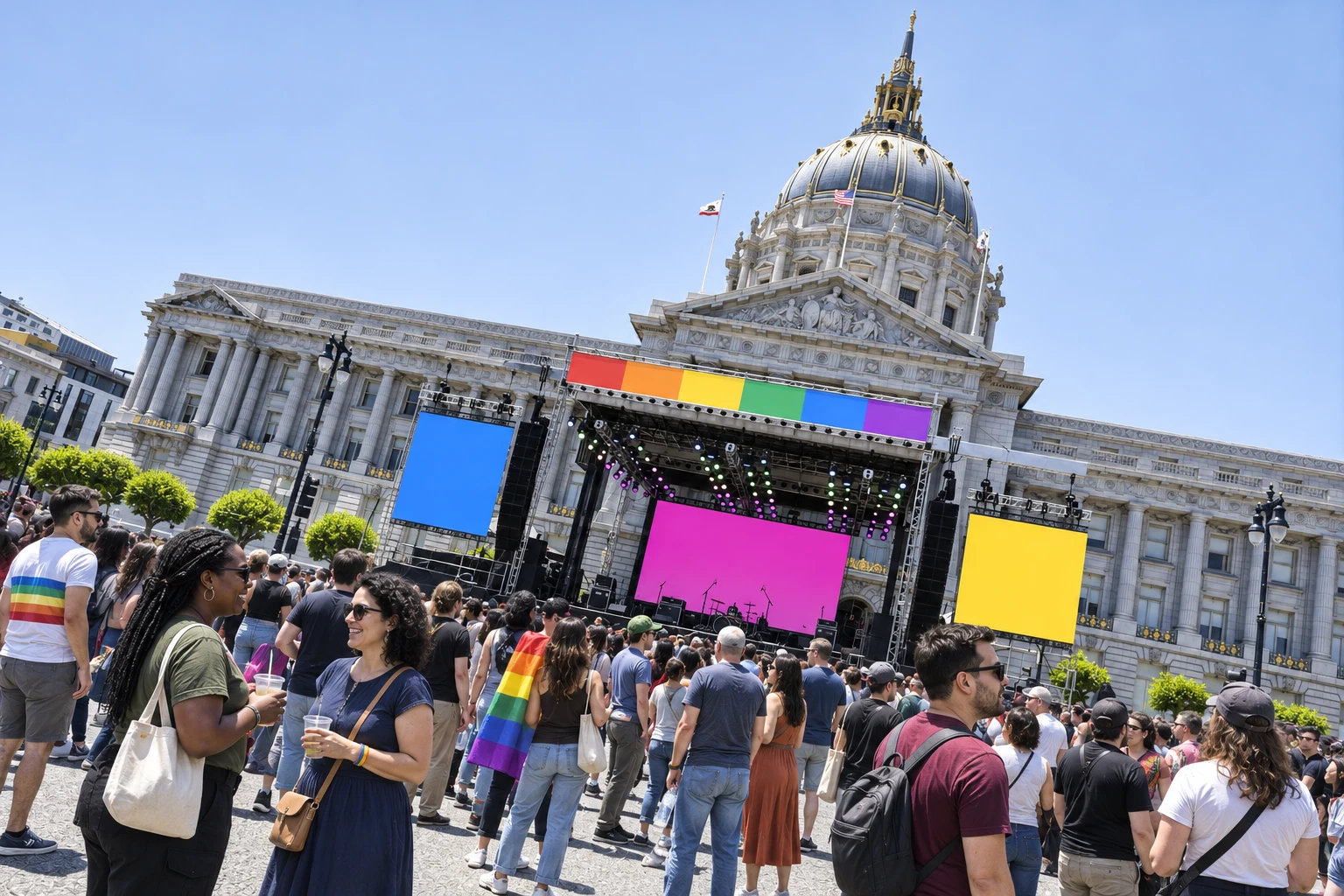
One of the world’s largest LGBT+ pride events: on the last weekend of June, San Francisco hosts a festival with stages and booths at Civic Center and, on Sunday morning, a parade along Market Street featuring hundreds of groups from the city.
In the photo: San Francisco
Illustrative images. The pictures in this guide are illustrations based on the real place, not photographs, and may differ from it.

Click a photo to enlarge it.
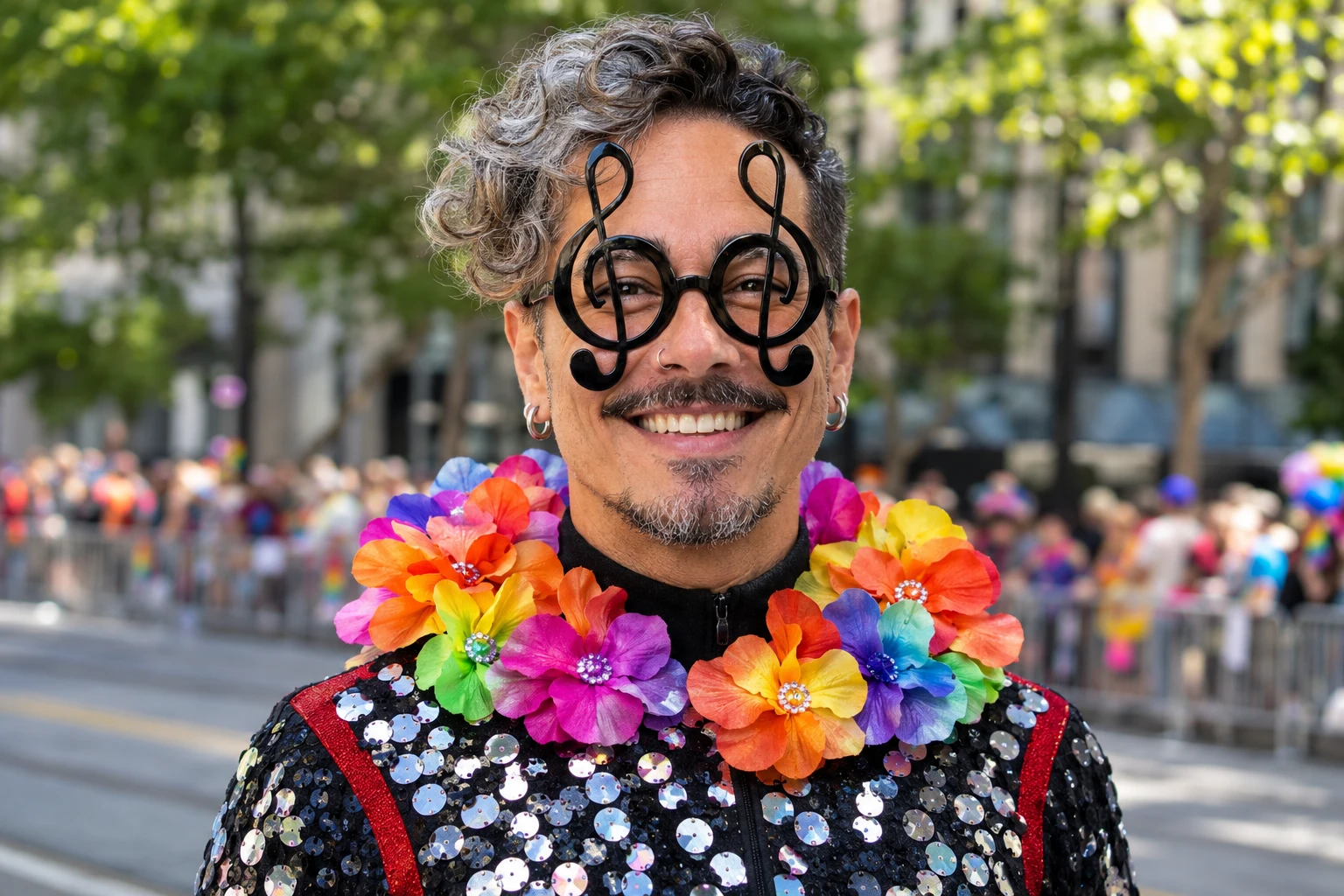
San Francisco LGBT+ Pride Parade — San Francisco
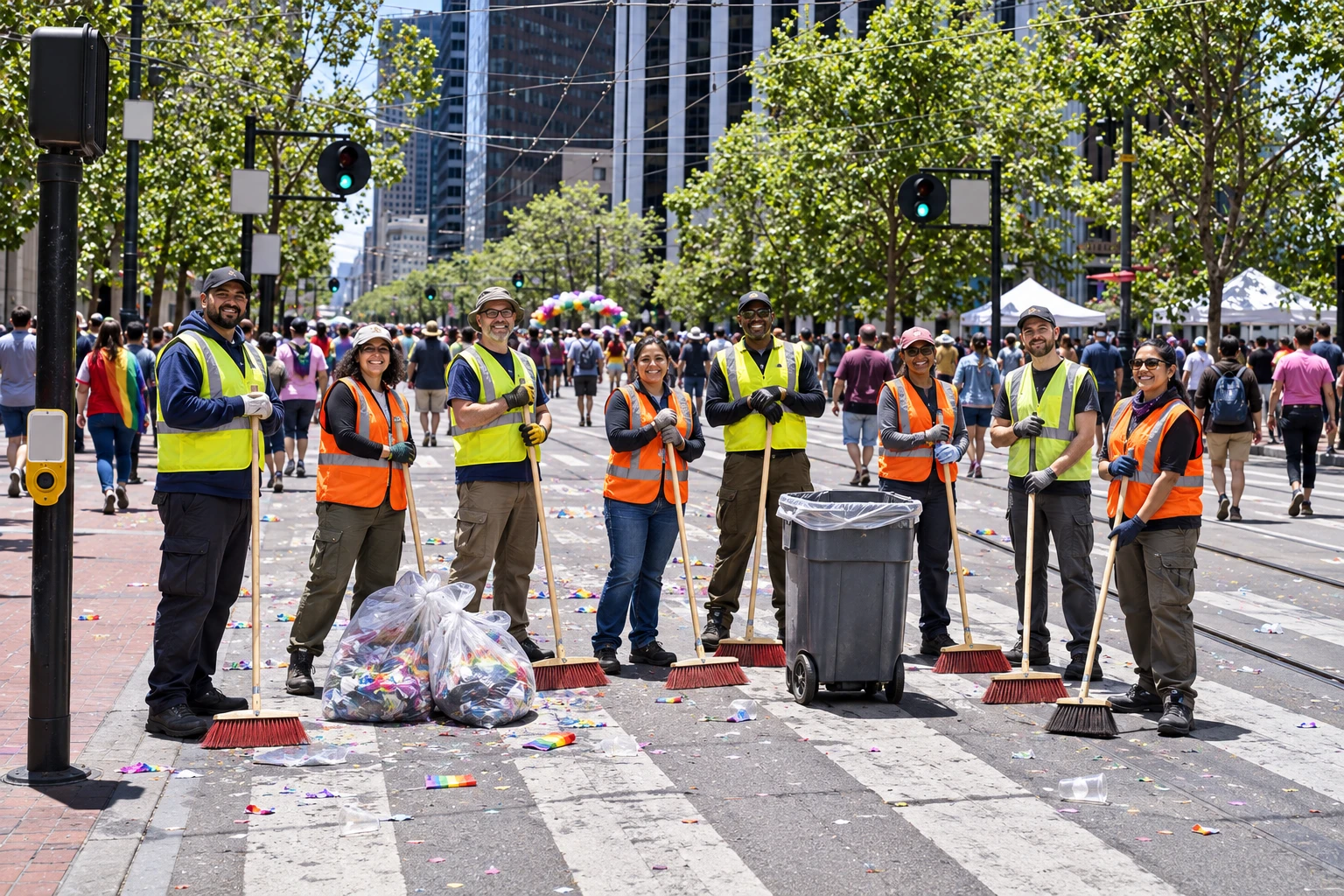
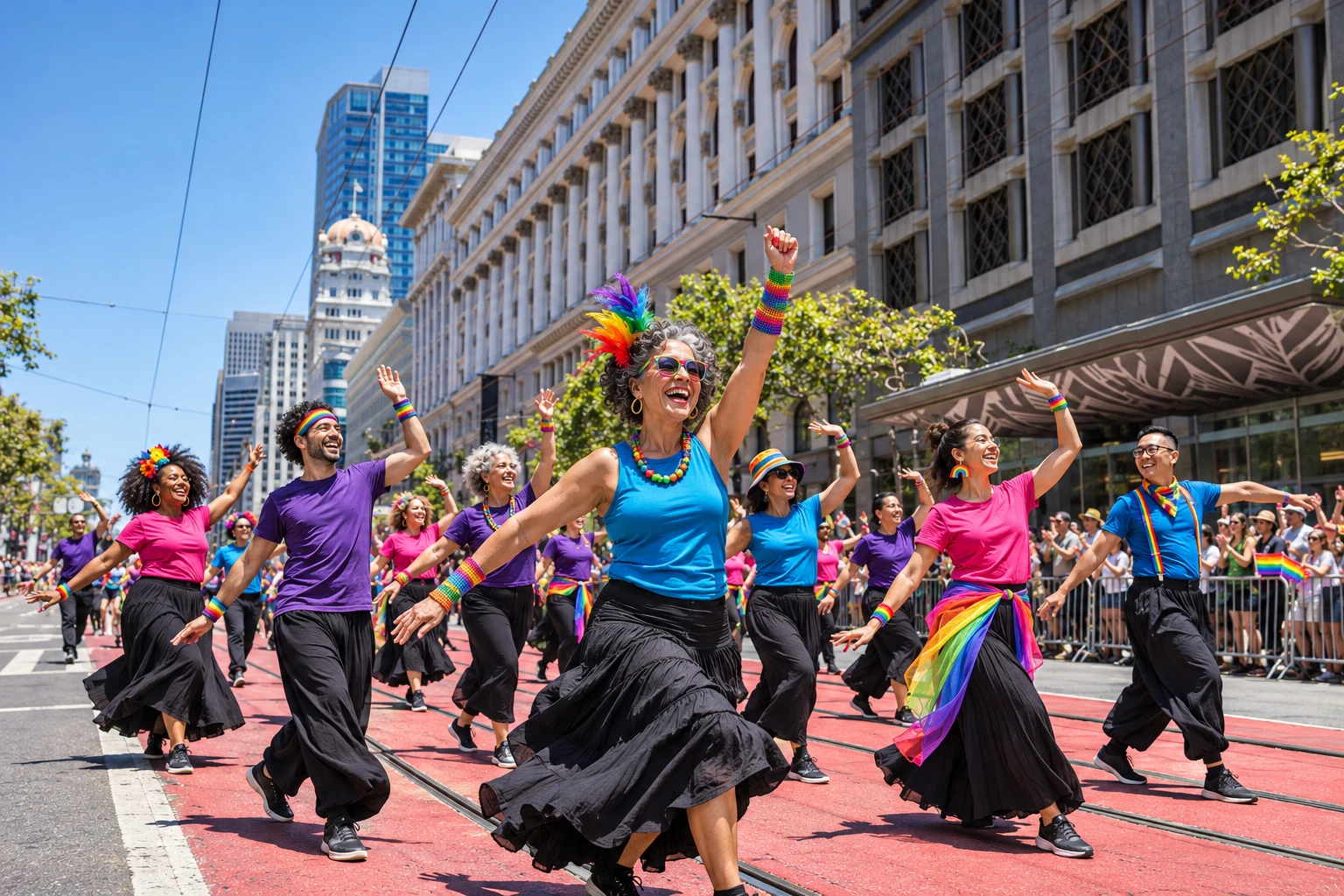
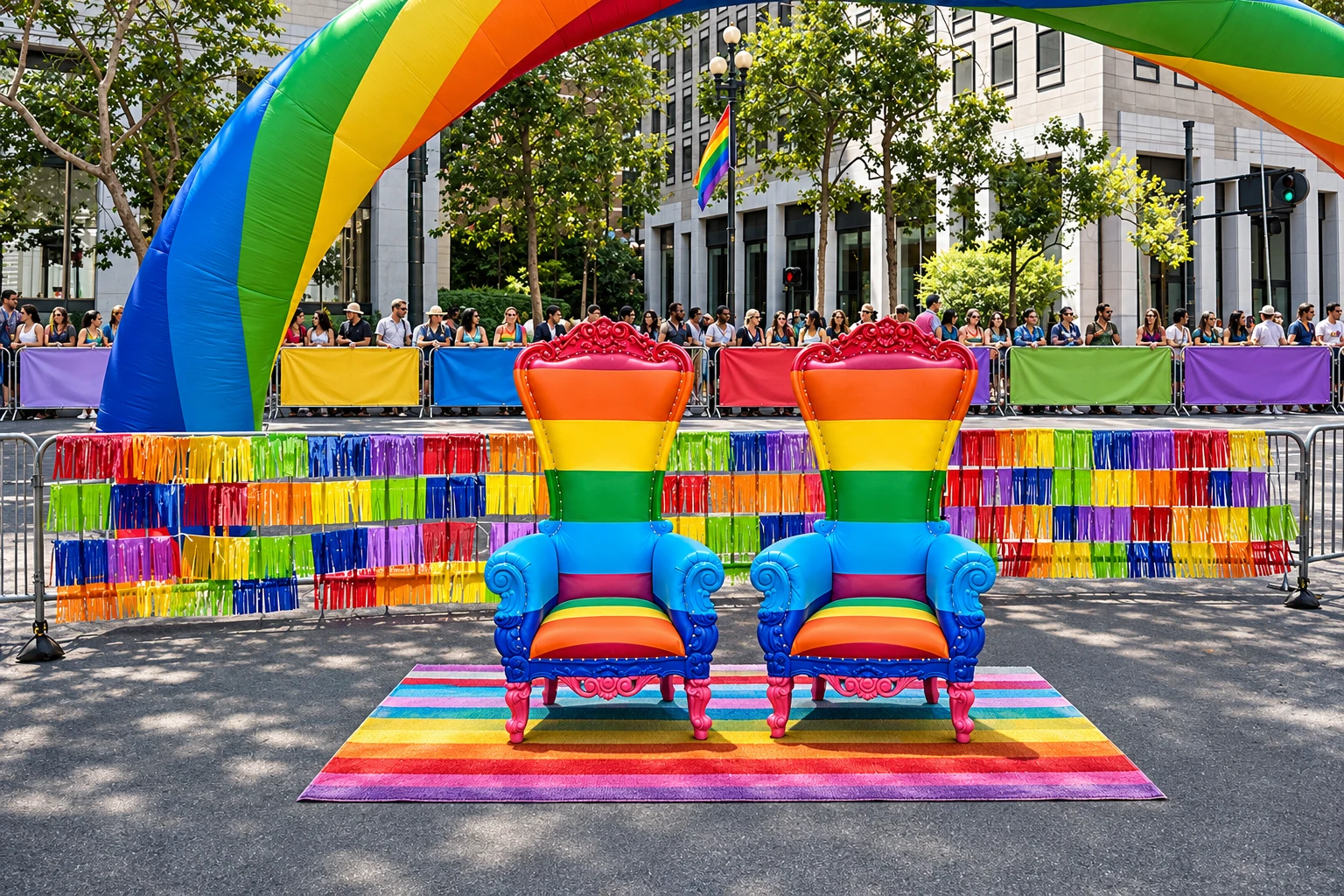
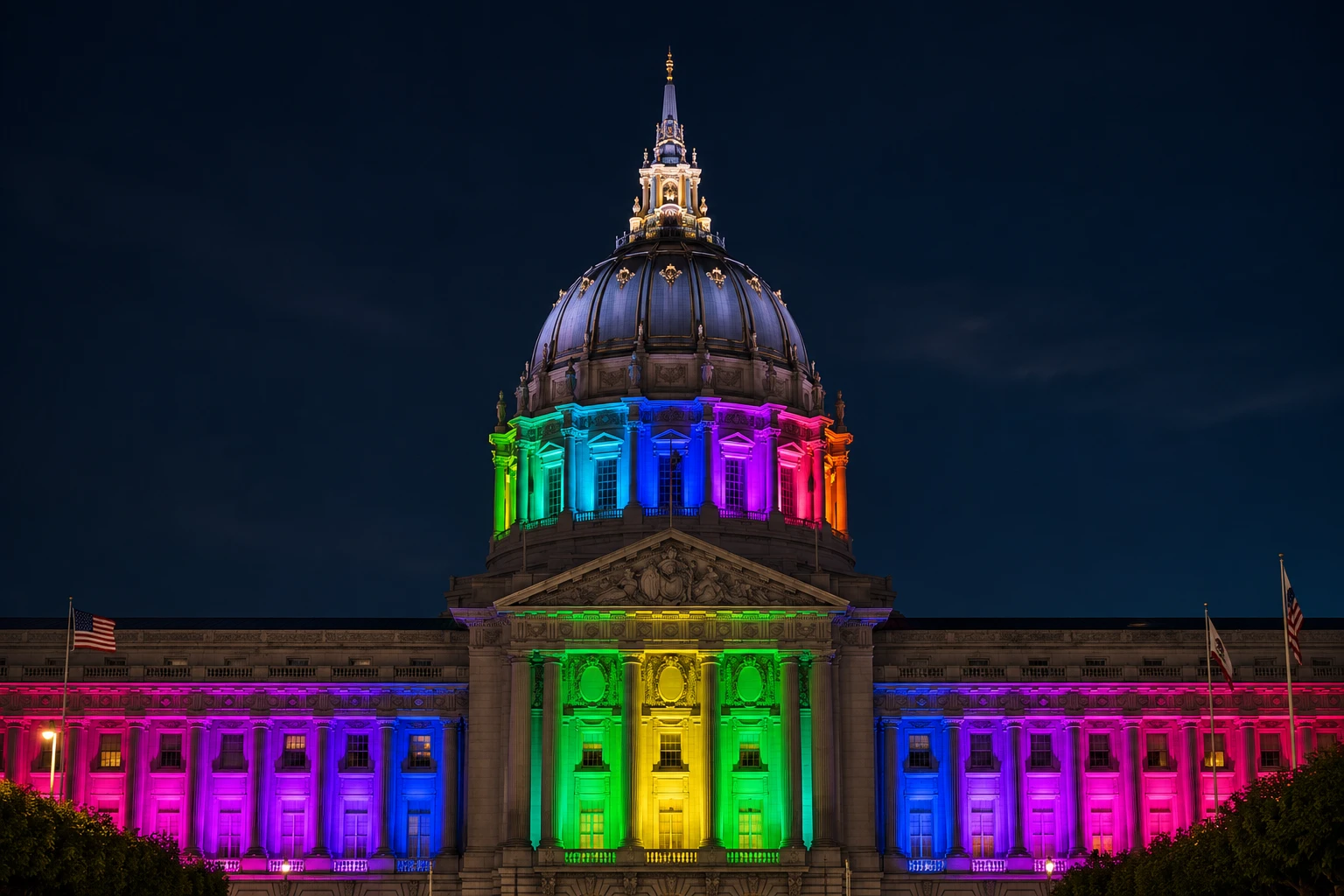
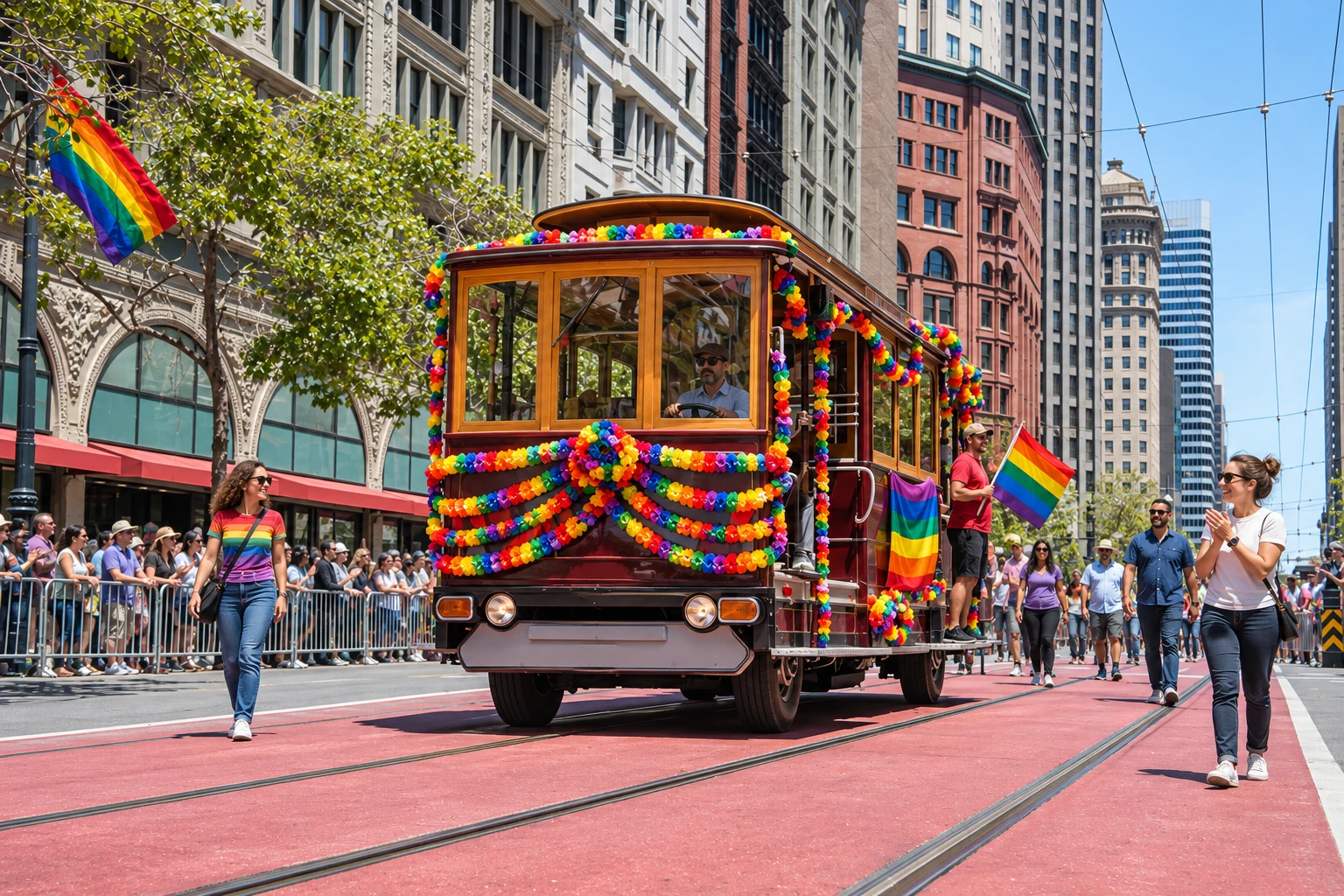
On the last full weekend of June; the celebration runs Saturday and Sunday, and the parade takes place on Sunday morning.
June
Dates change every year: check this year's date before you travel.
The festival
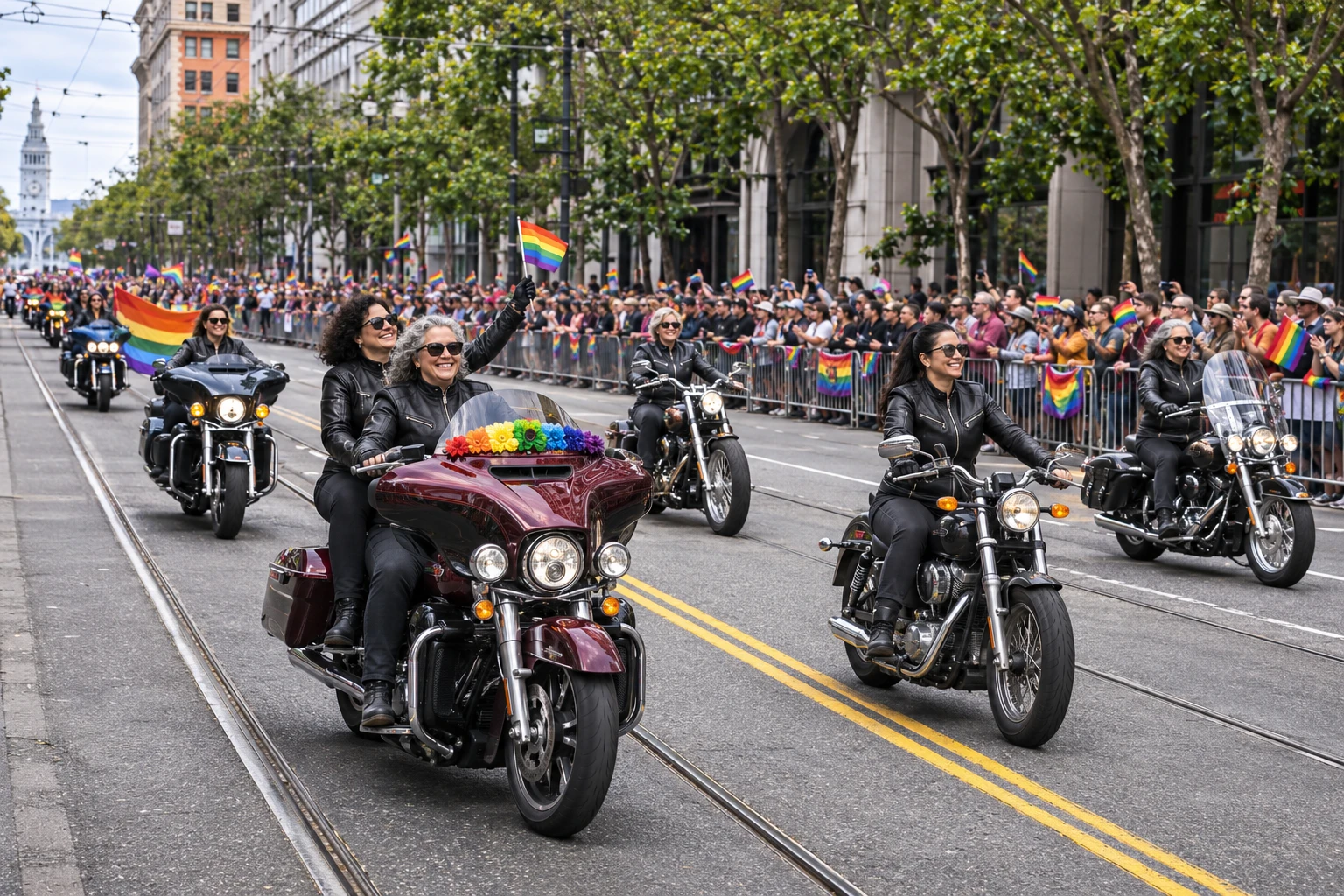
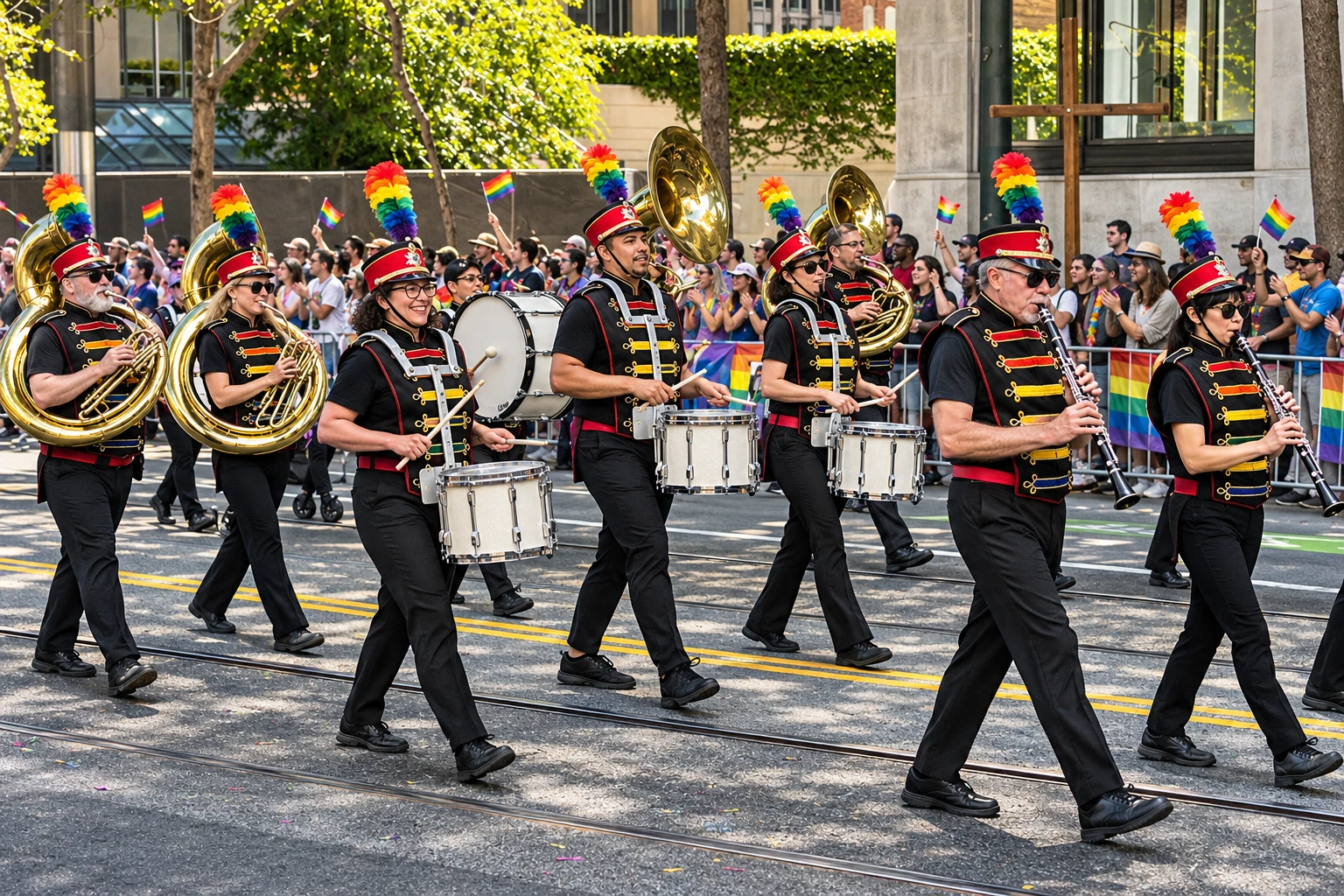
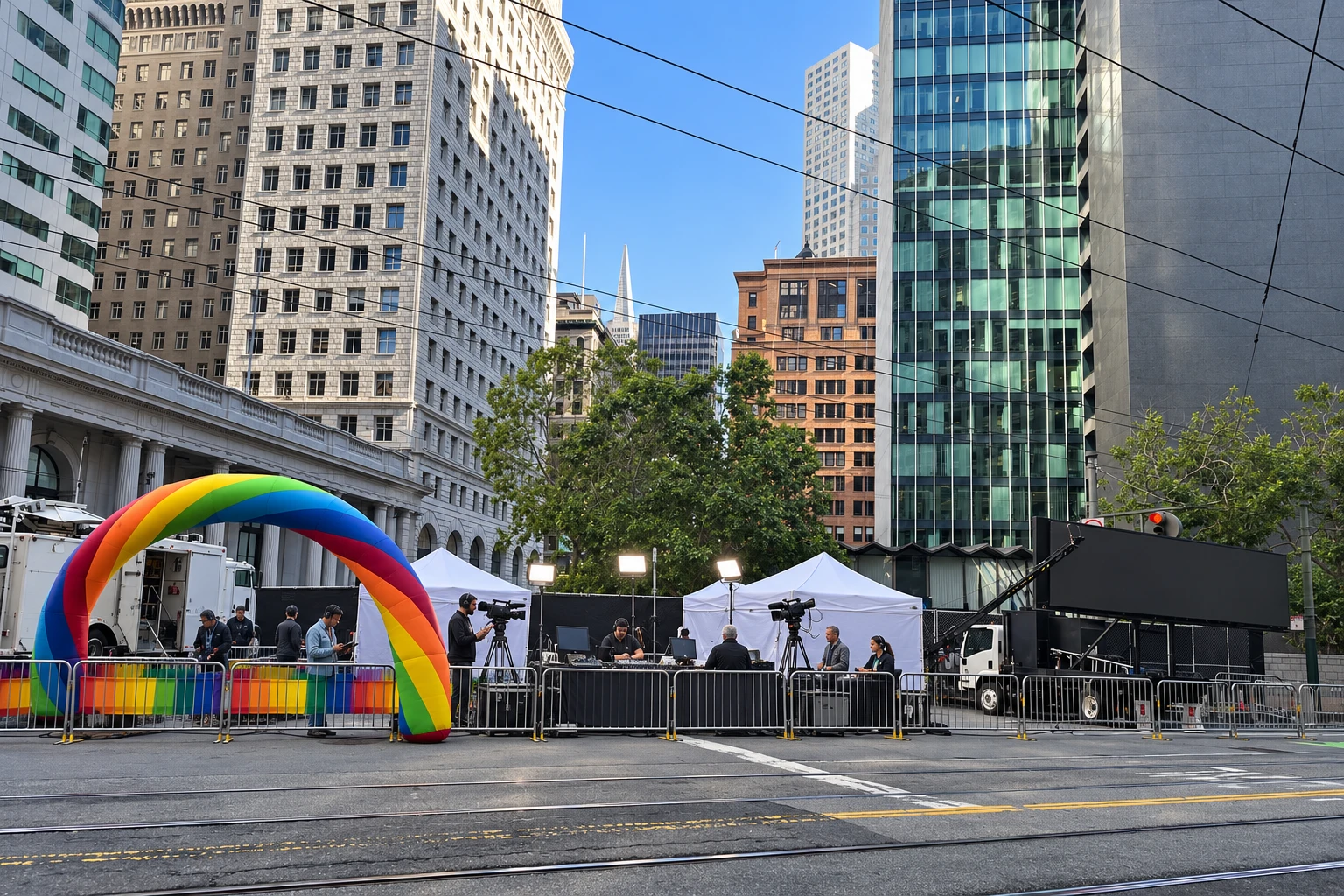
San Francisco Pride, the city’s LGBT+ celebration, fills the downtown area on the weekend that closes out June. On Saturday and Sunday, Civic Center Plaza in front of City Hall hosts music stages, booths from community organizations, crafts and food. On Sunday morning the parade marches down Market Street, the main downtown avenue, toward Civic Center, with hundreds of groups: associations, schools, churches, unions, sports teams, businesses and residents, all under rainbow flags.
The date commemorates the Stonewall uprising in New York in June 1969, considered a milestone in the movement for LGBT+ rights. In June 1970, on the first anniversary, about thirty people marched down Polk Street in San Francisco, followed by a gathering in Golden Gate Park. The first official parade with city permission came in 1972 and ended at Civic Center, as it does today. The event’s name has changed several times and it grew into one of the largest of its kind, organized by a nonprofit community organization.
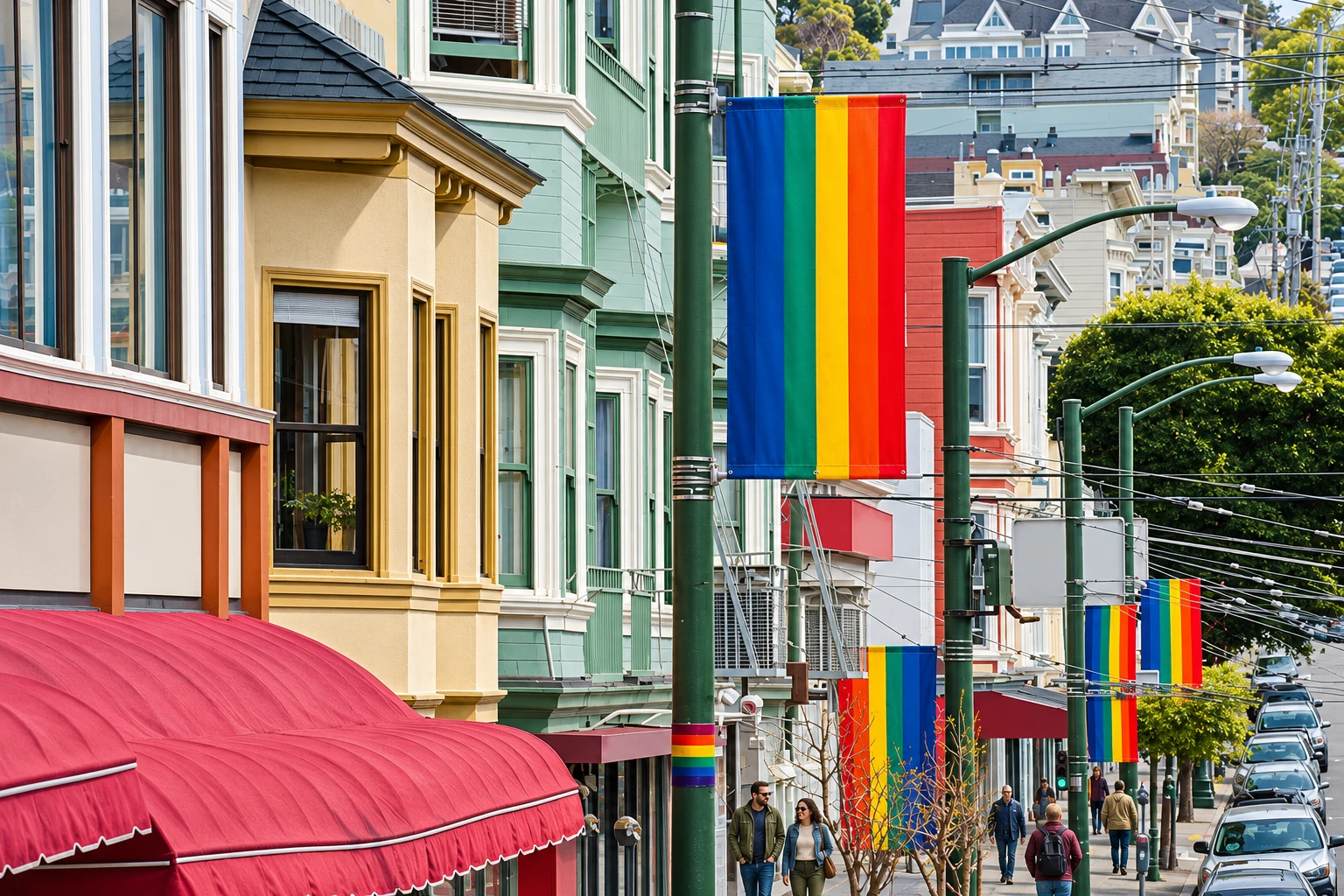
San Francisco has a long relationship with the LGBT+ community, and the rainbow flag, now used worldwide, first appeared at the city’s celebration in 1978. During festival days, flags decorate Market Street and the Castro neighborhood, a historic community gathering point where bars, shops and sidewalks are crowded all weekend.
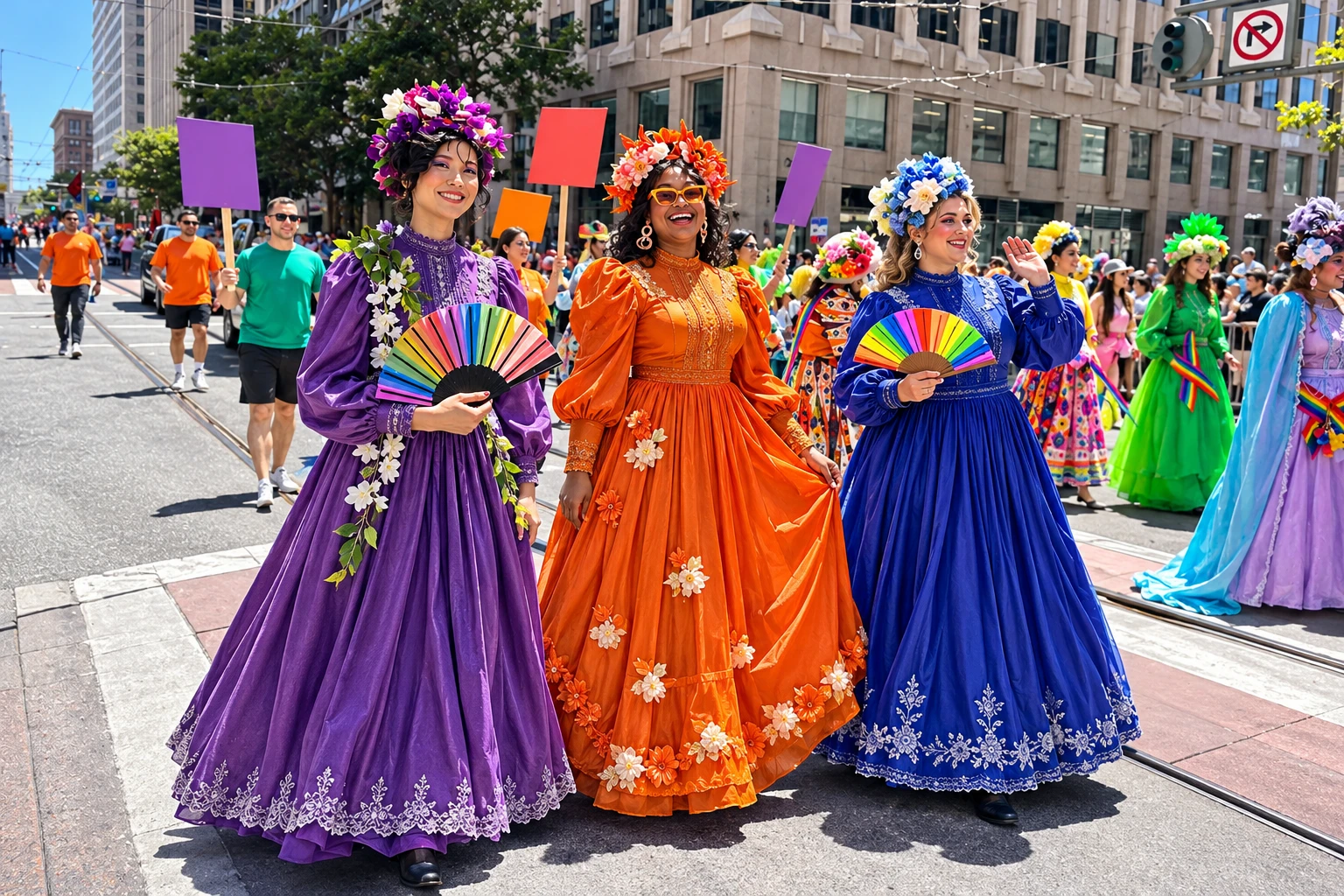
The parade includes traditional groups, like the motorcyclists who often lead the procession, floats, bands, dance troupes and many people in costume. In the days before, the program includes other community marches and events in various neighborhoods, and Civic Center hosts stages with performances and spaces dedicated to different parts of the community.
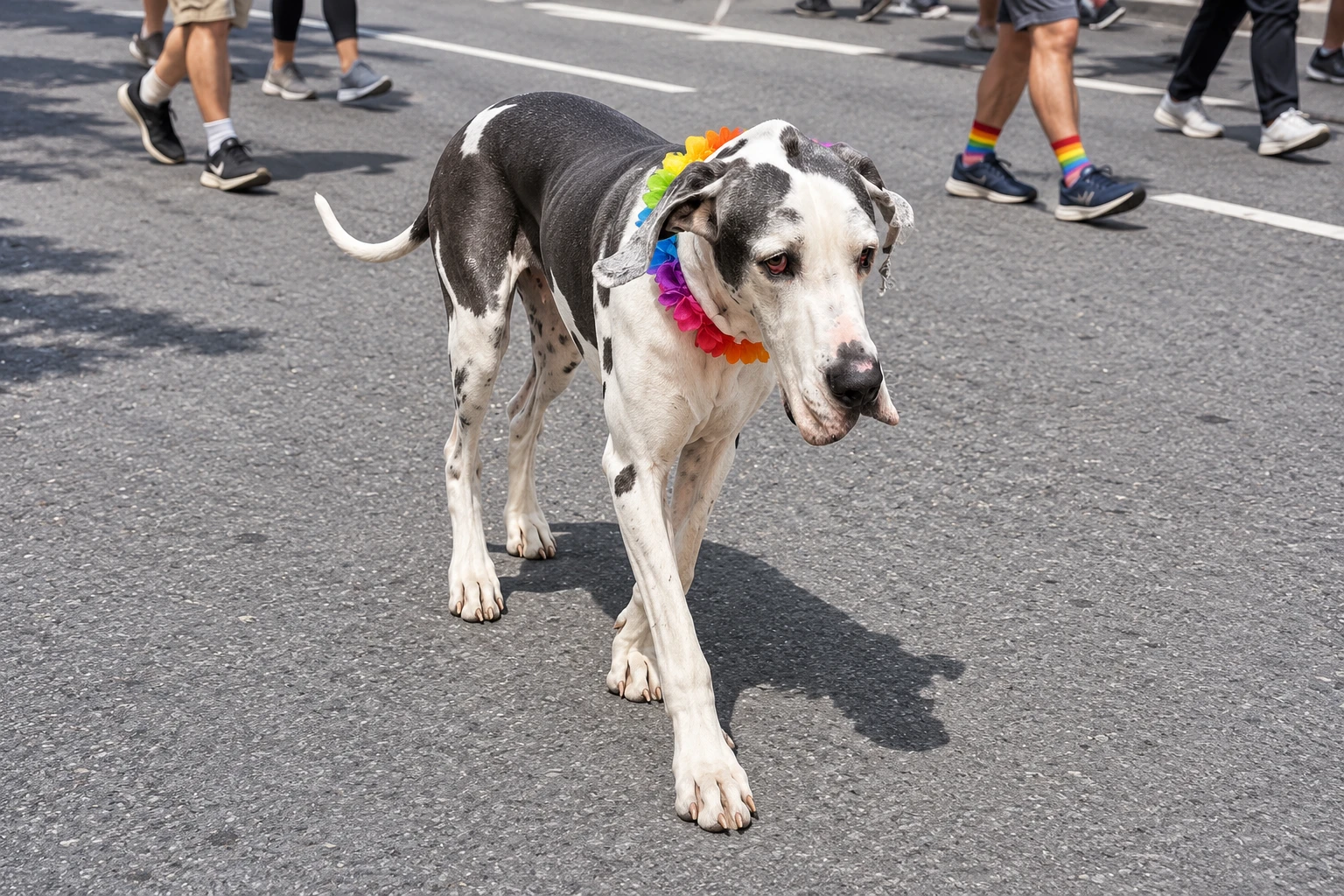
The event is open to everyone, and many families, friends and visitors watch the parade and join the festival. If you’re in San Francisco at the start of summer, it’s the city’s most colorful weekend of the year and a tradition tied to its recent history.
Sunday’s parade down Market Street, with the motorcyclists opening the procession and groups from across the city. The Civic Center festival, with stages, community booths and City Hall in the background. The Castro neighborhood, with rainbow flags, busy bars and crowded sidewalks. Flags hung along Market Street. The community marches in the days leading up to the main event. Outside the festival, the city’s LGBT+ history museum in the Castro, which tells the community’s story in San Francisco.
Watching the parade and walking along Market Street does not require a ticket; entry to the Civic Center festival is usually free and organizers suggest a voluntary donation. Arrive early to secure a spot on the Market Street curb, and remember it’s hard to cross the avenue during the parade. Use public transit: subway and light rail stations along Market Street are near the route, and downtown traffic is routed around the parade. The event is smoke-free by city rule. In June, San Francisco often has cool, foggy mornings and milder afternoons; dress in layers. Agree in advance where to meet your companions; amid the crowds phone signals often drop.
Festival weekend is one of the busiest of the year in San Francisco; book your hotel early, near downtown or the Castro, with good public transit access. Dates, parade route and accessibility services are posted on the official website a few weeks beforehand. Also check the schedule for other neighborhood events that weekend.
In the city
Flavors of the United States
Stew of fish and seafood in a tomato-and-wine broth, created in the 19th century by Italian fishermen, mostly from Genoa, on the San Francisco pier. It is served with bread for dipping into the broth.
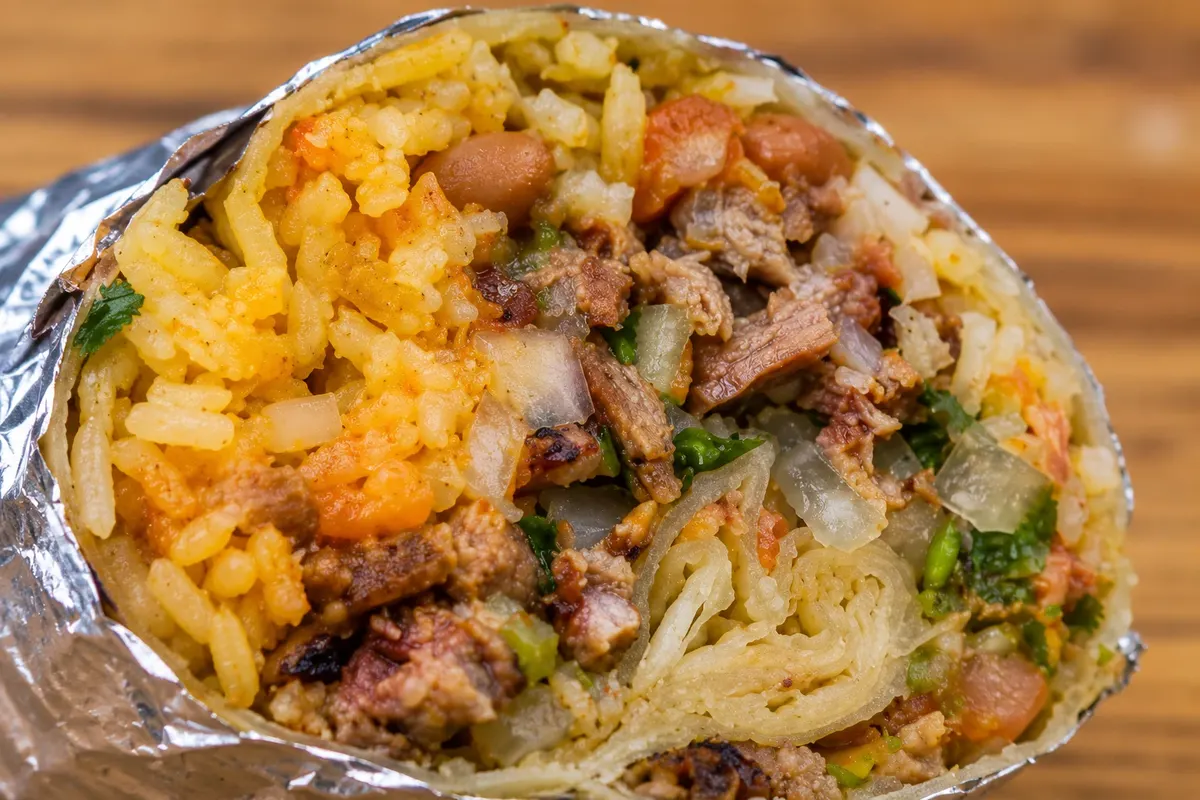
Large burrito made with a flour tortilla, filled with meat, rice, beans, salsa and sour cream, wrapped in aluminum foil. It originated in the taquerías of the Mission neighborhood in San Francisco in the 1960s.
Your questions
On the full weekend that ends June: Saturday and Sunday festival at Civic Center and a parade along Market Street on Sunday morning.
Along Market Street, the city’s main downtown avenue, from the Embarcadero area toward Civic Center, where the festival with stages and booths is held.
It honors the Stonewall uprising, which took place in New York in June 1969. San Francisco held its first march on the one-year anniversary, in June 1970.
Not to watch the parade on Market Street. The Civic Center festival is usually open to the public, with a suggested contribution to support the event.
Festivals and events in the United States
 January
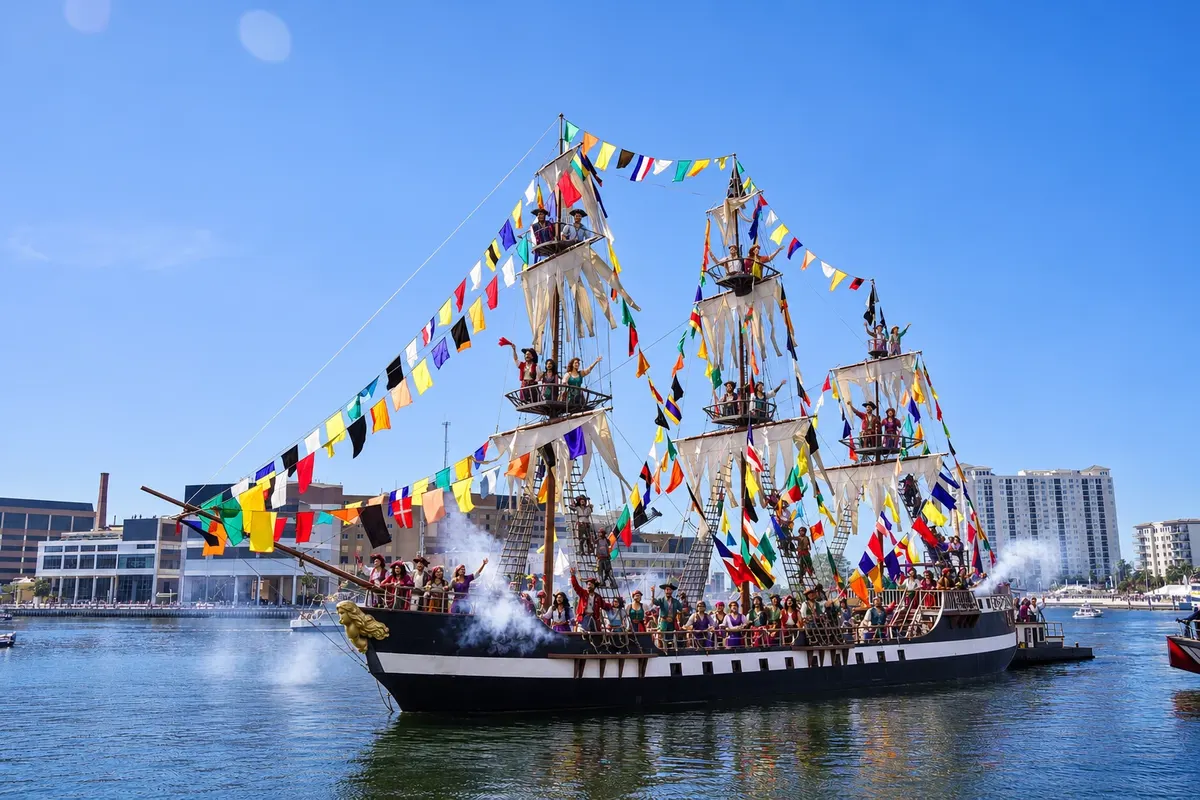
On the last Saturday in January; the children’s parade takes place on the previous Saturday.
Tampa’s pirate festival in Florida: a pirate ship sails into the bay with hundreds of boats, the pirates take the key to the city and march along Bayshore Boulevard, throwing beaded necklaces to the costumed crowd.
 January
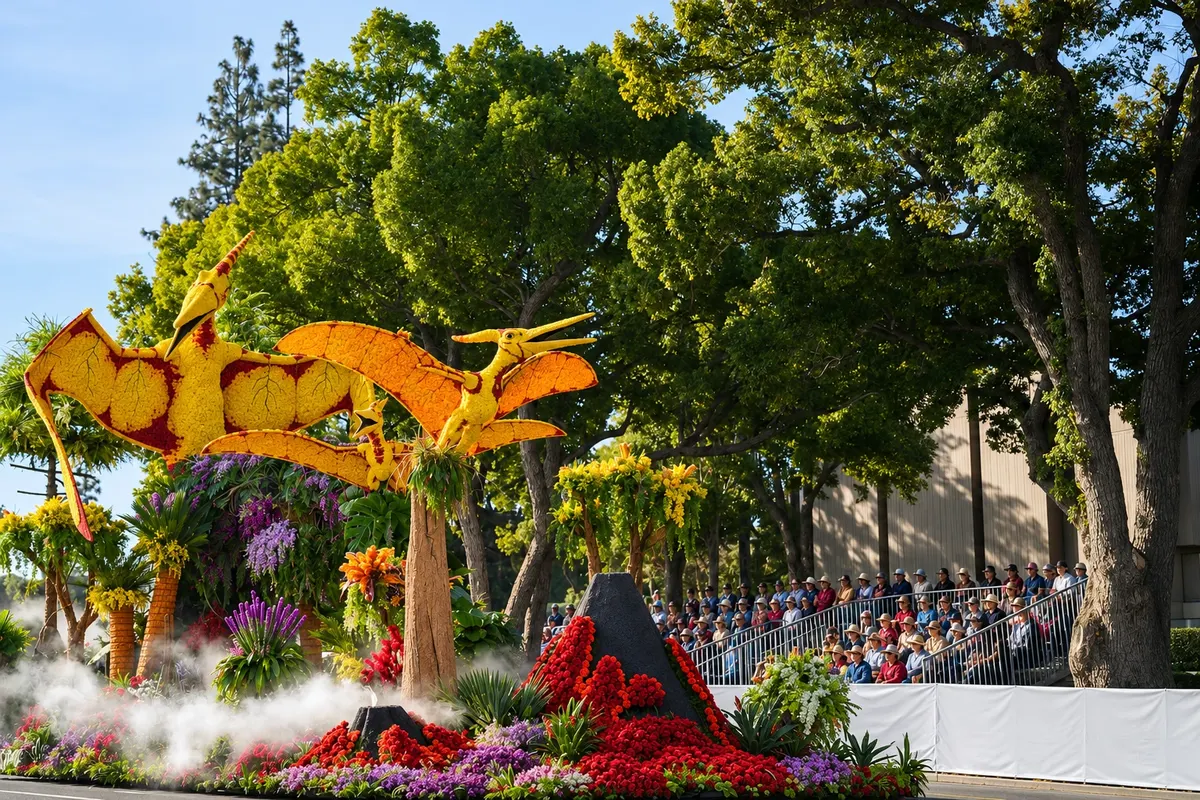
On the morning of January 1; if the 1st falls on a Sunday, the parade is held on Monday, January 2.
New Year’s Day parade in Pasadena, near Los Angeles, featuring floats completely covered with flowers, seeds and other natural materials, marching bands and mounted units along Colorado Boulevard. On the same day, the Rose Bowl stadium hosts the college football game of the same name.
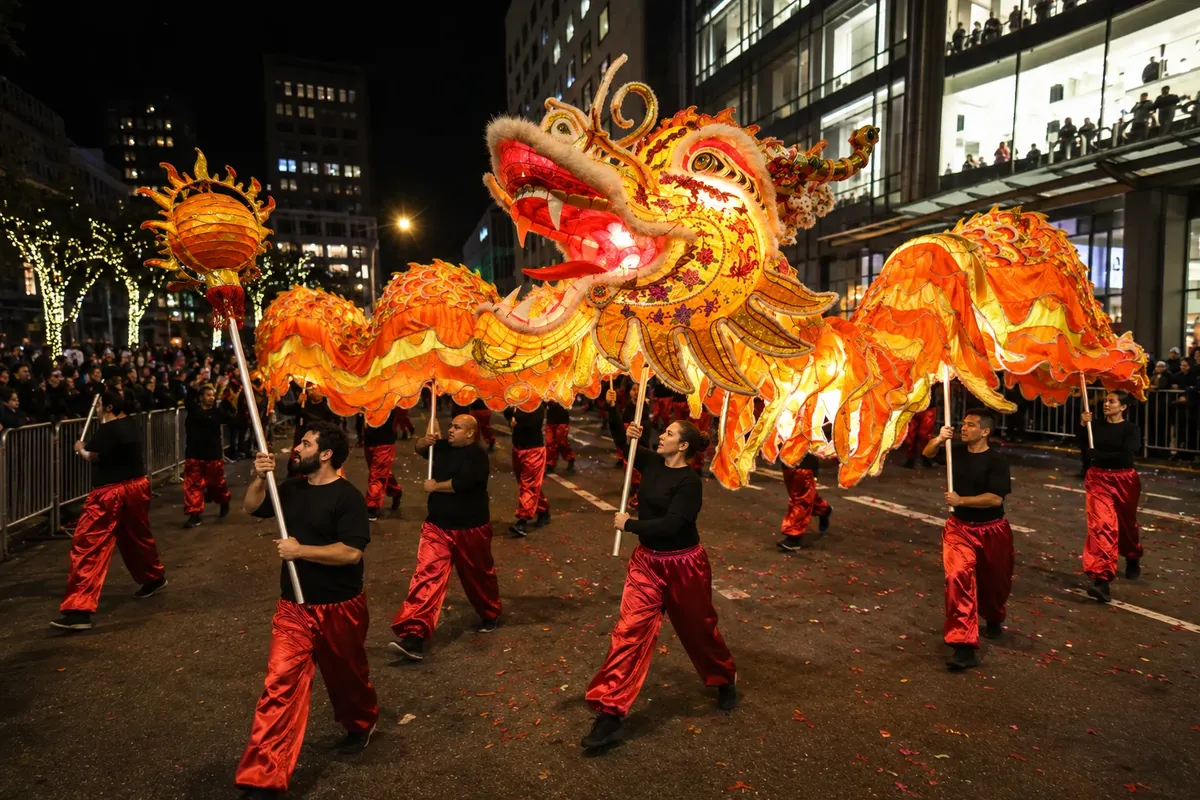 February/March
On a Saturday night, a few weeks after Lunar New Year, between February and early March; the celebration in Chinatown lasts several days.
San Francisco Lunar New Year nighttime illuminated parade organized by the Chinese Chamber of Commerce: floats, lion dance, acrobats, bands and, at the end, the Golden Dragon carried by dozens of people, amid firecrackers and lanterns.
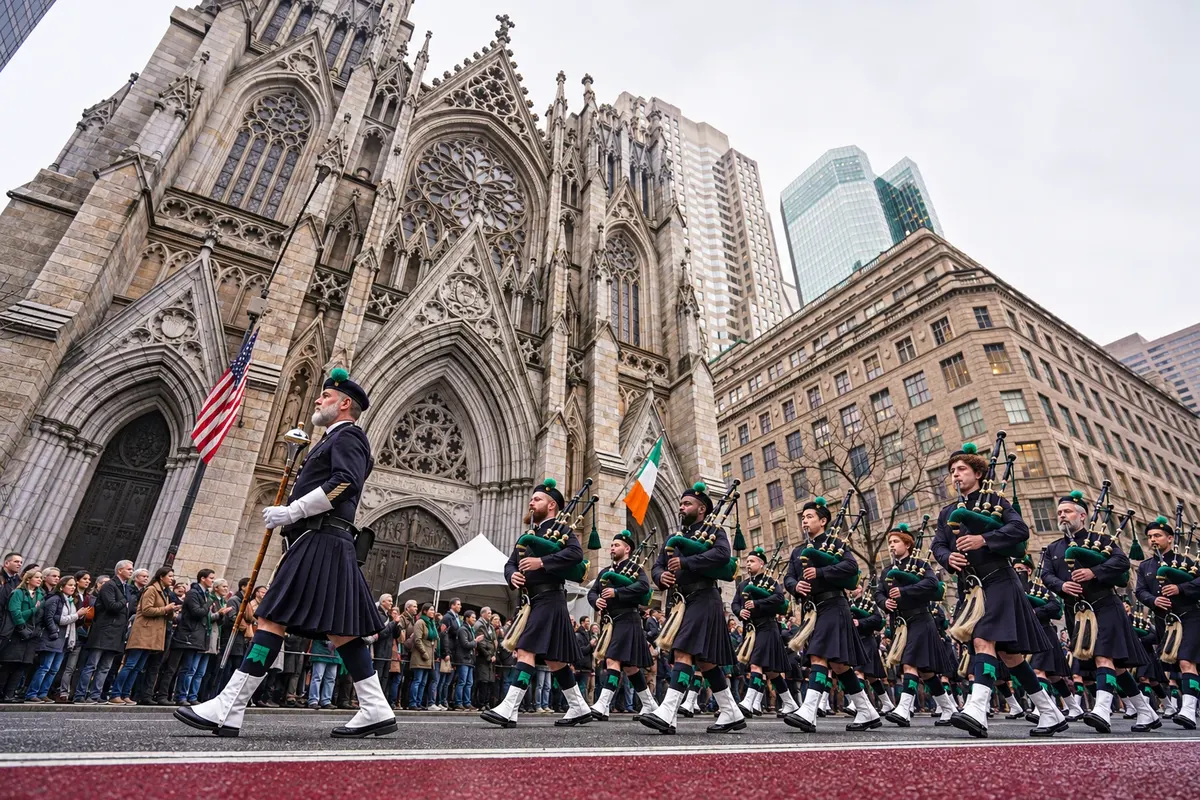 March
On March 17, St. Patrick’s Day; if the date falls on a Sunday, the parade is moved to Saturday, March 16.
Irish parade along Fifth Avenue in Manhattan on St. Patrick’s Day: bagpipers, bands, Irish associations and groups from across the country march on foot, with no floats, passing in front of St. Patrick’s Cathedral.
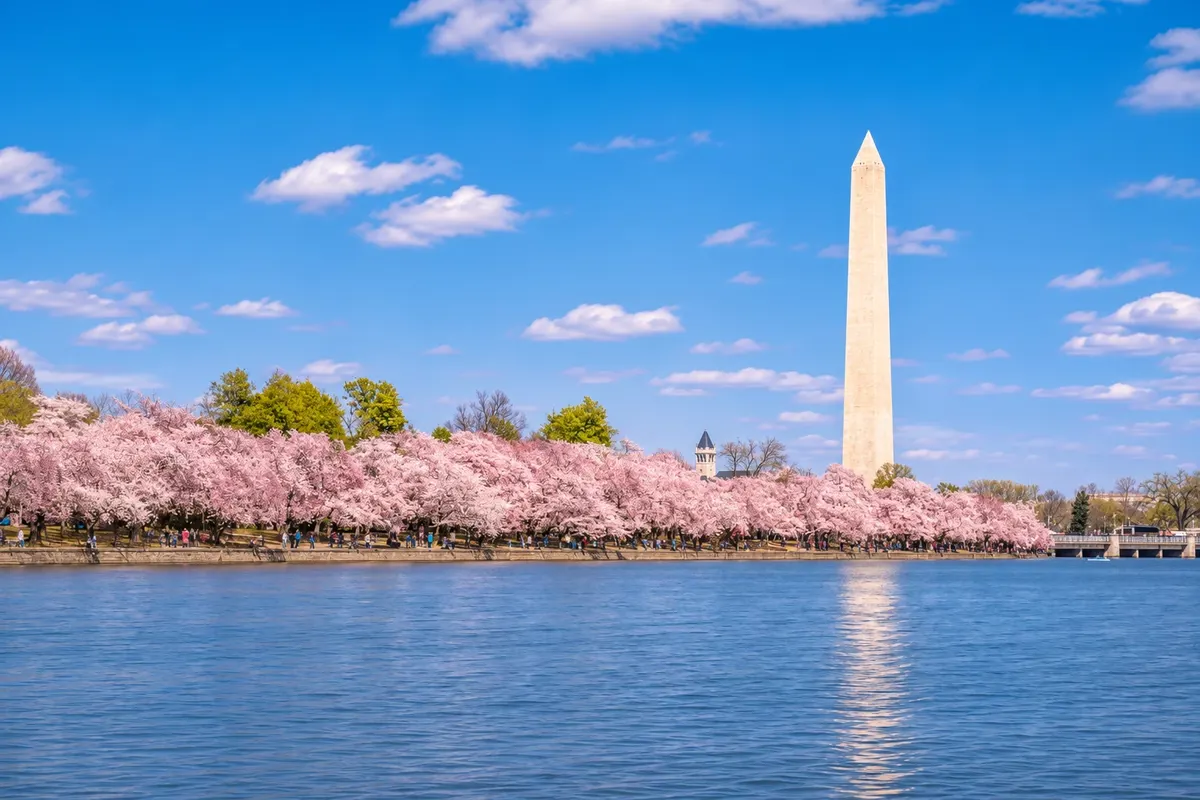 March/April
From mid or late March to mid April, lasting about four weeks, following the blooming of the cherry trees in Washington.
Spring festival in Washington that celebrates the cherry trees donated by Tokyo in 1912: weeks of events around the Tidal Basin and the National Mall, including a kite festival, a parade on Constitution Avenue, fireworks and a big Japanese street festival.
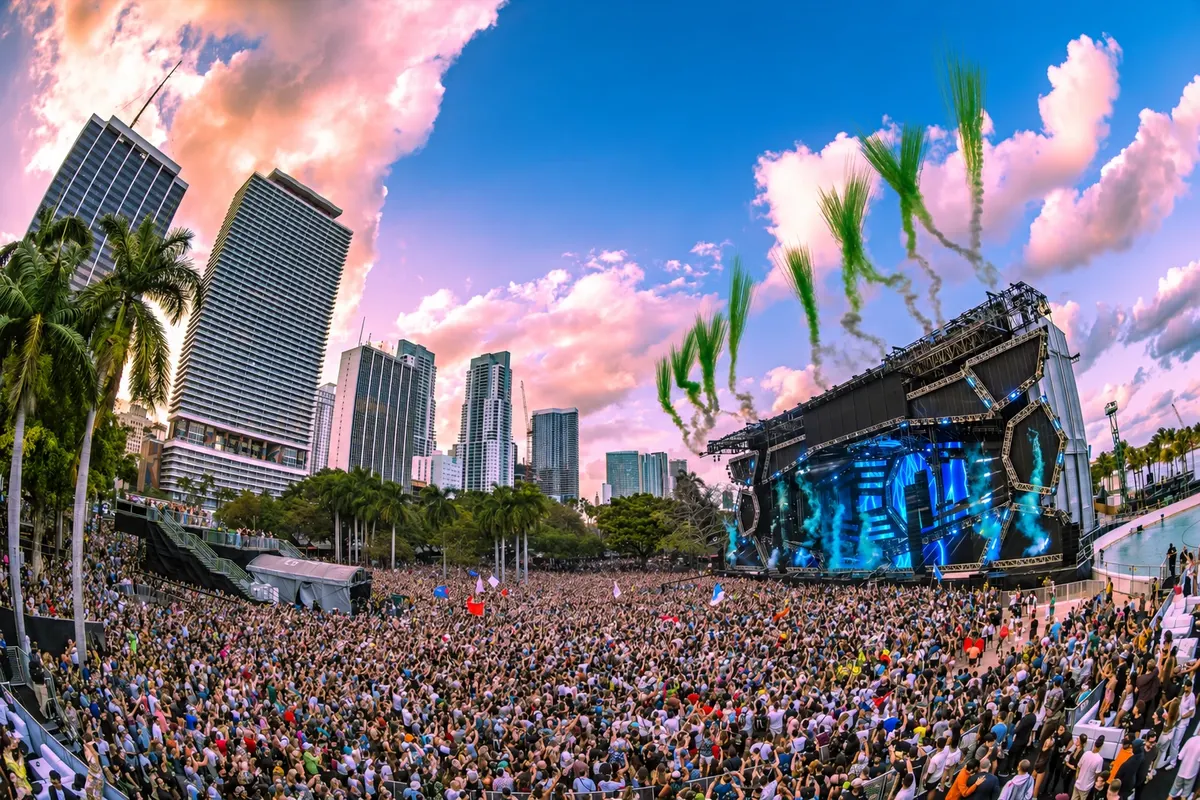 March
Over three consecutive days in March, from Friday to Sunday, usually in the last week of the month.
A three-day electronic music festival at Bayfront Park, beside Biscayne Bay in downtown Miami; the highlight of a week when the city hosts parties and DJ shows from around the world.