Cuban sandwich
Cuban sandwich made with Cuban bread, roasted pork, ham, Swiss cheese, pickles and mustard, pressed on a griddle. In Tampa it also includes salami. The City Council declared it the city’s signature sandwich in 2012.
Popular festival · Tampa
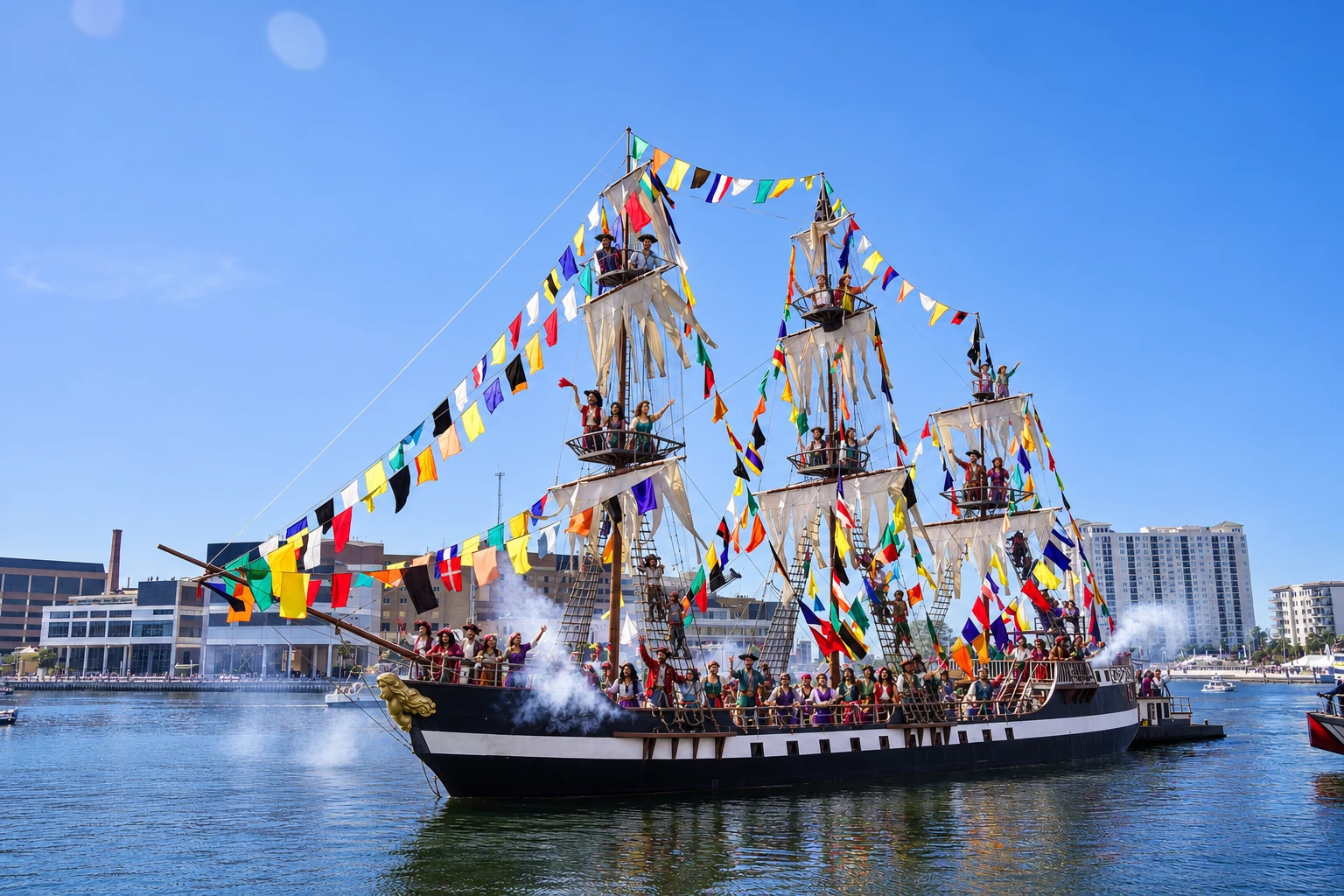
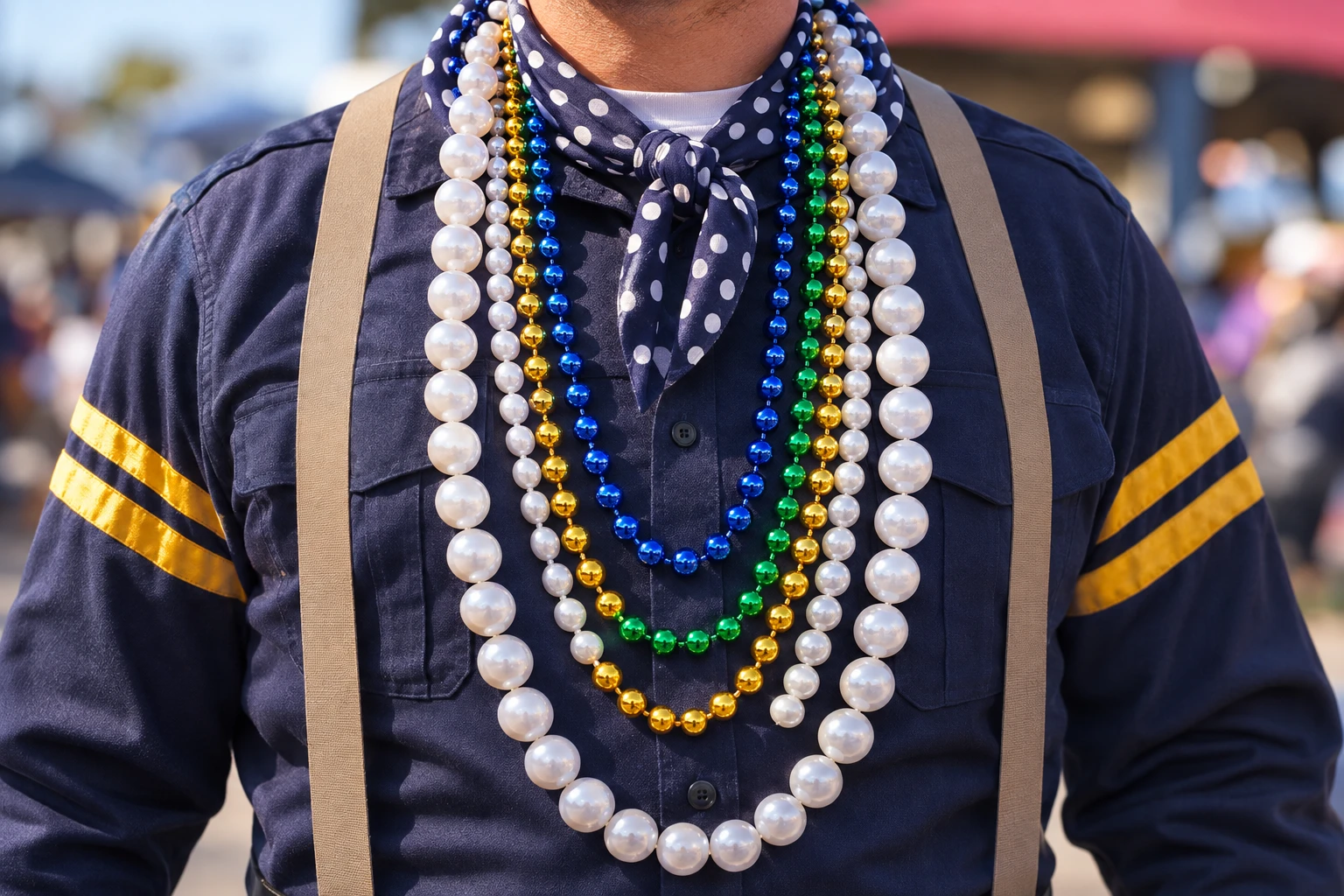
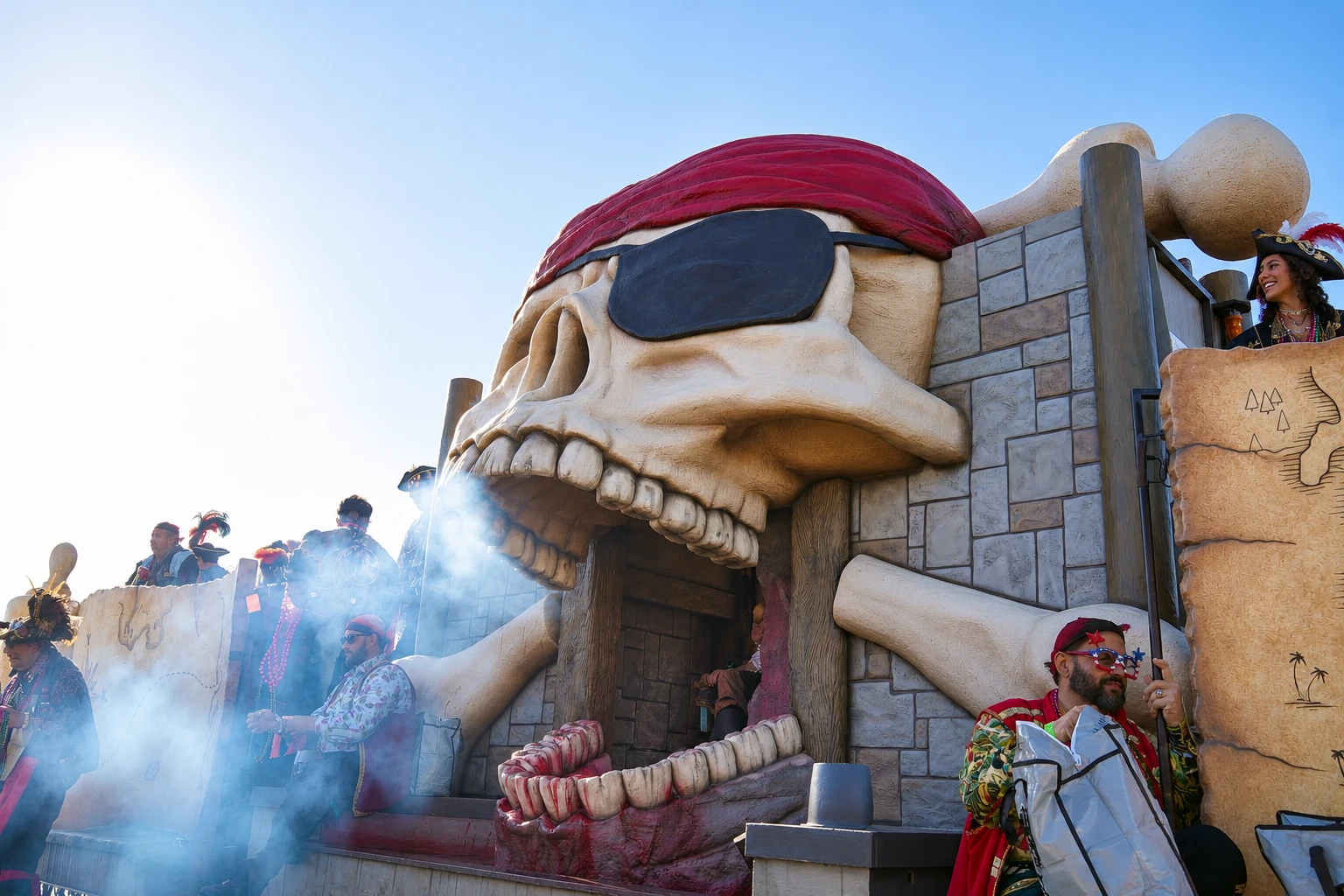
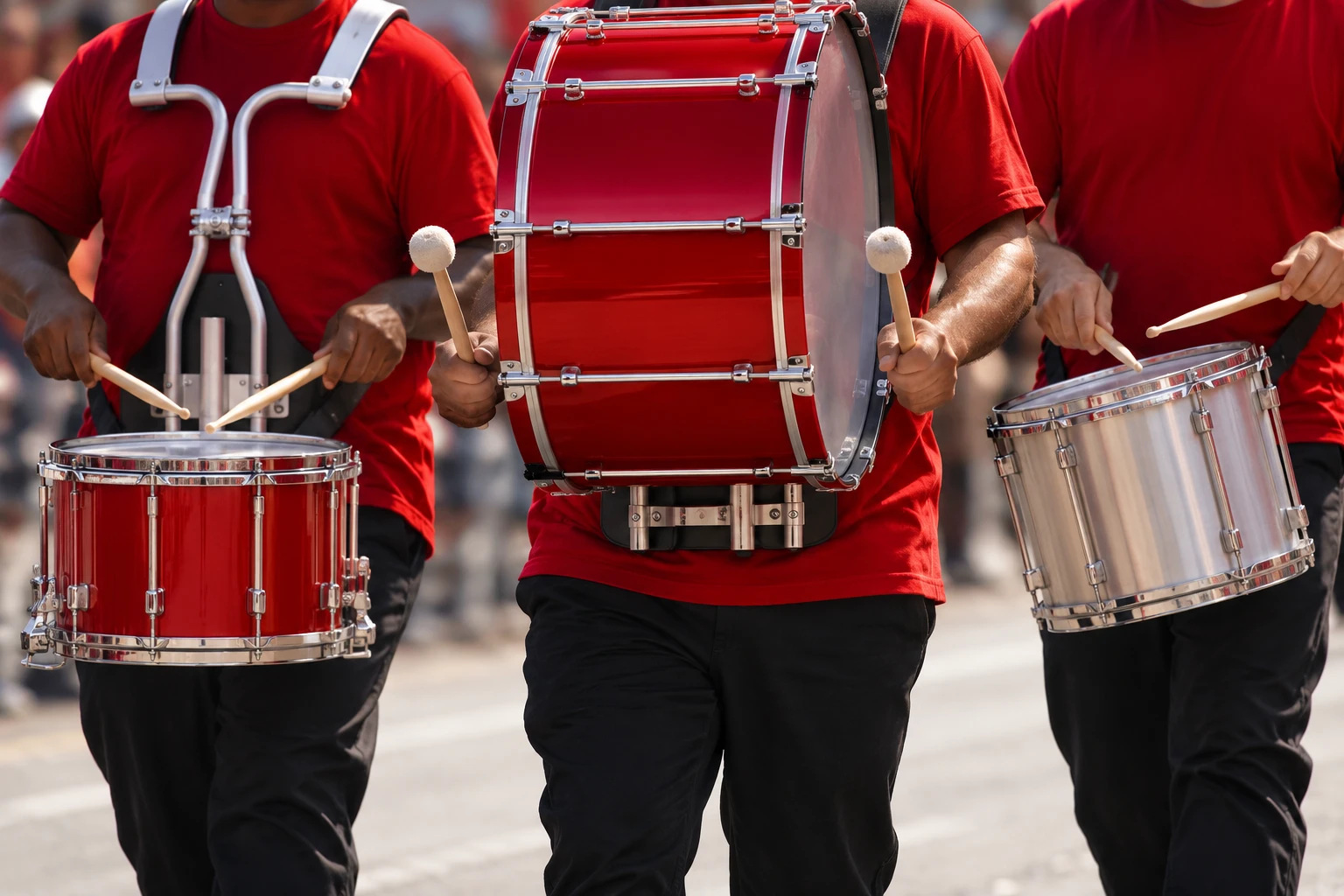
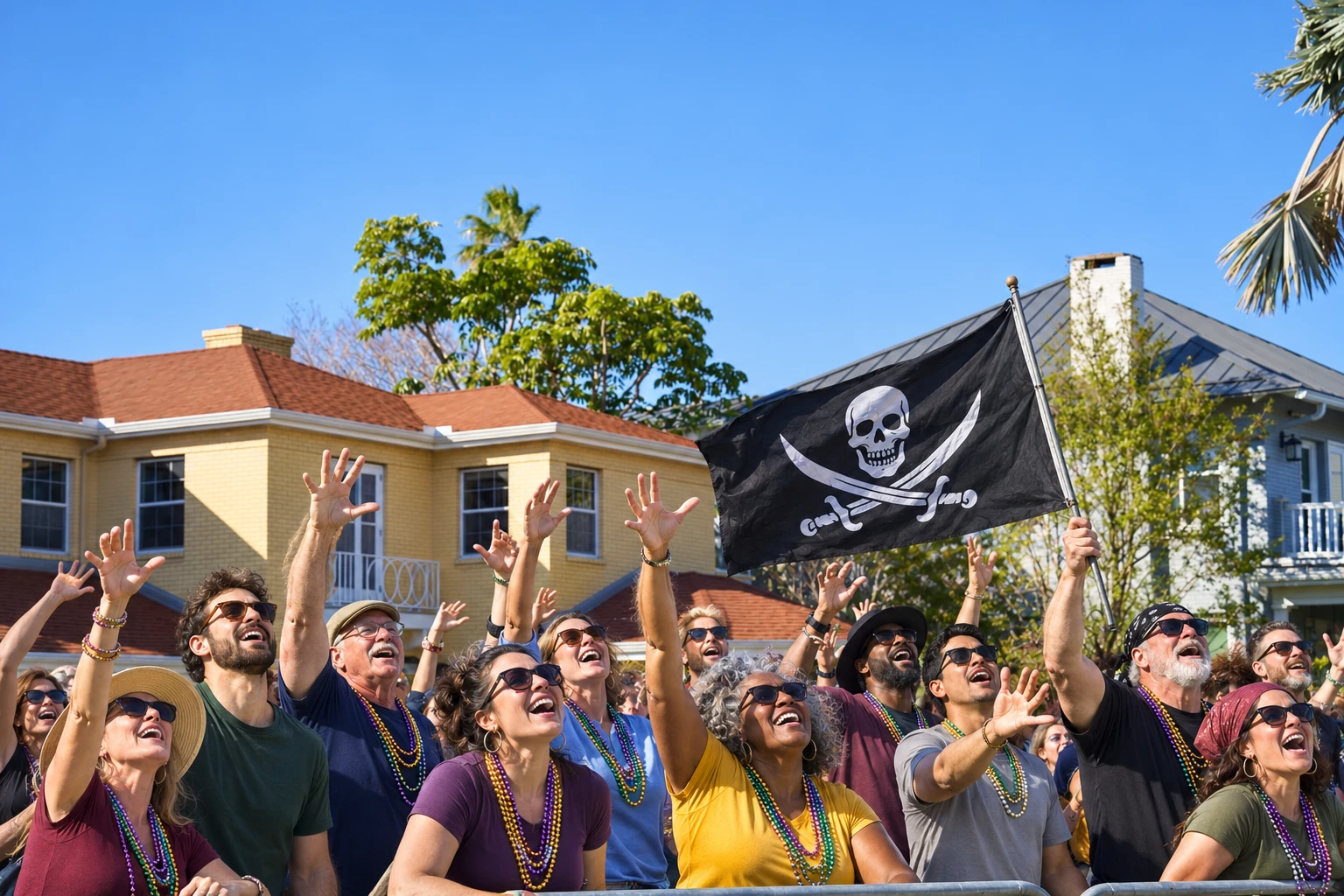
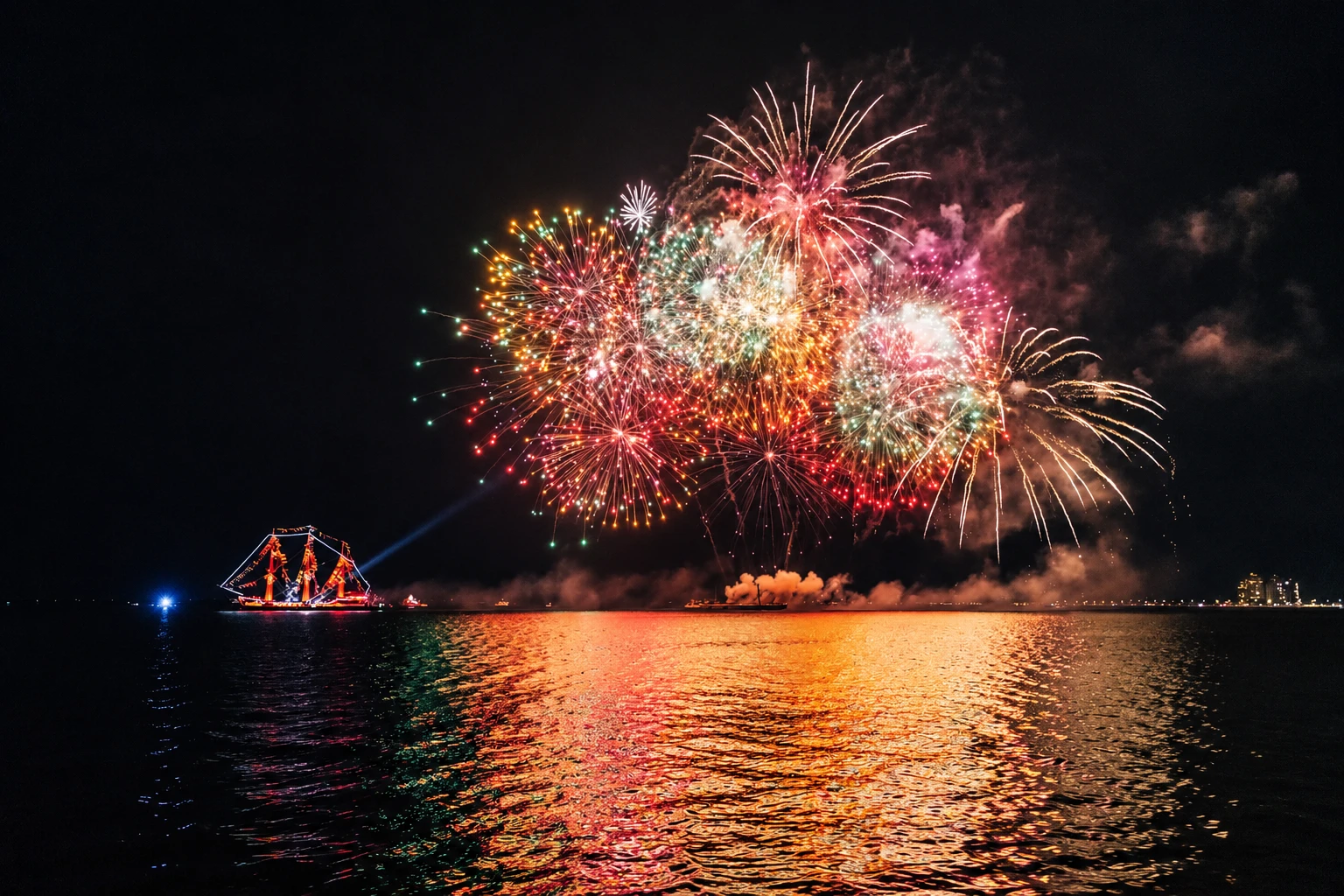
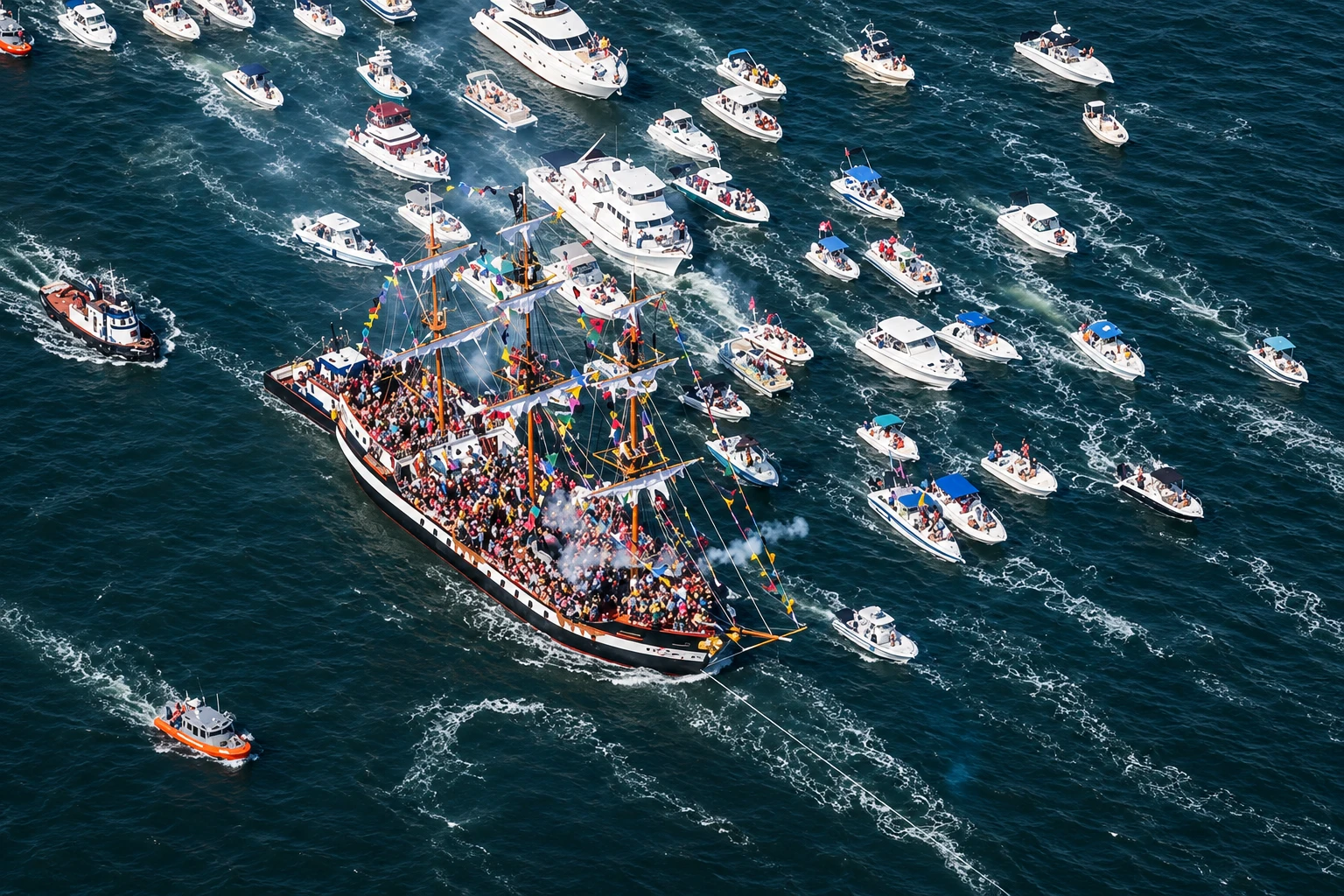
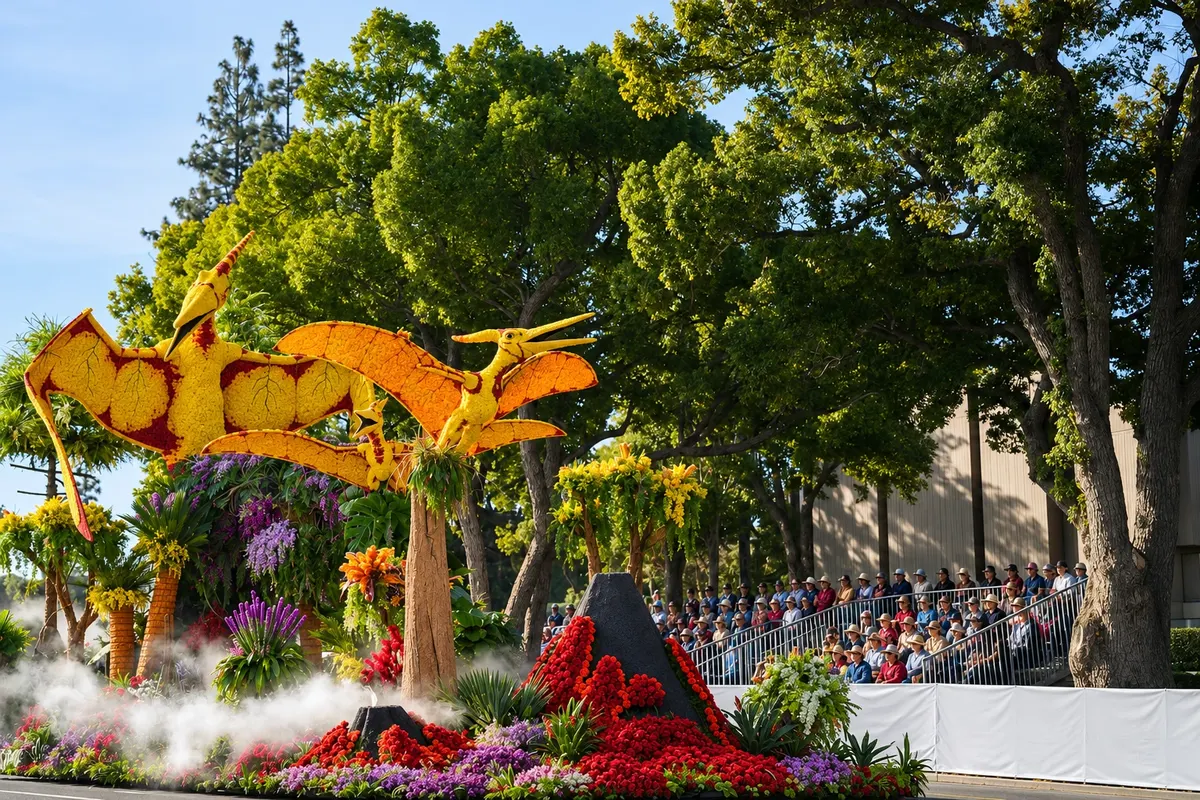
Tampa’s pirate festival in Florida: a pirate ship sails into the bay with hundreds of boats, the pirates take the key to the city and march along Bayshore Boulevard, throwing beaded necklaces to the costumed crowd.
In the photo: Tampa
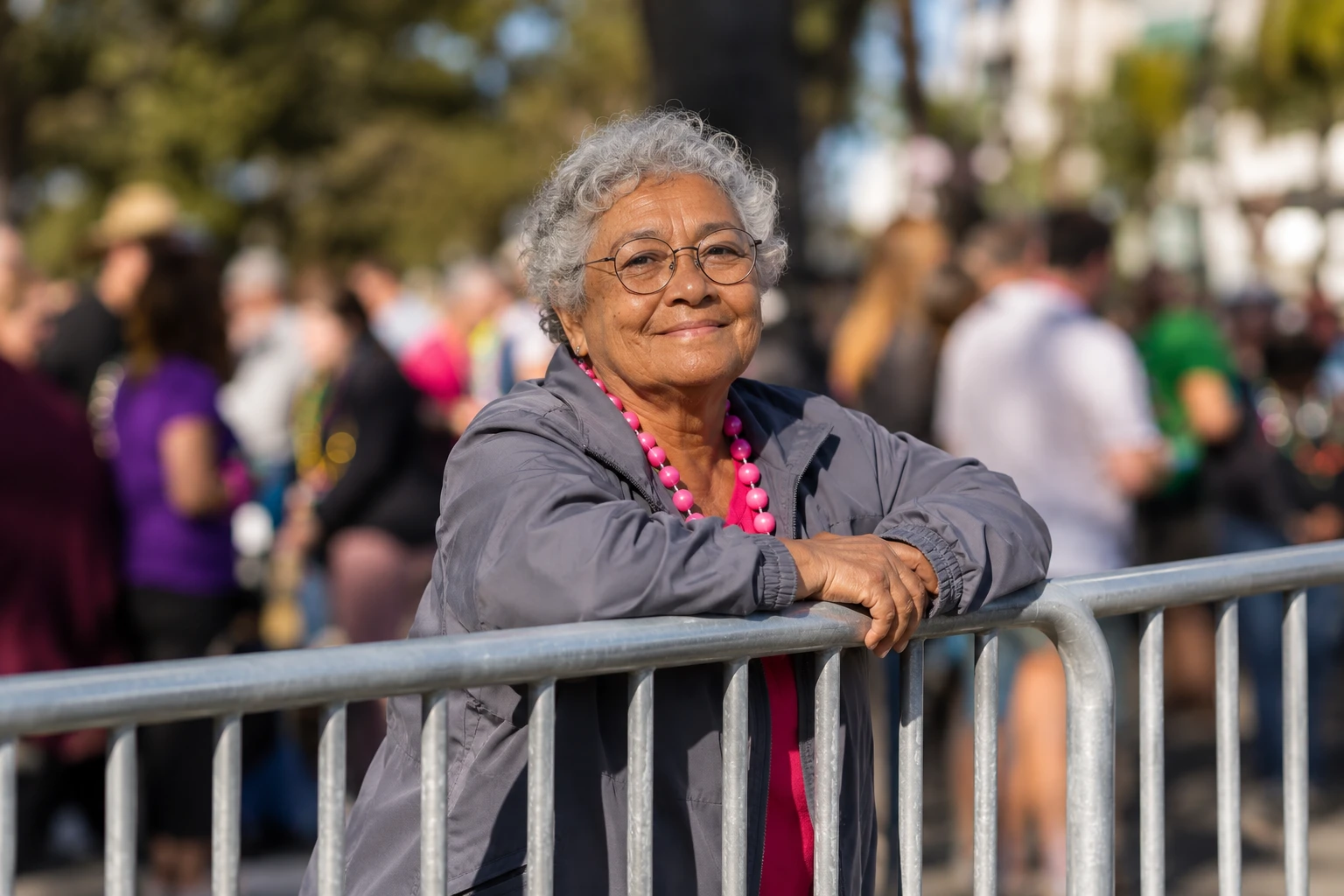
Illustrative images. The pictures in this guide are illustrations based on the real place, not photographs, and may differ from it.
Click a photo to enlarge it.
Gasparilla Pirate Festival — Tampa
On the last Saturday in January; the children’s parade takes place on the previous Saturday.
January
Dates change every year: check this year's date before you travel.
The festival
Every late January, Tampa gives itself over to pirates. The Gasparilla Pirate Festival stages the city’s invasion by the crew of José Gaspar, or Gasparilla, a pirate from Florida folklore who, according to the stories, attacked the state’s west coast between the 18th and 19th centuries and is said to have hidden a treasure that was never found. Historians at the Tampa Bay History Center note there is no proof he existed, but the legend became the region’s biggest popular festival in the Tampa Bay area.
The festival began in 1904. A group of residents secretly formed the Ye Mystic Krewe of Gasparilla, rented pirate costumes in New Orleans and, on May 4 that year, appeared on horseback in the city’s May parade to “capture” Tampa. The prank was a hit and became a tradition. From 1911 the invasion was staged by sea, using borrowed ships; in 1937 the krewe bought its first own ship, the José Gasparilla, and in 1954, on the festival’s fiftieth anniversary, the current José Gasparilla II debuted, presented as the only fully equipped pirate ship in the world. In fact, it is an unpowered steel barge towed by boats.
On the main day, the ship departs from the south of Hillsborough Bay accompanied by tugboats, official vessels and a large flotilla of private boats, with cannon salutes, and docks downtown next to the convention center. There, the mayor hands the key to the city to the pirates’ captain. The krewe, which for much of the 20th century was a private club, now shares the festival with dozens of other costumed groups, also called krewes.
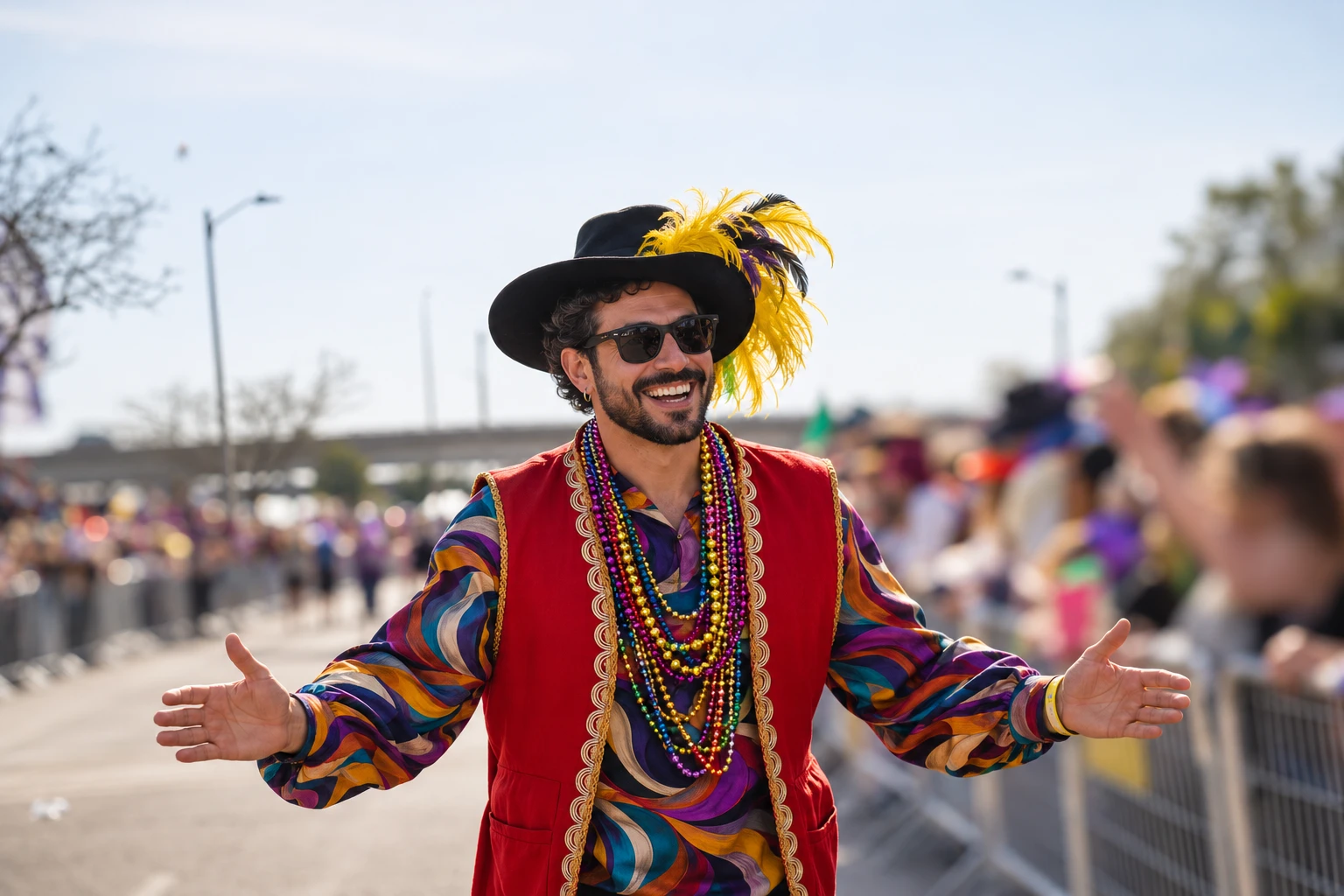
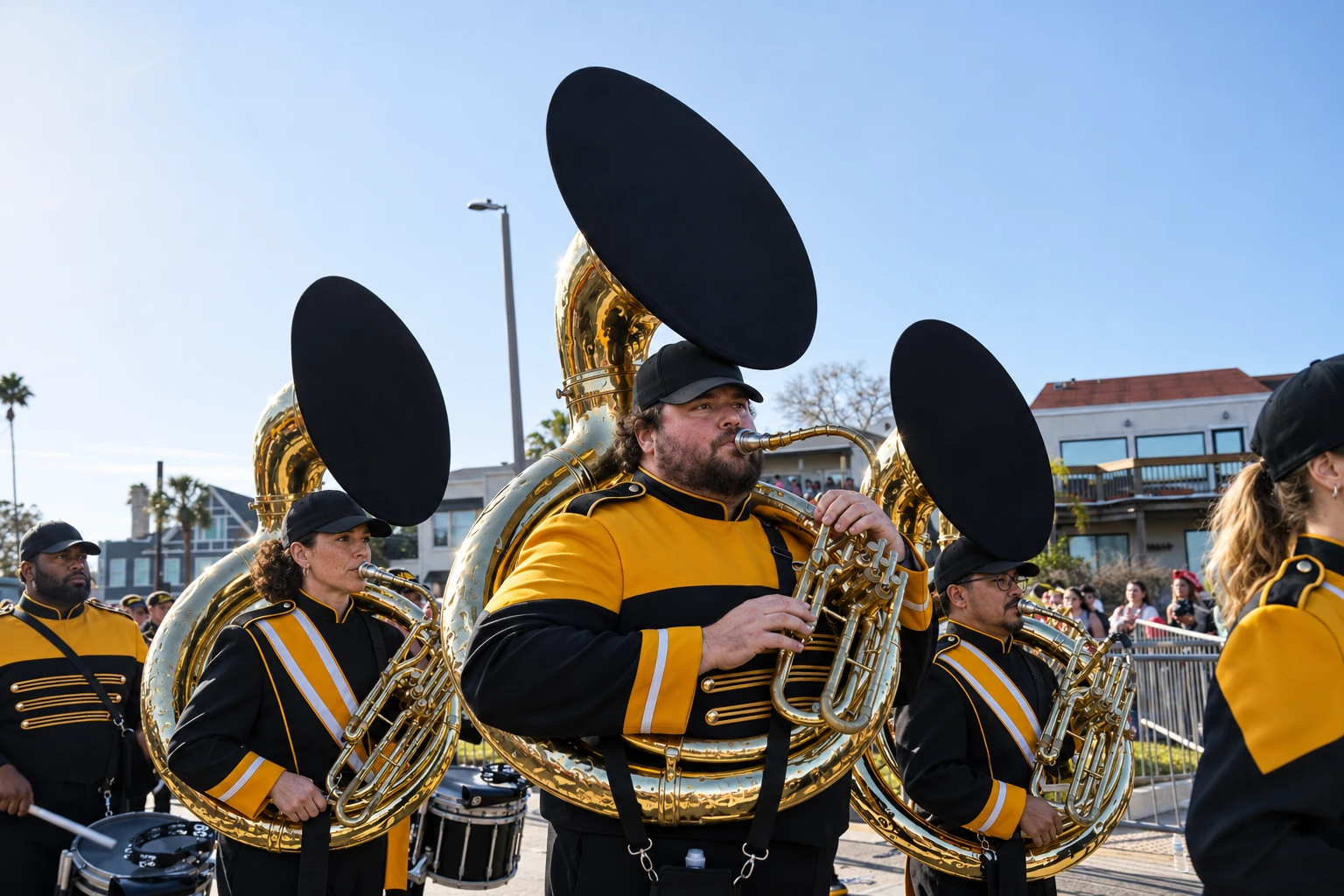
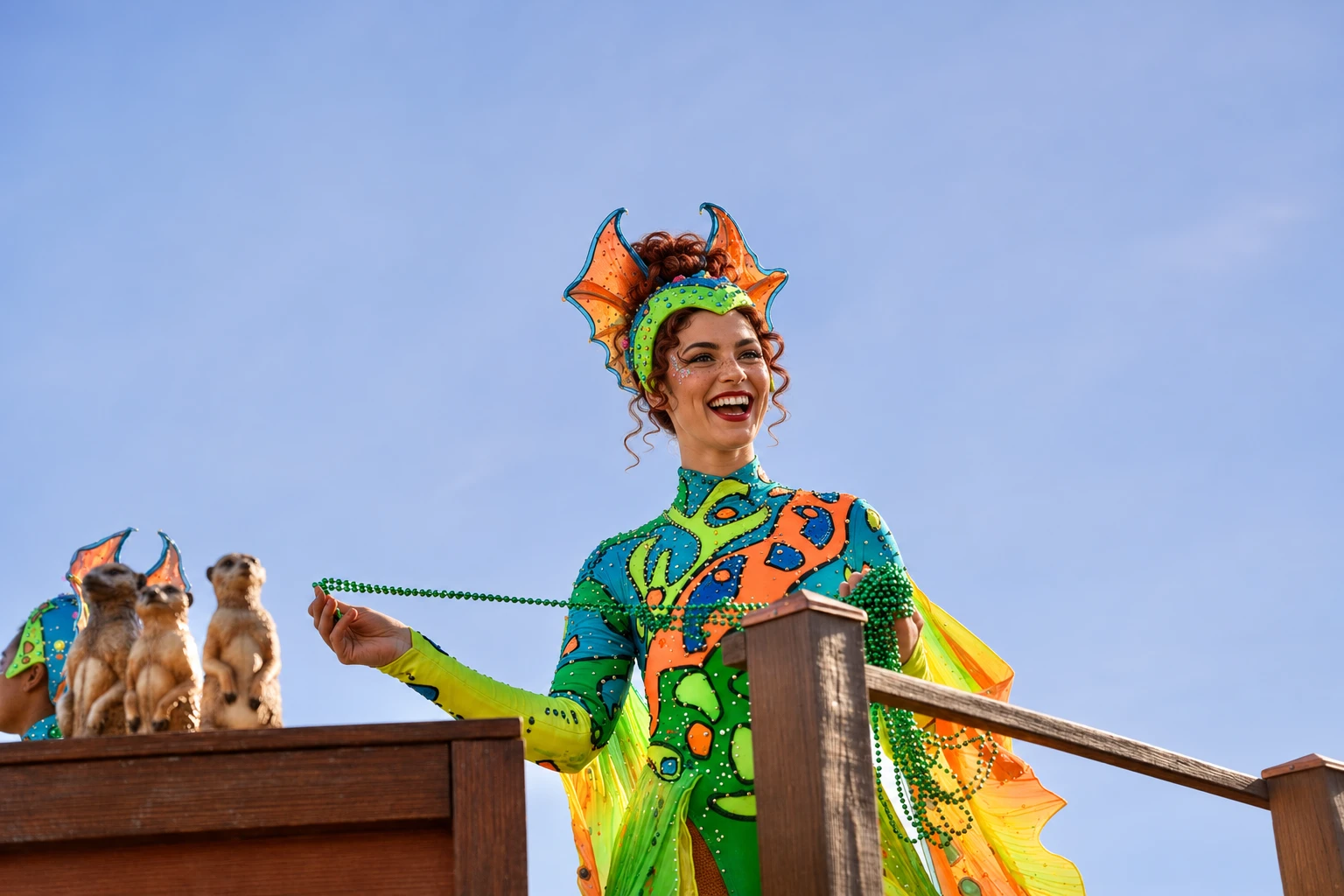
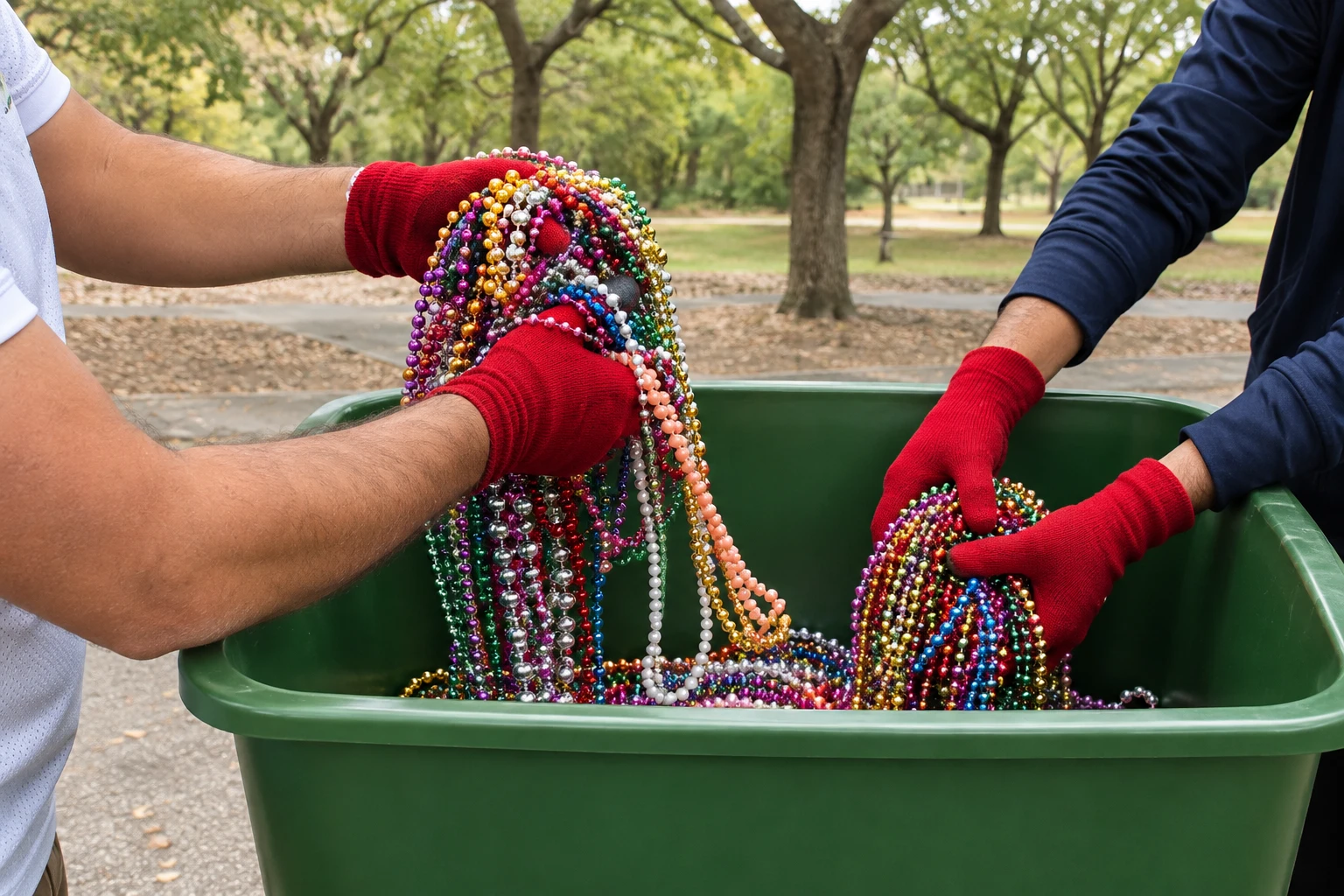
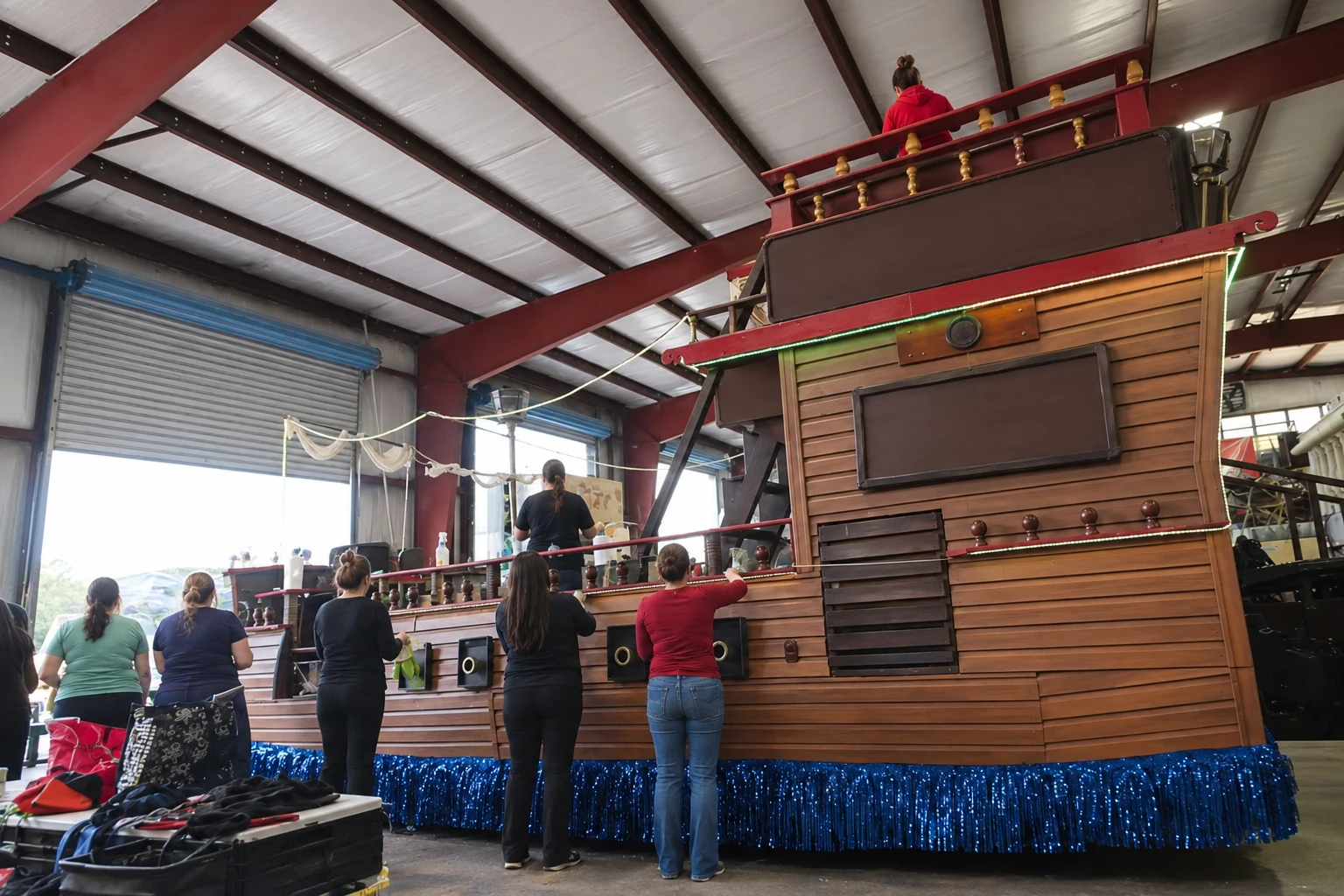
In the afternoon comes the Pirate Parade along Bayshore Boulevard, the long waterfront avenue leading to downtown. Floats, bands and pirates on foot throw colorful beaded necklaces to the crowd, who usually dress as pirates and watch from the sidewalks. The beads, inherited from carnival celebrations in the southern United States, are the main prize for spectators. After the parade, the party continues with music downtown into the evening, and bars, restaurants and shops decorate with skull flags.
A week earlier is Gasparilla Children’s Parade, with small children riding in decorated wagons, a themed car parade, bands, performances and fireworks in a family-oriented version. In February or March the ship makes a farewell voyage around Davis and Harbour islands, taking aboard children who beat cancer as “pirates for a day.” Surrounding the festival, the Gasparilla season also includes a road race and art and music events. For visitors to Florida in winter, it’s a street party with a unique character and a good reason to see Tampa beyond the theme parks.
The pirate ship’s arrival downtown, with the flotilla of boats, tugboats and cannon salutes in the late morning. The mayor’s surrender and the handing over of the city key to the pirate captain. The Pirate Parade along Bayshore Boulevard with costumed krewes, bands and a shower of beaded necklaces. Gasparilla Children’s Parade on the previous Saturday, with kids in decorated wagons, the parade and fireworks. The ship’s farewell voyage weeks later, seen from the waterfront. On other days, the ship docked downtown, which can be seen from the Riverwalk, the riverside promenade, and the historic Ybor City neighborhood, the former center of cigar factories. For runners, the Gasparilla season road race along Bayshore Boulevard.
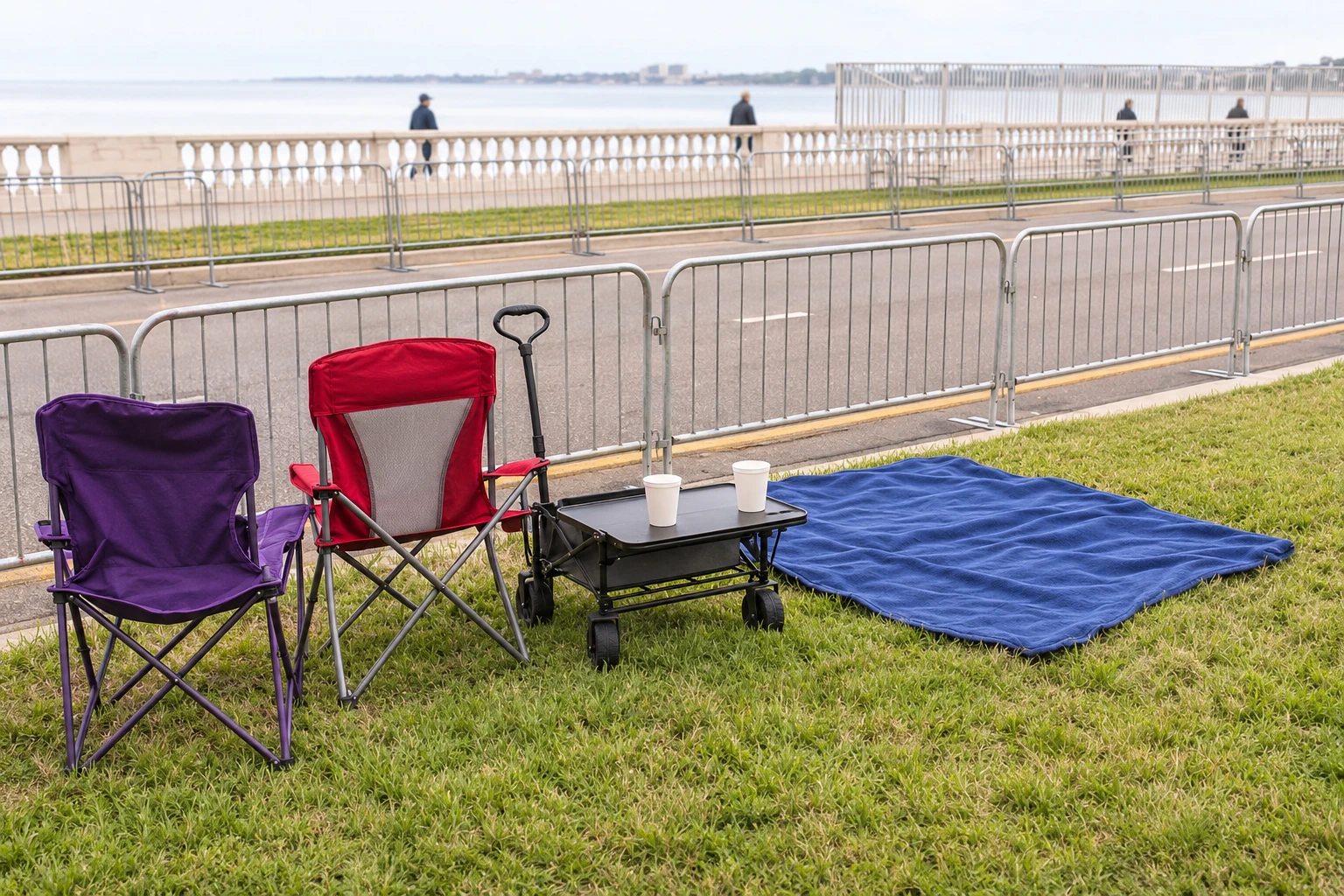
Watching the festival from the Bayshore Boulevard sidewalks does not require a ticket; there are also grandstands and reserved areas sold in advance on the official website. For the invasion, the downtown waterfront and the Riverwalk are good spots to see the ship arrive; for the parade, choose a stretch of Bayshore and arrive early, because traffic downtown and on the avenue becomes slow hours before and the road closes to traffic. Parking fills up, and the city usually publishes a traffic plan with special shuttles; check it before you go. Dress as a pirate like most attendees, and bring water, sunscreen, a hat and a light jacket: January afternoons are typically mild and nights cooler. A bag helps store the beads. For families with small children, the children’s parade one week earlier has a calmer atmosphere and earlier times.

On the festival weekend, lodging near downtown and Bayshore Boulevard is in high demand; book in advance or stay in Clearwater or St. Petersburg on the other side of the bay. Tickets for grandstands and reserved areas often sell out close to the date. Before traveling, check the official website for that year’s program, the route and approximate times for the invasion and the parade. Tampa International Airport is a few kilometers from downtown, and January is a time of mild, dry weather in the region.
In the city
Flavors of the United States
January
Your questions
The main day, with the invasion and the Pirate Parade, is usually the last Saturday in January. Gasparilla Children’s Parade takes place the previous Saturday.
It’s Tampa’s pirate festival, created in 1904: a krewe of costumed residents invades the city on a pirate ship, receives the city key from the mayor and parades along Bayshore Boulevard throwing beaded necklaces.
No, not to stand on the Bayshore Boulevard sidewalks. Grandstands and reserved areas require tickets bought in advance.
There is no proof he existed. He is a legendary figure of Florida folklore, adopted as the festival’s patron by the krewe formed in 1904.
Festivals and events in the United States
February/MarchOn a Saturday night, a few weeks after Lunar New Year, between February and early March; the celebration in Chinatown lasts several days.
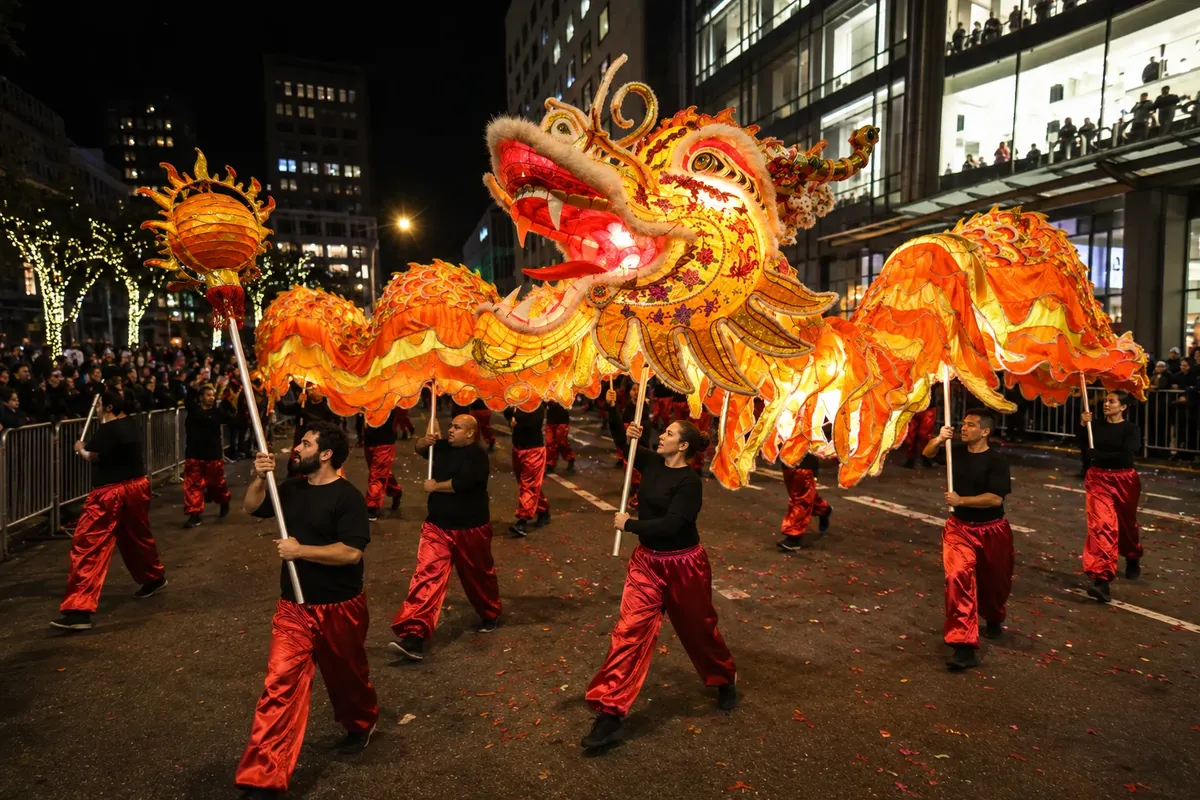
San Francisco Lunar New Year nighttime illuminated parade organized by the Chinese Chamber of Commerce: floats, lion dance, acrobats, bands and, at the end, the Golden Dragon carried by dozens of people, amid firecrackers and lanterns.
MarchOn March 17, St. Patrick’s Day; if the date falls on a Sunday, the parade is moved to Saturday, March 16.
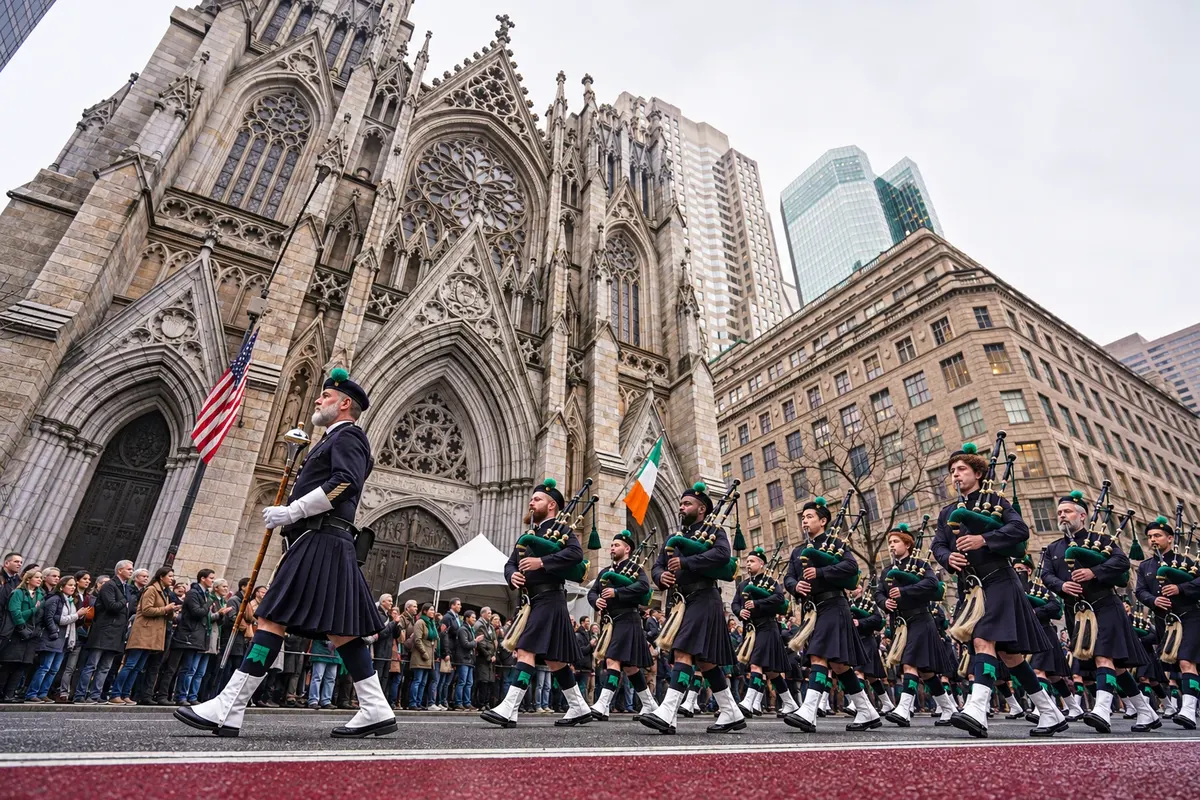
Irish parade along Fifth Avenue in Manhattan on St. Patrick’s Day: bagpipers, bands, Irish associations and groups from across the country march on foot, with no floats, passing in front of St. Patrick’s Cathedral.
March/AprilFrom mid or late March to mid April, lasting about four weeks, following the blooming of the cherry trees in Washington.
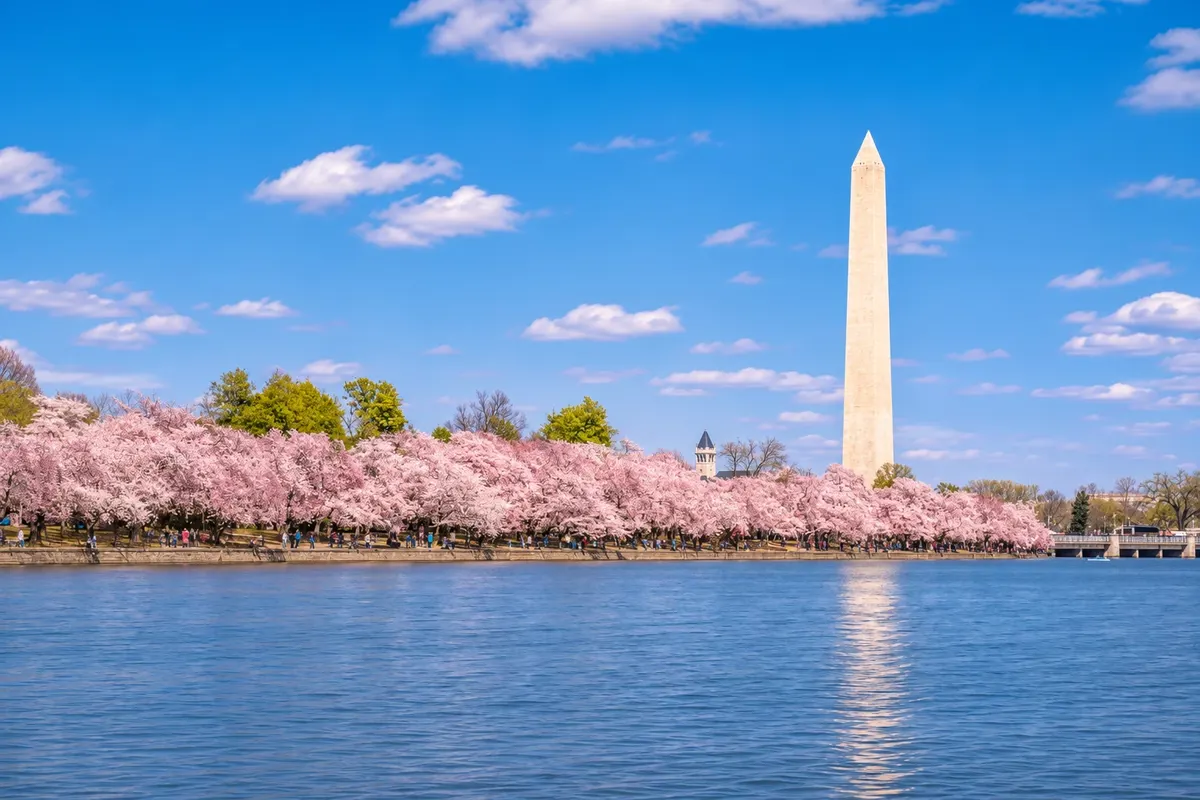
Spring festival in Washington that celebrates the cherry trees donated by Tokyo in 1912: weeks of events around the Tidal Basin and the National Mall, including a kite festival, a parade on Constitution Avenue, fireworks and a big Japanese street festival.
MarchOver three consecutive days in March, from Friday to Sunday, usually in the last week of the month.
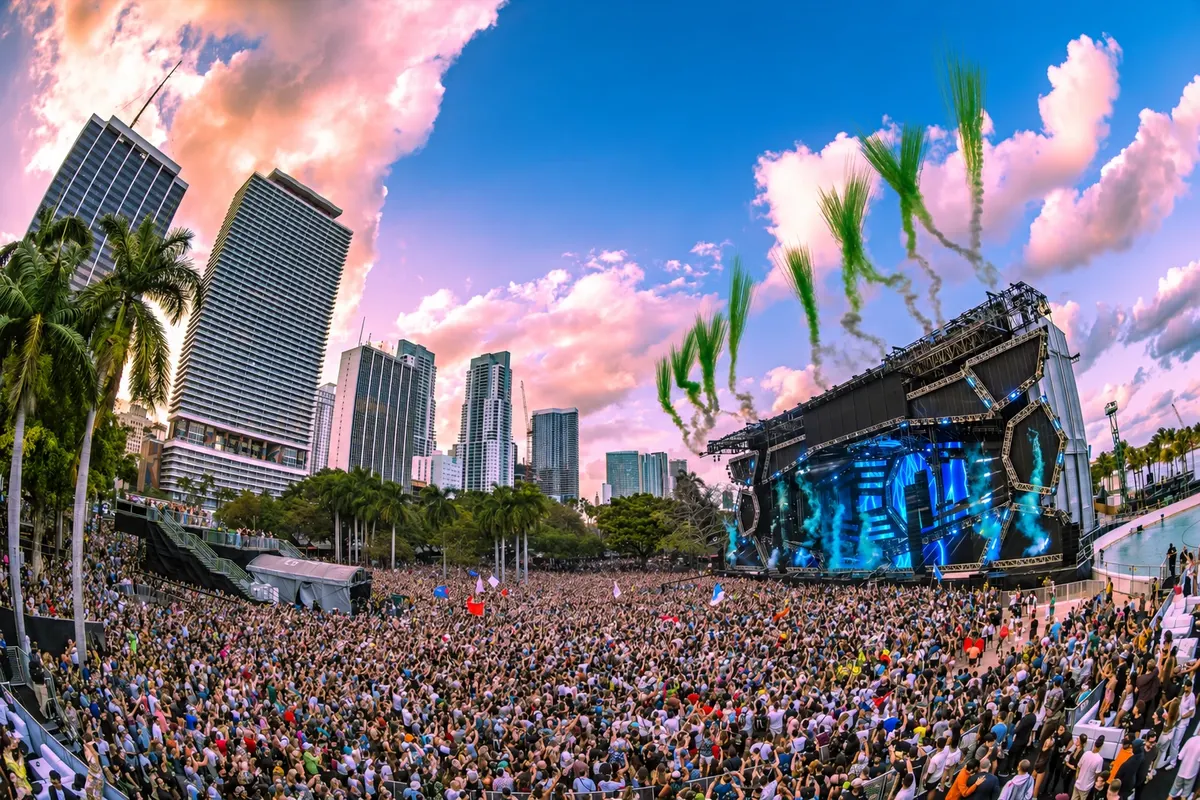
A three-day electronic music festival at Bayfront Park, beside Biscayne Bay in downtown Miami; the highlight of a week when the city hosts parties and DJ shows from around the world.
AprilIn April, over two consecutive weekends, Friday through Sunday, with the same lineup both weekends.
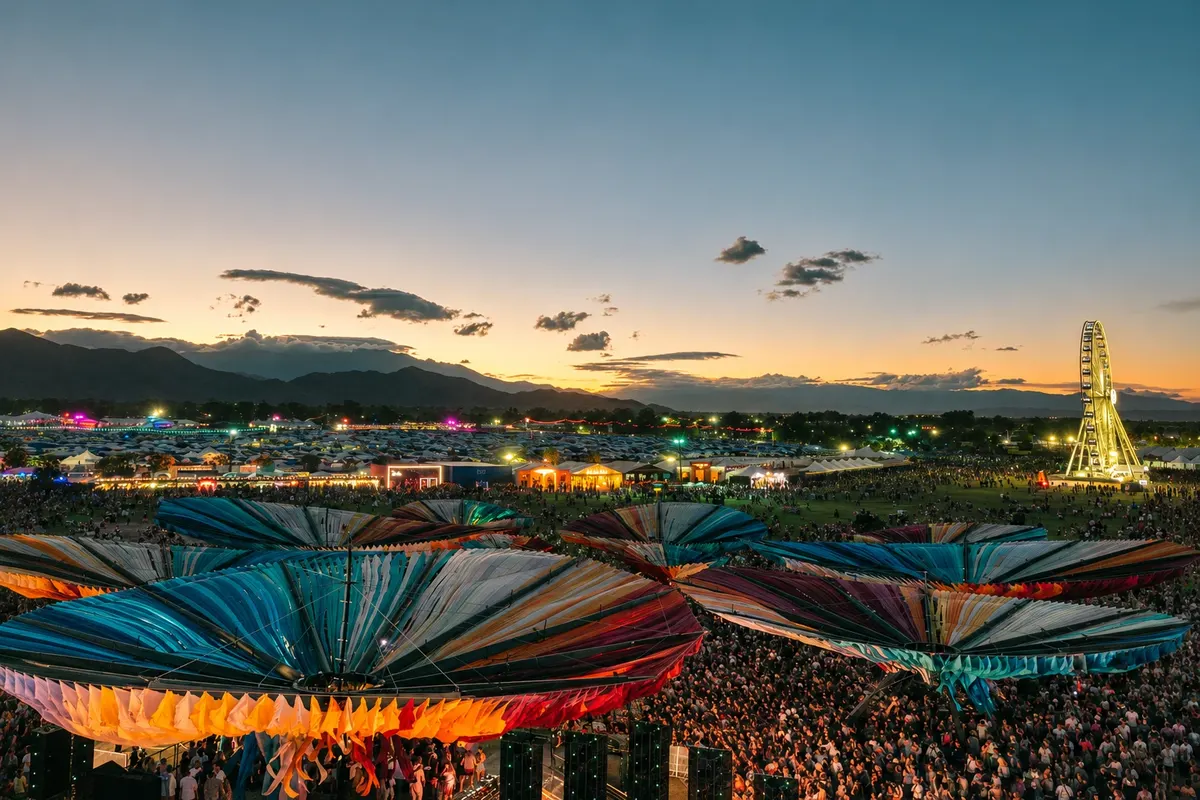
A music and arts festival in the Coachella Valley desert at the Empire Polo Club in Indio, California: two April weekends with stages for rock, pop, hip-hop and electronic music, large art installations, and on‑site camping.
April/MayFor eight consecutive days, usually in the second half of April and sometimes into early May; each locality opens its houses and gardens on specific days.
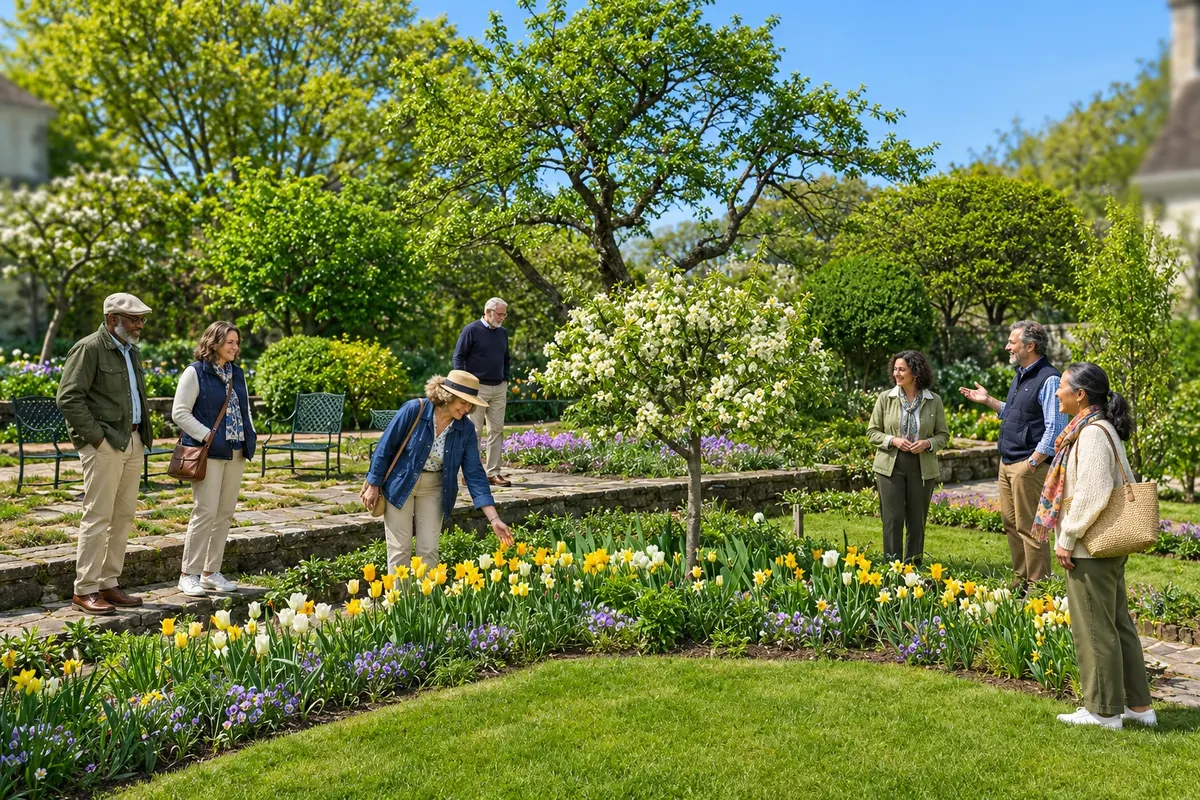
For eight spring days, private homes, gardens and historic properties across Virginia open to the public, decorated with floral arrangements made by garden clubs; proceeds fund the restoration of the state’s historic gardens.