Dish · Washington, D.C.
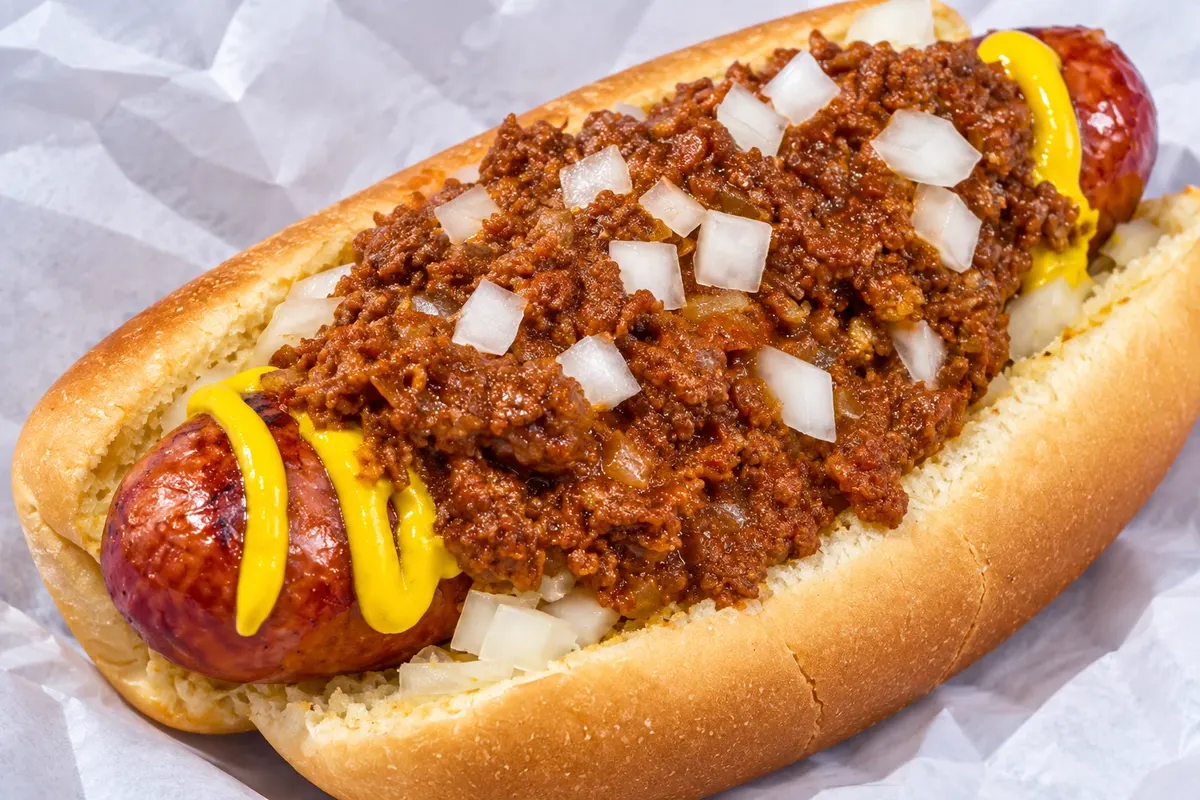
Half-smoke
A sausage thicker and spicier than the hot dog, smoked and grilled, served in bread with chili, onion and mustard. Washington’s tourism agency calls it the city’s signature dish.

 Search
 Brazil
 Argentina
 Bolivia
 Chile
 Colombia
 Ecuador
 Guyana
 French Guiana
 Falkland Islands (Malvinas)
 Paraguay
 Peru
 Suriname
 Uruguay
 Venezuela
 Germany
 Austria
 Belgium
 Croatia
 Denmark
 Spain
 Finland
 France
 Greece
 the Netherlands
 Hungary
 Ireland
 Iceland
 Italy
 Luxembourg
 Norway
 Poland
 Portugal
 the United Kingdom
 the Czech Republic
 Sweden
 Switzerland
 Turkey
 Canadathe United States
 Mexico
 the Dominican RepublicTurkey
 South Africa
 Australia
 Fiji
 New Zealand
 Papua New Guinea
Culture · Washington, D.C.
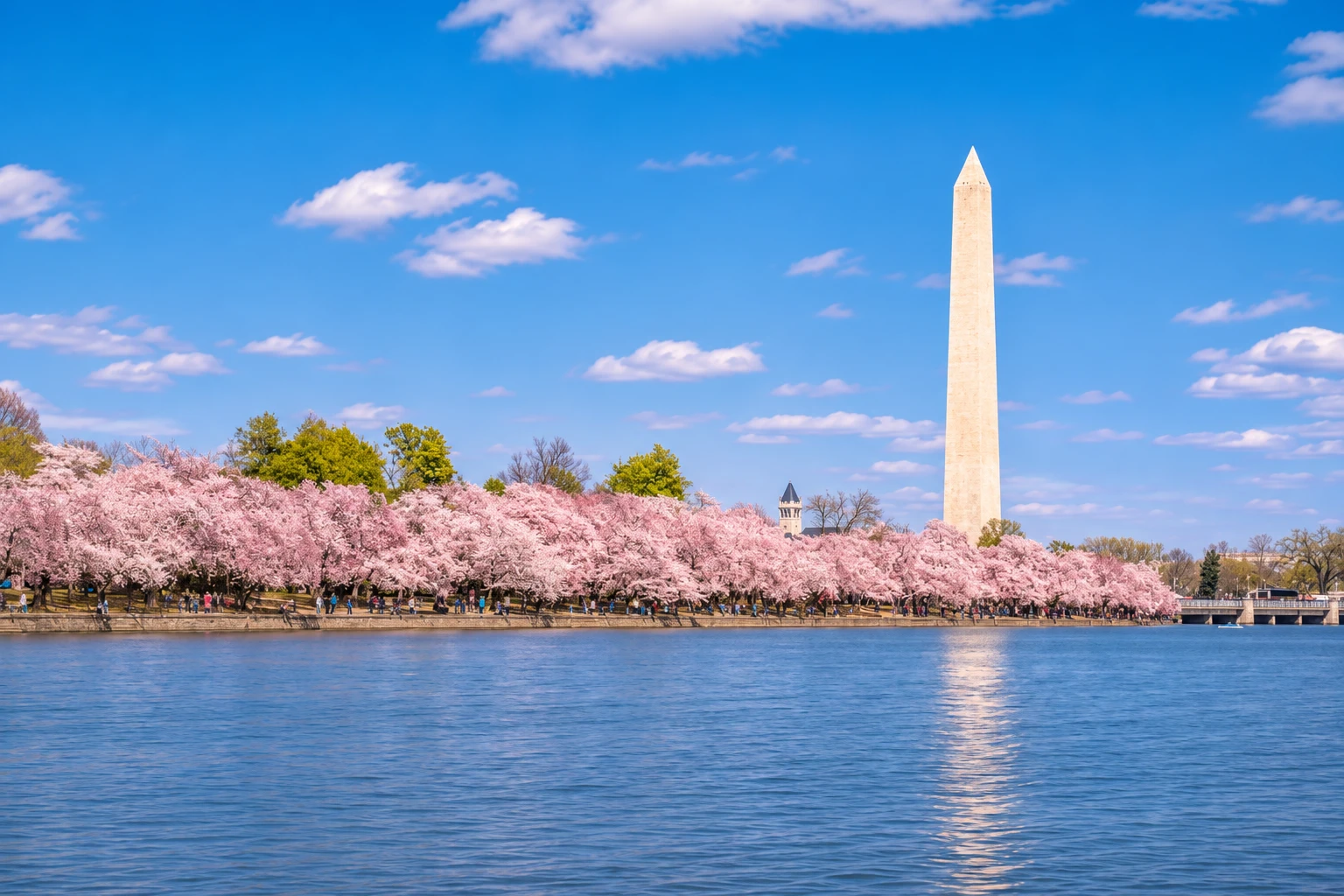
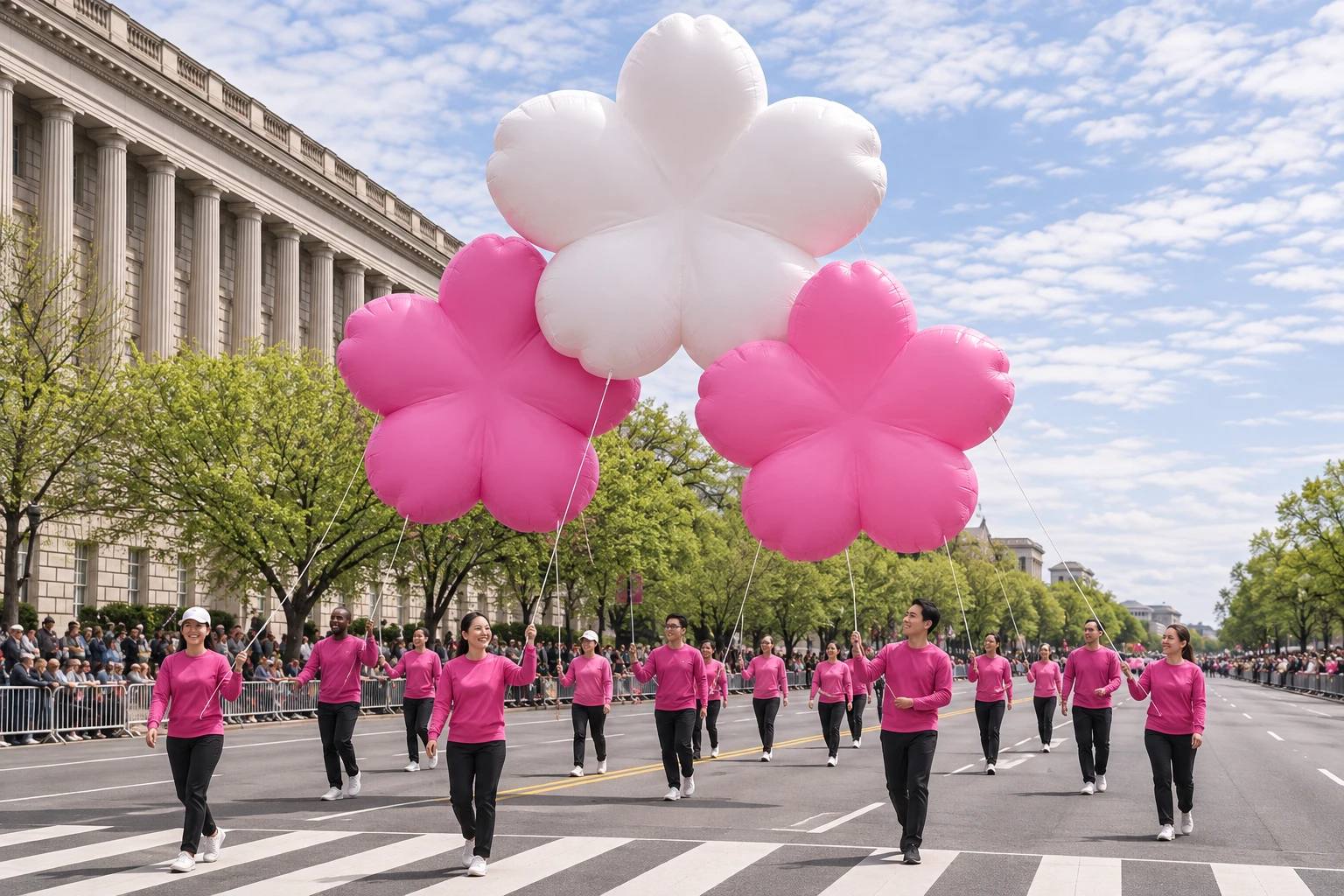
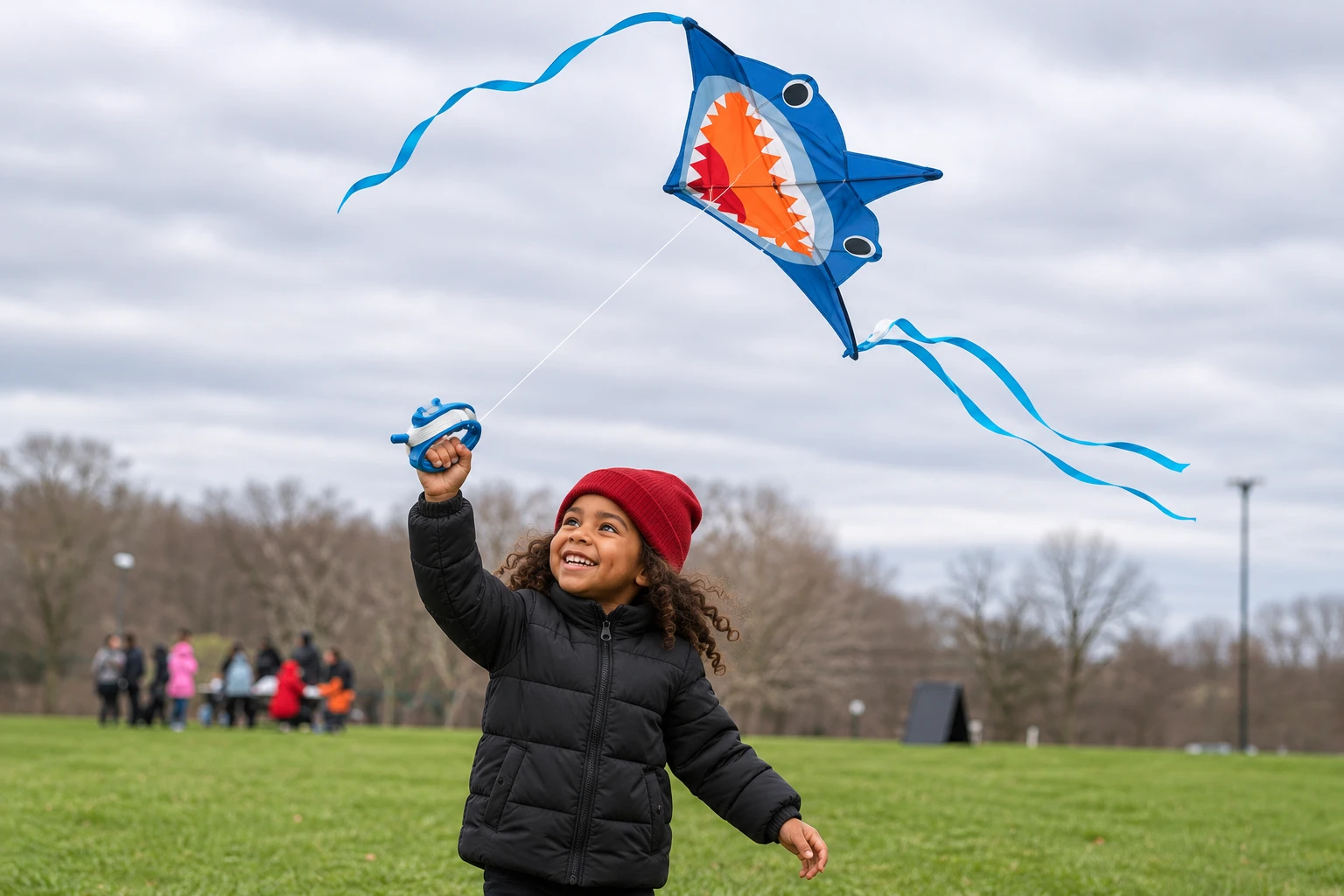
Spring festival in Washington that celebrates the cherry trees donated by Tokyo in 1912: weeks of events around the Tidal Basin and the National Mall, including a kite festival, a parade on Constitution Avenue, fireworks and a big Japanese street festival.
In the photo: Washington, D.C.
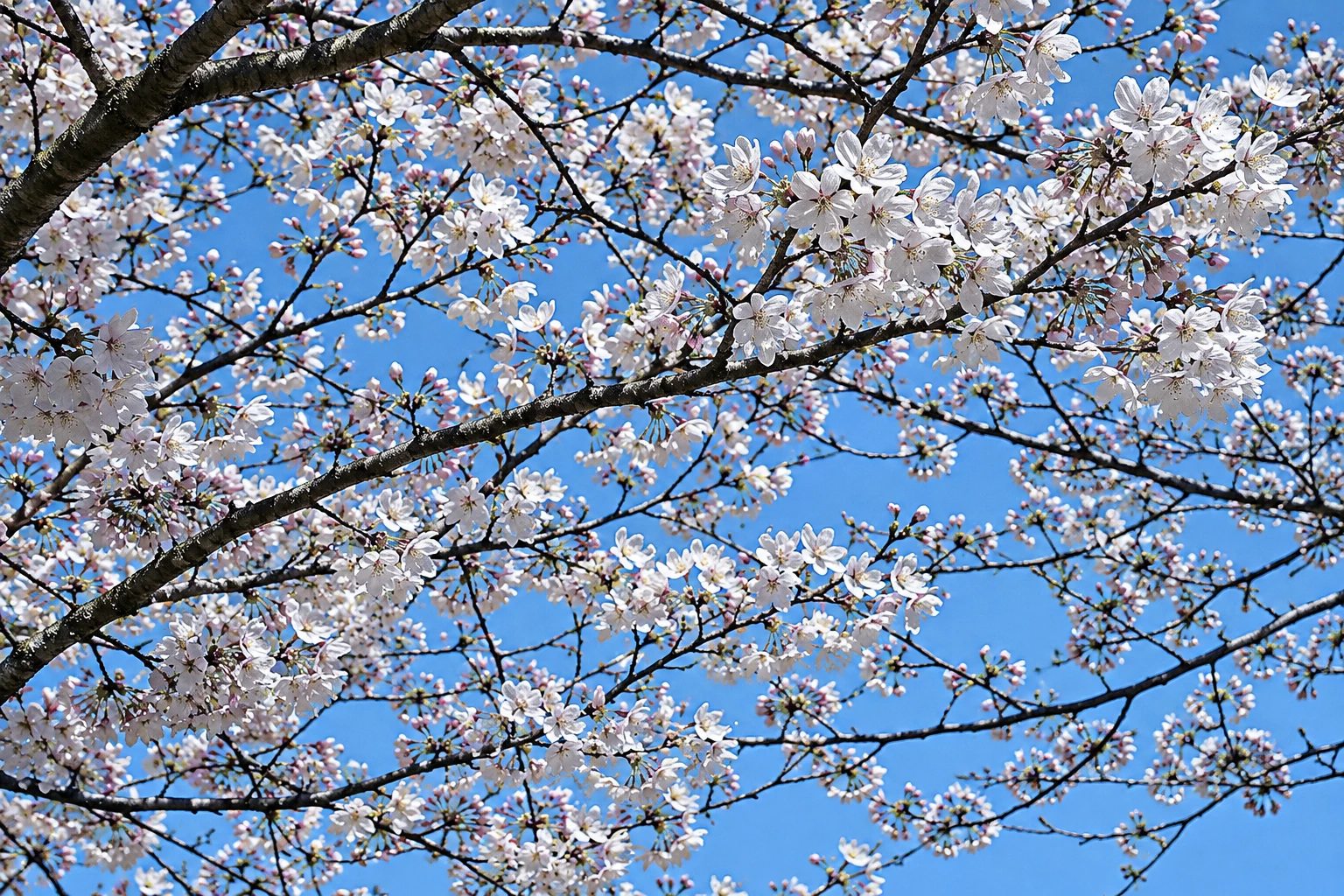
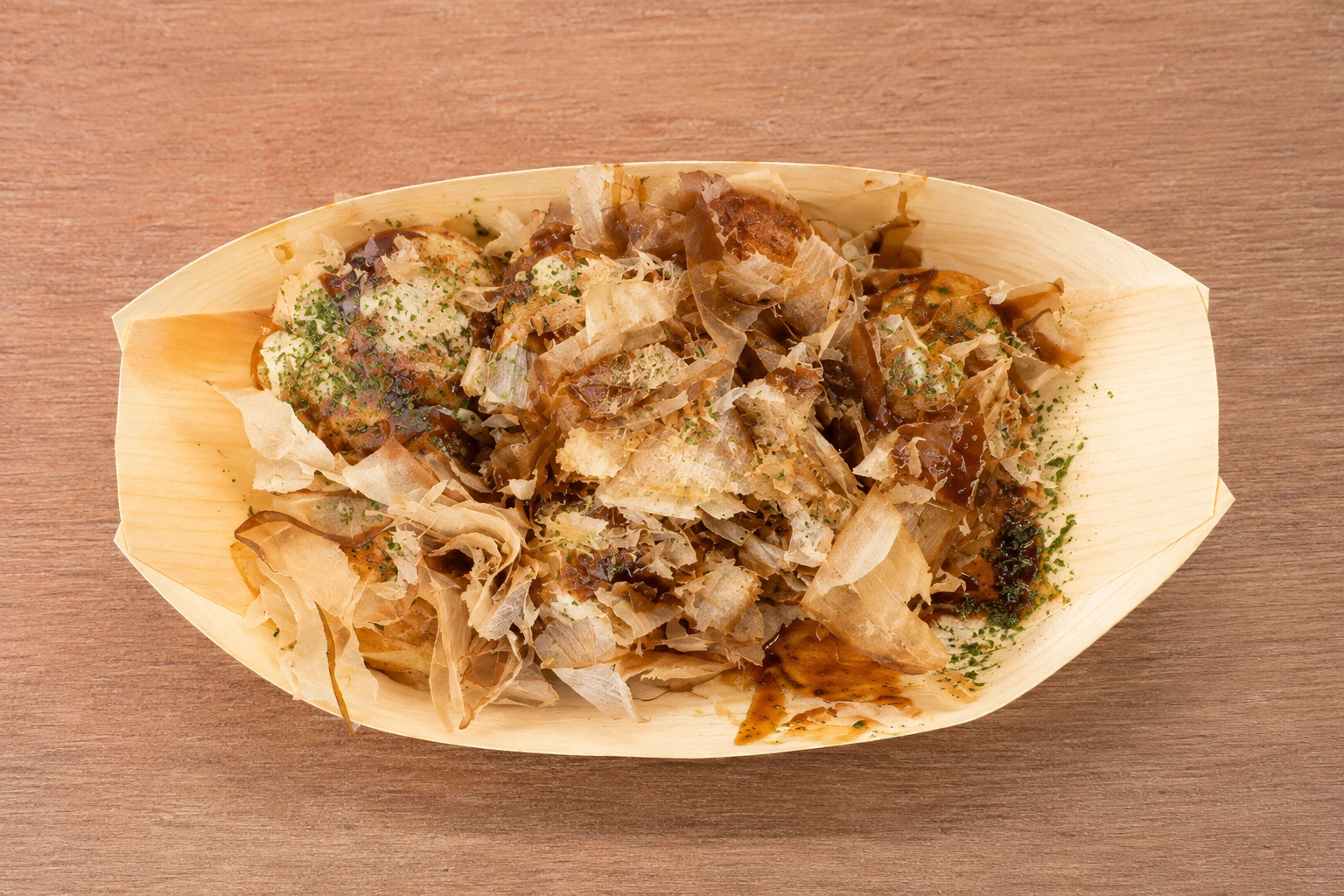
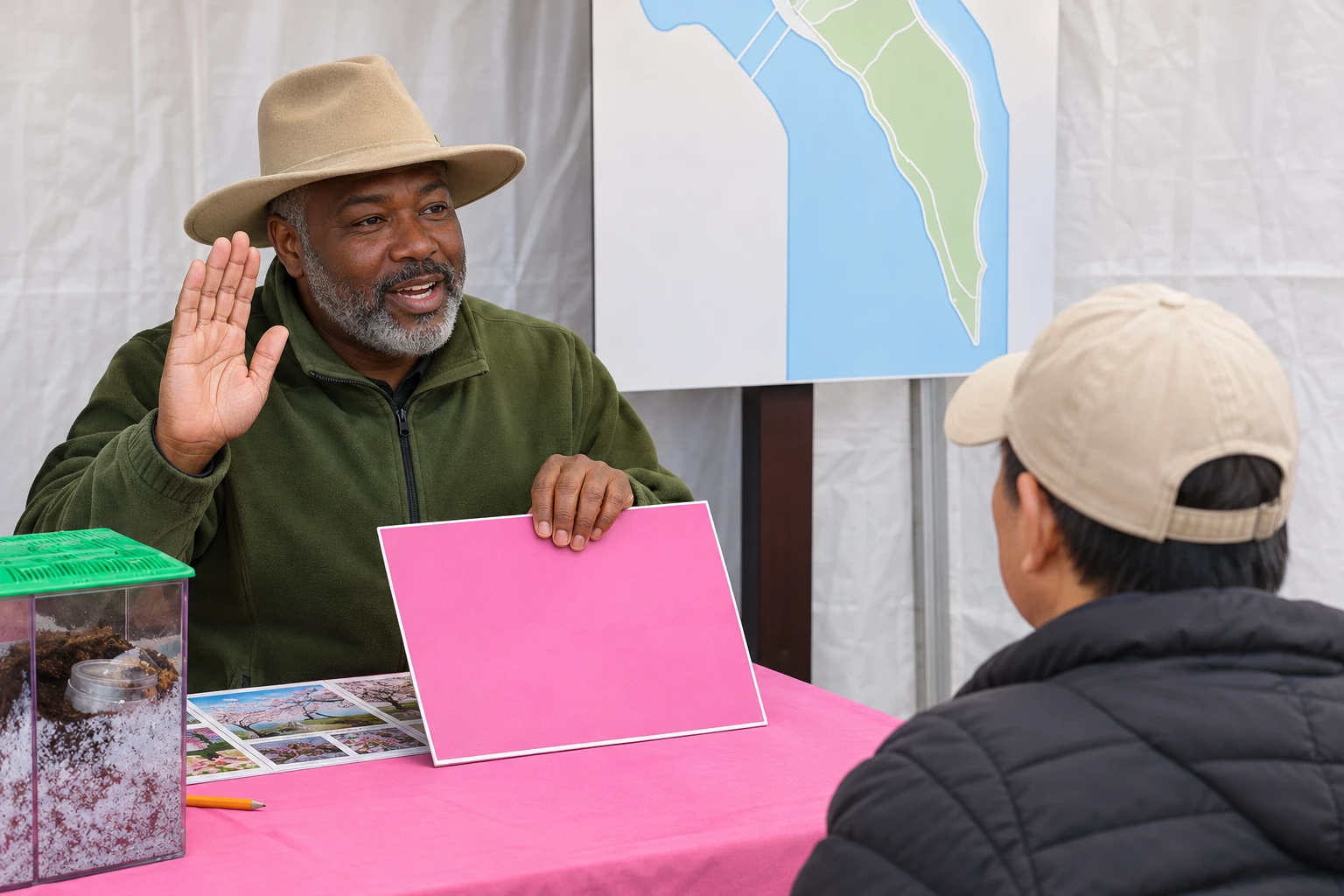
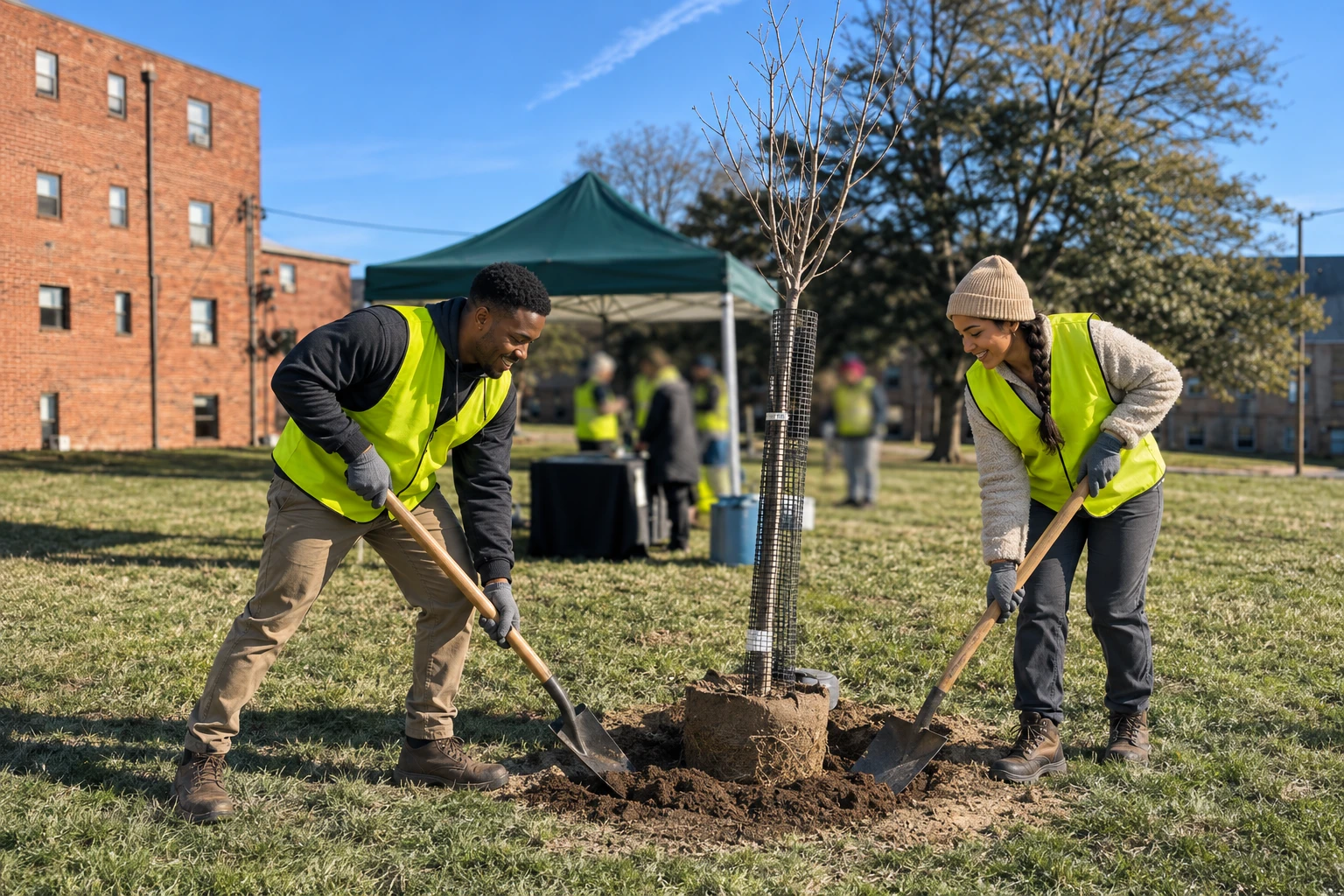
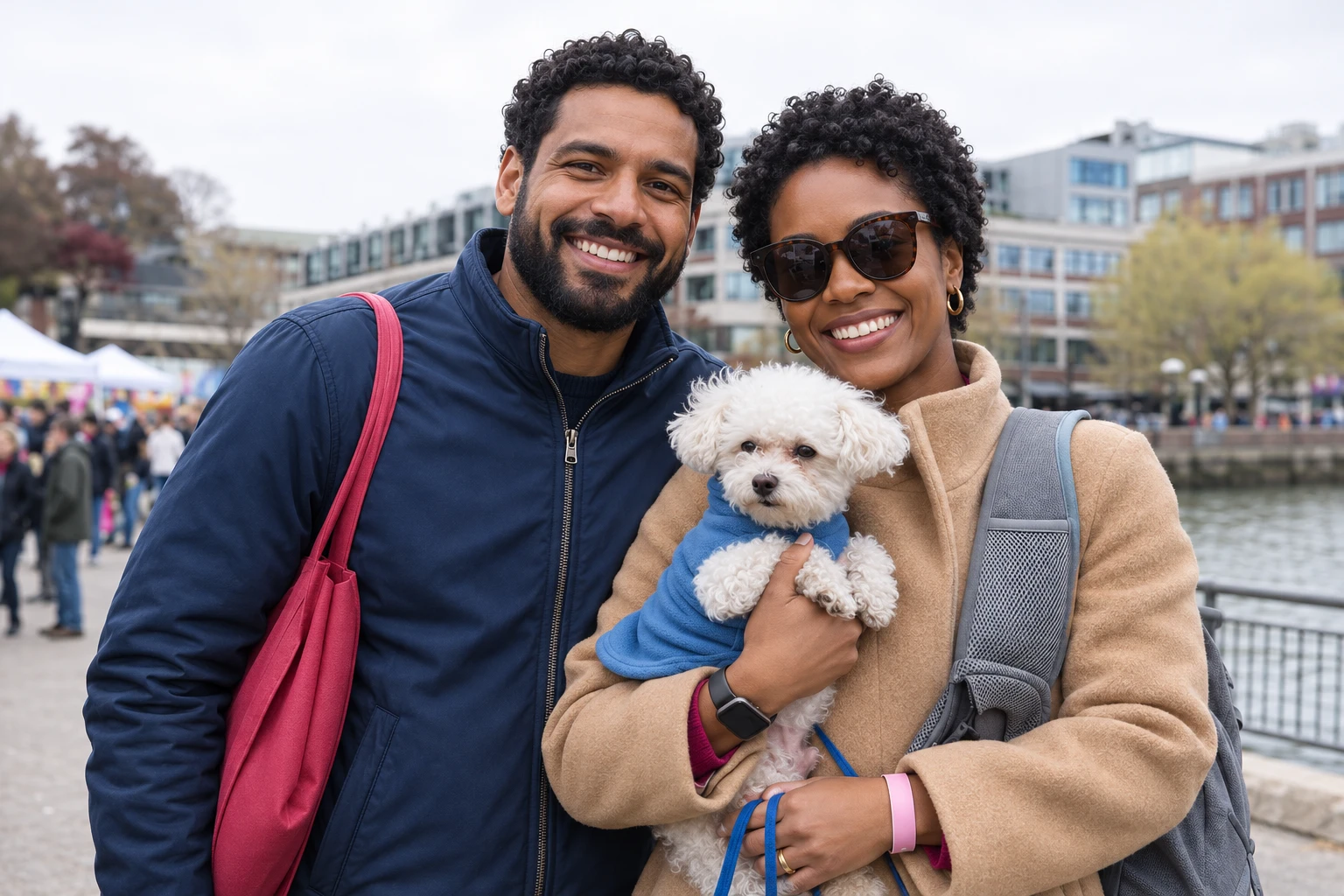
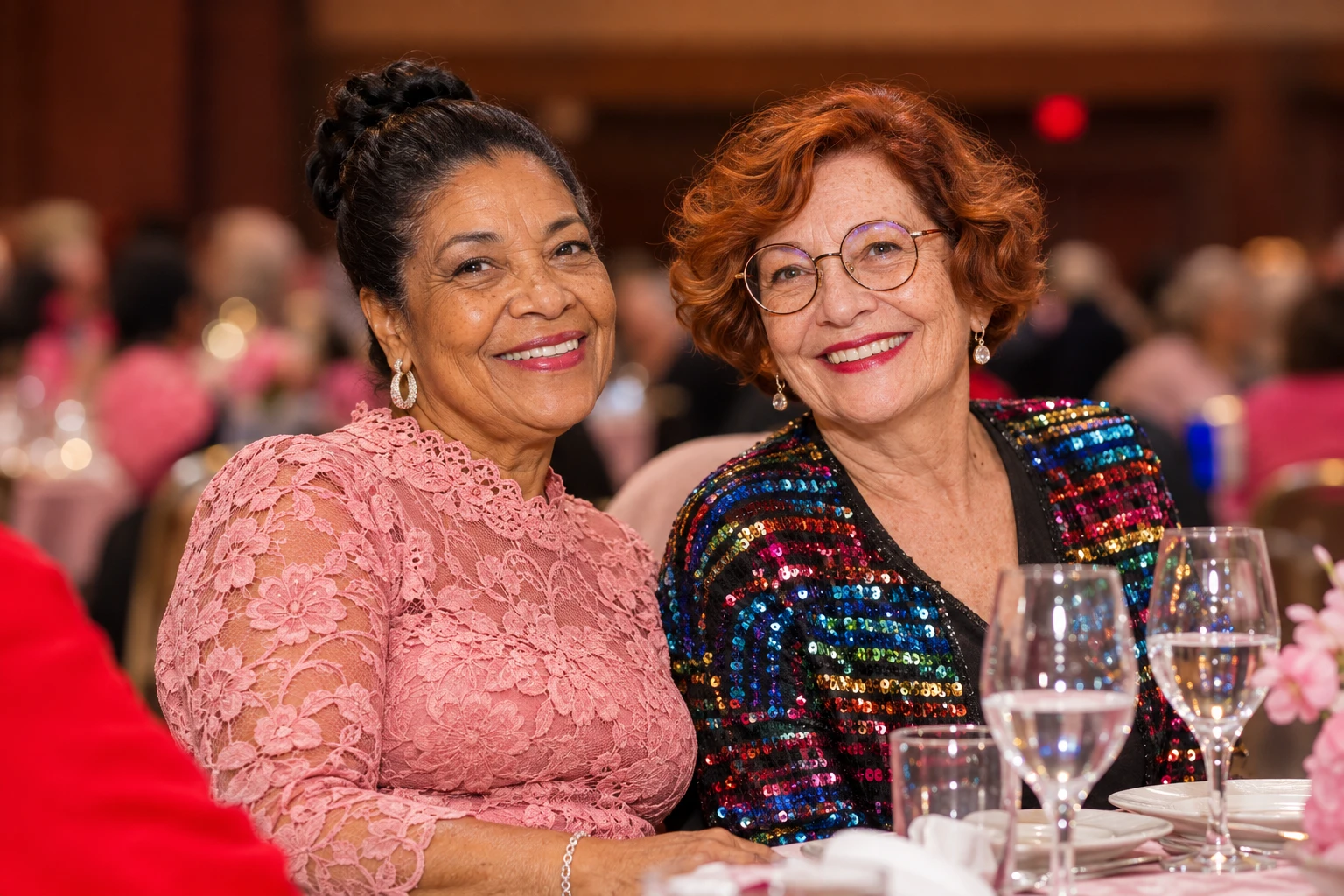
Illustrative images. The pictures in this guide are illustrations based on the real place, not photographs, and may differ from it.

Click a photo to enlarge it.
National Cherry Blossom Festival — Washington, D.C.
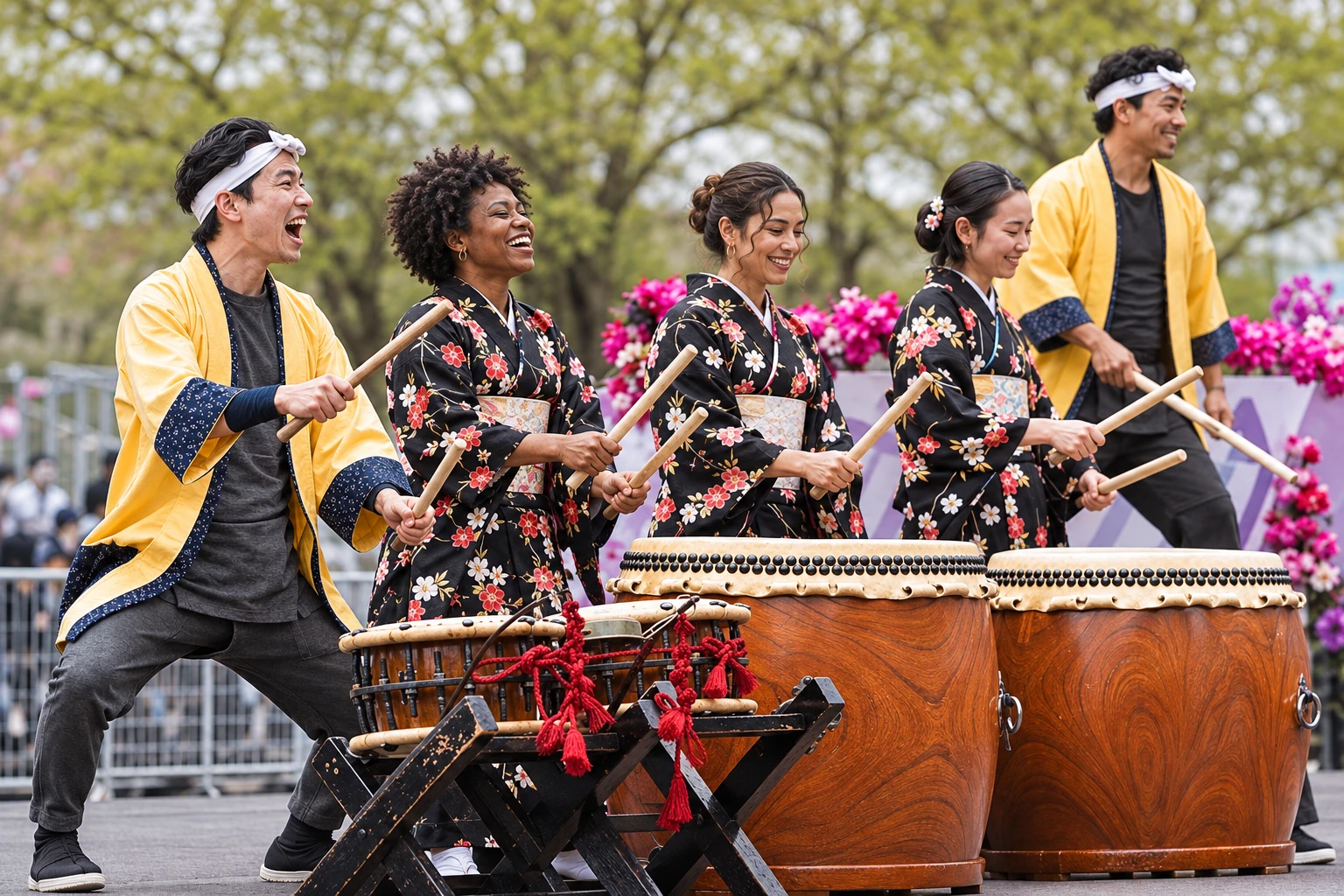
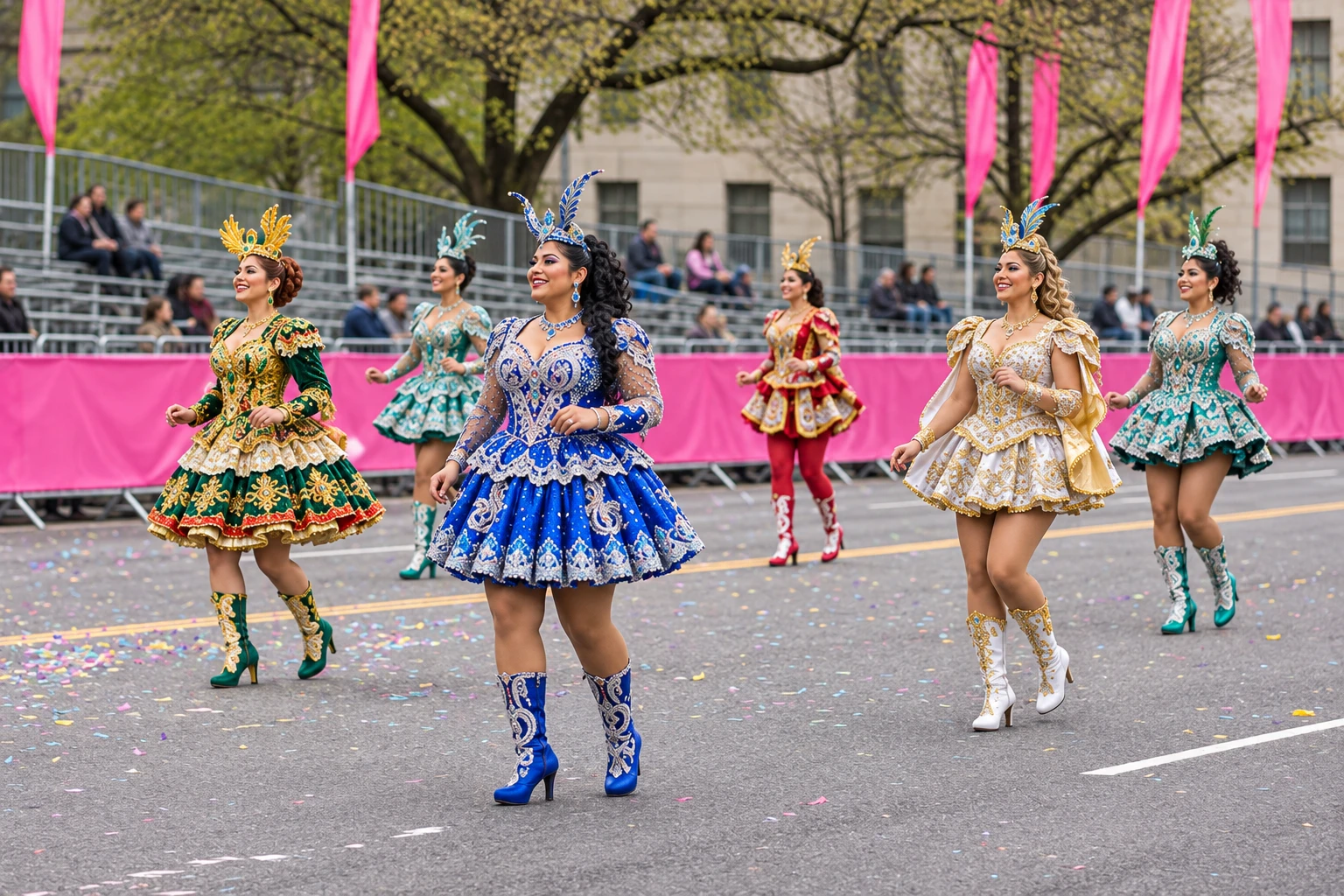
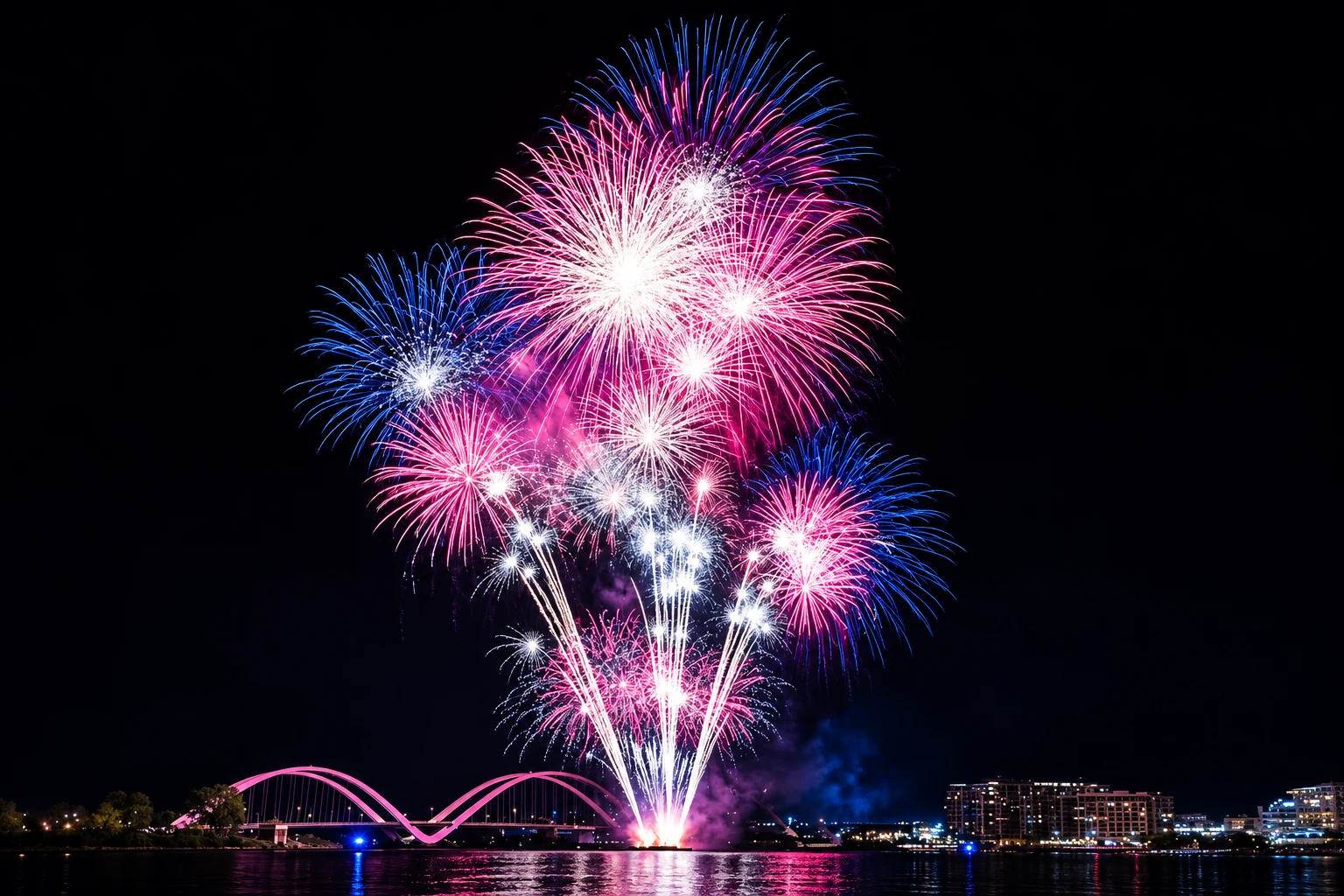
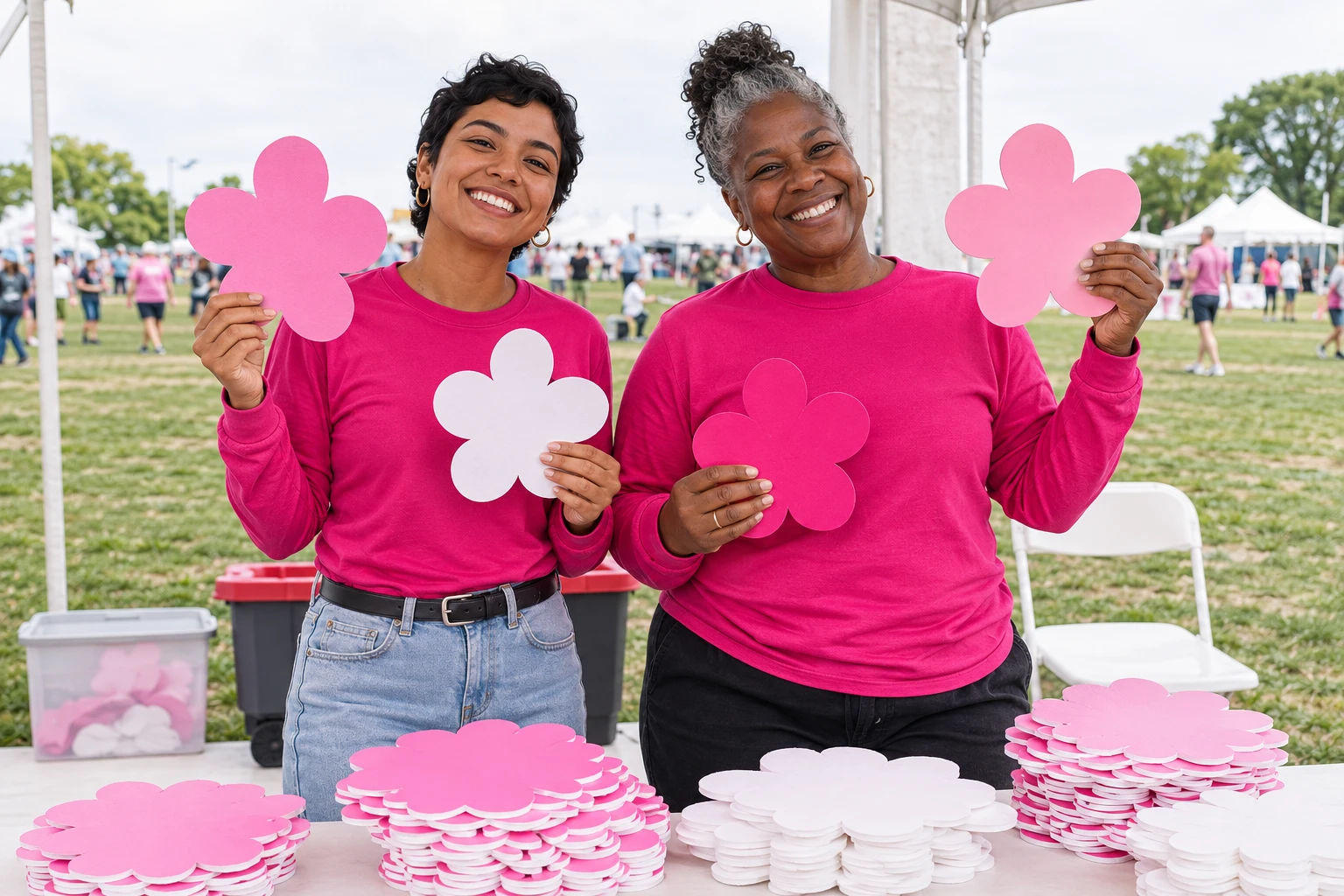
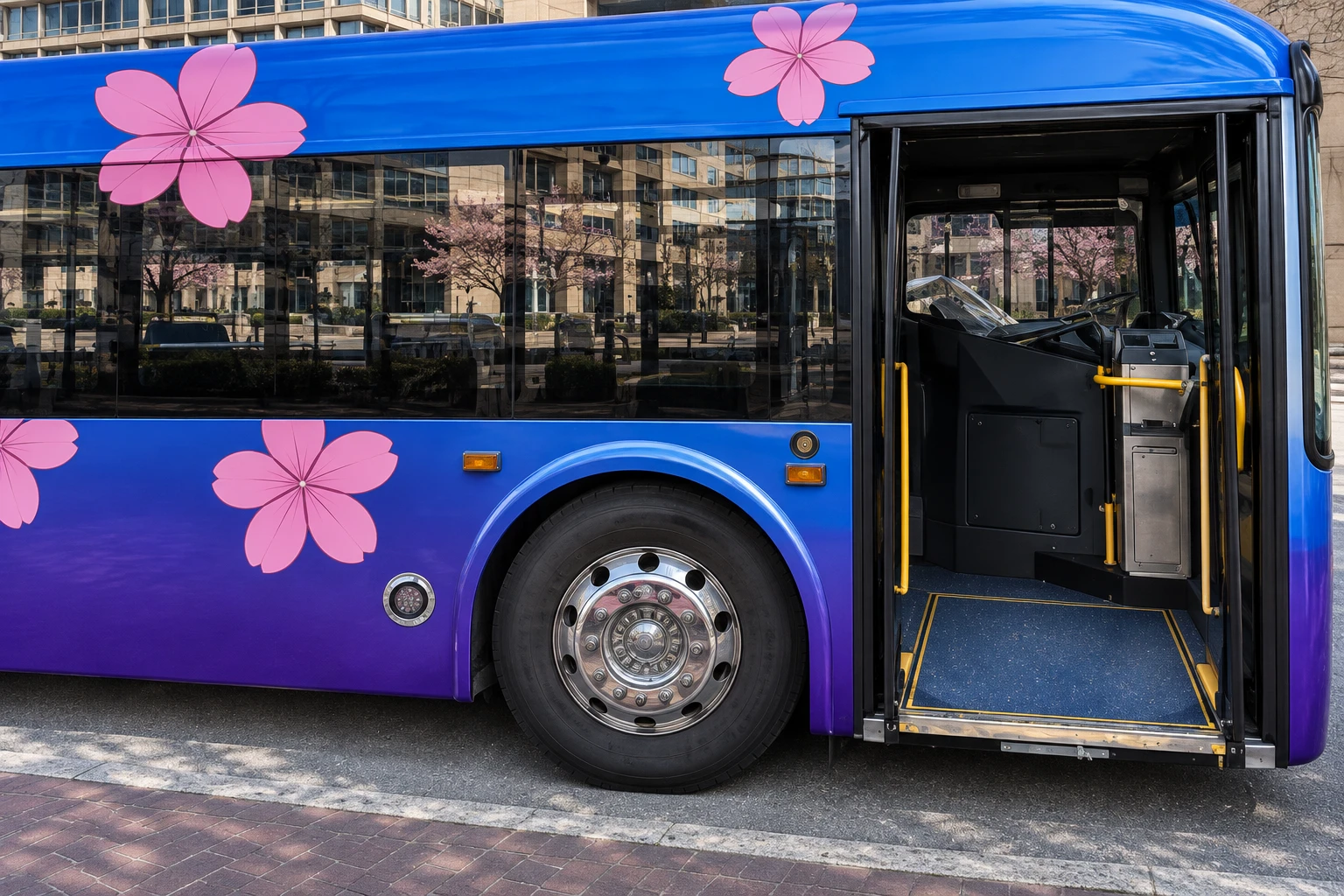
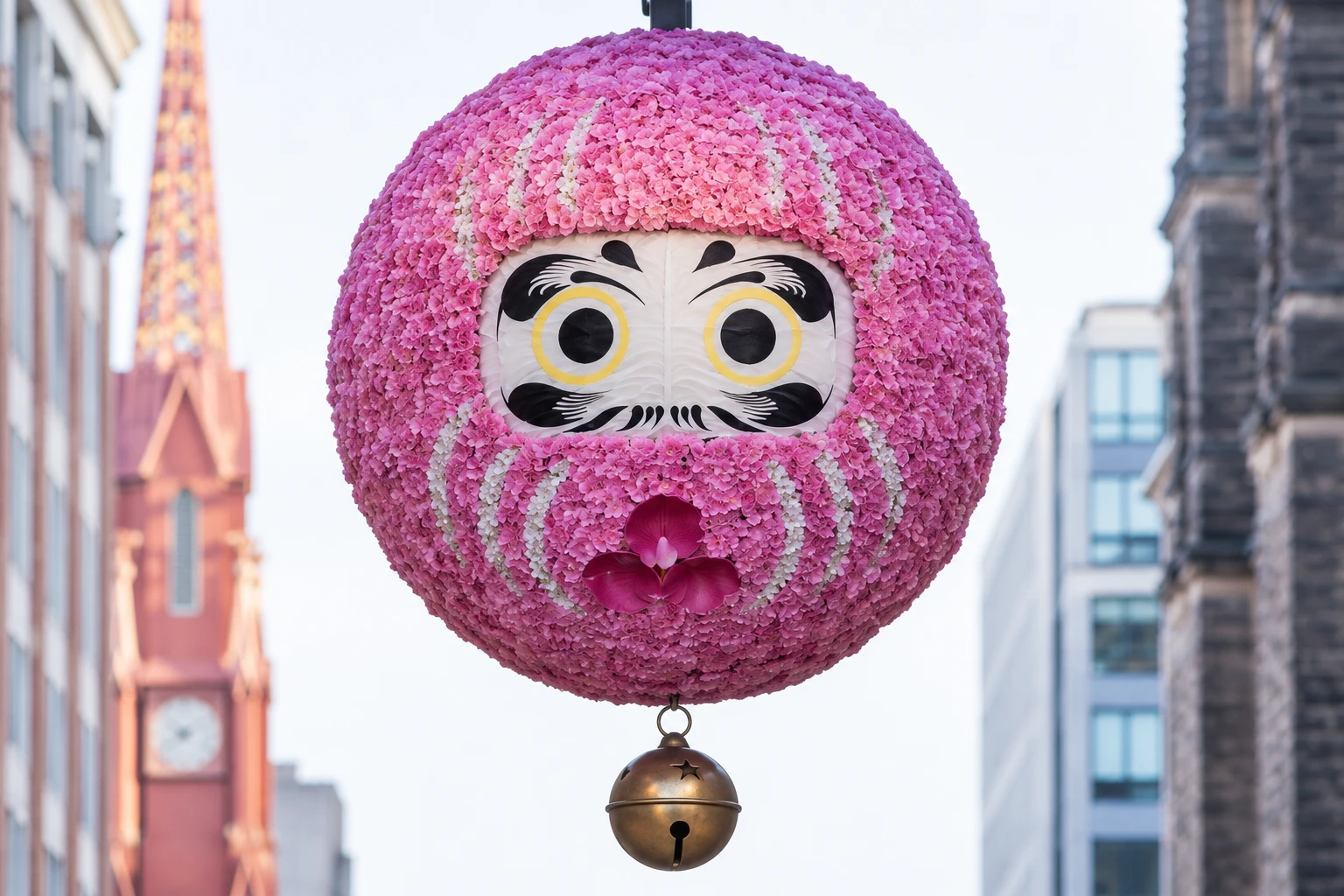
From mid or late March to mid April, lasting about four weeks, following the blooming of the cherry trees in Washington.
March/April
Dates change every year: check this year's date before you travel.
The festival
In spring, the cherry trees around the Tidal Basin, the reflecting pool near the Jefferson Memorial, and the gardens of the Washington Monument are covered in white and pink blossoms, and the U.S. capital holds its most popular festival. The National Cherry Blossom Festival lasts about four weeks, with events on the National Mall, in several neighborhoods across the city and in nearby areas of Virginia and Maryland.
The trees were a gift from Japan. A first shipment of about 2,000 saplings arrived in 1910 infested with insects and disease and had to be burned. In 1912, with the support of Tokyo’s mayor Yukio Ozaki, 3,020 cherry trees of twelve varieties arrived, most of them Yoshino. On March 27 of that year, First Lady Helen Taft and the wife of the Japanese ambassador planted the first two trees on the north bank of the Tidal Basin. In 1915, the United States reciprocated by sending flowering dogwoods to Japan, and in the following decades new saplings, including genetic copies of the 1912 trees, renewed the groves.
The first festival was organized in 1935 by civic associations in the city. The lighting of a three-century-old granite lantern, offered by the government of Tokyo in 1954, is one of the festival rituals. It stands by the Tidal Basin, near a small pagoda donated by the city of Yokohama in 1958. The festival celebrates the friendship between the two countries and the arrival of spring, and much of the program features Japanese culture.
Blooming has no fixed date. National Park Service horticulturists monitor the buds of Yoshino cherry trees at various stages and announce a prediction for peak bloom, the day when about 70% of the blossoms are open. In most years this occurs between the last week of March and the first week of April, but it has happened in mid-March and in mid-April, and the blossoms last only a few days at their peak: cold, calm weather prolongs the bloom, while rain and wind end it. That is why the festival is long, and visitors who arrive before or after the peak still find programming and other varieties in flower.
Traditional events include the kite festival in the Washington Monument grounds, an evening of music with fireworks by the river, the Constitution Avenue parade with inflatable balloons, decorated floats and marching bands, and the Sakura Matsuri, the nation’s largest Japanese street festival, with performances, crafts and food. For visitors to Washington in spring, the combination of memorials, museums and cherry trees in bloom is the city’s most iconic scene.
A walk around the Tidal Basin with the cherry trees in bloom, preferably early morning or at dusk, with views of the Jefferson Memorial and the Washington Monument reflected in the water. The Japanese stone lantern and the pagoda by the reflecting pool, where the first two trees were planted in 1912. The Washington Monument grounds on the day of the kite festival. The parade on Constitution Avenue, between the National Archives and the Washington Monument. The Sakura Matsuri, the Japanese street festival on Pennsylvania Avenue. The fireworks at the riverside music celebration. Outside the center, the National Arboretum, with other cherry varieties that bloom on different dates.
Follow the National Park Service’s peak bloom prediction, updated as the buds progress, and watch the weather: rain, wind or frost can shorten the bloom. The areas around the Tidal Basin are very crowded on weekends; go early, on a weekday if you can, or late afternoon. Arrive by subway, via Smithsonian or L'Enfant Plaza stations, since parking near the National Mall is scarce and streets are closed on event days. Bike or walk between the memorials; the full circuit around the reflecting pool is about 3.4 km. Bring a jacket, as March and April mornings can be cold. Seeing the trees and most events does not require a ticket; parade grandstands and some events are ticketed. Do not climb the trees or break branches: the cherry trees are protected.
At the Sakura Matsuri and other festival events, food stalls serving Japanese dishes such as ramen, yakisoba, takoyaki, onigiri and sweet bean desserts. Restaurants, bakeries and bars around the city often create cherry- and cherry-blossom–themed dishes, desserts and drinks during the season, and some neighborhoods offer festival-related food trails.
The festival is one of Washington’s busiest periods, and lodging is in high demand near the likely peak dates; book early and be flexible with dates if you can. Because the peak changes each year and is predicted only a few weeks in advance, plan several days in the city to increase your chance of seeing the trees at their height. The full program is usually published on the official website at the start of the year; tickets for the parade and ticketed events are sold there.
In the city
Flavors of the United States
March/April
 February/March
On a Saturday night, a few weeks after Lunar New Year, between February and early March; the celebration in Chinatown lasts several days.
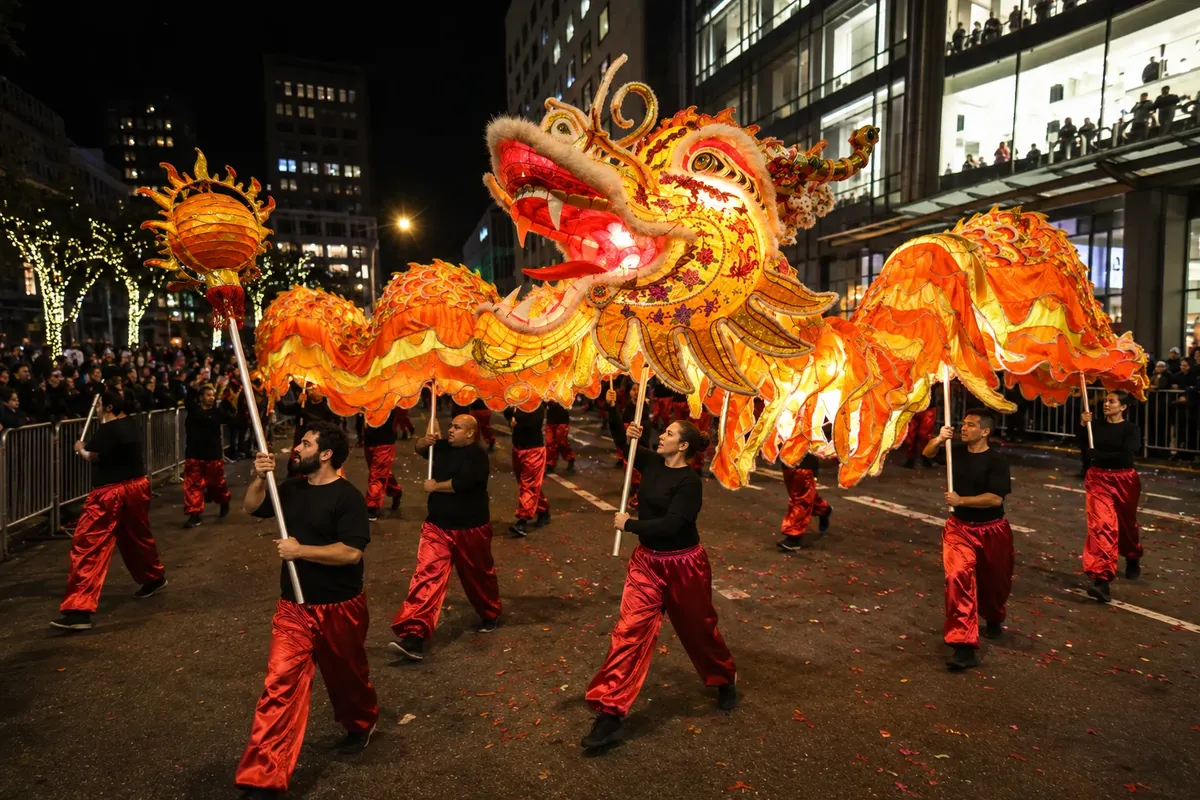
San Francisco Lunar New Year nighttime illuminated parade organized by the Chinese Chamber of Commerce: floats, lion dance, acrobats, bands and, at the end, the Golden Dragon carried by dozens of people, amid firecrackers and lanterns.
 March
On March 17, St. Patrick’s Day; if the date falls on a Sunday, the parade is moved to Saturday, March 16.
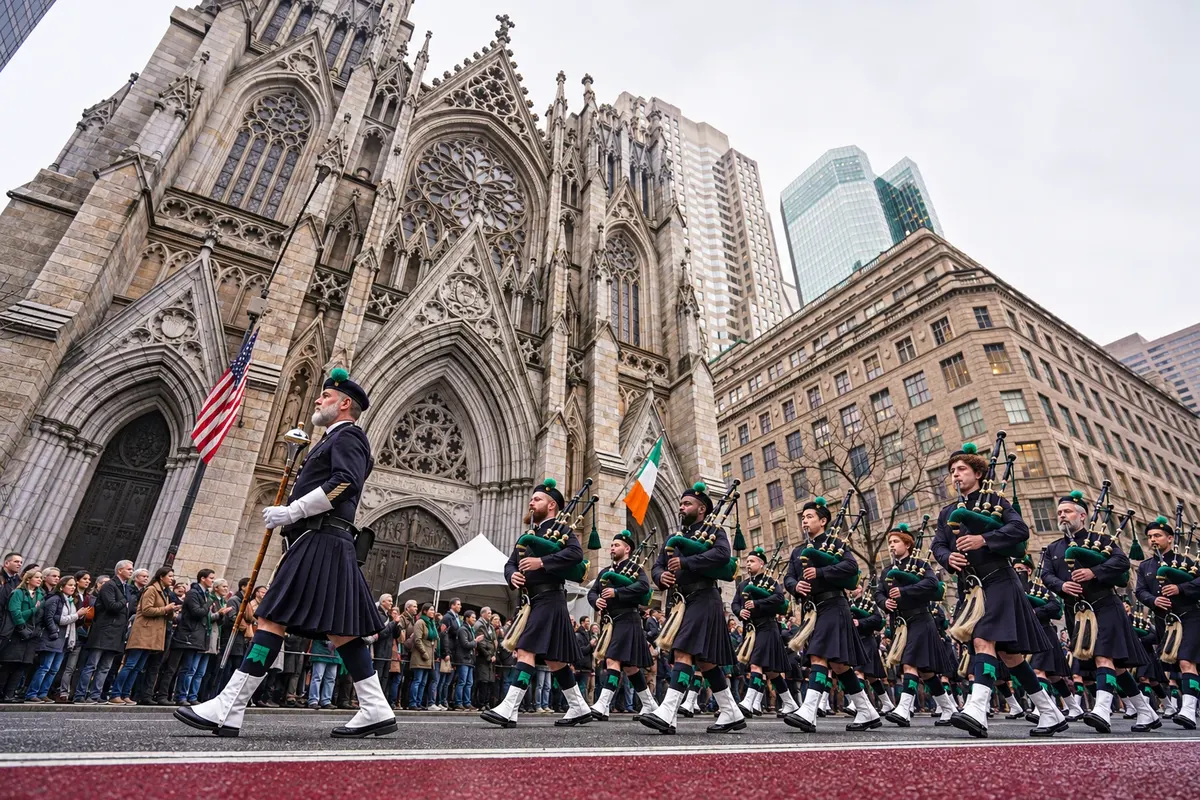
Irish parade along Fifth Avenue in Manhattan on St. Patrick’s Day: bagpipers, bands, Irish associations and groups from across the country march on foot, with no floats, passing in front of St. Patrick’s Cathedral.
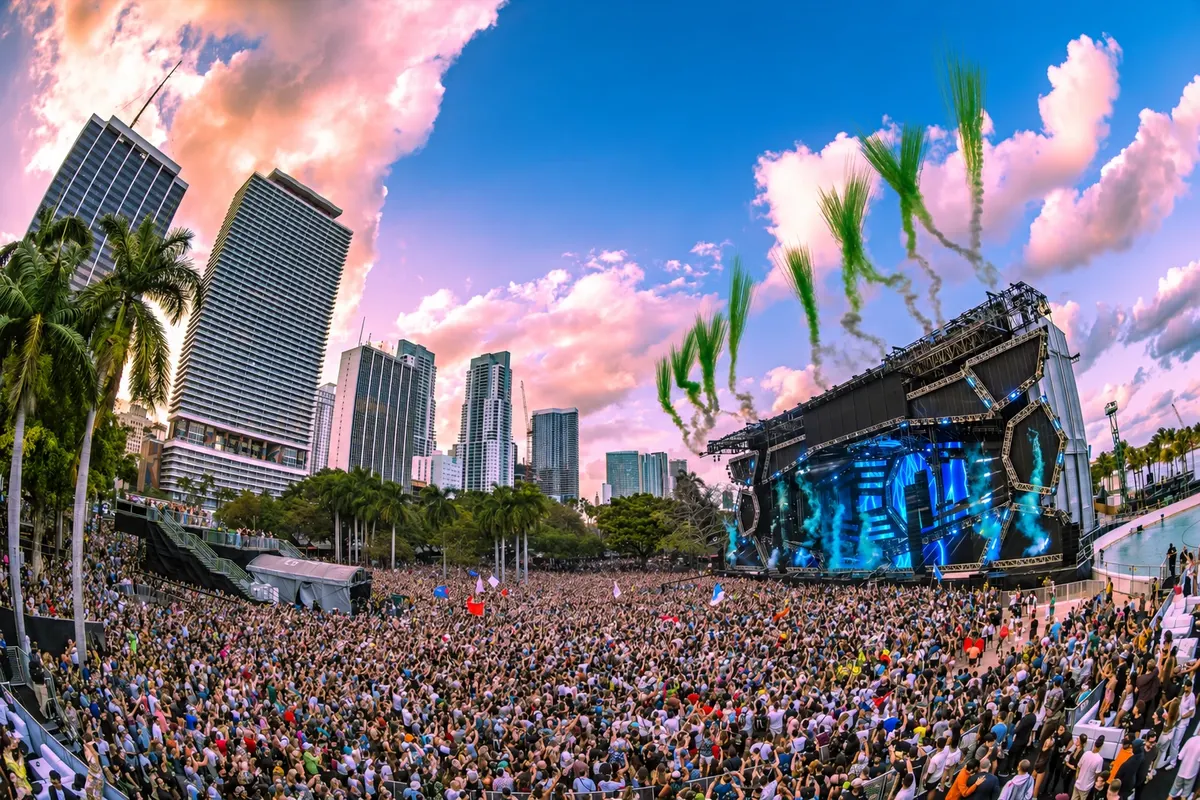 March
Over three consecutive days in March, from Friday to Sunday, usually in the last week of the month.
A three-day electronic music festival at Bayfront Park, beside Biscayne Bay in downtown Miami; the highlight of a week when the city hosts parties and DJ shows from around the world.
Your questions
In most years, around the turn from March to April. Peak bloom, when about 70% of the blossoms are open, varies with the weather and is forecast by the National Park Service.
Mainly around the Tidal Basin, near the Jefferson Memorial, and in the Washington Monument gardens on the National Mall.
They were a gift from Tokyo’s mayor to the city in 1912 as a symbol of friendship between Japan and the United States, and the festival celebrates that gesture.
About one month, between March and April, with events spread across the city, such as the kite festival, the parade and the Japanese street party.
Festivals and events in the United States
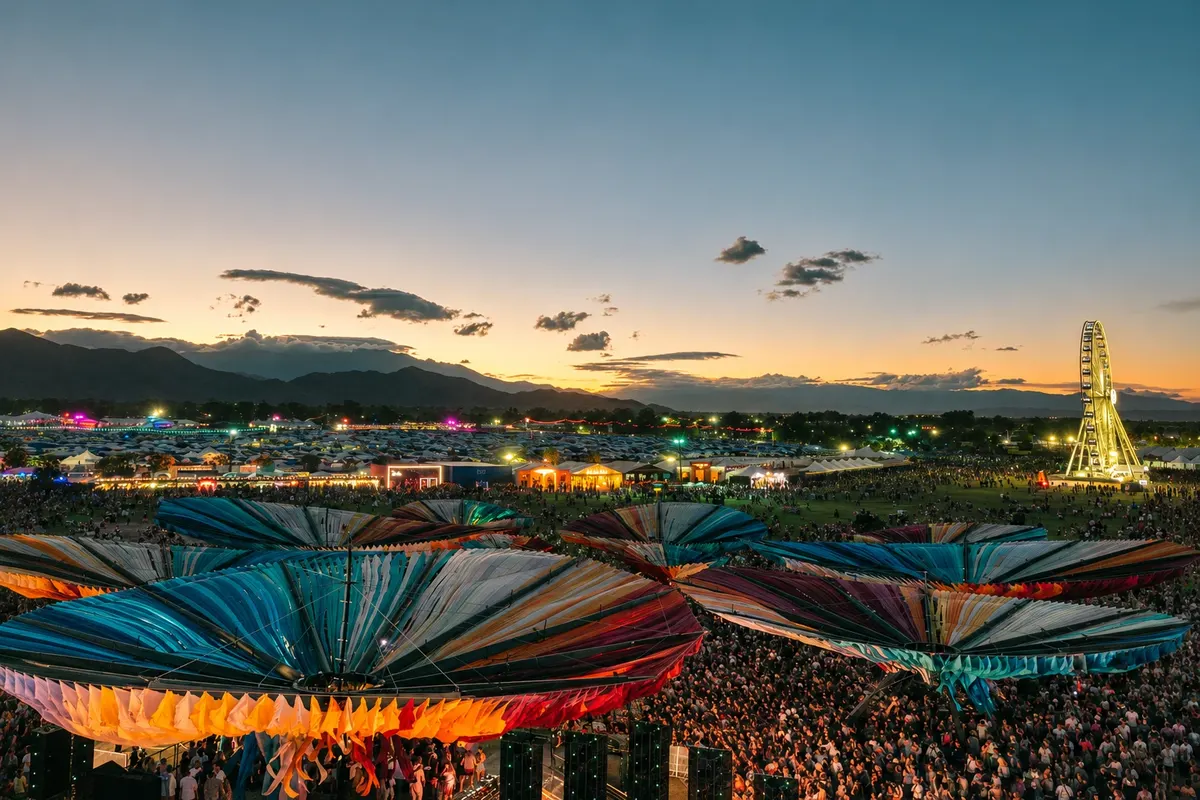 April
In April, over two consecutive weekends, Friday through Sunday, with the same lineup both weekends.
A music and arts festival in the Coachella Valley desert at the Empire Polo Club in Indio, California: two April weekends with stages for rock, pop, hip-hop and electronic music, large art installations, and on‑site camping.
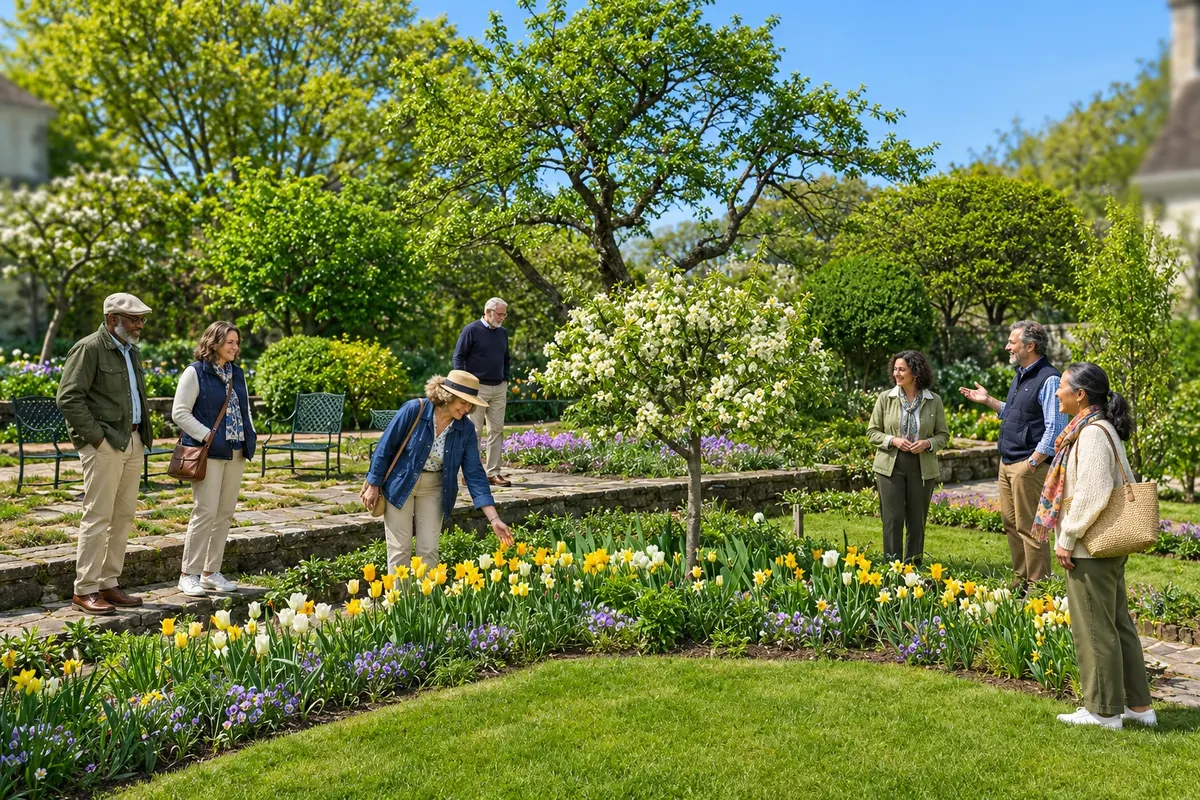 April/May
For eight consecutive days, usually in the second half of April and sometimes into early May; each locality opens its houses and gardens on specific days.
For eight spring days, private homes, gardens and historic properties across Virginia open to the public, decorated with floral arrangements made by garden clubs; proceeds fund the restoration of the state’s historic gardens.
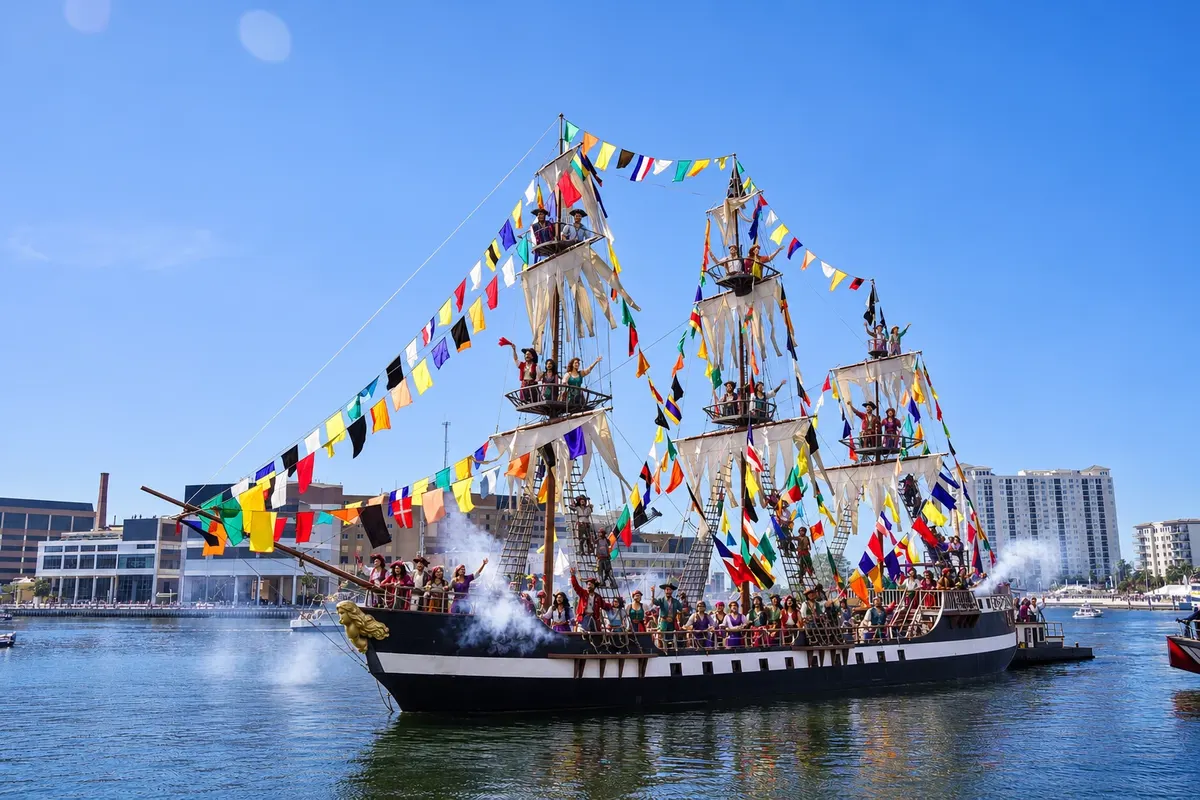 January
On the last Saturday in January; the children’s parade takes place on the previous Saturday.
Tampa’s pirate festival in Florida: a pirate ship sails into the bay with hundreds of boats, the pirates take the key to the city and march along Bayshore Boulevard, throwing beaded necklaces to the costumed crowd.
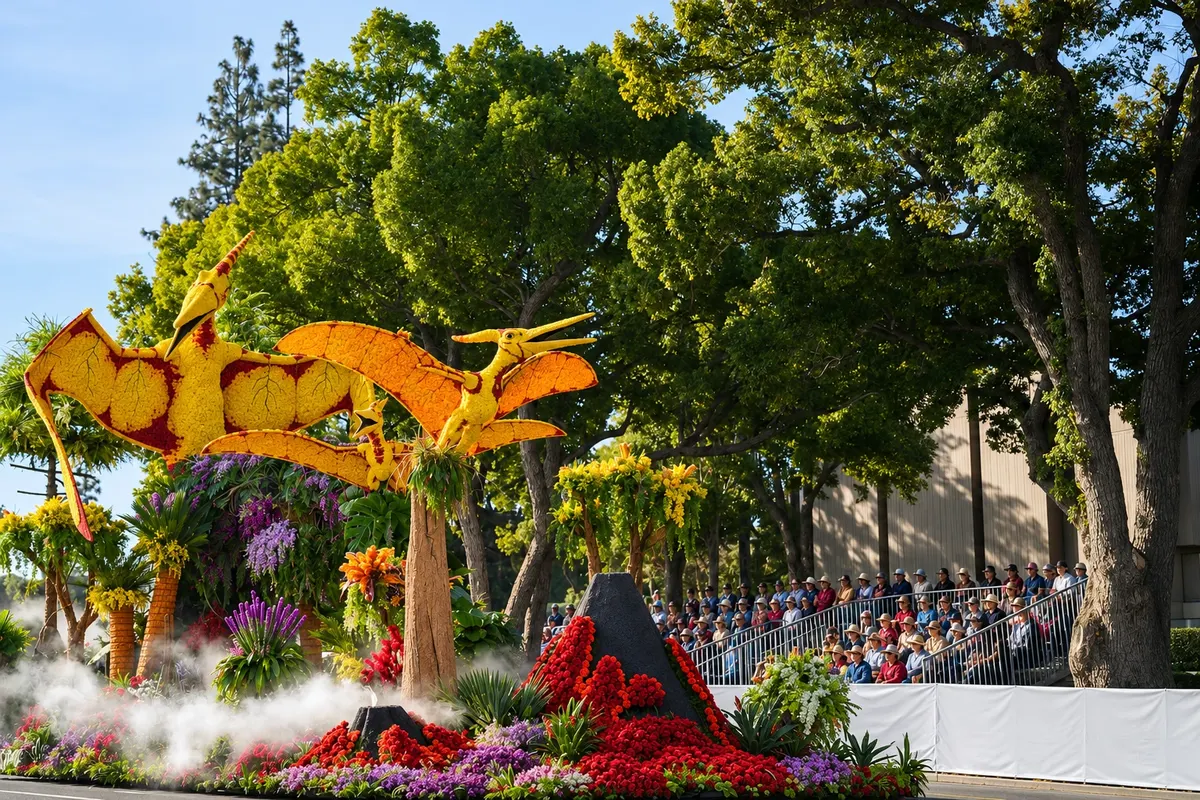 January
On the morning of January 1; if the 1st falls on a Sunday, the parade is held on Monday, January 2.
New Year’s Day parade in Pasadena, near Los Angeles, featuring floats completely covered with flowers, seeds and other natural materials, marching bands and mounted units along Colorado Boulevard. On the same day, the Rose Bowl stadium hosts the college football game of the same name.
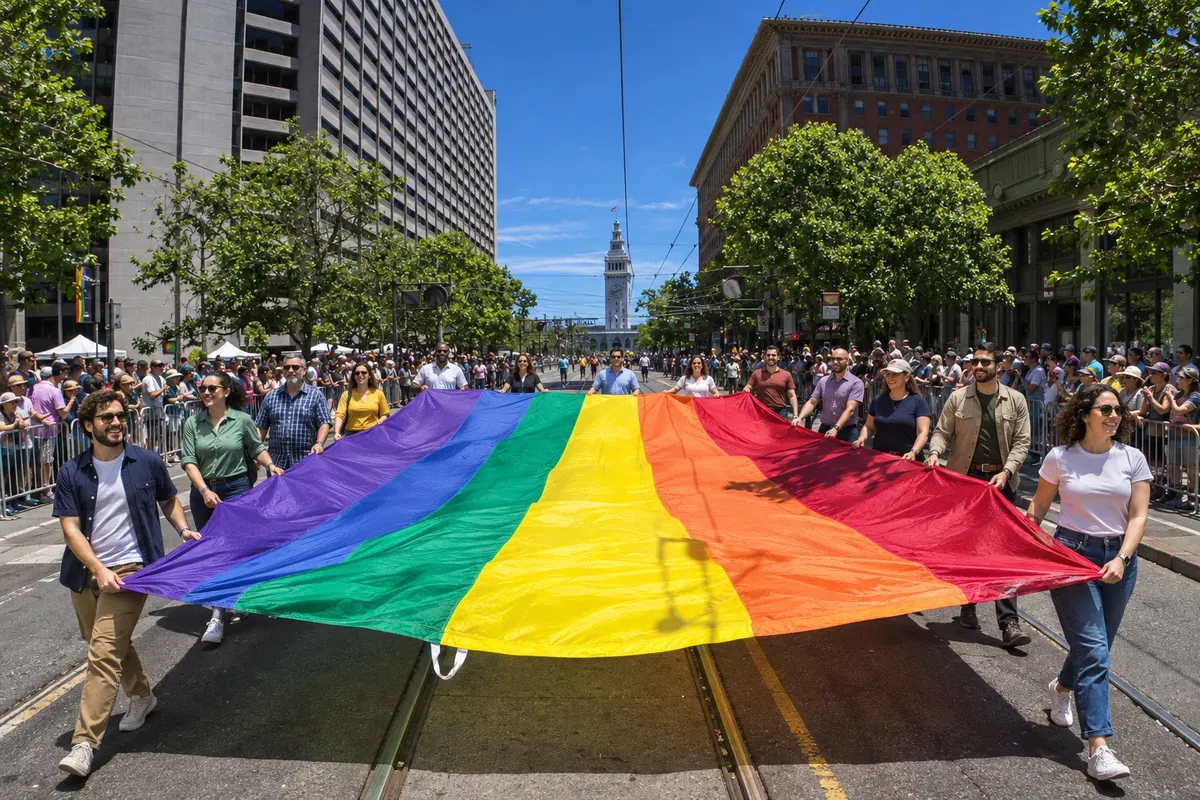 June
On the last full weekend of June; the celebration runs Saturday and Sunday, and the parade takes place on Sunday morning.
One of the world’s largest LGBT+ pride events: on the last weekend of June, San Francisco hosts a festival with stages and booths at Civic Center and, on Sunday morning, a parade along Market Street featuring hundreds of groups from the city.
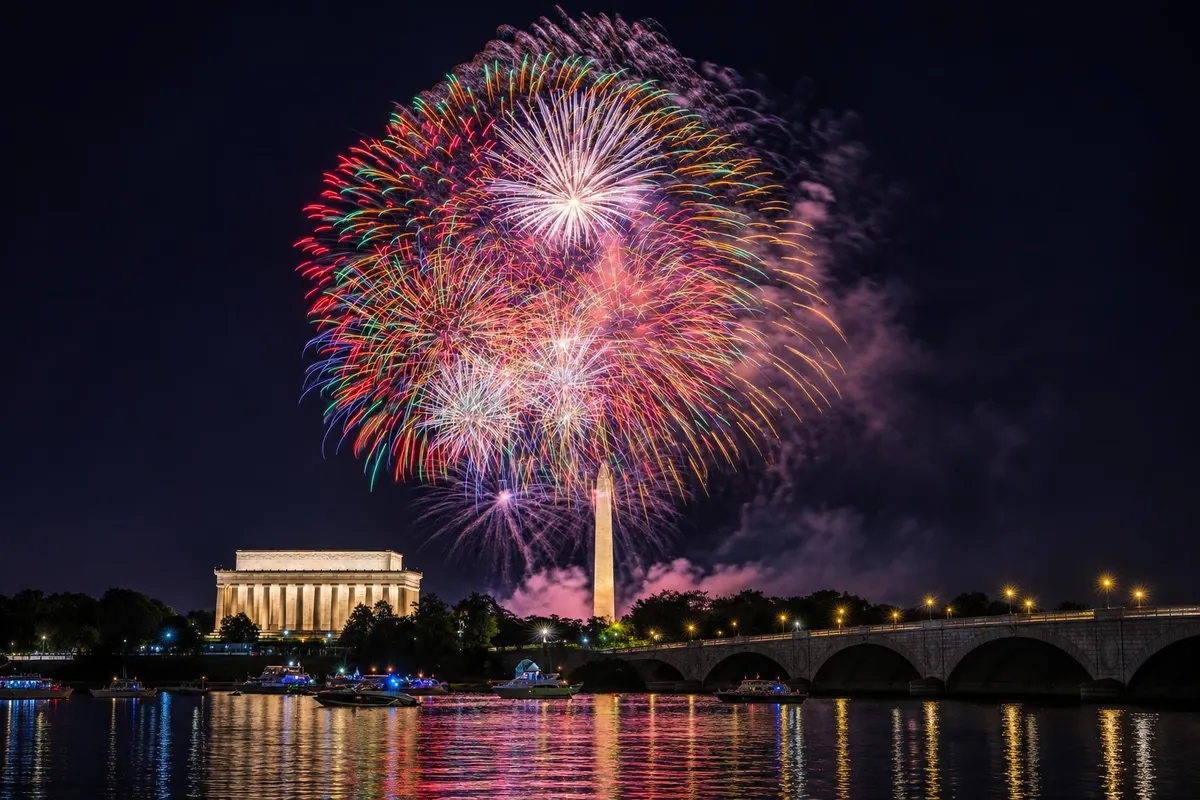 July
On July 4, Independence Day in the United States.
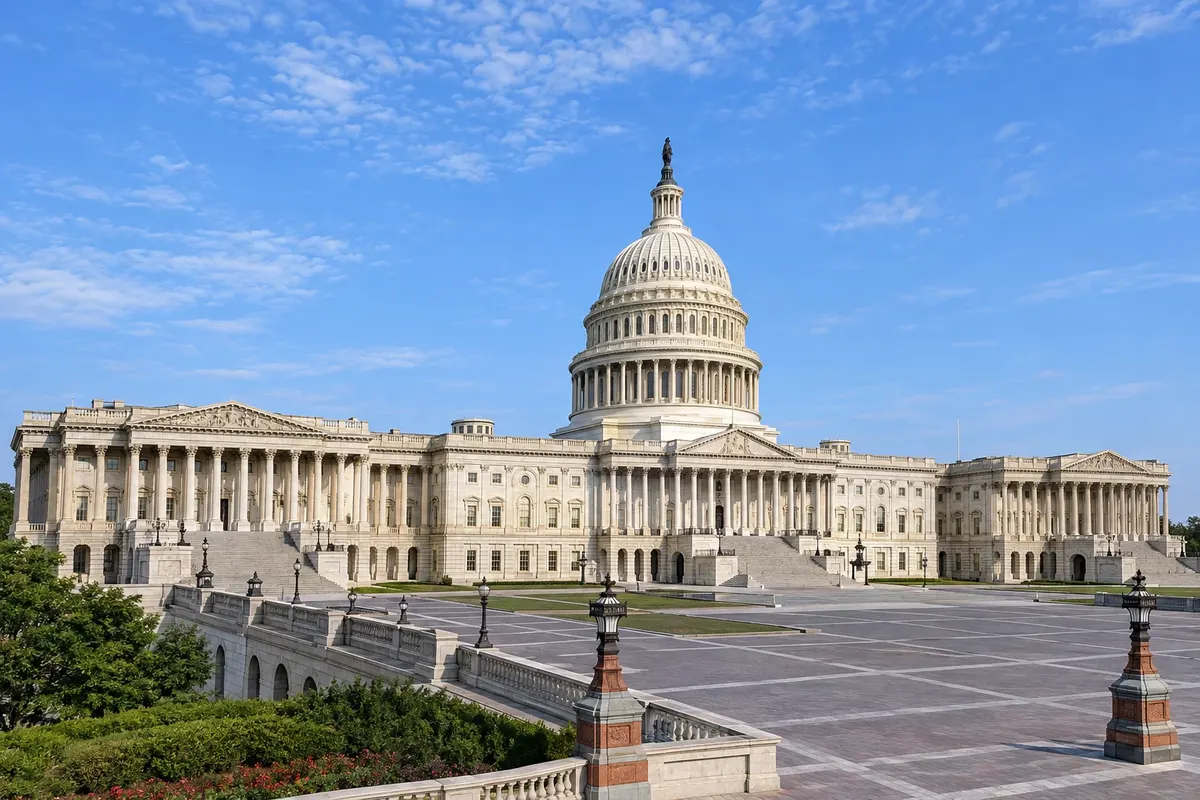
Independence Day in the U.S. capital: a parade on Constitution Avenue, a concert on the Capitol lawn and, at night, one of the country’s largest fireworks displays over the National Mall memorials.