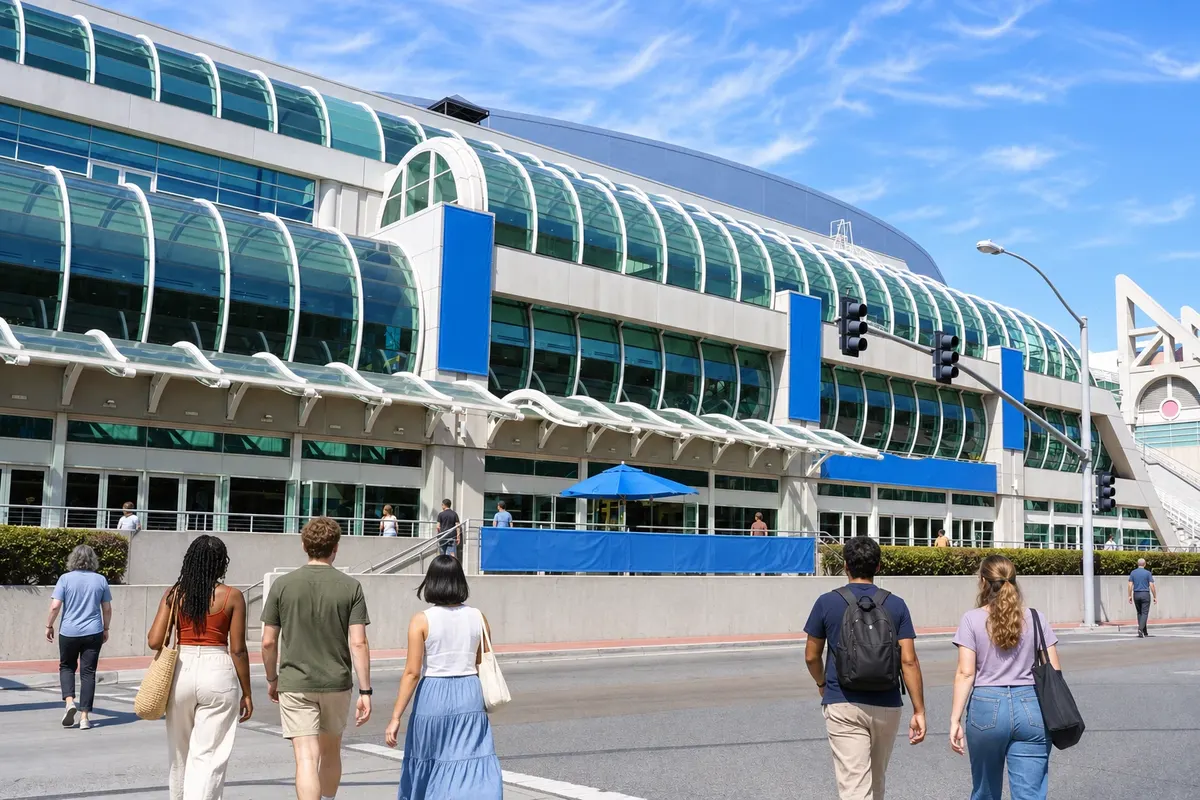
Dish · Washington, D.C.
Half-smoke
A sausage thicker and spicier than the hot dog, smoked and grilled, served in bread with chili, onion and mustard. Washington’s tourism agency calls it the city’s signature dish.

 Search
 Brazil
 Argentina
 Bolivia
 Chile
 Colombia
 Ecuador
 Guyana
 French Guiana
 Falkland Islands (Malvinas)
 Paraguay
 Peru
 Suriname
 Uruguay
 Venezuela
 Germany
 Austria
 Belgium
 Croatia
 Denmark
 Spain
 Finland
 France
 Greece
 the Netherlands
 Hungary
 Ireland
 Iceland
 Italy
 Luxembourg
 Norway
 Poland
 Portugal
 the United Kingdom
 the Czech Republic
 Sweden
 Switzerland
 Turkey
 Canadathe United States
 Mexico
 the Dominican RepublicTurkey
 South Africa
 Australia
 Fiji
 New Zealand
 Papua New Guinea
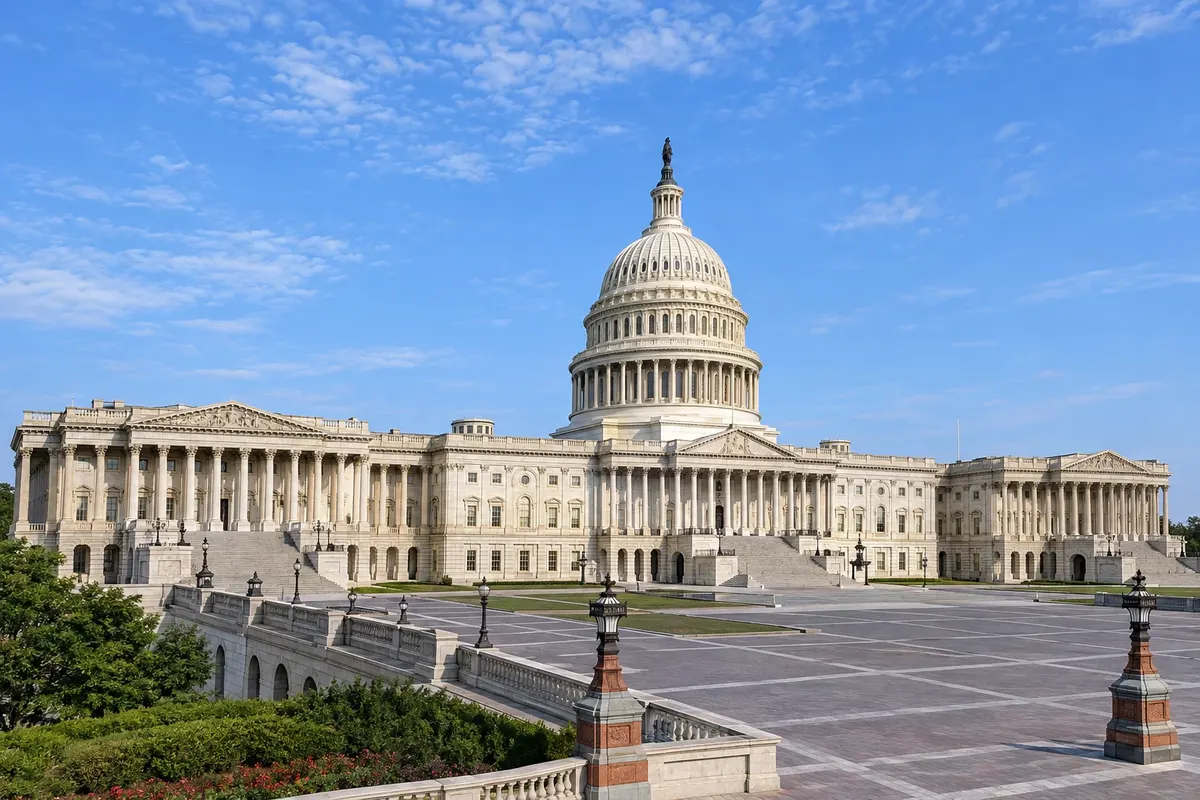
Popular festival · Washington, D.C.
Independence Day in the U.S. capital: a parade on Constitution Avenue, a concert on the Capitol lawn and, at night, one of the country’s largest fireworks displays over the National Mall memorials.
In the photo: Washington, D.C.
Illustrative images. The pictures in this guide are illustrations based on the real place, not photographs, and may differ from it.

Click a photo to enlarge it.
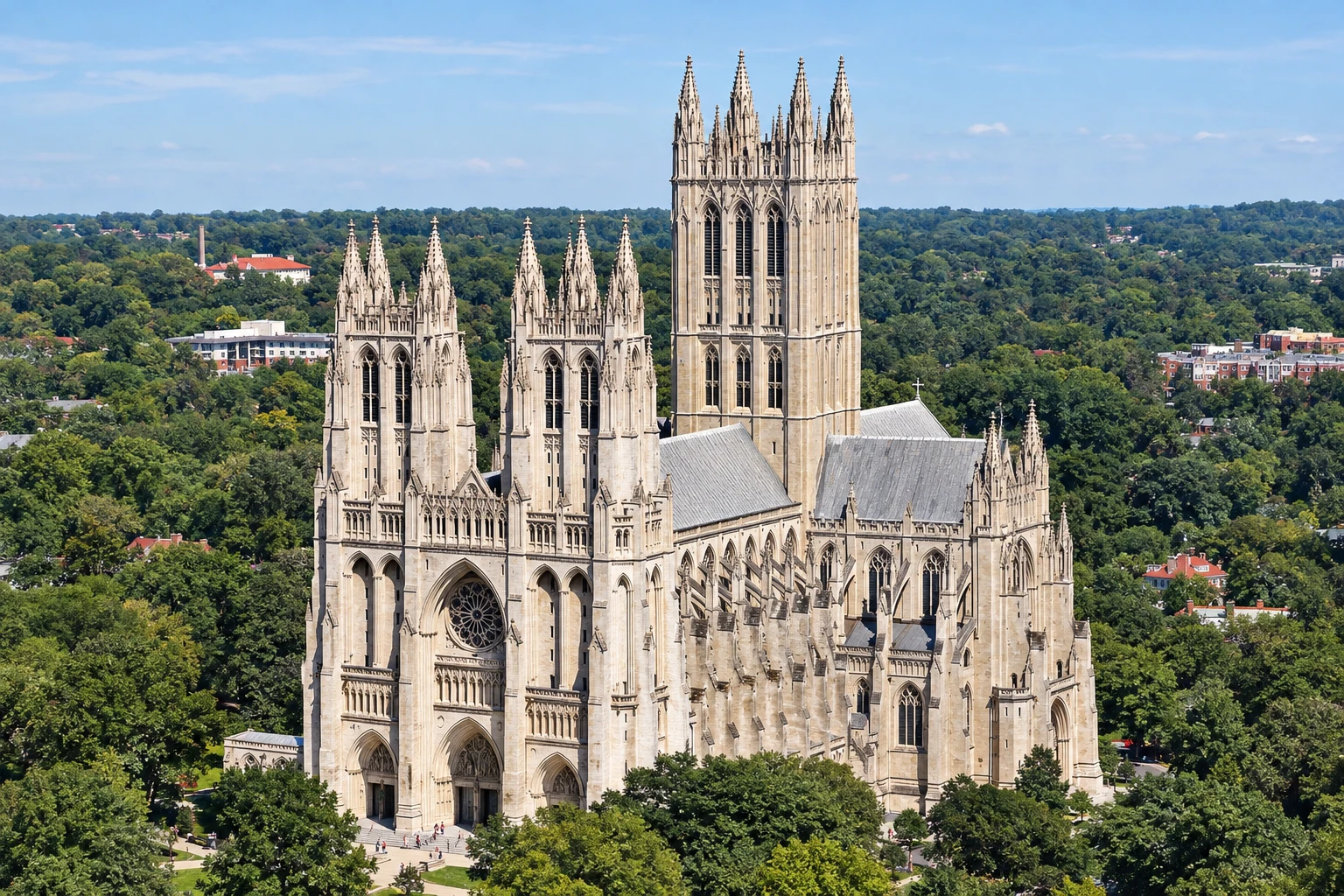
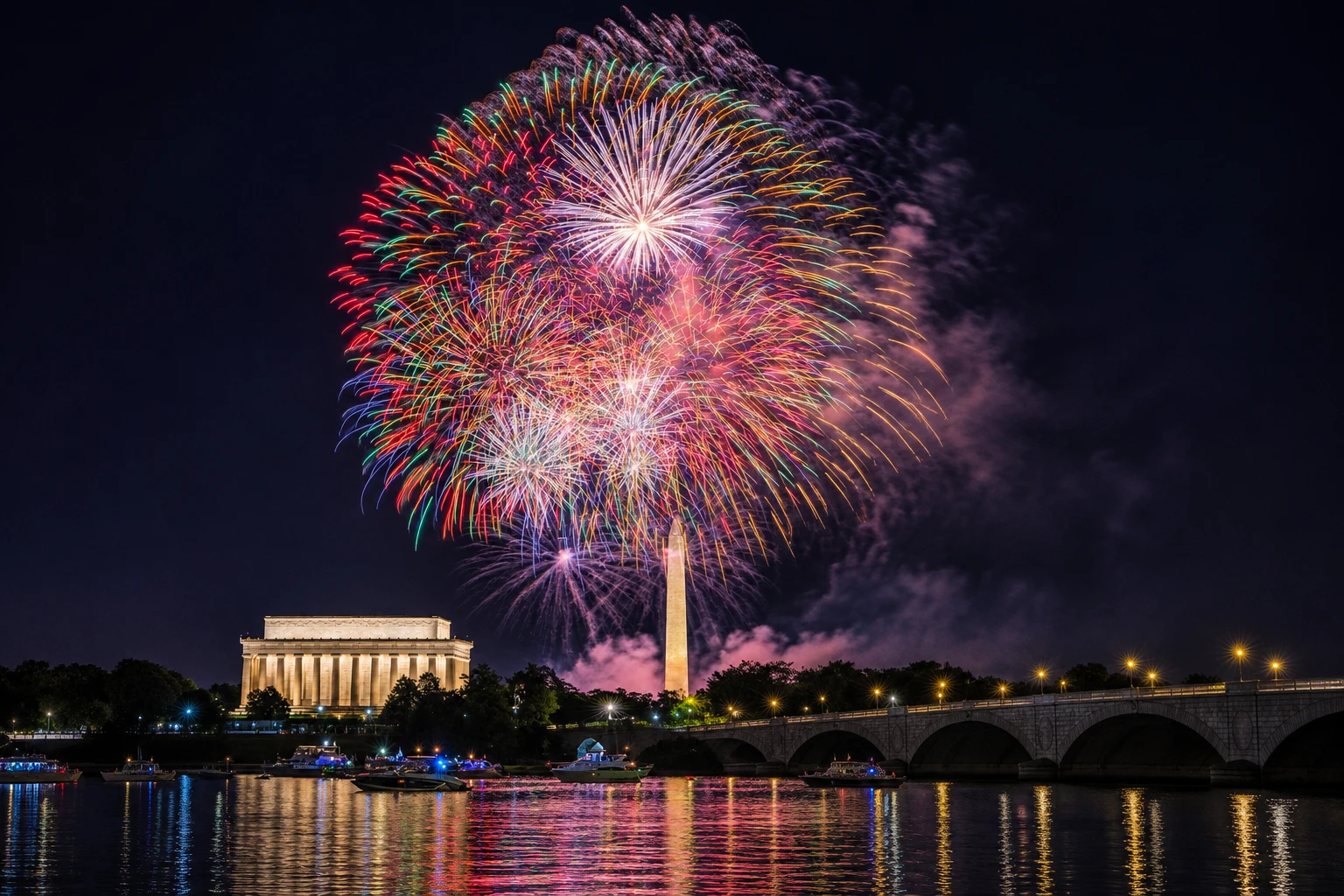
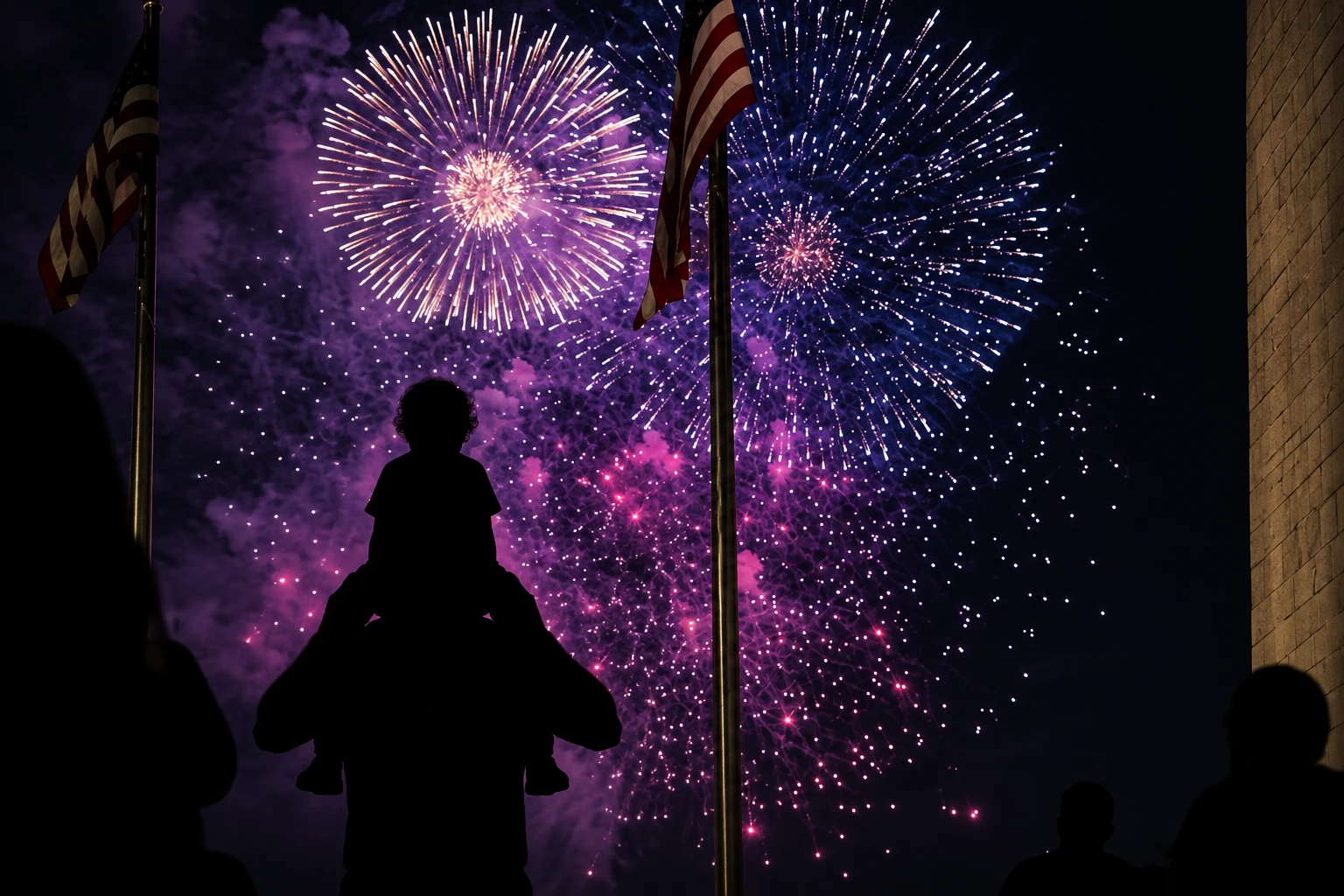
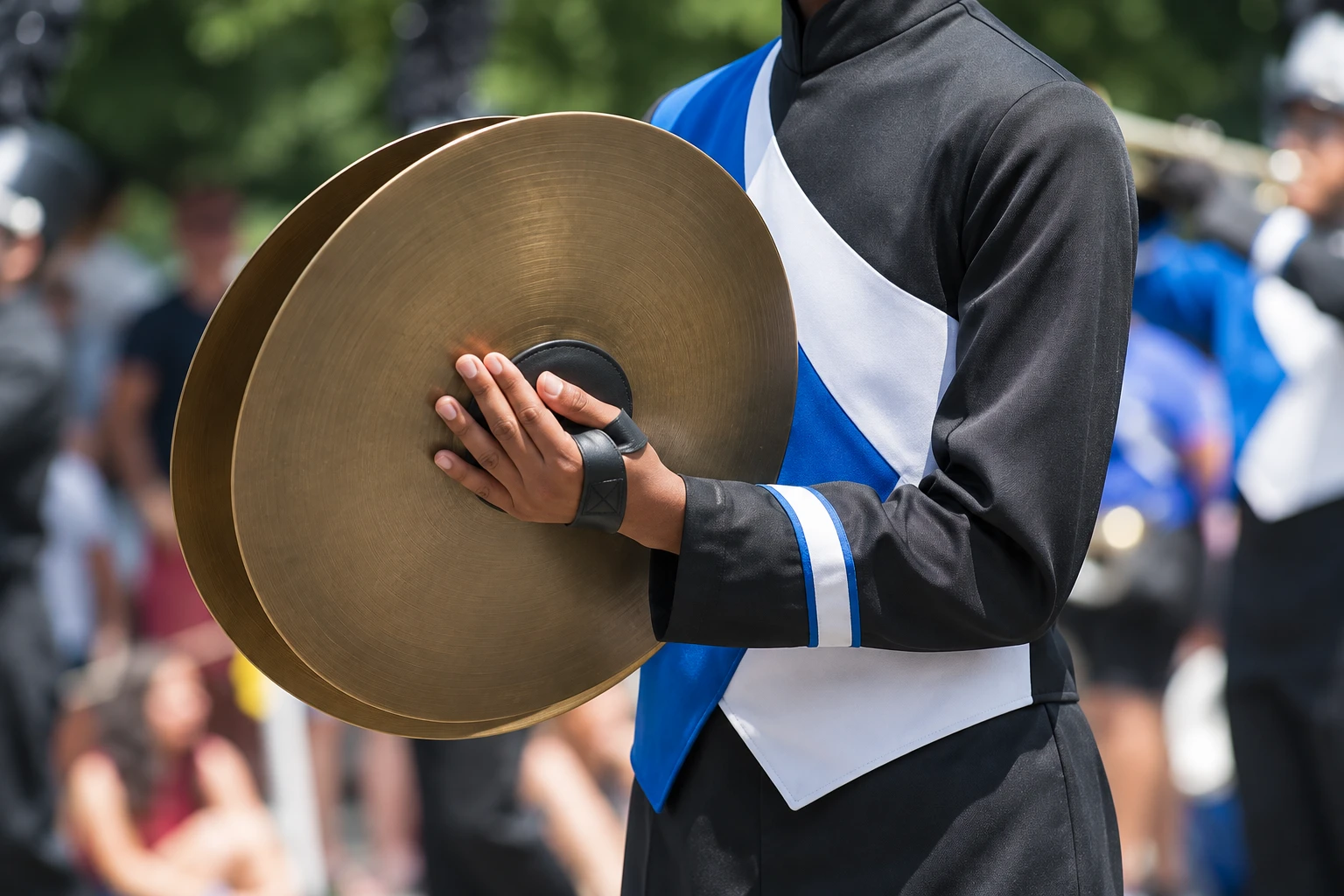
July 4 on the National Mall — Washington, D.C.
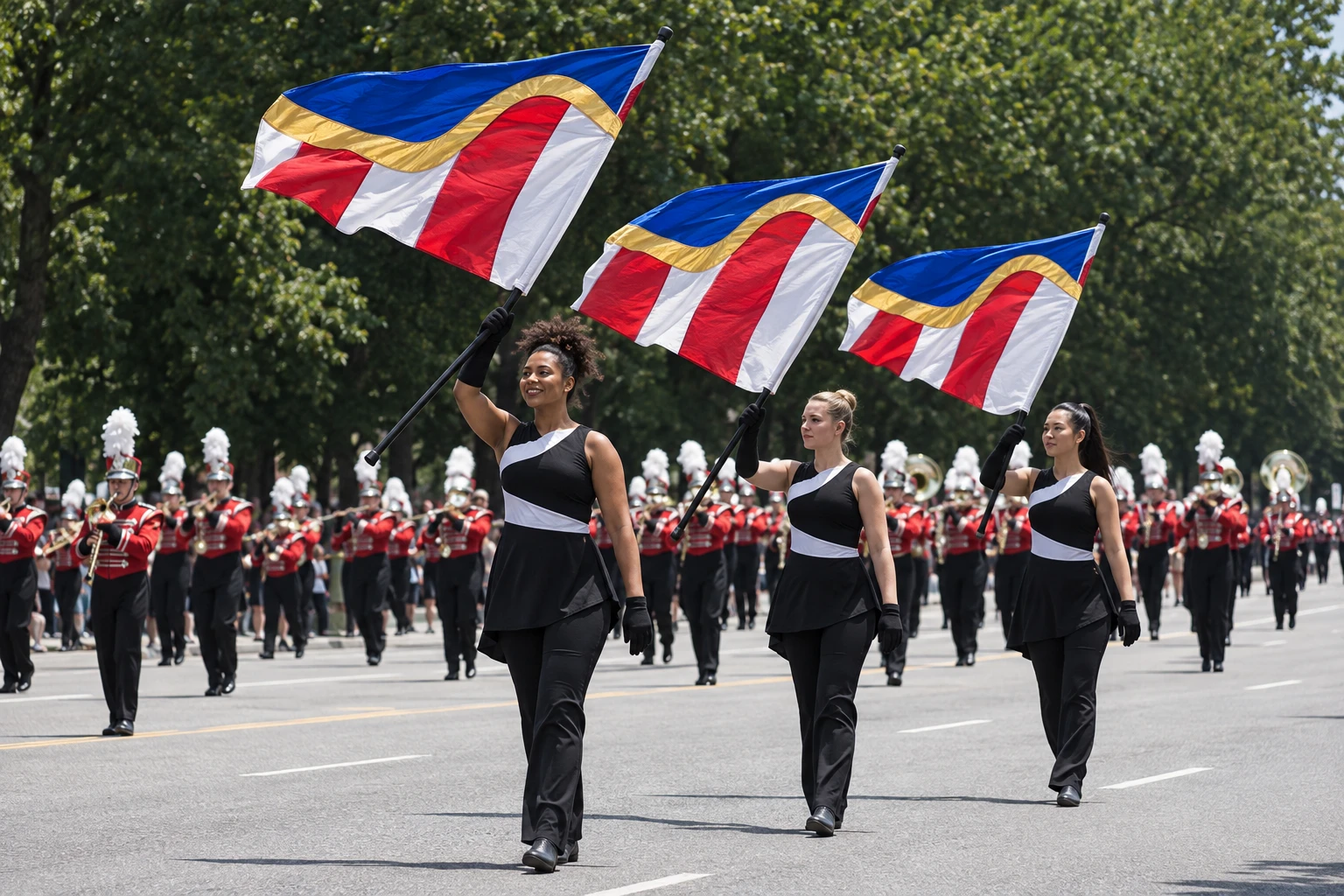
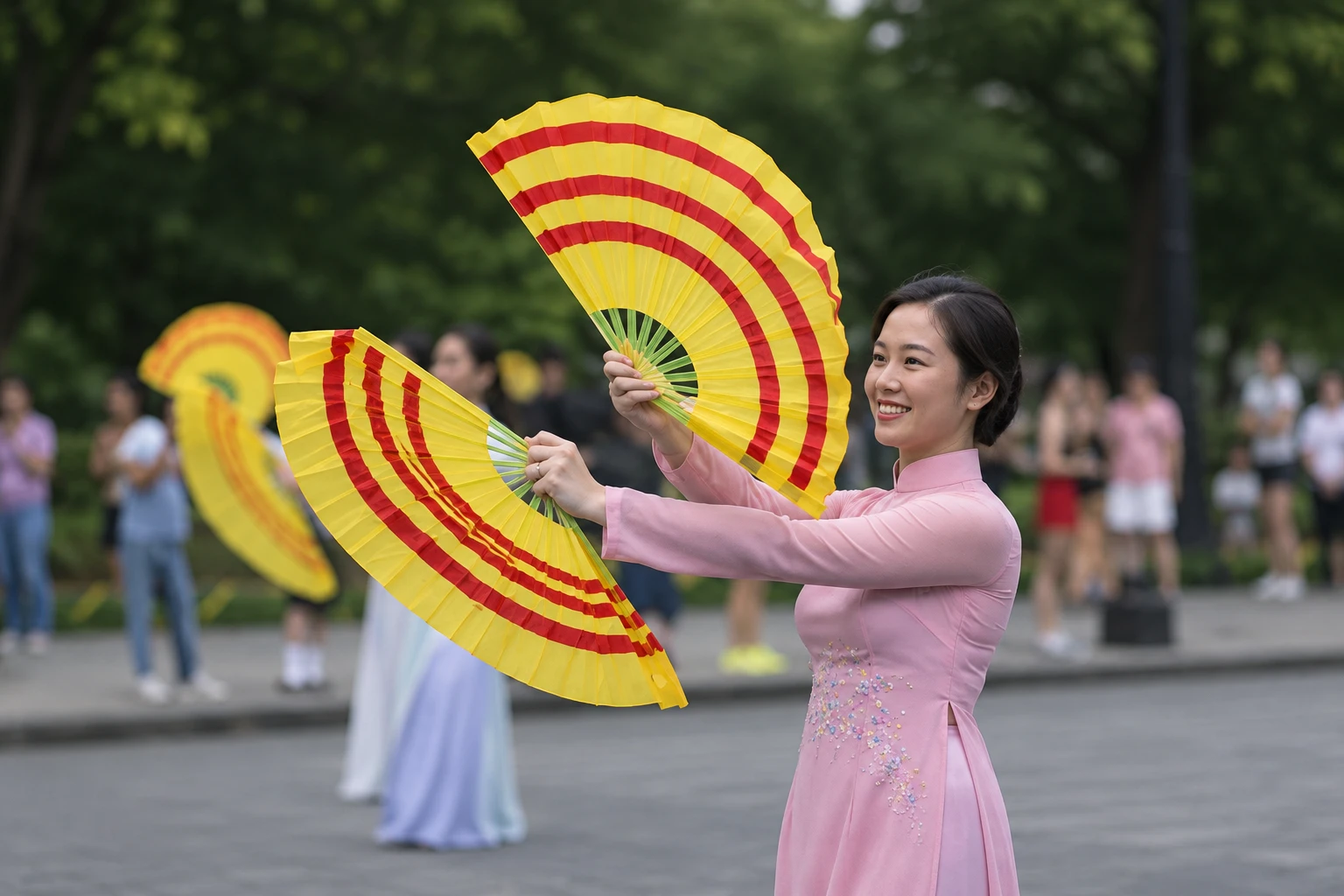
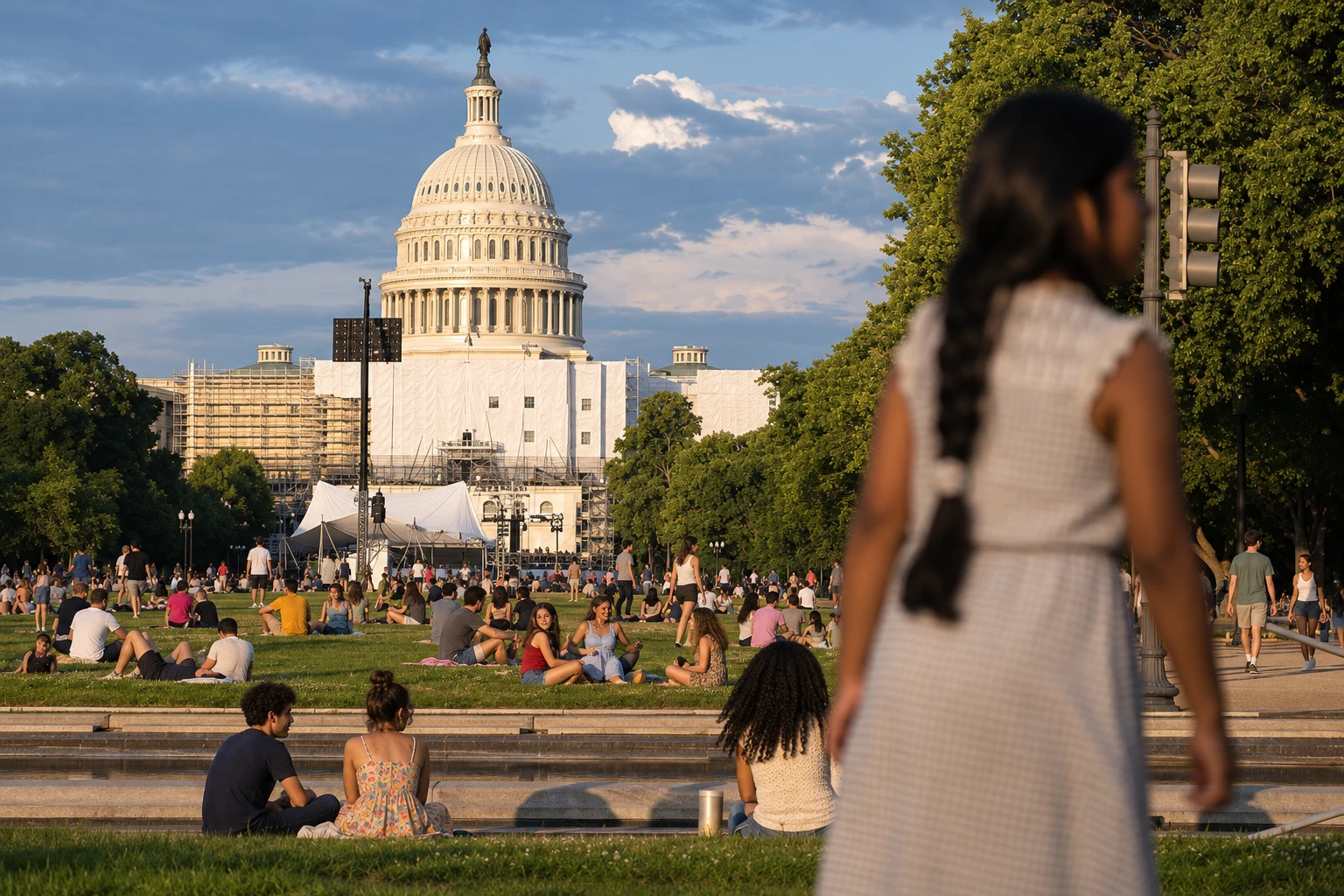
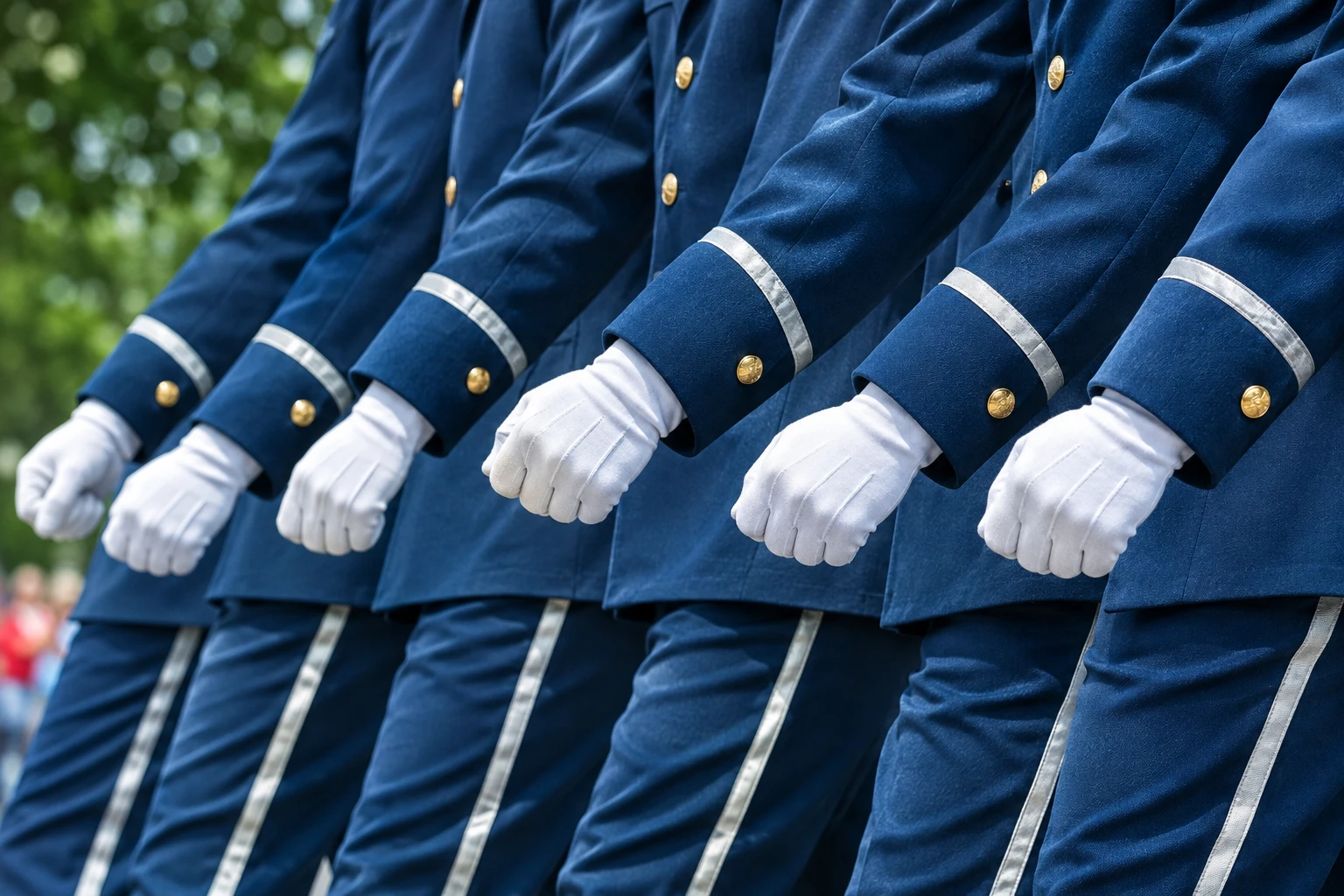
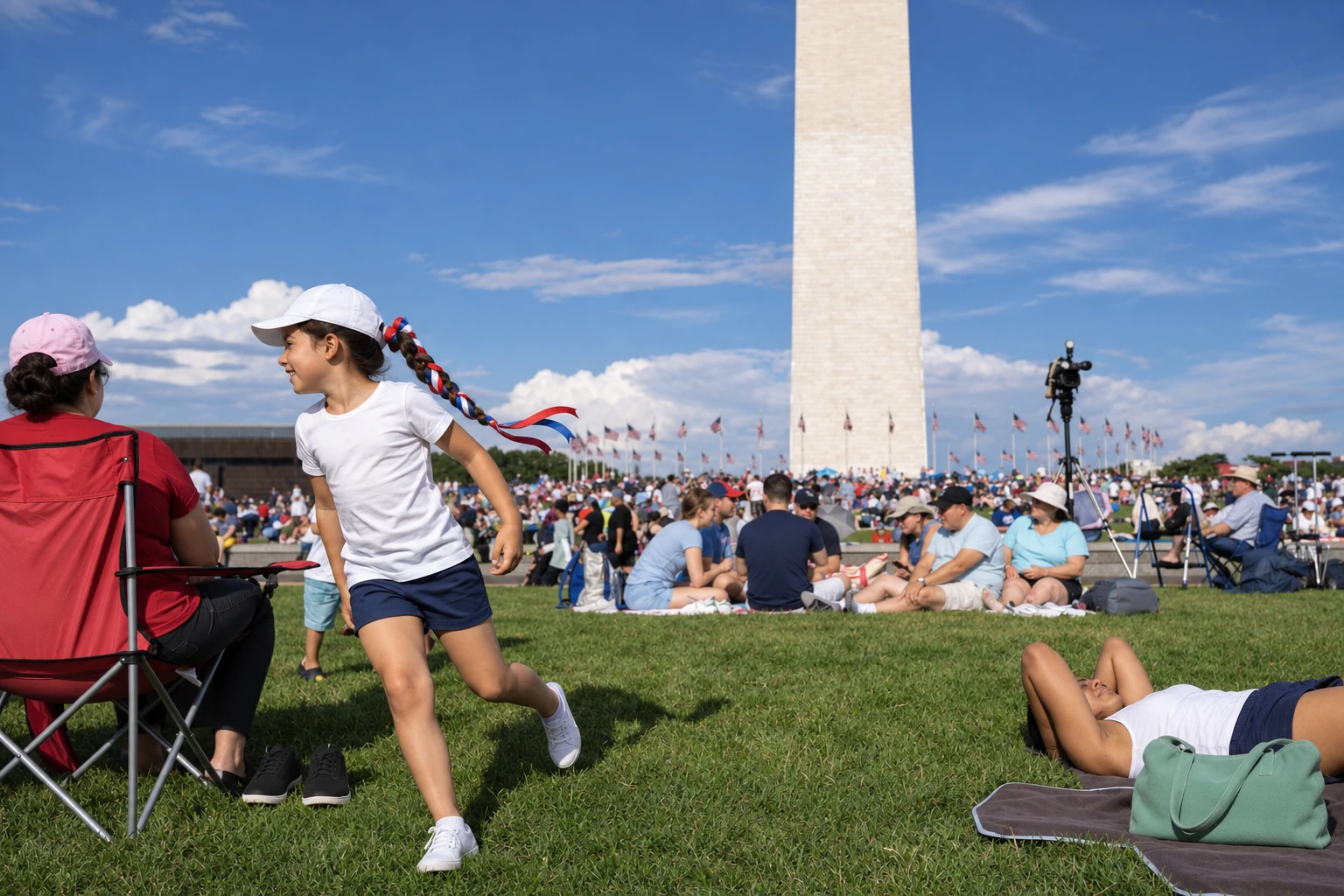
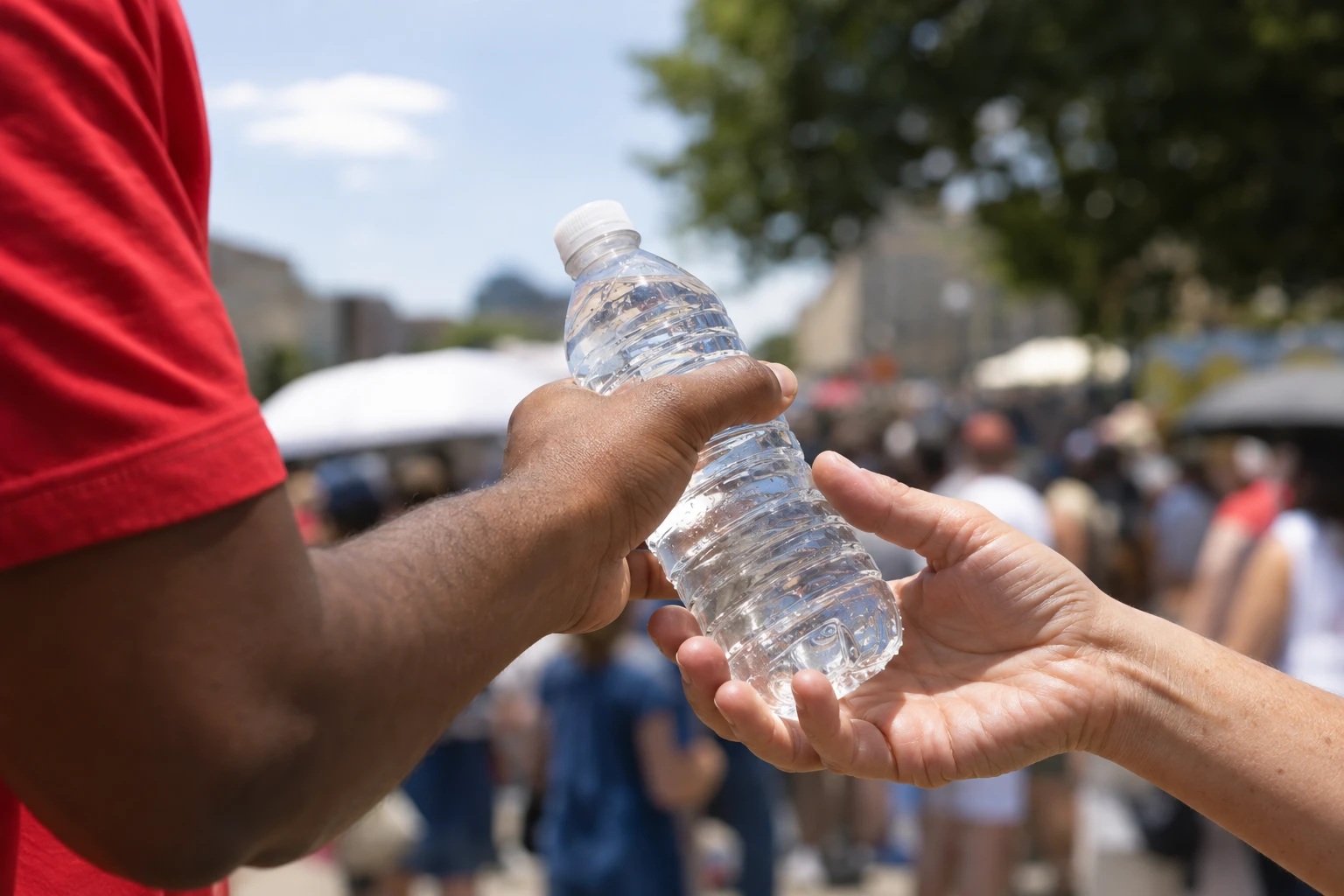
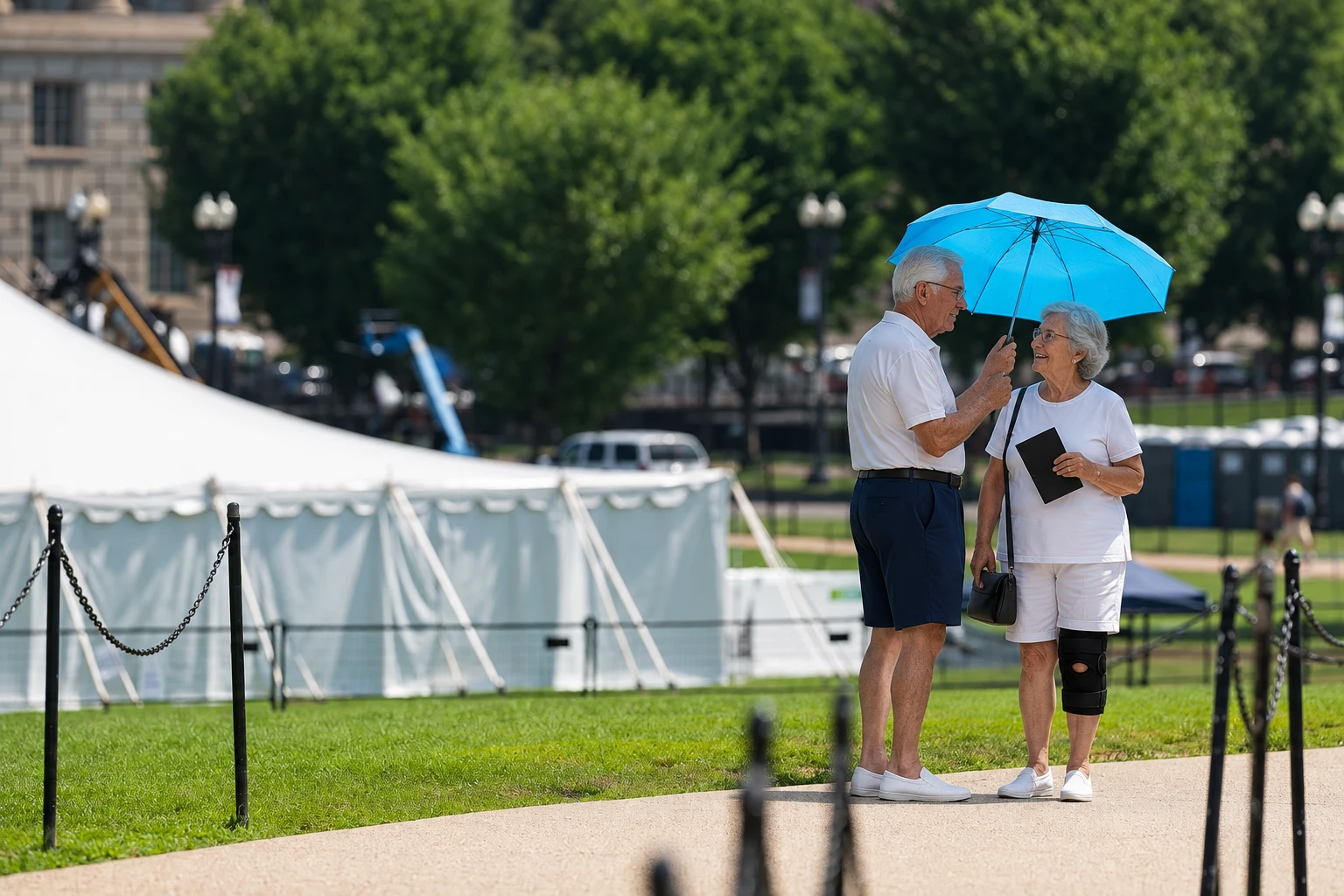
On July 4, Independence Day in the United States.
July
Dates change every year: check this year's date before you travel.
The festival
On July 4, the United States celebrates the Declaration of Independence, approved in 1776, and Washington holds the nation’s most symbolic celebration on the National Mall, the large axis of lawns between the Capitol and the Lincoln Memorial. The day includes the reading of the Declaration, a parade, an outdoor concert and, at night, a fireworks display over the reflecting pool, with the Washington Monument and the memorials illuminated.
The day begins on the steps of the National Archives, on Constitution Avenue, the building that holds the original Declaration. For more than half a century, the Archives has hosted a morning ceremony there with music and a dramatic reading of the text by actors dressed as figures from the independence era, followed by family activities such as signing a copy of the Declaration with a quill. On these days the museum stays open later, and many people take the opportunity to see the original on display.
Soon after, the national Independence Day parade runs along Constitution Avenue with marching bands, military units, drill teams, floats, balloons and contingents from several states. Programming on the Mall is coordinated by the National Park Service, which manages the lawns and memorials. In the afternoon there are activities near the Washington Monument, and the Capitol’s west lawn hosts a traditional orchestral concert that is broadcast nationwide.
The highlight is the evening. After sunset, fireworks light up the National Mall, with launch sites announced in each year’s program, illuminating the sky above the Washington Monument in a spectacle visible from many points in the city and from the Virginia side of the Potomac River. Crowds arrive early on the lawns with blankets and chairs, and the atmosphere is picnic-like.
The tradition of celebrating independence with public readings, bells, bands and fireworks dates from the country’s first year: on July 8, 1776, the Declaration was read aloud in Philadelphia, and the following year the city began celebrating on July 4, the date the text was approved. July 4 is a federal holiday, with flags on houses, barbecues and fireworks across the country, but in Washington the date gains the backdrop of monuments and buildings where American history was made. Many visitors use the occasion to visit the memorials and the Smithsonian museums around the Mall; check opening hours on the holiday in advance.
The morning reading of the Declaration on the steps of the National Archives by actors in period costume, and the original document on display in the museum. The parade on Constitution Avenue with bands and military units, viewed from in front of the Archives. The concert on the Capitol’s west lawn in the early evening. The fireworks over the National Mall, with the Washington Monument and the Lincoln Memorial lit up. During the day, the Smithsonian museums and the memorials around the Mall. For those who prefer fewer crowds, the fireworks view from the Potomac shoreline in Arlington, Virginia. Flags on facades and memorials.
Start early at the National Archives: the morning ceremony fills up quickly, and from the Constitution Avenue sidewalk you can continue on to the parade. For the fireworks, arrive at the National Mall in the afternoon; entry points open with bag checks and restrictions on certain items, announced by the National Park Service. Bring a blanket or folding chair, water, a hat and sunscreen: in July Washington has hot, humid days with afternoon rain showers. To get there and back, use the metro; stations near the Mall become crowded after the fireworks, so either wait for the crowd to thin or walk to a more distant station. Several streets around the Mall close to traffic during the day. There is no admission charge for the Archives ceremony, the parade, the lawns or the fireworks; to see the original Declaration it’s advisable to reserve a timed entry to the museum.
The July 4 weekend is in high demand in Washington; book accommodation in advance, either downtown or in Arlington across the river, with metro access. Check the National Park Service website for the year’s schedule, entry points and the list of prohibited items, published a few weeks before the date, and the National Archives site for the morning program and timed entry to the museum. July is high season in Washington, with many school groups and families on vacation.
In the city
Flavors of the United States
July
Your questions
In the morning there is a parade on Constitution Avenue; in the afternoon, family activities and a concert at the Capitol; at night, fireworks over the memorials with programming from different institutions.
On the National Mall lawn, near the Washington Monument and the Lincoln Memorial, or across the Potomac River in Arlington.
No. The parade, the lawns and the fireworks are open to the public; there are bag checks at Mall entrances and a list of prohibited items.
On the steps of the National Archives on Constitution Avenue, in a morning ceremony with a dramatized reading by actors in period costume. The building houses the original document, on display in the museum.
Festivals and events in the United States
 January
On the last Saturday in January; the children’s parade takes place on the previous Saturday.
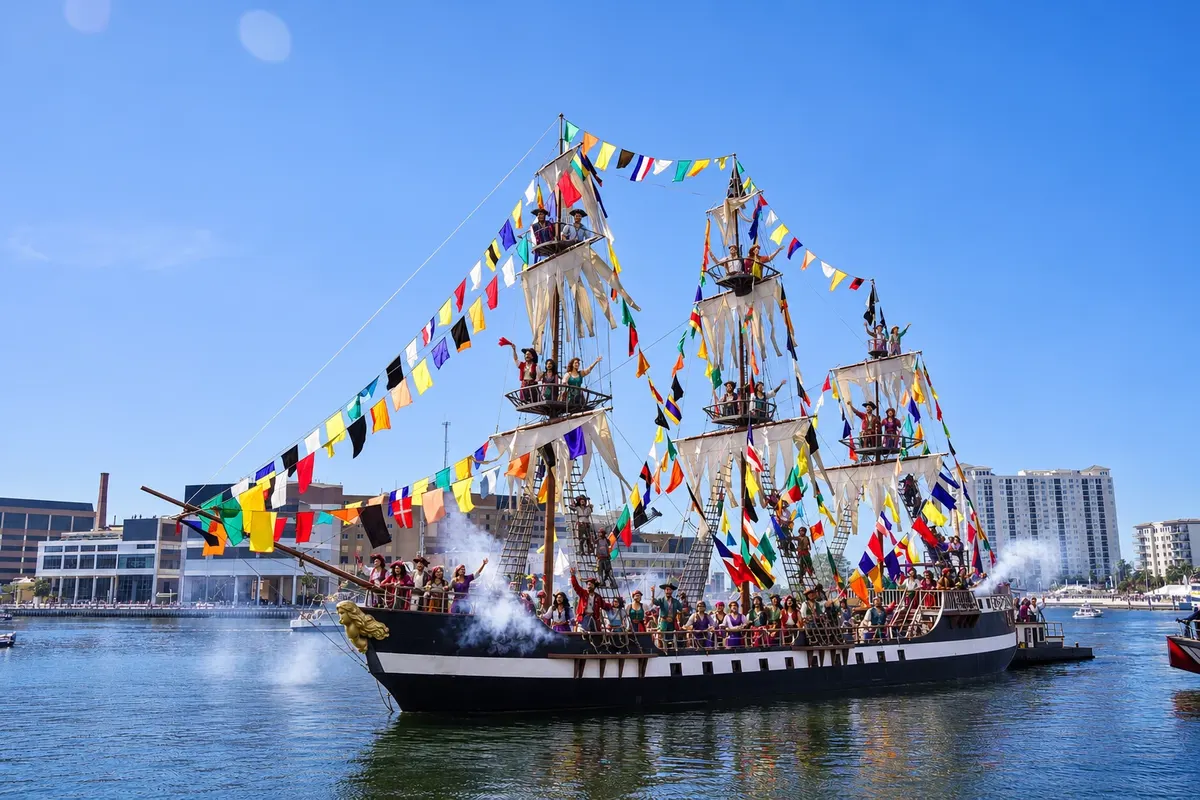
Tampa’s pirate festival in Florida: a pirate ship sails into the bay with hundreds of boats, the pirates take the key to the city and march along Bayshore Boulevard, throwing beaded necklaces to the costumed crowd.
 January
On the morning of January 1; if the 1st falls on a Sunday, the parade is held on Monday, January 2.
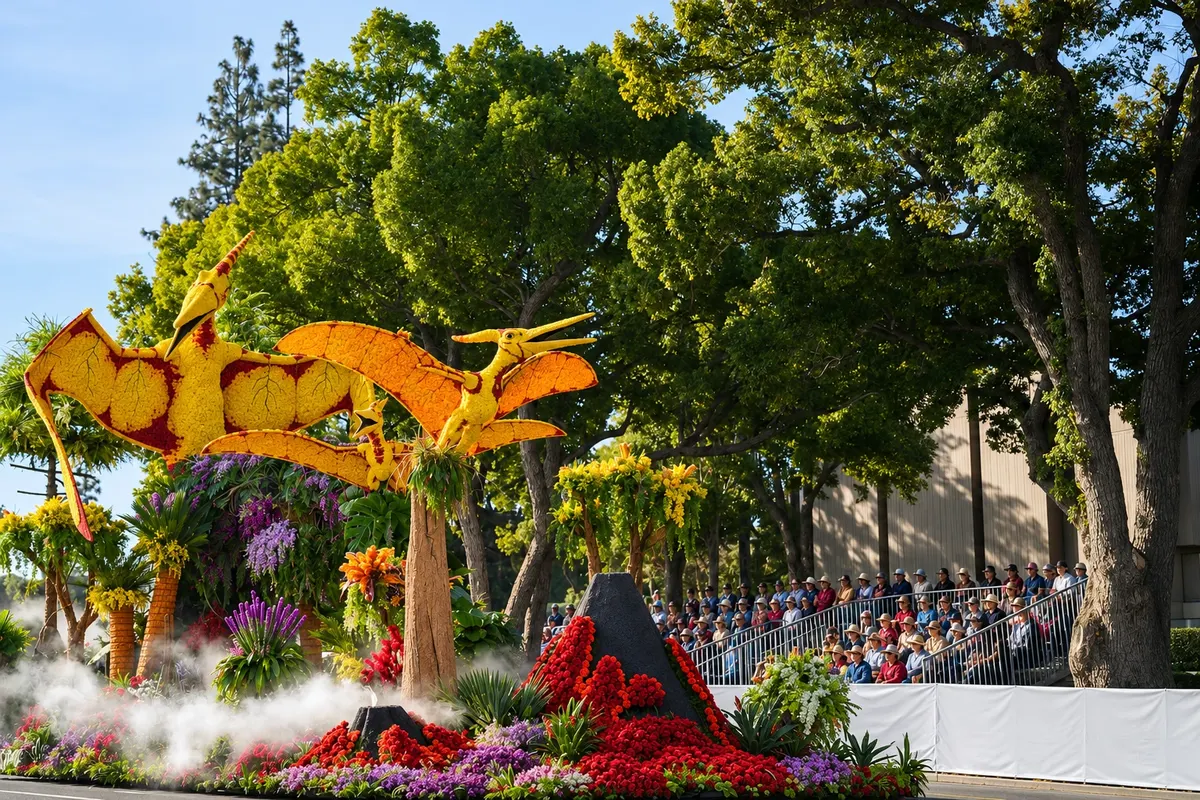
New Year’s Day parade in Pasadena, near Los Angeles, featuring floats completely covered with flowers, seeds and other natural materials, marching bands and mounted units along Colorado Boulevard. On the same day, the Rose Bowl stadium hosts the college football game of the same name.
 February/March
On a Saturday night, a few weeks after Lunar New Year, between February and early March; the celebration in Chinatown lasts several days.
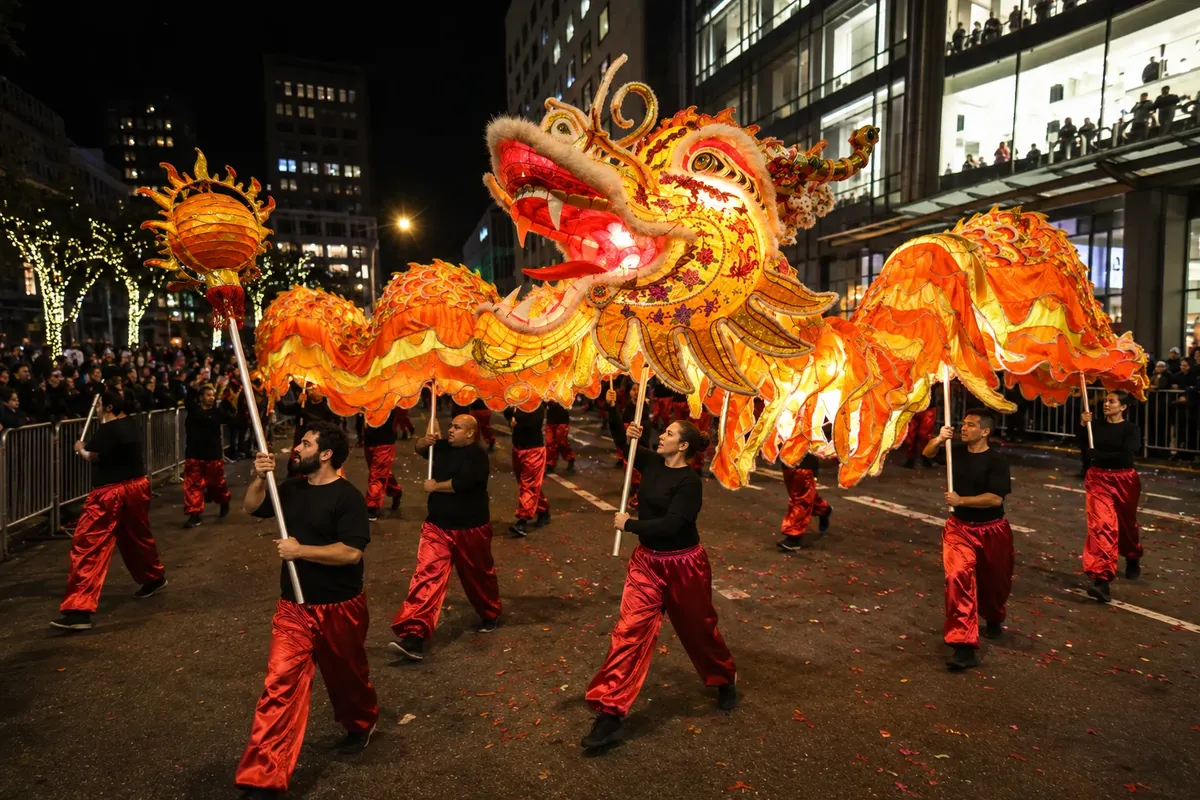
San Francisco Lunar New Year nighttime illuminated parade organized by the Chinese Chamber of Commerce: floats, lion dance, acrobats, bands and, at the end, the Golden Dragon carried by dozens of people, amid firecrackers and lanterns.
 March
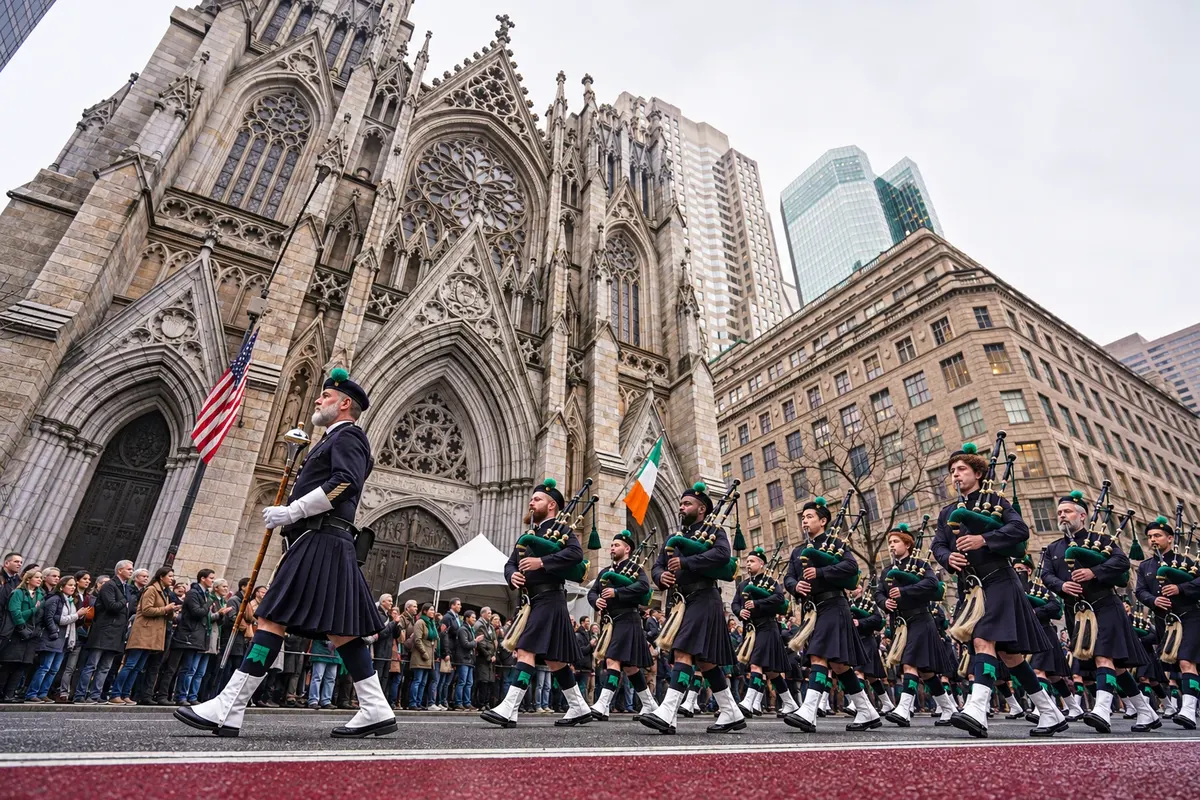
On March 17, St. Patrick’s Day; if the date falls on a Sunday, the parade is moved to Saturday, March 16.
Irish parade along Fifth Avenue in Manhattan on St. Patrick’s Day: bagpipers, bands, Irish associations and groups from across the country march on foot, with no floats, passing in front of St. Patrick’s Cathedral.
 March/April
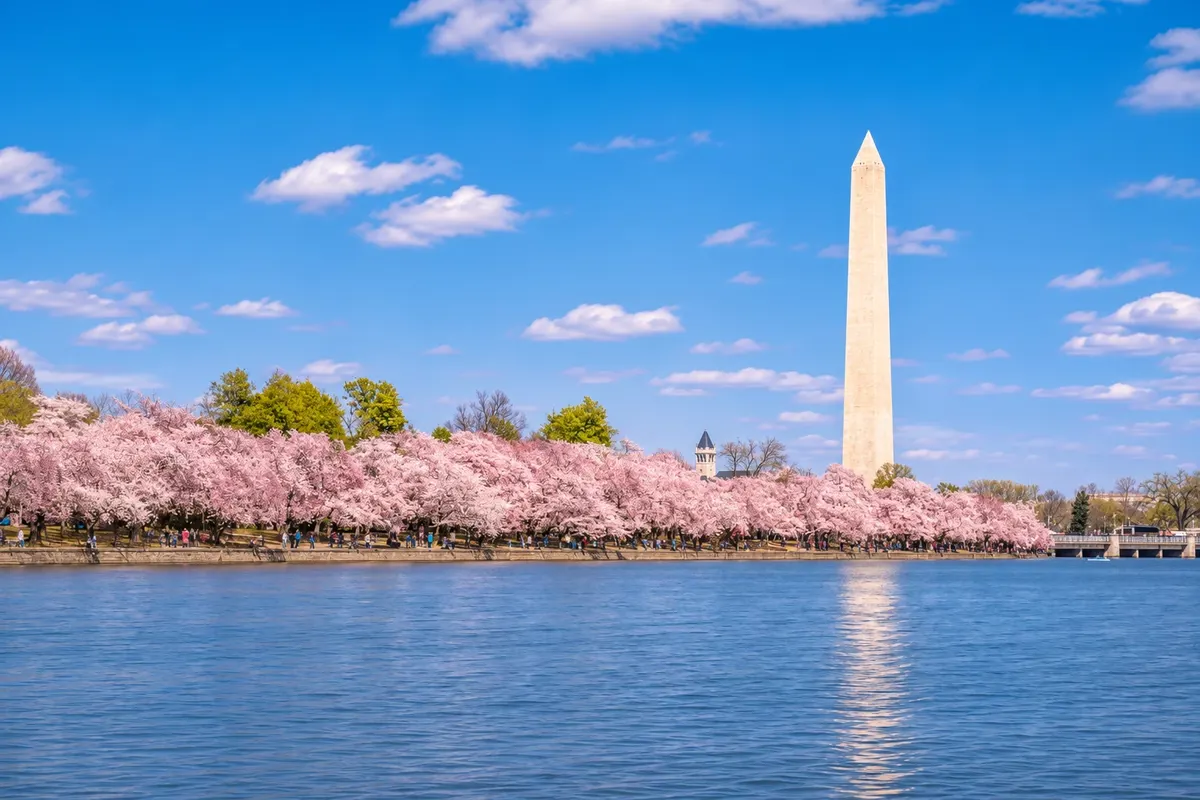
From mid or late March to mid April, lasting about four weeks, following the blooming of the cherry trees in Washington.
Spring festival in Washington that celebrates the cherry trees donated by Tokyo in 1912: weeks of events around the Tidal Basin and the National Mall, including a kite festival, a parade on Constitution Avenue, fireworks and a big Japanese street festival.
 March
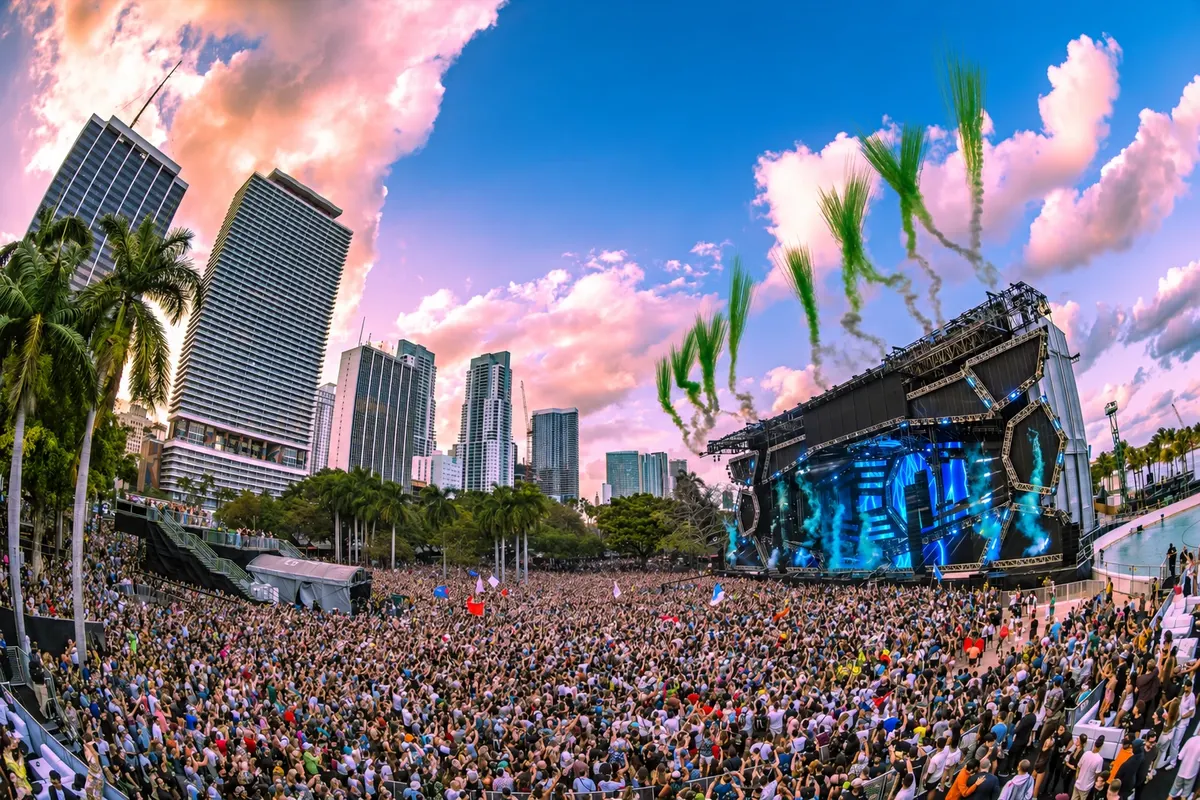
Over three consecutive days in March, from Friday to Sunday, usually in the last week of the month.
A three-day electronic music festival at Bayfront Park, beside Biscayne Bay in downtown Miami; the highlight of a week when the city hosts parties and DJ shows from around the world.