Sweet · New York
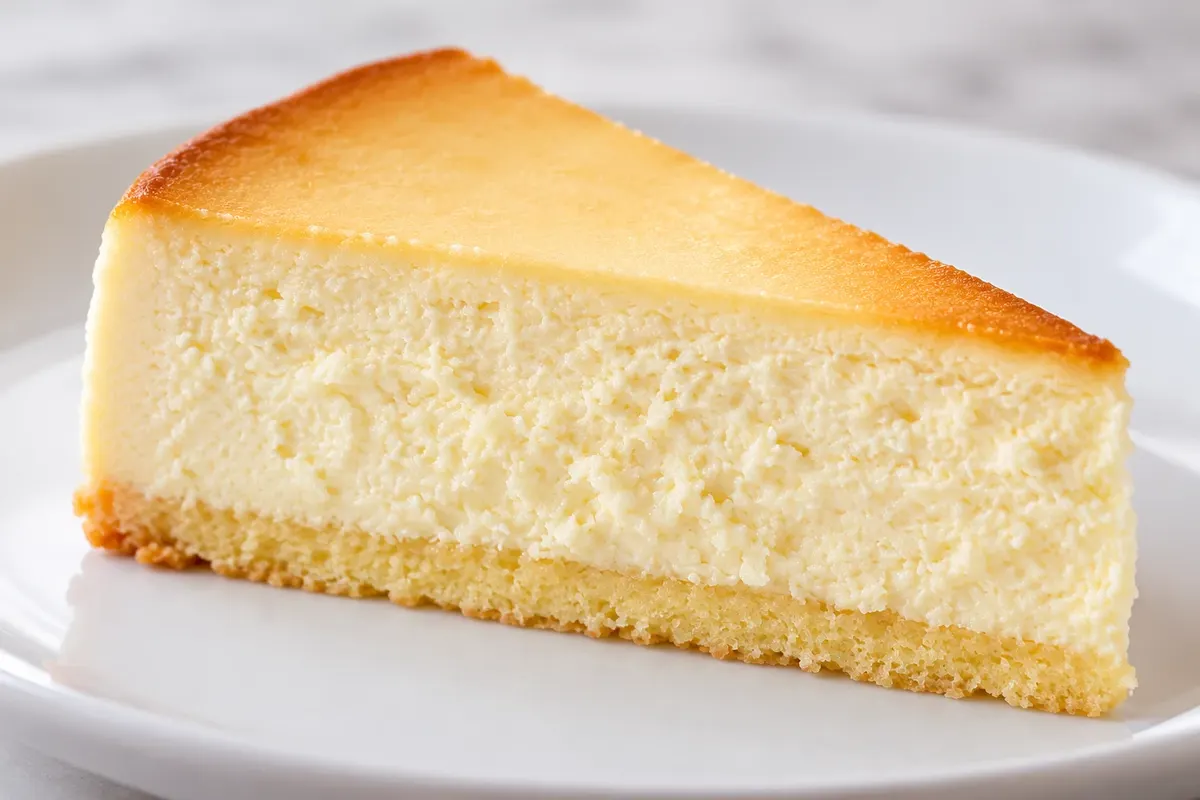
New York cheesecake
Dense, creamy tart made with cream cheese, eggs and cream on a cookie crust, served without topping.

 Search
 Brazil
 Argentina
 Bolivia
 Chile
 Colombia
 Ecuador
 Guyana
 French Guiana
 Falkland Islands (Malvinas)
 Paraguay
 Peru
 Suriname
 Uruguay
 Venezuela
 Germany
 Austria
 Belgium
 Croatia
 Denmark
 Spain
 Finland
 France
 Greece
 the Netherlands
 Hungary
 Ireland
 Iceland
 Italy
 Luxembourg
 Norway
 Poland
 Portugal
 the United Kingdom
 the Czech Republic
 Sweden
 Switzerland
 Turkey
 Canadathe United States
 Mexico
 the Dominican RepublicTurkey
 South Africa
 Australia
 Fiji
 New Zealand
 Papua New Guinea
Popular festival · New York
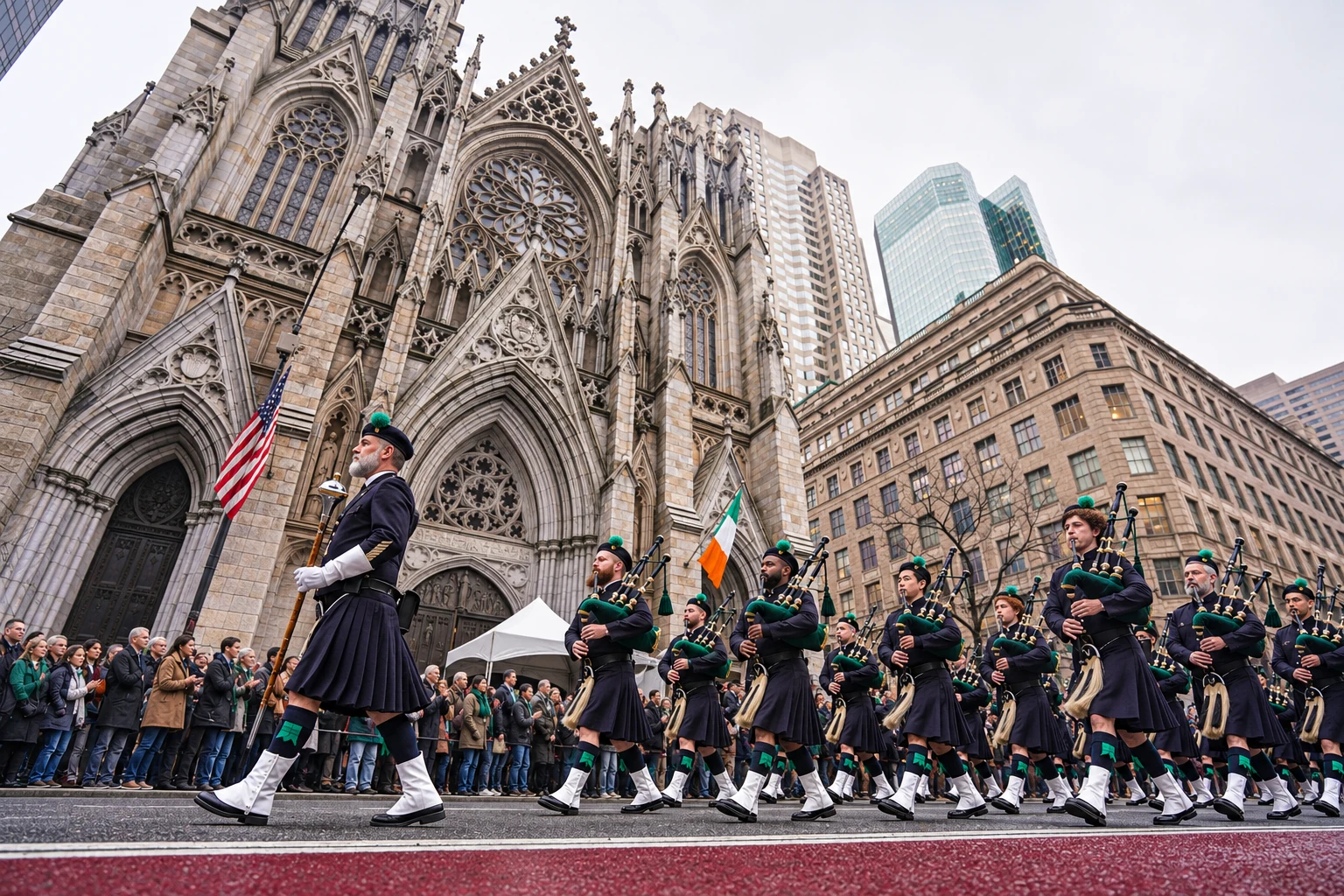
Irish parade along Fifth Avenue in Manhattan on St. Patrick’s Day: bagpipers, bands, Irish associations and groups from across the country march on foot, with no floats, passing in front of St. Patrick’s Cathedral.
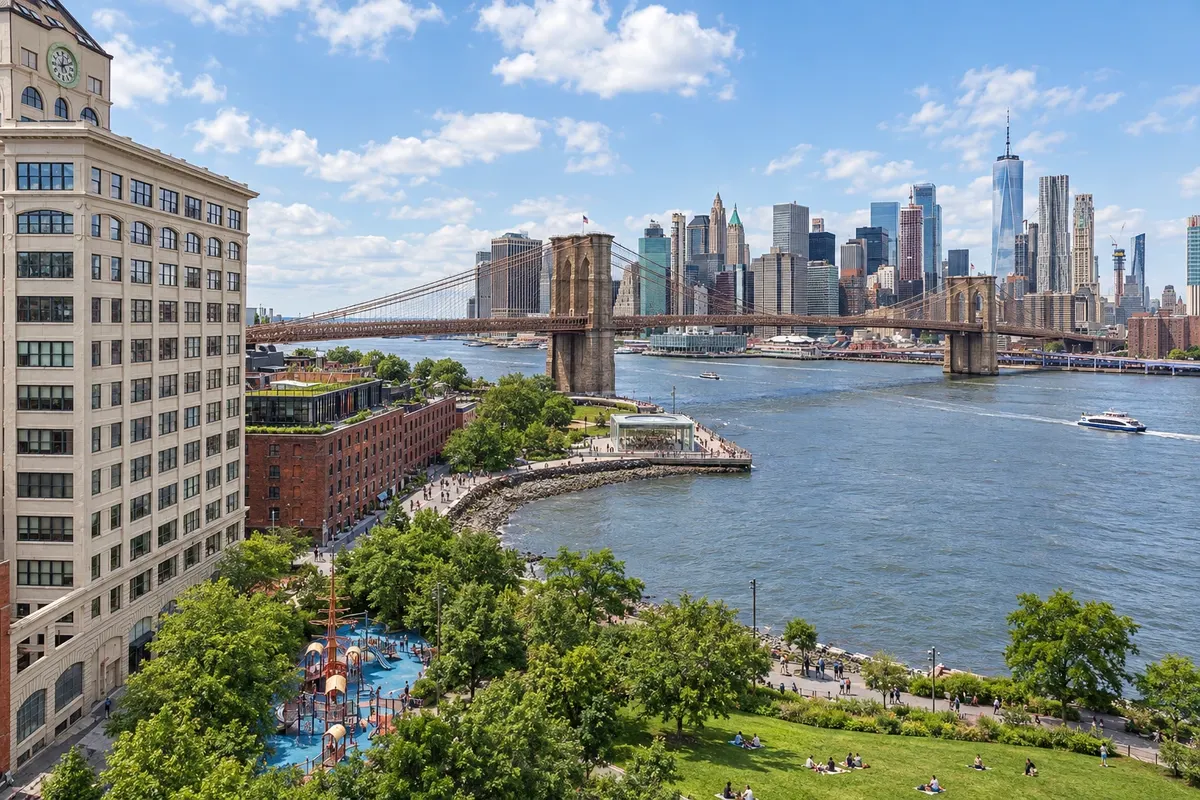
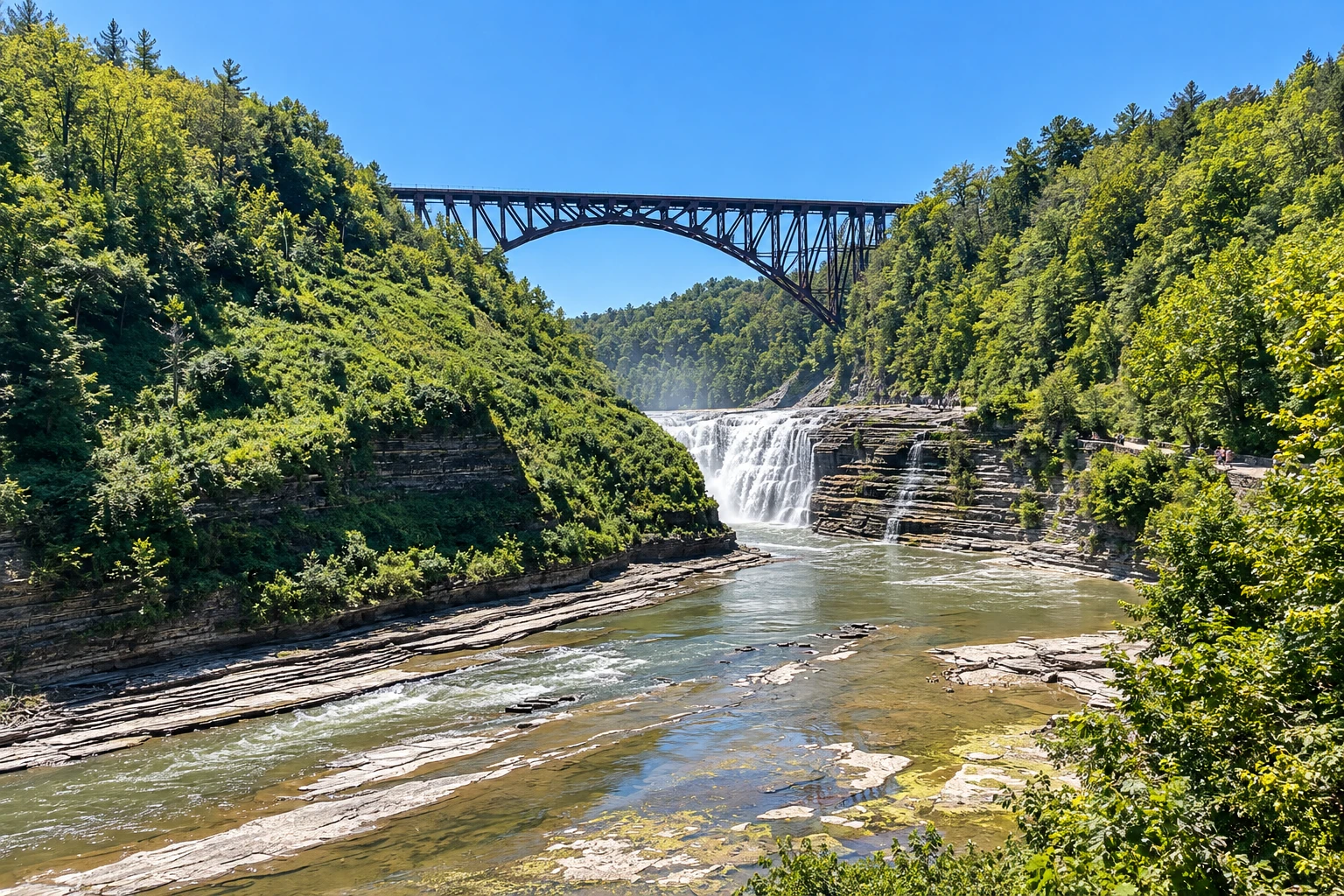
In the photo: New York
Illustrative images. The pictures in this guide are illustrations based on the real place, not photographs, and may differ from it.

Click a photo to enlarge it.
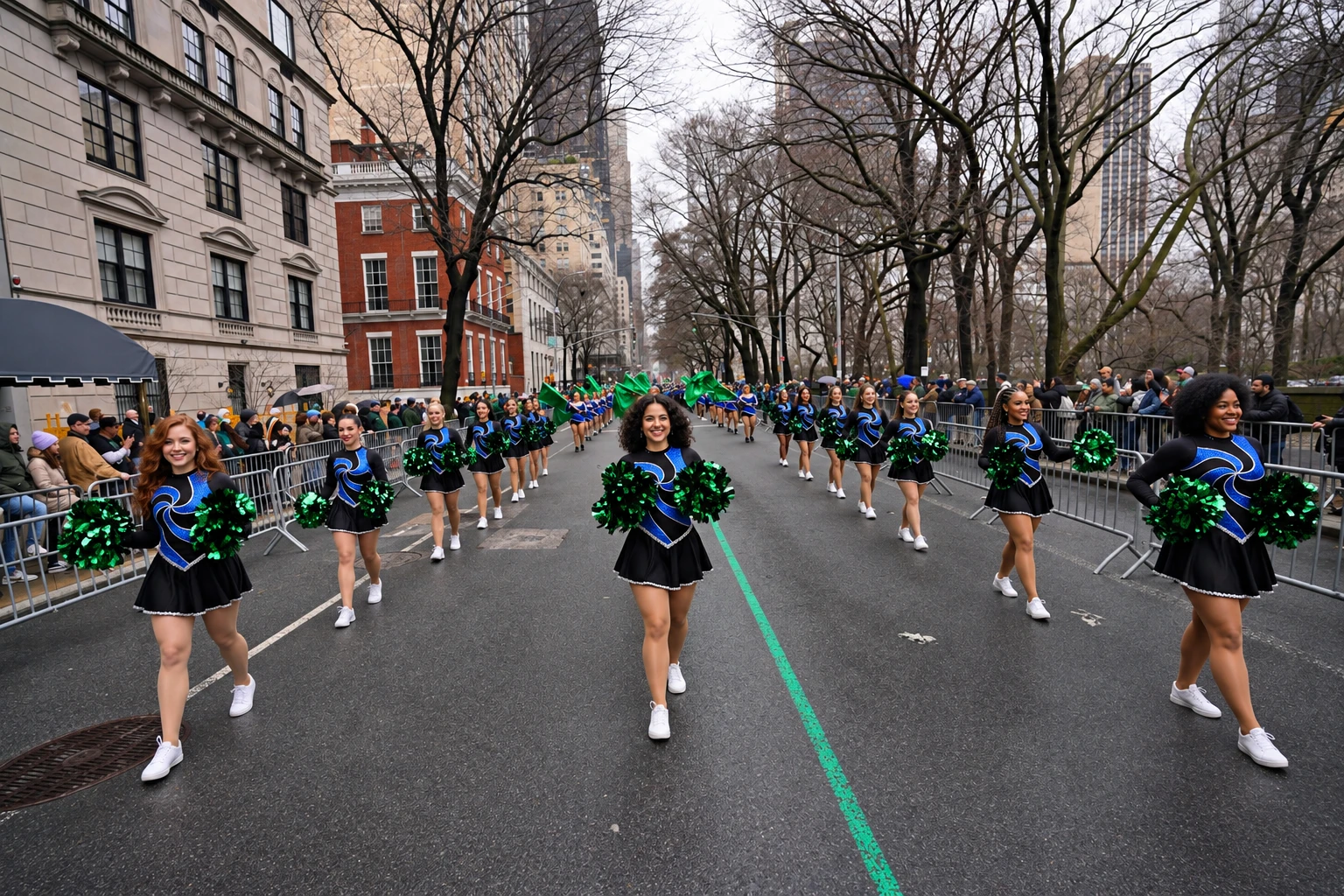
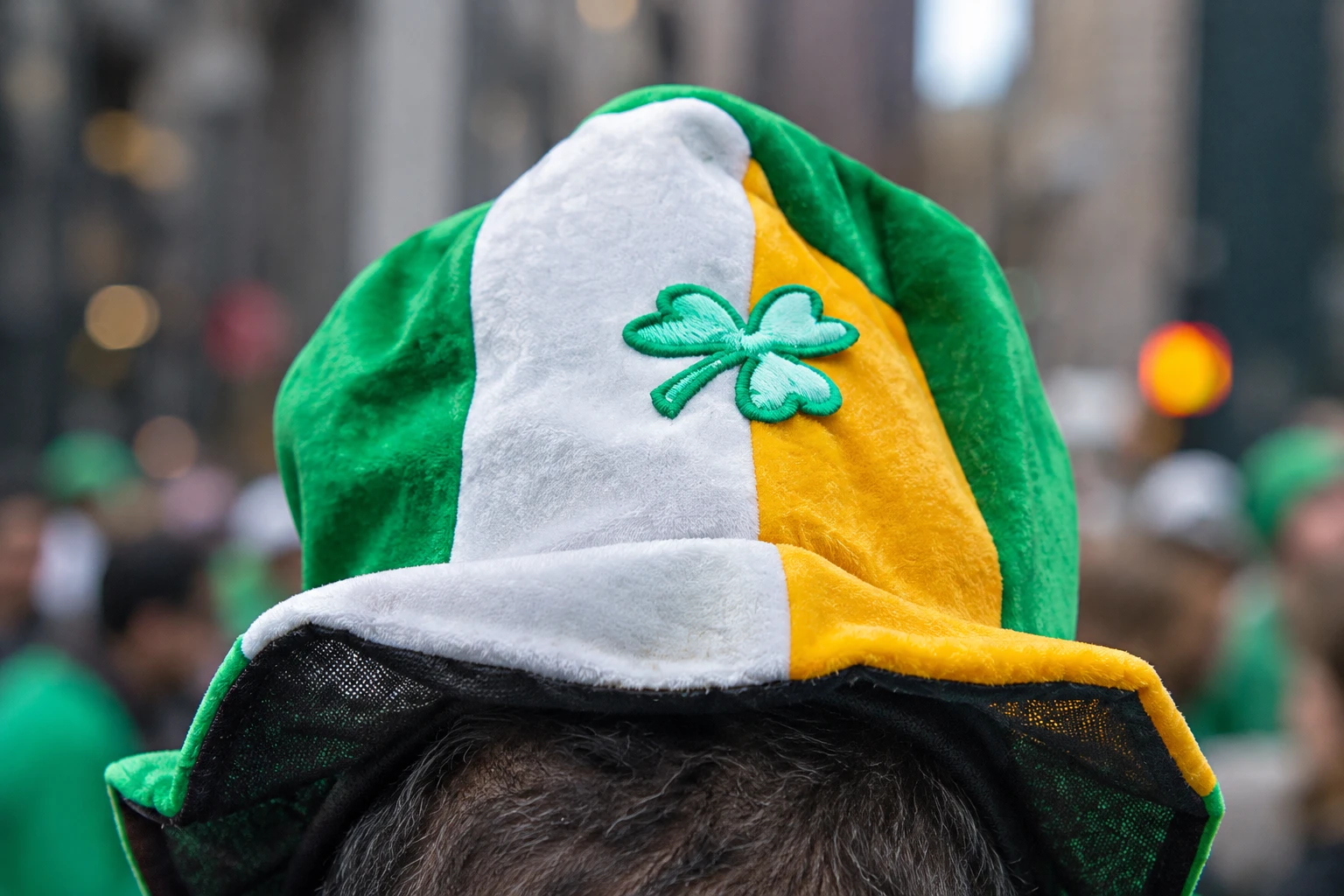
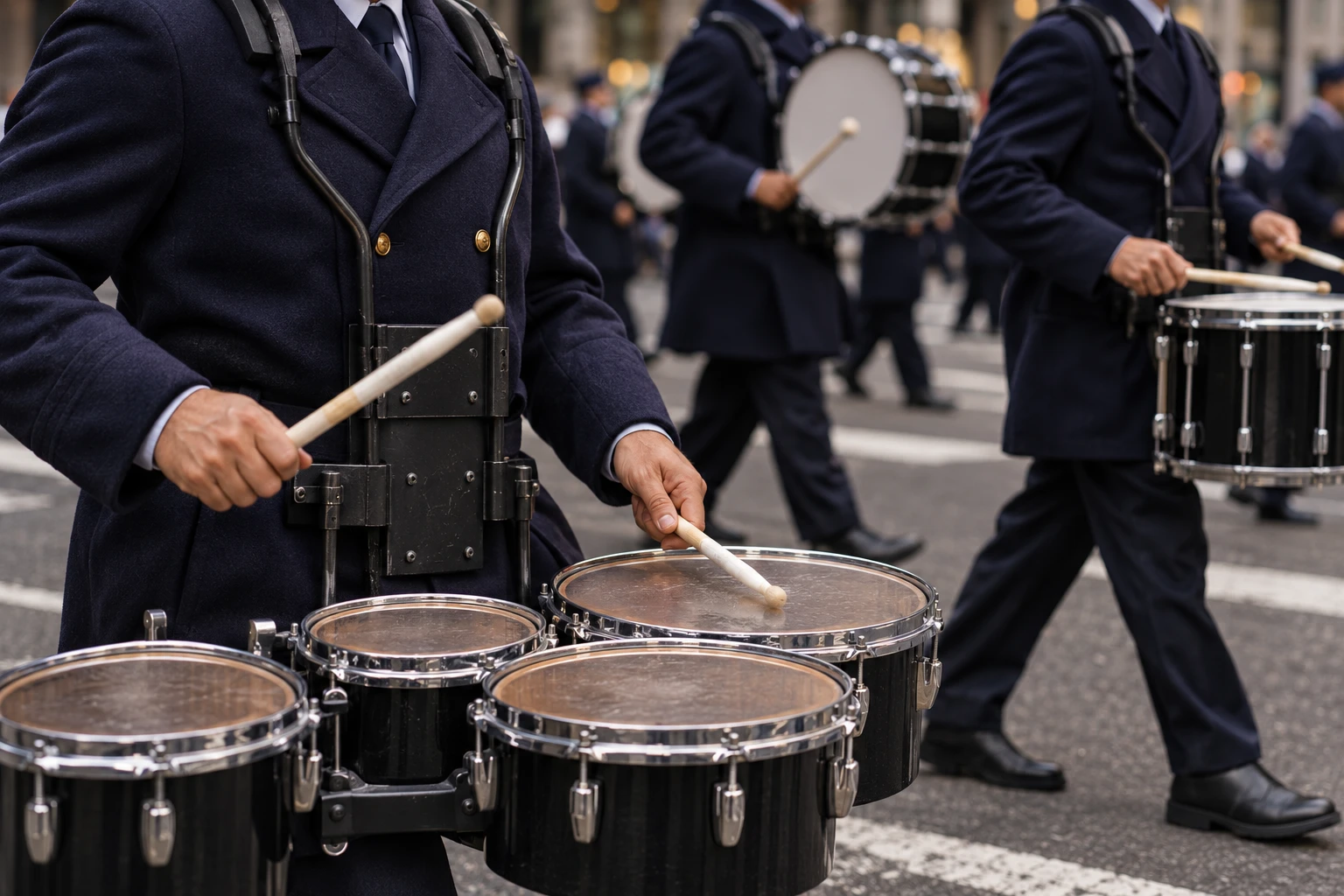
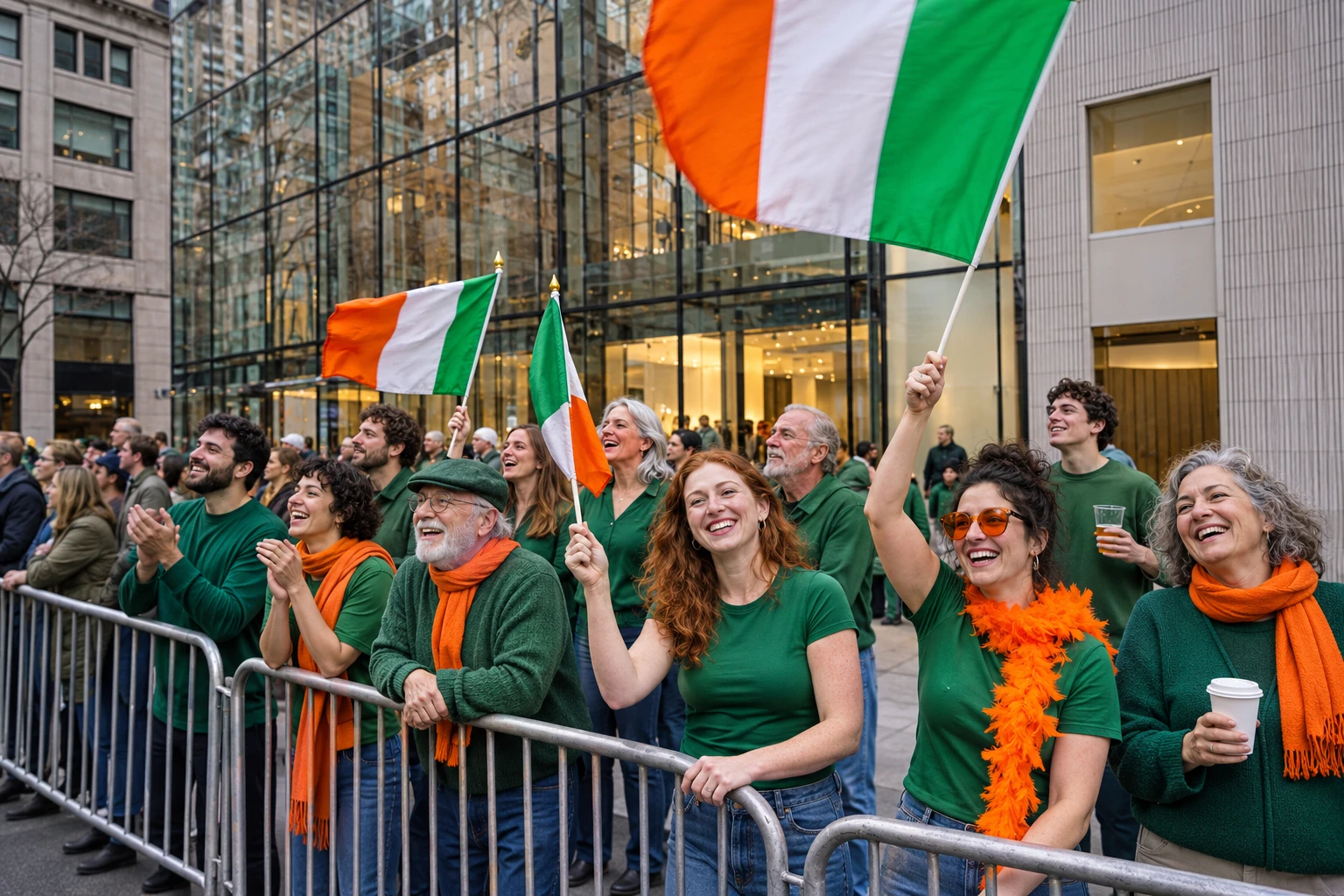
St. Patrick’s Day Parade in New York — New York
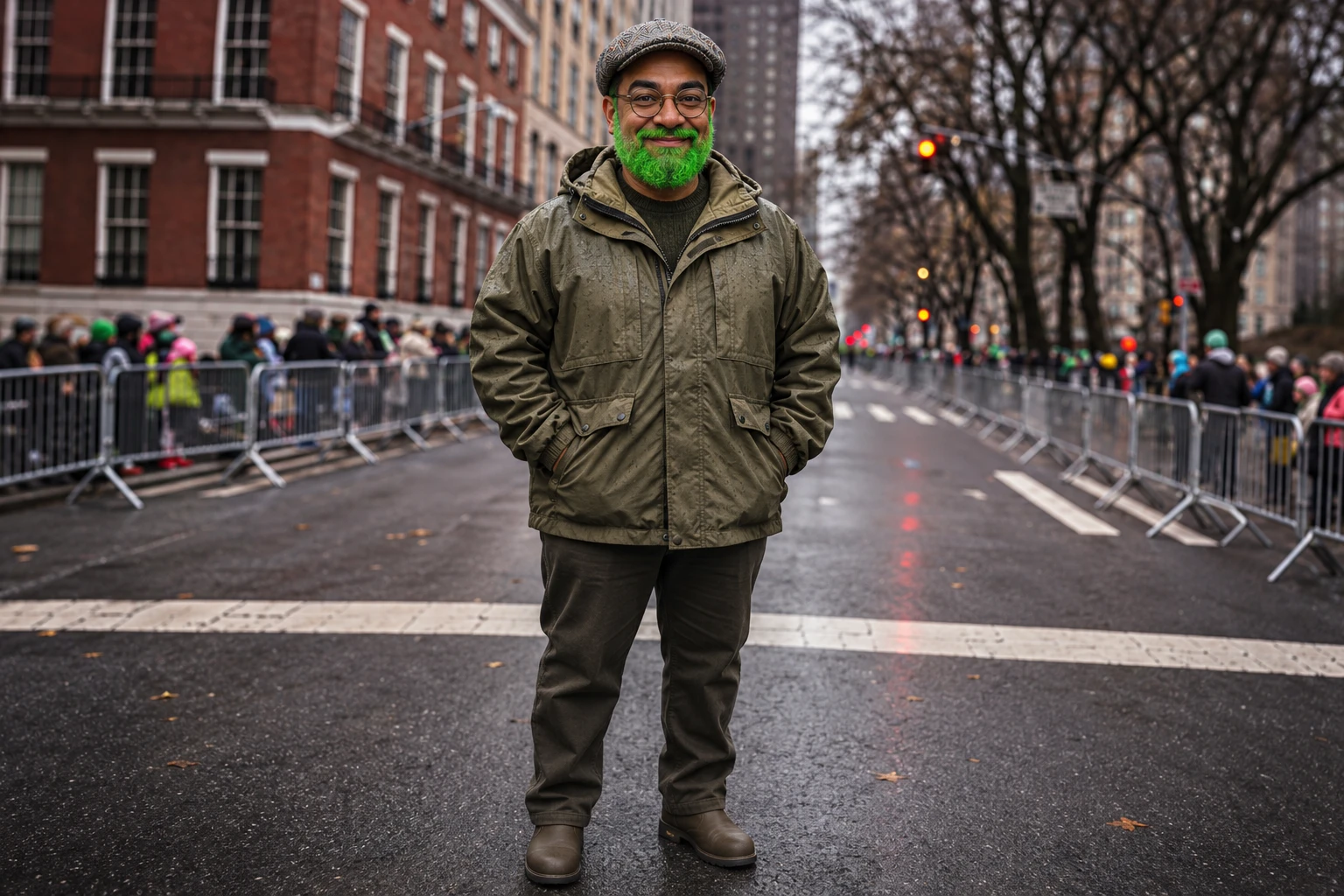
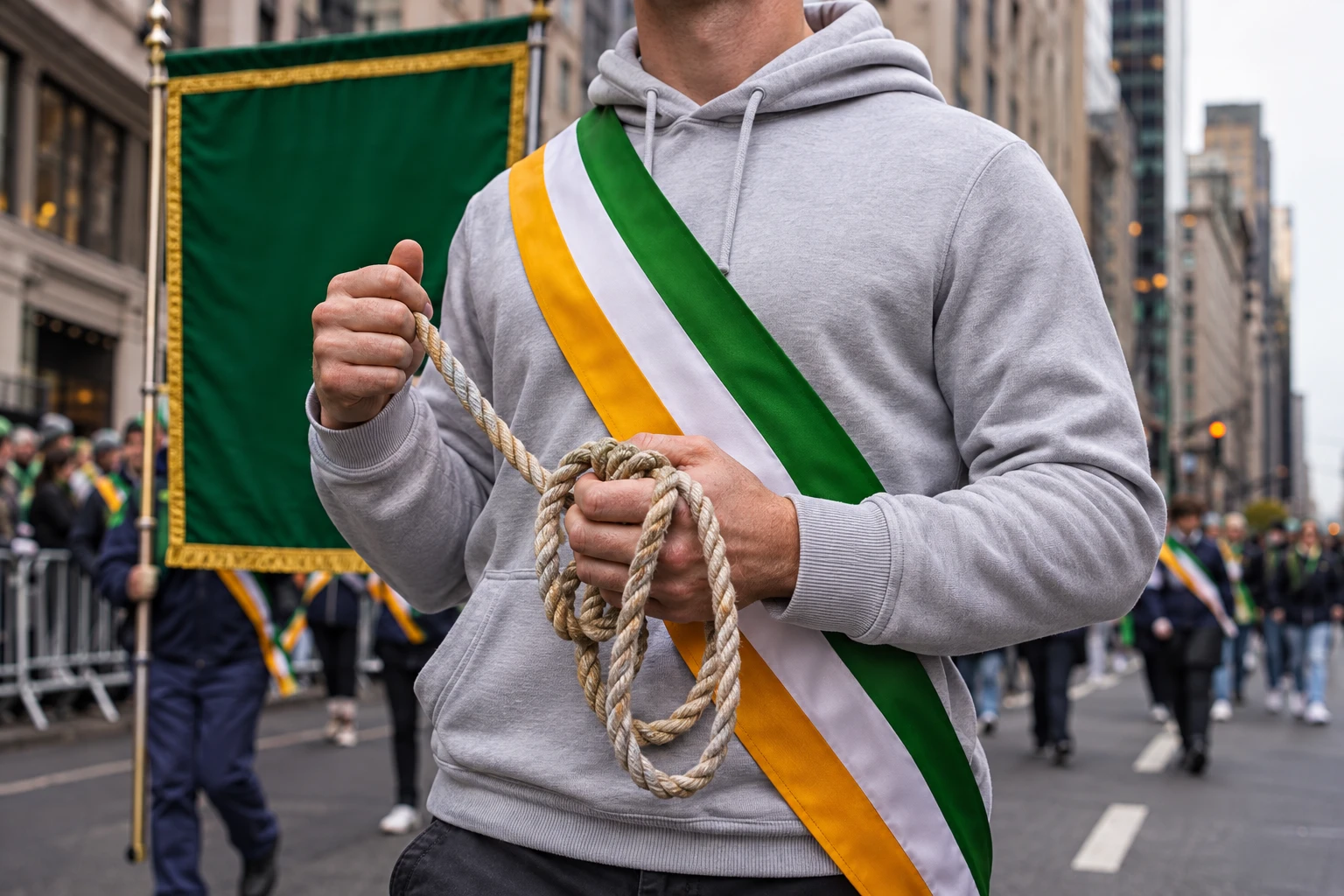
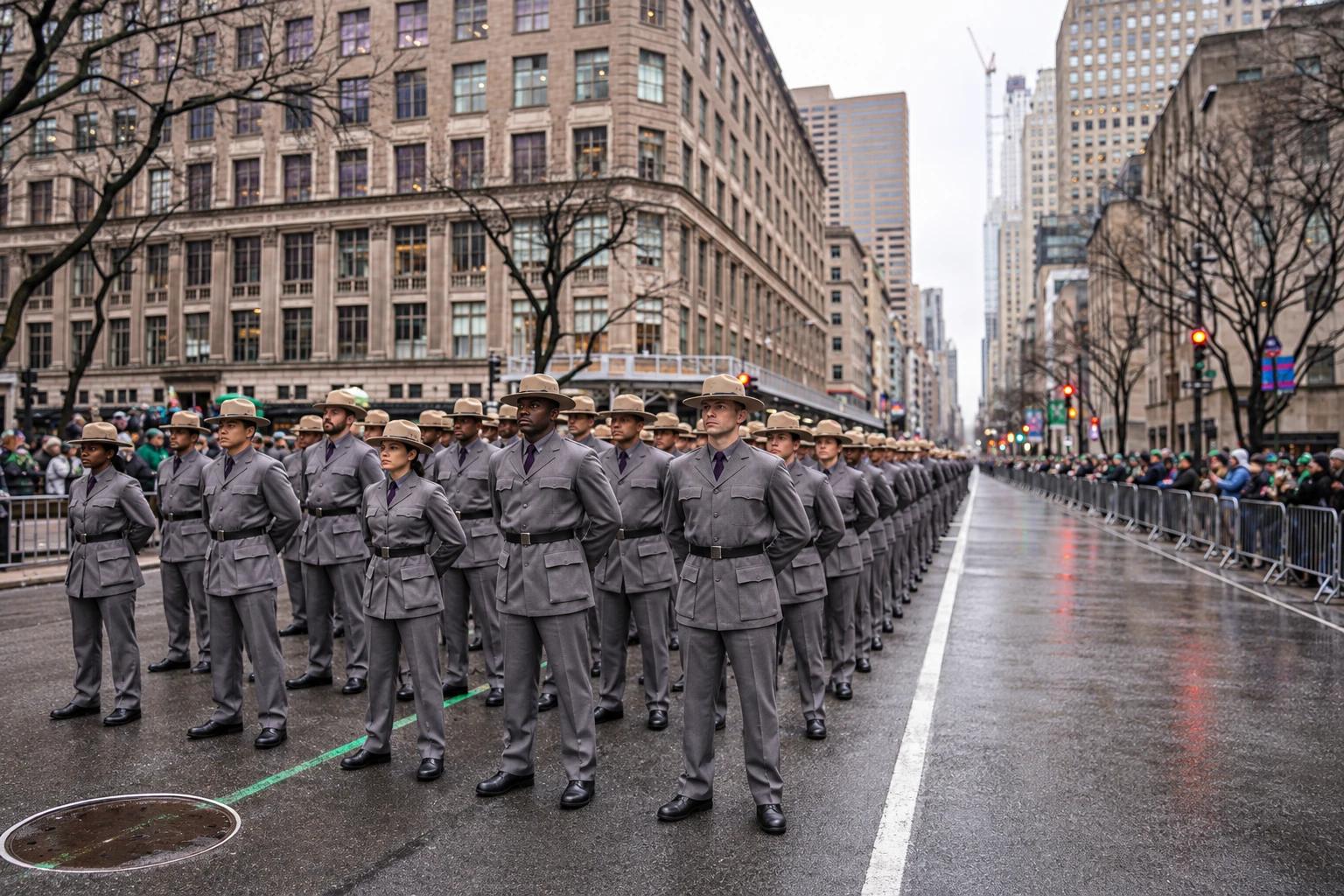
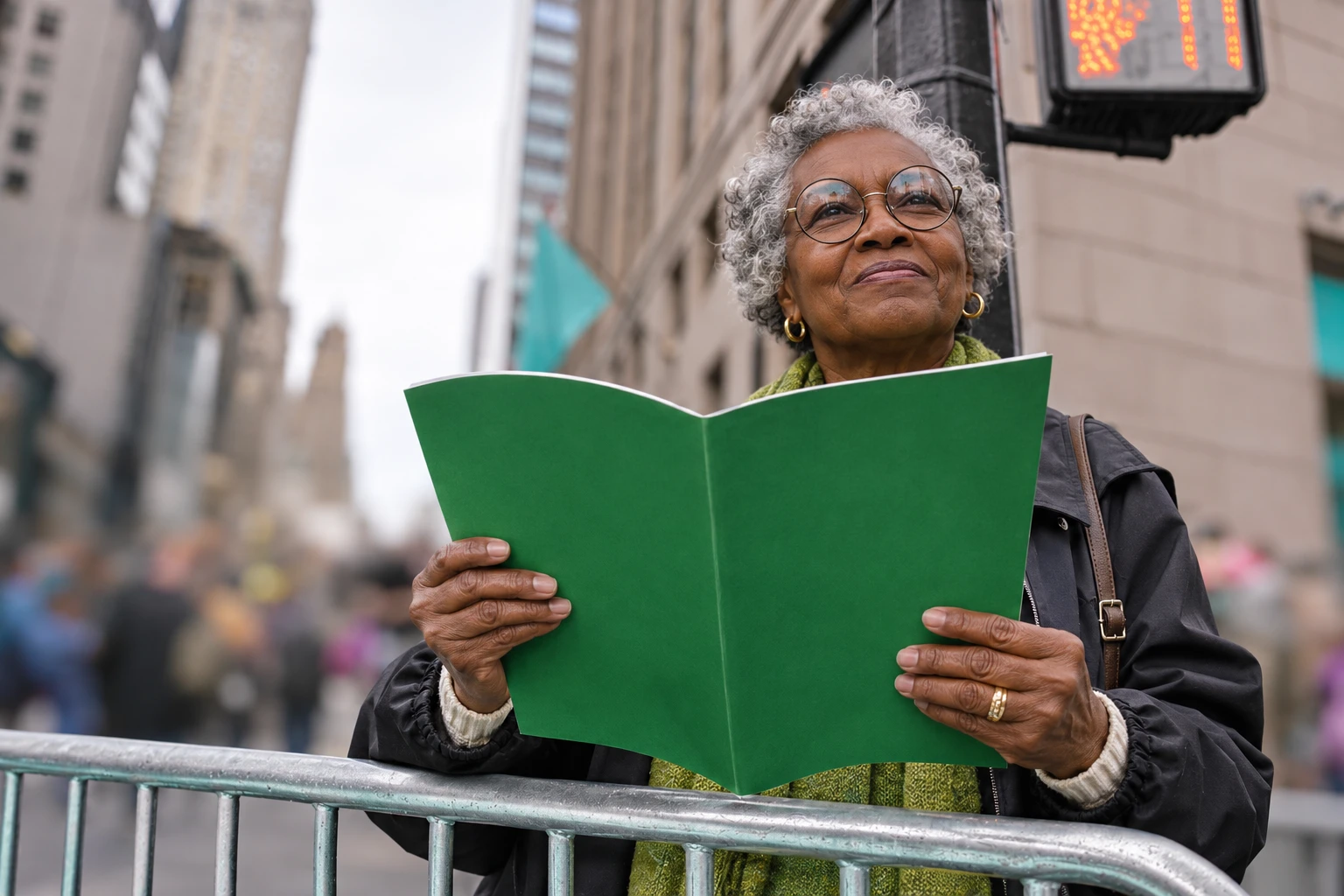
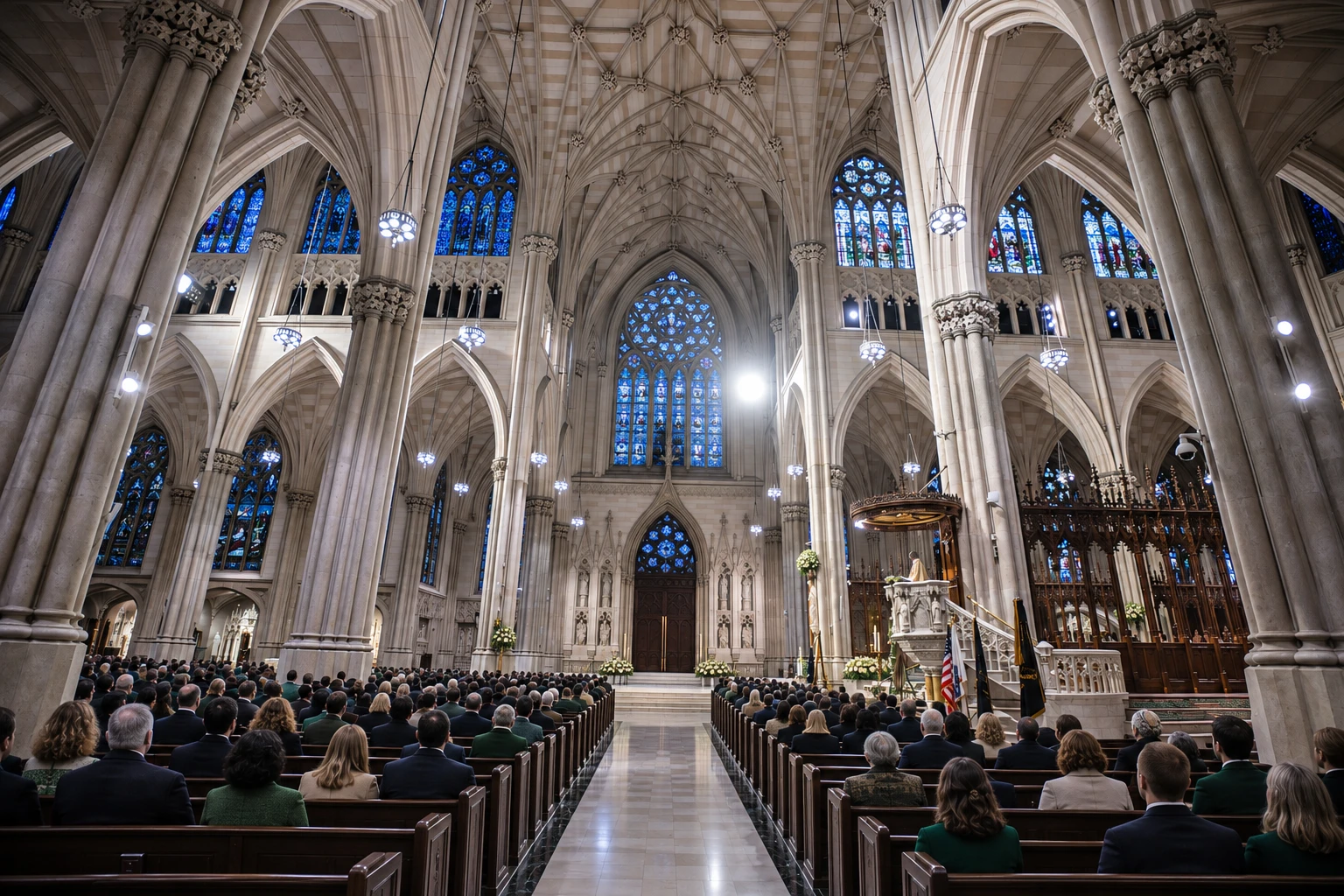
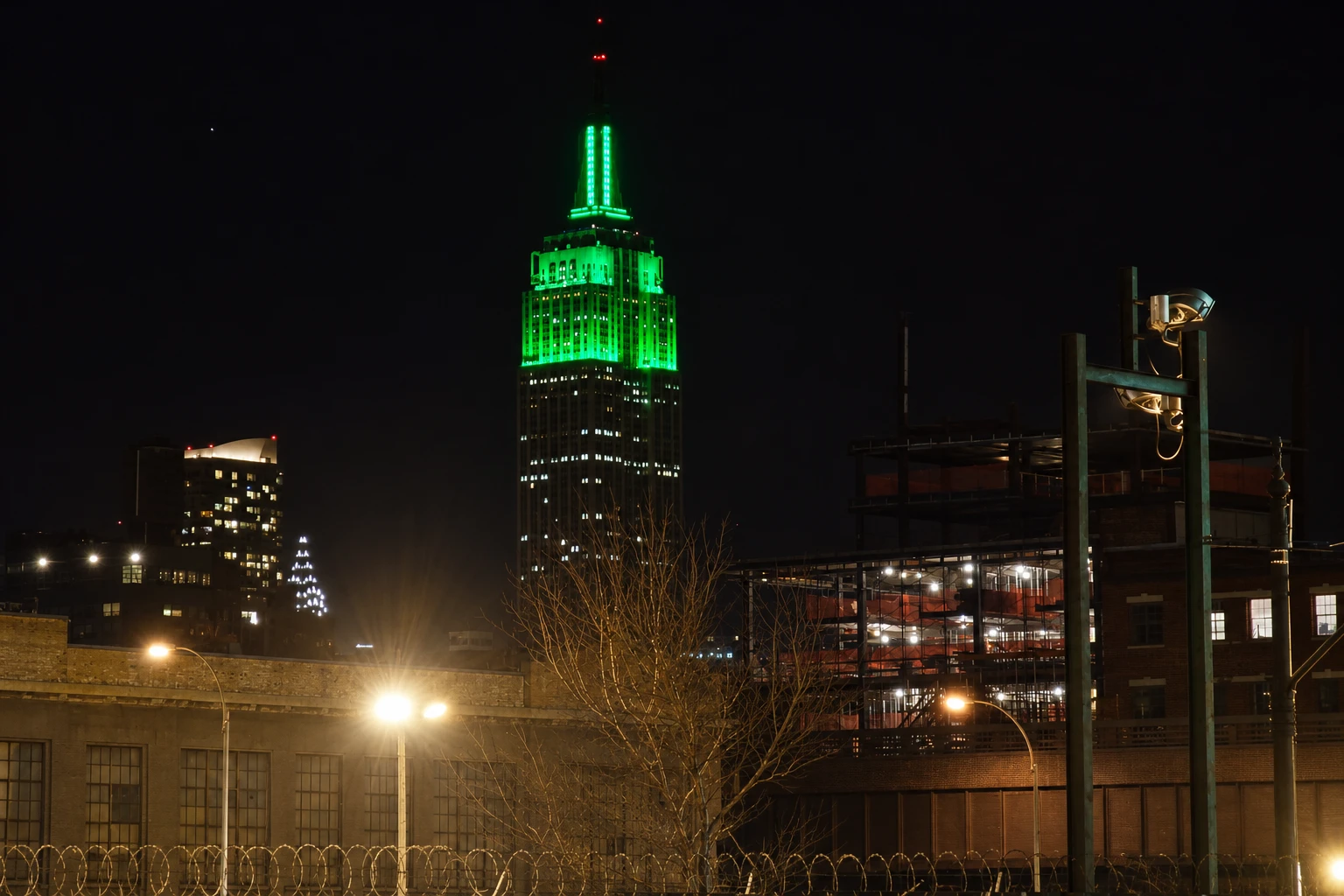
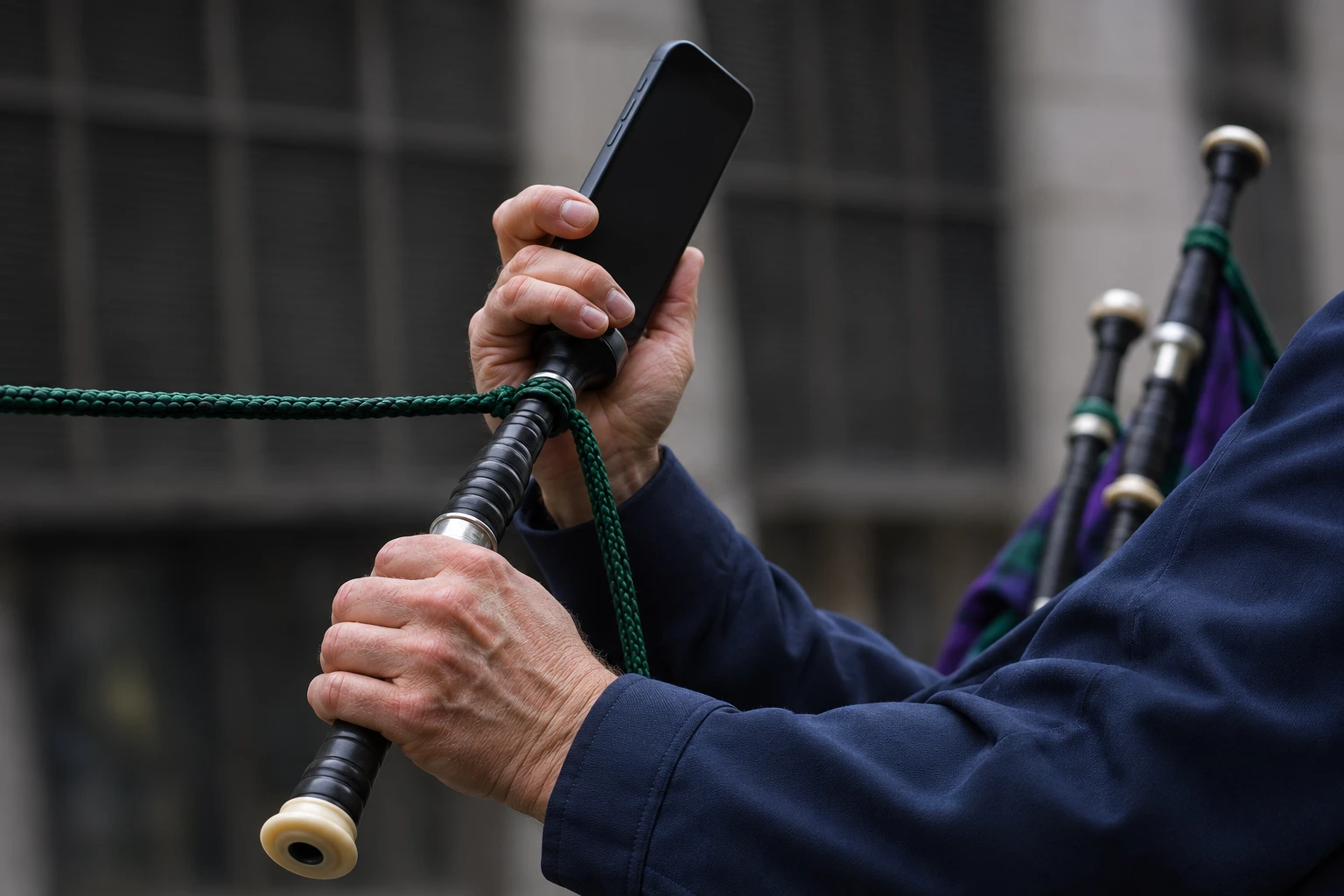
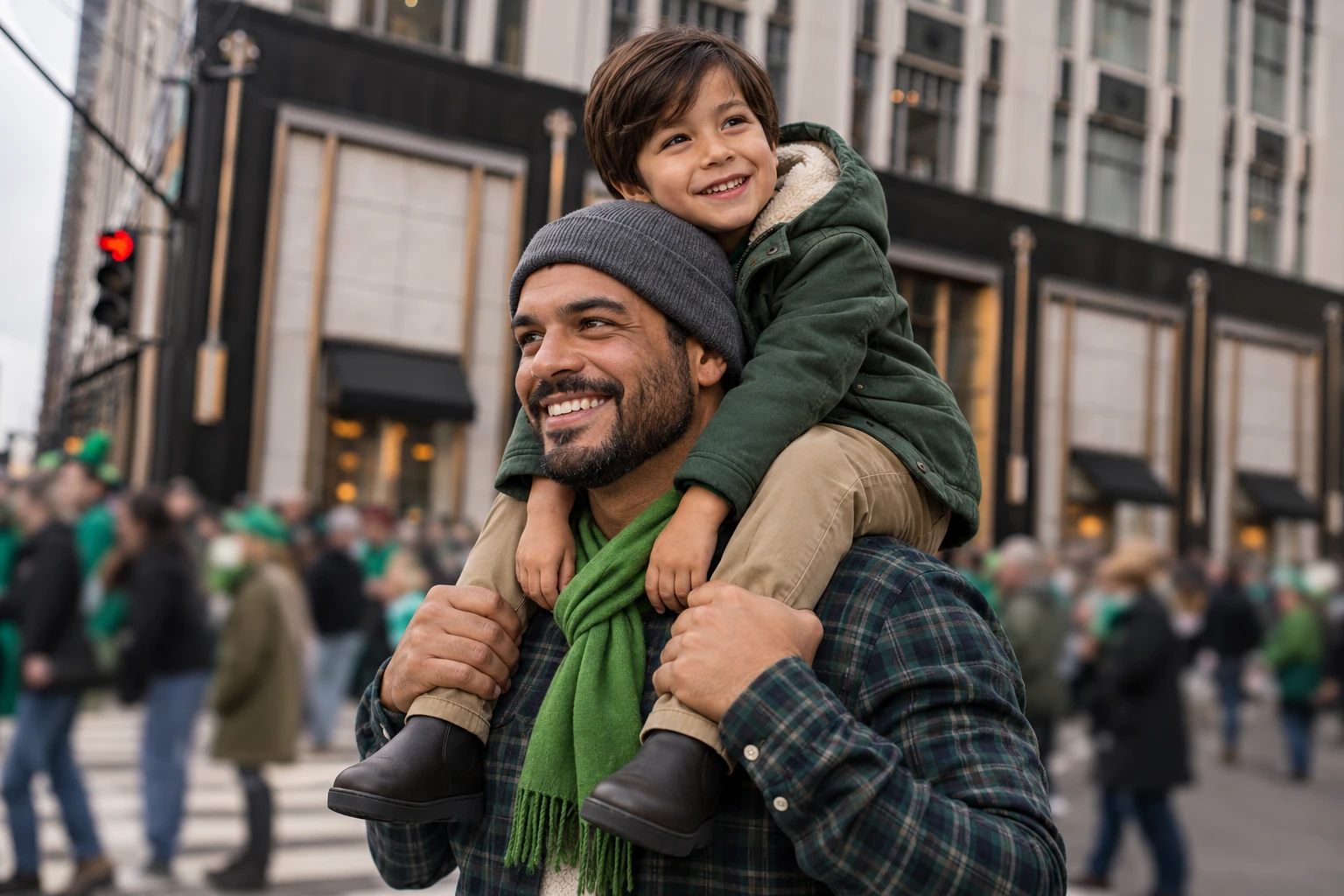
On March 17, St. Patrick’s Day; if the date falls on a Sunday, the parade is moved to Saturday, March 16.
March
Dates change every year: check this year's date before you travel.
The festival
On March 17, Fifth Avenue in Manhattan fills with green for the St. Patrick’s Day parade, honoring the patron saint of Ireland. The procession marches on foot along the avenue from around 44th Street to 79th Street, along the edge of Central Park, and passes in front of St. Patrick’s Cathedral. For much of the day, bagpipers, marching bands, county Irish associations, schools, universities and groups from many professions parade while spectators crowd both sides of the avenue.
The parade is older than the United States itself. On March 17, 1762—fourteen years before the Declaration of Independence—Irish people far from home and Irish soldiers in the British army marched through the city on the saint’s day. Throughout the 19th century, New York received millions of Irish immigrants, and the date became a citywide celebration. In the 19th century, the Ancient Order of Hibernians, an Irish Catholic association, began sponsoring the procession, and since 1992 it has been organized by its own entity.
Since about 1851, the march has been opened by the 69th Regiment, a unit of Irish origin in the New York National Guard. Behind it comes the grand marshal, a personality chosen each year, followed by the county groups, whose order changes each edition. One feature that sets this parade apart from other American parades is the absence of floats and vehicles: everyone marches on foot, carrying flags, banners and instruments. In front of the cathedral, the archbishop of New York watches the groups pass from the church steps.
Green takes over the city that day. Irish pubs open early, well-known buildings are often lit green on the eve, and many people wear shamrocks, the plant associated with St. Patrick, who according to tradition used it to explain the Holy Trinity. Bagpipe groups, wearing kilts and drums, receive the most applause, and regiments and associations march with historical banners. The parade is made for those who march more than for those who watch: many participants come from other cities, and whole families march together, sometimes with several generations in the same group.
If the saint’s day falls on a Sunday, the march is moved to Saturday. For visitors in New York in March, it’s an opportunity to see Fifth Avenue filled with the sound of bagpipes and to experience a tradition that has accompanied the history of Irish immigration in the city for more than two and a half centuries.
The opening of the parade by the 69th Regiment, in uniforms and with banners, followed by the grand marshal. The passage of groups in front of St. Patrick’s Cathedral, where the archbishop watches from the church steps. Bagpipe and drum bands in kilts and dress uniforms. The county groups, each with its own flag. The stretch along Central Park, uptown on the avenue, which is less crowded than Midtown. The St. Patrick’s Day Mass at the cathedral, before the parade. Afterwards, the city’s Irish pubs, which celebrate the occasion into the night. On the eve, buildings lit green on Manhattan’s skyline.
Any point on Fifth Avenue between 44th and 79th Streets is fine for watching the parade; the earlier you arrive, the closer to the street you’ll be. The procession starts late morning and continues into the late afternoon, so you can arrive at different times and still see many groups. Sections near the cathedral tend to be more crowded; the uptown stretch by Central Park has more space and views of trees in the background. Walk or take the subway: traffic is diverted away from the avenue, Midtown is congested, and crossing Fifth Avenue is only possible at certain intersections. There are no portable toilets along the route; plan restroom breaks at restaurants and cafés on parallel avenues, such as Sixth Avenue. In March, New York often has cold and sometimes rainy days; bring a coat, gloves and something green to get into the spirit.
March is still low season in New York, but the St. Patrick’s Day weekend is usually busy; reserve accommodation a few weeks in advance, preferably in Midtown or the Upper East Side, near the route. There is no ticket or reserved seating for the public. On the official website, check the parade date for the year, especially when March 17 falls on a Sunday, and the name of that year’s grand marshal. If you plan to dine in Irish pubs on the night of the 17th, book ahead.
In the city
Flavors of the United States
Dense, creamy tart made with cream cheese, eggs and cream on a cookie crust, served without topping.
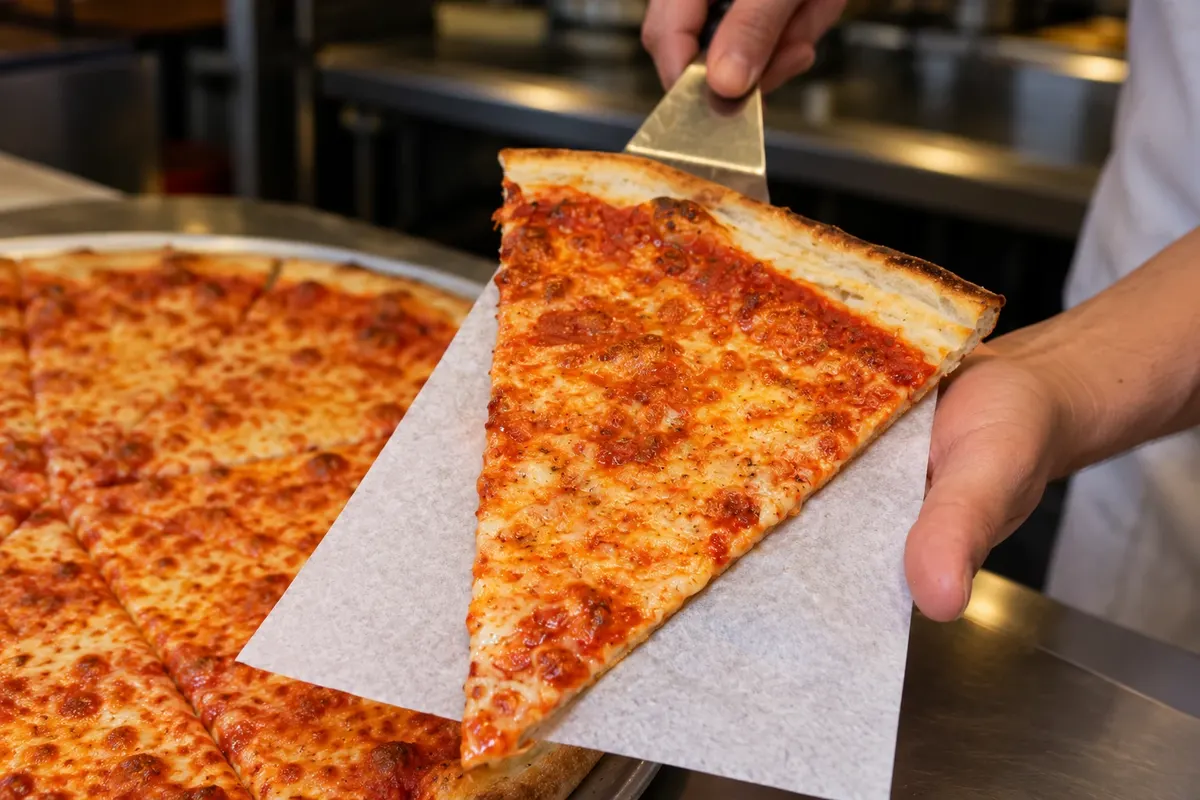
Large pizza with a thin, crisp yet flexible crust, thin enough to fold a slice in half. It originated among Neapolitan bakers in New York and is sold by the slice throughout the city.
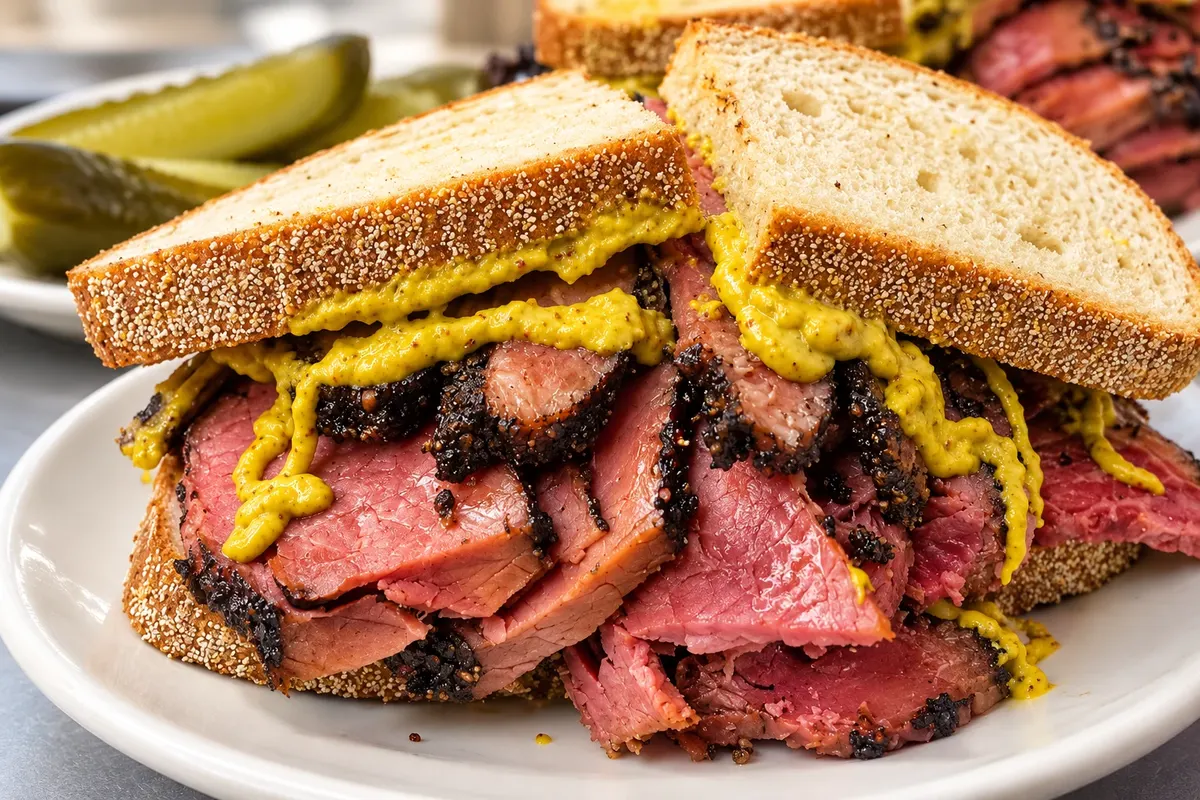
Pastrami sandwich: cured, seasoned and smoked beef, hot-sliced on rye bread with mustard. It’s the sandwich of New York’s Jewish delicatessens.
March
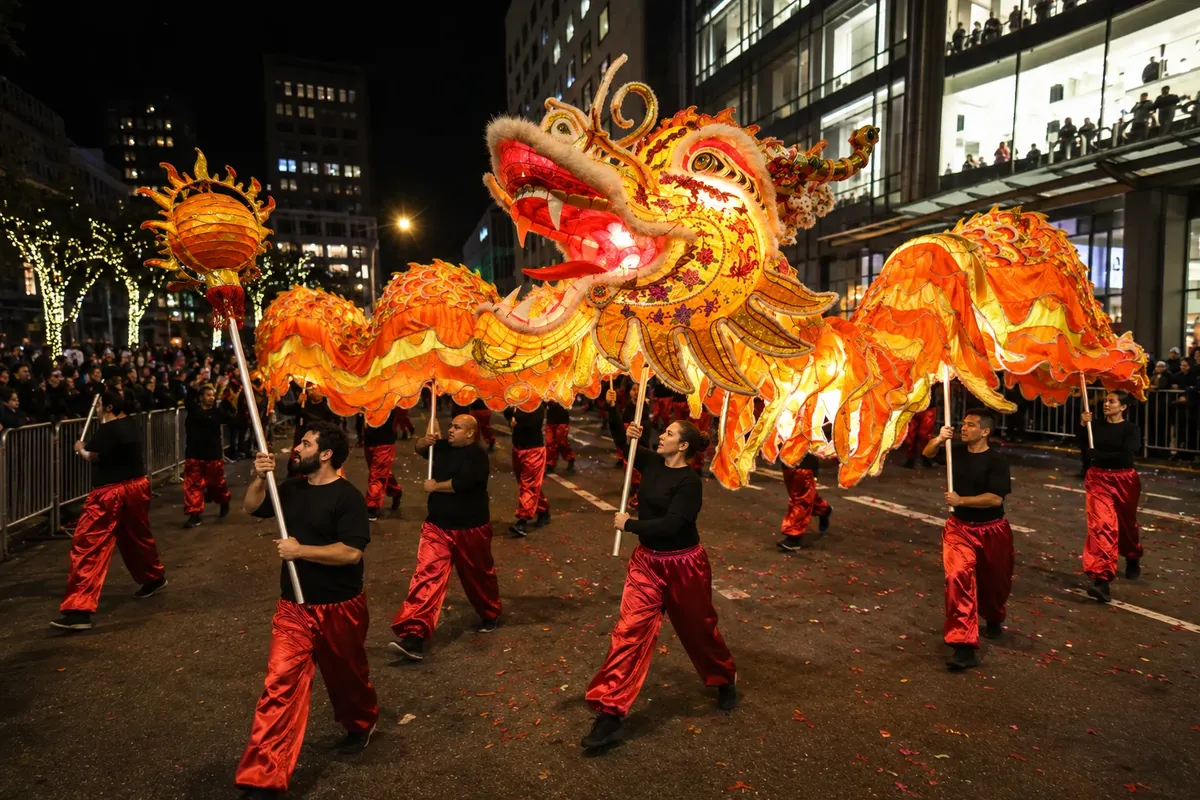 February/March
On a Saturday night, a few weeks after Lunar New Year, between February and early March; the celebration in Chinatown lasts several days.
San Francisco Lunar New Year nighttime illuminated parade organized by the Chinese Chamber of Commerce: floats, lion dance, acrobats, bands and, at the end, the Golden Dragon carried by dozens of people, amid firecrackers and lanterns.
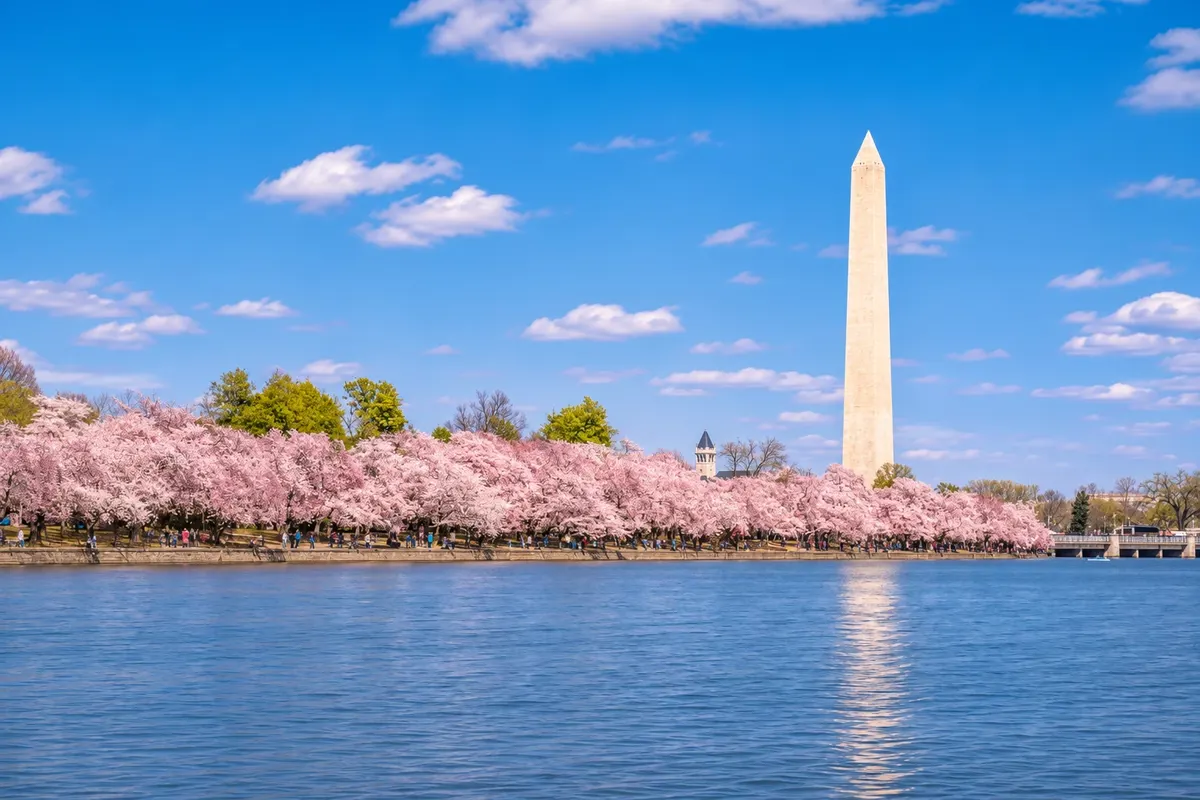 March/April
From mid or late March to mid April, lasting about four weeks, following the blooming of the cherry trees in Washington.
Spring festival in Washington that celebrates the cherry trees donated by Tokyo in 1912: weeks of events around the Tidal Basin and the National Mall, including a kite festival, a parade on Constitution Avenue, fireworks and a big Japanese street festival.
 March
Over three consecutive days in March, from Friday to Sunday, usually in the last week of the month.
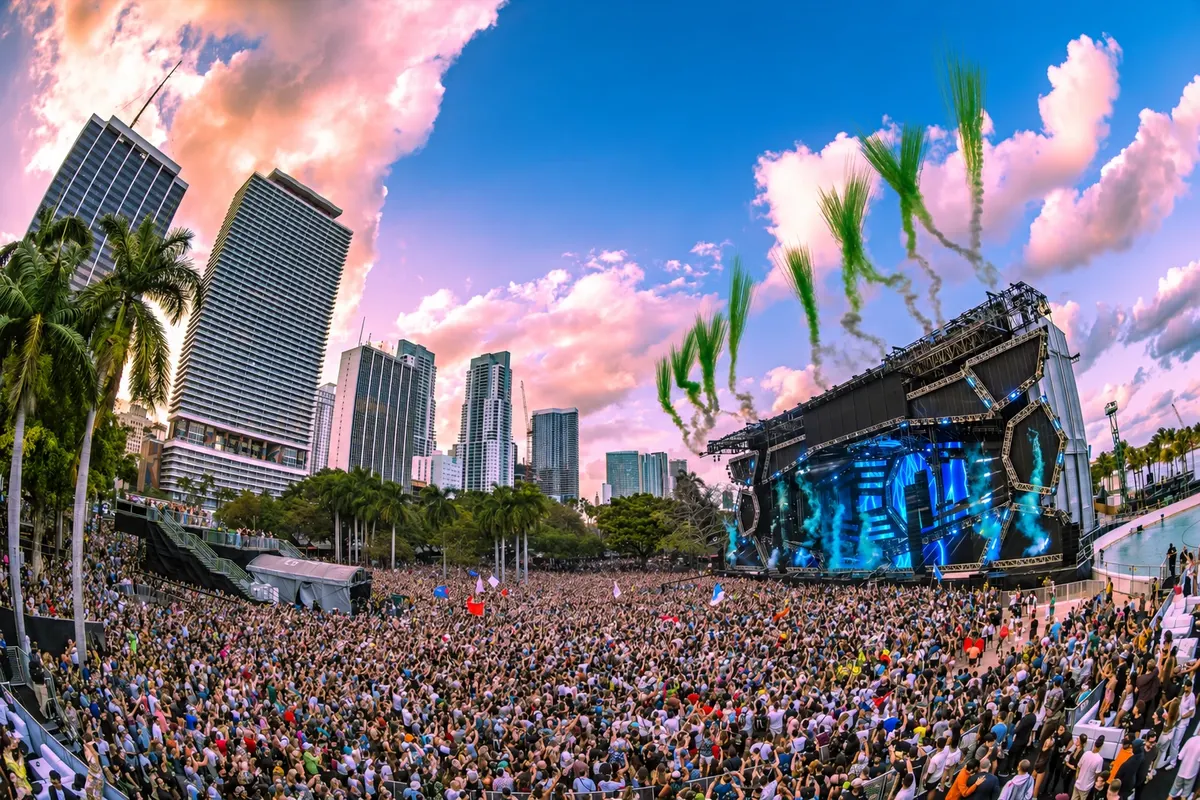
A three-day electronic music festival at Bayfront Park, beside Biscayne Bay in downtown Miami; the highlight of a week when the city hosts parties and DJ shows from around the world.
Your questions
Every year on the saint’s day, March 17. If the date falls on a Sunday, the march is held the previous Saturday.
Along Fifth Avenue in Manhattan, between 44th and 79th Streets, passing in front of St. Patrick’s Cathedral and along Central Park.
No. All participants march on foot, with bands, bagpipes, flags and banners.
Festivals and events in the United States
 January
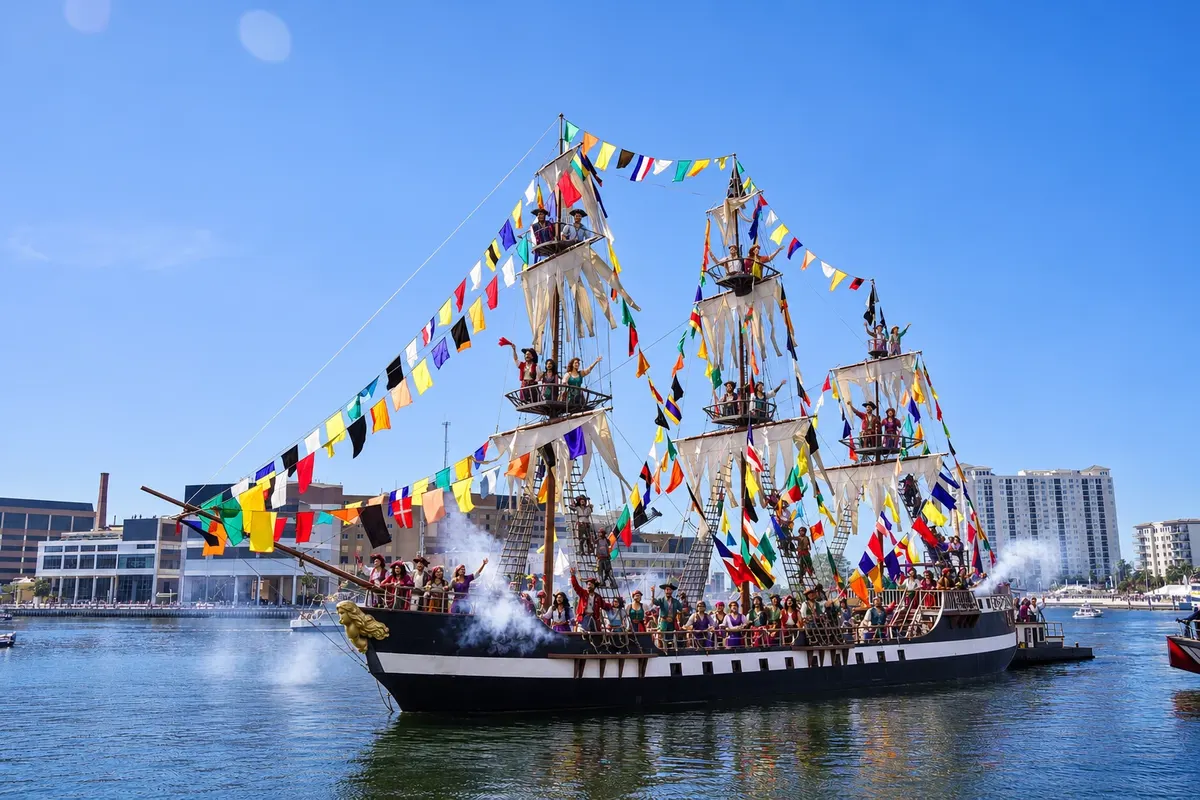
On the last Saturday in January; the children’s parade takes place on the previous Saturday.
Tampa’s pirate festival in Florida: a pirate ship sails into the bay with hundreds of boats, the pirates take the key to the city and march along Bayshore Boulevard, throwing beaded necklaces to the costumed crowd.
 January
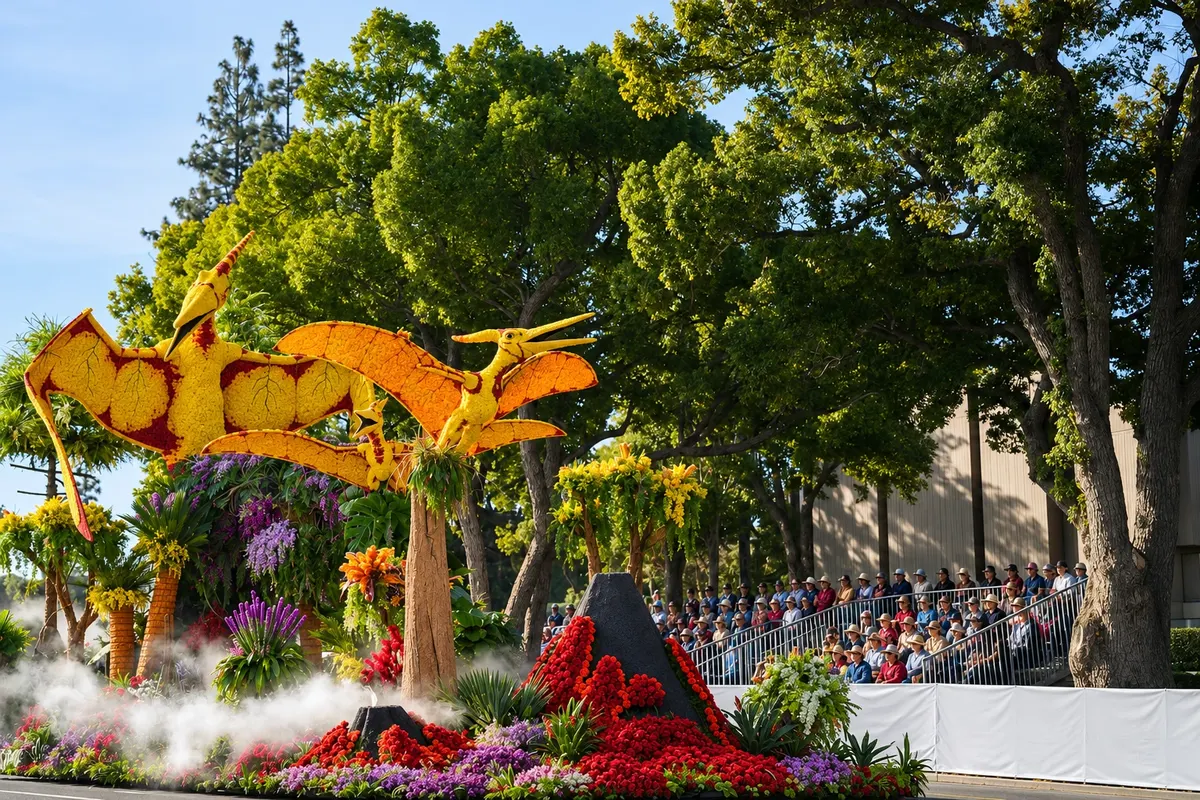
On the morning of January 1; if the 1st falls on a Sunday, the parade is held on Monday, January 2.
New Year’s Day parade in Pasadena, near Los Angeles, featuring floats completely covered with flowers, seeds and other natural materials, marching bands and mounted units along Colorado Boulevard. On the same day, the Rose Bowl stadium hosts the college football game of the same name.
 April
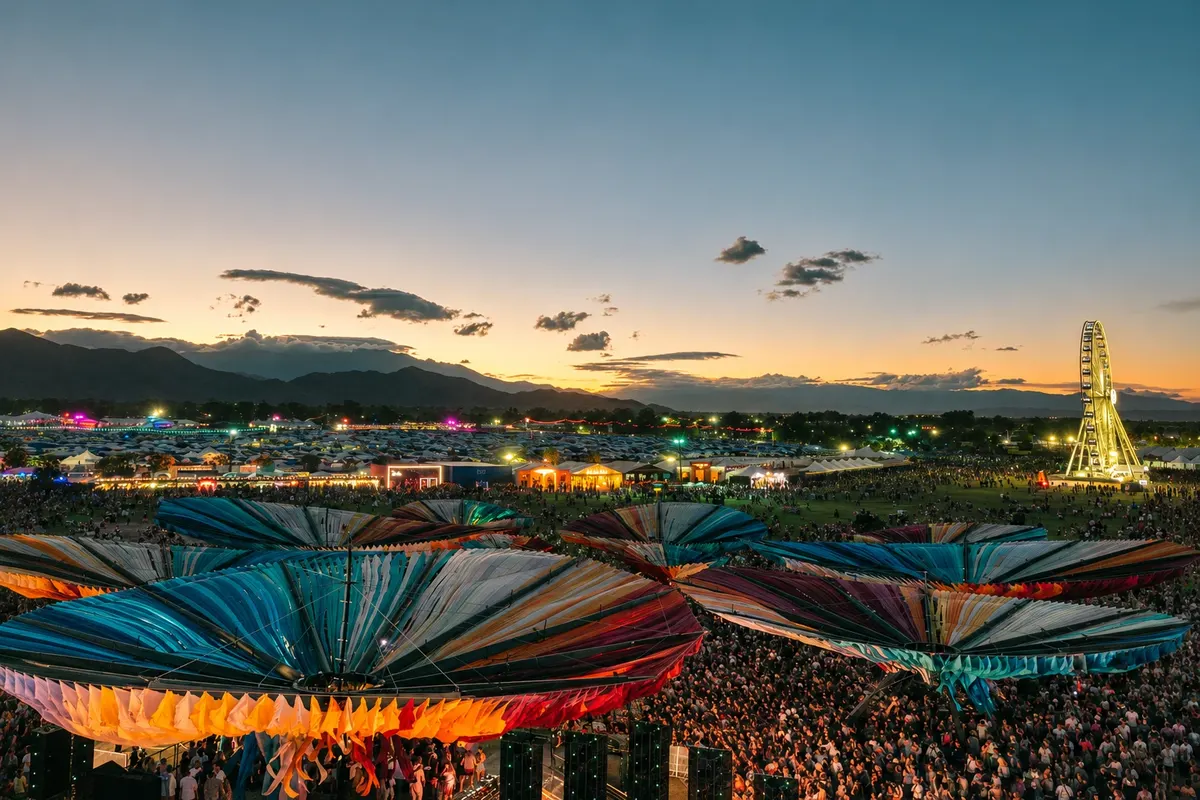
In April, over two consecutive weekends, Friday through Sunday, with the same lineup both weekends.
A music and arts festival in the Coachella Valley desert at the Empire Polo Club in Indio, California: two April weekends with stages for rock, pop, hip-hop and electronic music, large art installations, and on‑site camping.
 April/May
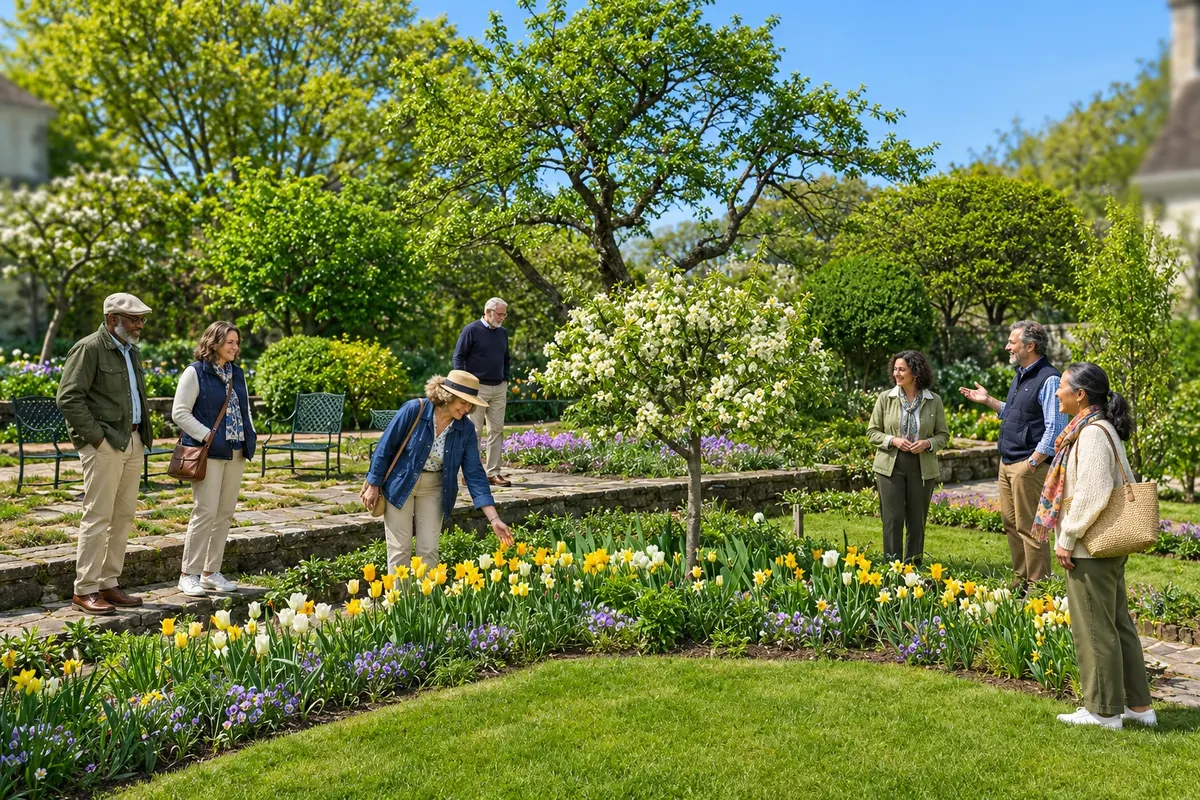
For eight consecutive days, usually in the second half of April and sometimes into early May; each locality opens its houses and gardens on specific days.
For eight spring days, private homes, gardens and historic properties across Virginia open to the public, decorated with floral arrangements made by garden clubs; proceeds fund the restoration of the state’s historic gardens.
 June
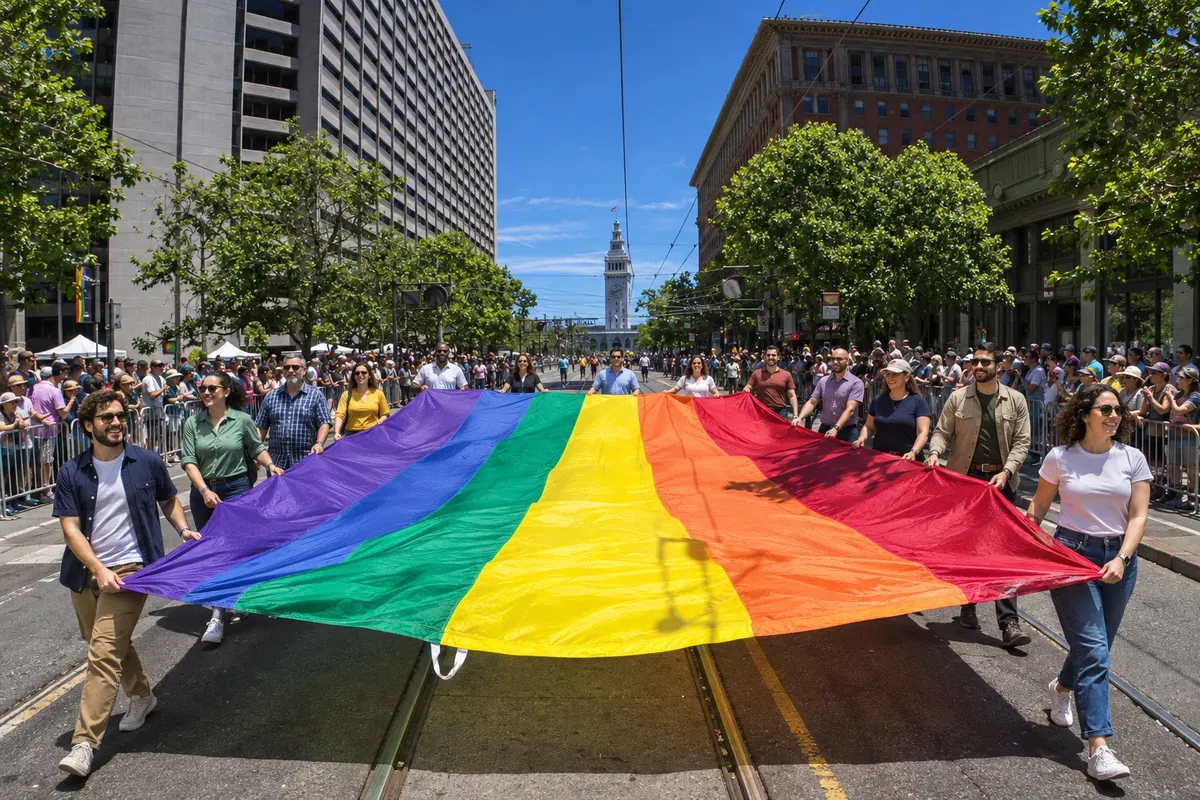
On the last full weekend of June; the celebration runs Saturday and Sunday, and the parade takes place on Sunday morning.
One of the world’s largest LGBT+ pride events: on the last weekend of June, San Francisco hosts a festival with stages and booths at Civic Center and, on Sunday morning, a parade along Market Street featuring hundreds of groups from the city.
 July
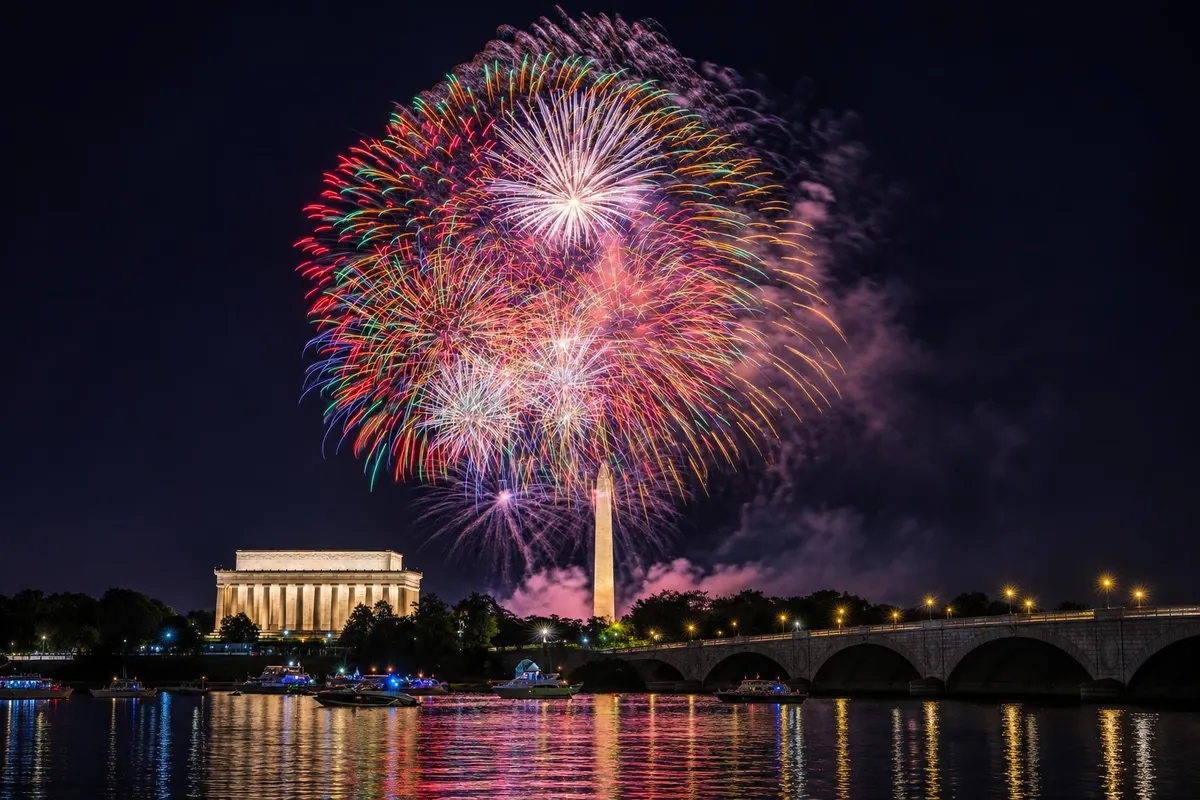
On July 4, Independence Day in the United States.
Independence Day in the U.S. capital: a parade on Constitution Avenue, a concert on the Capitol lawn and, at night, one of the country’s largest fireworks displays over the National Mall memorials.