The festival
What is Rose Parade
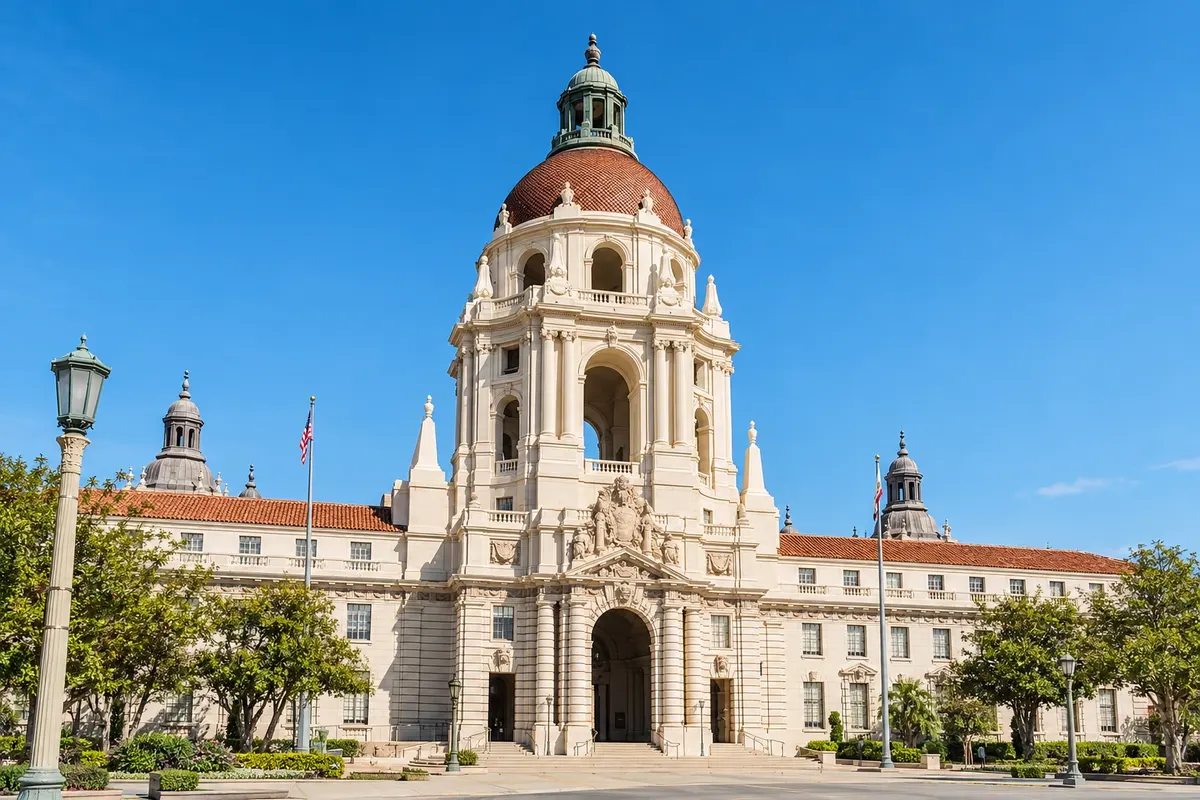
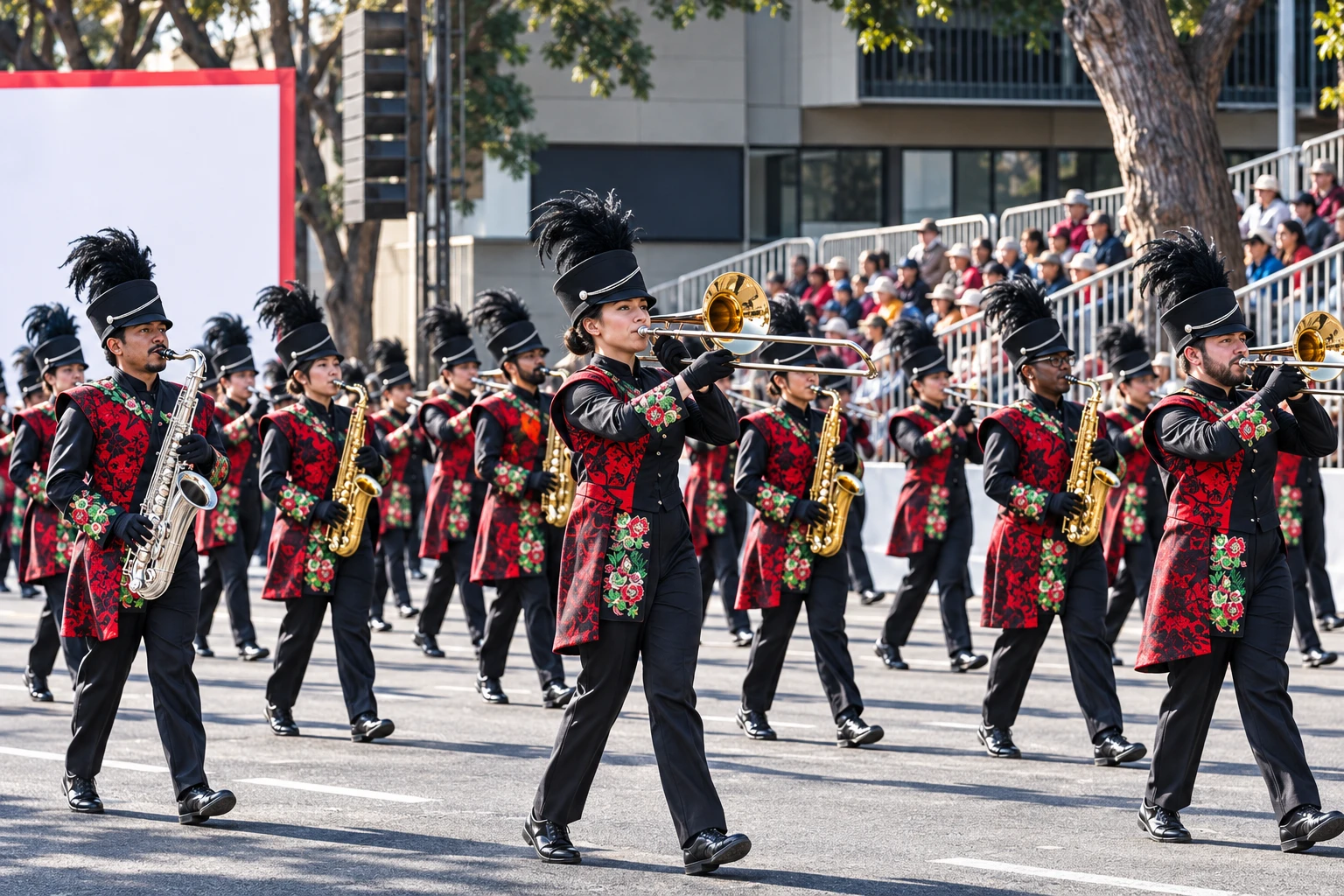
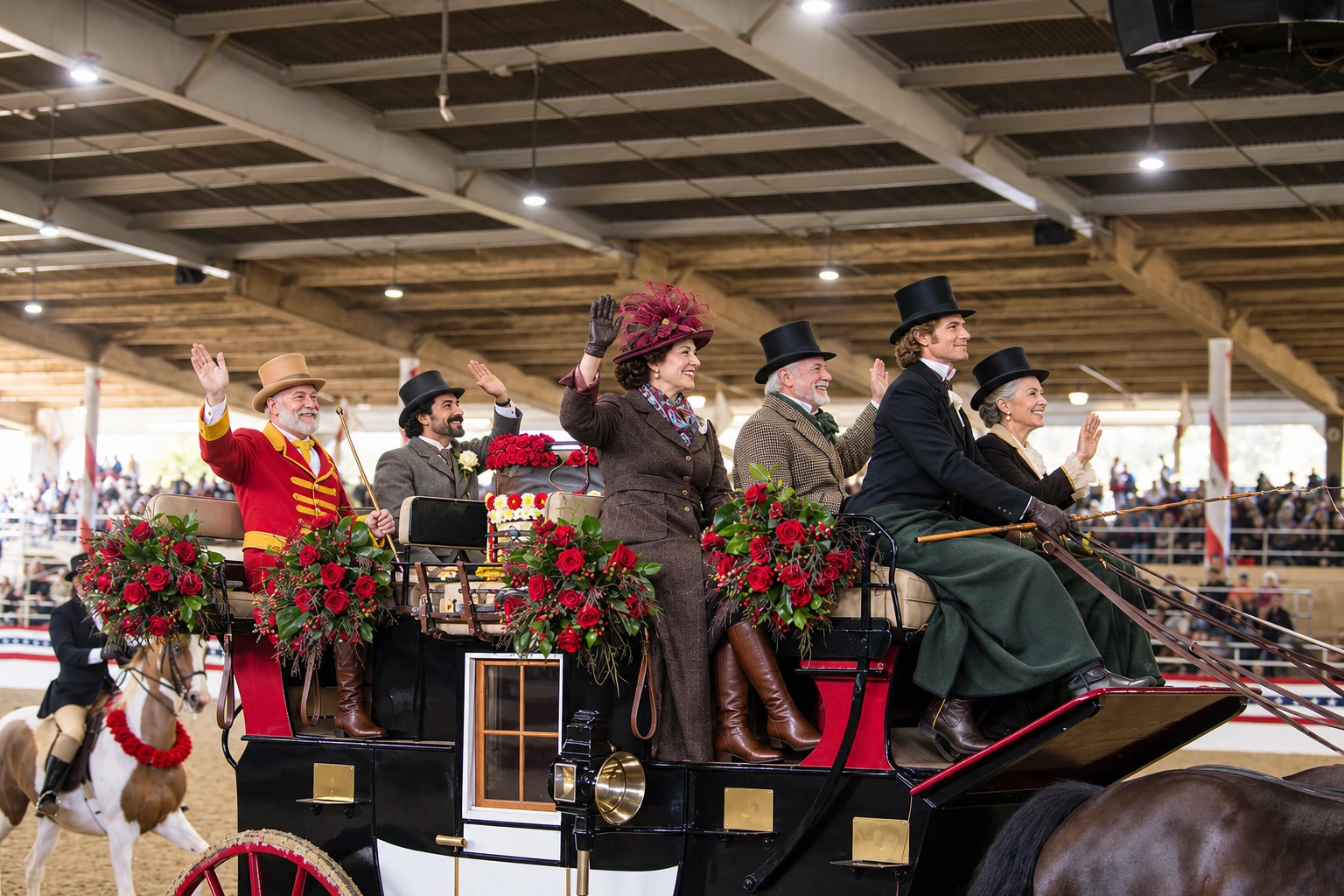
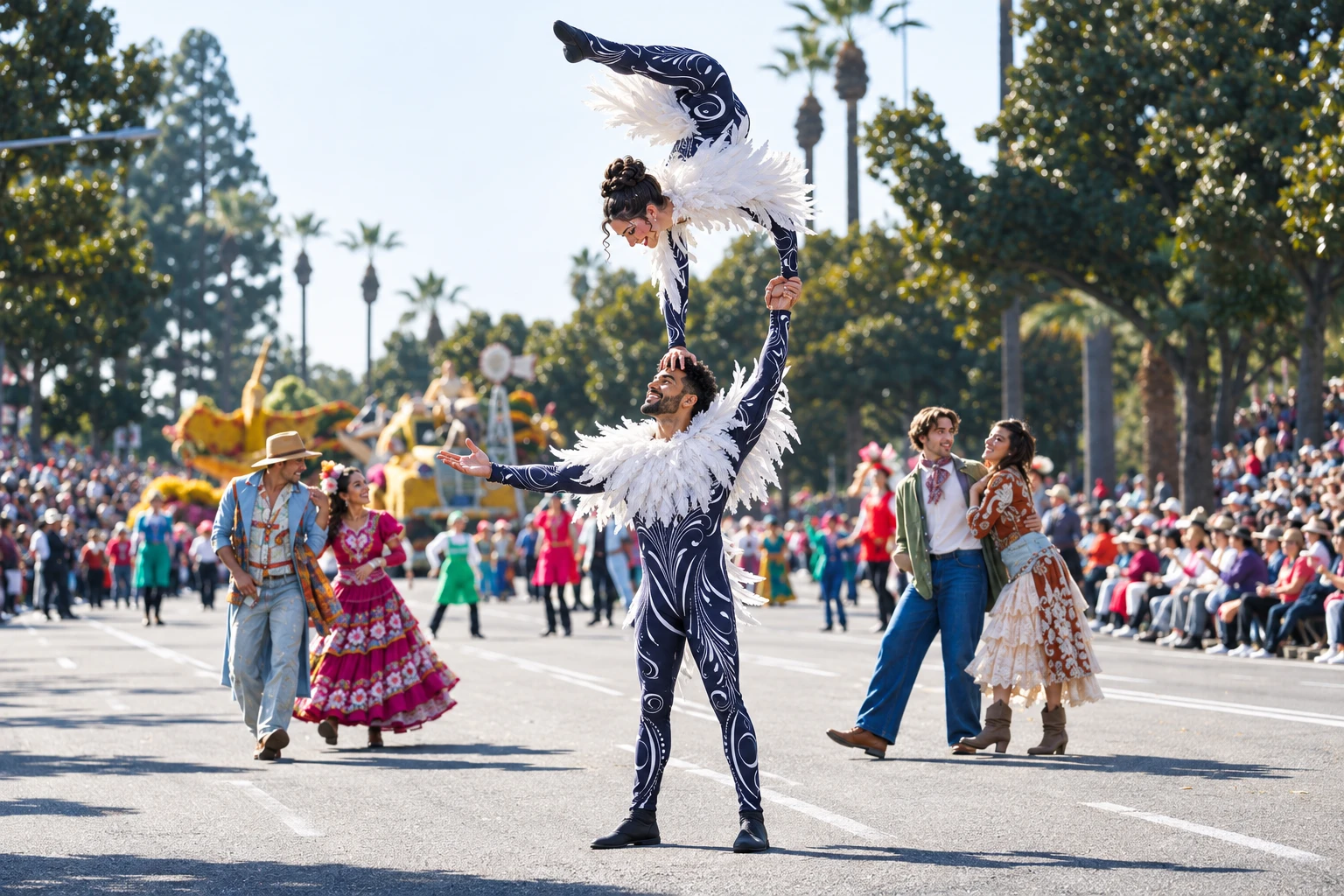
The Rose Parade opens the year in Pasadena, a city neighboring Los Angeles in Southern California. On the morning of January 1, flower-covered floats, marching bands and mounted units travel about 9 km, almost the entire route along Colorado Boulevard, from the corner of Green Street and Orange Grove Boulevard, passing the curve by the Norton Simon Museum and along Colorado Boulevard to Sierra Madre Boulevard in the east of the city. The public, seated on the sidewalks from the night before, watches an approximately two-hour procession organized by the Tournament of Roses, a nonprofit that counts on hundreds of volunteers dressed in white, the White Suiters.
The tradition began on January 1, 1890, when Pasadena residents decided to show off the region’s flowers and mild winter weather with a parade of decorated carriages, followed by games and races. The Monrovia town band joined the next year, and over time the floats grew, added engines and began following a theme chosen for each edition. Since 1893 the parade has never taken place on a Sunday: that year the 1st was a Sunday and organizers moved the celebration to Monday so as not to frighten horses tied in front of churches during services. The rule still applies today, and the Rose Bowl game follows the same date.
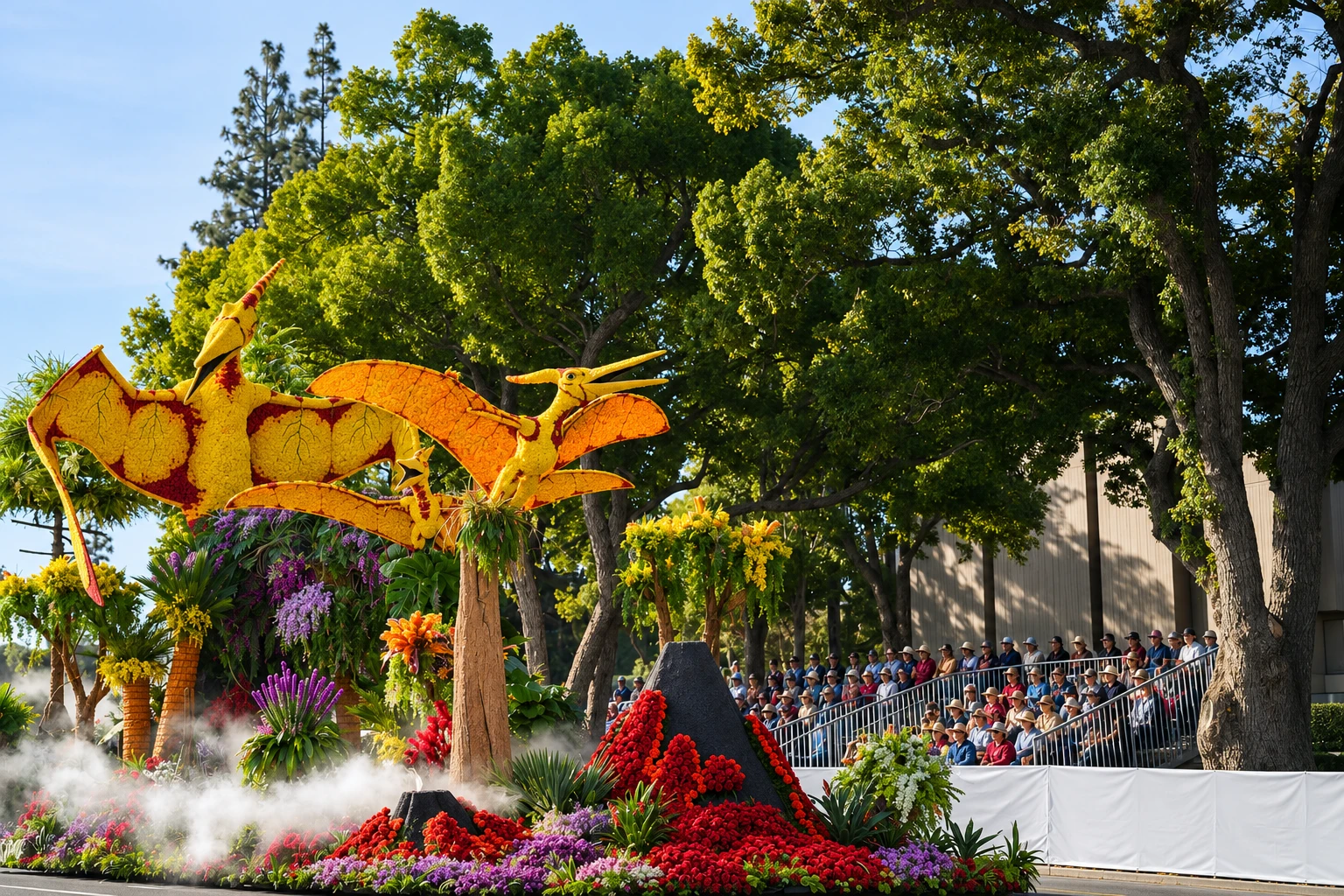
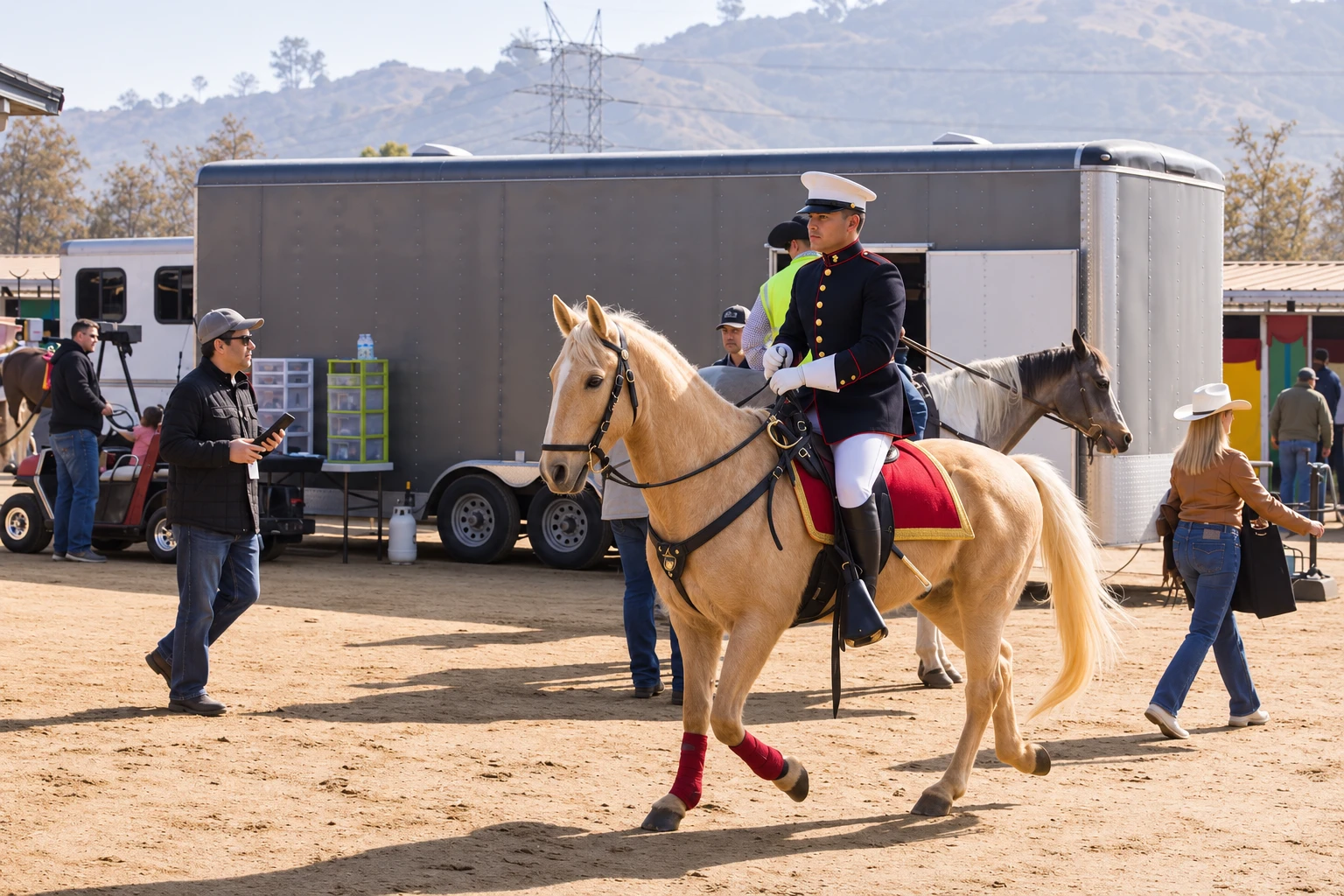
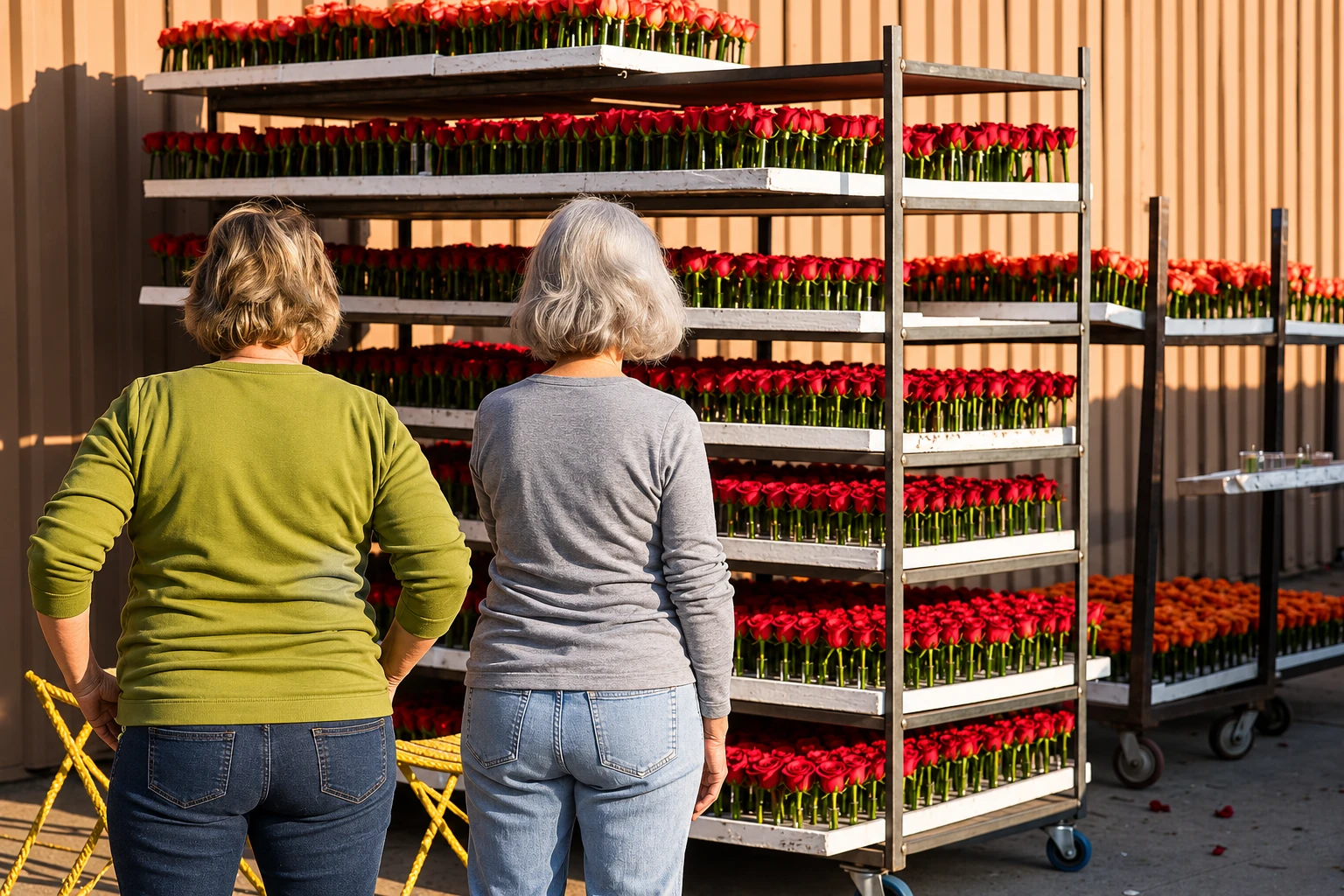
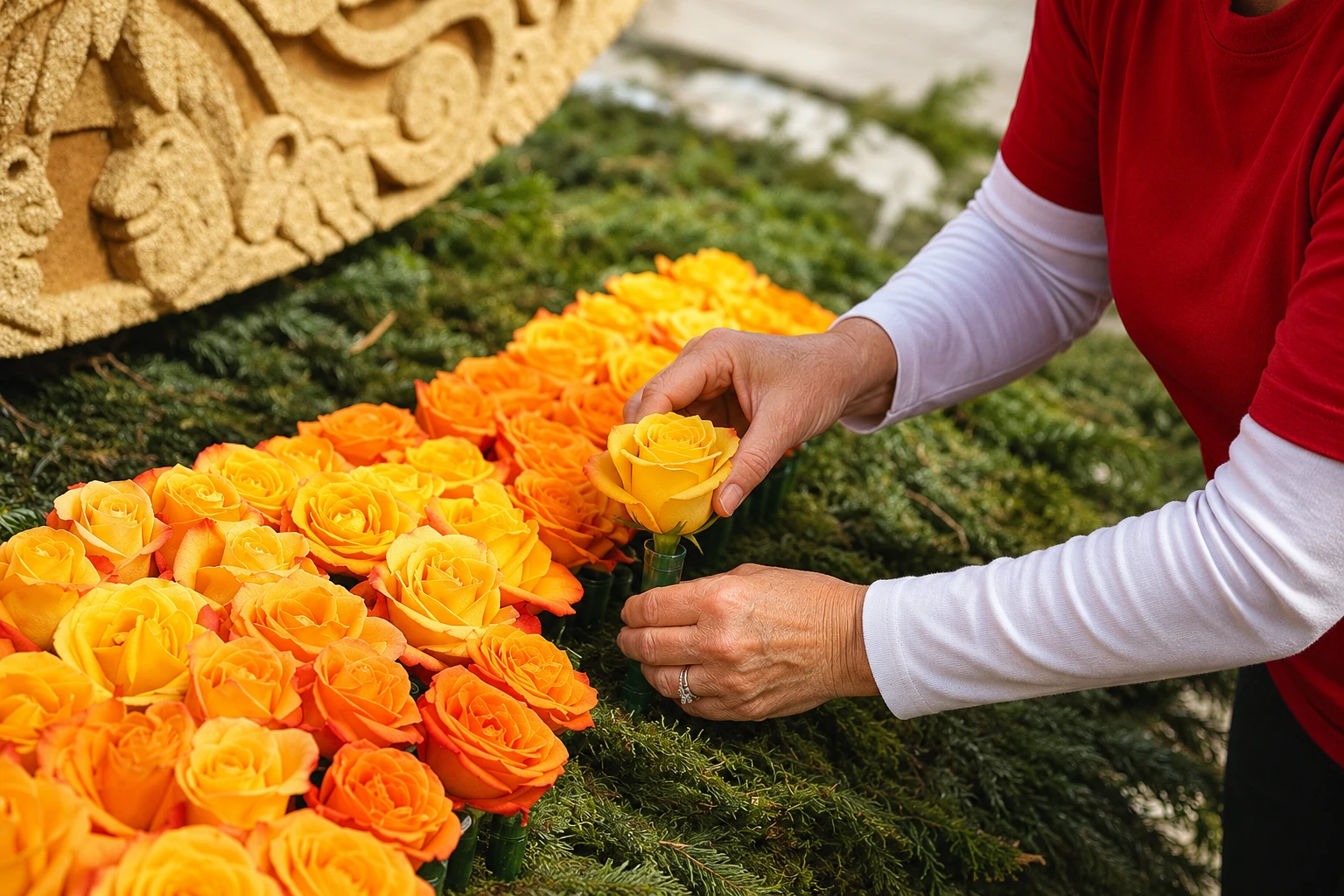
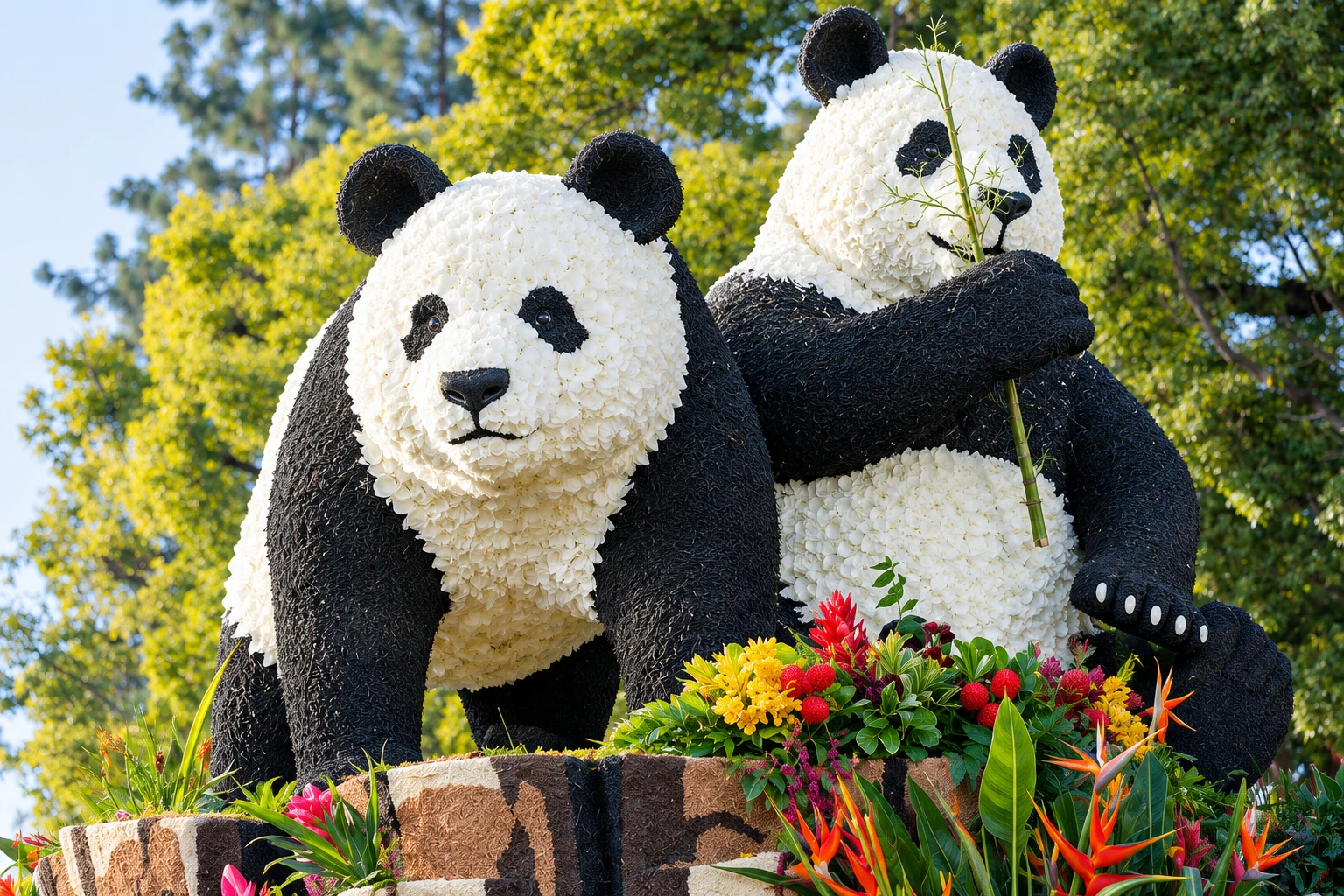
The rule that defines the floats is the decoration: every visible surface must be covered with flowers or other natural materials such as leaves, seeds, bark and grains. Roses are placed one by one into small water tubes so they don’t wilt. In the week between Christmas and New Year’s, teams of professionals and volunteers work day and night in decorating barns, some open to visitors, and in the days before there is the bands festival and the equestrian meet. On the morning of the parade, three judges choose the winners, announced before the start; the top prize, the Sweepstakes, goes to the float judged the most beautiful as a whole.
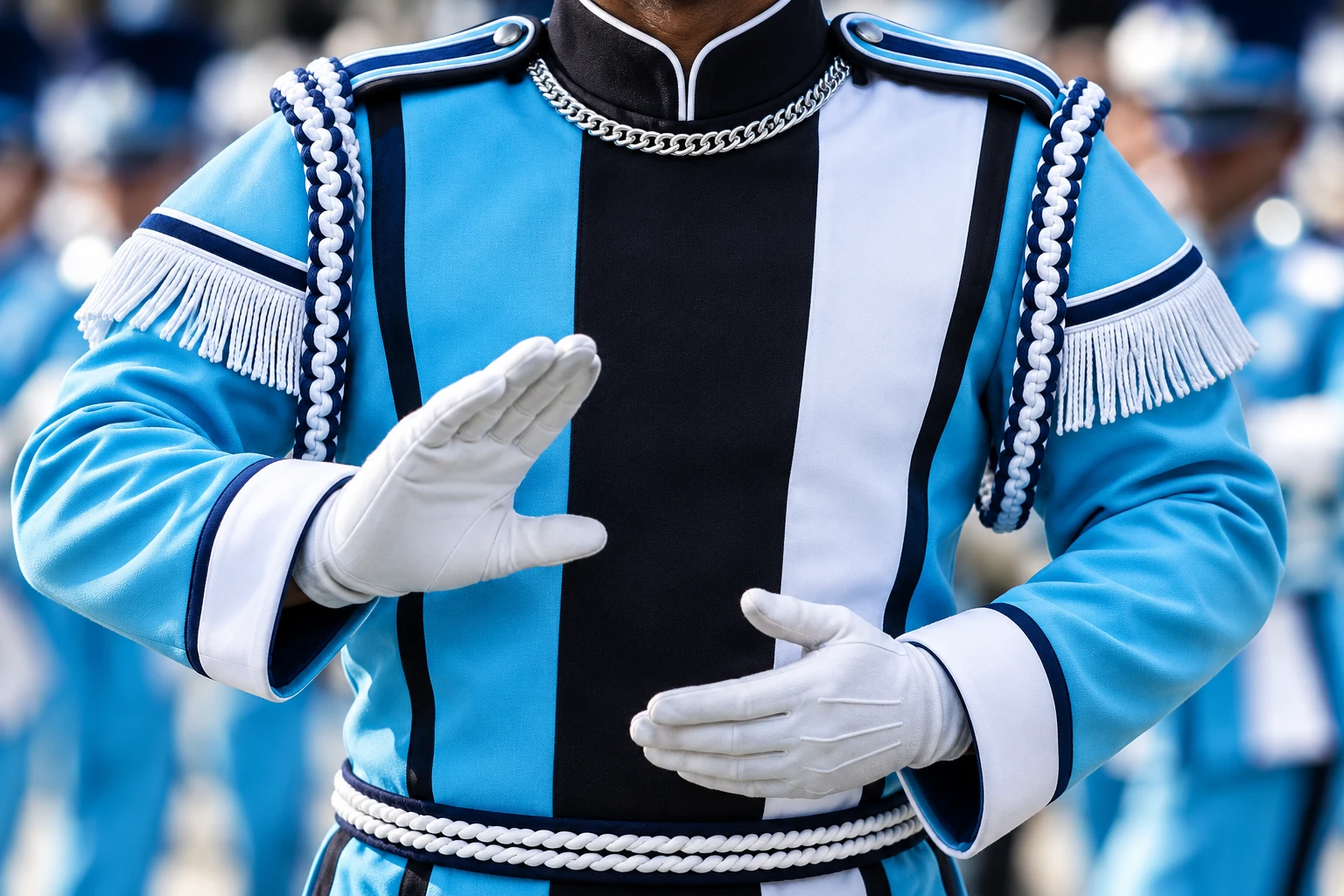
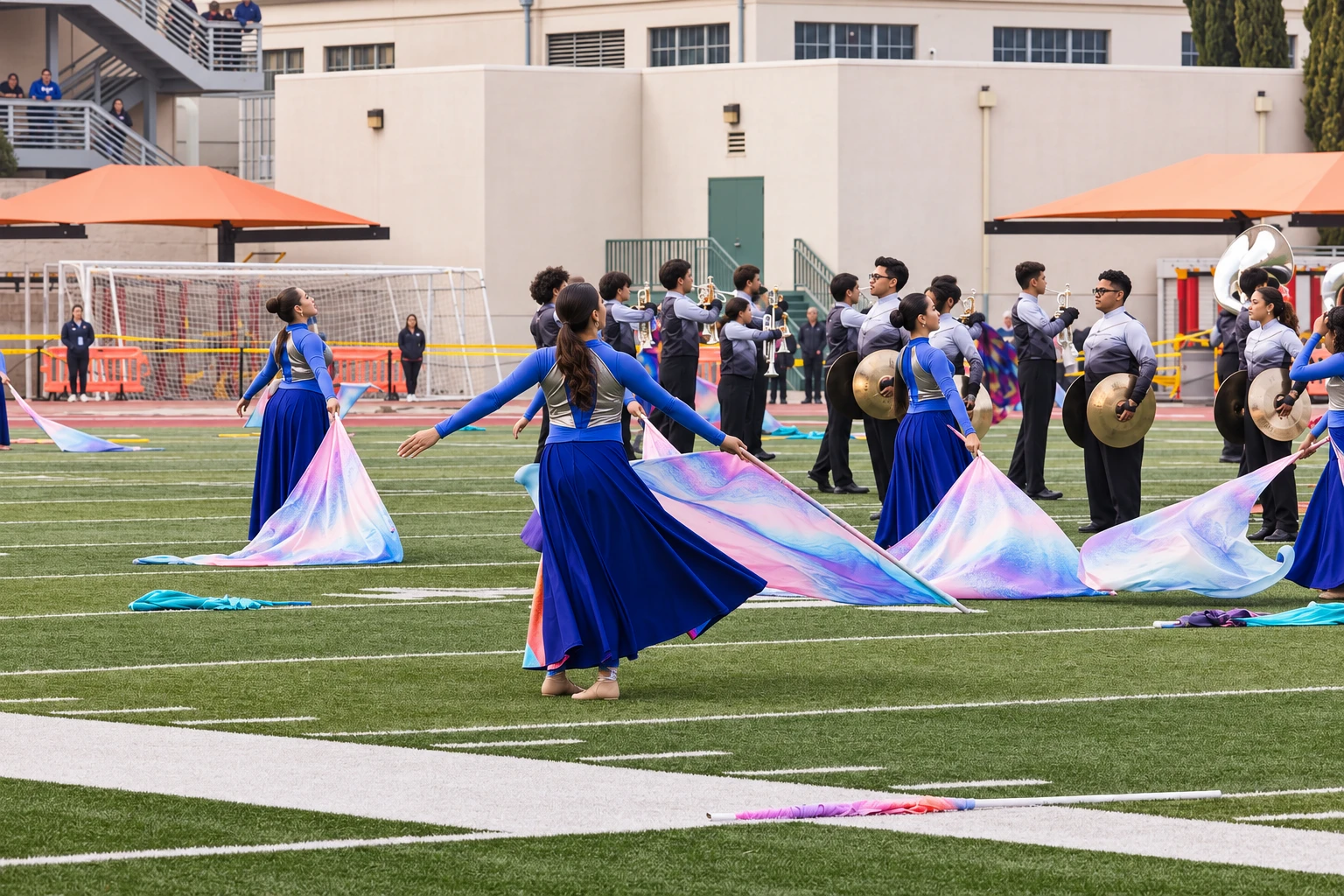
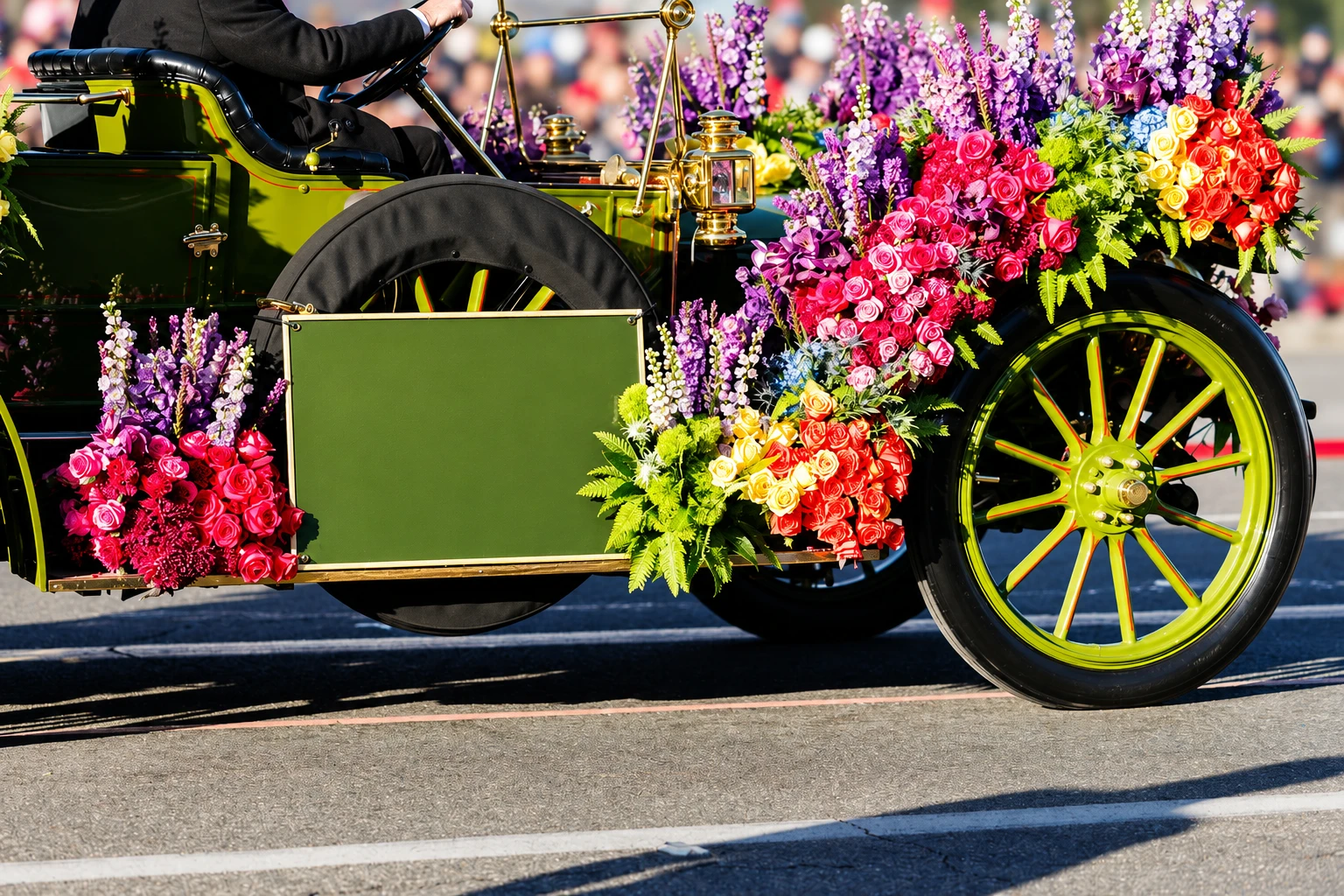
Each edition has a grand marshal, a guest personality who opens the procession, and a royal court made up of local students, led by the Queen of the Roses. The only automobiles in the parade carry the grand marshal, the mayor of Pasadena, the Rose Bowl honorees and the association president. The floral floats are built by companies, cities, universities and associations, and some are decorated by volunteers from the community. The bands come from schools and universities in various states and from other countries.
After the parade the floats remain parked near the end of the route for about two days in an exhibition where the public can see up close the work with flowers, seeds and fruits. Because the event is broadcast live on television nationwide, for many people the image of New Year’s in California is floral floats beneath the blue January sky with the San Gabriel Mountains in the background. For those who spend New Year’s Eve in the Los Angeles area, it’s a way to start the year outdoors in a tradition Pasadena has kept for more than a century.
How to enjoy it
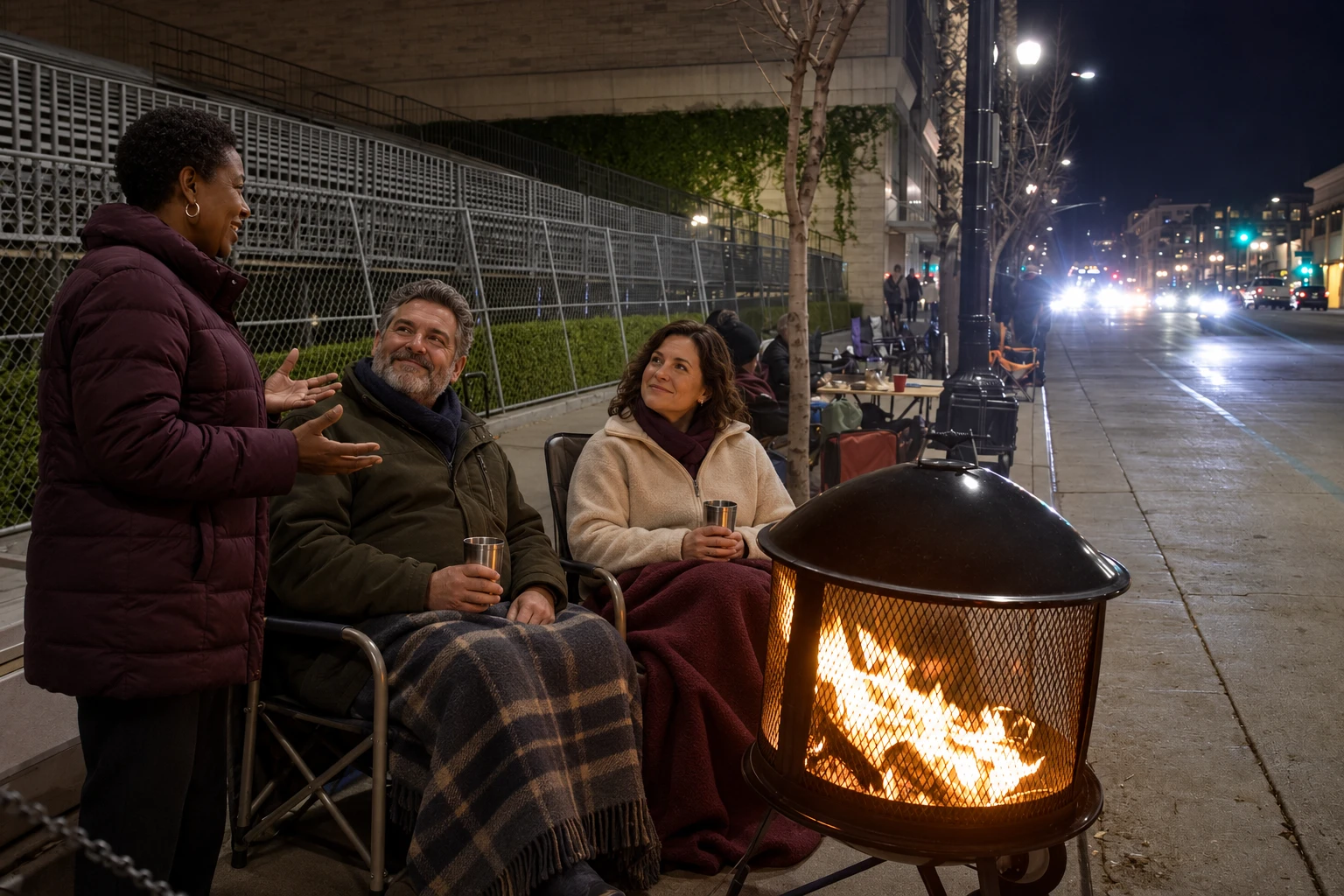
There are two ways to see the parade: in reserved-seat grandstands sold in advance, or on the sidewalk, without a ticket. On the sidewalk, the organizer allows places to be occupied starting at noon the day before, and many families spend New Year’s Eve there; around midnight the organizer allows people to advance to a blue line painted on the ground, which must not be crossed. Colorado Boulevard closes to traffic on the evening before and only reopens in the early afternoon of January 1. The Los Angeles Metro runs all night from New Year’s Eve into the morning of the parade and boosts Line A, the simplest way to get there; parking near the route fills up early. Those with grandstand seats should arrive well in advance because some are in security-check areas. January mornings are usually cold in Pasadena: bring warm clothes, a blanket and a folding chair if you’ll be on the sidewalk. There are three areas reserved for people with disabilities and companions, with prior request, one with audio description and another with sign language interpretation.


 Brazil
 Argentina
 Bolivia
 Chile
 Colombia
 Ecuador
 Guyana
 French Guiana
 Falkland Islands (Malvinas)
 Paraguay
 Peru
 Suriname
 Uruguay
 Venezuela
 Germany
 Austria
 Belgium
 Croatia
 Denmark
 Spain
 Finland
 France
 Greece
 the Netherlands
 Hungary
 Ireland
 Iceland
 Italy
 Luxembourg
 Norway
 Poland
 Portugal
 the United Kingdom
 the Czech Republic
 Sweden
 Switzerland
 Turkey
 Canada
 Mexico
 the Dominican Republic
 South Africa
 Australia
 Fiji
 New Zealand
 Papua New Guinea

 January