9 cities

 the United States
 Brazil
 Argentina
 Bolivia
 Chile
 Colombia
 Ecuador
 Guyana
 French Guiana
 Falkland Islands (Malvinas)
 Paraguay
 Peru
 Suriname
 Uruguay
 Venezuela
 Germany
 Austria
 Belgium
 Croatia
 Denmark
 Spain
 Finland
 France
 Greece
 the Netherlands
 Hungary
 Ireland
 Iceland
 Italy
 Luxembourg
 Norway
 Poland
 Portugal
 the United Kingdom
 the Czech Republic
 Sweden
 Switzerland
 Turkeythe United States
 Mexico
 the Dominican Republic
 South Africa
 Fiji
State · Califórnia
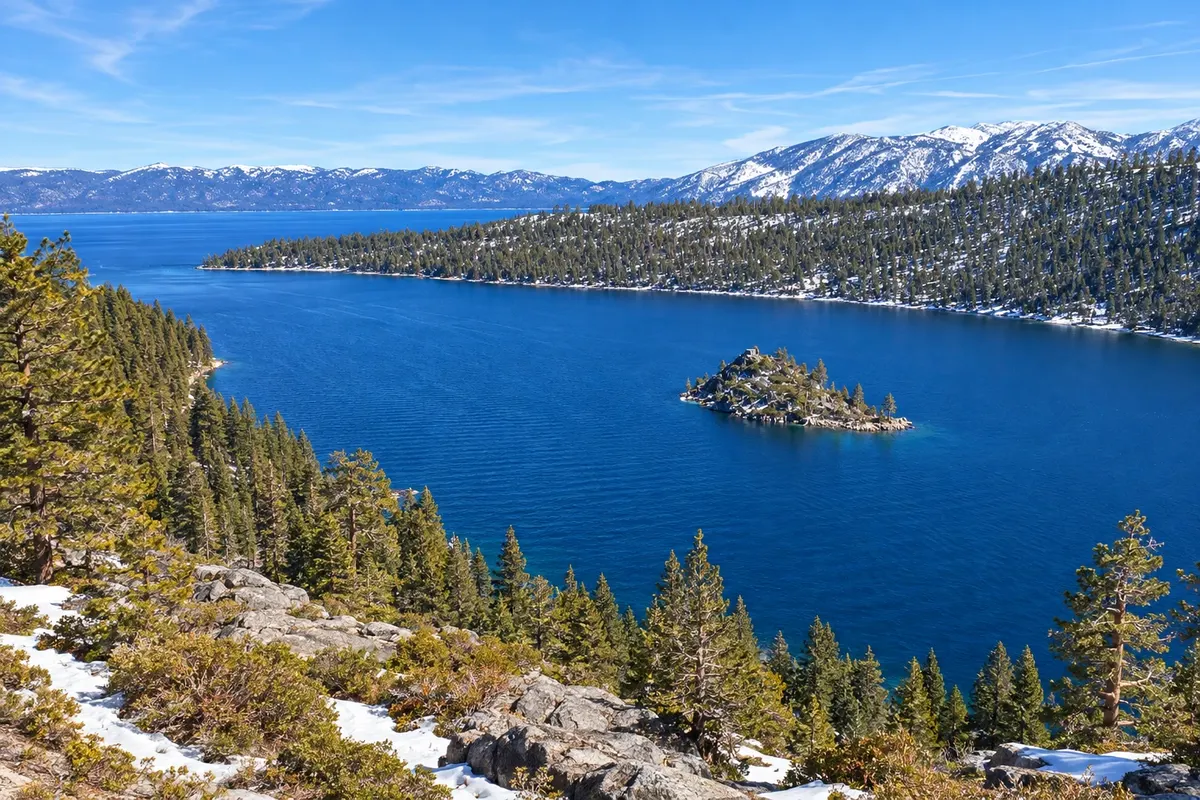
California ranges from Hollywood and Disneyland to San Francisco and the Napa wineries, along Highway 1, through Yosemite and the redwood sequoias.
In the photo: Emerald Bay, Lake Tahoe
Illustrative images. The pictures in this guide are illustrations based on the real place, not photographs, and may differ from it.

The state
California occupies most of the U.S. Pacific coast and is the most populous state in the country. The capital is Sacramento; the two major gateways are Los Angeles in the south and San Francisco in the north, about 600 km apart.
In Los Angeles are Hollywood and the film studios, with Universal Studios Hollywood and the Warner Bros. tours in Burbank, the Griffith Observatory and the Getty Center. Santa Monica, Malibu and Beverly Hills complete the coast; Disneyland is in Anaheim, Knott's Berry Farm in Buena Park and Six Flags Magic Mountain in Valencia. Santa Barbara, about 150 km away, has the Spanish mission and red-tile houses.
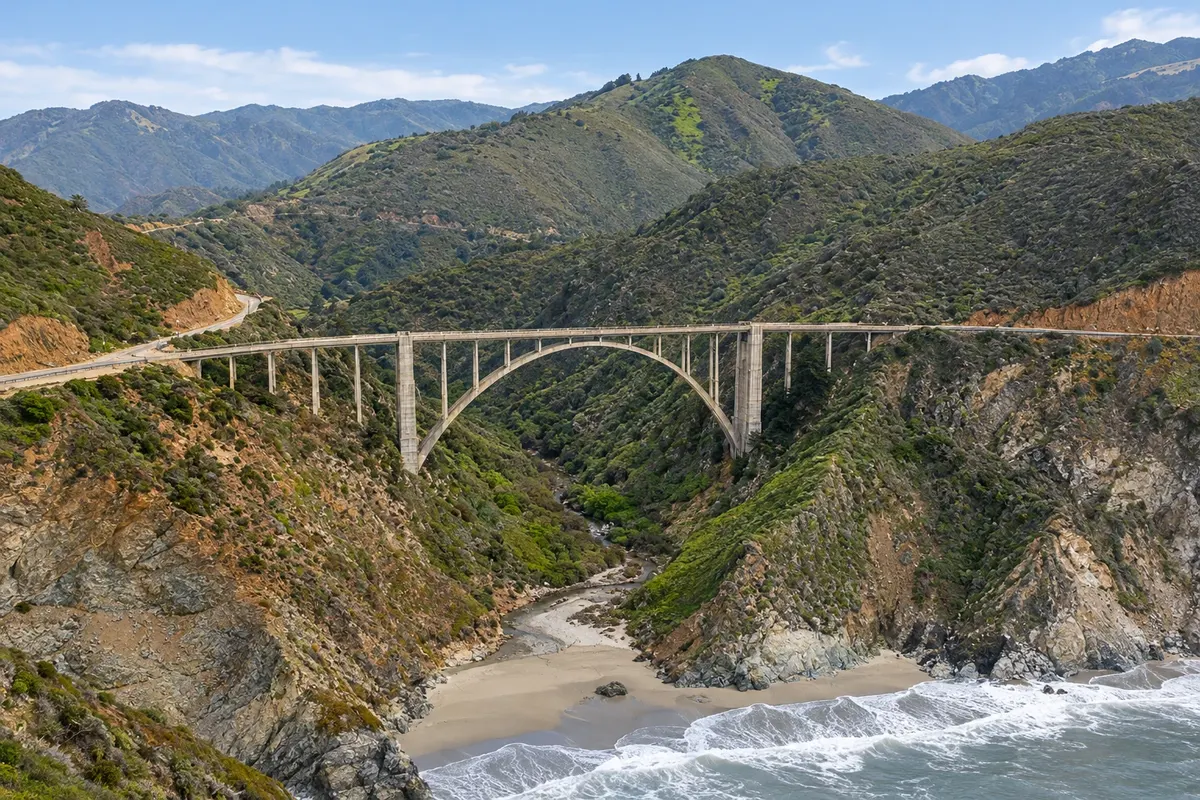
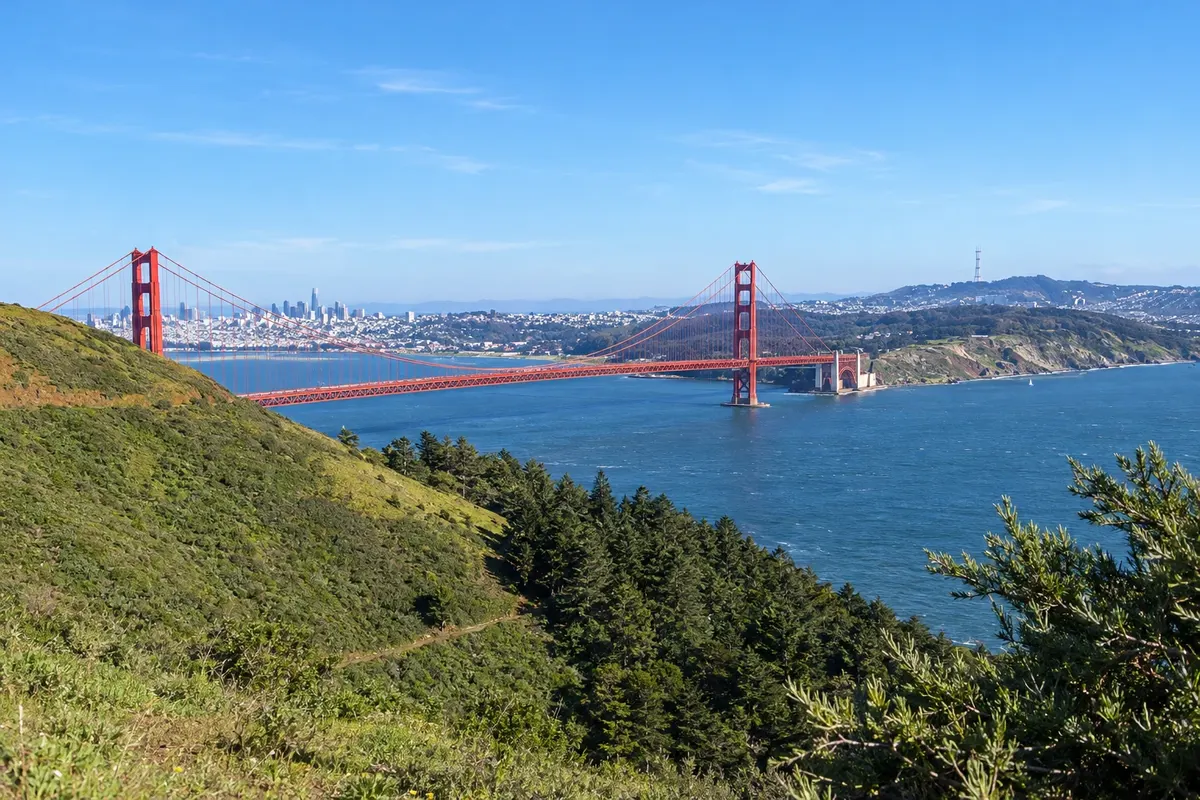
San Francisco (San Francisco) has the Golden Gate Bridge, the cable cars, Alcatraz Island and Chinatown. On the other side of the bridge, Sausalito sits on the bay, and to the north are the Napa and Sonoma wine valleys. Further south, Monterey and Carmel-by-the-Sea open the Big Sur stretch of Highway 1, between the mountains and the sea.
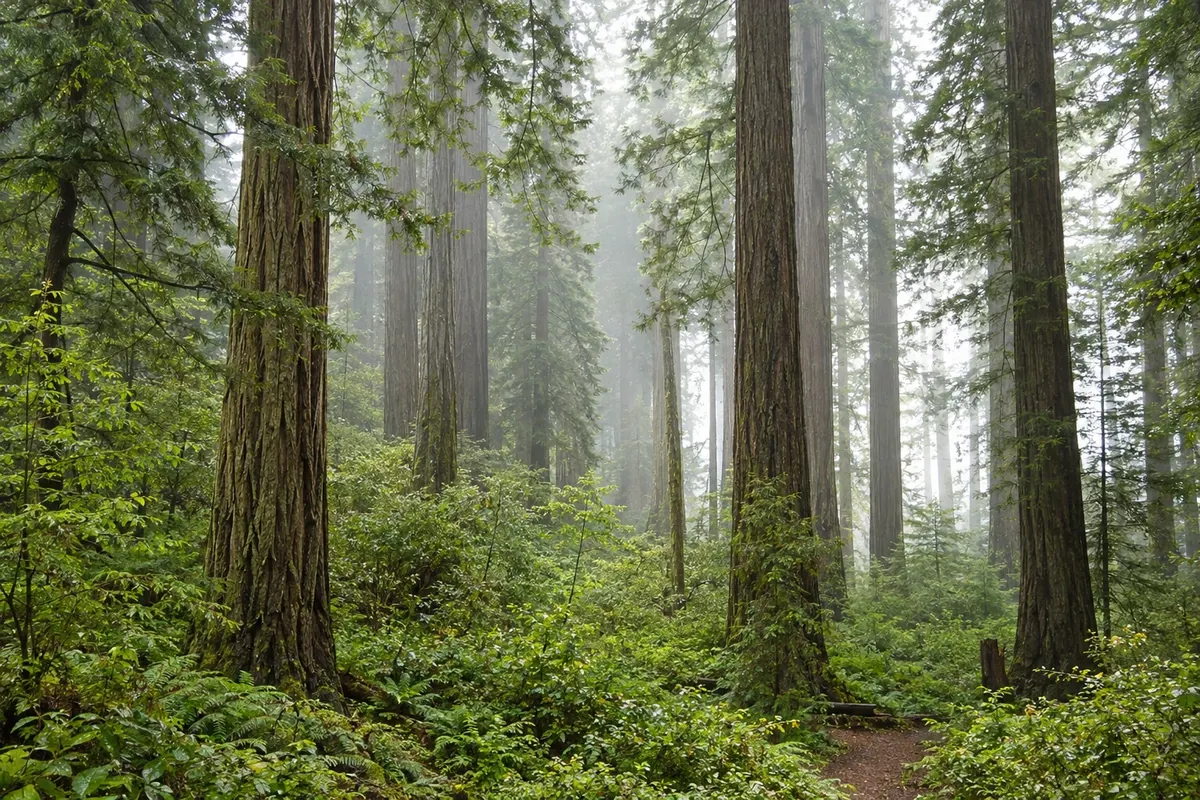
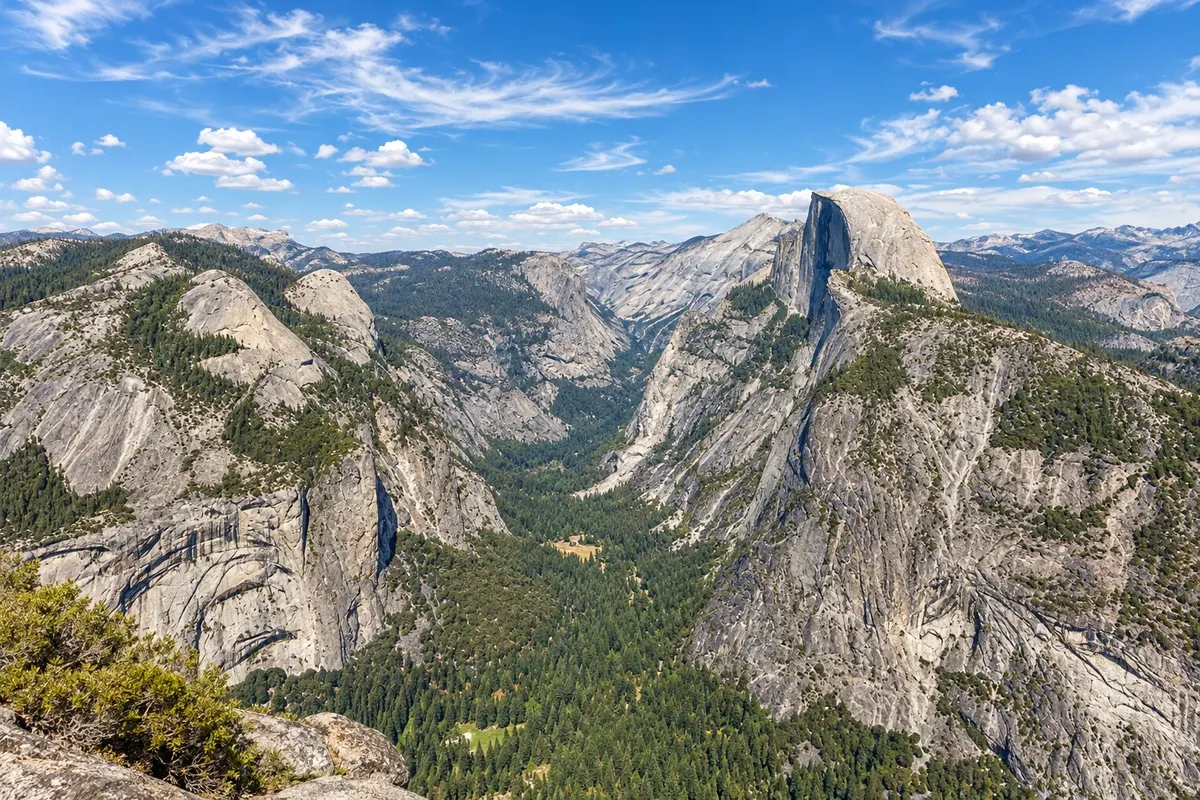
San Diego, next to the Mexican border, has the zoo in Balboa Park, La Jolla and Coronado Island; Carlsbad has Legoland, Escondido has the Safari Park, and Chula Vista lies between San Diego and the border. Inland, Yosemite National Park, a UNESCO site, is visited from Yosemite Valley, Mariposa and Oakhurst; at the far north, Crescent City and Orick sit by the Redwood sequoias, also UNESCO, and Furnace Creek is in Death Valley, near Nevada.
On the table are tacos and burritos of Mexican heritage, the coast’s seafood and the wines of Napa and Sonoma. The climate varies widely across the state: the coast is usually mild, with summer fog, and the inland areas are hot and dry.
Destinations
Cities
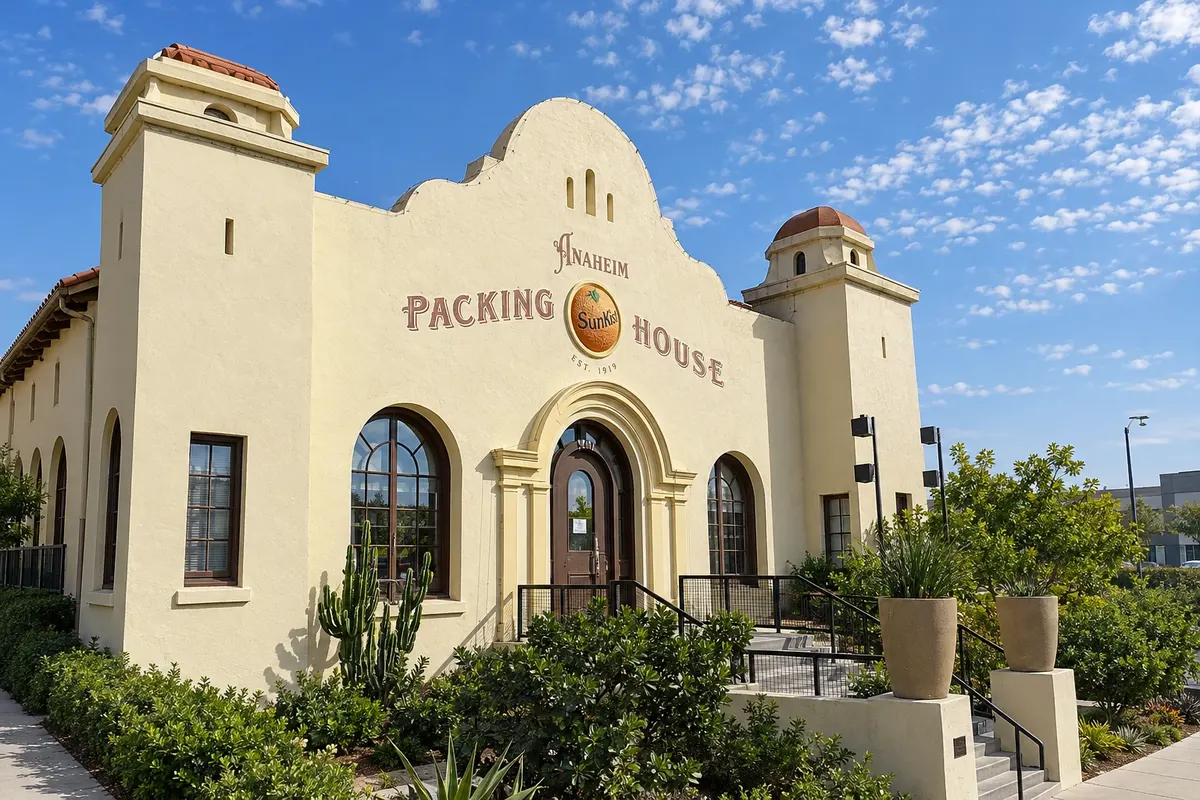
Anaheim is the base for Disneyland and Disney California Adventure, which have nearby entrances but distinct attractions and offerings. Staying in the area reduces travel for a visit that usually occupies the whole day.
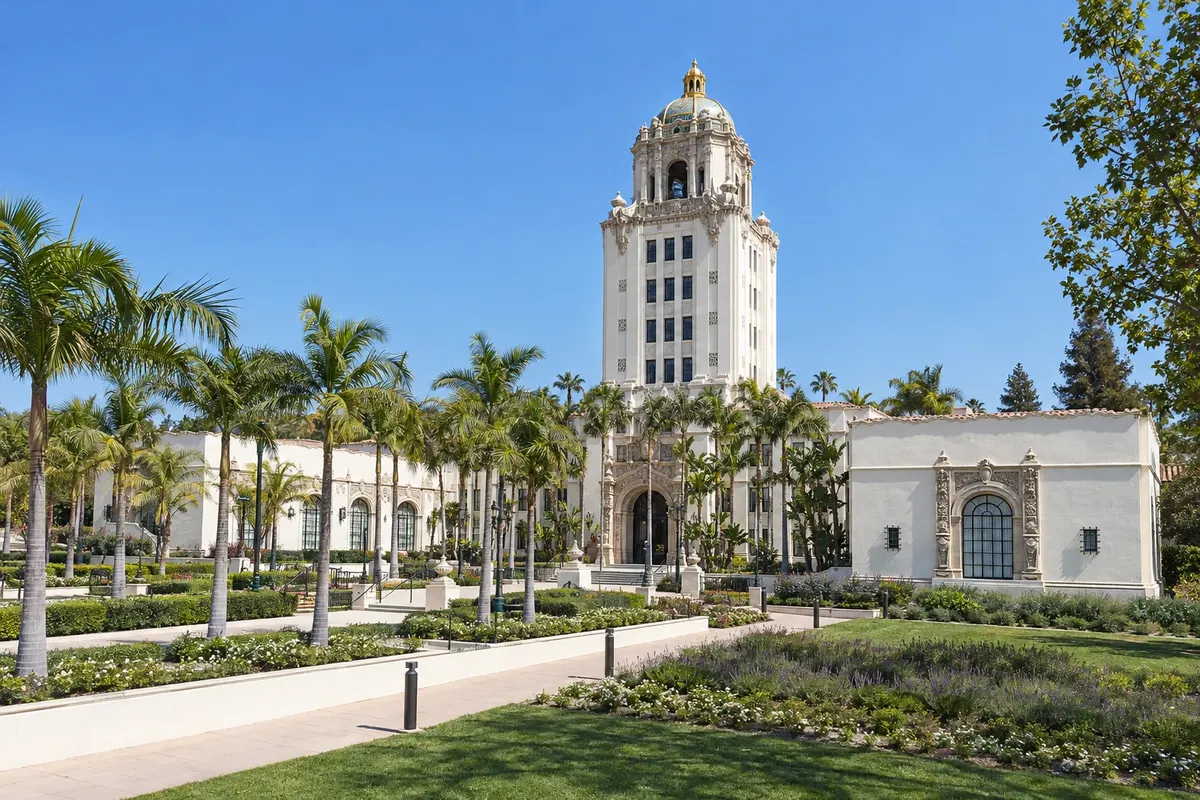
Beverly Hills has a center of landscaped blocks and a distinct residential landscape within the Los Angeles region. Beverly Gardens Park and Greystone Mansion & Gardens offer public circuits; shops and private homes are not to be treated as visitable attractions.
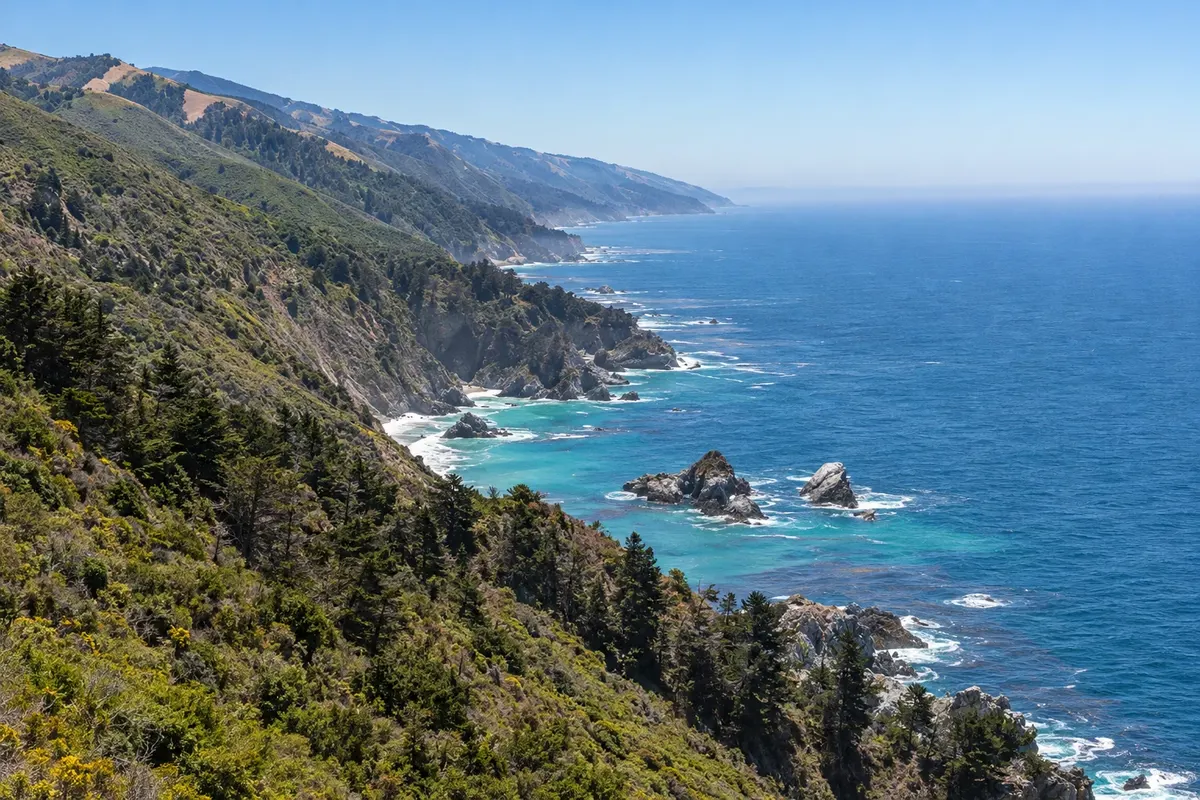
Big Sur is a coastal region of cliffs, valleys and forests along Highway 1. Bixby Creek Bridge and Pfeiffer Big Sur State Park represent distinct landscapes, and the itinerary depends on road access and open trails.
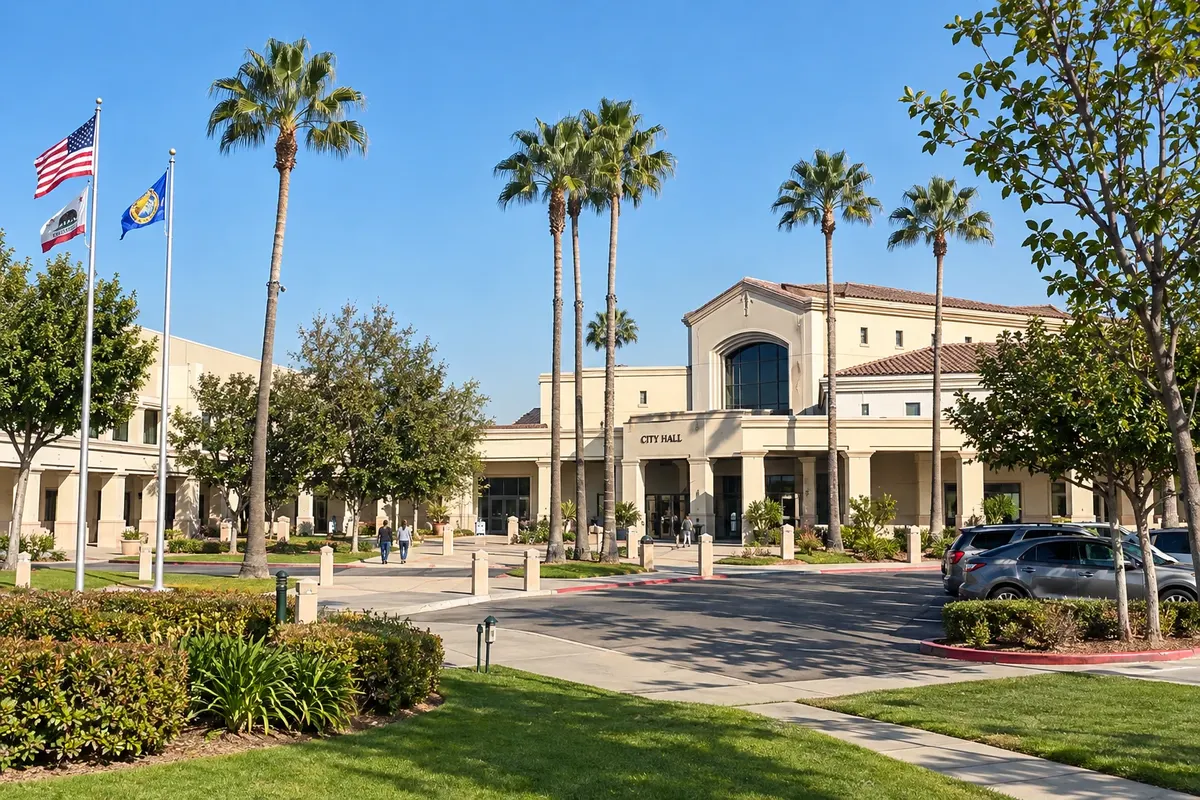
Buena Park is home to Knott’s Berry Farm and its water park Knott’s Soak City, near the Anaheim area. This stop offers a combination of Old West scenery, characters and roller coasters that is distinct from Disney.
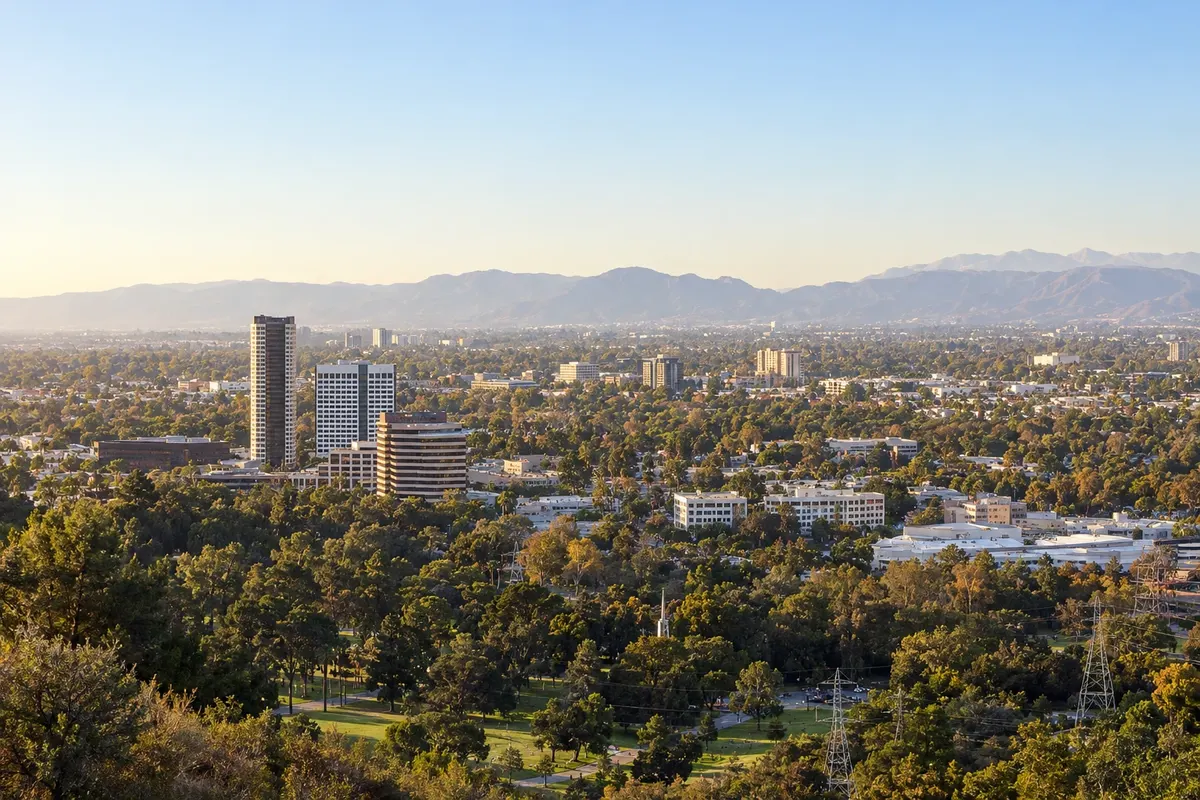
Burbank has a direct connection to audiovisual production and hosts the Warner Bros. Studio Tour Hollywood. The city lets you see sets and content from a working studio, in a format different from an amusement park.
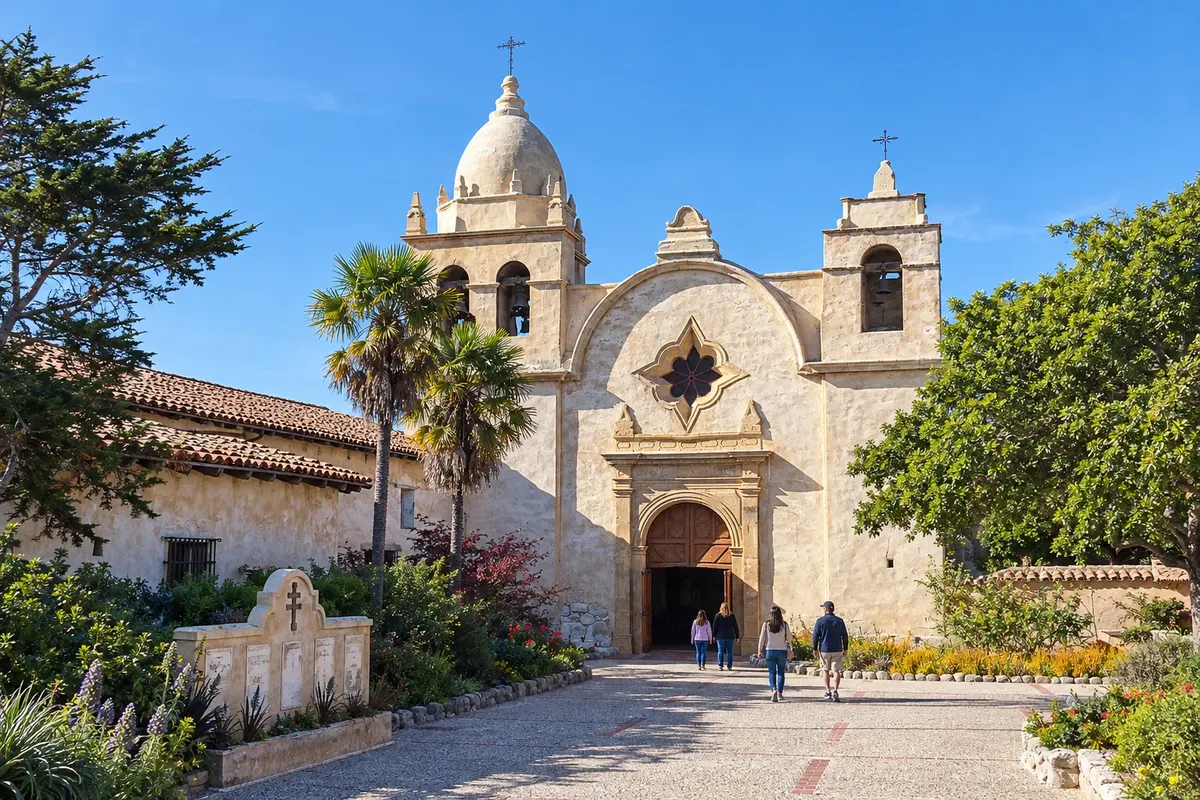
Carmel-by-the-Sea has low-scale streets, a beach at the end of Ocean Avenue and the Carmel Mission. Point Lobos lies to the south and offers another coastal hiking stage, with limited access and parking.
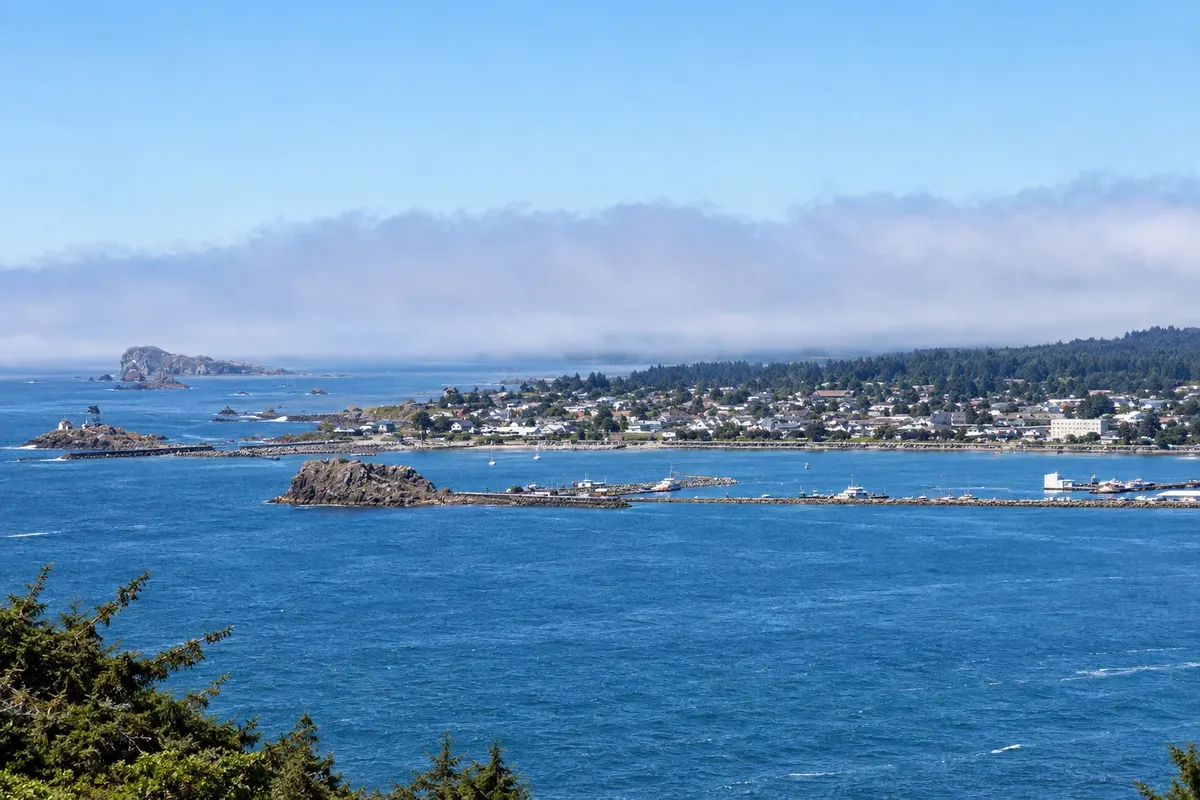
Crescent City is a coastal base for the northern Redwood groves. Jedediah Smith Redwoods State Park offers walks among sequoias, and Battery Point Lighthouse adds a coastal visit that depends on the tide.
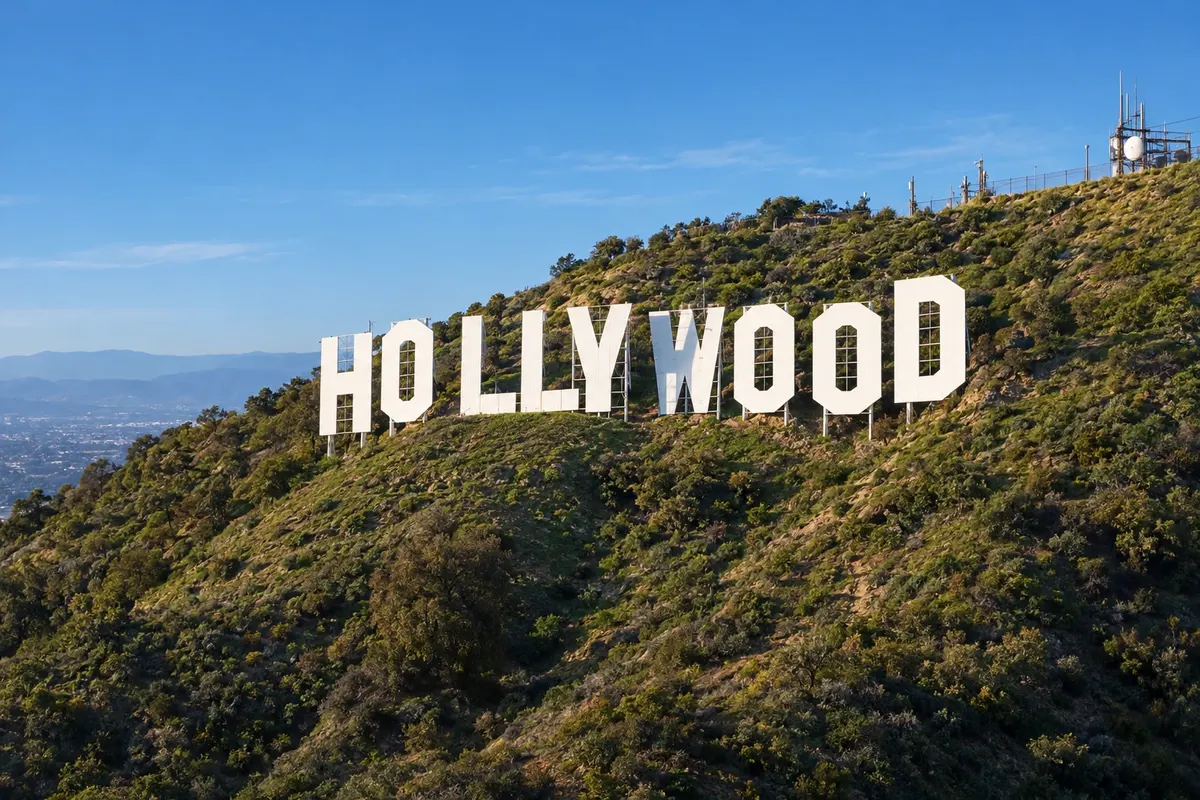
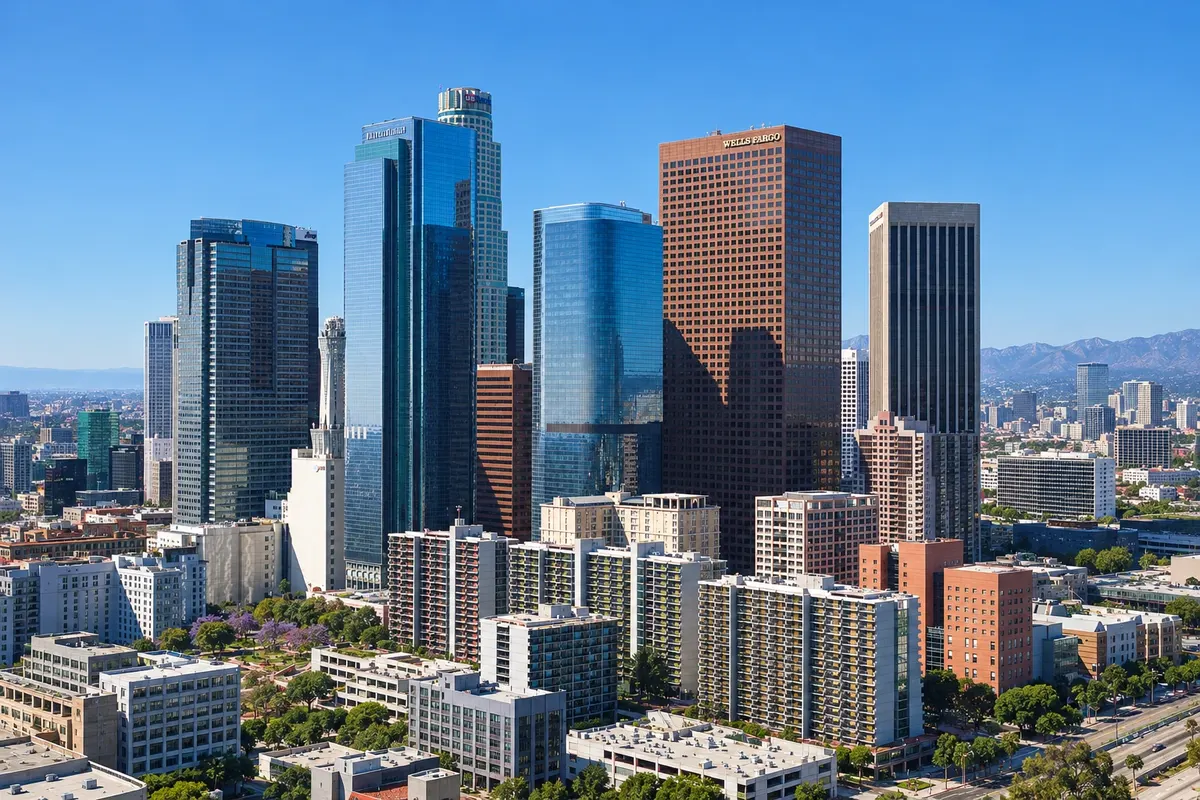
Los Angeles spreads cinema, art and urban landscapes across distant districts. Griffith Observatory, Getty Center, Hollyhock House, Hollywood and Universal Studios Hollywood require organizing by neighborhood to reduce time spent in the car.
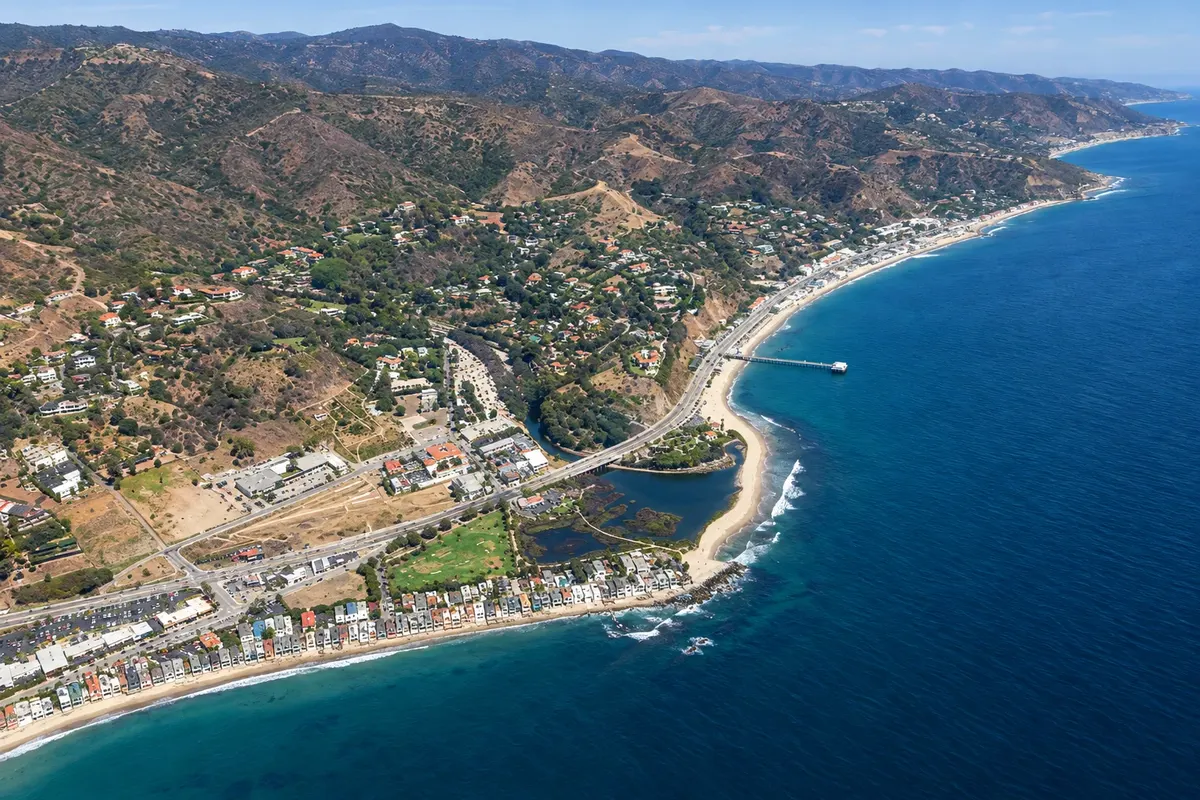
Malibu occupies a coastal stretch with beaches between the mountains and the Pacific. Malibu Lagoon State Beach and the beach access points show landscapes different from the urban shoreline of Santa Monica, with road transfers between sectors.
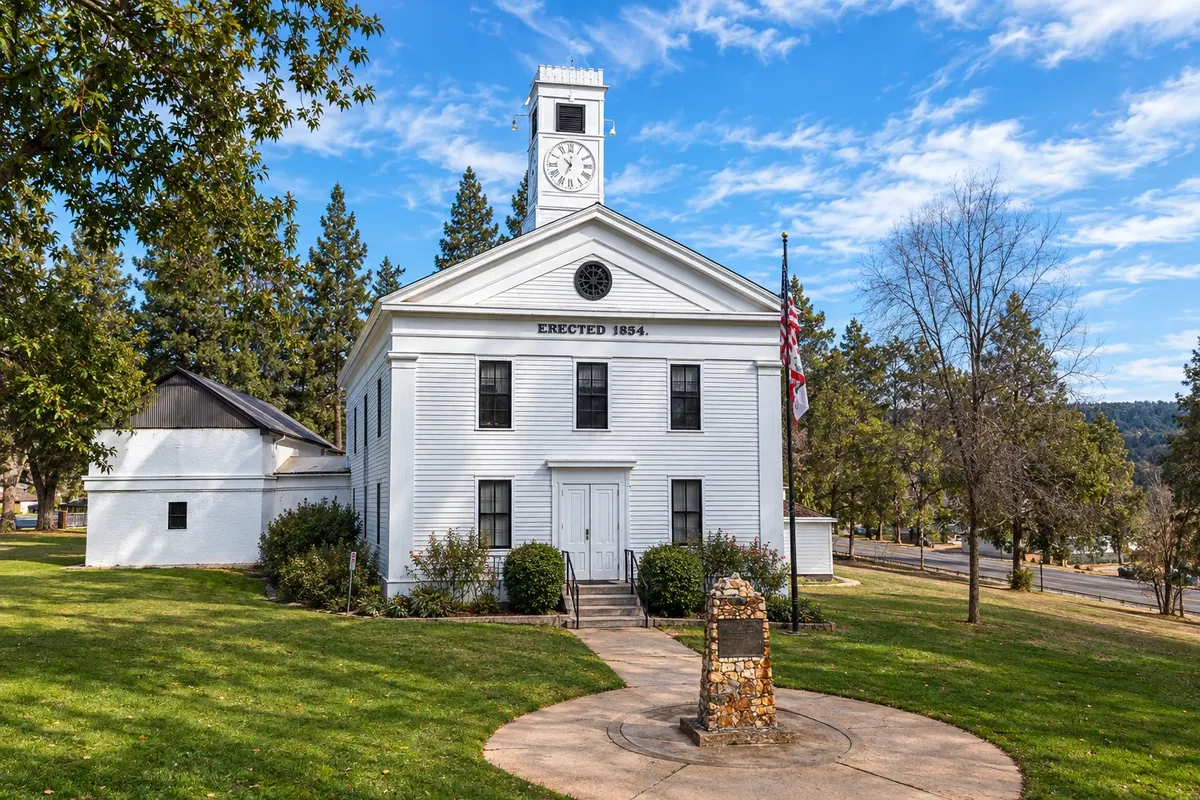
Mariposa is a historic base west of Yosemite, on the Highway 140 route. The Mariposa Museum and History Center and the California State Mining and Mineral Museum add context about mining and regional formation.
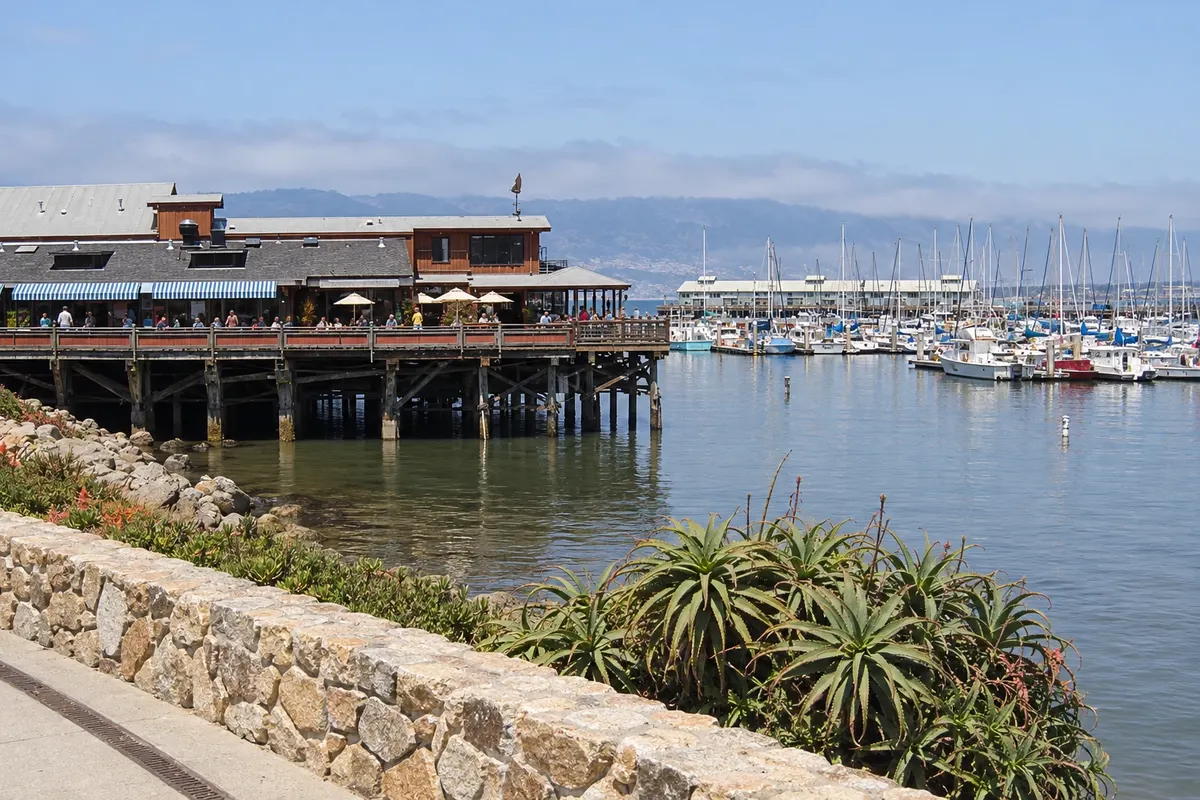
Monterey sits on a peninsula of California’s central coast. The Monterey Bay Aquarium, Monterey State Historic Park and the waterfront paths showcase marine life, history and coastal scenery in complementary circuits.
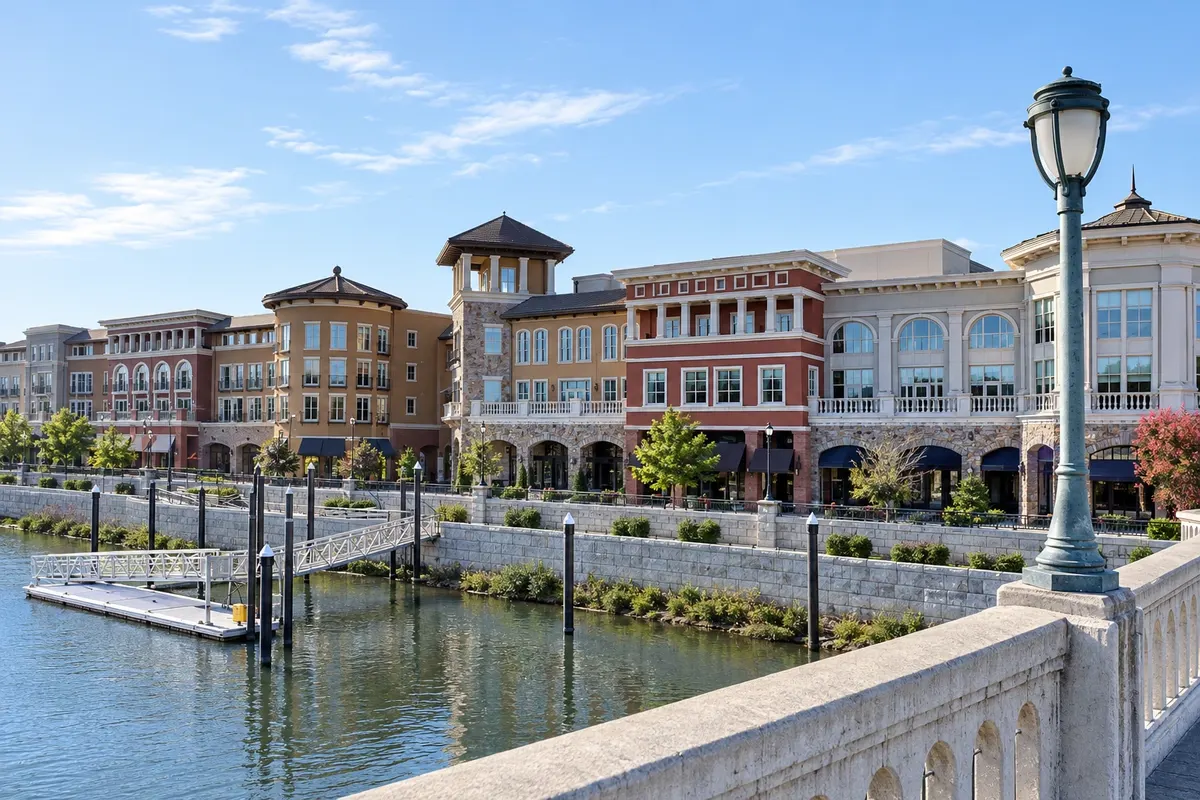
Napa is a base for touring a valley of vineyards, with wine culture, rural scenery and rail excursions. Bale Grist Mill adds history in the northern part of the valley; travel between sectors requires planning beyond the town center.
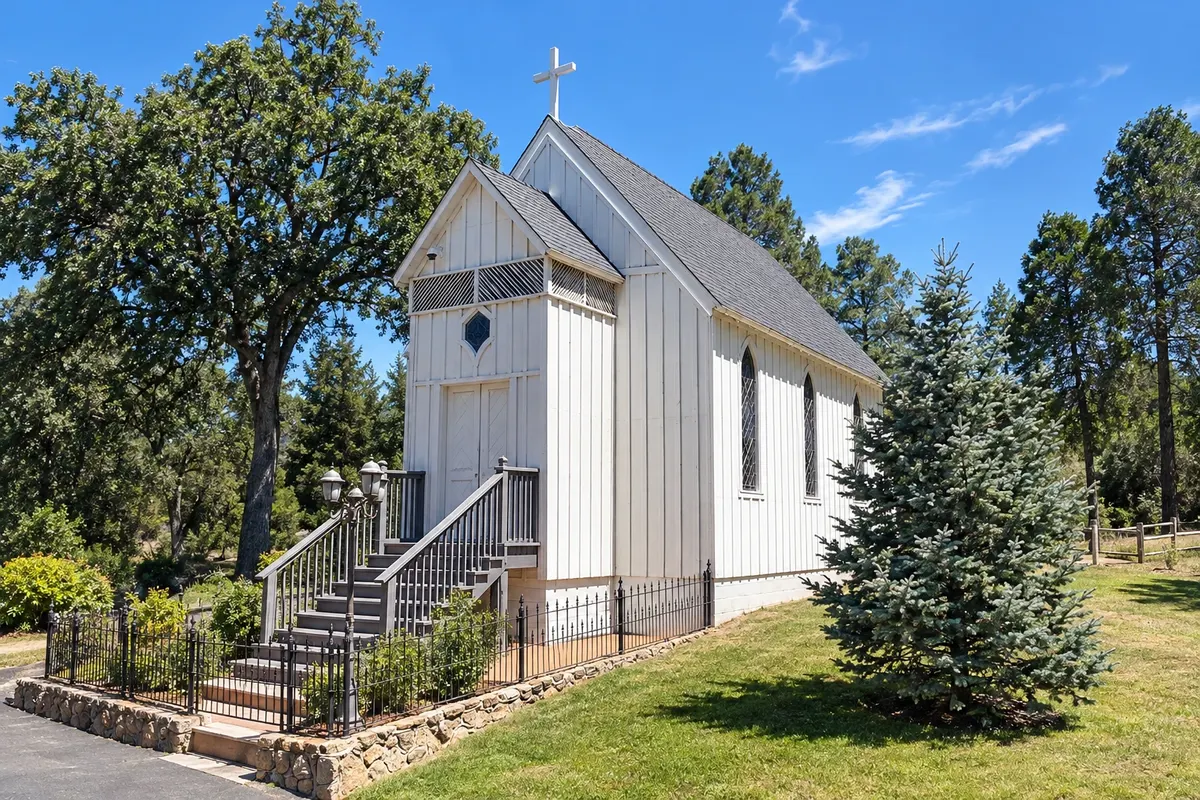
Oakhurst serves as the base for the south access to Yosemite via Highway 41. The relative proximity of Mariposa Grove favors a sequoia itinerary, while Fresno Flats Historic Village displays buildings and history of the region.
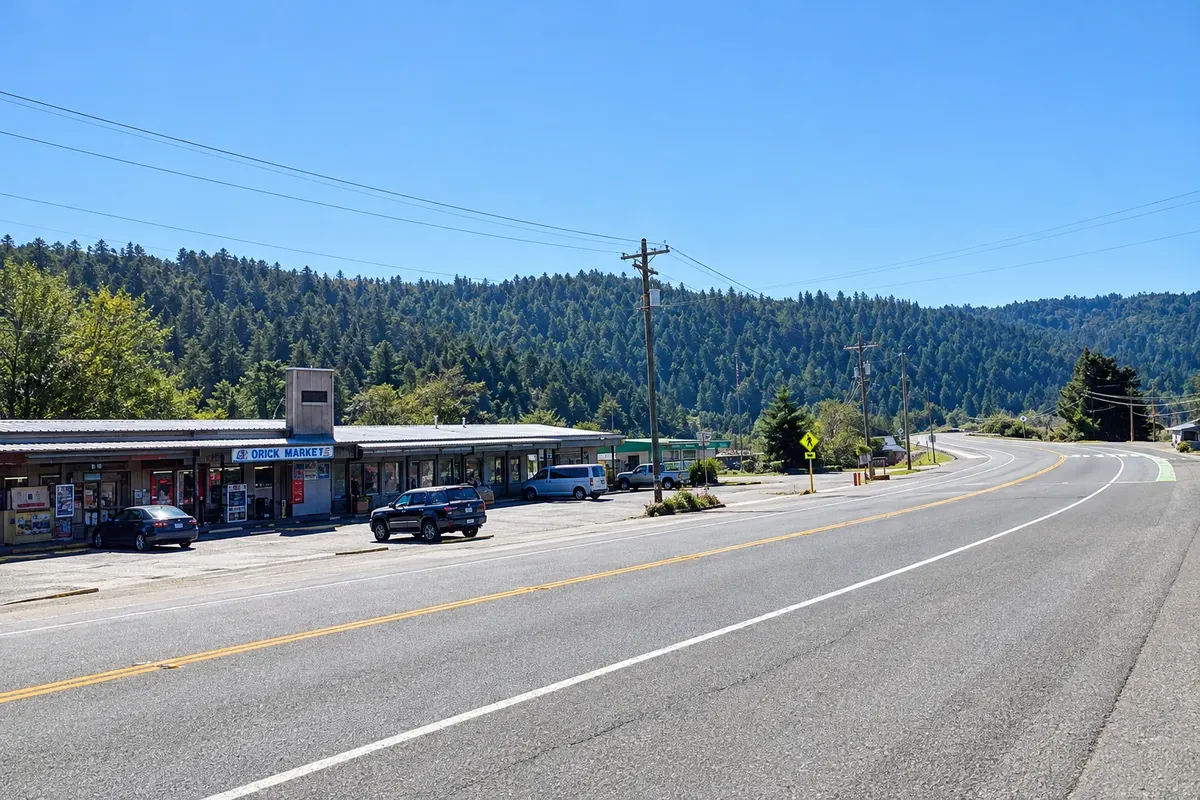
Orick is a small base on US 101 for the southern sector of the Redwood parks. Prairie Creek, Lady Bird Johnson Grove and Fern Canyon have different access points, with their own hikes and road conditions.
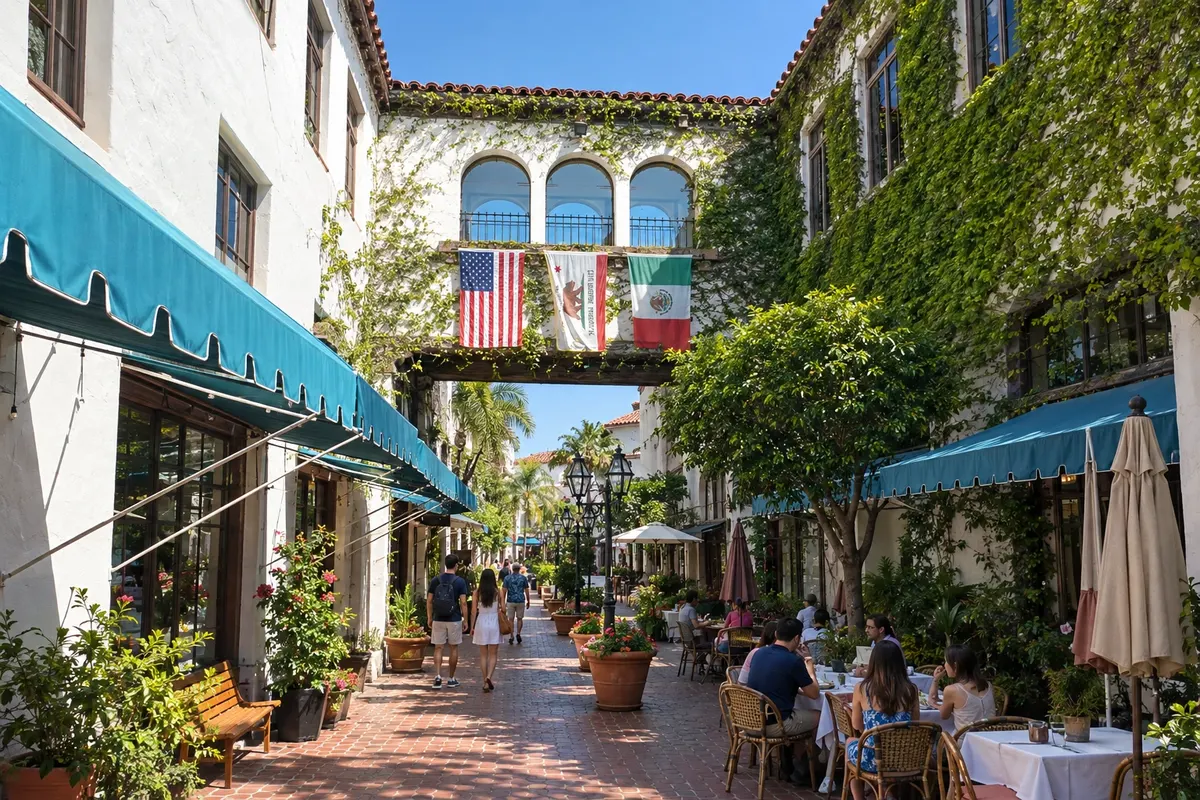
Santa Barbara combines a center with Spanish references, a historic mission and a shoreline on the California coast route. The County Courthouse and Old Mission Santa Barbara allow for an architectural stop before continuing your trip.
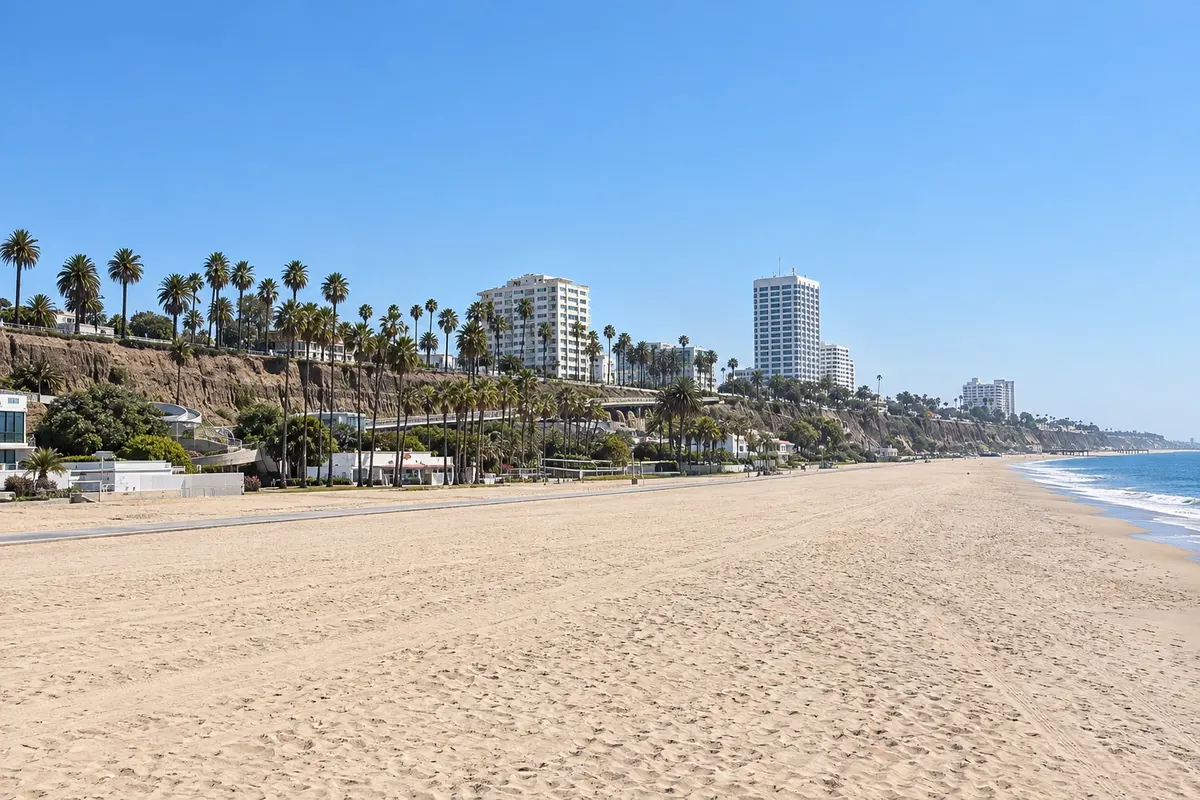
Santa Monica combines beach, a seaside promenade and a pier with an amusement park on the west edge of the Los Angeles area. The downtown area allows a walking visit more compact than many neighborhoods in the metropolis.
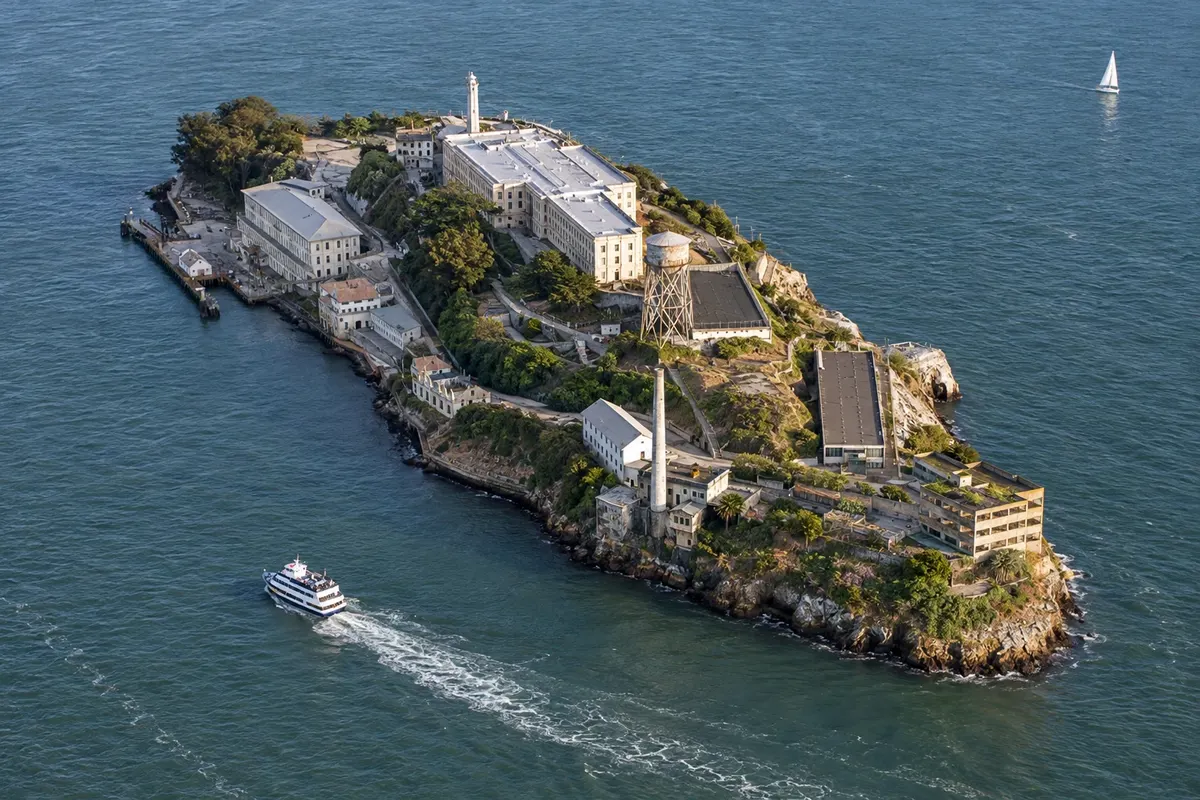
San Francisco combines hills, cable cars and bay scenery. Golden Gate Bridge, Alcatraz, Golden Gate Park and the Fisherman’s Wharf waterfront have different rhythms; planning by sectors prevents climbing the same hills up and down repeatedly.
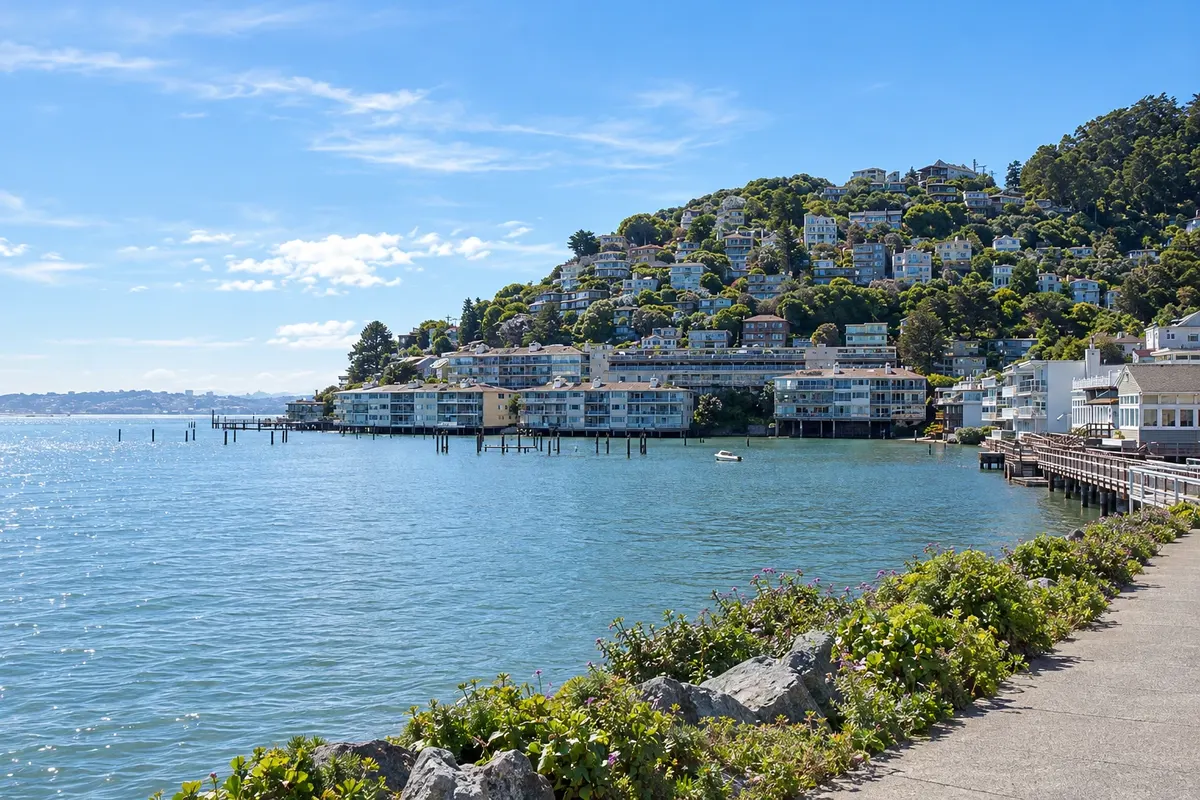
Sausalito lies on the Marin shore of San Francisco Bay, with a waterfront center and views of the city. The visit can be made by ferry and combined with Muir Woods in a planned transport-and-reservations circuit.
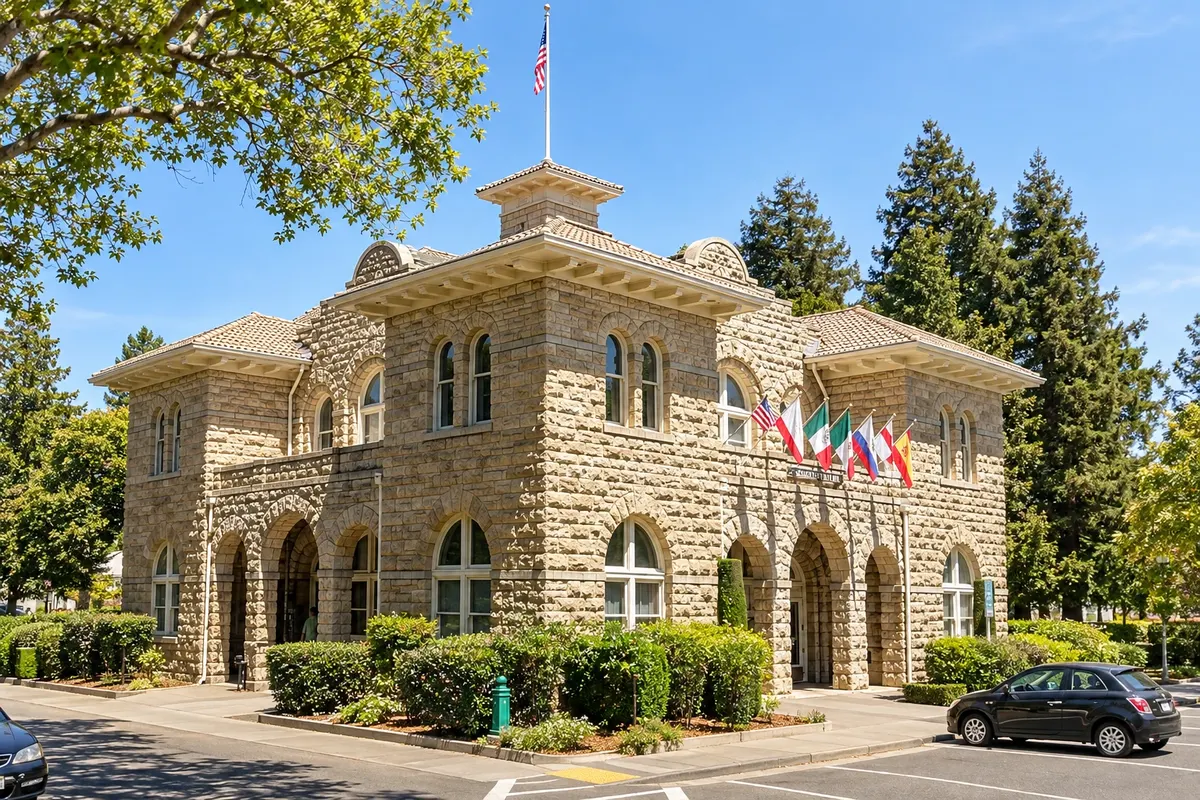
Sonoma arranges its center around a plaza and buildings connected to the missions and California’s history. The Sonoma State Historic Park and Jack London State Historic Park extend the itinerary beyond cultural visits to the wineries.
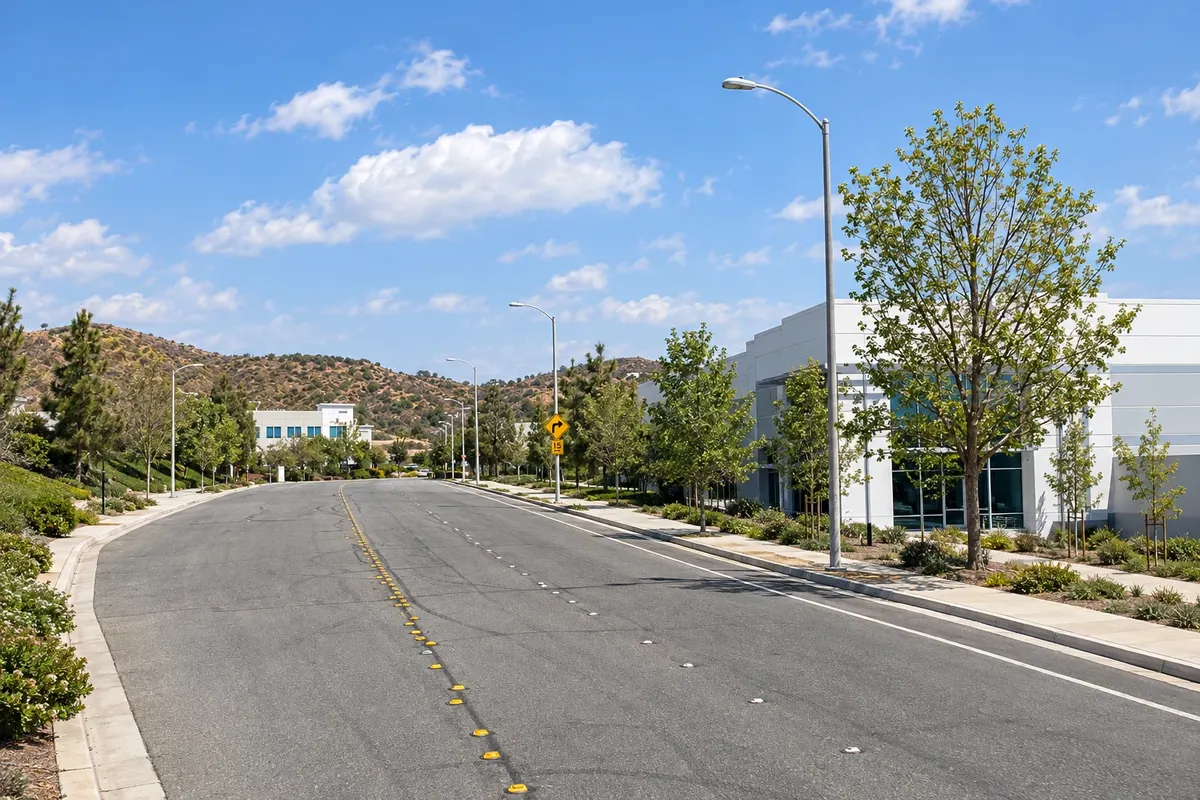
Valencia is a district of Santa Clarita and is included in the visit to Six Flags Magic Mountain, with roller coasters of varying intensities. Hurricane Harbor is a separate water park, with a seasonal schedule.
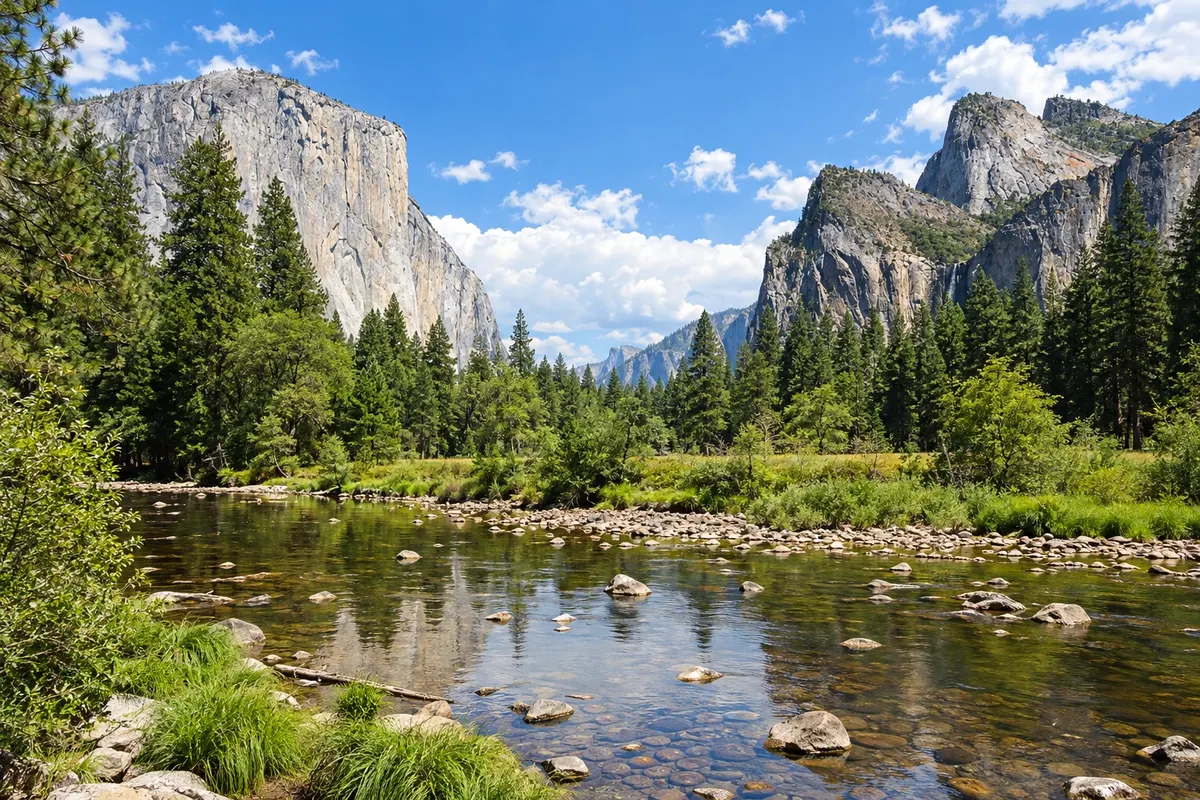
Yosemite Valley is a locality within the national park, surrounded by granite walls. El Capitan, Lower Yosemite Fall, Tunnel View and views of Half Dome form the valley circuit, with hikes and internal transportation depending on operations.
The southern coast, from Los Angeles to San Diego, is usually pleasant year-round. San Francisco often has fog and wind in summer and clearer days in September and October. In Yosemite, waterfalls tend to be fullest in May and June. In Death Valley, the heat from June to August is extreme, and the best season runs from November to March. The seasons are reversed compared with Brazil.
The main airports are Los Angeles (LAX) and San Francisco (SFO); San Diego (SAN), Oakland (OAK) and San José (SJC) also handle many flights. Connections with Brazil may be direct or with a stopover, depending on the season and carrier. Check before you buy. Between Los Angeles and San Francisco there are short flights, the Coast Starlight train and the coastal road, which takes two days with stops. For Yosemite, the nearest airport is Fresno (FAT).
Your questions
Without stops, about ten hours; with stops in Santa Barbara, Big Sur, Carmel and Monterey, it’s typically done in two or three days. Sections of Big Sur can close due to landslides: check road conditions before you set out.
A first trip is usually ten to fourteen days: four or five in Los Angeles, three or four in San Francisco and the rest on Highway 1 or in Yosemite. San Diego requires another two or three days.
In Los Angeles, yes: the city is sprawling and public transit doesn’t reach everything. In San Francisco, you can get by without a car, using the cable cars, buses and the BART train. For the coast, Yosemite and Death Valley, a car is indispensable.
From June to September all park roads are usually open; Tioga Road, which crosses the mountains, typically closes with snow from November until May or June. In some summer periods, car entry requires a reservation: check before you go.
It’s smaller. The Disneyland Resort in Anaheim has two parks: the original Disneyland, opened in 1955, and Disney California Adventure, side by side. Walt Disney World in Orlando has four parks spread across a much larger area.