The festival
What is Historic Garden Week in Virginia
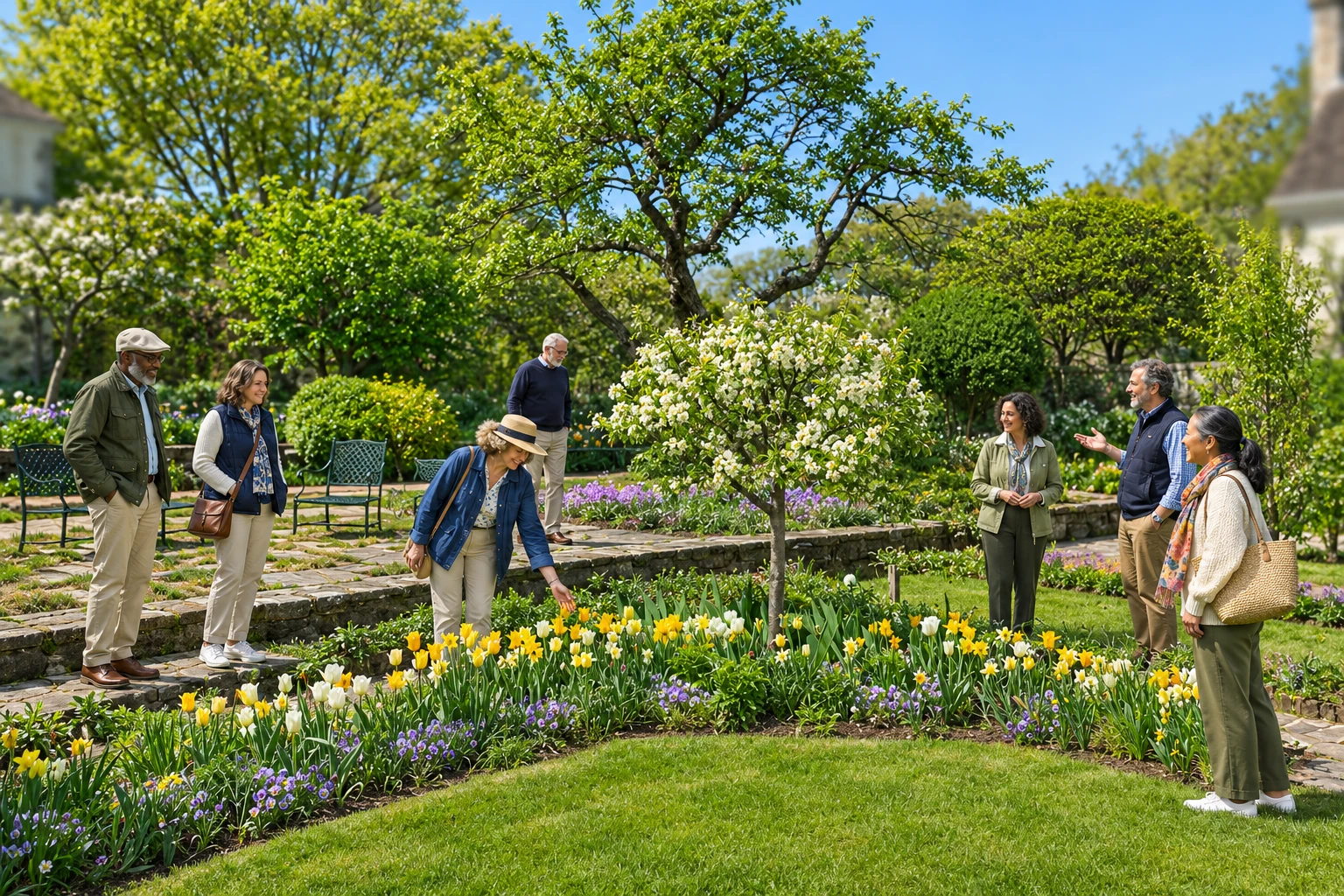
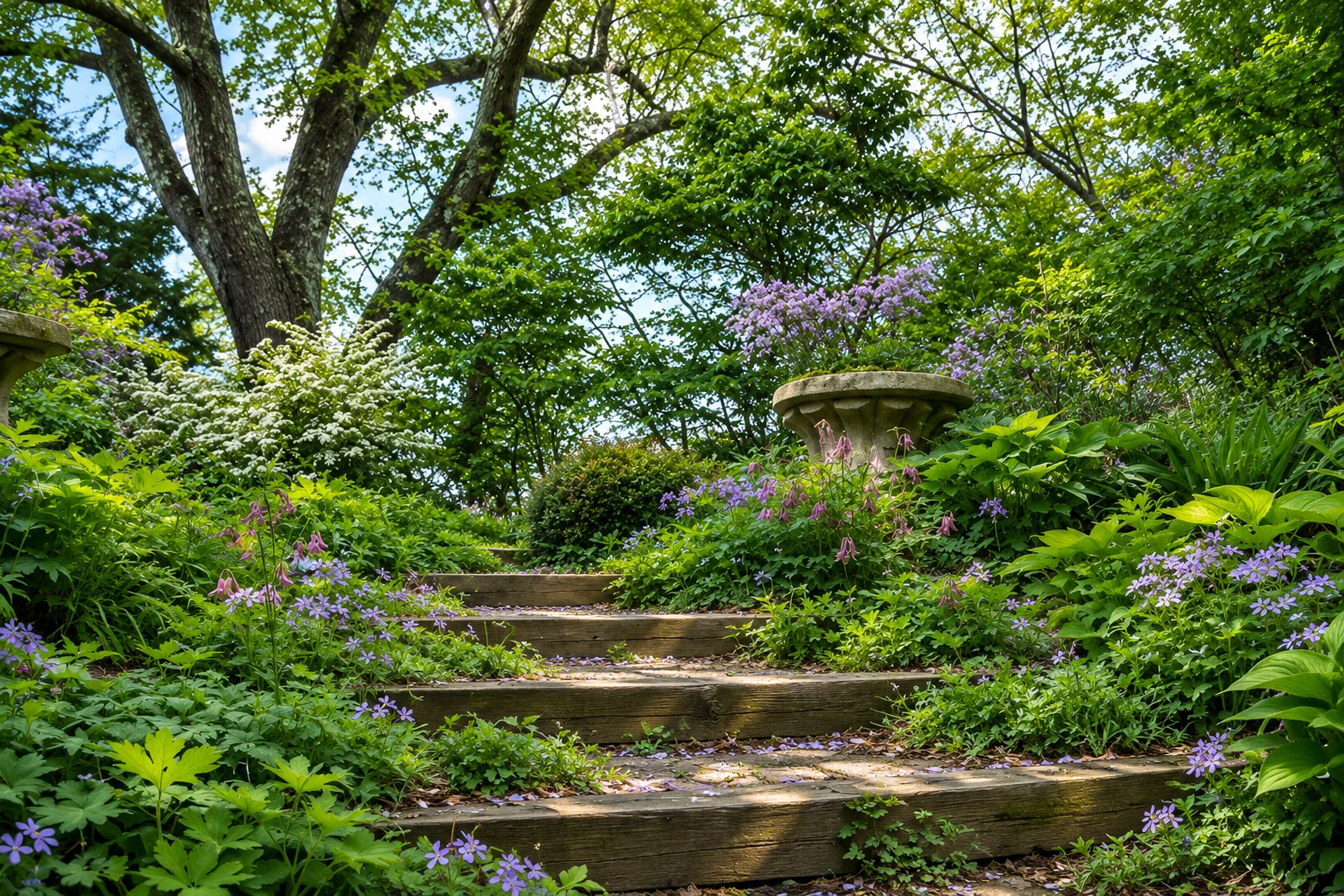
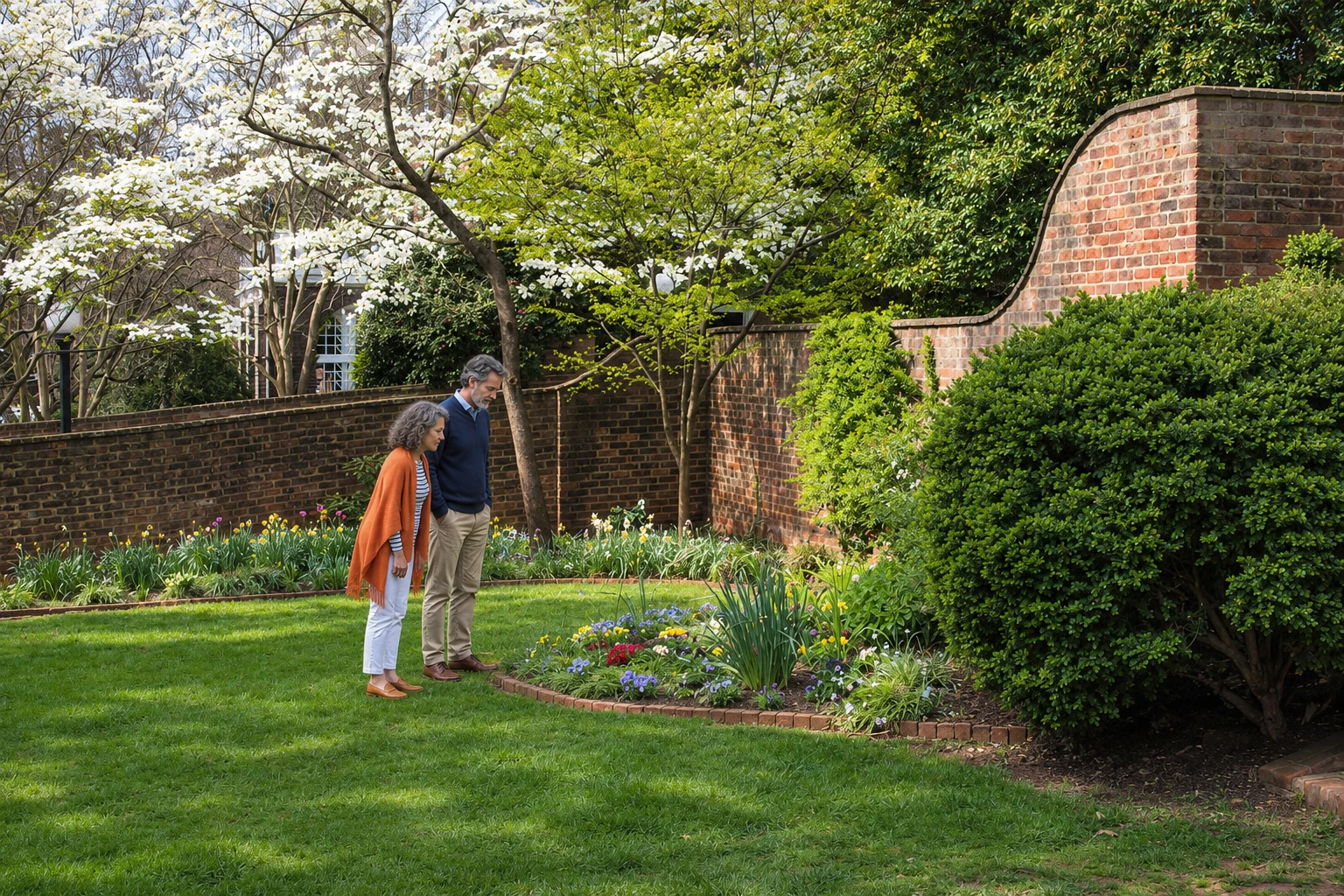
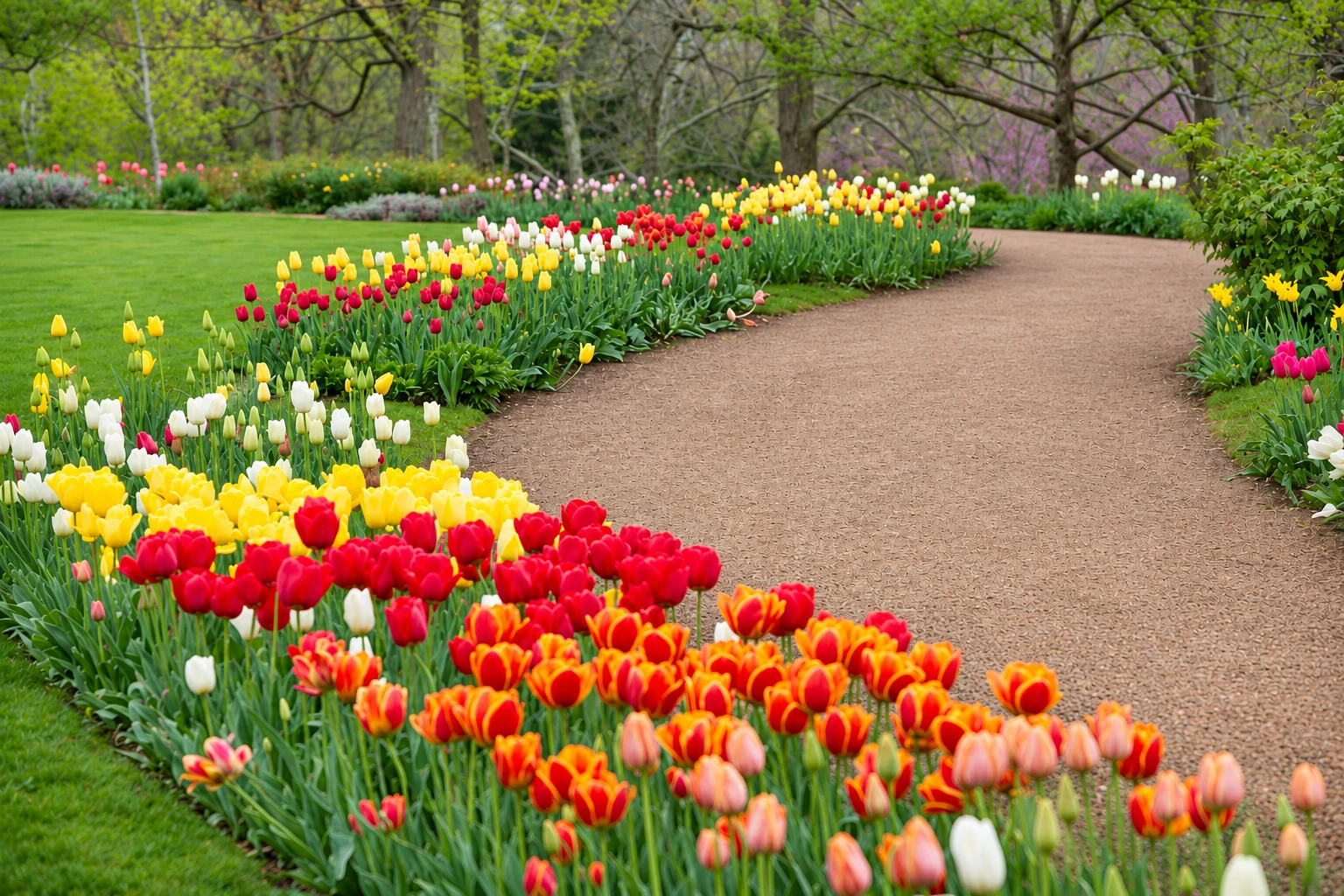
Historic Garden Week, as it’s called in the original, is a springtime tradition in which the state opens houses and gardens that remain closed the rest of the year. For eight spring days, when azaleas, dogwoods, tulips and lilacs are often in bloom, visitors tour mansions, farmhouses, private gardens and historic landmarks in different regions of Virginia, presented as the largest open house event in the United States.
The week is organized by the Garden Club of Virginia, a nonprofit that brings together dozens of garden clubs across the state. The story began in 1927, when a flower show raised money to save trees planted by Thomas Jefferson at Monticello, near Charlottesville. In 1929 clubs opened the first houses and gardens; the tradition continued through the century, with interruptions during World War II and the pandemic.
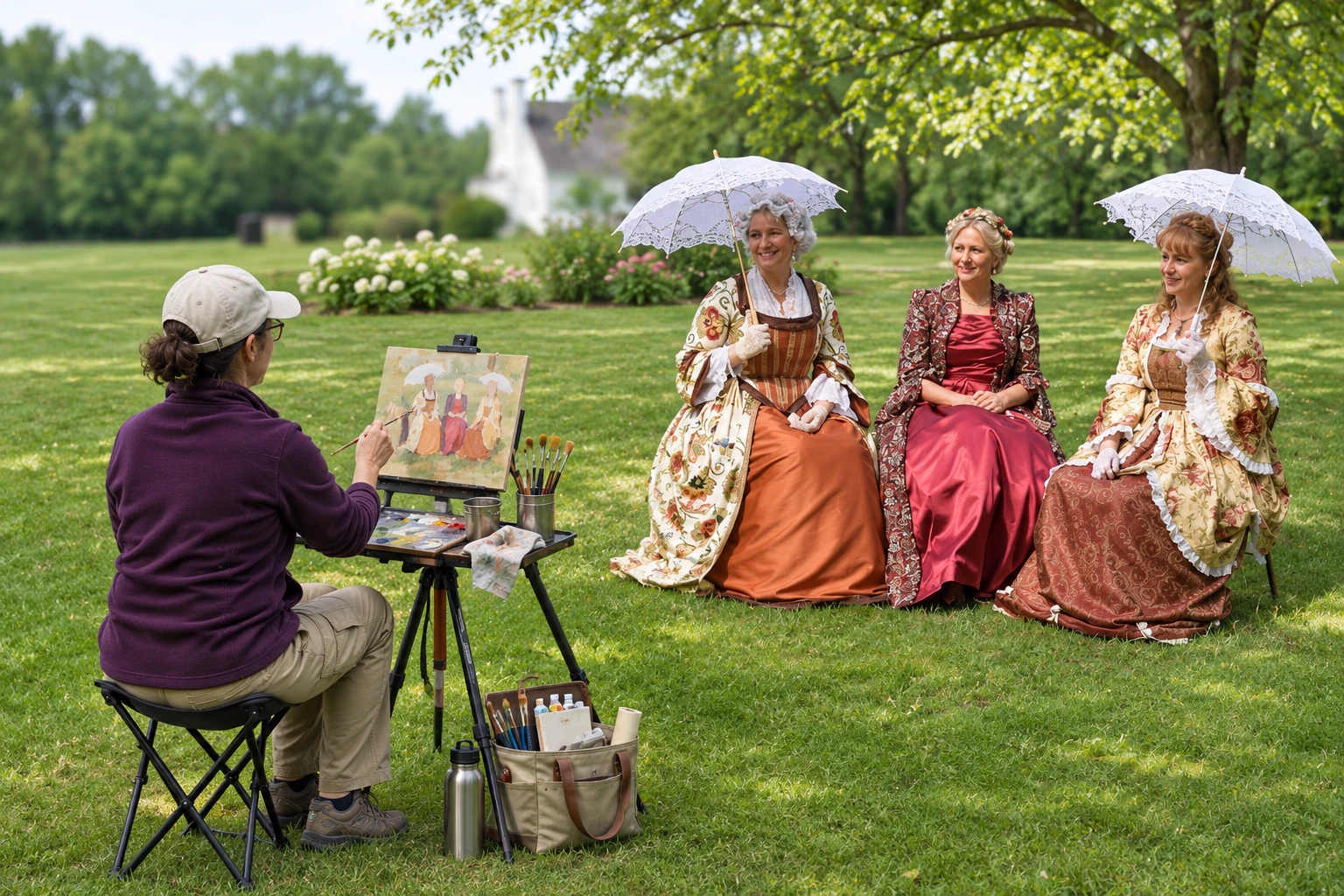
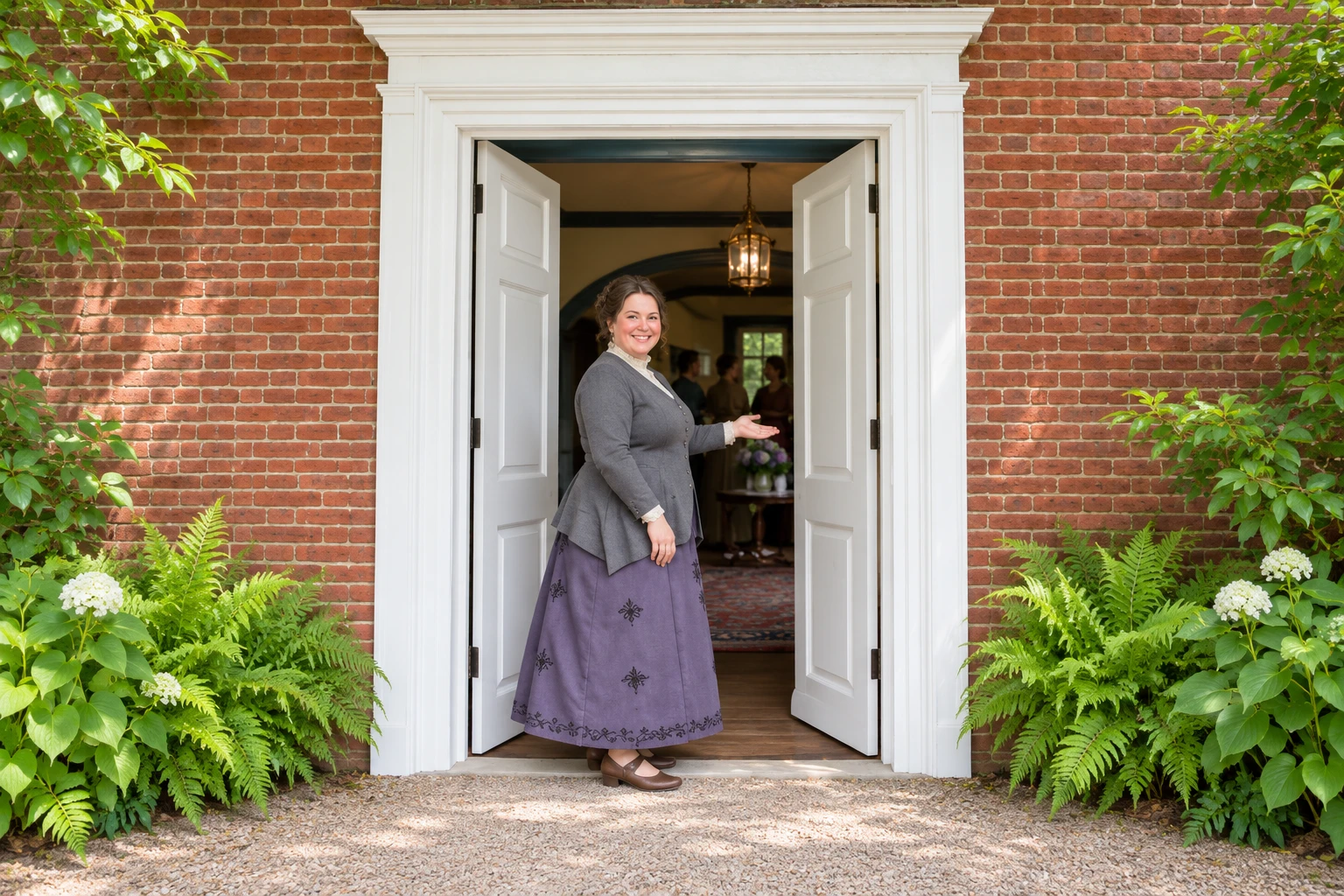
Each club plans the route for its region, with a set of houses and gardens open on specific days of the week. Routes change each year and cover towns, historic neighborhoods and rural areas. In Alexandria, local clubs typically open private homes in Old Town, the 18th‑century center; in the Charlottesville area there are properties with views of the Blue Ridge Mountains. At each house, club volunteers welcome visitors and share the place’s history.
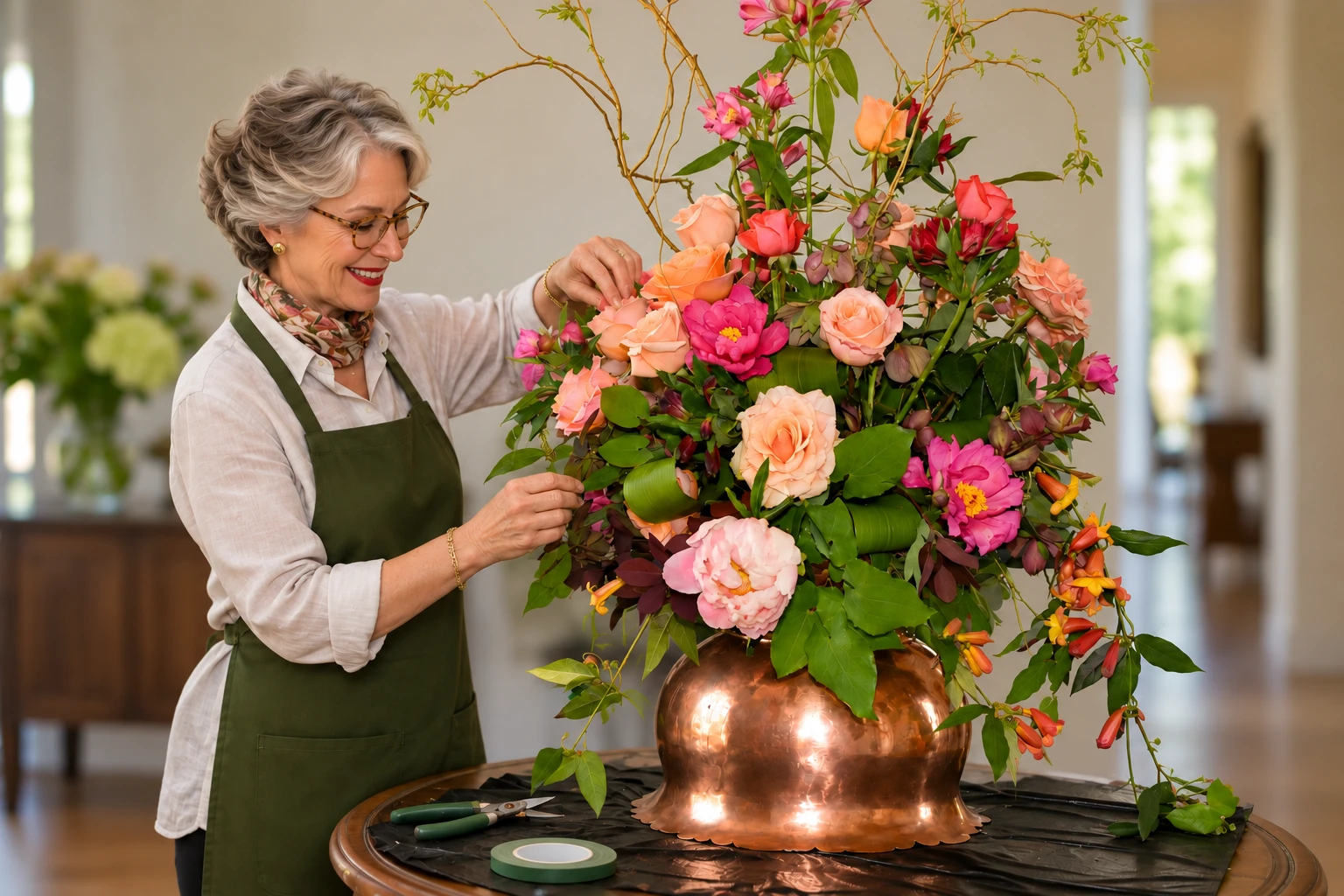
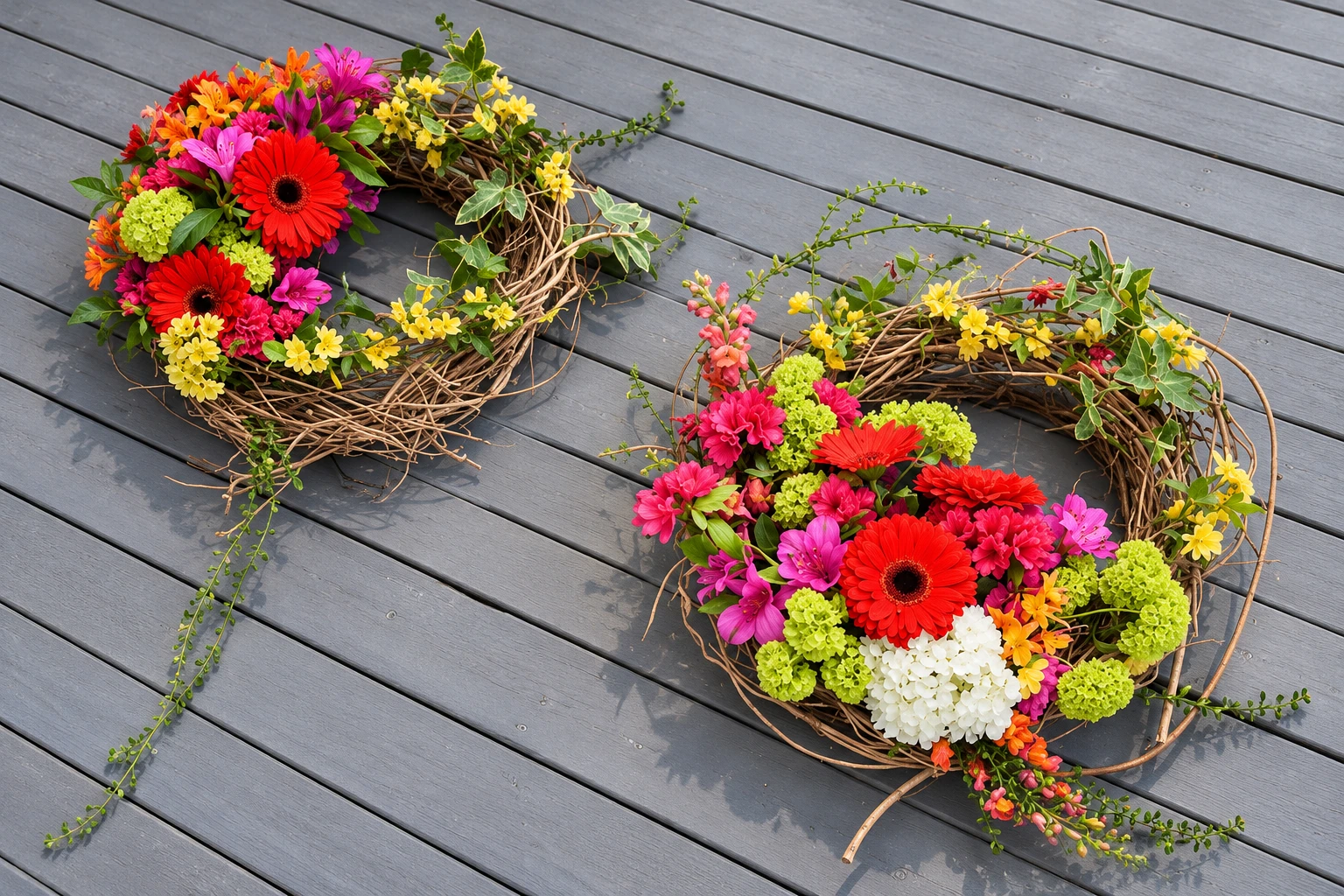
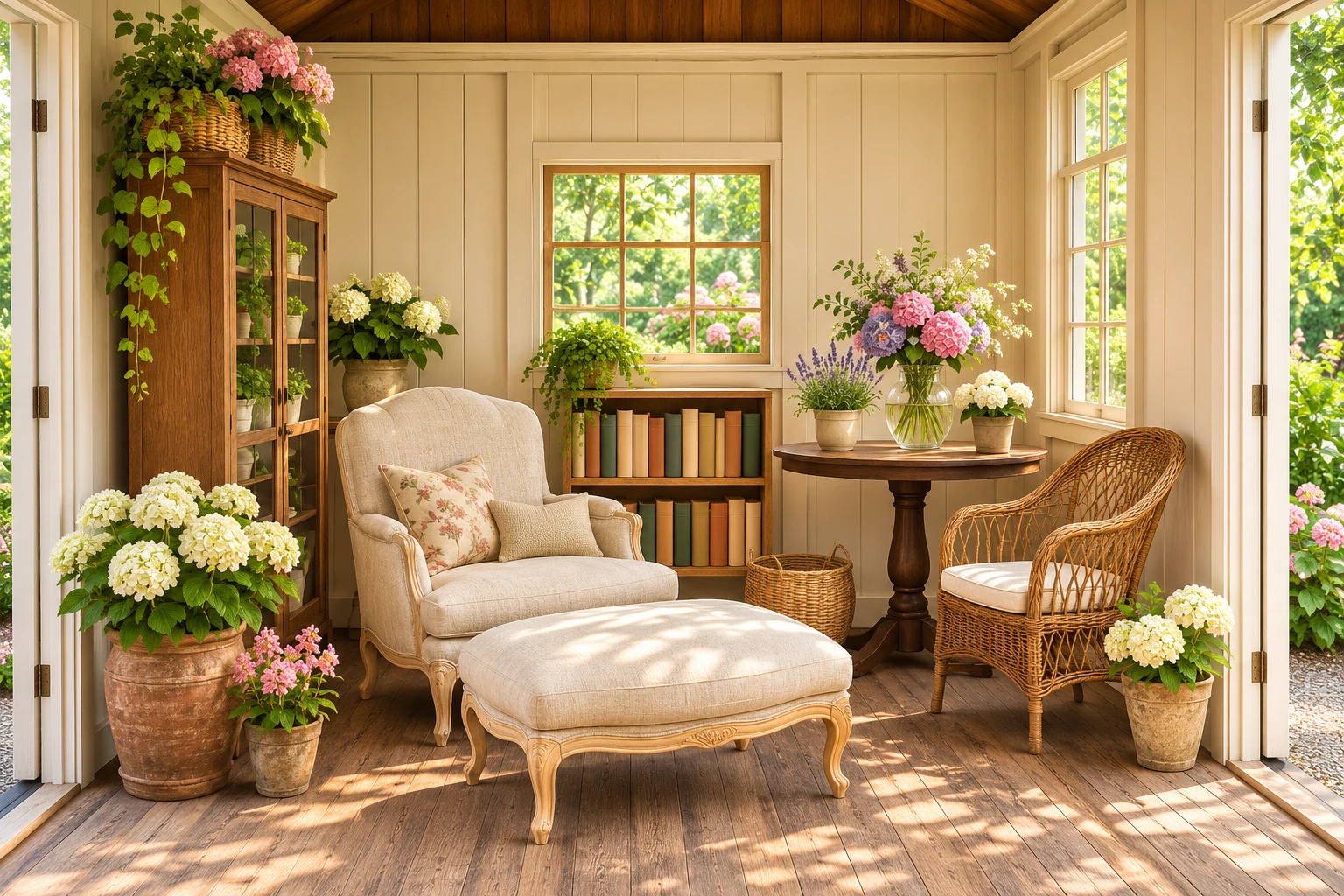
A hallmark of the week is the floral arrangements: club members prepare hundreds of them, using seasonal flowers and foliage, and distribute them throughout the rooms of the open houses. Some routes include arrangement demonstrations, talks by gardeners, music and lunches prepared by local groups.
Ticket proceeds fund the restoration and conservation of Virginia’s historic public gardens, such as the pavilions’ gardens at the University of Virginia, designed by Jefferson, in addition to landscape research fellowships. For visitors to Washington and Virginia in spring, the week is a chance to see inside houses and gardens that are usually closed to the public and to experience the state at the height of bloom.
How to enjoy it
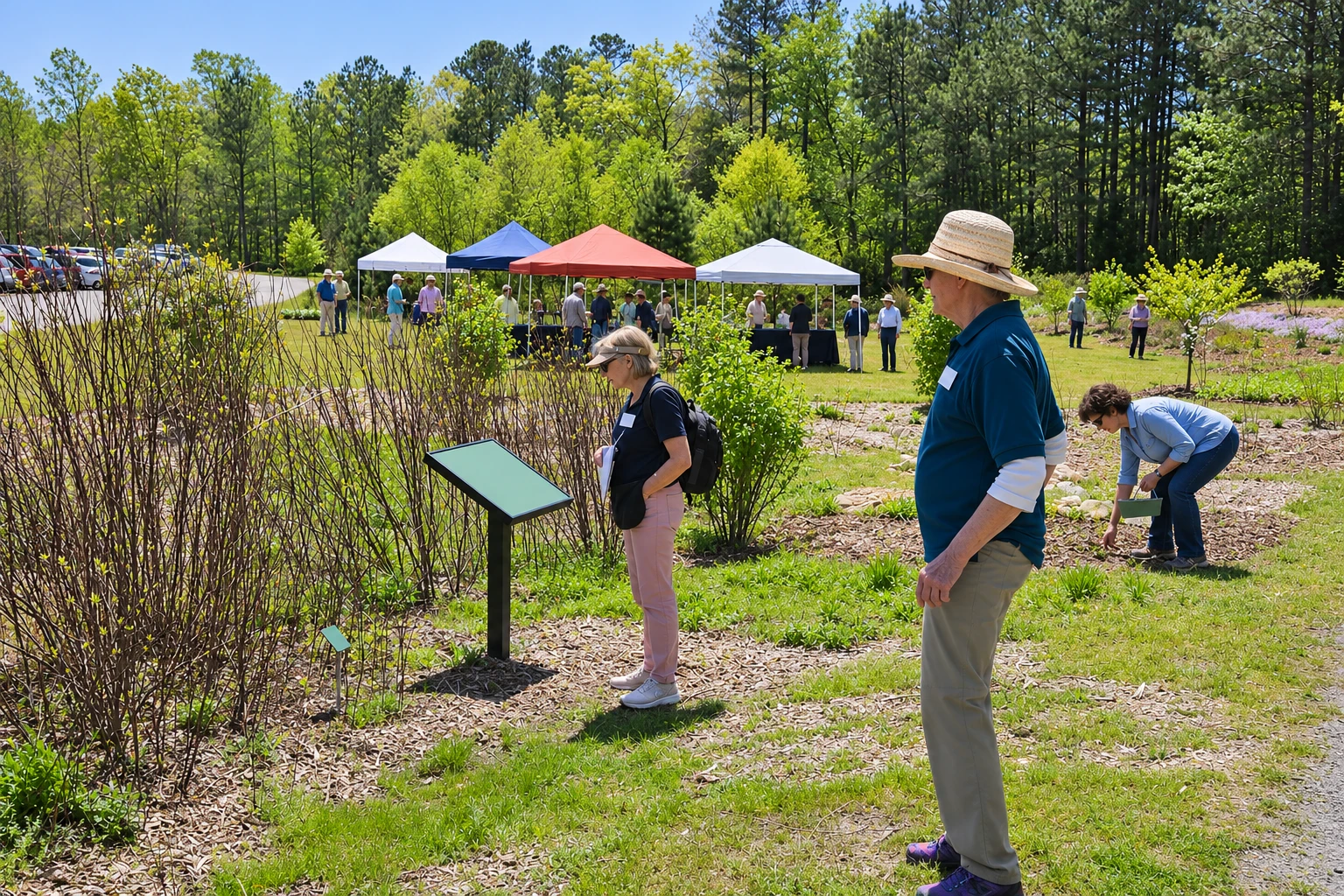
Before you travel, choose routes on the official website: each has its own day, list of houses and parking guidance, and you will almost always need a car to get from one house to another. Tickets are sold per route, in advance on the site or on the day at locations indicated by the clubs. Wear comfortable, low‑heeled shoes: some gardens have lawns and dirt paths, and some houses have old, delicate floors. Photography is prohibited inside properties, and some routes also restrict external photos; check local guidelines. For those staying in Washington, the Alexandria route is the easiest to fit in, with metro access to Old Town. April weather usually alternates between mild and rainy days; bring a warm layer and an umbrella.


 Brazil
 Argentina
 Bolivia
 Chile
 Colombia
 Ecuador
 Guyana
 French Guiana
 Falkland Islands (Malvinas)
 Paraguay
 Peru
 Suriname
 Uruguay
 Venezuela
 Germany
 Austria
 Belgium
 Croatia
 Denmark
 Spain
 Finland
 France
 Greece
 the Netherlands
 Hungary
 Ireland
 Iceland
 Italy
 Luxembourg
 Norway
 Poland
 Portugal
 the United Kingdom
 the Czech Republic
 Sweden
 Switzerland
 Turkey
 Canada
 Mexico
 the Dominican Republic
 South Africa
 Australia
 Fiji
 New Zealand
 Papua New Guinea






 March/April