Dish · San Diego
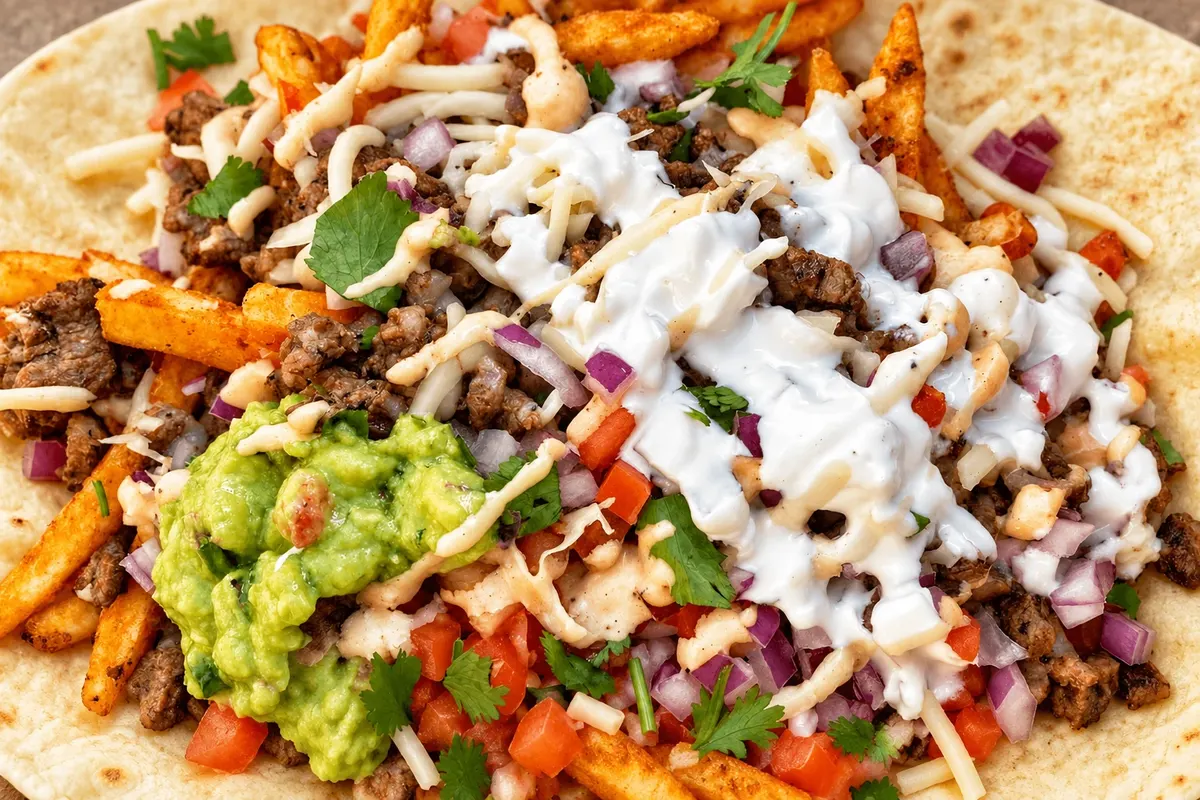
California burrito
Carne asada burrito with French fries inside, cheese, pico de gallo, sour cream and guacamole. San Diego’s tourism authority presents it as a creation of the city from the 1980s.

 Search
 Brazil
 Argentina
 Bolivia
 Chile
 Colombia
 Ecuador
 Guyana
 French Guiana
 Falkland Islands (Malvinas)
 Paraguay
 Peru
 Suriname
 Uruguay
 Venezuela
 Germany
 Austria
 Belgium
 Croatia
 Denmark
 Spain
 Finland
 France
 Greece
 the Netherlands
 Hungary
 Ireland
 Iceland
 Italy
 Luxembourg
 Norway
 Poland
 Portugal
 the United Kingdom
 the Czech Republic
 Sweden
 Switzerland
 Turkey
 Canadathe United States
 Mexico
 the Dominican RepublicTurkey
 South Africa
 Australia
 Fiji
 New Zealand
 Papua New Guinea
Culture · San Diego
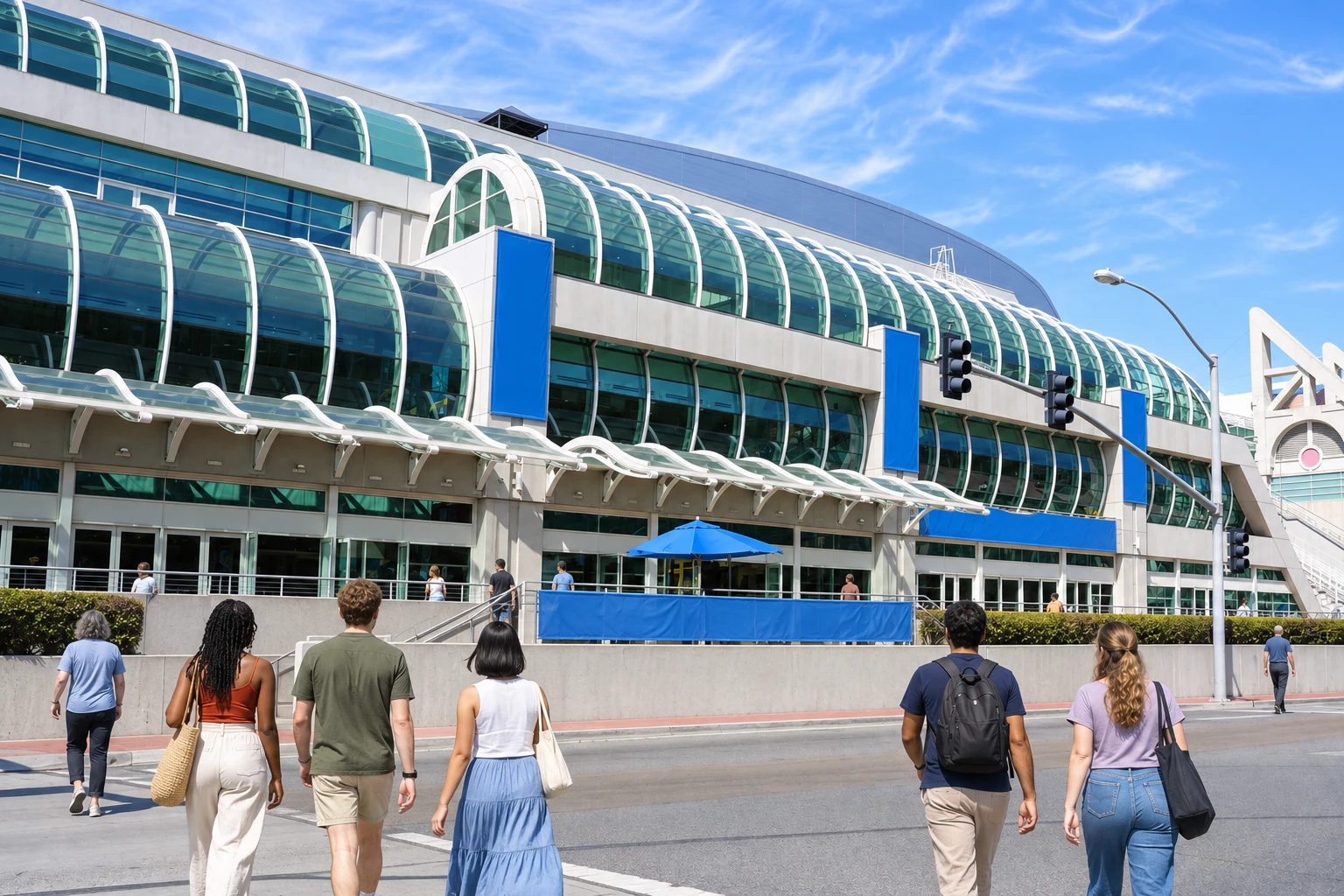
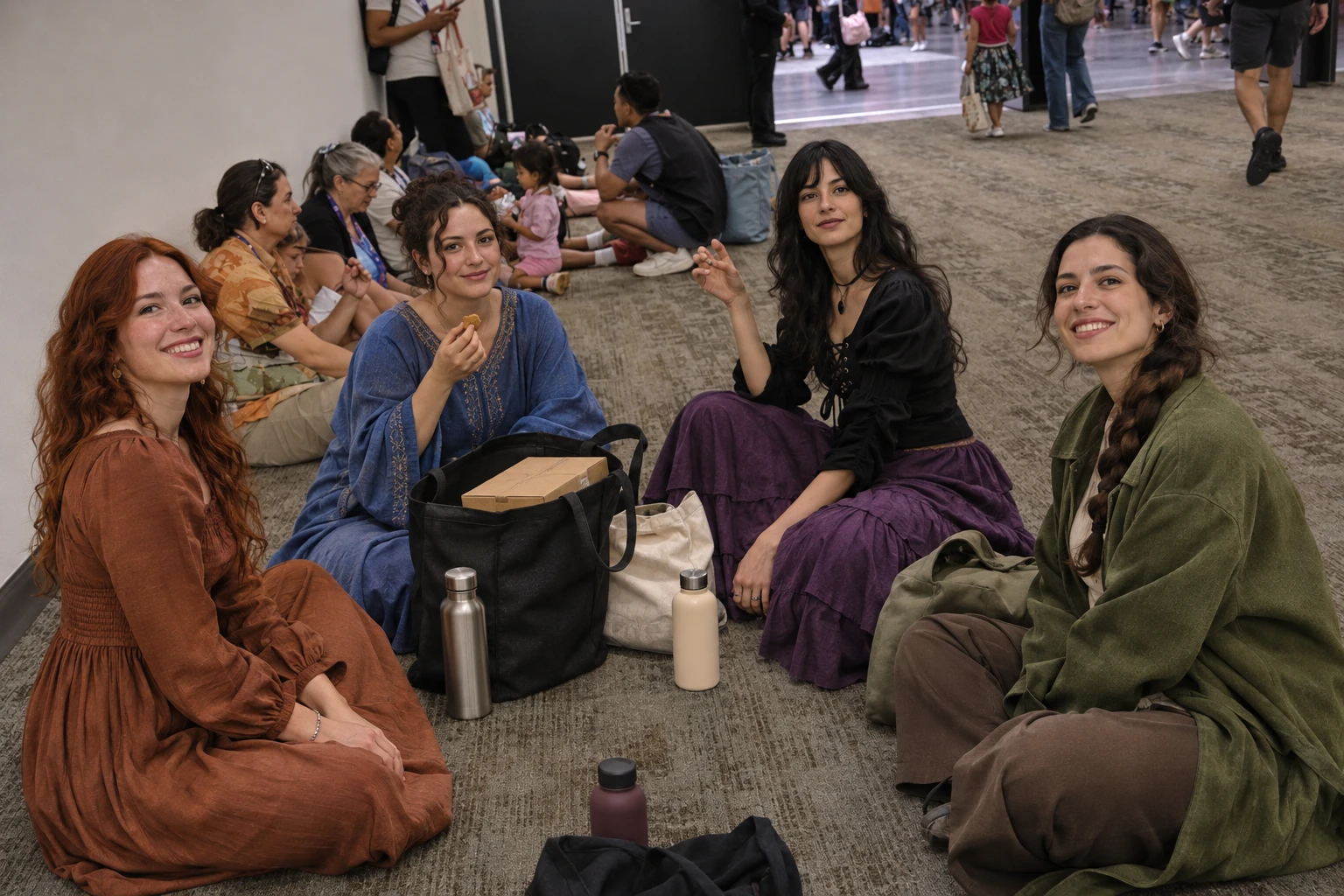
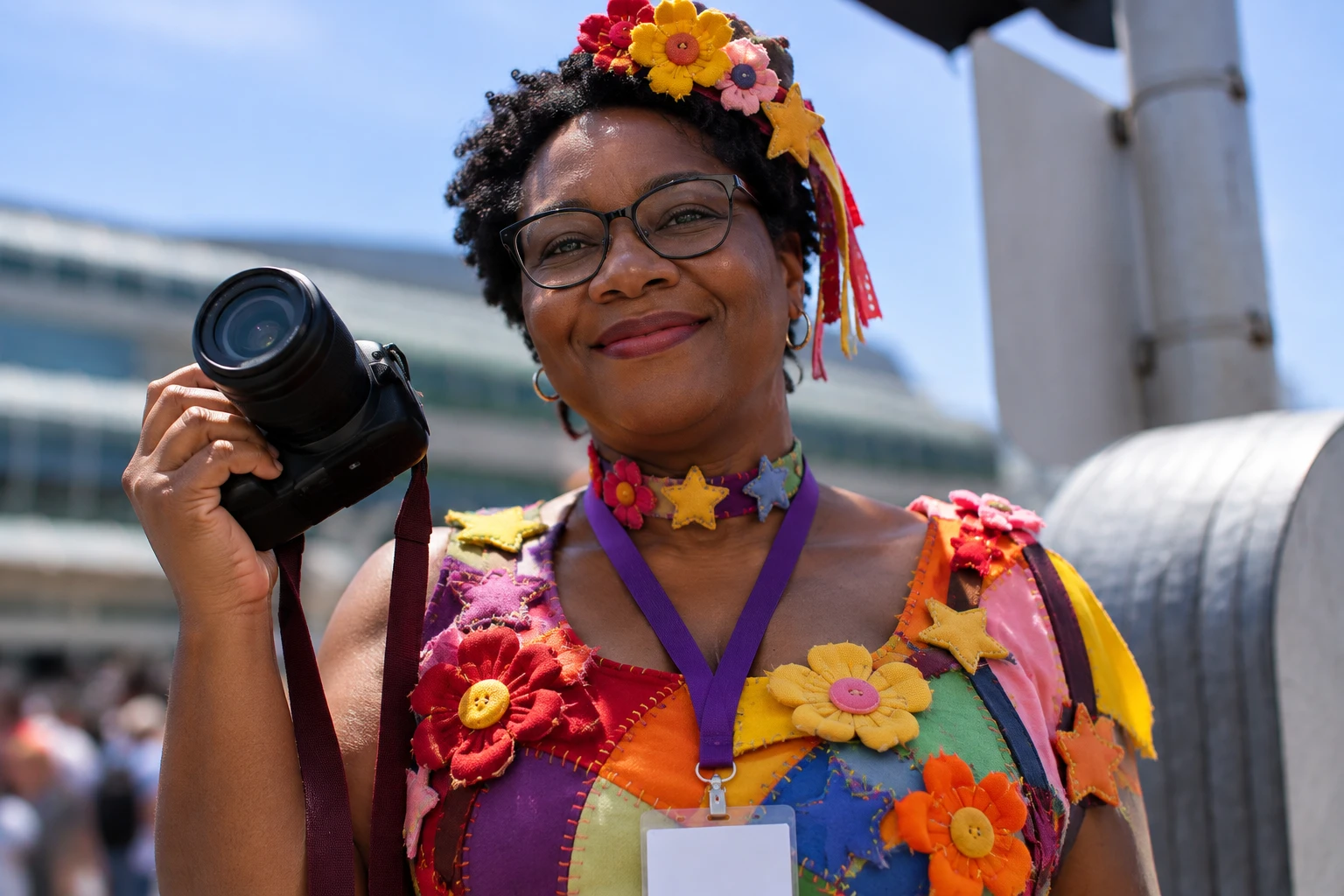
A pop-culture convention in San Diego, California: four days of comics, film, TV series, games and animation at the city’s convention center, featuring panels, premieres, an exhibitors’ fair, a costume contest and the downtown filled with cosplayers.
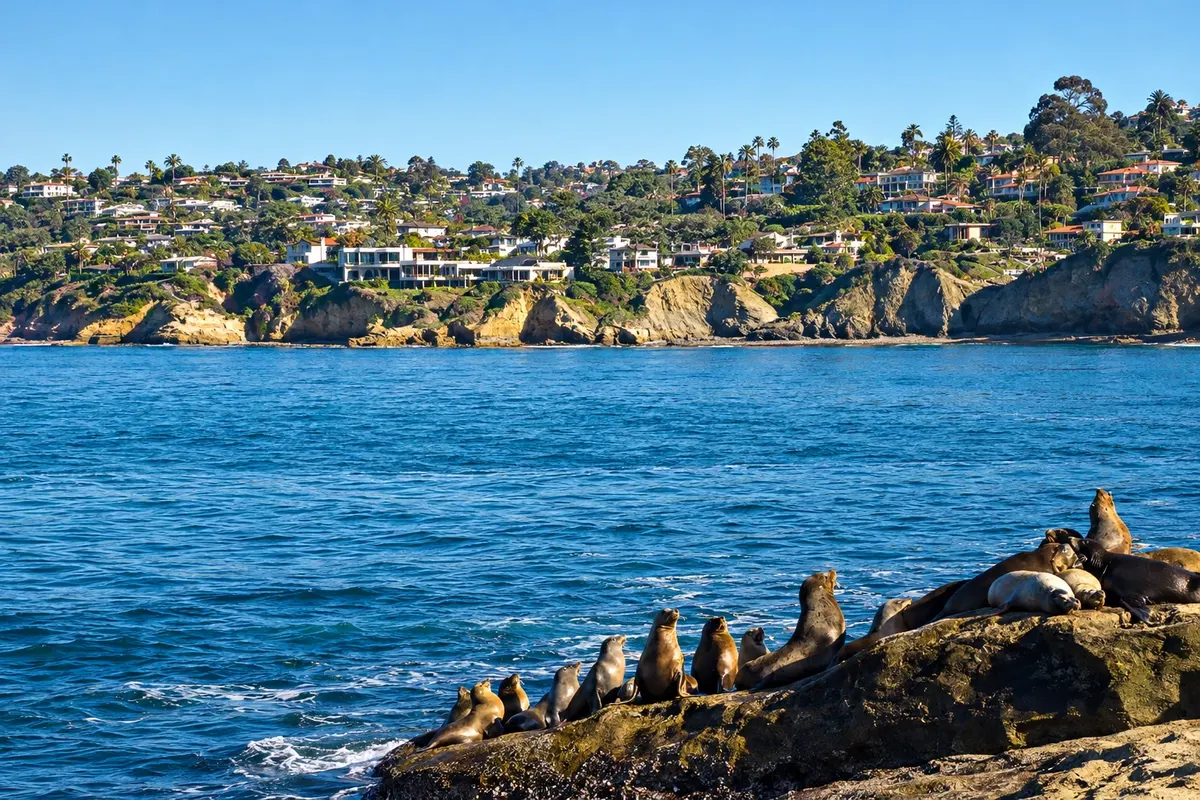
In the photo: San Diego
Illustrative images. The pictures in this guide are illustrations based on the real place, not photographs, and may differ from it.

Click a photo to enlarge it.
San Diego Comic-Con — San Diego
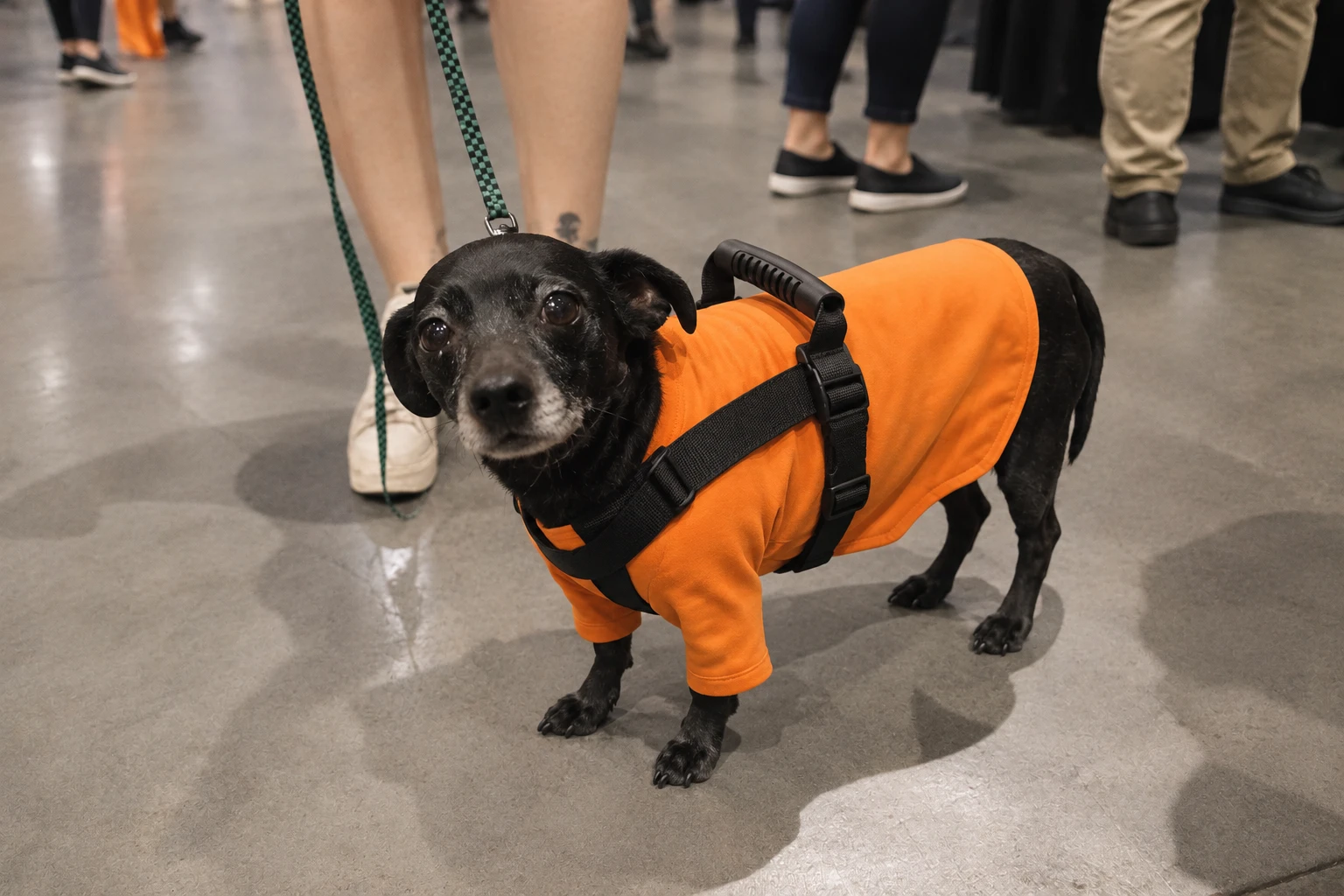
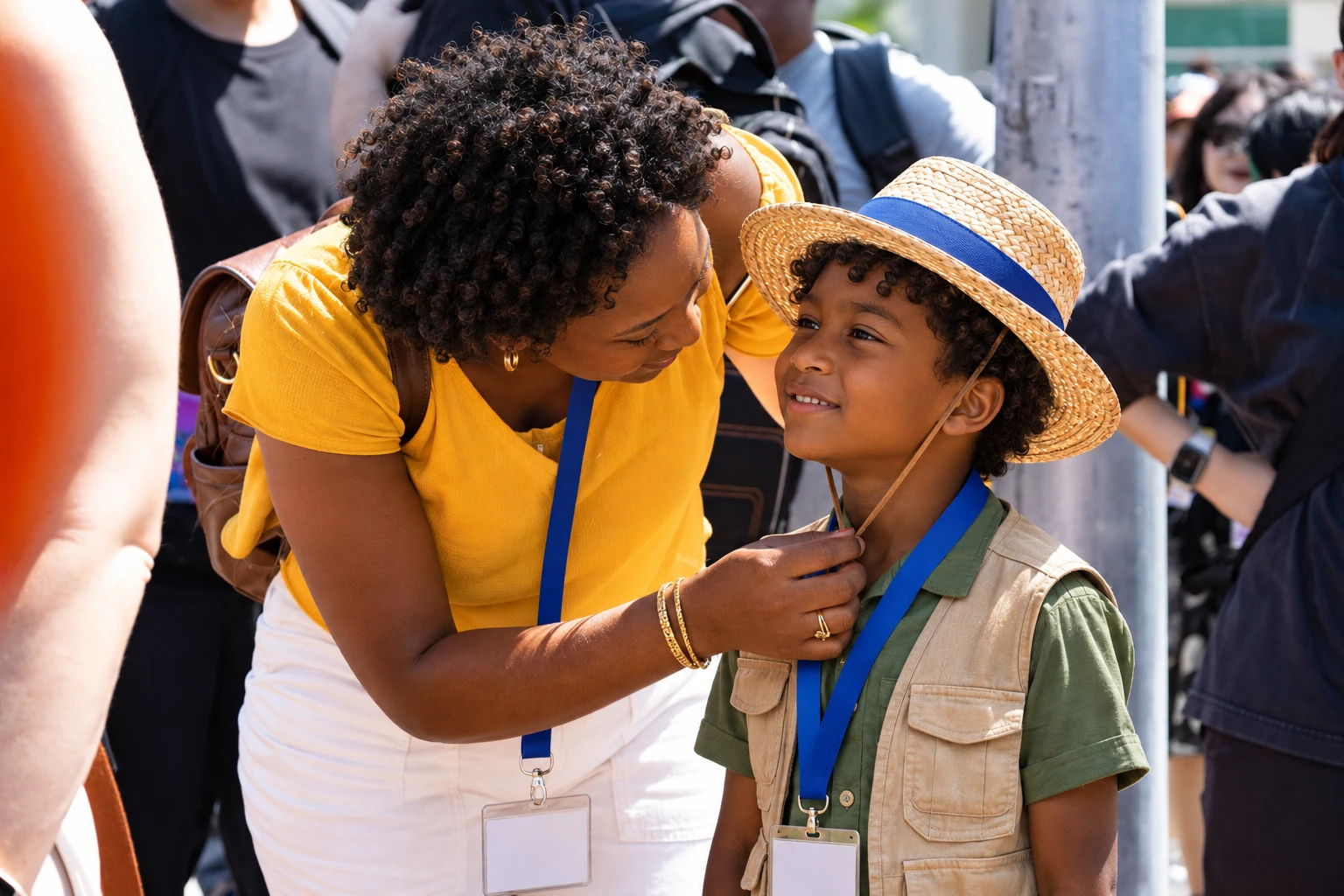
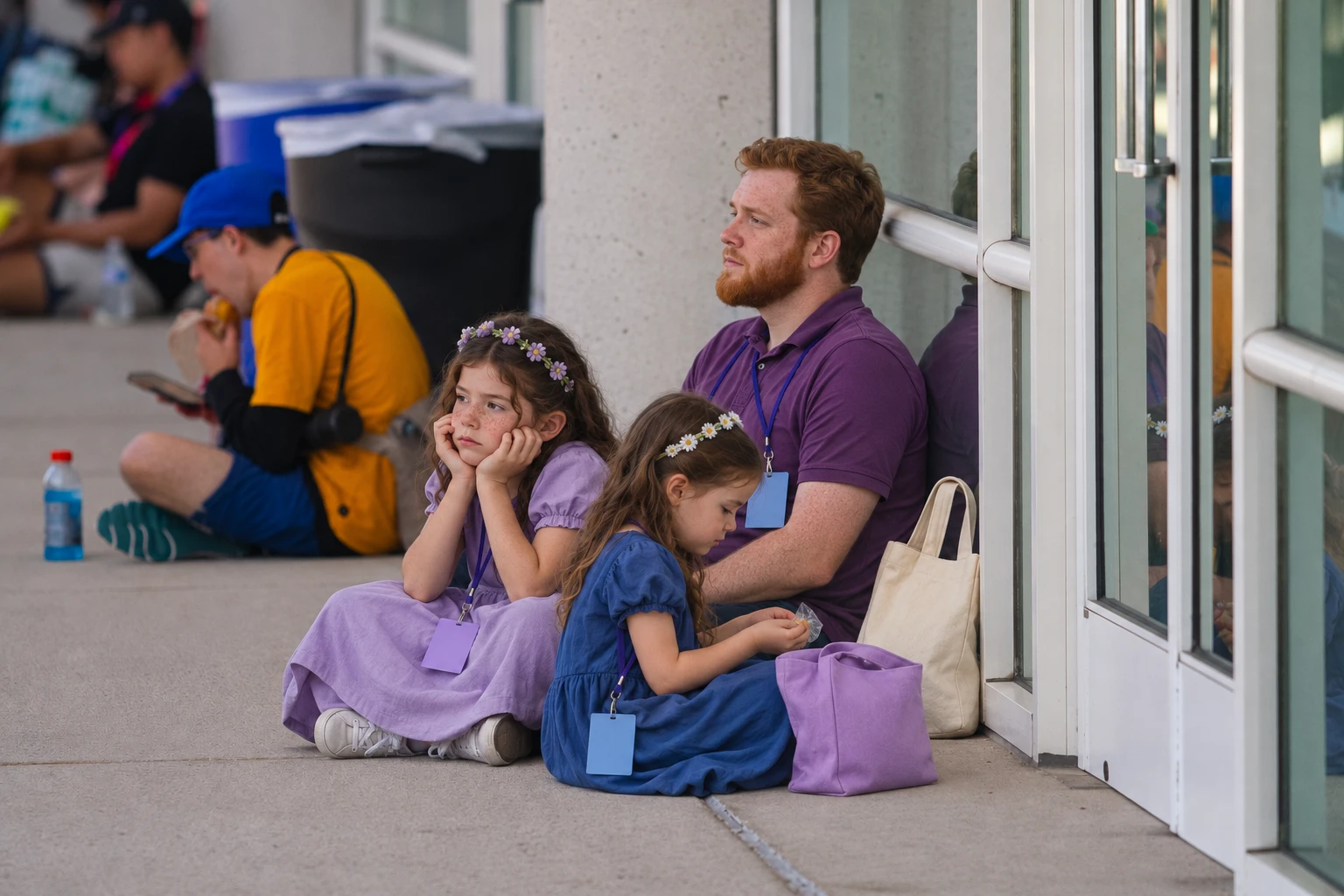
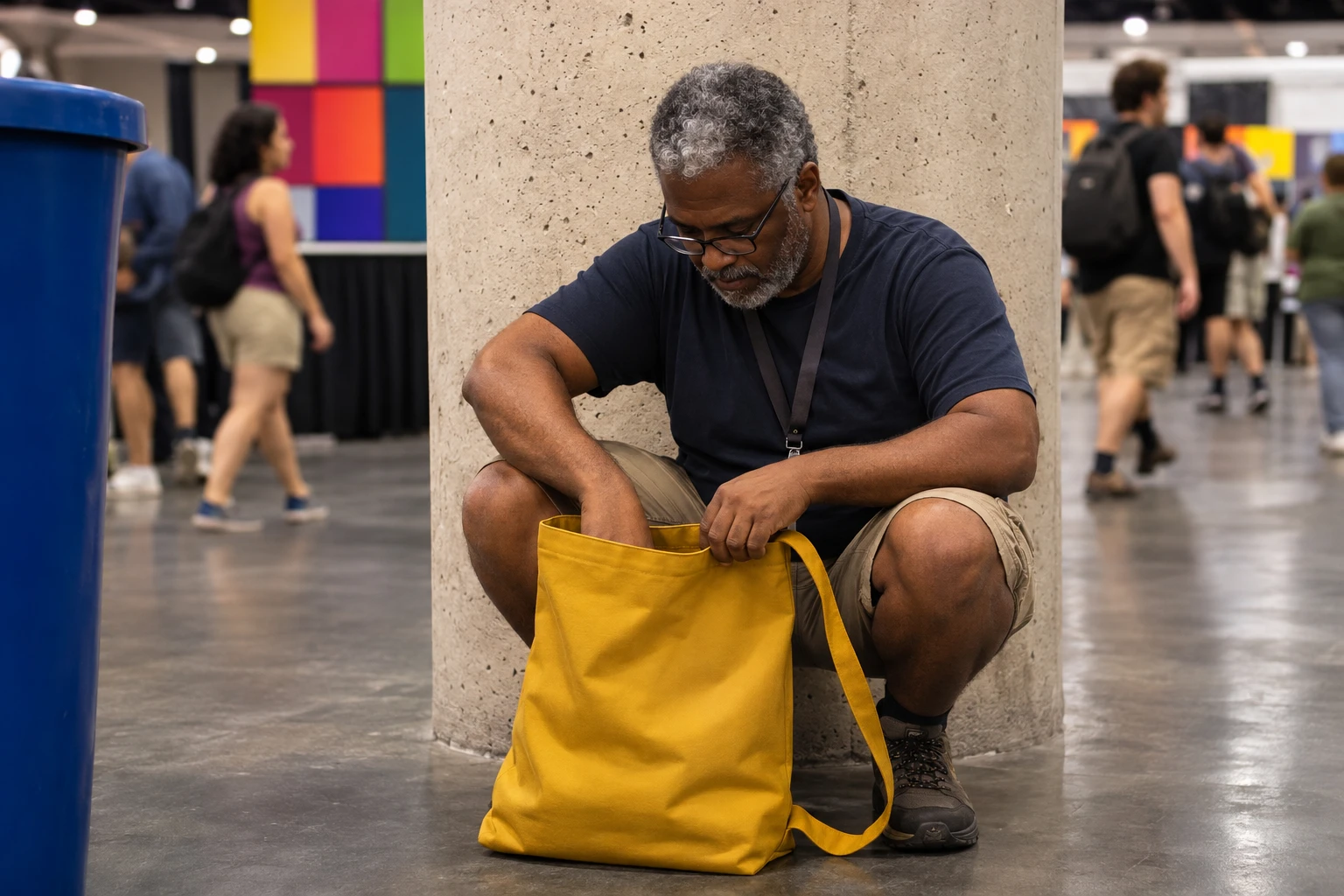

In July, Thursday through Sunday, with an opening night on Wednesday.
July
Dates change every year: check this year's date before you travel.
The festival
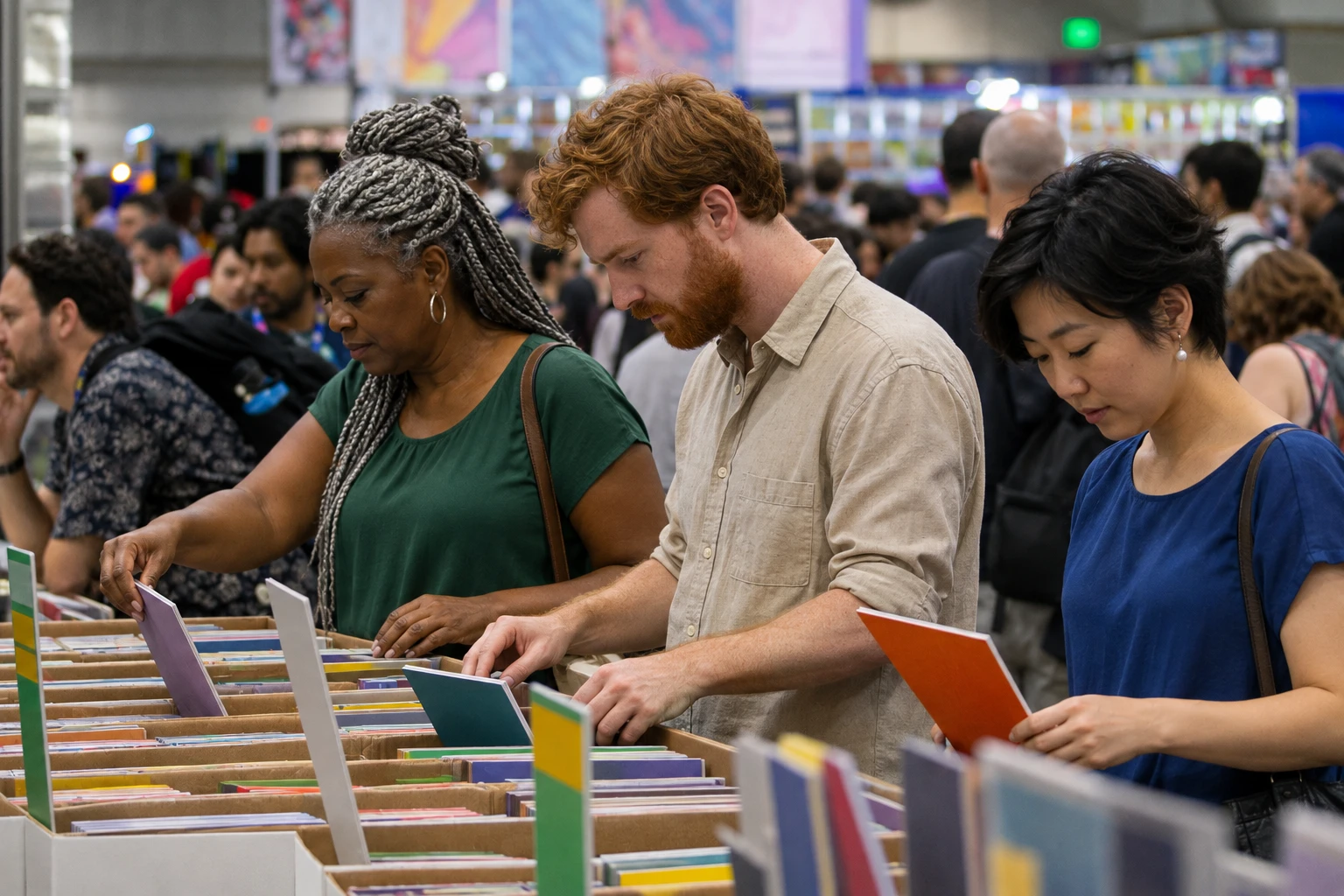
Comic-Con International: San Diego is the largest pop-culture convention in the United States and one of the best known in the world. For four days in July, the San Diego Convention Center, next to the bay, hosts studio panels for film and television, comic-book publishers, game and animation creators, autograph sessions, a huge exhibitors’ fair and thousands of fans dressed as their favorite characters.
The convention began in 1970, organized by a group of local comic-book fans; the first meeting, held in a hotel basement, gathered a few hundred people. It moved venues several times until arriving in 1991 at the newly opened convention center, and grew alongside the increasing influence of comics on film and television. It is run by a nonprofit organization devoted to promoting comics and related popular arts, which also produces WonderCon in spring in Anaheim and operates a pop-culture museum in San Diego.
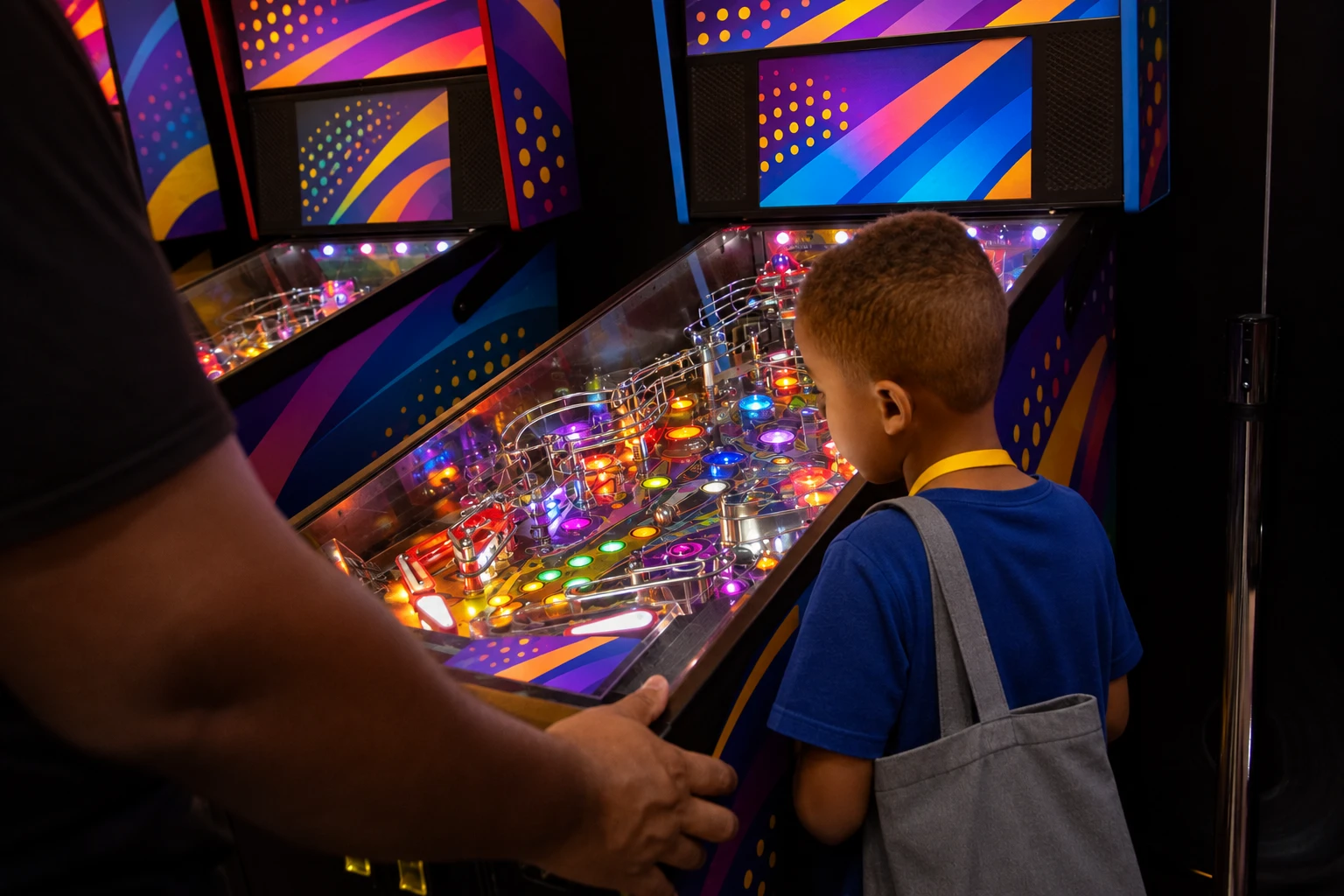
Programming includes panels with casts and production teams, Q&A sessions, screenings, workshops, the artists’ alley where illustrators sell work and do sketches, and the Masquerade, a stage costume contest. On Friday night, a ceremony at a city hotel presents the Eisner Awards, the most important awards in the American comic-book industry, which have been associated with the convention since 1987. At the exhibitors’ fair you’ll find publishers, shops, collectibles and items released specifically for the convention.
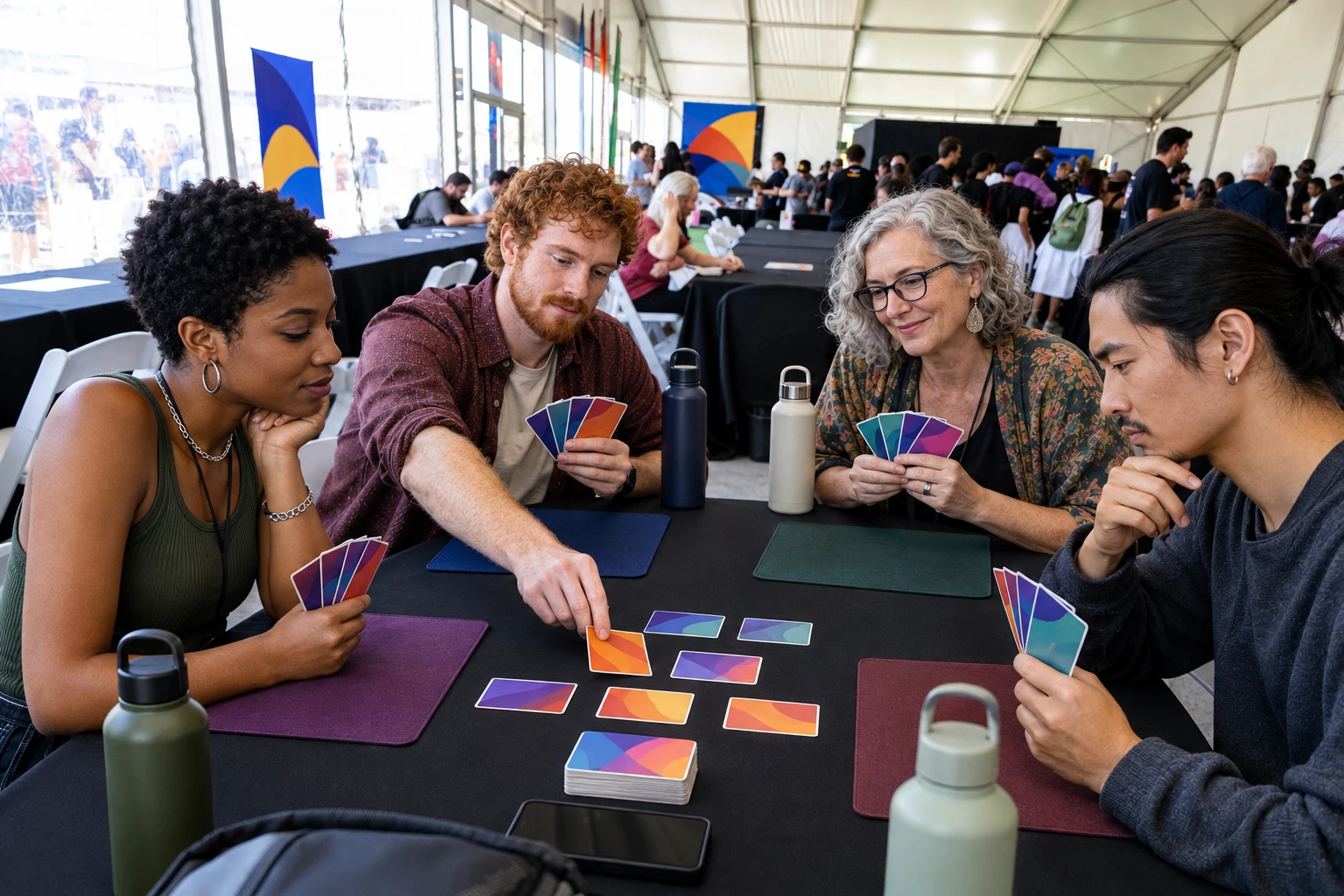
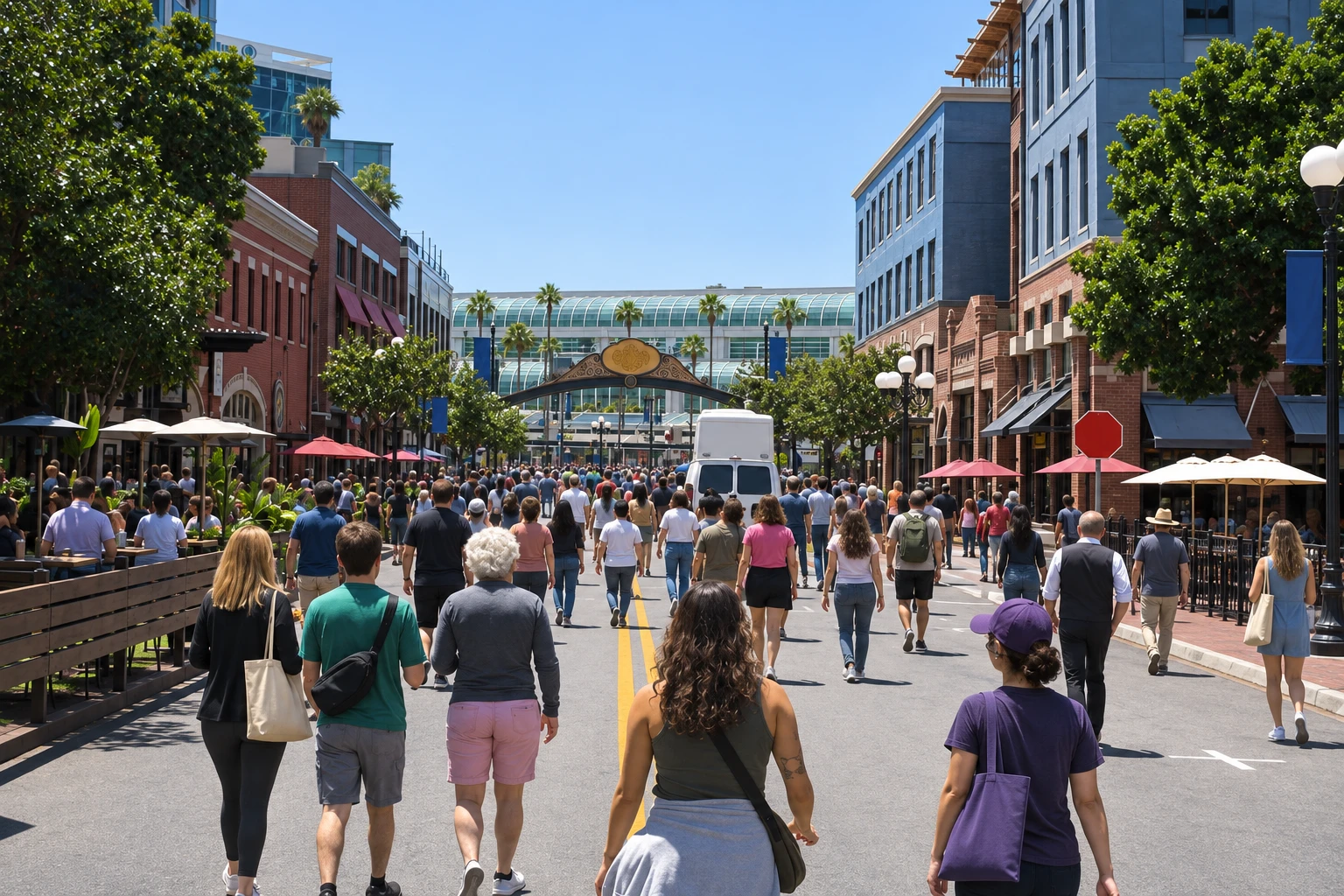
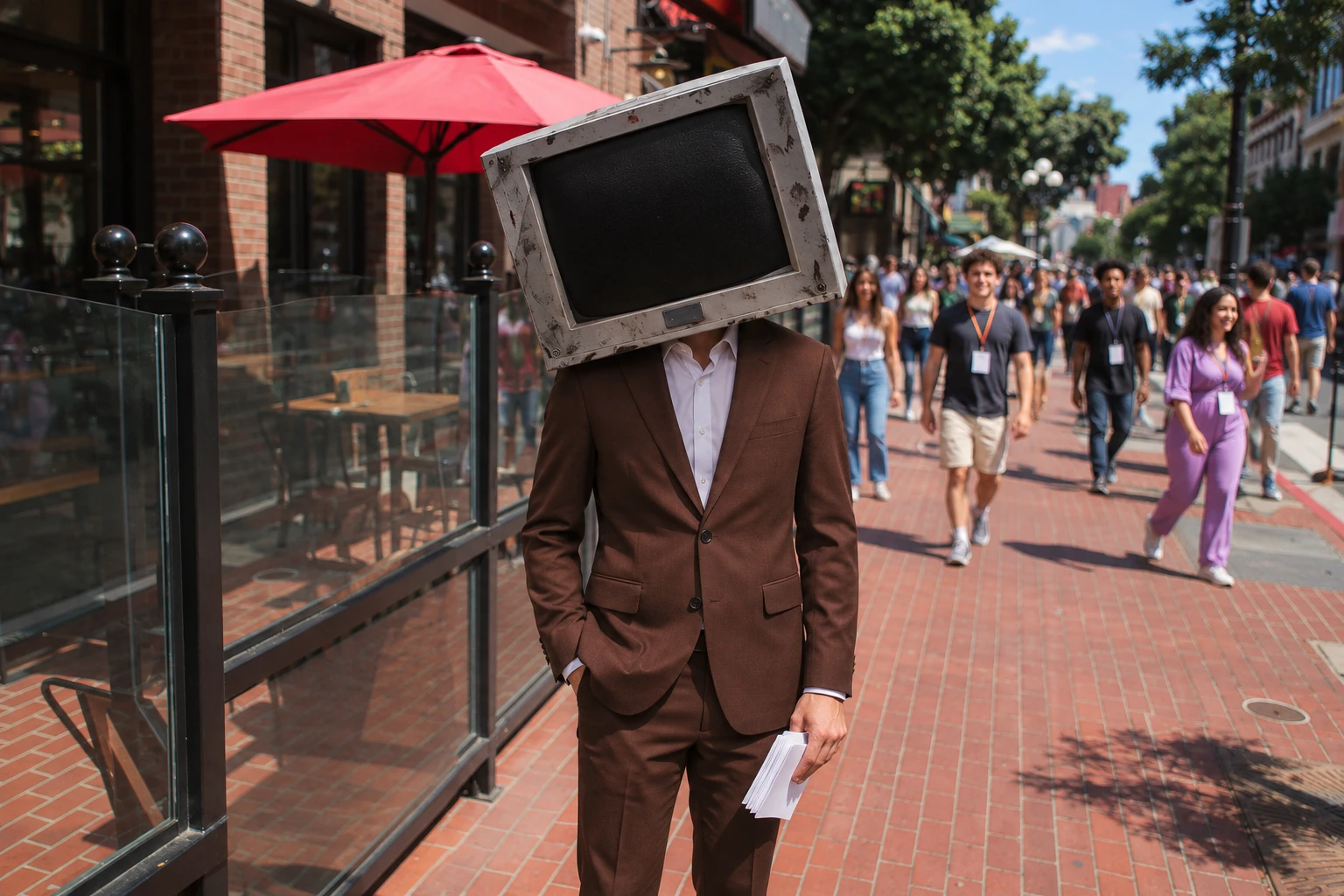
The event spills into the streets. During Comic-Con, the Gaslamp Quarter, the historic neighborhood next to the convention center, and other downtown spots host studio and brand activations, many open to people without badges. The convention also occupies nearby hotels and ballrooms, where smaller panels, independent film screenings and nighttime events take place. Cosplay is central to the experience: fans spend months preparing costumes, and many roam the halls and waterfront posing for photos.
Year-round, the Comic-Con Museum operates in Balboa Park, in a building constructed in 1935 for an international exposition, with exhibits about comics, film, television, games, animation and cosplay. Outside the convention, San Diego offers beaches, Balboa Park and the zoo, and many families turn the convention into a summer vacation. For pop-culture fans, it’s the trip of a lifetime; for anyone in San Diego at the time, it’s worth at least walking downtown to see the cosplayers.
Panels for major productions in the convention’s largest auditorium, which often have lines starting the day before. The exhibitors’ fair, with booths from publishers, collectibles and exclusive products. The artists’ alley, to meet illustrators and commission sketches. The Masquerade, a stage costume contest on Saturday night. The cosplayers in the streets of the Gaslamp Quarter and along the waterfront in front of the convention center. Studio and brand activations set up downtown during the convention days, many open to the public. For comics followers, the Eisner Awards ceremony on Friday night. Outside the event dates, the Comic-Con Museum in Balboa Park with pop-culture exhibitions.
Entry to the convention requires a badge, sold in online phases months in advance; there is no door sale. With a badge, plan your day around the panels you most want to see, check the official app and arrive early for lines, which can be long; auditoriums are not cleared between panels. Without a badge, you can still enjoy activations downtown, the street life and the Comic-Con Museum. The convention center is adjacent to the Gaslamp Quarter; walk or take the city trolley, because downtown traffic and parking are difficult. July is usually mild and dry in San Diego, with mornings sometimes cloudy; bring a light jacket, comfortable shoes, a phone charger and a small backpack for water and purchases.
Badges sell out quickly in online sales held in the autumn of the previous year, with mandatory pre-registration; follow the schedule on the official site. Downtown San Diego lodging is highly contested and expensive during the convention week; the organization offers rooms in partner hotels, reserved in their own phases according to the official calendar. If you can’t get a hotel downtown, you can stay in nearby neighborhoods with trolley access. San Diego International Airport is a few minutes from downtown.
In the city
Flavors of the United States
July
Your questions
Every July, for four days, Thursday through Sunday, plus an opening night on Wednesday. The official website lists the dates for each edition.
Through the official website, in online sales held months in advance with required pre-registration. Badges usually sell out quickly and are not sold at the door.
Partially. Many studio and brand activations set up in the Gaslamp Quarter and downtown San Diego are open to the public, and the streets are full of cosplayers.
Festivals and events in the United States
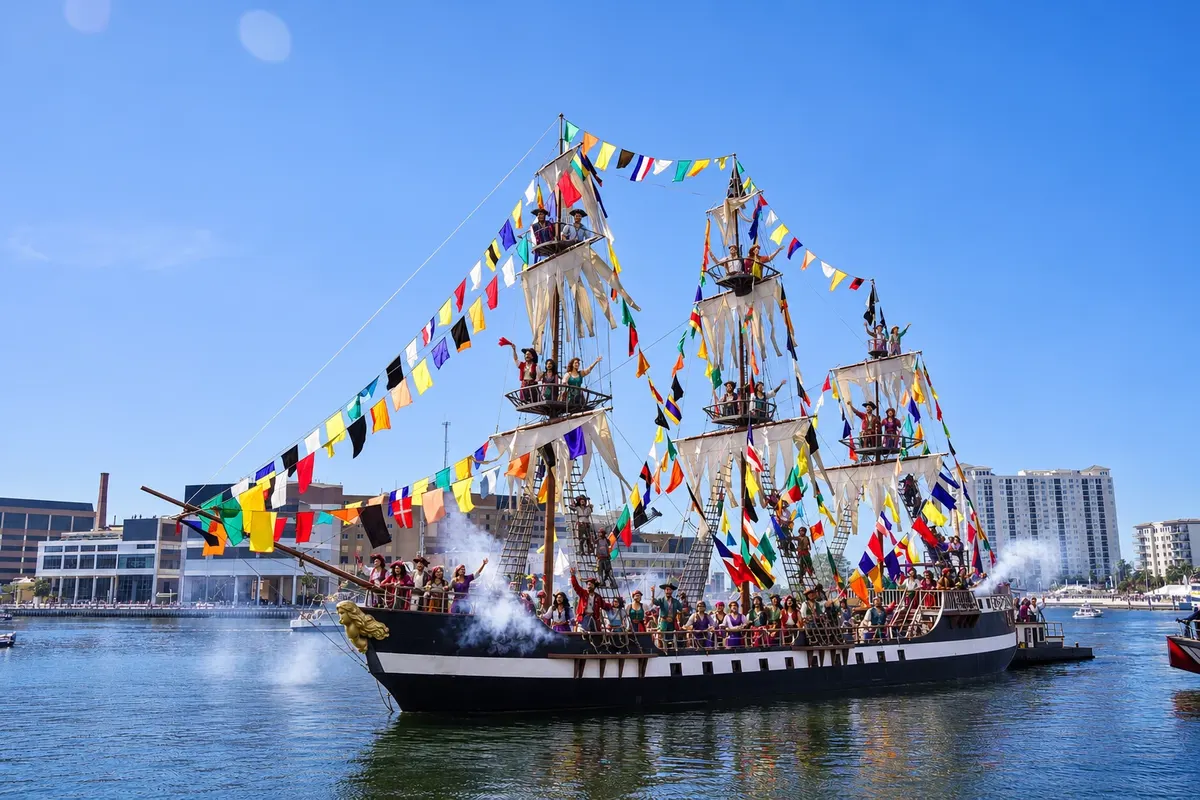 January
On the last Saturday in January; the children’s parade takes place on the previous Saturday.
Tampa’s pirate festival in Florida: a pirate ship sails into the bay with hundreds of boats, the pirates take the key to the city and march along Bayshore Boulevard, throwing beaded necklaces to the costumed crowd.
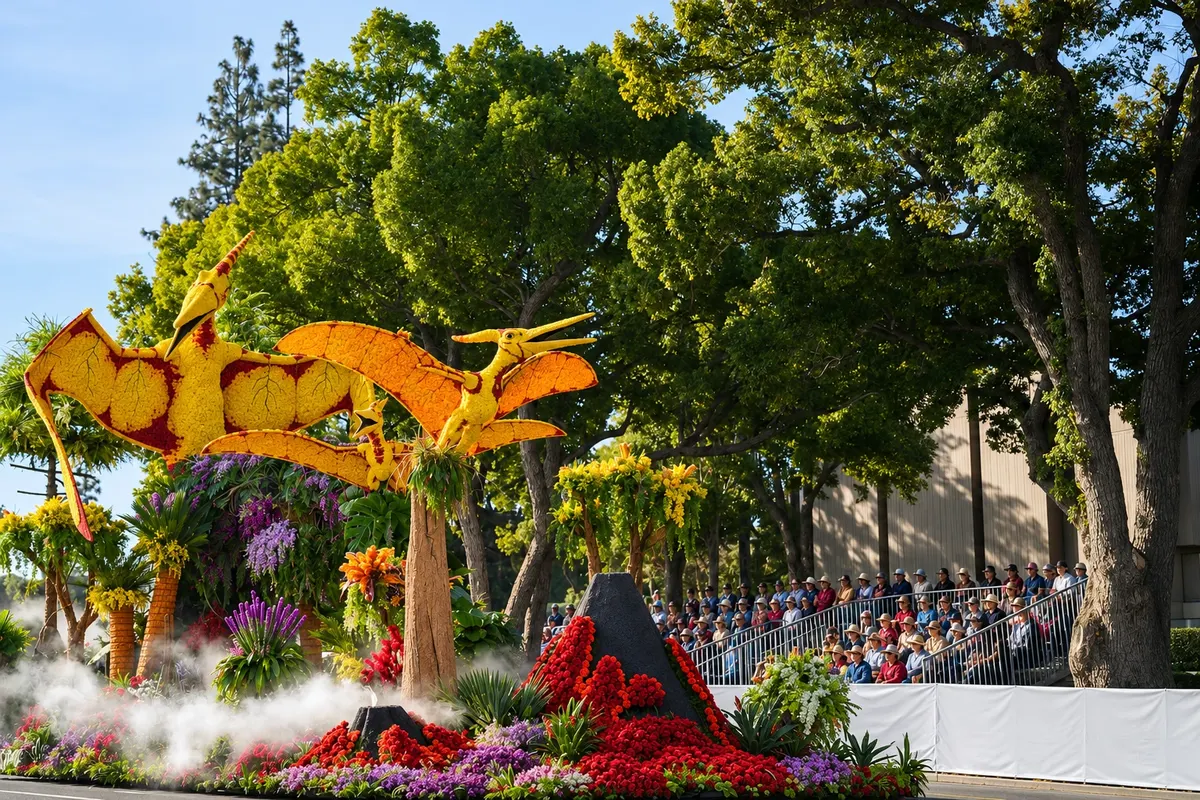 January
On the morning of January 1; if the 1st falls on a Sunday, the parade is held on Monday, January 2.
New Year’s Day parade in Pasadena, near Los Angeles, featuring floats completely covered with flowers, seeds and other natural materials, marching bands and mounted units along Colorado Boulevard. On the same day, the Rose Bowl stadium hosts the college football game of the same name.
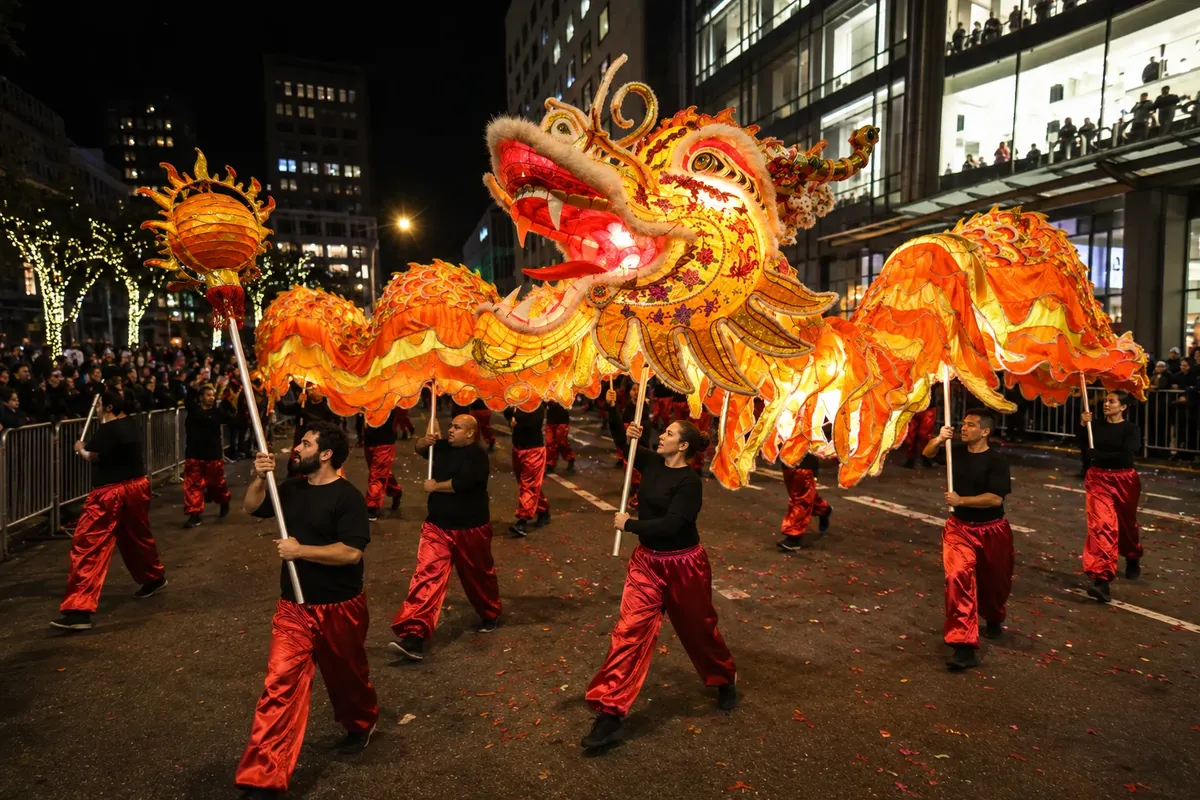 February/March
On a Saturday night, a few weeks after Lunar New Year, between February and early March; the celebration in Chinatown lasts several days.
San Francisco Lunar New Year nighttime illuminated parade organized by the Chinese Chamber of Commerce: floats, lion dance, acrobats, bands and, at the end, the Golden Dragon carried by dozens of people, amid firecrackers and lanterns.
 March
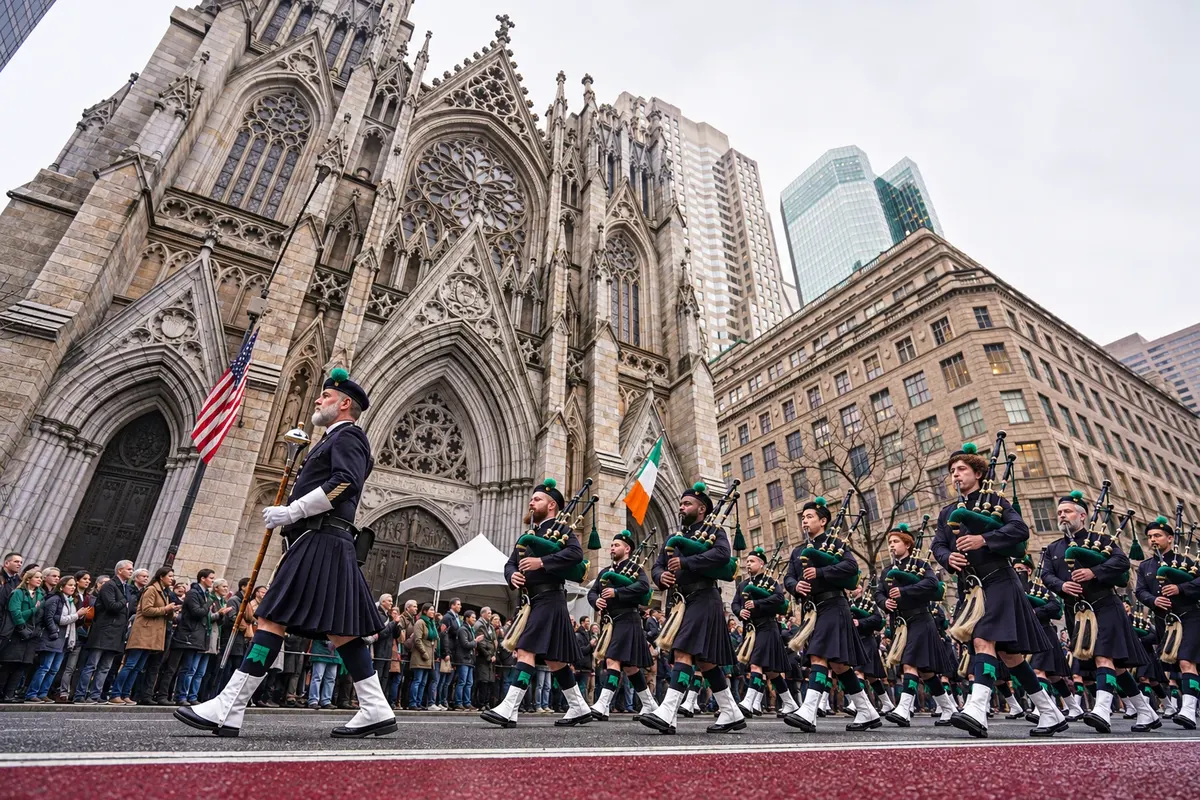
On March 17, St. Patrick’s Day; if the date falls on a Sunday, the parade is moved to Saturday, March 16.
Irish parade along Fifth Avenue in Manhattan on St. Patrick’s Day: bagpipers, bands, Irish associations and groups from across the country march on foot, with no floats, passing in front of St. Patrick’s Cathedral.
 March/April
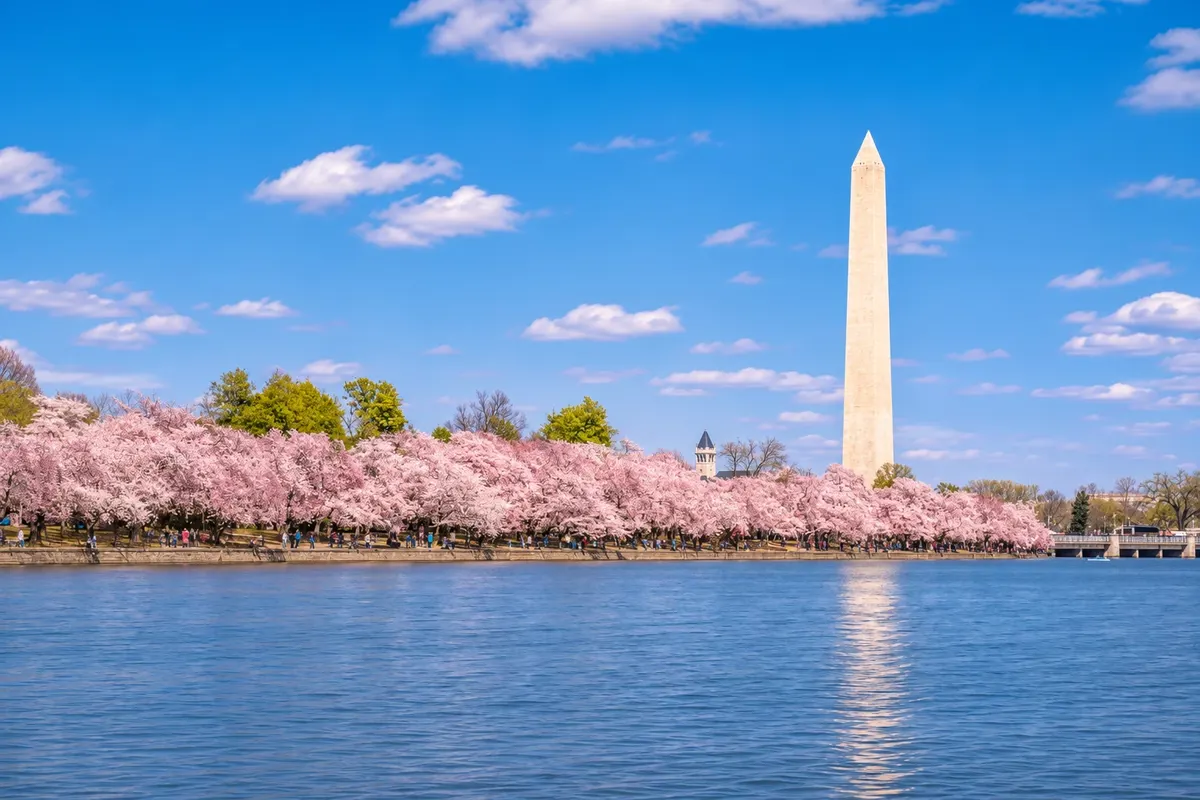
From mid or late March to mid April, lasting about four weeks, following the blooming of the cherry trees in Washington.
Spring festival in Washington that celebrates the cherry trees donated by Tokyo in 1912: weeks of events around the Tidal Basin and the National Mall, including a kite festival, a parade on Constitution Avenue, fireworks and a big Japanese street festival.
 March
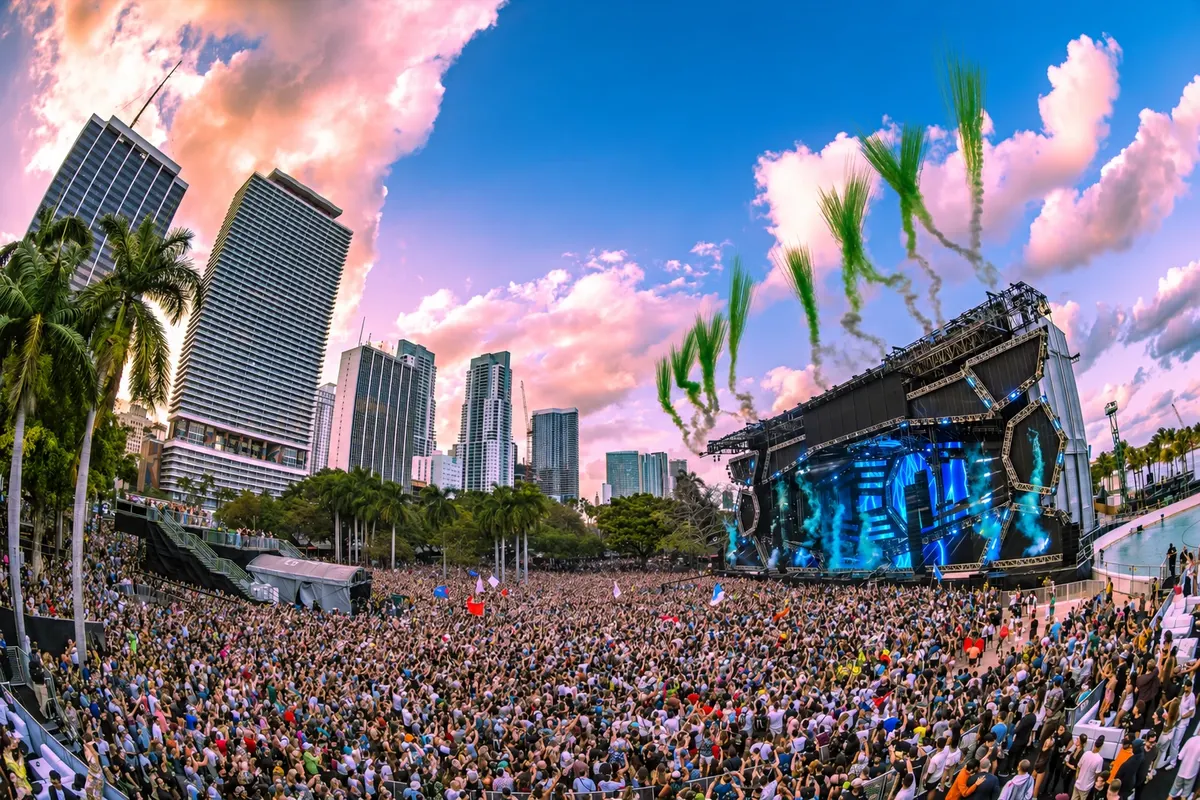
Over three consecutive days in March, from Friday to Sunday, usually in the last week of the month.
A three-day electronic music festival at Bayfront Park, beside Biscayne Bay in downtown Miami; the highlight of a week when the city hosts parties and DJ shows from around the world.