

 Antarctica
 Argentina
 Bolivia
 Chile
 Colombia
 Ecuador
 Guyana
 French Guiana
 Falkland Islands (Malvinas)
 Paraguay
 Peru
 Suriname
 Uruguay
 Venezuela
 Germany
 Austria
 Belgium
 Croatia
 Denmark
 Slovakia
 Slovenia
 Spain
 Finland
 France
 Greece
 the Netherlands
 Hungary
 Ireland
 Iceland
 Italy
 Luxembourg
 Norway
 Poland
 Portugal
 the United Kingdom
 the Czech Republic
 Sweden
 Switzerland
 Turkey
 Bermuda
 Canada
 the United States
 Greenland
 Mexico
 Saint Pierre and Miquelon
 the Dominican Republic
 Japan
 South Africa
 Egypt
 Australia
 Fiji
 New Zealand
 Papua New Guinea
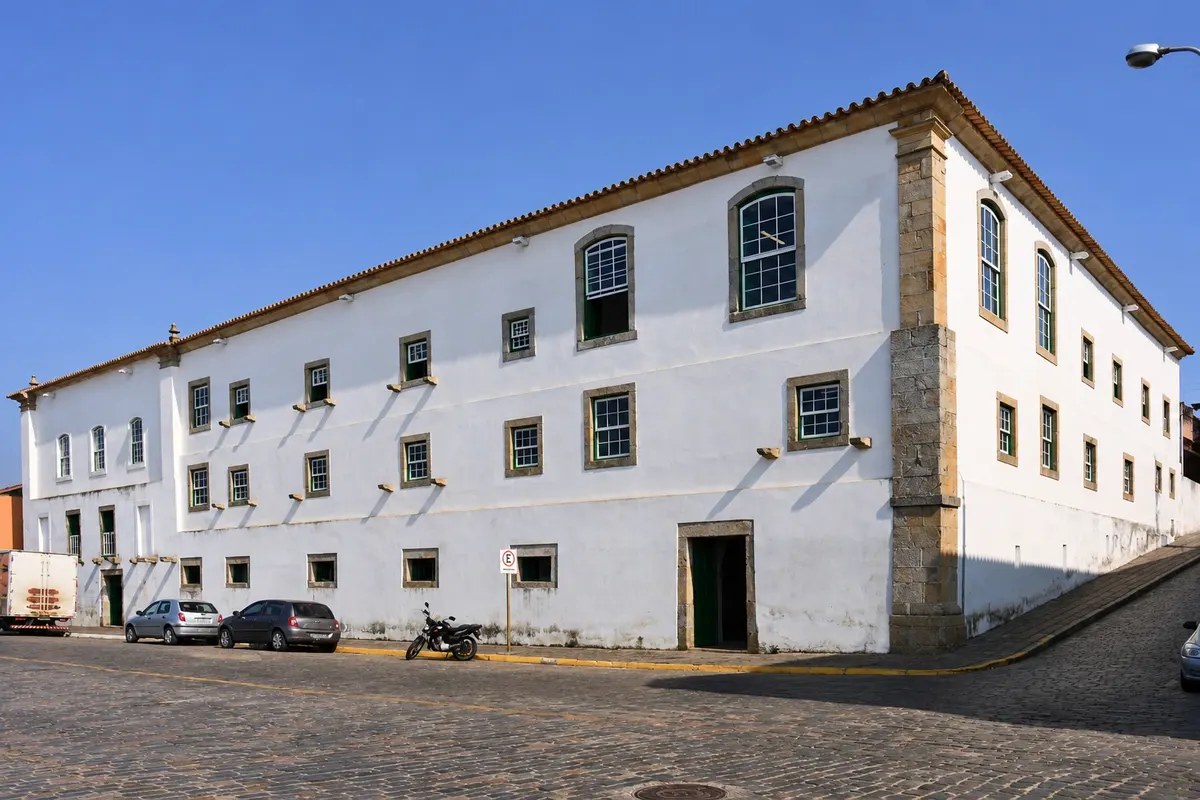
Museum · Paranaguá, PR
Museum of Archaeology and Ethnology - UFPR
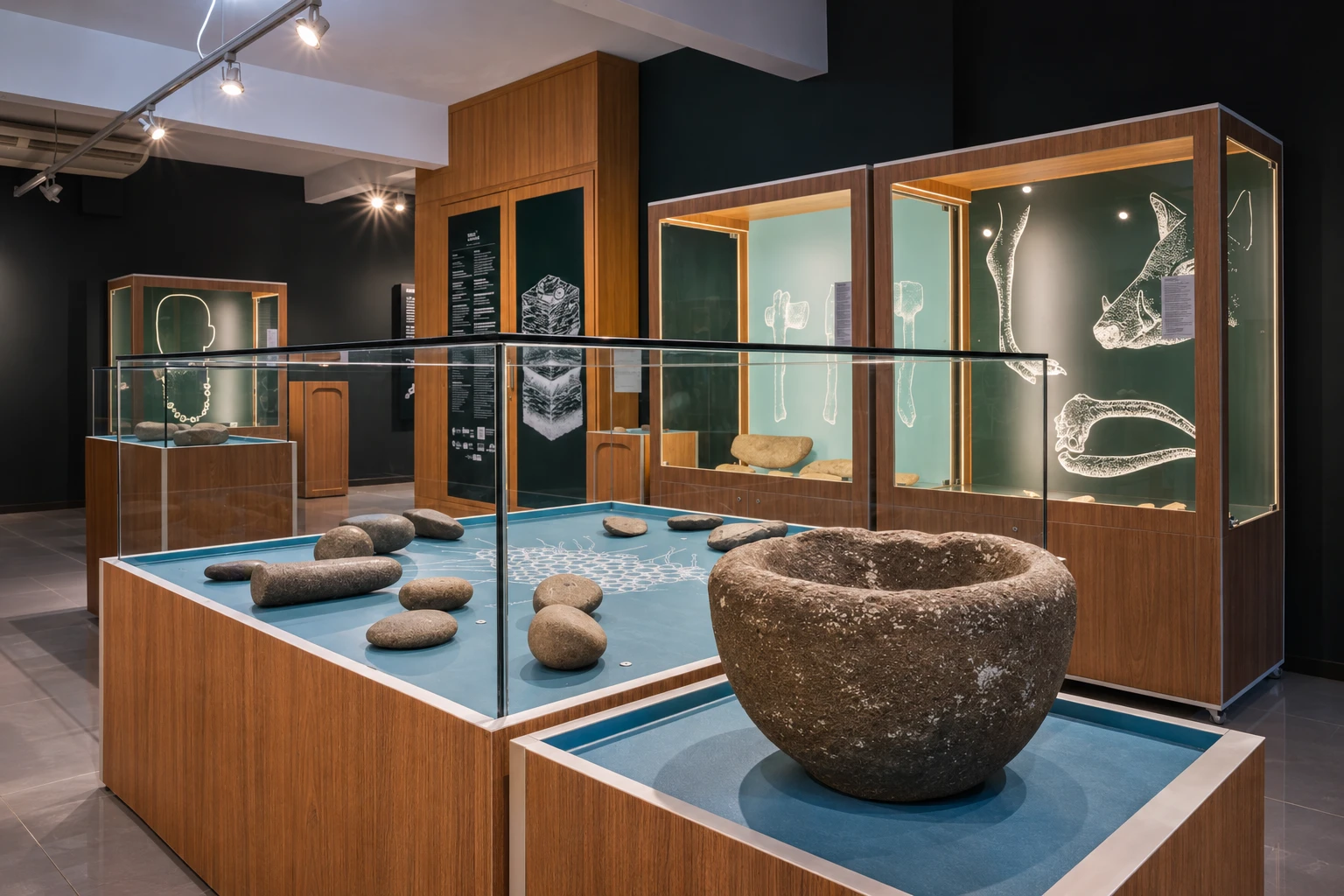
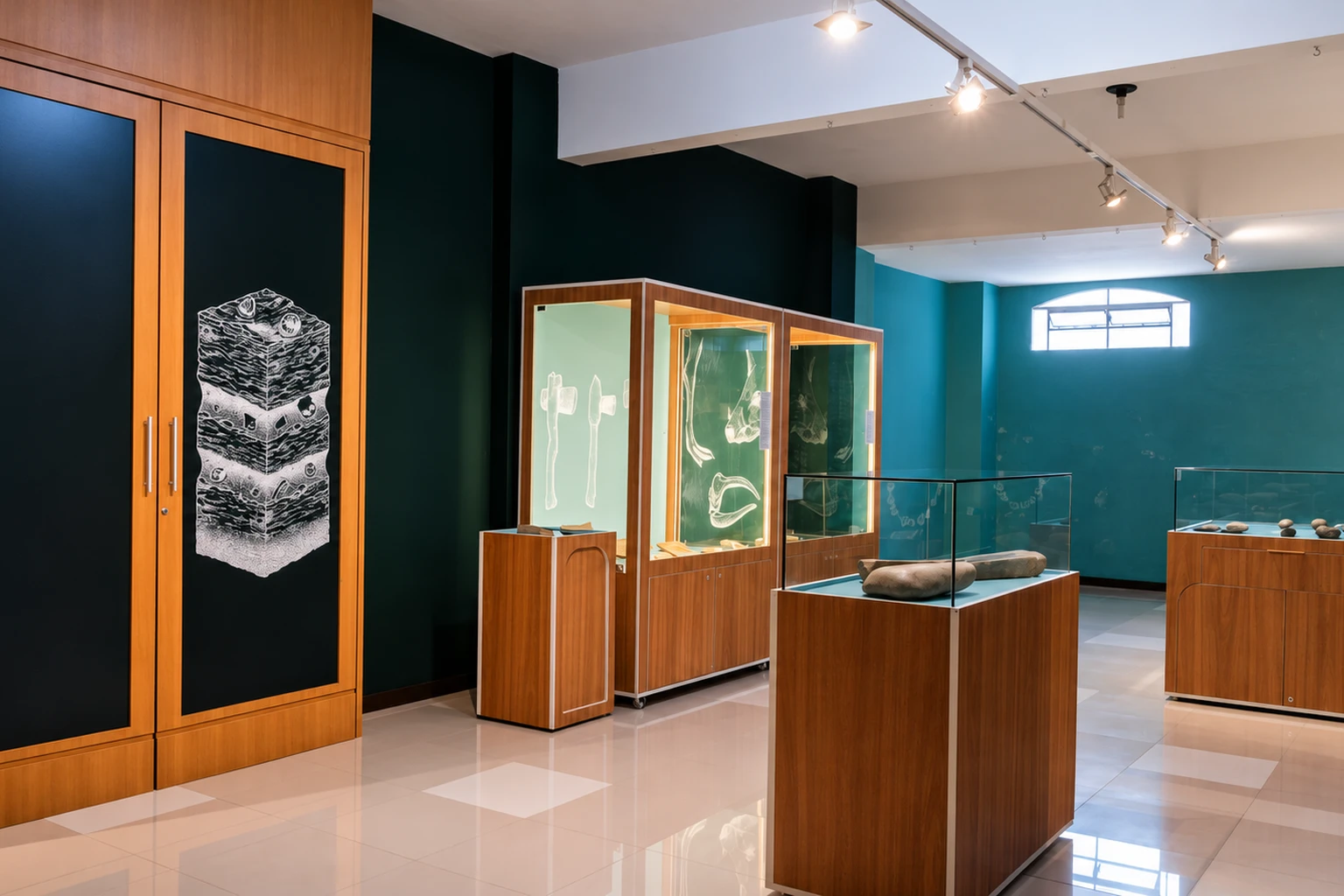
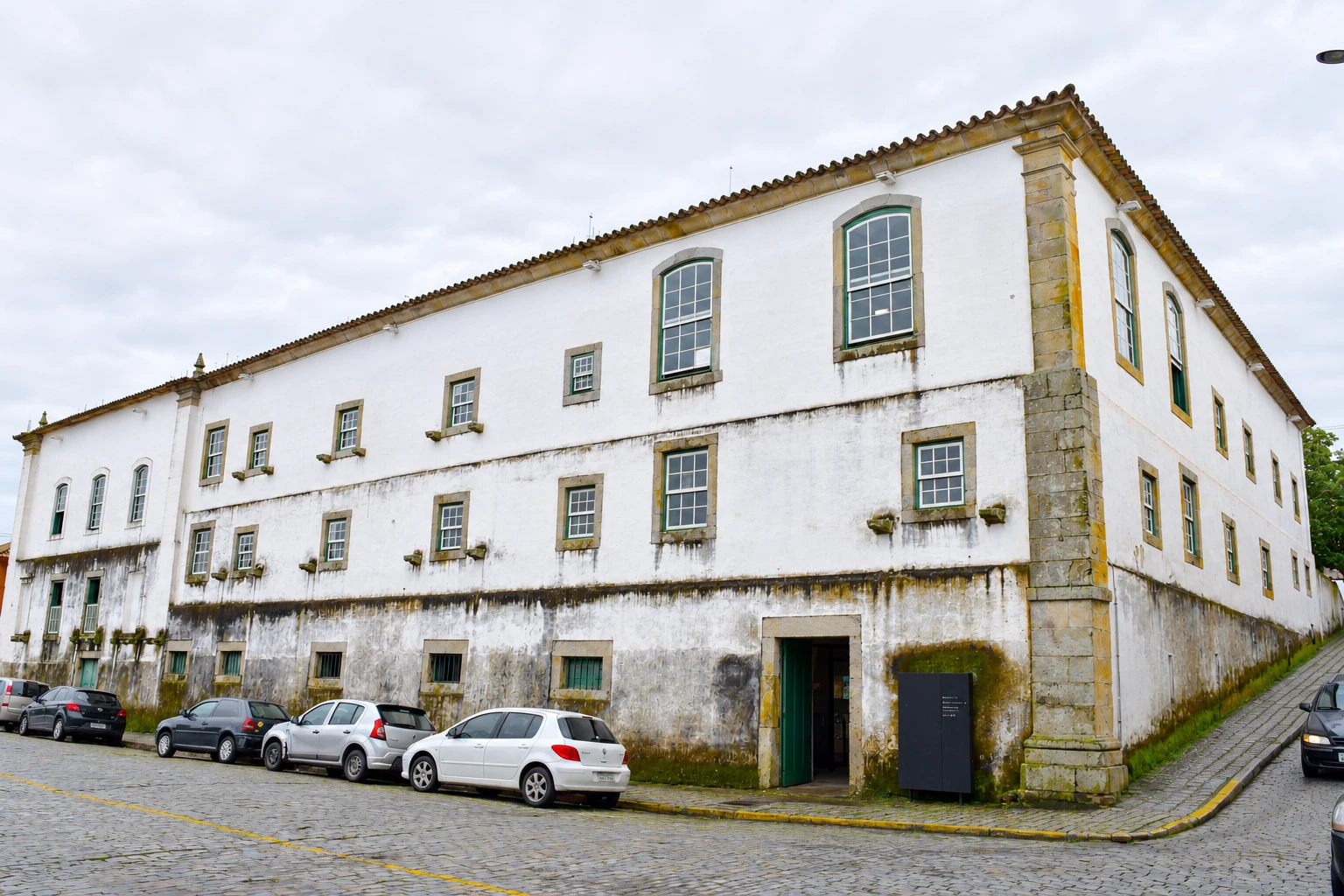
The Museum of the Federal University of Paraná is housed in the former Jesuit College, an 18th-century building on the bayfront in Paranaguá’s historic center, with exhibitions of archaeology, indigenous ethnology and popular culture.
In the photo: Former Jesuit College, seat of MAE-UFPR.
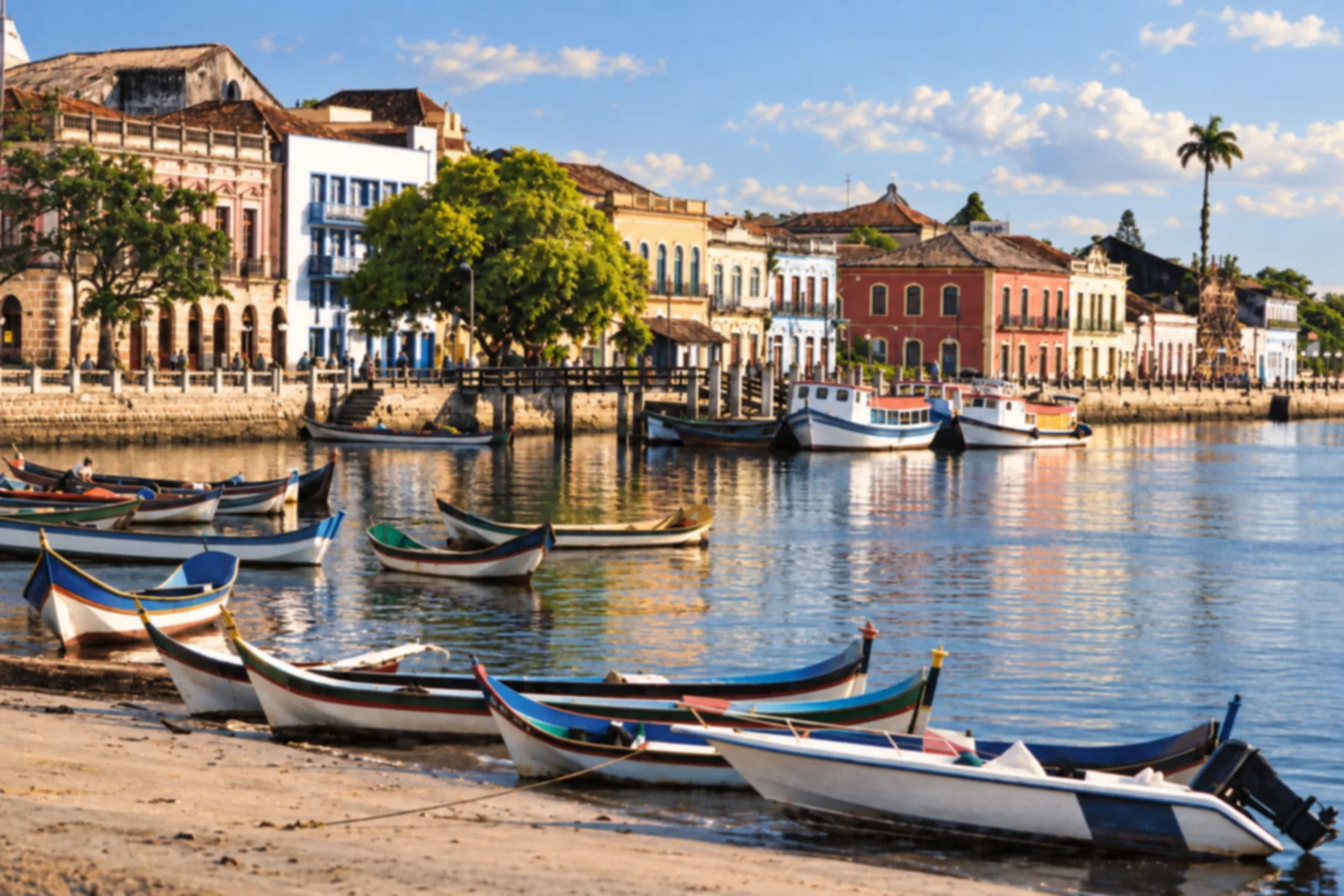
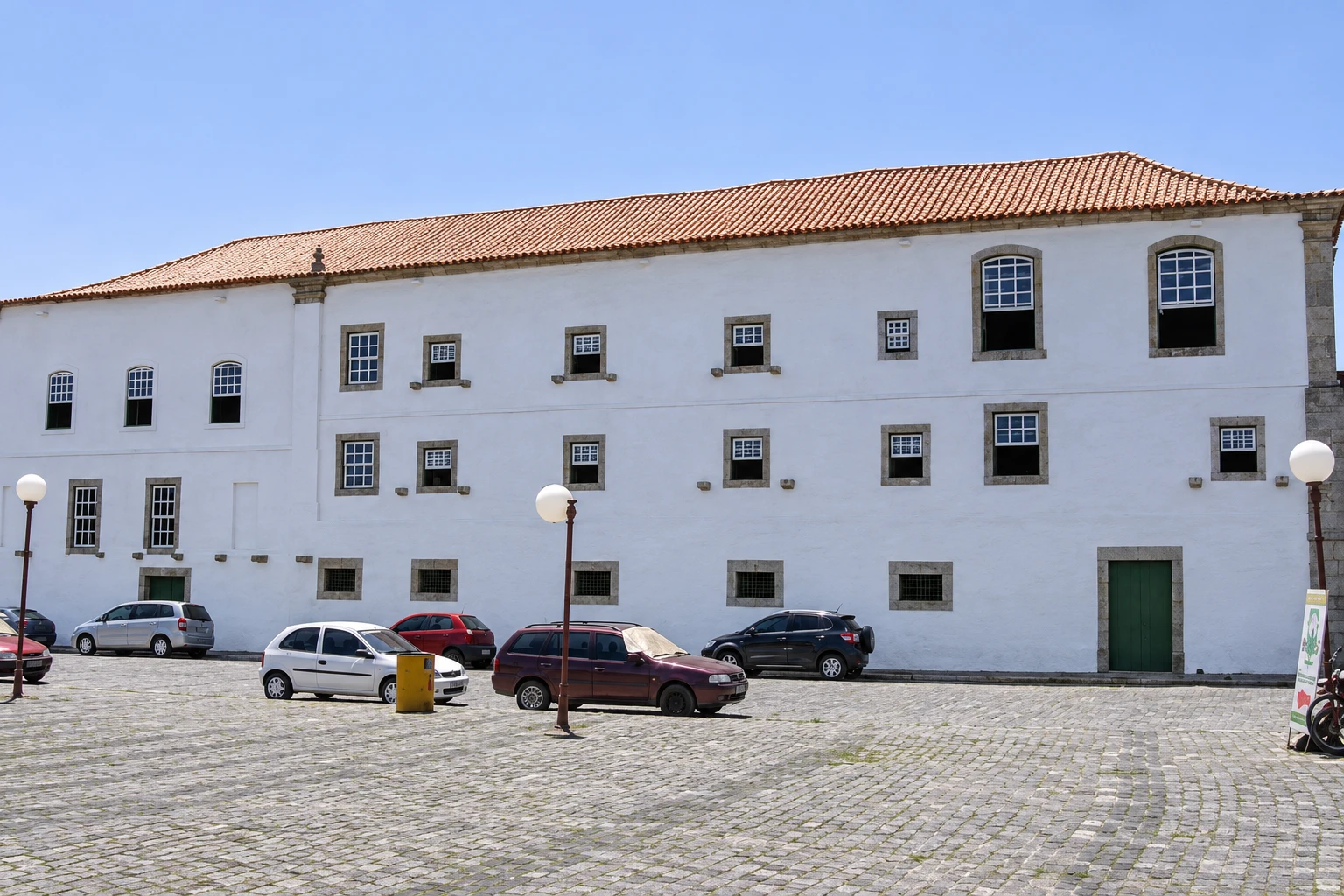
Illustrative images. The pictures in this guide are illustrations based on the real place, not photographs, and may differ from it.


A look at the place
Museum of Archaeology and Ethnology - UFPR in pictures
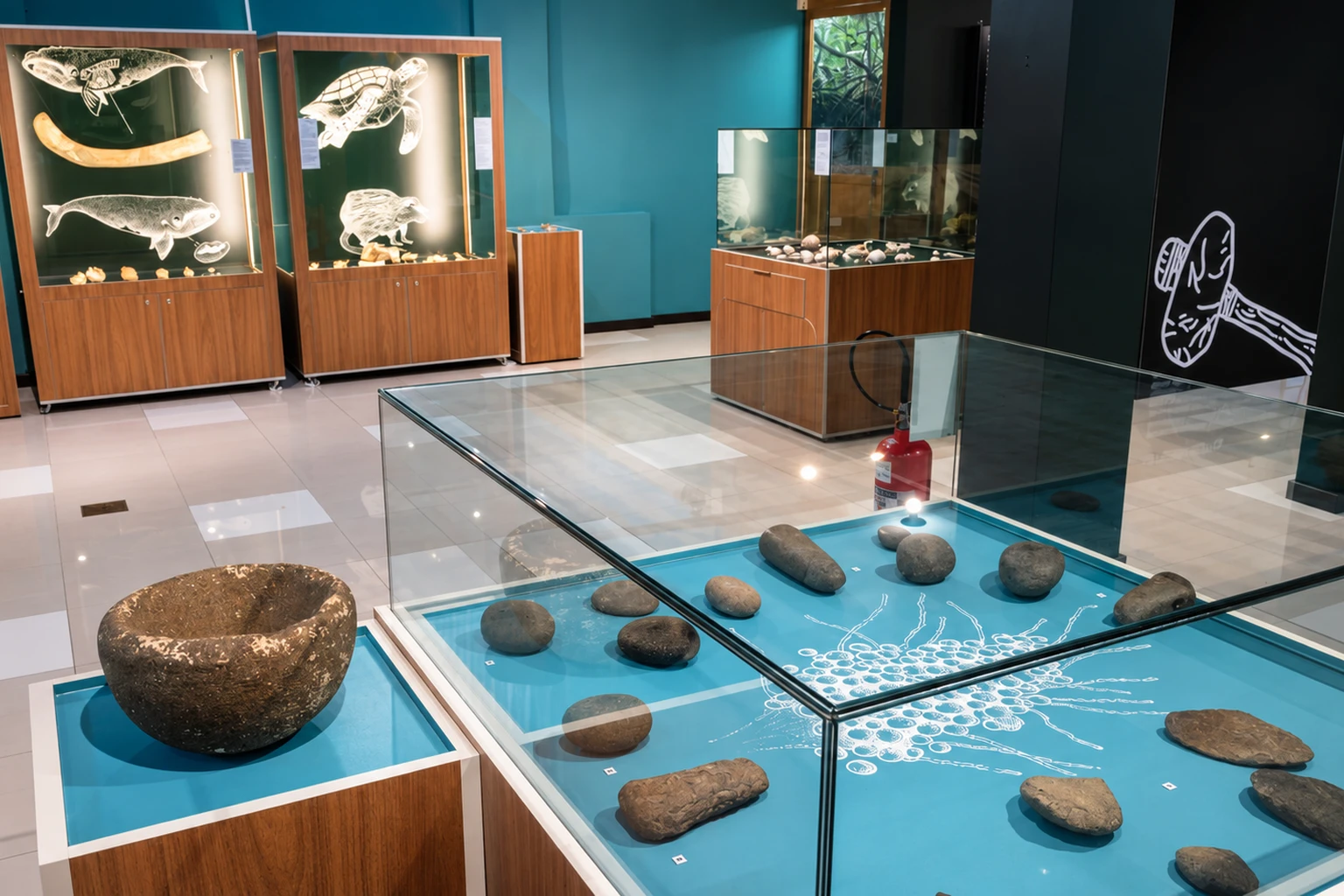
These pictures are illustrations based on the real place, not photographs. They may differ from the place.
Click the picture to enlarge it.
Discover
About Museum of Archaeology and Ethnology - UFPR
The Archaeology and Ethnology Museum of the Federal University of Paraná, MAE-UFPR, occupies the former Jesuit College of Paranaguá, on the street that runs along the bank of the Itiberê River in the historic center. Founded in 1963, it was the first university museum in Paraná and has its historic headquarters there.
The building is the main colonial structure in the city. The Jesuits erected it between 1740 and 1755, with three floors—an uncommon type of building in southern Brazil for that period. After the order left in the 18th century, the college had other uses until it became the museum’s home.
The permanent and temporary exhibitions cover the three areas of the collection: the archaeology of the Paraná coast, with pieces from the peoples who lived in the region long before Europeans arrived; indigenous ethnology, with objects from peoples in various parts of Brazil; and popular culture, with festivals, crafts and traditional knowledge.
The visit goes through the rooms on all three floors, and the colonial building itself, with its stairways and corridors, is part of the experience. The museum receives groups by appointment and runs an annual circuit of temporary exhibitions, with shows selected by public call.
MAE is in the heart of Paranaguá’s protected historic center, near the Coffee Market, the Municipal Market and the quay where boats depart for Ilha do Mel, and pairs well with a walk among the 18th- and 19th-century mansions.
Before you go
Practical information
Cidade Turismo reviews its information regularly, but something may have changed. Check with the place before planning your trip.
How much time to set aside
About an hour.
Best time
All year, during daytime. It’s a good visit for rainy days on the coast, common from December to March.
How to get there
It’s on Rua XV de Novembro, on the bank of the Itiberê River in Paranaguá’s historic center. From the town center go on foot; the quay for boats to Ilha do Mel is a few blocks away.
Tip
Combine the visit with lunch at the Coffee Market a few steps away and a late-afternoon walk along the riverside street.
Official website
Get your questions answered
Frequently asked questions about Museum of Archaeology and Ethnology - UFPR
Where is the Archaeology and Ethnology Museum of UFPR located?
The historic headquarters is in the former Jesuit College on Rua XV de Novembro, on the bank of the Itiberê River in Paranaguá’s historic center.
What’s at MAE-UFPR in Paranaguá?
Permanent and temporary exhibitions on coastal archaeology, indigenous ethnology and popular culture, housed in an 18th-century Jesuit building that is itself part of the visit.
When was the Jesuit College of Paranaguá built?
Between 1740 and 1755. The three-story building is the city’s main colonial structure and has housed the museum since the second half of the 20th century.
What can I visit near MAE in Paranaguá?
The Coffee Market, the Municipal Market, the mansions of the historic center and the quay where boats depart for Ilha do Mel, all a few minutes on foot.
Beyond the guide


