Drink · Japan
Nihonshu
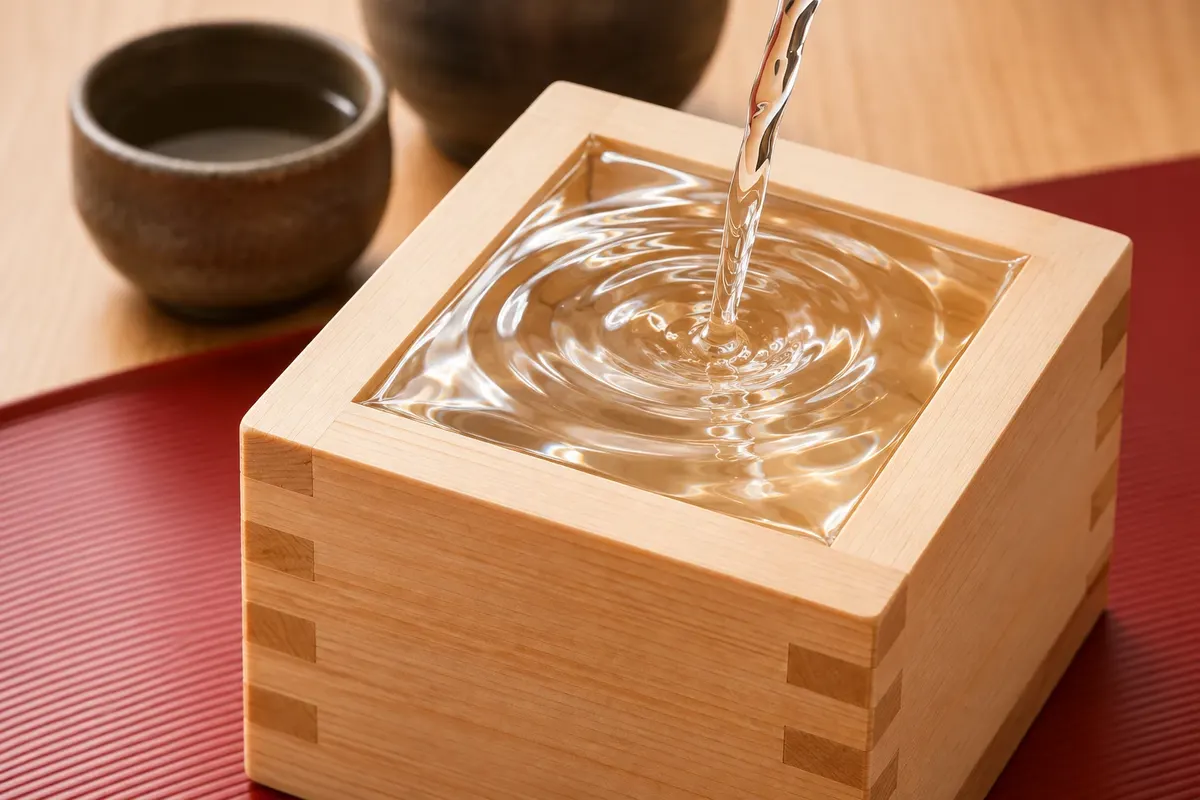
Japanese sake, a fermented beverage made from rice, koji and water. It is an official geographical indication of Japan and is served chilled, at room temperature, or warm, in small cups.

 Search
 Brazil
 Antarctica
 Argentina
 Bolivia
 Chile
 Colombia
 Ecuador
 Guyana
 French Guiana
 Falkland Islands (Malvinas)
 Paraguay
 Peru
 Suriname
 Uruguay
 Venezuela
 Germany
 Austria
 Belgium
 Croatia
 Denmark
 Slovakia
 Slovenia
 Spain
 Finland
 France
 Greece
 the Netherlands
 Hungary
 Ireland
 Iceland
 Italy
 Luxembourg
 Norway
 Poland
 Portugal
 the United Kingdom
 the Czech Republic
 Sweden
 Switzerland
 Turkey
 Bermuda
 Canada
 the United States
 Greenland
 Mexico
 Saint Pierre and Miquelon
 the Dominican RepublicJapanTurkey
 South Africa
 Egypt
 Australia
 Fiji
 New Zealand
 Papua New Guinea
Flavors · Yamagata
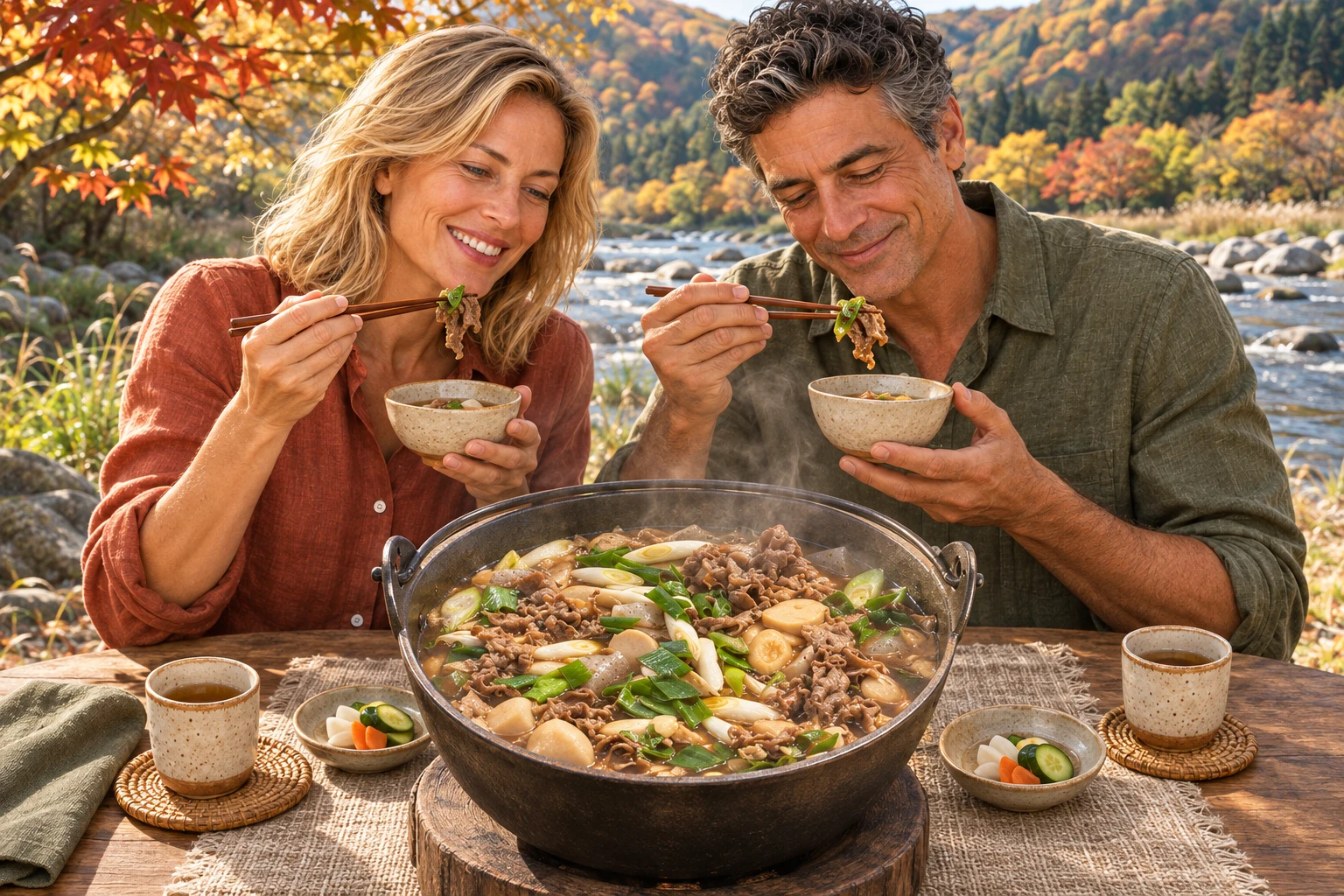
Taro stew with meat, konnyaku and scallion, cooked in large pots on riverbanks in autumn at Yamagata’s imonikai. Inland it includes beef and shoyu; on the Shonai coast it uses pork and miso.
Traditional dish from Yamagata
Also known as: 芋煮, Imoni nabe
Illustrative images. The pictures in this guide are illustrations based on the real place, not photographs, and may differ from it.

Click a photo to enlarge it.
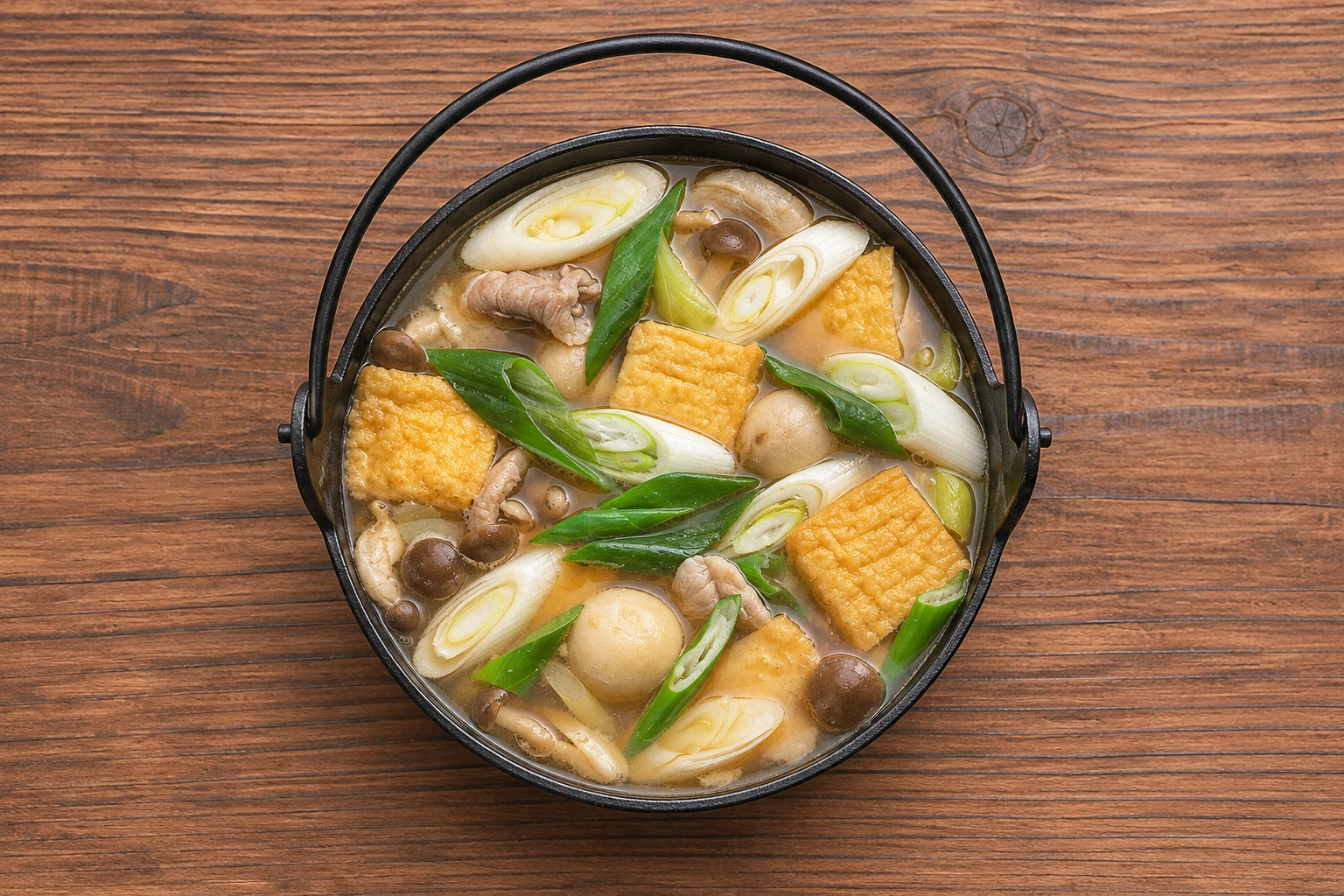
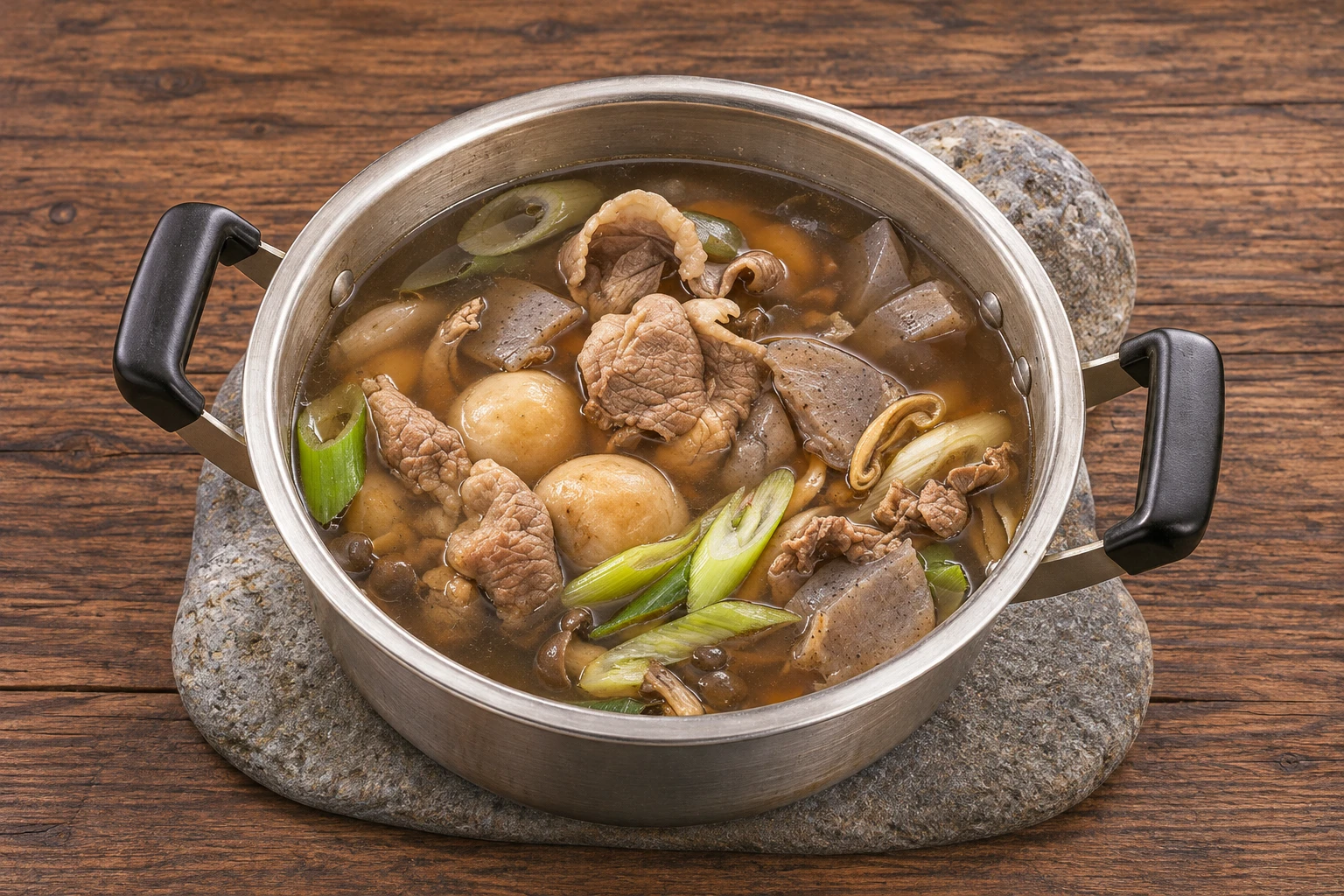
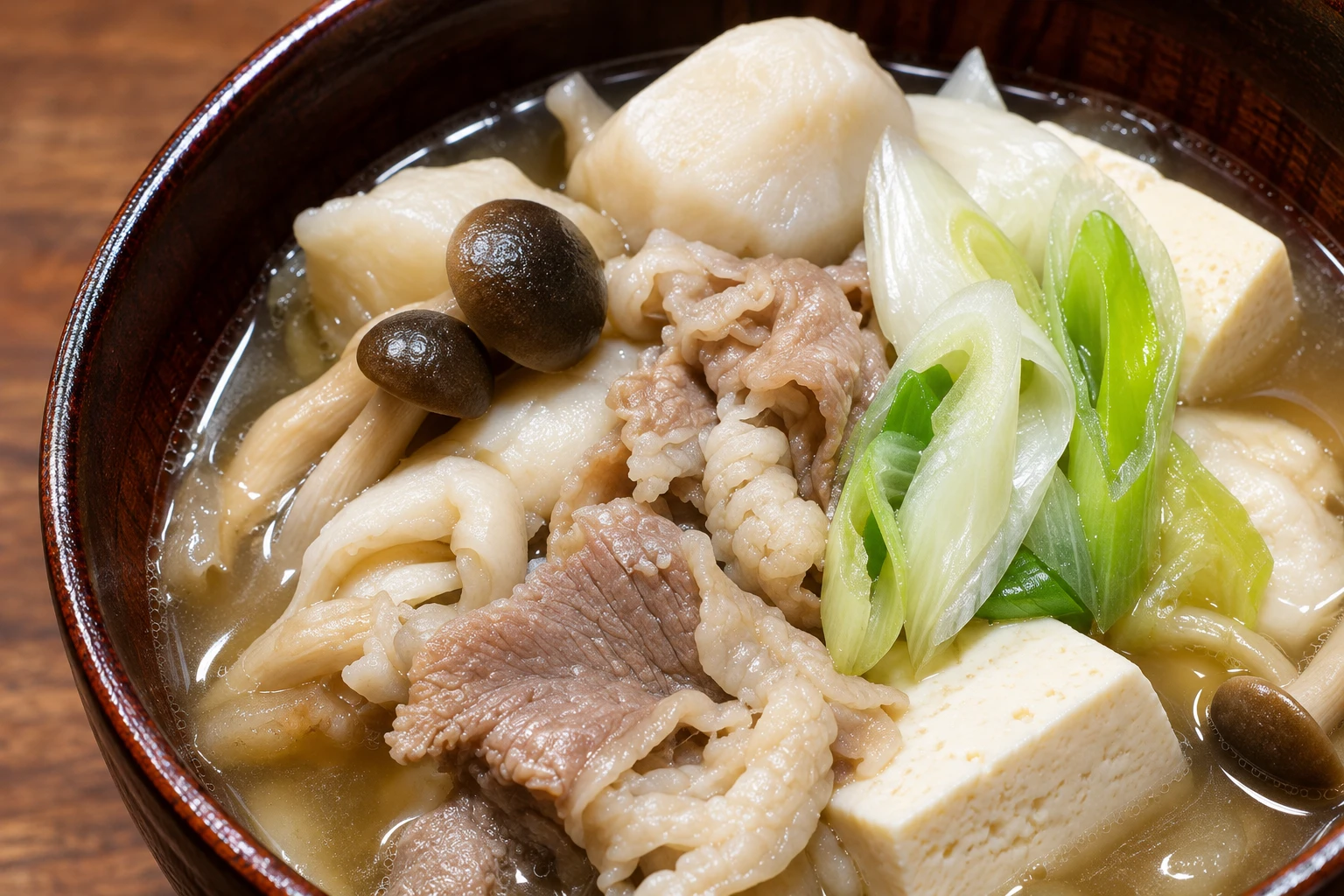
Imoni — Yamagata, Japan
Imoni is a stew made with satoimo, the Japanese taro, plus meat, konnyaku and thick scallion. In inland Yamagata the most common version uses beef and a broth seasoned with shoyu and sugar. In the Shonai region, by the Sea of Japan, it includes pork, fried tofu and miso. There are also versions with mushrooms and mountain greens, or with tofu.
According to the Ministry of Agriculture of Japan, the origin is told like this: in the 17th century, boatmen going upriver on the Mogami waited days for the people who received the cargo, near present-day Nakayama. To pass the time they cooked the taro from a nearby village on the riverbank together with the dried cod they carried. Beef only entered the dish in the early 20th century.
Imoni is the focus of imonikai, the autumn gatherings where families, friends and coworkers bring pots and ingredients to cook on riverbanks. In Yamagata, imonikai are one of the year’s major events, like New Year and year-end festivals, and during the season shops and supermarkets sell ingredients and rent pots and firewood.
In mid-September the city of Yamagata holds an imoni festival on the riverbank featuring a pot about 6.5 meters in diameter, stirred by an excavator. When the stew is finished, many people add udon or curry to the remaining broth.
Yamagata
Dish of Yamagata’s autumn imonikai.
Satoimo (taro), beef or pork, konnyaku, thick scallion; shoyu and sugar or miso. Some versions include mushrooms, mountain plants or tofu.
In bowls, straight from the pot, often outdoors. At the end, udon or curry is added to the broth.
Autumn, from September onward, during the taro harvest; imonikai on riverbanks.
Your questions
It’s an autumn gathering where families, friends and coworkers cook imoni in pots on riverbanks. In Yamagata it’s one of the year’s main events, and during the season pots and firewood can be rented.
In inland Yamagata, imoni uses beef and a shoyu-based broth. In Shonai, near the sea, it uses pork and is seasoned with miso.
Flavors of Japan
Japanese sake, a fermented beverage made from rice, koji and water. It is an official geographical indication of Japan and is served chilled, at room temperature, or warm, in small cups.
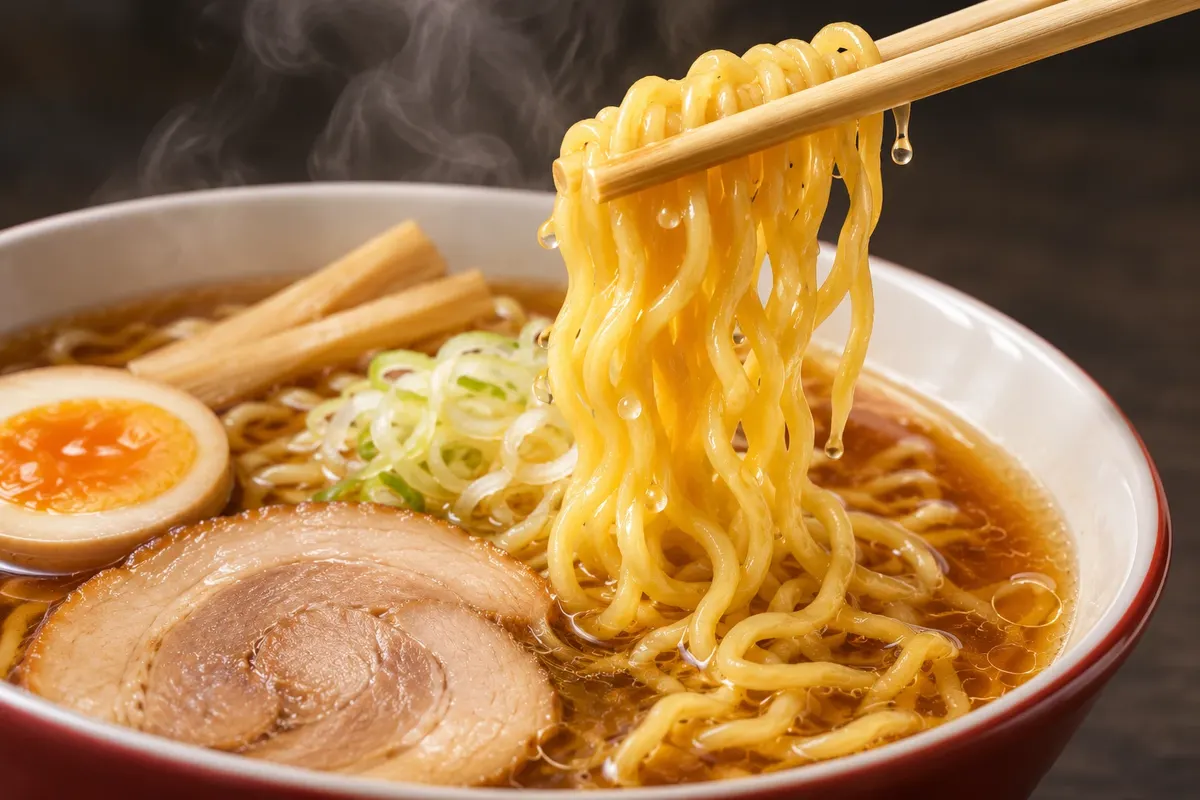
Wheat noodles in a hot broth seasoned with shoyu, miso, salt, or pork bone, served with slices of pork, scallions, and bamboo shoots. It’s one of Japan’s most common dishes, with regional styles throughout the country.
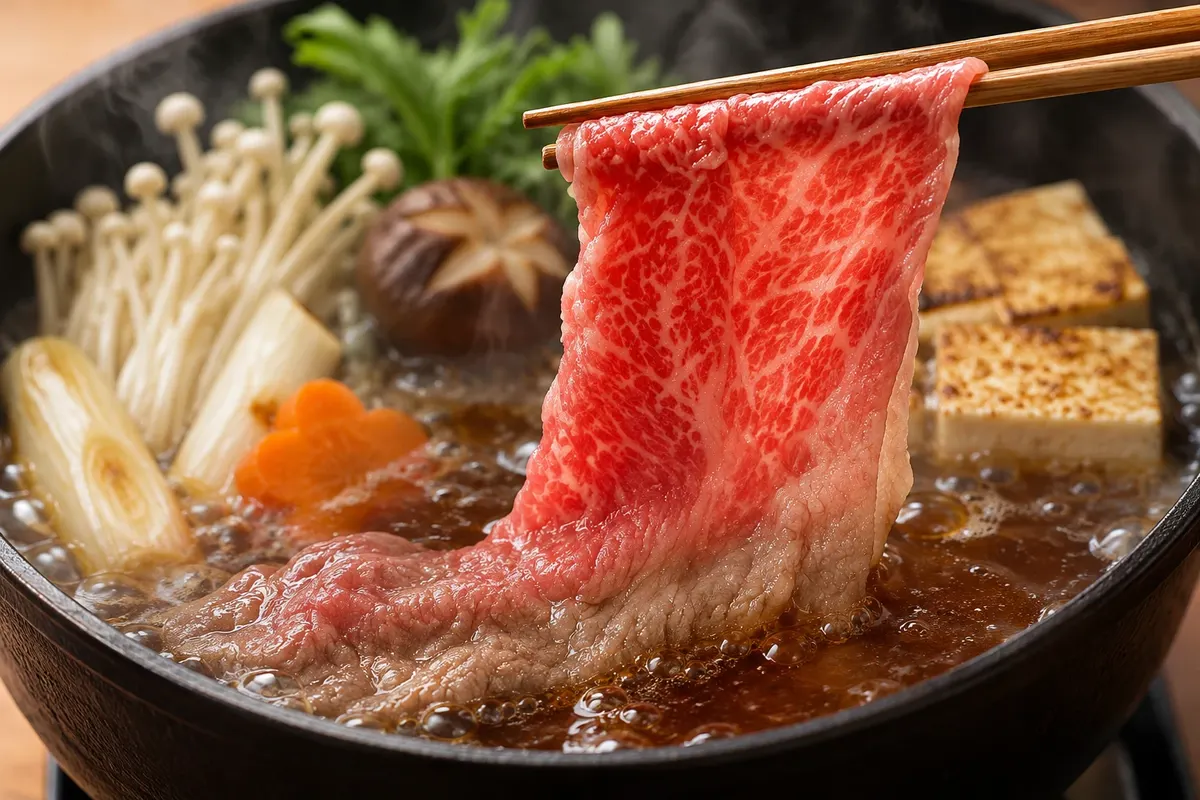
A shallow pot of thinly sliced beef, scallion, grilled tofu, shirataki and leafy greens, cooked in a sauce of soy sauce, sugar and sake. Each piece is dipped in beaten egg before eating.
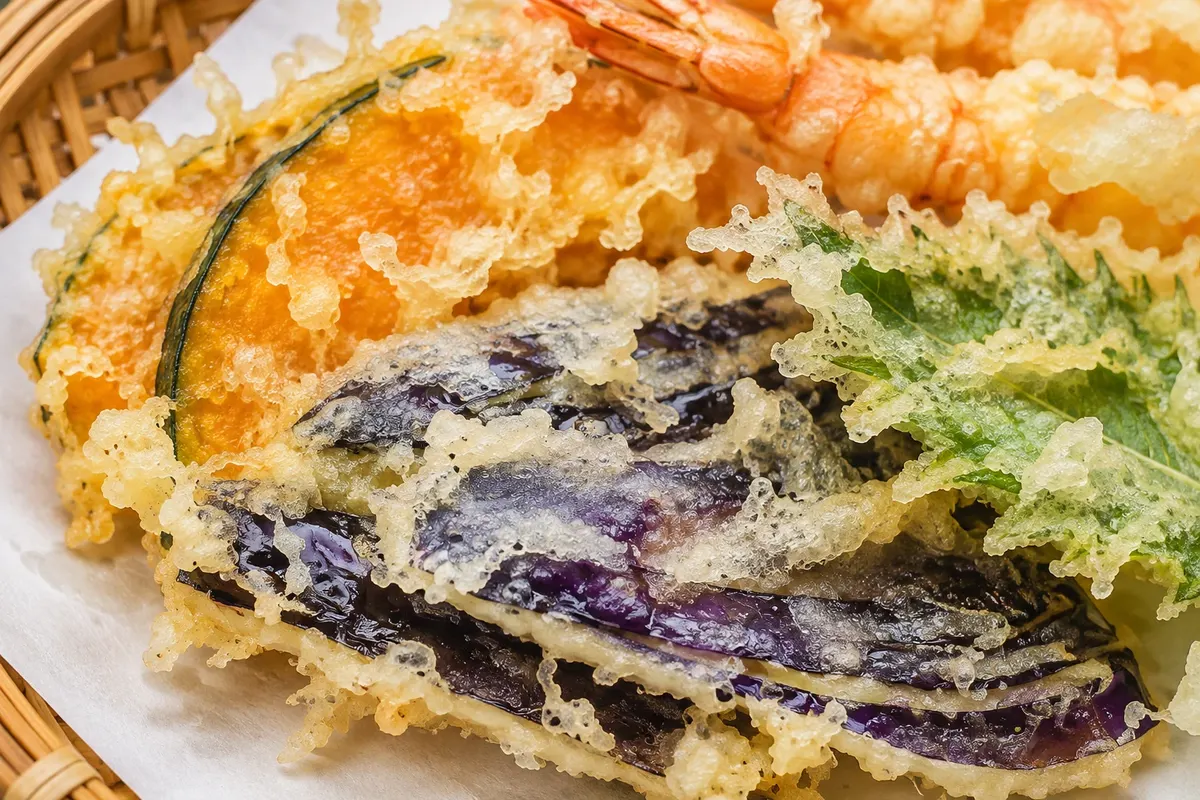
Shrimp, fish and seasonal vegetables coated in a light batter of wheat flour, egg and cold water and fried to order. They are eaten with tentsuyu broth and grated daikon or with salt, and also served over rice as tendon.
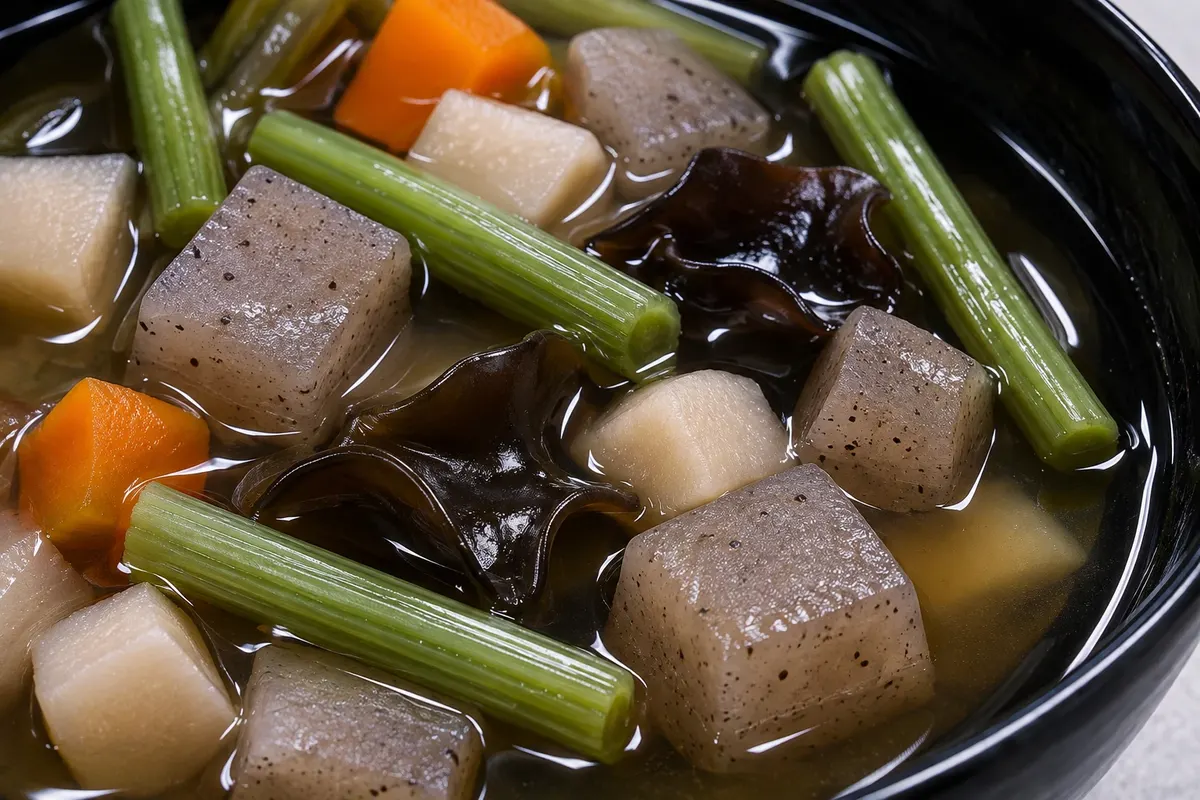
Aizu festive soup, made with dried scallop and dried shiitake broth, taro, carrot, mushrooms, bracken shoot, ginkgo and wheat-gluten balls (mamefu), served in the region’s lacquered bowls.
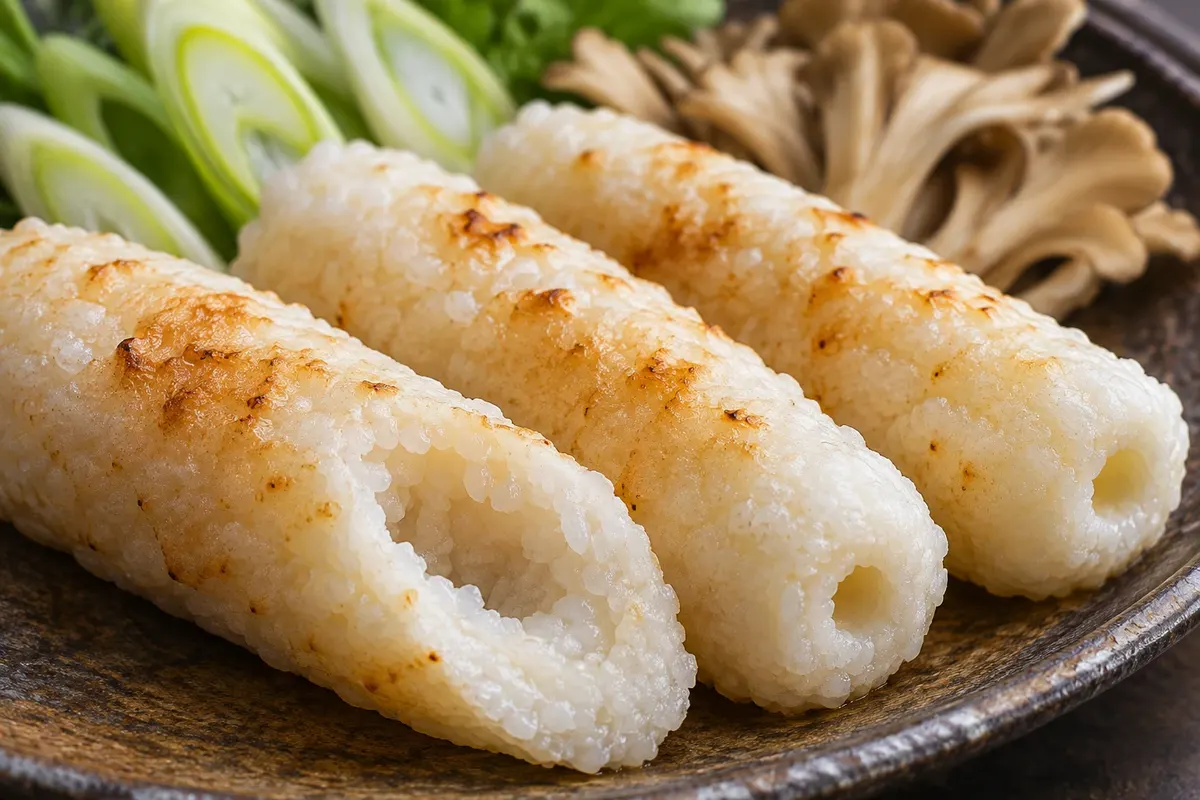
A pot of chicken-bone broth with mashed and toasted rice sticks (kiritanpo), burdock, mushrooms, scallions and seri. A dish from Akita, made at the time of the new rice harvest.
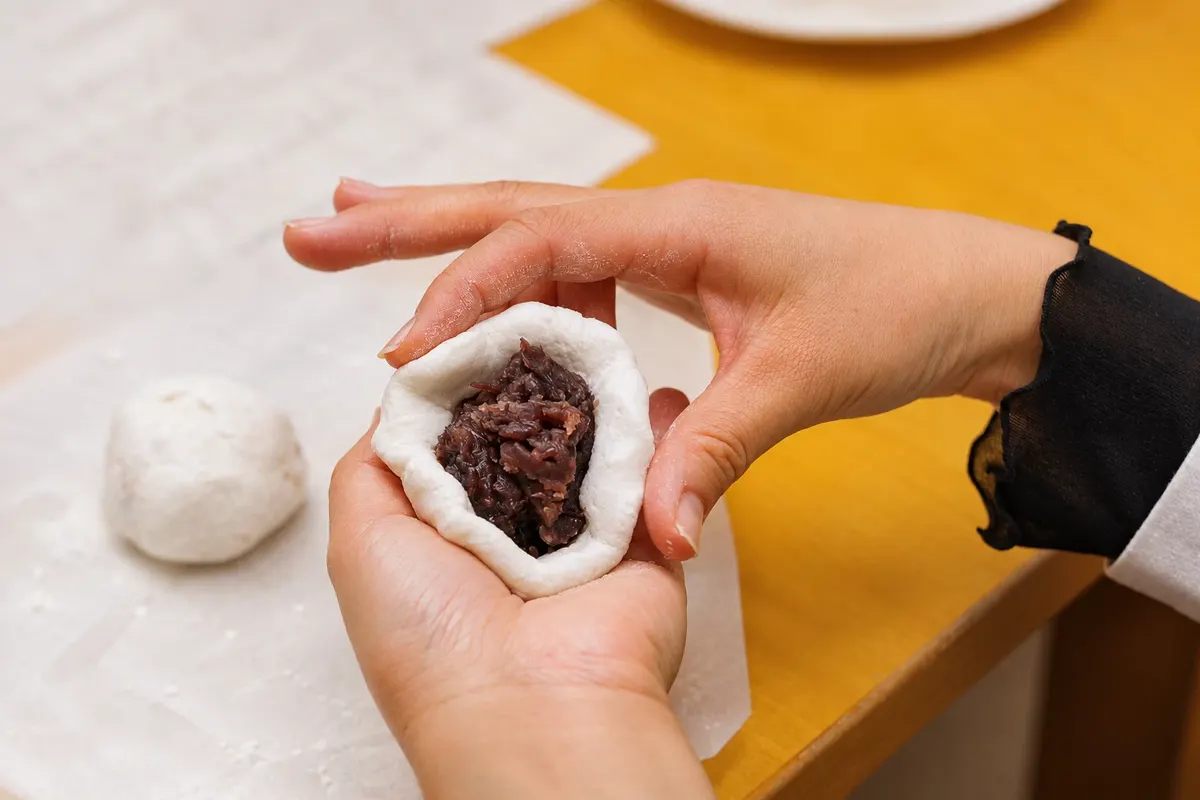
Thin rice‑cake filled with sweet azuki bean paste and toasted on both sides in an iron mold stamped with a plum blossom, the symbol of Dazaifu Tenmangu shrine. It’s the sweet of the shrine avenue in Dazaifu.
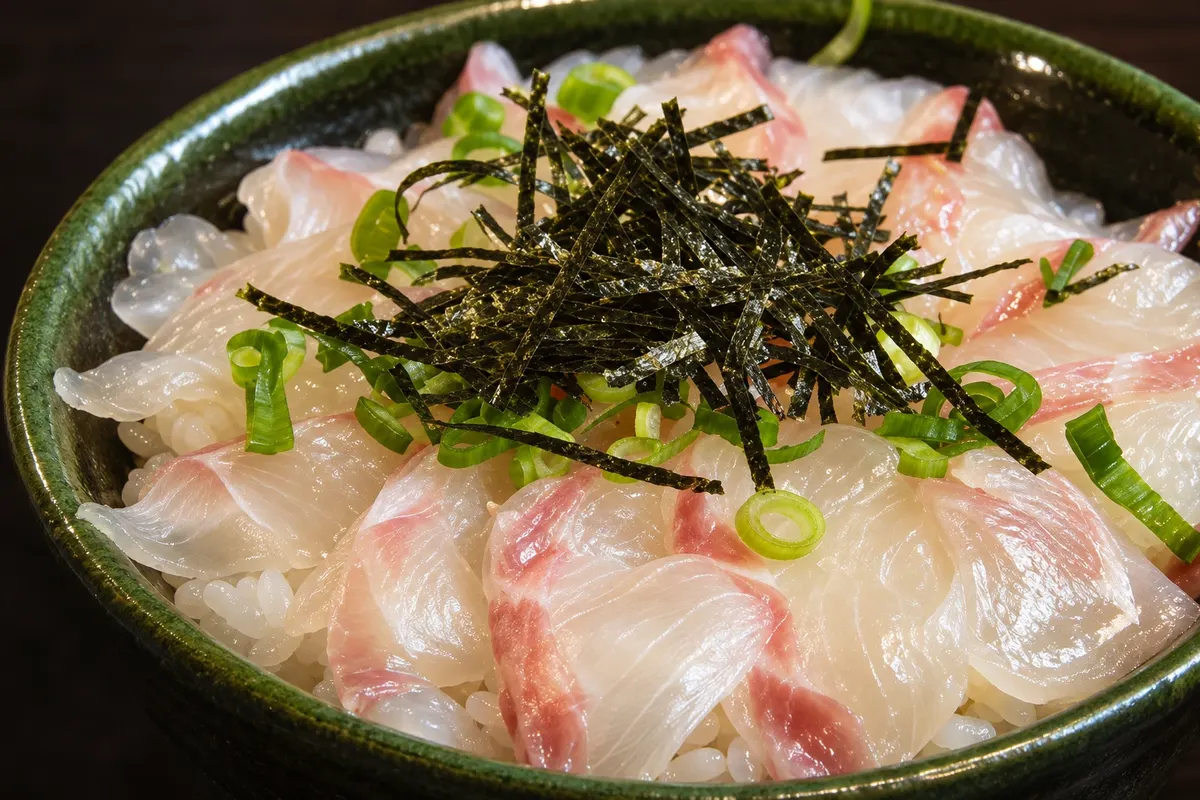
Red snapper and rice in two Ehime versions: in the north, the whole fish is cooked with the rice and shredded in the pot; in the south, raw slices marinated in soy sauce and egg are placed over the hot rice.
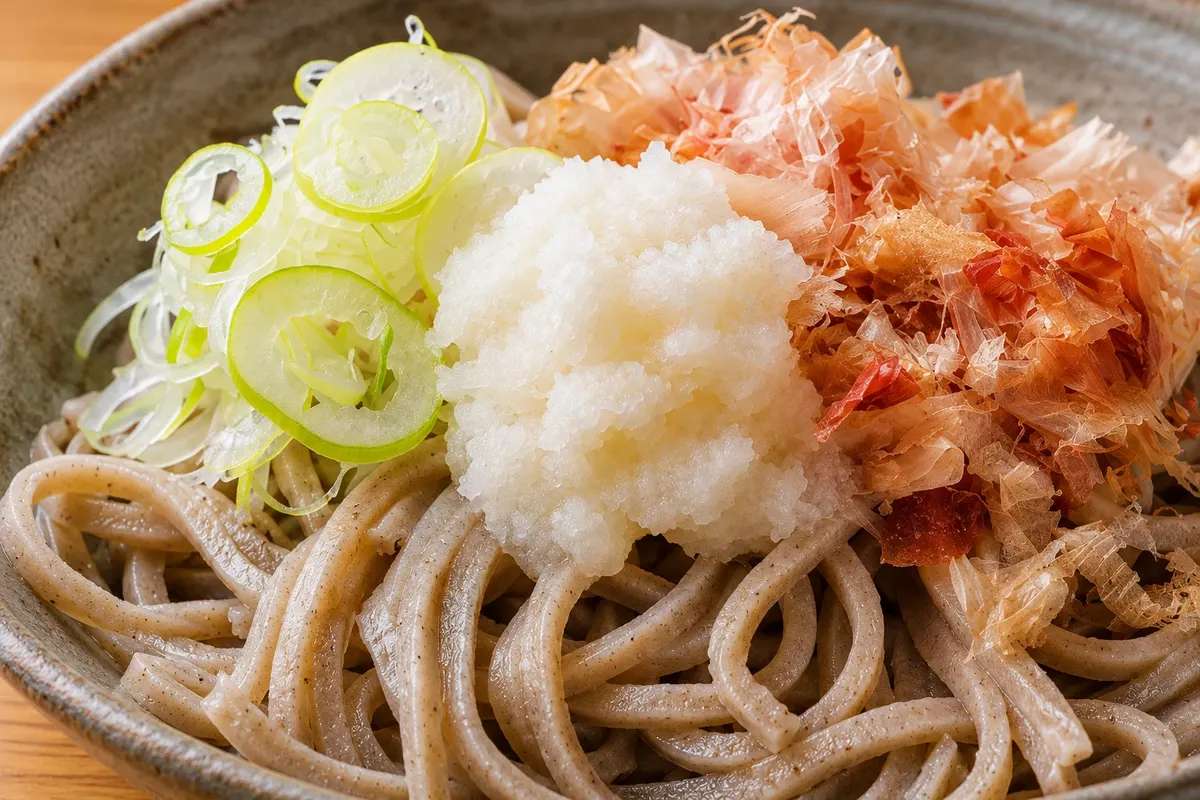
Cold soba with grated daikon radish, quite spicy, cold broth, katsuobushi and green onion. It’s the most eaten soba in Fukui, served at weddings, at the end of the year and at winter Buddhist ceremonies.
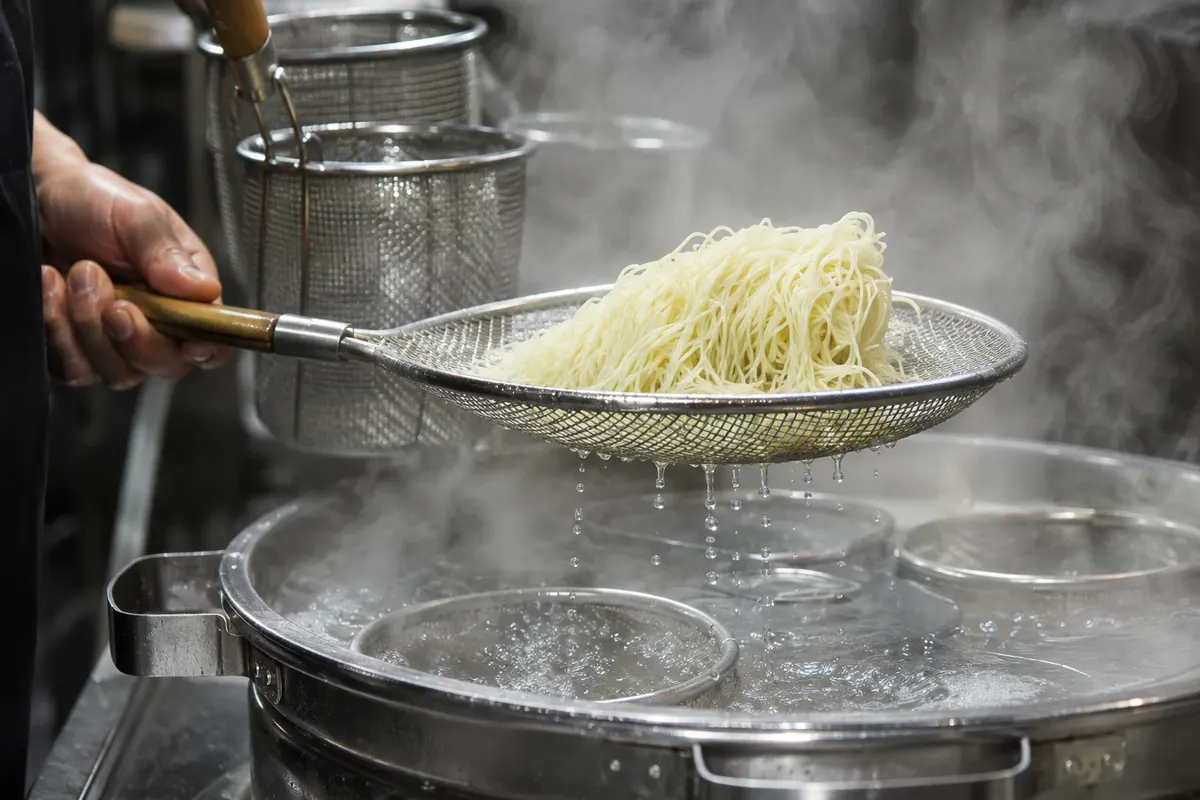
Rich, milky pork-bone broth ramen with thin, straight noodles, chashu and scallions. It’s named Hakata, another name for Fukuoka, and is eaten in ramen shops and the city’s yatai stalls.
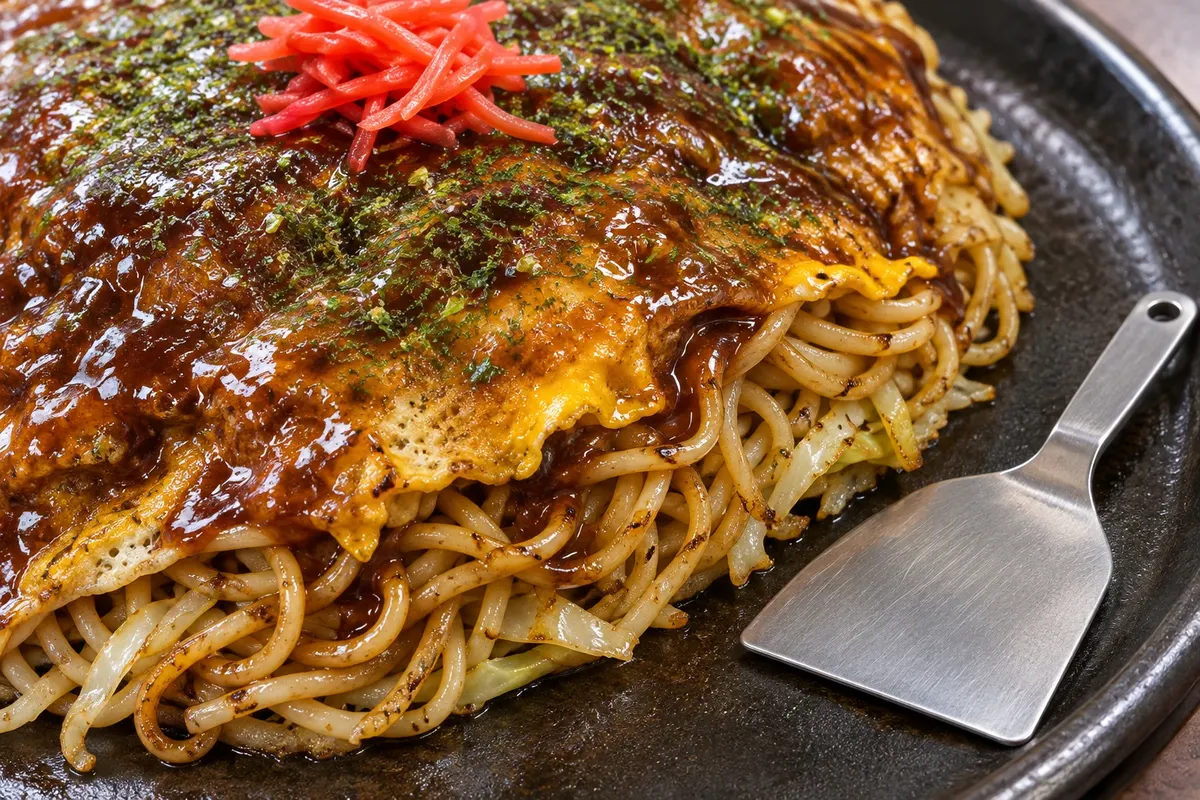
Layered pancake cooked on the griddle: thin wheat batter, lots of cabbage, slices of pork, fried noodles and egg, with a thick sweet sauce. In Hiroshima, it’s everyday food, served in specialized restaurants and eaten with a spatula.
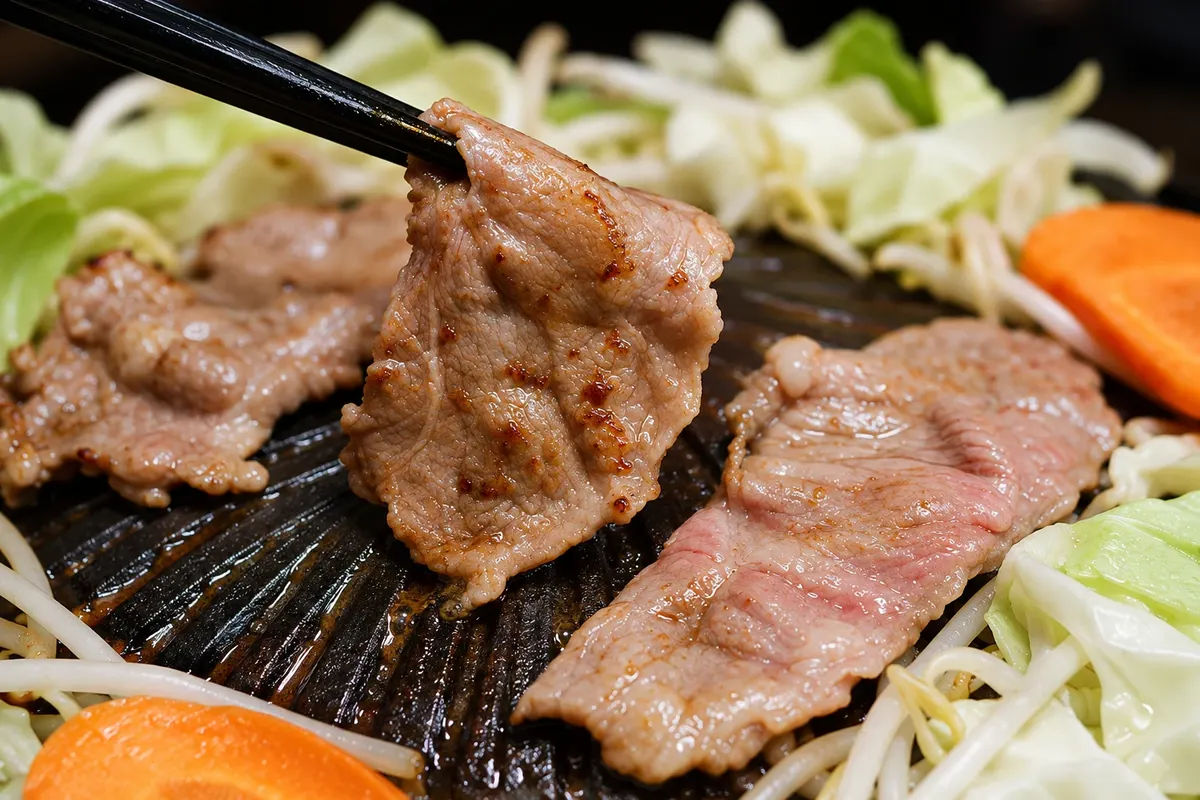
Grilled mutton or lamb on a rounded iron griddle, with vegetables that cook in the juices that run off. It’s Hokkaido’s best-known dish, eaten at home, in restaurants and on picnics.
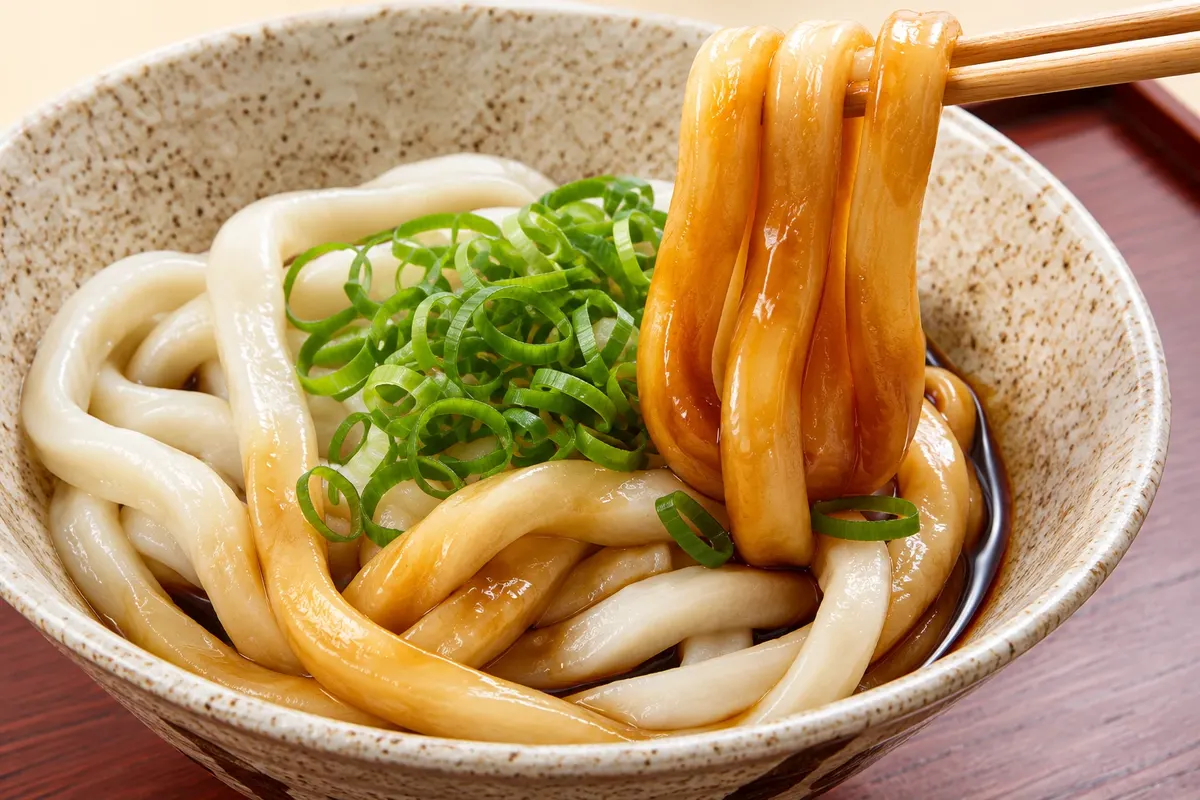
Very thick, soft udon served with almost no broth, topped with a dark, thick tamari–dashi sauce and scallions. A dish from the city of Ise, served for centuries to shrine pilgrims.
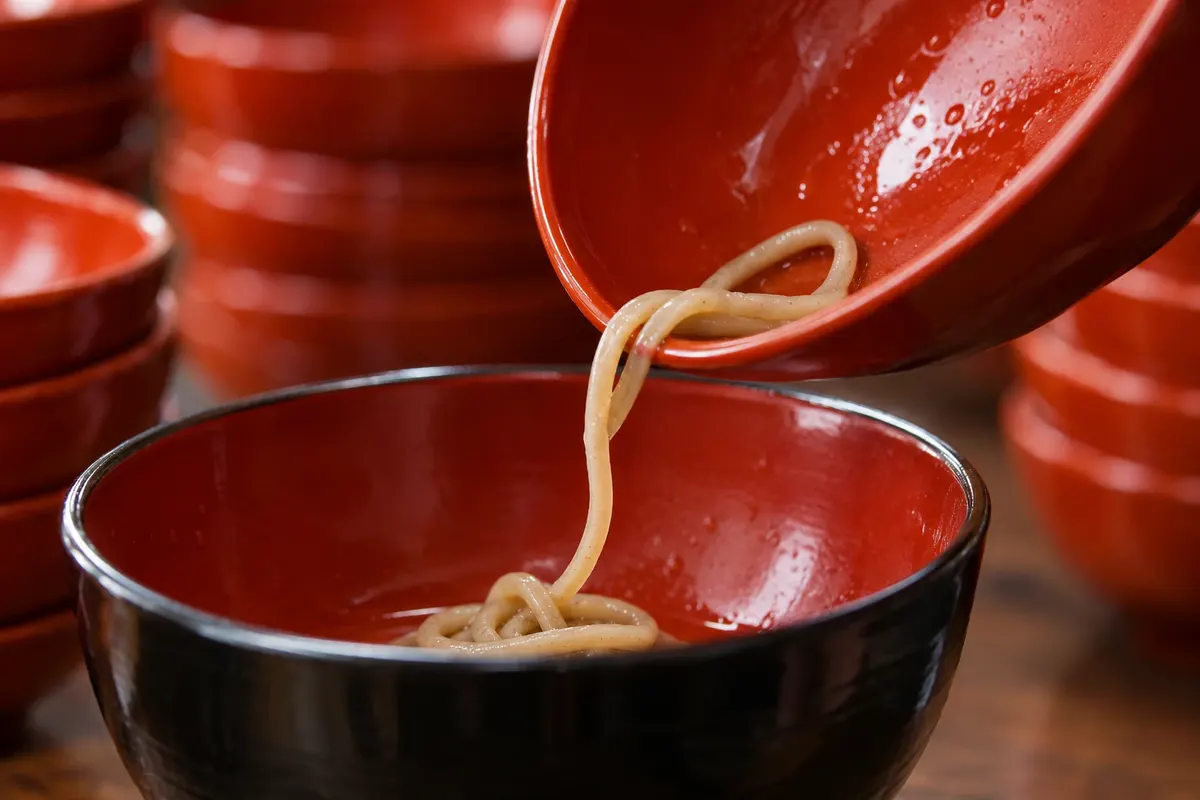
Soba served in one-bite portions in small bowls, refilled by the server until you cover the bowl. A tradition from Iwate that began as a way to welcome guests.
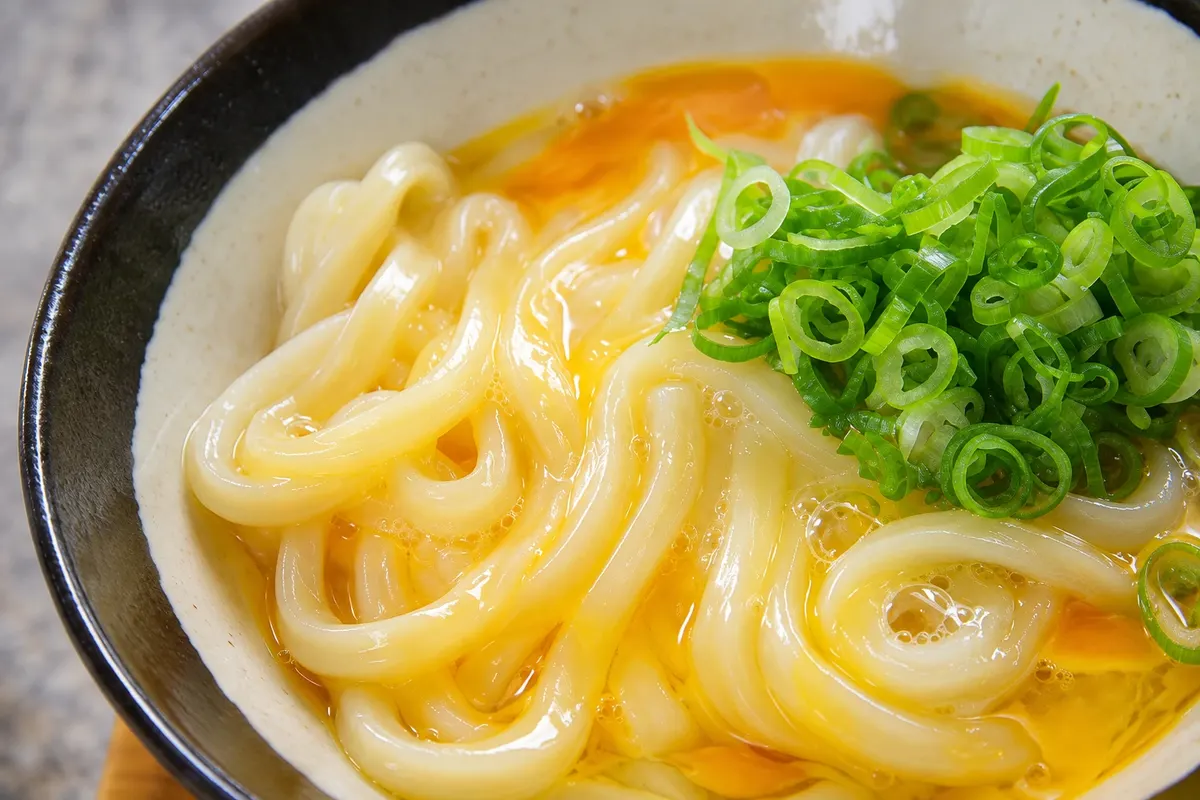
Kagawa udon: firm and elastic, with a smooth surface, served hot or cold, in iriko broth or simply with soy sauce. Kagawa is called the udon kingdom, with udon shops throughout the prefecture.

Sweet-potato shochu from Kagoshima, distilled using rice koji or sweet-potato koji. Satsuma is Japan’s official geographical indication for the shochu of the prefecture, which is enjoyed with hot water, on the rocks, or with cold water.
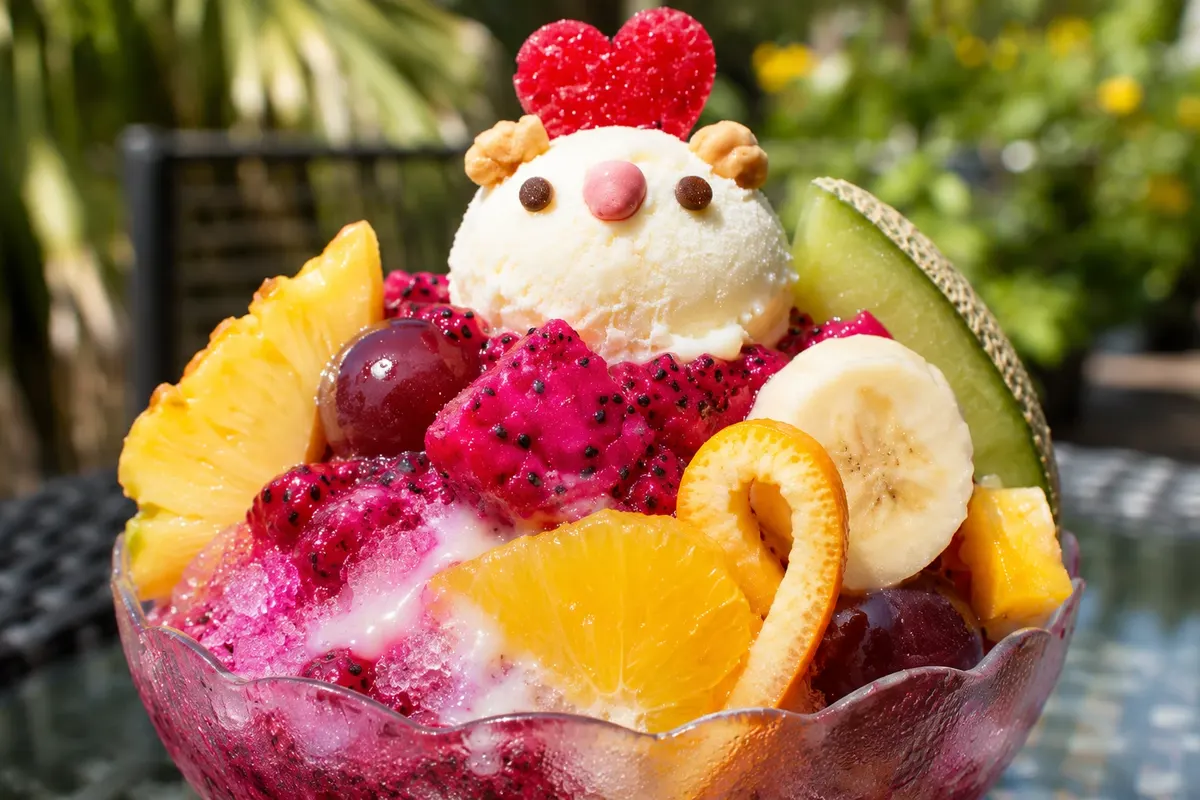
Shaved ice topped with condensed milk, colorful fruit, agar jelly cubes and azuki beans. The name, polar bear, comes from how it looks from above. A summer sweet from Kagoshima.
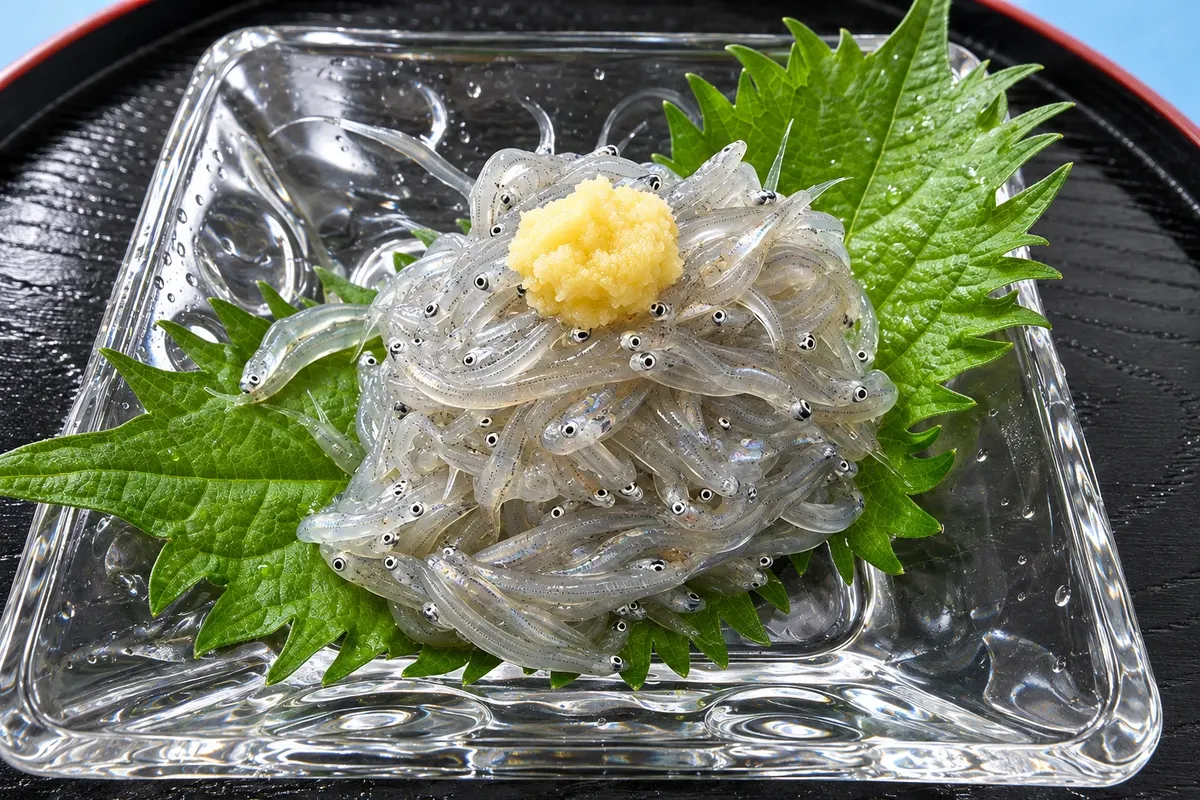
Bowl of rice topped with shirasu — translucent sardine fry, raw or cooked — served with soy sauce and ginger. A coastal Shonan (Kanagawa) dish made with the day’s catch from Sagami Bay.
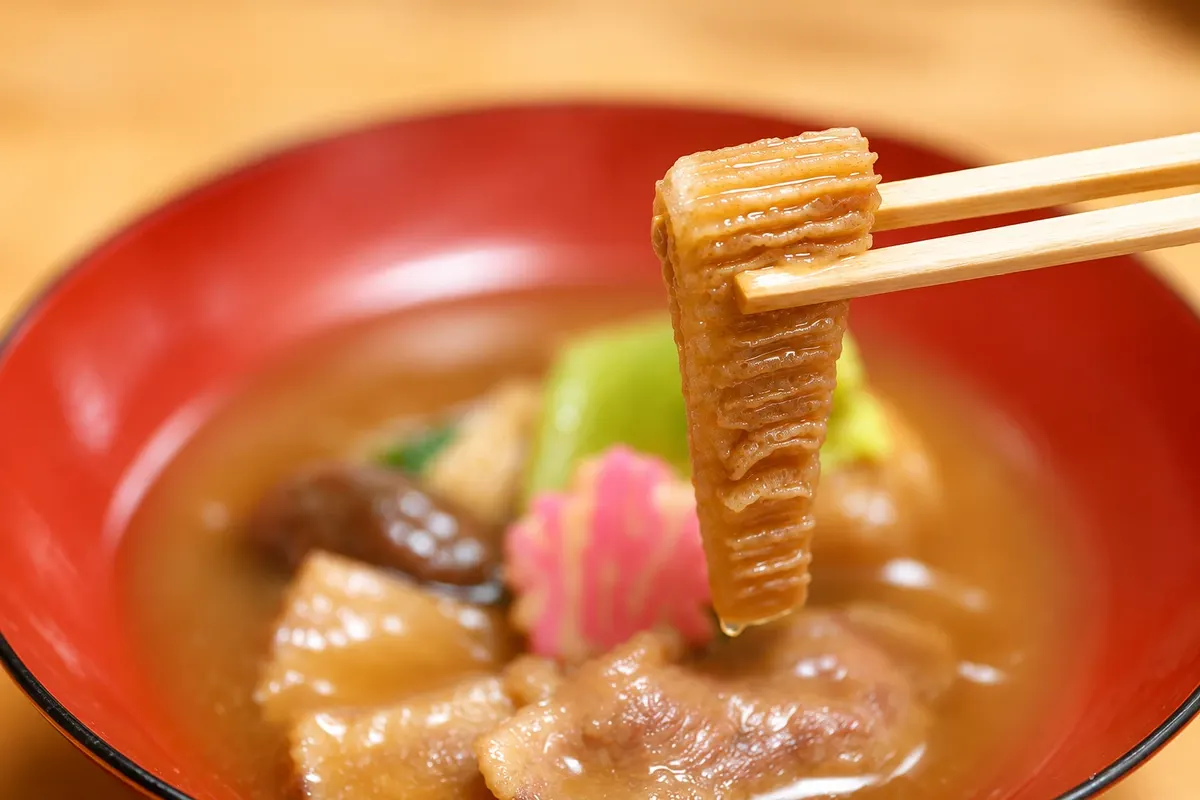
Duck dusted in flour and cooked with sudare-fu (wheat gluten), vegetables and mushrooms in a slightly thickened shoyu broth, served with wasabi. A dish of Kaga cuisine, traditional in Kanazawa.
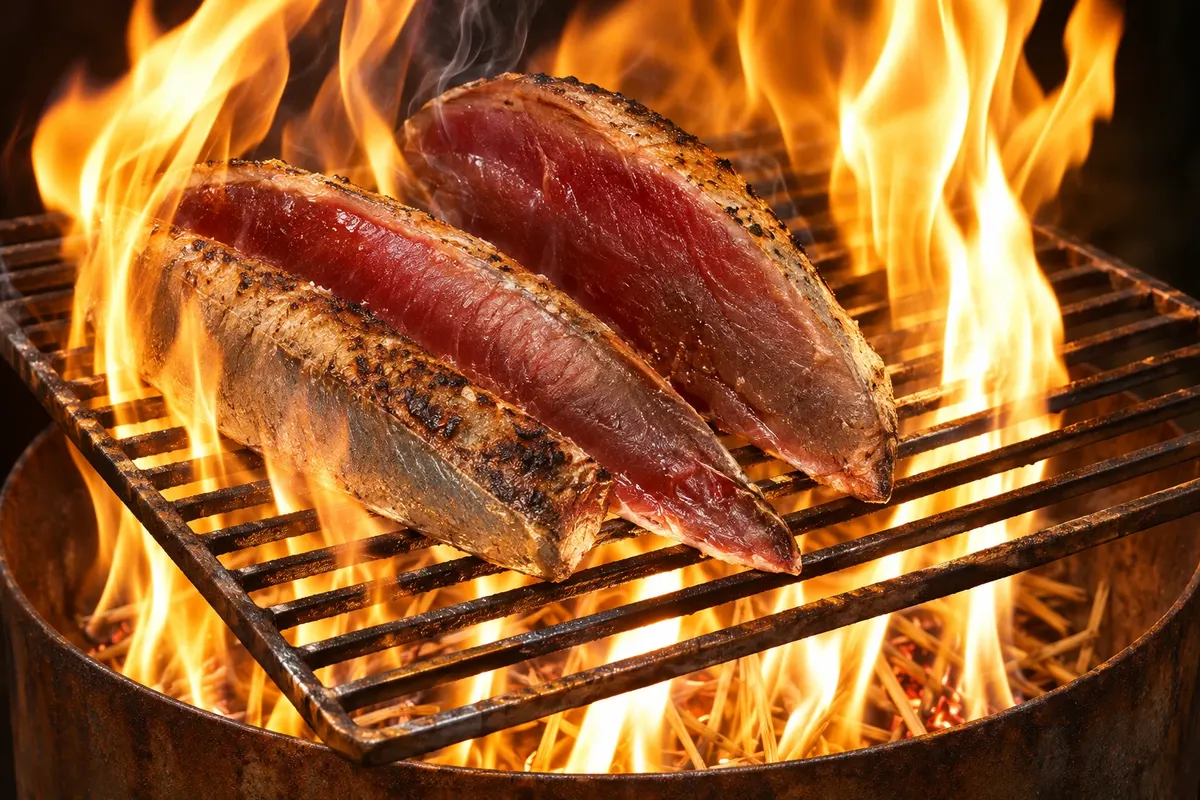
Bonito quickly seared over a high flame, often using straw, browned on the outside and raw inside, cut into thick slices and served with salt or a citrus soy sauce, garlic and scallion. Dish from Kōchi.
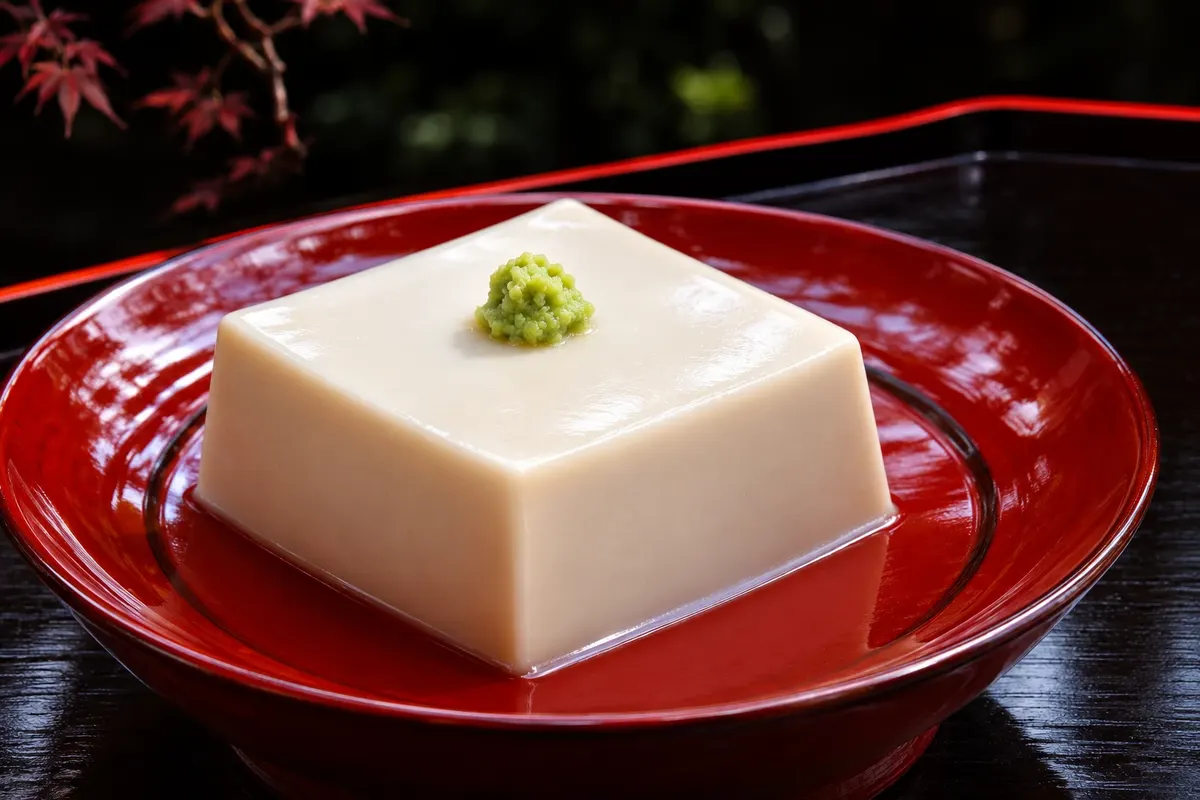
Firm sesame cream made from ground sesame, kuzu starch and water, served in cubes with wasabi and soy sauce. A dish from the vegetarian cuisine of the monks of Koyasan, the sacred mountain of Shingon Buddhism.
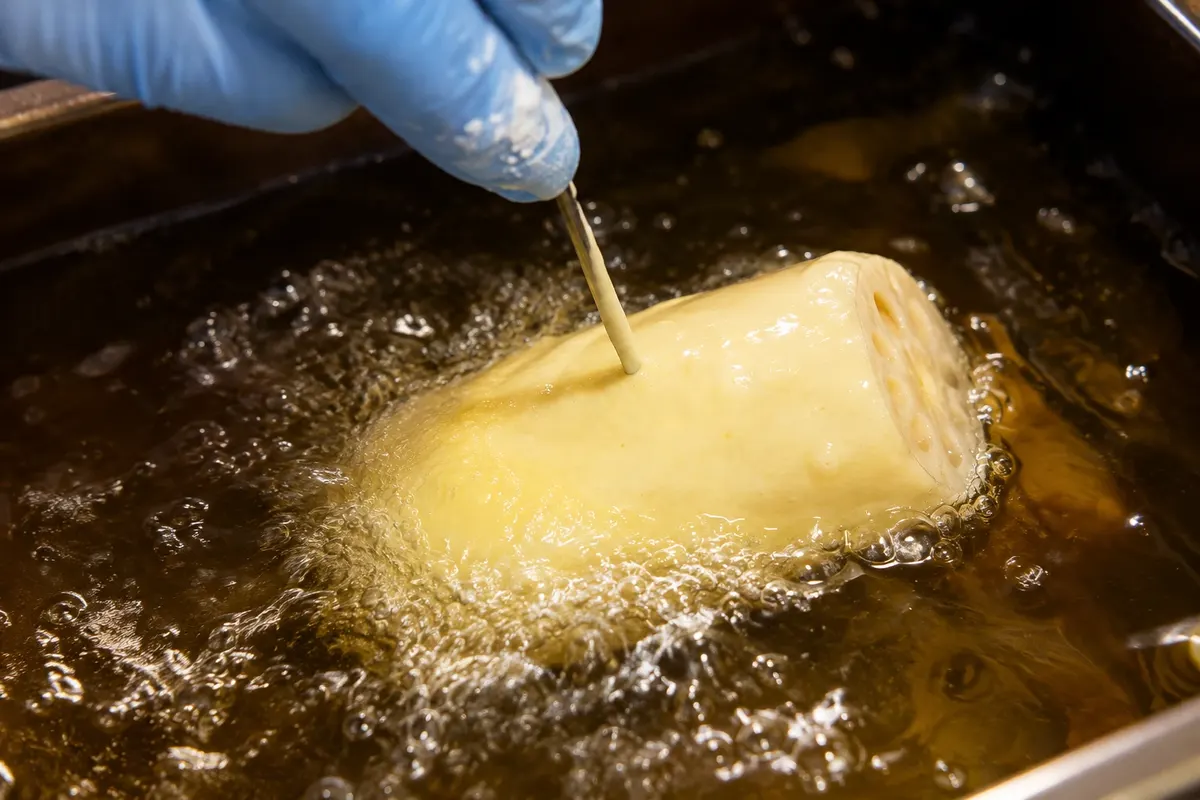
Lotus root with the holes filled with miso and Japanese mustard, breaded in a yellow batter and fried, served in slices. A dish from Kumamoto, traditionally linked to the Hosokawa lords.
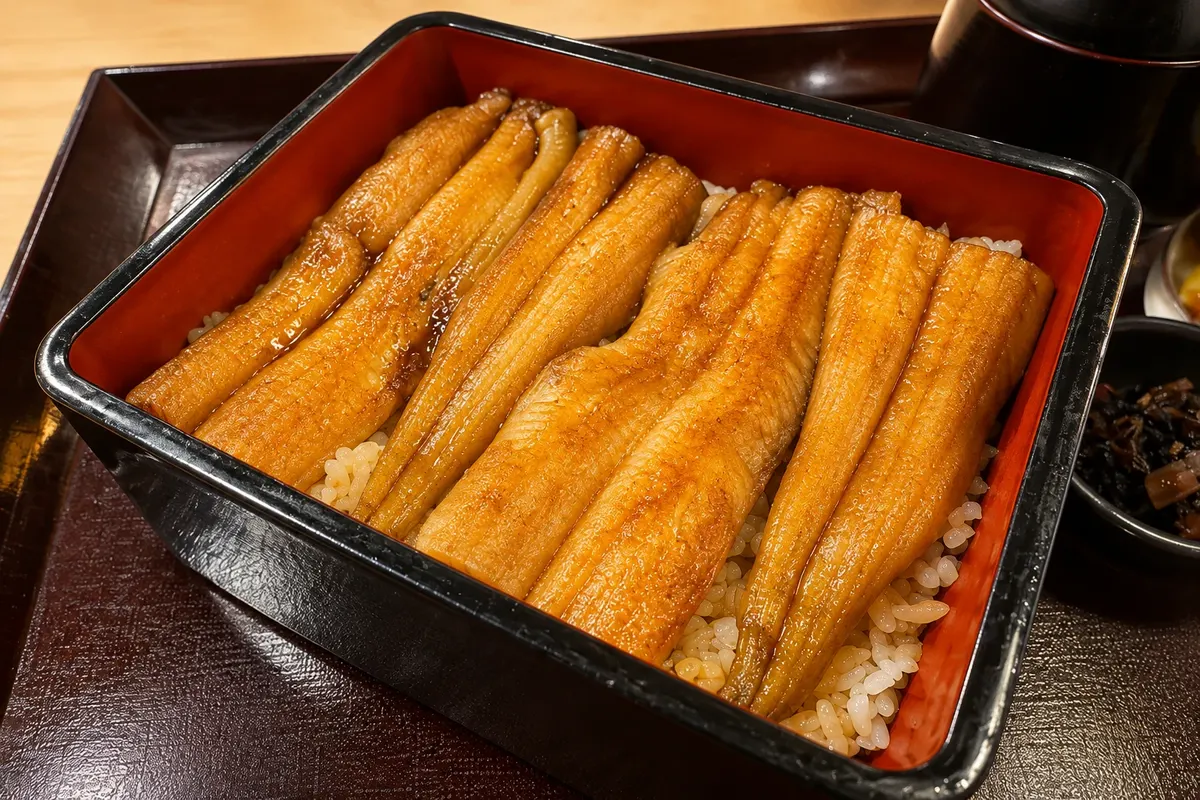
Grilled conger (anago) with shoyu sauce, sliced and arranged over rice cooked in broth. A Miyajima specialty, sold since 1901 as a train-station snack at the boarding point for the island.
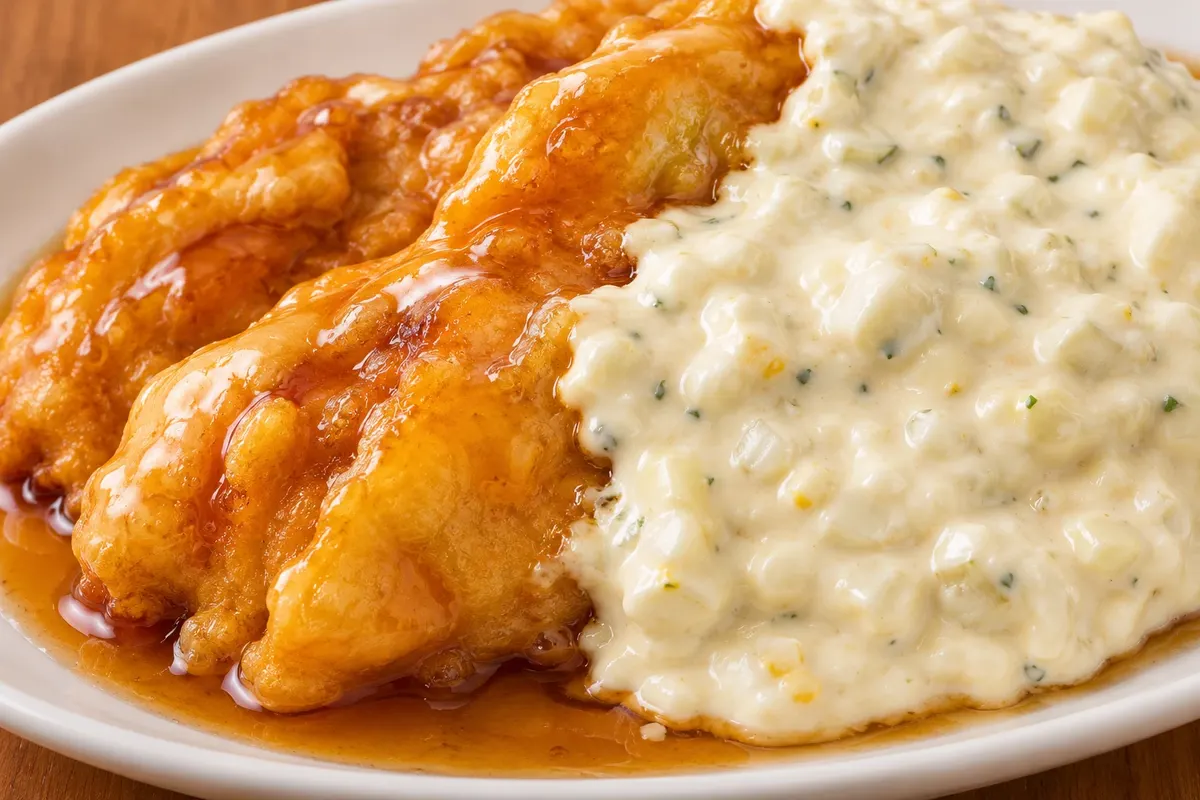
Breaded and fried chicken, dipped in a sweet-and-sour vinegar sauce and topped with tartar sauce. A Miyazaki dish, originating in Nobeoka in the 1950s and 1960s.
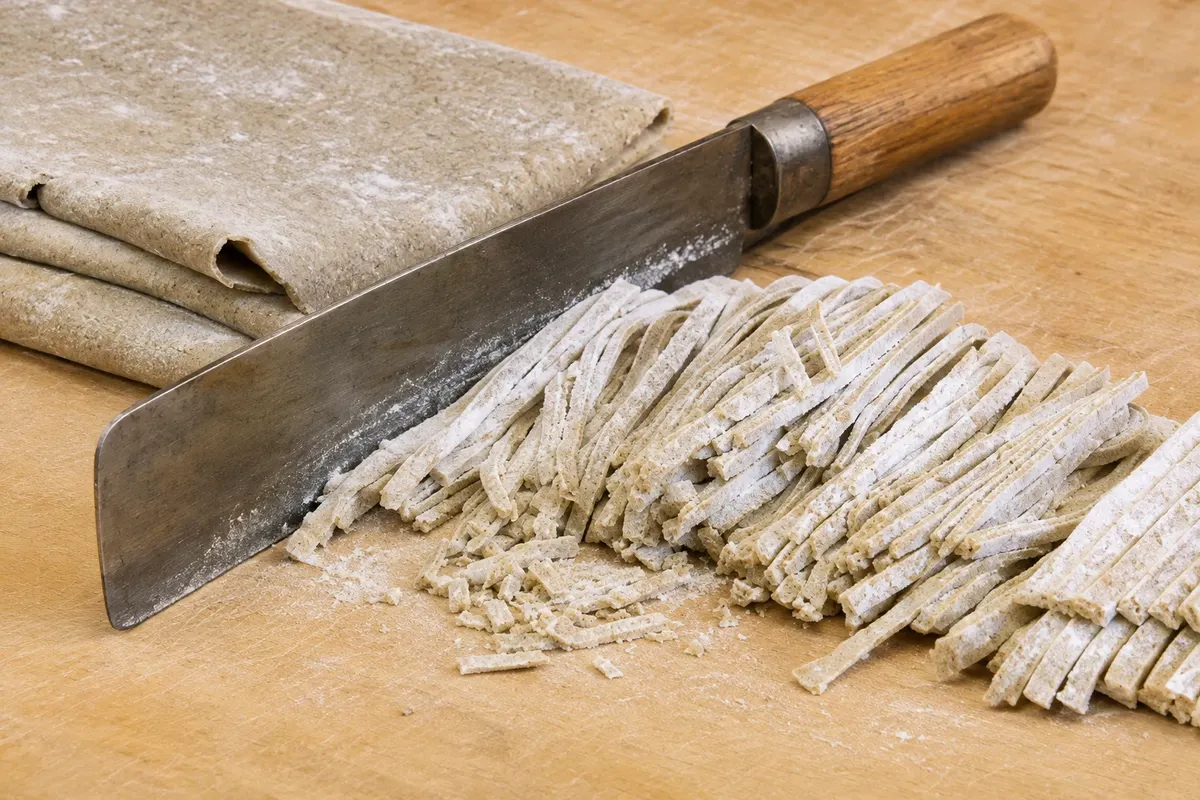
Thick, short soba made only from buckwheat from the Iya Valley, without binding wheat flour, served in hot broth with fried tofu, kamaboko, scallions and mountain greens. A dish from the Iya Valley, in Miyoshi.
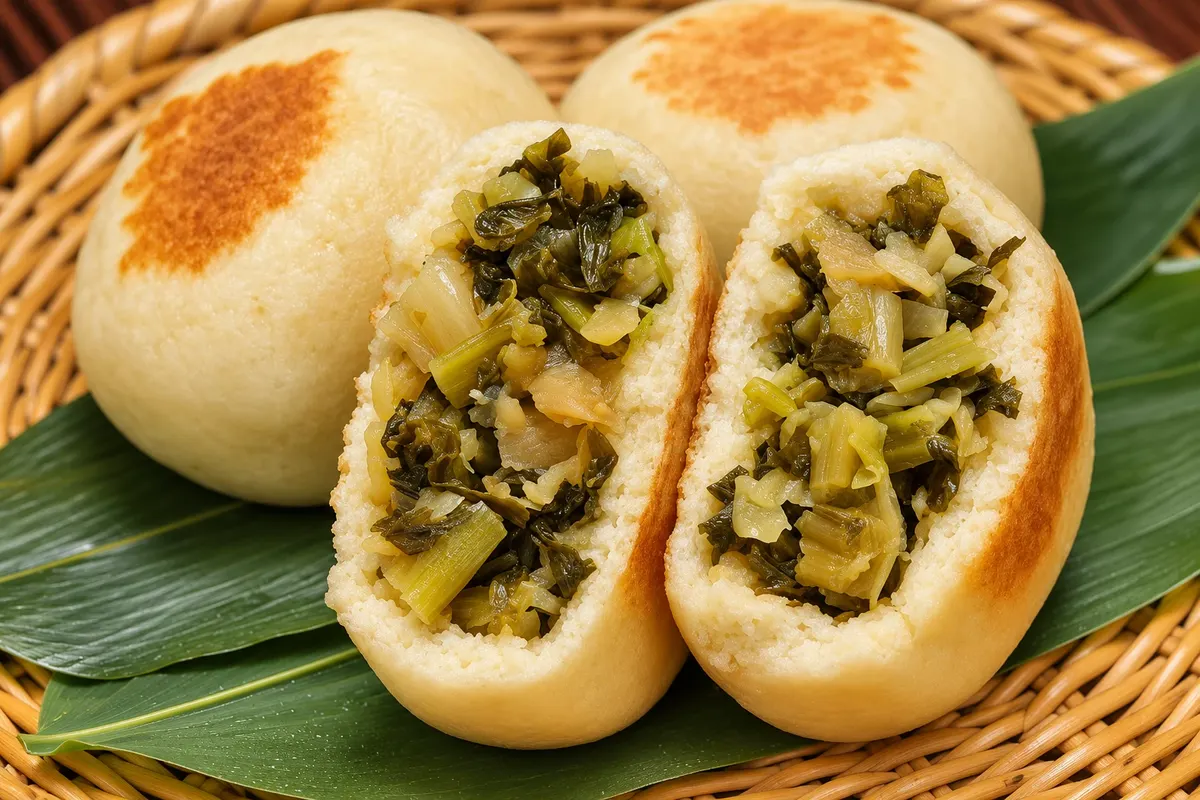
Dumpling made from wheat flour, sometimes mixed with buckwheat, filled with vegetables seasoned with miso or soy sauce, or with sweet bean paste; baked, steamed, or both. A dish from Nagano, from mountain villages.
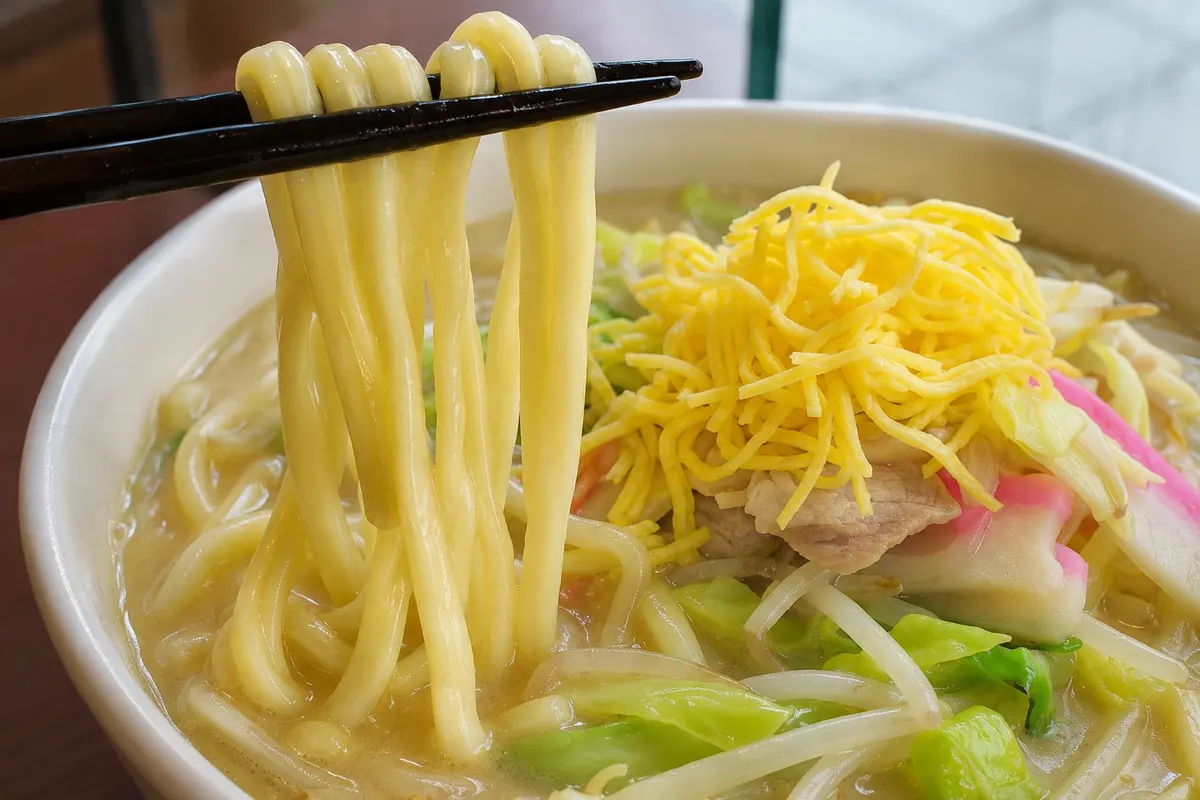
Thick noodles cooked in their own rich broth, with pork, seafood, kamaboko and many vegetables sautéed in the same pan. A Nagasaki dish tied to the city’s history as an open port.
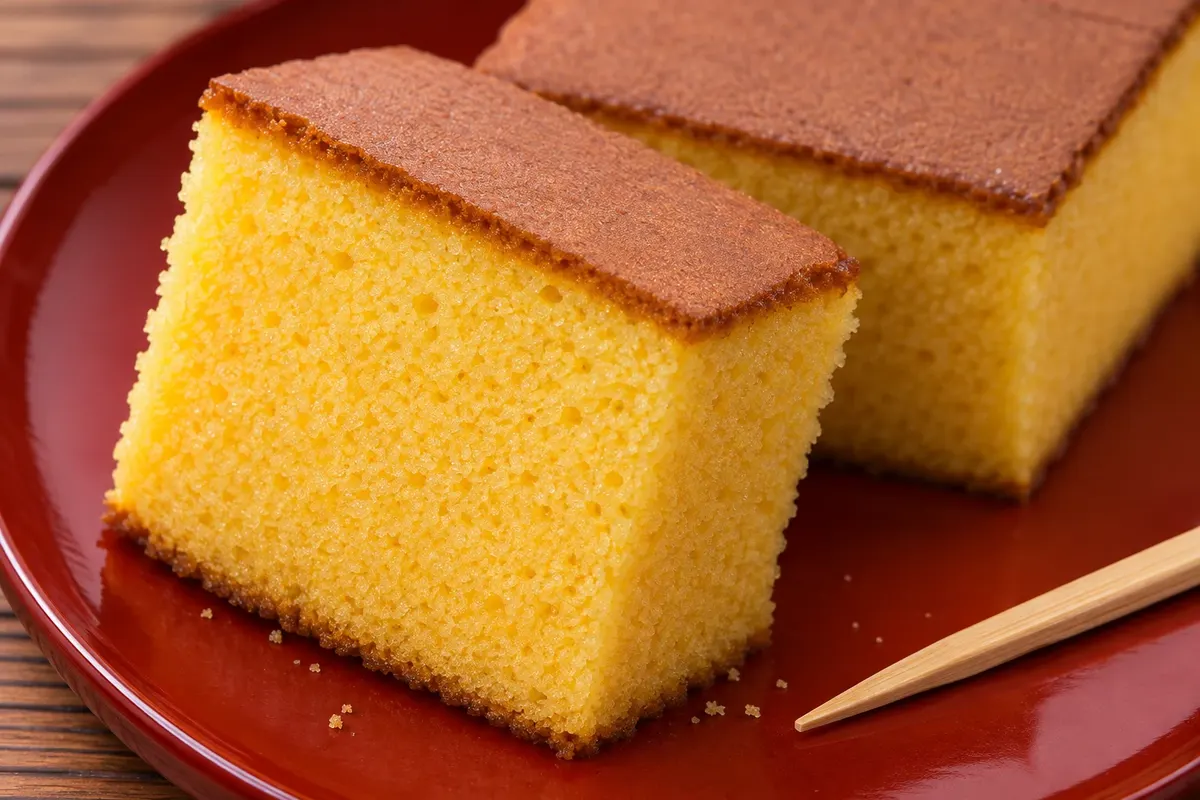
Rectangular castella sponge cake, moist with a yellow crumb, made of eggs, sugar, flour and starch syrup, with the top and bottom well browned. A sweet from Nagasaki that arrived with the Portuguese in the 16th century.
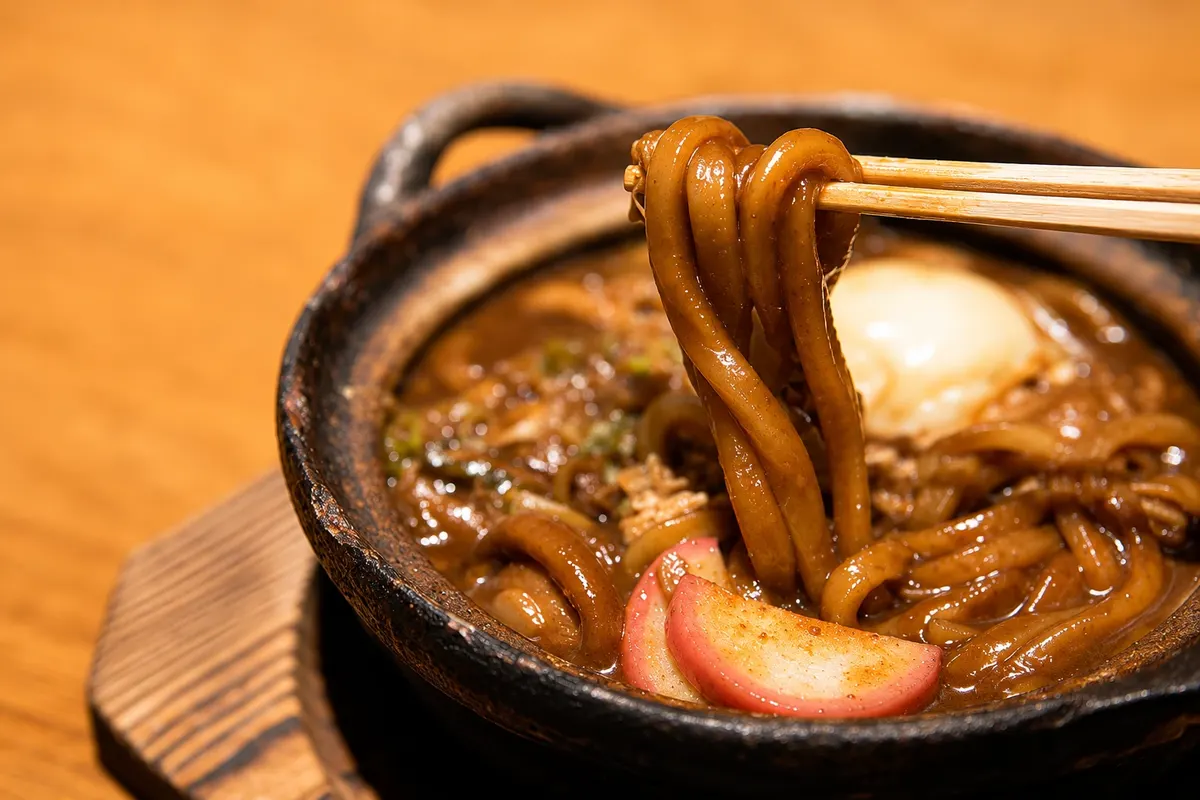
Firm udon, made without salt, cooked in an earthenware pot in a dark soy miso (haccho miso) broth, with chicken, fried tofu, scallion and egg. A dish from Nagoya and Aichi.
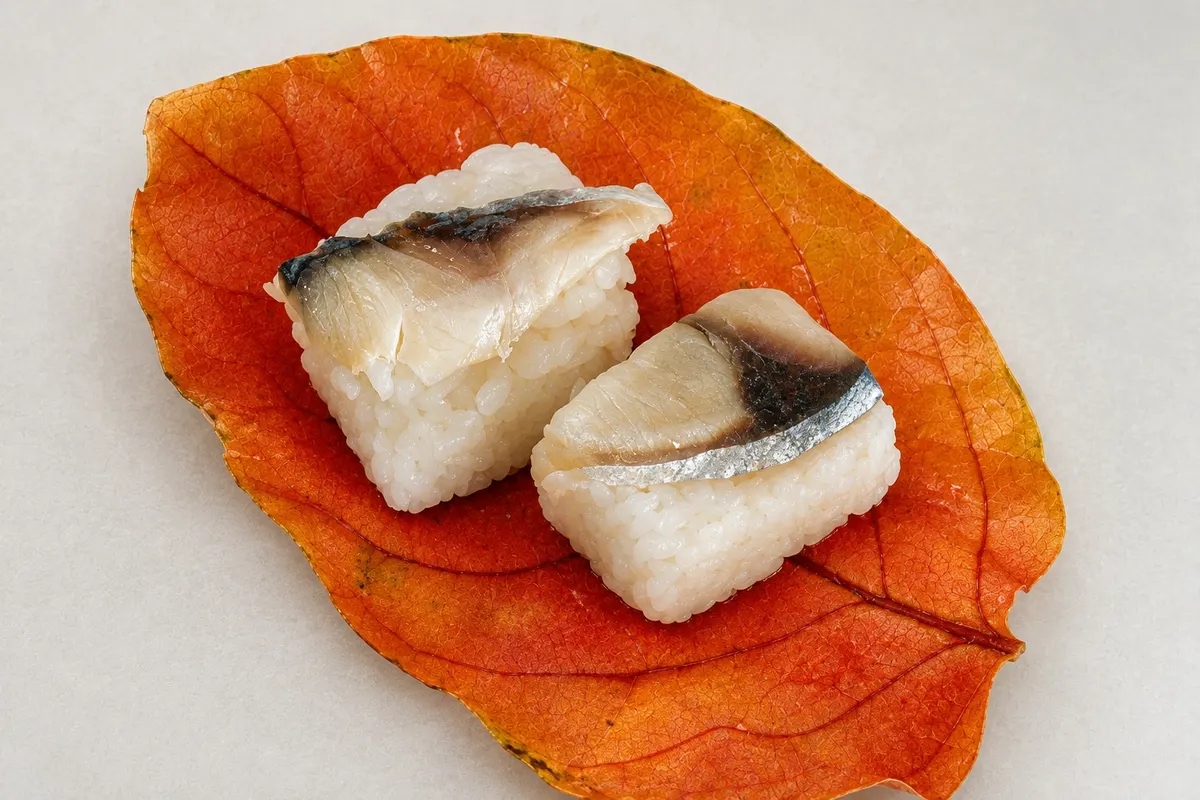
Small pressed sushis of salted mackerel on seasoned rice, each wrapped in a persimmon leaf. A dish from Nara, served at the summer festivals of Gojō and Yoshino.
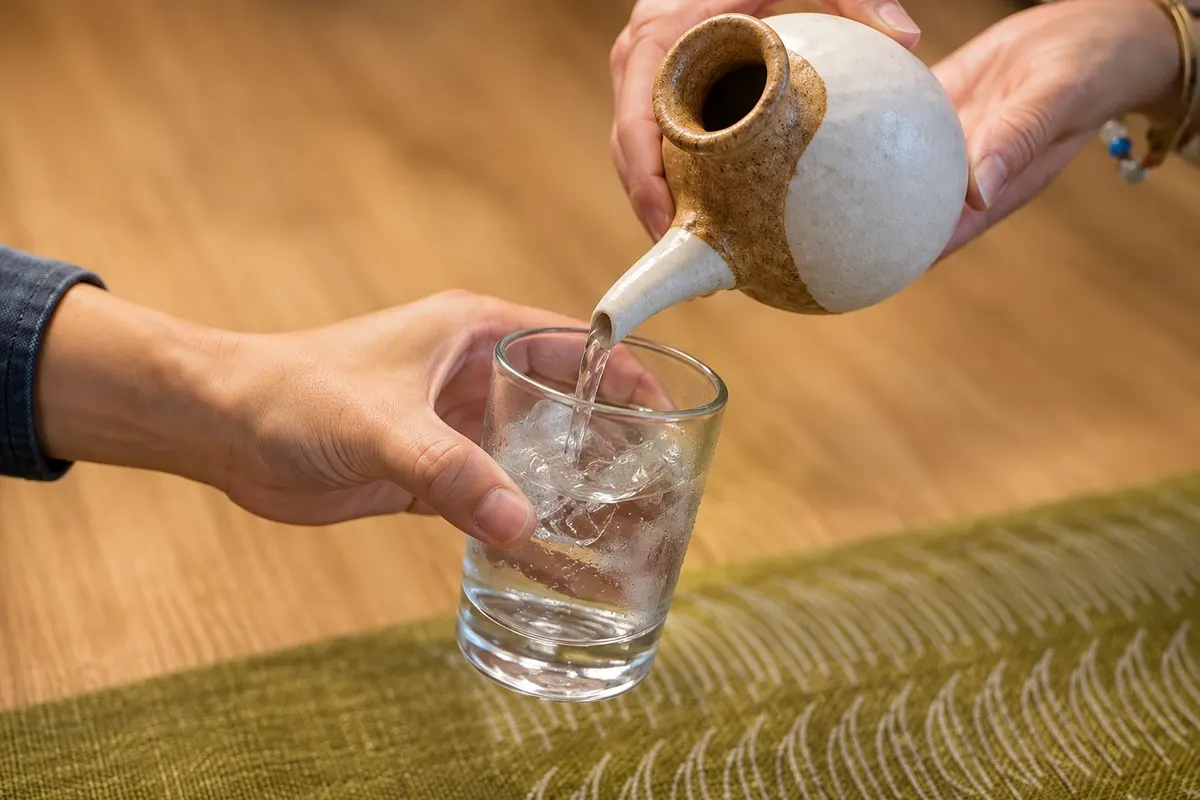
Rice spirit from Okinawa, made with black koji and sometimes aged for years (kusu). Ryukyu is Japan’s official geographical indication for awamori from the prefecture.
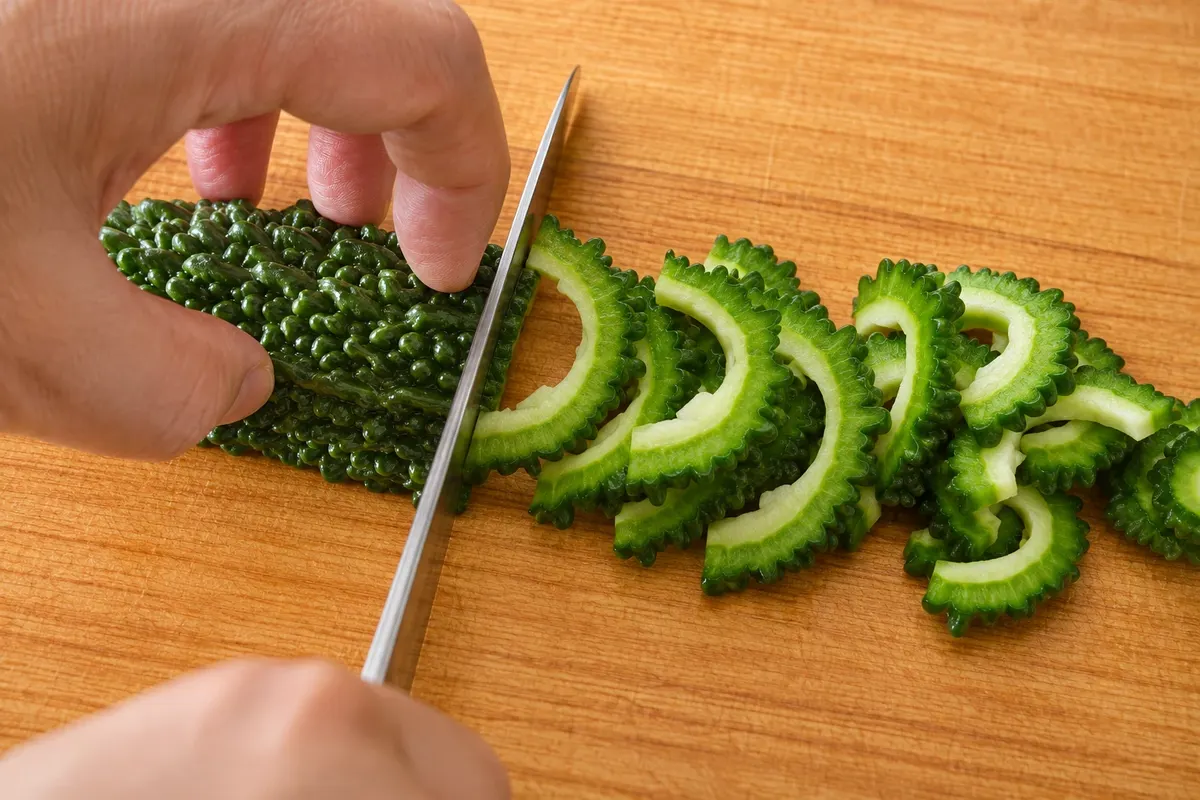
Stir-fry of goya, the bitter melão-de-são-caetano, with firm Okinawan tofu, egg and pork. It’s the best-known champuru from Okinawa, made at home and served in restaurants across the prefecture.
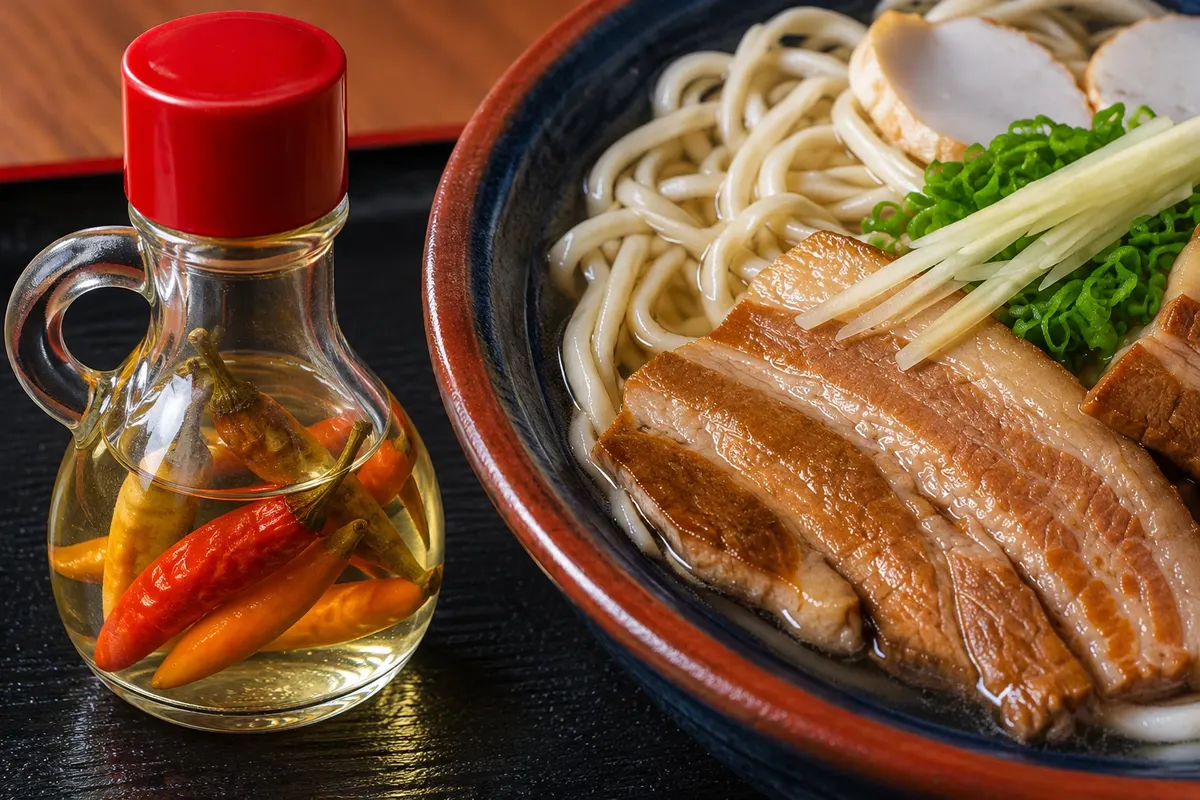
Thick wheat noodles, not buckwheat, in a pork-and-dried-bonito broth, topped with simmered pork belly, kamaboko, scallions and pickled red ginger. It’s an everyday dish in Okinawa.
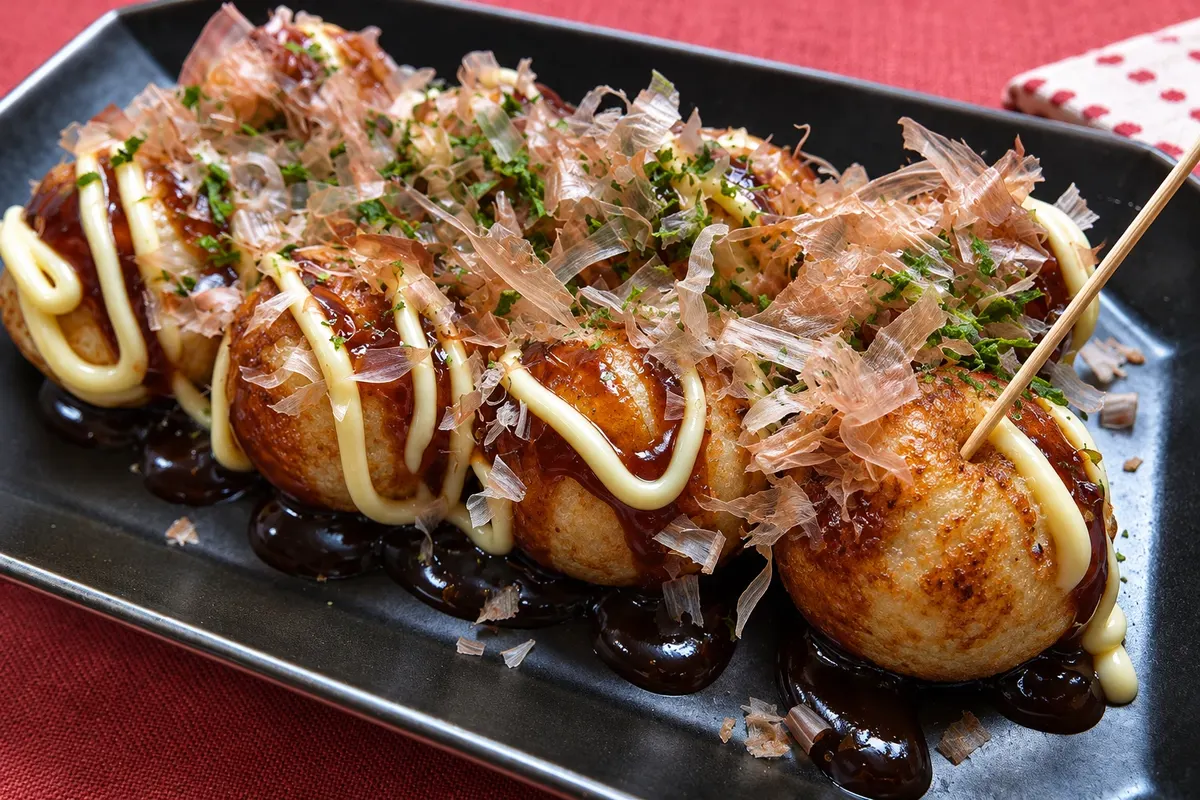
Dough balls made from flour, egg and dashi with pieces of octopus, cooked on a griddle with round hollows and topped with sauce, mayonnaise, seaweed and dried bonito flakes. It’s Osaka’s best-known flavor.
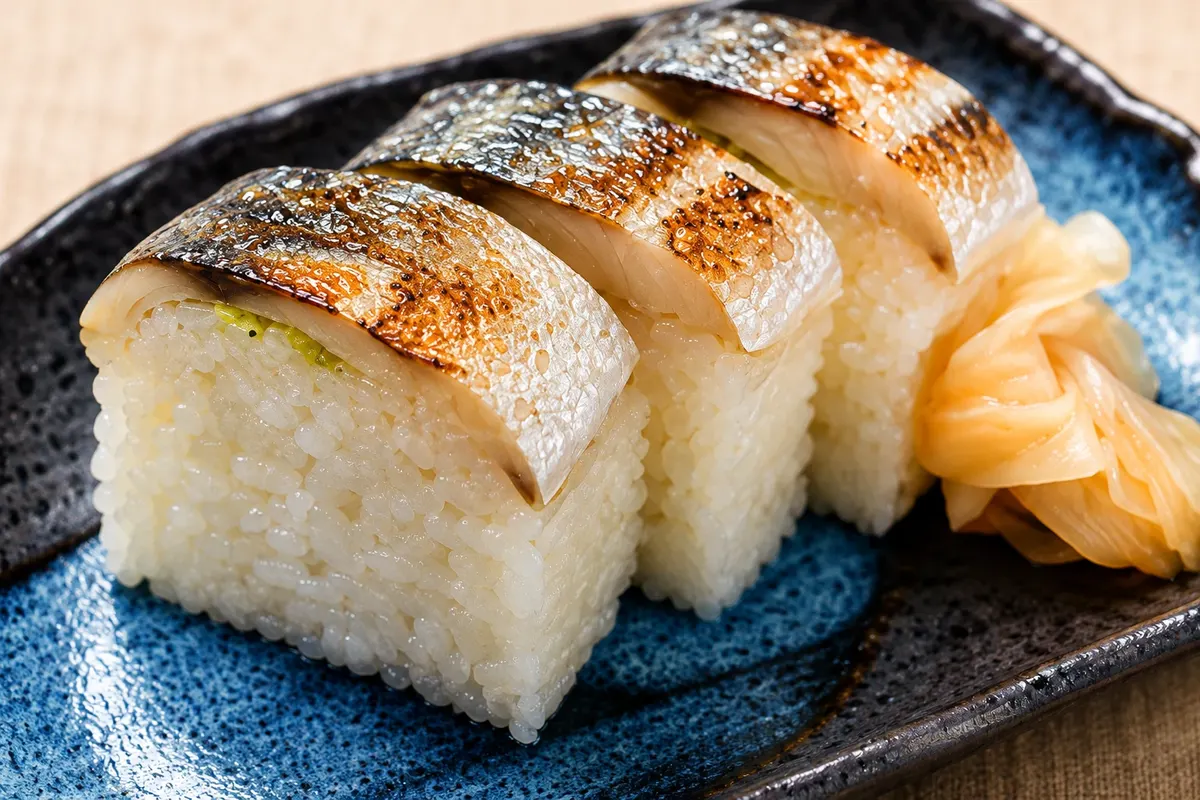
Salted and vinegar-marinated mackerel sushi on a rice log, wrapped in bamboo sheath. A celebratory dish of Kyoto, tied to the Saba Kaido, the route that brought mackerel from the Wakasa Sea.
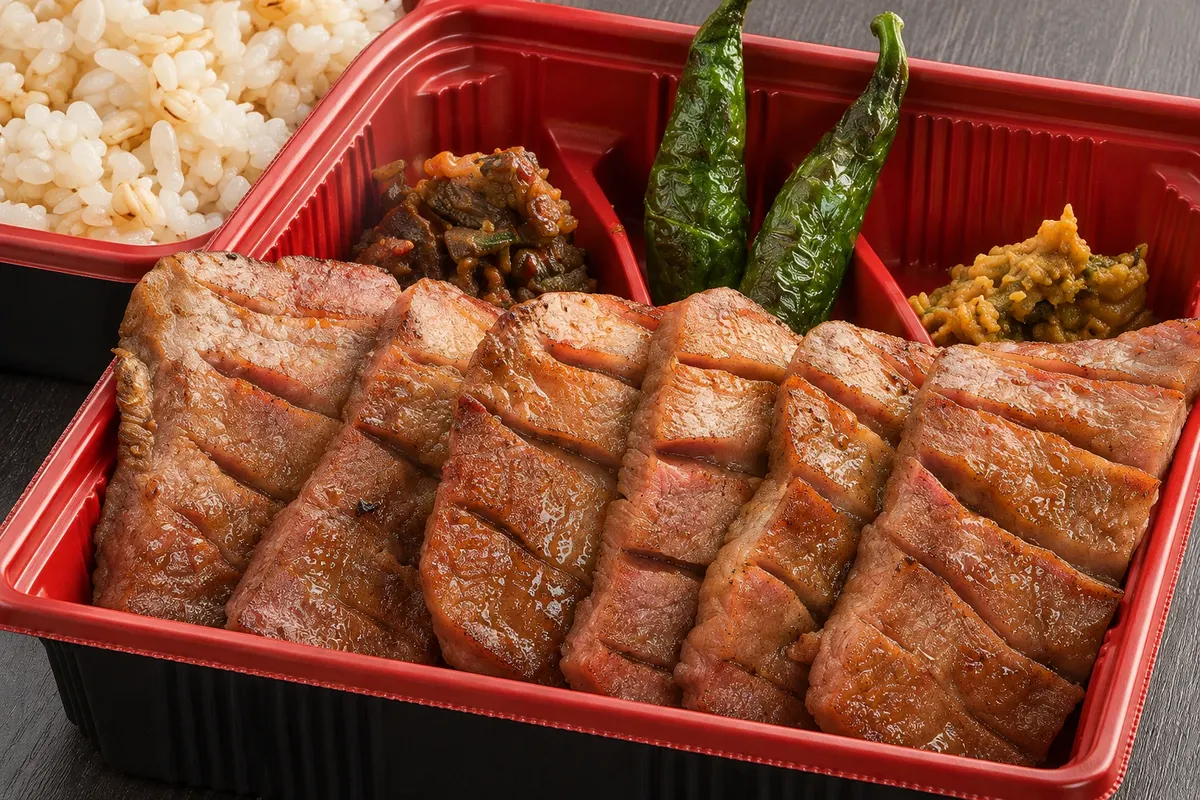
Sliced beef tongue, seasoned and grilled, served with barley rice, pickles and oxtail soup. It’s Sendai’s signature dish, created after World War II.
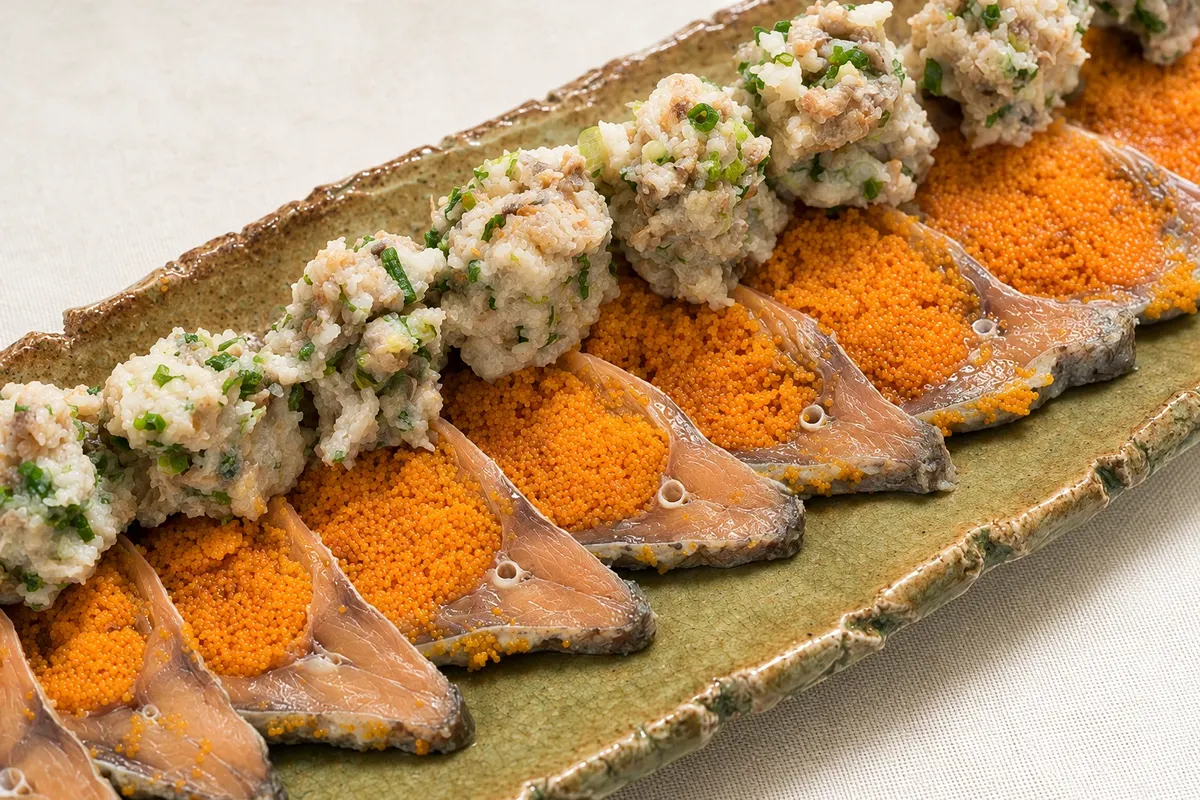
Nigorobuna carp from Lake Biwa, salted and fermented for months with rice: an ancient form of sushi with a strong taste and aroma. A dish from Shiga, deeply rooted in the prefecture’s culture.
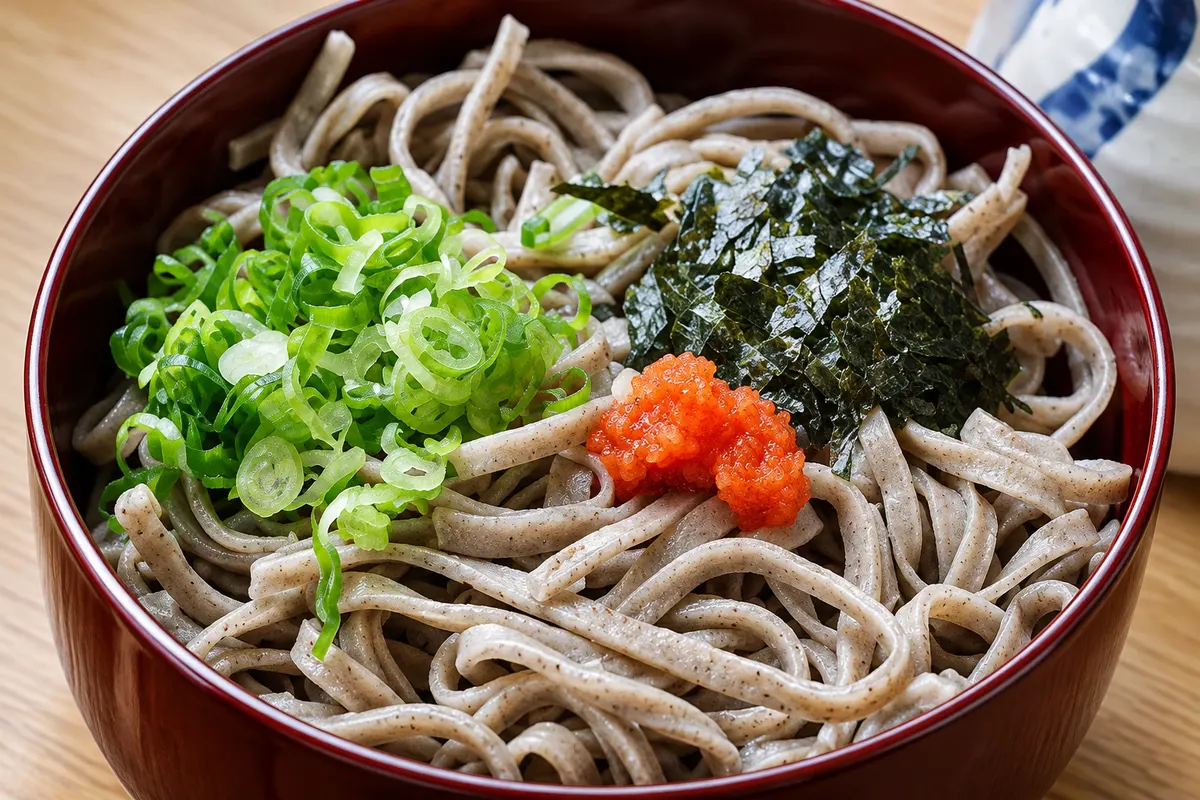
Dark, aromatic soba made from whole-ground buckwheat with the husk, served cold in stacks of round bowls (warigo) or hot, straight from the pot (kamaage). A dish from the Izumo region in Shimane.
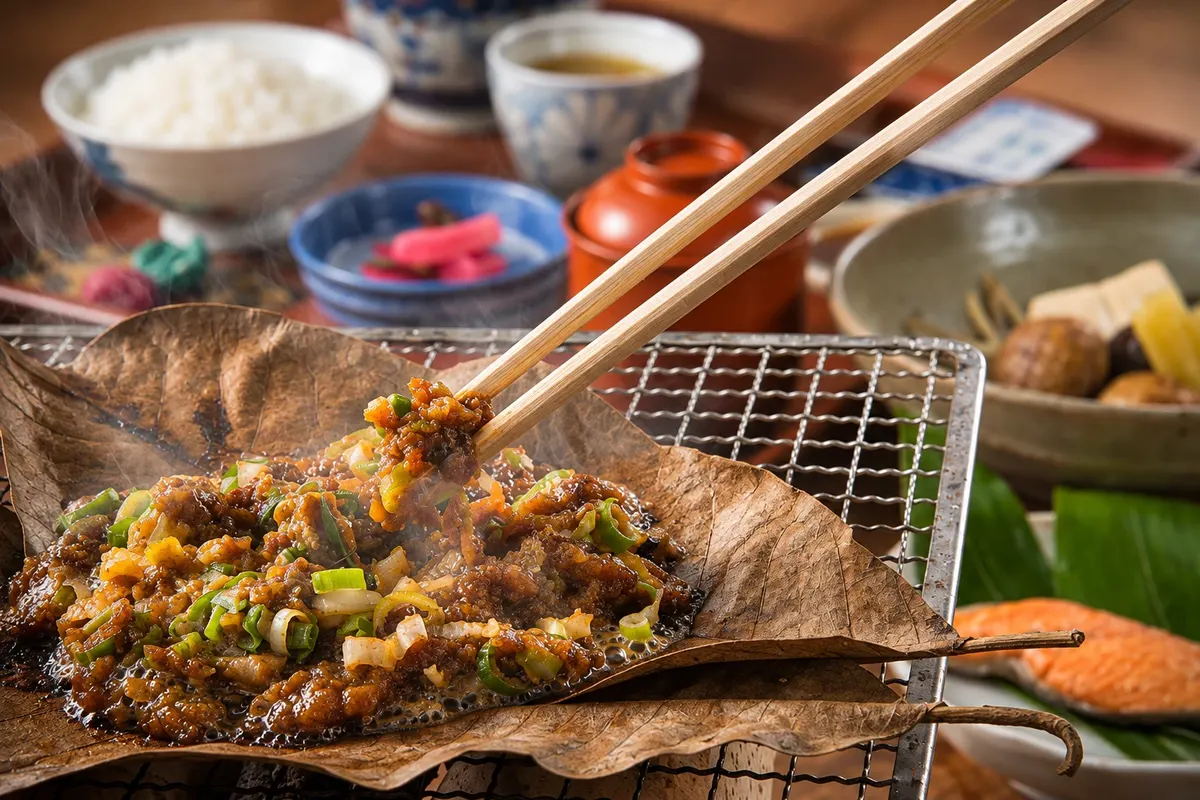
Koji miso with scallion and mushrooms, roasted on a dry magnolia leaf (hoba) over a small tabletop brazier. A dish from the Hida-Takayama region in the mountains of Gifu.
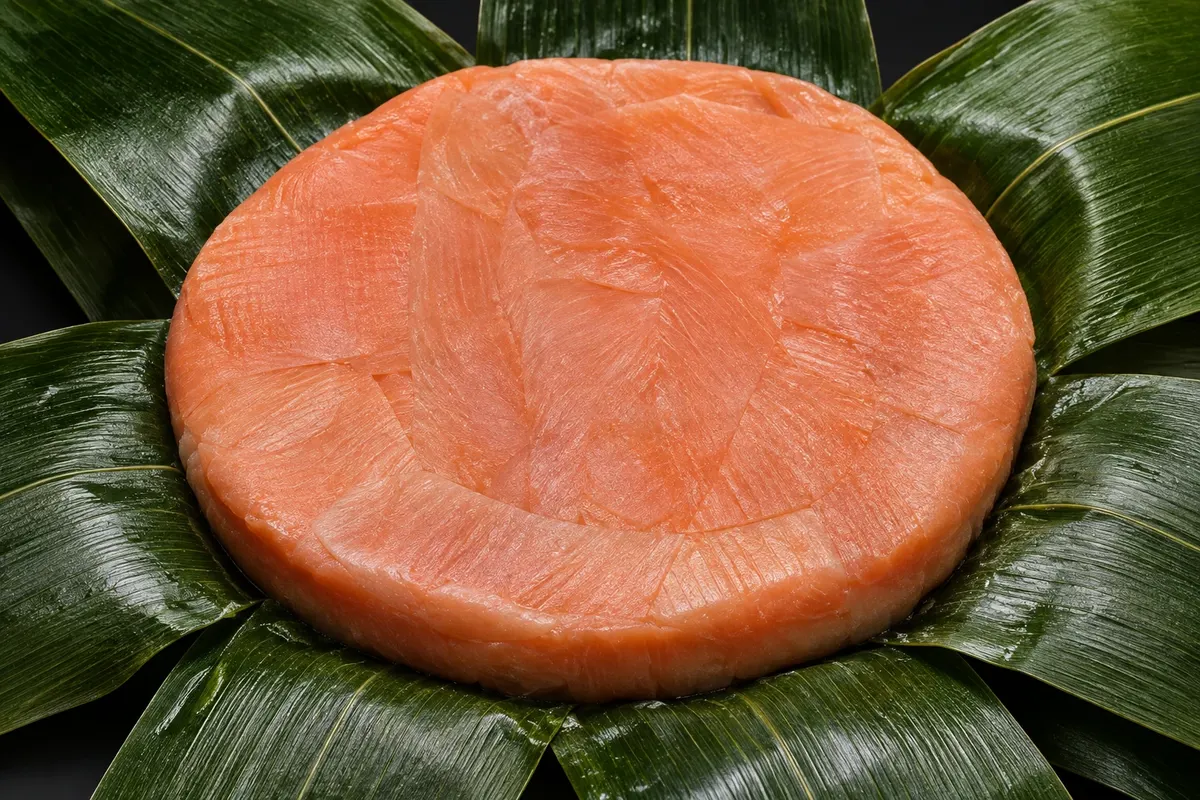
Pressed sushi of cured trout on seasoned rice, in a round wooden box lined with bamboo leaves. It’s Toyama’s most famous dish, sold in specialty shops and as a train snack.
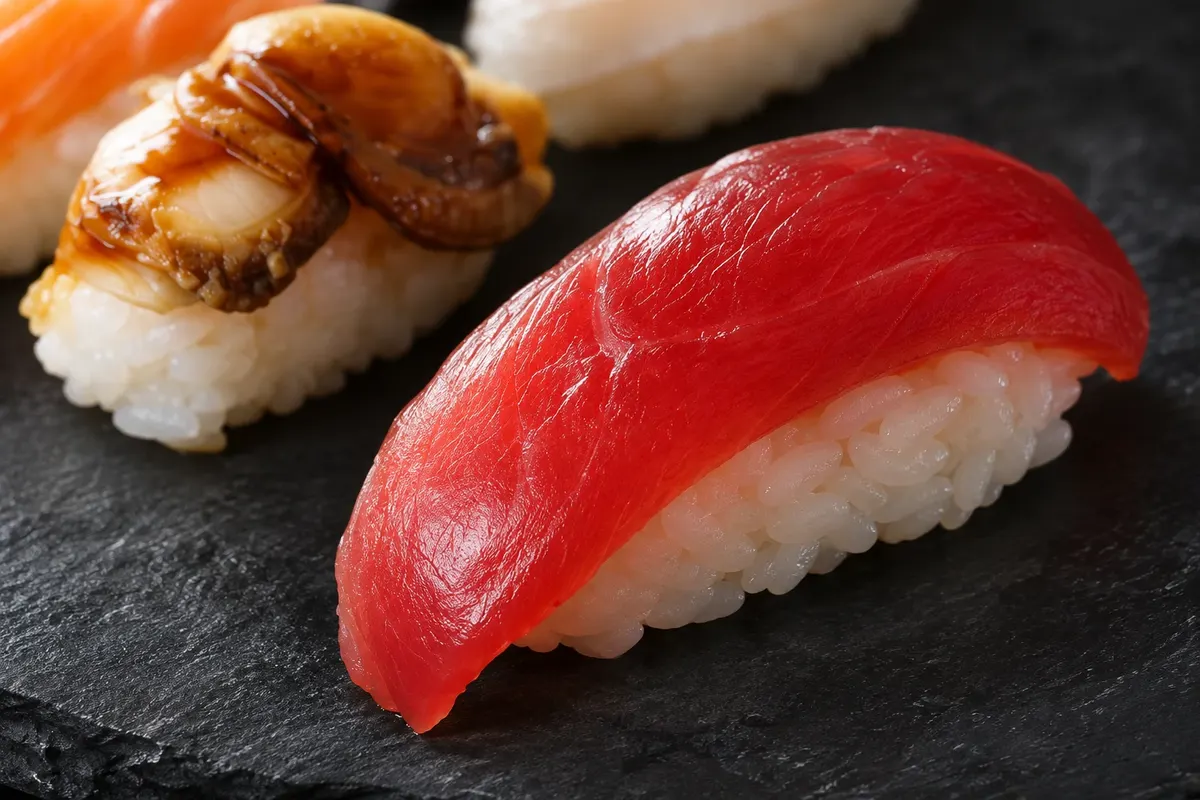
Nigiri in the Edo style, from old Tokyo: a small ball of vinegar-seasoned rice topped with cured, cooked, marinated, or raw fish. It originated as street-vendor food and spread around the world.
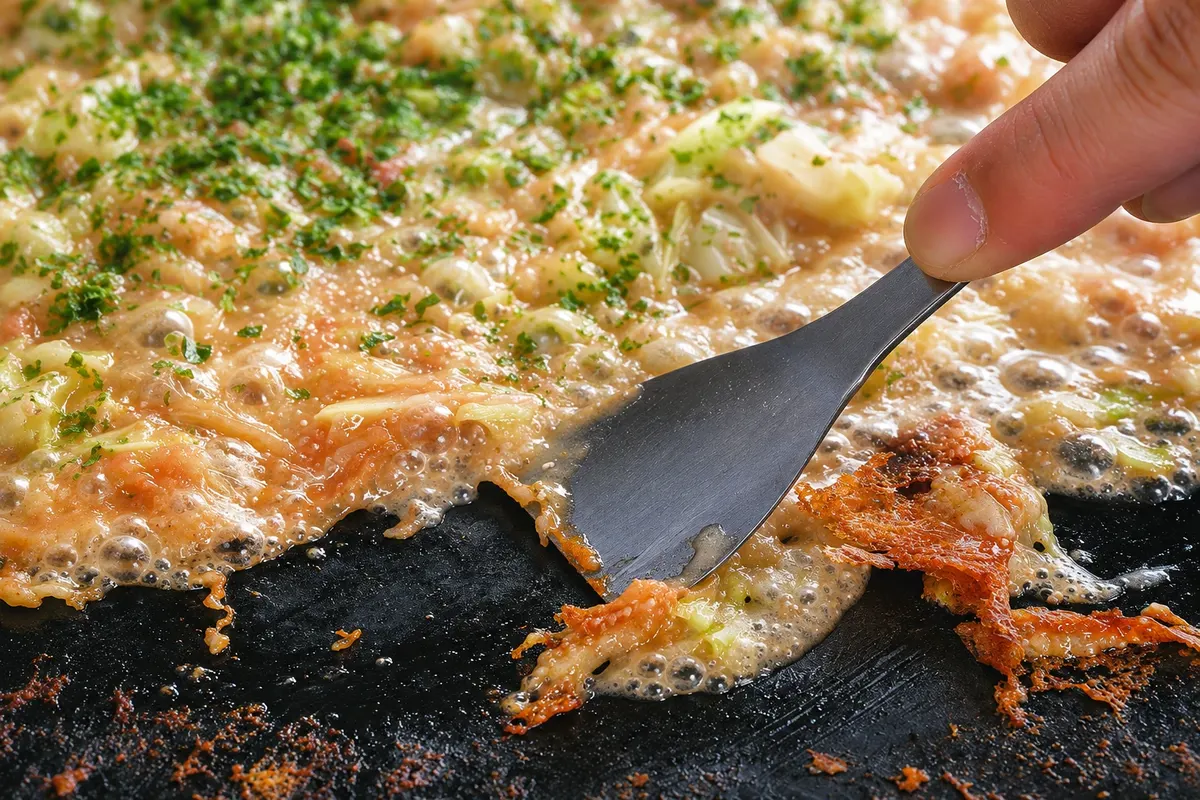
A very thin batter of wheat flour and broth, with cabbage and other ingredients, cooked on a griddle at the table and eaten bit by bit with small spatulas. A Tokyo dish associated with the Tsukishima neighborhood.
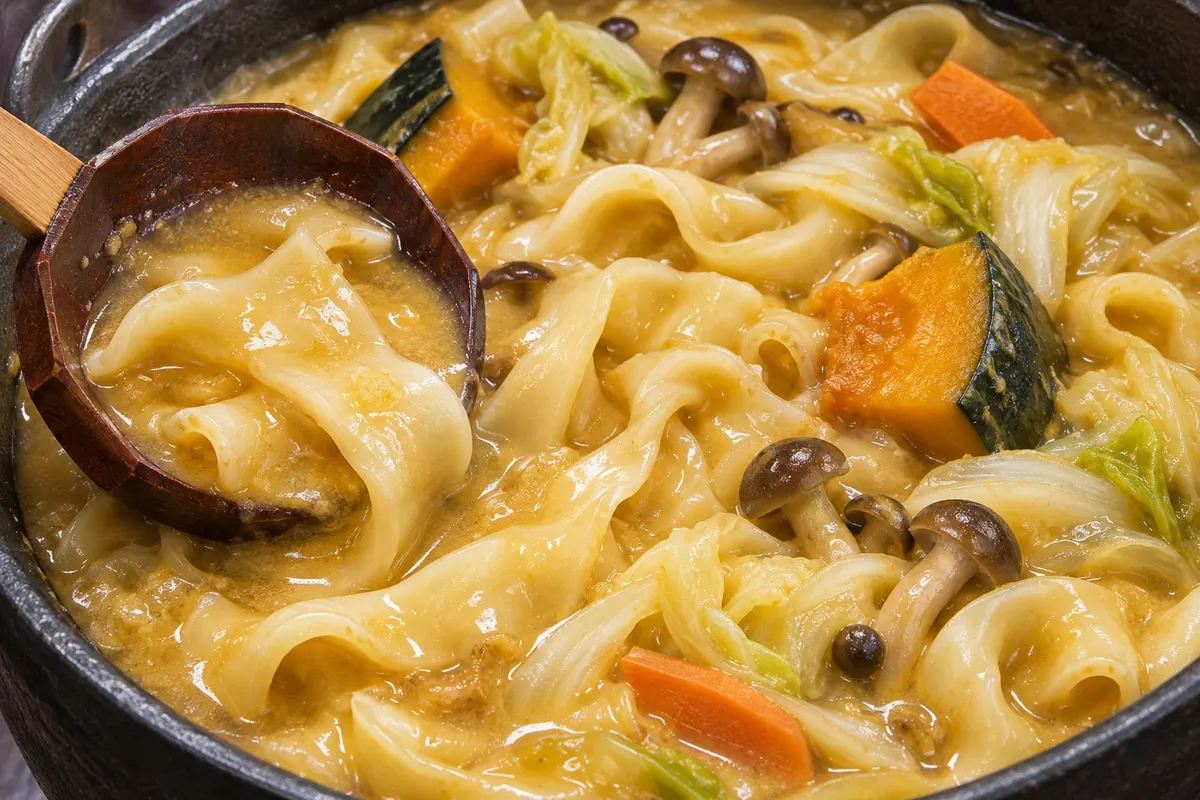
Thick, wide wheat dough cooked with pumpkin, vegetables and mushrooms in a miso broth, served in an iron pot. It is the most representative dish of Yamanashi, at the foot of Mount Fuji.
Beyond the guide


