

 Brazil
 Antarctica
 Argentina
 Bolivia
 Chile
 Colombia
 Ecuador
 Guyana
 French Guiana
 Falkland Islands (Malvinas)
 Paraguay
 Peru
 Suriname
 Uruguay
 Venezuela
 Germany
 Austria
 Belgium
 Croatia
 Denmark
 Slovakia
 Slovenia
 Spain
 Finland
 France
 Greece
 the Netherlands
 Hungary
 Ireland
 Iceland
 Italy
 Luxembourg
 Norway
 Poland
 Portugal
 the United Kingdom
 the Czech Republic
 Sweden
 Switzerland
 Turkey
 Bermuda
 Canada
 the United States
 Greenland
 Mexico
 Saint Pierre and Miquelon
 the Dominican Republic
 South Africa
 Egypt
 Australia
 Fiji
 New Zealand
 Papua New Guinea
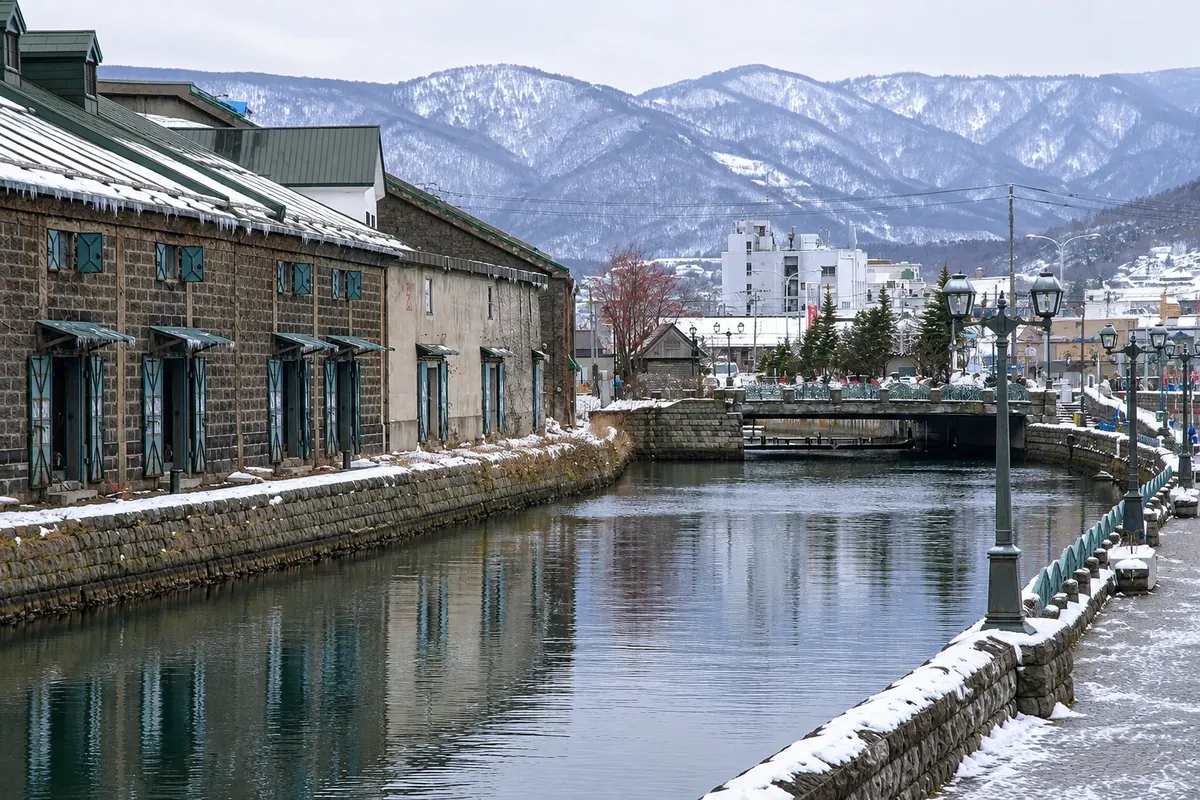
Historic center · Otaru, Hokkaido
Otaru Canal
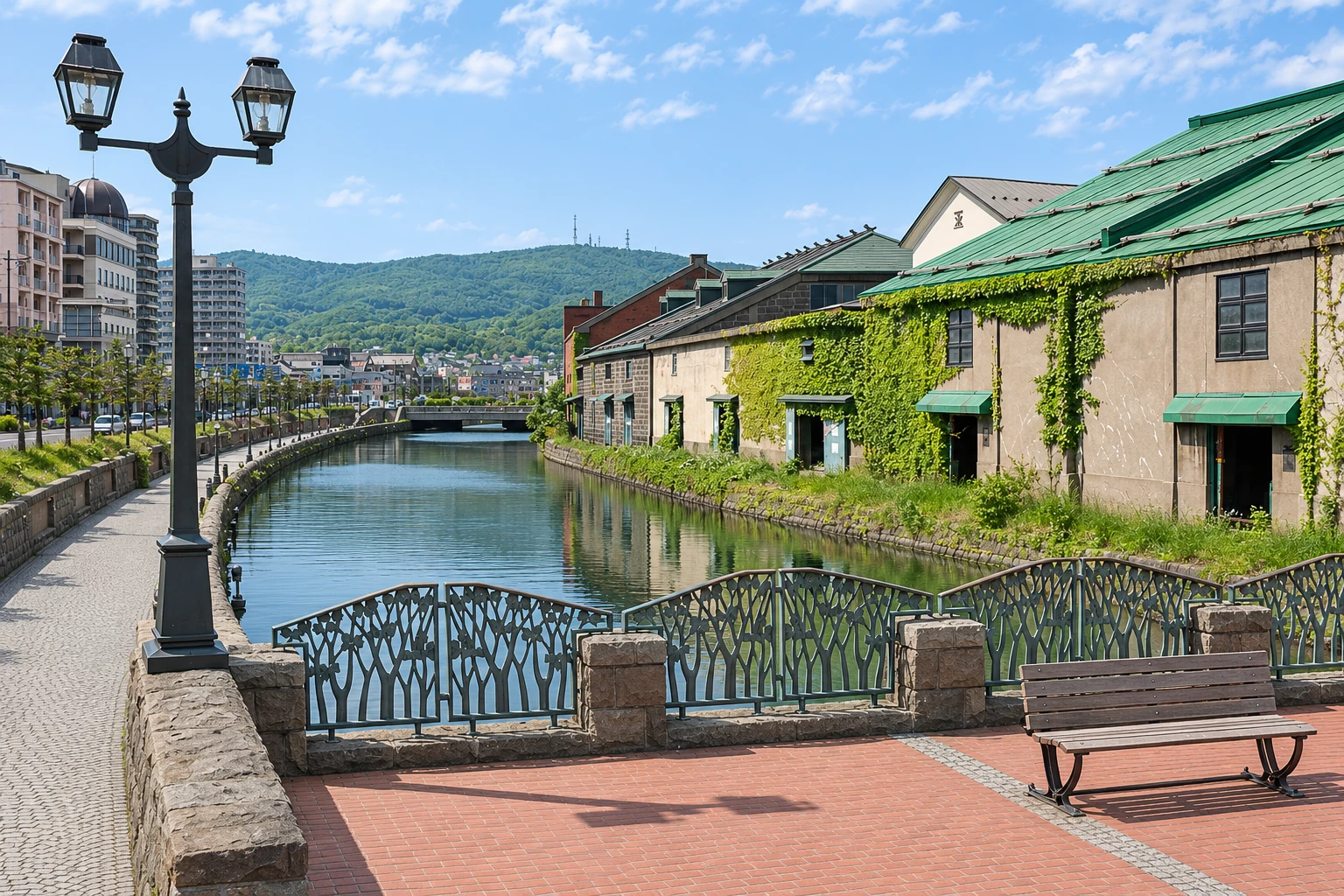
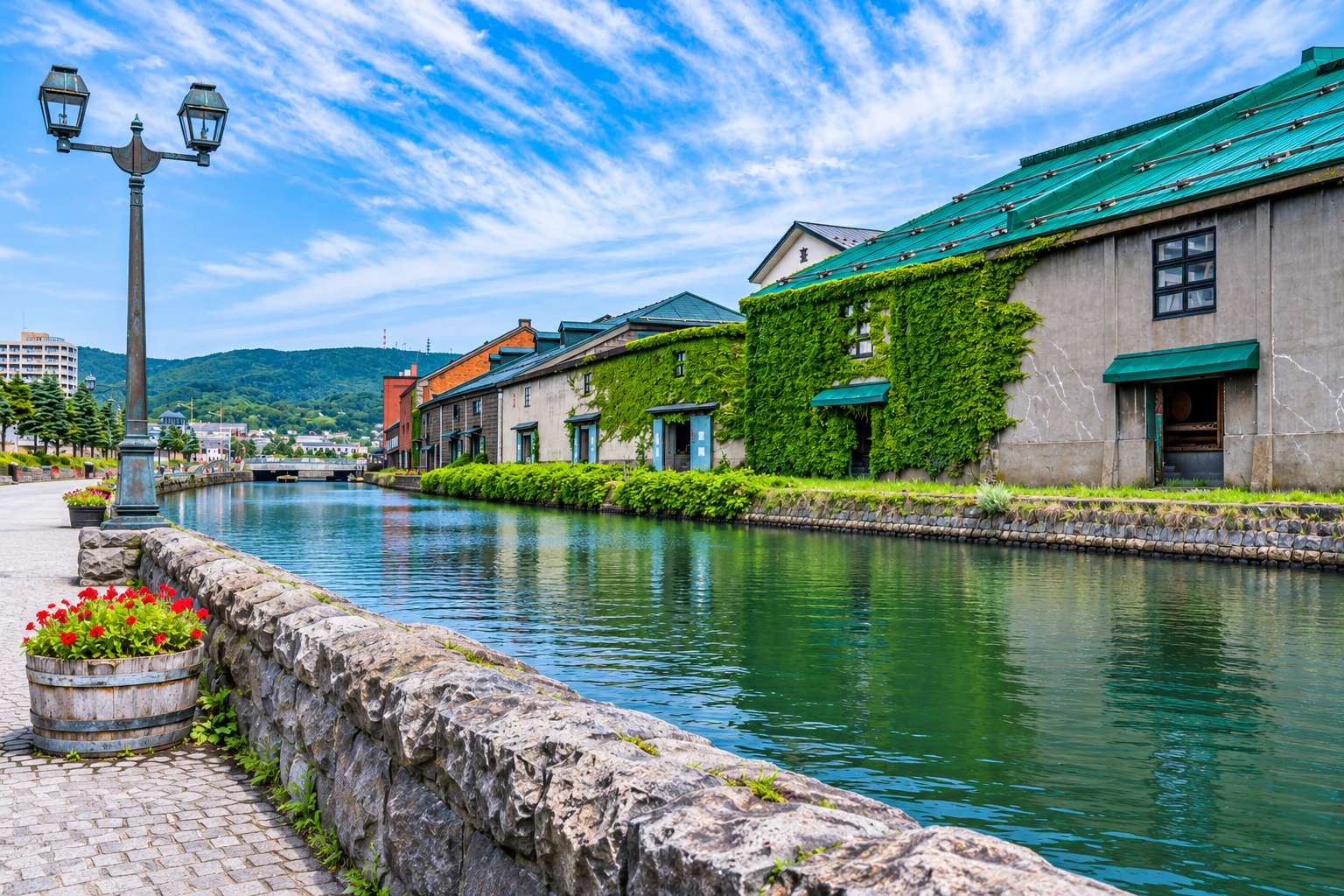
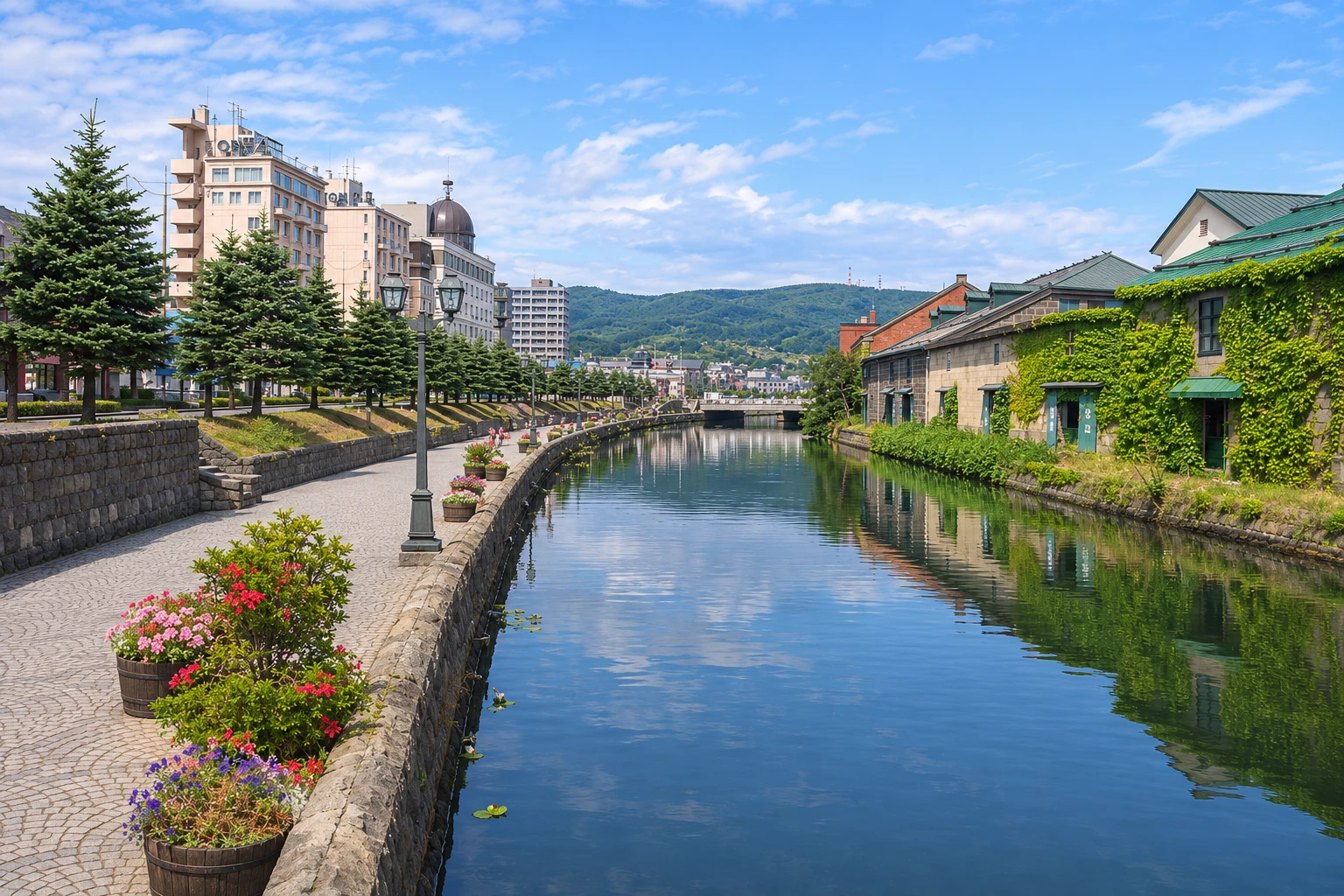
A 1923 canal lined with stone and brick warehouses, a reminder of when Otaru was Hokkaido’s major port. It has a waterfront promenade, gas lamps and boats that run the main stretch.
Illustrative images. The pictures in this guide are illustrations based on the real place, not photographs, and may differ from it.

A look at the place
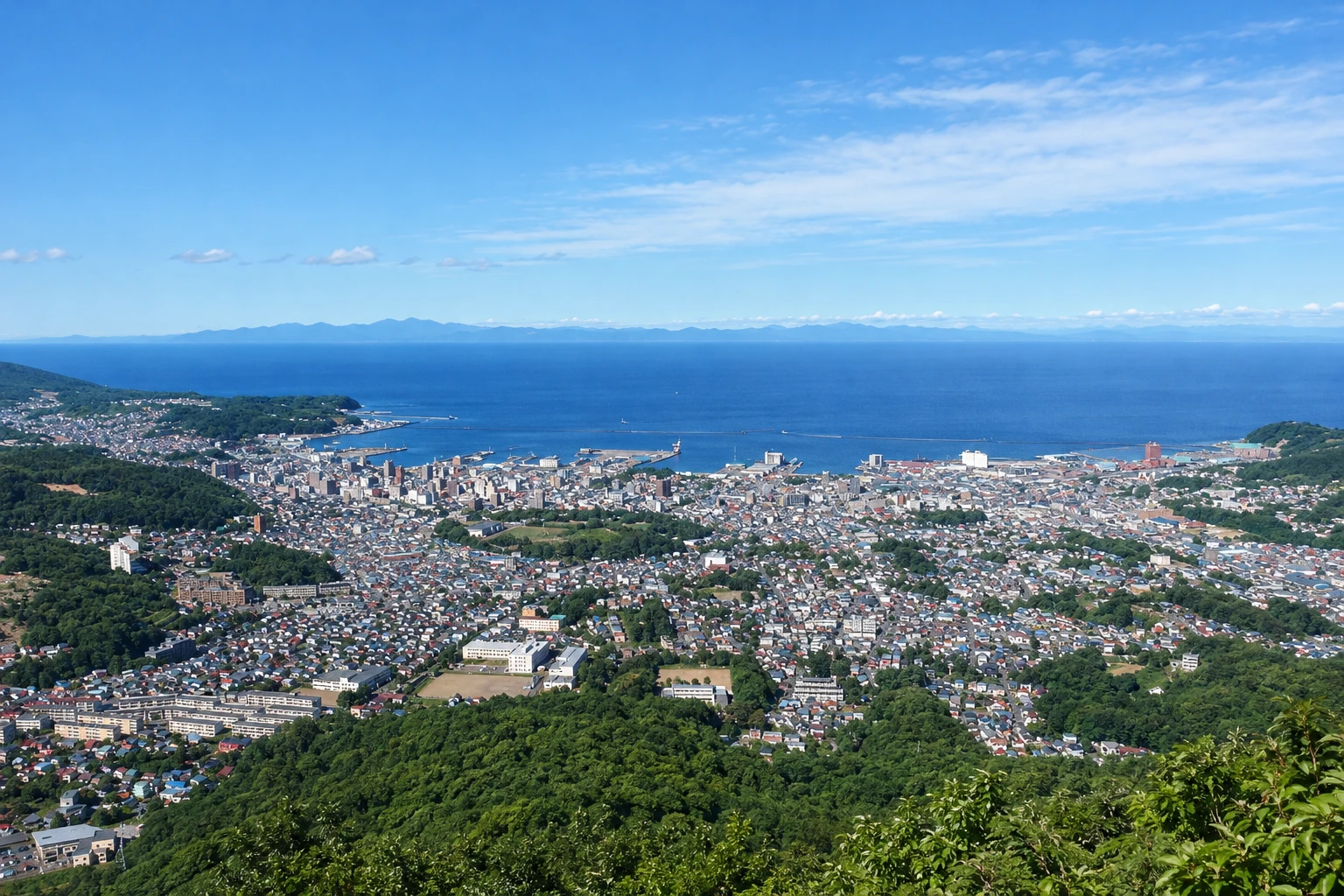
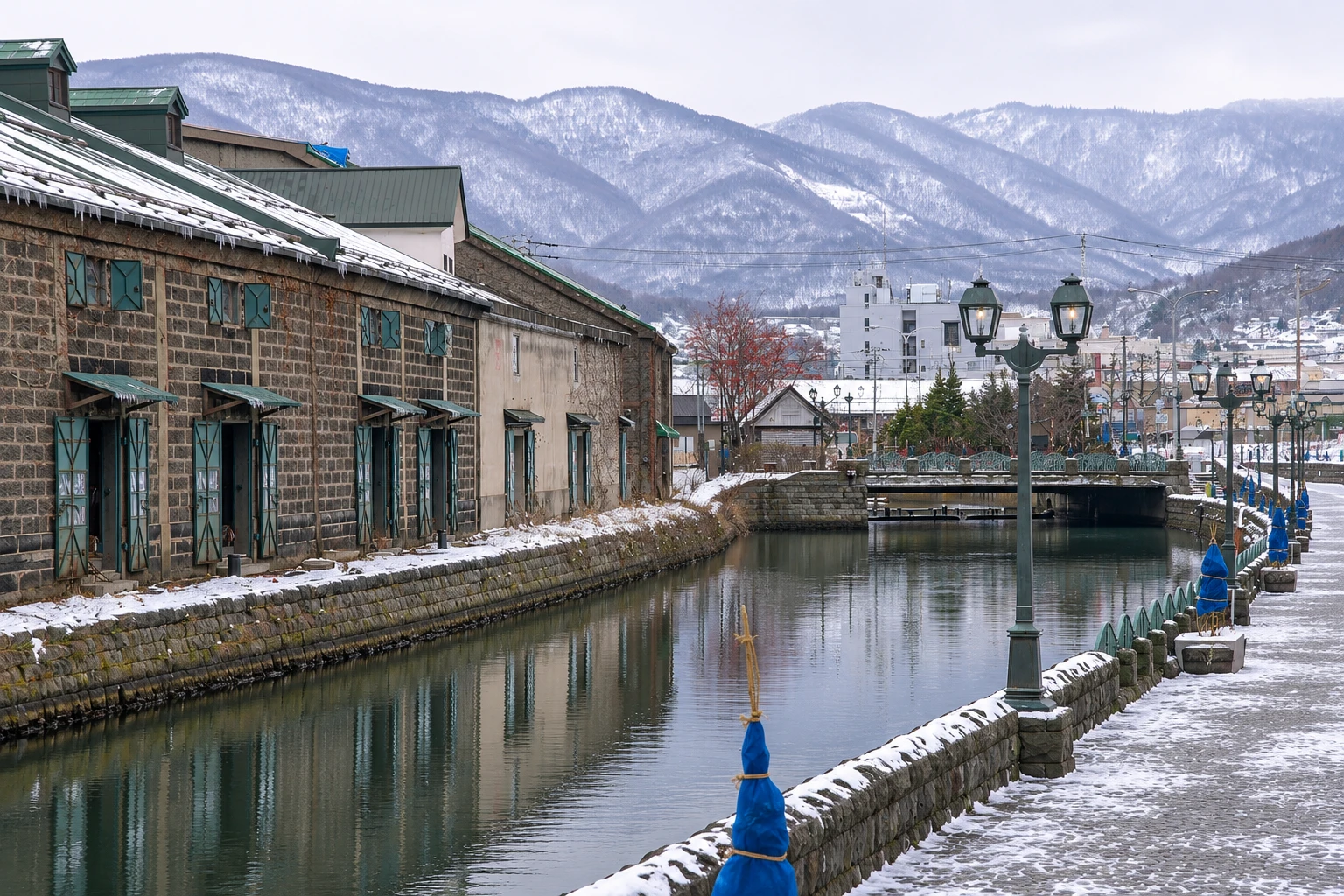
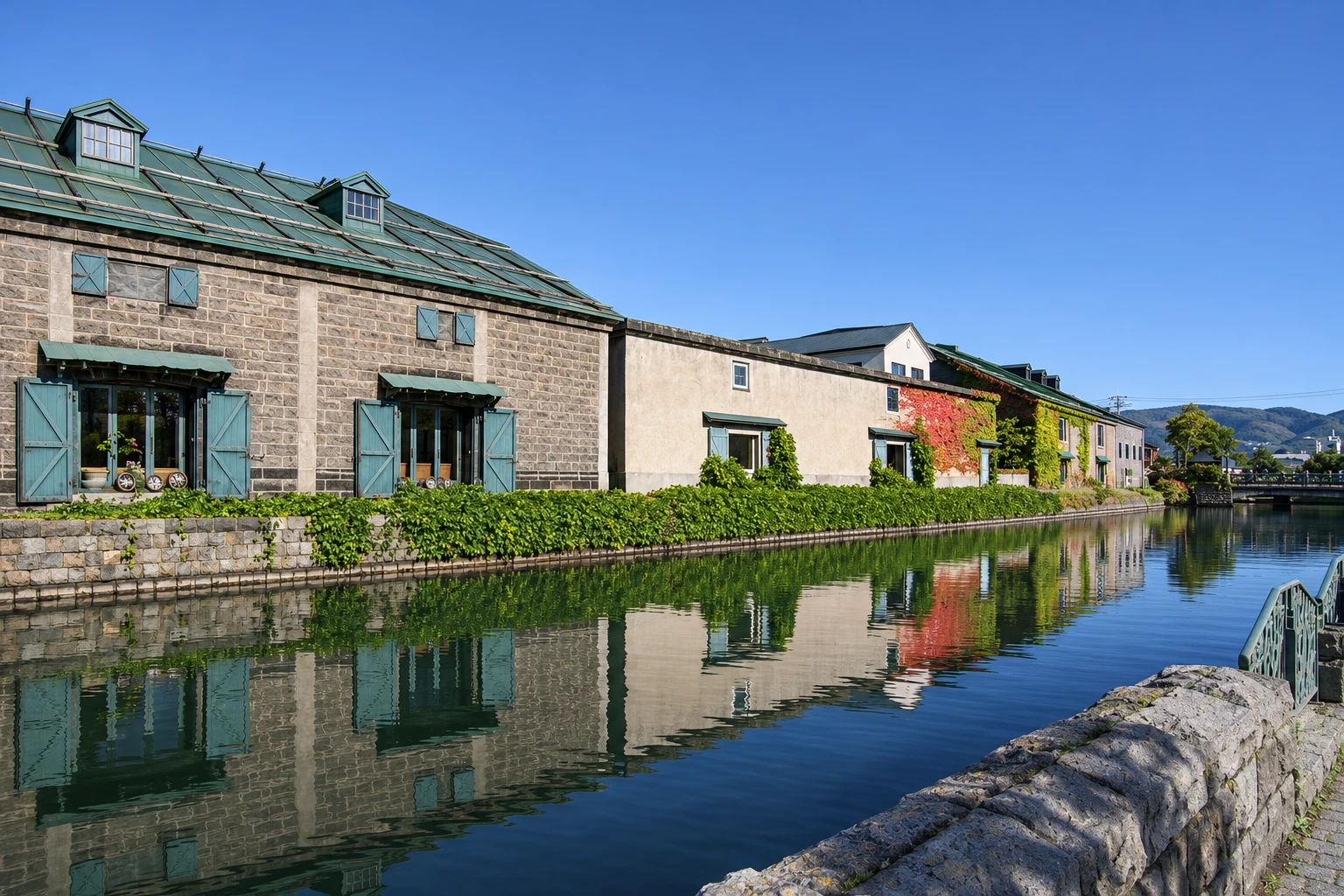
Otaru Canal in pictures
These pictures are illustrations based on the real place, not photographs. They may differ from the place.
Click the picture to enlarge it.
Discover
About Otaru Canal
The Otaru Canal was completed in 1923, built by filling in part of the bay so barges could carry cargo from anchored ships to the shore warehouses. Coal, herring, timber and goods entering and leaving Hokkaido passed along it. With modern ports, it fell out of use in the 1960s, and a local campaign prevented most of it from being filled in to make a road. Part was narrowed, and the central section was turned into a promenade.
What you see today is about a 1 km stretch of shoreline with stone and brick warehouses, many converted into restaurants, breweries and shops, and a boardwalk with 63 gas lamps that light at dusk. The most photographed spot is near Asakusa Bridge, with the warehouses reflected in the water. To the north, the unreformed section shows the canal at its original width, with fishing boats.
Tour boats run short trips along the canal and the harbor entrance, with commentary on the history. Street performers and painters occupy the banks in summer. In winter, usually in February, the canal hosts floating candles and snow lanterns during the Otaru Yuki Akari no Michi festival.
Near the canal is the street of former banks, which made Otaru the “Wall Street of the north”: the Bank of Japan museum occupies the old branch, from 1912, designed by Tatsuno Kingo, the same architect as Tokyo Station.
Before you go
Practical information
Cidade Turismo reviews its information regularly, but something may have changed. Check with the place before planning your trip.
How much time to set aside
About 1 hour on foot; up to 2 hours including the boat.
Best time
At dusk, when the gas lamps are lit and the warehouses glow. Early morning the waterfront is quieter. In February, the lantern festival usually fills the canal at night.
How to get there
About a 10-minute walk from Otaru Station, heading straight down the street in front of the station toward the sea.
Tip
Take the boat tour to see the warehouses from the water and visit the less-visited northern section. For the classic photo, use Asakusa Bridge at dusk.
Official website
Get your questions answered
Frequently asked questions about Otaru Canal
Is the Otaru Canal long?
The canal is a little over 1 km. The stretch with the promenade, gas lamps and renovated warehouses is the most visited; to the north the original section is wider and has fishing boats.
Are there boat rides on the Otaru Canal?
Yes. Tourist boats run roughly 40-minute loops along the canal and the harbor entrance, with departures during the day and early evening. Check schedules and winter operation.
When do the canal’s lamps turn on?
At dusk, and they stay lit into the night. It’s the most popular time for photos.
What’s near the Otaru Canal?
The old banks street, home to the Bank of Japan museum, the market by the station and, farther south, Sakaimachi Street with its glassware shops.
Beyond the guide


