

 Brazil
 Antarctica
 Argentina
 Bolivia
 Chile
 Colombia
 Ecuador
 Guyana
 French Guiana
 Falkland Islands (Malvinas)
 Paraguay
 Peru
 Suriname
 Uruguay
 Venezuela
 Germany
 Austria
 Belgium
 Croatia
 Denmark
 Slovakia
 Slovenia
 Spain
 Finland
 France
 Greece
 the Netherlands
 Hungary
 Ireland
 Iceland
 Italy
 Luxembourg
 Norway
 Poland
 Portugal
 the United Kingdom
 the Czech Republic
 Sweden
 Switzerland
 Turkey
 Bermuda
 Canada
 the United States
 Greenland
 Mexico
 Saint Pierre and Miquelon
 the Dominican Republic
 South Africa
 Egypt
 Australia
 Fiji
 New Zealand
 Papua New Guinea
Historic site · Sado, Niigata
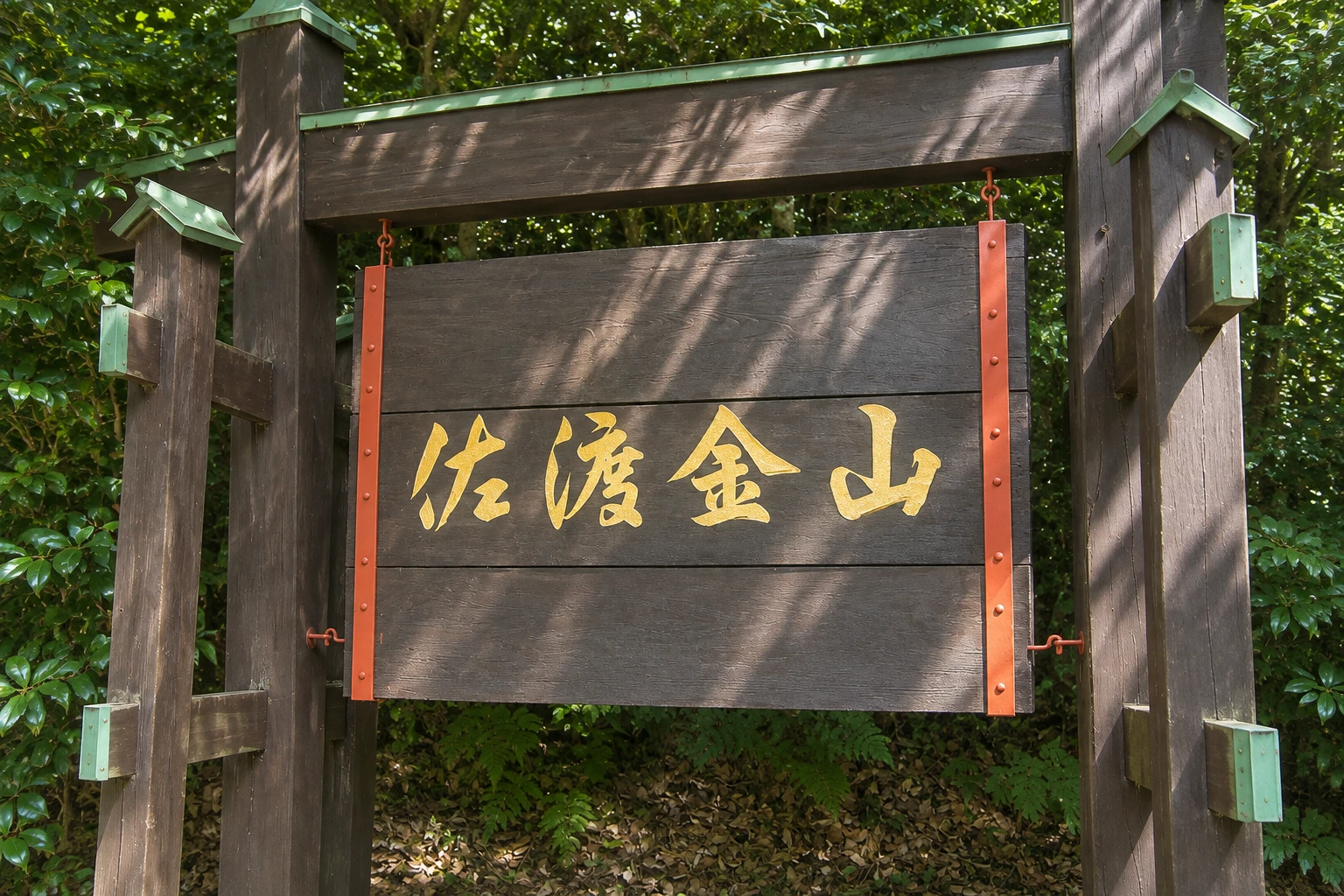
Sado Gold Mine (Sado Kinzan)
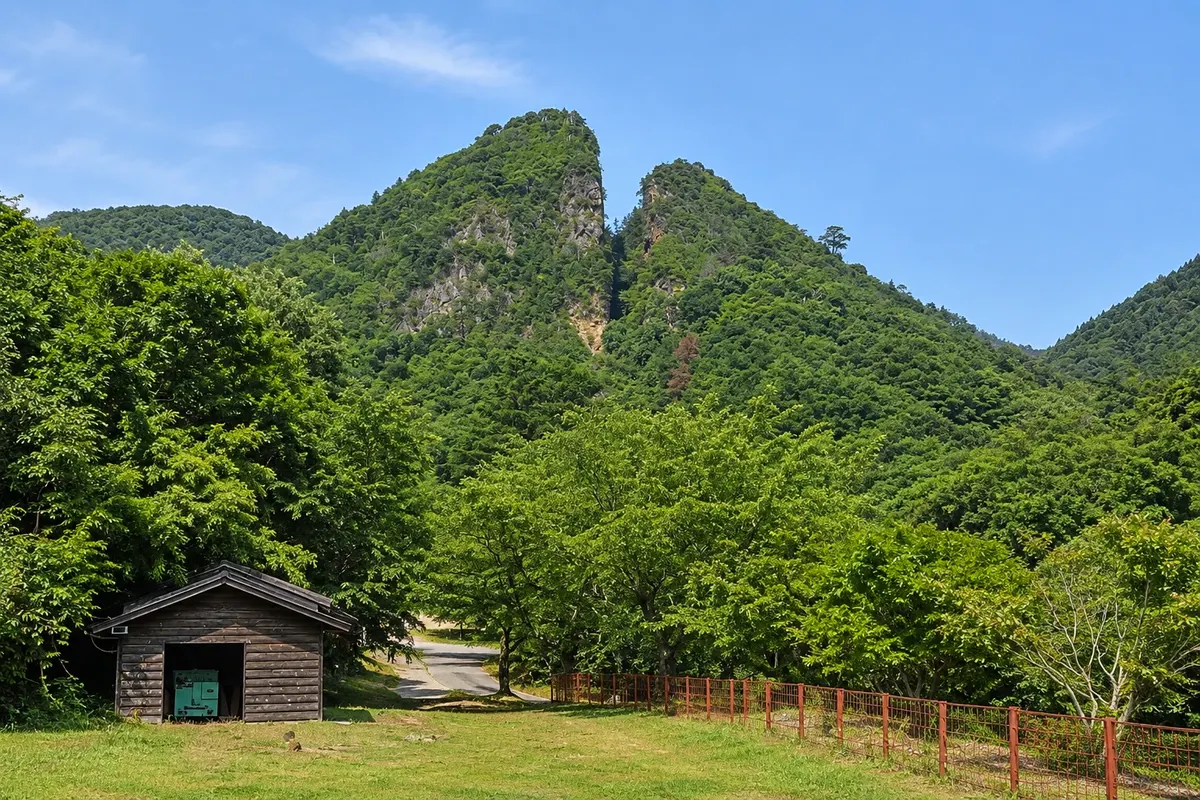
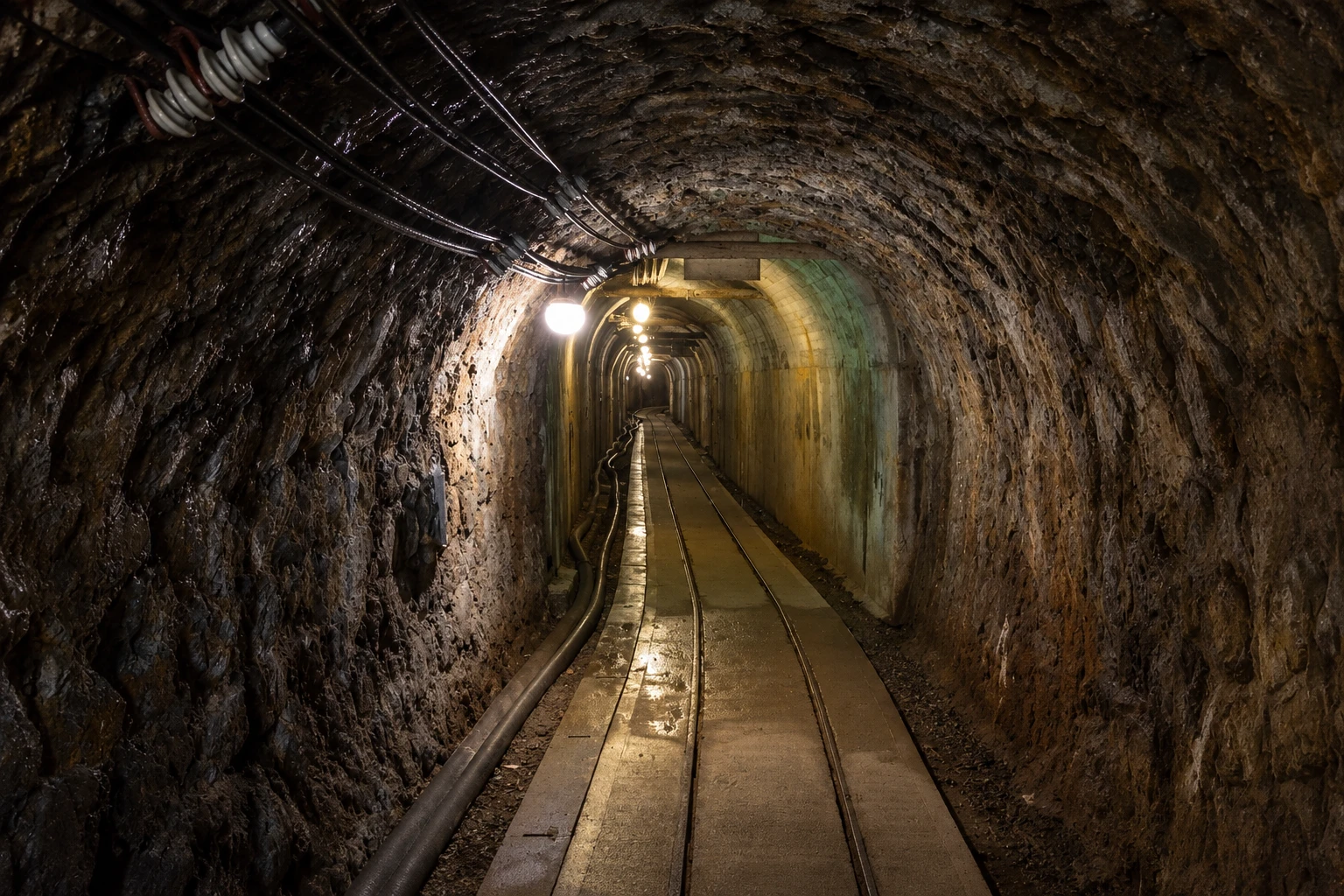
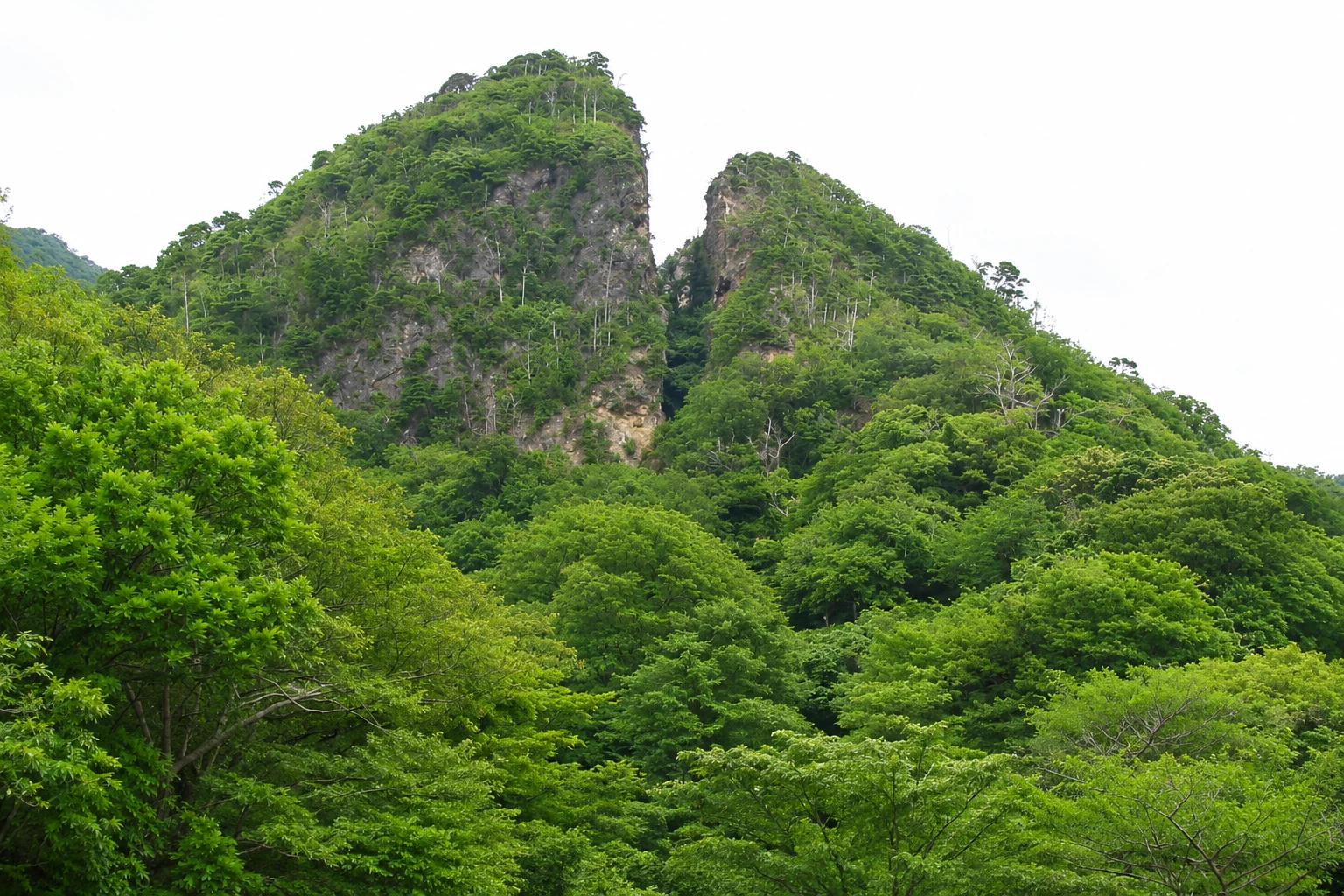
Former Aikawa gold and silver mine, worked from the early 17th century until 1989, with tunnels open to visitors, the Doyu mountain split in two by mining, and ruins of processing plants — part of the UNESCO World Heritage.
Illustrative images. The pictures in this guide are illustrations based on the real place, not photographs, and may differ from it.

A look at the place
Sado Gold Mine (Sado Kinzan) in pictures
These pictures are illustrations based on the real place, not photographs. They may differ from the place.
Click the picture to enlarge it.
Discover
About Sado Gold Mine (Sado Kinzan)
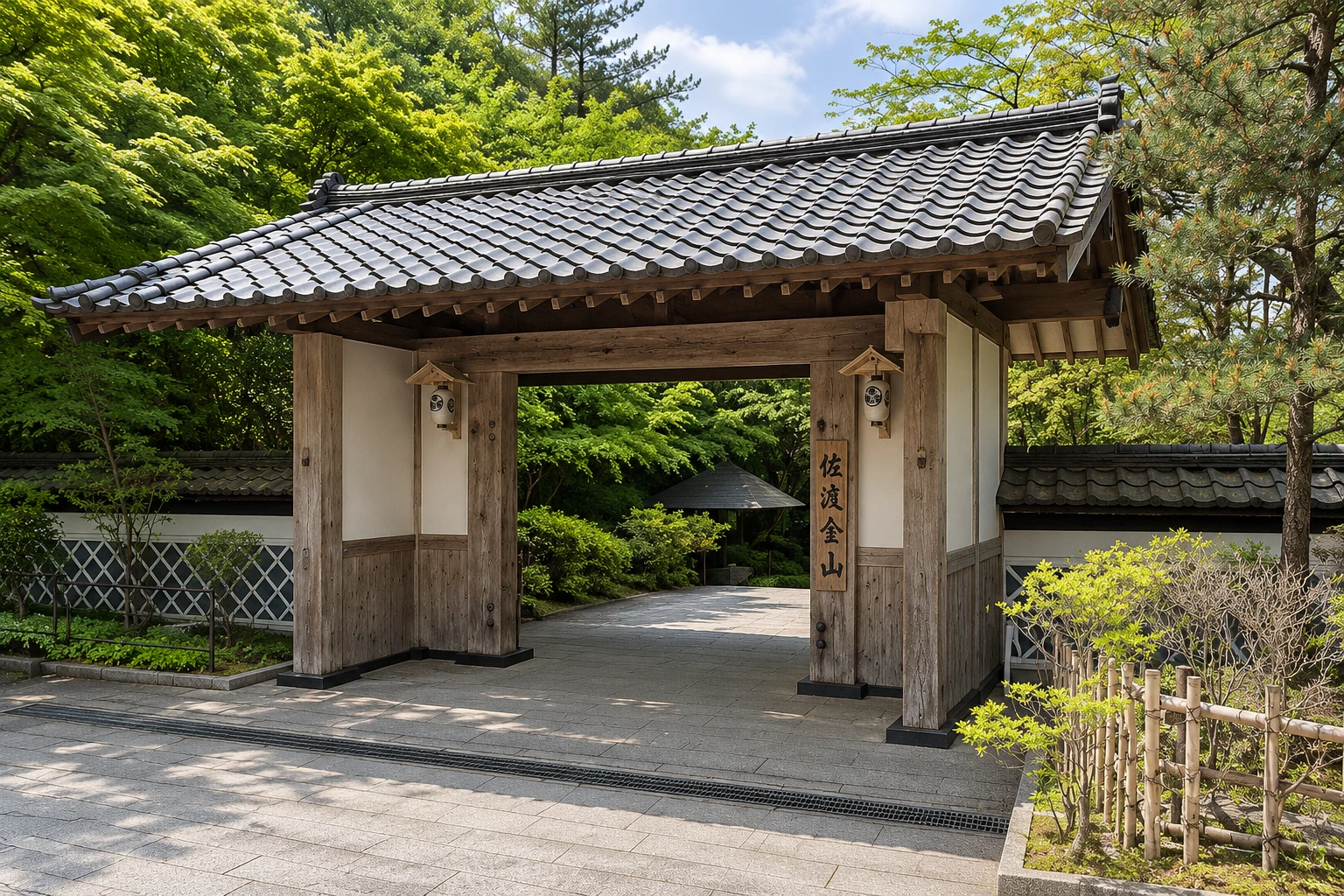
The Aikawa mine was discovered around 1601 and, under direct control of the Tokugawa shogunate, became Japan’s largest producer of gold and silver during the Edo period. It operated until 1989, nearly four centuries. In 2024, UNESCO inscribed the Sado Island Gold Mines on the World Heritage list, noting the continuity of manual mining for more than 250 years.
The main visit, at Sado Kinzan, includes two tunnels. The Sodayu tunnel, from the Edo period, uses life-size mechanical figures to show how miners excavated, drained water and carried ore by hand through narrow galleries. The Doyu tunnel, opened at the end of the 19th century, demonstrates more modern mining, with rails, machines and shafts, up to the end of operations.
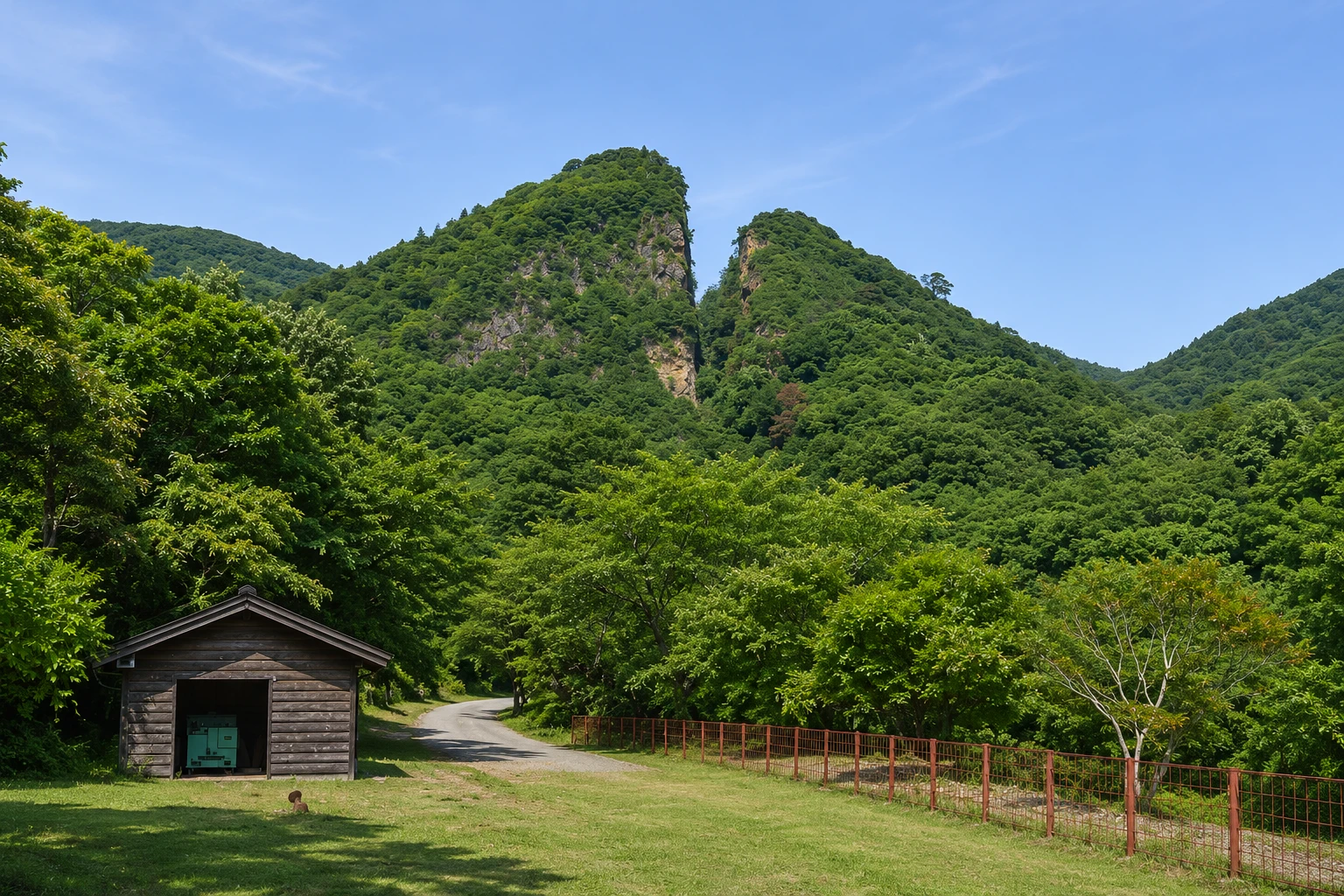
Above the tunnels, Doyu mountain in Warito, split in two by centuries of open-pit excavation, leaves a gap about 30 meters wide high on the slope, visible from several points along the road. A museum beside the entrance displays gold bars, documents and scale models.
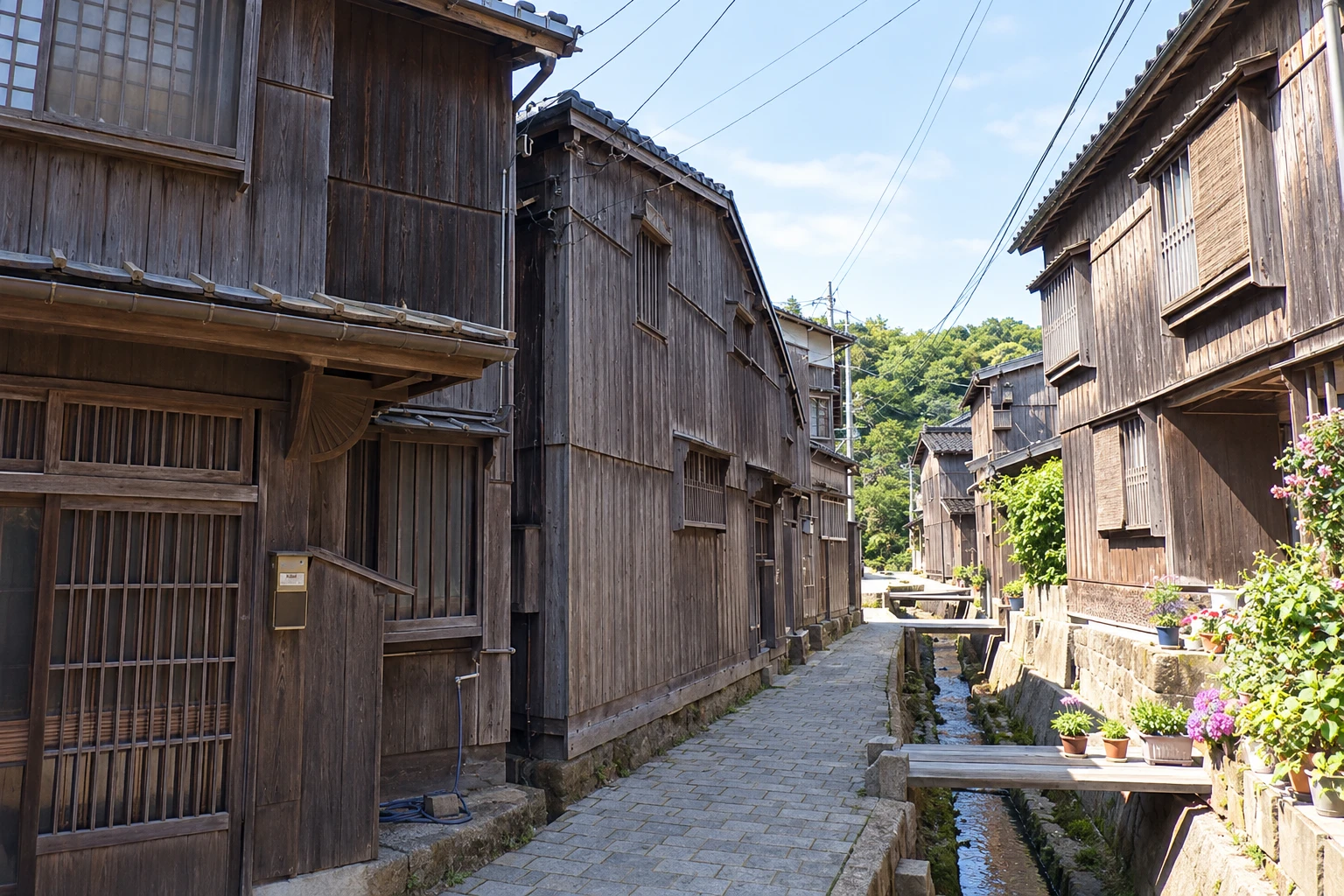
In Aikawa, a few minutes’ drive away, the concrete ruins of the Kitazawa flotation plant, overgrown with vegetation, show the scale of 20th-century industry and are sometimes illuminated at night during certain seasons. The town of Aikawa, which grew with the mine, preserves streets of wooden houses of miners and craftsmen. A full visit takes half a day.
Before you go
Practical information
Cidade Turismo reviews its information regularly, but something may have changed. Check with the place before planning your trip.
How much time to set aside
From 1½ to 2 hours in the tunnels; half a day including Kitazawa and Aikawa.
Best time
All year round, since the tunnels are covered; in spring and autumn the outdoor sections are more pleasant. It’s cold inside the tunnels even in summer. Check opening hours and guided tours.
How to get there
Ryotsu buses to Aikawa take about 1 hour, then a local bus or about 25 minutes on foot uphill to the mine. By car, about 45 minutes from Ryotsu.
Tip
Bring a jacket for the tunnels. Combine the visit with the Kitazawa ruins on the same day.
Official website
Get your questions answered
Frequently asked questions about Sado Gold Mine (Sado Kinzan)
Is Sado’s Gold Mine a World Heritage site?
Yes. The Sado Island Gold Mines were inscribed by UNESCO in 2024.
Which Sado mine tunnels can you visit?
The Sodayu tunnel, from the Edo period, with mechanical figures of miners, and the Doyu tunnel from modern mining. There are also guided tours of other areas, by reservation.
What is the Doyu at Warito?
A mountain split in half by open-pit mining, with a fissure at the top visible from the road.
How to get to the Sado Gold Mine?
By bus from Ryotsu to Aikawa and then a further bus ride or on foot, or by car, about 45 minutes from Ryotsu.
Beyond the guide


