

 Brazil
 Antarctica
 Argentina
 Bolivia
 Chile
 Colombia
 Ecuador
 Guyana
 French Guiana
 Falkland Islands (Malvinas)
 Paraguay
 Peru
 Suriname
 Uruguay
 Venezuela
 Germany
 Austria
 Belgium
 Croatia
 Denmark
 Slovakia
 Slovenia
 Spain
 Finland
 France
 Greece
 the Netherlands
 Hungary
 Ireland
 Iceland
 Italy
 Luxembourg
 Norway
 Poland
 Portugal
 the United Kingdom
 the Czech Republic
 Sweden
 Switzerland
 Turkey
 Bermuda
 Canada
 the United States
 Greenland
 Mexico
 Saint Pierre and Miquelon
 the Dominican Republic
 South Africa
 Egypt
 Australia
 Fiji
 New Zealand
 Papua New Guinea
Garden · Hiroshima, Hiroshima
Shukkeien Garden
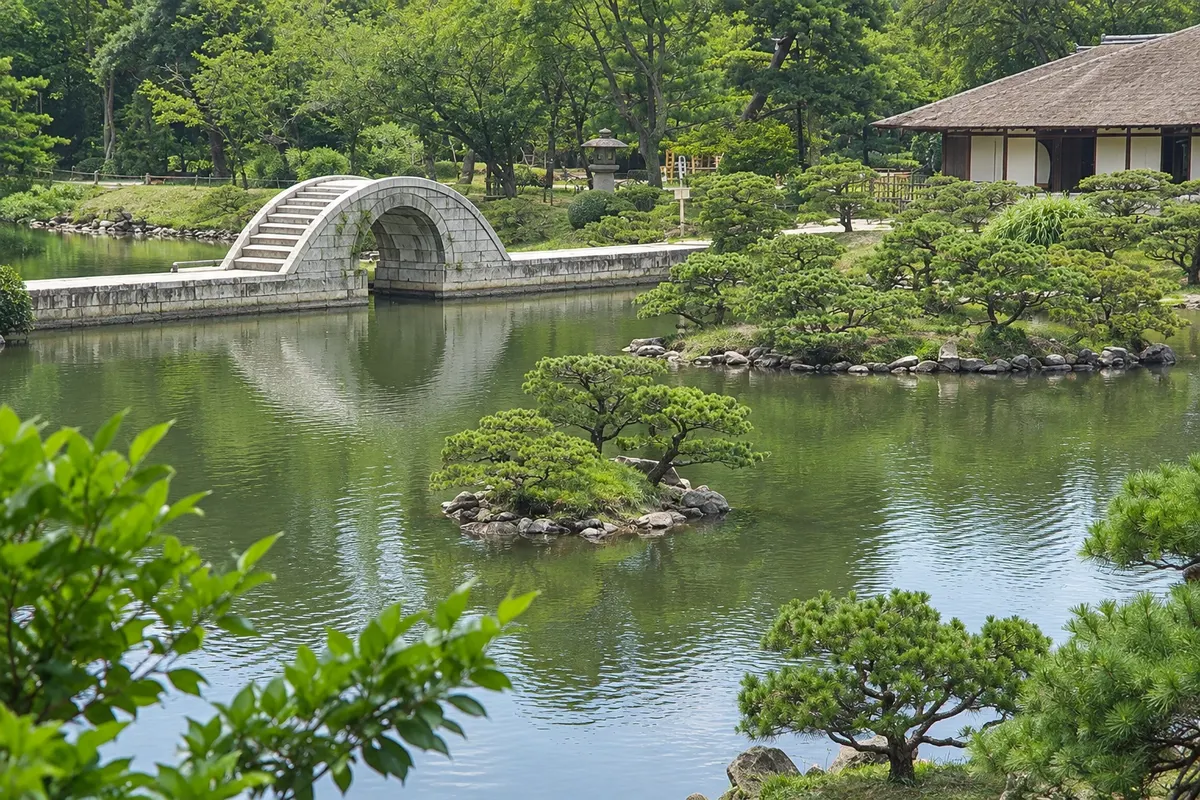
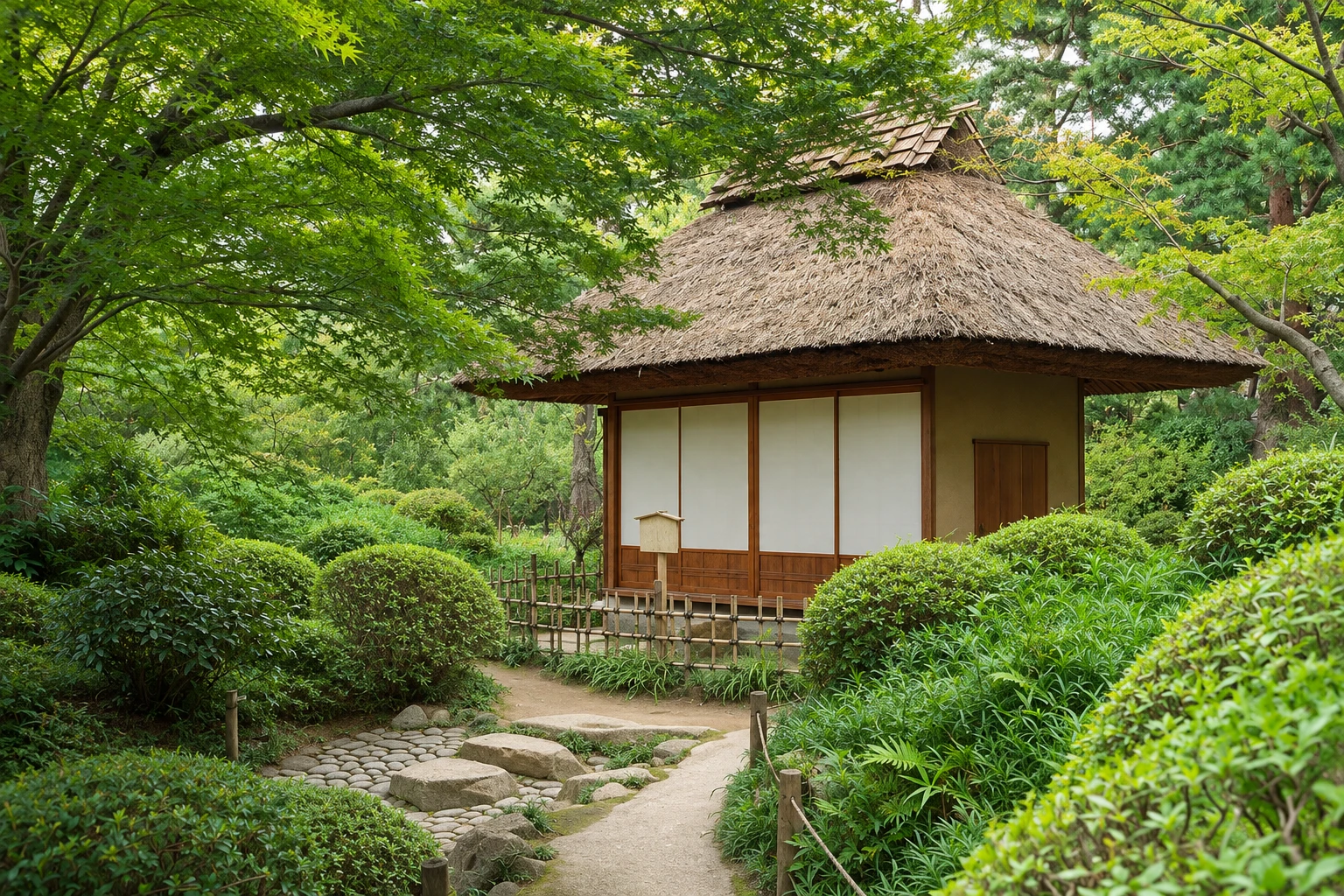
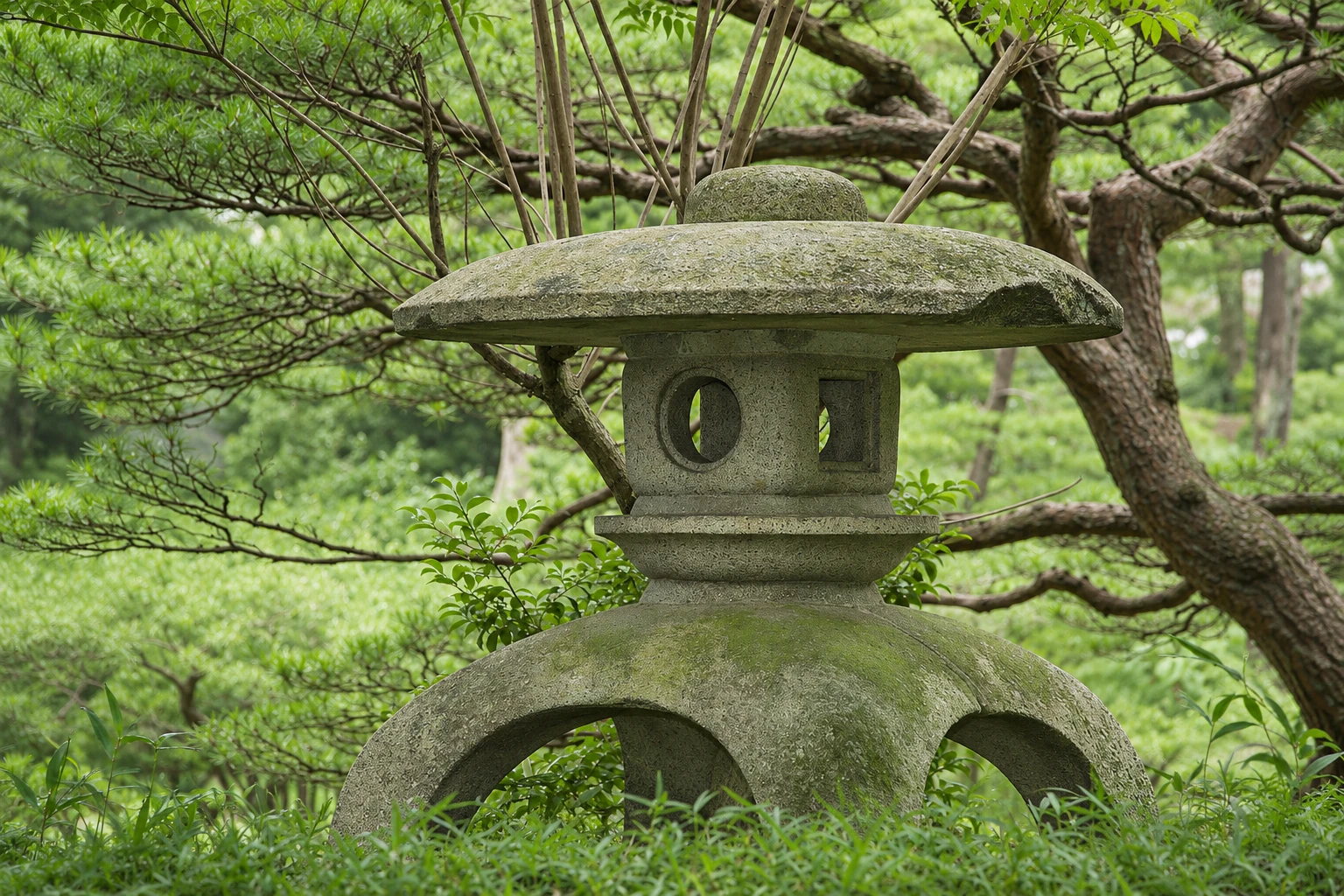
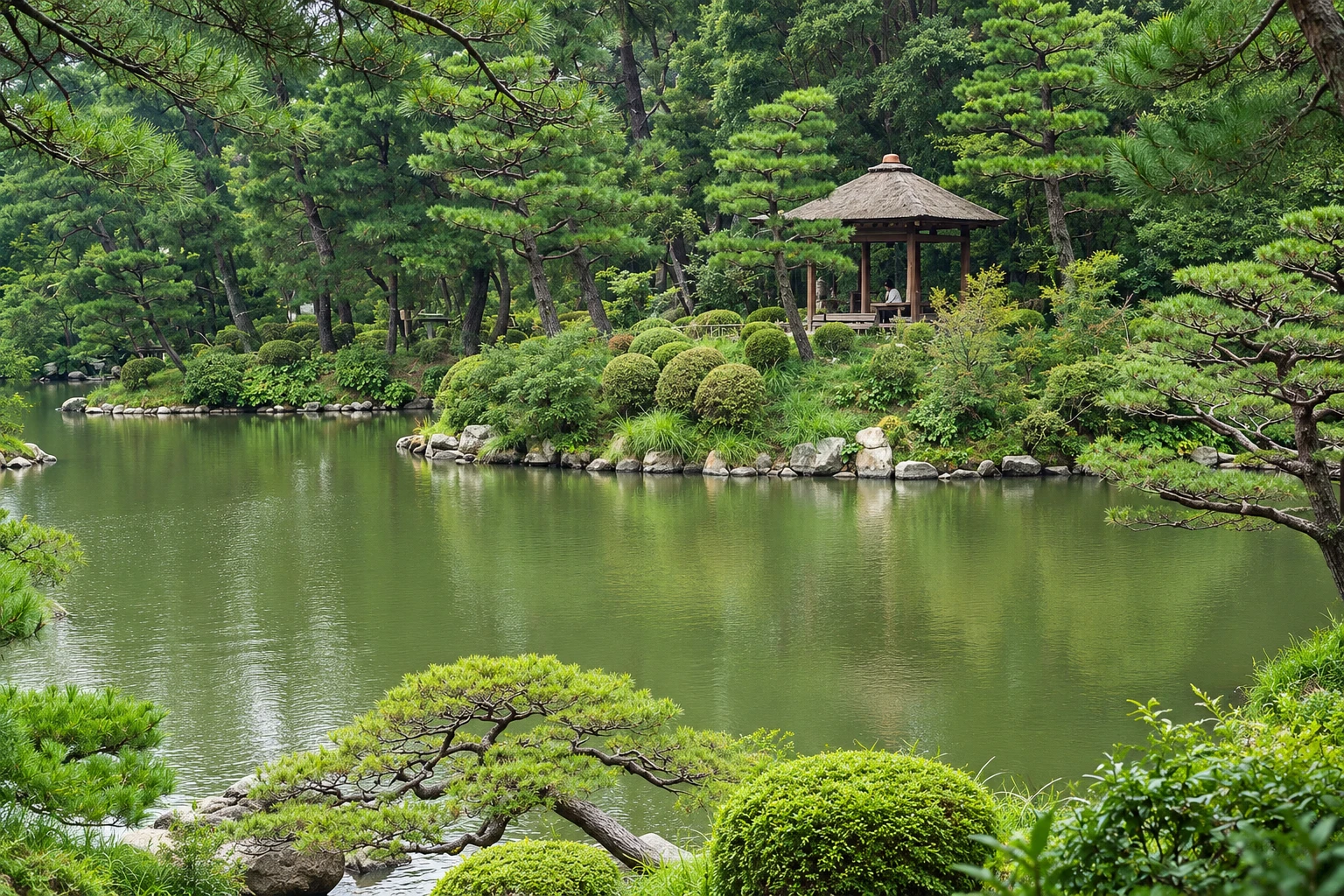
17th-century garden around a pond, with miniature landscapes, bridges, tea houses and paths, near Hiroshima Station.
Illustrative images. The pictures in this guide are illustrations based on the real place, not photographs, and may differ from it.

A look at the place
Shukkeien Garden in pictures
These pictures are illustrations based on the real place, not photographs. They may differ from the place.
Click the picture to enlarge it.
Discover
About Shukkeien Garden
Shukkei-en was created in 1620 by Ueda Soko, a tea master and adviser to Asano Nagaakira, the lord of Hiroshima, as the clan’s residential garden. The name means "shrunken-scenery garden": the design reproduces, on a small scale, the mountains, valleys, islands and forests around Lake Takuei.
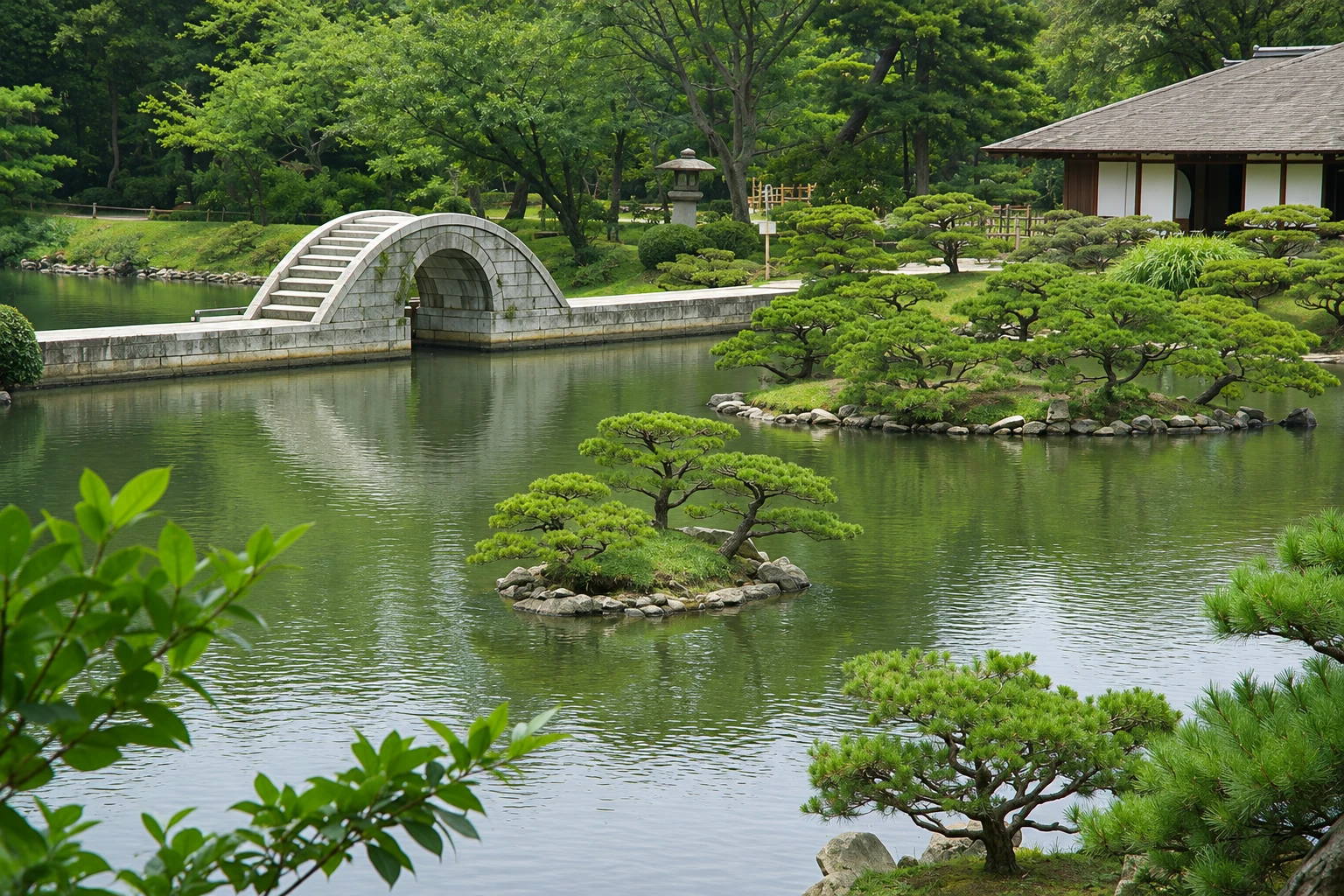
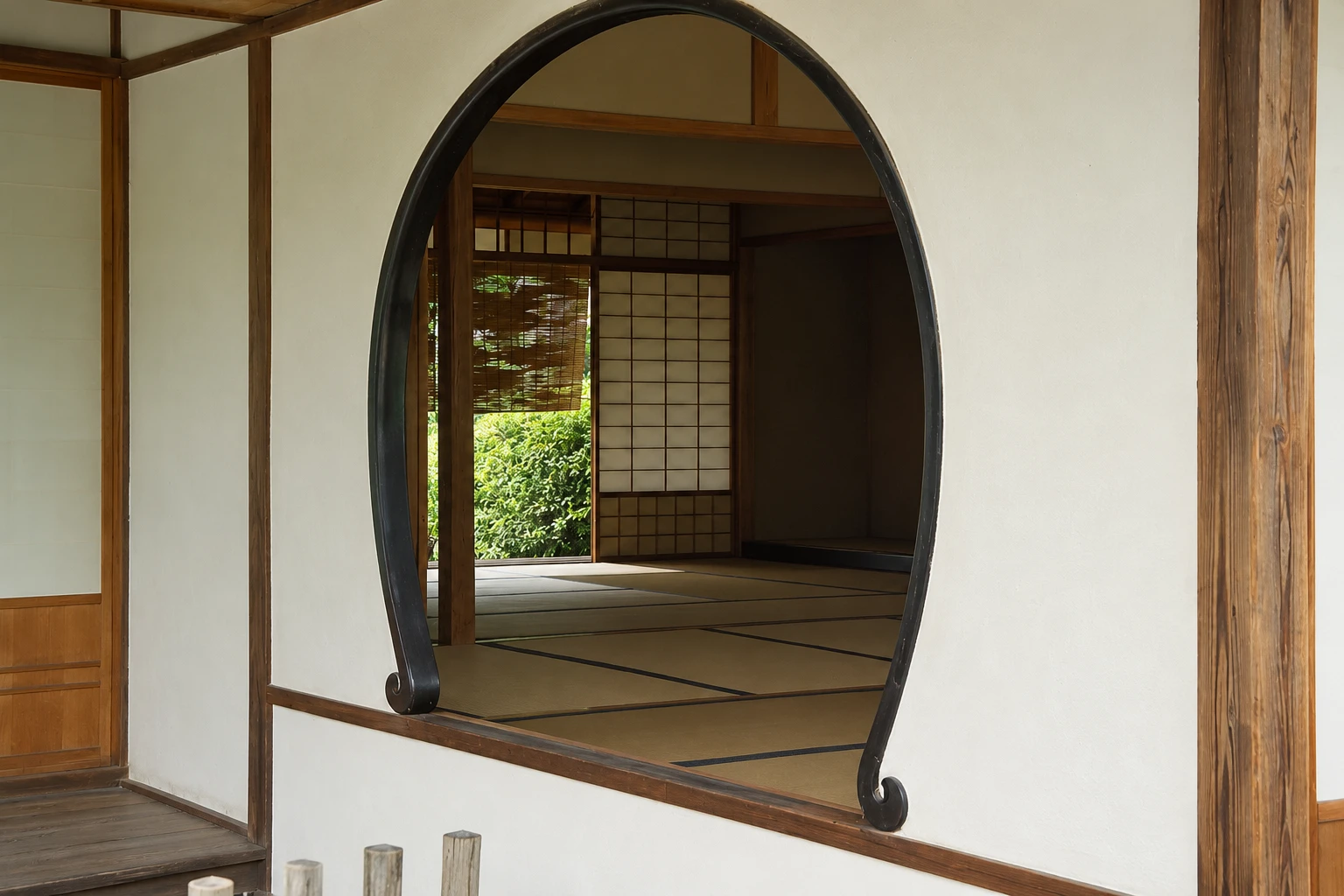
The path circles the pond and passes small hills, waterfalls, a bamboo grove, a tea plantation and a rice field. The stone arch bridge Koko divides the pond and is the garden’s best-known image. Tea houses line the banks, and the carp gather where visitors stop.
The garden was destroyed by the atomic bomb, about 1.3 km away. Many wounded people fled there and died on the pond’s banks. Restoration began soon after the war and took decades; a ginkgo tree that survived the blast still stands near the entrance, and the grounds contain a monument to the victims.
Shukkei-en has flowers throughout the year: plum trees in late winter, cherry trees and azaleas in spring, irises in early summer and red maples in autumn. Next door is the Hiroshima Prefectural Art Museum, with combined access to the garden. At the Seifukan tea house by the pond, green tea and sweets are often served, and the view reaches Koko Bridge and the islands on the pond.
Before you go
Practical information
Cidade Turismo reviews its information regularly, but something may have changed. Check with the place before planning your trip.
How much time to set aside
About 45 minutes to 1 hour.
Best time
In the first week of April, usually, the cherry trees along the pond bloom; the maples turn red in the second half of November. Mornings are the quietest hours. On some nights in autumn and spring there is special illumination: check the dates.
How to get there
About a 15-minute walk from Hiroshima Station. The tram stops at Shukkeien-mae, a few minutes from the entrance.
Tip
Walk the complete circuit around the pond, following the indicated direction, and stop on Koko Bridge. Combine the garden with the Prefectural Art Museum next door, or with a walk to the Peace Park.
Official website
Get your questions answered
Frequently asked questions about Shukkeien Garden
What does Shukkei-en mean?
It means “shrunken-scenery garden,” because it reproduces mountains, valleys and islands in miniature around a pond.
How long does a visit to Shukkei-en take?
About 45 minutes to 1 hour to walk around the pond.
How do you get to Shukkei-en?
On foot, about 15 minutes from Hiroshima Station, or by tram to Shukkeien‑mae.
Was Shukkei-en hit by the atomic bomb?
Yes. The garden was destroyed and restored in the following decades. A ginkgo tree that survived still stands near the entrance.
When should you visit Shukkei-en?
In April, for the cherry trees, and in November, for the red maples. There are flowers through most of the year.
Beyond the guide


