

 Brazil
 Antarctica
 Argentina
 Bolivia
 Chile
 Colombia
 Ecuador
 Guyana
 French Guiana
 Falkland Islands (Malvinas)
 Paraguay
 Peru
 Suriname
 Uruguay
 Venezuela
 Germany
 Austria
 Belgium
 Croatia
 Denmark
 Slovakia
 Slovenia
 Spain
 Finland
 France
 Greece
 the Netherlands
 Hungary
 Ireland
 Iceland
 Italy
 Luxembourg
 Norway
 Poland
 Portugal
 the United Kingdom
 the Czech Republic
 Sweden
 Switzerland
 Turkey
 Bermuda
 Canada
 the United States
 Greenland
 Mexico
 Saint Pierre and Miquelon
 the Dominican Republic
 South Africa
 Egypt
 Australia
 Fiji
 New Zealand
 Papua New Guinea
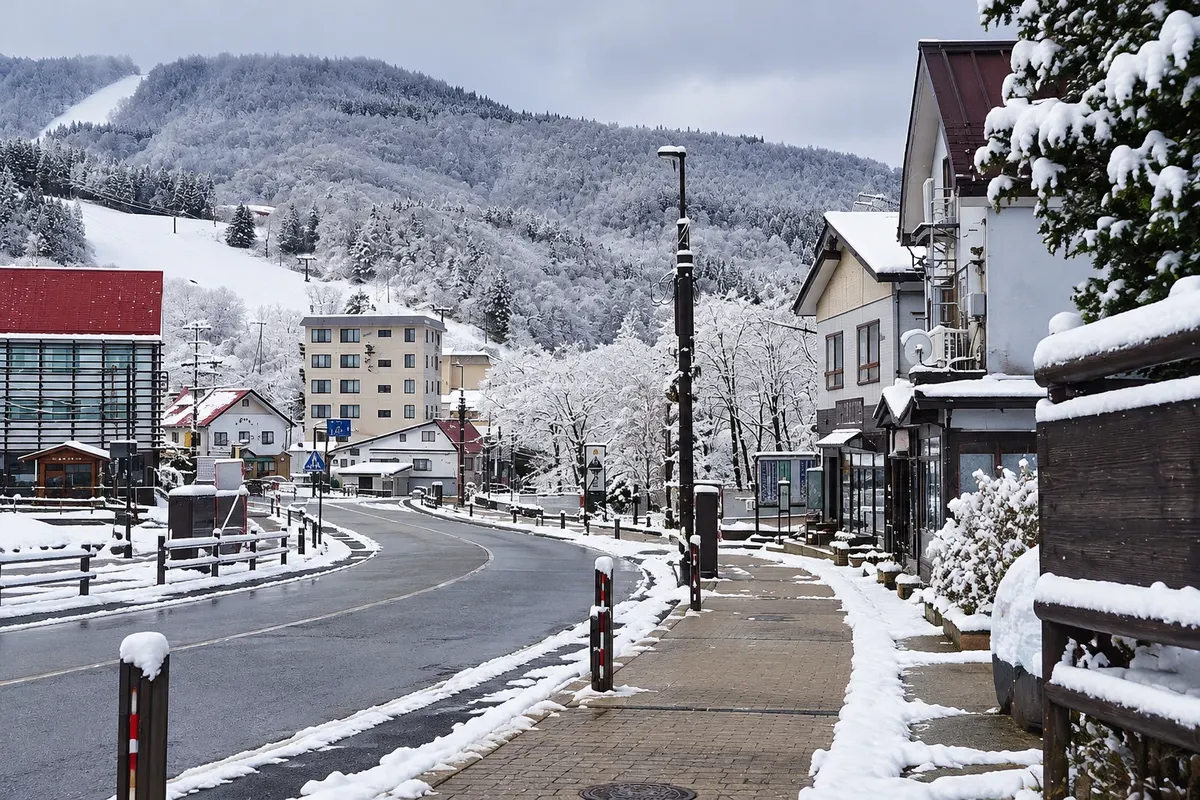
Hot spring · Yamagata, Yamagata
Zao Onsen
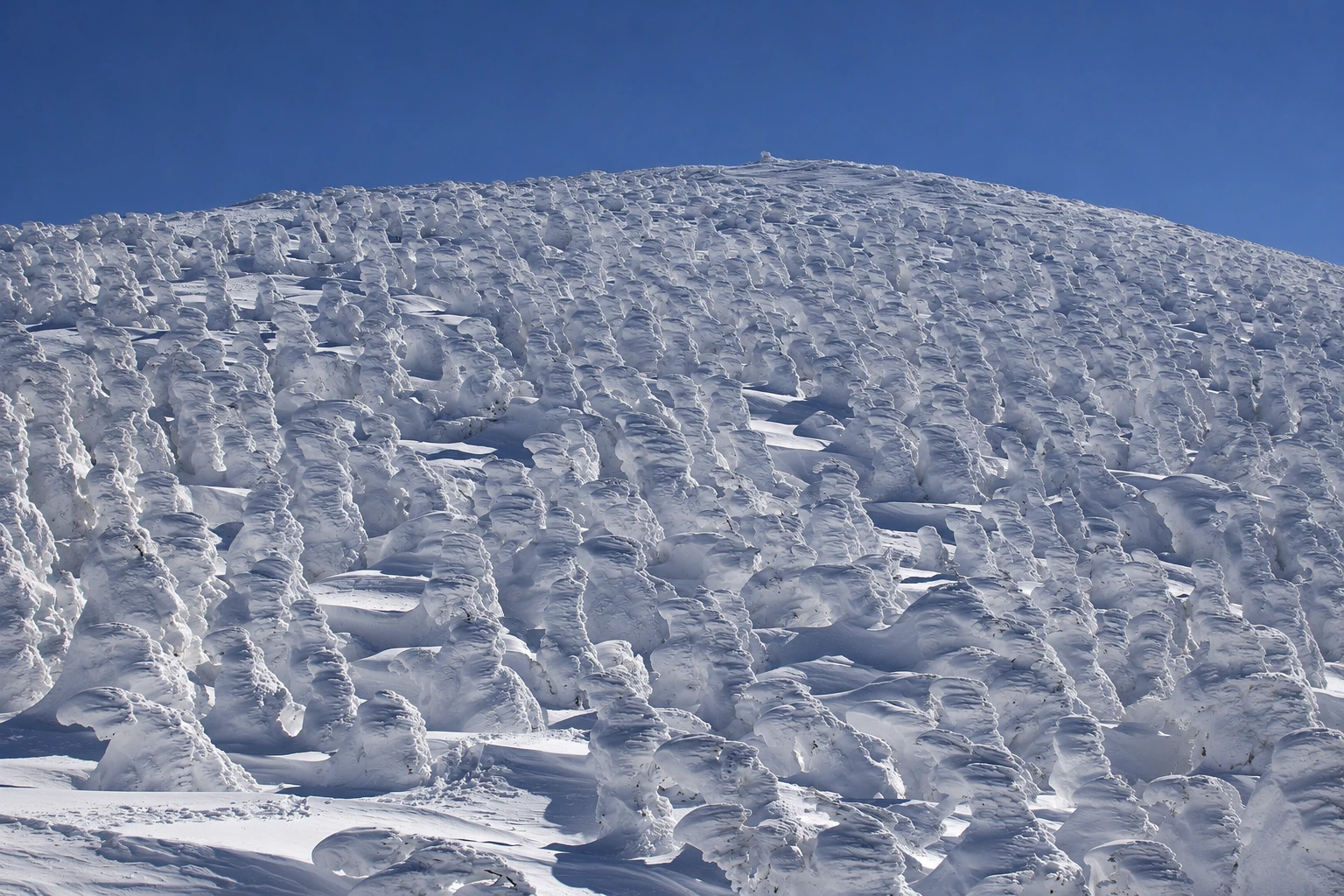
A hot-spring village of sulfurous waters and a ski resort south of Yamagata, with ropeways to Mount Jizo where, in the height of winter, ice- and snow-covered trees form the snow monsters.
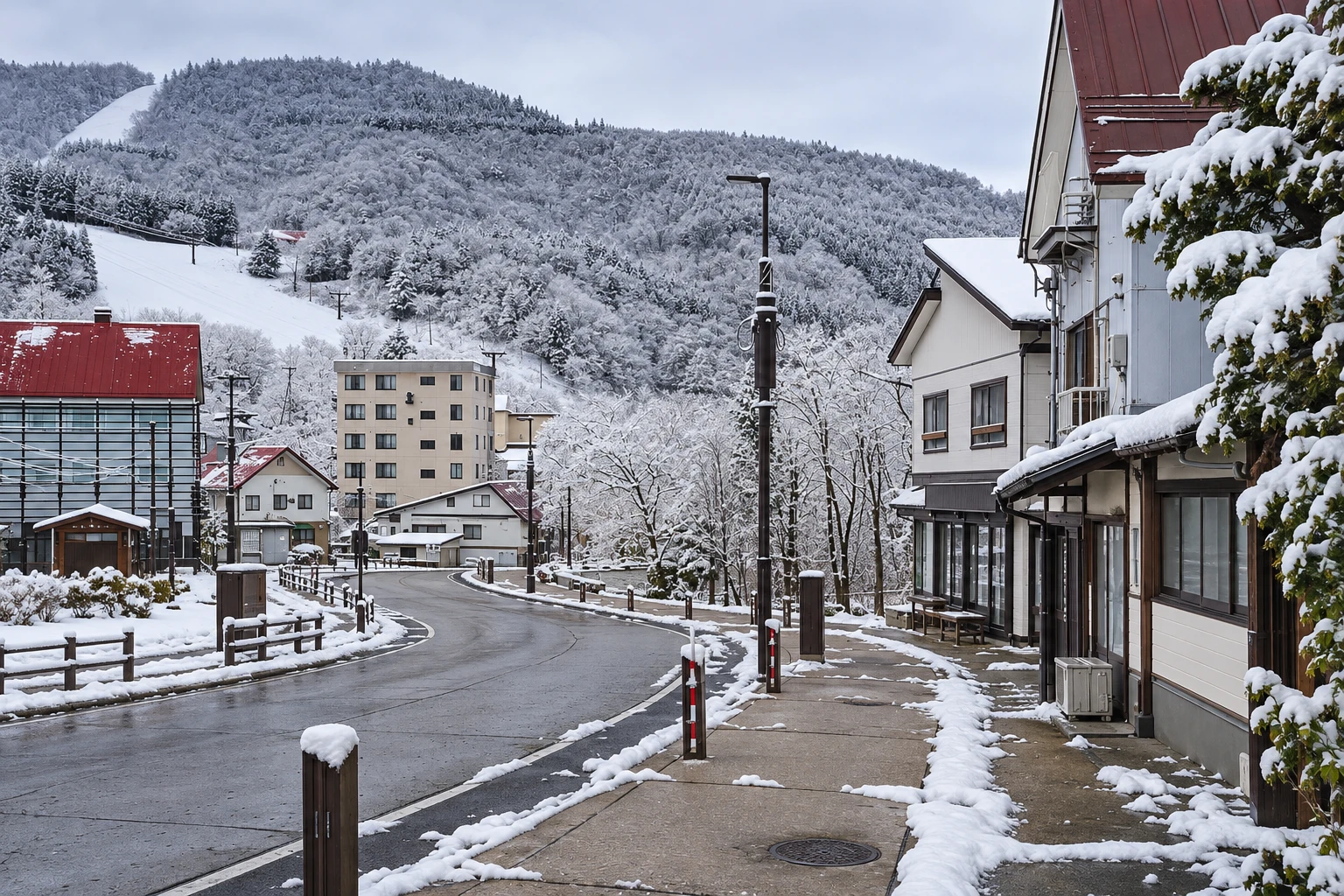
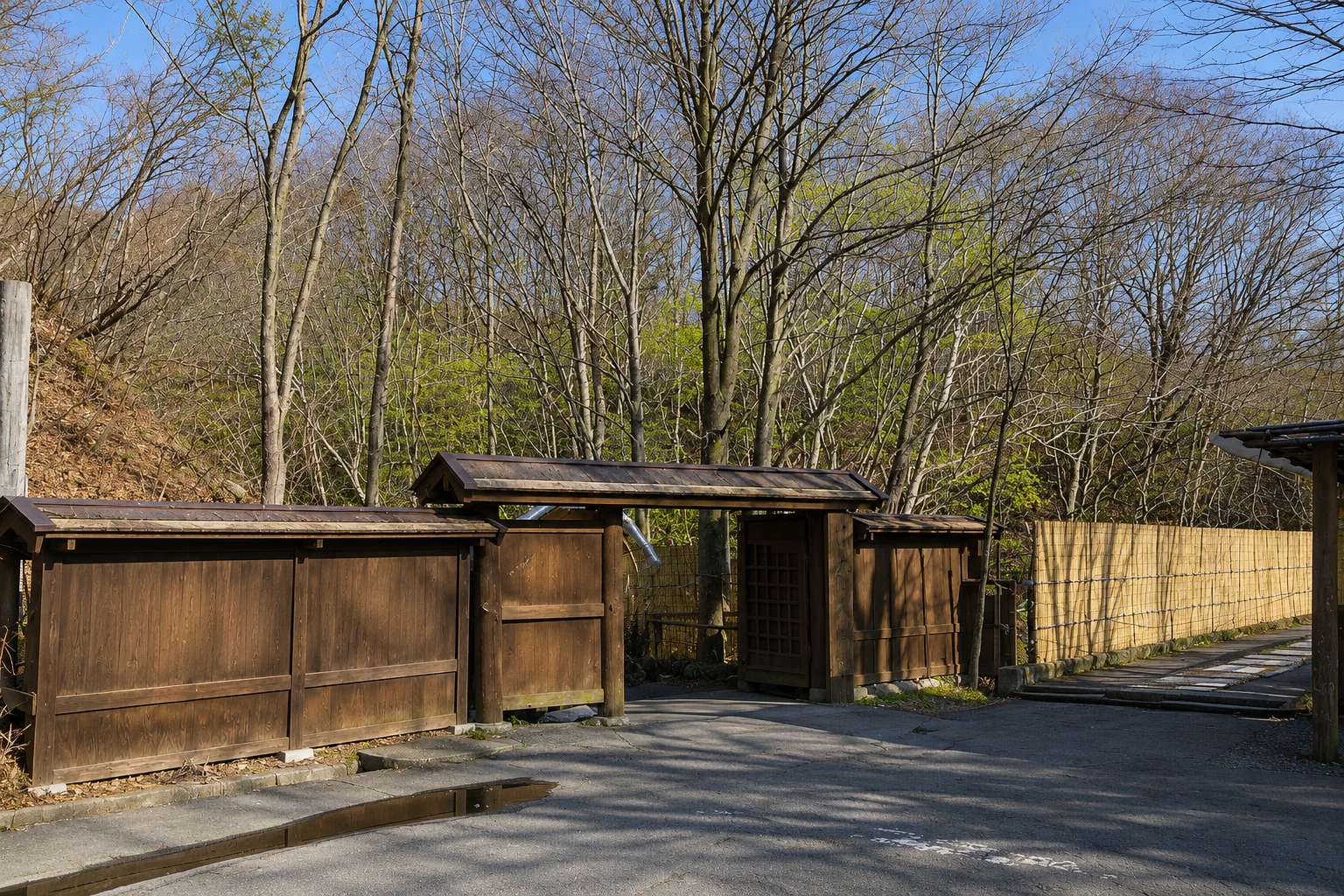
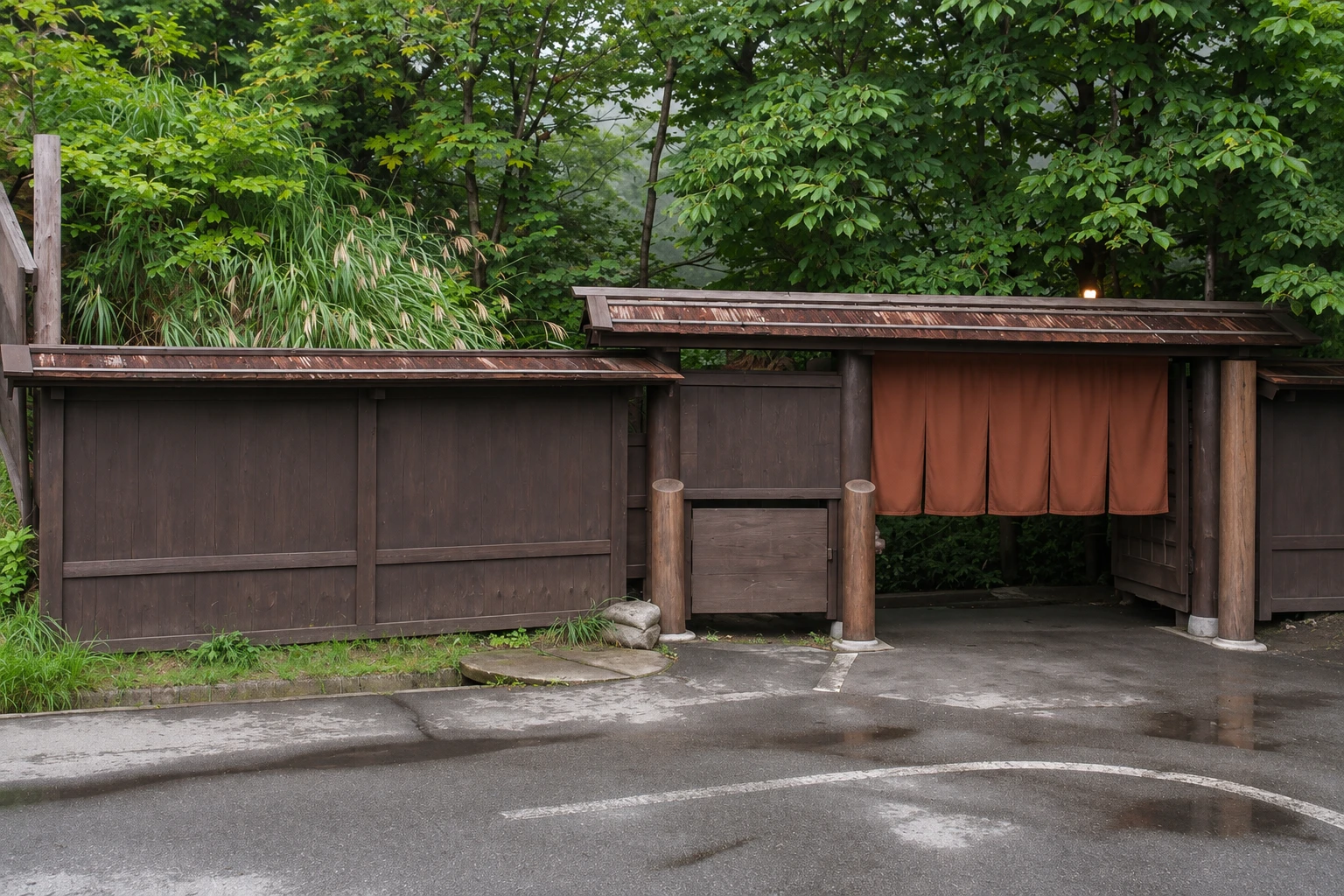
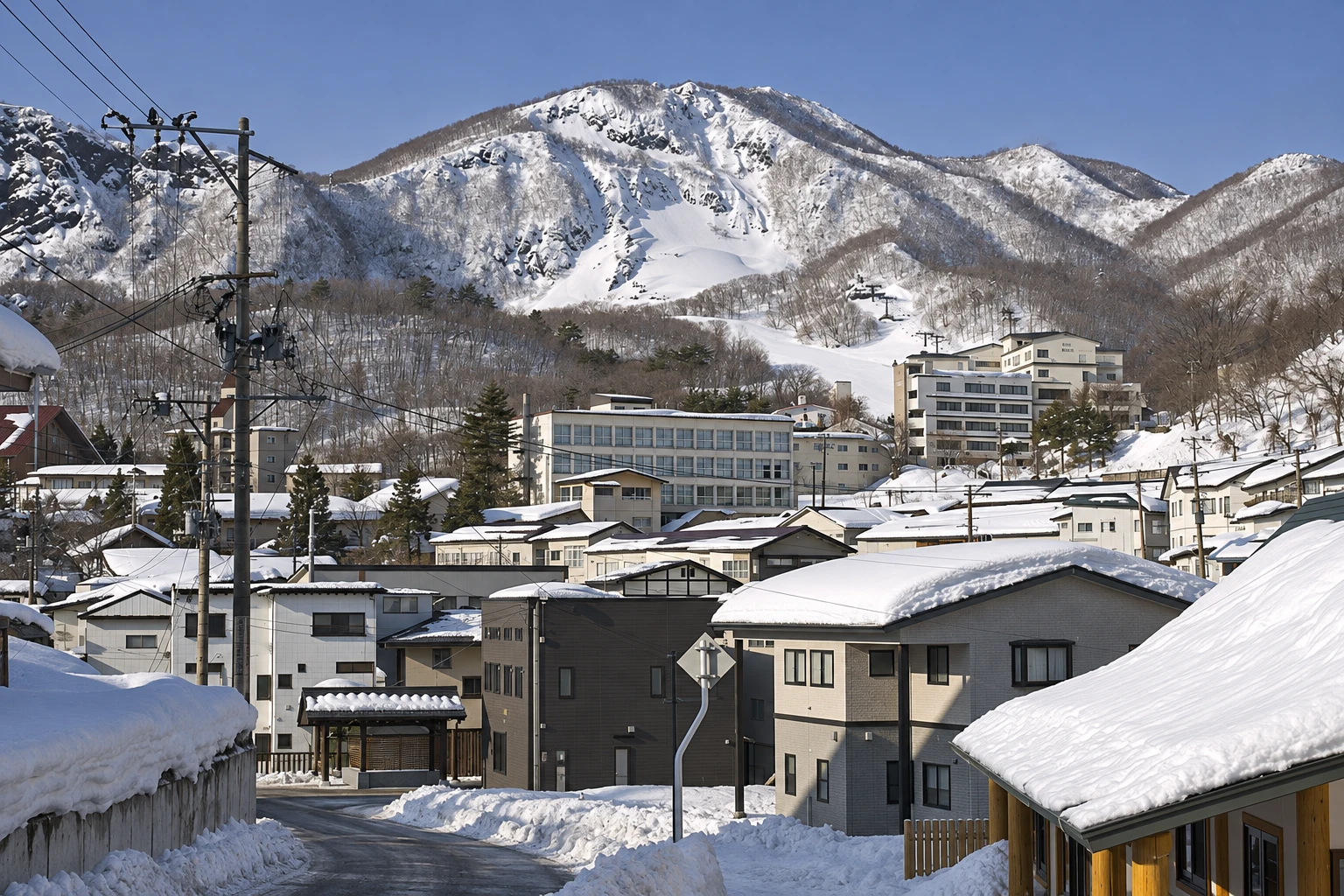
Illustrative images. The pictures in this guide are illustrations based on the real place, not photographs, and may differ from it.

A look at the place
Zao Onsen in pictures
These pictures are illustrations based on the real place, not photographs. They may differ from the place.
Click the picture to enlarge it.
Discover
About Zao Onsen
Zao Onsen is a hot-spring village at about 900 meters elevation, on the western slope of the Zao range, southeast of Yamagata city. Its springs are among the most acidic in Japan, with sulfurous, milky water, and tradition says people have bathed there for around 1,900 years. The village has sloping streets, ryokan, shops and three public bathhouses, plus a large outdoor bath in a valley.
In winter, Zao Onsen is one of the largest ski resorts in Tohoku, with runs that descend from the top of Mount Jizo. It is there that the juhyo, the “snow monsters,” form: mountain firs coated by layers of ice and snow driven by winds from the Sea of Japan, taking the shapes of giant figures. They usually appear from January to February, depending on the cold and wind each year.
The Zao Ropeway cable car climbs from the village to the station on Mount Jizo, at about 1,660 meters, in two sections. In winter, the snow monsters stand around the station and on some nights of the season are lit up. In summer and autumn, the area has trails among alpine flowers and foliage, and a stone statue of Jizo at the top that is covered by snow in winter.
On the other side of the range, on the Miyagi side, lies the Okama crater, an emerald-green lake reached by the Zao panoramic road, which closes in winter. Access to the high areas of Zao depends on the volcanic alert level and the weather. On very windy days, the cable cars may stop.
Before you go
Practical information
Cidade Turismo reviews its information regularly, but something may have changed. Check with the place before planning your trip.
How much time to set aside
Half a day for the cable car and a bath; one day or one night to ski or see the illuminated snow monsters.
Best time
January and February for the snow monsters, which depend on the cold and wind each year; the ski season generally runs from December to March. From June to October, trails and foliage. With strong winds, the cable cars stop. Check conditions and the alert level before you go.
How to get there
From Yamagata Station, buses reach Zao Onsen in about 40 minutes. The cable car departs a few minutes’ walk from the bus terminal. By car it’s about 20 km, with snow tires required in winter.
Tip
Bring full winter clothing for the top of Mount Jizo, where the wind is strong and the temperature drops a lot. Afterwards, take a bath in one of the village’s public bathhouses, with very acidic water: do not wear silver jewelry in the water.
Official website
Get your questions answered
Frequently asked questions about Zao Onsen
What are Zao’s snow monsters?
They are firs covered by layers of ice and snow driven by the wind, called juhyo, which take the shapes of giant figures. They are near the cable car station on Mount Jizo.
When is the best time to see the snow monsters?
Generally from January to February, with peak timing varying according to the cold and wind each year. On some nights of the season there is illumination.
Does Zao Onsen have public baths?
Yes, three public bathhouses in the village and a large outdoor bath in a valley, at set hours. The water is very acidic and sulfurous.
Can you see the Okama crater from Yamagata?
The crater is on the Miyagi side and is reached via the Zao panoramic road, which closes in winter. Access depends on the volcanic alert level; check before you go.
Beyond the guide


