Sweet · New York
New York cheesecake
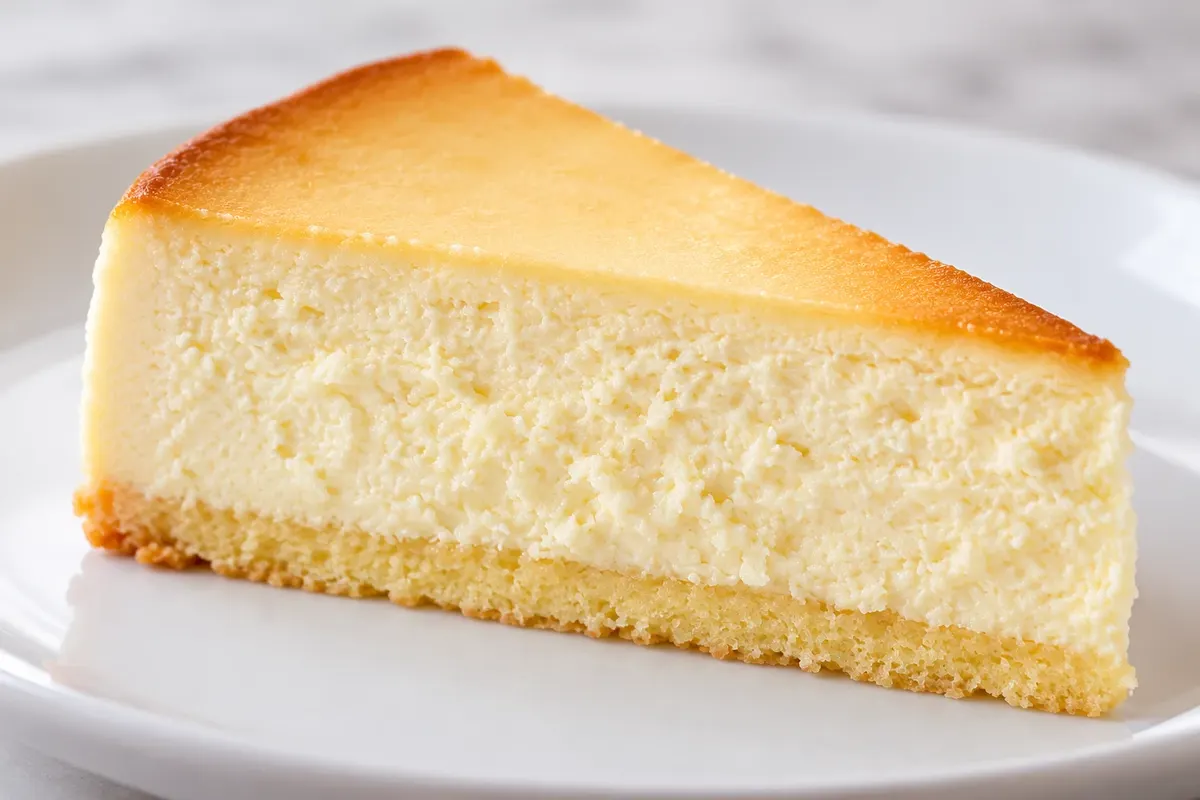
Dense, creamy tart made with cream cheese, eggs and cream on a cookie crust, served without topping.

 Search
 Brazil
 Argentina
 Bolivia
 Chile
 Colombia
 Ecuador
 Guyana
 French Guiana
 Falkland Islands (Malvinas)
 Paraguay
 Peru
 Suriname
 Uruguay
 Venezuela
 Germany
 Austria
 Belgium
 Croatia
 Denmark
 Spain
 Finland
 France
 Greece
 the Netherlands
 Hungary
 Ireland
 Iceland
 Italy
 Luxembourg
 Norway
 Poland
 Portugal
 the United Kingdom
 the Czech Republic
 Sweden
 Switzerland
 Turkey
 Canadathe United States
 Mexico
 the Dominican RepublicTurkey
 South Africa
 Australia
 Fiji
 New Zealand
 Papua New Guinea
Sports · New York
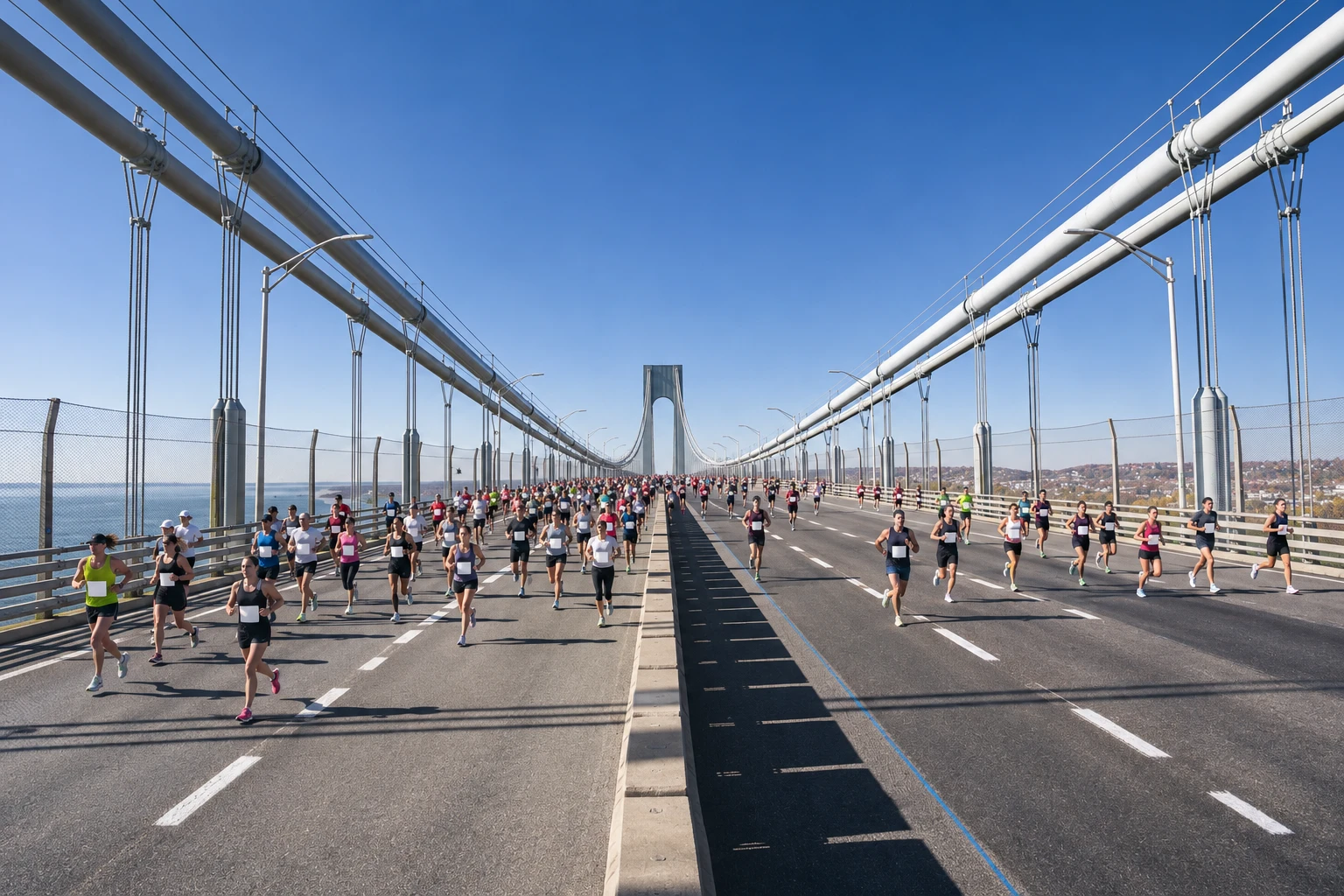
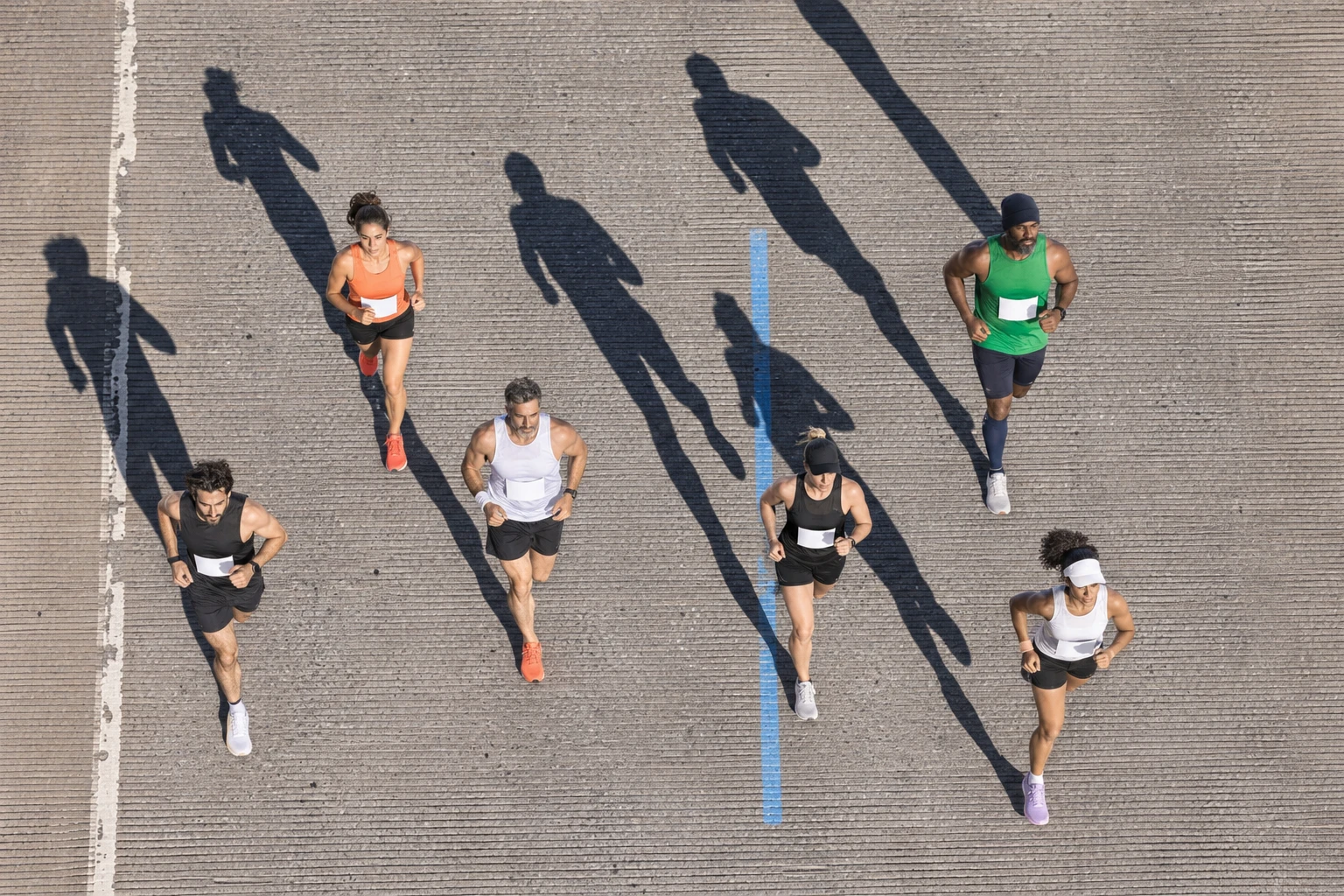
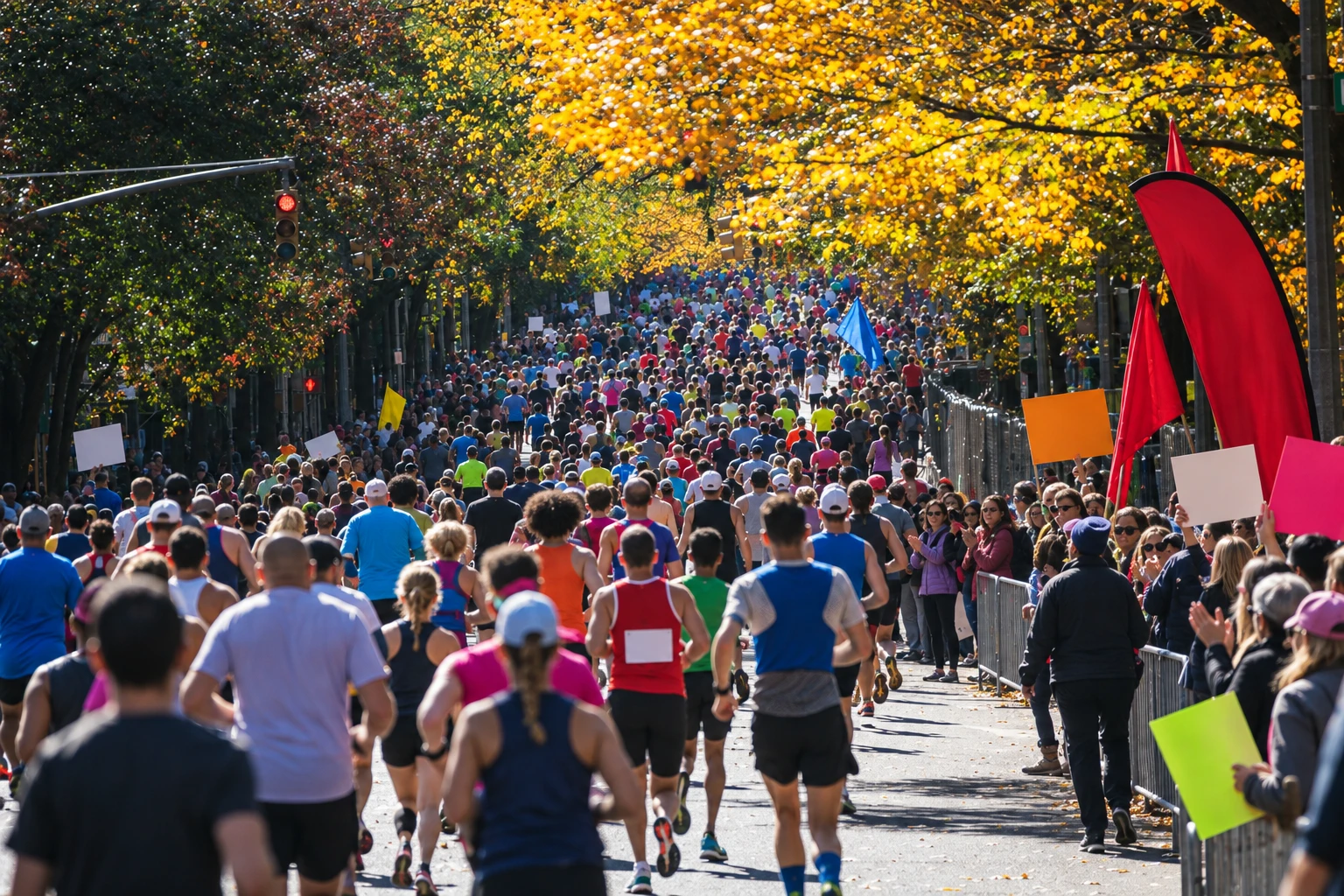
The world’s largest marathon crosses New York’s five boroughs on the first Sunday in November, from the Verrazzano-Narrows Bridge in Staten Island to the finish in Central Park, with spectators cheering from the sidewalks in Brooklyn, Queens, the Bronx and Manhattan.
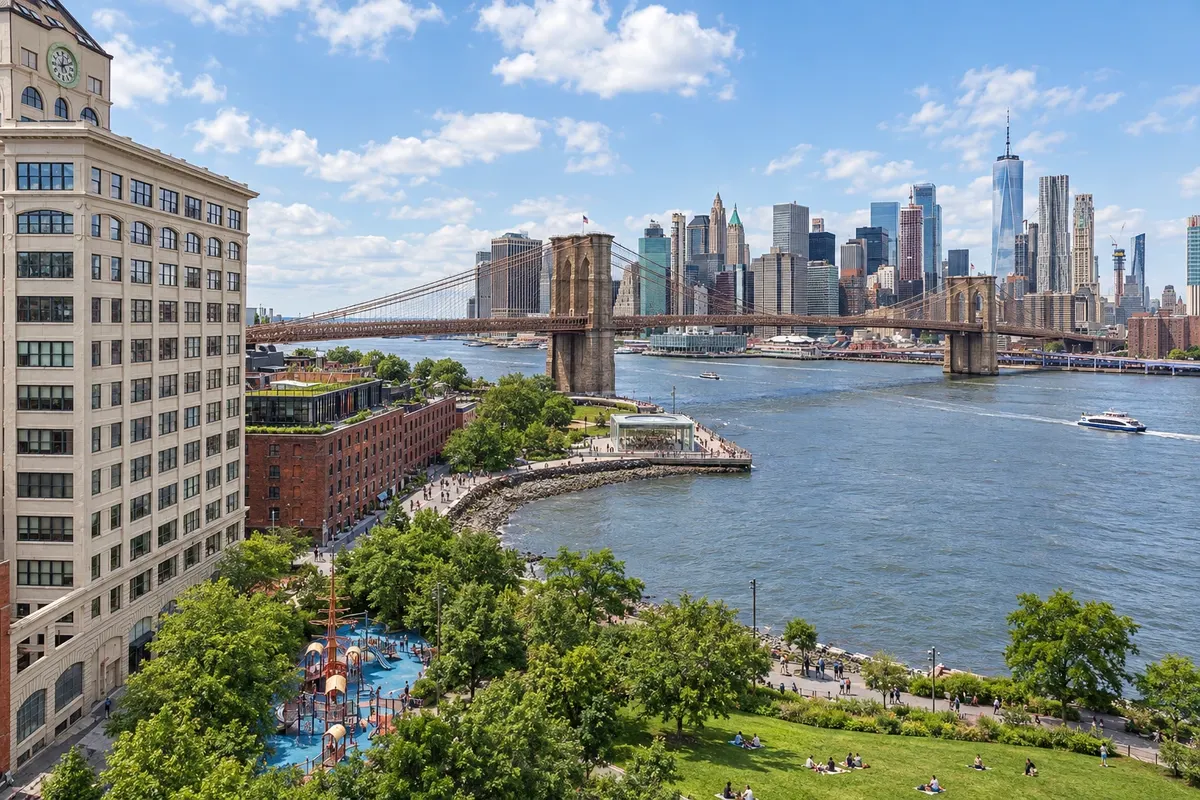
In the photo: New York
Illustrative images. The pictures in this guide are illustrations based on the real place, not photographs, and may differ from it.

Click a photo to enlarge it.
New York City Marathon — New York
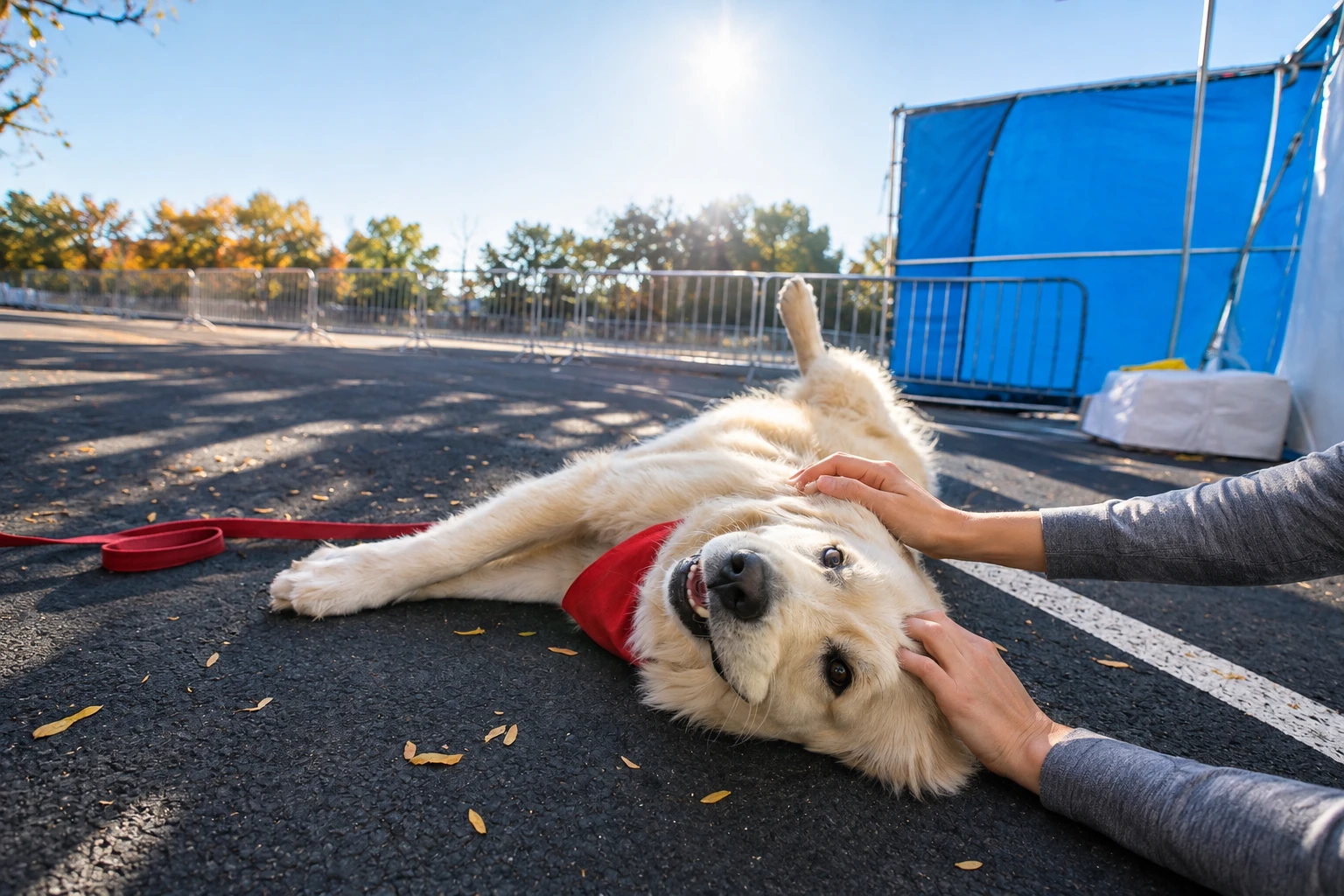
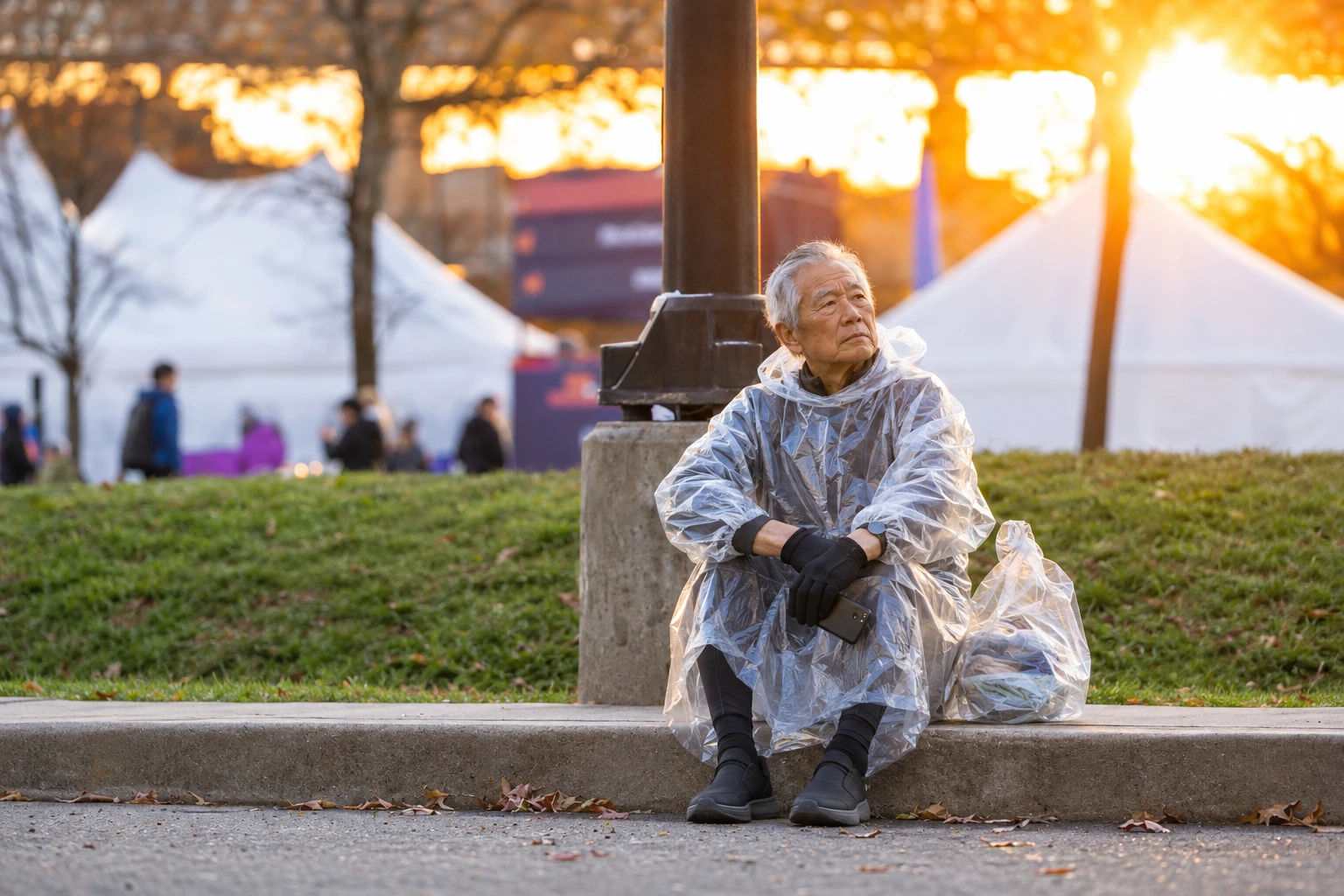
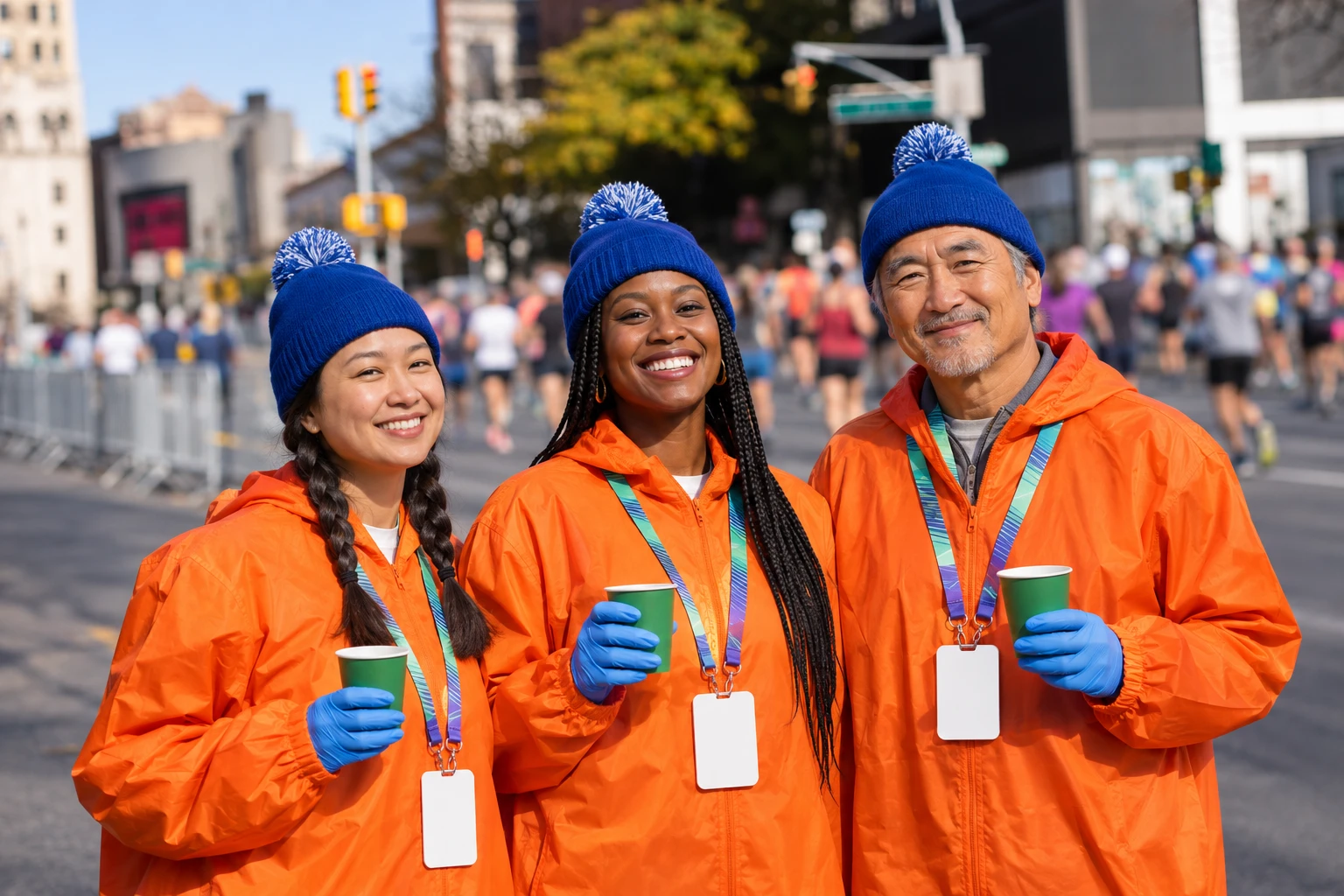
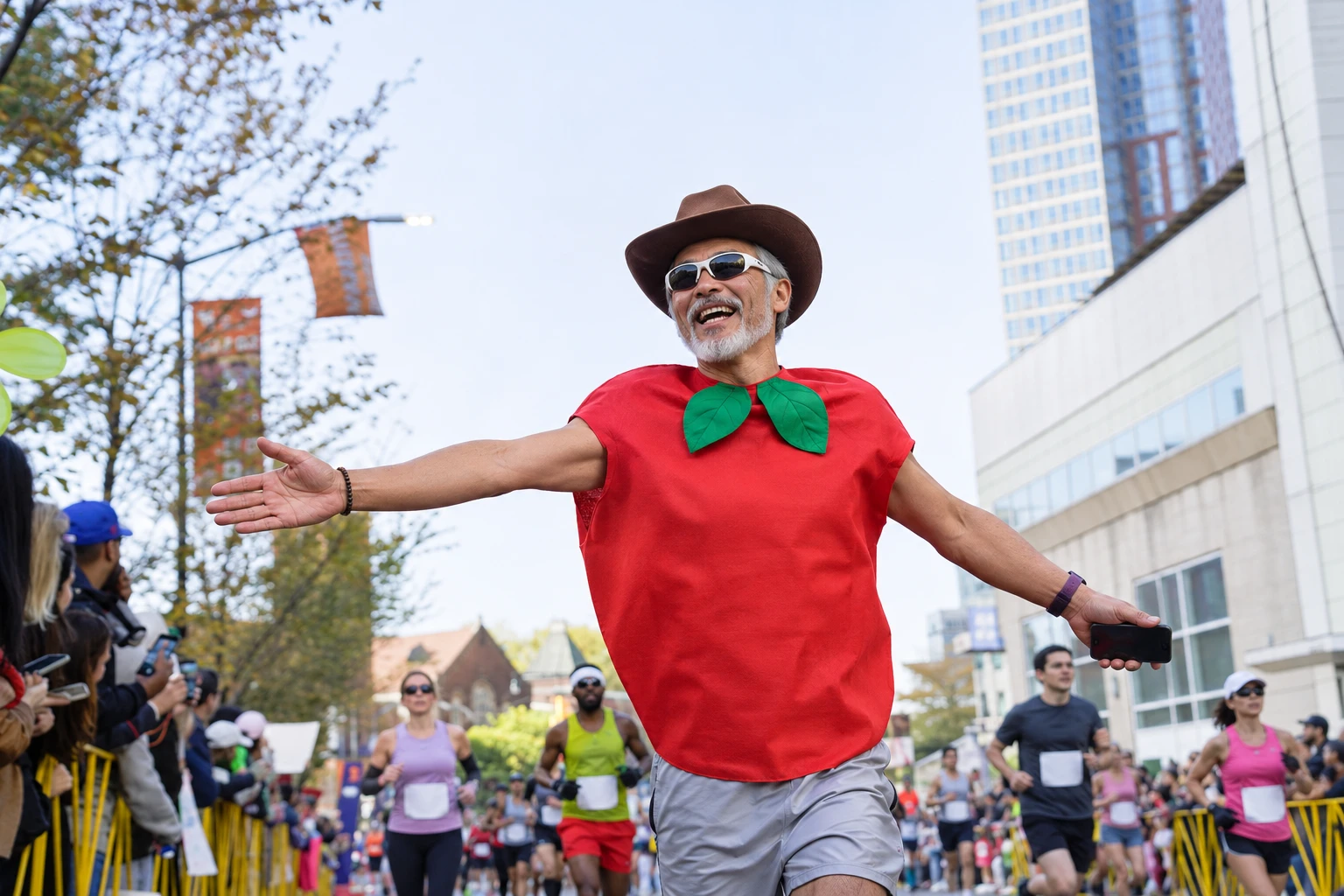
On the first Sunday in November.
November
Dates change every year: check this year's date before you travel.
The festival
On the first Sunday in November, New York stops to watch tens of thousands of runners cross the city. The New York City Marathon, organized by the New York Road Runners, a nonprofit running association, covers 42 km across the city’s five boroughs and is considered the world’s largest marathon. Runners from more than a hundred countries, from elite athletes to amateurs, race with spectators lining practically the entire route.
The first edition, in 1970, was organized by two runners from a local club and consisted of four laps around Central Park, with 127 registrants and 55 finishers. In 1976, to mark the United States Bicentennial, the race left the park and began crossing the five boroughs, at the suggestion of a veteran local runner and with support from Manhattan authorities. From there it grew until it became one of the city’s major events. Since 2000 there has been a category for wheelchair athletes, and today it is part of the world major marathon circuit alongside races like Boston, London and Berlin. More than a million people have crossed the finish line since the first edition.
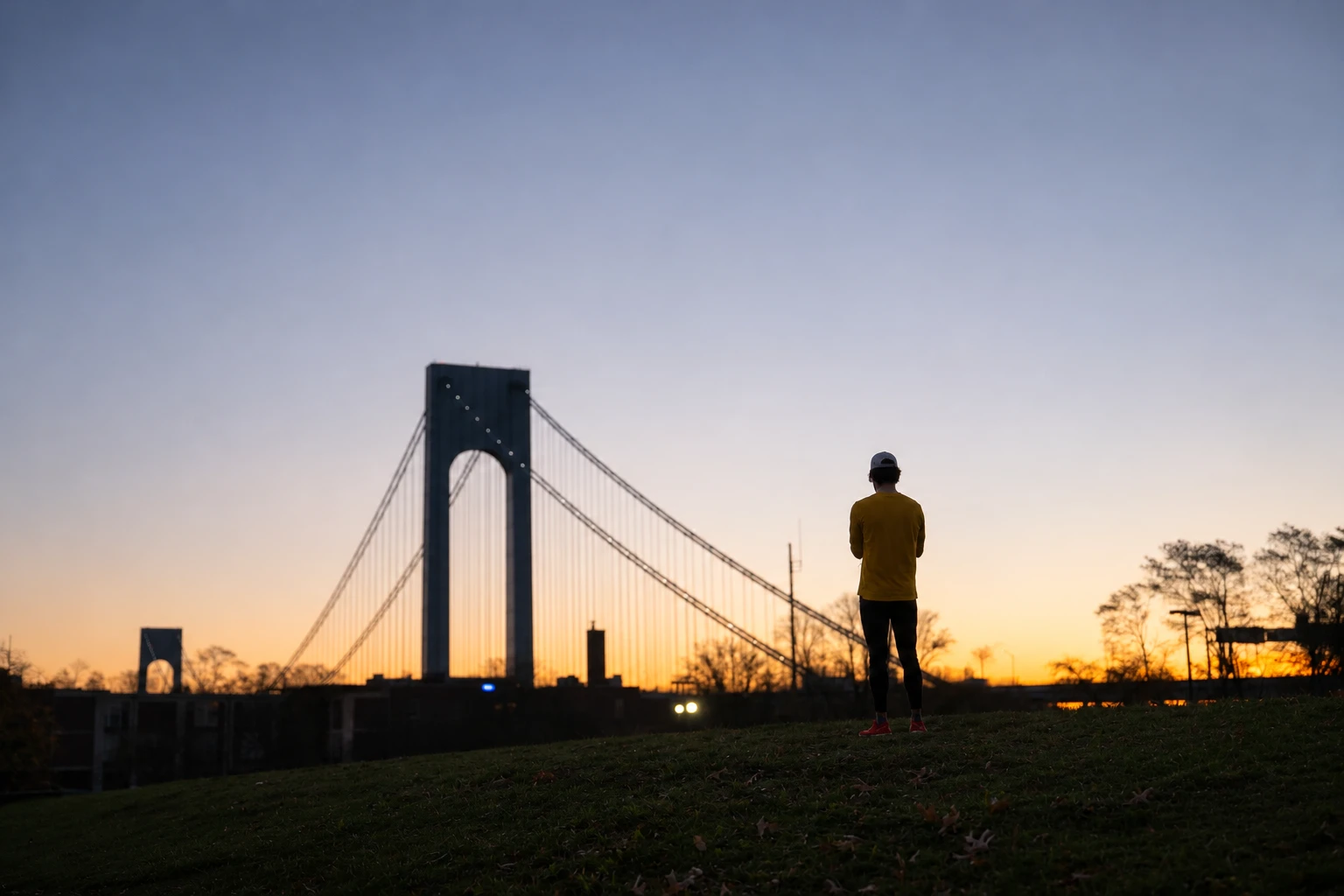
The start is in Staten Island on the Verrazzano-Narrows Bridge, which is closed to traffic for the runners. The course crosses five bridges. After the start it goes through Brooklyn’s neighborhoods of very different characters, crosses the Pulaski Bridge into Queens, crosses to Manhattan via the Queensboro Bridge and runs up First Avenue, where the crowds are among the loudest. Via the Willis Avenue Bridge it reaches the Bronx, returns to Manhattan on the Madison Avenue Bridge, runs down Fifth Avenue alongside Central Park and enters the park for the finish near Columbus Circle.
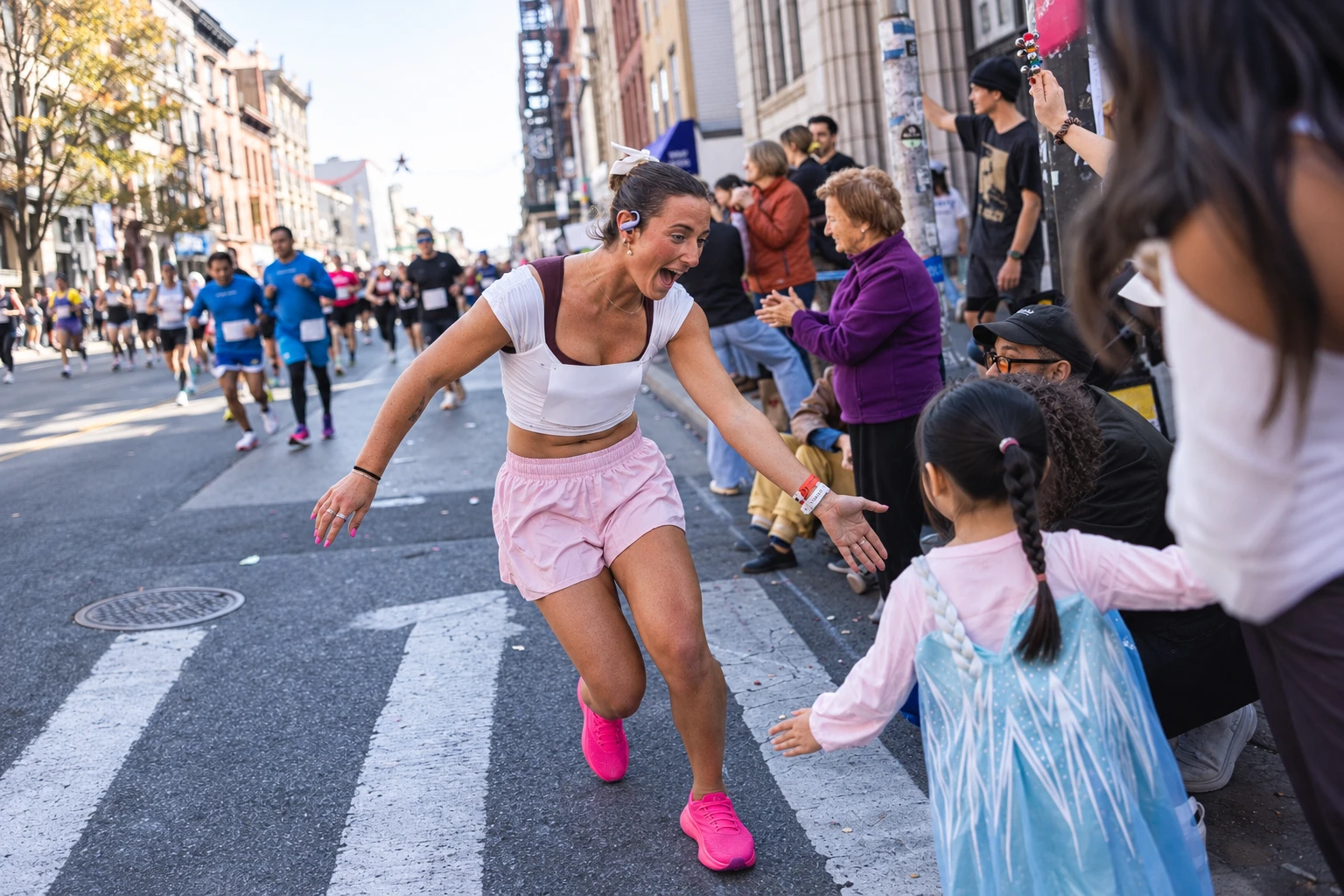
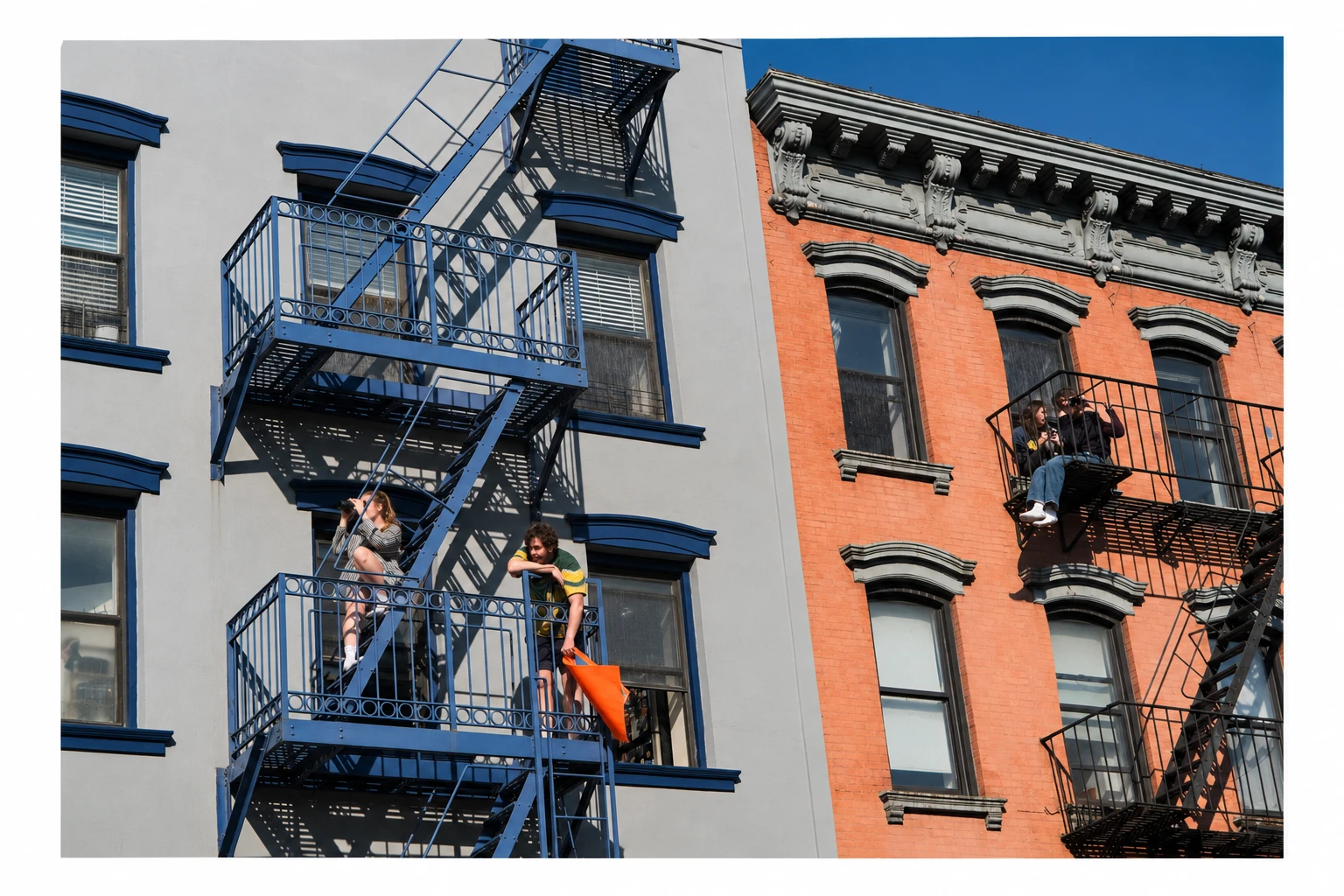
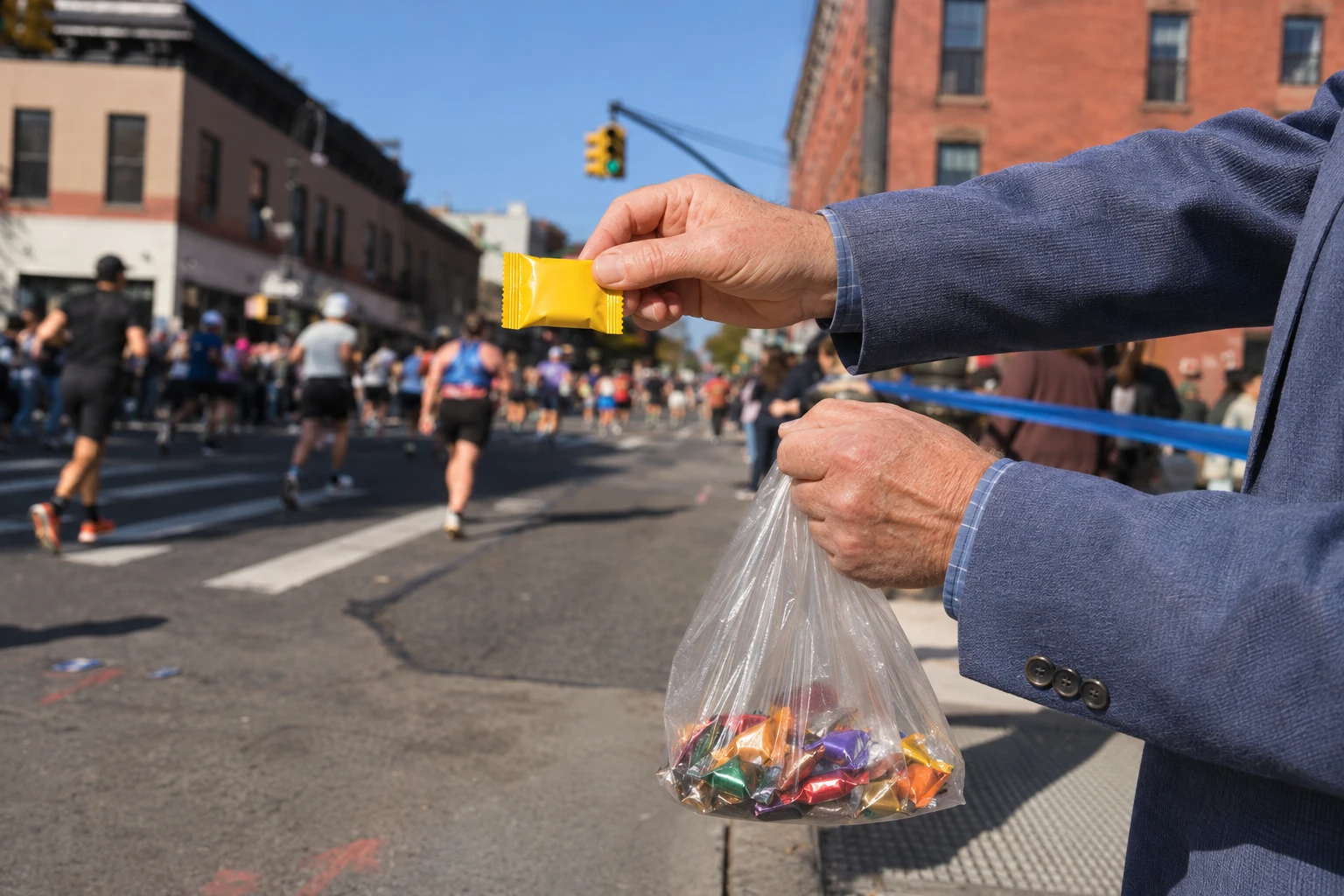
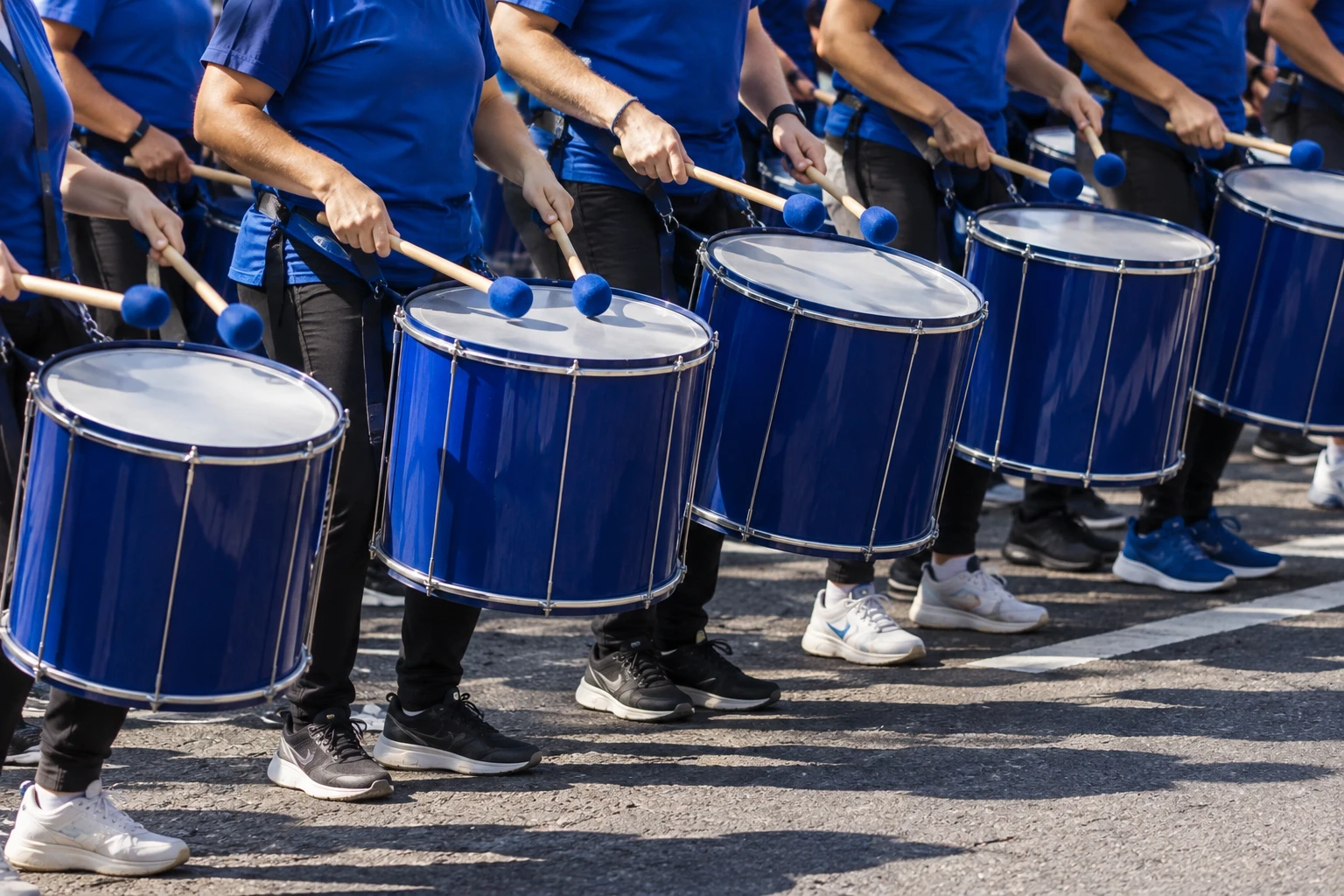
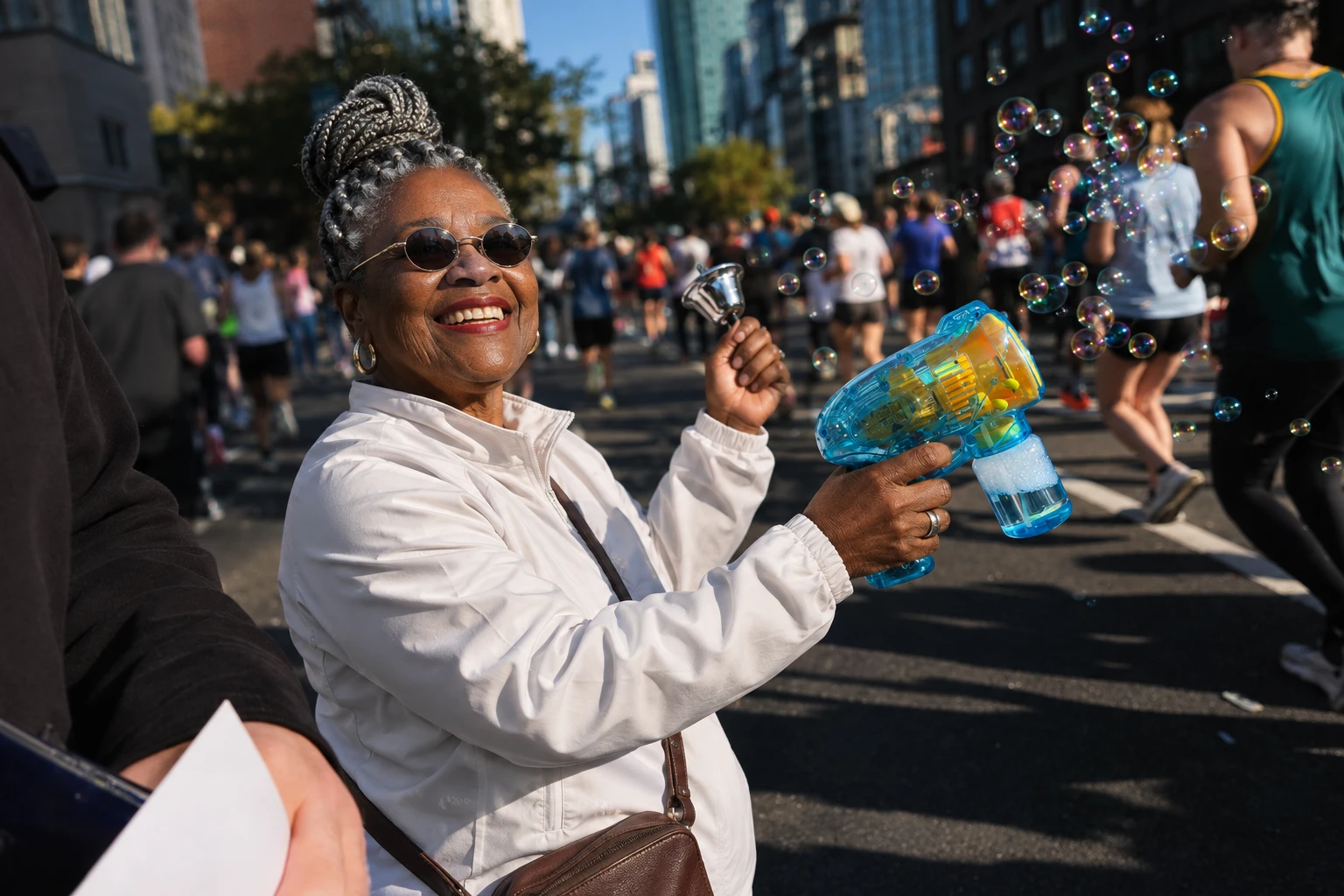
For those who don’t run, the marathon is a street party: bands play at various points along the course, residents bring signs and shout runners’ names printed on shirts, and each neighborhood cheers in its own way. For runners, crossing the entire city on foot in a single day is the main reason to travel. It’s also a good way to see neighborhoods outside the usual tourist route.
The event is also a major act of solidarity: many runners participate on behalf of charities and raise money for various causes. There are separate starts for wheelchair athletes and athletes with disabilities, and the last runners arrive in Central Park at night, still greeted with applause. The marathon has been canceled only on a few occasions, such as in 2012, when it was called off after a hurricane passed through the city.
The runners’ passage through Brooklyn after the Verrazzano-Narrows Bridge; the start area does not admit spectators. Brooklyn neighborhoods, with bands and residents cheering from the sidewalks. First Avenue in Manhattan, where crowds form walls on both sides just after the Queensboro Bridge. The passage through the Bronx and the return to Manhattan in the final kilometers. Fifth Avenue along Central Park and the finish in the park. The arrival of the last runners, already at night. In the days before the race, the marathon expo with bib pickup and running stores, and the 5 km race that finishes at the marathon finish line, open to other runners.
To cheer, pick one or two spots and use the subway to move between them: the course is long and many streets and bridges are closed to traffic. First Avenue and Fifth Avenue attract the largest crowds; stretches in Brooklyn and Queens are often less crowded and let you see runners while they are still fresh. If you’re meeting someone, agree in advance on which side of the street and the exact meeting point, use the official app to track the runner in real time, and estimate the time based on their pace; cell service often gets weak near the finish. Bring a sign with the runner’s name, warm clothing and something to eat: November mornings are usually cold. Watching from the streets requires no ticket; the grandstands at the finish are reserved. After leaving Central Park, runners pass through a long recovery area; arrange to meet outside the park.
To run, entry is obtained by lottery, by time qualification, through organizer programs or via charities and authorized agencies; deadlines vary depending on the entry method and are announced in advance, and the lottery is highly competitive. Accommodation in Manhattan is in high demand for the race weekend; book early. Check the official website for entry methods, the course map and spectator information. Runners should arrive a few days early to pick up their bib at the expo and to adapt to the time zone and weather.
In the city
Flavors of the United States
Dense, creamy tart made with cream cheese, eggs and cream on a cookie crust, served without topping.
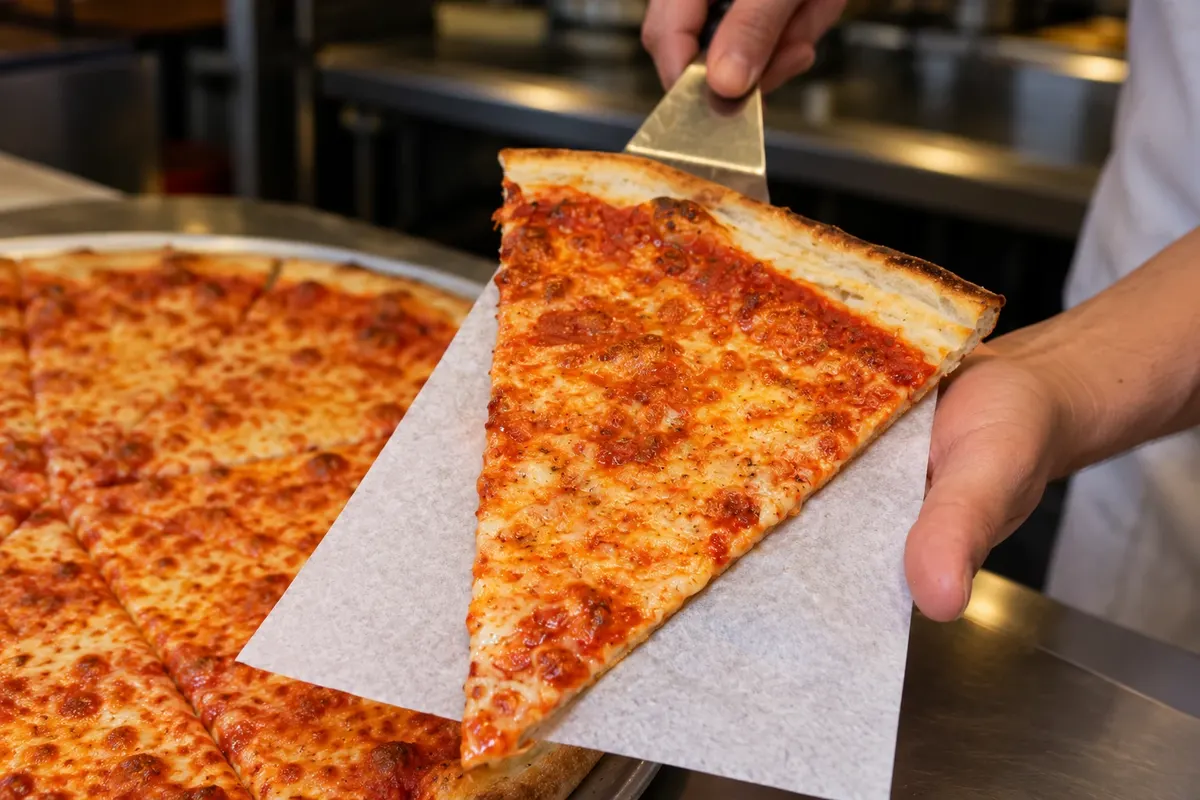
Large pizza with a thin, crisp yet flexible crust, thin enough to fold a slice in half. It originated among Neapolitan bakers in New York and is sold by the slice throughout the city.
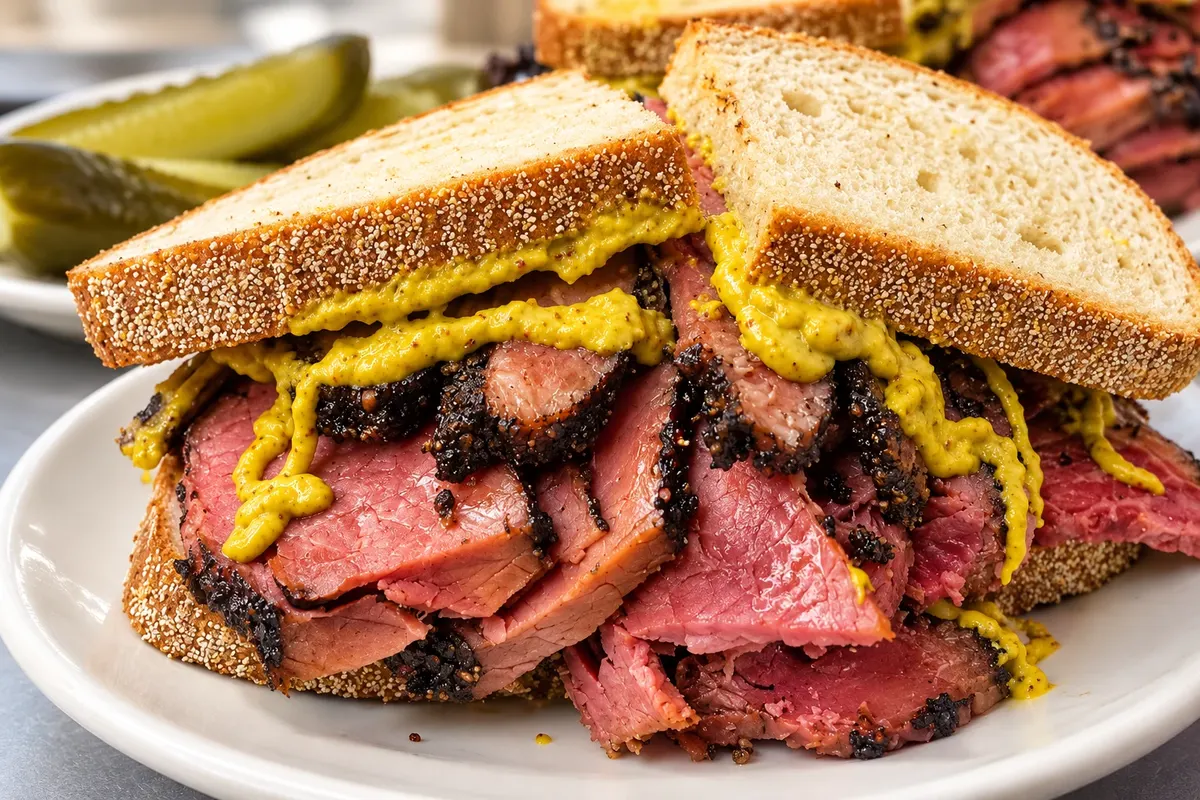
Pastrami sandwich: cured, seasoned and smoked beef, hot-sliced on rye bread with mustard. It’s the sandwich of New York’s Jewish delicatessens.
November
Your questions
On the first Sunday in November every year.
The race starts in Staten Island on the Verrazzano-Narrows Bridge, goes through Brooklyn, Queens, Manhattan and the Bronx, and finishes in Central Park in Manhattan, crossing the city’s five boroughs.
Spots come from the organizer’s lottery, time qualification, programs run by the New York Road Runners, or through charities and authorized agencies. Entries open many months in advance.
At any point along the route. First Avenue and Fifth Avenue in Manhattan draw the largest crowds; neighborhoods in Brooklyn and Queens usually have more space.
Festivals and events in the United States
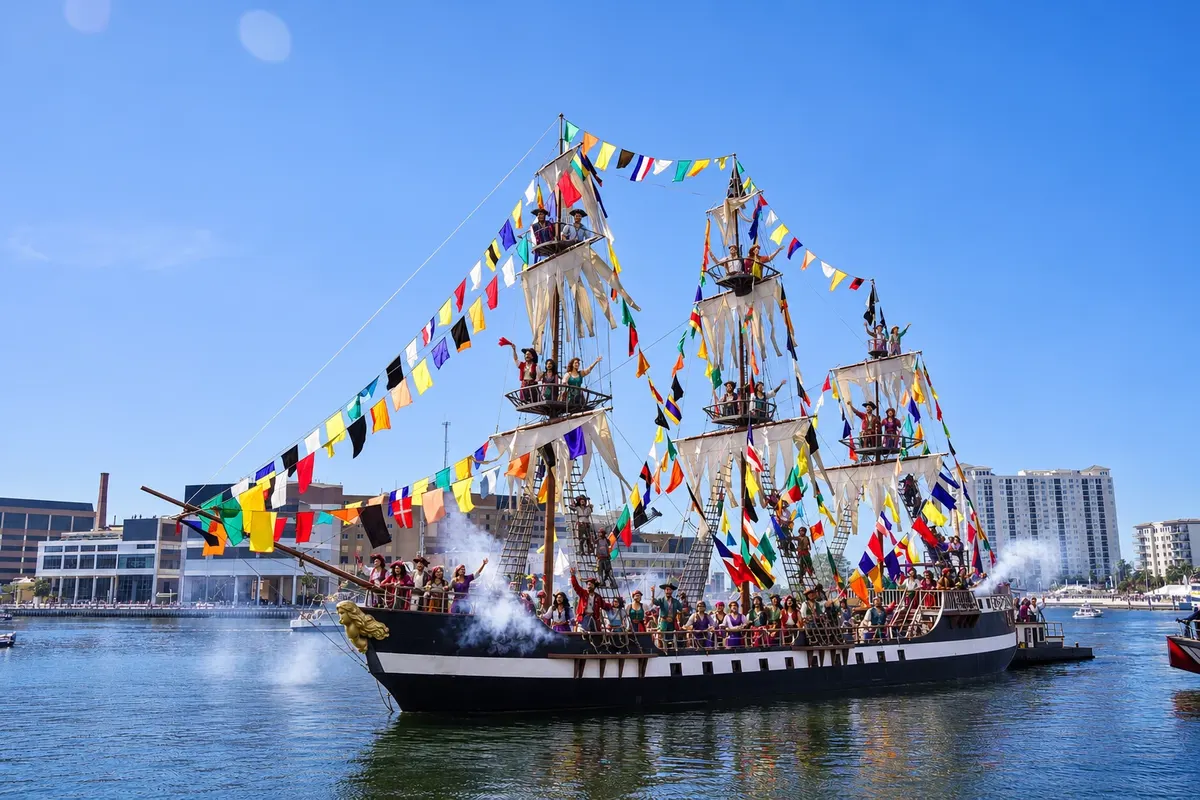 January
On the last Saturday in January; the children’s parade takes place on the previous Saturday.
Tampa’s pirate festival in Florida: a pirate ship sails into the bay with hundreds of boats, the pirates take the key to the city and march along Bayshore Boulevard, throwing beaded necklaces to the costumed crowd.
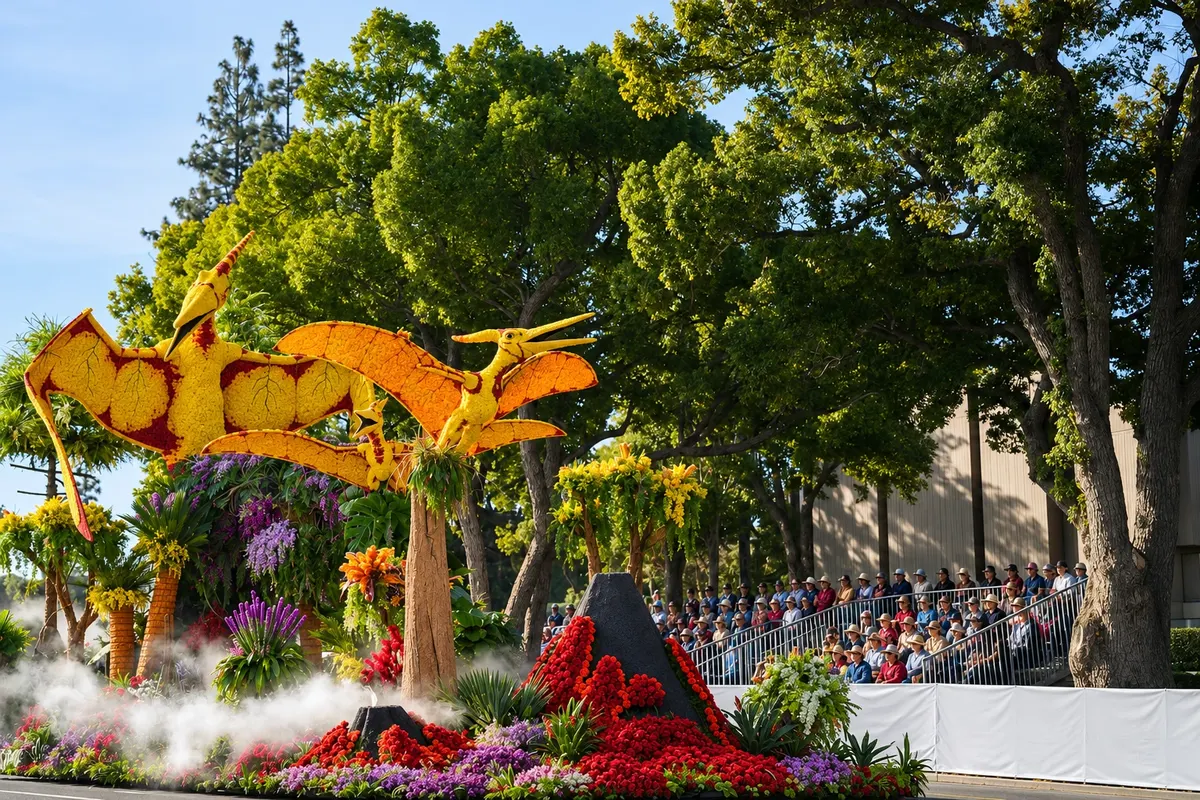 January
On the morning of January 1; if the 1st falls on a Sunday, the parade is held on Monday, January 2.
New Year’s Day parade in Pasadena, near Los Angeles, featuring floats completely covered with flowers, seeds and other natural materials, marching bands and mounted units along Colorado Boulevard. On the same day, the Rose Bowl stadium hosts the college football game of the same name.
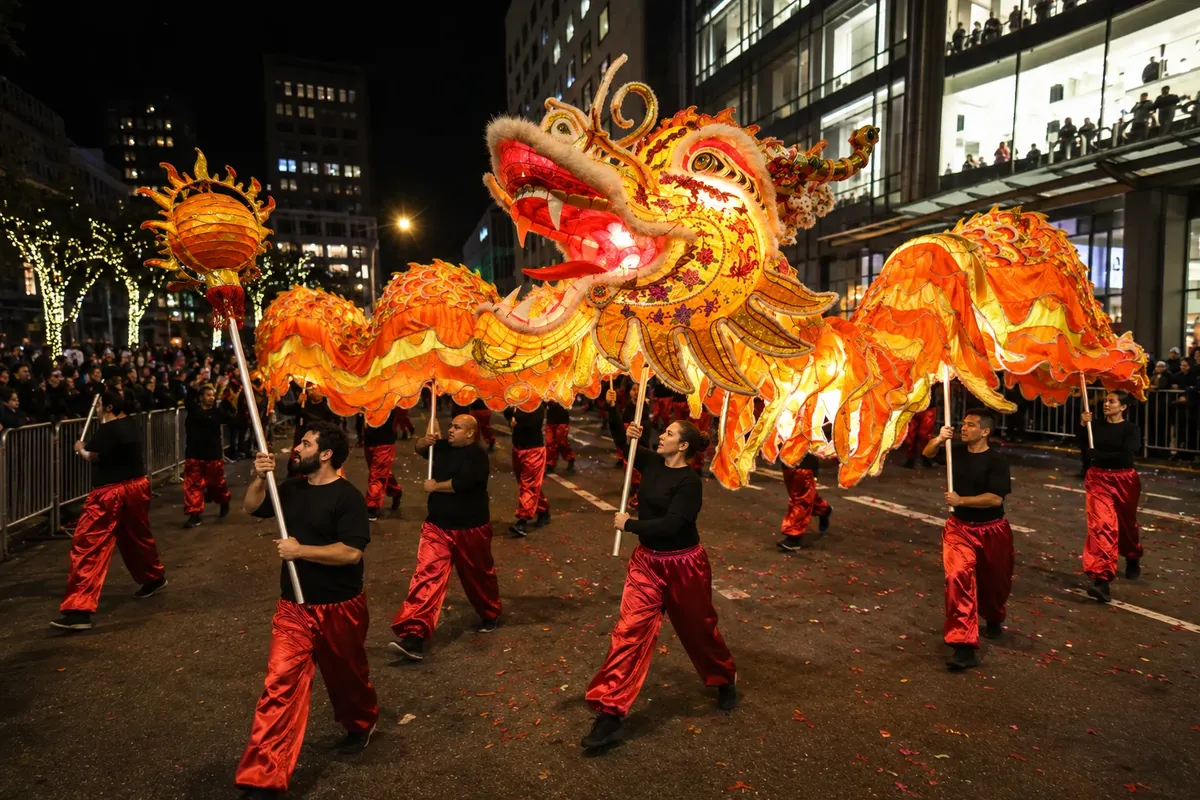 February/March
On a Saturday night, a few weeks after Lunar New Year, between February and early March; the celebration in Chinatown lasts several days.
San Francisco Lunar New Year nighttime illuminated parade organized by the Chinese Chamber of Commerce: floats, lion dance, acrobats, bands and, at the end, the Golden Dragon carried by dozens of people, amid firecrackers and lanterns.
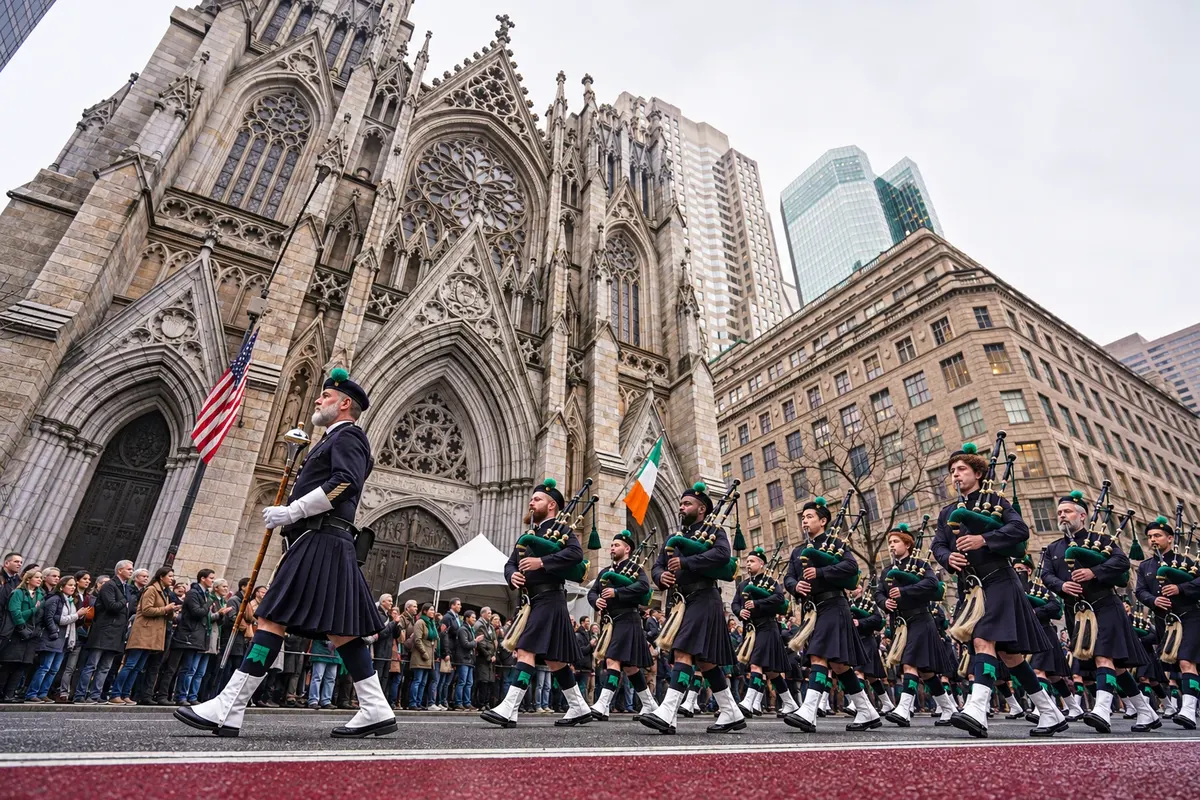 March
On March 17, St. Patrick’s Day; if the date falls on a Sunday, the parade is moved to Saturday, March 16.
Irish parade along Fifth Avenue in Manhattan on St. Patrick’s Day: bagpipers, bands, Irish associations and groups from across the country march on foot, with no floats, passing in front of St. Patrick’s Cathedral.
 March
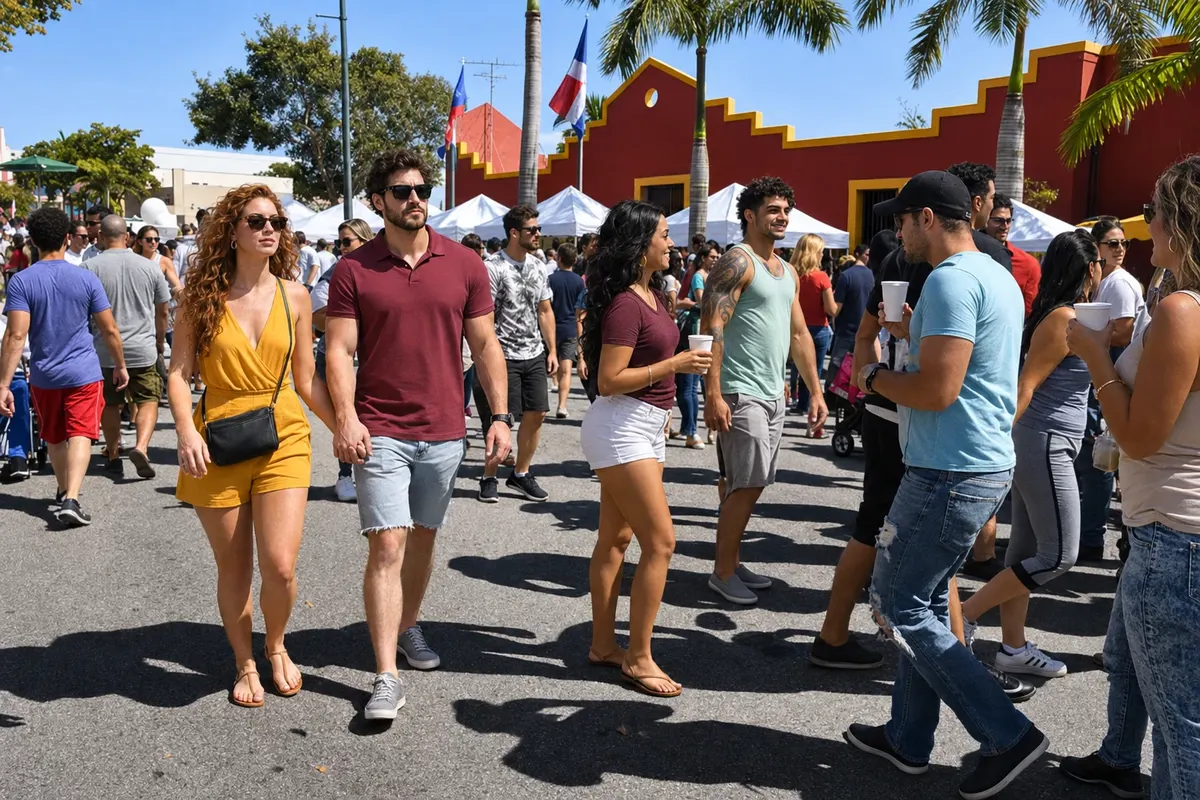
On a Sunday in March, closing Miami Carnival.
A Latin street party that takes over Calle Ocho, the main street of Little Havana in Miami, on a Sunday in March: music stages, dance floors, Cuban and Latin American food stalls, and lots of people dressed in the colors of their countries’ flags.
 March/April
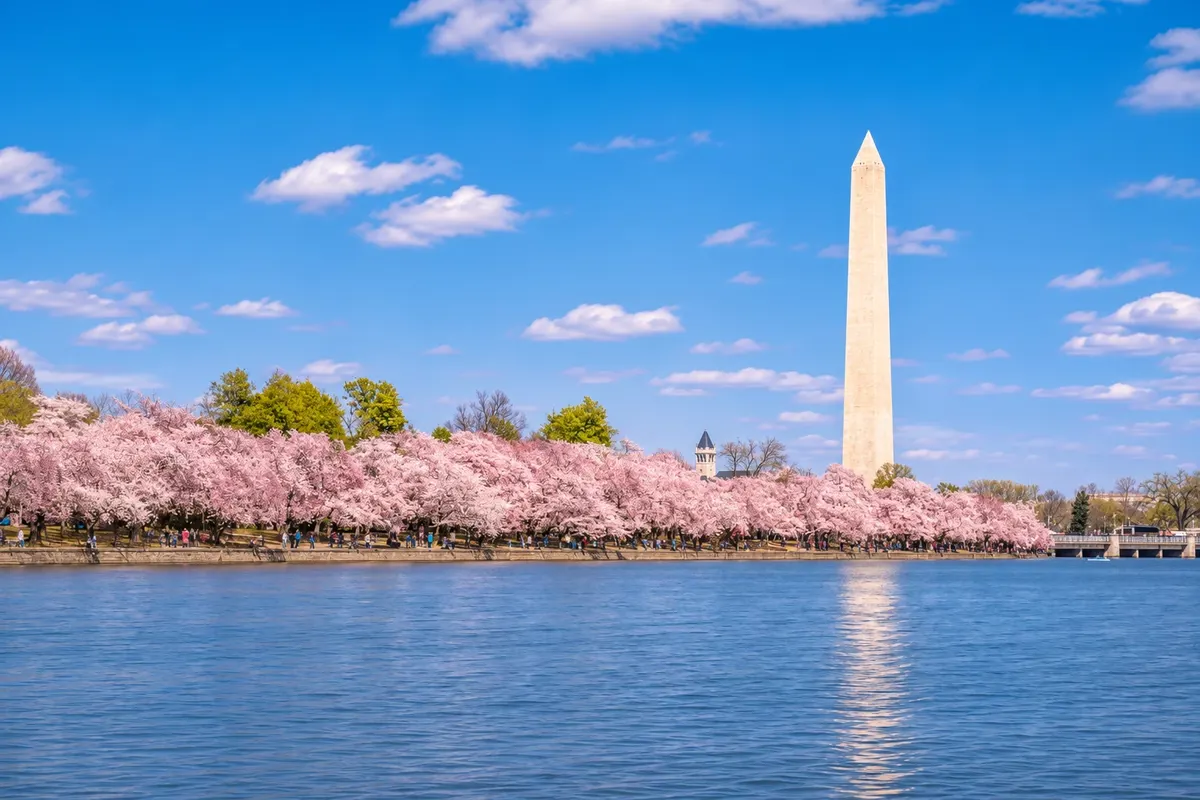
From mid or late March to mid April, lasting about four weeks, following the blooming of the cherry trees in Washington.
Spring festival in Washington that celebrates the cherry trees donated by Tokyo in 1912: weeks of events around the Tidal Basin and the National Mall, including a kite festival, a parade on Constitution Avenue, fireworks and a big Japanese street festival.