Sweet · New York
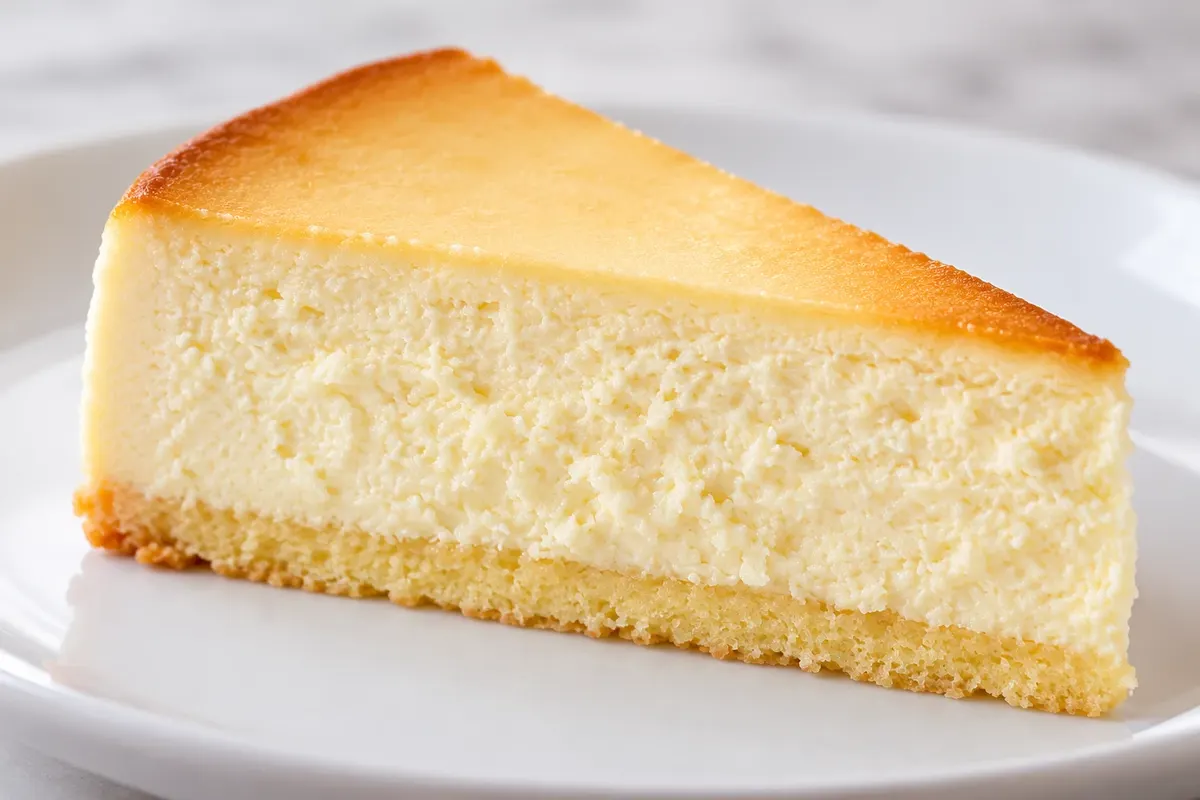
New York cheesecake
Dense, creamy tart made with cream cheese, eggs and cream on a cookie crust, served without topping.

 Search
 Brazil
 Argentina
 Bolivia
 Chile
 Colombia
 Ecuador
 Guyana
 French Guiana
 Falkland Islands (Malvinas)
 Paraguay
 Peru
 Suriname
 Uruguay
 Venezuela
 Germany
 Austria
 Belgium
 Croatia
 Denmark
 Spain
 Finland
 France
 Greece
 the Netherlands
 Hungary
 Ireland
 Iceland
 Italy
 Luxembourg
 Norway
 Poland
 Portugal
 the United Kingdom
 the Czech Republic
 Sweden
 Switzerland
 Turkey
 Canadathe United States
 Mexico
 the Dominican RepublicTurkey
 South Africa
 Australia
 Fiji
 New Zealand
 Papua New Guinea
Popular festival · New York
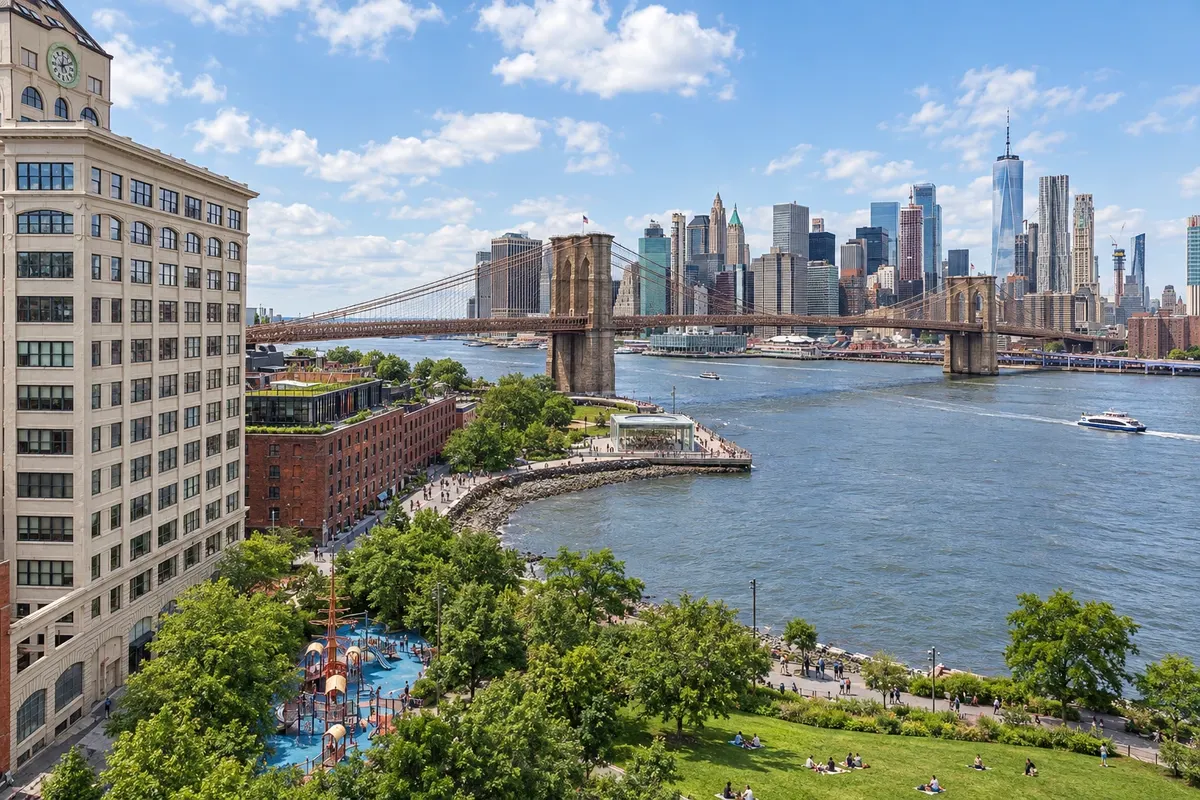
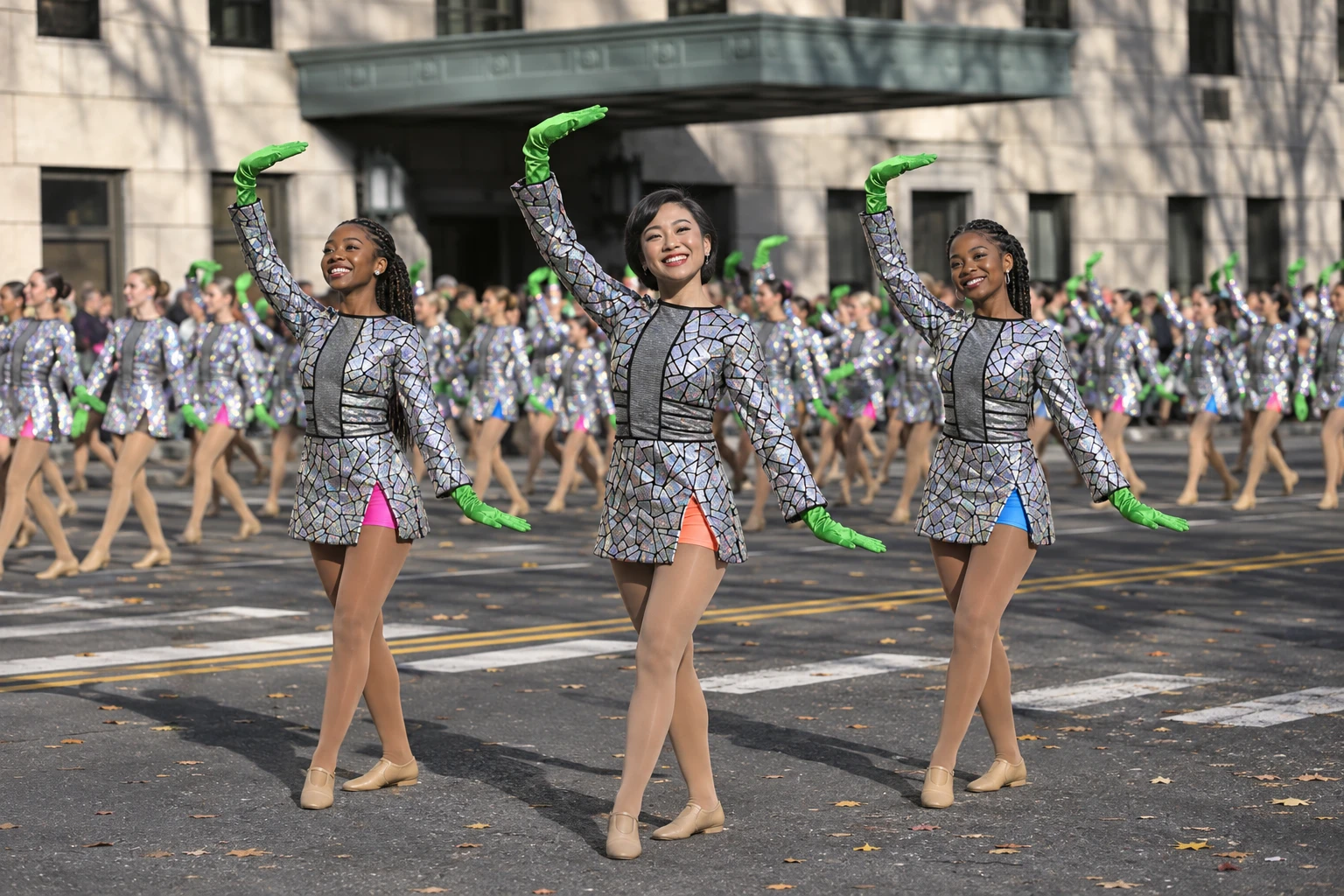
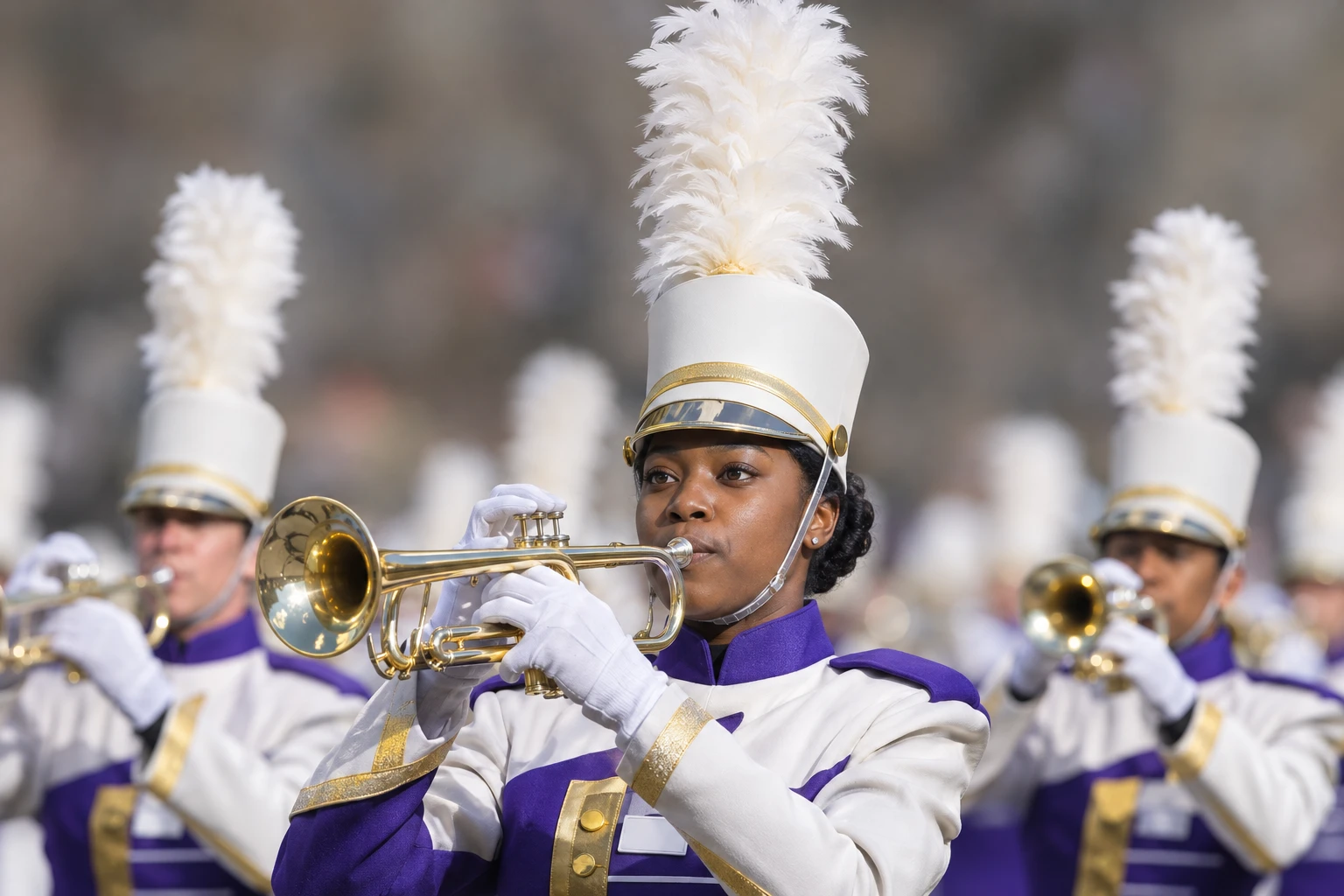
Thanksgiving morning parade in Manhattan with giant balloons, floats and marching bands, ending with Santa Claus’s arrival, which kicks off New York’s year-end holiday season.
In the photo: New York
Illustrative images. The pictures in this guide are illustrations based on the real place, not photographs, and may differ from it.

Click a photo to enlarge it.
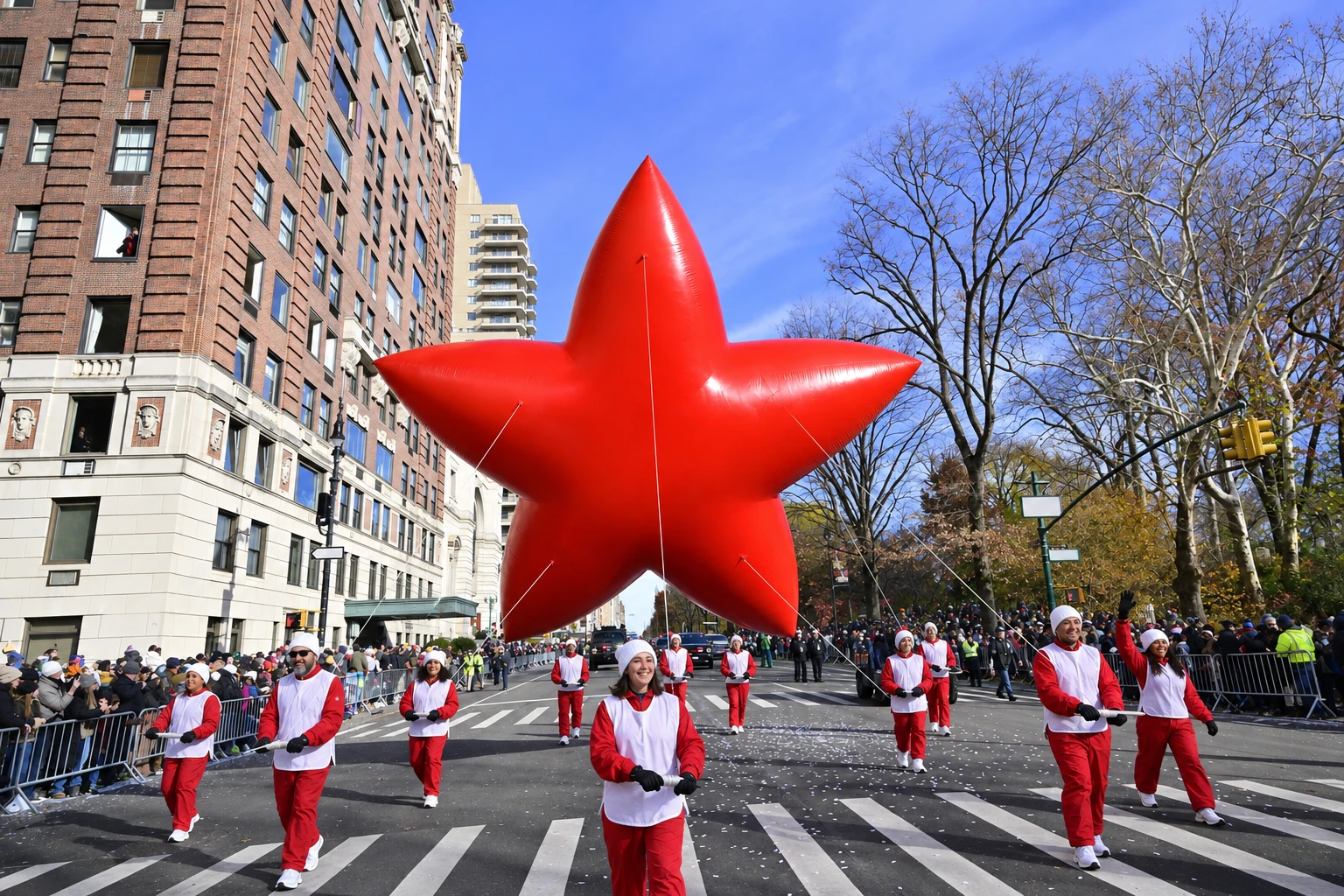
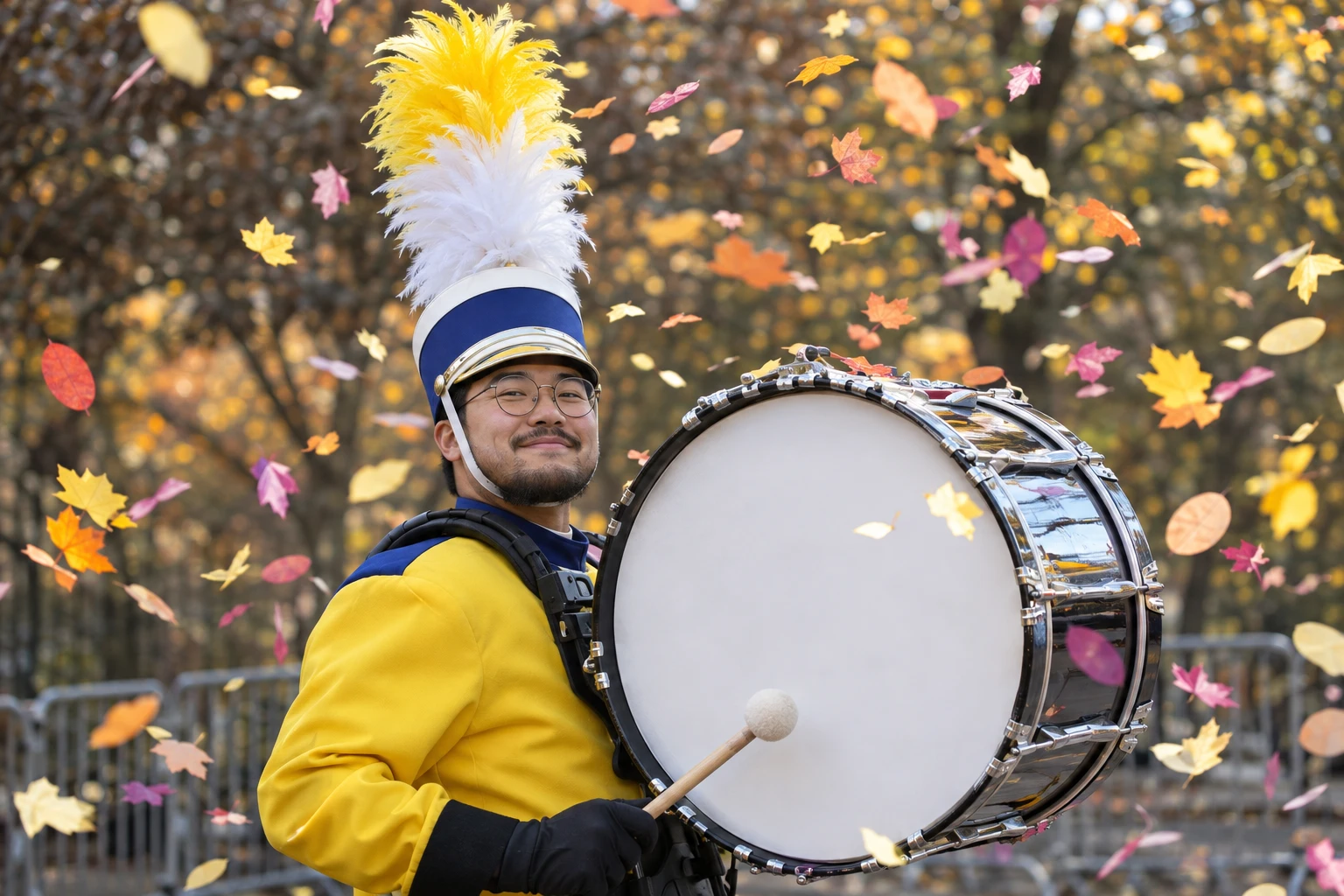
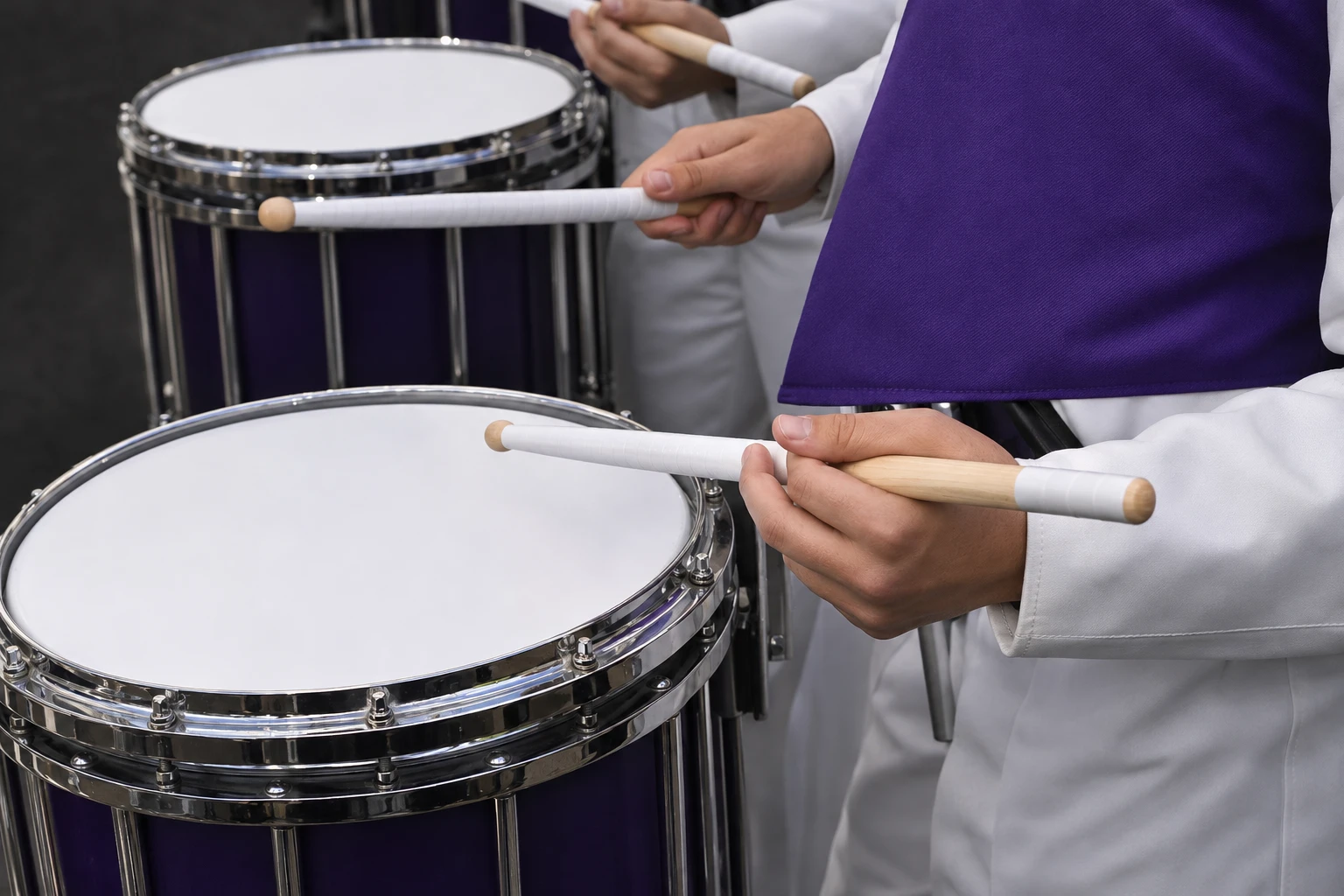
Macy's Thanksgiving Day Parade — New York
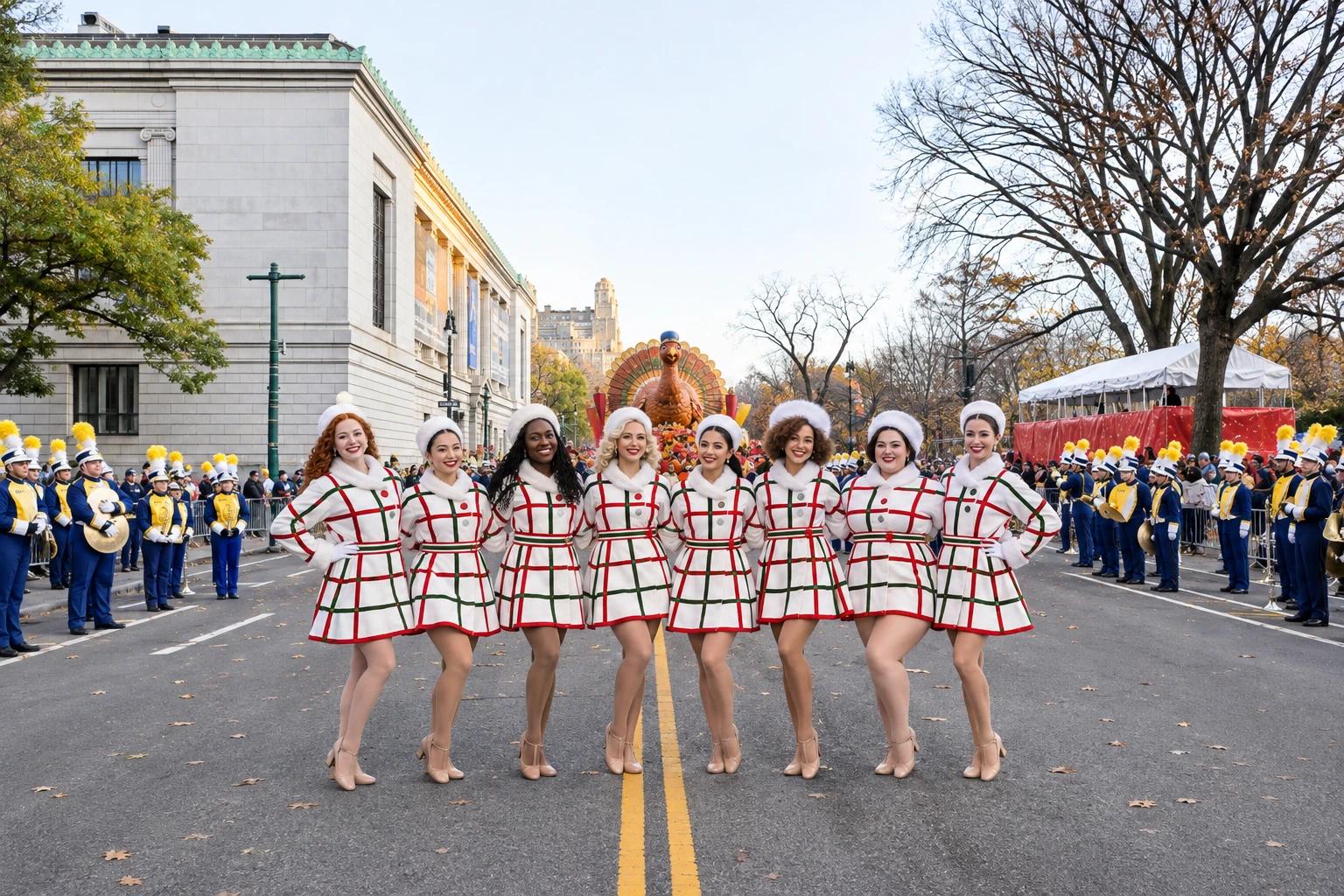
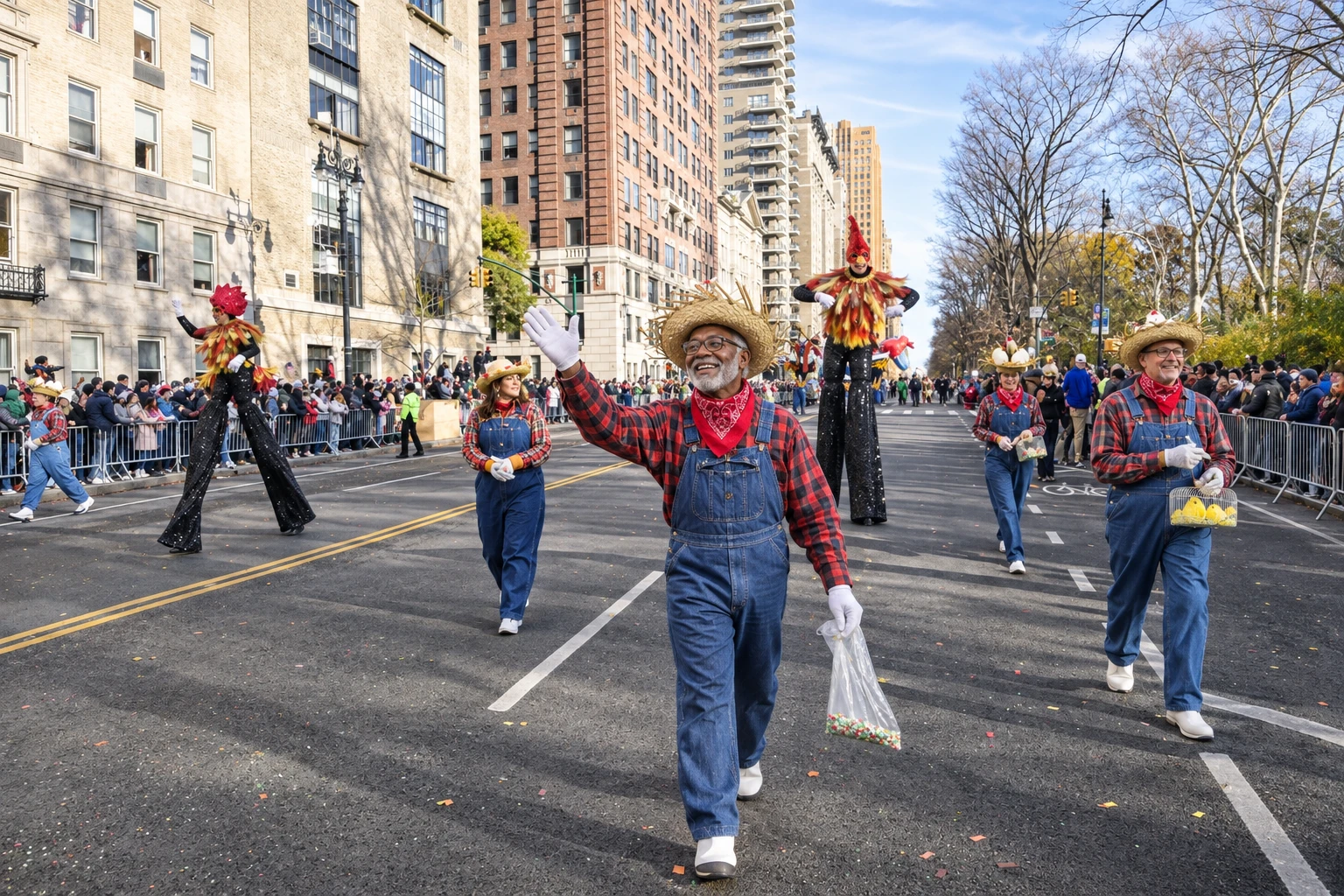
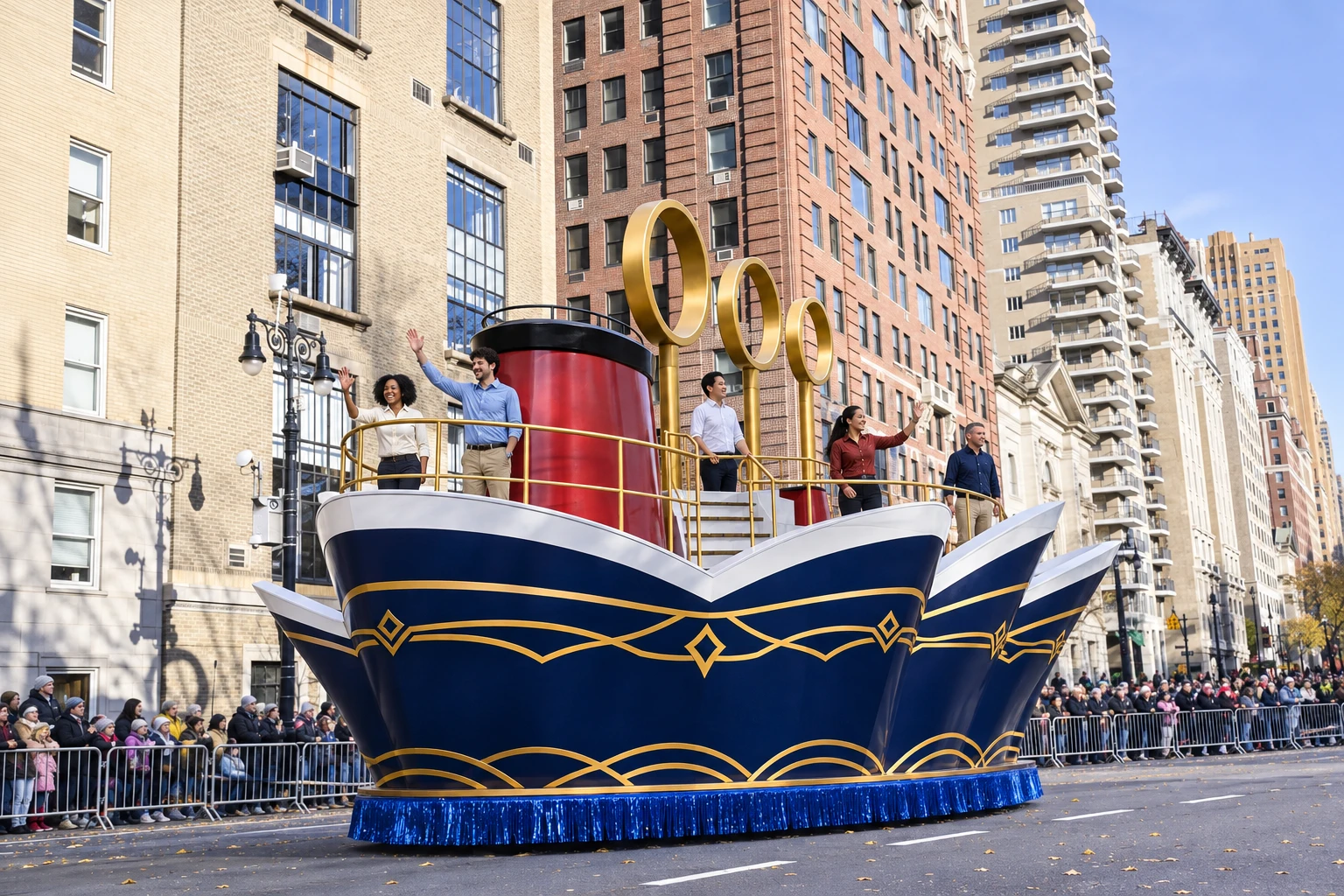
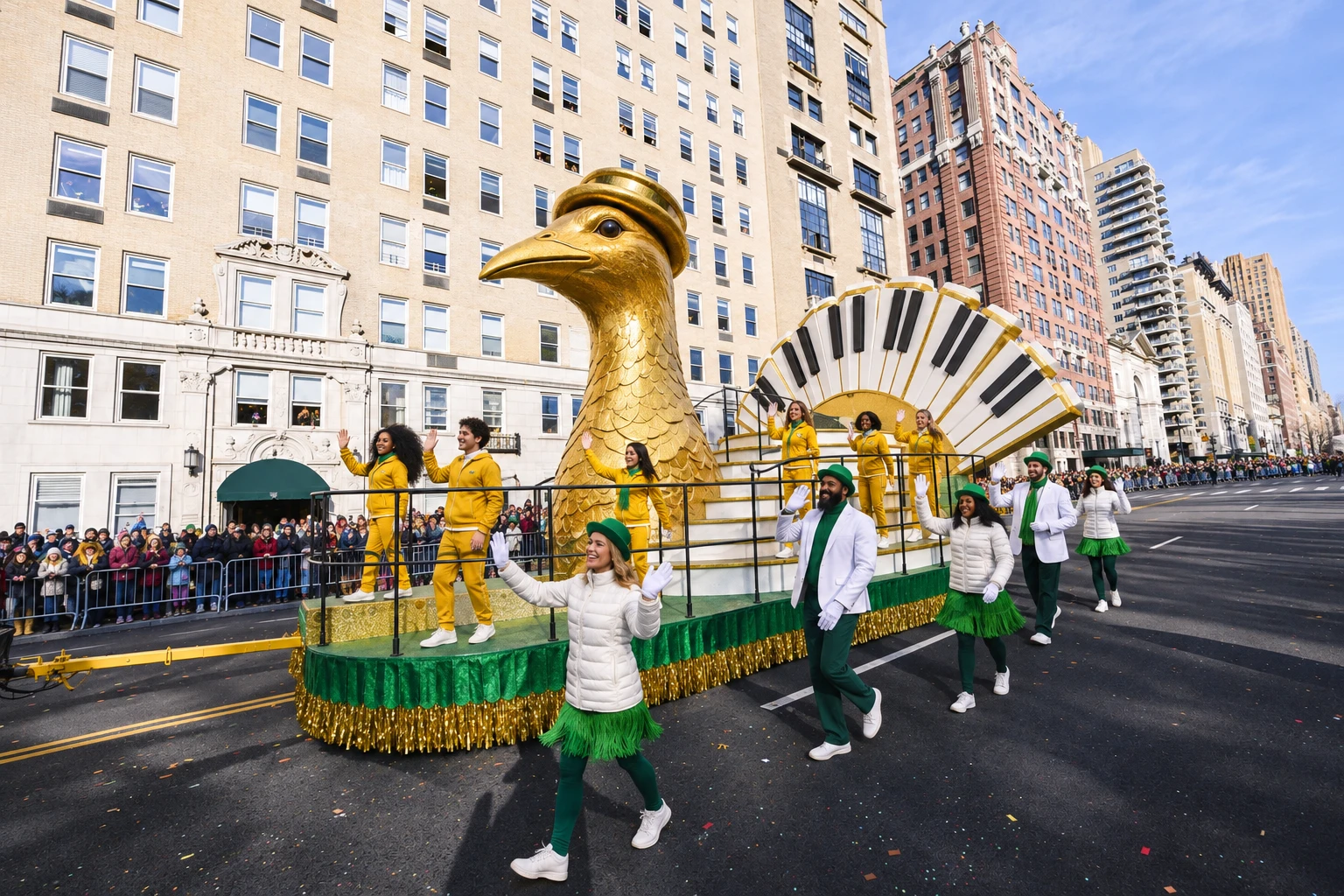
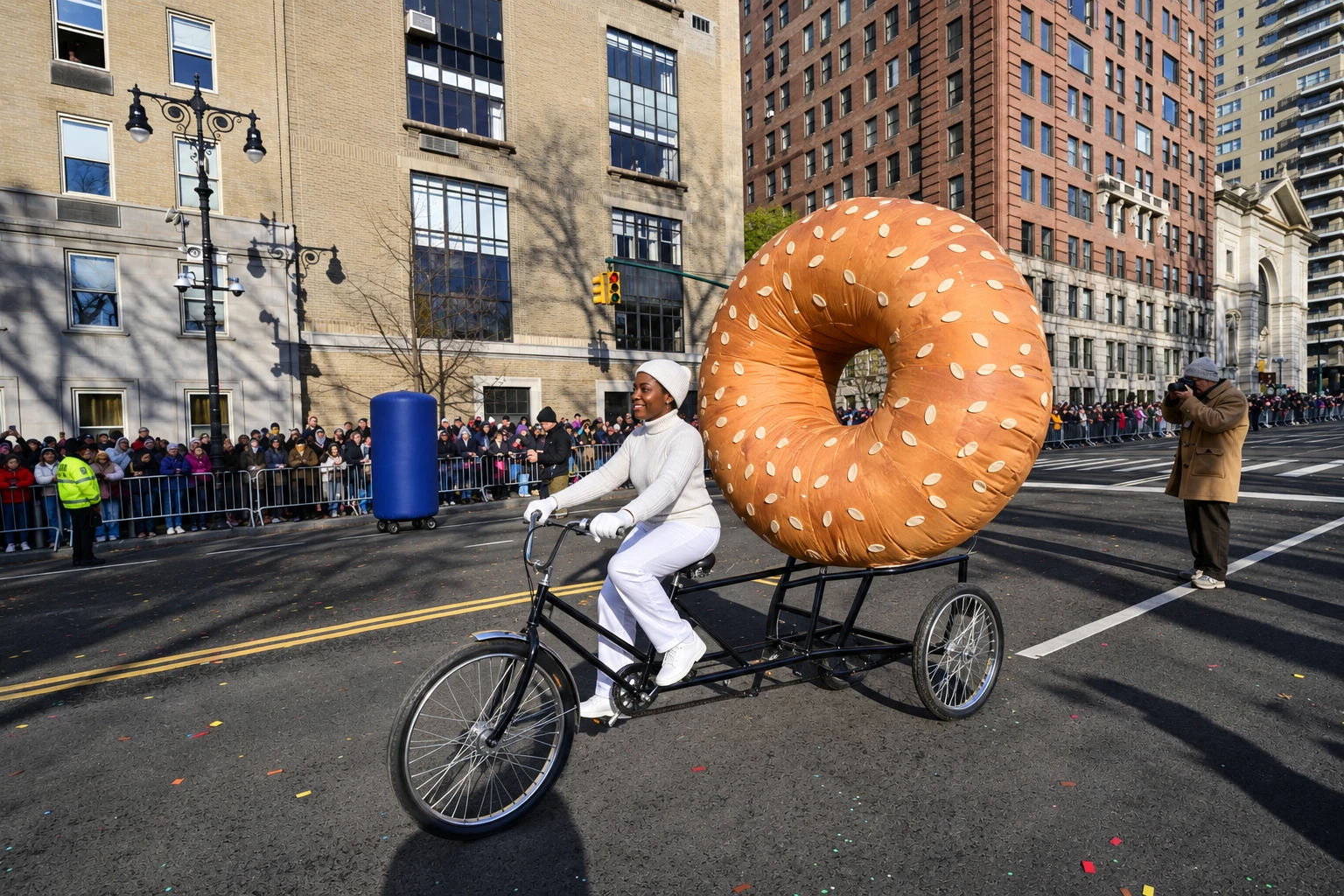
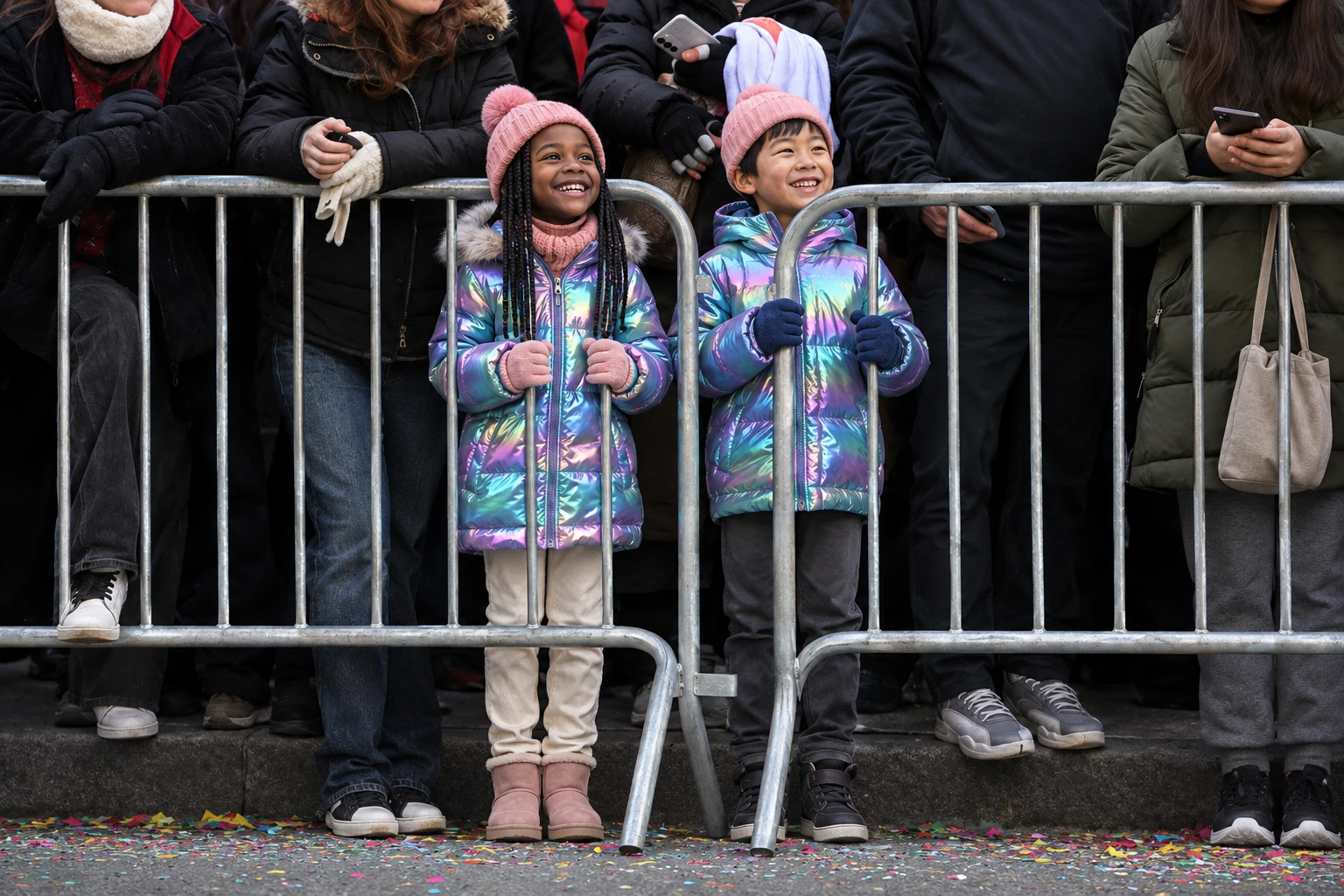
On the morning of the Thanksgiving holiday, observed on the fourth Thursday in November; the balloons are inflated on the eve.
November
Dates change every year: check this year's date before you travel.
The festival
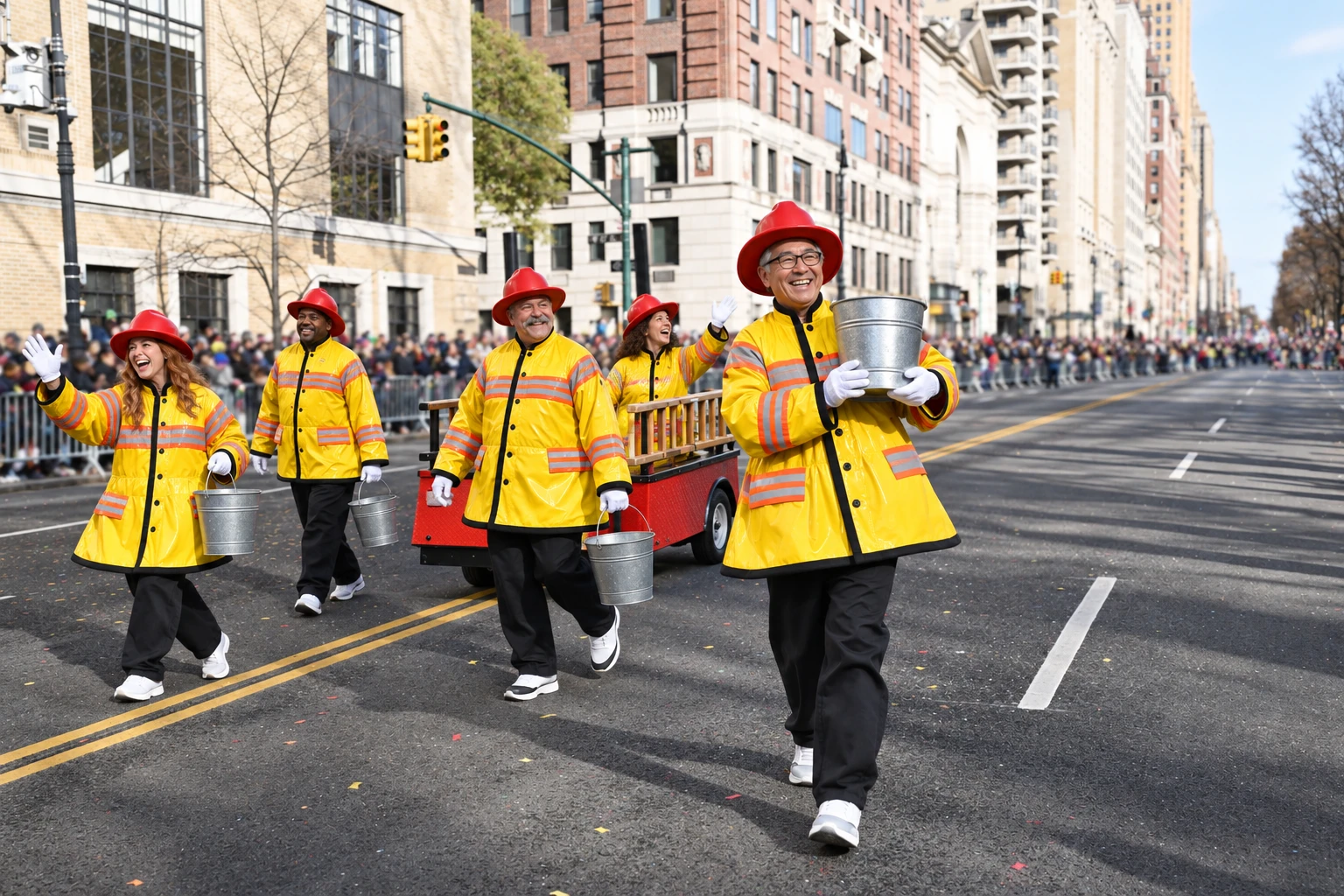
On Thanksgiving morning, Manhattan hosts one of the United States’ best-known parades. Huge balloons, floats, school bands from across the country, dance groups and clowns march from the Upper West Side to Herald Square, where the department store that organizes the parade is located. At the end, Santa Claus arrives, signaling the start of the city’s holiday season.
The first parade took place on November 27, 1924, organized by store employees and then called the Christmas Parade, with clowns, floats and animals borrowed from the Central Park Zoo. The route was about 10 km and began in Harlem; at the end, Santa Claus inaugurated the store’s Christmas window display. A few years later inflatable balloons created by a local puppeteer were added and became the parade’s hallmark; at first they were filled with air and oxygen, and since the late 1920s they have used helium. The parade was suspended for a few years during World War II, and in 1945 the start moved to the Upper West Side, where it still begins.
The current route is about 4 km. It starts at 77th Street and Central Park West, next to the American Museum of Natural History, goes down along the park to Columbus Circle, continues along Central Park South and Sixth Avenue, and ends on 34th Street in front of the store. The procession includes several dozen floats and large balloons, plus smaller balloons and clown groups. The balloons are handled by teams of volunteers who hold the tethers, and strong winds can reduce their height or remove them from the parade.
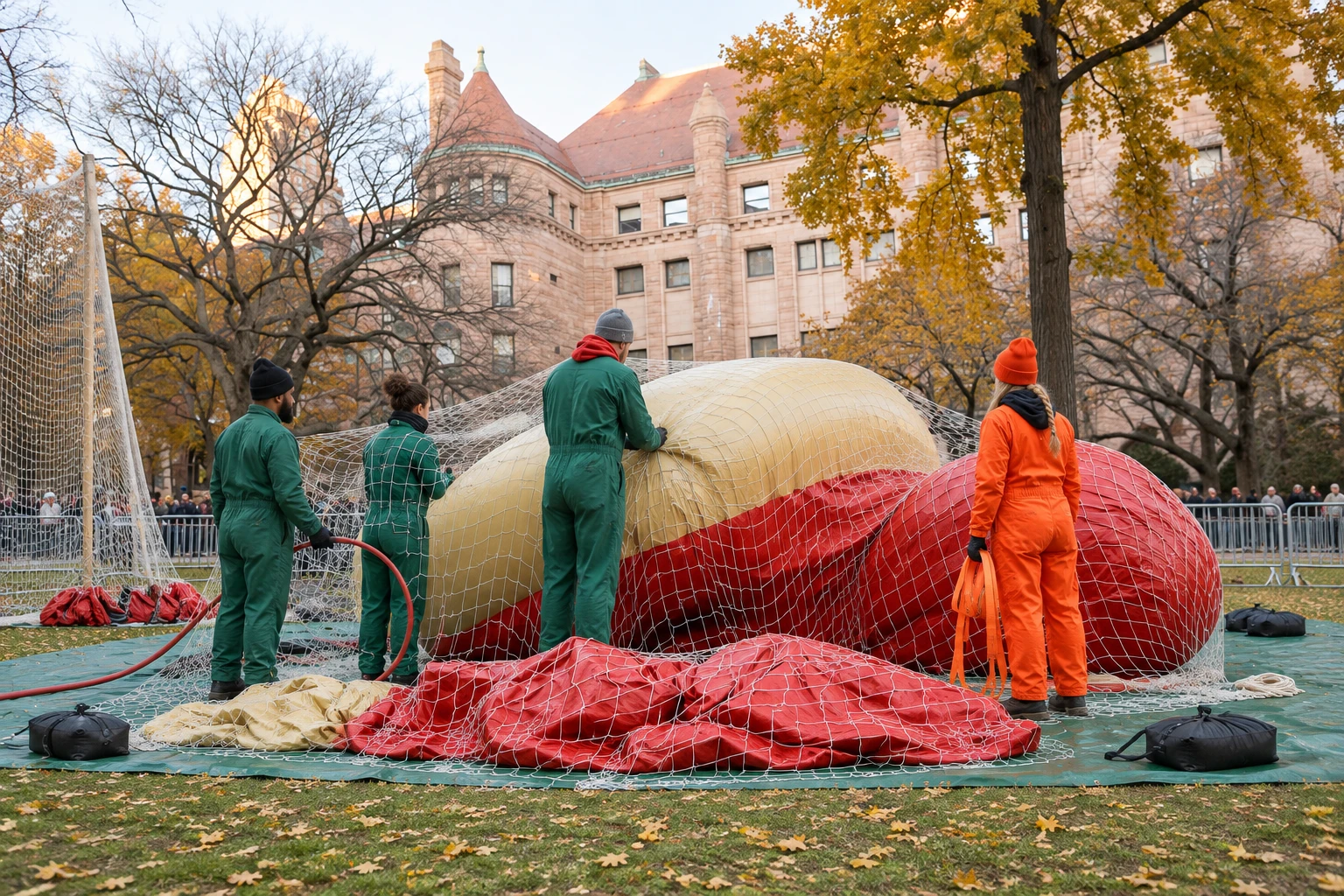
Some balloons, as tall as multi-story buildings, are designed and assembled in a store warehouse in New Jersey and arrive in Manhattan disassembled. On the afternoon and evening before the parade they are inflated on the streets around the museum, and the preparation has become an event in itself, with families walking among the characters still lying on the ground, held down by nets. The parade is broadcast on national television, and millions of families watch it at home before the holiday dinner.
Thanksgiving is the most family-oriented holiday in the United States, with a turkey dinner in the afternoon, and the parade has become the start of the day for many people, either on the sidewalks or at home. For visitors spending the holiday in New York, it opens the period of lights, window displays and Christmas trees that lasts until New Year’s, with the decorated department store windows and tree lightings in the following weeks.
The passage of the giant balloons between the buildings on Central Park West and Sixth Avenue, with volunteer teams holding the tethers. The school and university bands, which rehearse all year to perform in New York. The floats with musical performances and the clown groups. Santa Claus’s arrival, which ends the parade and opens the holiday season. On the eve, the balloons being inflated around the American Museum of Natural History, allowing you to see the balloons up close while still on the ground. In the following days, the Christmas window displays on Fifth Avenue and in Herald Square and the city’s illuminated plaza trees.
There are stretches of sidewalk open to the public without tickets; the starting area and the broadcast zone in front of the store have restricted access. Check the map for each year’s edition. The most sought-after spots are Central Park West between 75th and 61st Streets, and Sixth Avenue between 59th and 38th Streets; arrive very early, still in the predawn hours, because sidewalks fill up before the start. Use the subway: streets along the route close to traffic and there are few crossings. Late-November mornings are usually cold and sometimes windy; dress in layers, wear a hat and gloves, and bring a hot drink and something to eat, because leaving your spot means losing it. For balloon inflation on the eve, the public enters by a pedestrian route organized around the museum; expect lines in the late afternoon.
Thanksgiving week is one of the busiest periods in New York, and accommodation becomes expensive and competitive; book months in advance. Hotels in the Upper West Side and Midtown, near the route, sell out first. Many restaurants serve special Thanksgiving menus on Thursday and require reservations. Check the city’s tourism website for the route and schedule for the year.
In the city
Flavors of the United States
Dense, creamy tart made with cream cheese, eggs and cream on a cookie crust, served without topping.
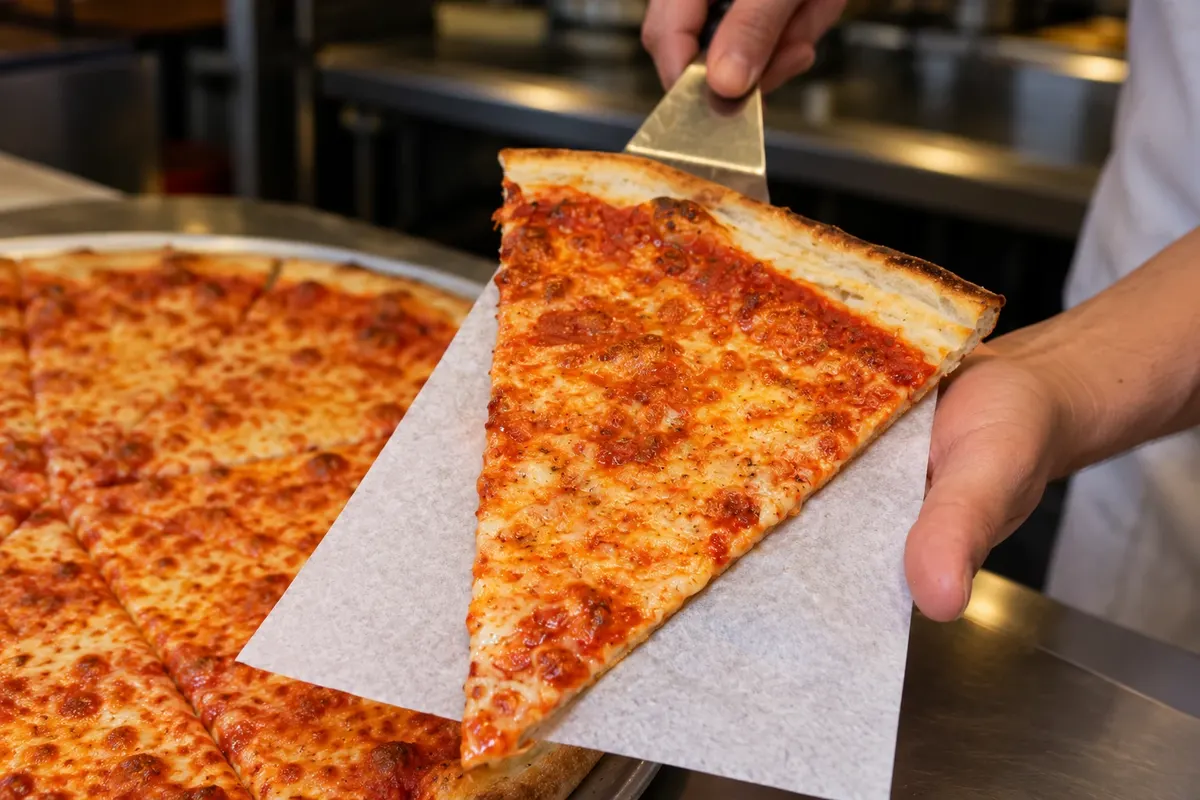
Large pizza with a thin, crisp yet flexible crust, thin enough to fold a slice in half. It originated among Neapolitan bakers in New York and is sold by the slice throughout the city.
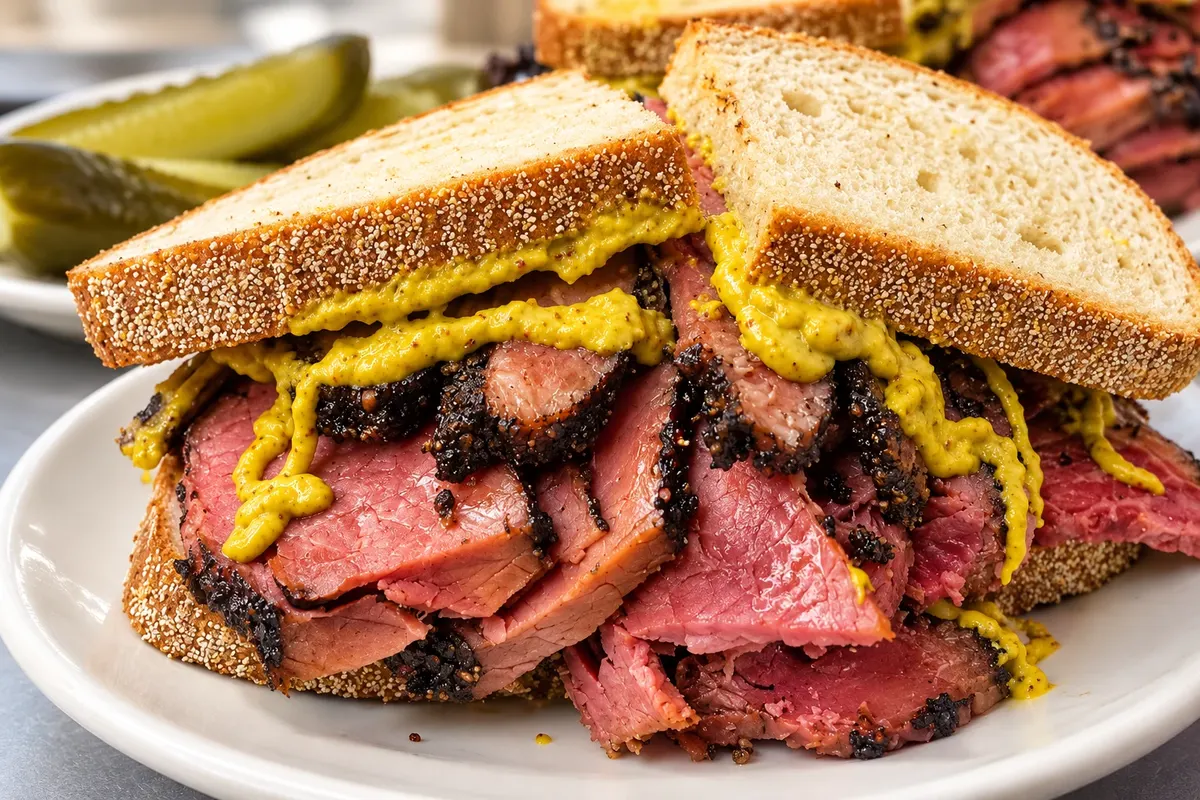
Pastrami sandwich: cured, seasoned and smoked beef, hot-sliced on rye bread with mustard. It’s the sandwich of New York’s Jewish delicatessens.
November
Your questions
On the morning of the Thanksgiving holiday, a Thursday in late November, starting in the Upper West Side and ending at Herald Square.
Along the route, from 77th Street and Central Park West to Herald Square on 34th Street. Central Park West and Sixth Avenue are the most popular sections; arrive early.
Yes. On the eve of the parade, the preparations take place around the American Museum of Natural History in the Upper West Side, and the public can walk through the area.
Since 1924. The first parade started in Harlem with clowns, floats and animals from the Central Park Zoo; the giant balloons appeared a few years later.
Festivals and events in the United States
 January
On the last Saturday in January; the children’s parade takes place on the previous Saturday.
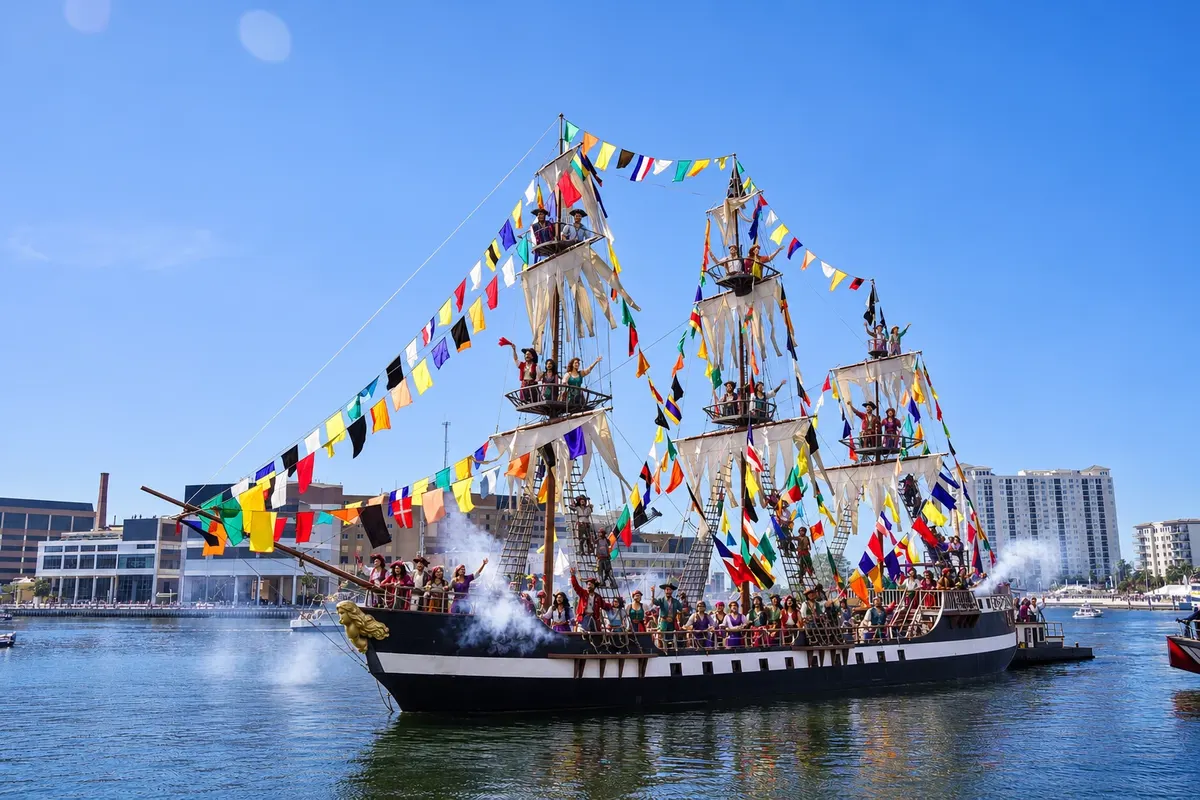
Tampa’s pirate festival in Florida: a pirate ship sails into the bay with hundreds of boats, the pirates take the key to the city and march along Bayshore Boulevard, throwing beaded necklaces to the costumed crowd.
 January
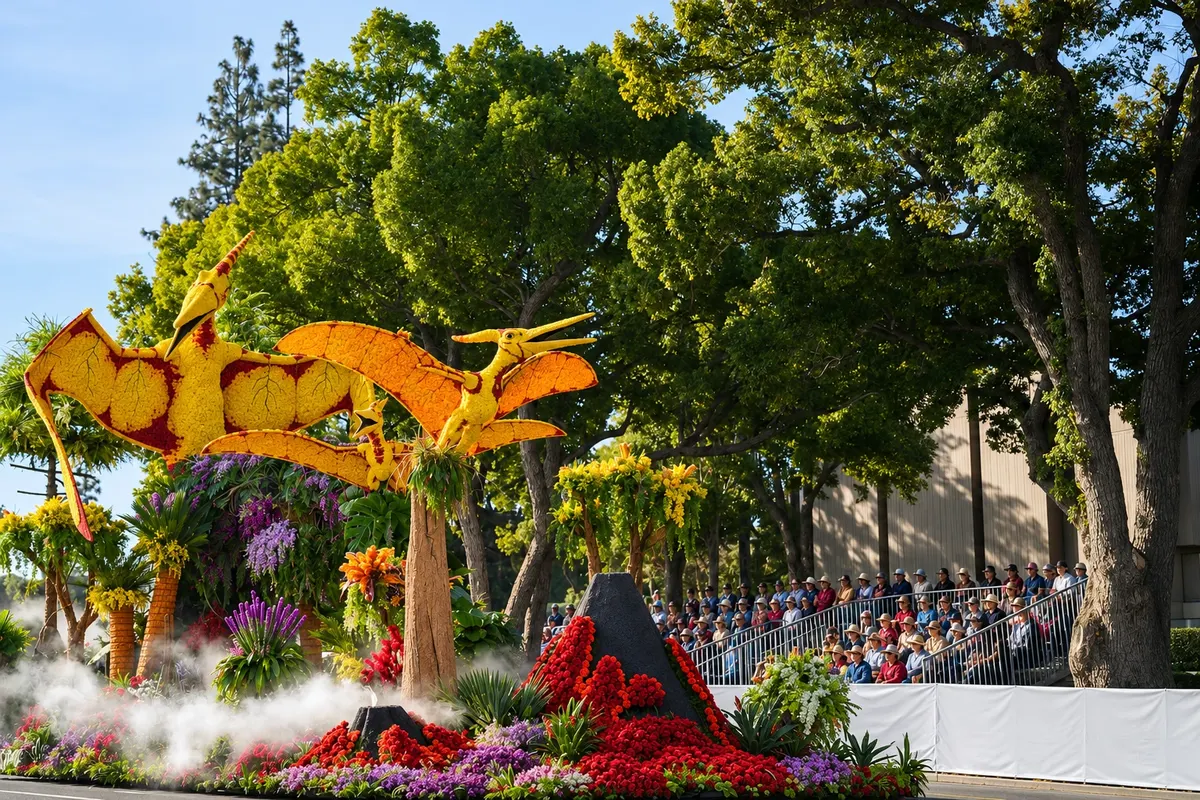
On the morning of January 1; if the 1st falls on a Sunday, the parade is held on Monday, January 2.
New Year’s Day parade in Pasadena, near Los Angeles, featuring floats completely covered with flowers, seeds and other natural materials, marching bands and mounted units along Colorado Boulevard. On the same day, the Rose Bowl stadium hosts the college football game of the same name.
 February/March
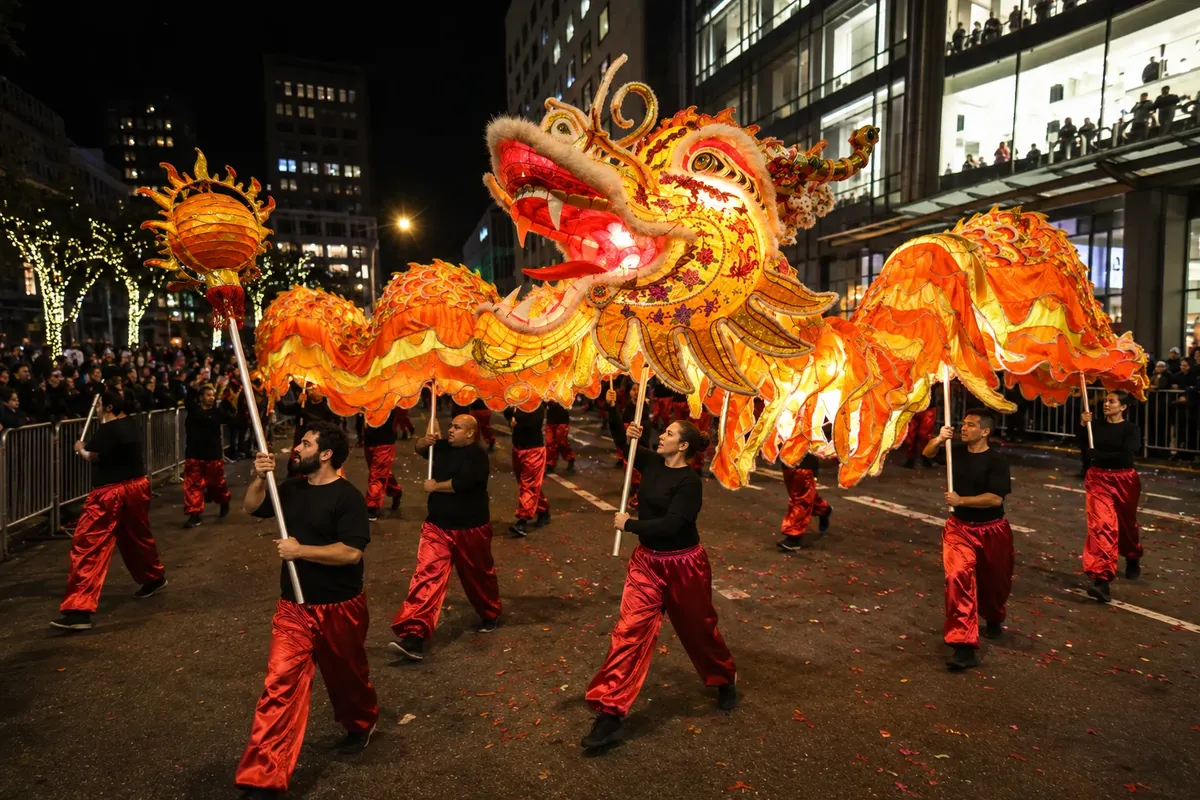
On a Saturday night, a few weeks after Lunar New Year, between February and early March; the celebration in Chinatown lasts several days.
San Francisco Lunar New Year nighttime illuminated parade organized by the Chinese Chamber of Commerce: floats, lion dance, acrobats, bands and, at the end, the Golden Dragon carried by dozens of people, amid firecrackers and lanterns.
 March
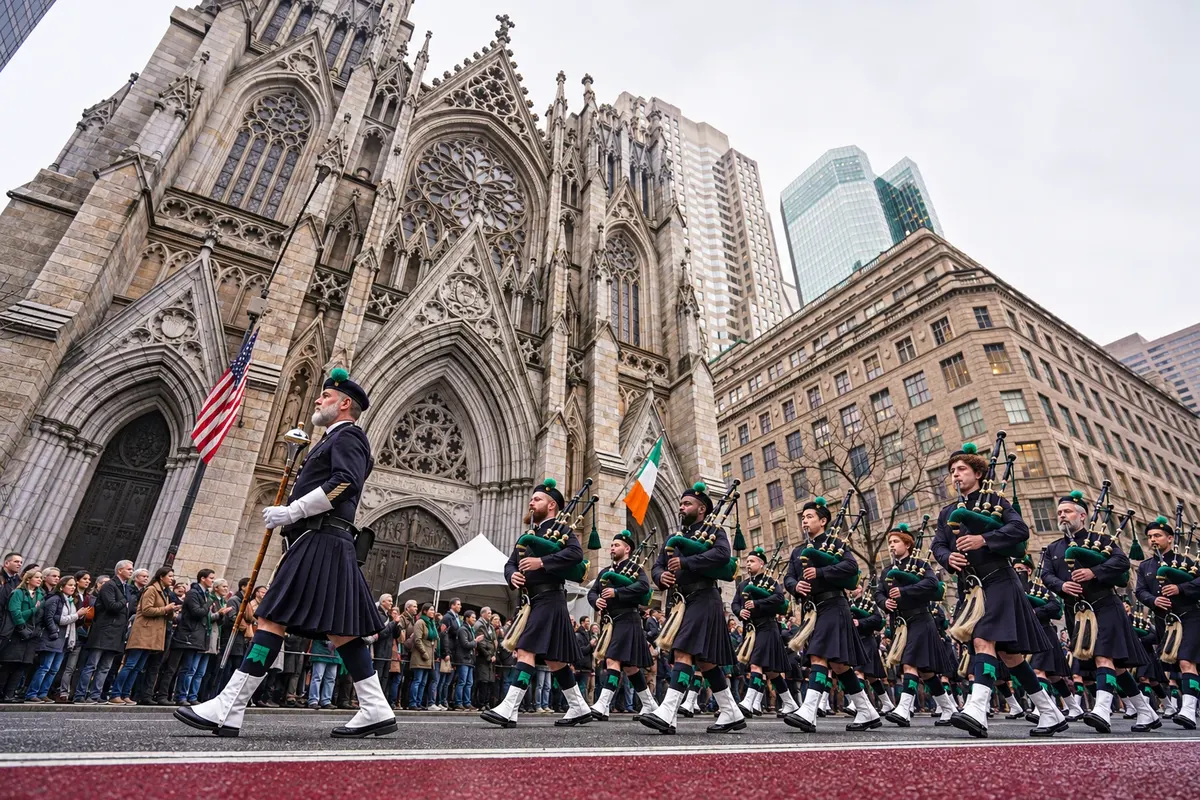
On March 17, St. Patrick’s Day; if the date falls on a Sunday, the parade is moved to Saturday, March 16.
Irish parade along Fifth Avenue in Manhattan on St. Patrick’s Day: bagpipers, bands, Irish associations and groups from across the country march on foot, with no floats, passing in front of St. Patrick’s Cathedral.
 March
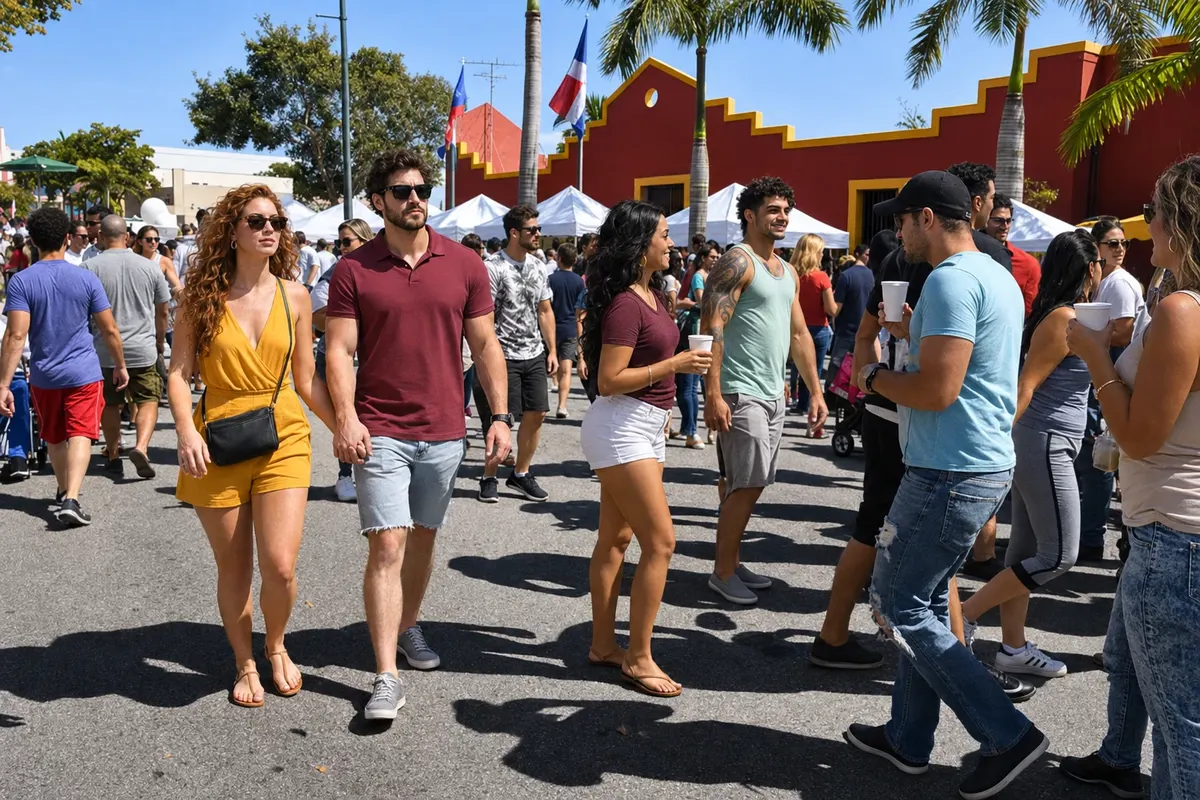
On a Sunday in March, closing Miami Carnival.
A Latin street party that takes over Calle Ocho, the main street of Little Havana in Miami, on a Sunday in March: music stages, dance floors, Cuban and Latin American food stalls, and lots of people dressed in the colors of their countries’ flags.
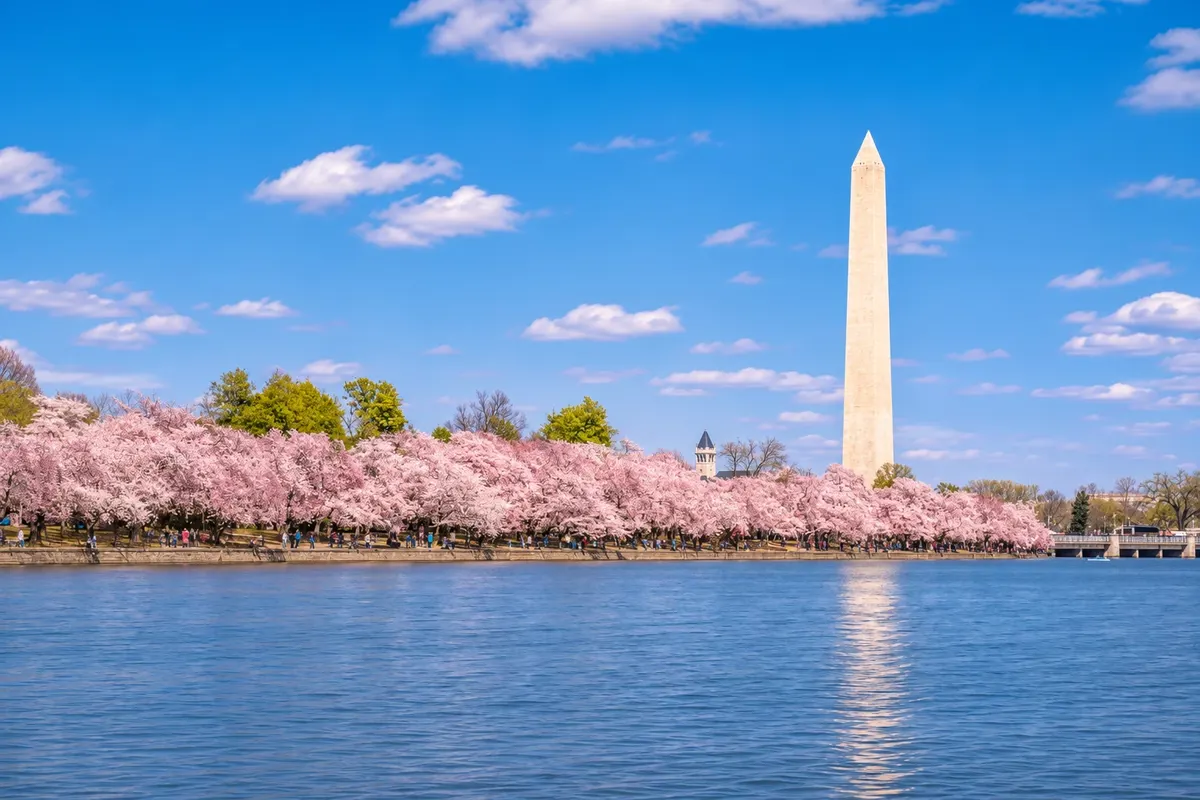 March/April
From mid or late March to mid April, lasting about four weeks, following the blooming of the cherry trees in Washington.
Spring festival in Washington that celebrates the cherry trees donated by Tokyo in 1912: weeks of events around the Tidal Basin and the National Mall, including a kite festival, a parade on Constitution Avenue, fireworks and a big Japanese street festival.