Drink · Miami
Cafecito
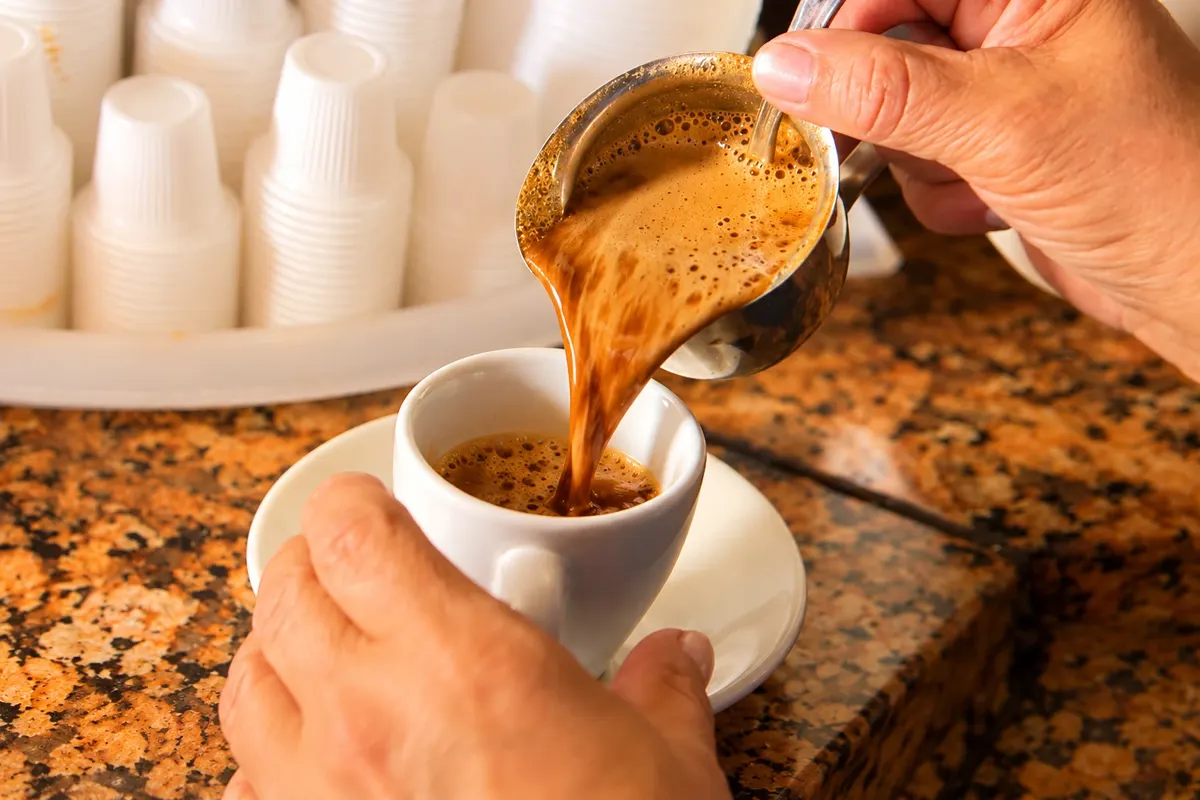
Cuban coffee: a short, strong espresso sweetened during preparation, with a sugar foam on top. It’s the everyday coffee of Miami’s Cuban community, served in small cups at café windows.

 Search
 Brazil
 Argentina
 Bolivia
 Chile
 Colombia
 Ecuador
 Guyana
 French Guiana
 Falkland Islands (Malvinas)
 Paraguay
 Peru
 Suriname
 Uruguay
 Venezuela
 Germany
 Austria
 Belgium
 Croatia
 Denmark
 Spain
 Finland
 France
 Greece
 the Netherlands
 Hungary
 Ireland
 Iceland
 Italy
 Luxembourg
 Norway
 Poland
 Portugal
 the United Kingdom
 the Czech Republic
 Sweden
 Switzerland
 Turkey
 Canadathe United States
 Mexico
 the Dominican RepublicTurkey
 South Africa
 Australia
 Fiji
 New Zealand
 Papua New Guinea
Popular festival · Miami
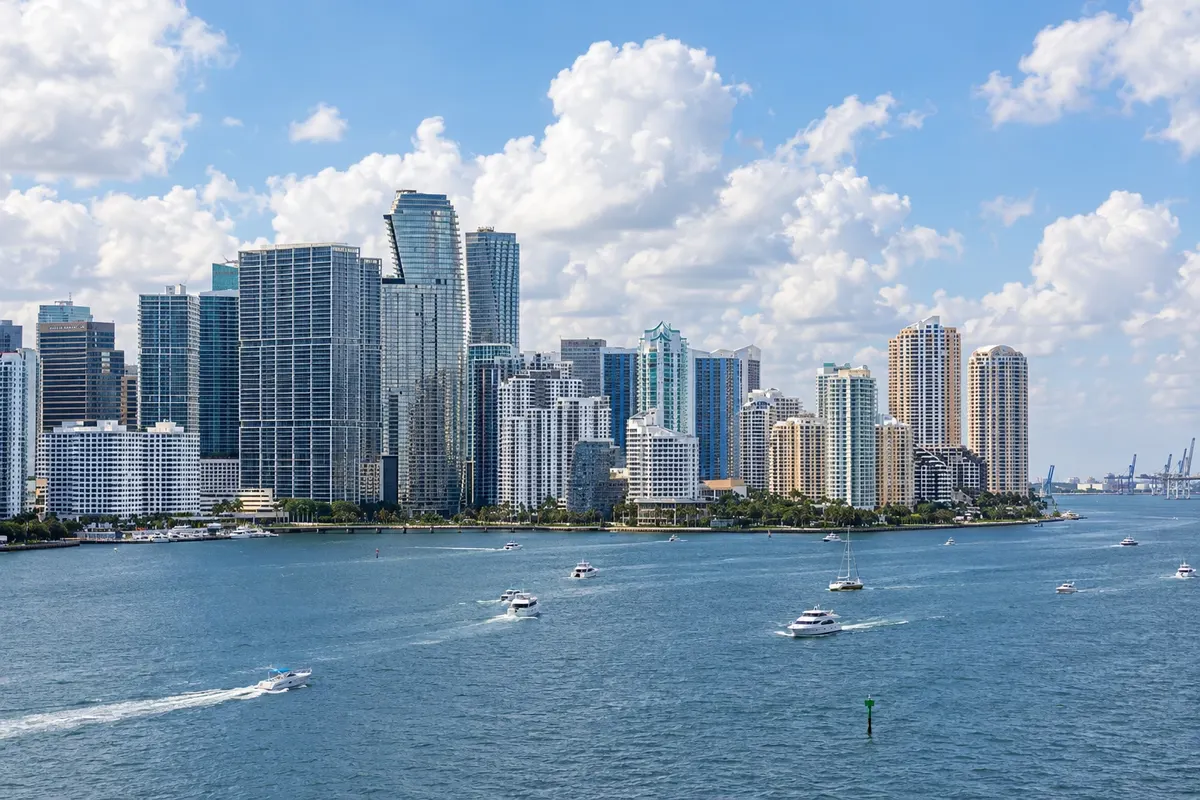
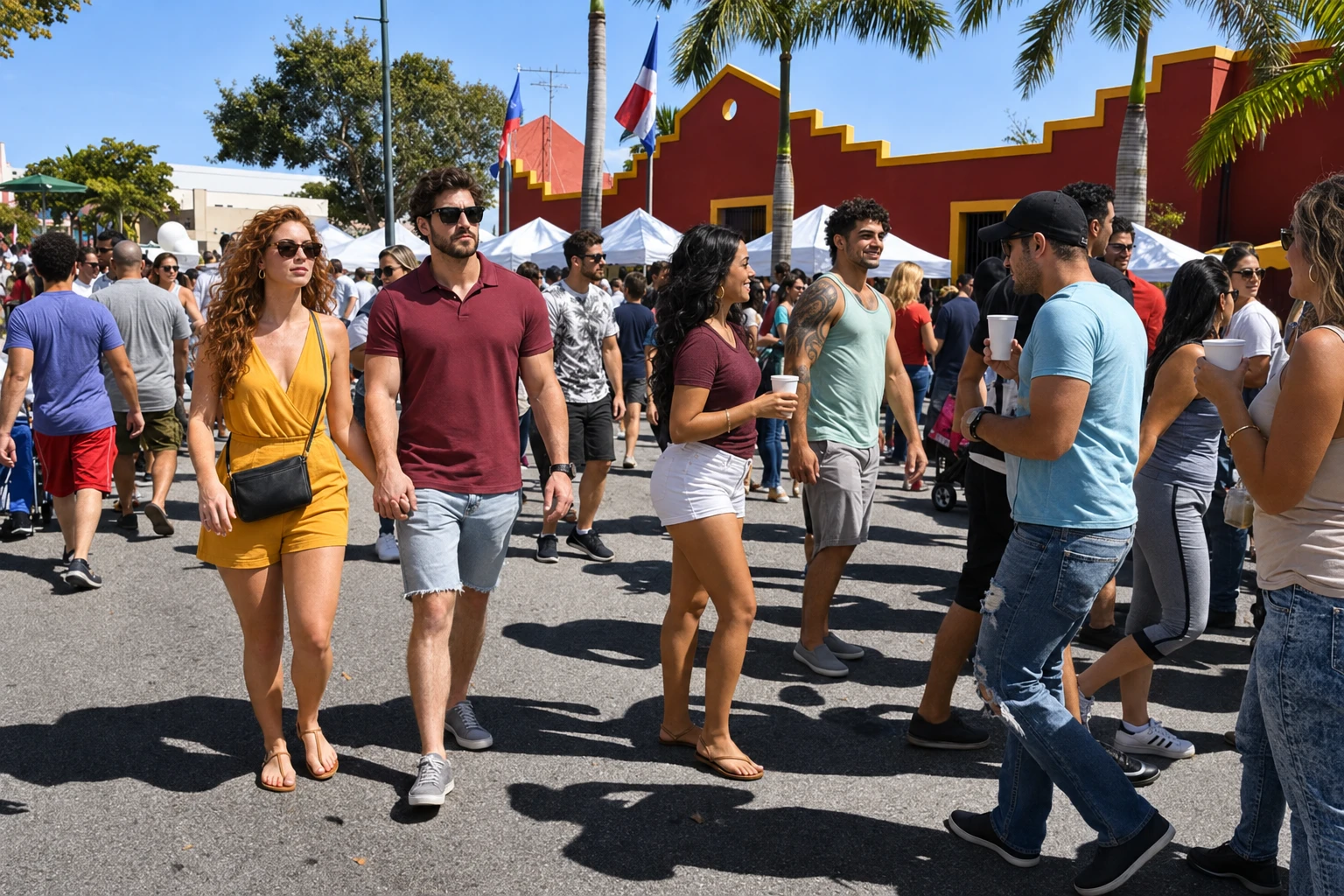
A Latin street party that takes over Calle Ocho, the main street of Little Havana in Miami, on a Sunday in March: music stages, dance floors, Cuban and Latin American food stalls, and lots of people dressed in the colors of their countries’ flags.
In the photo: Miami
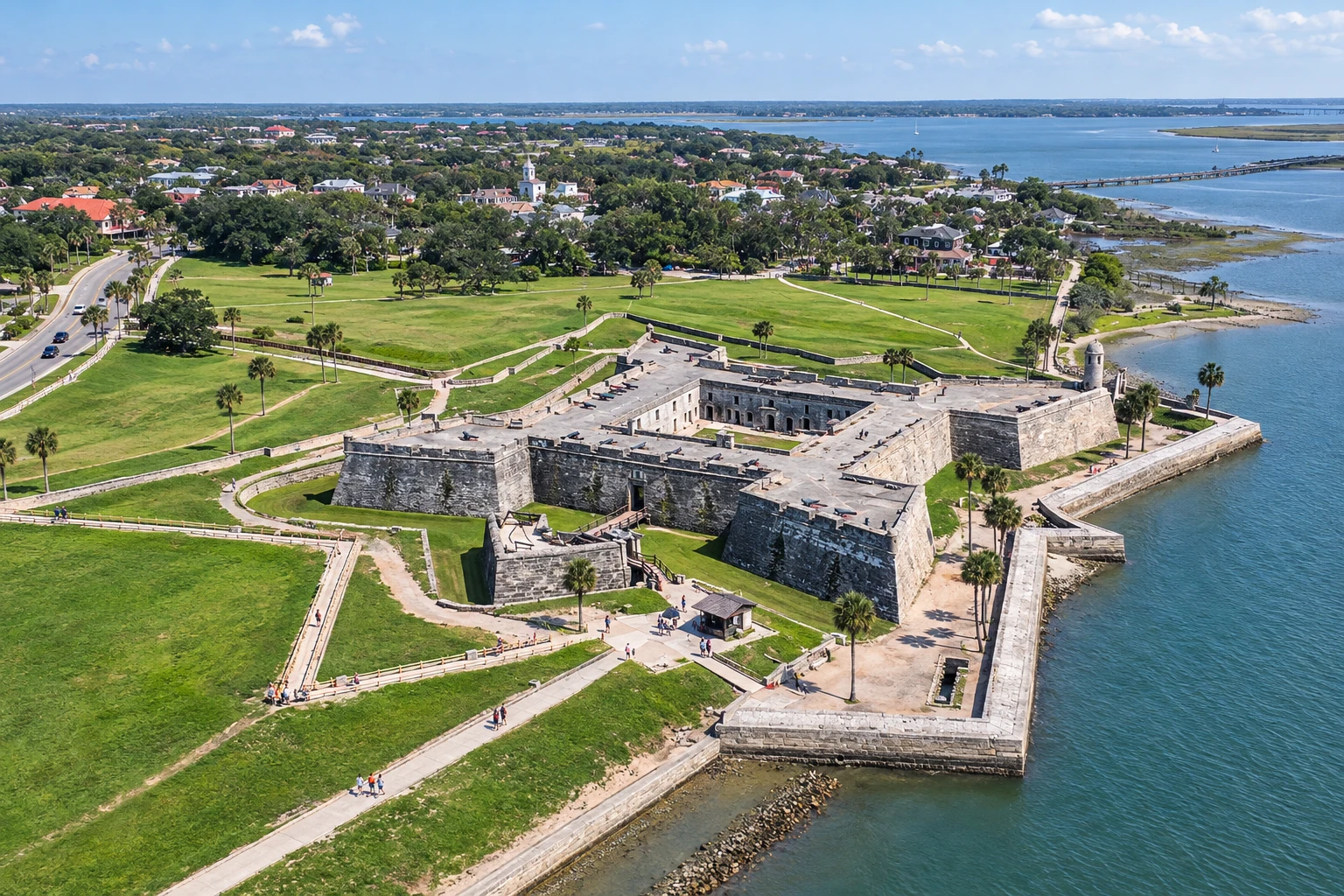
Illustrative images. The pictures in this guide are illustrations based on the real place, not photographs, and may differ from it.

Click a photo to enlarge it.
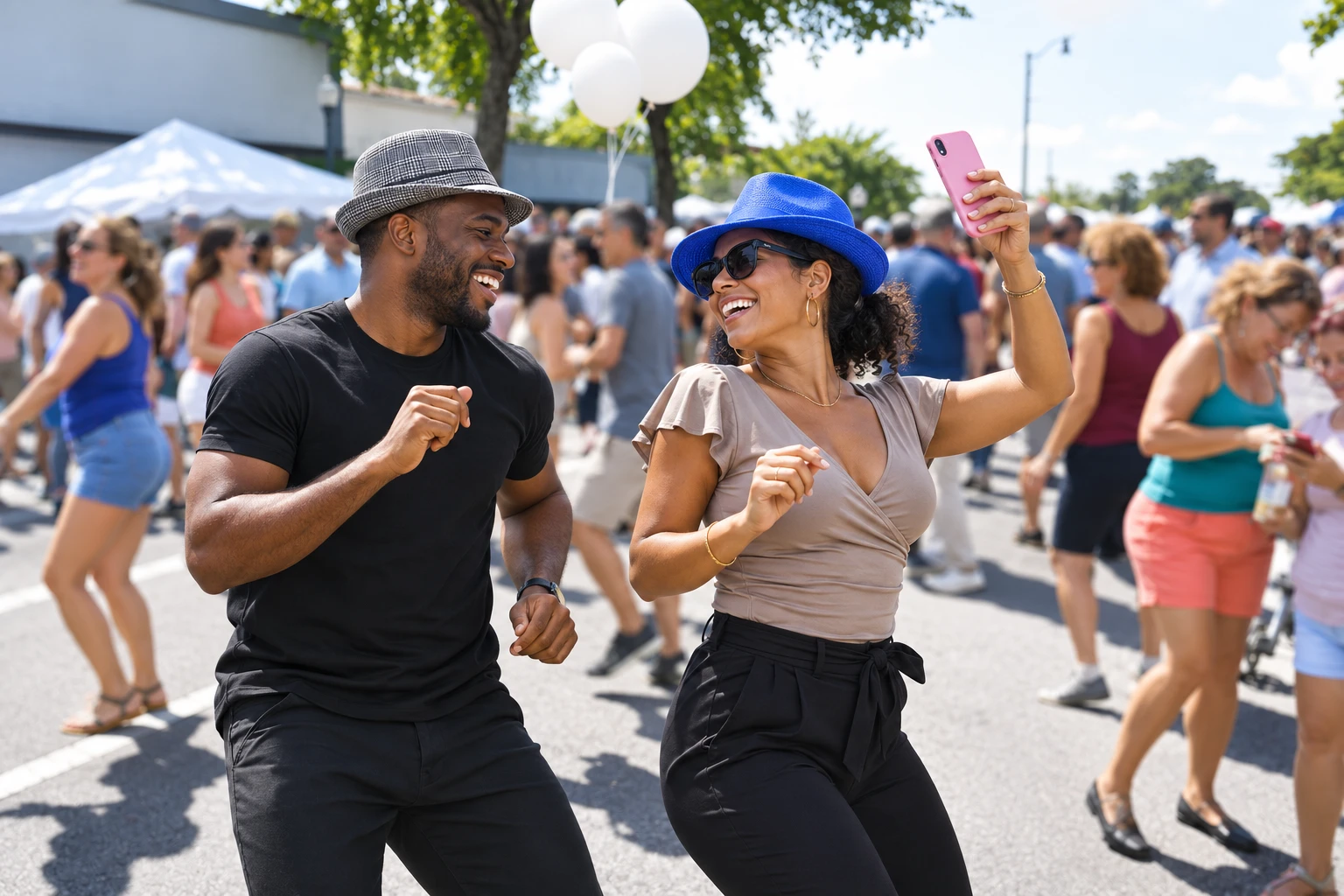
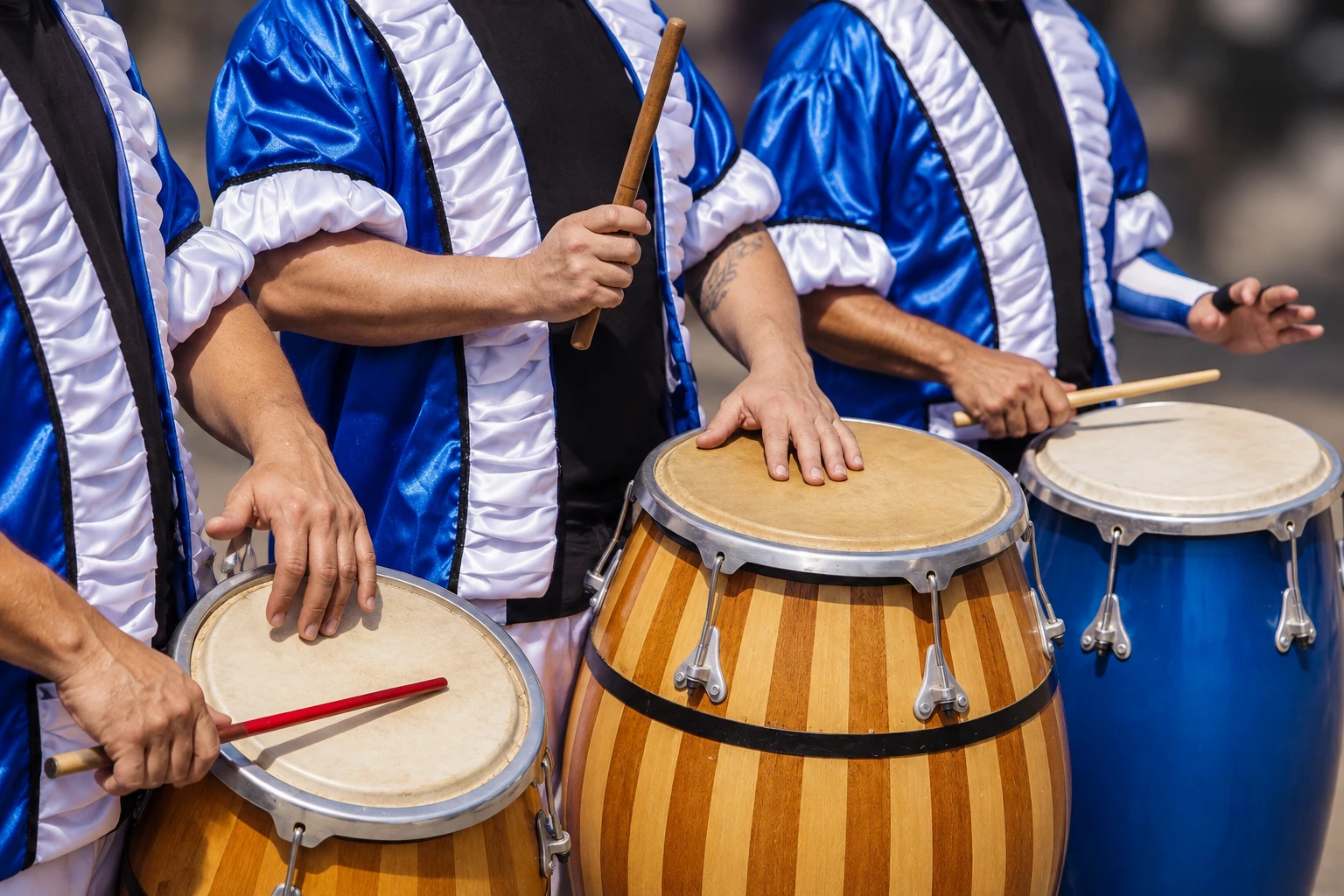
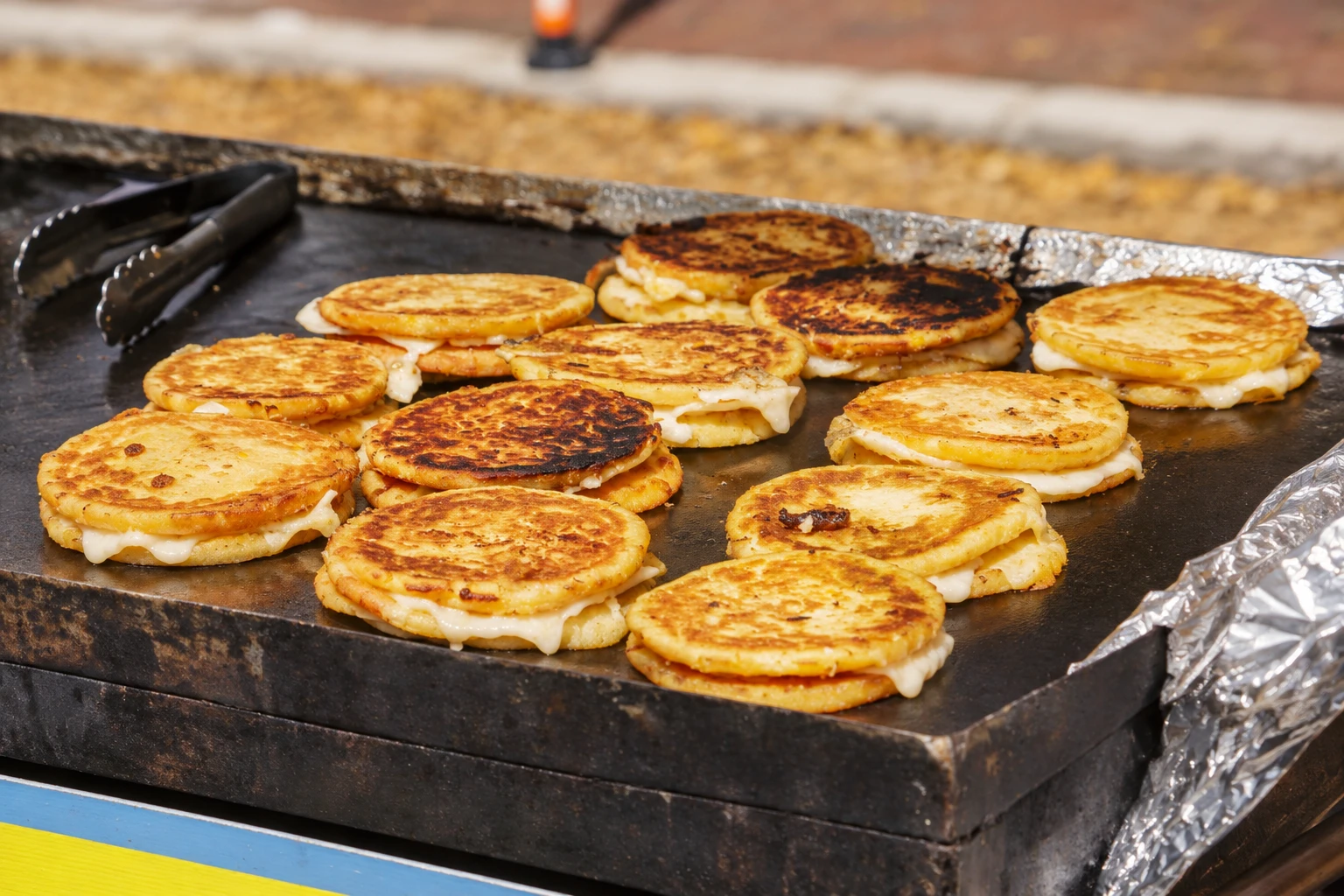
Calle Ocho Festival — Miami
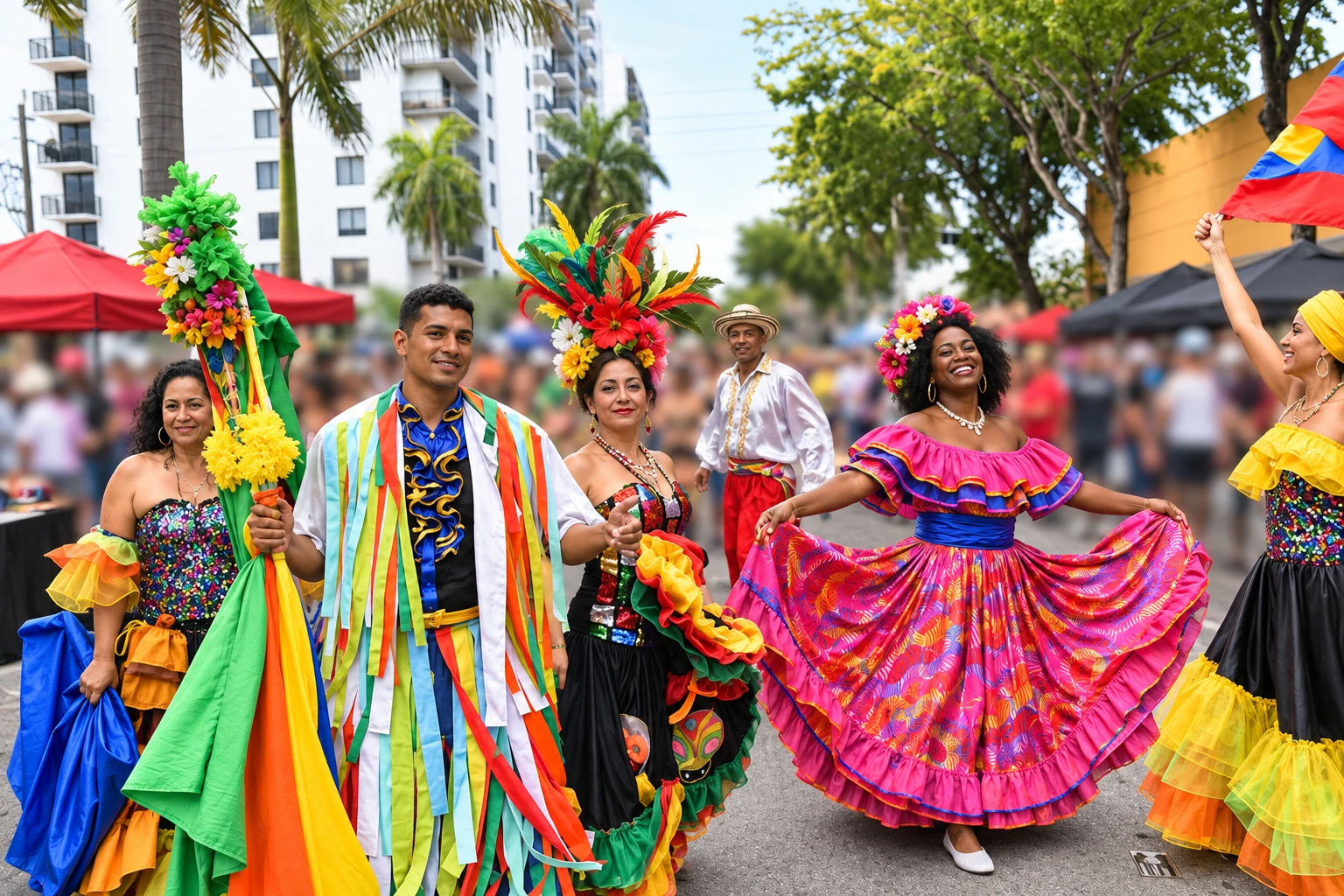
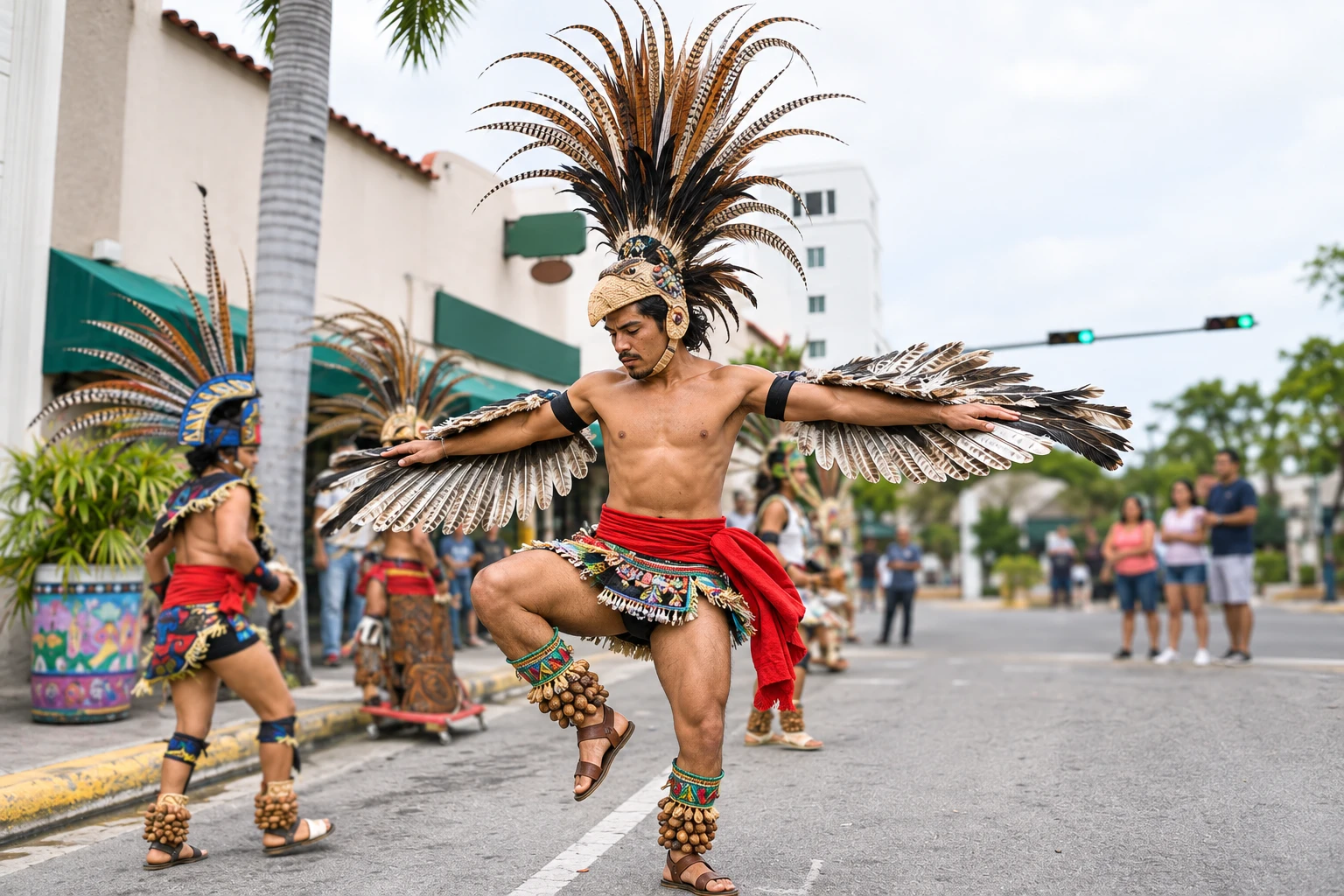
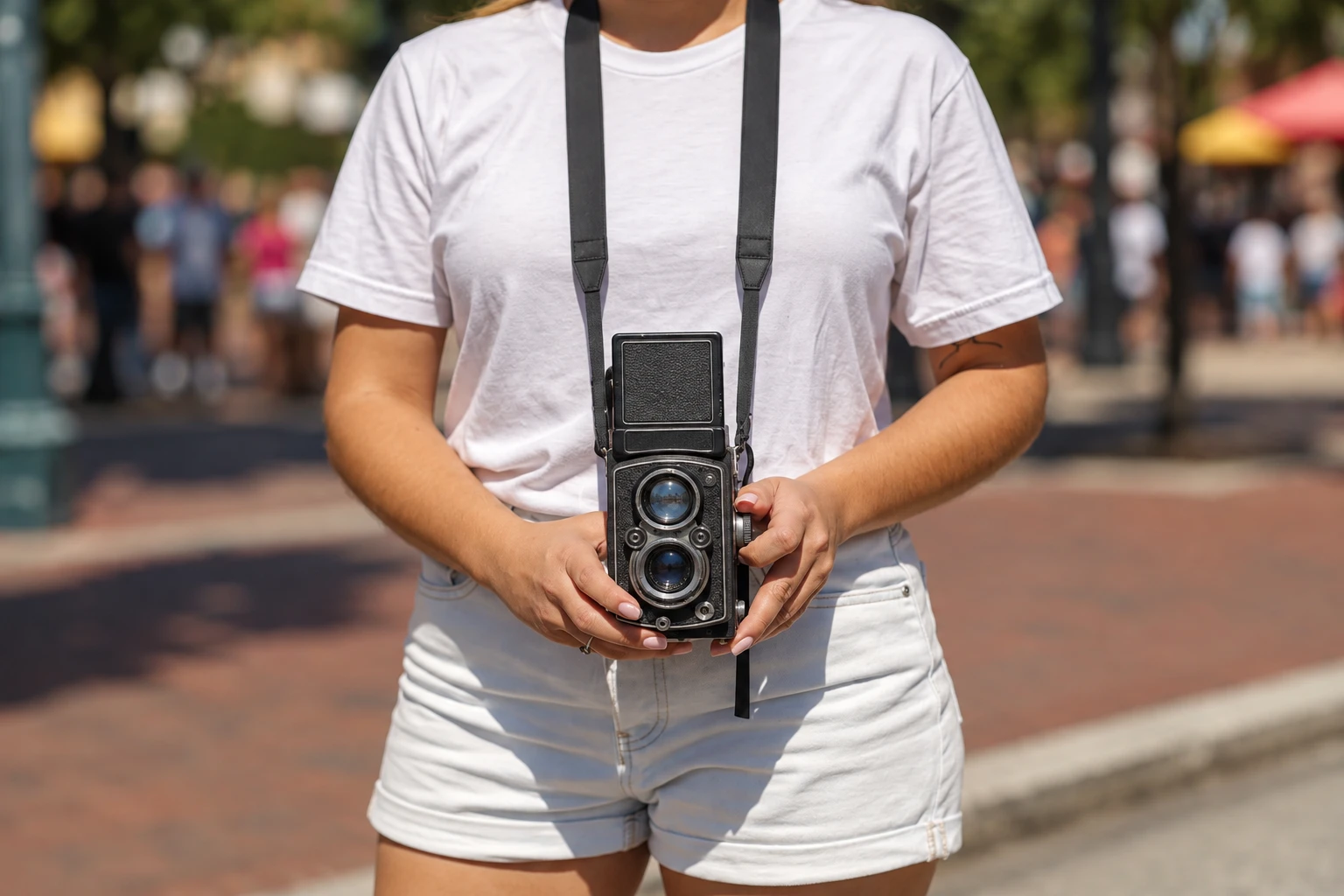
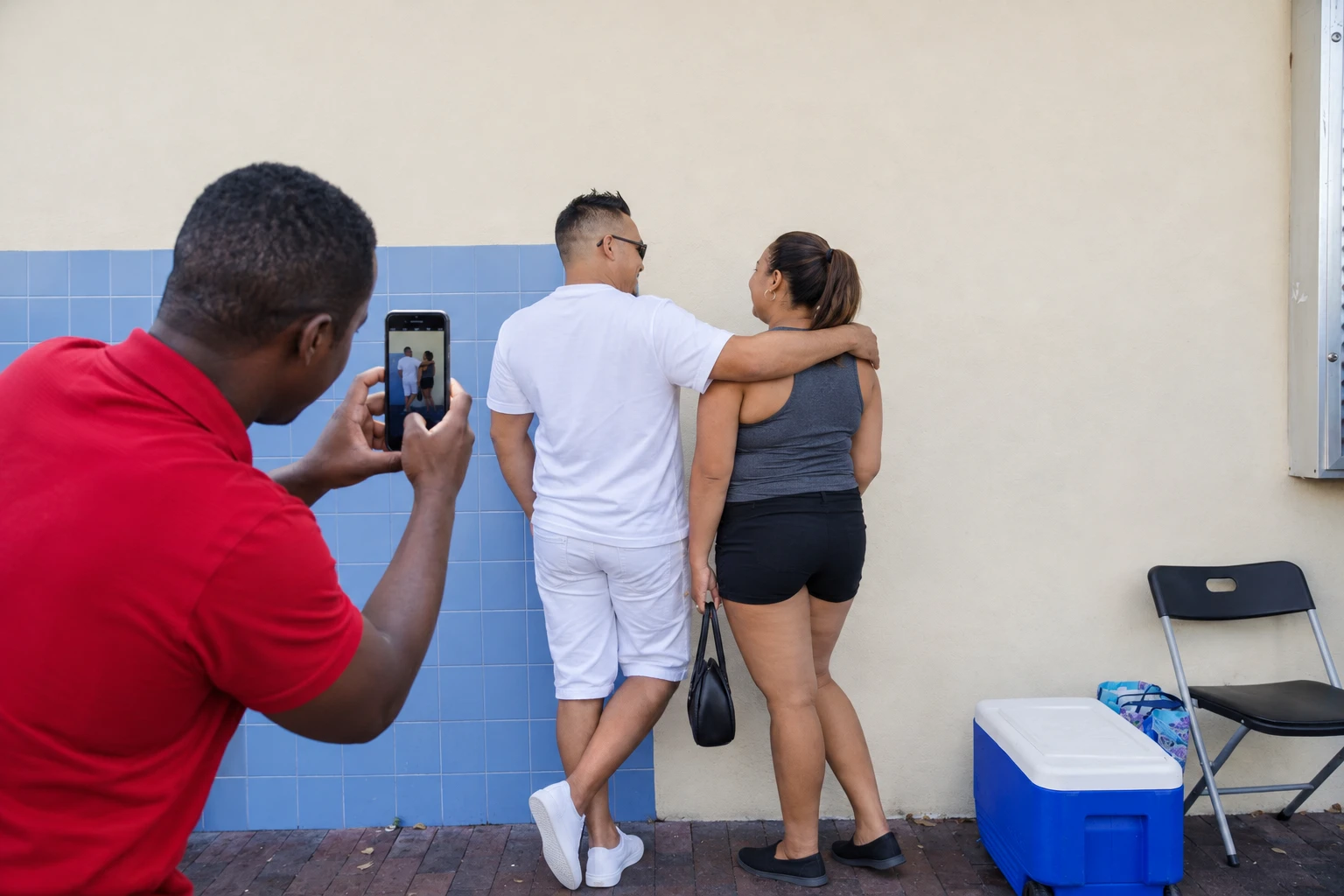
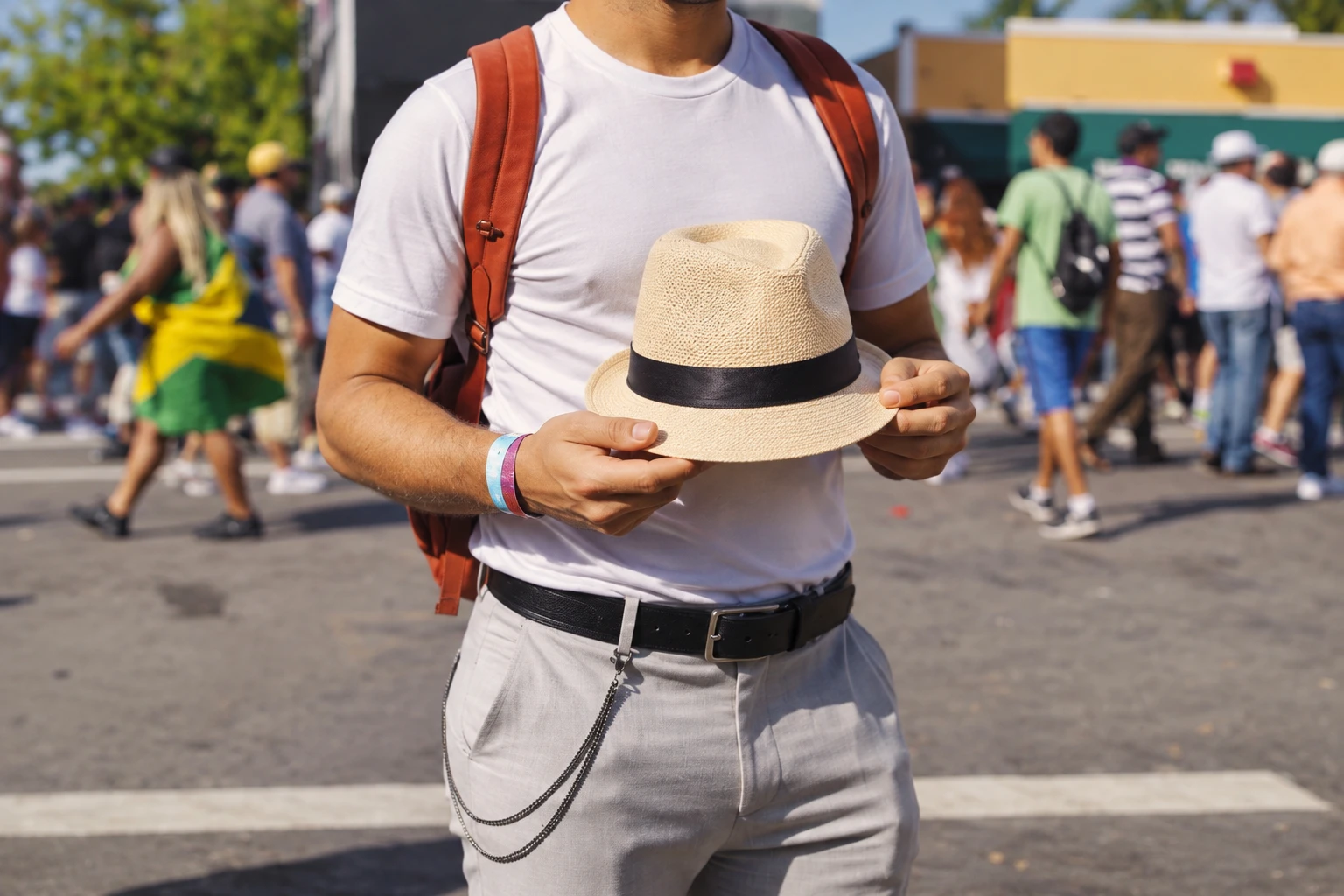
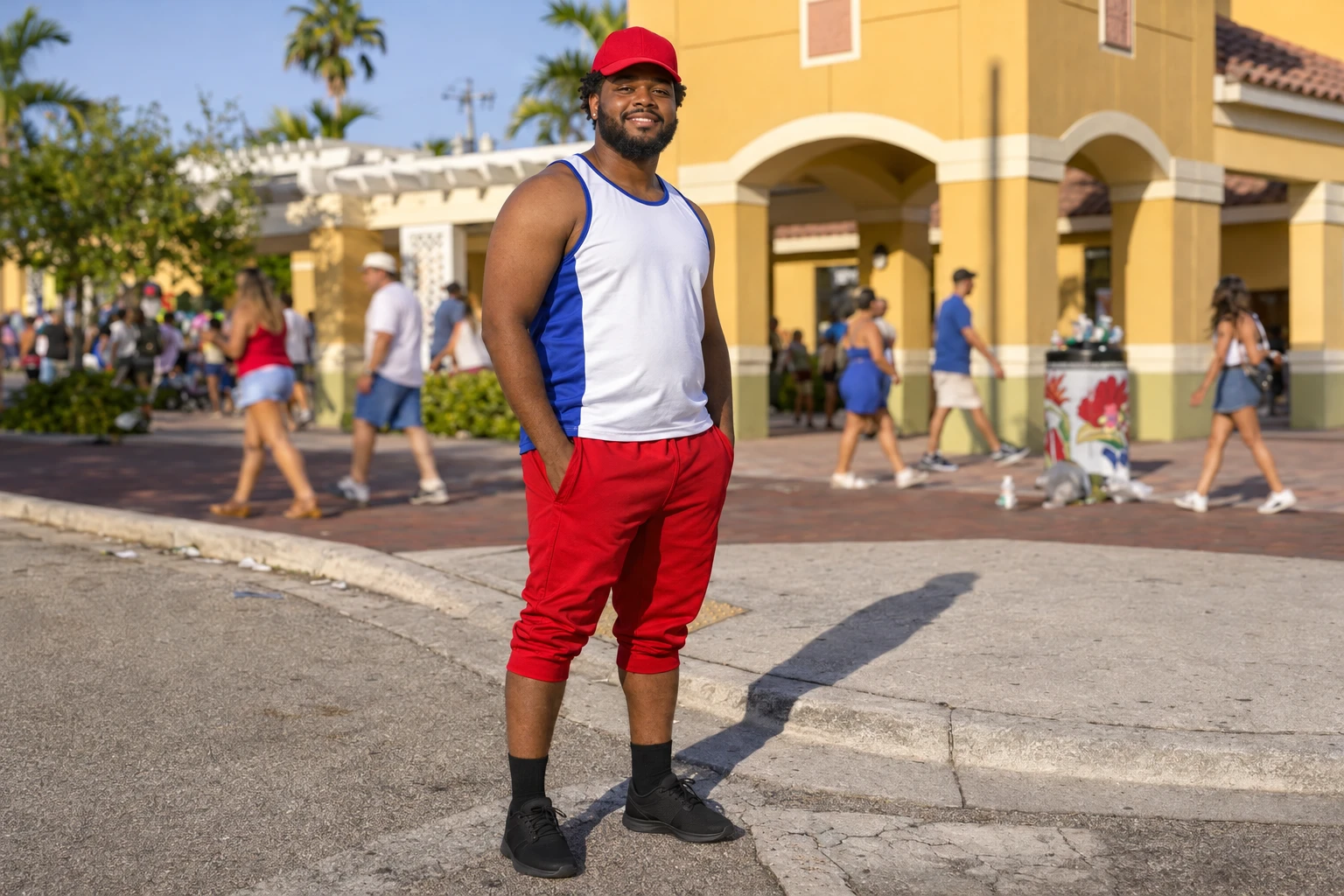
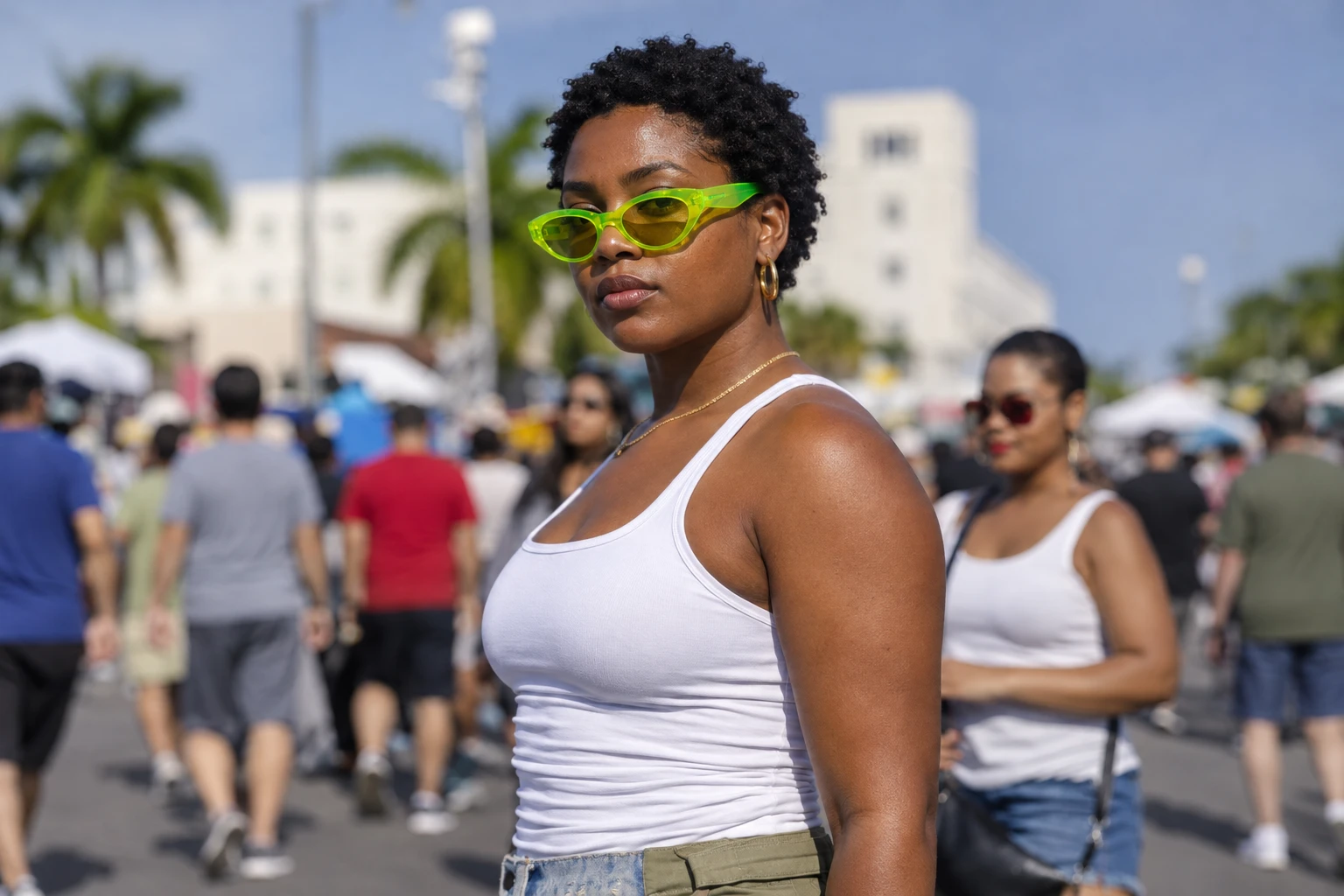
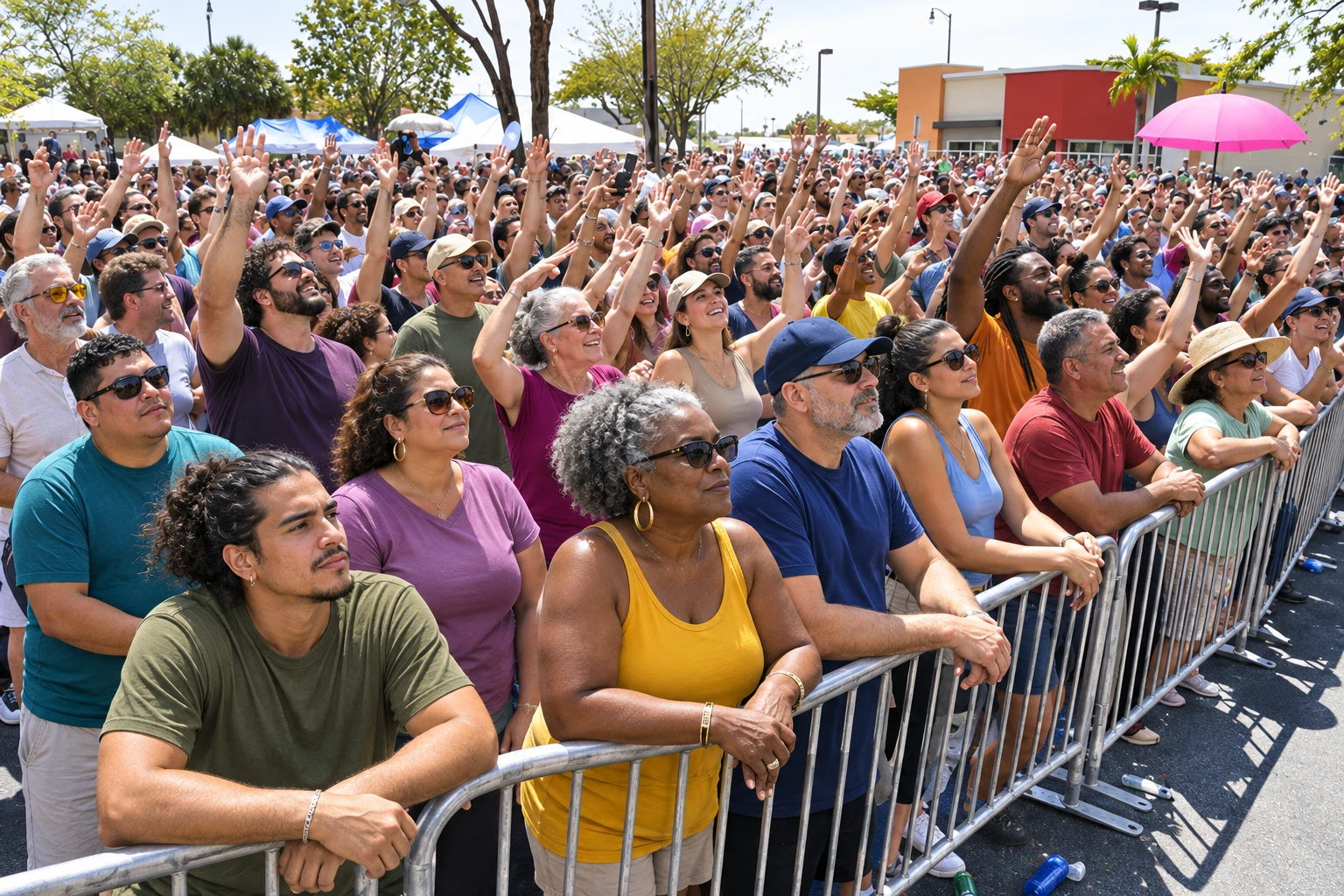
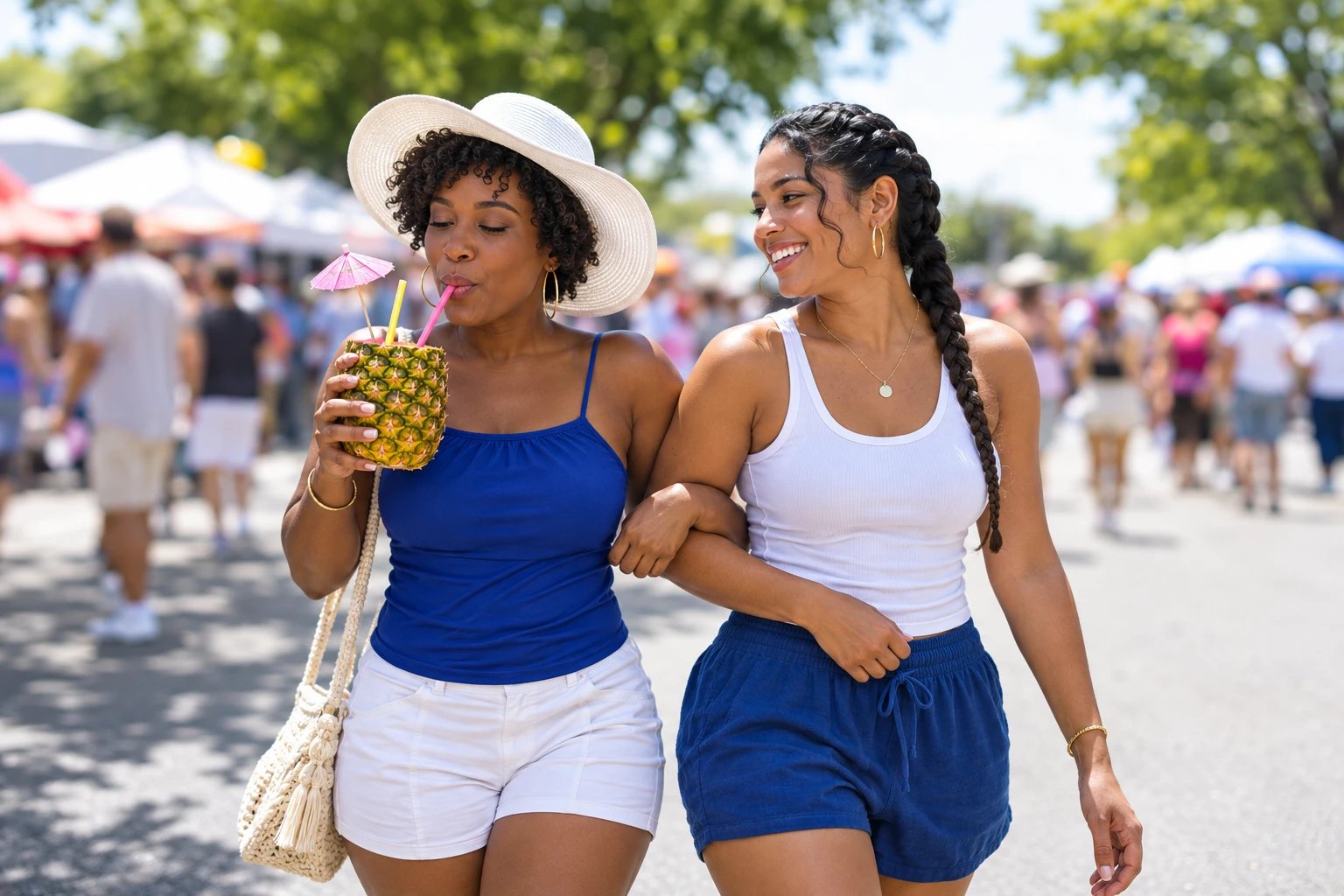
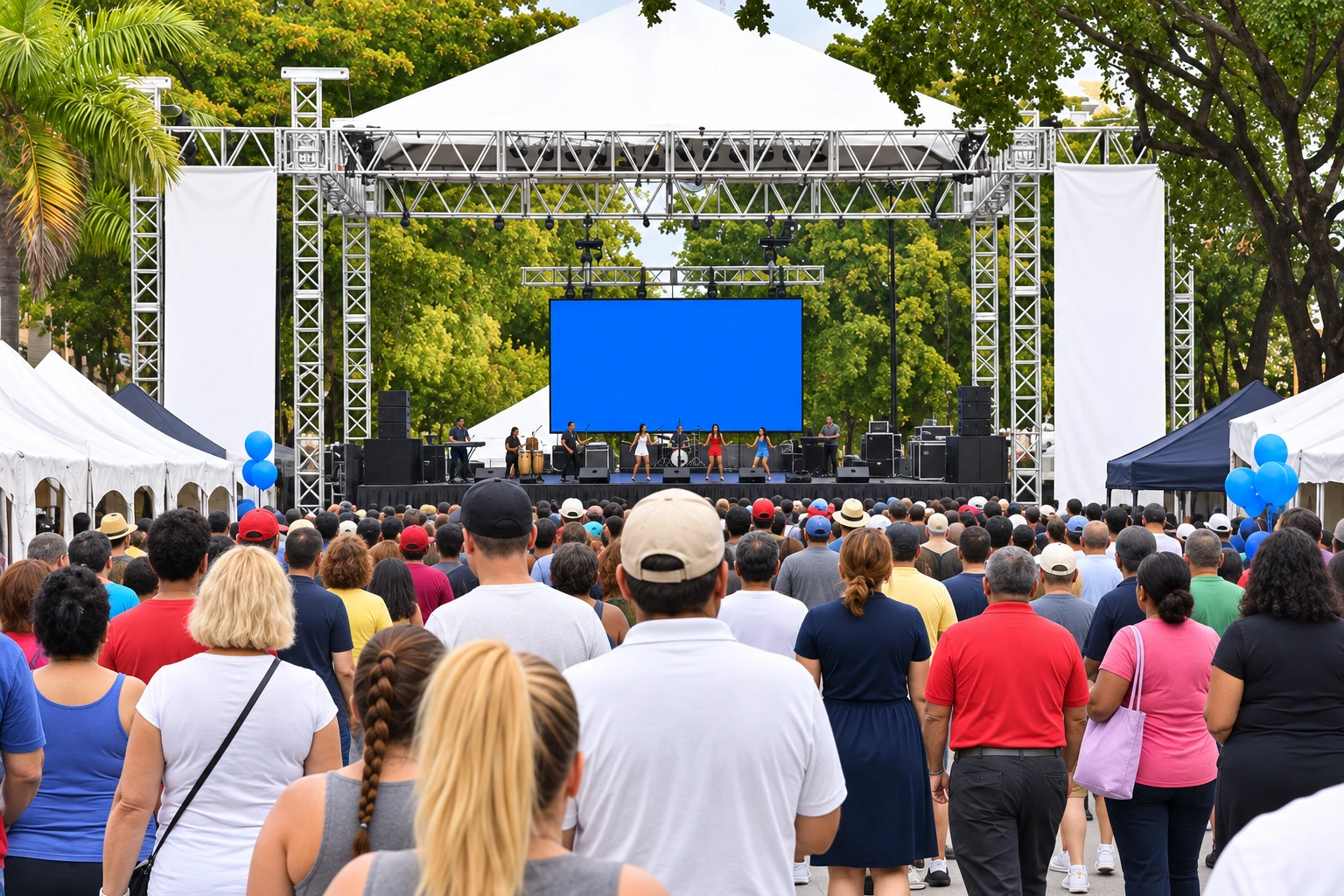
On a Sunday in March, closing Miami Carnival.
March
Dates change every year: check this year's date before you travel.
The festival
The Calle Ocho Festival is Little Havana’s big street party, the Cuban neighborhood in Miami. On a Sunday in March, SW 8th Street—Calle Ocho—closes to cars for about fifteen blocks and becomes a corridor of music stages, dance floors, food and craft stalls, and flags from Latin American and Caribbean countries. The festival marks the finale of Miami Carnival, a series of events that runs for several weeks between February and March.
The party began in March 1978, created by the Little Havana Kiwanis Club, a neighborhood association founded by Cuban exiles, as a kind of open house for the neighborhood to the rest of South Florida. Its first name was Open House 8, and outsiders later started calling it Calle Ocho. It grew large enough to be recognized by law in 2010 as the official festival of the state of Florida, and it continues to be organized by volunteers from the same club, with proceeds going to youth programs in the community.
The festival entered the record books on March 13, 1988, when 119,986 people formed the world’s largest conga line there.
Stages line the street playing salsa, merengue, reggaeton, traditional Cuban music and Latin pop, with folk dance groups between performances. The street is divided into sections with stages for different styles, food areas and a children’s space. Salsa groups and casino dancers—the Cuban ballroom style—perform and pull the crowd onto the street to dance, and it’s common to see multiple generations of the same family dancing together. Many people wear shirts or flags of their family’s country of origin, and the festival becomes a portrait of Miami’s Latin communities: Cubans, Puerto Ricans, Colombians, Venezuelans, Dominicans, Nicaraguans and others.
Miami Carnival, which culminates at Calle Ocho, includes in the preceding weeks a street party on Miracle Mile in Coral Gables, domino tournaments, golf and soccer events, the selection of the carnival queen and art exhibitions. Outside the festival day, Calle Ocho is Little Havana’s main artery, with Domino Park where residents play outdoors, walk-up cafés serving Cuban coffee, cigar factories and a Walk of Fame honoring Latin artists. For visitors to Miami in March, the festival is the liveliest way to get to know the neighborhood.
Music stages along Calle Ocho featuring salsa, Cuban music, merengue and Latin pop. Casino and salsa circles forming in the middle of the street, with people of all ages. Folk dance groups between shows and the flags and colors of Latin American countries in the crowd. Food stalls serving dishes from various countries and Cuban cafecito served at walk-up windows. Domino Park, cigar factories and the neighborhood’s Walk of Fame, before or after the festival. In the preceding weeks, other Miami Carnival events such as the Miracle Mile street party in Coral Gables. If there’s an attempt at a record that year, the conga line or another collective game organized by the festival may take place.
There is no admission charge to walk along the street; there are VIP areas with tickets for those who want shade, restrooms and a view of the stages. The festival runs from late morning until early evening; arrive early to walk around more easily before the blocks fill up. Neighborhood streets close to traffic and parking is scarce; use a ride-hailing app, taxi or bus and arrange a meeting point with friends in case your phone loses signal. March is usually hot and sunny in Miami: bring a hat, sunscreen and water, and wear light clothing and shoes that can handle hours of walking. Bring cash and a card for the stalls. Small children are more comfortable in the kids’ area and earlier in the day. To hear a specific style, check the stages map on the official website beforehand.
Cuban and Latin American food at stalls along the street: Cuban sandwich, croquetas, guava pastelitos, mariquitas made from plantain, empanadas, arepas, tropical fruits and barbecue. To drink: Cuban coffee—the strong sweet cafecito—fruit juices and cold beer. Many Little Havana restaurants, including walk-up coffee stands and tropical fruit ice cream shops, operate normally and get crowded on the day; for sit-down meals, arrive before lunchtime.
March is high season in Miami, with festivals, U.S. college spring breaks and sporting events; book accommodation in advance, in Miami or Miami Beach. Check the official website for the exact date each year, the stages map and VIP tickets, which sell out before the day. If you also want to see the Coral Gables party, it usually takes place the weekend before. Miami International Airport is close to Little Havana.
In the city
Flavors of the United States
March
 February/March
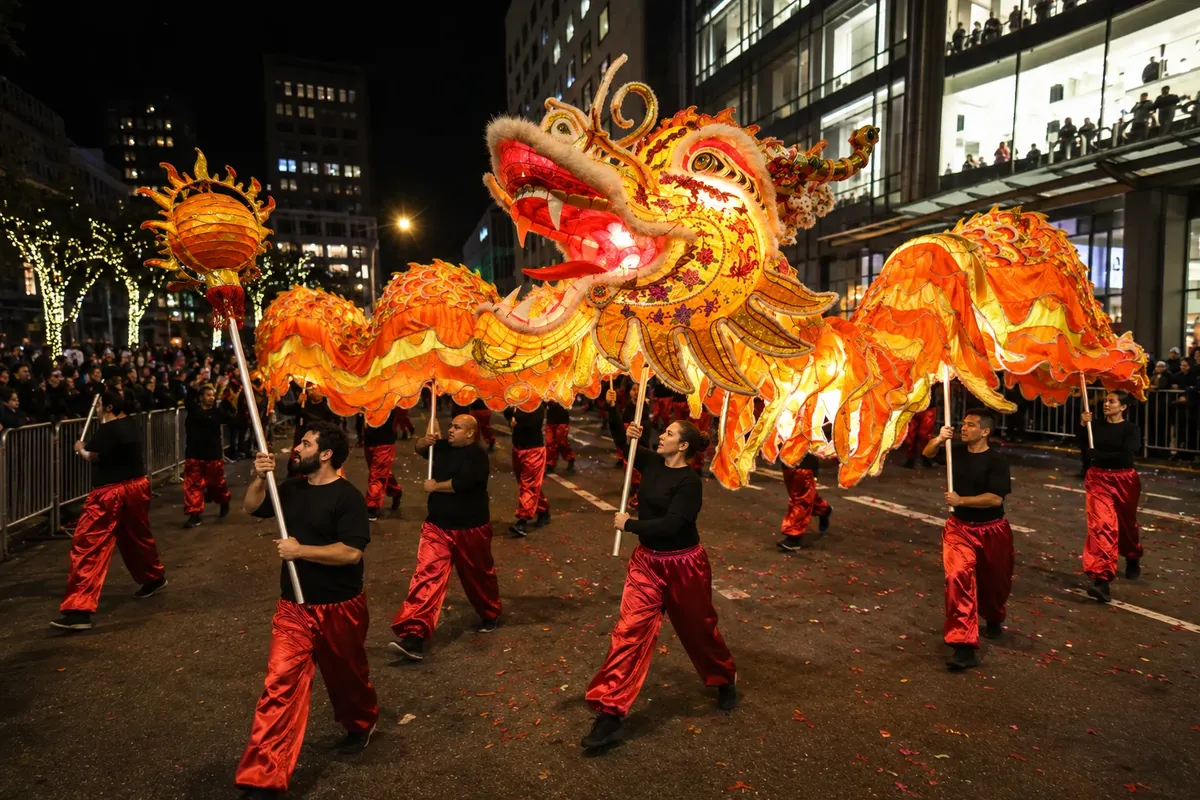
On a Saturday night, a few weeks after Lunar New Year, between February and early March; the celebration in Chinatown lasts several days.
San Francisco Lunar New Year nighttime illuminated parade organized by the Chinese Chamber of Commerce: floats, lion dance, acrobats, bands and, at the end, the Golden Dragon carried by dozens of people, amid firecrackers and lanterns.
 March
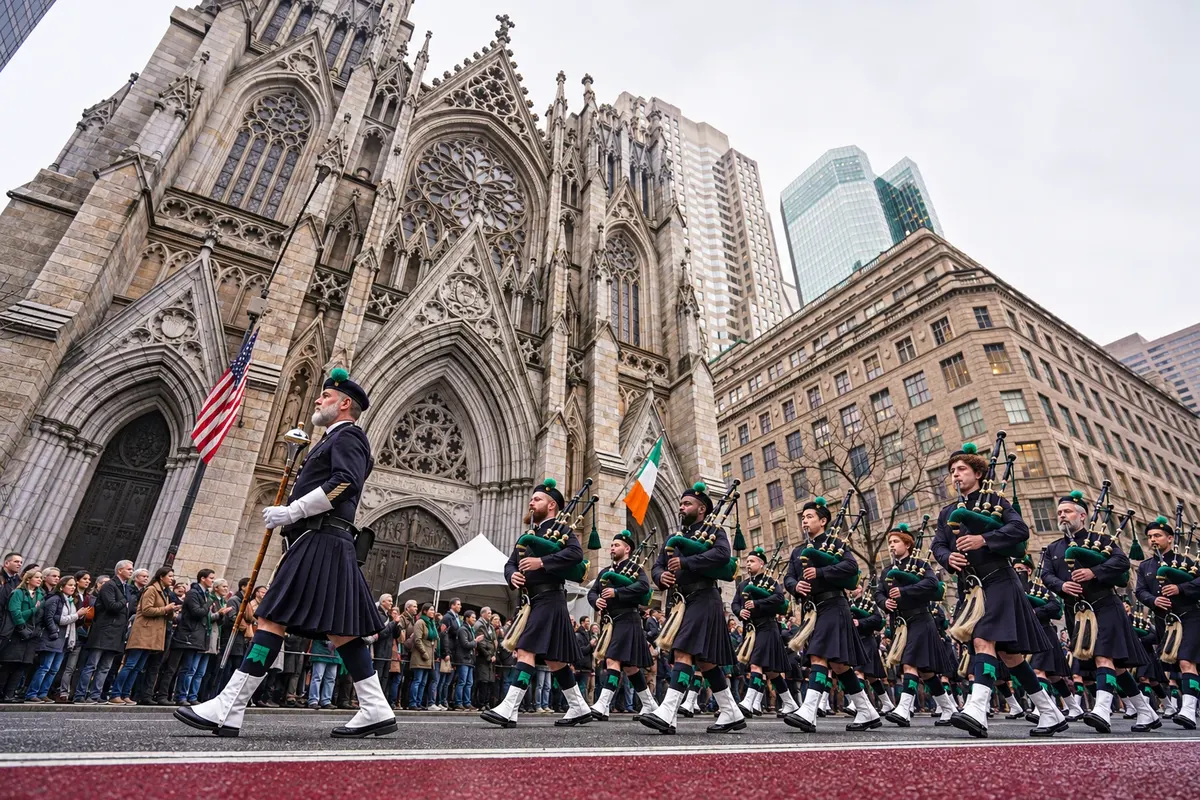
On March 17, St. Patrick’s Day; if the date falls on a Sunday, the parade is moved to Saturday, March 16.
Irish parade along Fifth Avenue in Manhattan on St. Patrick’s Day: bagpipers, bands, Irish associations and groups from across the country march on foot, with no floats, passing in front of St. Patrick’s Cathedral.
 March/April
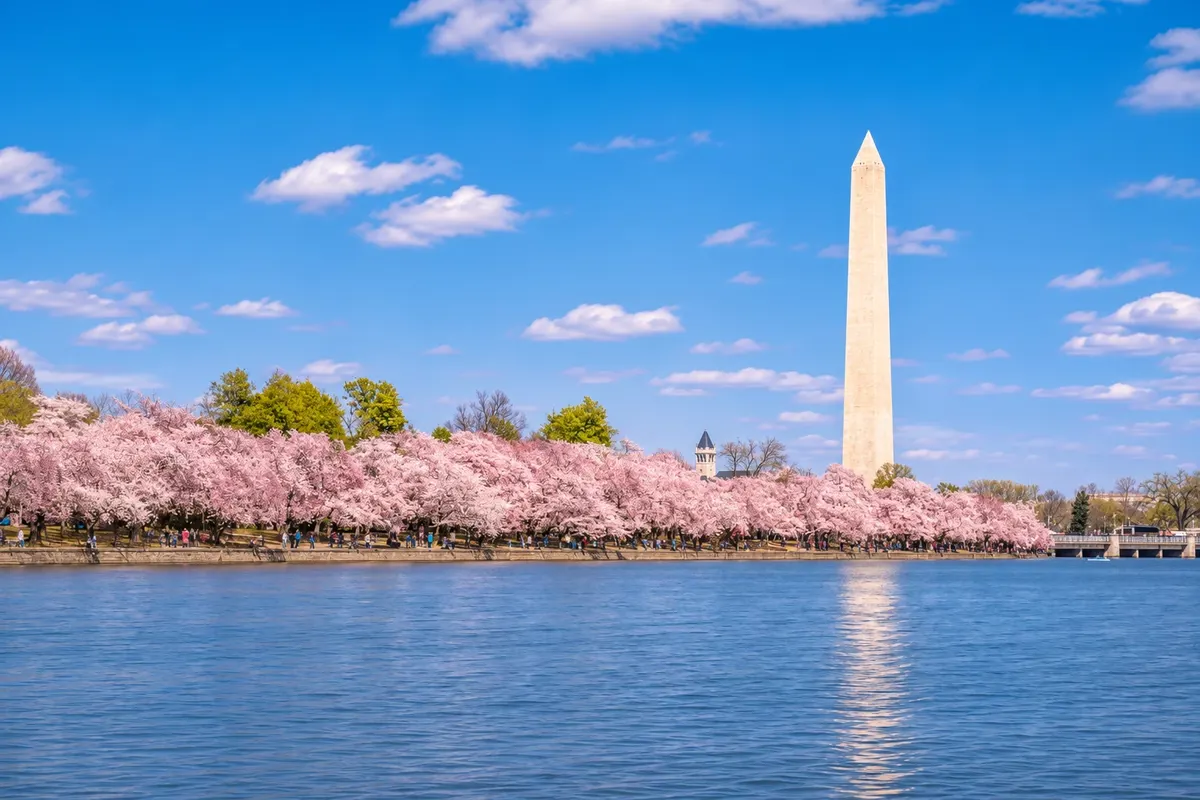
From mid or late March to mid April, lasting about four weeks, following the blooming of the cherry trees in Washington.
Spring festival in Washington that celebrates the cherry trees donated by Tokyo in 1912: weeks of events around the Tidal Basin and the National Mall, including a kite festival, a parade on Constitution Avenue, fireworks and a big Japanese street festival.
Your questions
Every March, on a Sunday that closes the Miami Carnival schedule. The organizer announces the exact date for each edition.
On SW 8th Street, the main street of Miami’s Cuban neighborhood, which is closed to traffic for several blocks.
There is no admission fee to walk through the festival. Food, drinks and crafts are paid for at the stalls.
Festivals and events in the United States
 March
Over three consecutive days in March, from Friday to Sunday, usually in the last week of the month.
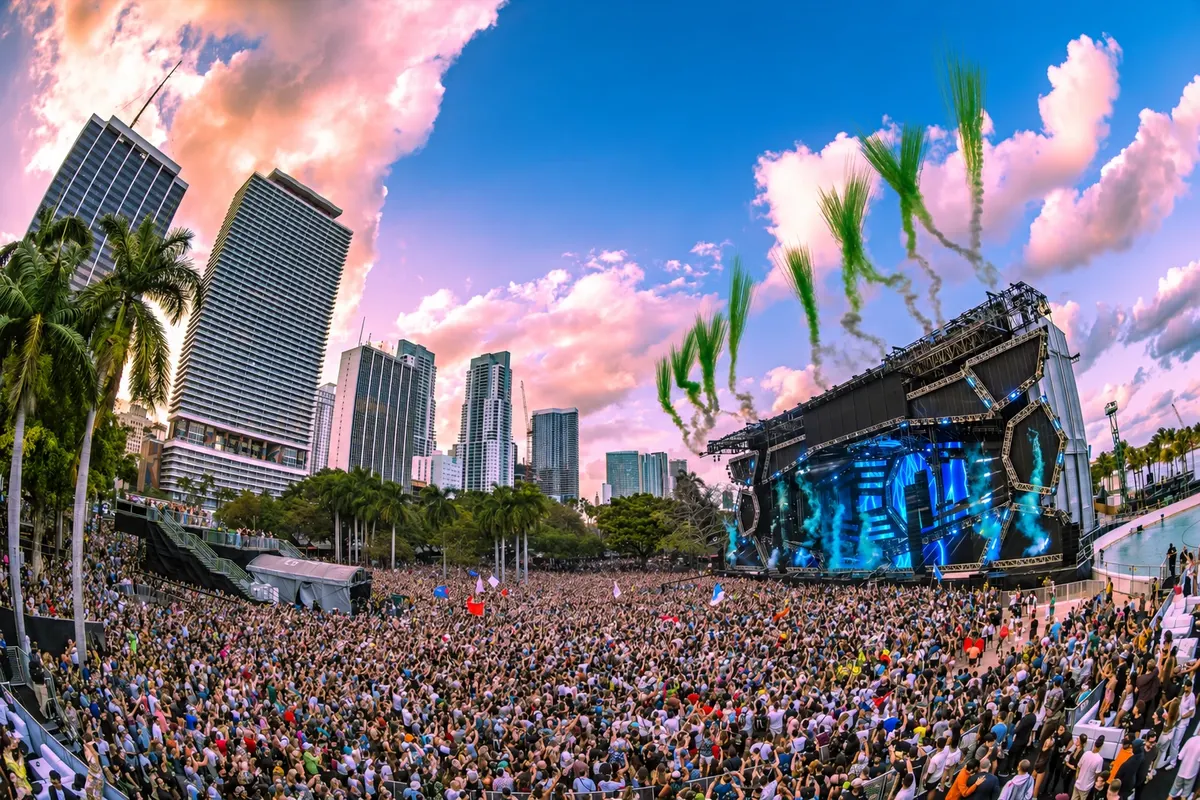
A three-day electronic music festival at Bayfront Park, beside Biscayne Bay in downtown Miami; the highlight of a week when the city hosts parties and DJ shows from around the world.
 January
On the last Saturday in January; the children’s parade takes place on the previous Saturday.
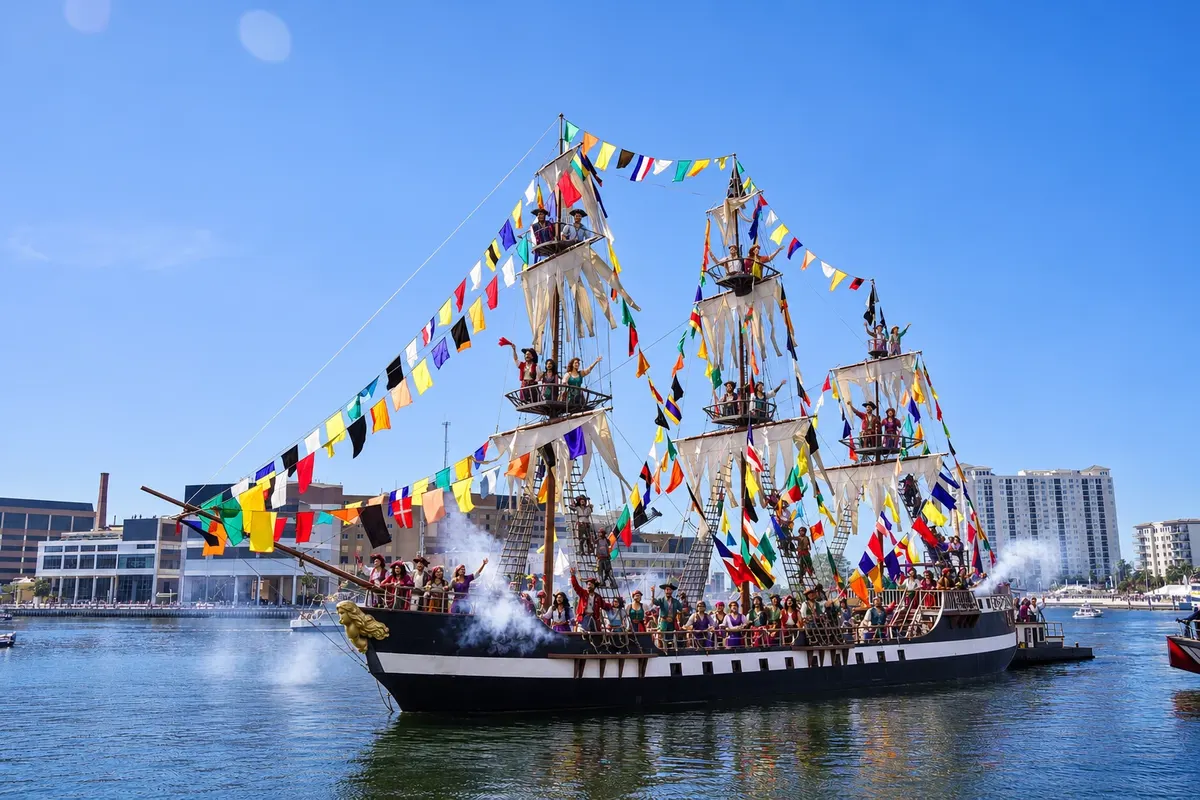
Tampa’s pirate festival in Florida: a pirate ship sails into the bay with hundreds of boats, the pirates take the key to the city and march along Bayshore Boulevard, throwing beaded necklaces to the costumed crowd.
 January
On the morning of January 1; if the 1st falls on a Sunday, the parade is held on Monday, January 2.
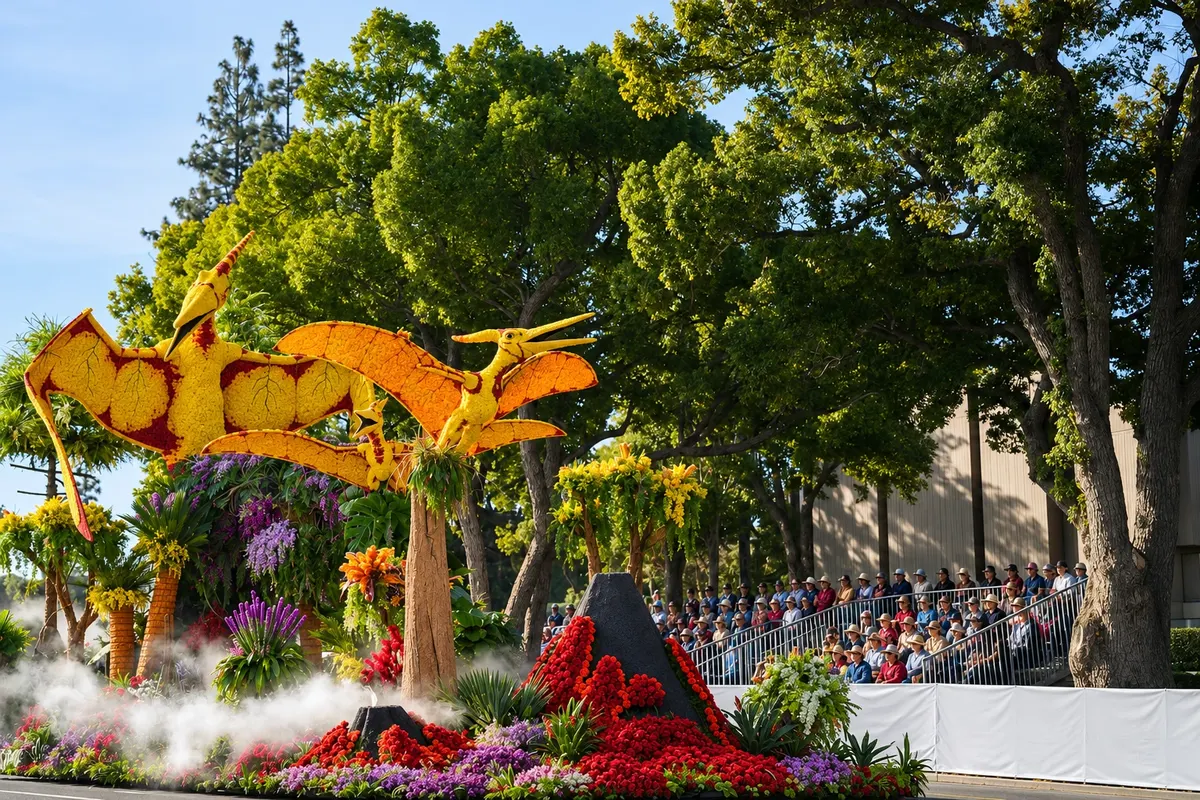
New Year’s Day parade in Pasadena, near Los Angeles, featuring floats completely covered with flowers, seeds and other natural materials, marching bands and mounted units along Colorado Boulevard. On the same day, the Rose Bowl stadium hosts the college football game of the same name.
 April
In April, over two consecutive weekends, Friday through Sunday, with the same lineup both weekends.
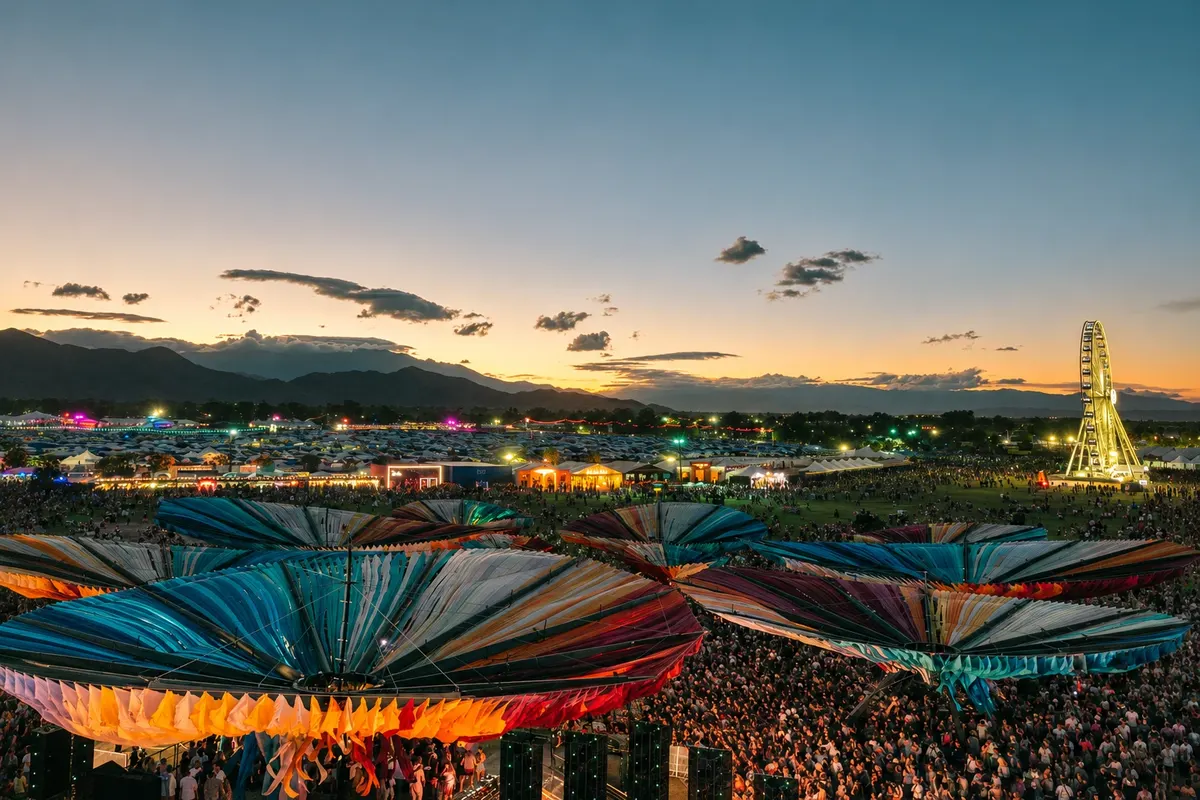
A music and arts festival in the Coachella Valley desert at the Empire Polo Club in Indio, California: two April weekends with stages for rock, pop, hip-hop and electronic music, large art installations, and on‑site camping.
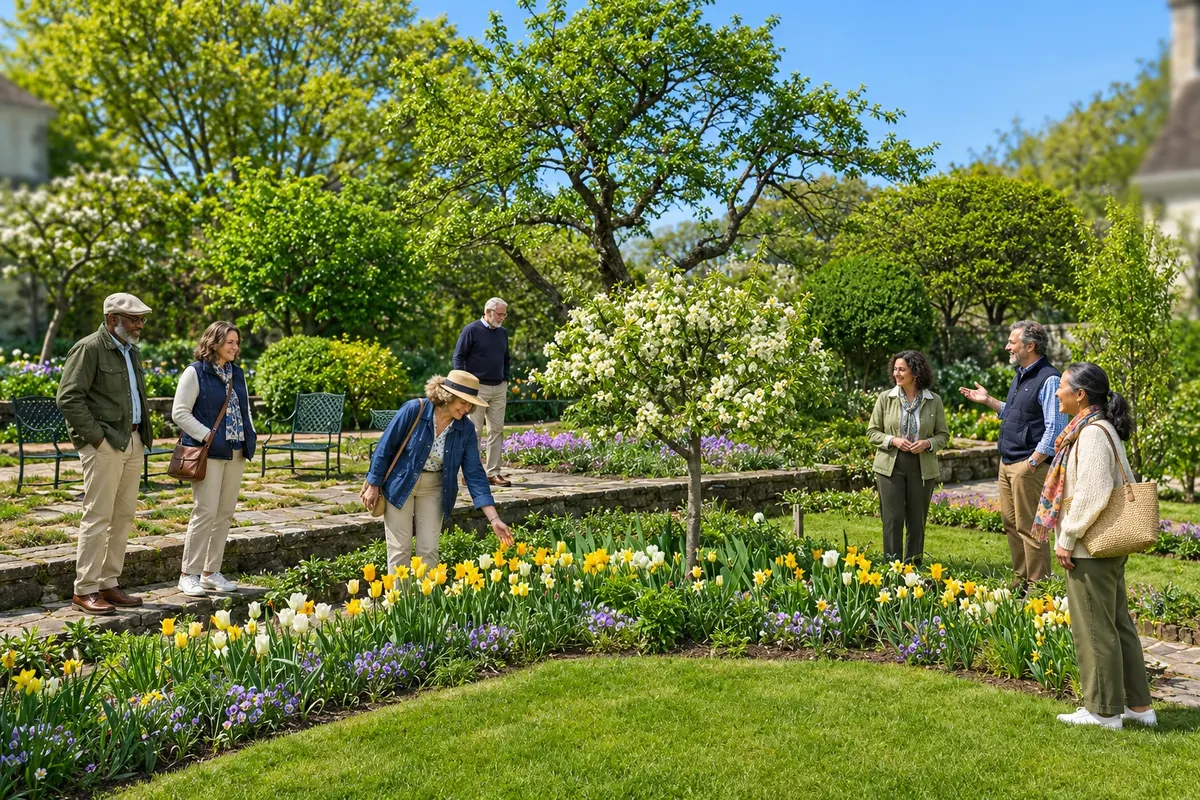 April/May
For eight consecutive days, usually in the second half of April and sometimes into early May; each locality opens its houses and gardens on specific days.
For eight spring days, private homes, gardens and historic properties across Virginia open to the public, decorated with floral arrangements made by garden clubs; proceeds fund the restoration of the state’s historic gardens.
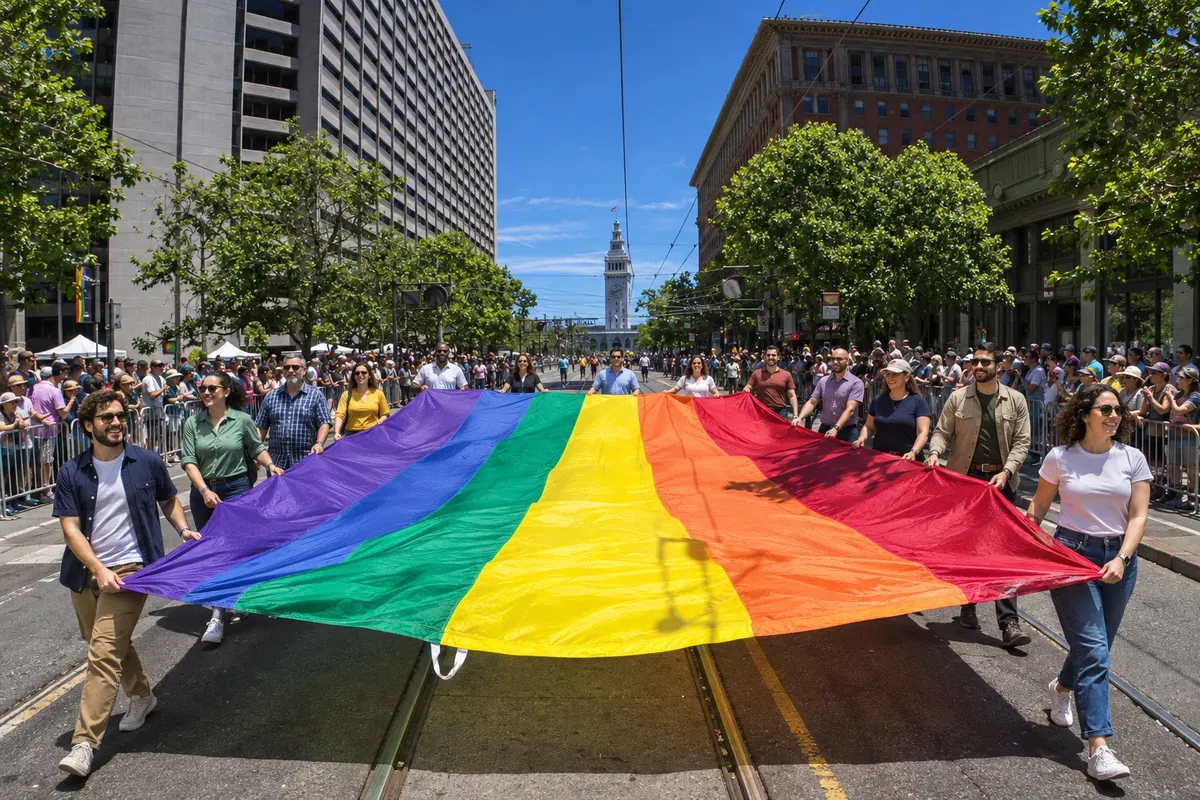 June
On the last full weekend of June; the celebration runs Saturday and Sunday, and the parade takes place on Sunday morning.
One of the world’s largest LGBT+ pride events: on the last weekend of June, San Francisco hosts a festival with stages and booths at Civic Center and, on Sunday morning, a parade along Market Street featuring hundreds of groups from the city.