Barcelona

Popular festival · Barcelona

La Mercè

Barcelona’s main festival, around September 24 in honor of the patron saint, the Virgin of La Mercè: gigantes, castellers, correfocs, concerts in the squares and a fireworks-and-music finale, with events spread across the center and neighborhoods.

In the photo: Barcelona

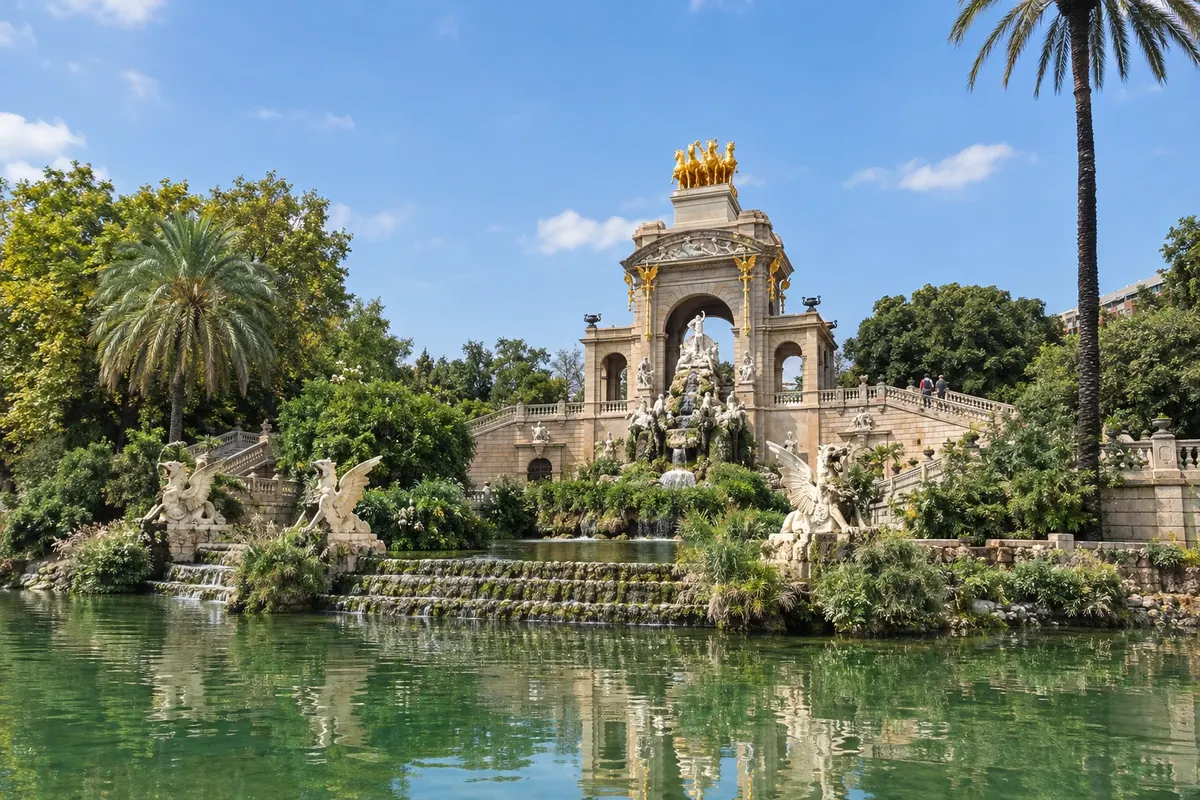
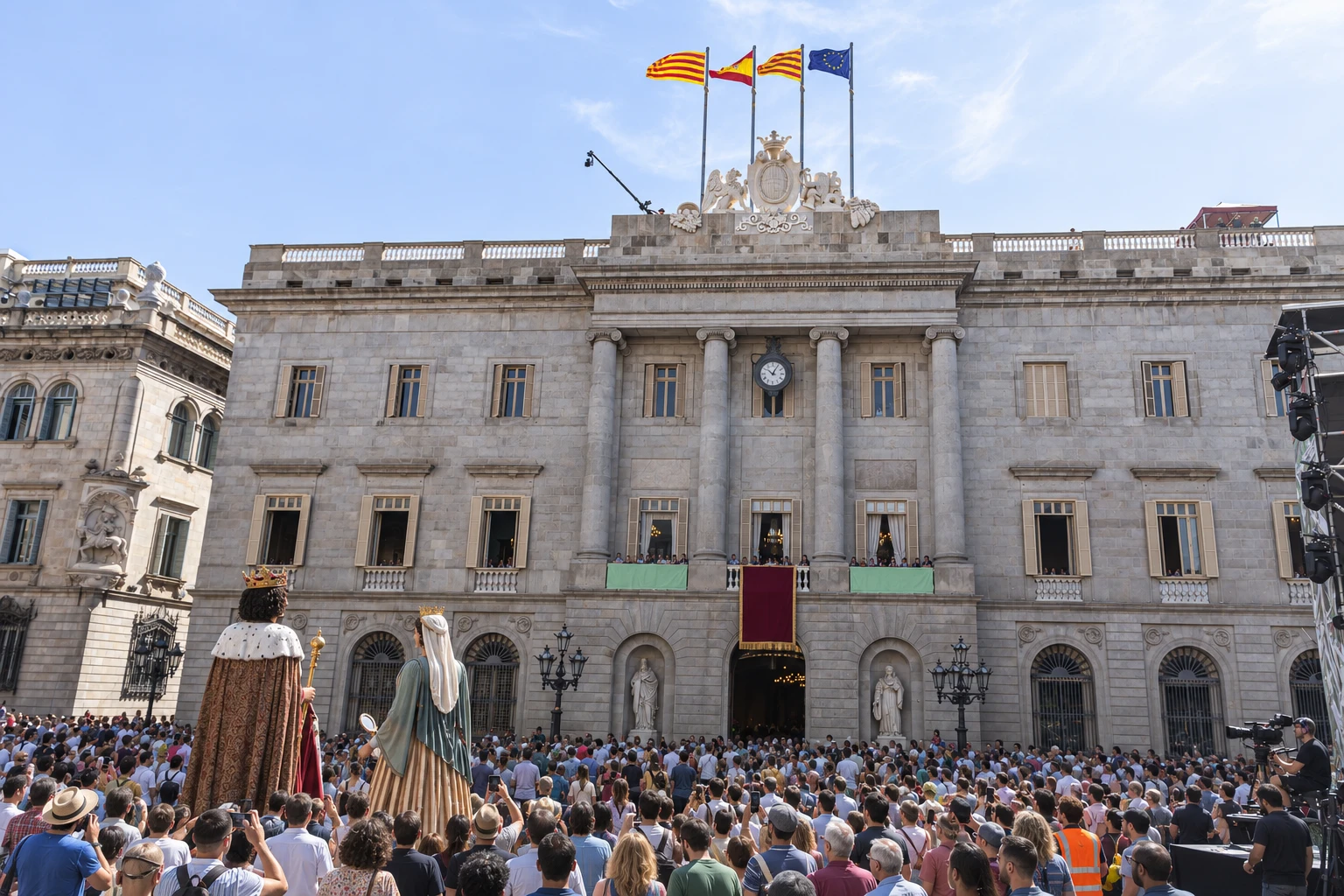
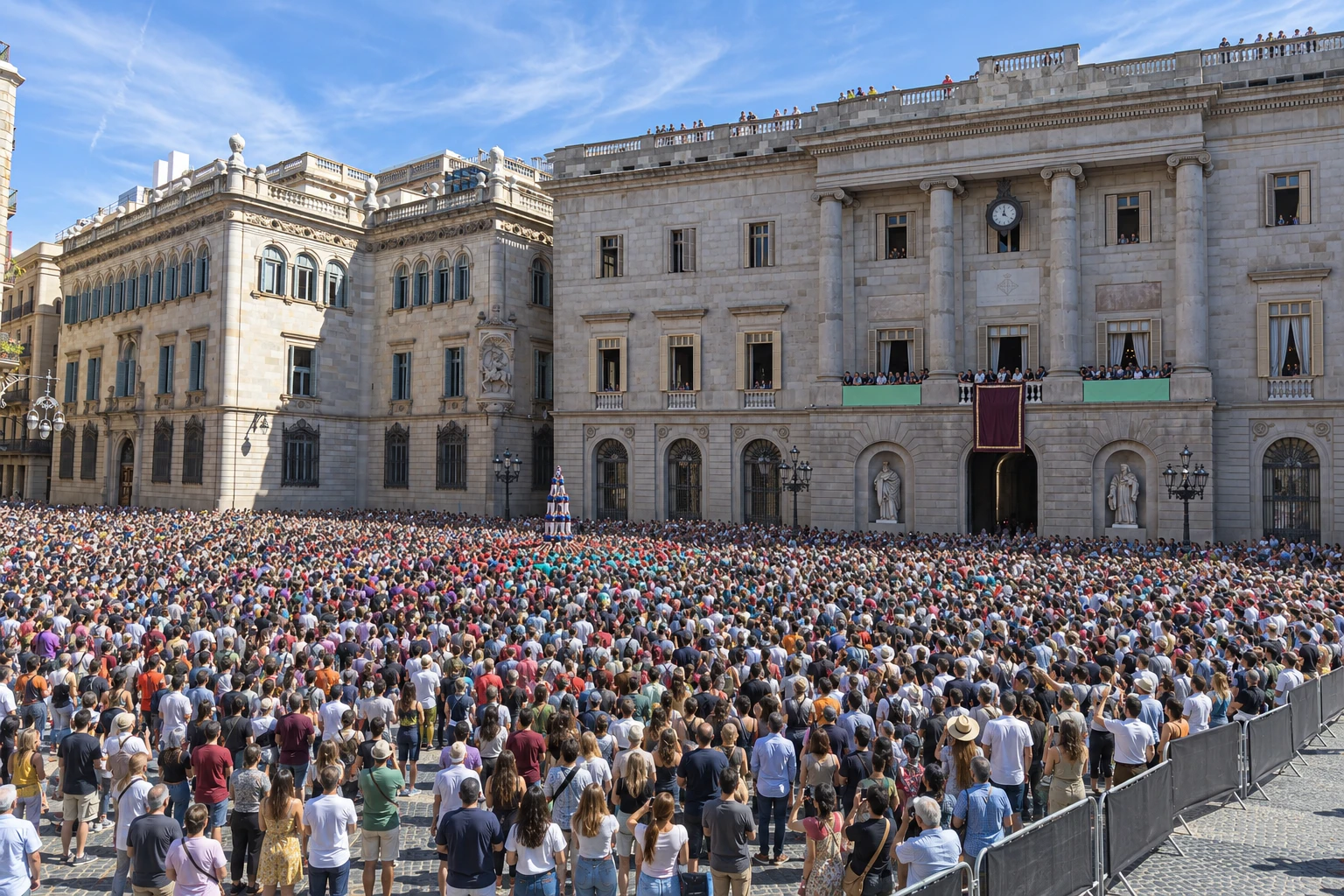
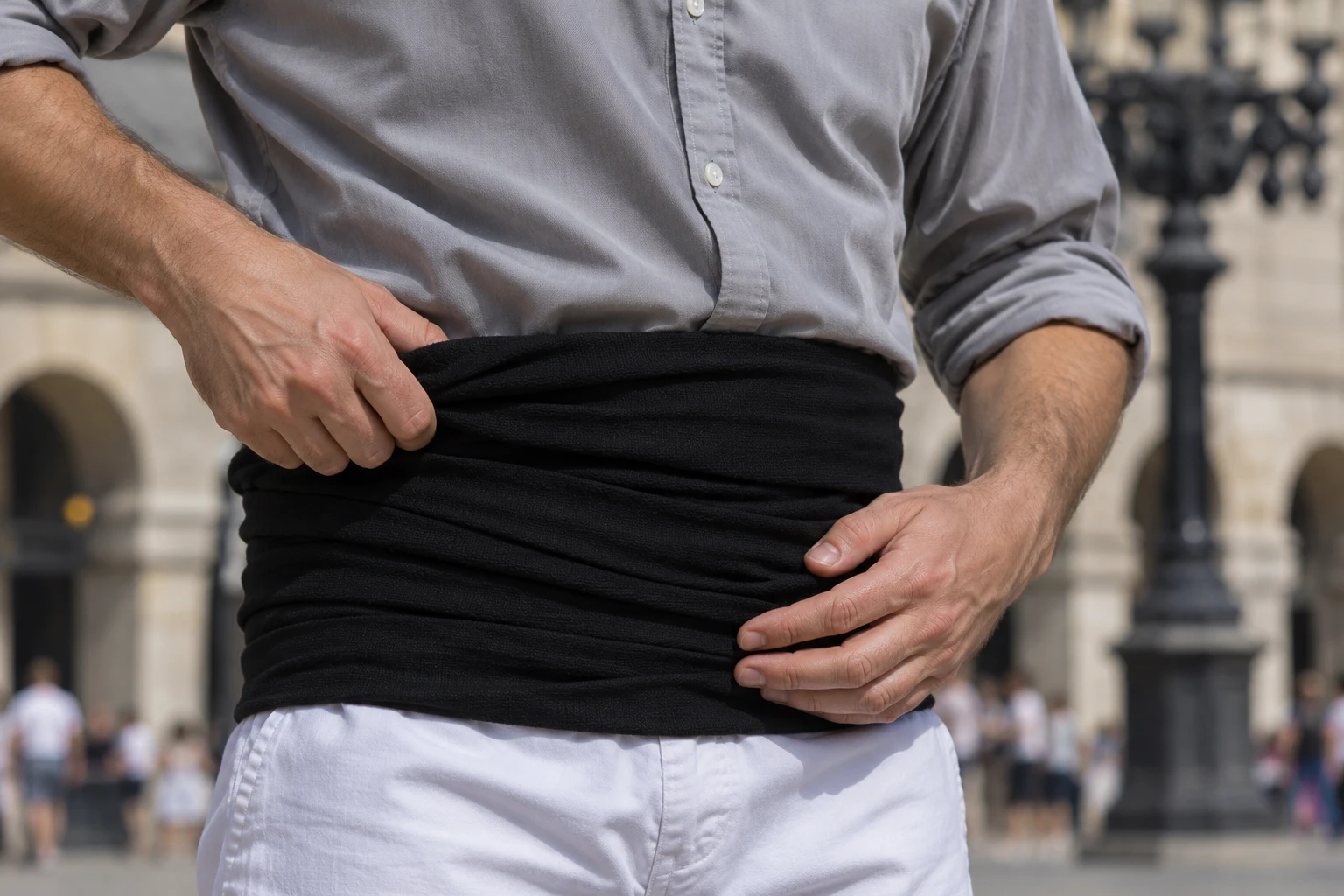
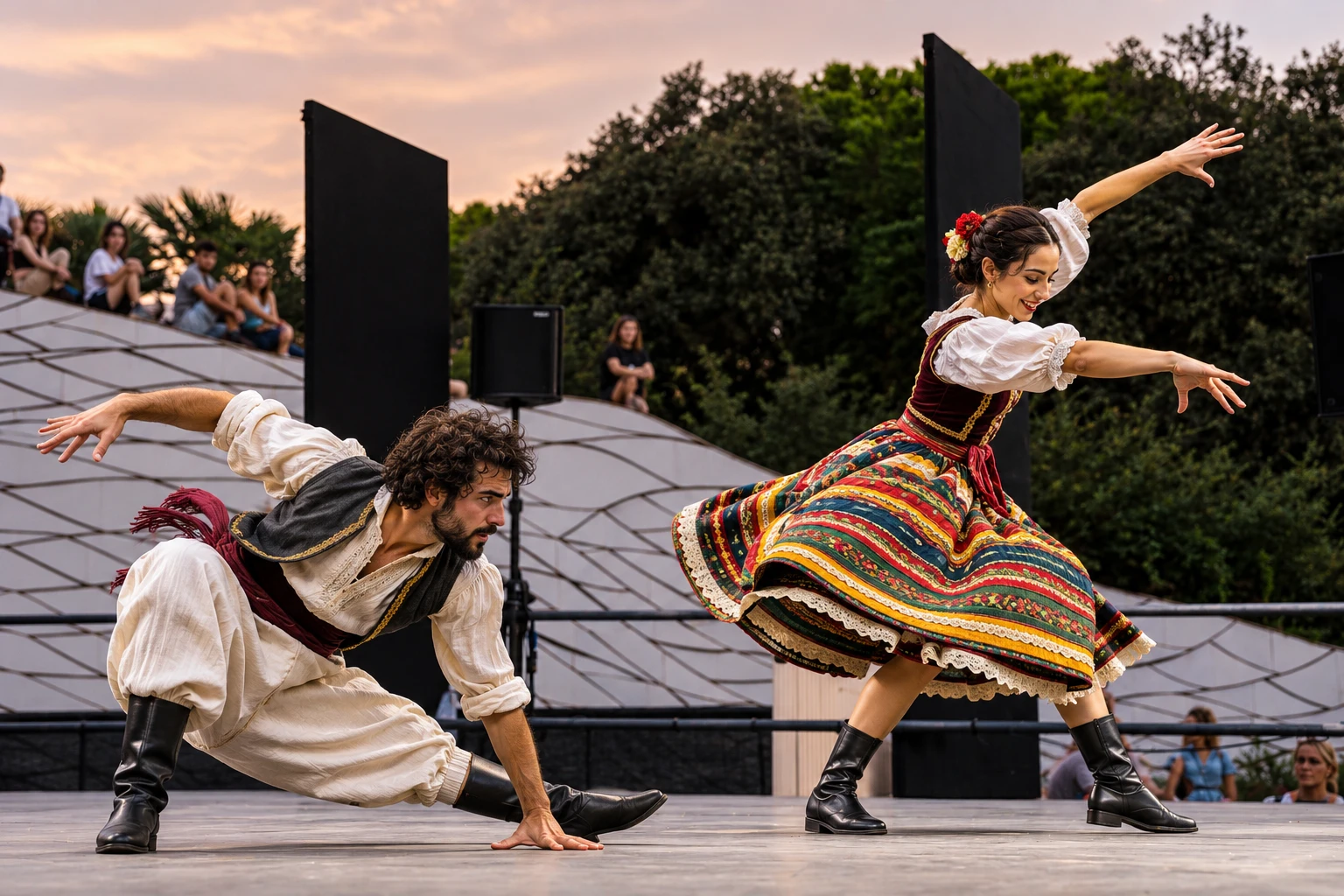
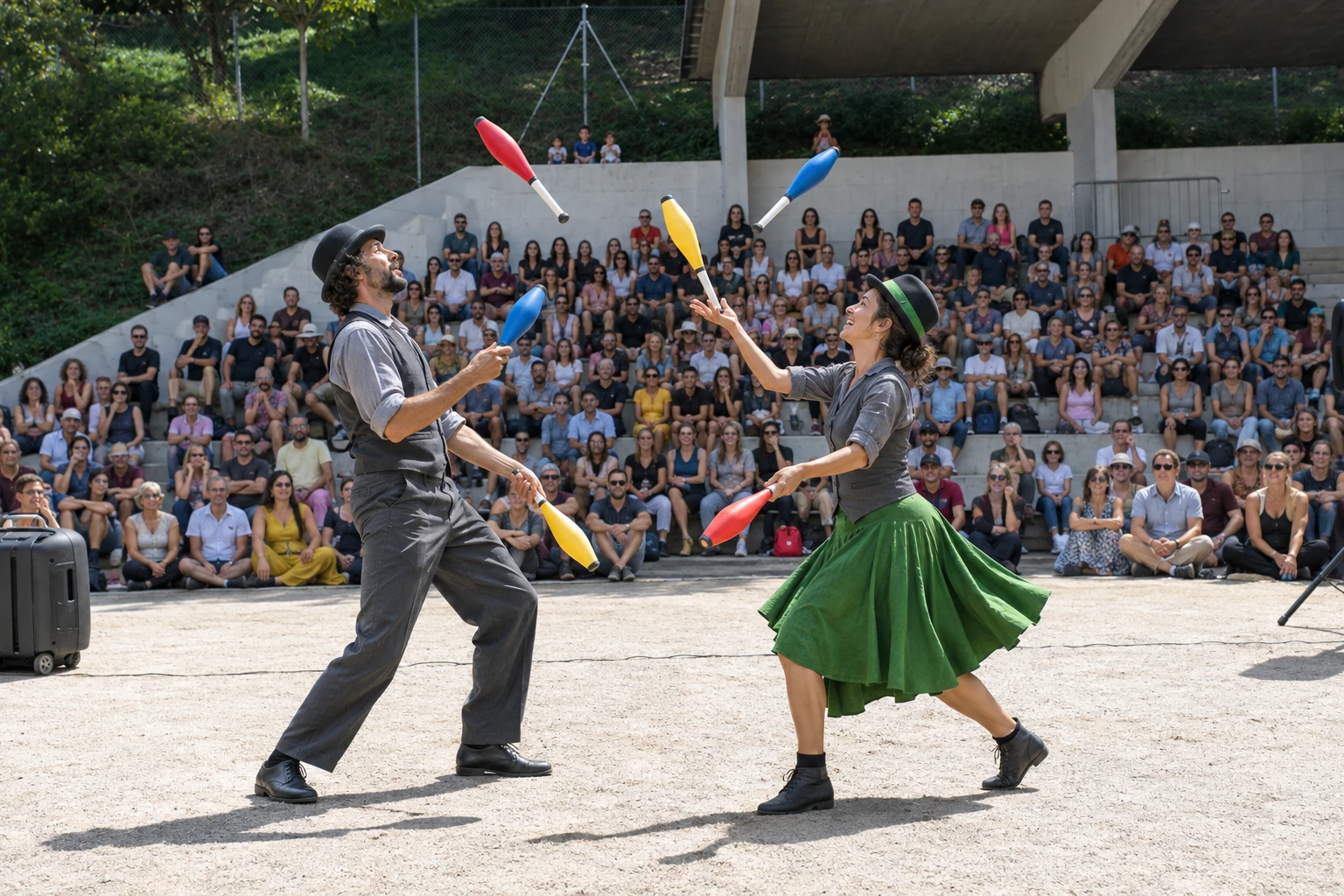
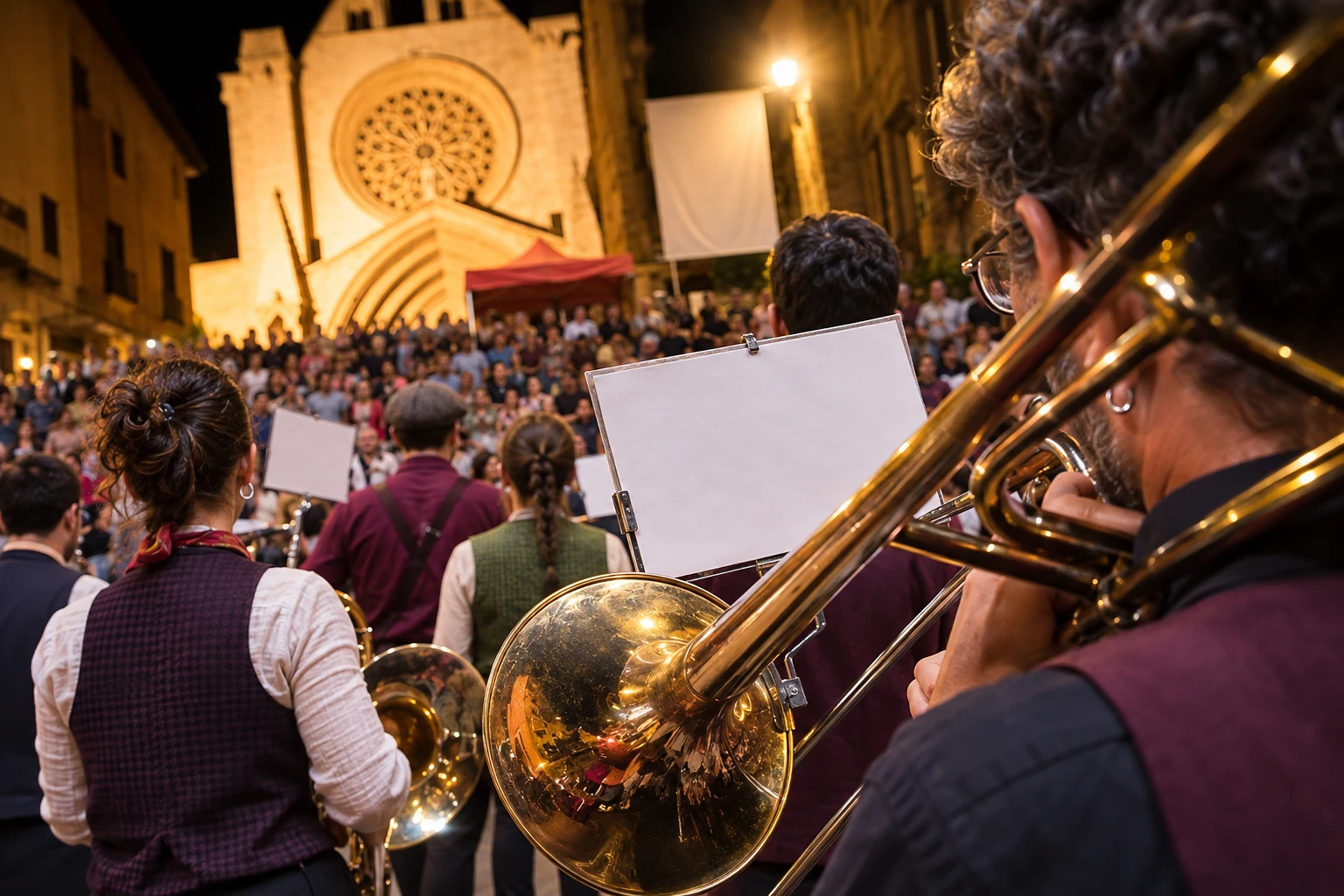
Illustrative images. The pictures in this guide are illustrations based on the real place, not photographs, and may differ from it.

Get it on Google Play

Click a photo to enlarge it.

La Mercè — Barcelona
La Mercè
La Mercè — Barcelona
La Mercè
La Mercè — Barcelona
La Mercè

La Mercè — Barcelona

When

Around September 24, the day of Mare de Déu de la Mercè, patron saint of Barcelona, for about four or five days.

September

Where

Barri Gòtic

Barcelona

Catalunha

Organizer

Official website

Dates, program and tickets

Dates change every year: check this year's date before you travel.

The festival

What is La Mercè

La Mercè is Barcelona’s biggest festival. Around September 24, the day of Mare de Déu de la Mercè, the Virgin of Mercy and patron saint of the city, Barcelona devotes several days to an intense program of Catalan popular culture, music and street performances. Most events are free to the public and take place in squares, parks and avenues, from the old town to the waterfront.

Devotion to the Virgin of La Mercè is longstanding in the city and is linked to the Mercedarian order, founded in Barcelona in the 13th century to redeem captives. According to tradition, at the end of the 17th century, after a locust plague, the city chose her as patron saint, and the religious celebration gradually gained an increasingly large civic program until it became the citywide festival. The basilica of La Mercè, near the port, houses the image of the patron saint.

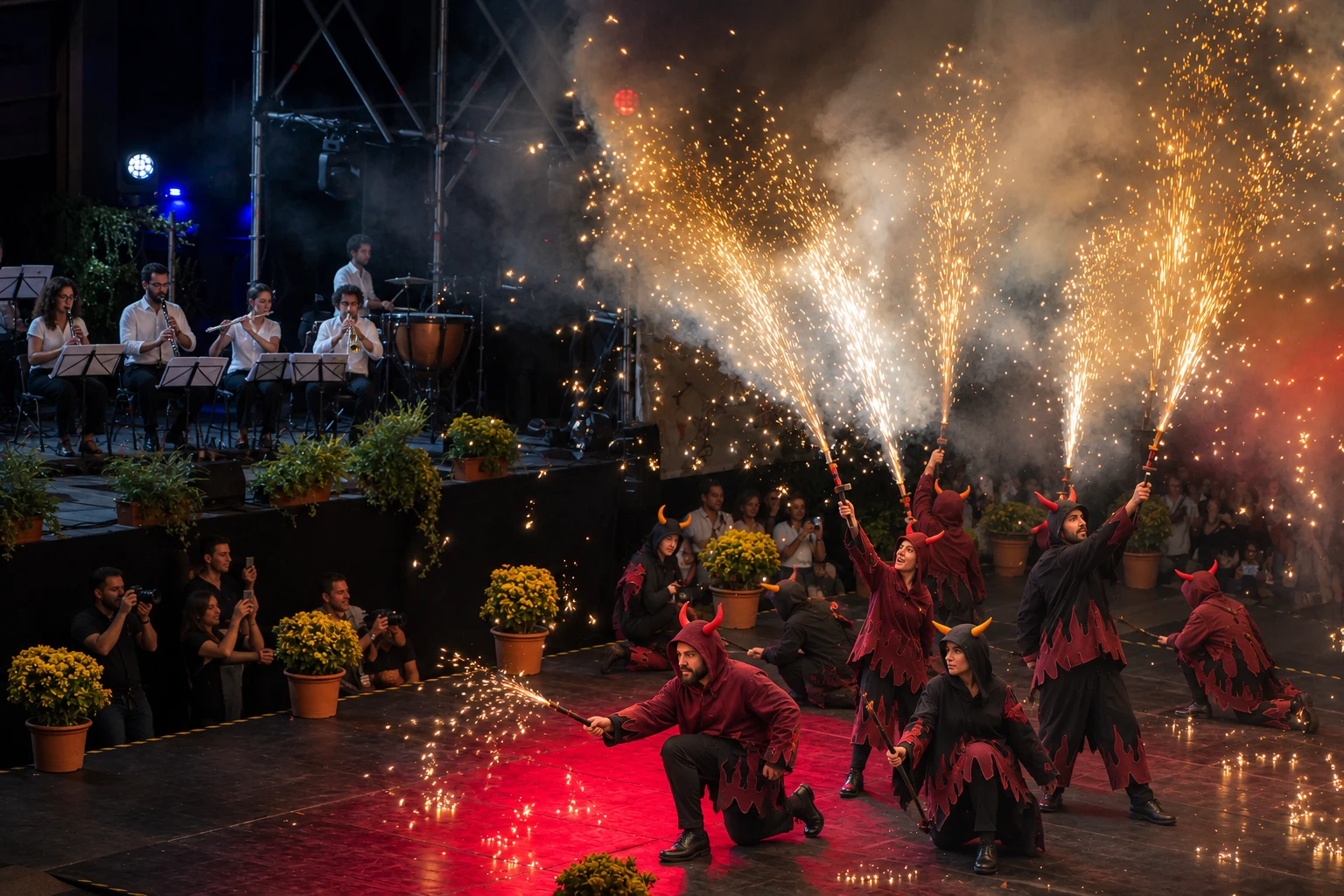
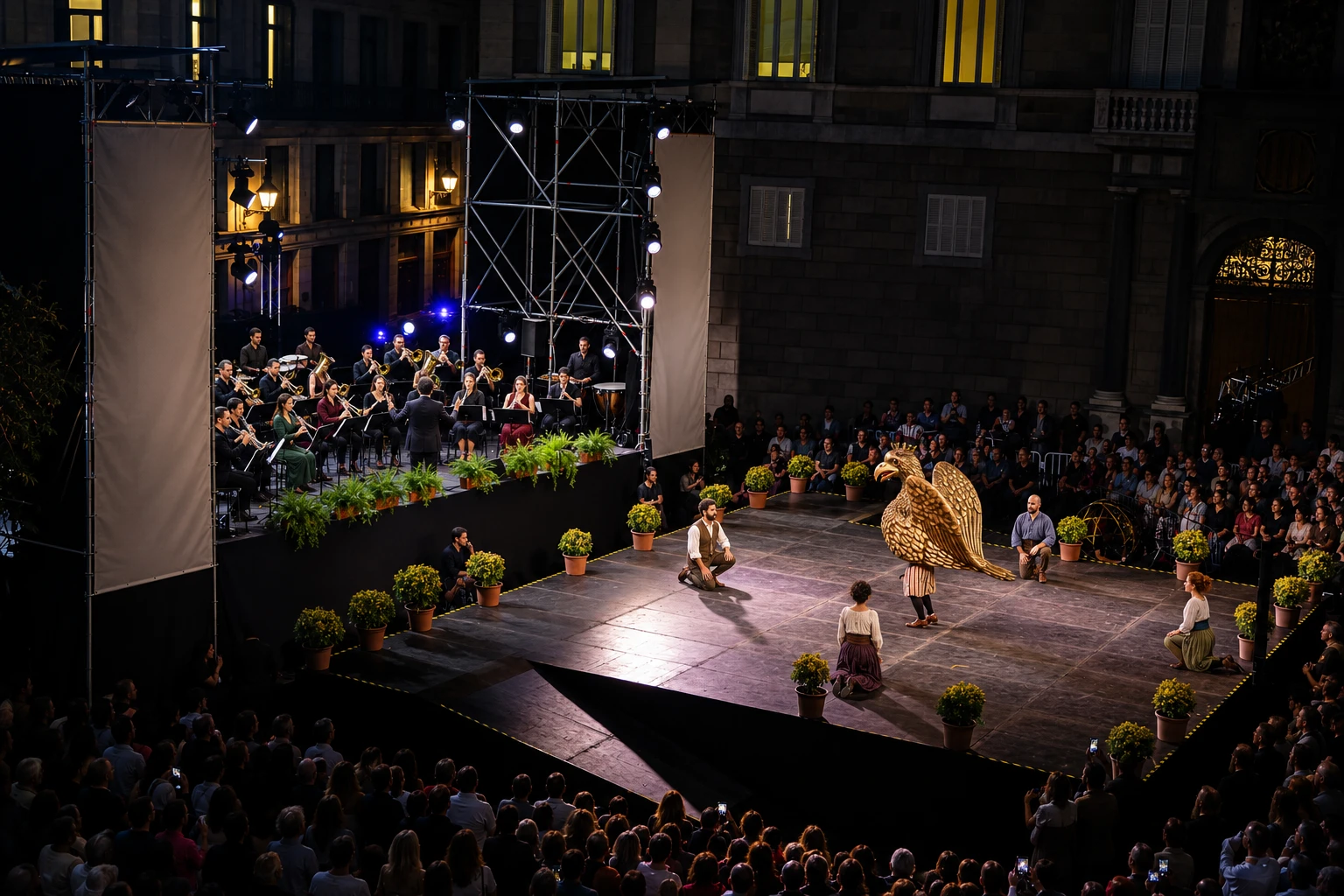
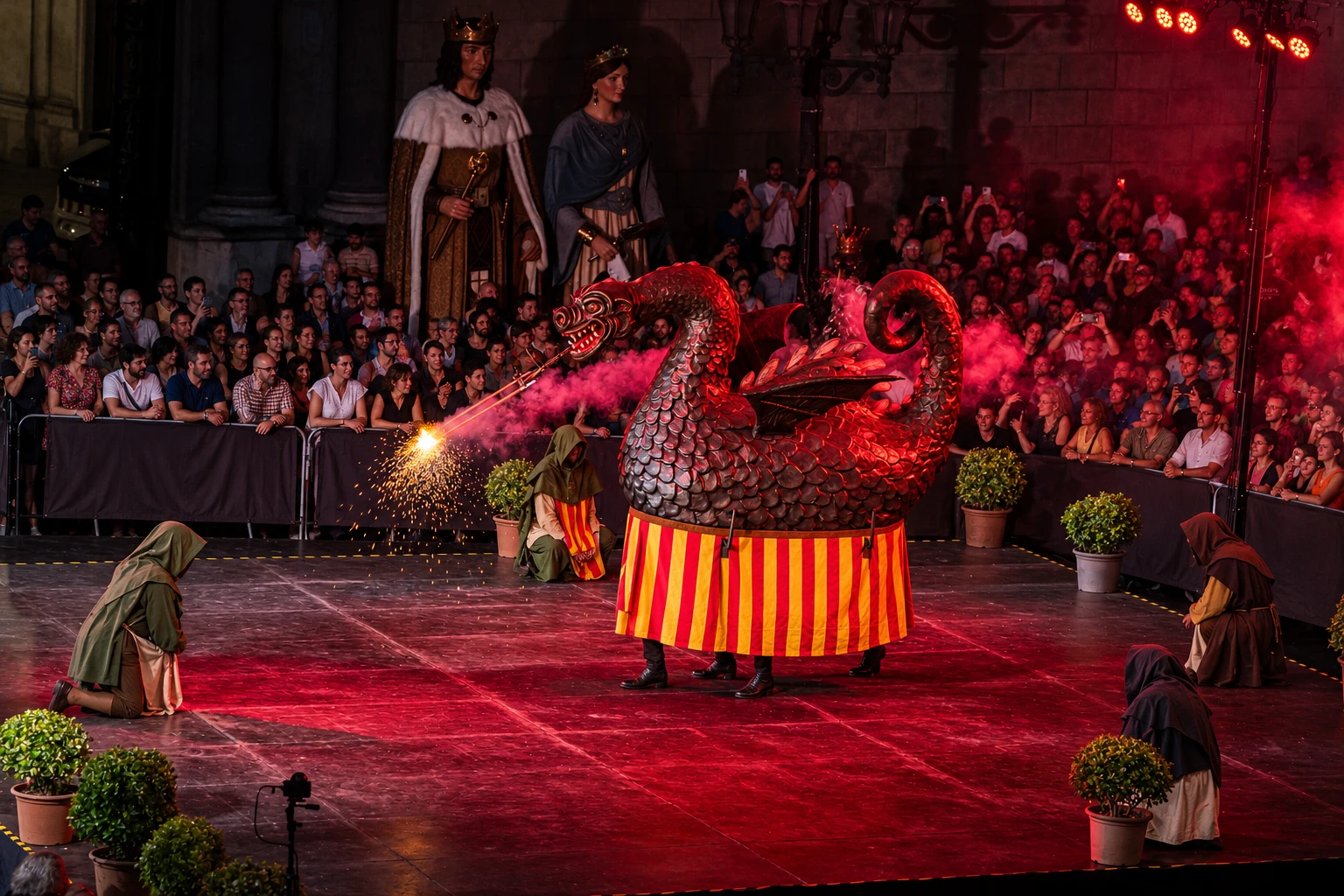
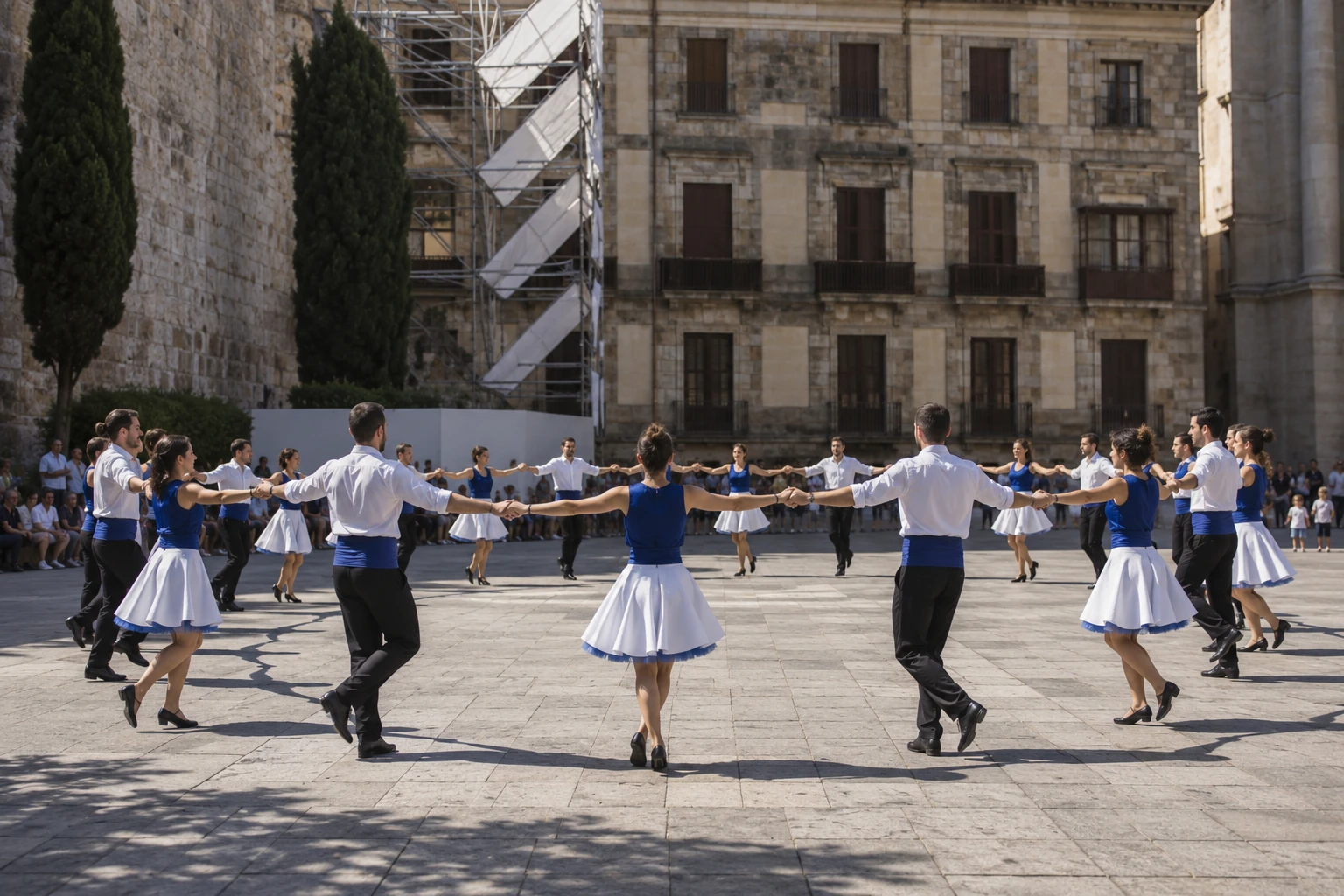
Catalan popular culture is at the heart of the program. The city’s festive procession, with the gigantes, the eagle, cabezudos and fire figures, parades through the center, and colles from other towns in Catalonia also participate. On the 24th, Plaça de Sant Jaume, in front of City Hall and the Catalan government palace, hosts the Mercè’s diada castellera, where casteller groups build multi-level human towers. There are sardana circles and demonstrations of traditional dances, and fire plays a central role: the correfoc, in which figures of devils and dragons move through the streets scattering sparks to the beat of drums, is one of the most popular events.

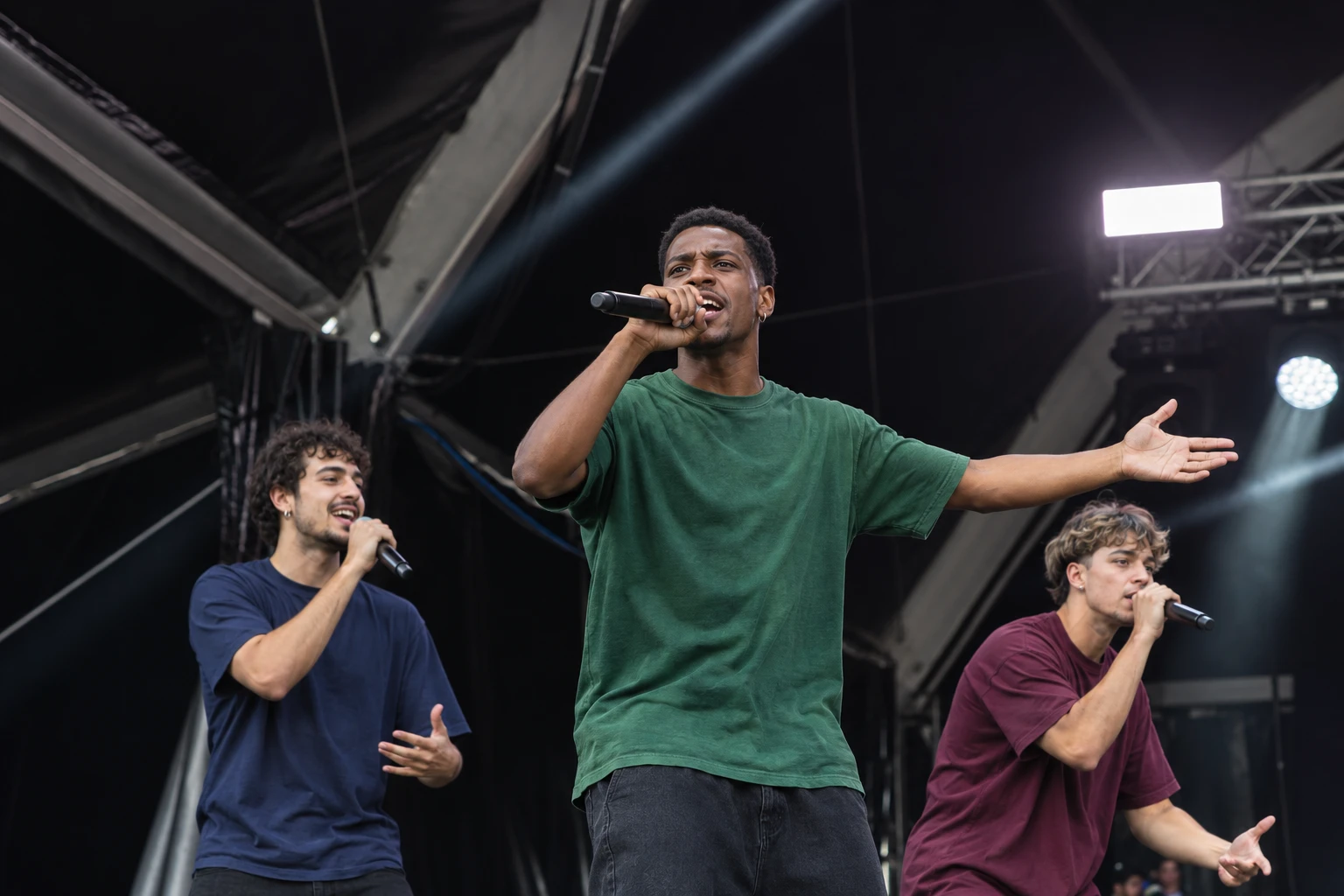
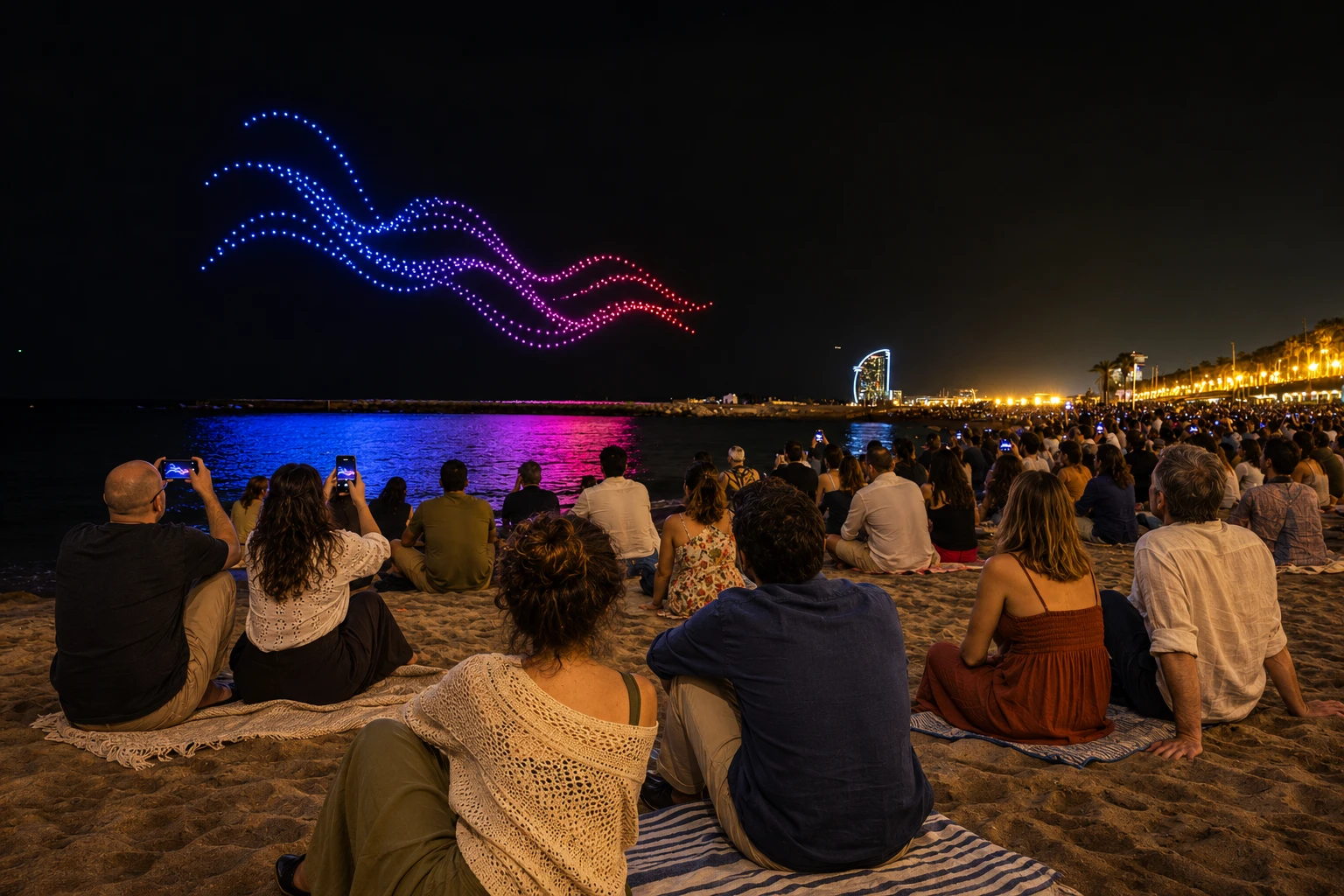
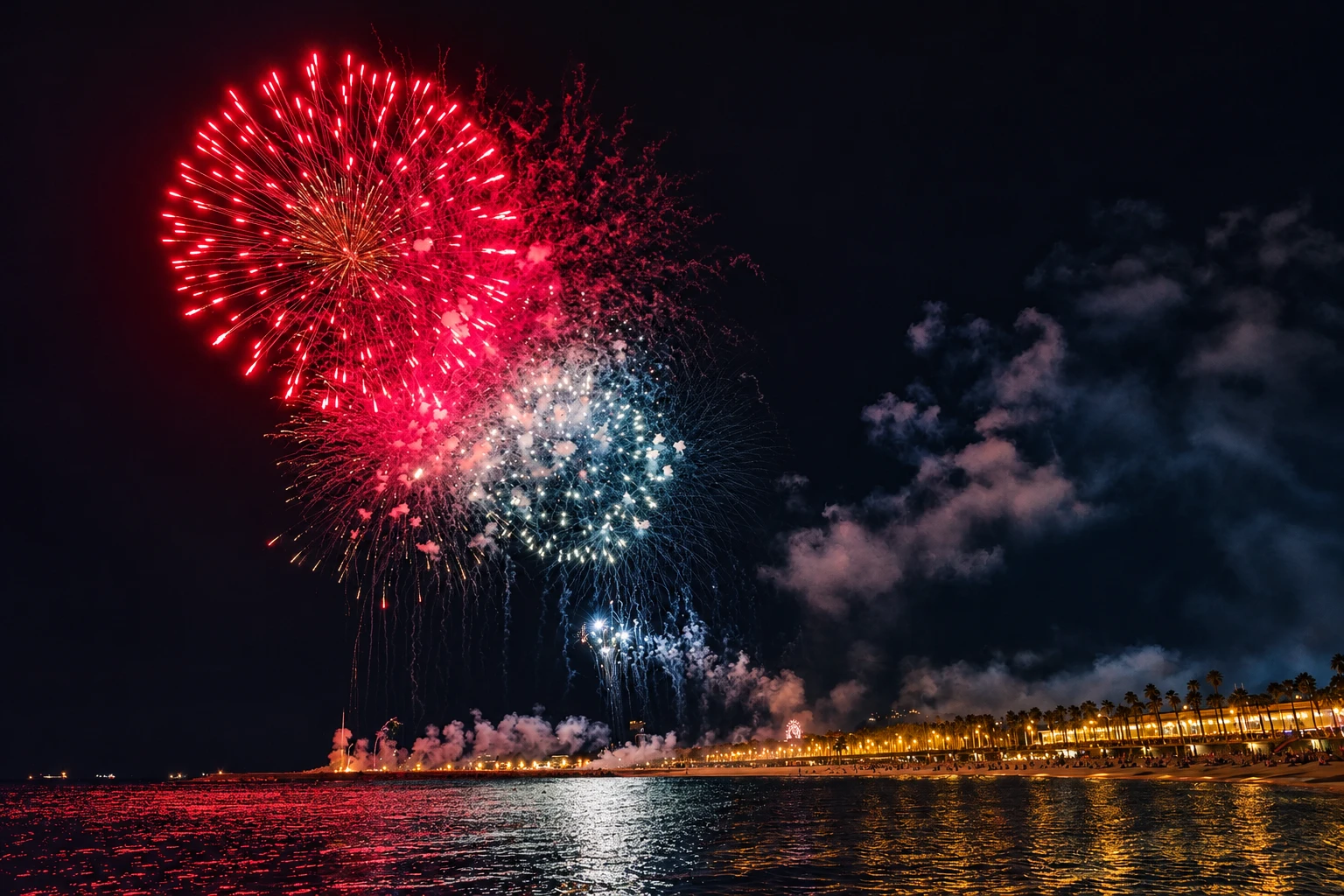
Music fills the city. Concerts by local and international artists take place on stages in squares and parks, and the Mercè music festival brings new proposals to various points around the city. Each year, a guest city brings its culture and music to the program. There are also street art performances, activities for children, open days at museums and municipal buildings, and scheduled light shows. The closing event is a pyromusical, a fireworks display synchronized with music.

For visitors arriving in Barcelona in late September, La Mercè shows the city celebrating its traditions, with human towers, gigantes and fire in the streets of the Barri Gòtic, and offers a chance to enjoy an outdoor program in a month with still-mild weather.


Share: WhatsApp

What not to miss

The diada castellera on September 24 at Plaça de Sant Jaume, with human towers in front of City Hall. The festive procession with the gigantes, the eagle and the fire figures through the streets of the center. The correfoc through the center streets, amid drums and sparks. Sardanas danced in a circle in the squares of the Barri Gòtic. Outdoor concerts in the city’s squares and parks. The guest city’s program for the year. A visit to the basilica of La Mercè, where the patron saint’s image is kept. The pyromusical that closes the festival.

How to enjoy it

The official program, published a few days beforehand, lists times and locations for each event; many occur simultaneously at different points, so choose the main ones and move around the center by metro or on foot. For the diada castellera, arrive at Plaça de Sant Jaume very early; the square fills quickly. Concerts and street shows are open to the public, while some events in indoor venues require prior collection of a free ticket. September 24 is a public holiday in Barcelona, and some shops close. In late September the heat eases and nights are pleasant; bring water and lightweight clothing.

Plan ahead

In September Barcelona still receives many tourists, and hotels in the Eixample and Ciutat Vella fill during the festival week; book early. Most events do not require tickets. The official Mercè website publishes the annual schedule, including the guest city, concerts and the location of the pyromusical.

In the city

Make the most of Barcelona

September

Around the same time

Your questions

Questions about La Mercè

When is La Mercè in Barcelona?

Around September 24, the day of the city’s patron saint, the Virgin of La Mercè, lasting about four or five days. The city council publishes the exact program each year a few days beforehand.

Where can I see the castellers at the Mercè?

At Plaça de Sant Jaume, in front of City Hall, where casteller groups build human towers on September 24. The square fills early.

What is the Mercè correfoc?

It’s a parade of devils and dragons that goes through the streets throwing sparks from fireworks to the sound of drums, a tradition of Catalan popular culture and one of the festival’s most attended acts.

Is the Mercè program open to the public?

Yes, almost entirely. Concerts, parades, castells, correfoc and street performances take place in the city’s squares, parks and streets without tickets; some indoor events require prior collection of an invitation.

Festivals and events in Spain

Other festivals

Tamborrada of San Sebastián January
Popular festival · San Sebastián

Tamborrada of San Sebastián

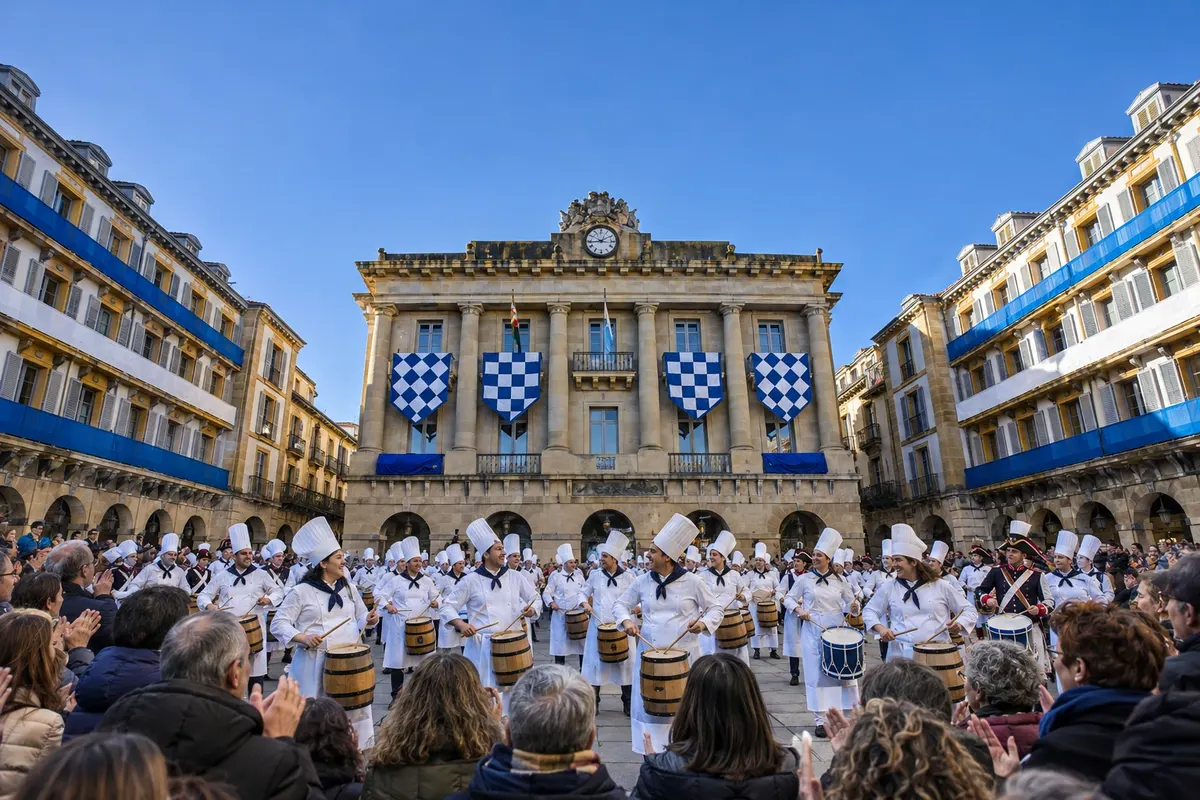
On January 20, the feast day of Saint Sebastian, the city's patron: the celebration begins at midnight between January 19 and 20 and ends at the following midnight.

For 24 hours on January 20, San Sebastián, in the Basque Country, honors its patron saint to the sound of drums and barrels: uniformed companies parade through the city playing the marches of Raimundo Sarriegi, from the raising of the flag in Plaza de la Constitución until the lowering in the same square.

Carnival of Santa Cruz de Tenerife February/March
Popular festival · Santa Cruz de Tenerife

Carnival of Santa Cruz de Tenerife

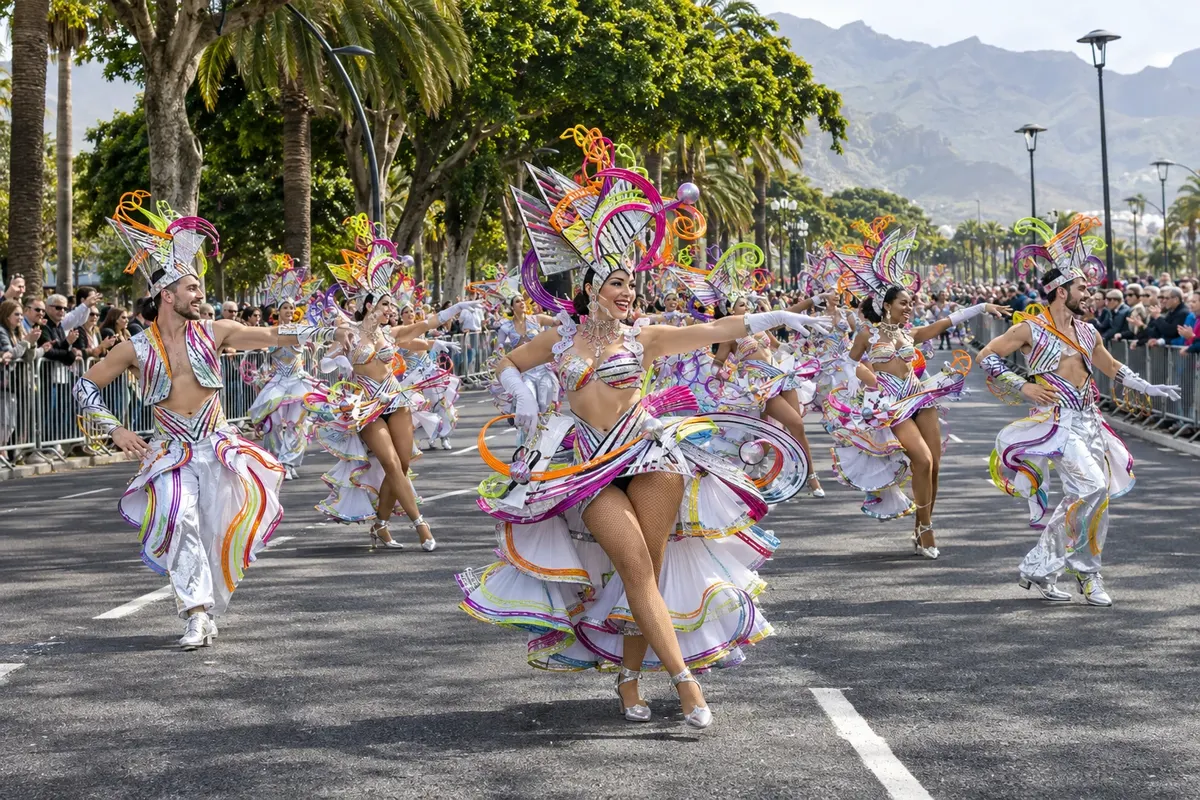
At the end of winter, between February and March, following the movable Carnival calendar: the contests and the queen’s gala take place in the preceding weeks, and the streets celebrate from the opening cavalcade until the weekend after Ash Wednesday.

The capital of Tenerife’s Carnival, in the Canary Islands, with a monumental fantasy queen, murgas, comparsas and rondallas, the big Coso parade on Carnival Tuesday and balls that fill the squares and avenues of the center until dawn.

Holy Week in Seville March/April
Religious festival · Seville

Holy Week in Seville

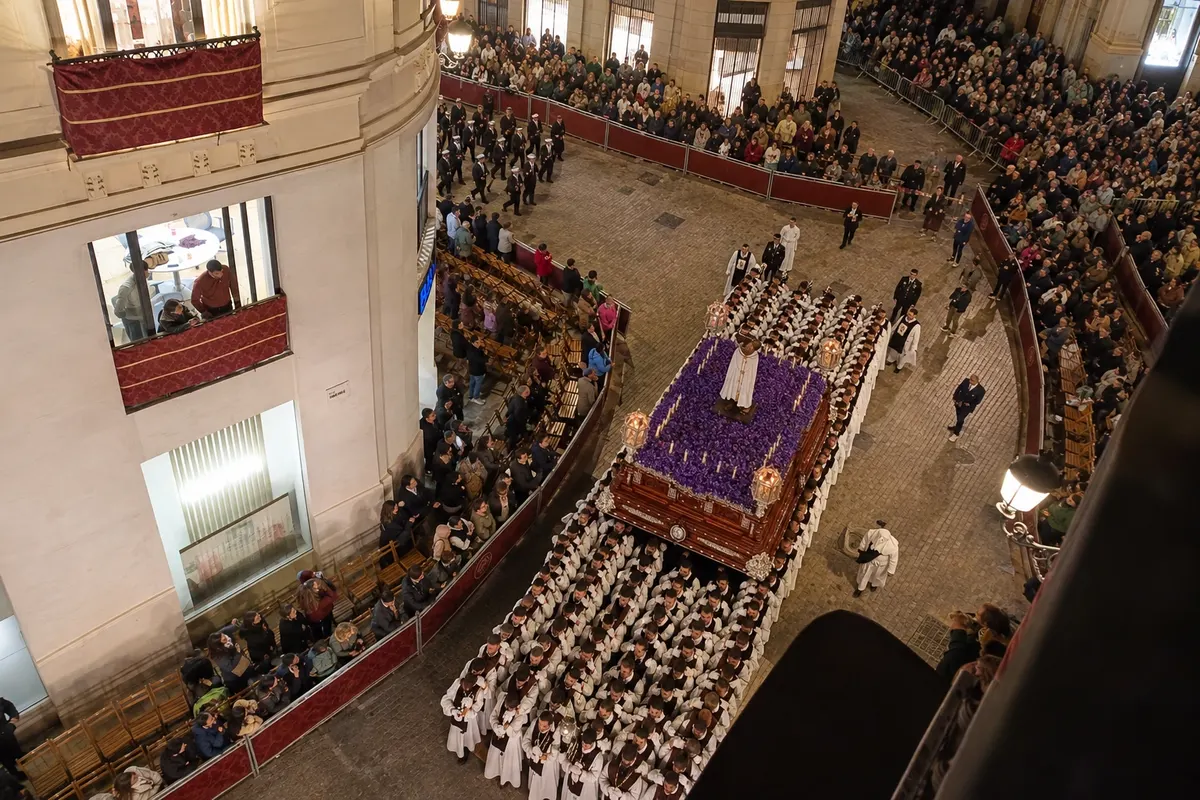
From Palm Sunday to Easter Sunday, in March or April depending on the date of Easter; smaller processions begin on the previous Friday, Friday of Sorrows.

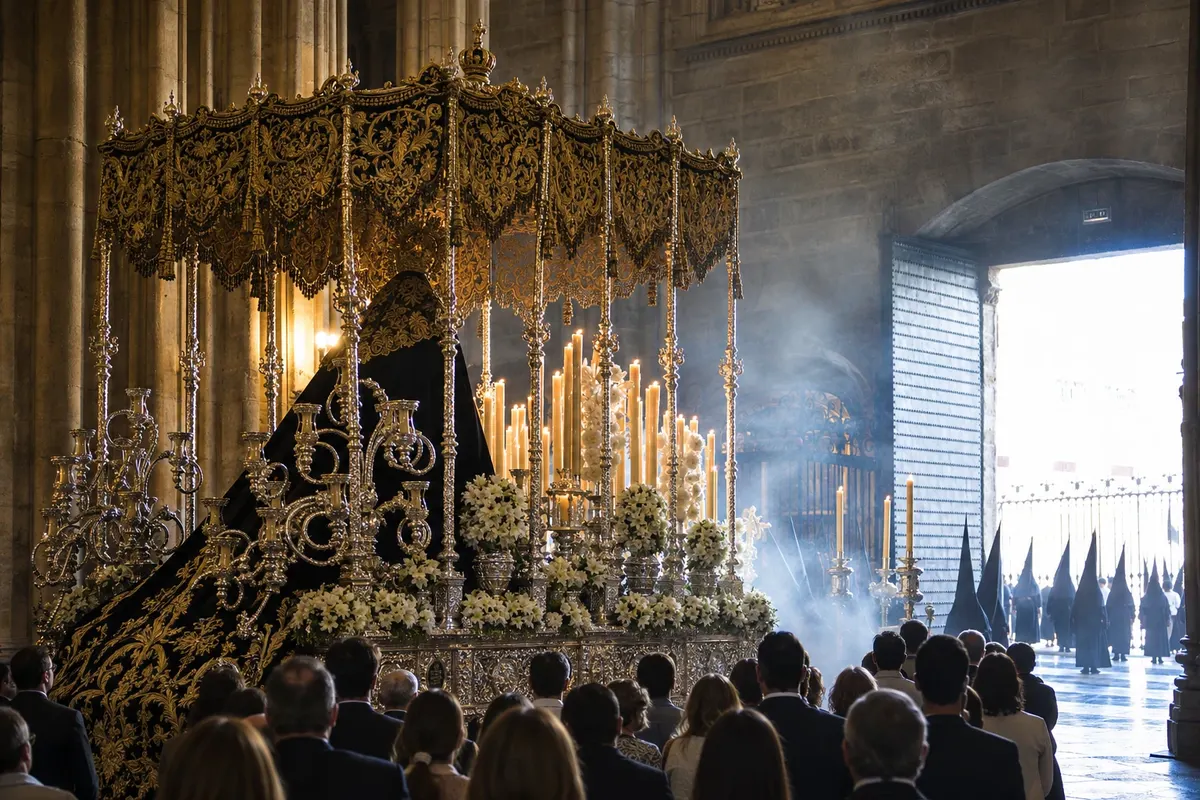
During Holy Week, the brotherhoods of Seville, the capital of Andalusia, carry images of Christ and the Virgin through the streets on gilded floats carried by costaleros and followed by long lines of penitents, on routes that pass by the cathedral day and night, until the early hours of Good Friday.

Seville April Fair April/May
Popular festival · Seville

Seville April Fair

In April or May, one or two weeks after Holy Week, depending on the date of Easter; it lasts about a week, from the night of the pescaíto and the alumbrao until the fireworks on the last night.

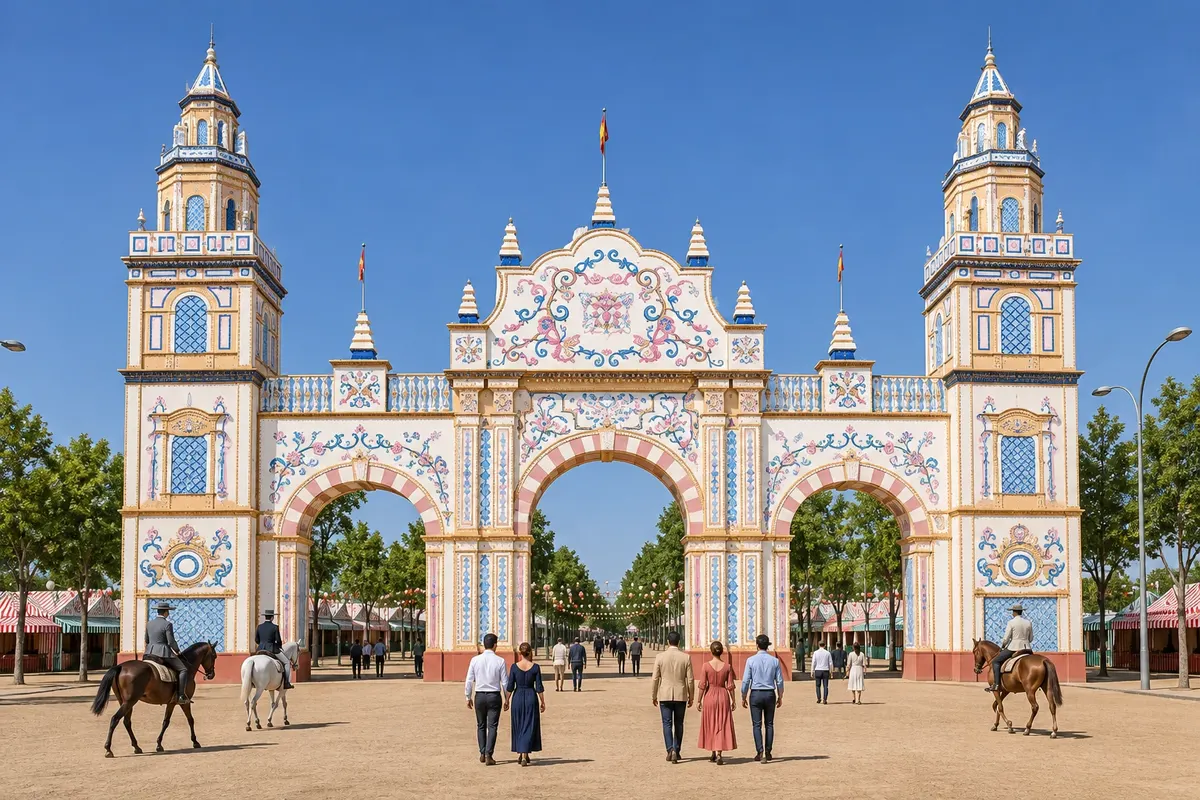
A weeklong party in Seville’s fairground, between Los Remedios and the Guadalquivir: streets of decorated casetas with lanterns, a noon parade of horses and carriages, flamenco-style dresses, sevillanas danced until the early hours, and the amusement park on the Calle del Infierno.

See the full calendar