San Sebastián

Culture · San Sebastián

San Sebastián Film Festival

One of Europe’s major film festivals, held in San Sebastián in the Basque Country: for nine days in September, the auditoriums at the Kursaal, the Victoria Eugenia Theatre and other city cinemas screen premieres and films competing for the Golden Shell, with screenings open to the public.

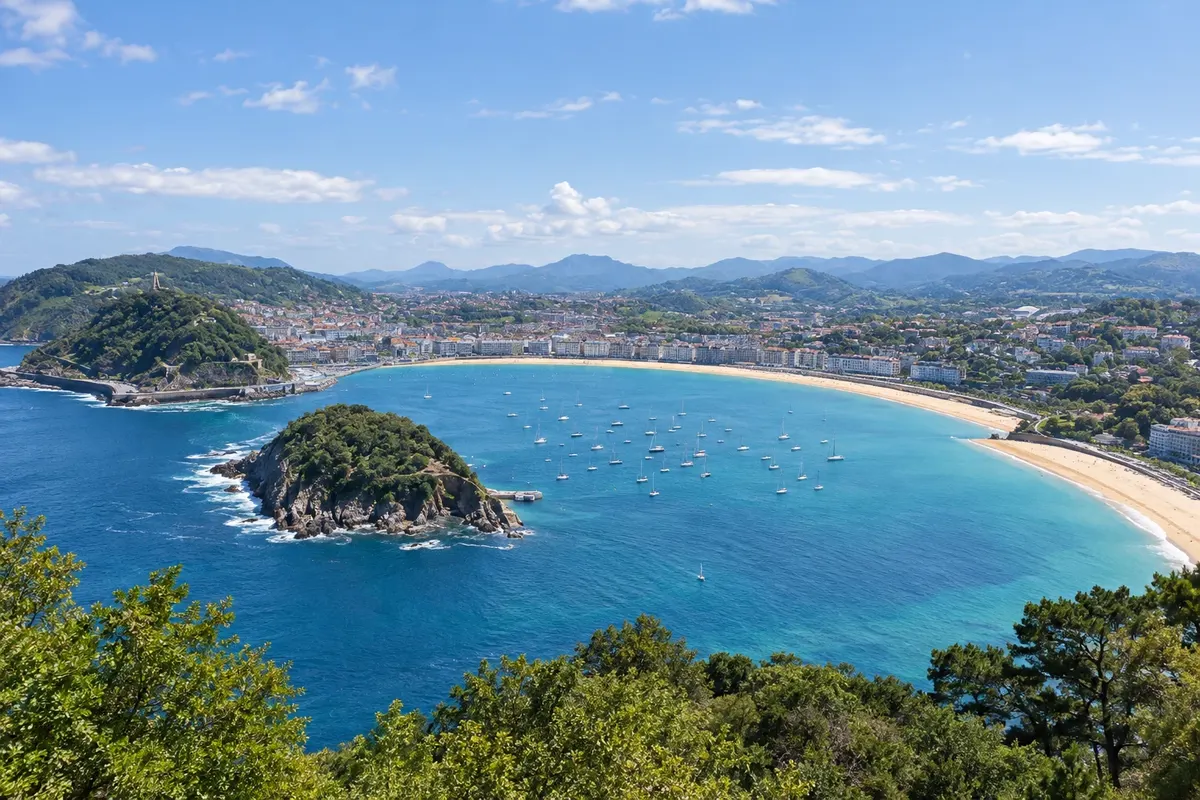
In the photo: San Sebastián

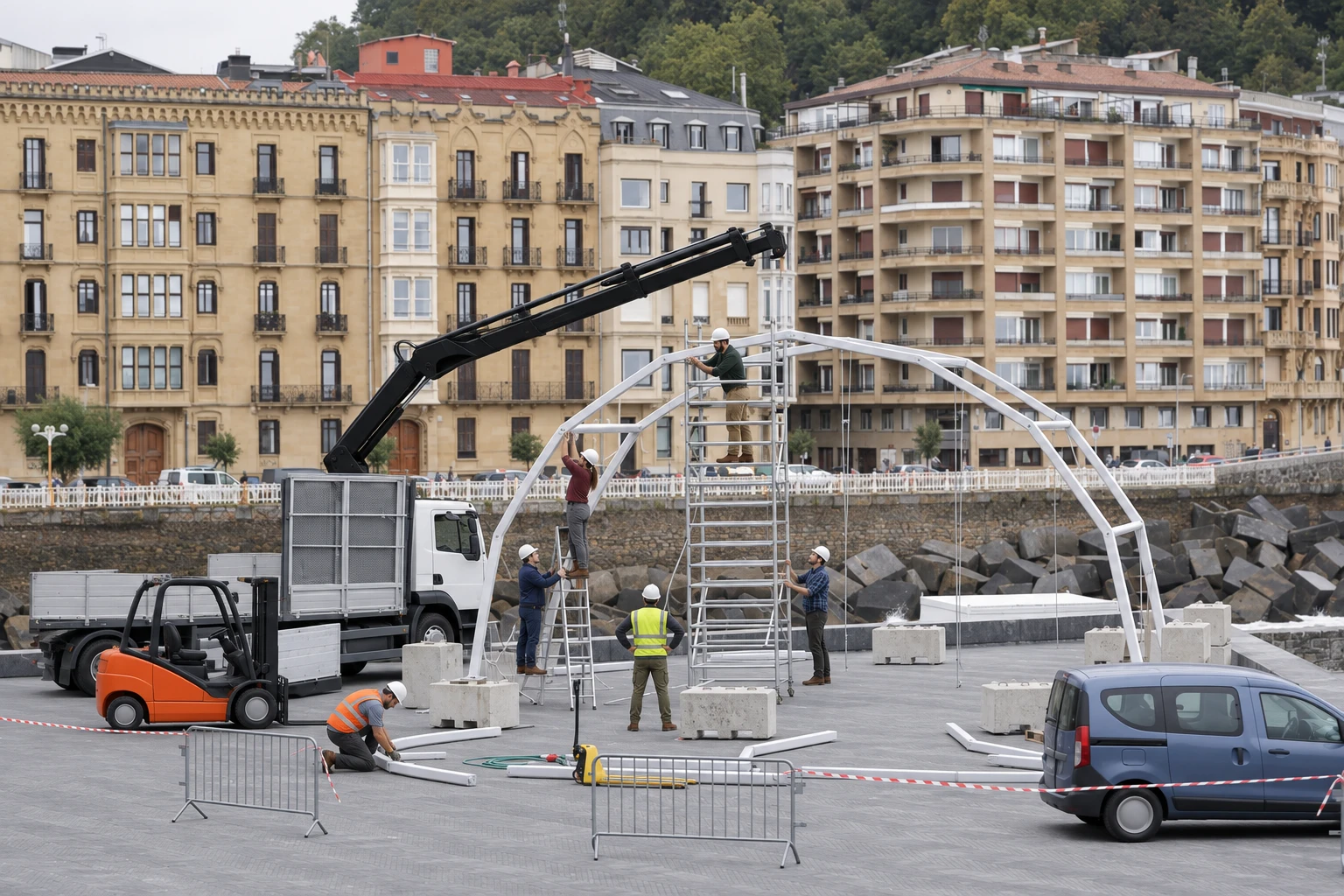
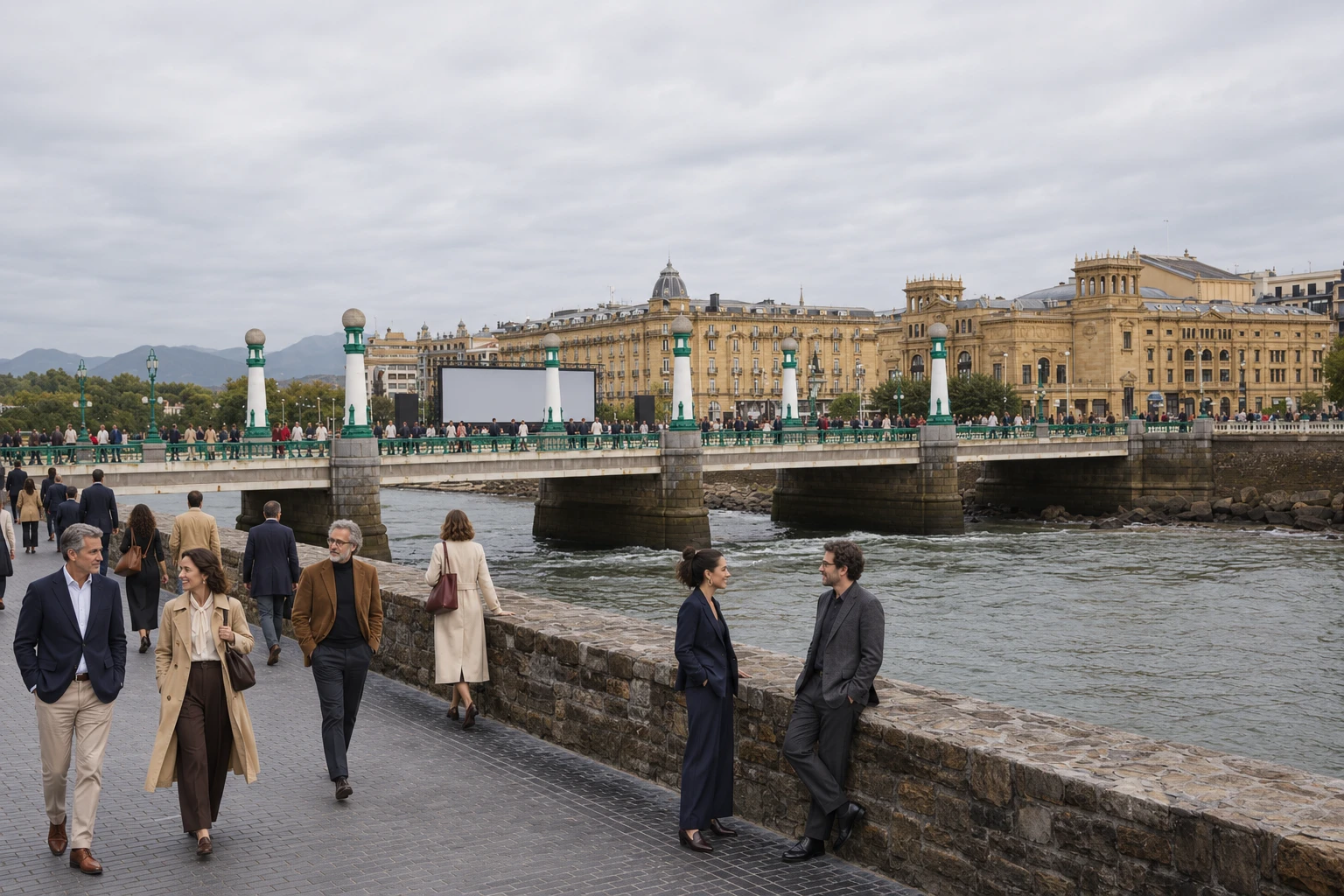
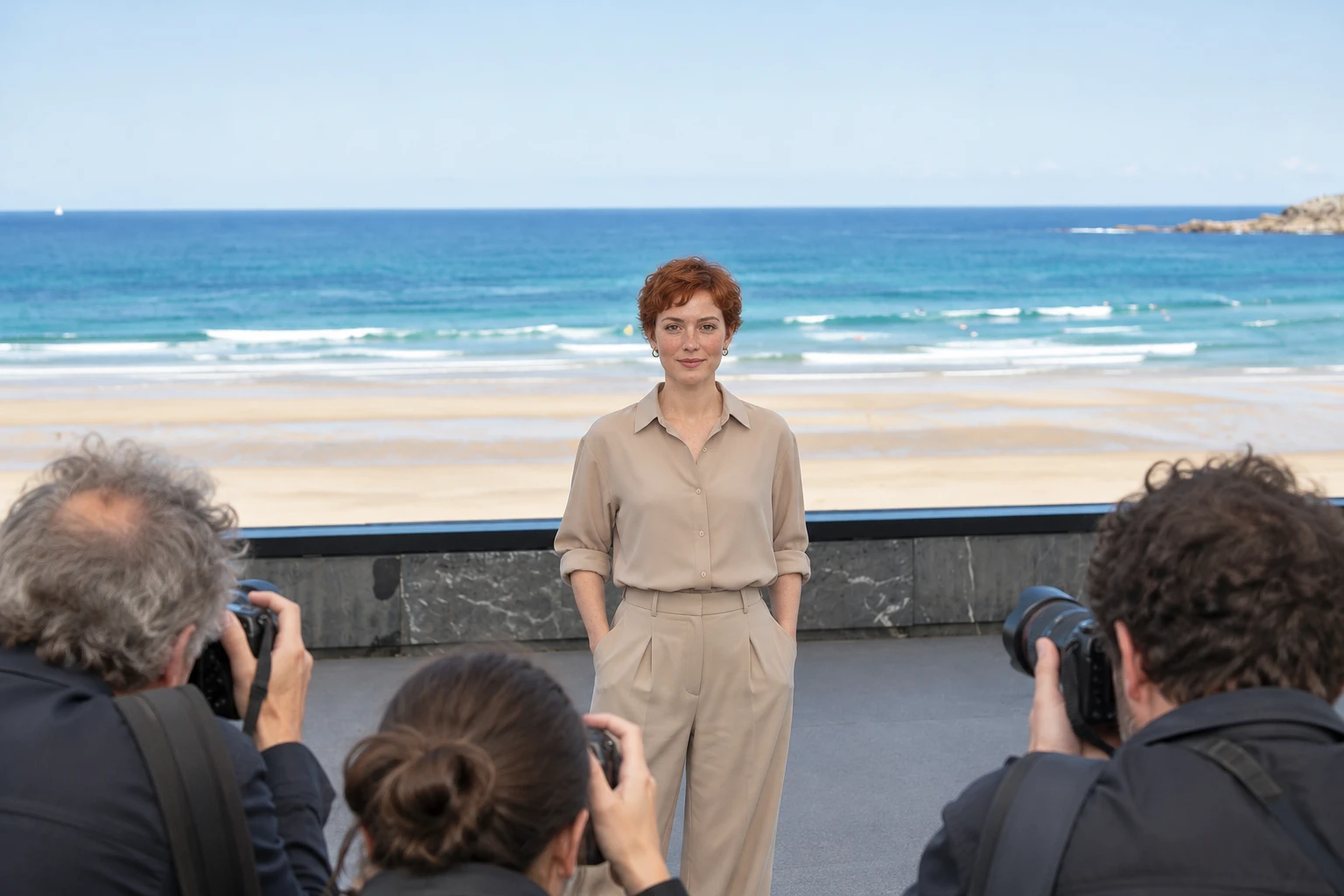
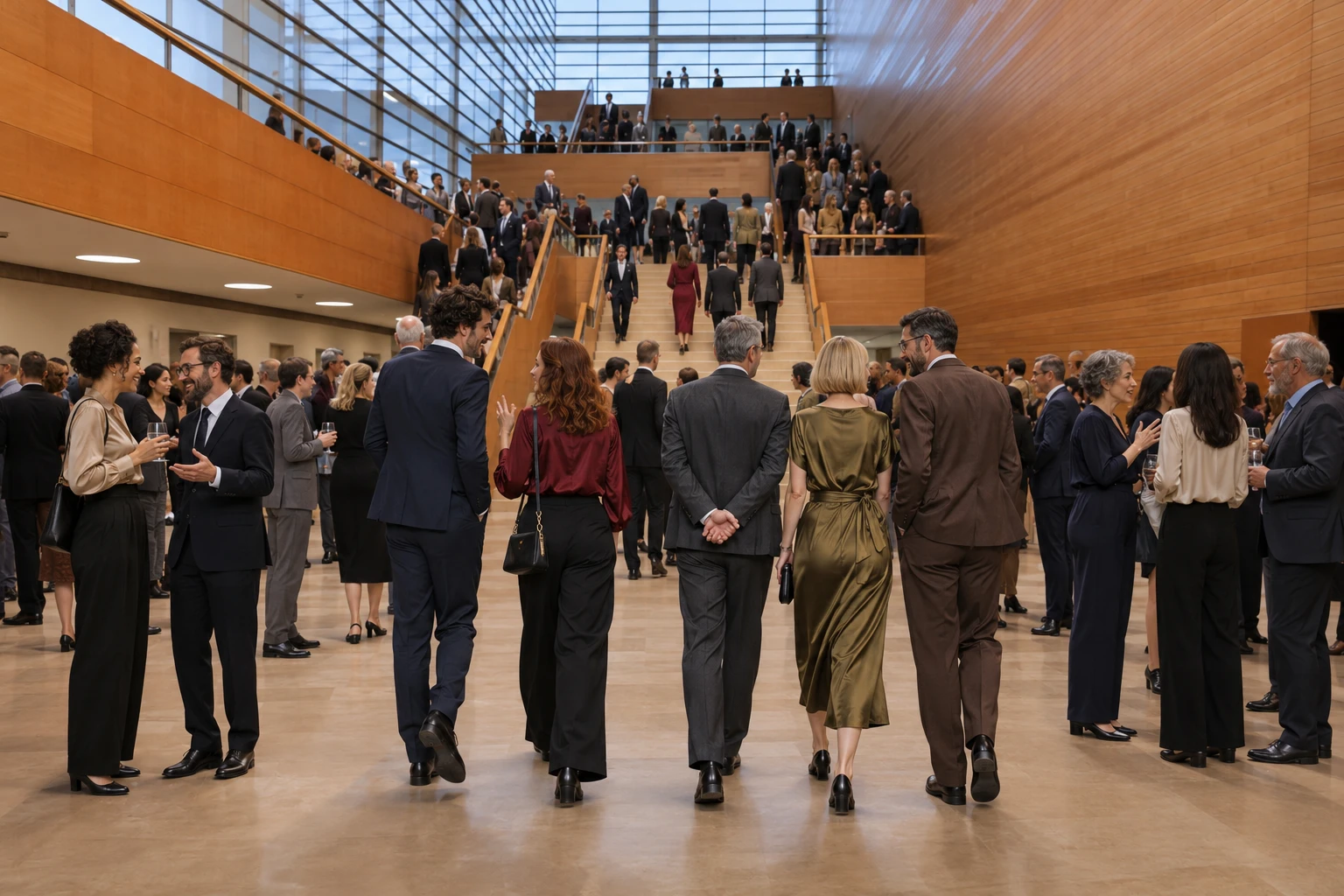
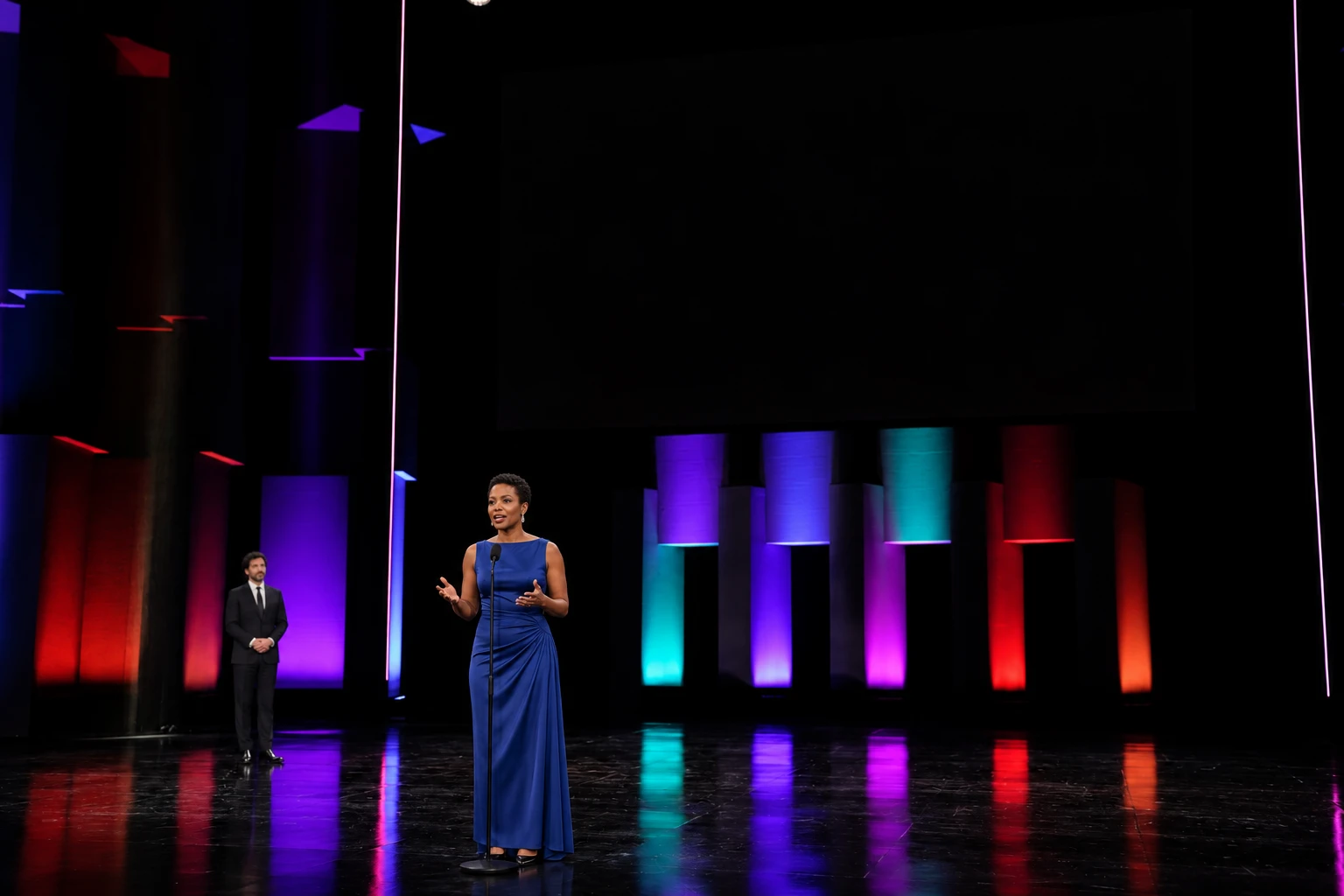
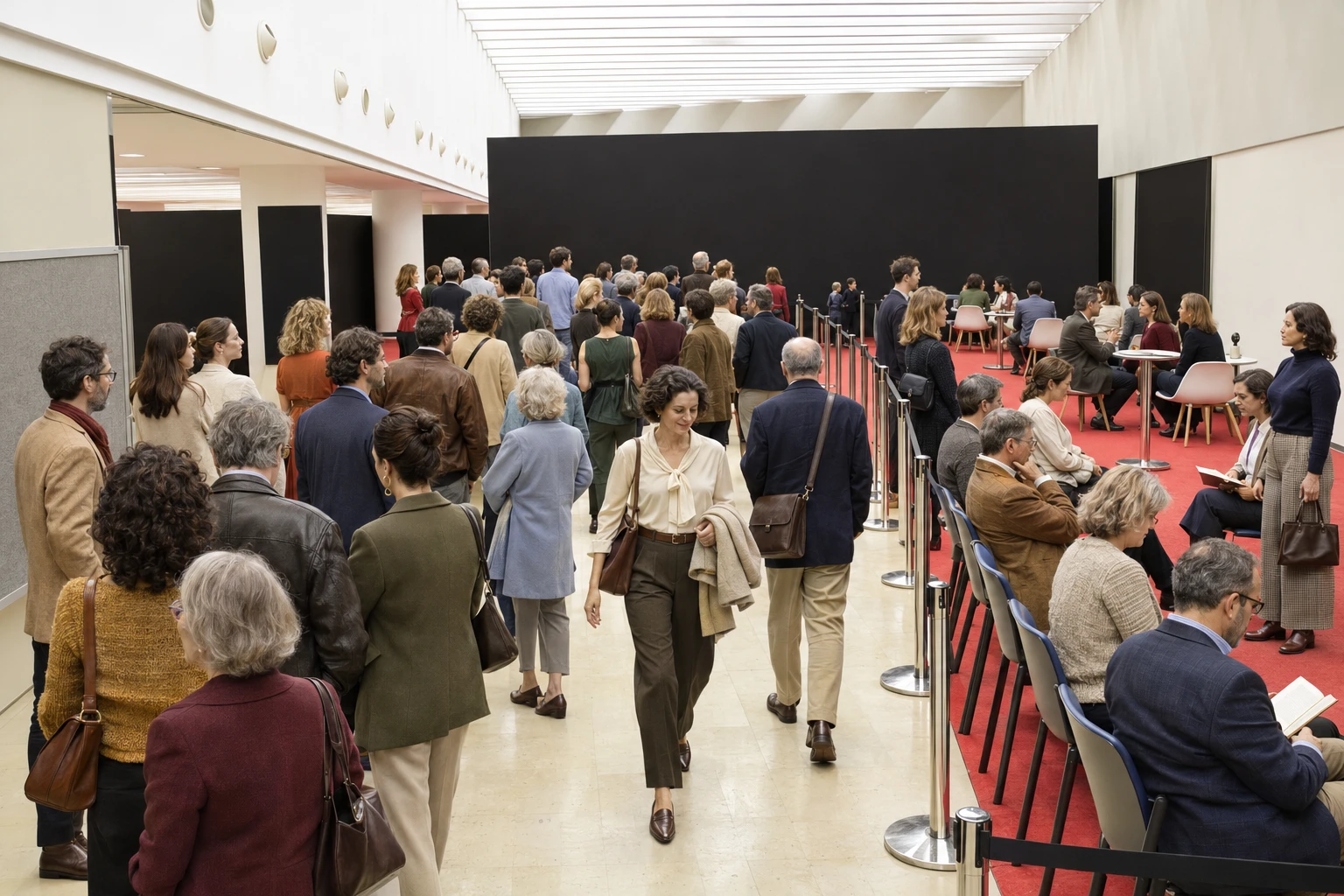
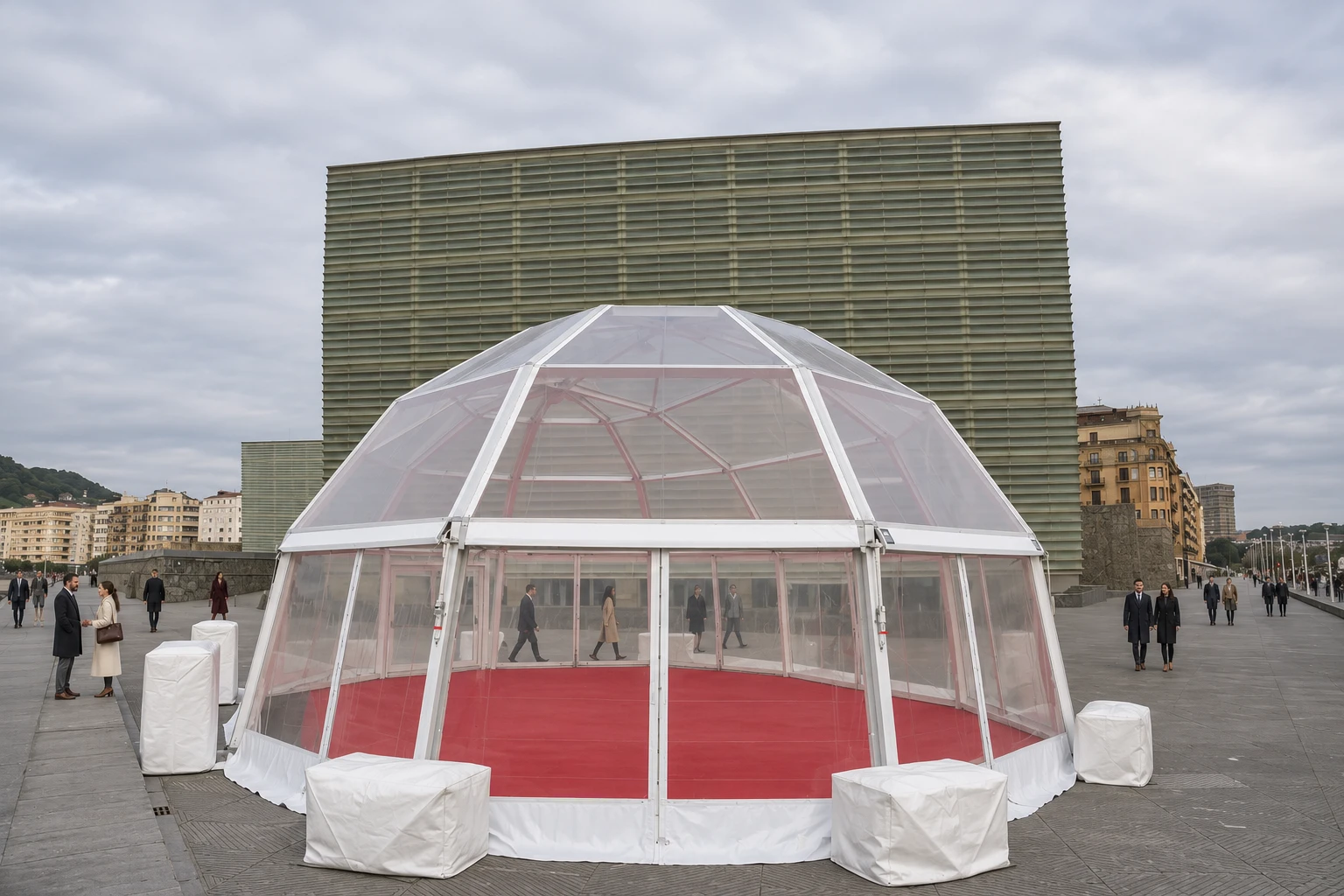
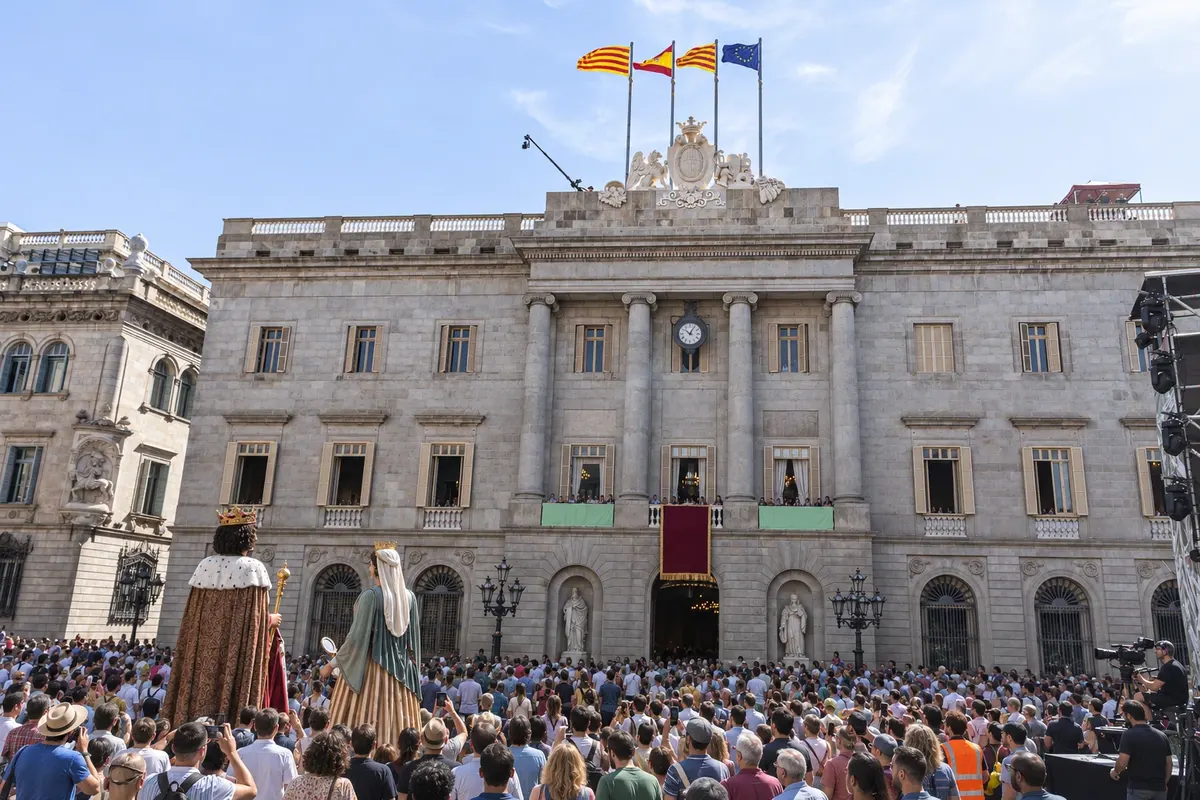
Illustrative images. The pictures in this guide are illustrations based on the real place, not photographs, and may differ from it.

Get it on Google Play

Click a photo to enlarge it.

San Sebastián Film Festival — San Sebastián
San Sebastián Film Festival
San Sebastián Film Festival — San Sebastián
San Sebastián Film Festival
San Sebastián Film Festival — San Sebastián
San Sebastián Film Festival

San Sebastián Film Festival — San Sebastián

When

In the second half of September, for about nine days; the exact dates for each edition are announced in advance by the festival.

September

Where

San Sebastián

País Basco

Organizer

Official website

Dates, program and tickets

Dates change every year: check this year's date before you travel.

The festival

What is San Sebastián Film Festival

The San Sebastián Festival, Zinemaldia in Basque, is Spain’s largest film festival and one of the oldest in Europe. Founded in 1953, it is an A-category festival in the international federation of film producers—the same category as Cannes, Venice and Berlin—and for decades it has brought directors, actors, the press and the public to the city at the end of summer. The main prize is the Golden Shell, named after La Concha Bay, and the Donostia Award honors the careers of major film figures.

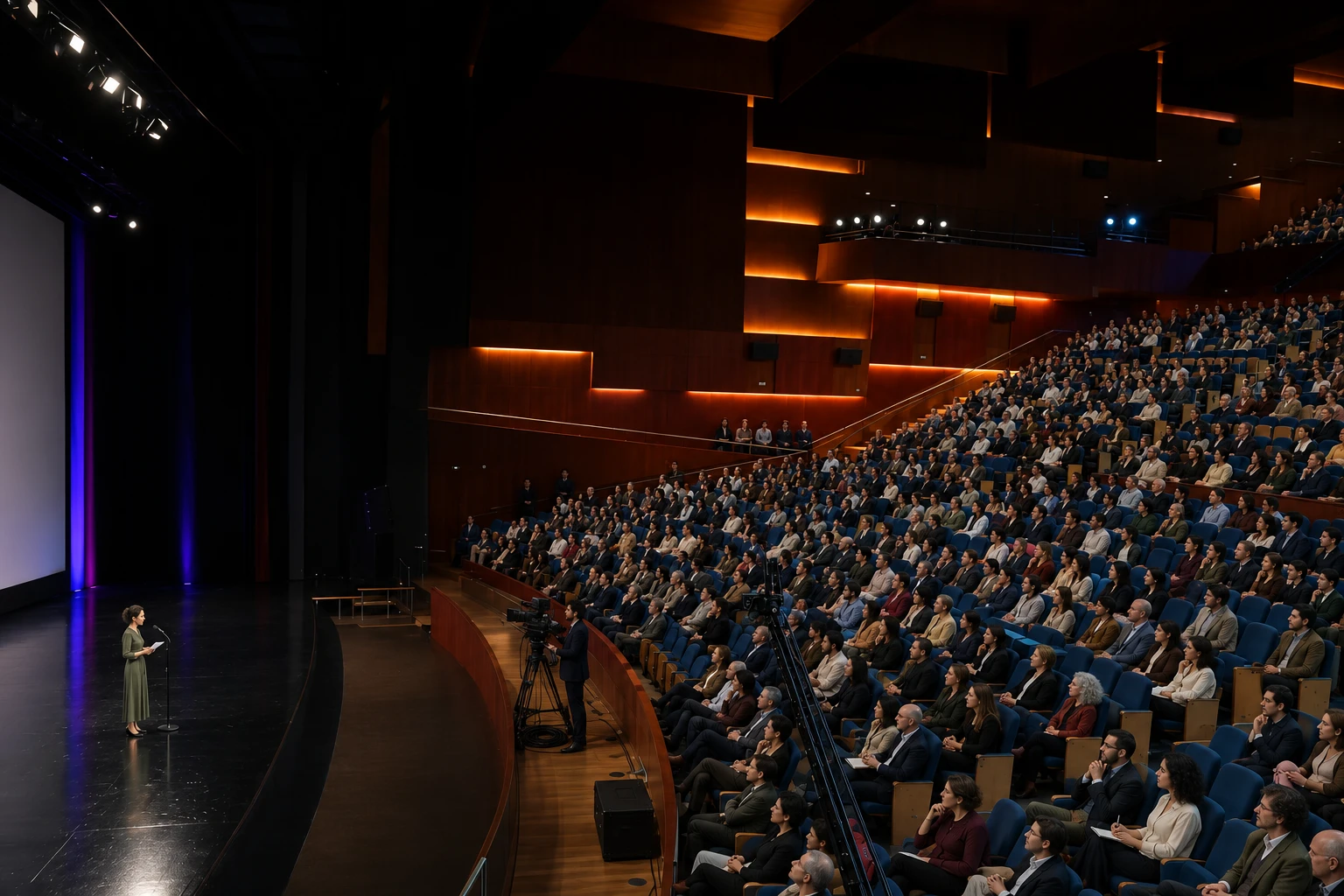
What makes San Sebastián special for visitors is its relationship with the city. Tickets are sold to the public, and residents and tourists fill the auditoriums to see films from the official selection, premieres by well-known filmmakers, the showcase for new directors, the Latin American cinema strand Horizontes Latinos, Zabaltegi and the Perlak section, which features films awarded at other festivals and competes for the City’s Audience Award. There are also retrospectives, children’s cinema, food-themed films and outdoor screenings or sessions in the velodrome with a giant screen.

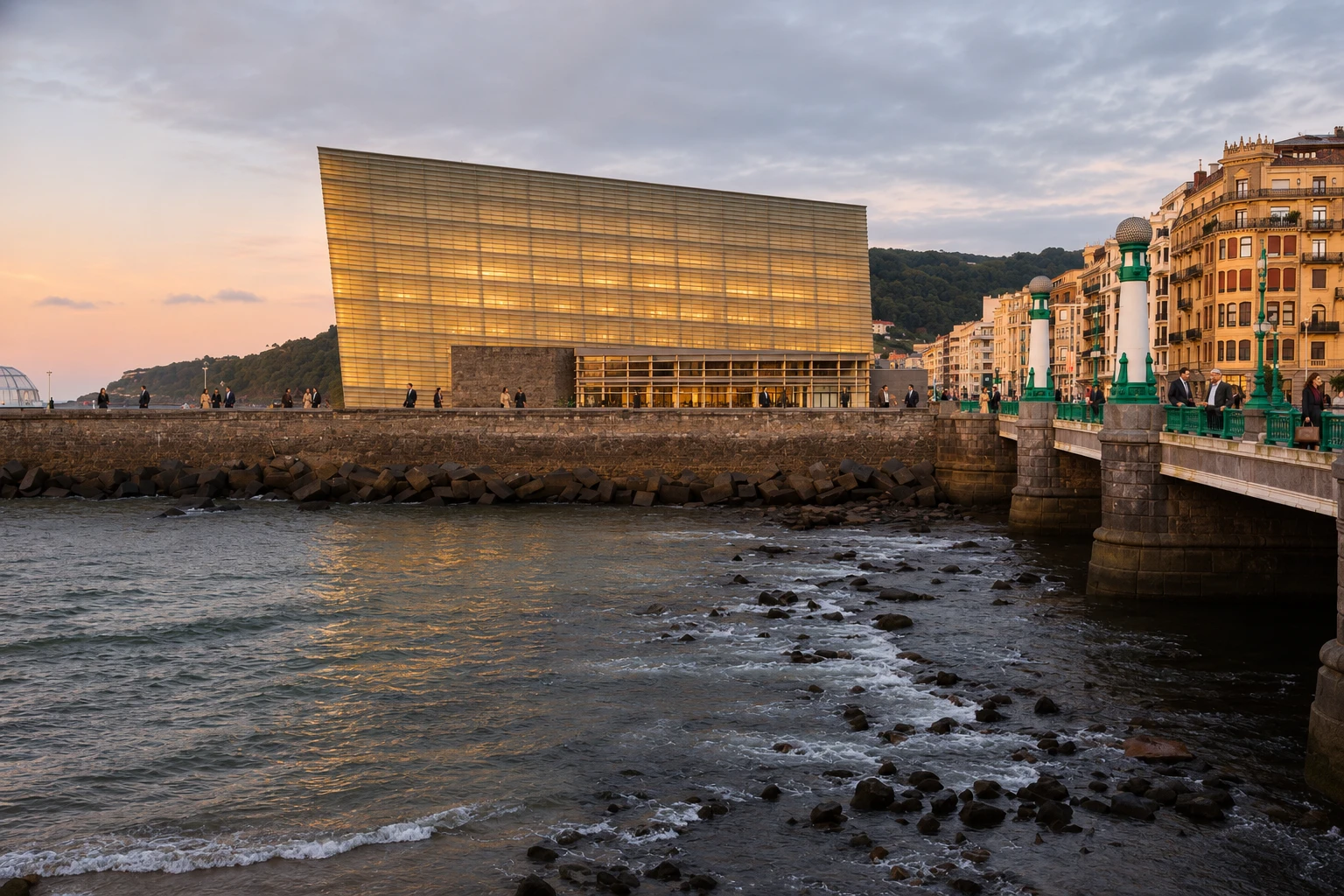
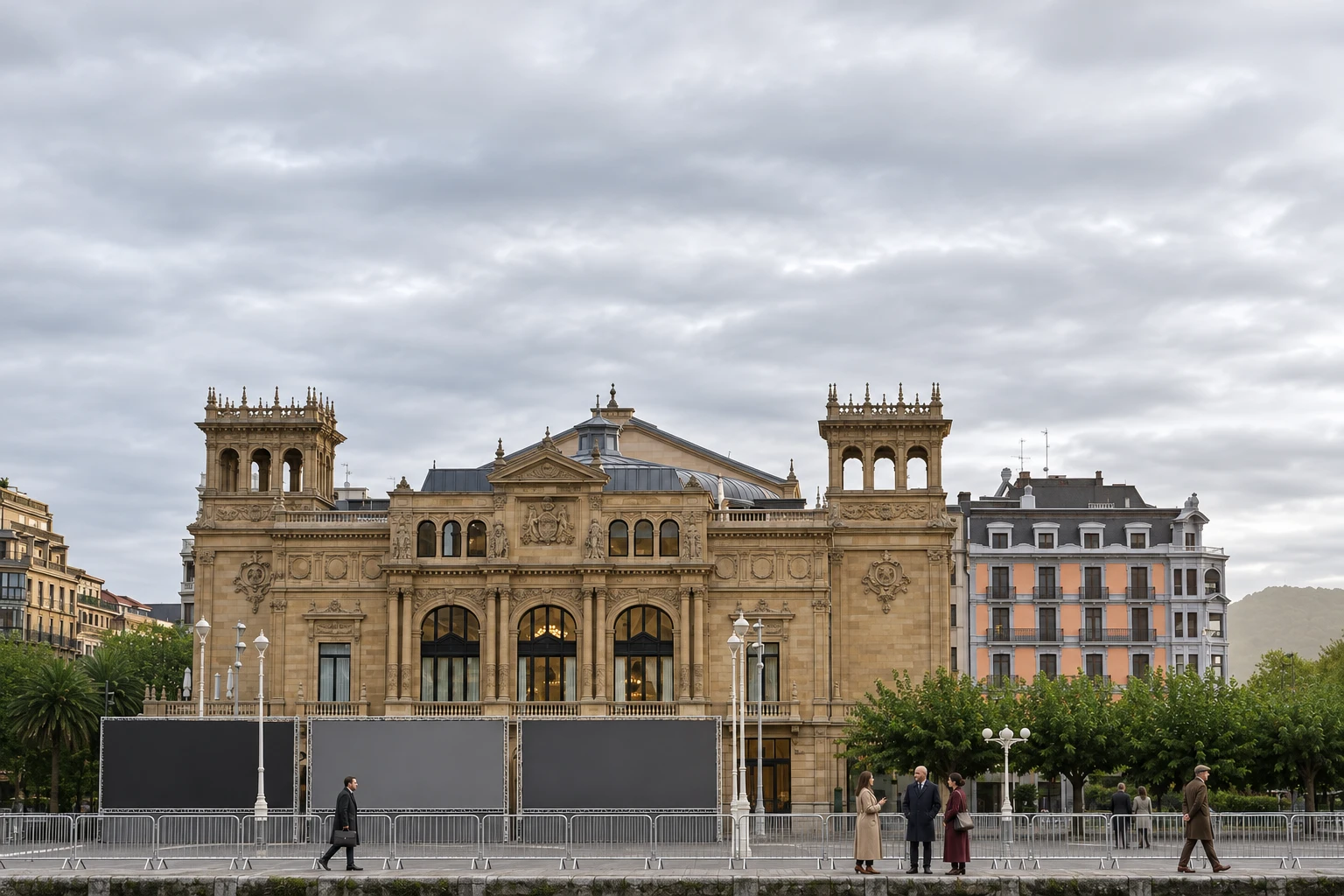
Screenings are spread across the city. The hub is the Kursaal, Rafael Moneo’s glass-cube building facing Zurriola beach, where the main auditoriums and the ticketing area are located. The Victoria Eugenia Theatre, a historic venue by the Urumea River, the Teatro Principal in the Parte Vieja, the Príncipe and Antiguo Berri cinemas and Tabakalera, a former tobacco factory turned contemporary culture center, complete the circuit. Between screenings, San Sebastián breathes cinema in the bars, in the queues and on the central sidewalks.

Festival days have their own rhythm. In the morning there are press and public screenings; in the afternoon and evening, premieres with film teams and galas, with guests arriving on the red carpet outside the Kursaal and the Victoria Eugenia, where fans gather behind barriers. On the final Saturday, the closing ceremony announces the winners.

San Sebastián mixes cinema and travel well: La Concha Bay, Mounts Igueldo and Urgull, the Parte Vieja with its pintxos bars and Basque cuisine make festival week a great time to explore the city, as summer ends and autumn begins on the coast.

Share: WhatsApp

What not to miss

A screening at the Kursaal, preferably a premiere from the official selection with the film team present. A film at the Victoria Eugenia Theatre, the city’s historic auditorium. The arrival of guests on the red carpet outside the Kursaal or the Victoria Eugenia. A Perlak screening, where the audience votes for the Audience Award. A projection in the velodrome with a giant screen. The Latin American films in the Horizontes Latinos section. A visit to Tabakalera, the contemporary culture center, during the festival. A pintxos night in the Parte Vieja after the screenings.

How to enjoy it

Check the full schedule on the official website, which lists screenings by day, section and auditorium. Tickets are sold to the public in phases, a few days before the festival, online and at the Zinemaldi Plaza ticket offices in the Kursaal; there is a limit on tickets per person and per screening. The most sought-after sessions sell out on the first day of sales, but there are seats available for morning screenings and in smaller venues, and sometimes tickets are returned on the day. Arrive early for the main screenings, because sessions start on time. The central venues are within walking distance; for the others, check public transport. September is usually mild, with possible rain: bring a light jacket and an umbrella.


Plan ahead

Accommodation in San Sebastián is in high demand during the festival; book well in advance or look for a room in Irún or Hondarribia, which are connected by public transport. Ticket sales begin a few days before the opening, and galas may have their own ticketing. The festival website announces the dates, sales phases and access rules for each edition.

In the city

Make the most of San Sebastián

September

Around the same time

Your questions

Questions about San Sebastián Film Festival

When is the San Sebastián Film Festival?

Every year in the second half of September, for about nine days. The exact dates and the ticket sales calendar are published in advance by the festival.

Can the public attend screenings at the San Sebastián Film Festival?

Yes. Tickets are sold to the public online and at the Kursaal box office, in phases that begin a few days before the festival. There is a ticket limit per person for each screening.

What is the main award at the San Sebastián Film Festival?

The Golden Shell, awarded to the best film in the official selection. The festival also gives the Donostia Award, a career tribute, and the Audience Award, voted for at Perlak screenings.

Where are the screenings held during the San Sebastián Film Festival?

Mainly at the Kursaal, in front of Zurriola beach, and at the Victoria Eugenia Theatre, as well as at the Teatro Principal, the Príncipe and Antiguo Berri cinemas, Tabakalera and the velodrome.

Festivals and events in Spain

Other festivals

Tamborrada of San Sebastián January
Popular festival · San Sebastián

Tamborrada of San Sebastián

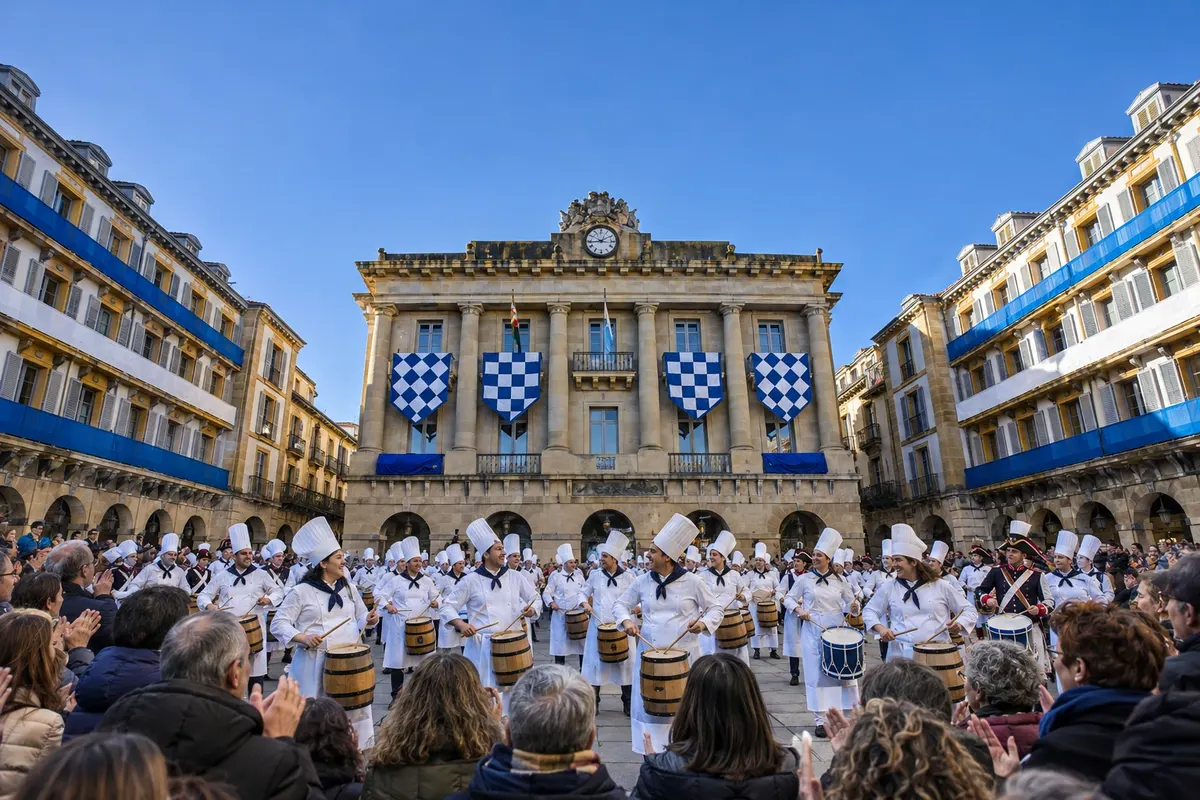
On January 20, the feast day of Saint Sebastian, the city's patron: the celebration begins at midnight between January 19 and 20 and ends at the following midnight.

For 24 hours on January 20, San Sebastián, in the Basque Country, honors its patron saint to the sound of drums and barrels: uniformed companies parade through the city playing the marches of Raimundo Sarriegi, from the raising of the flag in Plaza de la Constitución until the lowering in the same square.

Carnival of Santa Cruz de Tenerife February/March
Popular festival · Santa Cruz de Tenerife

Carnival of Santa Cruz de Tenerife

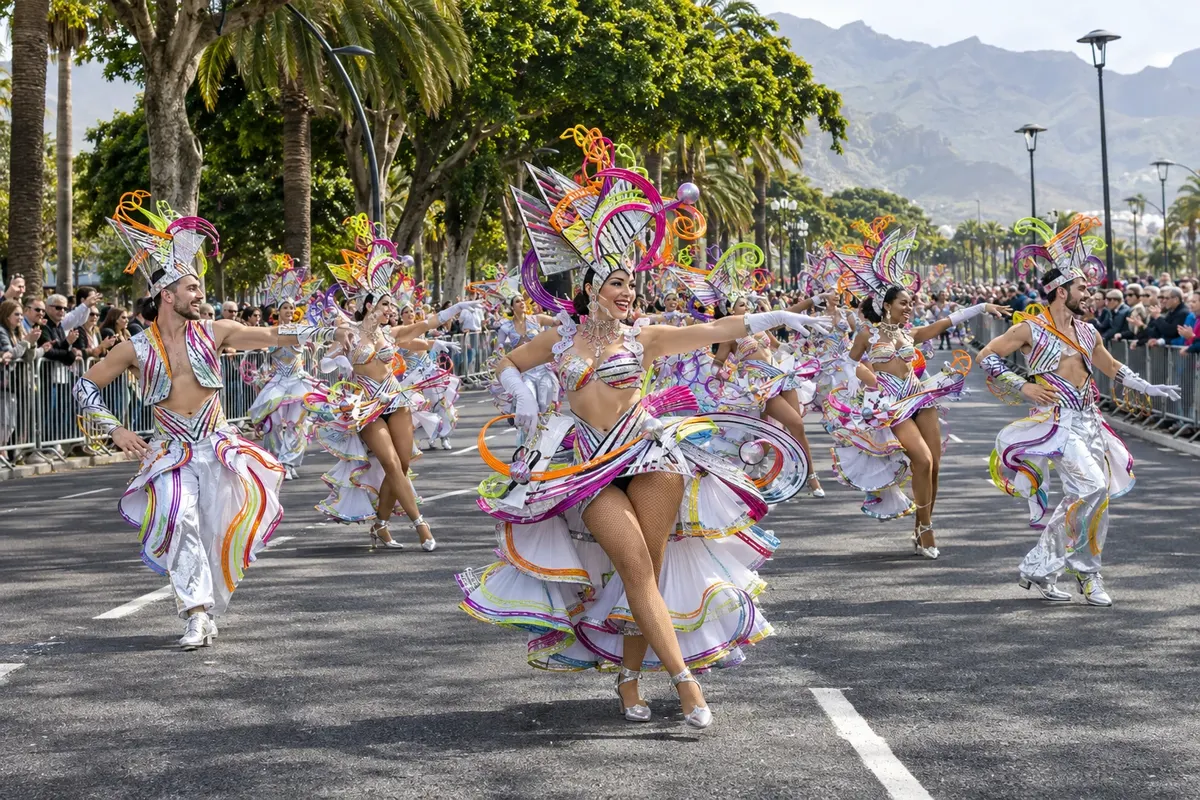
At the end of winter, between February and March, following the movable Carnival calendar: the contests and the queen’s gala take place in the preceding weeks, and the streets celebrate from the opening cavalcade until the weekend after Ash Wednesday.

The capital of Tenerife’s Carnival, in the Canary Islands, with a monumental fantasy queen, murgas, comparsas and rondallas, the big Coso parade on Carnival Tuesday and balls that fill the squares and avenues of the center until dawn.

Holy Week in Seville March/April
Religious festival · Seville

Holy Week in Seville

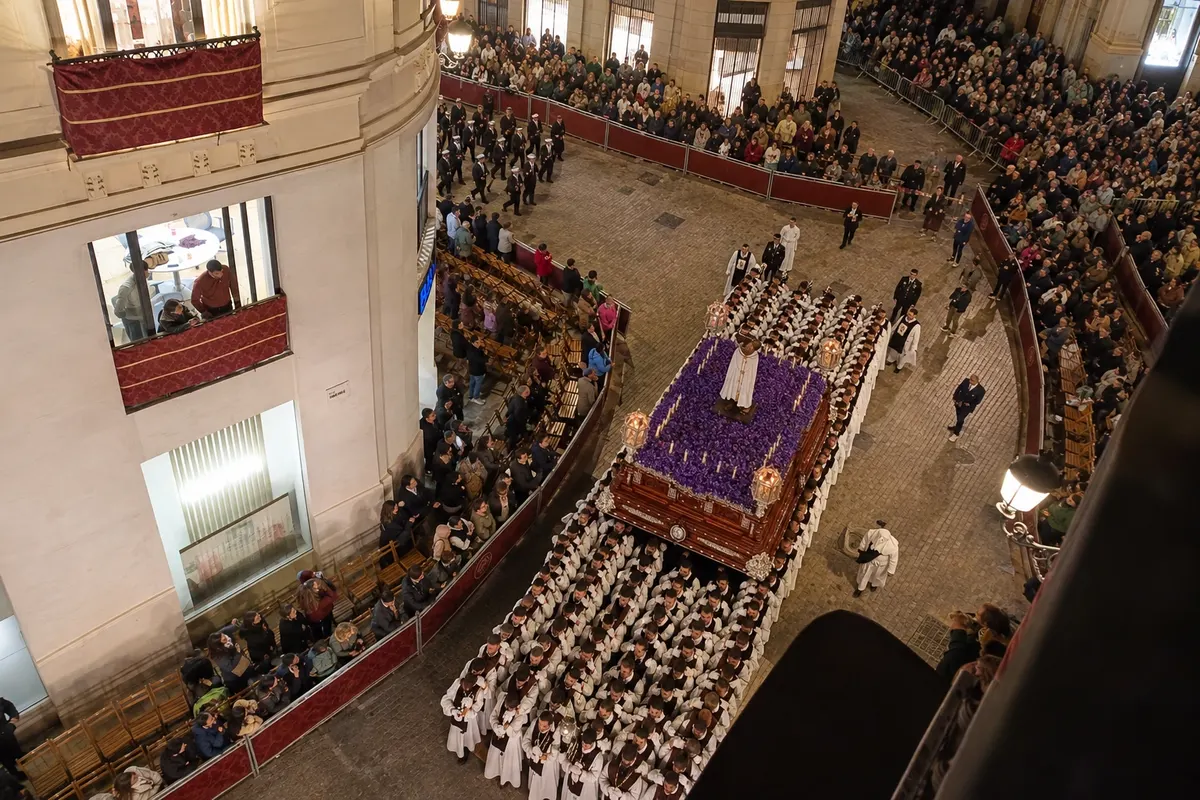
From Palm Sunday to Easter Sunday, in March or April depending on the date of Easter; smaller processions begin on the previous Friday, Friday of Sorrows.

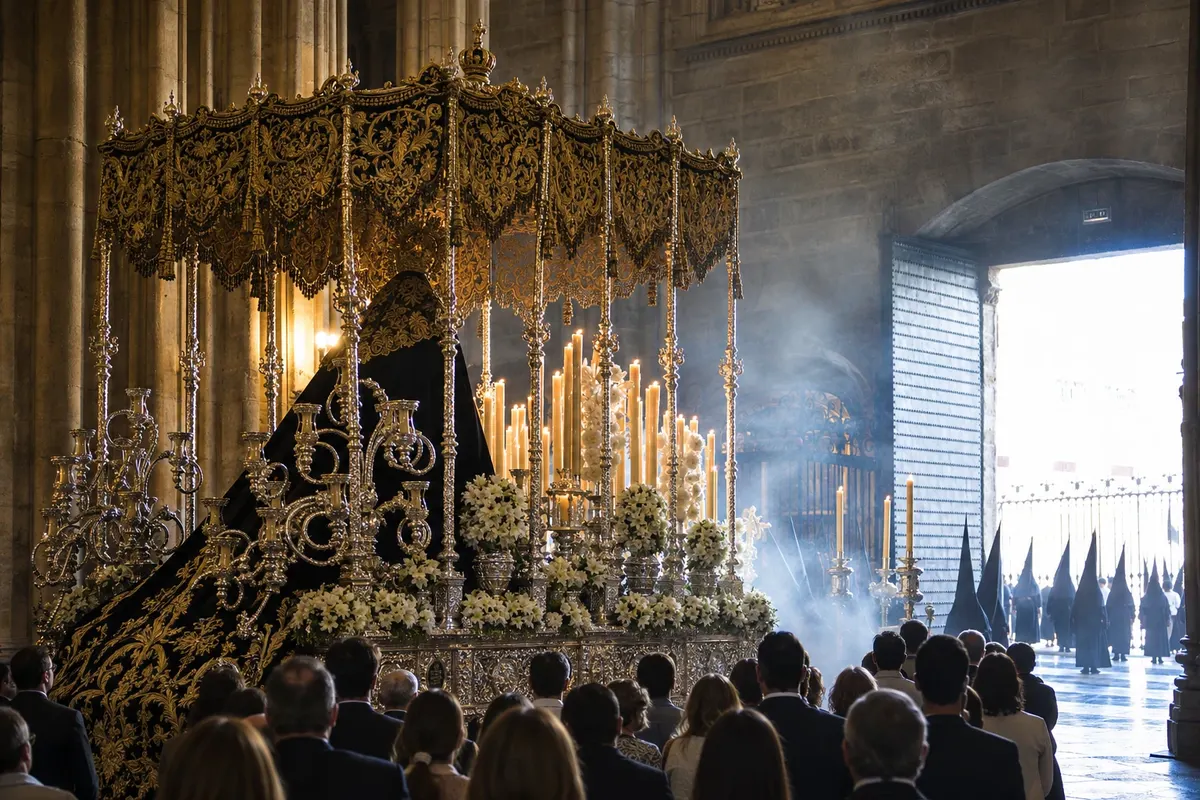
During Holy Week, the brotherhoods of Seville, the capital of Andalusia, carry images of Christ and the Virgin through the streets on gilded floats carried by costaleros and followed by long lines of penitents, on routes that pass by the cathedral day and night, until the early hours of Good Friday.

Seville April Fair April/May
Popular festival · Seville

Seville April Fair

In April or May, one or two weeks after Holy Week, depending on the date of Easter; it lasts about a week, from the night of the pescaíto and the alumbrao until the fireworks on the last night.

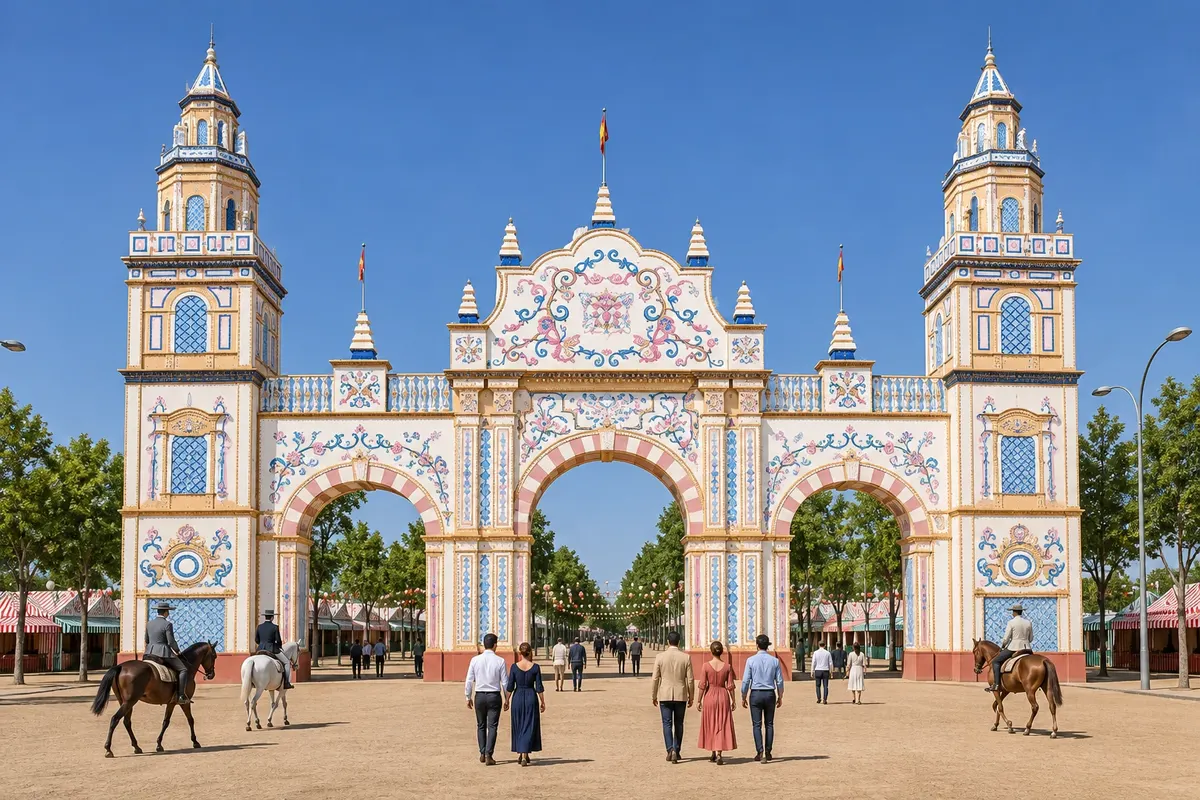
A weeklong party in Seville’s fairground, between Los Remedios and the Guadalquivir: streets of decorated casetas with lanterns, a noon parade of horses and carriages, flamenco-style dresses, sevillanas danced until the early hours, and the amusement park on the Calle del Infierno.

See the full calendar