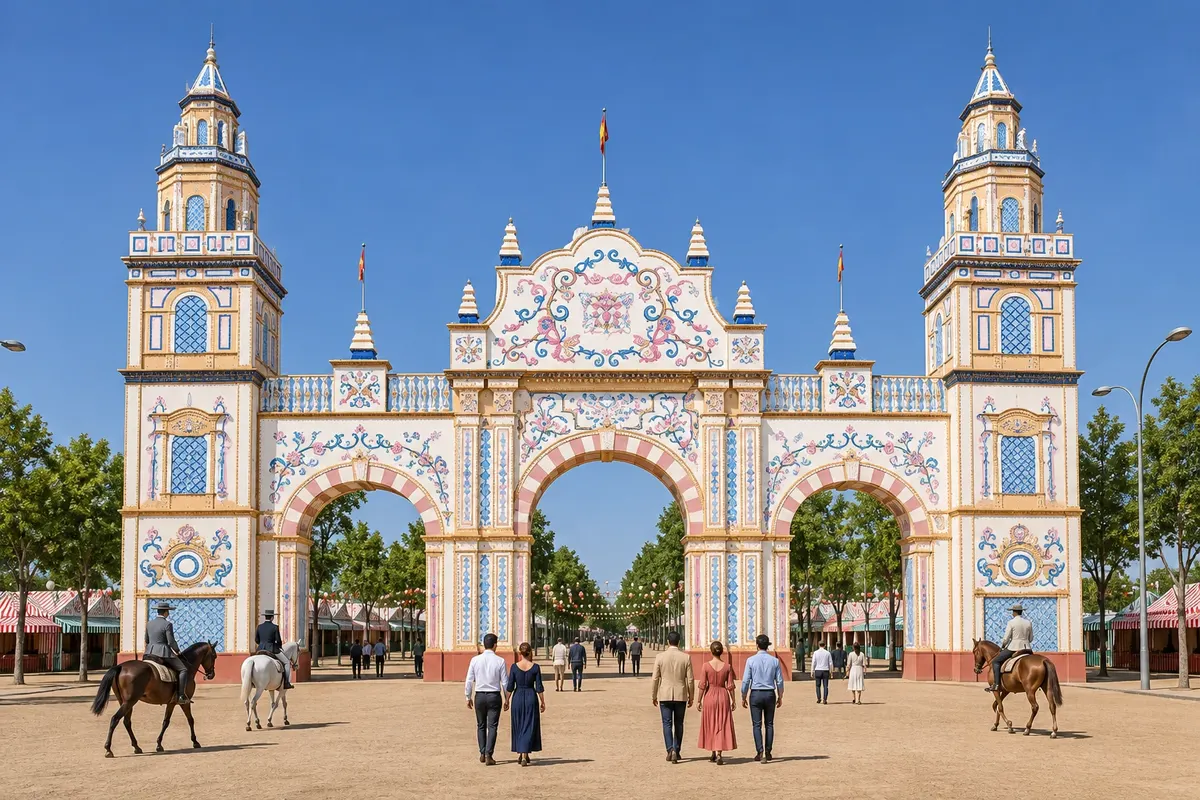
The festival
What is Pilar Festivities
The Pilar Festivities are Zaragoza’s main celebrations. For nine days around October 12, the capital of Aragón honors Our Lady of the Pillar, patroness of the city, of Aragón and of the Hispanic world, with religious acts, music, Aragonese folklore and a long programme of street events. October 12 is also a national holiday in Spain and is the focal point of the celebrations.
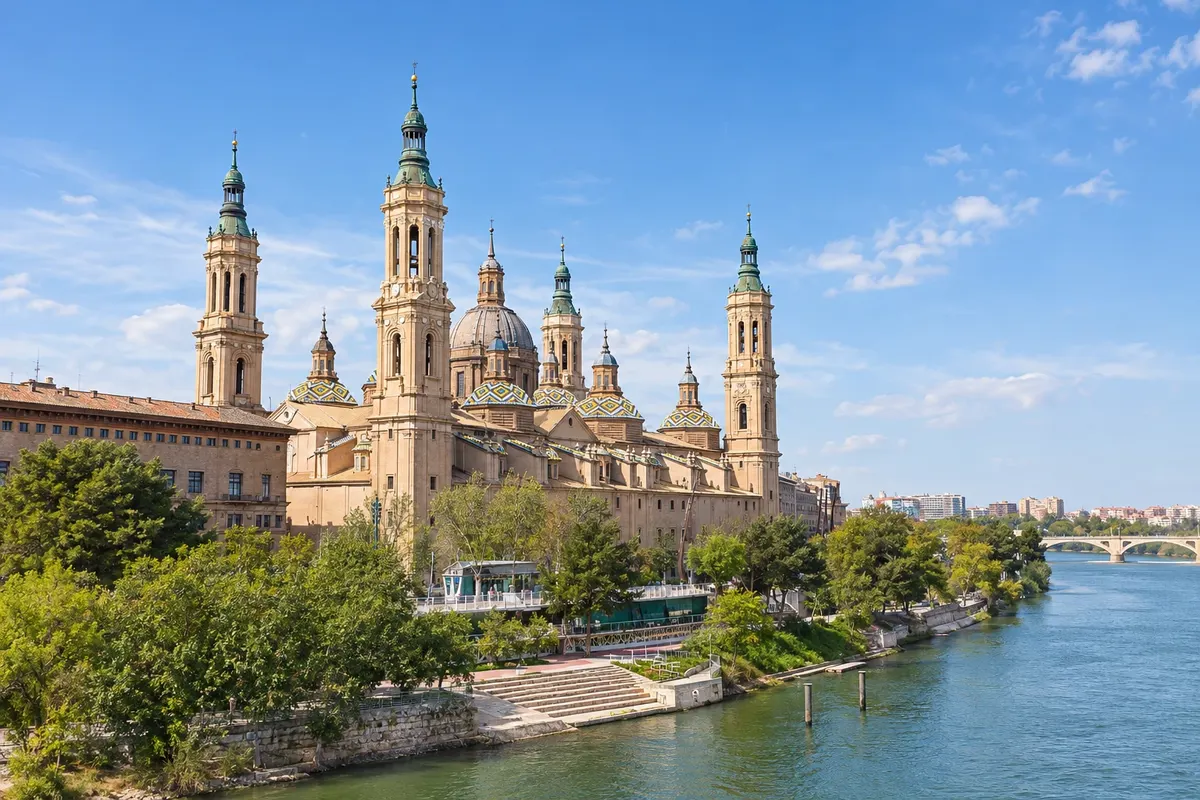
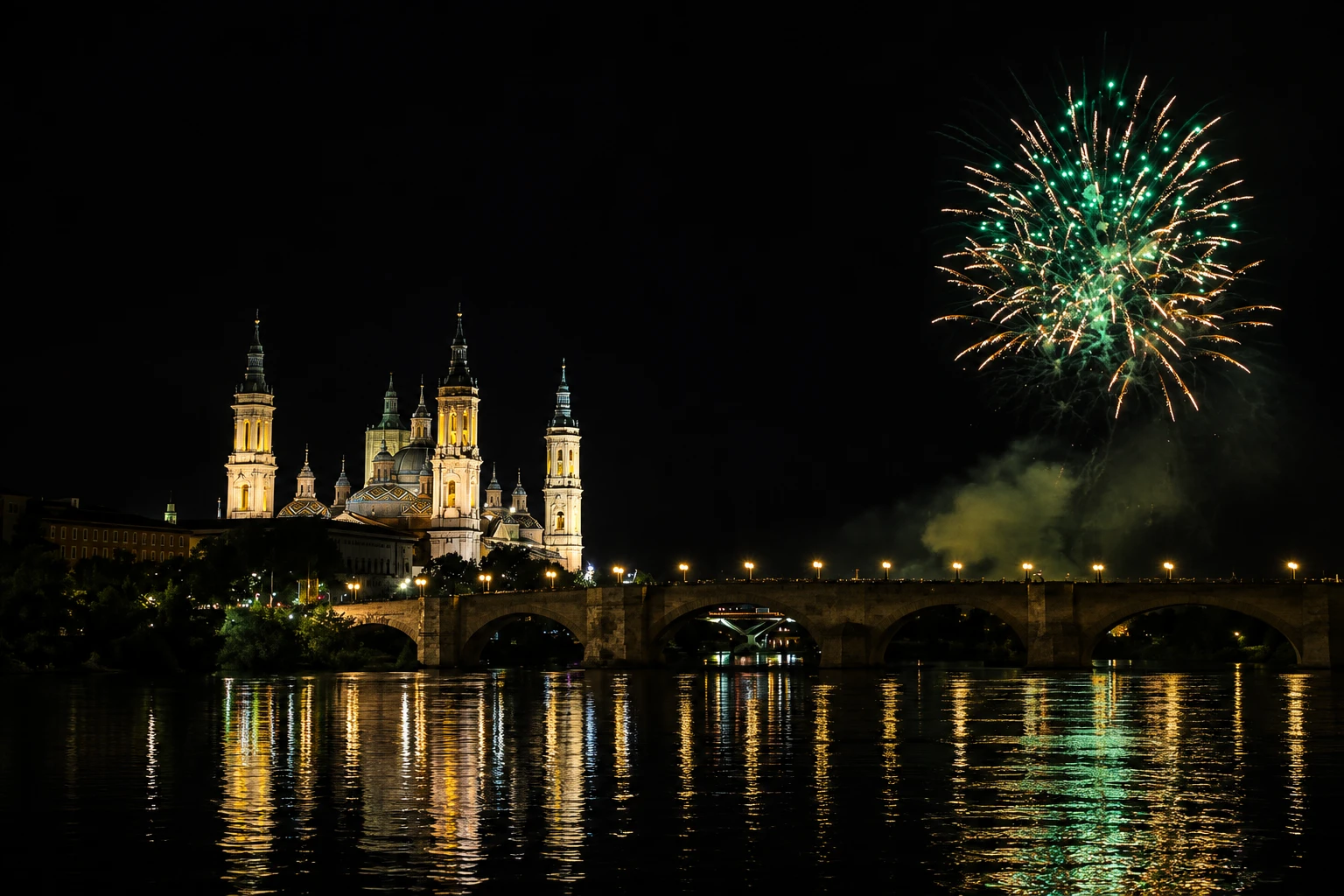
The devotion springs from a tradition that the Virgin Mary appeared to the apostle Saint James on the banks of the Ebro River while he was preaching in the city, standing on a stone column—the pillar—that is preserved in the basilica. Around that column the present temple developed, the Basilica del Pilar, with its tiled domes and towers facing the river, and with it a devotion that draws pilgrims to Zaragoza from many countries.
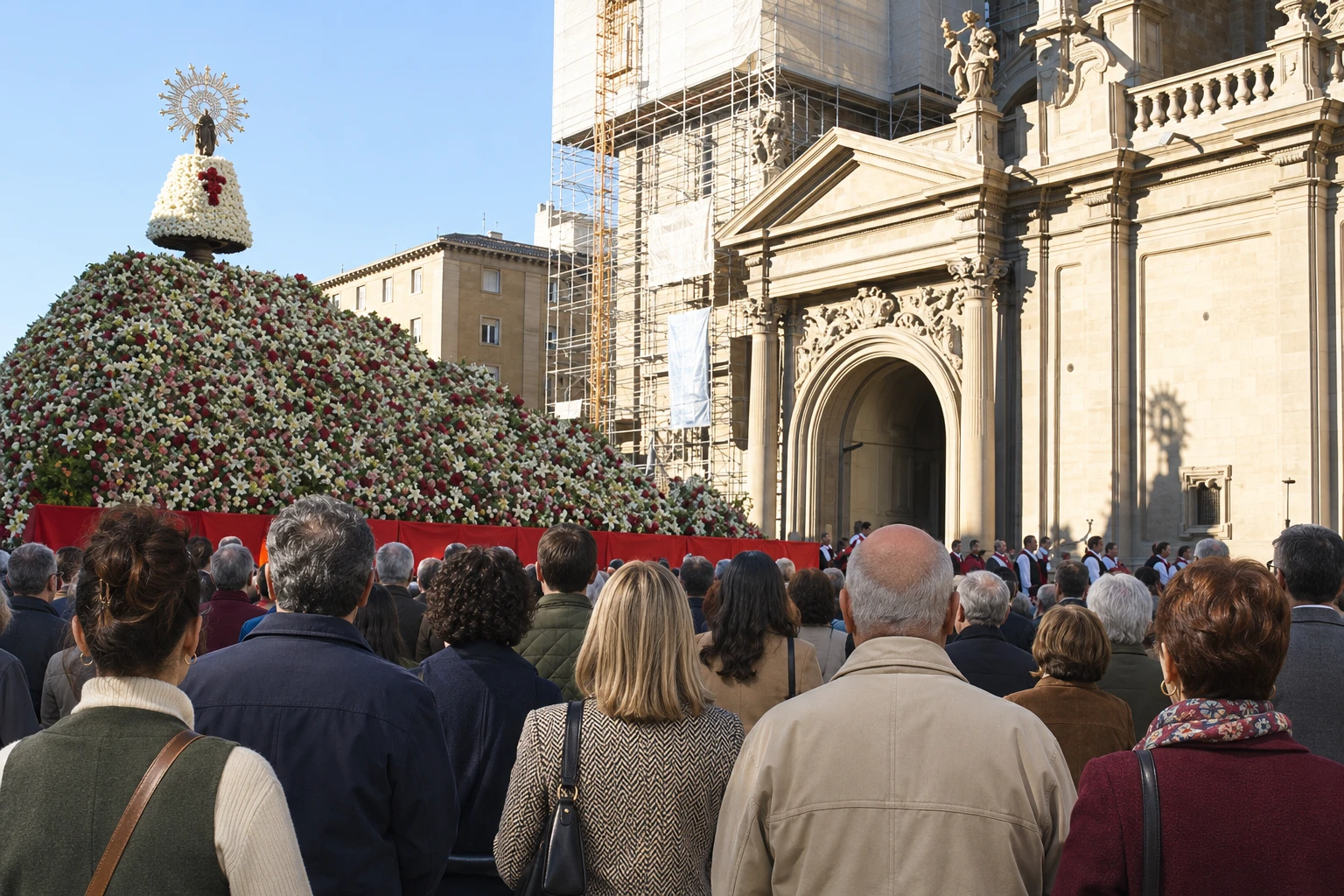
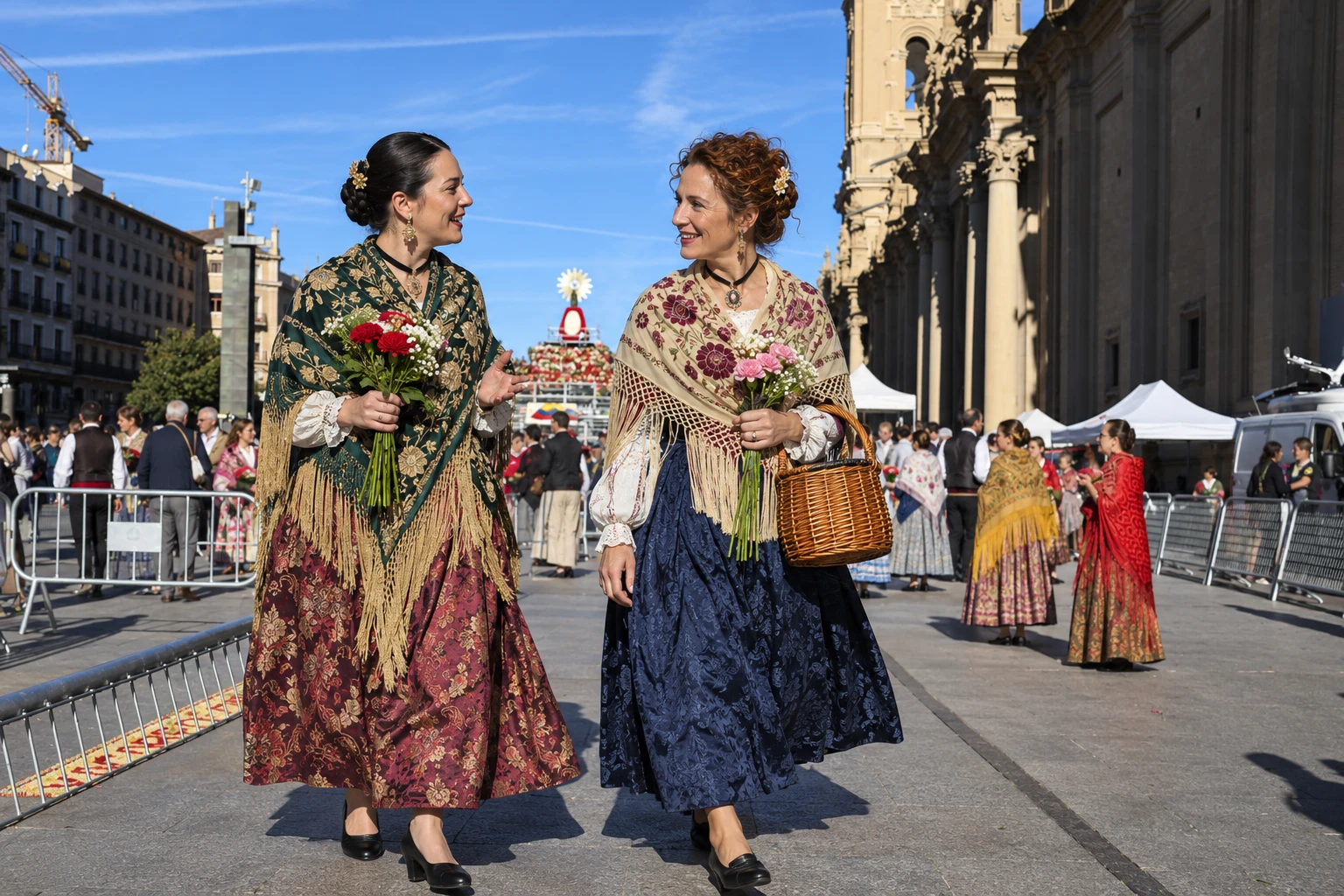
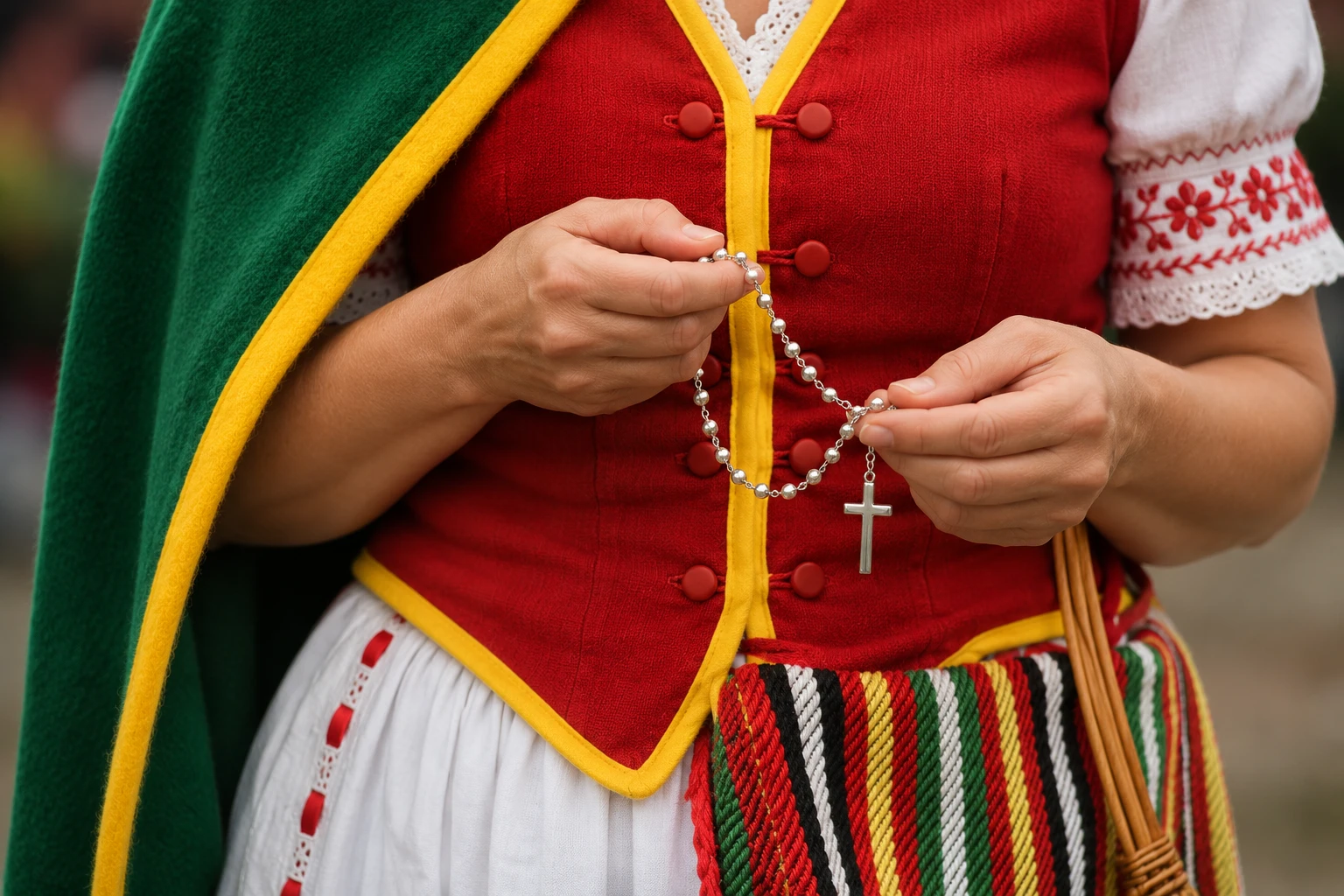
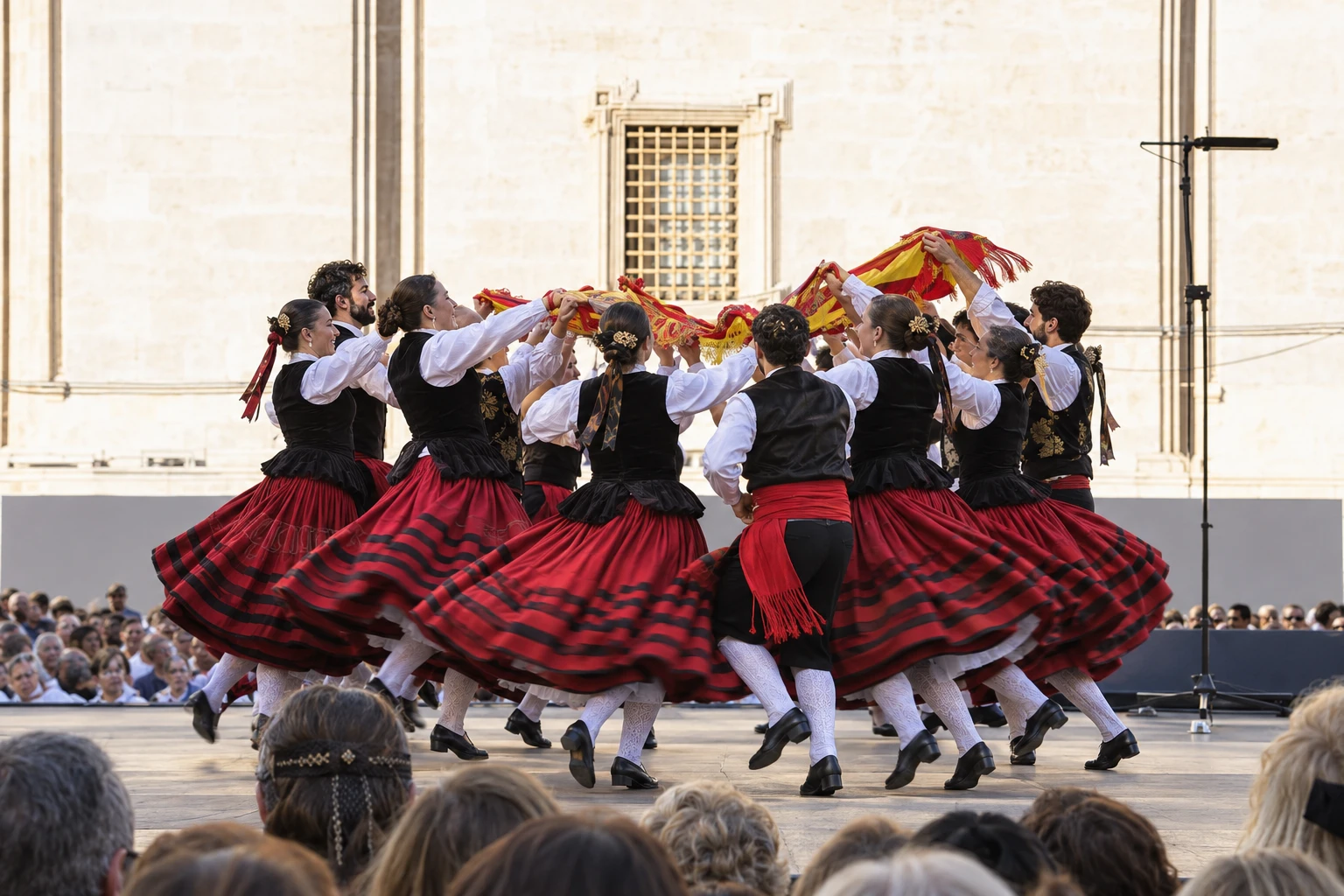
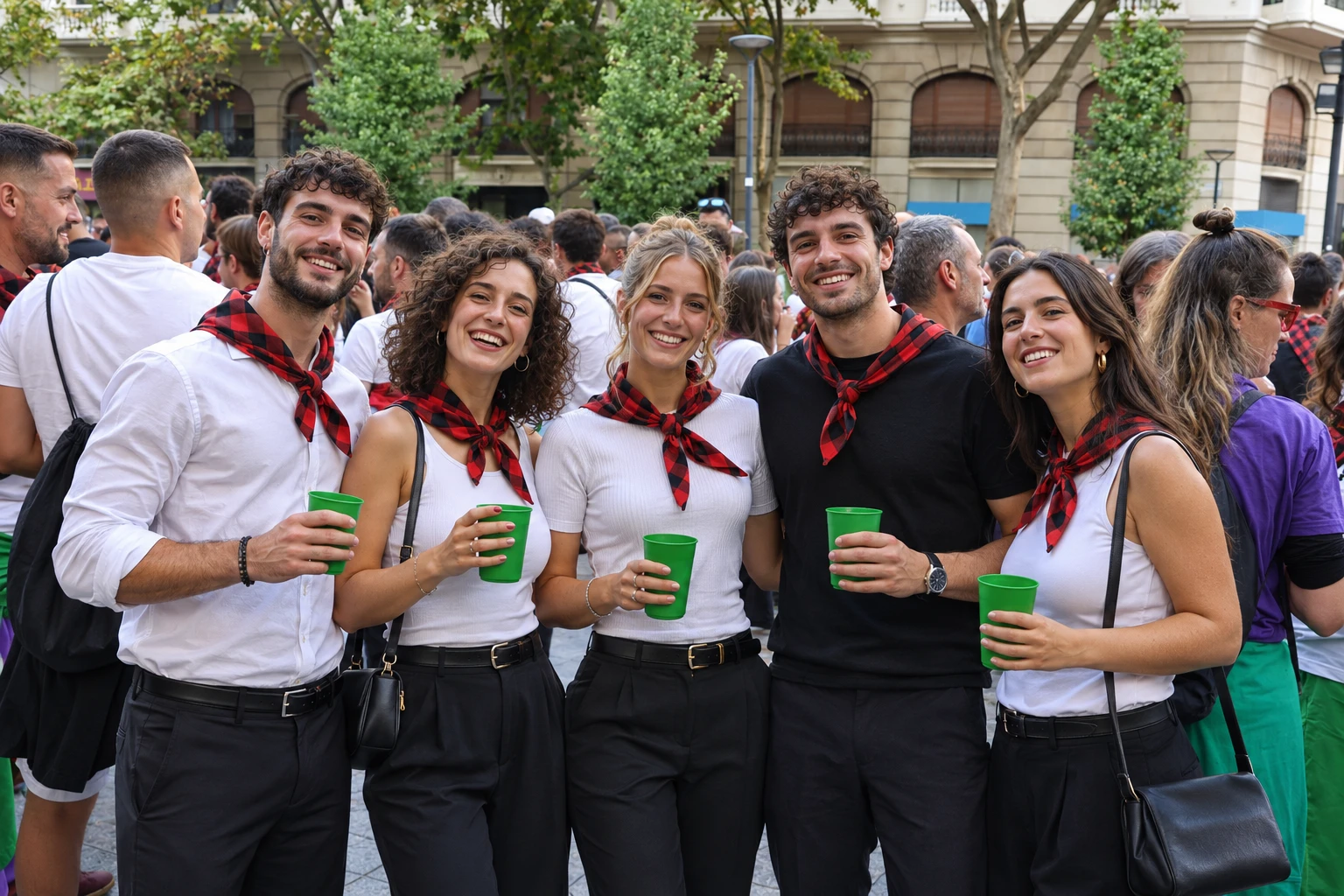
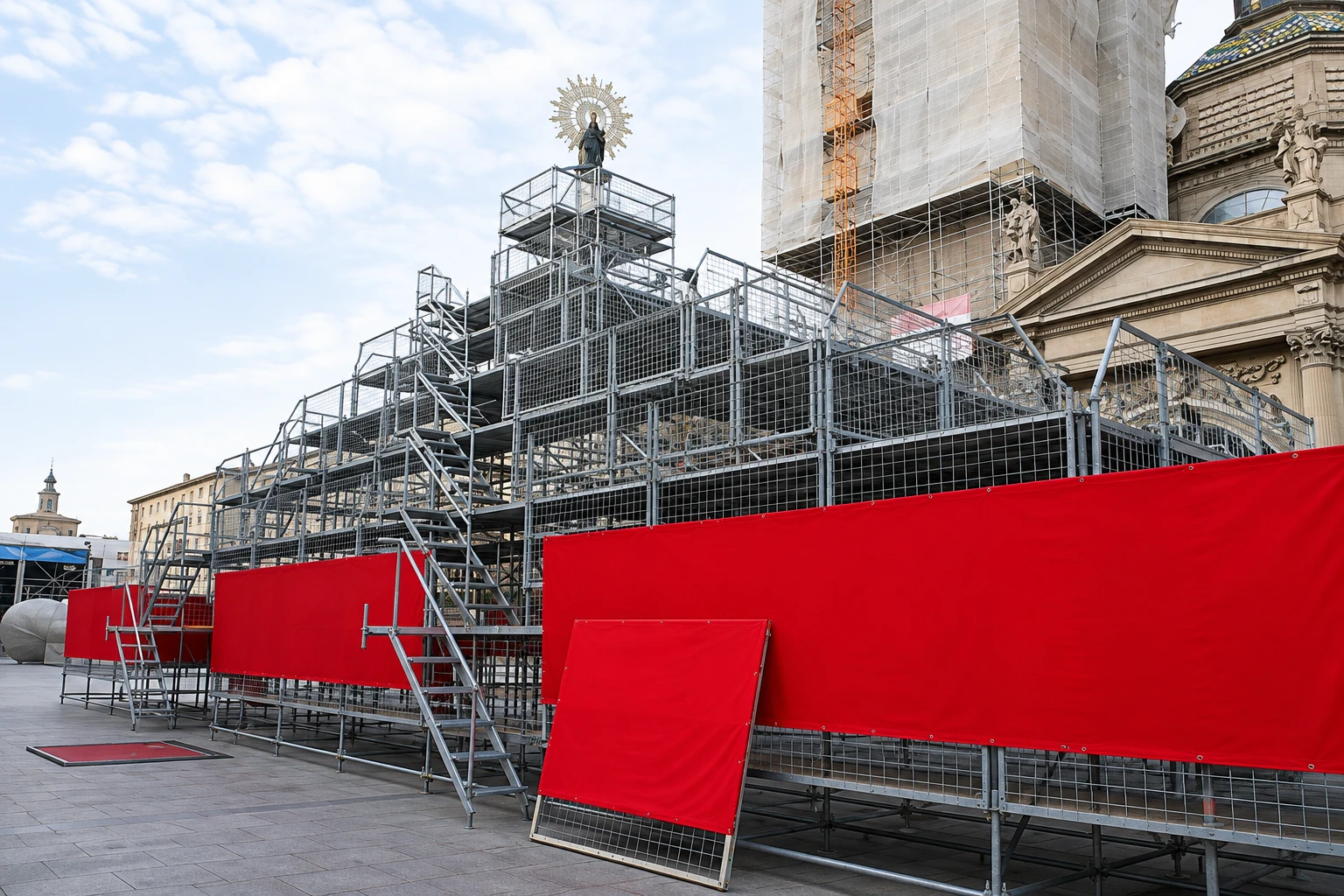
The festivity begins with the parade of the peñas, the city’s festive associations, to the Plaza del Pilar, where the proclamation in the square opens the days of celebration, followed by fireworks. On the morning of October 12, at dawn, the Dawn Rosary walks the central streets to the basilica, and at sunrise a children’s Mass is celebrated. Early in the day the Offering of Flowers begins, created in 1958 and now the most massive event: groups from Aragón, other regions of Spain and several countries parade in regional costume through the city, from Paseo de la Independencia to Plaza del Pilar, and place bouquets before a large image of the Virgin mounted atop a roughly fifteen-meter structure. Throughout the day the flowers form an immense mantle, mainly of carnations, which remains on display in the square for the following days.
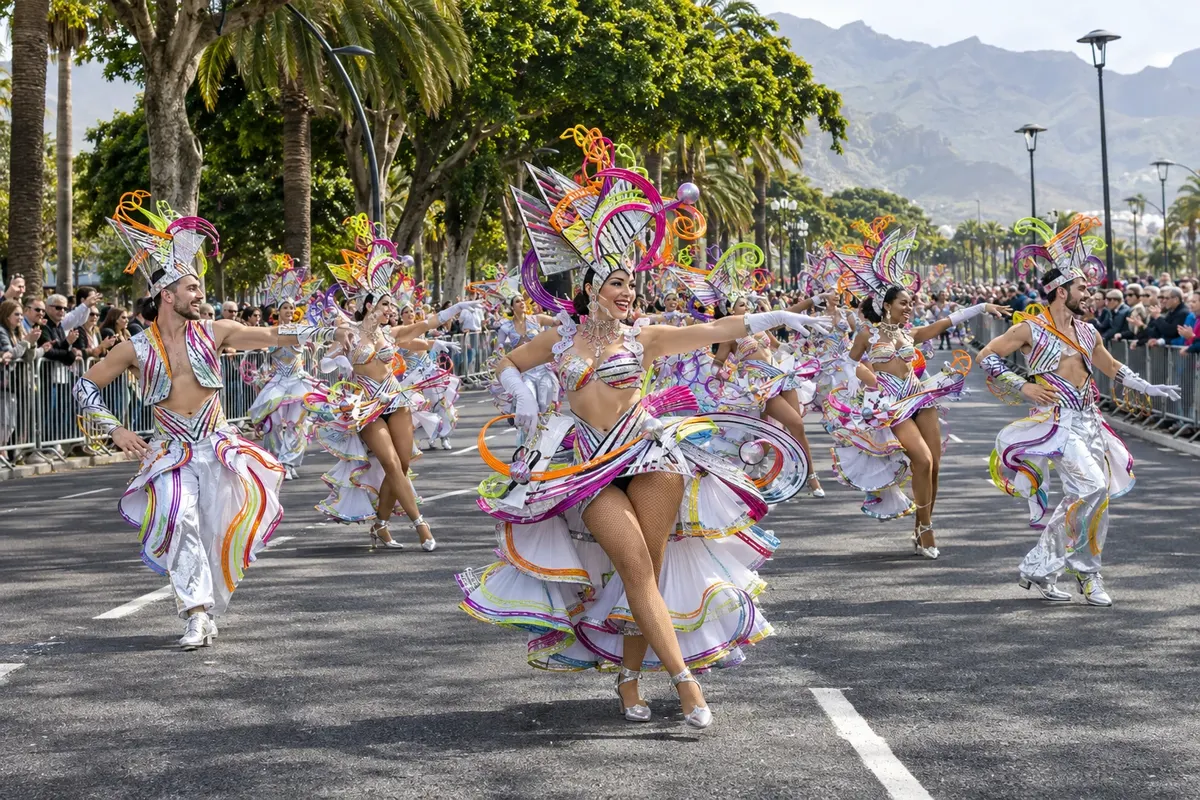
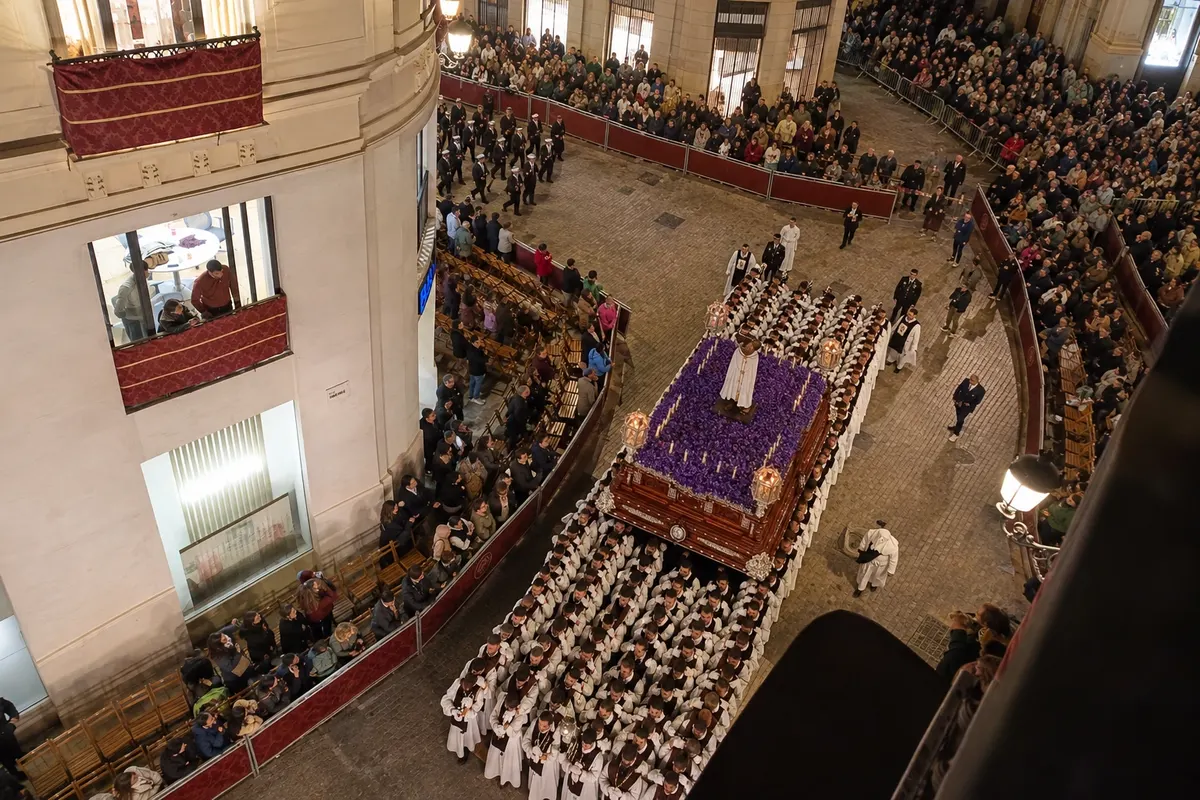
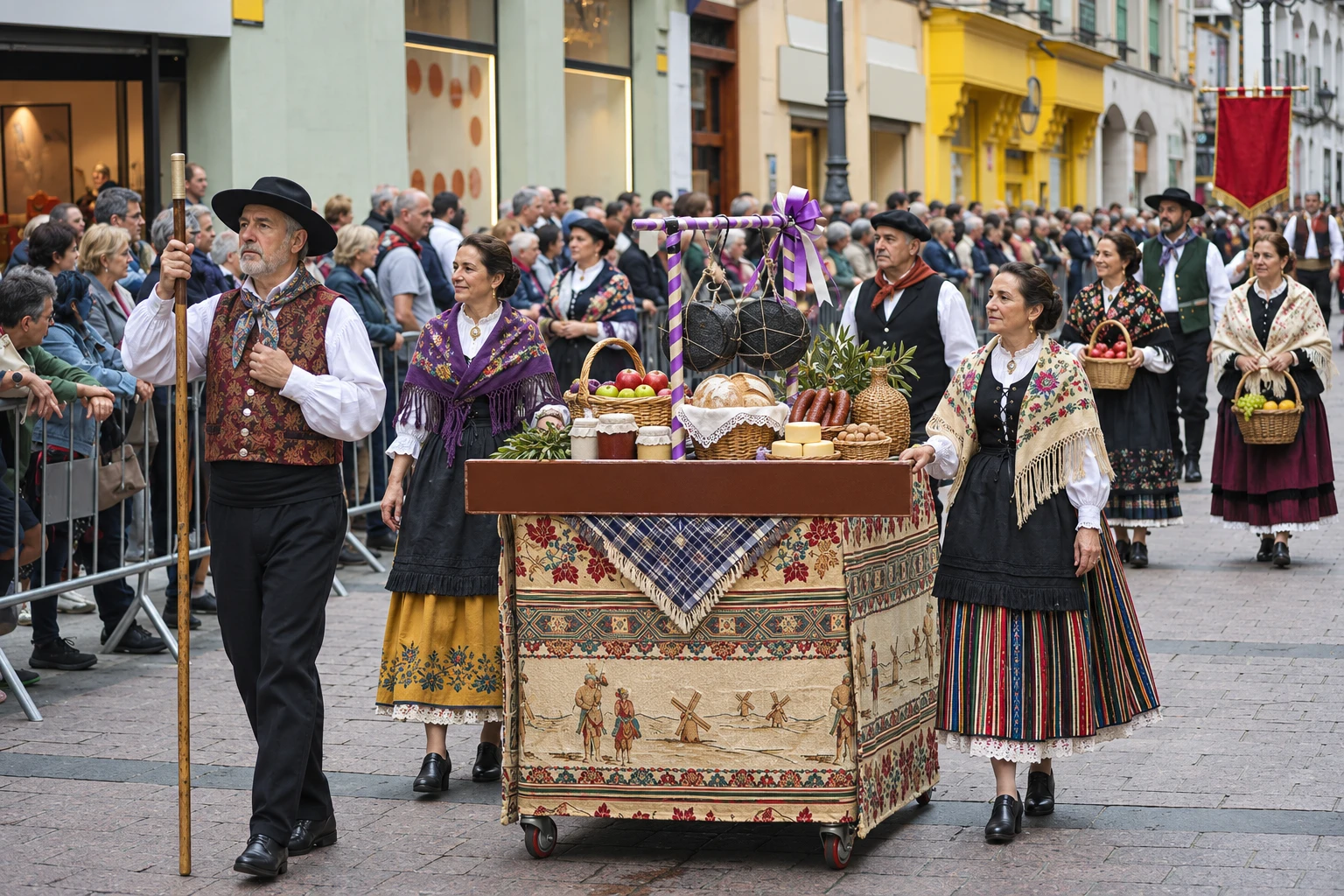
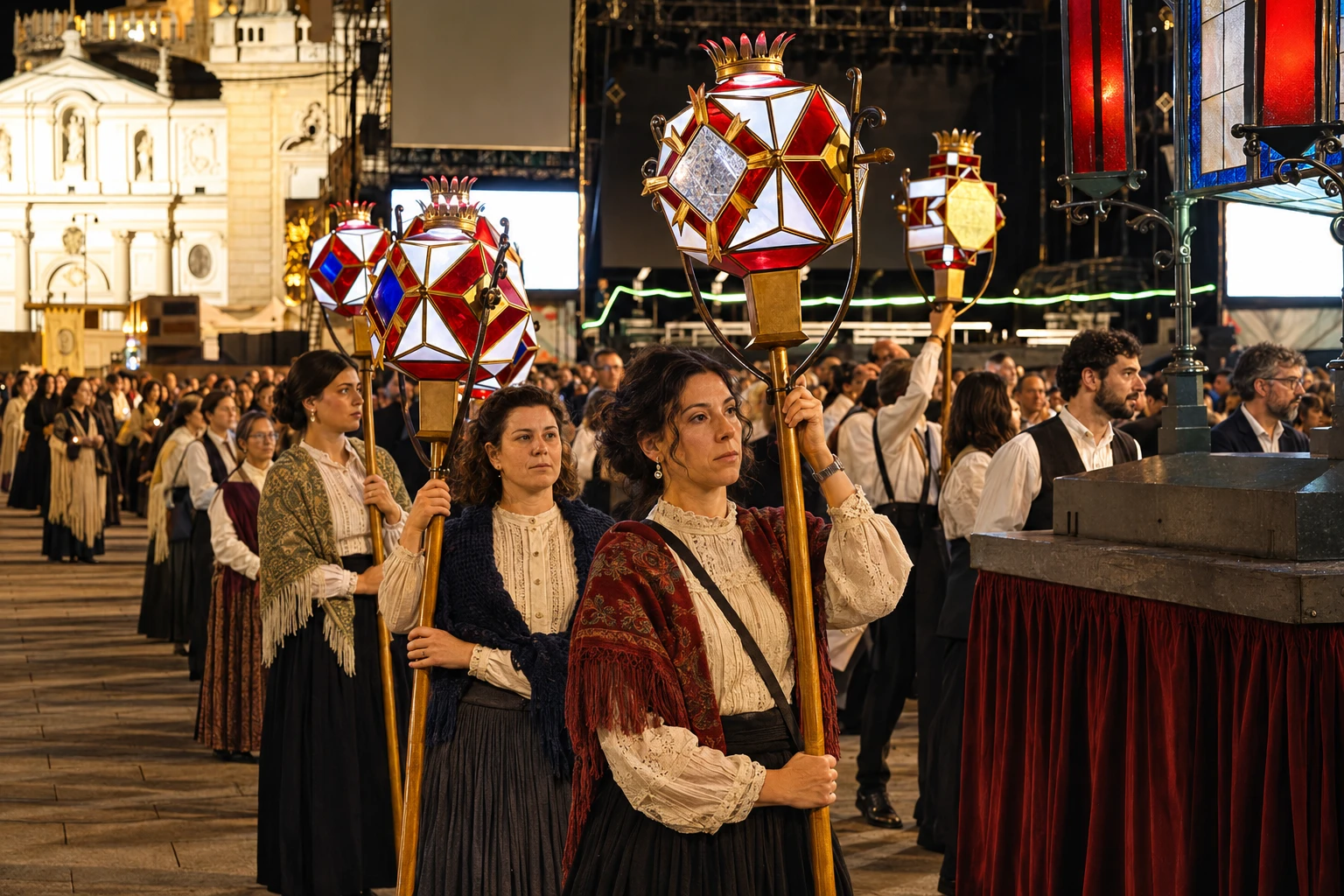
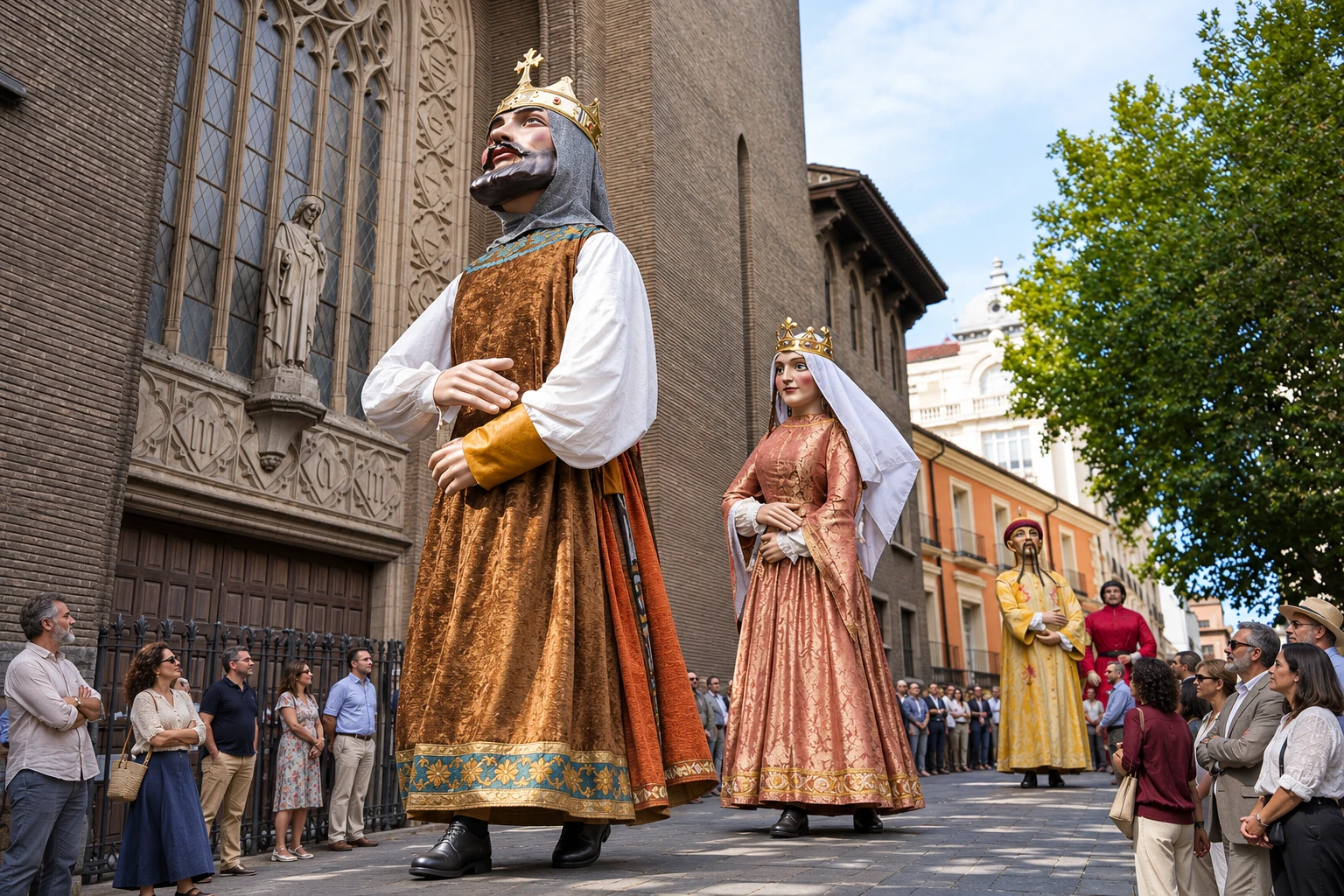
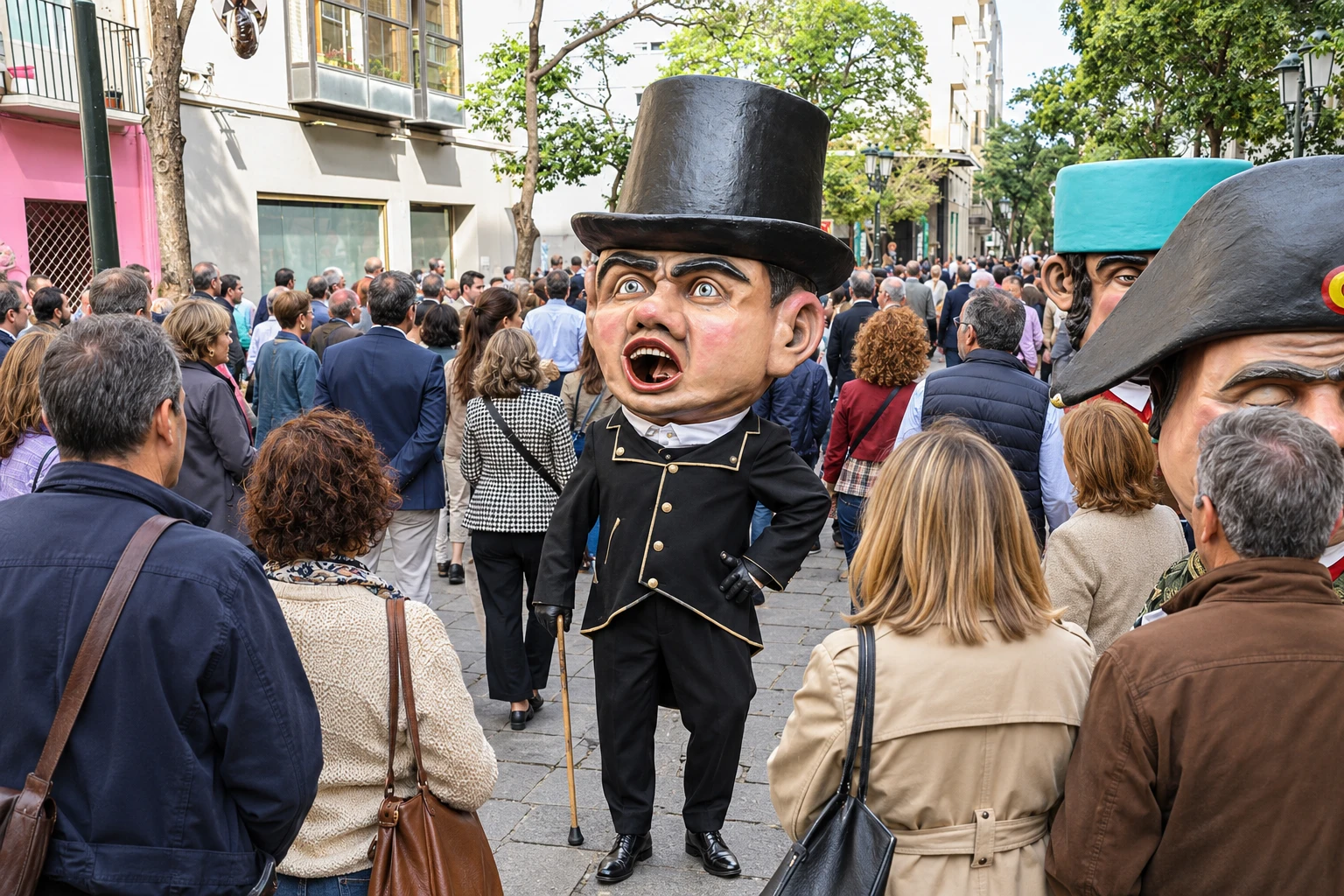
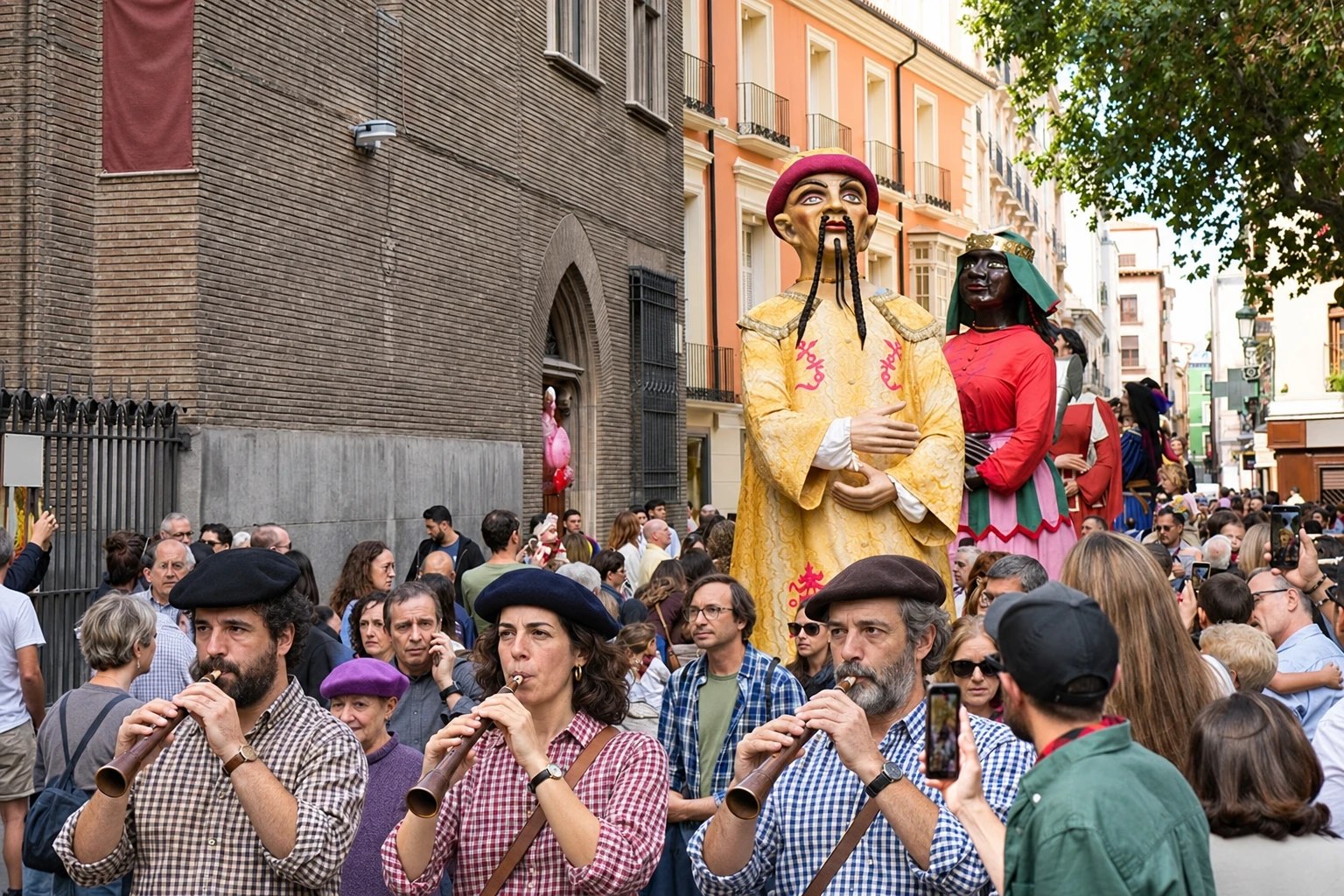
On October 13 in the morning, the Offering of Fruits gathers regional houses, which bring products from their lands to the Virgin, later donated to social organisations. At dusk the Crystal Rosary sets off, a procession of large lanterns and illuminated crystal floats representing the mysteries of the rosary, one of the festival’s iconic images. During all the days, the city’s giants and big-headed figures, an ensemble declared a cultural asset, go through the neighbourhoods where the big-headed figures chase the children; the Aragonese jota takes to stages and rounds in the squares; and there are concerts, theatre, circus and exhibitions across the city. At the farewell there is a fireworks display on the banks of the Ebro.
For visitors, the Pilar Festivities are an opportunity to see Zaragoza in celebration and to visit, besides the basilica, the cathedral of La Seo, the Aljafería Palace, the Puente de Piedra and the museums of Goya and the Roman city of Caesaraugusta.
How to enjoy it
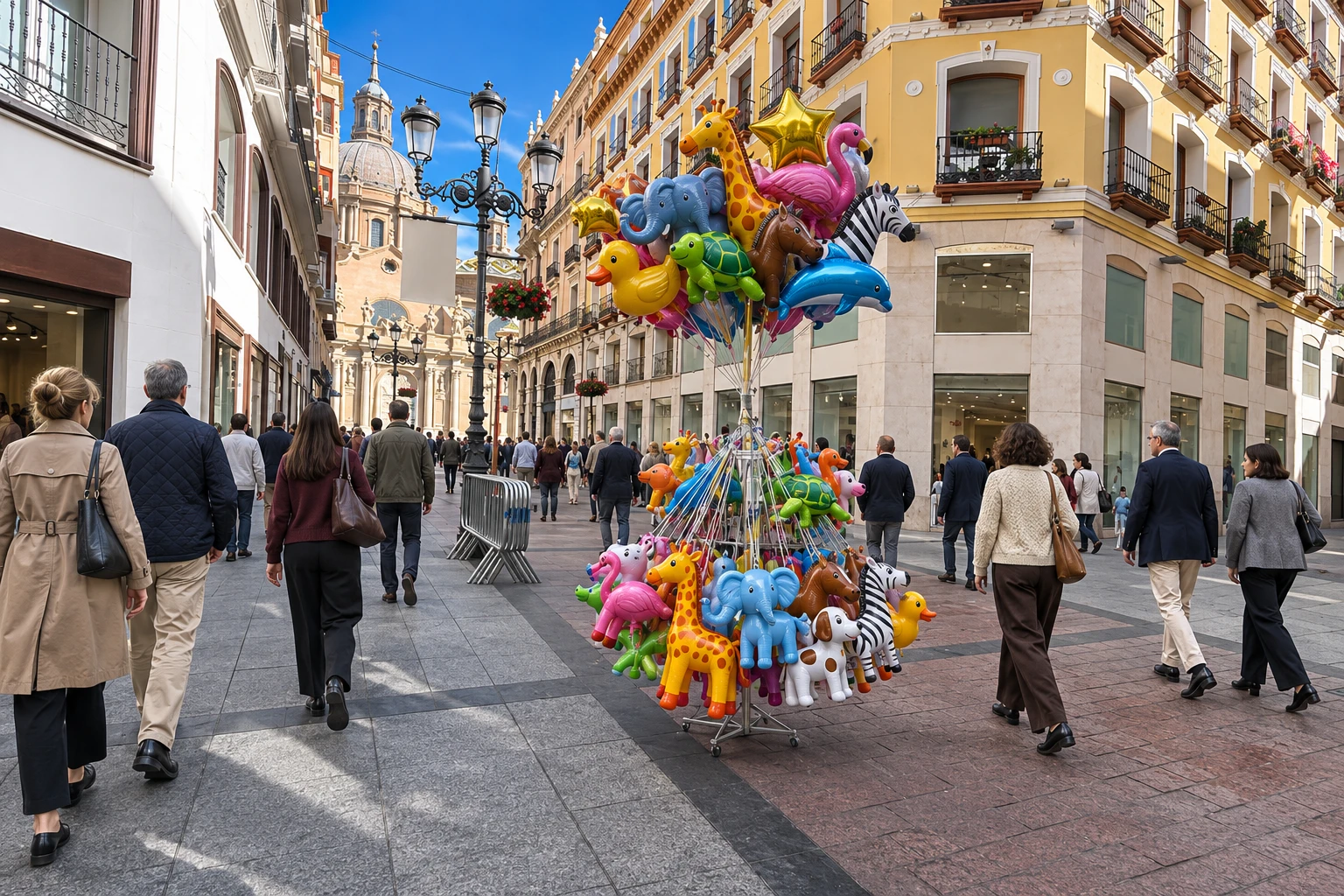
The historic centre, between the Plaza del Pilar, the cathedral and Paseo de la Independencia, is walked on foot, and the tram connects the centre with other neighbourhoods. To see the Offering of Flowers, choose a point along the route, such as Alfonso I and Don Jaime I streets, or join the queue at Plaza del Pilar; those who wish to participate can bring their own bouquet as an individual offerer, in addition to the registered groups. The floral mantle can be seen more calmly in the following days, early in the morning. The Crystal Rosary has a set route for part of its procession, but can be watched from the street. In October Zaragoza generally has mild afternoons and cool nights, sometimes with the cierzo wind: bring a jacket.
What to eat
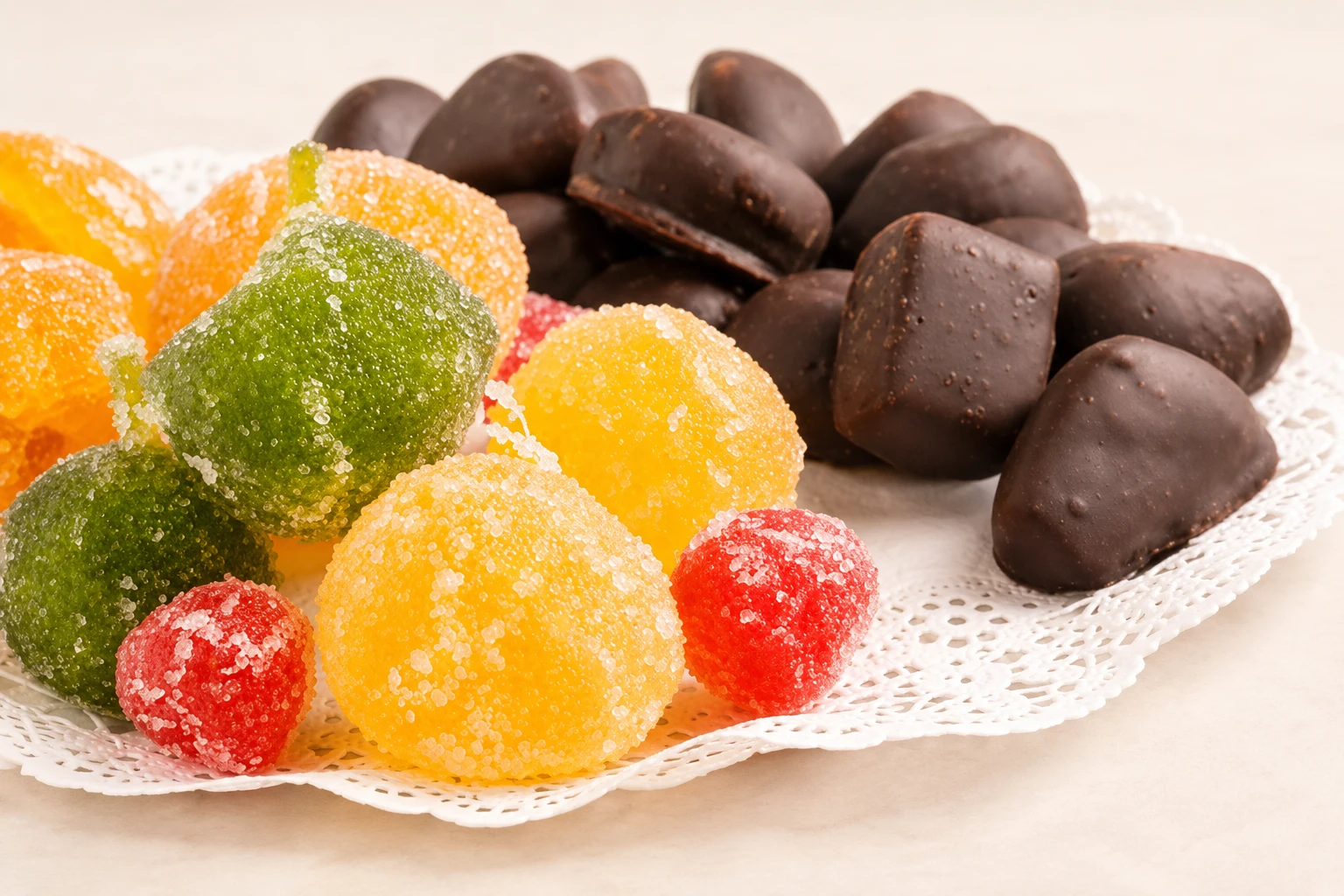
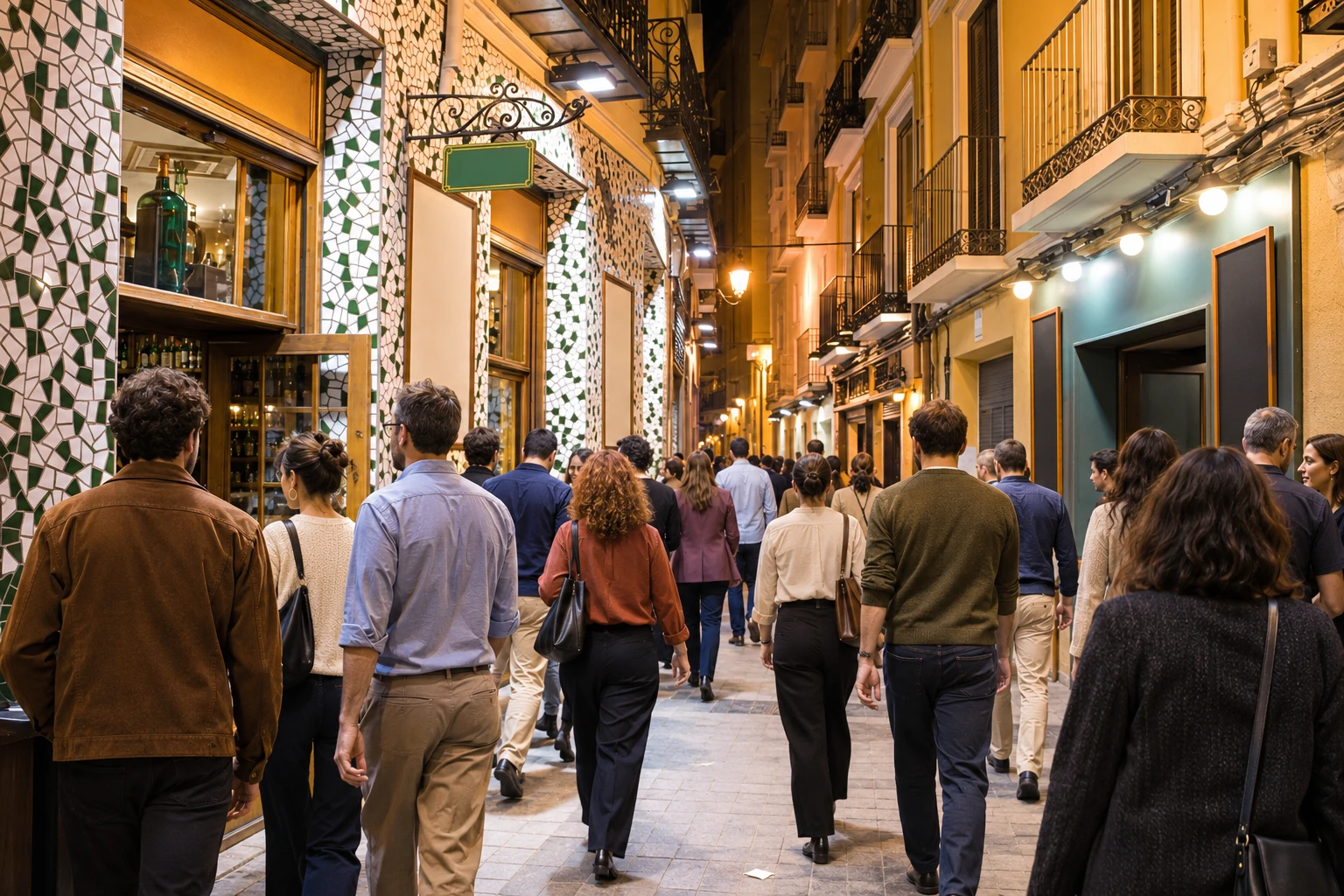
During the Pilar days, downtown bars, especially in the El Tubo neighbourhood, serve Aragonese tapas such as migas, ternasco de Aragón (roast lamb) and borrajas, a local leafy vegetable. Aragonese produce also features in the Offering of Fruits. Among sweets, frutas de Aragón—candied fruits covered in chocolate—and the adoquines del Pilar, large rectangular candies wrapped with versos of jota on the paper, are typical festival souvenirs. To drink, wines from Aragonese denominations such as Cariñena and Somontano.


 Brazil
 Argentina
 Bolivia
 Chile
 Colombia
 Ecuador
 Guyana
 French Guiana
 Falkland Islands (Malvinas)
 Paraguay
 Peru
 Suriname
 Uruguay
 Venezuela
 Germany
 Austria
 Belgium
 Croatia
 Denmark
 Slovakia
 Finland
 France
 Greece
 the Netherlands
 Hungary
 Ireland
 Iceland
 Italy
 Luxembourg
 Norway
 Poland
 Portugal
 the United Kingdom
 the Czech Republic
 Sweden
 Switzerland
 Turkey
 Canada
 the United States
 Mexico
 the Dominican Republic
 South Africa
 Australia
 Fiji
 New Zealand
 Papua New Guinea

 January