Tržiška bržola
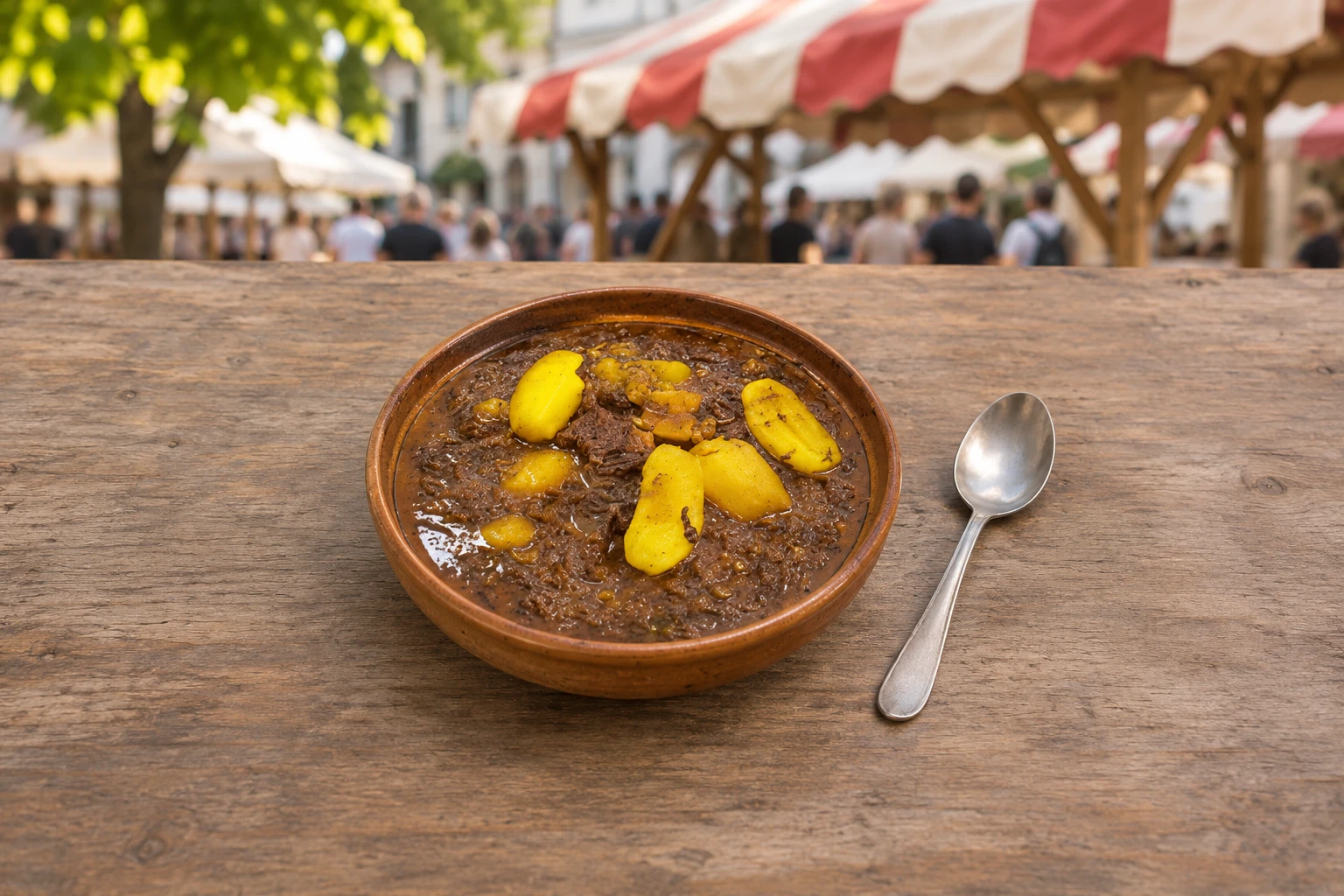
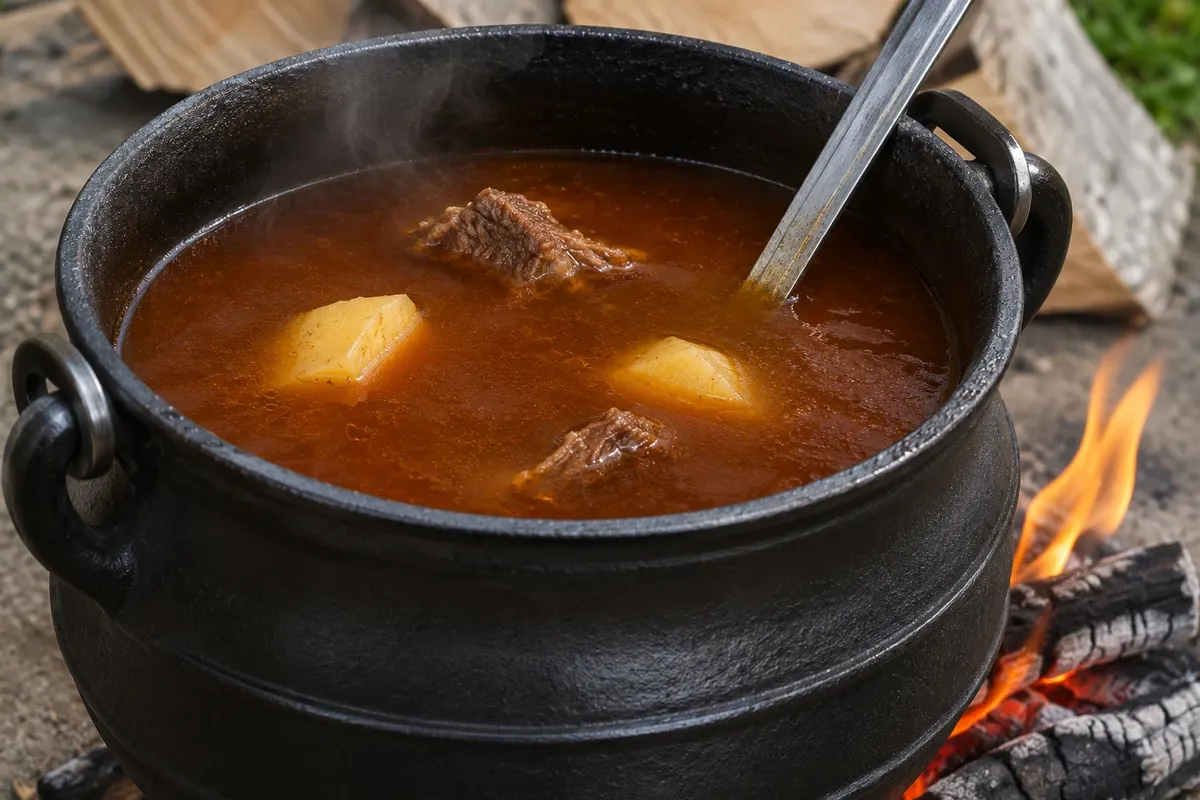
A mutton and vegetable stew seasoned with savory and juniper. It is the best-known dish in Tržič, the town of shoemakers at the foot of the Karawanks. According to tradition, it originated among the shepherds in the mountain pastures.
Antarctica
Popular festival · Tržič
On the first Sunday in September, Tržič, a town of shoemakers at the foot of the Karawanks, fills its old town with stalls, workshops on making shoes by hand, music, and regional food. The fair keeps alive the memory of the craft that made the town famous.
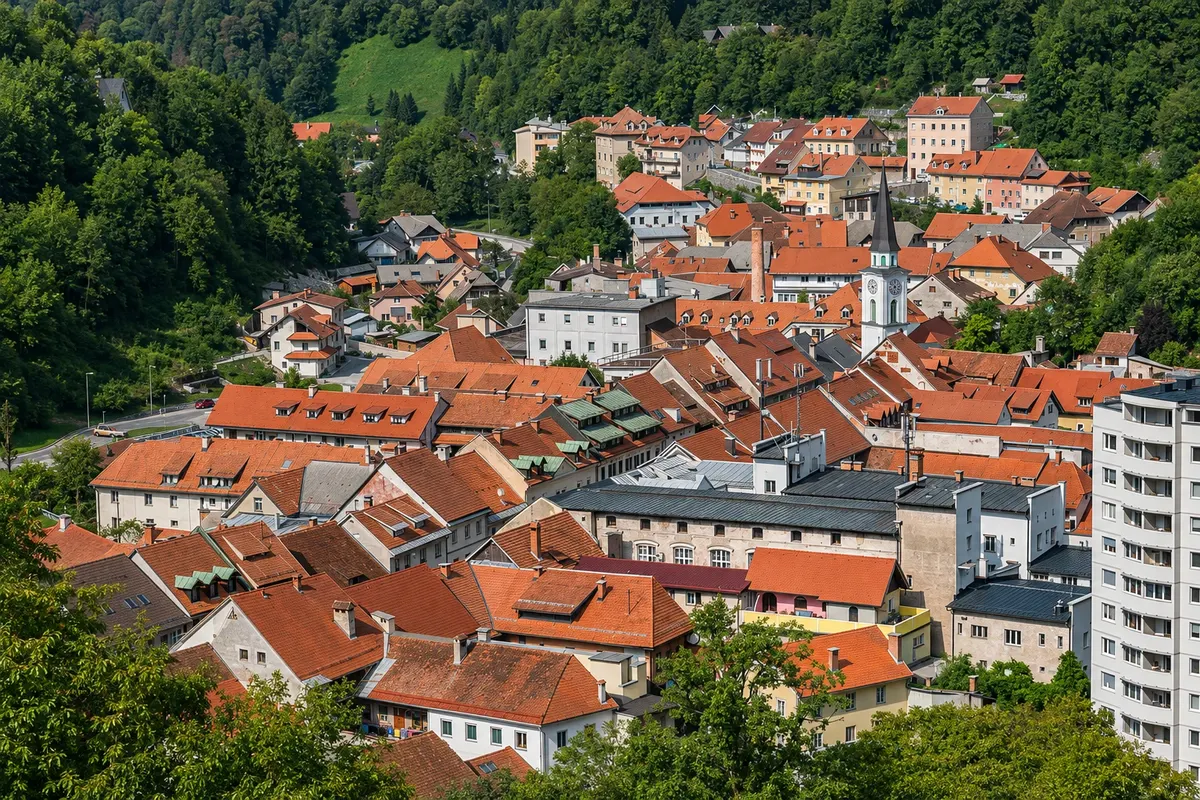
In the photo: Tržič
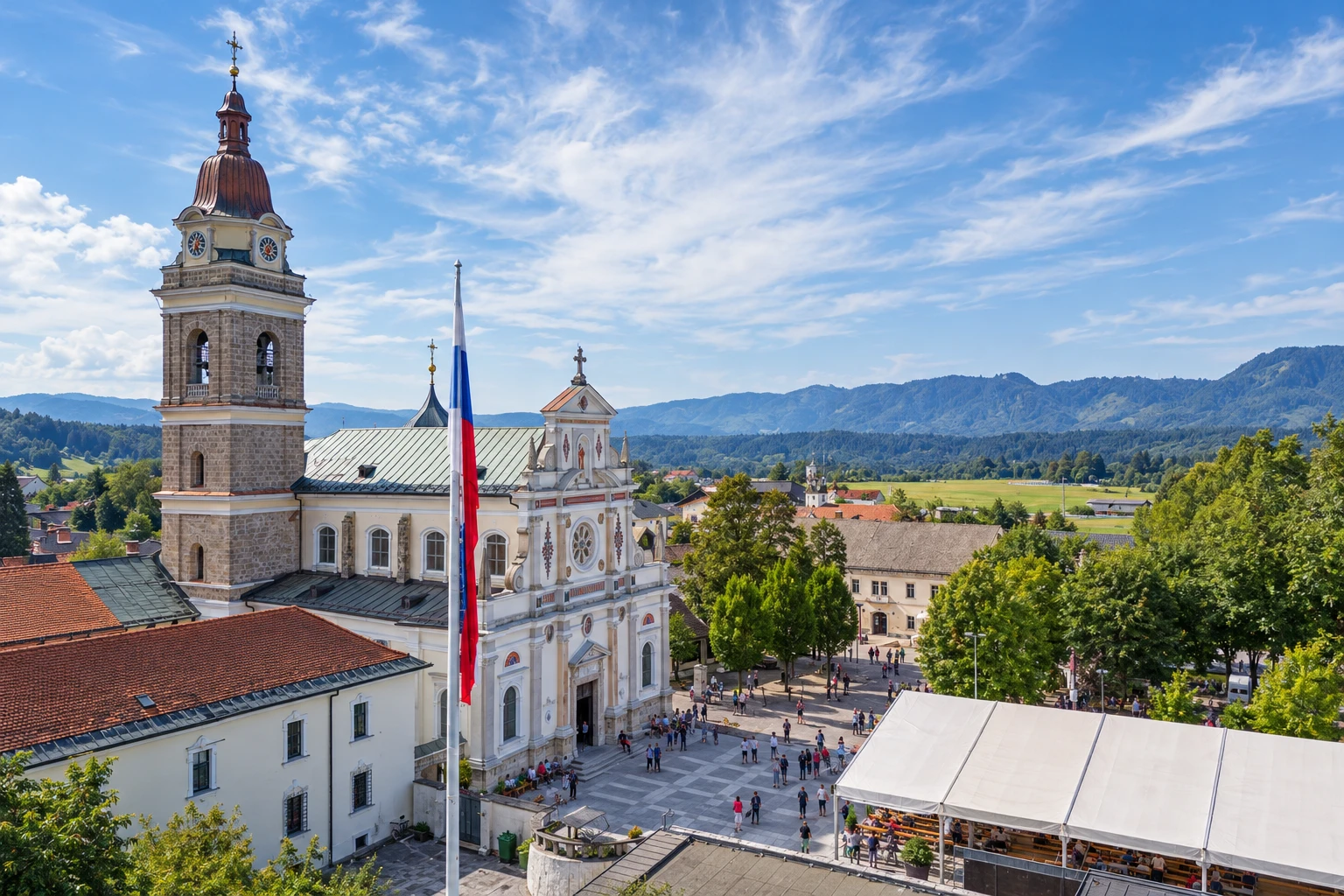
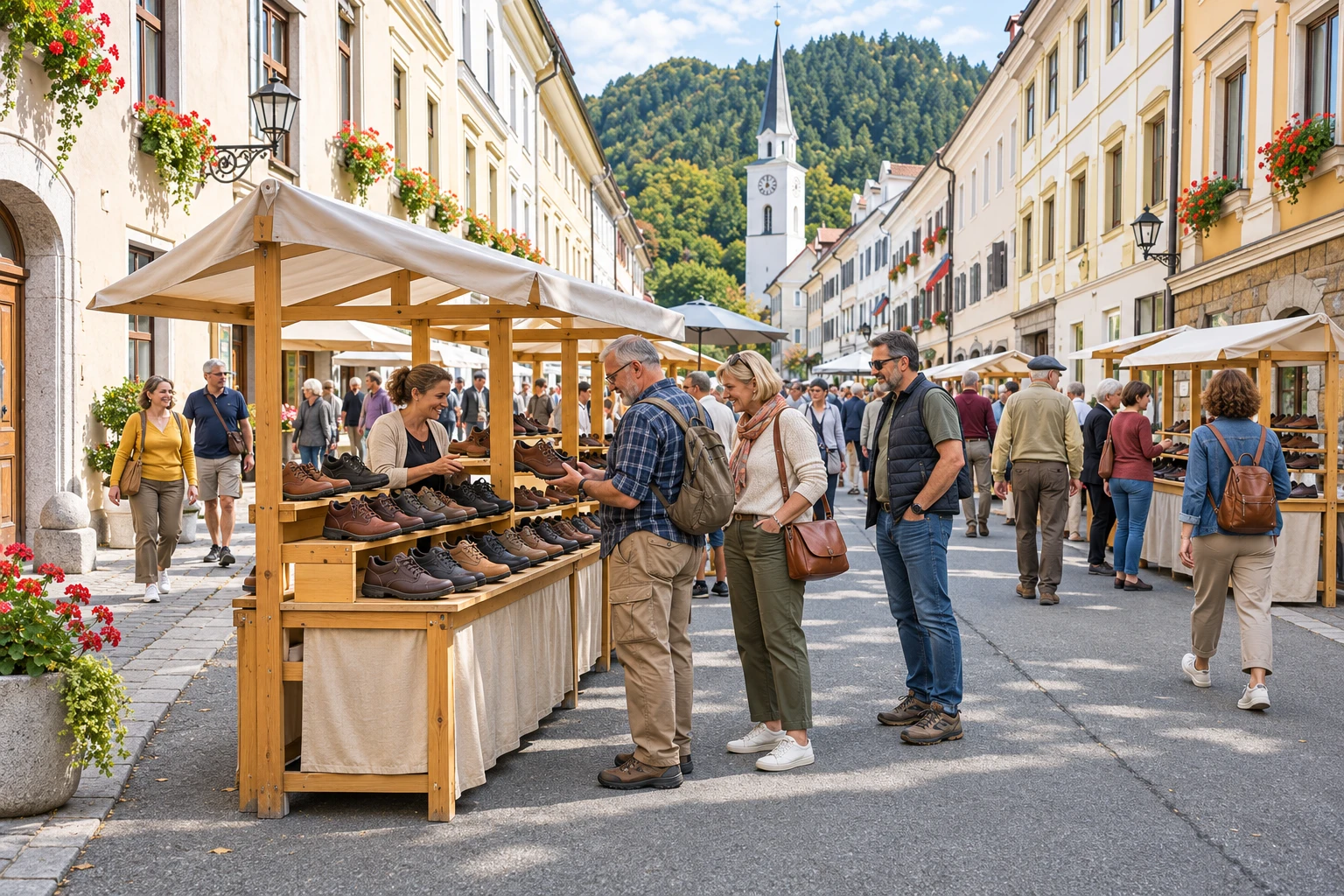
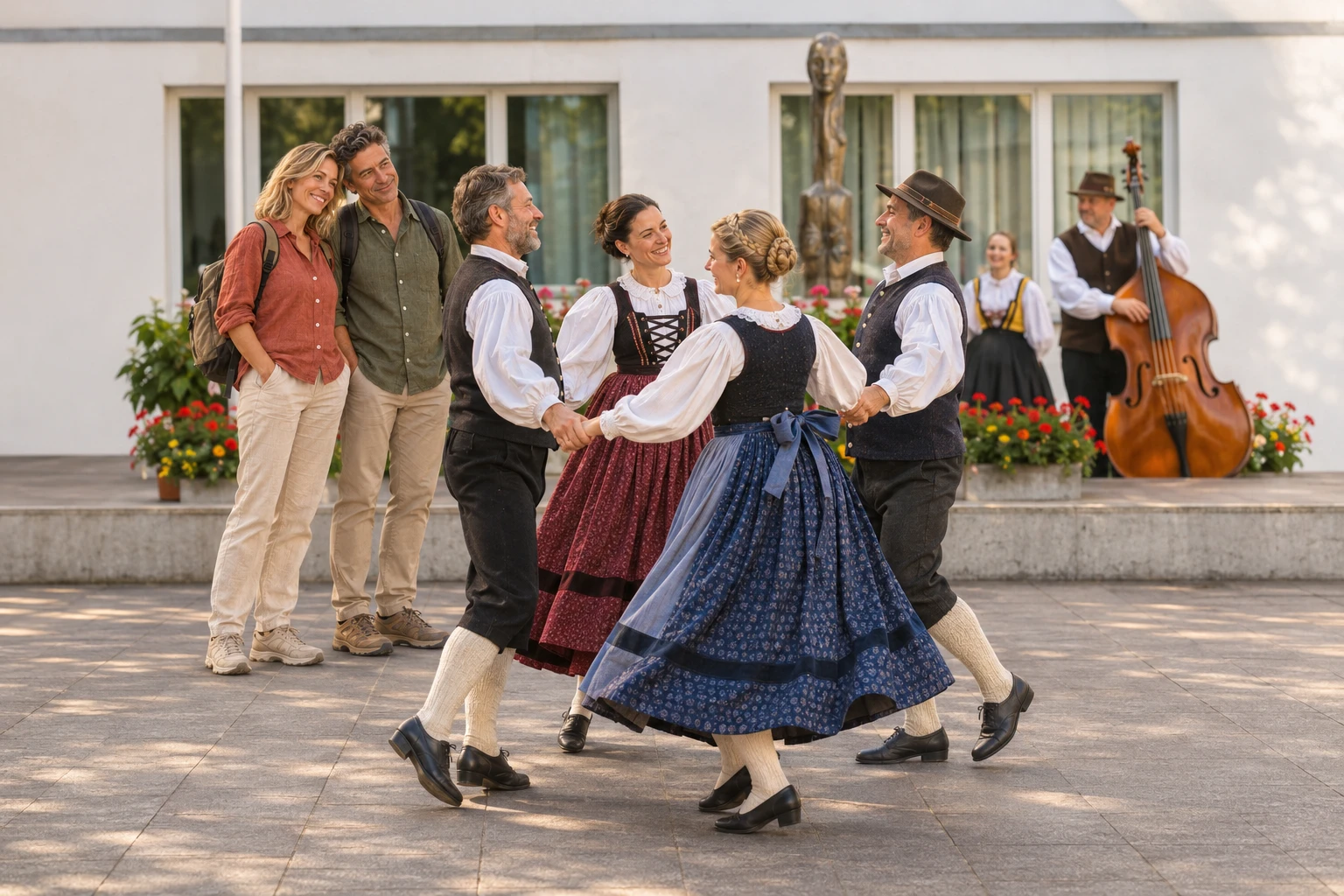
Illustrative images. The pictures in this guide are illustrations based on the real place, not photographs, and may differ from it.
Click the picture to enlarge it.
Cobblers’ Sunday in Tržič — Tržič
On the first Sunday in September, with Šuštarfest activities beginning in the days leading up to the fair, sometimes as early as late August.
August/September
Dates change every year: check this year's date before you travel.
The festival
Tržič is a small town in Upper Carniola, near the Austrian border, where two rivers flow down from the Karawanks. For centuries it was a town of artisans, and the craft that left the greatest mark on its history was shoemaking. Shoes from Tržič were known throughout the Austro-Hungarian Empire, and Tržič is still called the town of shoemakers, or šuštarji.
The festival grew out of that tradition. In the past, apprentice shoemakers became journeymen at a ceremony in early September, and the day ended with a fair. The custom evolved into Šuštarska nedelja, or Cobblers’ Sunday, which the town has celebrated on the first Sunday in September for more than half a century. Festivities under the name Šuštarfest can begin as early as late August.
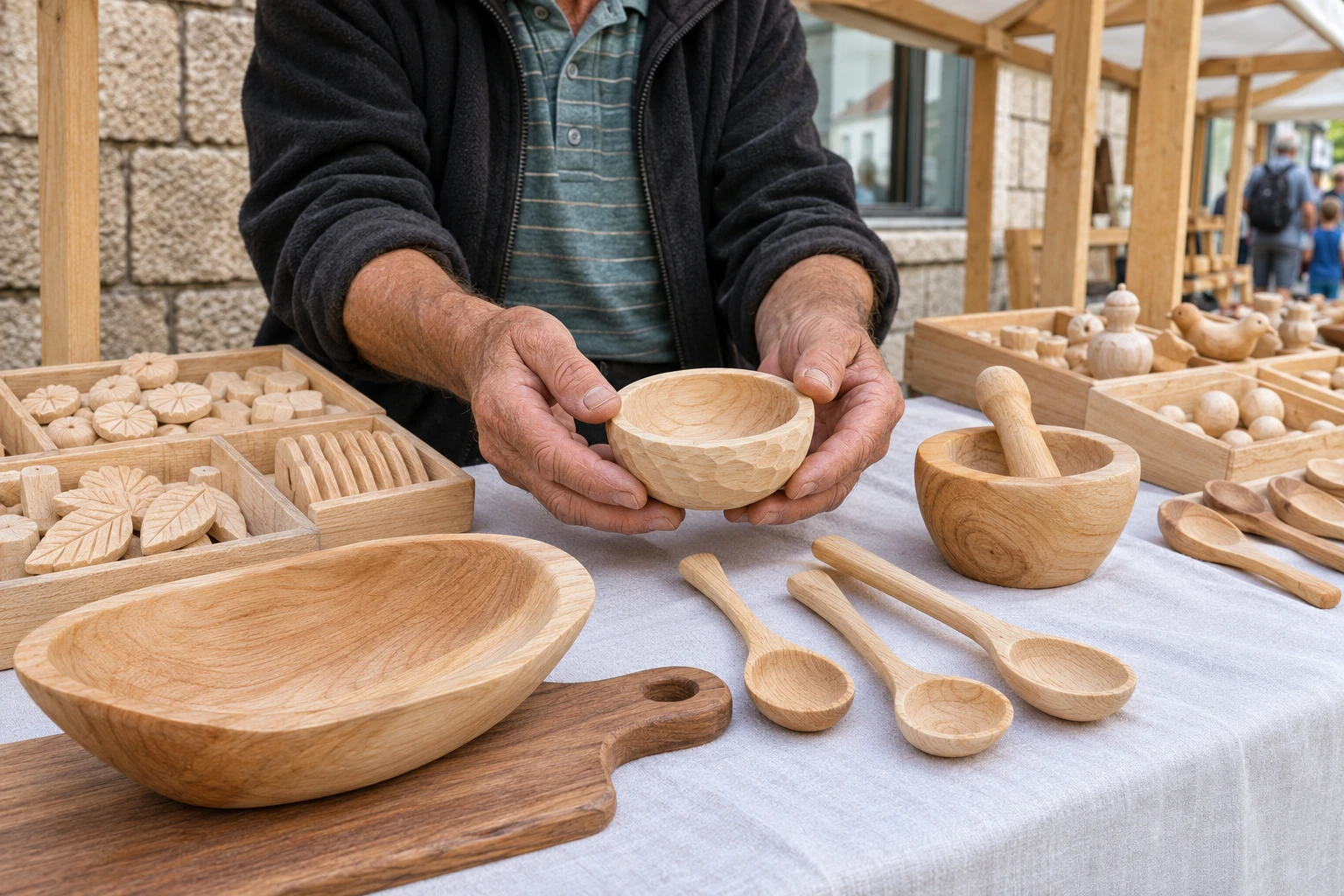
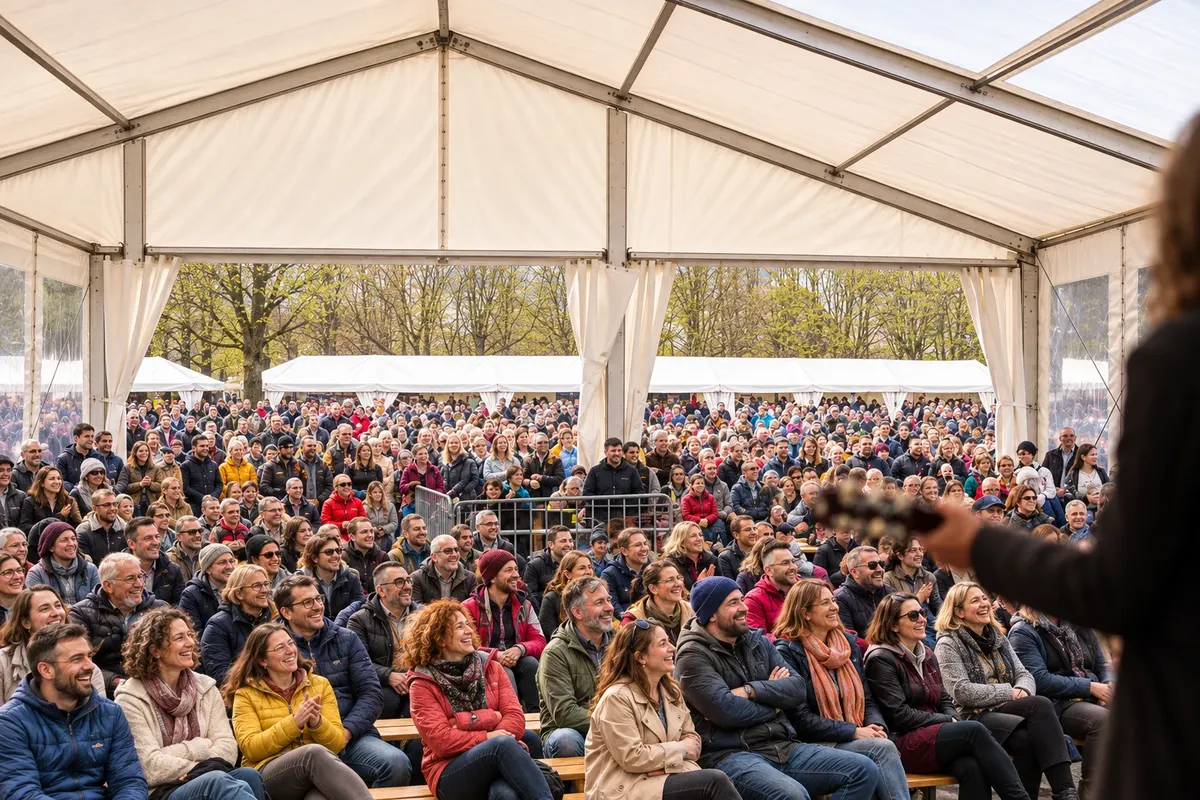
On Sunday, stalls fill the old town of Tržič. Along Trg svobode, they sell shoes, leather goods, work by other local artisans, and goods from small Slovenian producers. Some years the fair includes shoemaking demonstrations. There is music, live entertainment, and traditional food, notably tržiška bržola, the town’s mutton stew.
On the facade of a house at the start of the main street, figures of Saint Crispin and Saint Crispinian, the patron saints of shoemakers, recall this history. The town museum also tells the story in an exhibition dedicated to the shoemakers of Tržič.
It’s worth the trip to see this town of artisans on a festive day in late summer. You can combine the fair with a hike in the Karawanks or a visit to Dovžan Gorge, just above town.
The leather goods and shoe stalls along Trg svobode. The tržiška bržola at the food stalls. The exhibition on the shoemakers of Tržič at the town museum. The figures of Saint Crispin and Saint Crispinian on the facade of the house at the start of the main street.
Arrive early: the fair starts in the morning, and the old town gets crowded as the day goes on. Leave your car in one of the parking lots designated by the town and walk from there. The fair is a chance to buy Slovenian-made shoes and leather goods directly from the people who make them.
Tržiška bržola, a mutton stew seasoned with the herb savory, is Tržič’s best-known dish.
Check the official website for Šuštarfest dates and the fair schedule. You can find places to stay in both Tržič and Kranj.
Flavors of Slovenia
August/September
June/July/August/SeptemberDuring the summer, from June or July until the beginning of September.
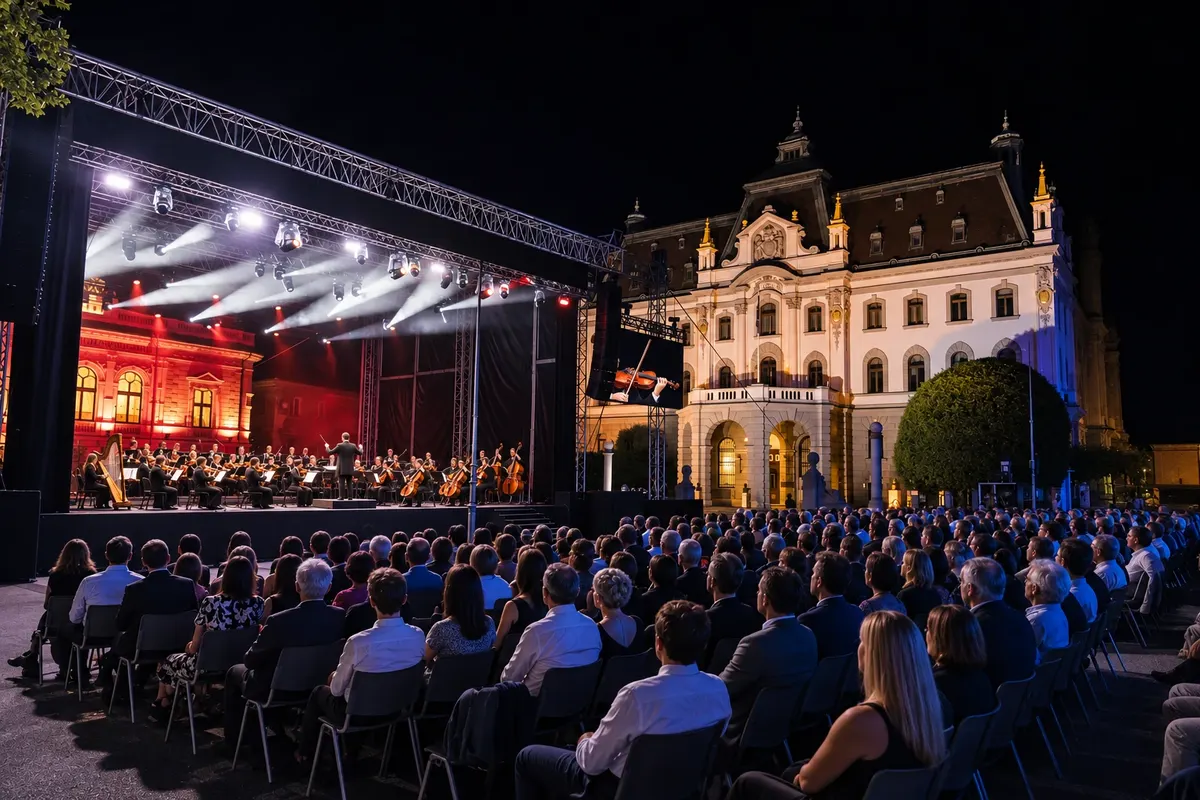
Created in 1953, the Ljubljana Festival fills the capital’s summer with opera, ballet, symphony concerts, theater and folk music, in the Križanke courtyard, the former monastery remodeled by Jože Plečnik, and at Kongresni trg square.
SeptemberOn the third Sunday of September.
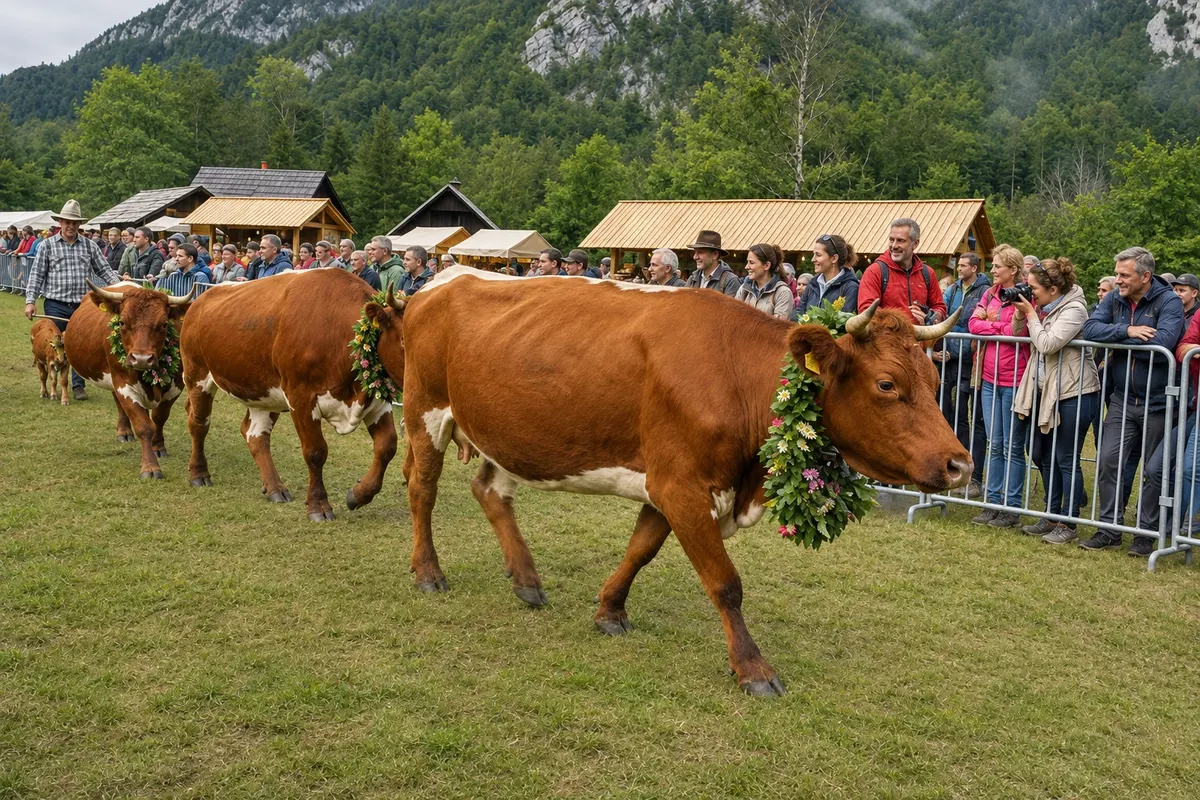
On the third Sunday of September, Bohinj celebrates the return of the shepherds and their cattle from the high mountain pastures: the cows descend, decorated with flowers, to the meadow at Ukanc on the western tip of Lake Bohinj, in a festival with music, dancing and regional food.
SeptemberOn a weekend in early to mid-September, usually Friday through Sunday, with the big parade on Sunday.
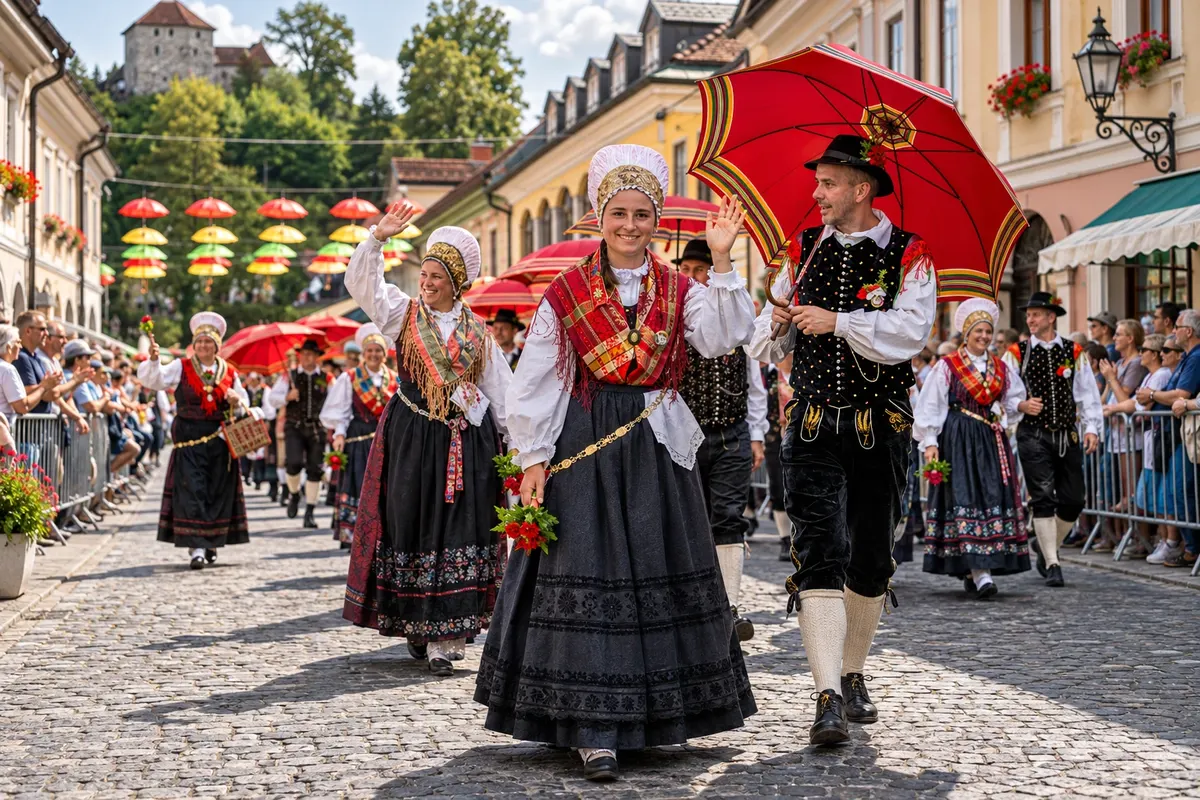
Every September, Kamnik’s old town, at the foot of the Kamnik–Savinja Alps, hosts Slovenia’s largest ethnological festival, featuring parades of traditional costumes from all regions, music, dance and handicrafts.
Your questions
On the first Sunday in September. Šuštarfest activities may begin in the last few days of August.
Shoemaking made the town famous: shoes from Tržič were known throughout the Austro-Hungarian Empire. The festival grew out of a ceremony at which apprentices became journeymen. A fair followed the ceremony.
Try the tržiška bržola served at the fair. It’s Tržič’s traditional mutton stew, seasoned with the herb savory.
Festivals and events in Slovenia
SeptemberFor about a week in September.
Every September, Pika, as Pippi Longstocking is known in Slovenian, takes charge of Velenje for a week. It’s Slovenia’s largest children’s festival, with theater, puppet shows, music, workshops, and games in the city center.
September/OctoberOn a Sunday in late September or early October, when the grapes are ripe, after a few days of wine festivities in the Lent neighborhood.
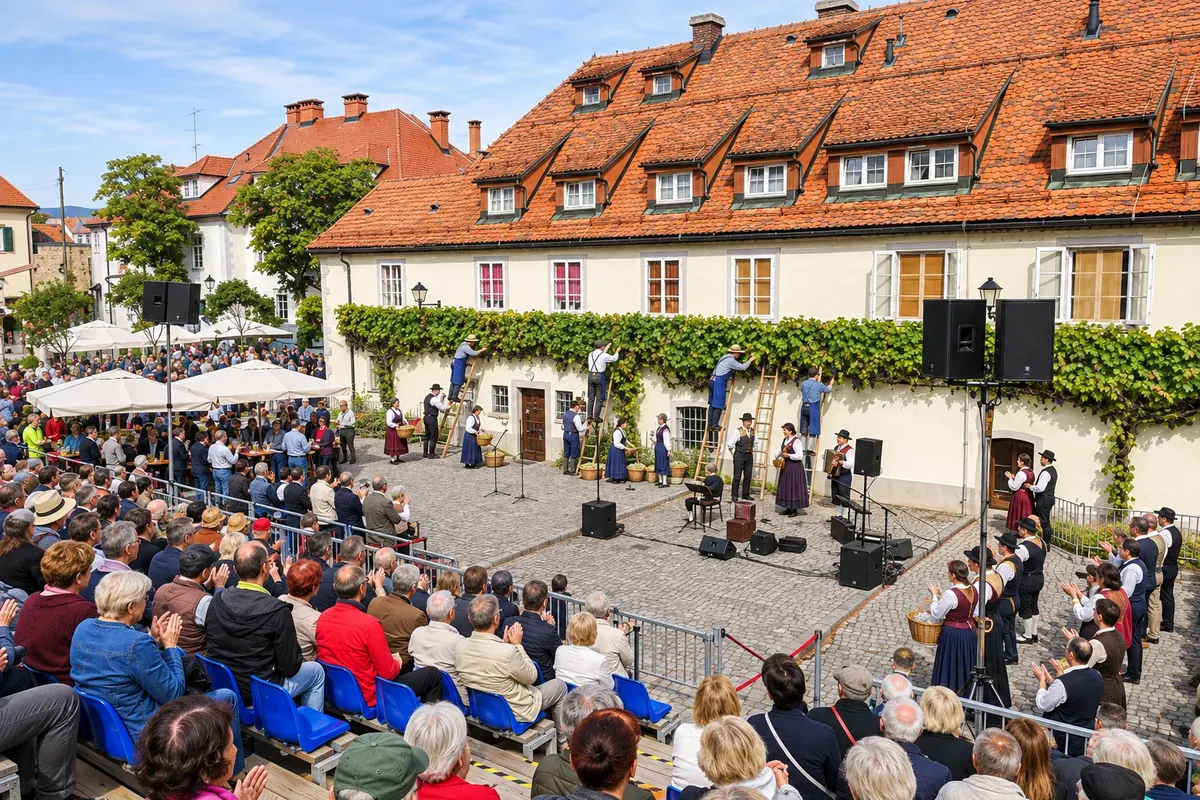
Every early autumn, Maribor publicly harvests the grapes of the Stara trta, the more-than-400-year-old vine that grows on the facade of a house in the Lent neighborhood, concluding days of celebrations with Styrian wines and dishes by the Drava River.
February/MarchOn the days before Lent, in February or March depending on the date of Easter, ending on Shrove Tuesday. The duration varies according to the program.
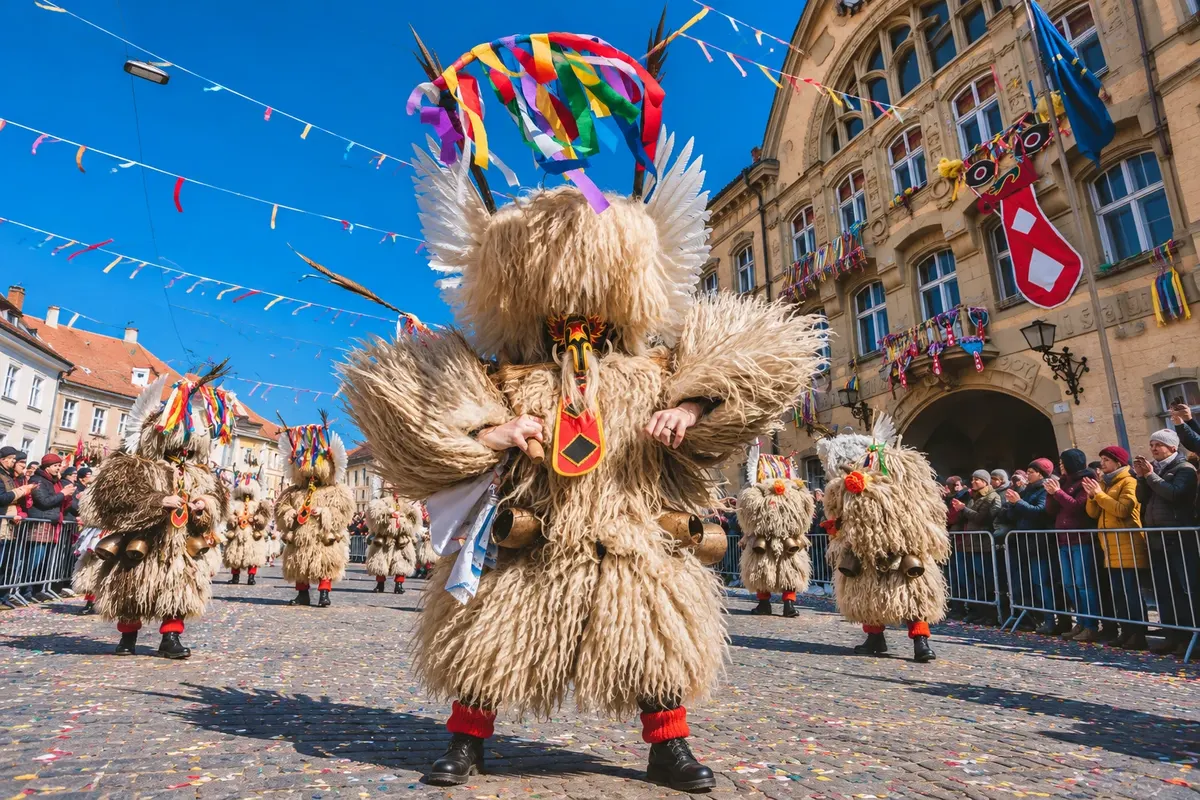
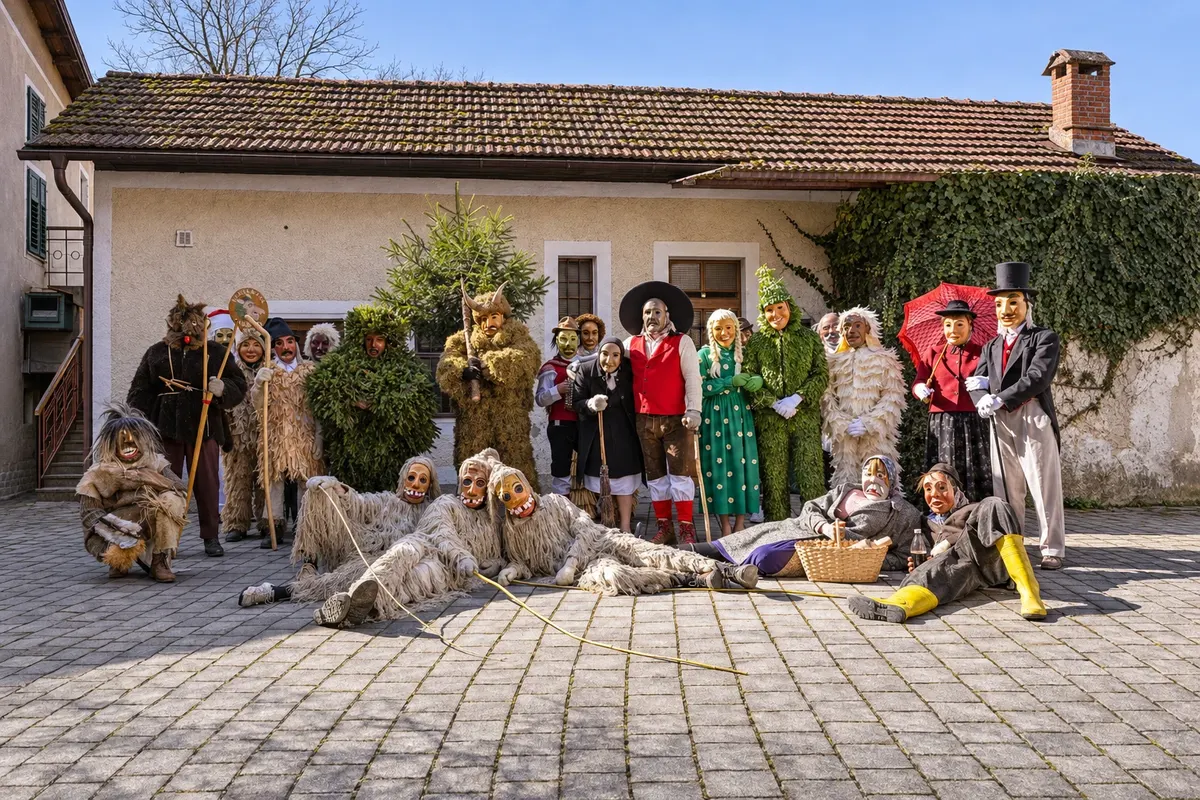
Slovenia’s largest carnival takes over Ptuj’s old town: the kurenti, figures dressed in sheepskins with horned or feathered masks and large bells at the waist, parade alongside other traditional regional characters to drive away winter.
February/MarchOn the Sunday and Tuesday of Carnival, which fall between early February and early March according to the Easter calendar; the laufarji begin to appear in the streets on the preceding Sundays.
In Cerkno, in the hills of western Slovenia, the laufarji—figures wearing carved wooden masks—parade through town at Carnival and stage the trial and execution of the Pust, the moss-covered figure who carries the year’s misfortunes.
MarchIn March, from Thursday to Sunday, at the event that closes the Ski Jumping World Cup season.
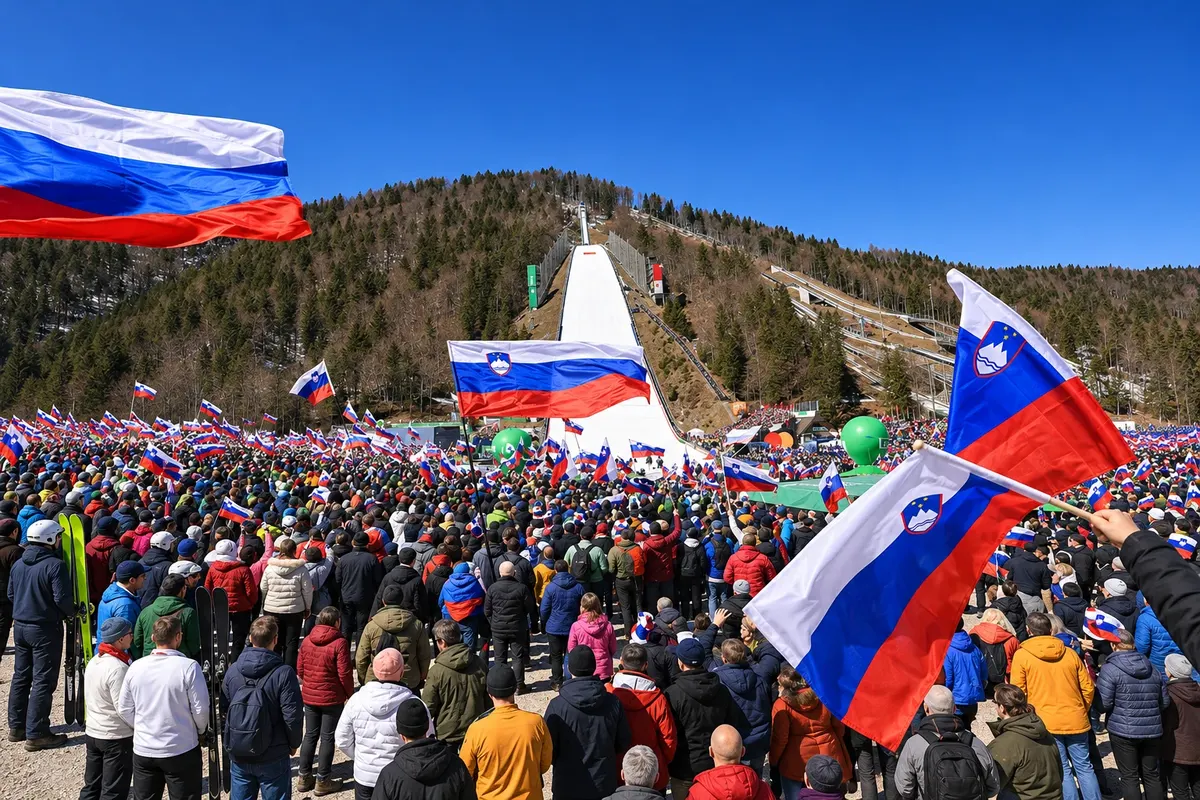
Every March, the Planica valley, near Kranjska Gora, hosts the final stage of the Ski Jumping World Cup, held on the Gorišek Brothers’ flying hill, one of the largest in the world.
AprilOn a weekend in April, usually after Easter and before the May 1 public holiday.
For a weekend in April, the old town of Radovljica, near Bled, turns into a large chocolate showcase, with producers from across the country, tastings, workshops and demonstrations at Linhartov trg square and the town manor.
Beyond the guide