

 Antarctica
 Argentina
 Bolivia
 Chile
 Colombia
 Ecuador
 Guyana
 French Guiana
 Falkland Islands (Malvinas)
 Paraguay
 Peru
 Suriname
 Uruguay
 Venezuela
 Germany
 Austria
 Belgium
 Croatia
 Denmark
 Slovakia
 Slovenia
 Spain
 Finland
 France
 Greece
 the Netherlands
 Hungary
 Ireland
 Iceland
 Italy
 Luxembourg
 Norway
 Poland
 Portugal
 the United Kingdom
 the Czech Republic
 Sweden
 Switzerland
 Turkey
 Bermuda
 Canada
 the United States
 Greenland
 Mexico
 Saint Pierre and Miquelon
 the Dominican Republic
 Japan
 South Africa
 Egypt
 Australia
 Fiji
 New Zealand
 Papua New Guinea
Museum · Pomerode, SC
Carl Weege Immigrant House
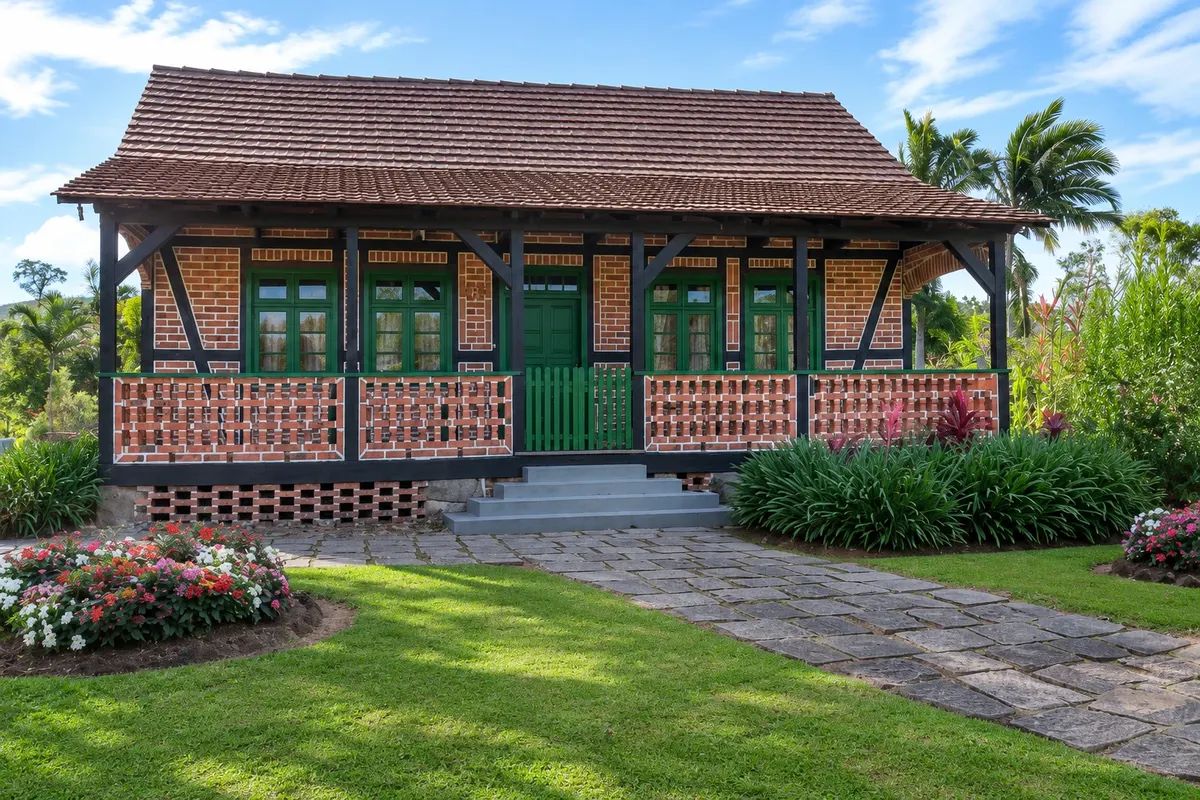
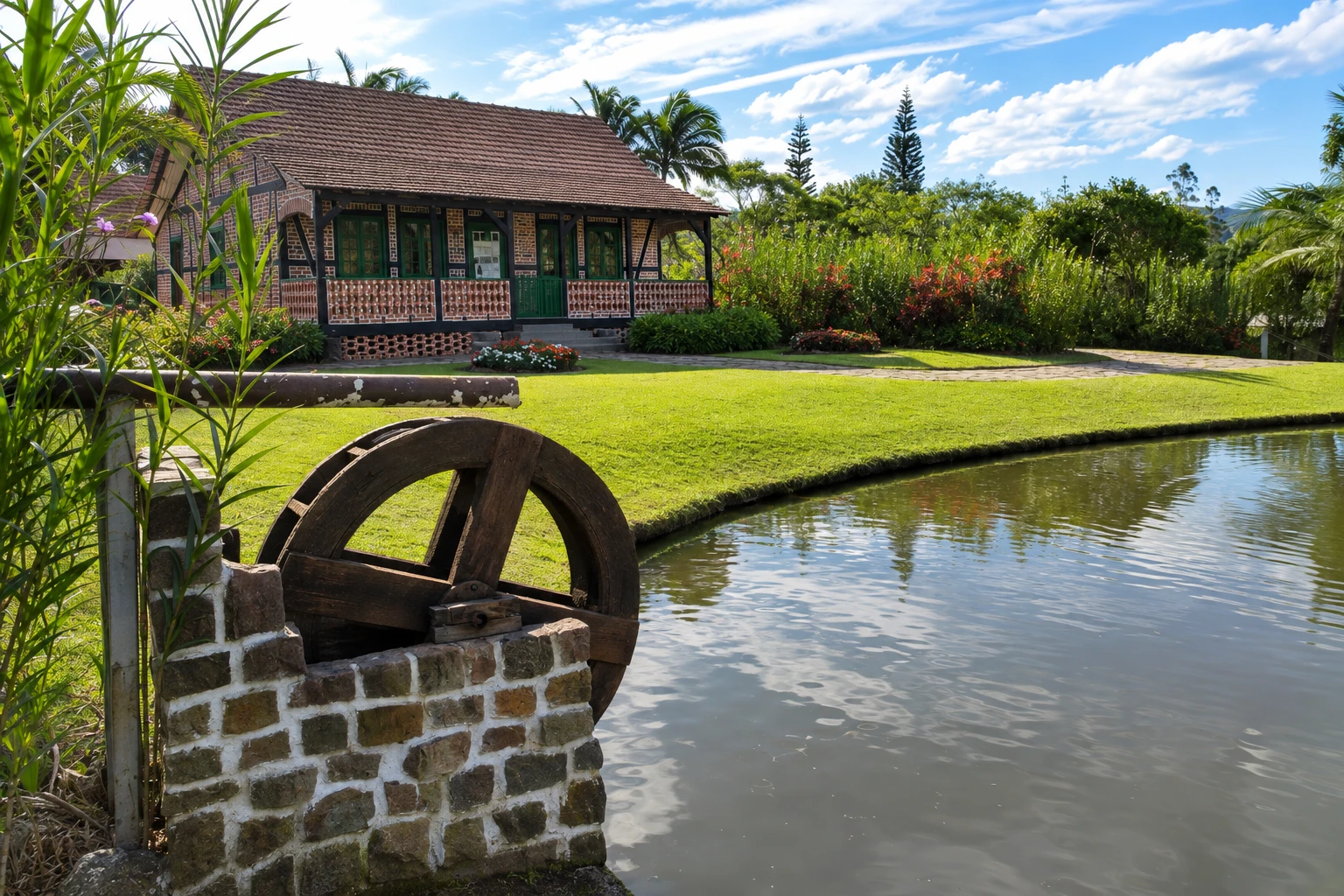
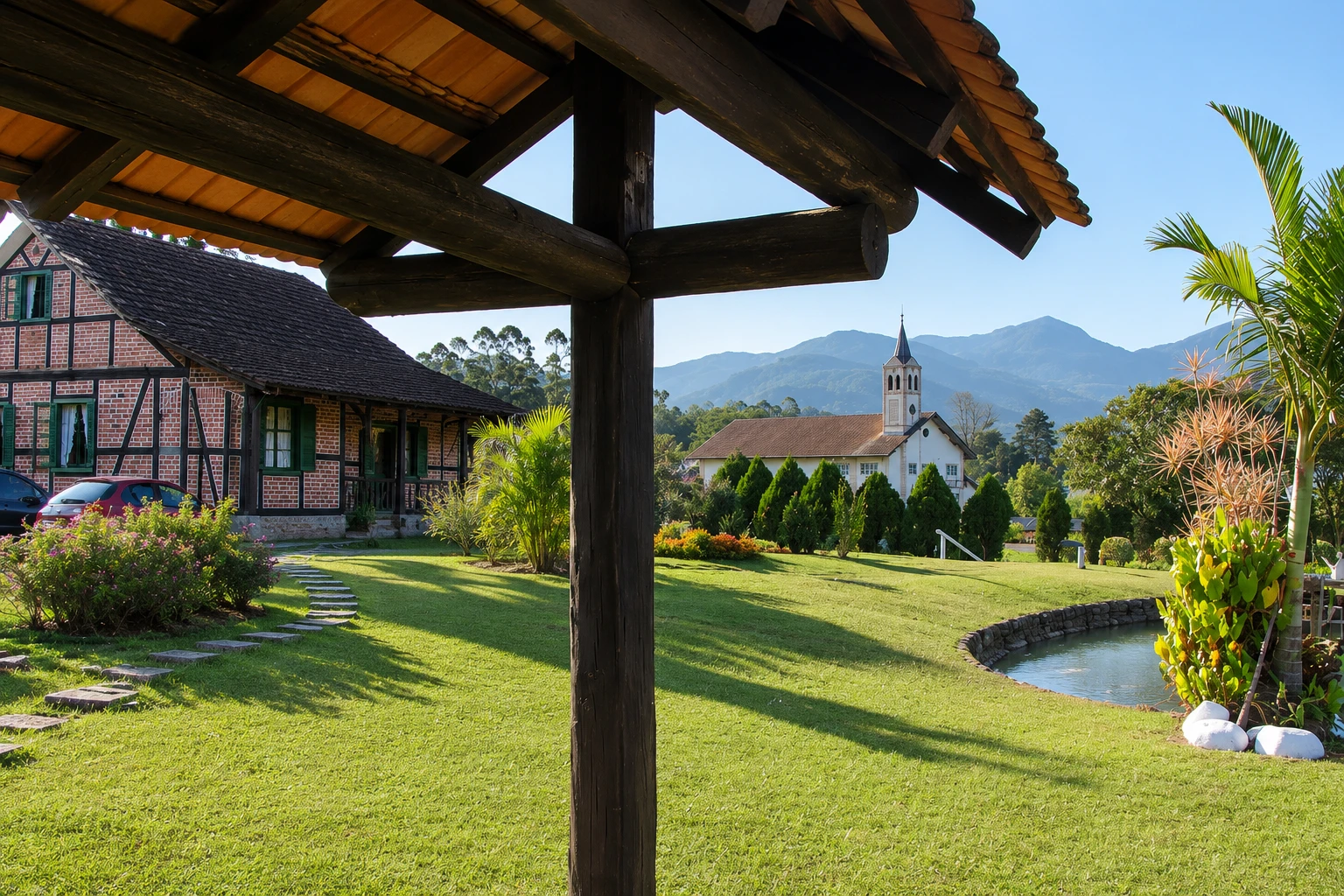
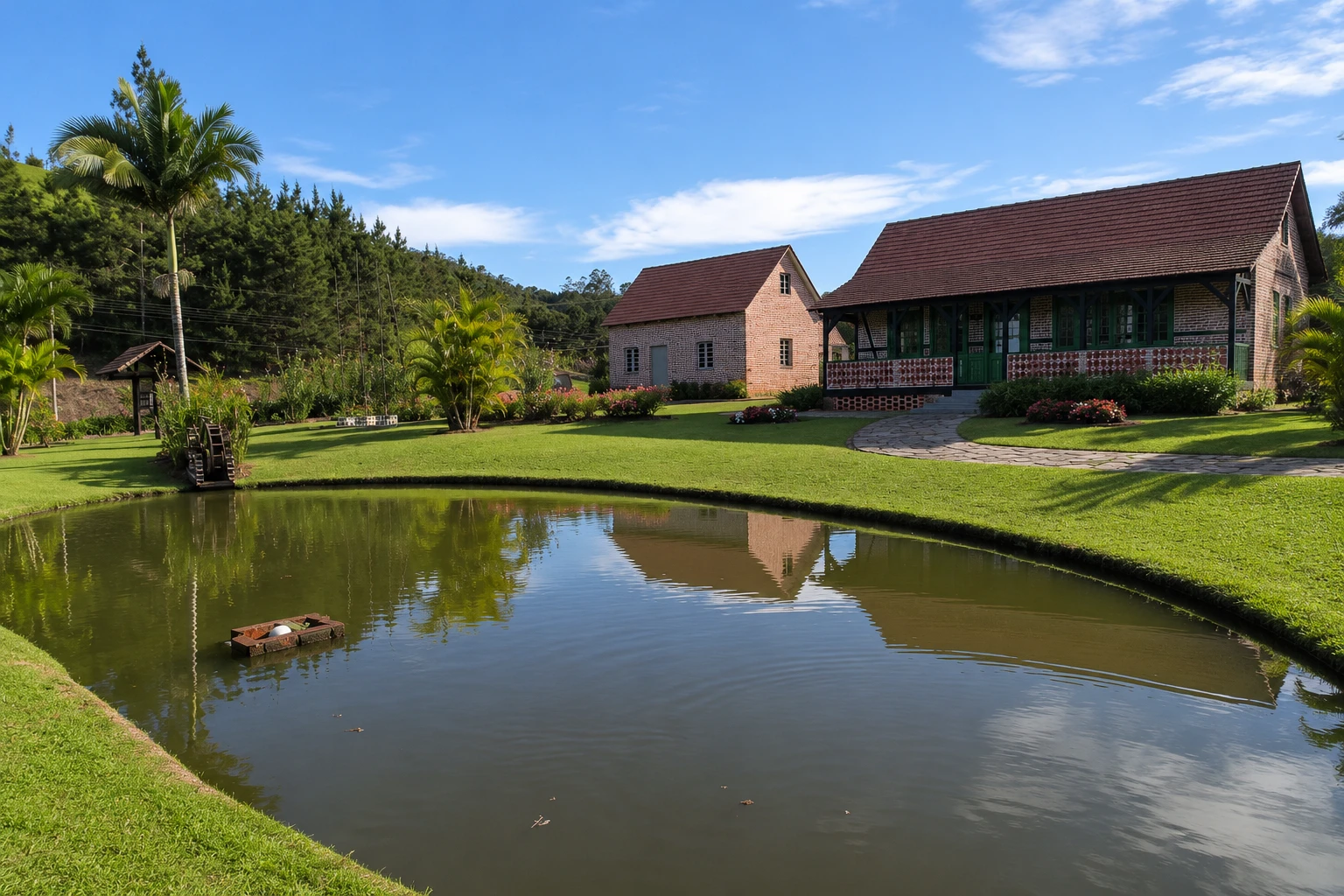
A preserved half-timbered house in Pomerode Fundos, open to visitors as a museum of the lives of German settlers. Linked to the family of Carl Weege, cited as one of the first German immigrants to settle in Pomerode, it displays antique furniture, a water wheel, a sugarcane mill and an atafona.
In the photo: Casa do Imigrante Carl Weege, in Pomerode.
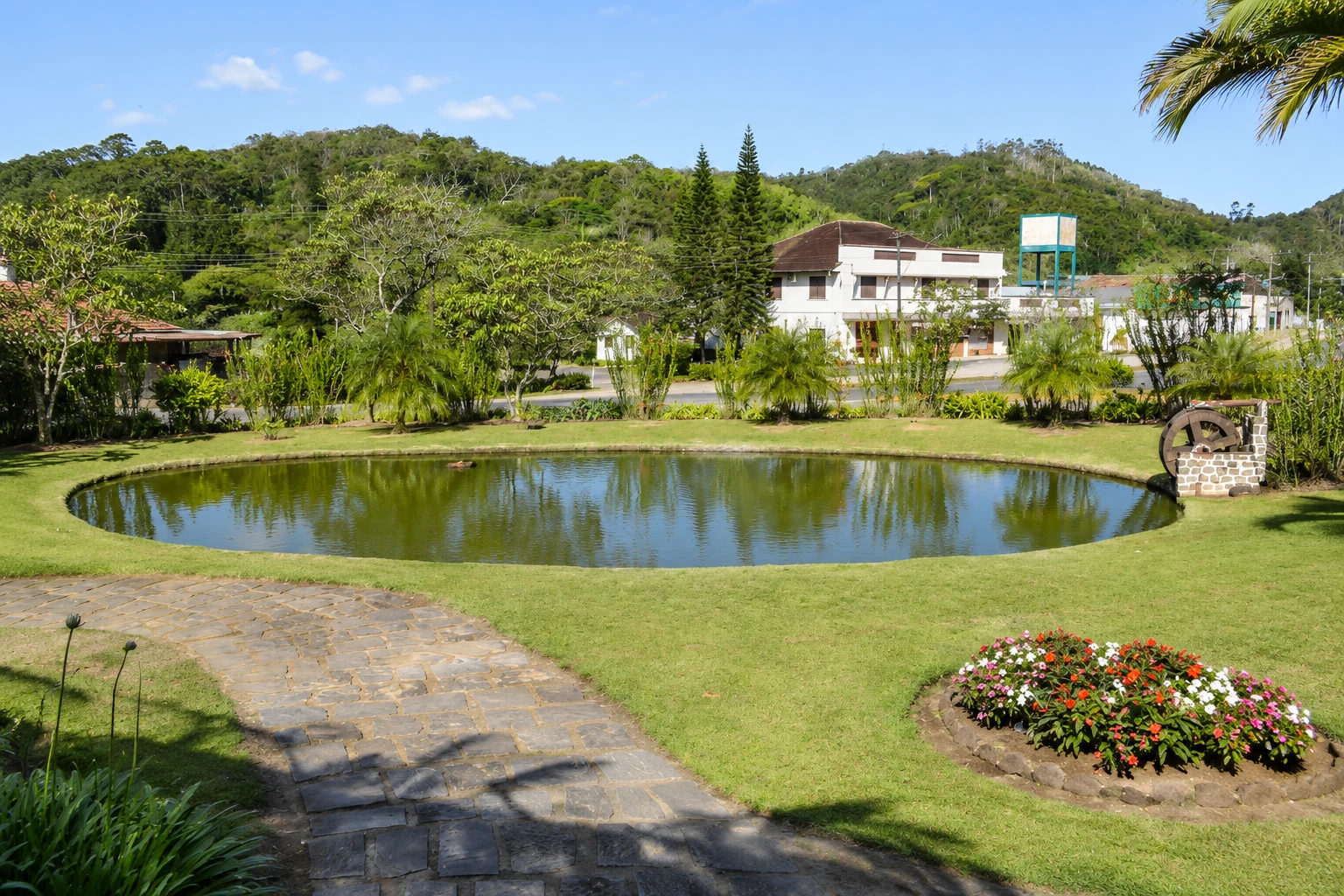
Illustrative images. The pictures in this guide are illustrations based on the real place, not photographs, and may differ from it.


A look at the place
Carl Weege Immigrant House in pictures
These pictures are illustrations based on the real place, not photographs. They may differ from the place.
Click the picture to enlarge it.
Discover
About Carl Weege Immigrant House
The Carl Weege Immigrant House is a half-timbered house in the Pomerode Fundos neighborhood, in the countryside of Pomerode, preserved as a museum of the lives of the German settlers who occupied the valley from the 19th century onward. The name honors Carl Weege, cited as one of the first German immigrants to settle in the region that gave rise to the city.
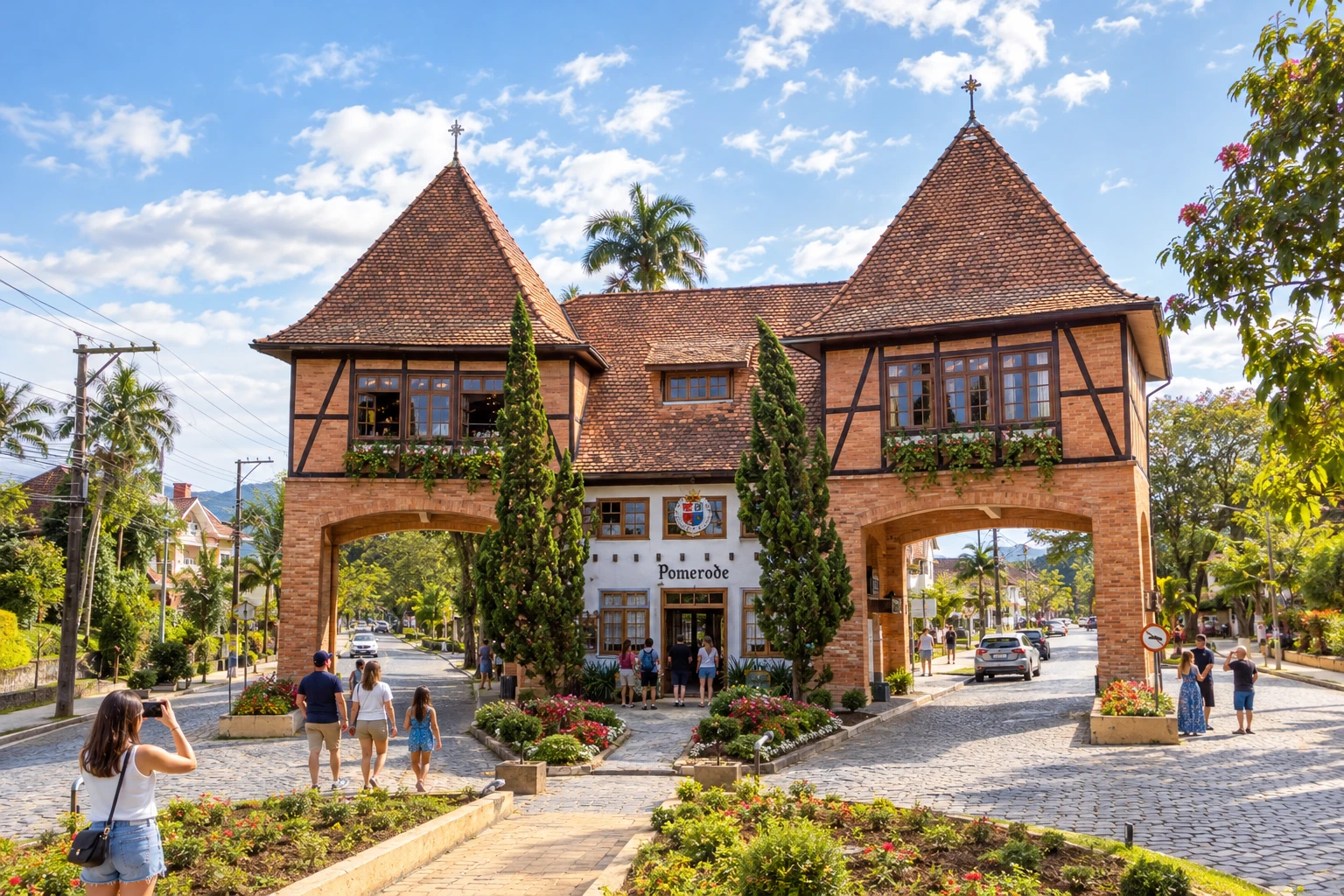
Half-timbering is the building technique brought from Europe by the immigrants: an exposed wooden frame with beams forming patterns on the façade and the gaps filled with bricks. Pomerode preserves the largest collection of houses in this style outside Europe, and the Immigrant House lets you see one from the inside.
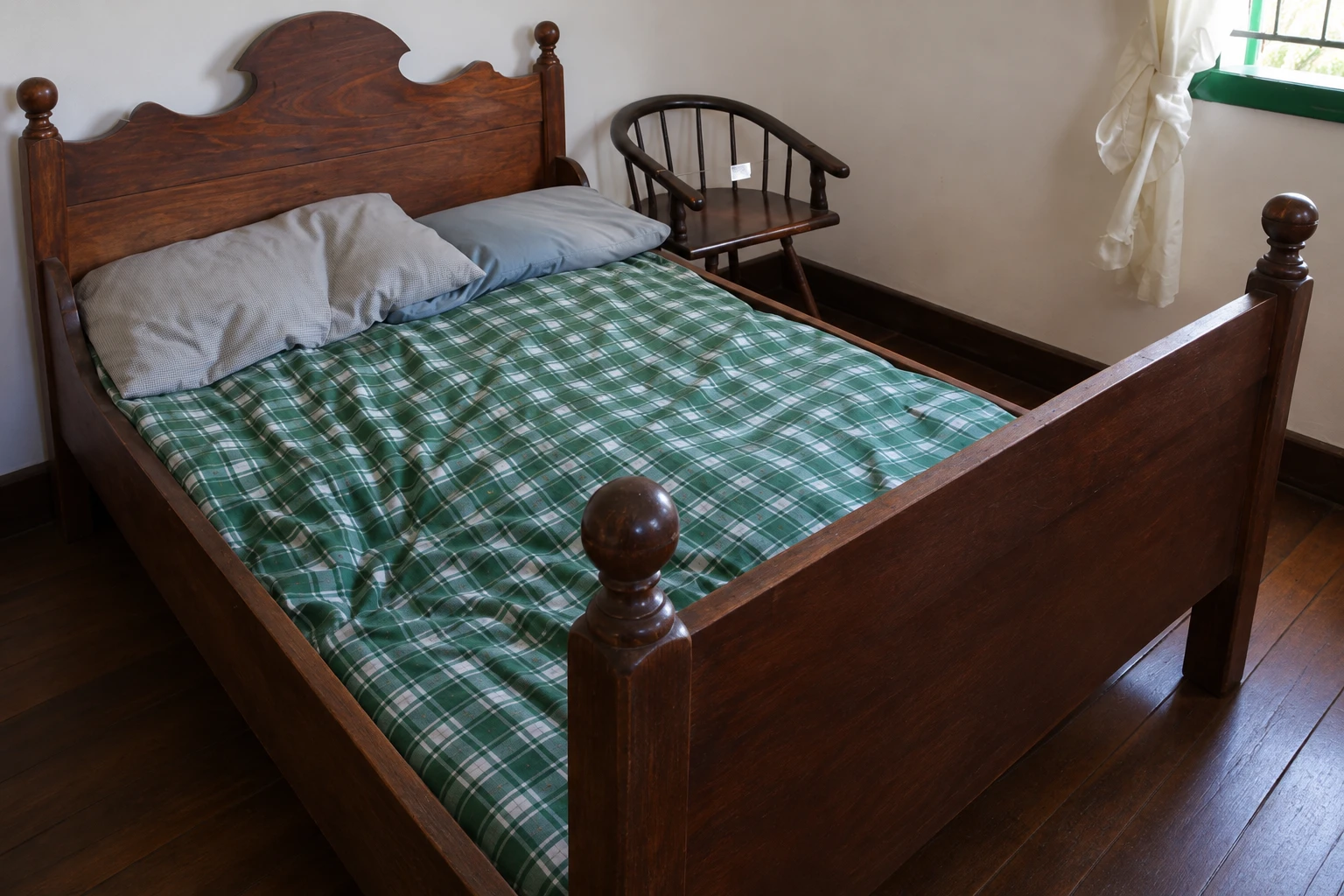
The interior is set up as the home of a settler family, with antique furniture and everyday objects from the colonization period. On the grounds you can see the water wheel, the sugarcane mill and the atafona, the small mill used to grind grain—equipment that shows how families processed on-site what they harvested in the fields.
The visit is calm and short, in a rural setting, away from the bustle of the center. It’s a good complement for those traveling the Rota do Enxaimel who want to see how these houses were used in daily life.
Near Pomerode’s center are the Museu Pomerano, which also tells the story of immigration, and the Zoo Pomerode, which allows you to put together a one-day itinerary for the town.
Before you go
Practical information
Cidade Turismo reviews its information regularly, but something may have changed. Check with the place before planning your trip.
How much time to set aside
30 minutes to 1 hour.
Best time
All year, during daytime. On sunny days the half-timbered façade is more attractive for photos.
How to get there
The house is in the Pomerode Fundos neighborhood, in the countryside of Pomerode, a few kilometers from the center. By car, follow Rua Vidal Ferreira from the center toward Pomerode Fundos and look for signs to the museum.
Tip
Combine the visit with the Rota do Enxaimel and the Museu Pomerano. Notice the details of the wooden wall structure and the equipment of the water wheel and the atafona.
Get your questions answered
Frequently asked questions about Carl Weege Immigrant House
Who was Carl Weege?
Carl Weege is cited as one of the first German immigrants to settle in the Pomerode region. The half-timbered house that bears his name is preserved as a museum of the settlers’ way of life.
What is there to see at the Carl Weege Immigrant House?
The interior with antique furniture and everyday objects of the settlers, and on the grounds the water wheel, the sugarcane mill and the atafona used to grind grain.
What is half-timbering?
It is the building technique brought from Europe by the immigrants, with an exposed wooden frame forming patterns on the façade and gaps filled with bricks. Pomerode preserves the largest collection of these houses outside Europe.
Where is the Carl Weege Immigrant House located?
In the Pomerode Fundos neighborhood, in the countryside of Pomerode, a few kilometers from the city center.
Beyond the guide


