

 Antarctica
 Argentina
 Bolivia
 Chile
 Colombia
 Ecuador
 Guyana
 French Guiana
 Falkland Islands (Malvinas)
 Paraguay
 Peru
 Suriname
 Uruguay
 Venezuela
 Germany
 Austria
 Belgium
 Croatia
 Denmark
 Slovakia
 Slovenia
 Spain
 Finland
 France
 Greece
 the Netherlands
 Hungary
 Ireland
 Iceland
 Italy
 Luxembourg
 Norway
 Poland
 Portugal
 the United Kingdom
 the Czech Republic
 Sweden
 Switzerland
 Turkey
 Bermuda
 Canada
 the United States
 Greenland
 Mexico
 Saint Pierre and Miquelon
 the Dominican Republic
 Japan
 South Africa
 Egypt
 Australia
 Fiji
 New Zealand
 Papua New Guinea
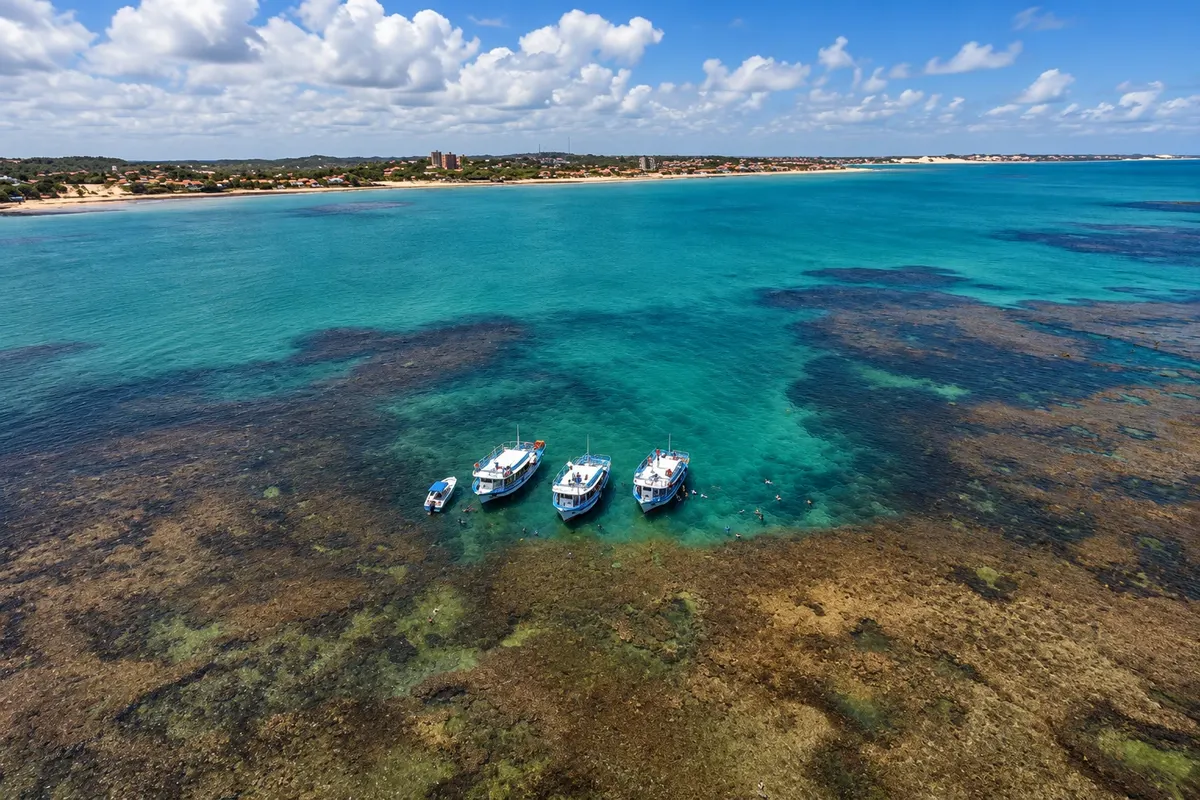
natural pools · Parnamirim, RN
Pirangi Natural Pools
Natural pools on the reefs off Pirangi, on the southern coast of Natal, about 800 meters from the beach. They appear at low tide and are visited on boat tours with stops for swimming and snorkeling.
In the photo: Aerial view of the reefs and natural pools of Pirangi.
Illustrative images. The pictures in this guide are illustrations based on the real place, not photographs, and may differ from it.


A look at the place
Pirangi Natural Pools in pictures
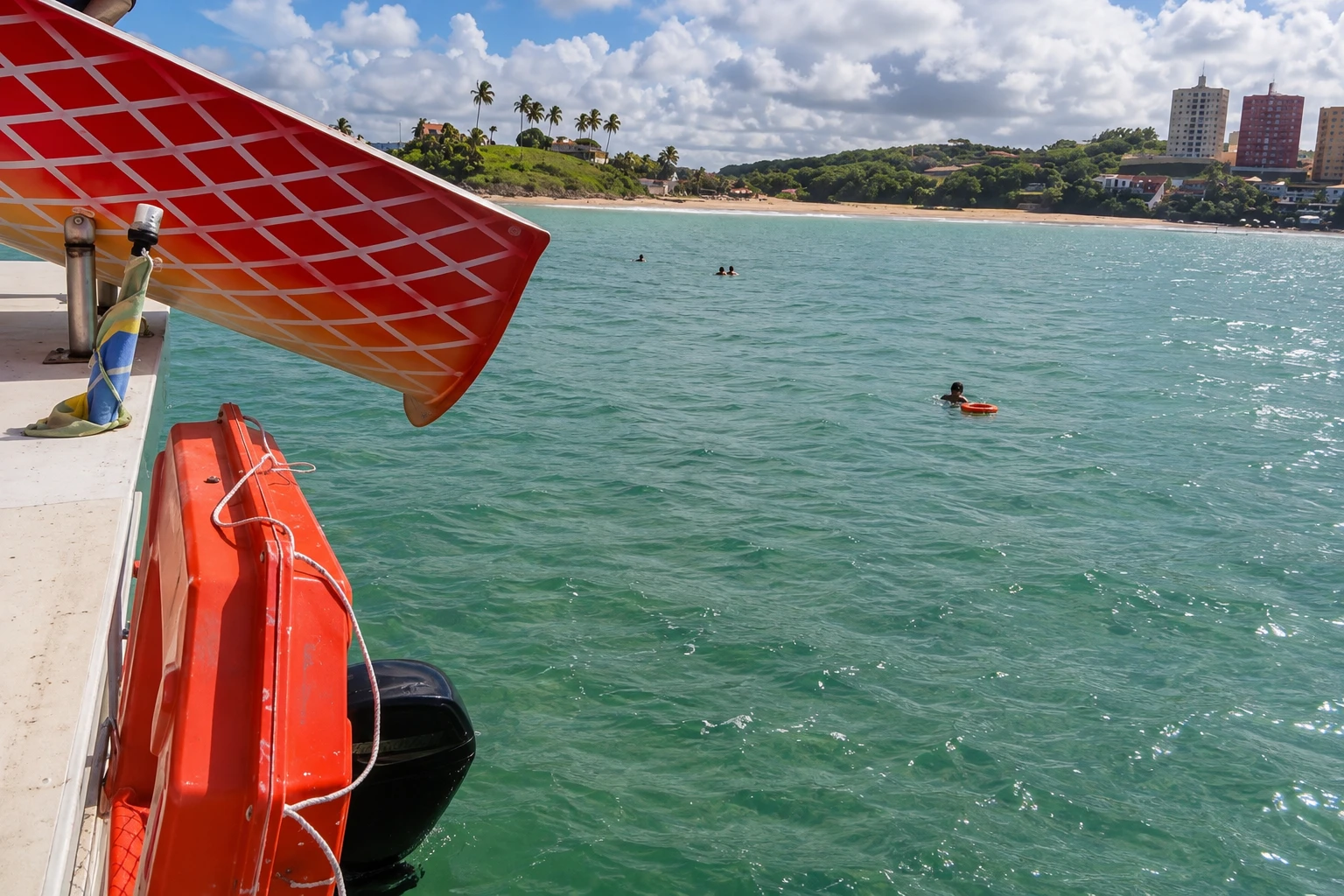
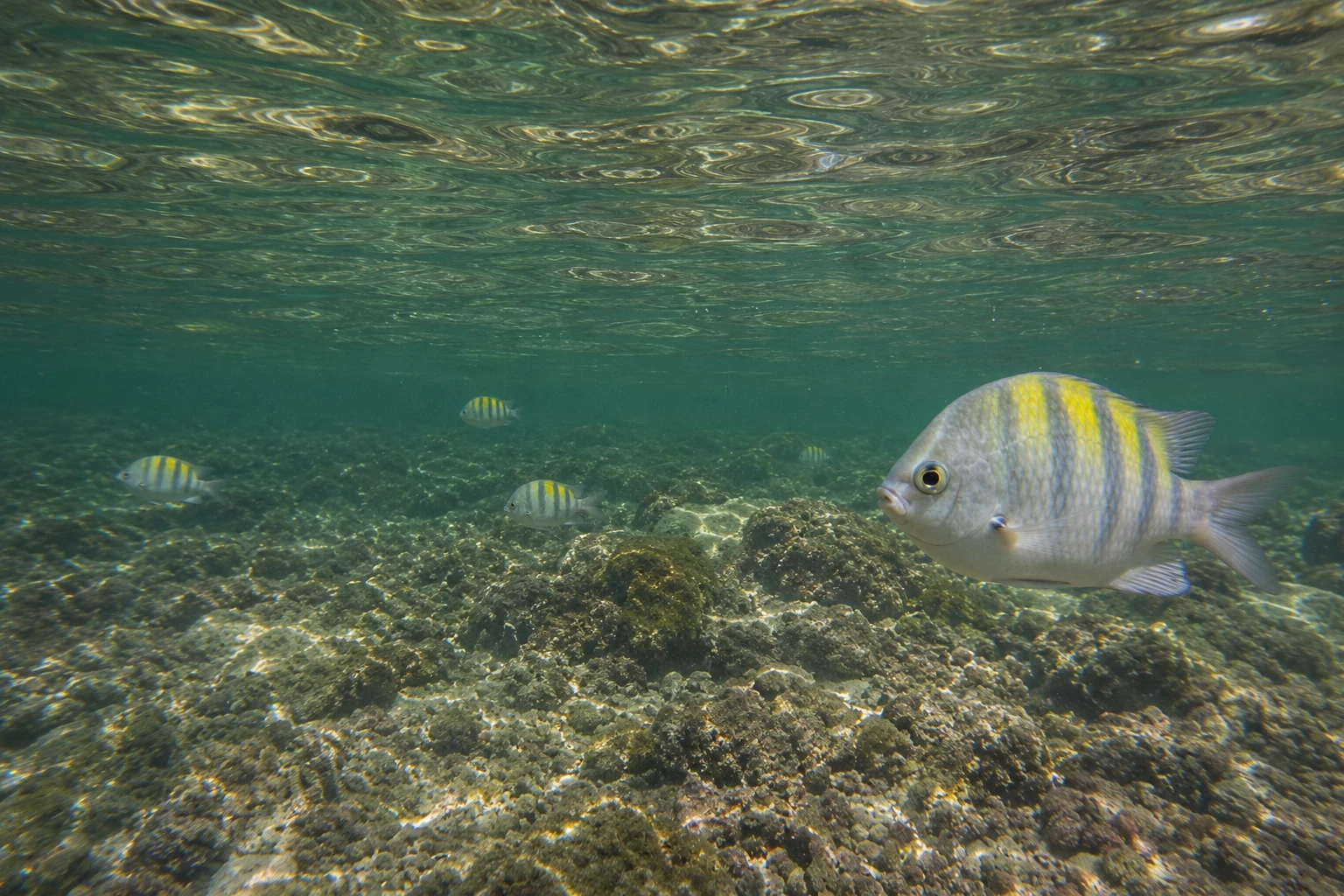
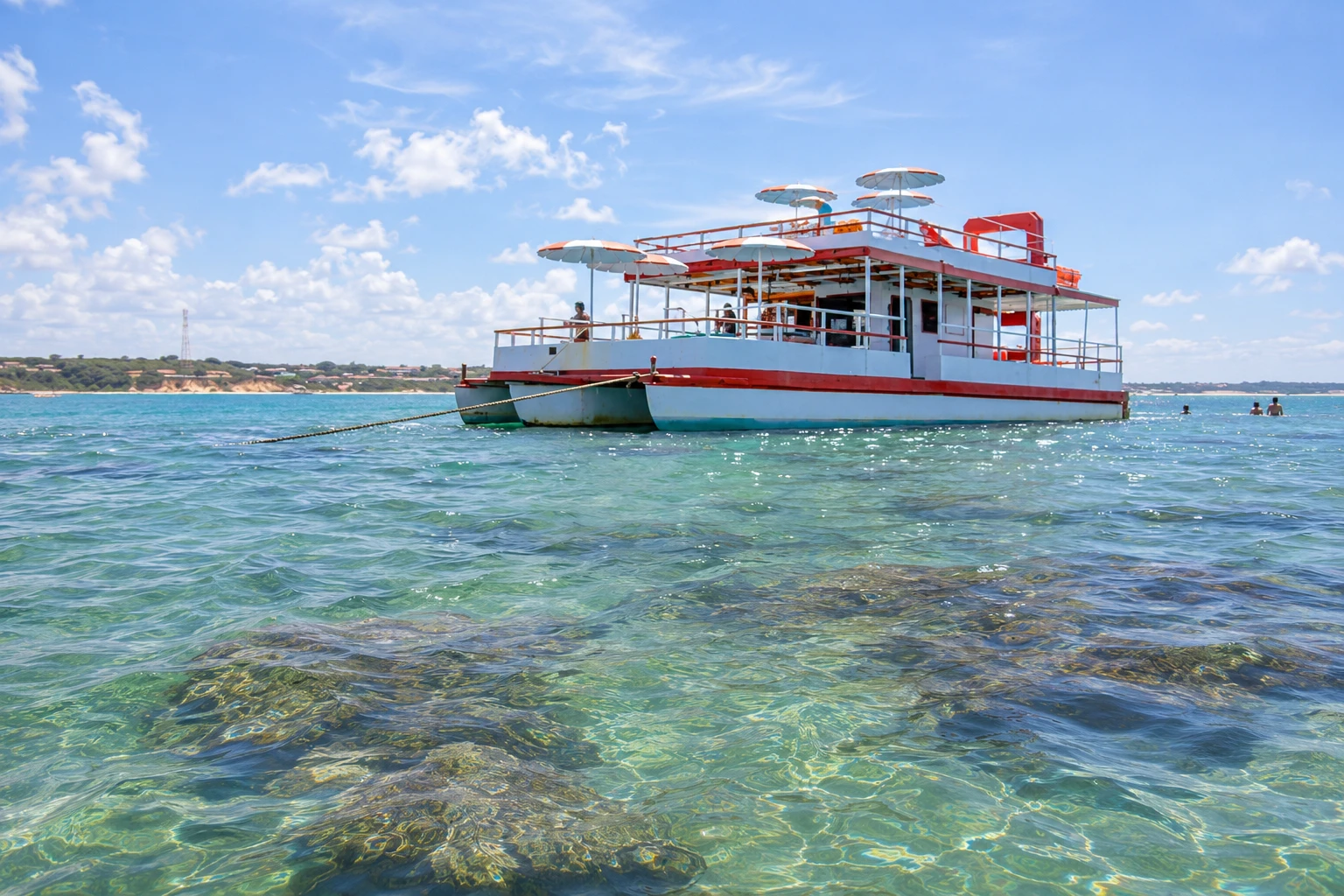
These pictures are illustrations based on the real place, not photographs. They may differ from the place.
Click the picture to enlarge it.
Discover
About Pirangi Natural Pools
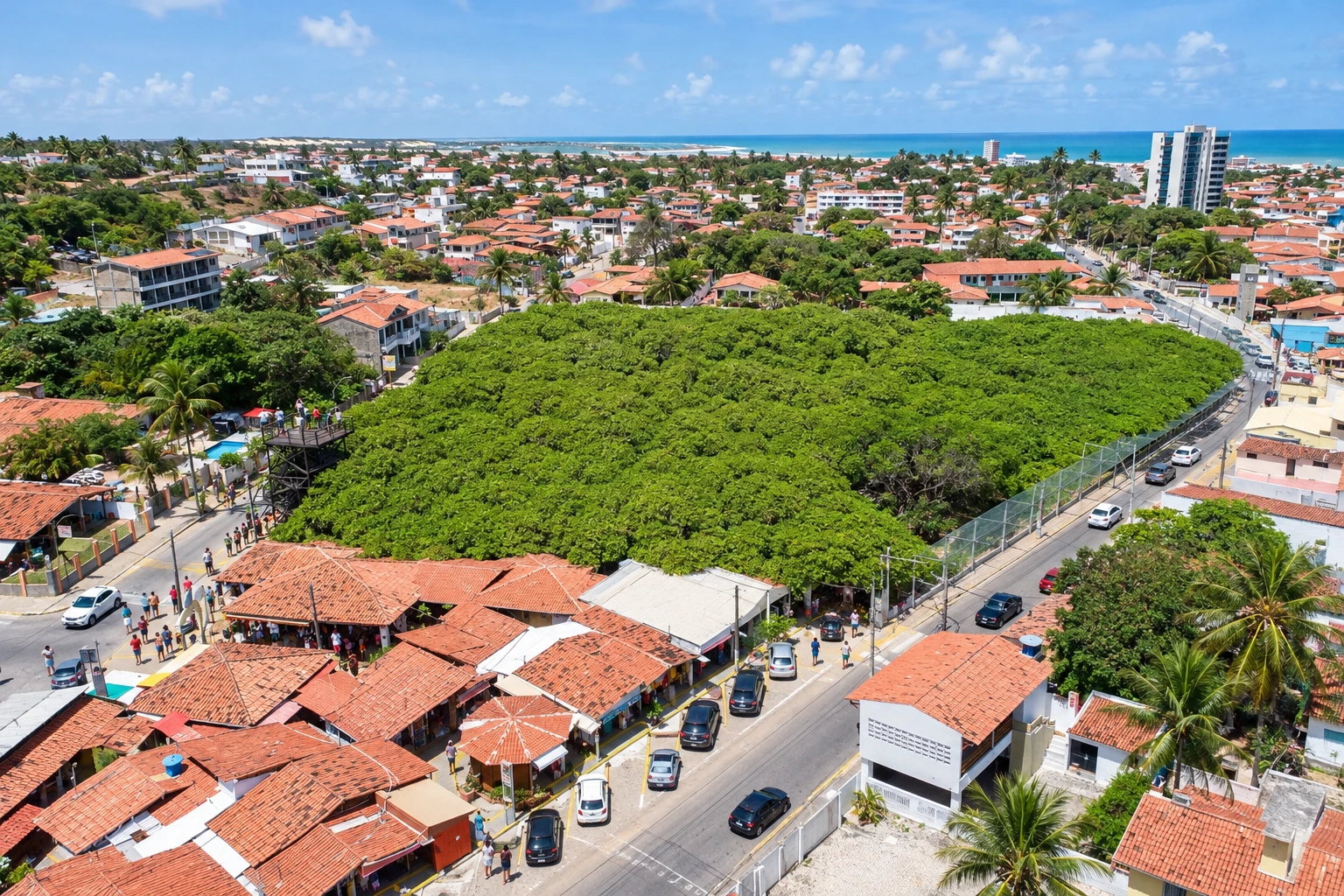
The Parrachos de Pirangi are natural pools formed on the reefs in front of the beaches of Pirangi, on the southern coast of Greater Natal. In Rio Grande do Norte, reefs that become exposed at sea are called parrachos. The Pirangi parrachos are about 800 meters from the sand, in front of the Cajueiro de Pirangi, and are the closest to Natal.
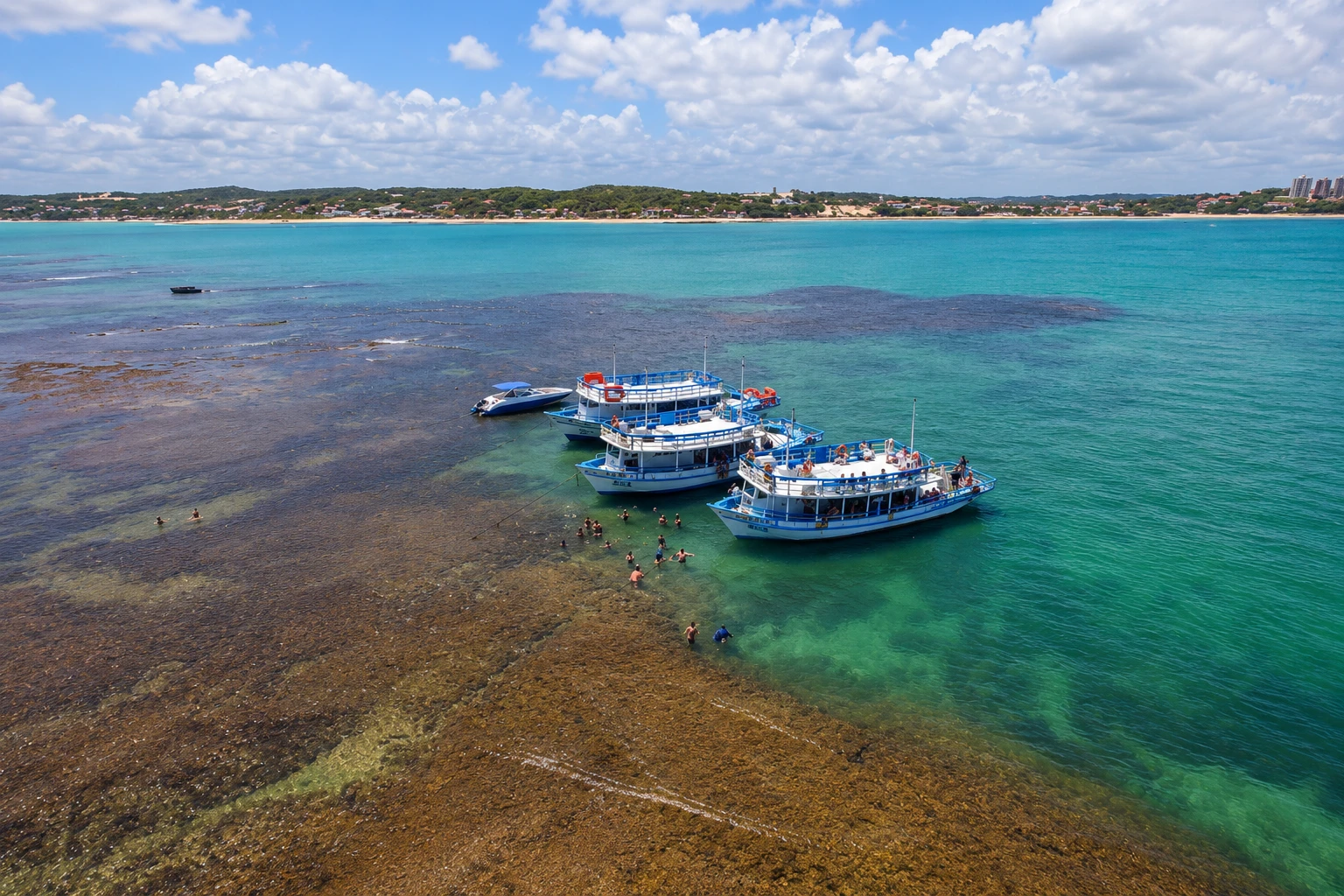
The pools only appear at low tide. For that reason boats and catamarans leave from Pirangi do Norte at times that change daily according to the tide table. At the stop you can swim in the shallow water between the rocks and use a mask and snorkel to see small fish and reef life. To walk on the corals you need proper footwear, usually rented at boarding.
The tour usually lasts 2 to 3 hours, in a group and in the sun, with the stop at the pools and, on some itineraries, visits to other beaches on the southern coast. The reefs are fragile and protected: follow the guides’ instructions about where to step and do not take anything from the site.
Compared with the parrachos of Maracajaú and Rio do Fogo on the northern coast, the Pirangi parrachos are smaller and simpler, but they are only a few minutes from the shore and fit into a half-day, without a long road trip.
On the return, it’s worth visiting the Cajueiro de Pirangi, on the other side of the avenue, and the Pirangi do Norte waterfront. The beaches of Cotovelo and Búzios are nearby along the Rota do Sol.
Before you go
Practical information
Cidade Turismo reviews its information regularly, but something may have changed. Check with the place before planning your trip.
How much time to set aside
The boat tour usually lasts 2 to 3 hours. Including the Cajueiro de Pirangi, allow half a day.
Best time
On days with low tide down to 0.5 m on the tide table, more common near full and new moons. Departure times change daily. There are days without tours when the tide does not fall enough. The dry months, from September to February, usually have clearer water.
How to get there
Boats leave from the Pirangi do Norte waterfront, on Avenida Márcio Marinho, in front of the Cajueiro de Pirangi, on the Parnamirim coast via RN-063 (Rota do Sol). From Natal it is about 15 km south of Ponta Negra along the same road.
Tip
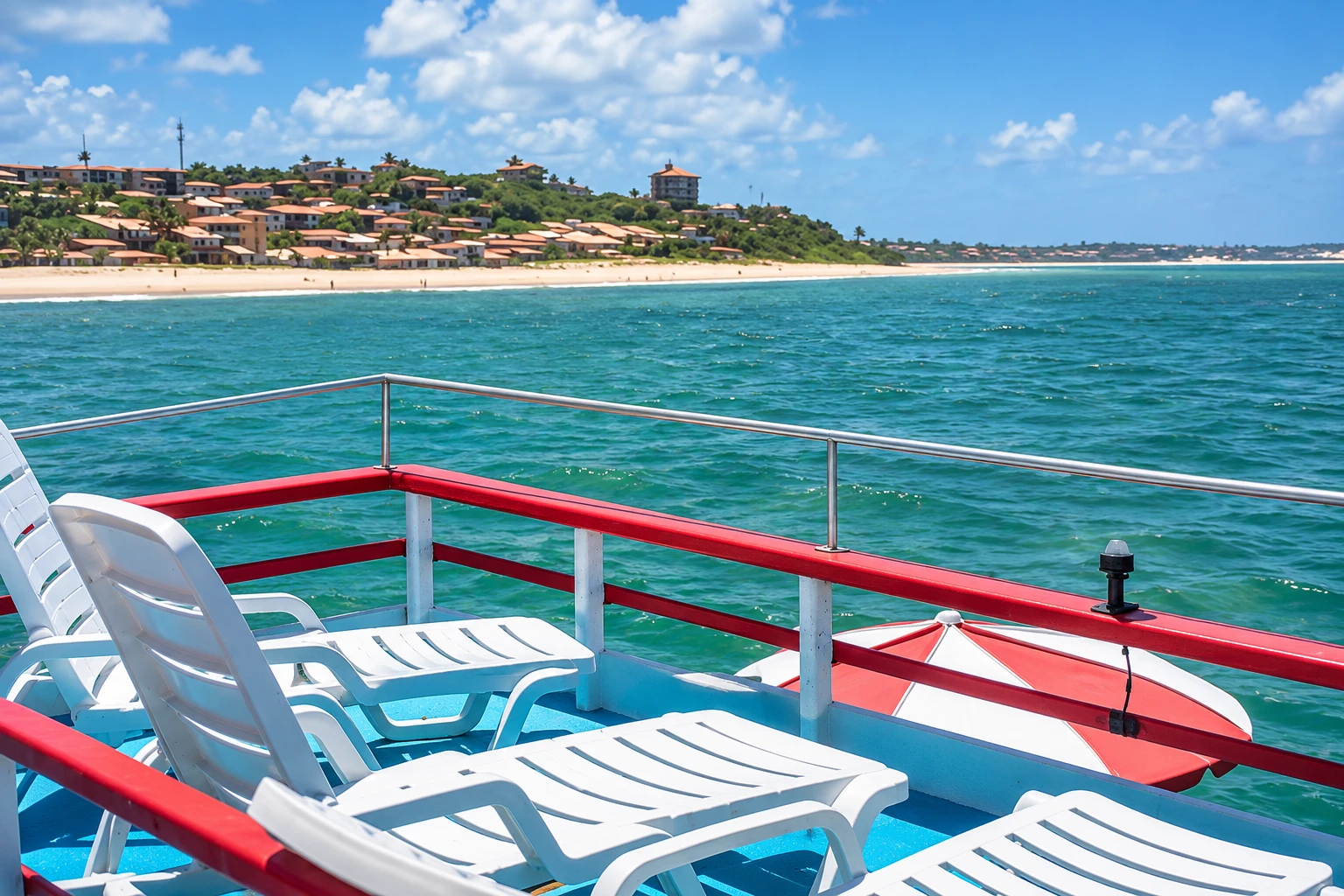
Choose the day using the tide table before booking and avoid low tides above 0.5 m, when the water becomes murky. Bring sunscreen, a hat and water, because the boat has little shade, and wear proper footwear for the reefs.
Get your questions answered
Frequently asked questions about Pirangi Natural Pools
What are the Parrachos de Pirangi?
They are natural pools formed on the reefs about 800 meters from Pirangi beach, in front of the Cajueiro de Pirangi. They appear at low tide and are visited by boat, with swimming and snorkeling.
What is the best tide to visit the Parrachos de Pirangi?
Low tide down to 0.5 m on the tide table; the lower the tide, the clearer the water. These tides are more common near full and new moons.
How long does the tour to the Parrachos de Pirangi last?
Usually 2 to 3 hours, in a group and in the sun, with a stop for swimming and snorkeling in the natural pools.
Where do you catch the boat to the Parrachos de Pirangi?
At the Pirangi do Norte waterfront, on Avenida Márcio Marinho, in front of the Cajueiro de Pirangi, about 15 km south of Ponta Negra via the Rota do Sol.
Do you need footwear for the Parrachos de Pirangi?
Yes. To walk on the reefs you need proper footwear, usually rented at boarding. Follow the guides’ instructions about where to step because the corals are fragile.
Beyond the guide


