Meat pie
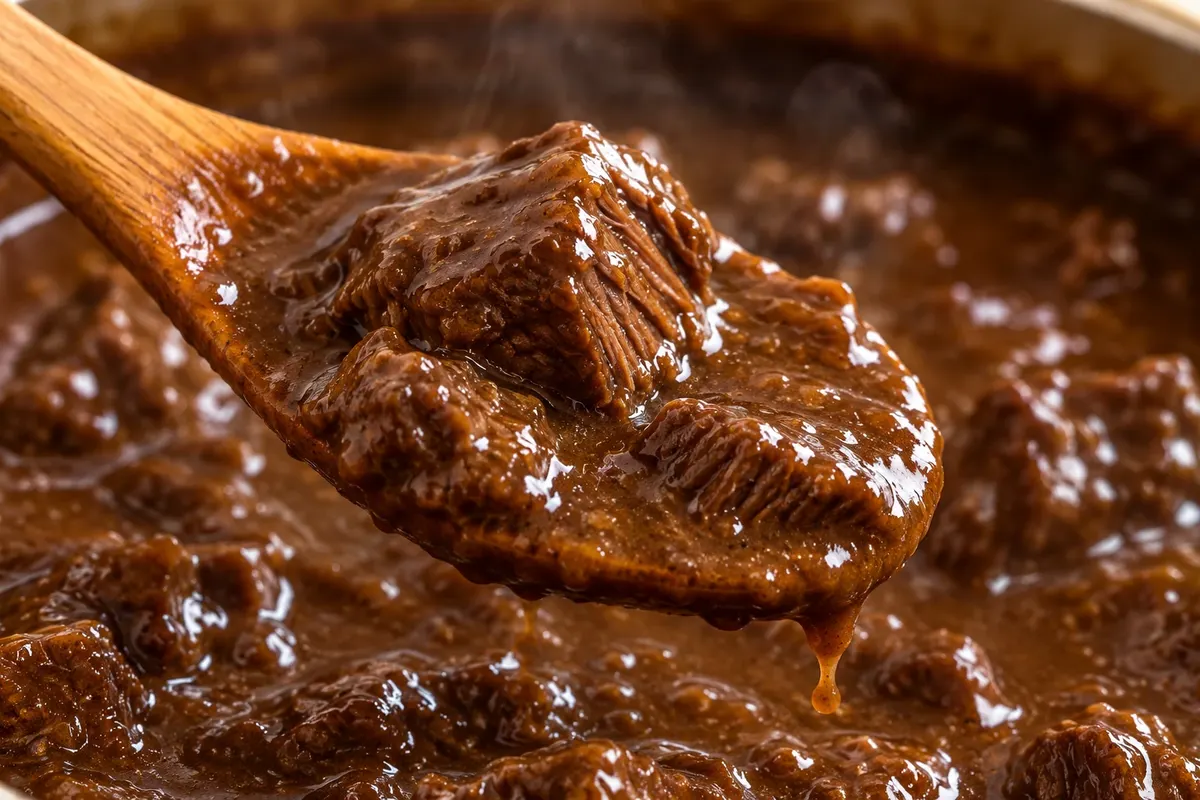
Individual baked pastry filled with minced or diced beef in a thick sauce, eaten with the hands and almost always topped with tomato sauce. It’s sold in bakeries, corner shops and stadiums across the country.
Flavors · Australia
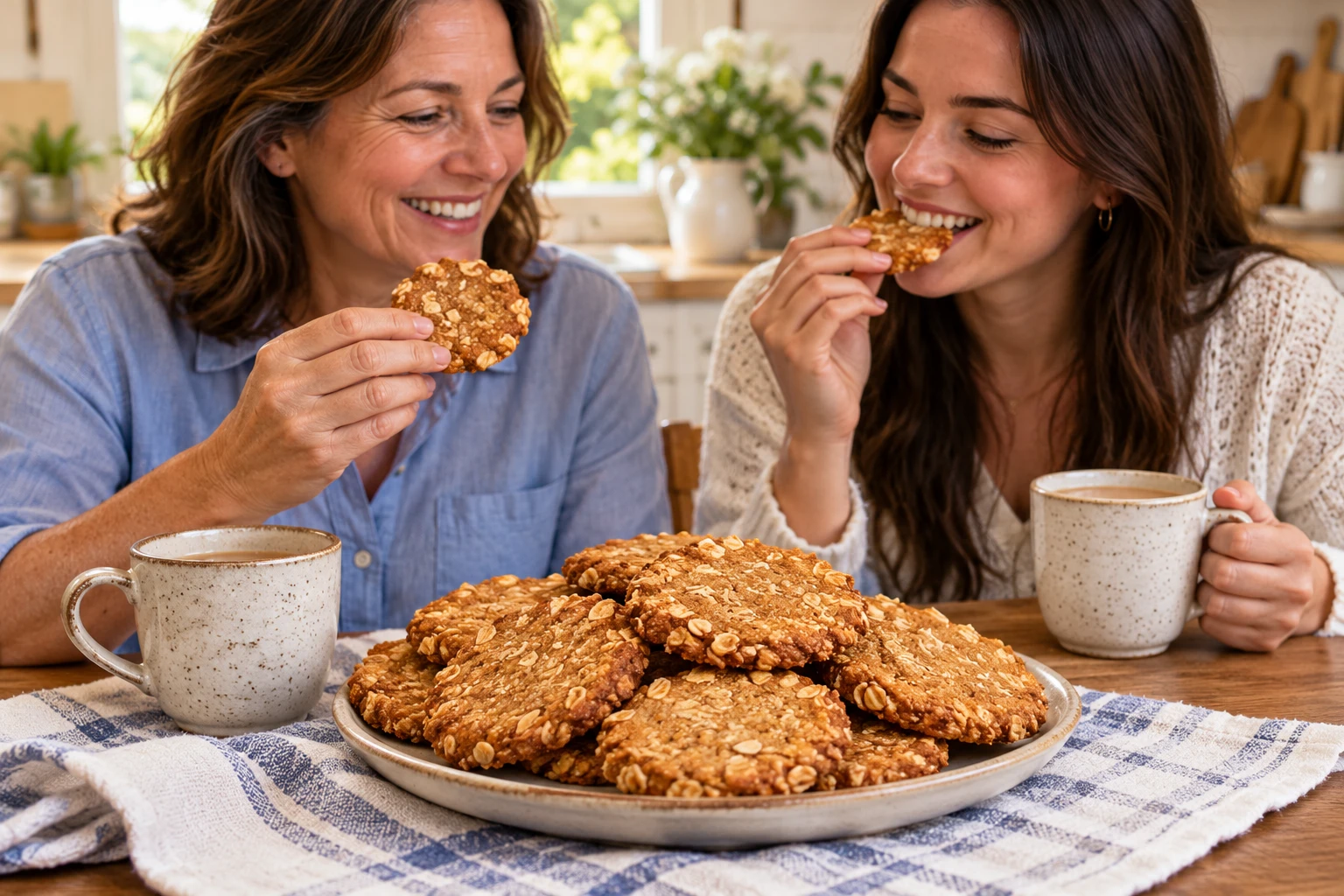
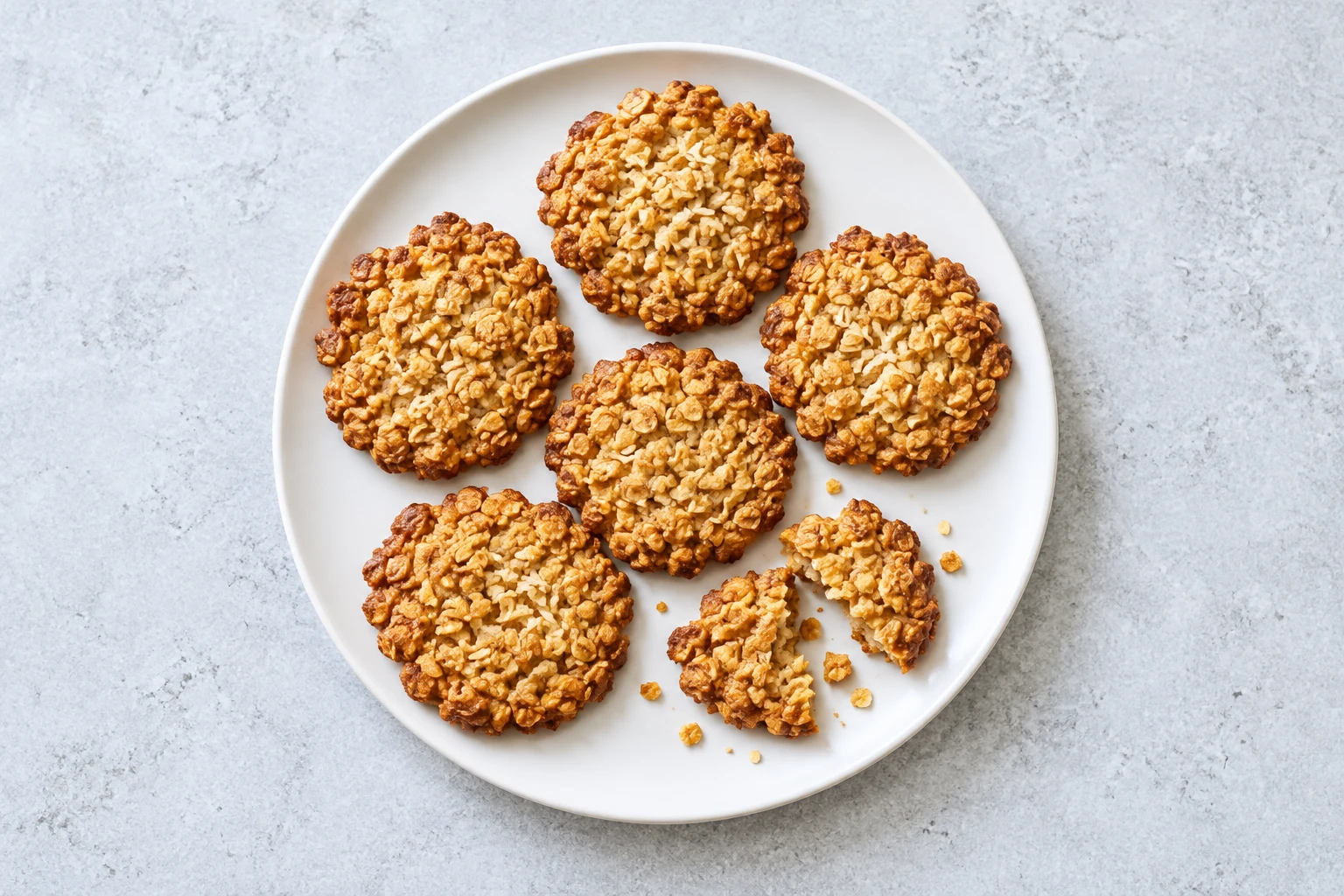
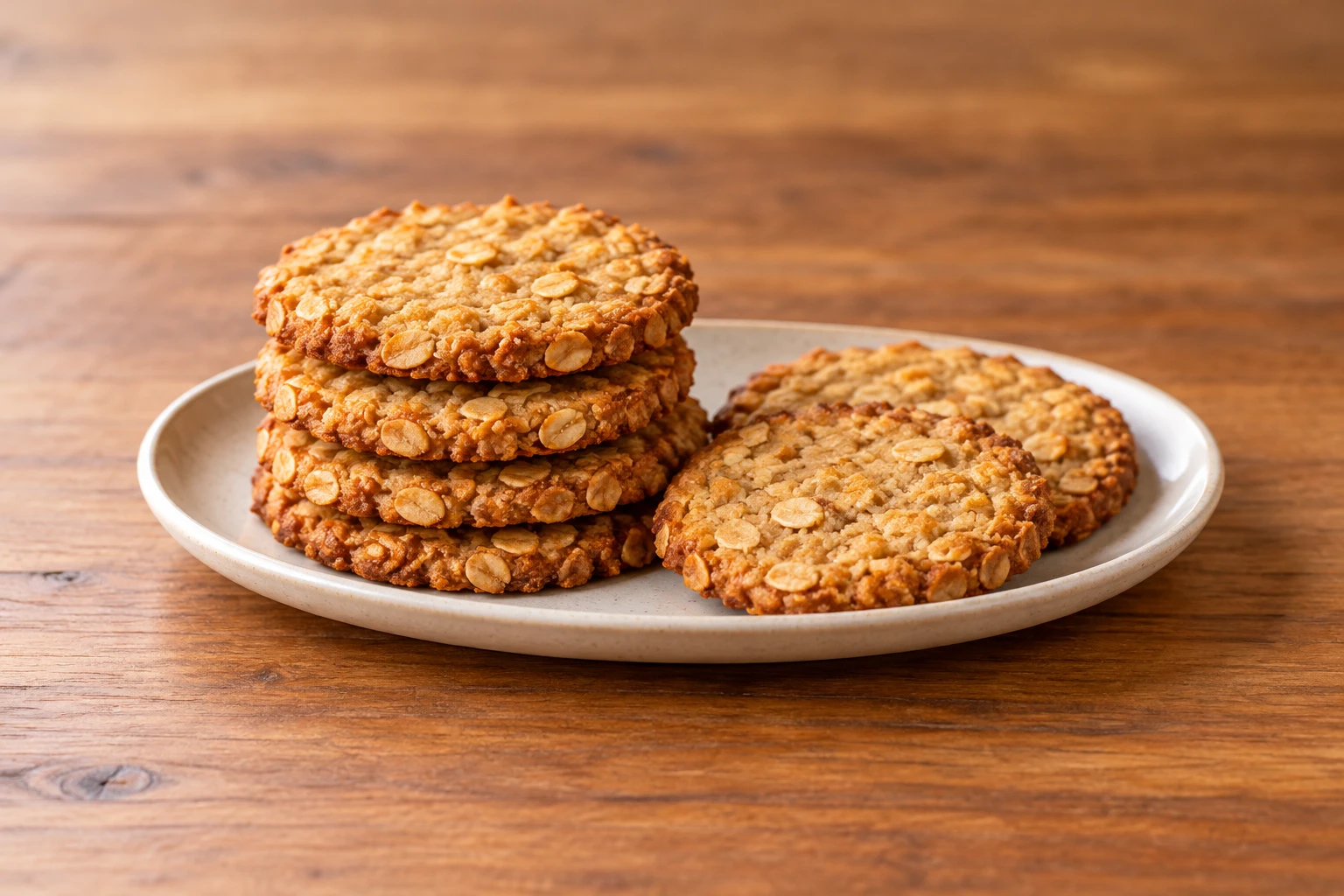
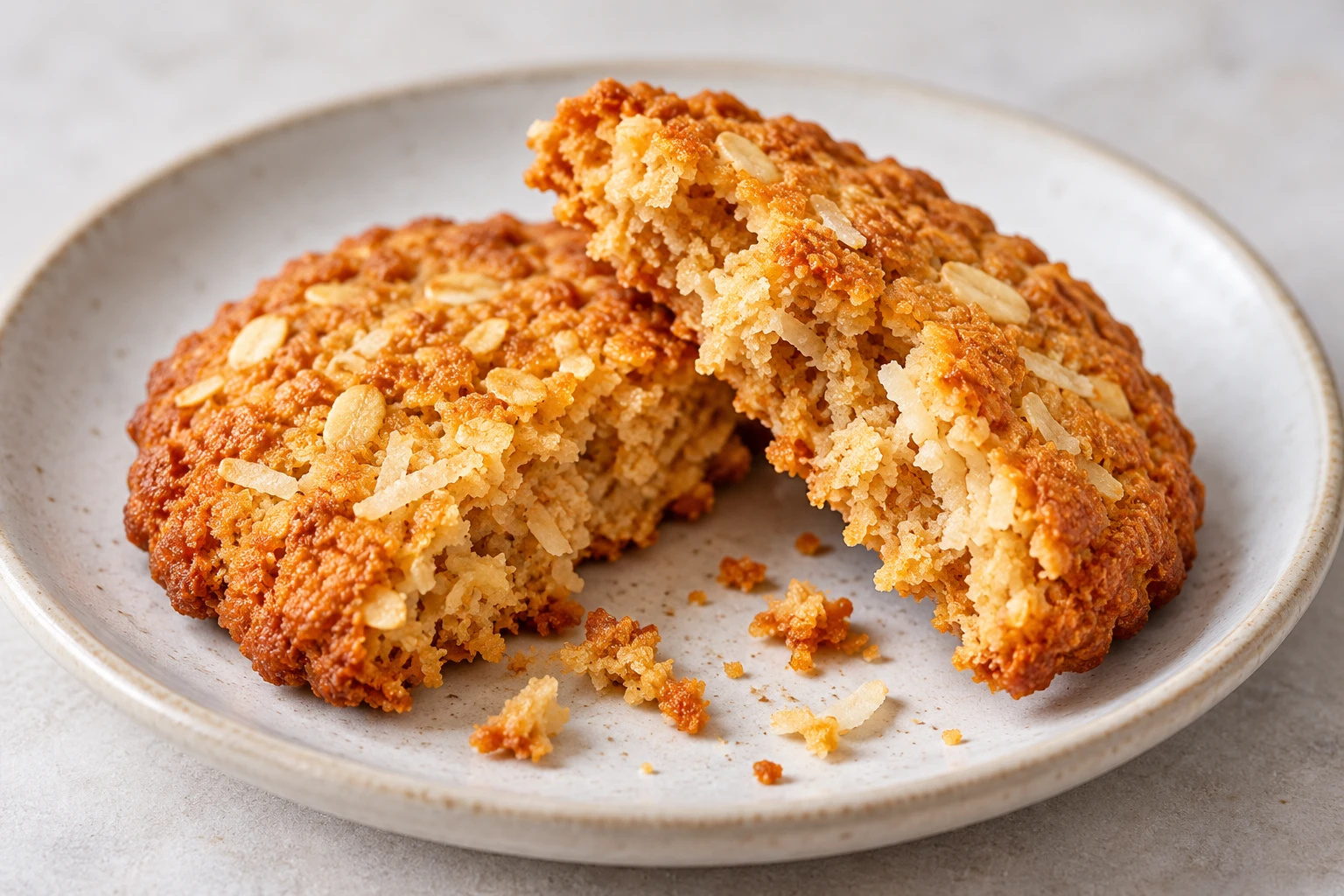
Oat biscuits made with oats, coconut, flour, butter and golden syrup, linked to the memory of Australian and New Zealand soldiers from the First World War. They are made across the country, especially for Anzac Day, and commercial use of the name Anzac is protected by law.
Traditional sweet from Australia
Also known as: Anzac biscuit, biscoito Anzac
Illustrative images. The pictures in this guide are illustrations based on the real place, not photographs, and may differ from it.
Click a photo to enlarge it.
Anzac biscuits — Australia
Anzac is the acronym for the Australian and New Zealand Army Corps, the army corps formed by Australians and New Zealanders in the First World War. The landing at Gallipoli on April 25, 1915, gave rise to Anzac Day, the day the two countries commemorate those who served in wars. The biscuit that bears this name is part of the tradition on both sides of the Tasman Sea.
The Australian government reports that, during the war, families sent parcels to soldiers and raised funds by selling sweets. Recipes using the name Anzac date from that period but differed from the modern version: the Australian War Memorial found recipes from 1916 and 1917 without oats, and oat-based recipes similar to the current one appear from about 1920; coconut is documented in later versions. The idea that these biscuits went into the trenches is, in part, a simplification of the history.
The dough combines rolled oats, flour, sugar, desiccated coconut, butter and golden syrup, a light inverted sugar syrup. Baking soda dissolved in boiling water makes the dough rise and brown. The result can be crunchy or chewy depending on baking time, and they keep for many days.
The name has legal protection. Under the Protection of Word Anzac Regulations of 1921, anyone selling Anzac biscuits in Australia needs authorization from the Department of Veterans’ Affairs, and the product must not stray far from the traditional recipe and form. In authorized commercial use, the government advises keeping the name Anzac biscuits and the traditional shape. The official page clarifies that preparing variations at home or referring to them as Anzac cookies does not, by itself, constitute an offence.

Australia
The biscuit is associated with Anzac Day and the memory of soldiers, made throughout the country, with no single city of origin.
Rolled oats, wheat flour, sugar, desiccated coconut, butter, golden syrup, baking soda and boiling water.
At room temperature, with tea or coffee. Homemade or shop-bought, they are common at ceremonies, schools and Anzac Day events.
All year round, with emphasis on Anzac Day, April 25.
Your questions
It is the acronym for the Australian and New Zealand Army Corps, the army corps of Australians and New Zealanders in the First World War.
Families sent parcels and made sweets to raise funds. Oat recipes similar to the current one appear from about 1920; coconut is documented in later versions.
A 1921 law protects the word to preserve the memory of the soldiers. Those who sell Anzac biscuits in Australia need government authorization and must follow the traditional recipe.
Yes. Anzac Day is commemorated in both countries, and the biscuit is part of Australian and New Zealand tradition.
Flavors of Australia

Individual baked pastry filled with minced or diced beef in a thick sauce, eaten with the hands and almost always topped with tomato sauce. It’s sold in bakeries, corner shops and stadiums across the country.

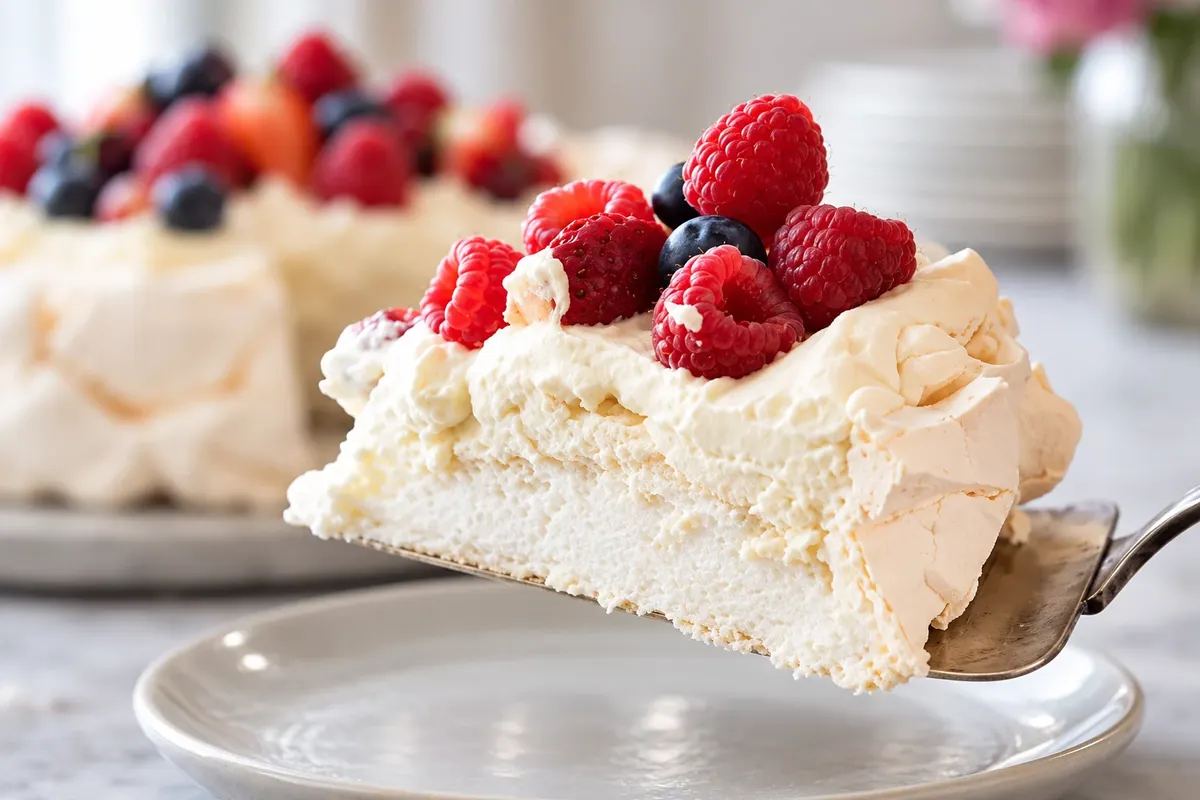
Large meringue disk, crisp on the outside and soft inside, topped with whipped cream and fruit. It is named after the dancer Anna Pavlova, and Australia and New Zealand both claim its origin. In Australia, it’s the dessert served at summer Christmas.

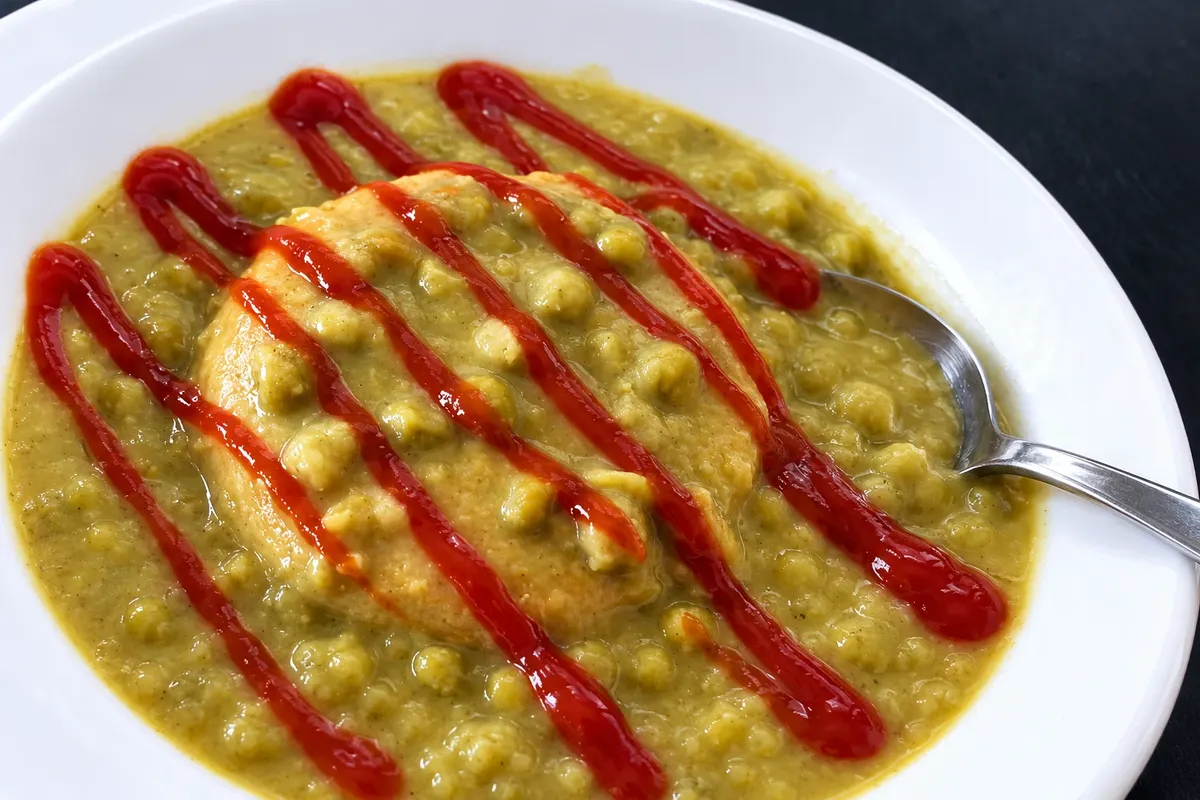
Meat pie served in a deep plate of thick pea soup, usually turned upside down and topped with tomato sauce. It was the dish of the food carts that sold late‑night food in central Adelaide since the 19th century.

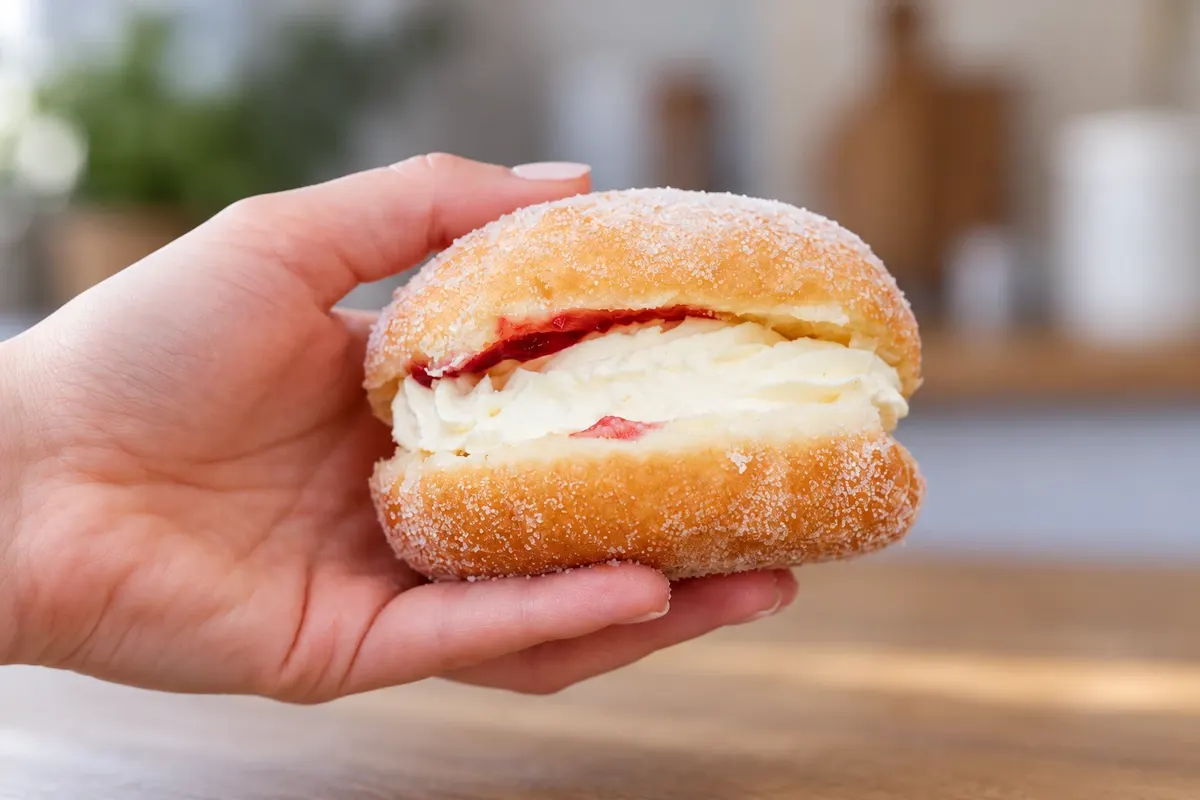
Sweet yeasted dough, fried, split on the side and filled with raspberry or strawberry jam and whipped cream, with sugar on the outside. In South Australia it was called a Berliner until World War I, when it acquired the name of the British marshal Lord Kitchener.

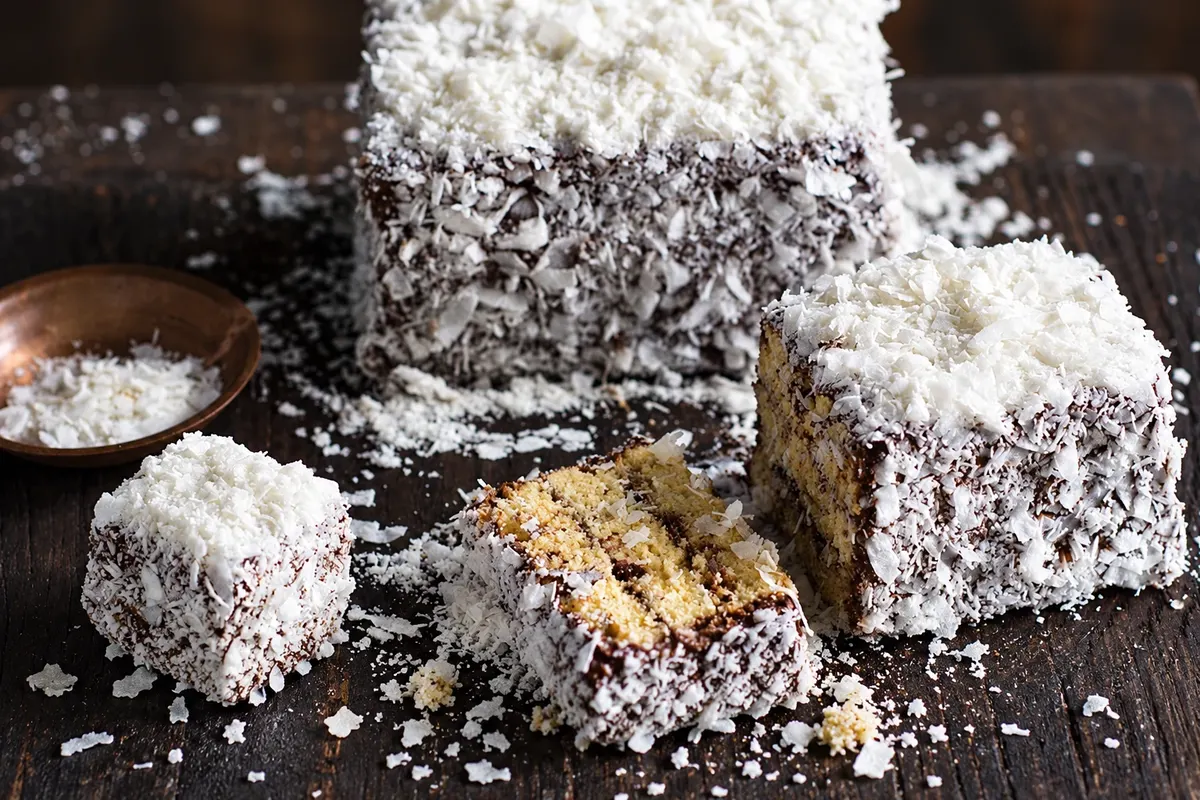
Cube of sponge cake dipped in a thin chocolate coating and then in dry shredded coconut. It is named after Lord Lamington, governor of Queensland, and the most accepted version places its creation at the governor’s official residence in Brisbane around 1900.

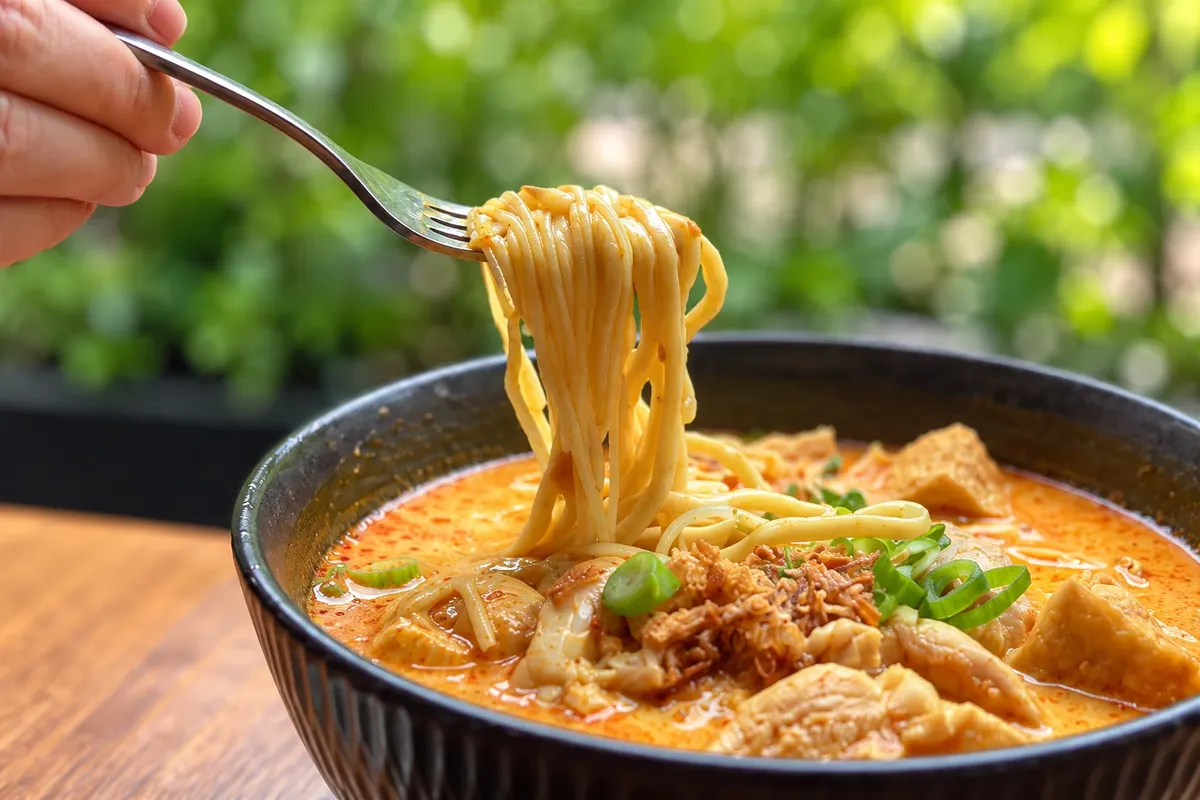
Spicy noodle soup with coconut and spices, a legacy of Peranakan cuisine. Darwin has adopted it as a city dish: it’s the weekend breakfast at the markets and it even has its own festival.

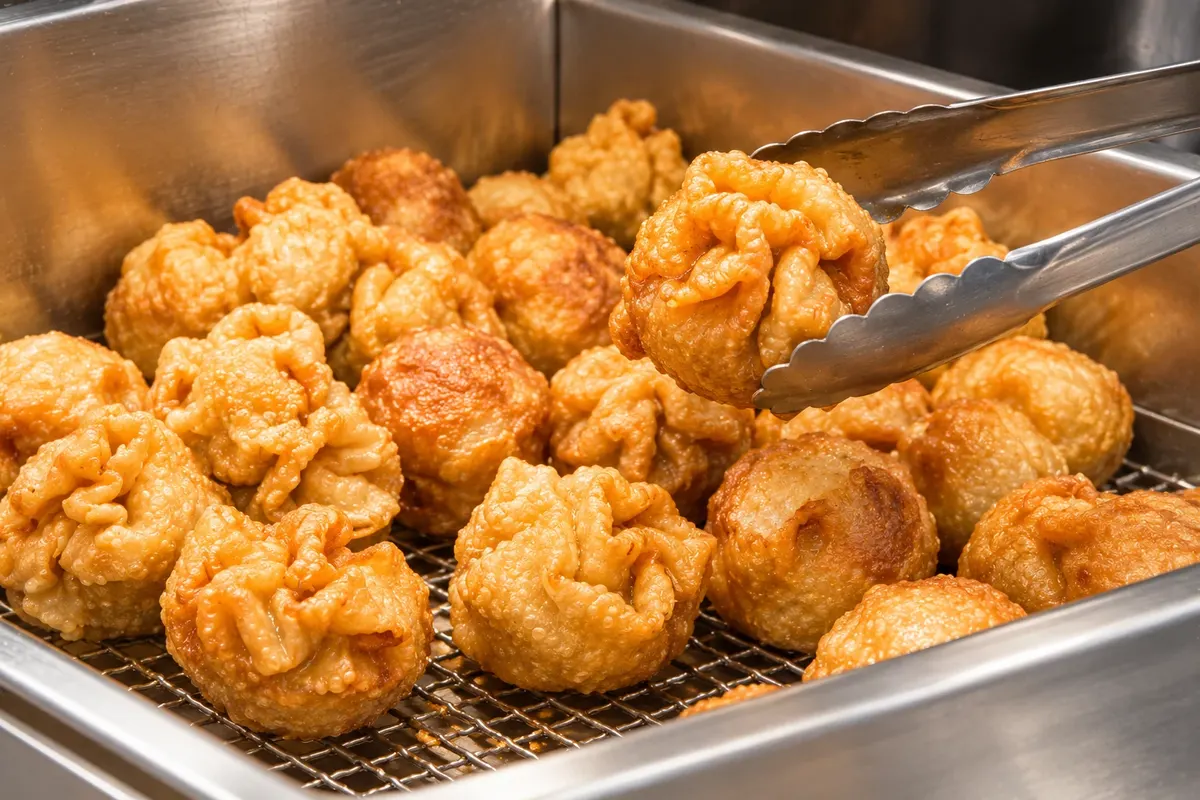
Chinese-Australian dumpling with a thick wrapper, filled with pork and vegetables, steamed or fried. It originated as an adaptation of the Cantonese siu mai made in Melbourne’s Chinatown in the 1940s and spread through the country’s fish-and-chips shops.

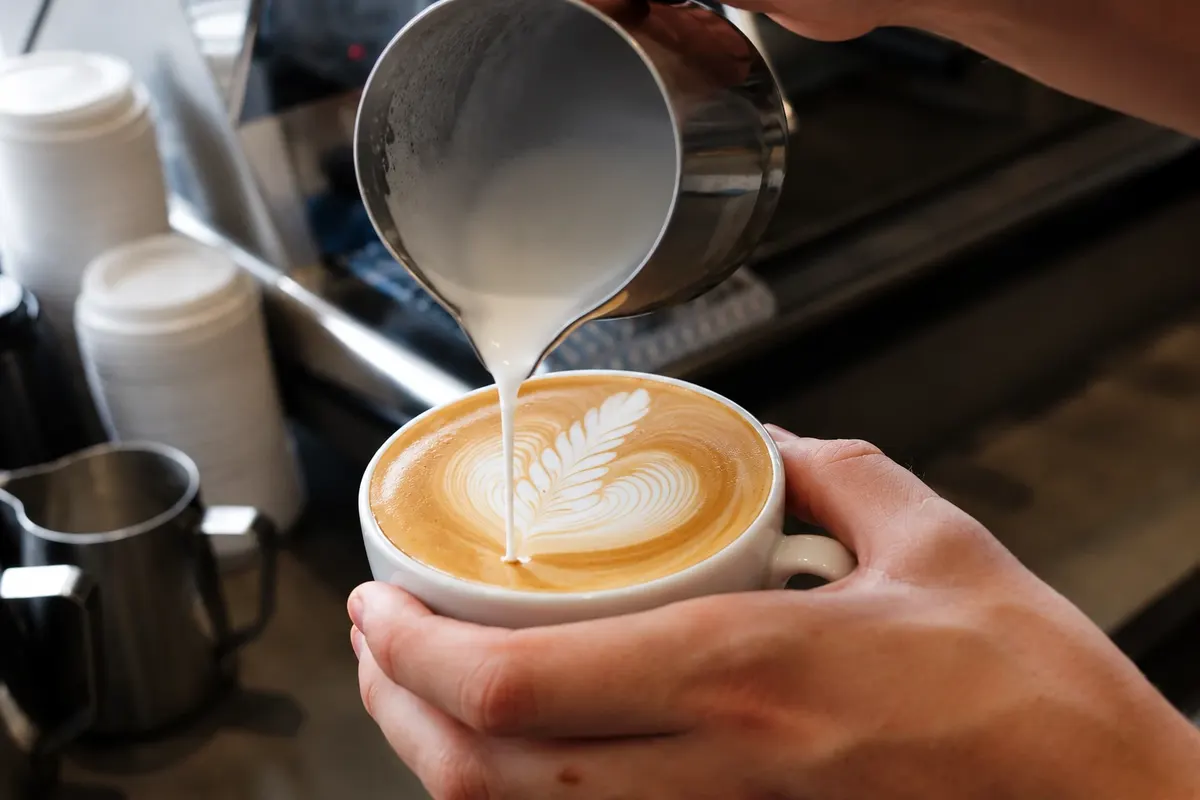
Espresso coffee with steamed milk and a thin layer of foam, stronger in coffee than a latte. The best-known menu record is from a café in Sydney in 1985; New Zealand contests the drink’s origin.

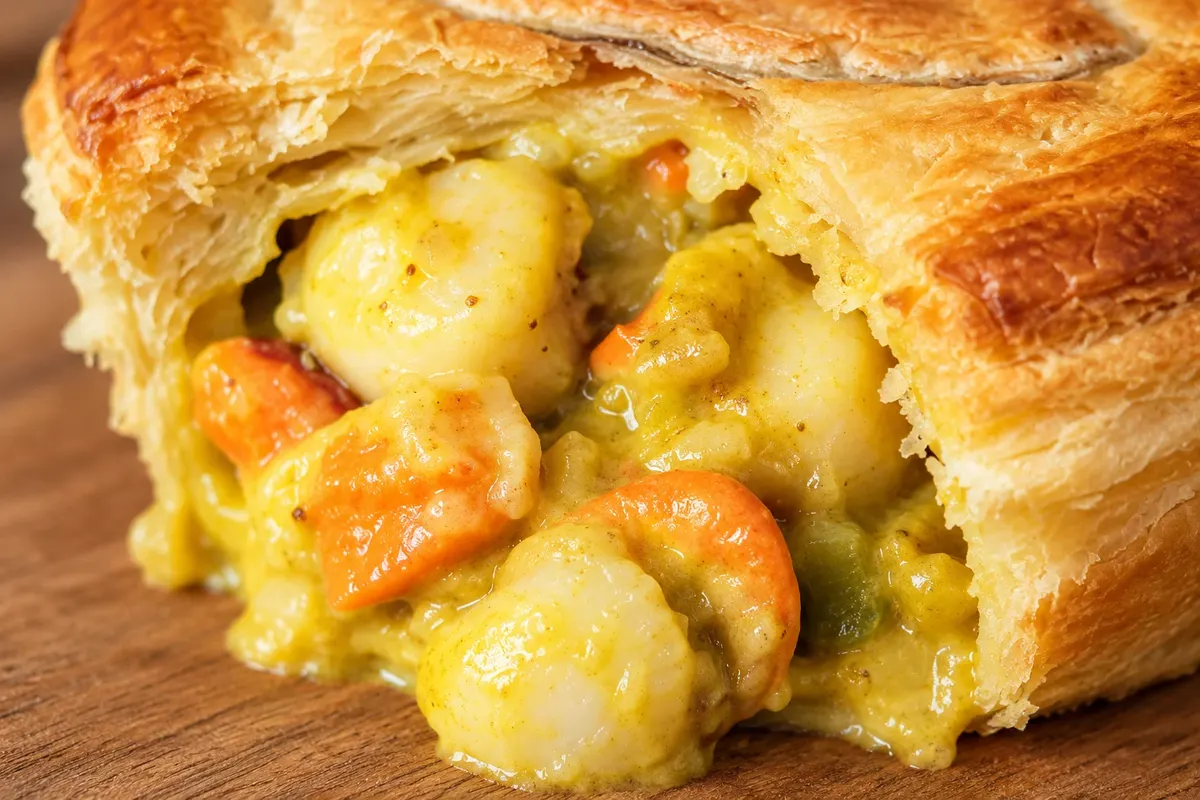
Individual puff pastry pie with scallops and a creamy curry sauce, sold in bakeries, cafés and markets across Tasmania and presented as a specialty of the island.