Pie floater
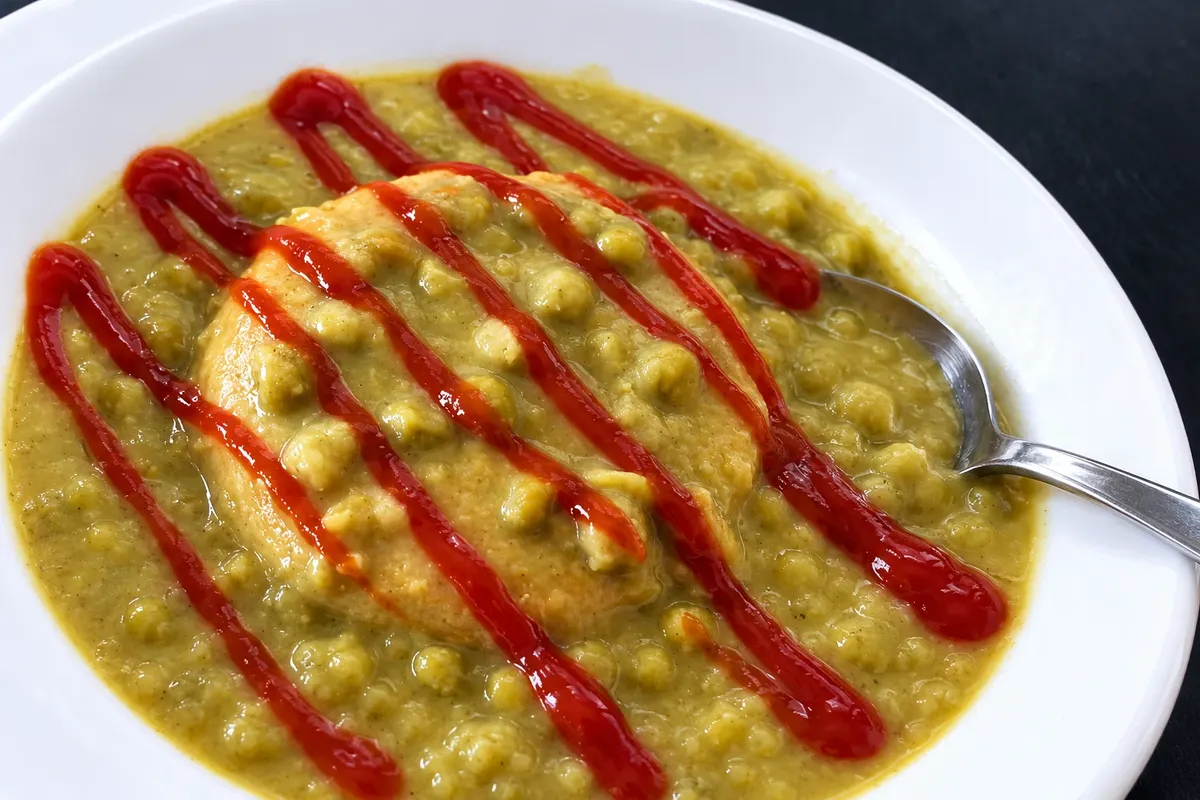
Meat pie served in a deep plate of thick pea soup, usually turned upside down and topped with tomato sauce. It was the dish of the food carts that sold late‑night food in central Adelaide since the 19th century.
Flavors · Brisbane
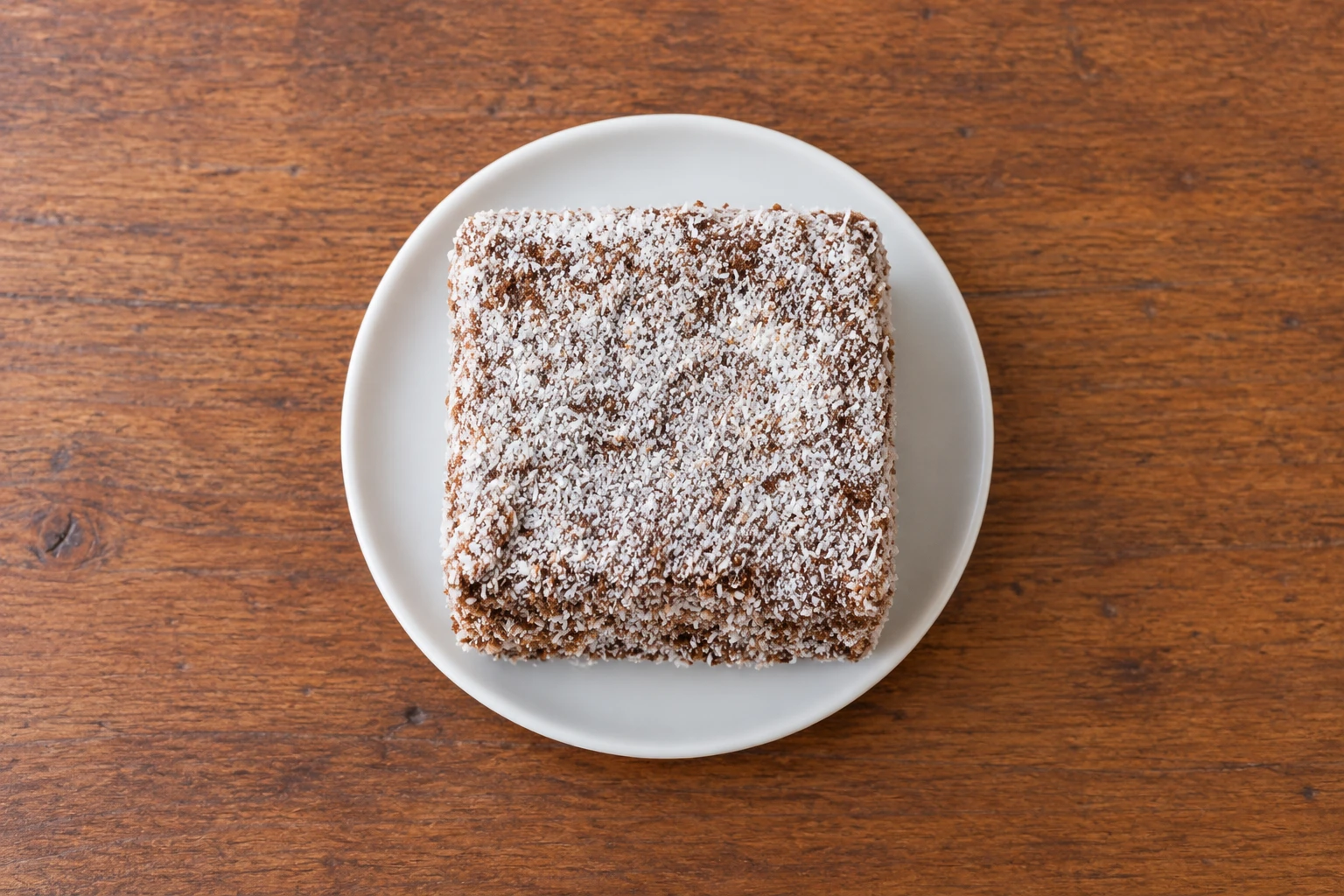
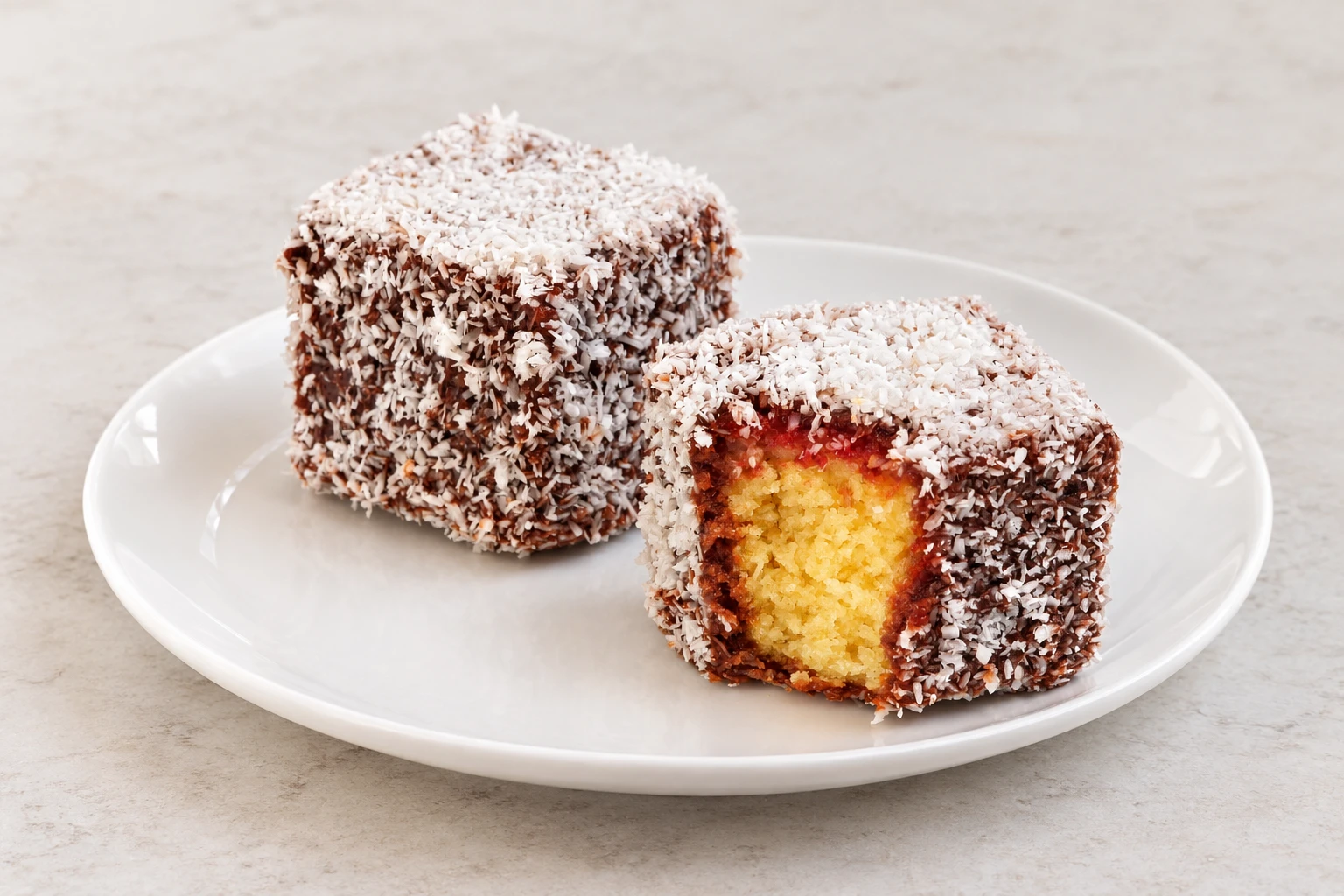
Cube of sponge cake dipped in a thin chocolate coating and then in dry shredded coconut. It is named after Lord Lamington, governor of Queensland, and the most accepted version places its creation at the governor’s official residence in Brisbane around 1900.
Traditional sweet from Brisbane, Queensland
Also known as: lamingtons, lammo
Illustrative images. The pictures in this guide are illustrations based on the real place, not photographs, and may differ from it.
Click a photo to enlarge it.
Lamington — Brisbane, Australia
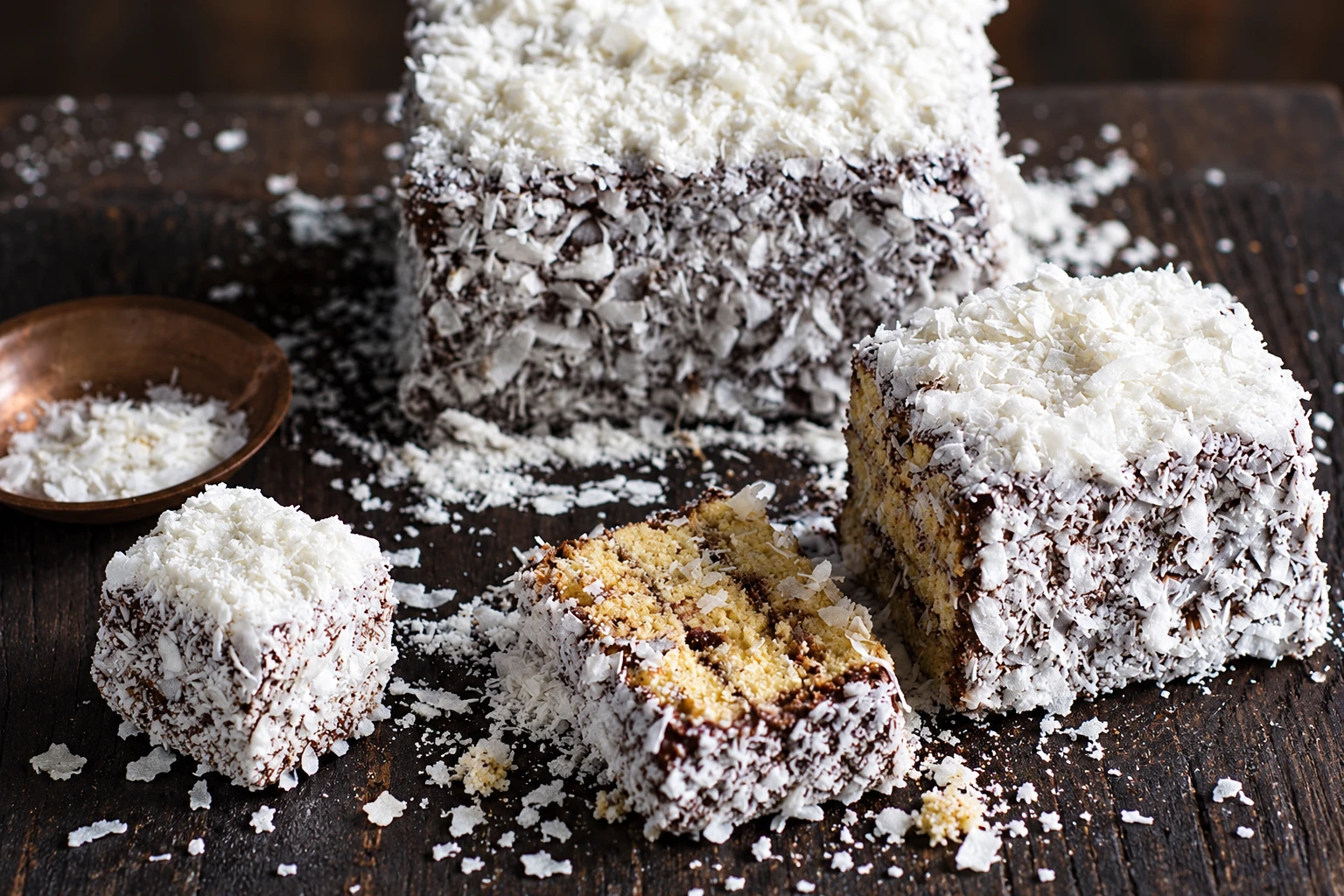
The lamington is a square piece of sponge cake dipped in a thin chocolate coating and rolled in dry shredded coconut, which sticks to the chocolate and forms a crust. The result is a soft little cake inside, with chocolate-and-coconut flavor on the outside. There are versions cut in half and filled, but the classic is just cake, chocolate, and coconut.
The name comes from Lord Lamington, governor of Queensland from 1896 to 1901, who lived with his family at the government’s official residence in Brisbane, the Government House, today Old Government House. The most supported version, backed by the house’s curatorship, attributes the cake to the French chef Armand Galland, who cooked for the Lamingtons: he is said to have prepared it in June 1900 for a reception hosted by Lady Lamington with hundreds of guests. In 1990, two of the governor’s granddaughters, visiting Queensland, said the cake had been created by the Government House cook and was their grandfather’s favorite, hence the name.
There are other versions. In Toowoomba, where the Lamingtons rented a house between late 1900 and early 1901, local tradition credits the cake to a house cook; Ipswich also claims the origin. The State Library of Queensland considers the matter unresolved. The first known recipe, under the name “Lamington Cakes,” appeared in the newspaper Queensland Country Life on December 17, 1900. At the time, shredded coconut was an uncommon ingredient in the country.
The lamington became associated with school fetes and fundraising drives, the lamington drives, in which volunteers prepare and sell trays of the cake. In 2009, it was listed among the icons for Queensland’s 150th anniversary in the innovations and inventions category, and July 21 is celebrated as National Lamington Day.

Brisbane , Queensland
The most accepted version places the creation of the lamington at Government House in Brisbane, the residence of Governor Lord Lamington, around 1900.
Sponge cake cut into cubes, thin chocolate coating (cocoa, sugar, butter and milk or water) and dry shredded coconut. Some versions are filled with jam or cream.
Eaten with the hands, at a mid-morning or afternoon snack, with tea or coffee. It is commonly present at school parties, gatherings and charity sales.
All year round. July 21 is celebrated as National Lamington Day.

Your questions
The most accepted version says it was at Government House in Brisbane around 1900, created by the governor’s chef for Lord Lamington. Toowoomba and Ipswich also claim the origin, and there is no definitive proof.
Because of Lord Lamington, governor of Queensland from 1896 to 1901. According to his granddaughters, the cake was their grandfather’s favorite.
Cubes of sponge cake dipped in a thin chocolate coating and then in dry shredded coconut. Some versions are filled with jam or cream.
July 21 is celebrated as National Lamington Day in Australia.
Flavors of Australia

Meat pie served in a deep plate of thick pea soup, usually turned upside down and topped with tomato sauce. It was the dish of the food carts that sold late‑night food in central Adelaide since the 19th century.

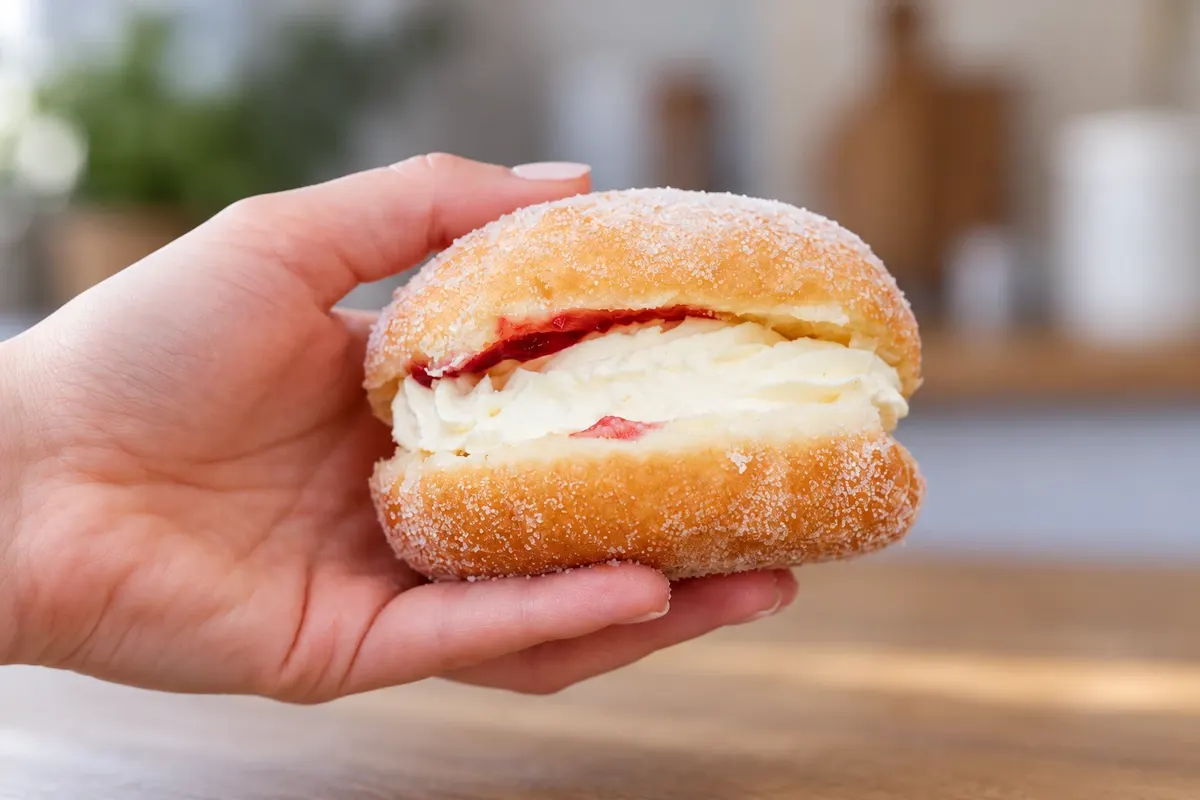
Sweet yeasted dough, fried, split on the side and filled with raspberry or strawberry jam and whipped cream, with sugar on the outside. In South Australia it was called a Berliner until World War I, when it acquired the name of the British marshal Lord Kitchener.

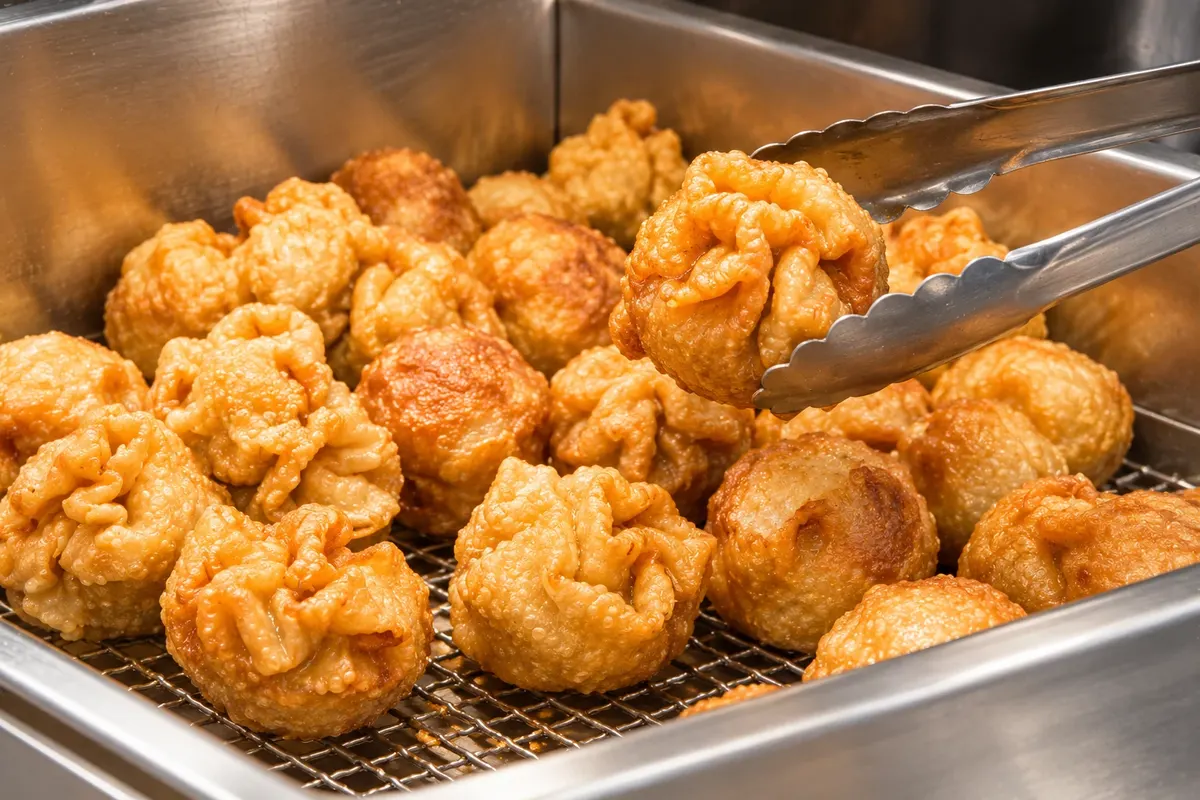
Chinese-Australian dumpling with a thick wrapper, filled with pork and vegetables, steamed or fried. It originated as an adaptation of the Cantonese siu mai made in Melbourne’s Chinatown in the 1940s and spread through the country’s fish-and-chips shops.

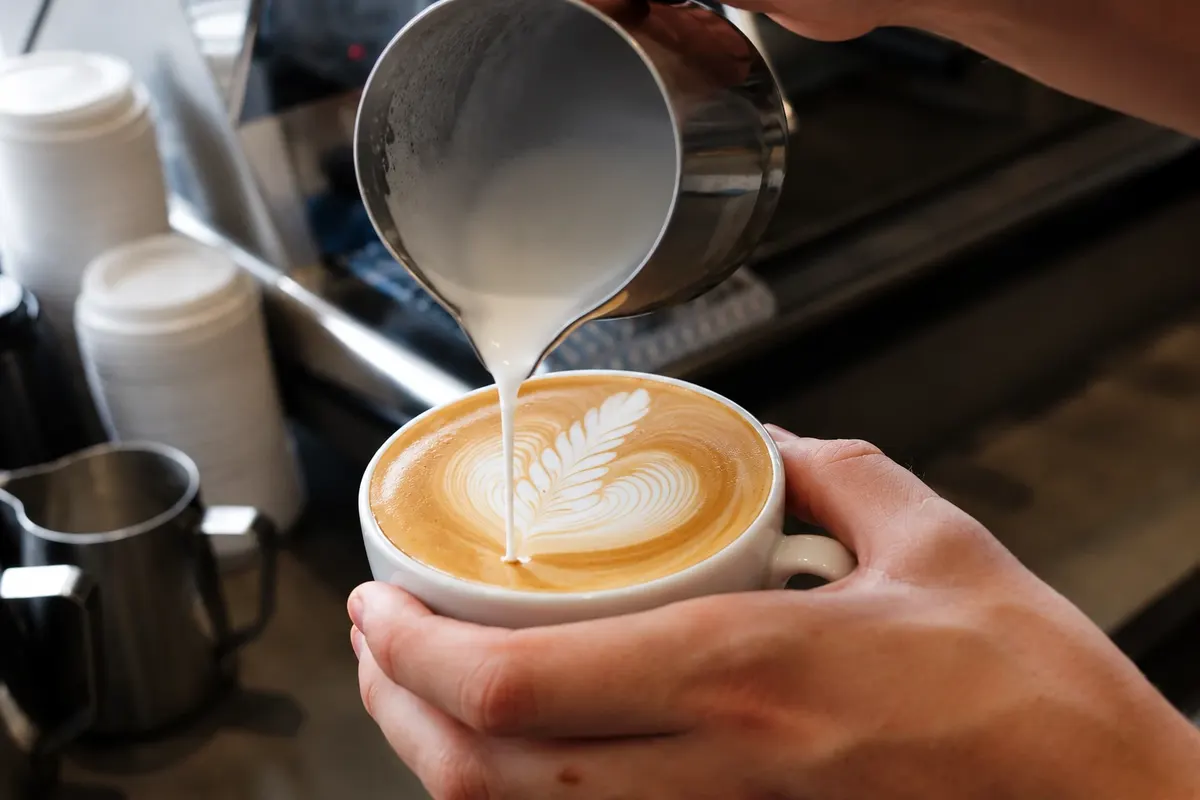
Espresso coffee with steamed milk and a thin layer of foam, stronger in coffee than a latte. The best-known menu record is from a café in Sydney in 1985; New Zealand contests the drink’s origin.