Pie floater
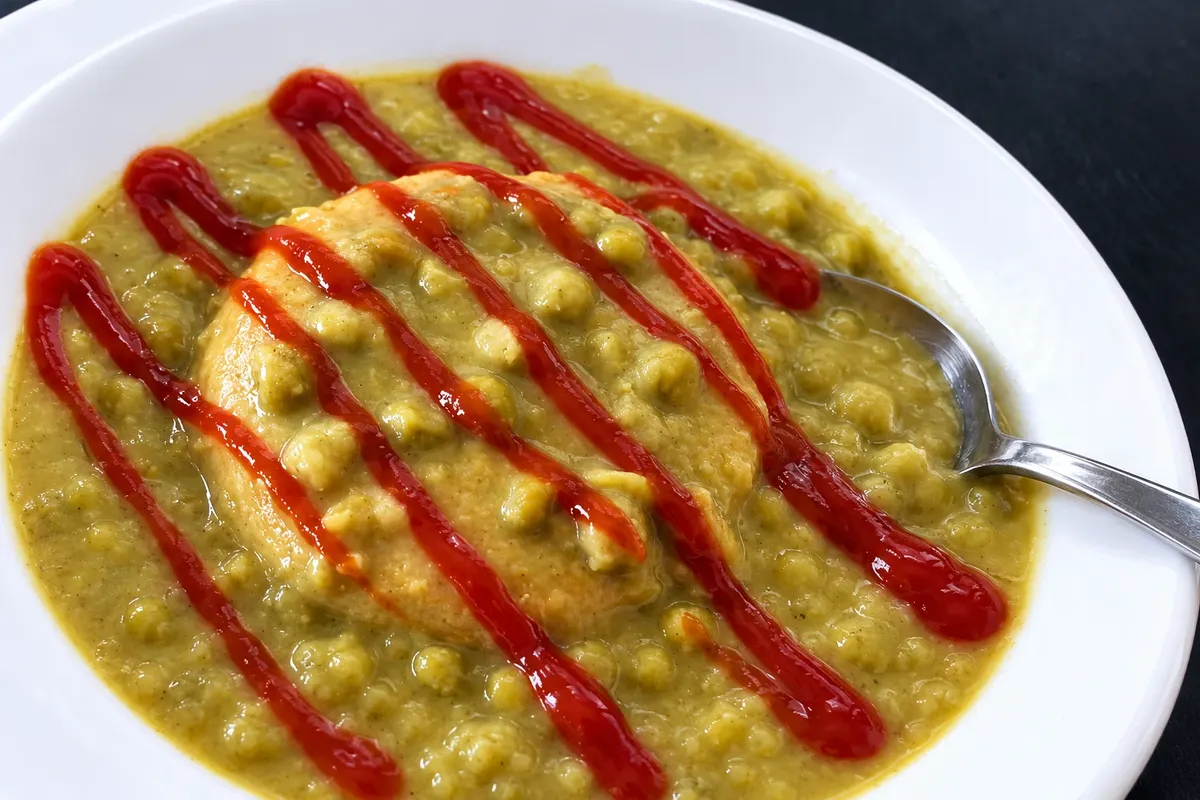
Meat pie served in a deep plate of thick pea soup, usually turned upside down and topped with tomato sauce. It was the dish of the food carts that sold late‑night food in central Adelaide since the 19th century.
Traditional food · Australia
Sweet bread with cream from South Australia, the Chinese dumpling of Melbourne, the chocolate-and-coconut cake of Brisbane and the flat white of Sydney.
In the photo: Uluru, Território do Norte
Illustrative images. The pictures in this guide are illustrations based on the real place, not photographs, and may differ from it.
The cuisine
Australian food tells the story of who arrived in the country. Aboriginal peoples lived off what each region provided—hunting, fishing and gathering plants, seeds and fruits. With British colonization from 1788 came meat, bread, tea and pies, and in the countryside people cooked damper, a bread baked in the ashes. The gold rush from the 1850s brought Chinese cooks, mainly from Guangdong province. After World War II, Italian and Greek immigrants spread espresso coffee, vegetables and Mediterranean seasonings, and later Southeast Asian cuisines arrived.
From that mix came dishes, sweets and drinks tied to places. In South Australia, a sweet bread of German origin, fried and filled with jam and cream, lost the name Berliner during World War I and became the Kitchener bun.
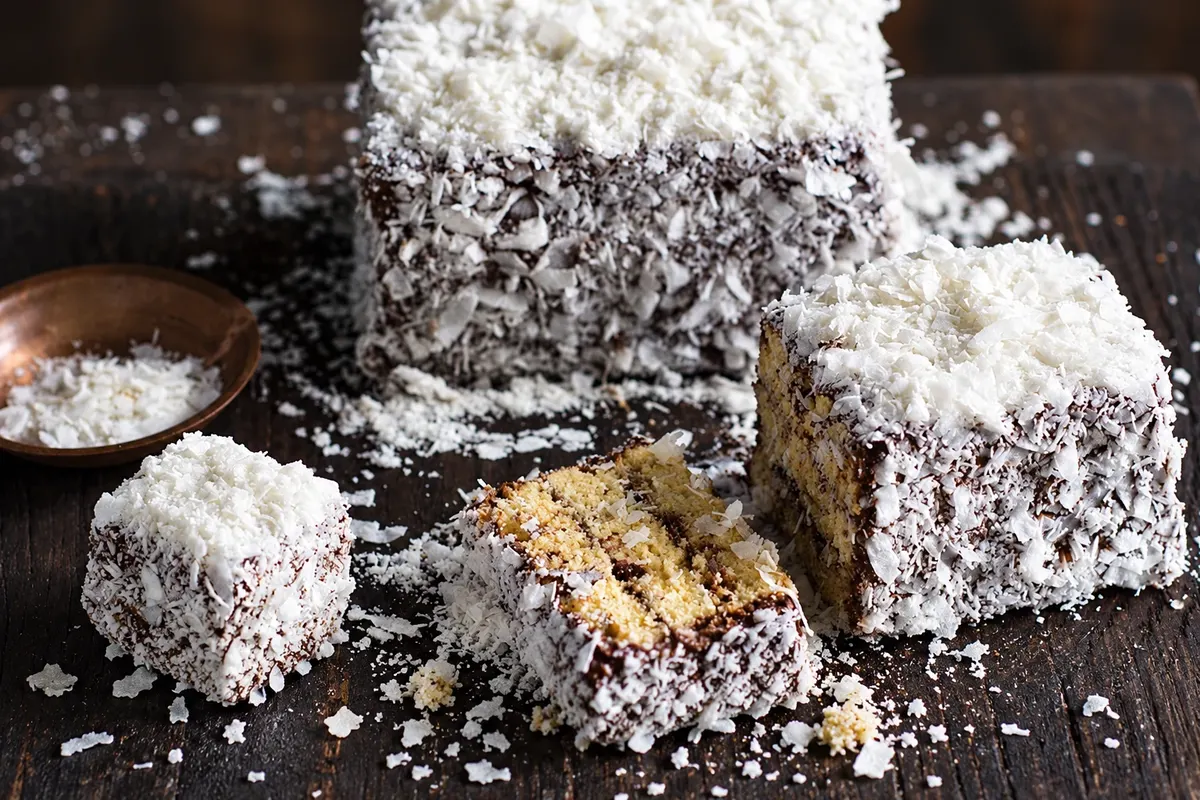
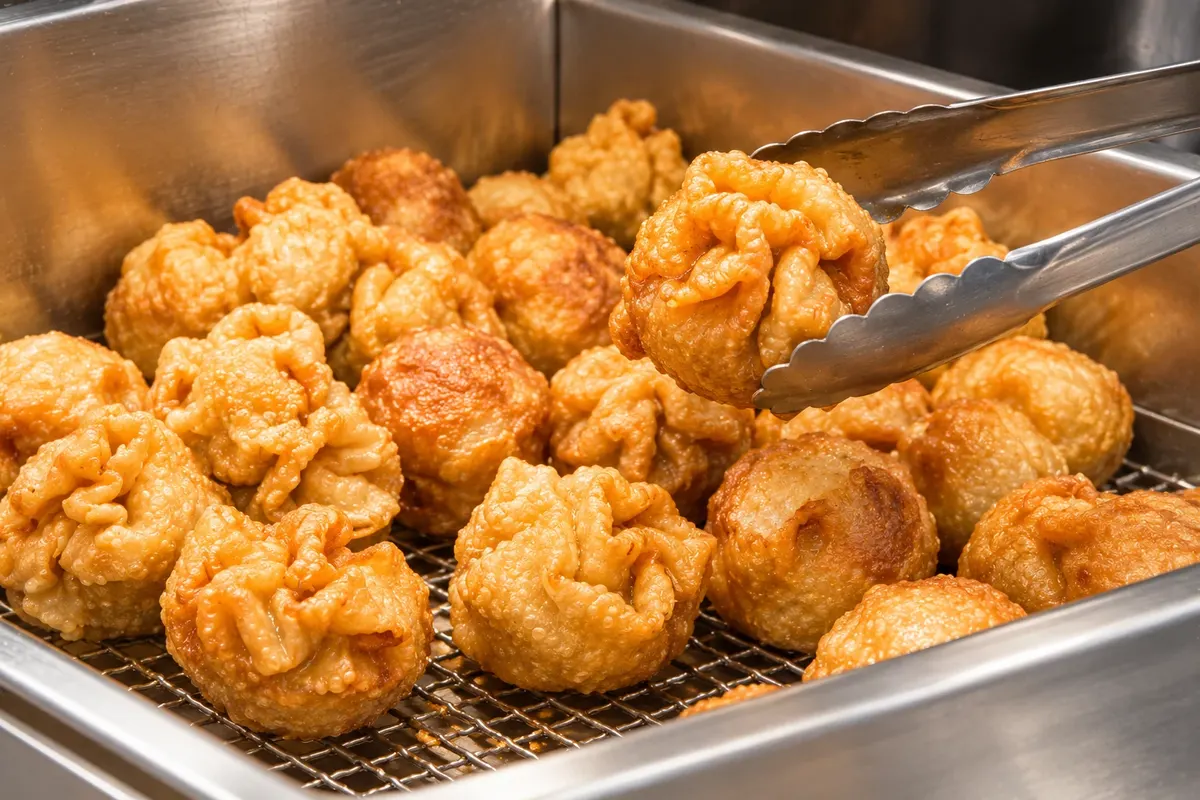
In Melbourne, the dim sim was born from an adaptation of a Cantonese dumpling made in the city’s Chinatown in the 1940s and ended up in fish-and-chip shops across the country. In Brisbane, the lamington, a cube of sponge cake coated in chocolate and coconut, is named after a governor of Queensland, and the most accepted version places its creation at his official residence in Brisbane around 1900.
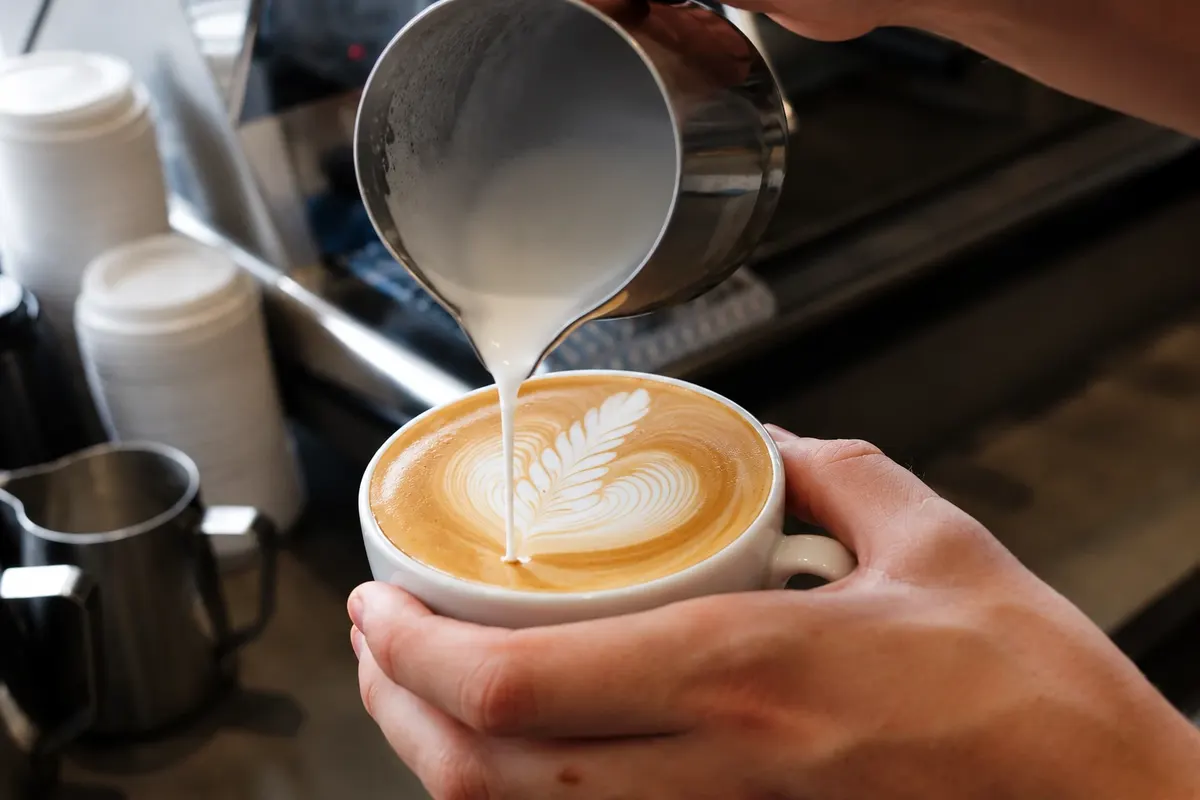
In Sydney, the flat white—espresso with steamed milk and a thin layer of foam—appears on a café menu in the city in 1985. New Zealand disputes the drink’s origin, and the question remains open.

5 flavors

Meat pie served in a deep plate of thick pea soup, usually turned upside down and topped with tomato sauce. It was the dish of the food carts that sold late‑night food in central Adelaide since the 19th century.

Sweet yeasted dough, fried, split on the side and filled with raspberry or strawberry jam and whipped cream, with sugar on the outside. In South Australia it was called a Berliner until World War I, when it acquired the name of the British marshal Lord Kitchener.

Cube of sponge cake dipped in a thin chocolate coating and then in dry shredded coconut. It is named after Lord Lamington, governor of Queensland, and the most accepted version places its creation at the governor’s official residence in Brisbane around 1900.

Chinese-Australian dumpling with a thick wrapper, filled with pork and vegetables, steamed or fried. It originated as an adaptation of the Cantonese siu mai made in Melbourne’s Chinatown in the 1940s and spread through the country’s fish-and-chips shops.

Espresso coffee with steamed milk and a thin layer of foam, stronger in coffee than a latte. The best-known menu record is from a café in Sydney in 1985; New Zealand contests the drink’s origin.
Suggest a traditional dish, sweet or drink of Australia that is not here. We check the sources before adding it.
Your questions
Australian cuisine mixes the British heritage, such as meat pies and tea, with the influence of Chinese, Italian, Greek and Asian immigrants. Some specialties are linked to places: the Kitchener bun to South Australia, the dim sim to Melbourne, the lamington to Brisbane and the flat white to Sydney.
A meat pie served in a deep plate of thick pea soup, usually with tomato sauce on top. It is the dish of the night stalls in Adelaide, in South Australia.
The origin is disputed. There is a photographed menu from a Sydney café, dated 1985, that includes the drink. New Zealand also claims its creation.
From Lord Lamington, governor of Queensland from 1896 to 1901. The most accepted version says the cake was created at the governor’s official residence in Brisbane, around 1900.