Pie floater
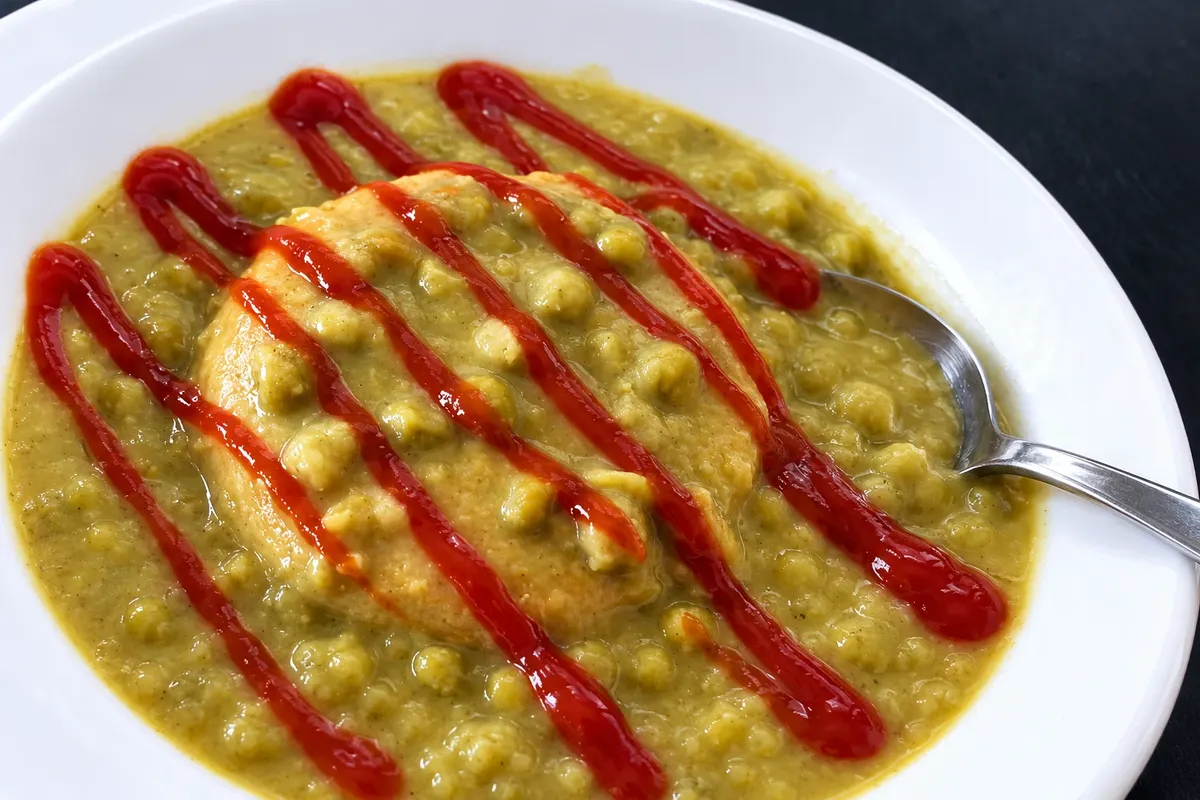
Meat pie served in a deep plate of thick pea soup, usually turned upside down and topped with tomato sauce. It was the dish of the food carts that sold late‑night food in central Adelaide since the 19th century.
Flavors · Melbourne
Chinese-Australian dumpling with a thick wrapper, filled with pork and vegetables, steamed or fried. It originated as an adaptation of the Cantonese siu mai made in Melbourne’s Chinatown in the 1940s and spread through the country’s fish-and-chips shops.
Traditional dish from Melbourne, Victoria
Also known as: dim sims, dimmy, dimmies, South Melbourne dim sim
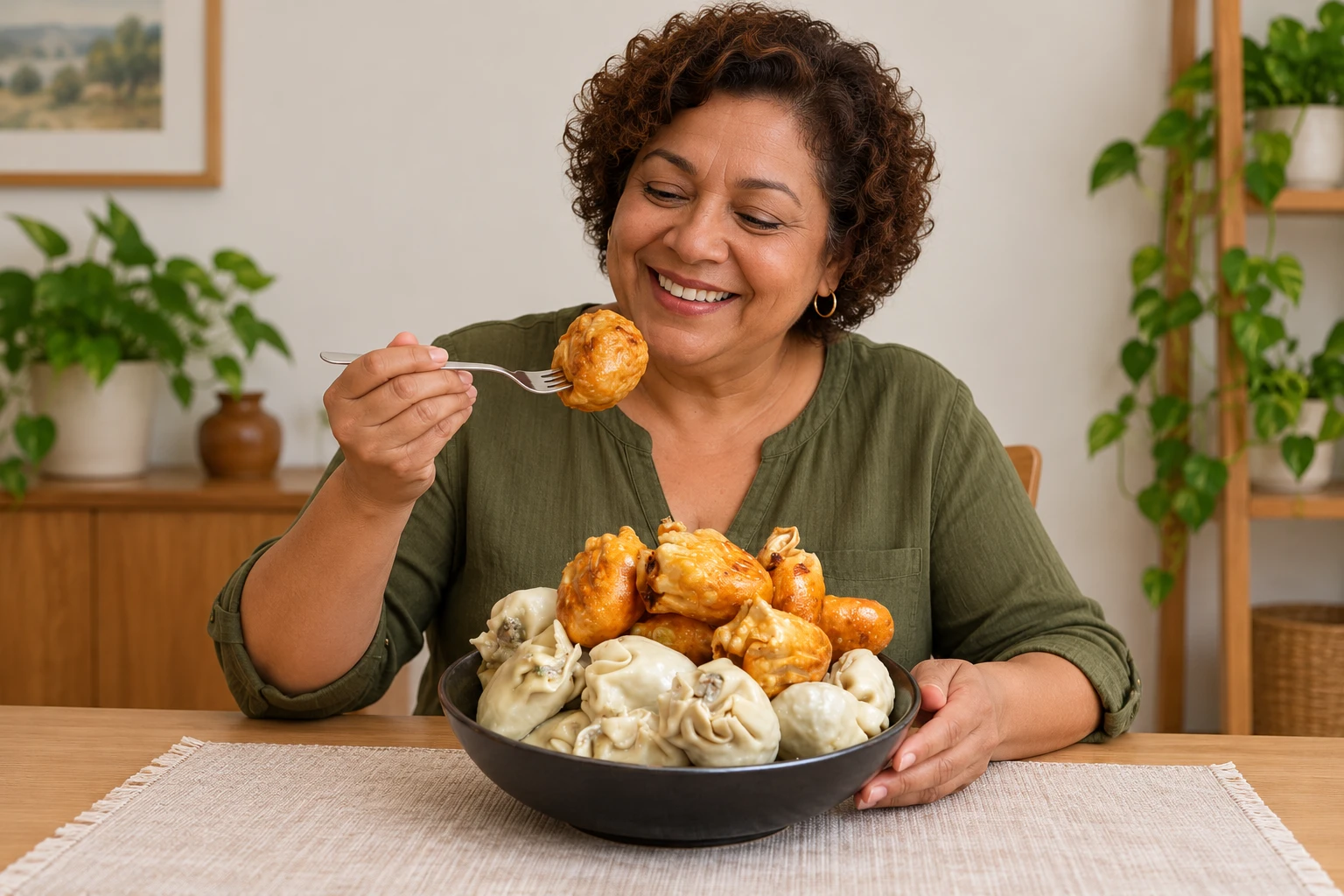
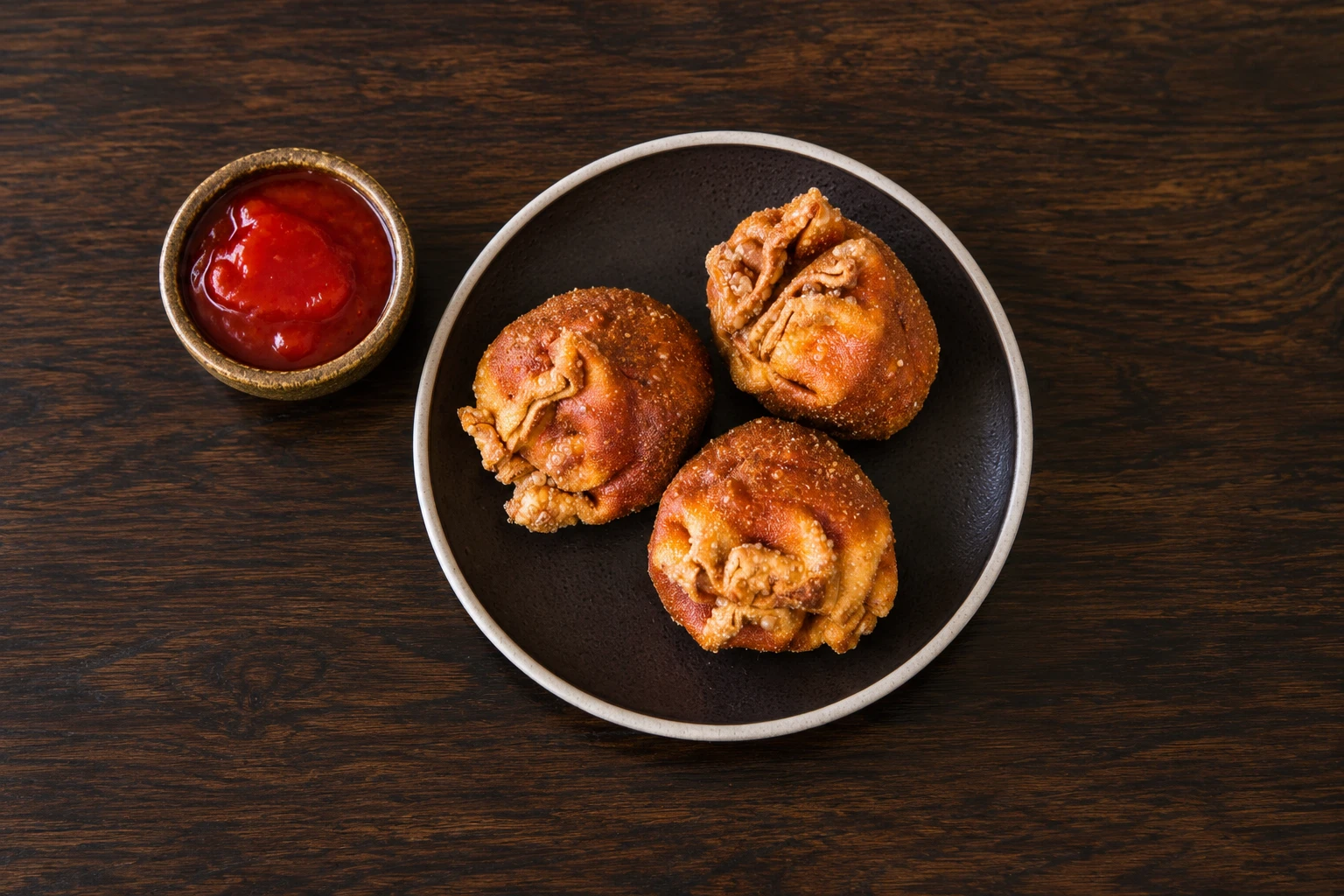
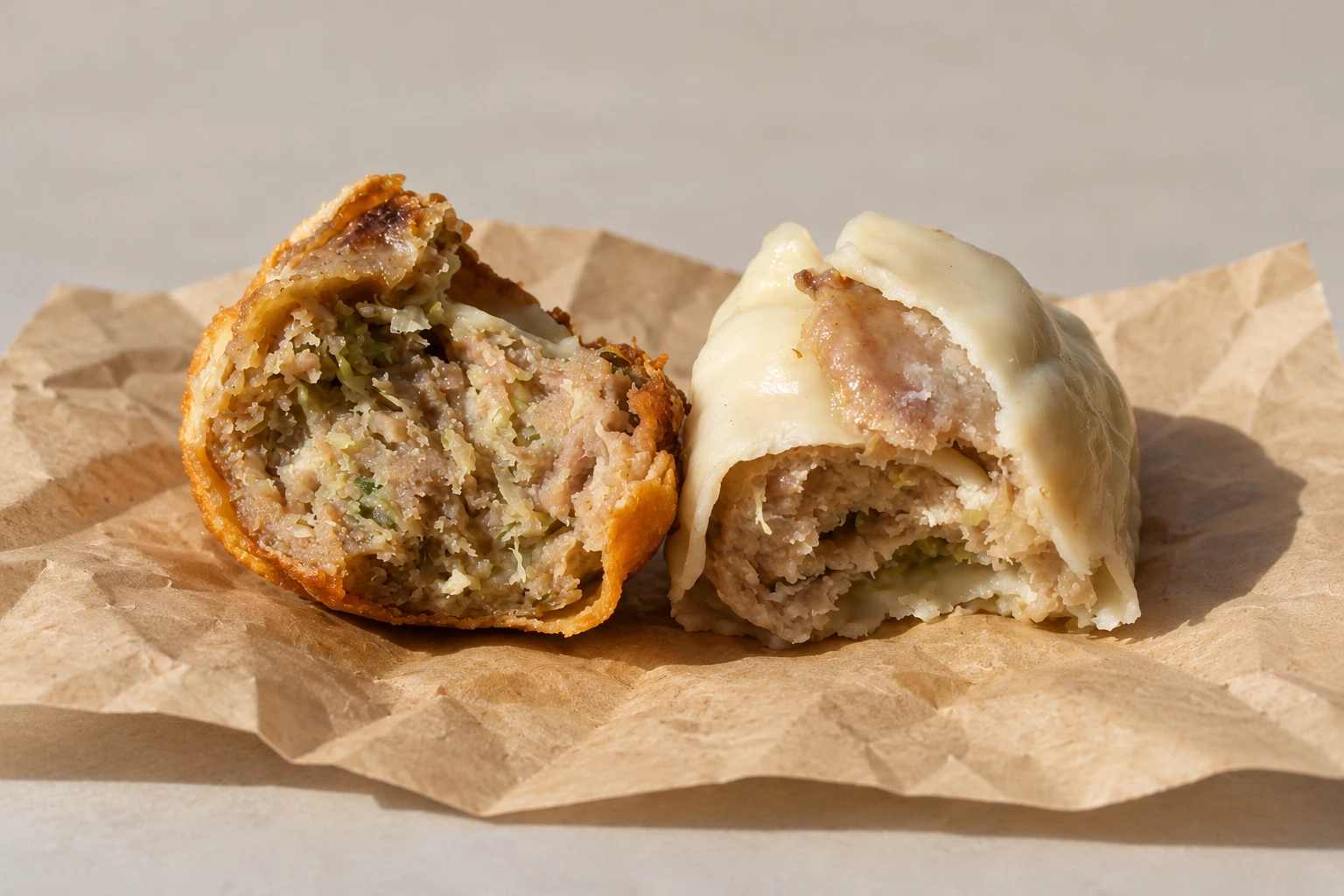
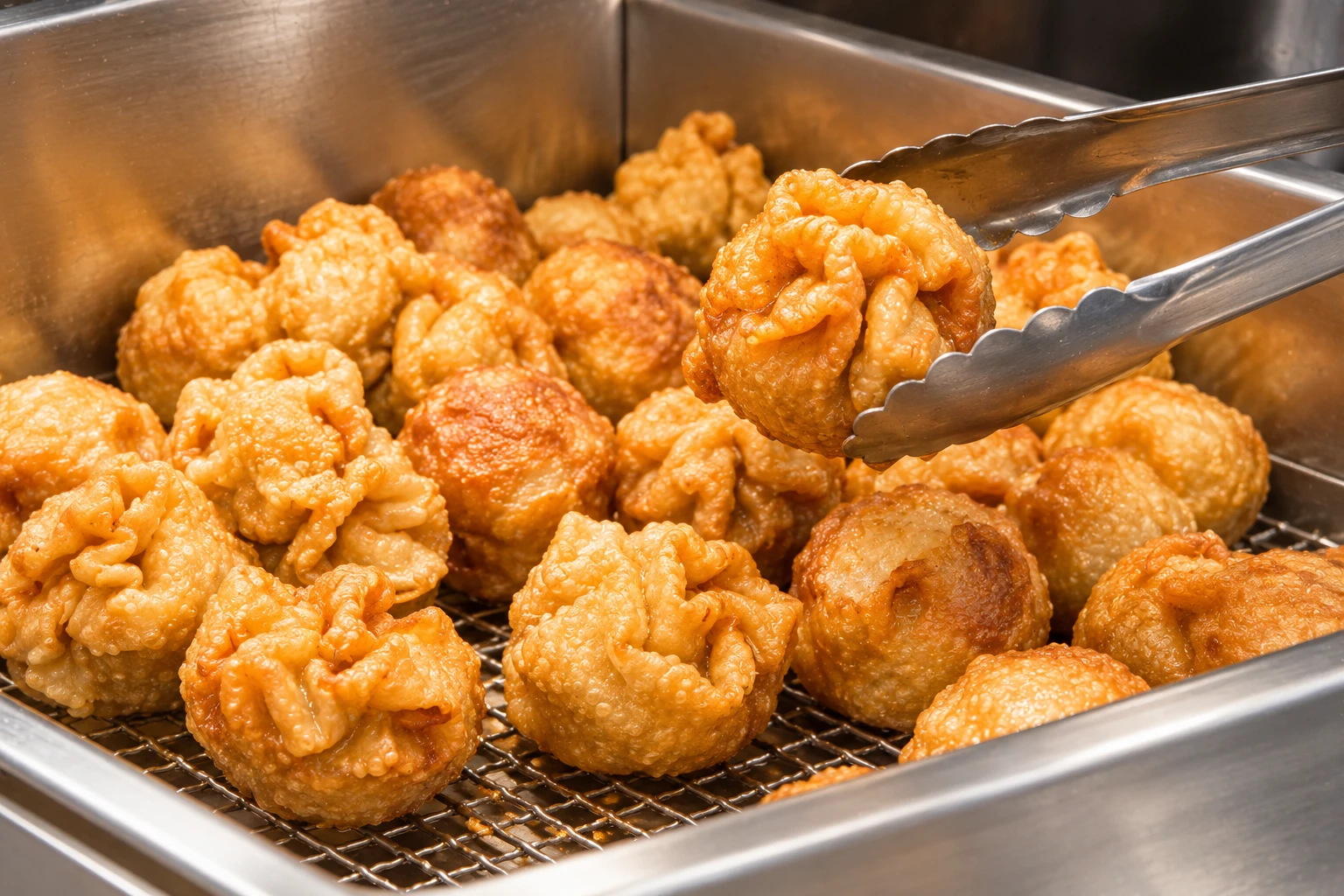
Illustrative images. The pictures in this guide are illustrations based on the real place, not photographs, and may differ from it.
Click a photo to enlarge it.
Dim sim — Melbourne, Australia
Dim sim is a dumpling filled with ground meat—mainly pork—plus cabbage and other vegetables, wrapped in a thicker dough than traditional Chinese dumplings. It is sold steamed, with a soft wrapper, or fried, with a golden, crispy wrapper, and is usually eaten plain or with soy sauce and chili. You find it in fish-and-chips shops, food courts and markets in Melbourne and other Australian cities.
The most often told story credits cook Elizabeth Chong, daughter of William Chen Wing Young, a Chinese cook and entrepreneur in Melbourne. According to her, her father noticed that Australian customers at his Chinatown restaurant loved siu mai, a small Cantonese pork dumpling, and in the 1940s created a larger, more robust version that he began producing by the thousands. The thicker wrapper stood up to transport: he personally took the dumplings to football matches. Melbourne City Council’s art and heritage collection adds that he designed production so elderly Chinese who had arrived during the gold rush could sell them from small carts and earn a living.
The name comes from the pronunciation of dim sum in the dialect spoken by Melbourne’s Chinese community at the time: as Elizabeth Chong explained, people there didn’t say dim sum but dim sim.
From 1949, another Chinese cook, Ken Cheng, began selling steamed dim sims from a cart and later at the South Melbourne Market. His were round and much larger—about twice the weight of the common ones—and that shape became known as the South Melbourne dim sim.
In 2024, Melbourne City Council commissioned a ceramic of steamed and fried dim sims for its collection, displayed in 2025 in an exhibition about the city’s street foods.

Melbourne , Victoria
Dim sim originated as an adaptation of the Cantonese siu mai made in Melbourne’s Chinatown in the 1940s; the South Melbourne dim sim—round and larger—comes from the South Melbourne Market.
Wheat wrapper thicker than that of Chinese dumplings; filling of ground meat—mainly pork—with cabbage and other vegetables and seasonings. Steamed or fried.
Served hot, plain or with soy sauce and chili. Often accompanies fish-and-chips or is eaten as a quick snack.
Year-round, as a snack or quick meal.
Your questions
A Chinese-Australian dumpling with a thick wrapper, filled with pork and vegetables, sold steamed or fried. It is very common in Australia’s fish-and-chips shops.
Dim sum is the Cantonese name for the assortment of small dishes served with tea. Dim sim is a specific dumpling, created in Melbourne from siu mai—larger and with a thicker wrapper; the name comes from the pronunciation of dim sum in the dialect of the city’s Chinese community at that time.
A round dim sim that is much larger than the usual kind, popularized from 1949 by a vendor at the South Melbourne Market.
Both. Steamed the wrapper is soft; fried it becomes golden and crispy. It is usually eaten plain or with soy sauce and chili.
Flavors of Australia

Meat pie served in a deep plate of thick pea soup, usually turned upside down and topped with tomato sauce. It was the dish of the food carts that sold late‑night food in central Adelaide since the 19th century.

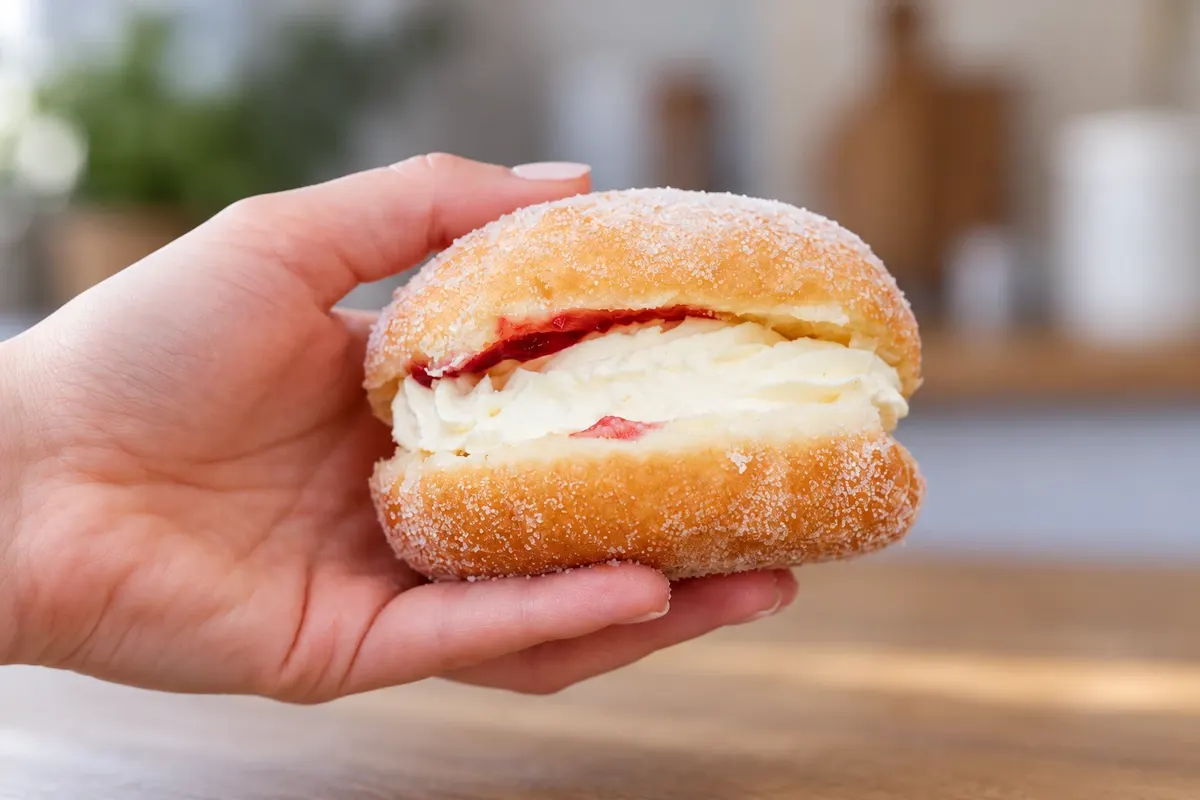
Sweet yeasted dough, fried, split on the side and filled with raspberry or strawberry jam and whipped cream, with sugar on the outside. In South Australia it was called a Berliner until World War I, when it acquired the name of the British marshal Lord Kitchener.

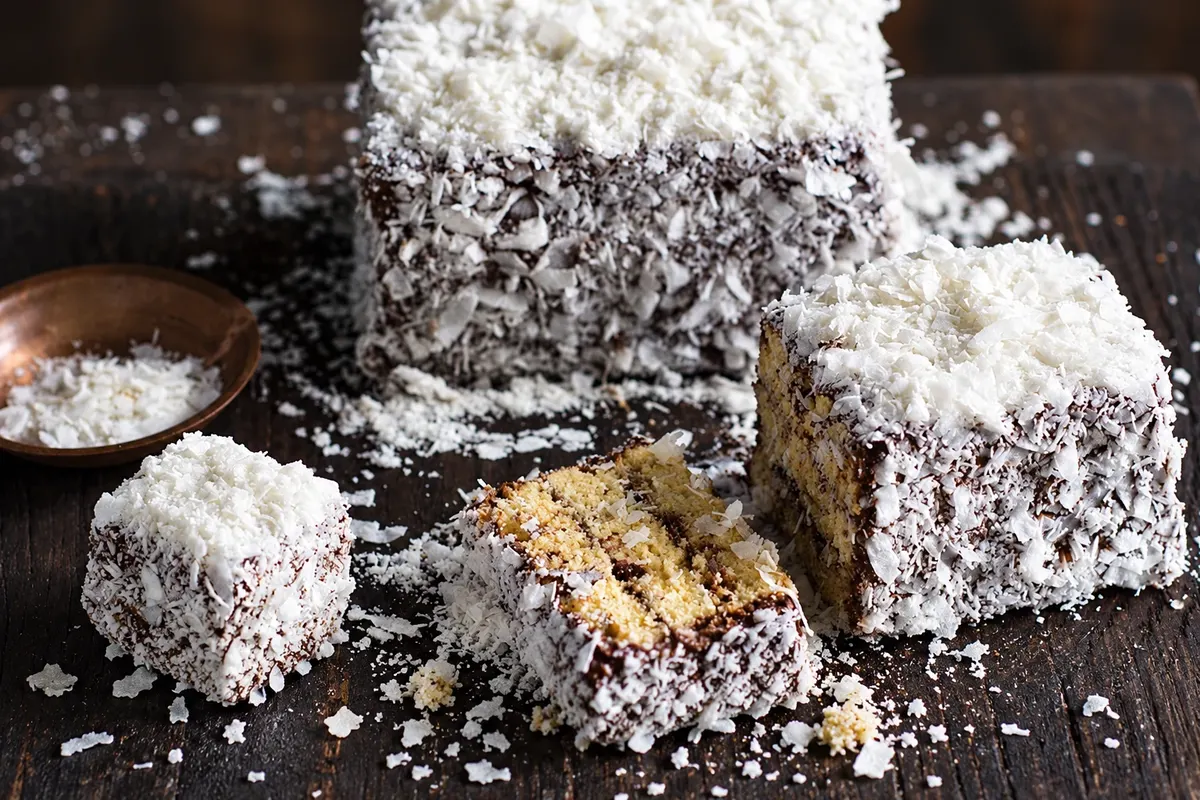
Cube of sponge cake dipped in a thin chocolate coating and then in dry shredded coconut. It is named after Lord Lamington, governor of Queensland, and the most accepted version places its creation at the governor’s official residence in Brisbane around 1900.

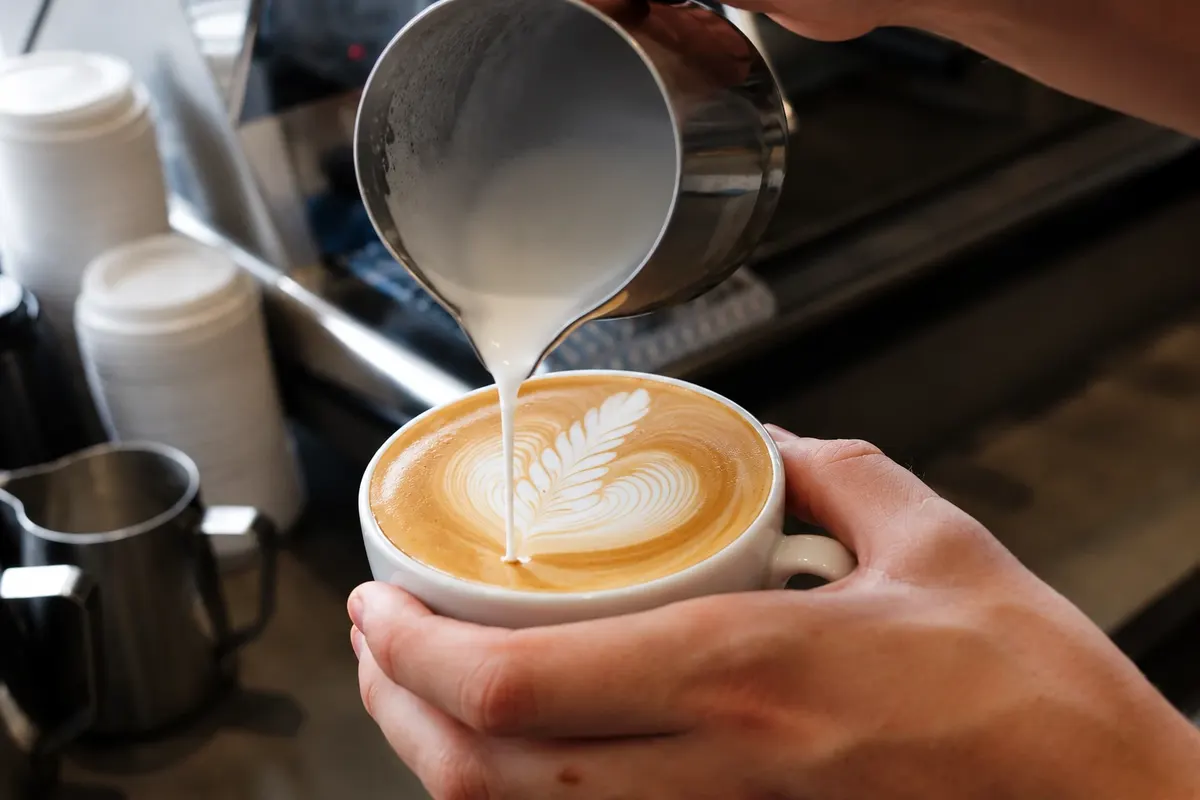
Espresso coffee with steamed milk and a thin layer of foam, stronger in coffee than a latte. The best-known menu record is from a café in Sydney in 1985; New Zealand contests the drink’s origin.