Türk kahvesi
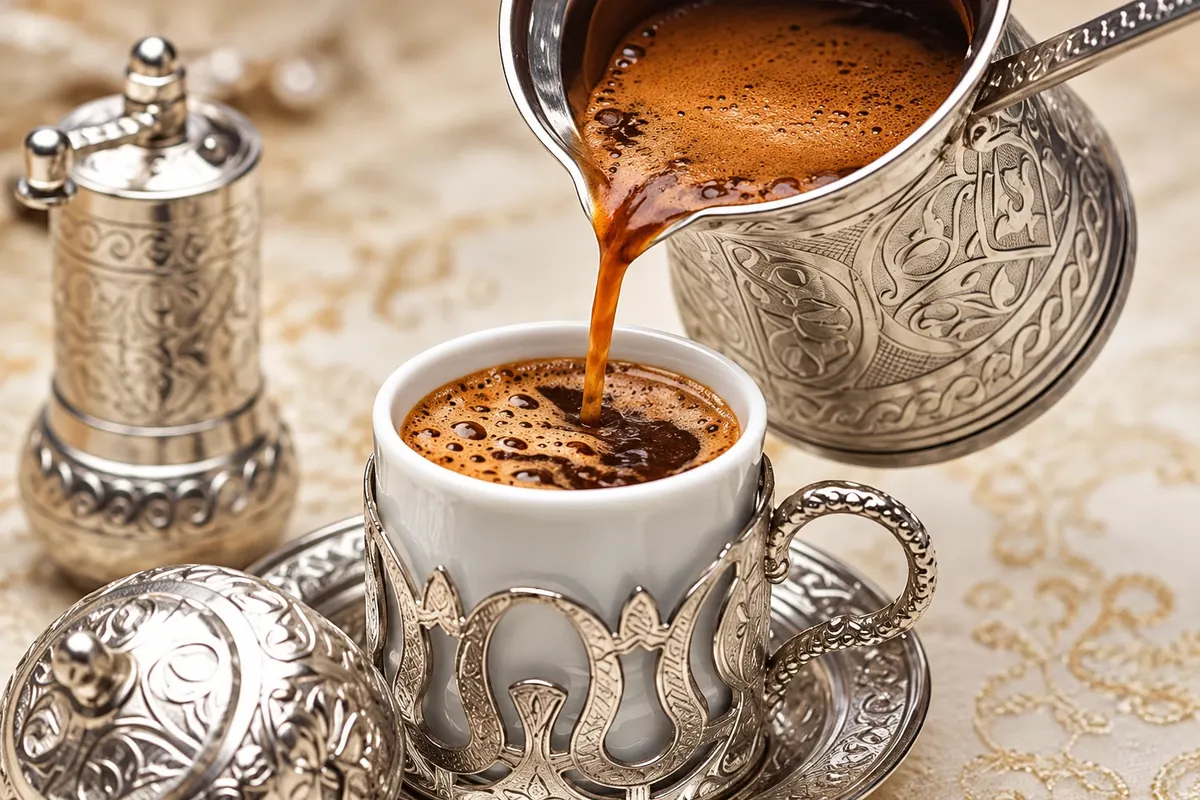
Finely ground coffee, slowly heated with water and sugar in a small pot until foam forms, and served unfiltered with the grounds settling at the bottom of the cup. UNESCO recognized this culture as an intangible heritage in 2013.
Flavors · Turkey
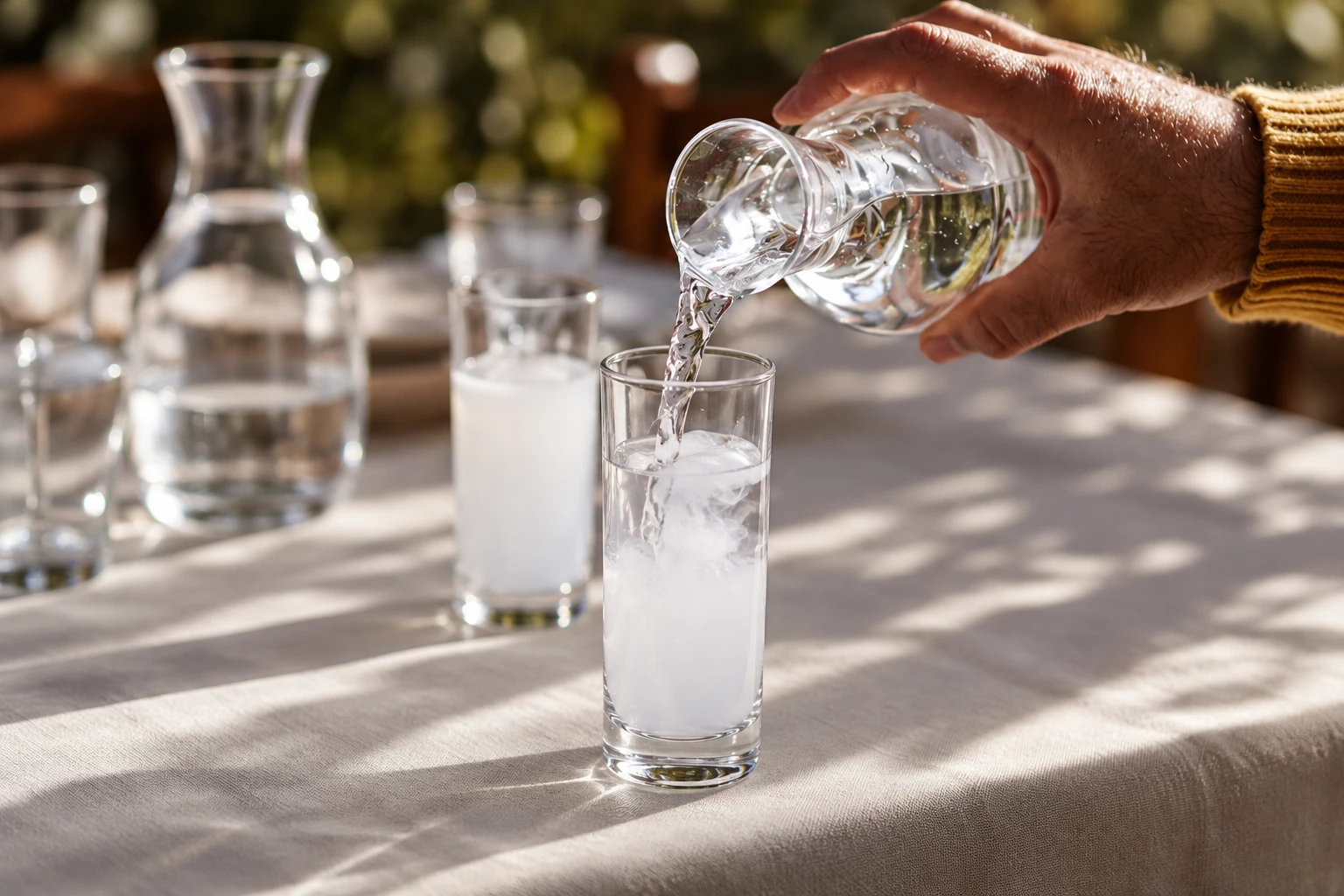
A grape distillate flavored with anise that turns milky-white when mixed with water. Sipped slowly alongside many meze dishes, it’s the drink of long conversational tables in Turkey and has a protected designation of origin for the whole country.
Traditional drink from Turkey
Also known as: raki, Türk rakısı, aslan sütü
Illustrative images. The pictures in this guide are illustrations based on the real place, not photographs, and may differ from it.
Click a photo to enlarge it.
Rakı — Turkey
Rakı is made from suma, a distillate of fresh grapes or raisins, which is redistilled in copper stills with anise seeds. The result is a clear spirit with a strong anise aroma and high alcohol content. When water is added, the anise essential oils stop dissolving and cloud the glass, which becomes milk-white, hence the nickname aslan sütü, “lion’s milk.”
It’s served in a tall, narrow glass, with chilled water and sometimes ice. A separate glass of plain water is set alongside. The drink is taken slowly over a long meal, the rakı sofrası, accompanied by many small plates of meze: white cheese and melon—the two most classic—yogurt with herbs, eggplant, fava beans, seafood and grilled fish. Toasts are made with the word şerefe, to your health. Meyhane, traditional taverns, are the places most associated with this table.
The name may come from the Arabic arak, a name for flavored distillates across a broad region, or from a grape variety called razaki; both explanations are cited. The drink is related to Greek ouzo, Middle Eastern arak and French pastis, but it has its own production method and identity.
In 2010, rakı was registered in Turkey as a designation of origin, with the entire Republic of Turkey as the geographical limit. The registration states that the drink derives its character from the grapes and anise grown in the country and from traditional production methods, and describes it as a synthesis of the cultural heritage of the civilizations that lived on these lands.

Turkey
The Rakı designation of origin, registered in Turkey, has the territory of the Republic of Turkey as its geographical limit.
Suma (distillate of fresh grapes or raisins) and anise seeds; served with water.
In a tall glass, mixed with chilled water, sipped slowly over a meze meal, with a glass of water at hand.
At long dinners with friends and family, especially summer nights and in meyhane.
Your questions
The anise essential oils cloud the drink on contact with water, and the glass becomes milky. Hence the nickname lion’s milk.
With water and with meze dishes; white cheese and melon are the most classic accompaniments.
They are relatives, both anise-flavored, but Turkish rakı is made from grape distillate and has its own production method and protected designation.
Flavors of Turkey

Finely ground coffee, slowly heated with water and sugar in a small pot until foam forms, and served unfiltered with the grounds settling at the bottom of the cup. UNESCO recognized this culture as an intangible heritage in 2013.

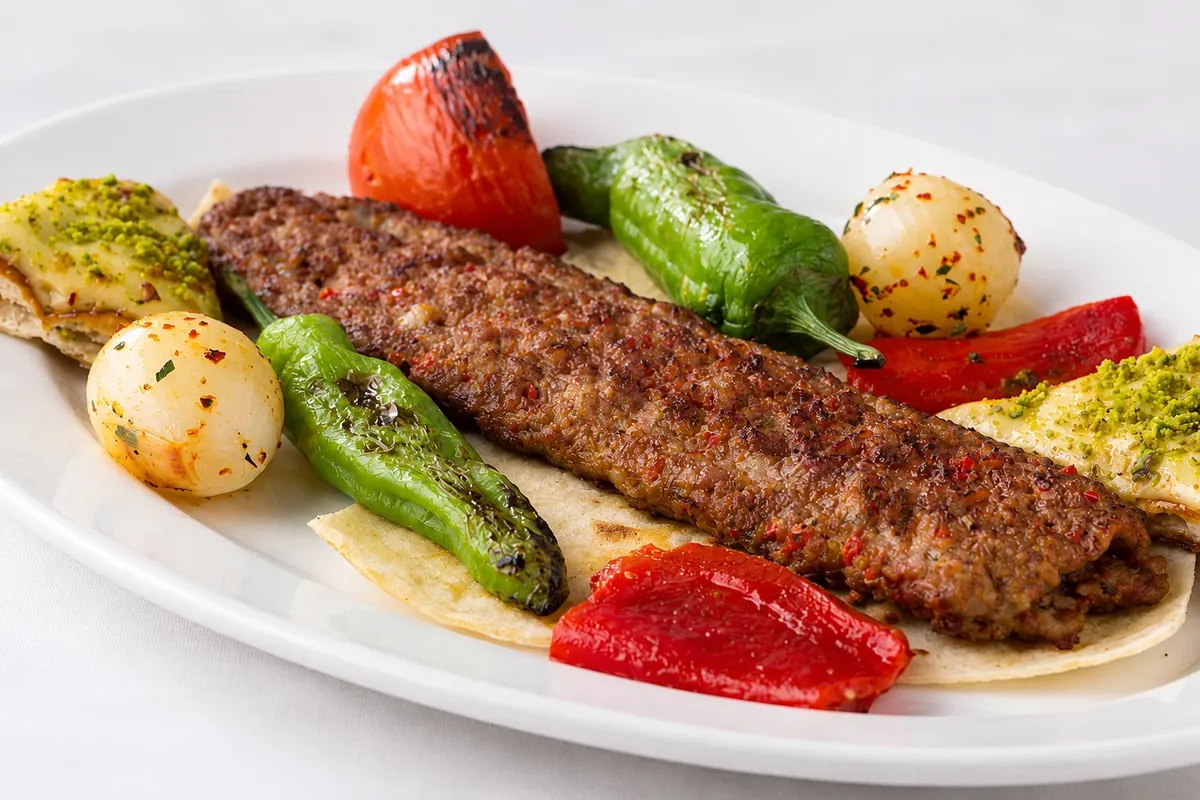
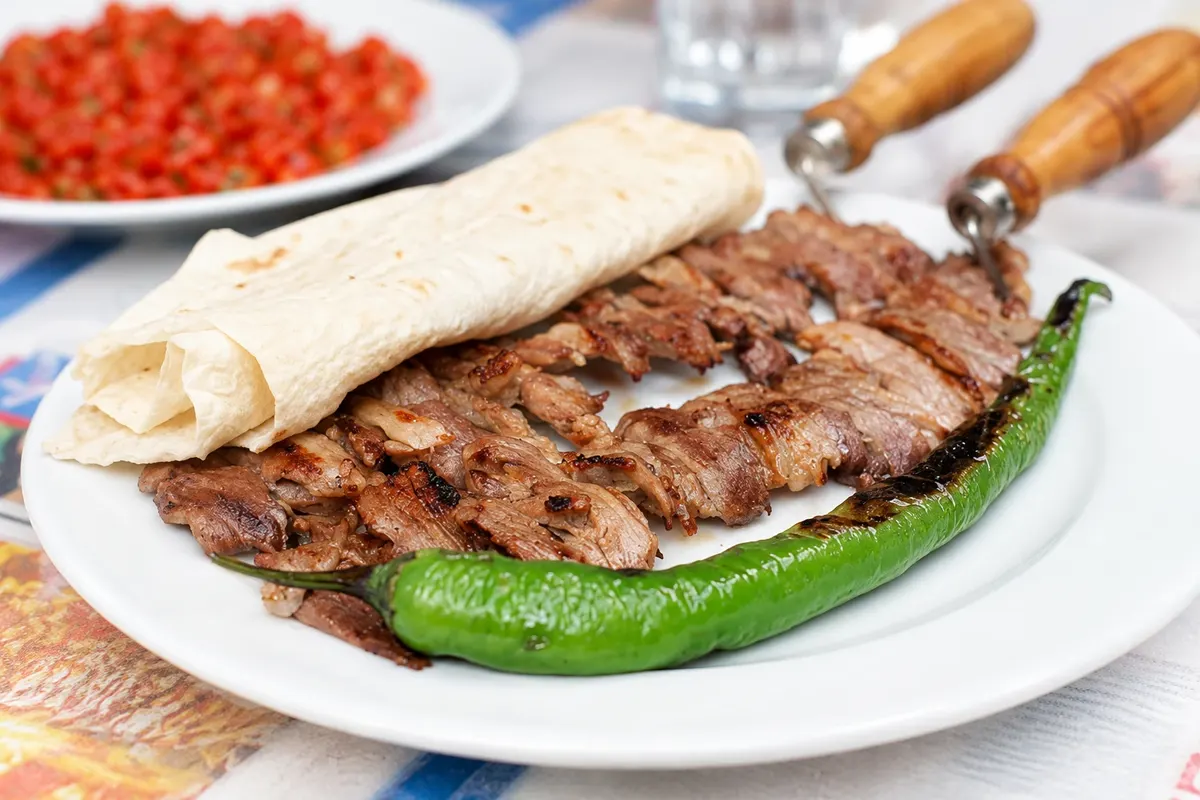
Wide skewer of lamb meat with tail fat, knife‑chopped (zırh) with red pepper, charcoal‑grilled and served with lavaş, onion with sumac, grilled tomato and pepper.

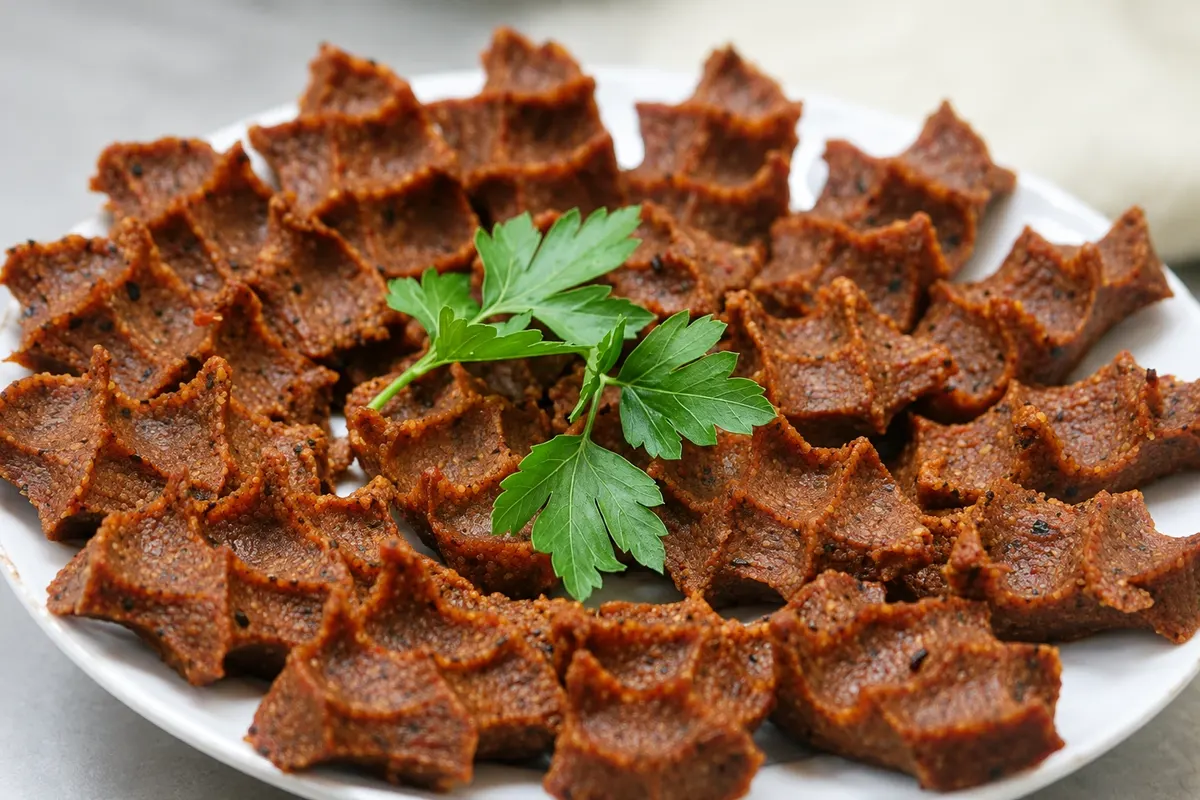
Fine bulgur hand-kneaded with dried pepper (isot), pepper and tomato paste, onion, garlic, walnuts, parsley, pomegranate molasses and spices, meatless, served in lettuce leaves: Adıyaman çiğ köfte.

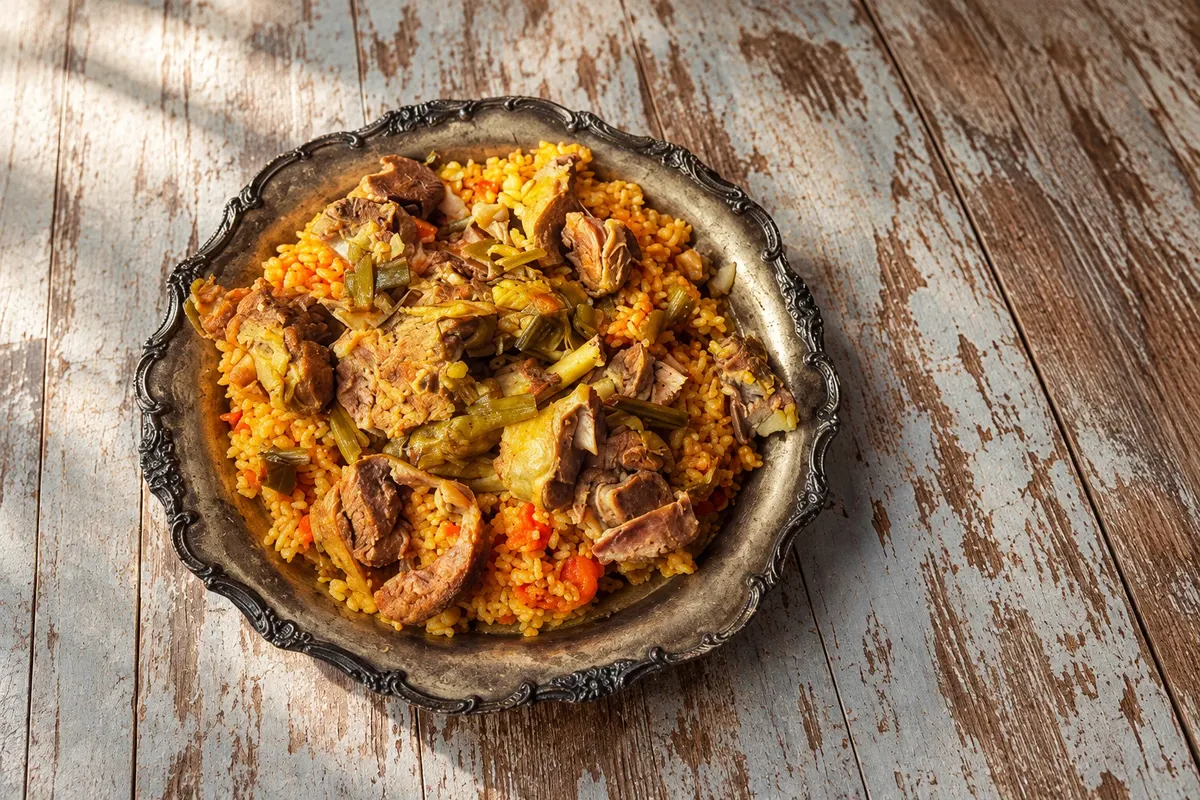
Shoulder and rib of lamb roasted for hours in a stone oven, served over rice cooked in the meat’s broth in a tin-lined copper pan with lid: the meat dish of Ankara Province.

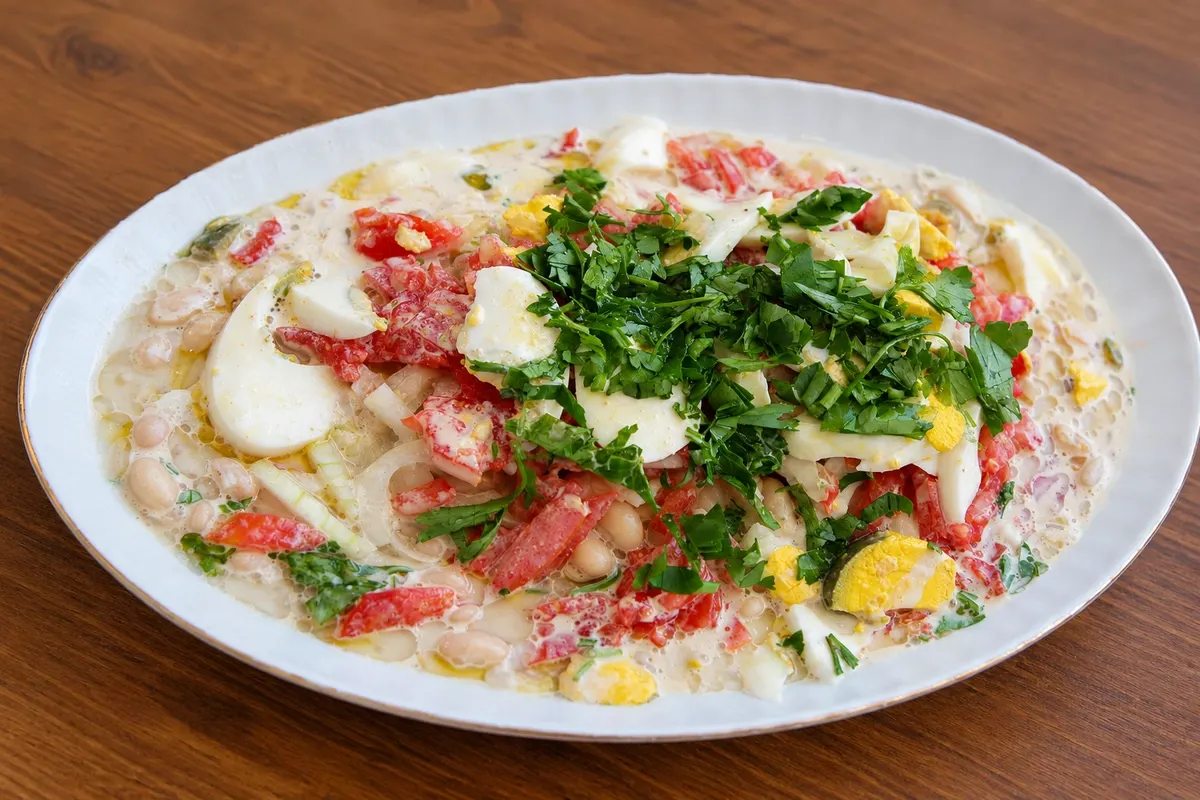
Small white beans with tahini tarator sauce, garlic, lemon and vinegar, boiled egg, tomato and parsley: in other regions piyaz is a salad; in Antalya, it is a main course.

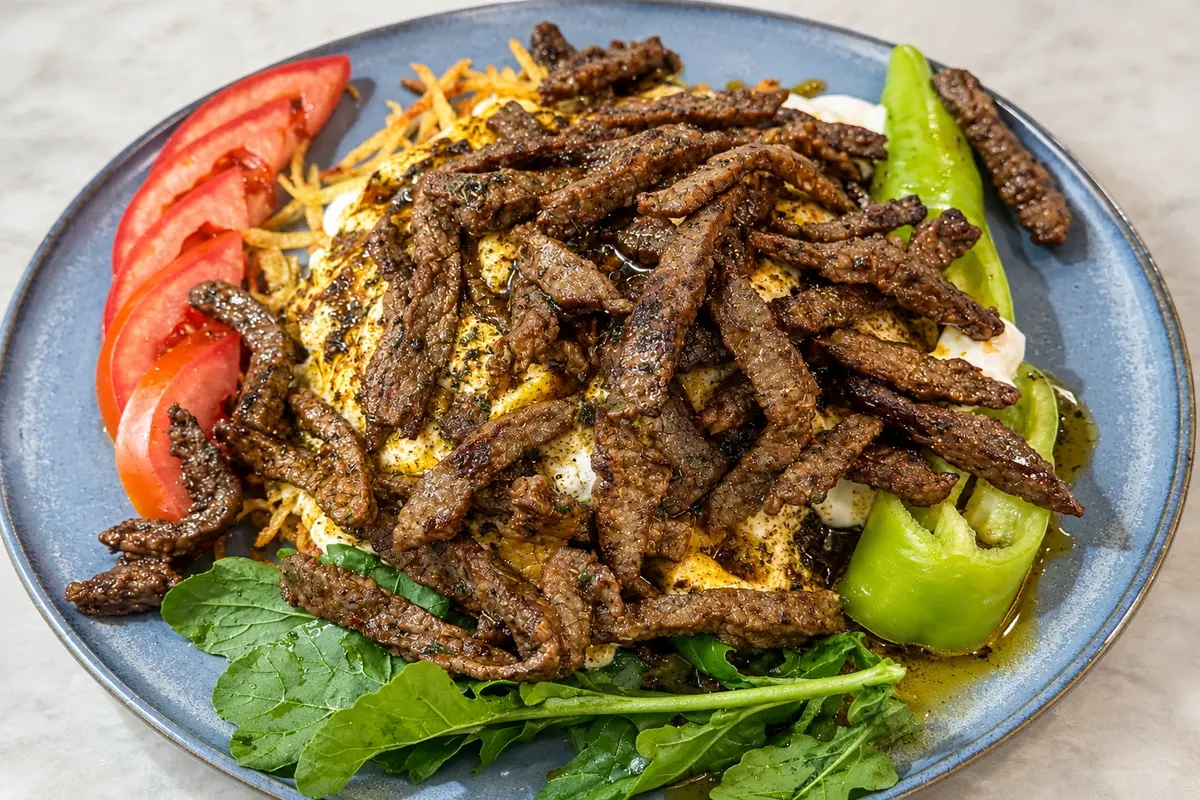
Very thin shoestring potatoes, yogurt with garlic and strips of beef sautéed in butter, layered on the same plate: çökertme is Bodrum’s kebab, served in the district since the 1960s.

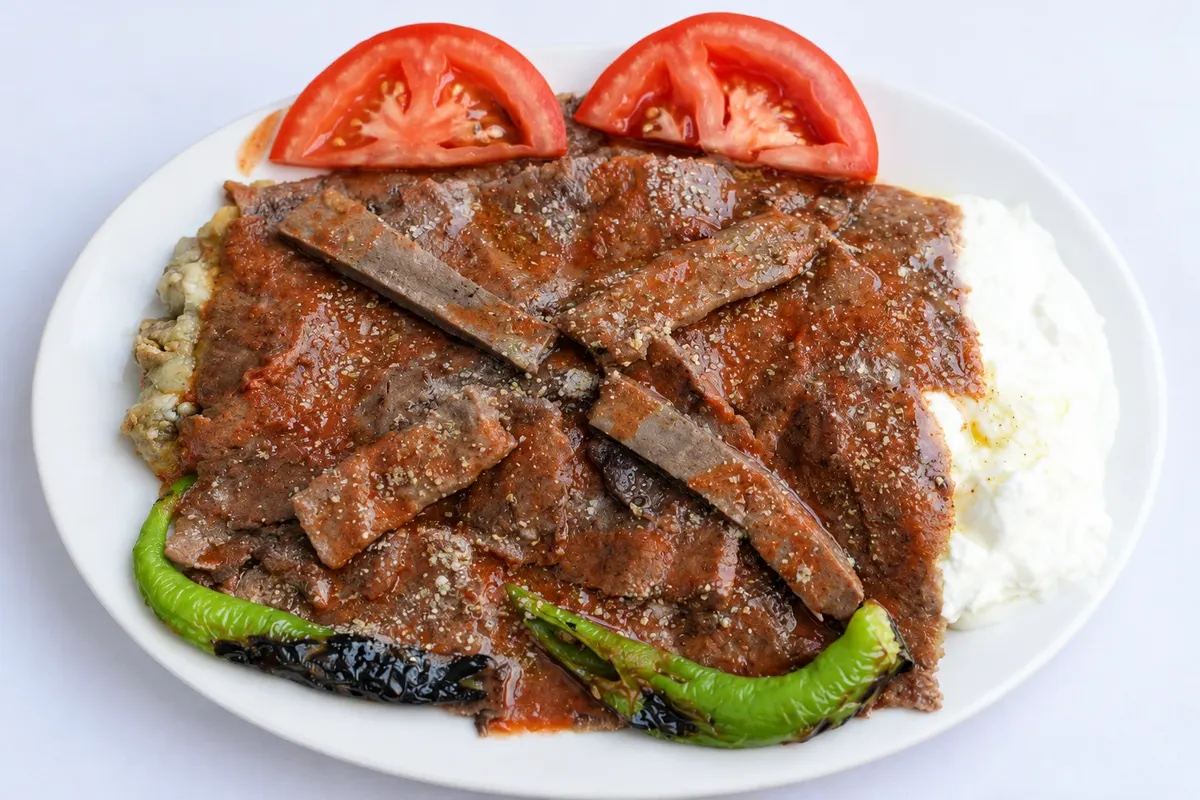
Thin slices of döner over pieces of pide bread, with tomato sauce, hot butter poured at the table and yogurt on the side: the kebab named after İskender Efendi, of Bursa.

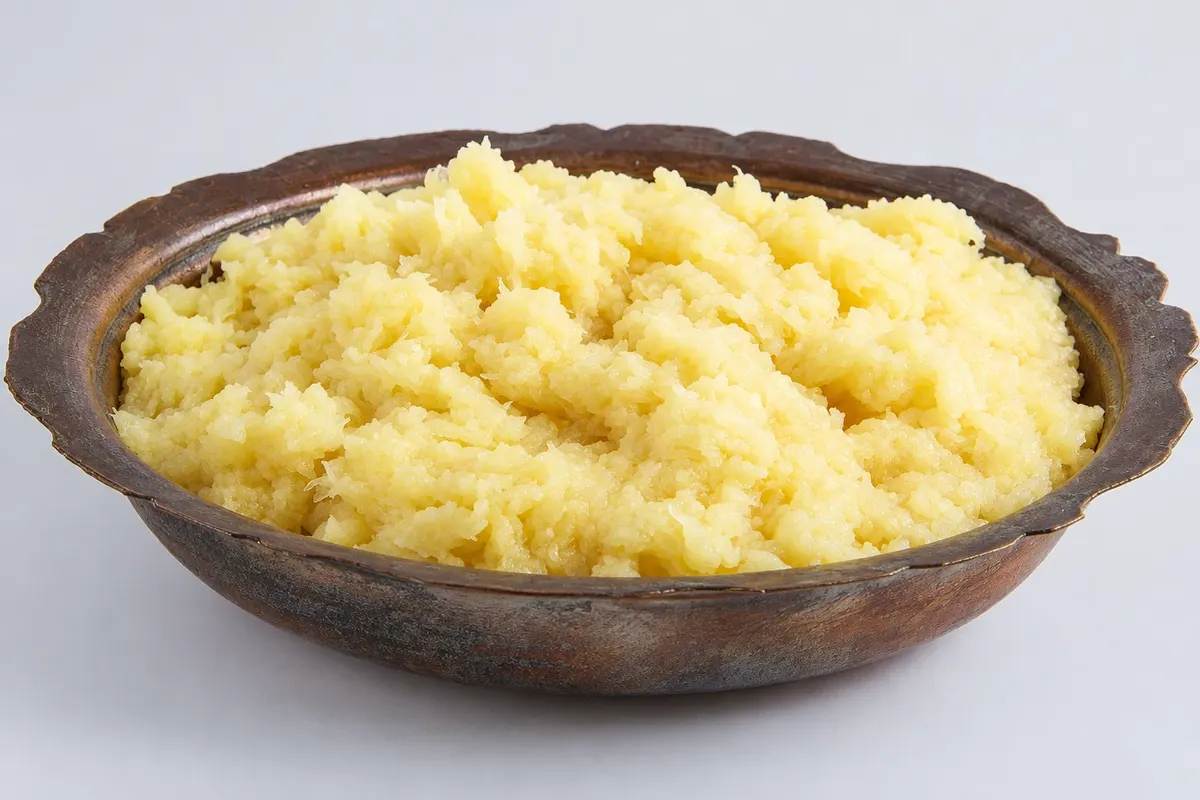
Sweet made from unsalted fresh cheese cooked with wheat flour and sugar until fibrous and shiny, served hot: the specialty of Gelibolu, on the Gallipoli peninsula, on the European side of Çanakkale.

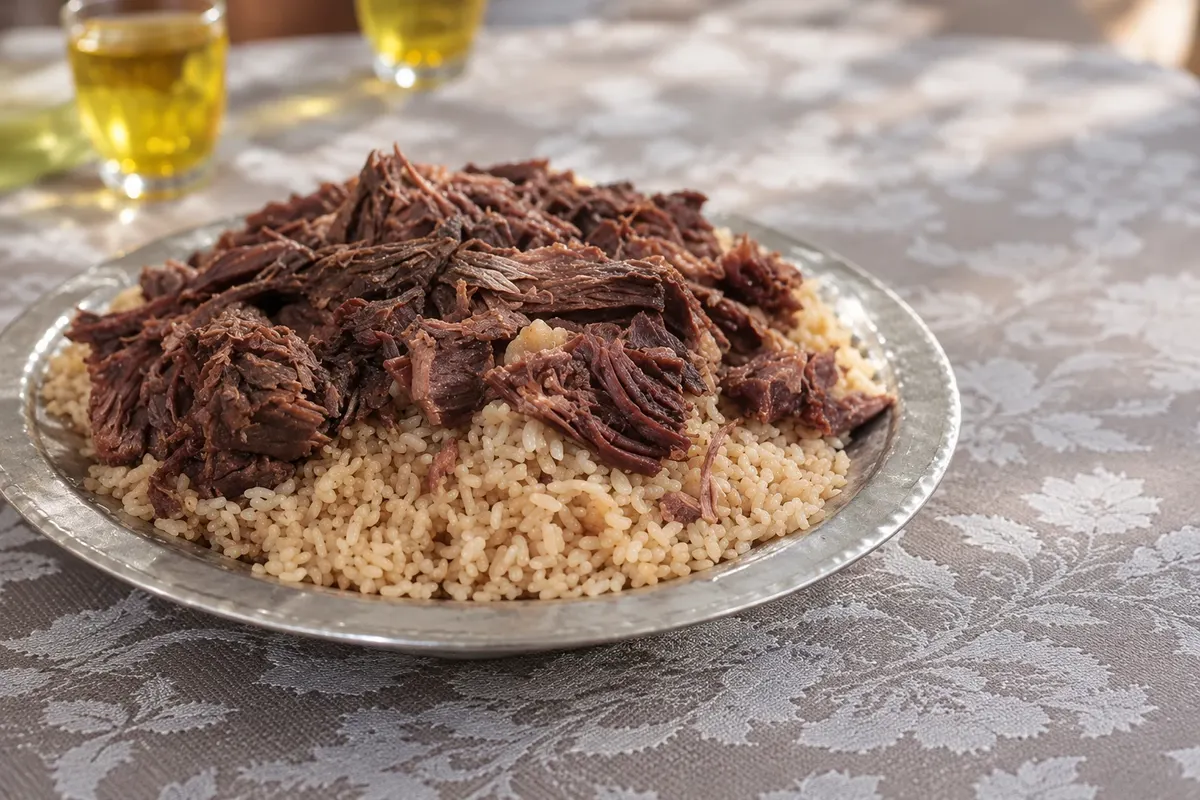
Rice cooked for about 12 hours in the steam of a copper pot sealed with dough, over the meat and butter, served in a large copper dish: the wedding dish of İskilip, in Çorum.

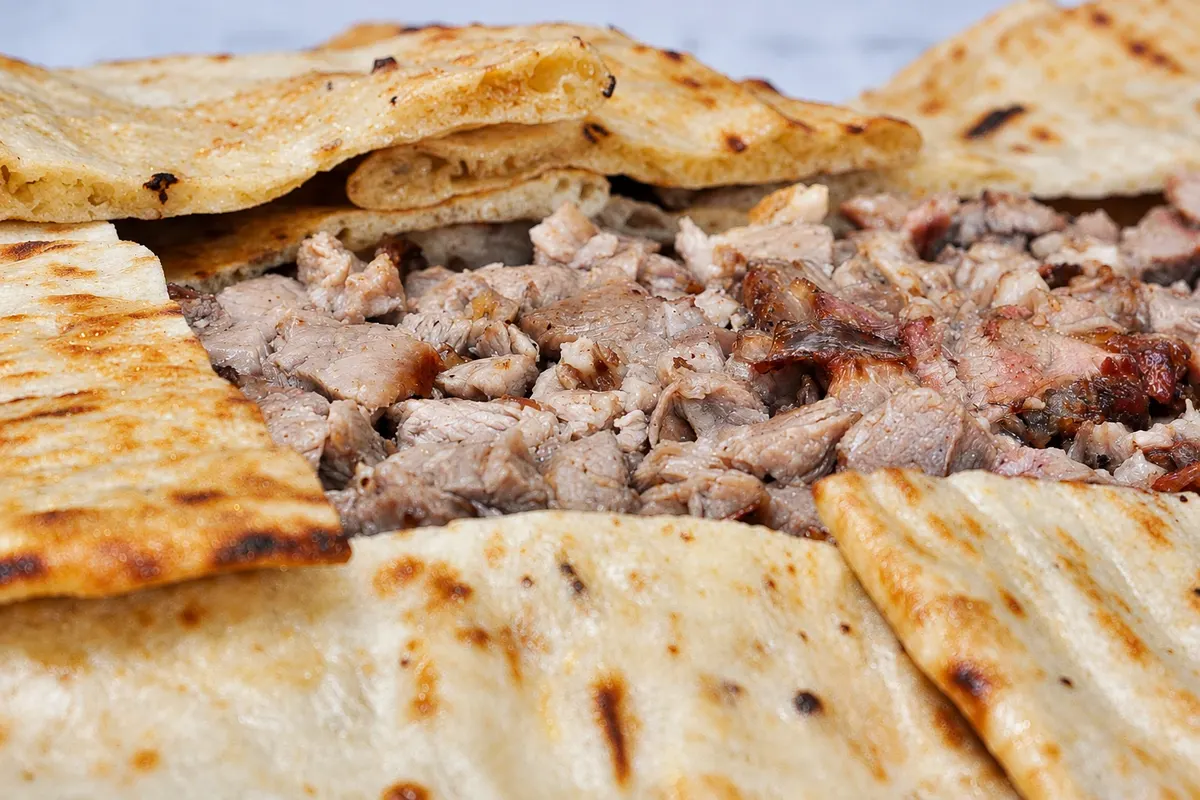
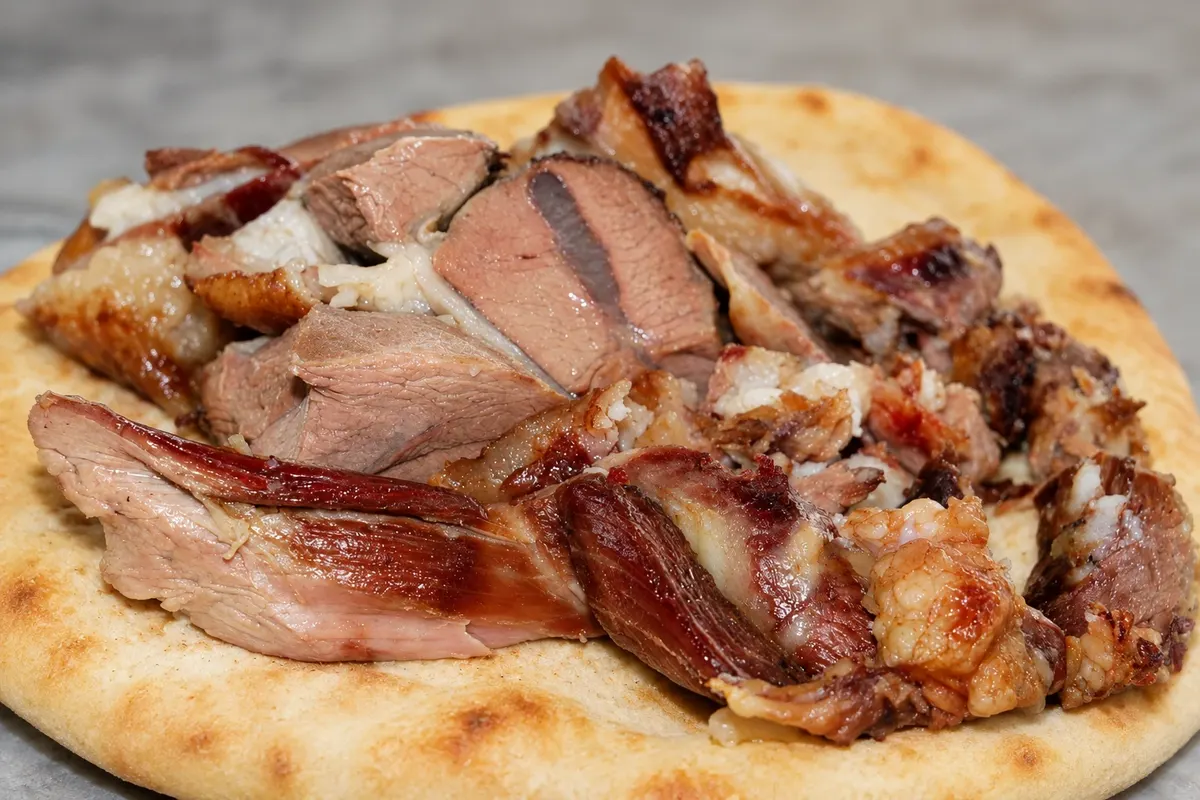
Lamb less than one year old roasted for two to three hours in a brick oven with an earthen floor, cut with a cleaver and served with pide bread, onion and tomato, to be eaten with the hands.

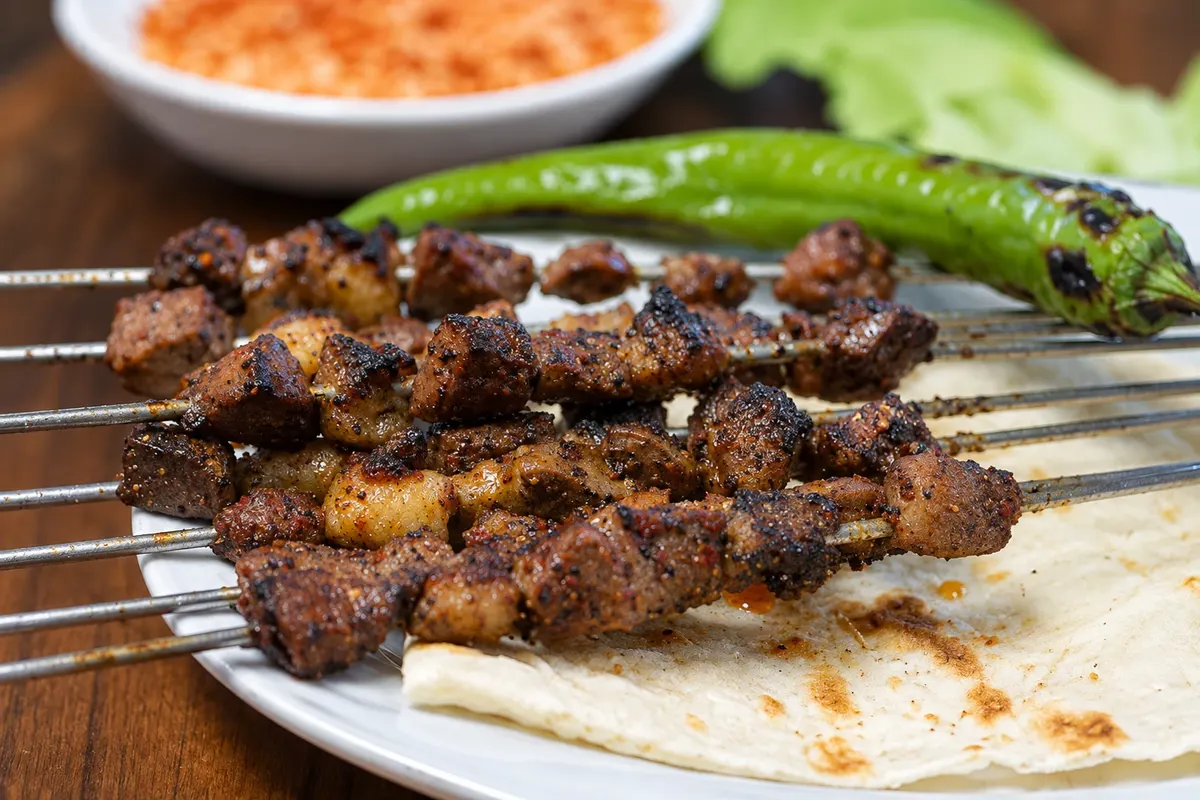
Skewers of lamb liver alternated with tail fat, seasoned with pepper, thyme, coriander and sumac and grilled over coals, served on lavaş: in Diyarbakır it is even eaten for breakfast.

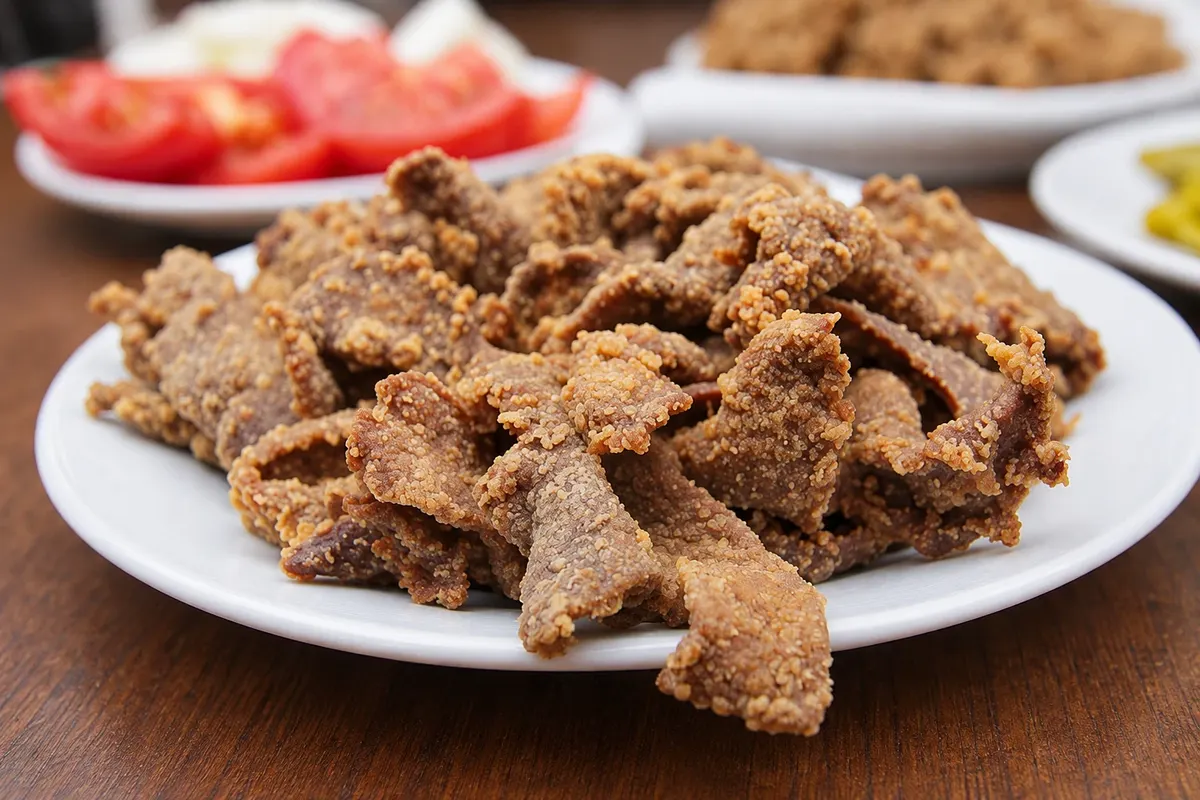
Beef liver sliced into very thin sheets, lightly coated in flour and briefly fried, served with fried dried red peppers: the best-known dish of Edirne, near the border with Greece and Bulgaria.

Lamb seasoned with onion, salt and black pepper, stacked on a horizontal spit that turns in front of a wood fire and served on skewers (cağ): the kebab of Erzurum and Oltu.

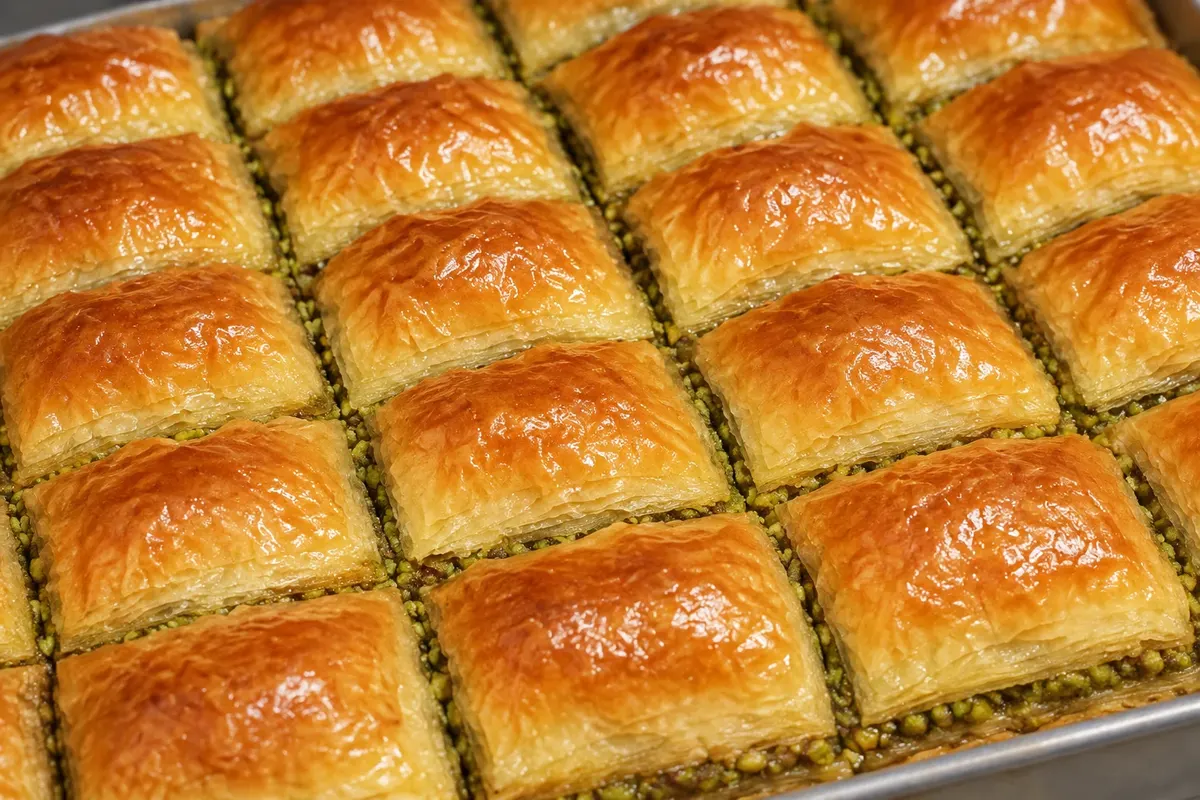
Extremely thin sheets of filo pastry with Antep pistachio and butter, drizzled with syrup: Gaziantep baklava was the first Turkish product protected as a geographical indication in the European Union.

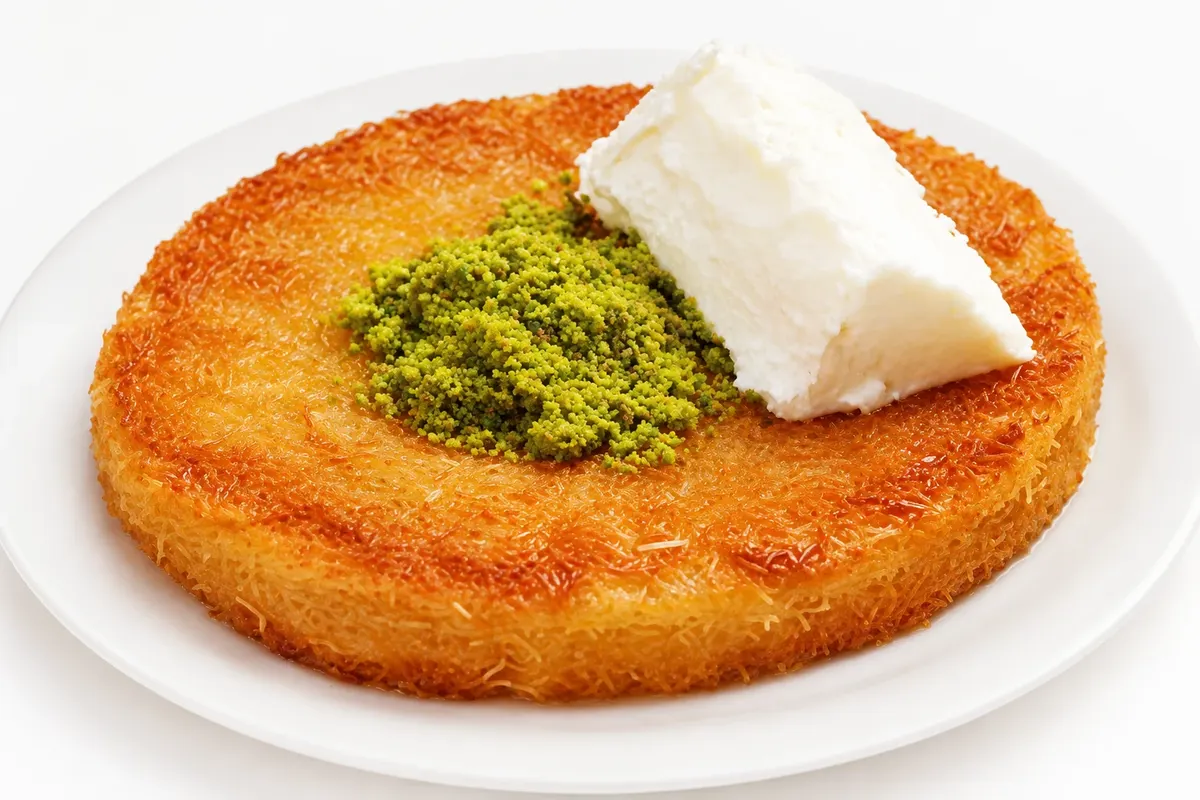
Two layers of kadayıf dough in thin strands with butter and unsalted fresh cheese in the middle, browned on both sides and drenched in hot syrup: Antakya künefe, a hot dish with the cheese stretching.

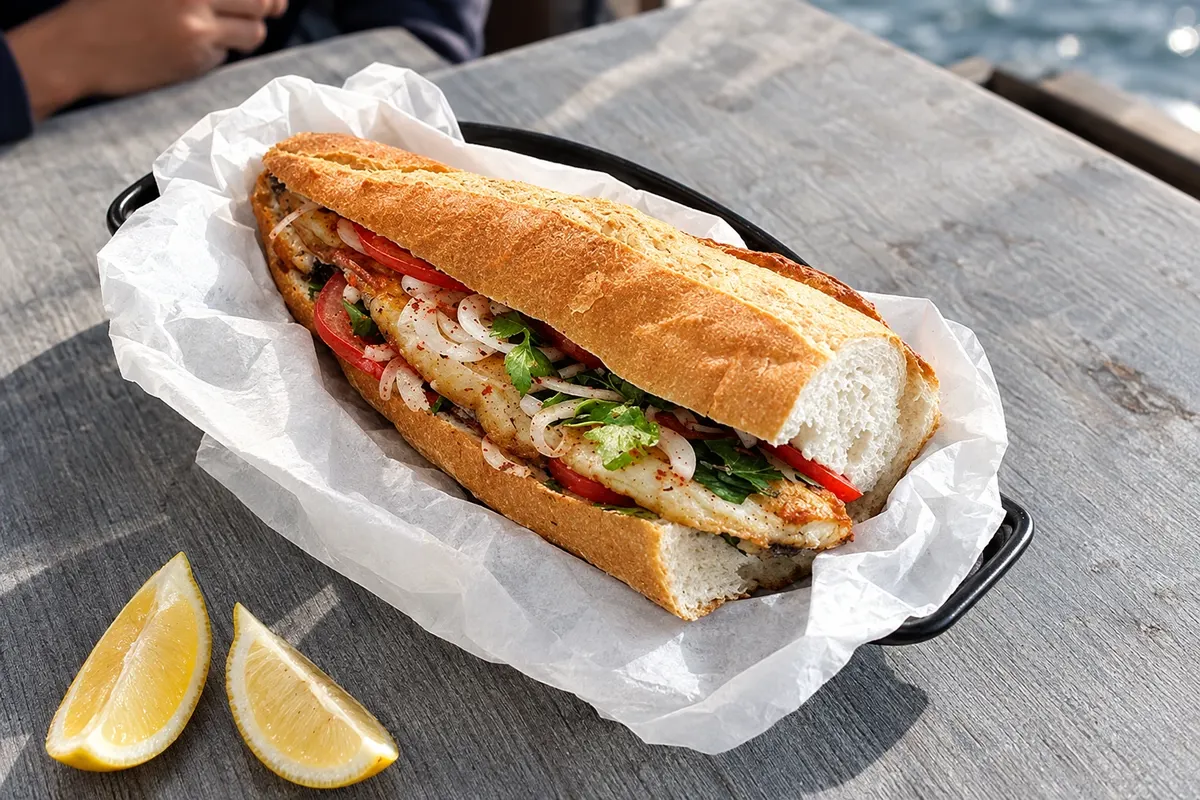
The fish sandwich of Istanbul's historic center: a grilled fillet, usually mackerel, inside bread with lettuce, onion and lemon, sold by the Eminönü piers next to the Galata Bridge.

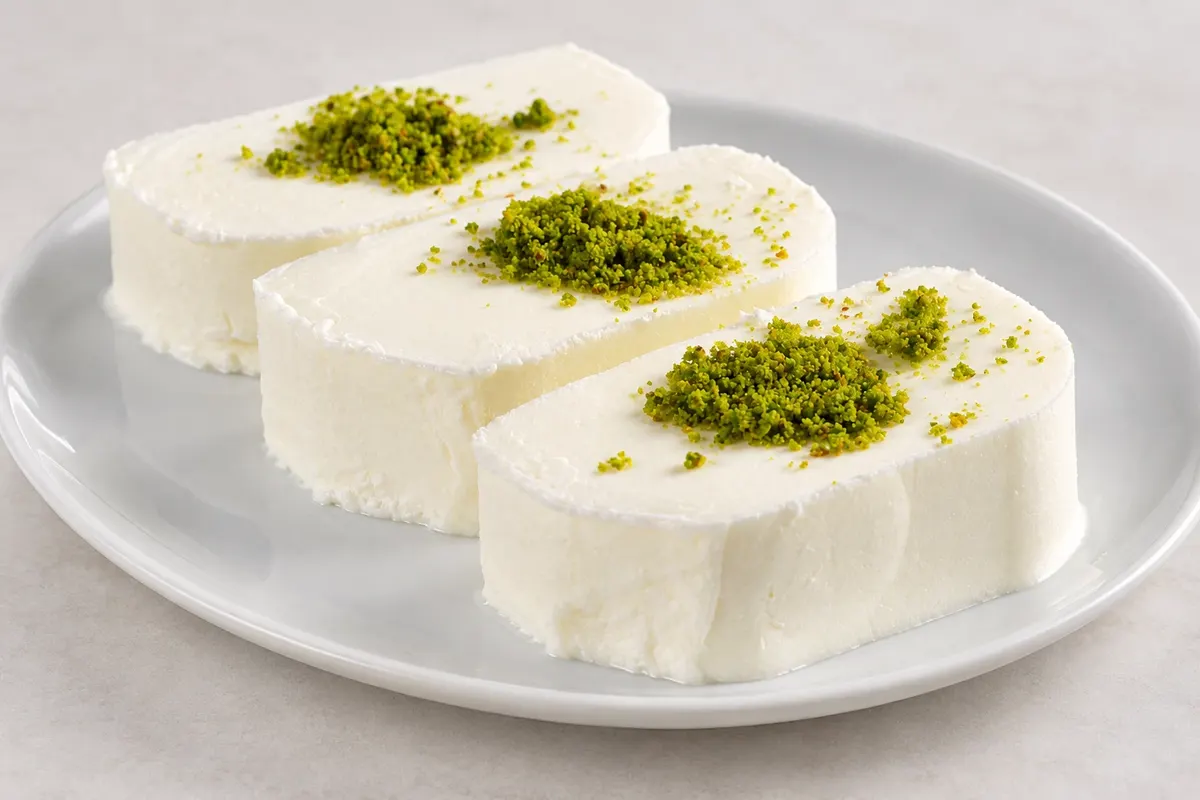
Ice cream made from goat's milk, sugar and salep, dense, elastic and slow to melt: Maraş ice cream, from Kahramanmaraş, that stretches and is chewed.

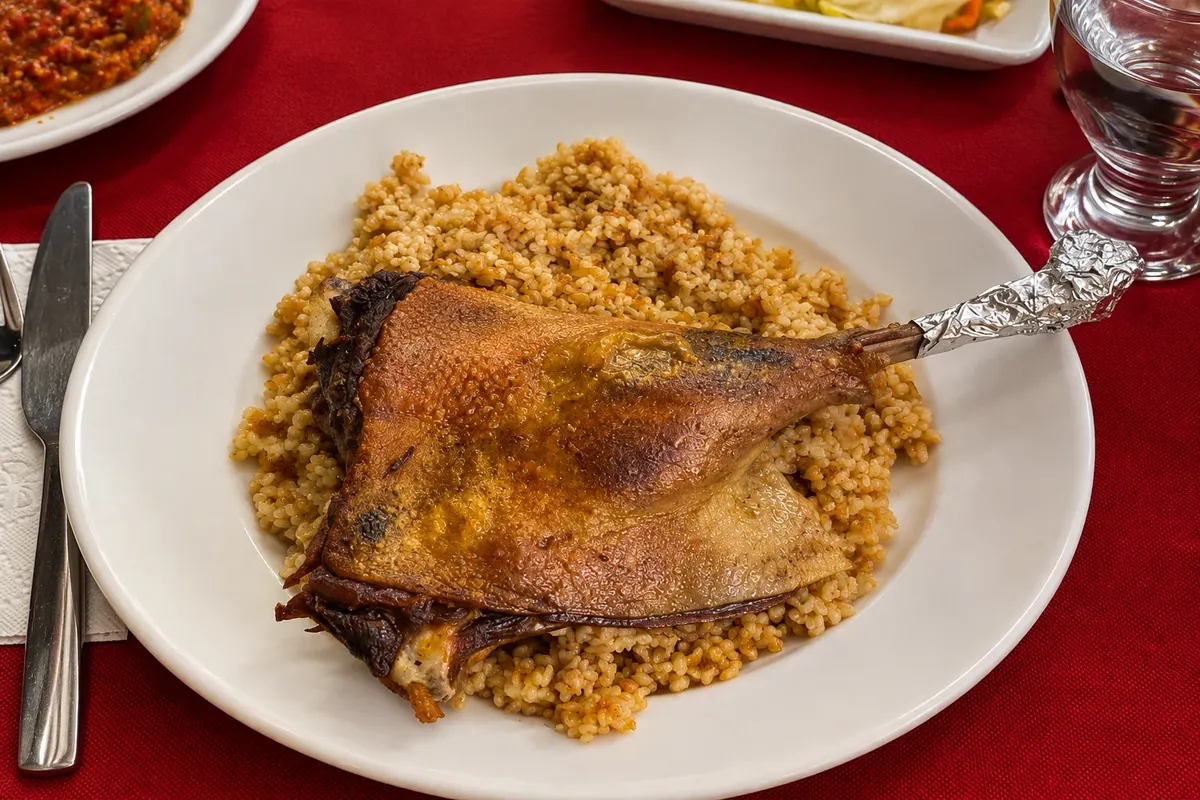
Goose raised on the Kars plateau, salted at the start of winter and roasted in the tandır, with wheat pilaf (bulgur) cooked directly beneath in the dripping fat from the bird: Kars' winter dish.

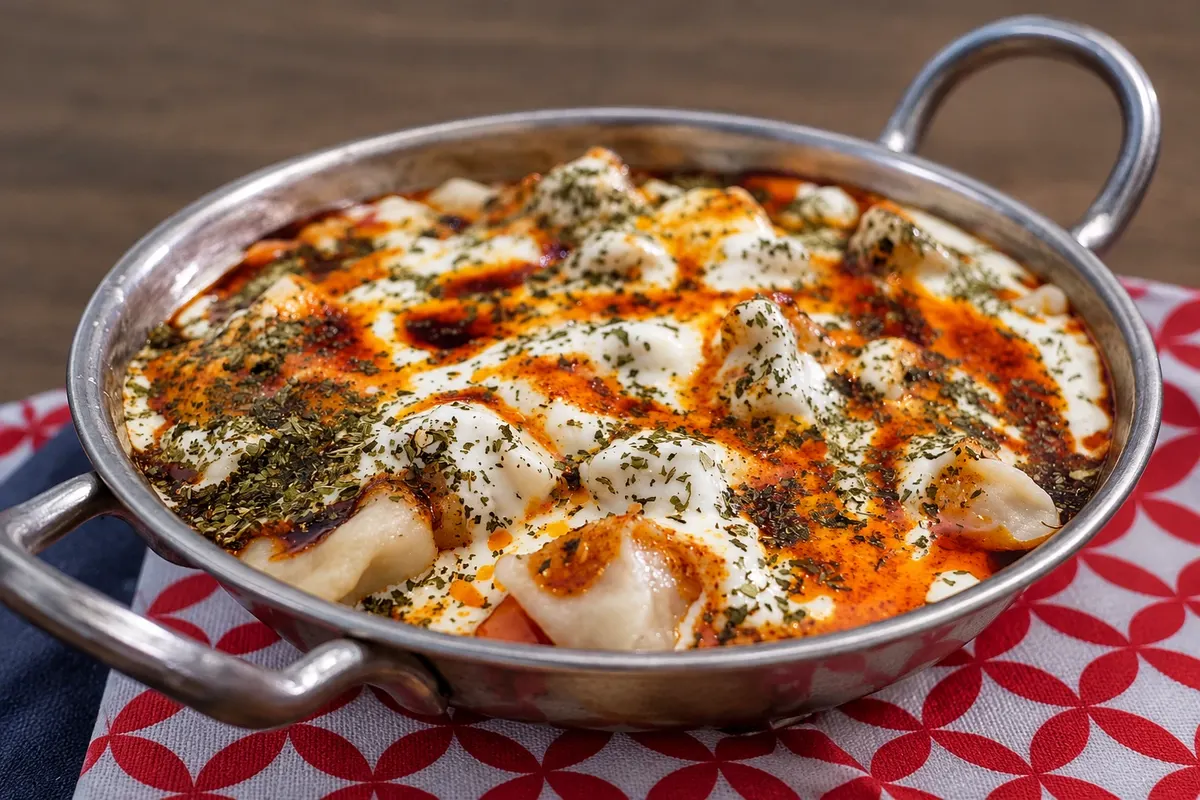
Tiny dumplings of dough filled with beef, onion and basil, cooked and topped with butter, tomato paste and pepper, with yogurt and sumac optional: Kayseri mantı.

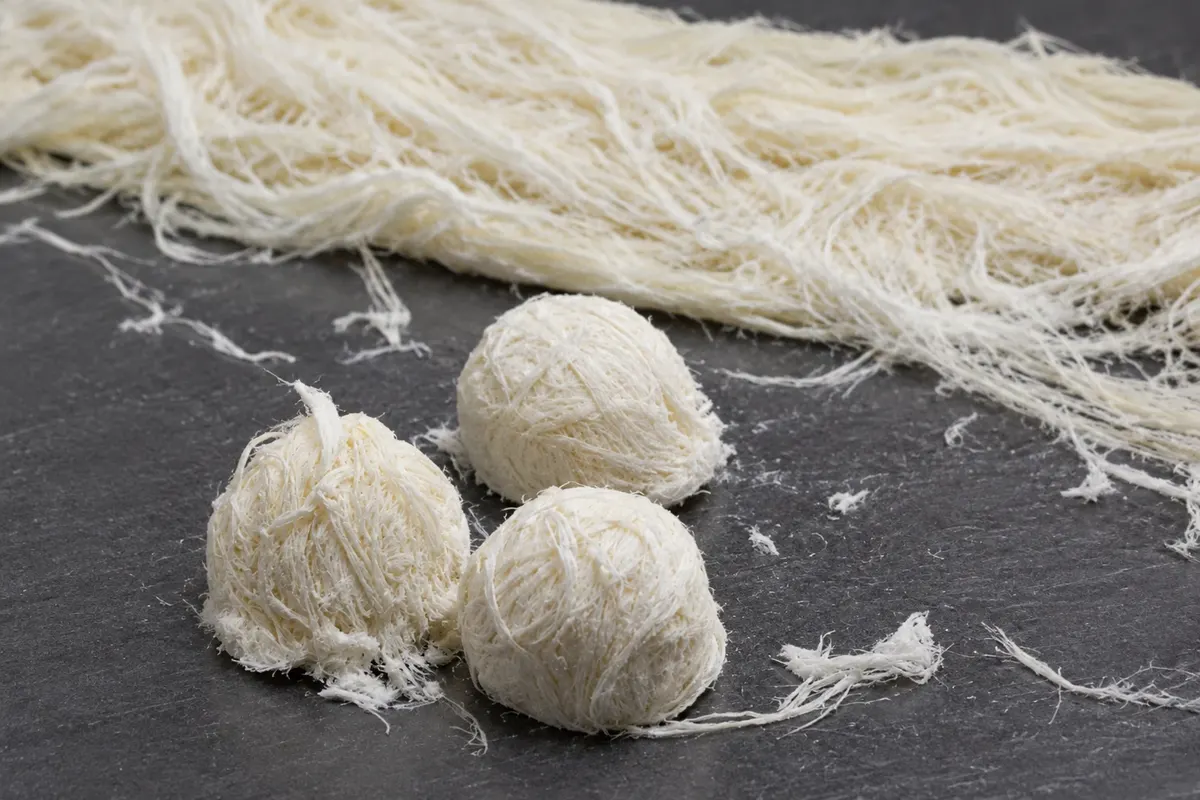
Very fine strands of hand-pulled sugar and wheat flour toasted in butter, with a cotton-like texture that melts in the mouth: İzmit pişmaniye, a sweet memento from Kocaeli.

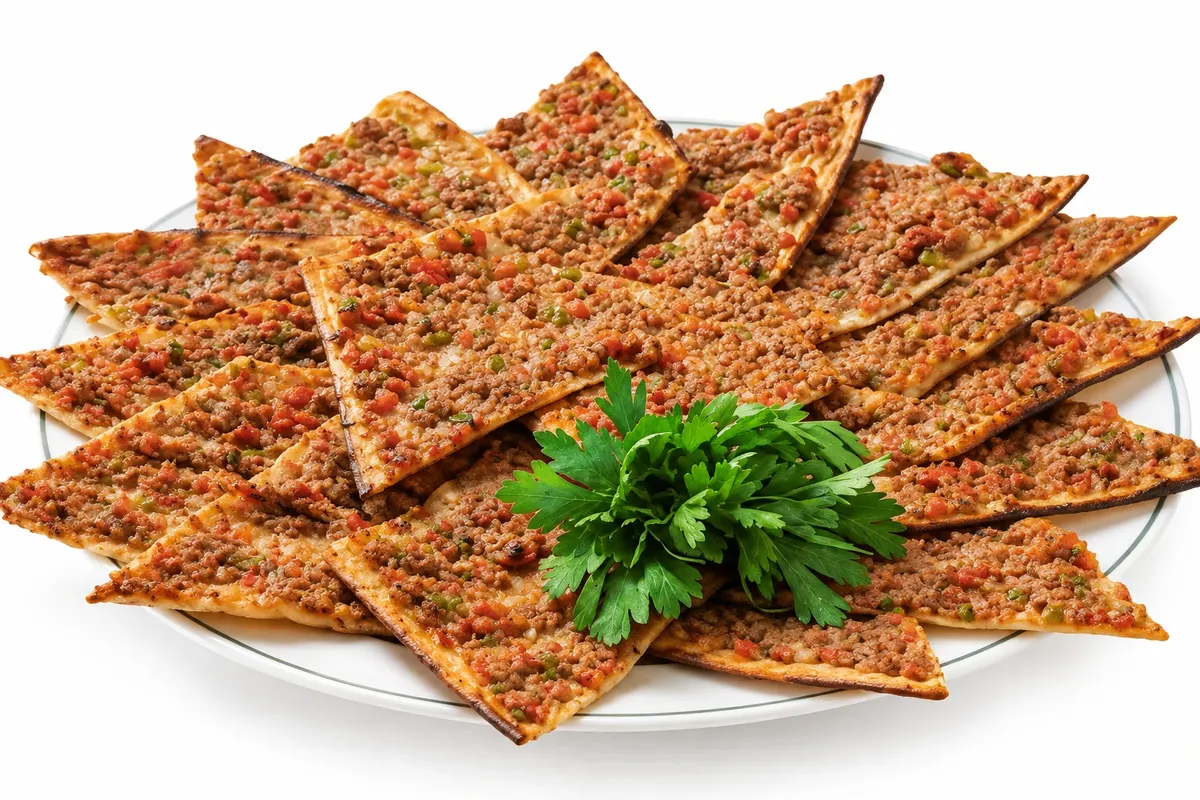
Very thin dough, nearly a meter long, topped with minced meat, tomato, pepper and onion and baked in a wood-fired stone oven: Konya's etliekmek is served cut into pieces.

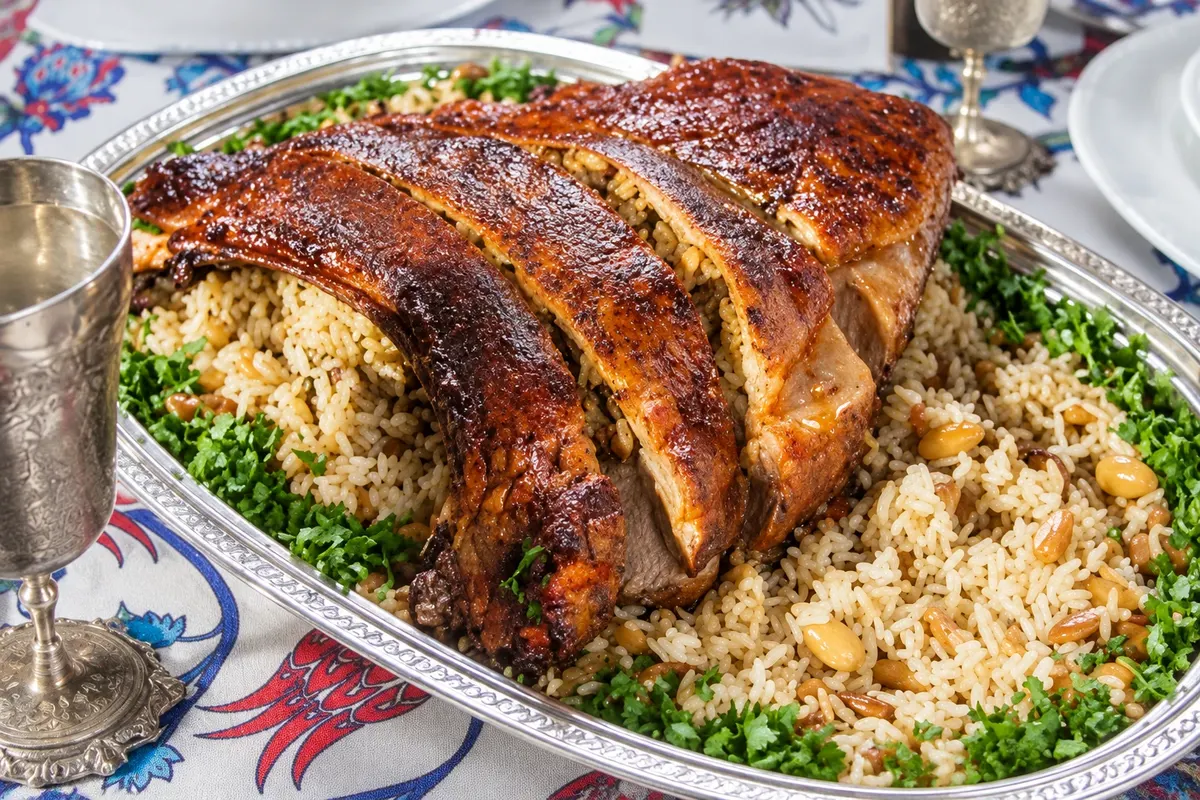
Rack of lamb opened like a pocket, stuffed with rice, meat, almonds and spices, sewn up, slow-cooked for hours and browned in the oven: Mardin's celebratory dish.

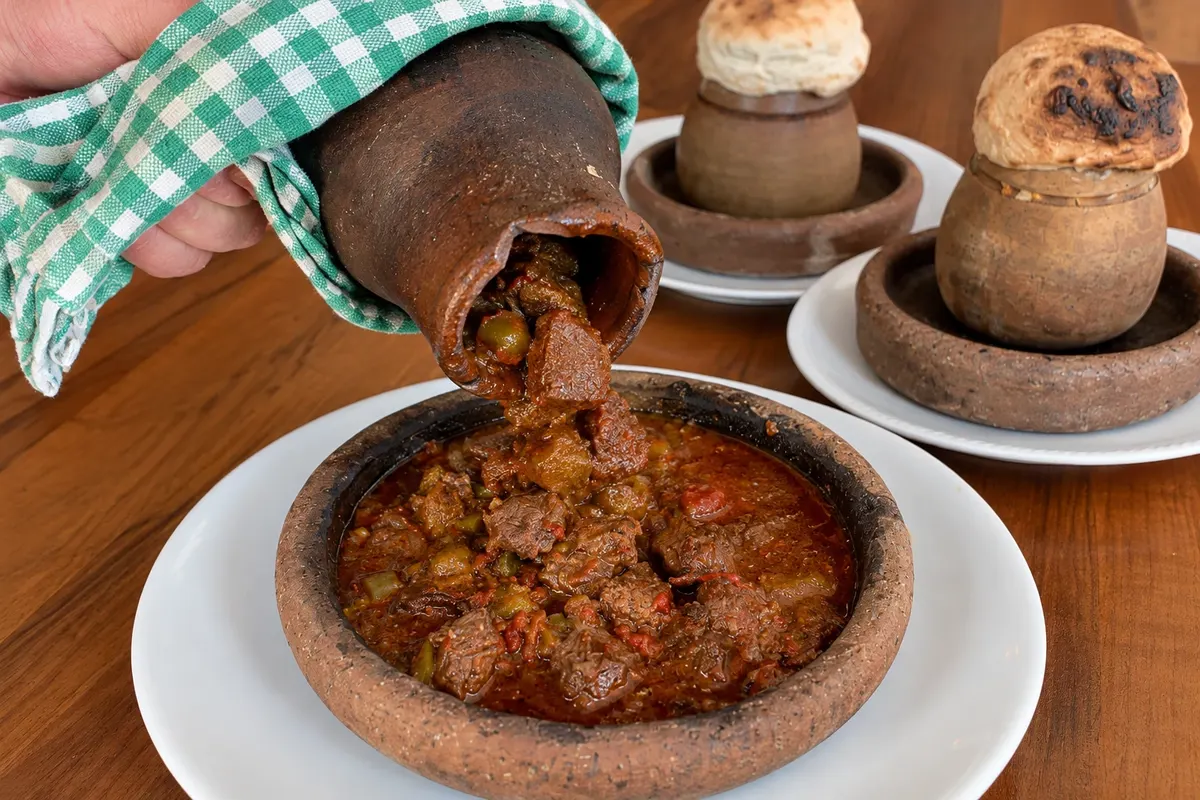
Meat and vegetables cooked inside a clay jug from Avanos, sealed with flour dough; at the table the jug is broken when served. It is the best-known dish of Cappadocia.

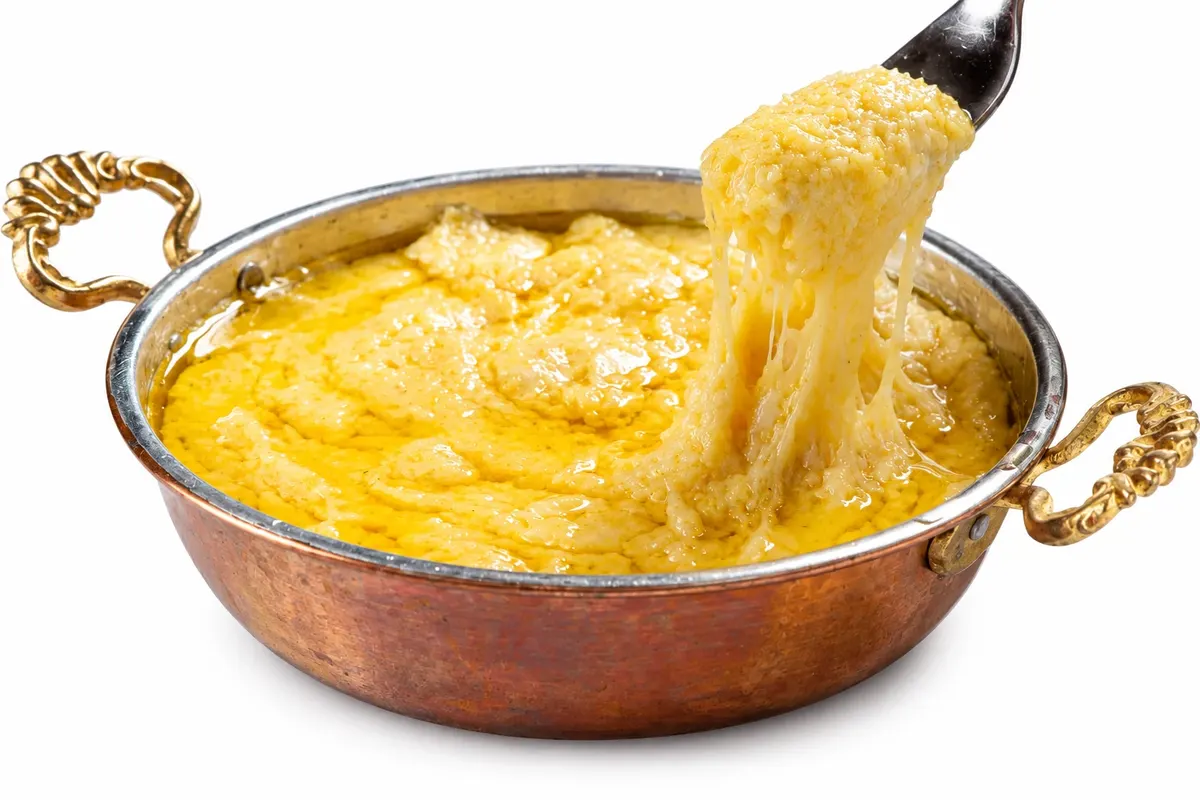
Cornmeal toasted in butter, cooked in water until it becomes a cream, with melted kolot cheese on top that stretches: Rize muhlama, made in a copper pan with a wooden spoon and served hot.

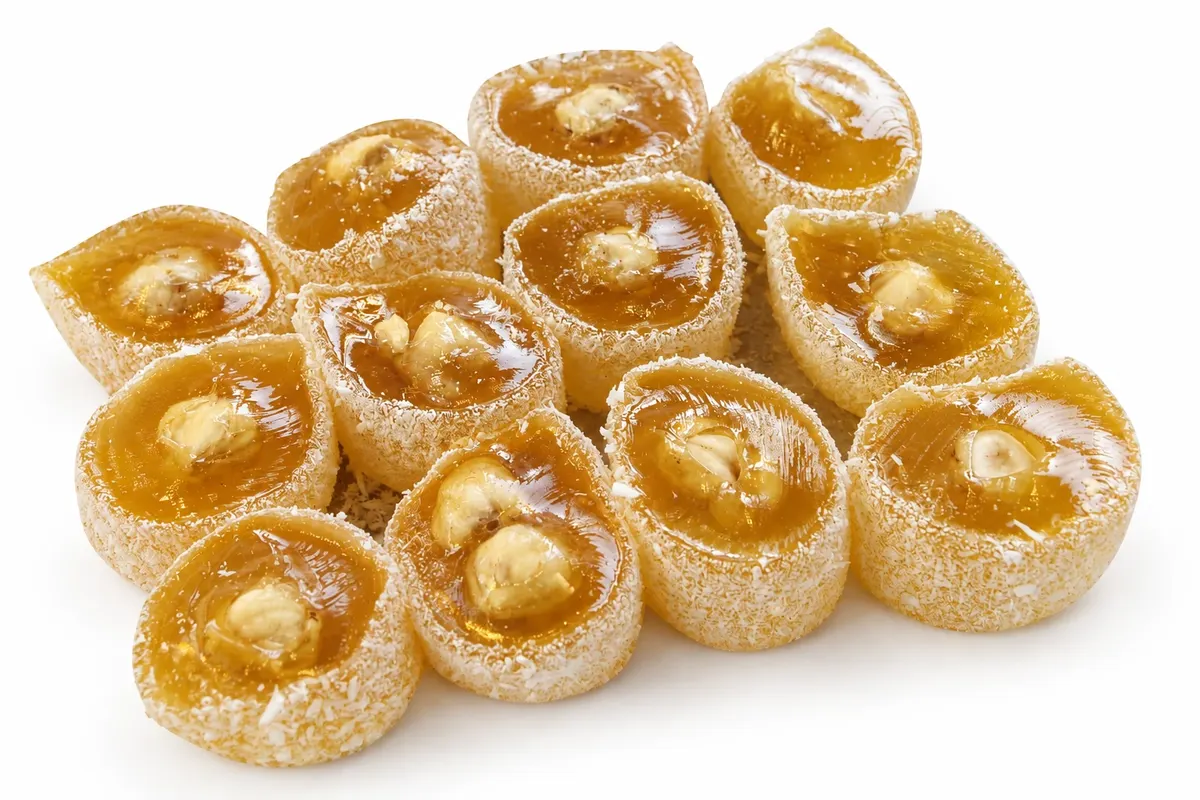
Lokum (the Turkish delight) cooked for hours in a copper cauldron, rolled in coconut and filled with hazelnut; the saffron version, cut into cubes, echoes the name Safranbolu, an Ottoman town listed by UNESCO.

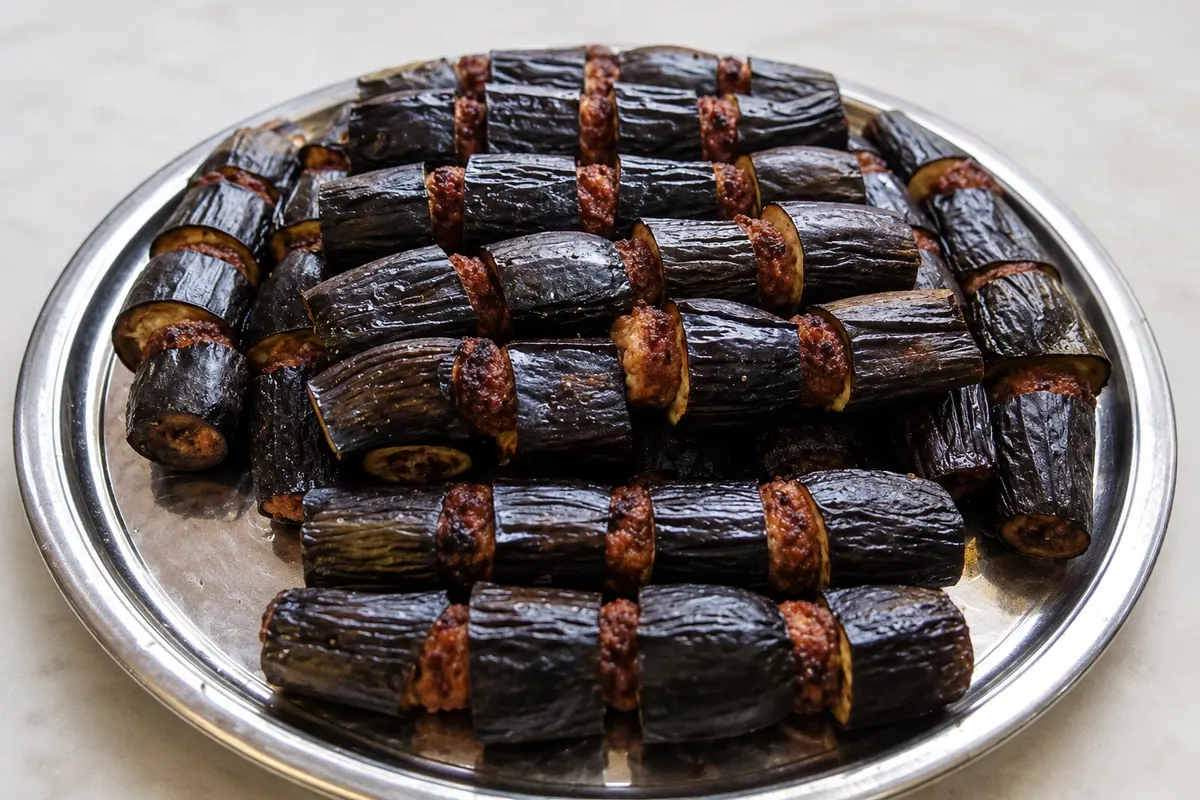
Small balls of hand‑chopped lamb alternating with pieces of eggplant on the skewer, grilled over charcoal: Şanlıurfa’s eggplant kebab, served with grilled pepper, onion and bread.

Young lamb steamed, hung inside a pit-oven about 3 meters deep, served early in the morning at dawn: büryan is Siirt’s breakfast.

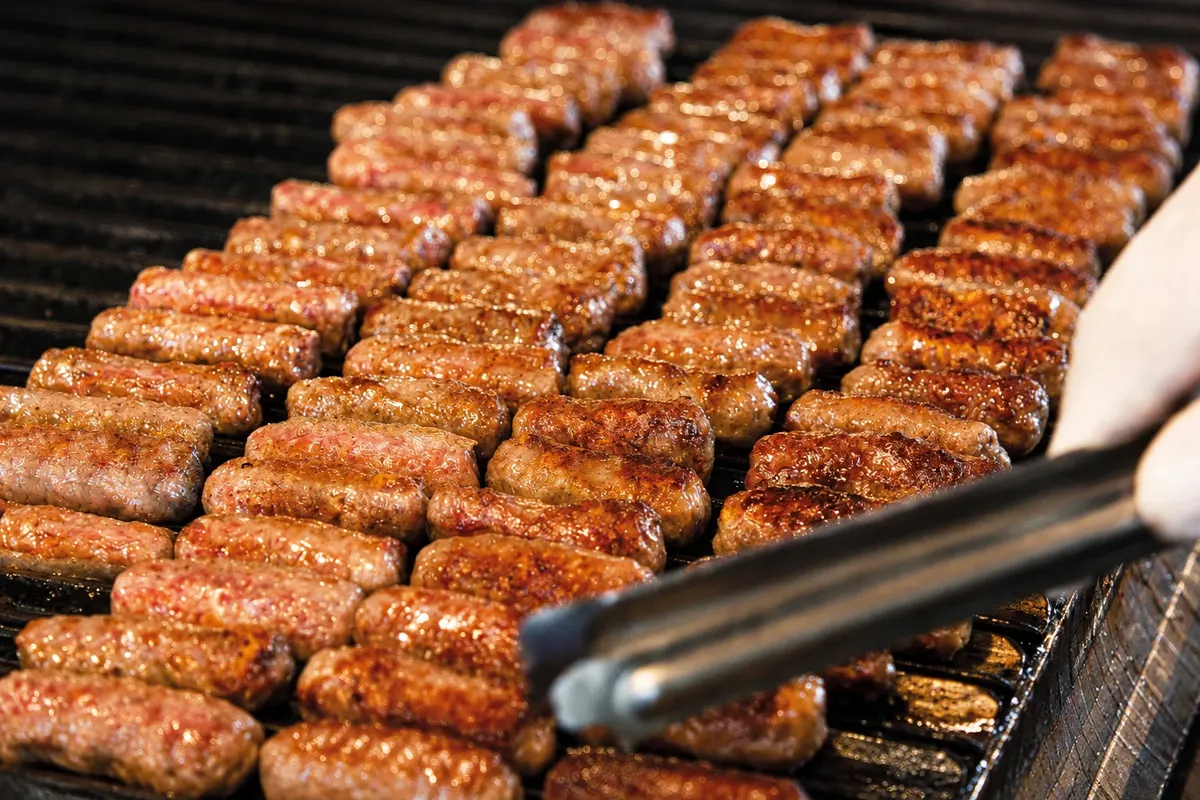
Small cylindrical meatballs of beef with day-old bread, red onion, cumin and pepper, grilled over charcoal and served in portions of ten, with spicy sauce and roasted pepper.

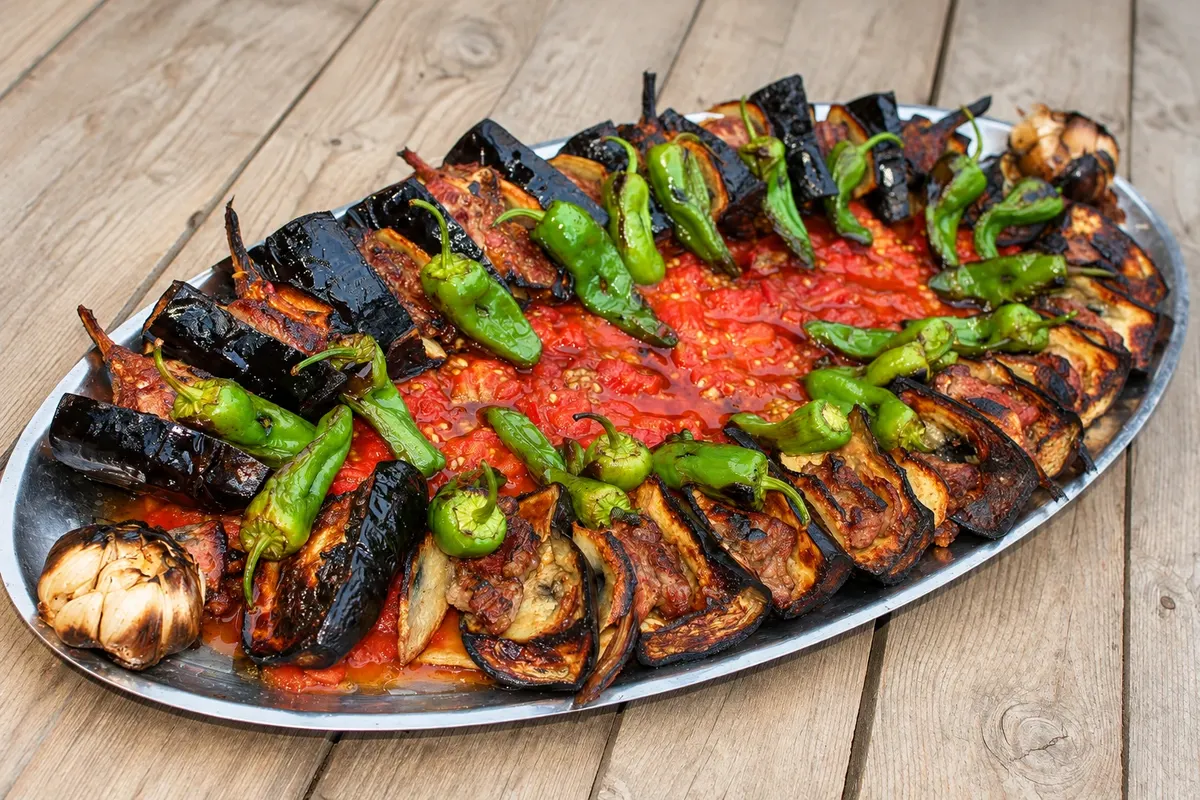
Lamb, tail fat, eggplant and potato on a skewer hung in a special oven, with tomato, pepper and garlic roasted alongside, served on thin bread: the Tokat kebab, born in the vineyard houses.

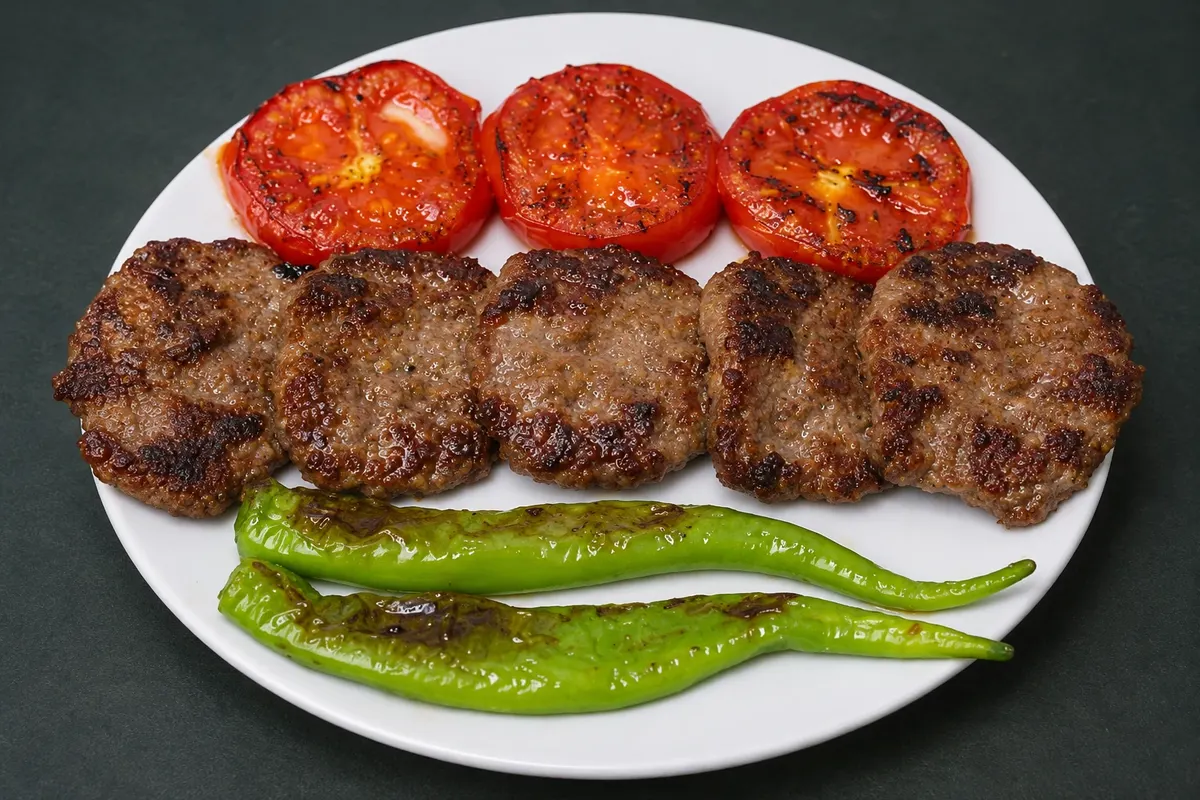
Flattened beef meatballs, day-old bread, garlic and salt, grilled over charcoal embers and served with grilled pepper and tomato: the Akçaabat köfte, on the Black Sea coast in Trebizond.