Dish · Adana
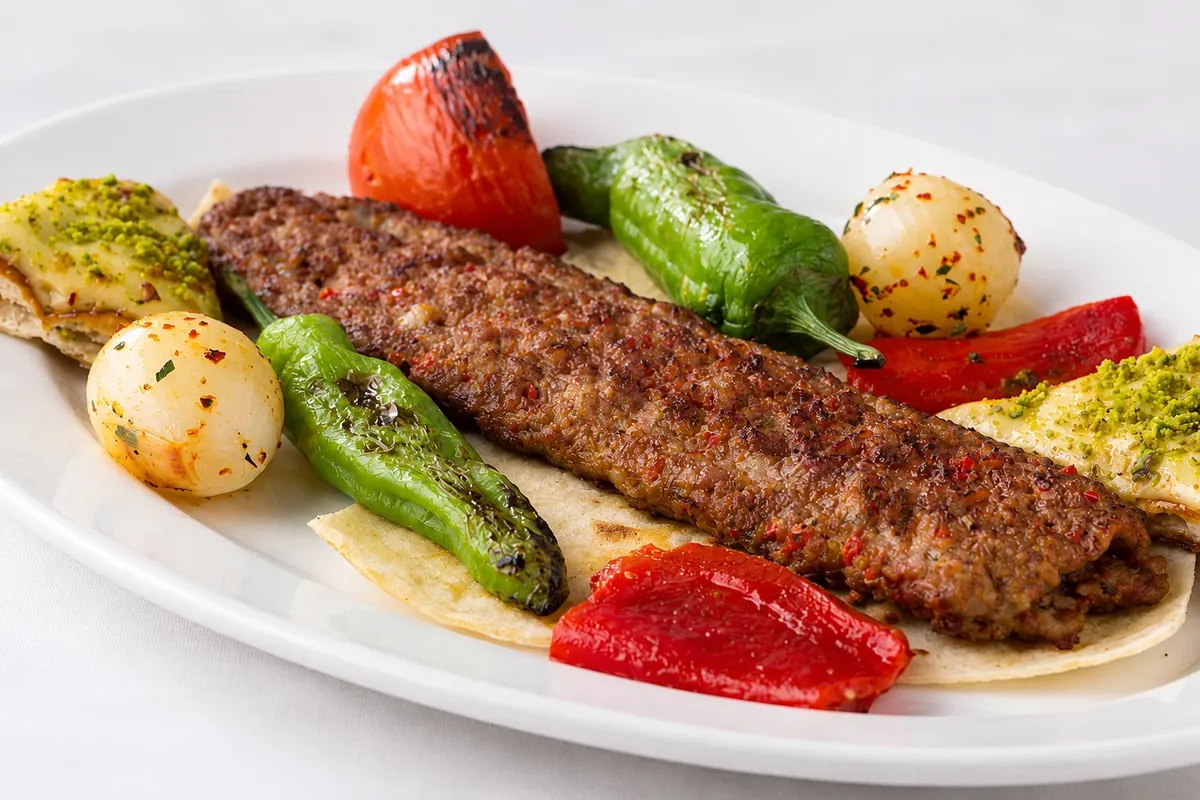
Adana kebabı
Wide skewer of lamb meat with tail fat, hand-chopped (zırh) with red pepper, grilled over coals and served with lavaş, onion with sumac, and grilled tomato and pepper.

 Turkey
 Brazil
 Argentina
 Bolivia
 Chile
 Colombia
 Ecuador
 Guyana
 French Guiana
 Falkland Islands (Malvinas)
 Paraguay
 Peru
 Suriname
 Uruguay
 Venezuela
 Germany
 Austria
 Belgium
 Croatia
 Denmark
 Spain
 Finland
 France
 Greece
 the Netherlands
 Hungary
 Ireland
 Iceland
 Italy
 Luxembourg
 Norway
 Poland
 Portugal
 the United Kingdom
 the Czech Republic
 Sweden
 SwitzerlandTurkey
 the United States
 Mexico
 the Dominican Republic
 South Africa
 Australia
 Fiji
Illustrative images. The pictures in this guide are illustrations based on the real place, not photographs, and may differ from it.

Flavors · Siirt
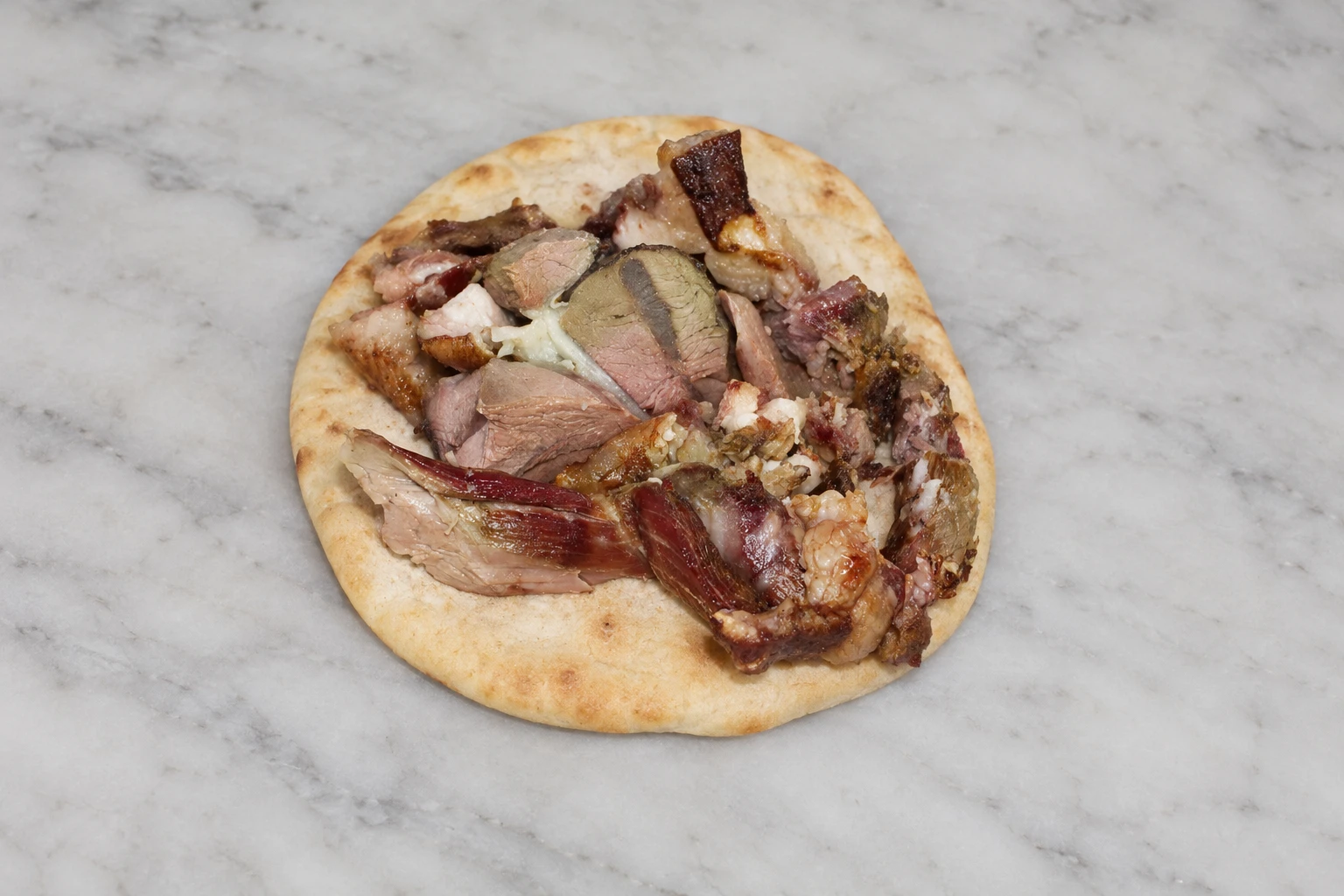
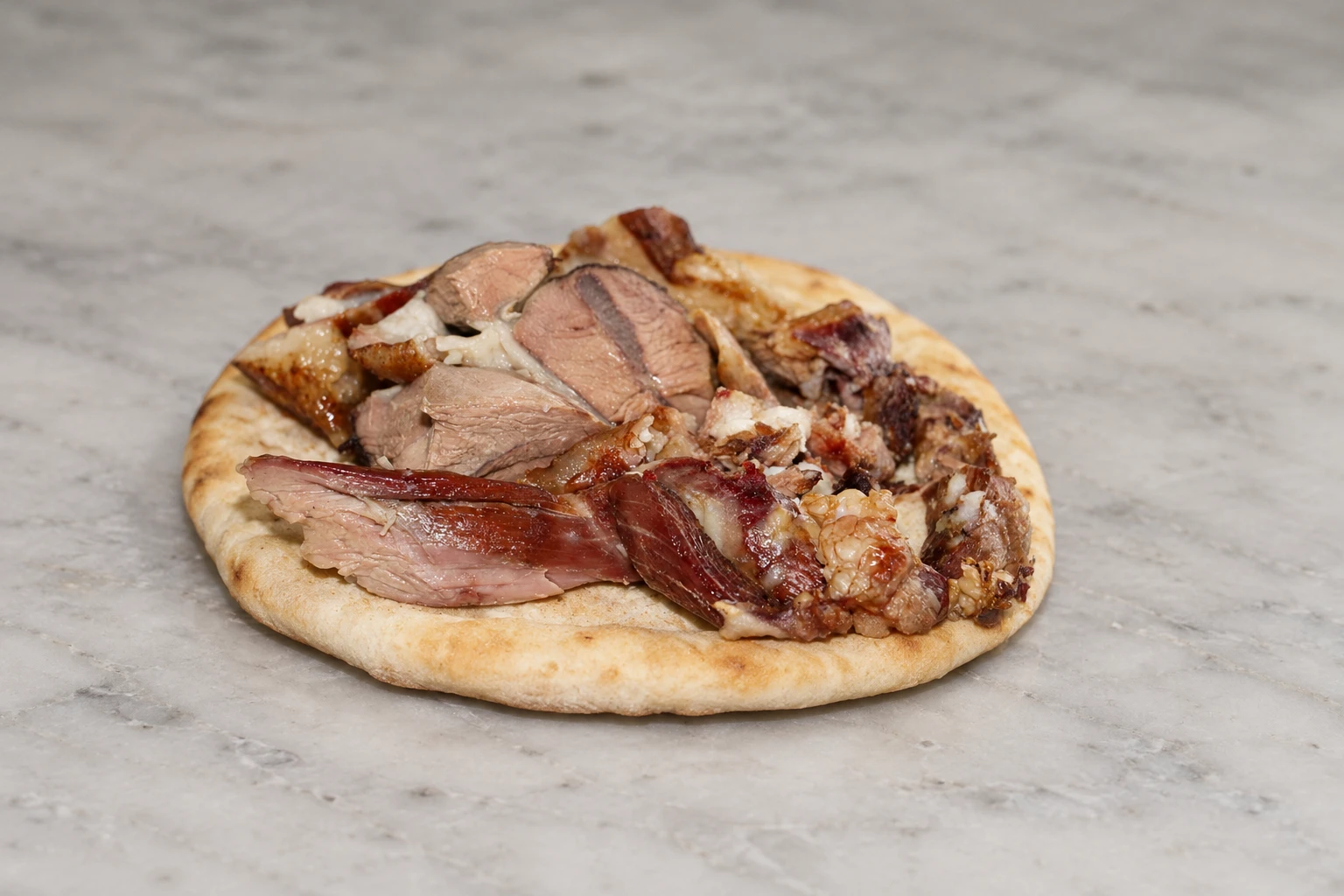
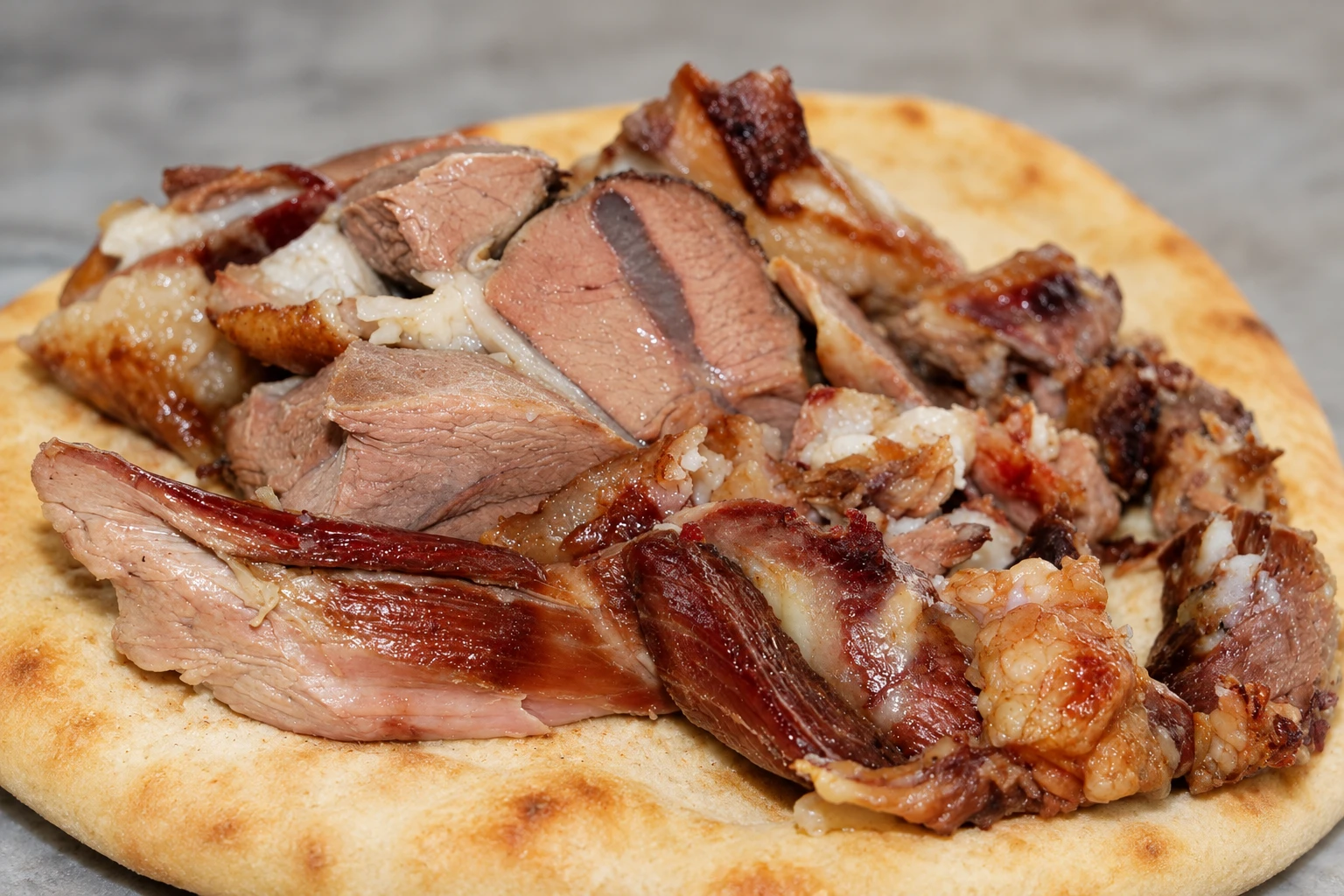
Young lamb steamed, hung inside a pit-oven about 3 meters deep, served early at dawn: büryan is Siirt's breakfast.
Traditional dish from Siirt
Also known as: büryan, büryan kebabı, perive, Siirt buryan kebabi
Click a photo to enlarge it.
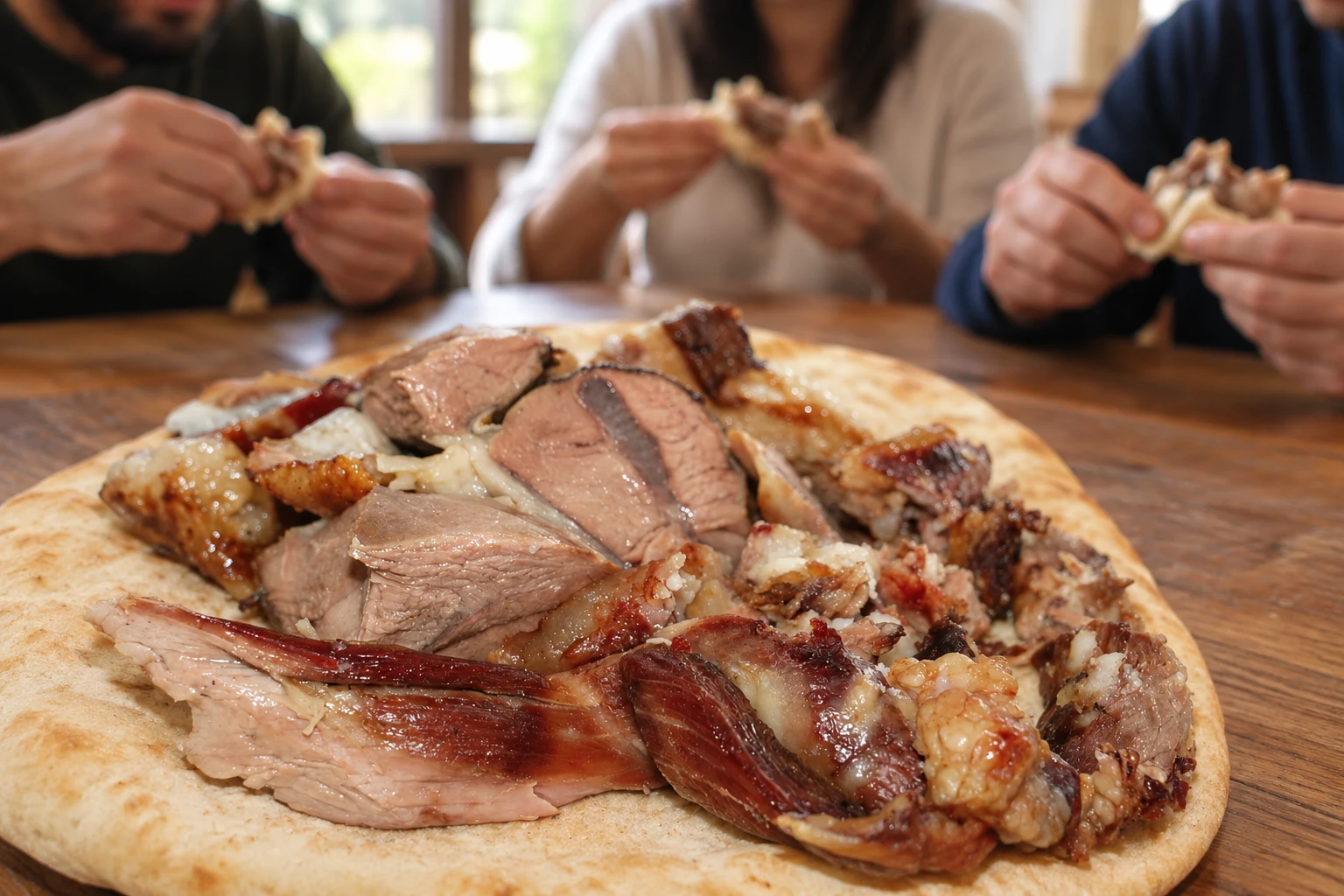
Siirt büryan kebabı — Siirt, Turkey
Büryan is the dish that makes Siirt wake up early. The meat comes from recently weaned lambs raised on the plateaus. The masters begin work in the pre-dawn hours: the lambs, halved, are hung inside a pit-shaped oven about 3 meters deep and 1 meter in diameter, heated with firewood. The opening of the pit is sealed, and the meat cooks in steam and heat for about two and a half hours.
Büryan comes out ready at dawn, after the day's first prayer, and is served for breakfast. That is why the city calls it “the flavor that makes you give up sleep.” The meat is tender, falls off the bone, is served with thin bread, and usually runs out by mid-morning. In the region the dish is also known as “perive” or “parev.”
The name “Siirt Büryan Kebabı” was registered as a geographical indication in 2005 at the request of Siirt provincial administration. Bitlis, the neighboring province, has its büryan registered since 2021, made with goat meat and only rock salt.
The two provinces dispute the dish. Siirt was a district of Bitlis until 1919, and a professor interviewed by the press recalls that the Ottoman traveler Evliya Çelebi, in the 17th century, attributed büryan to Bitlis. The Siirt version described here uses lamb, but the registration also allows caprine meat; Bitlis’s büryan has its own registration.
Siirt
Siirt’s breakfast, cooked in a pit-oven; registered by the provincial administration in 2005.
Young lamb raised on the plateaus; salt. The registration also allows caprine meat. Served with thin bread.
At breakfast, with thin bread; the meat is pulled from the bone by hand or with the bread.
All year round; served early in the morning at dawn, until it runs out.
Your questions
Because the masters roast it in the pre-dawn hours, and büryan comes out of the oven at dawn. It is served very early and usually runs out by mid-morning. Check before you go.
It is a pit about 3 meters deep and 1 meter in diameter, heated with firewood. The lamb is hung inside, the opening sealed, and it cooks in steam.
The Siirt version described here uses lamb, but the registration also allows caprine meat; Bitlis’s uses goat meat and rock salt. Both provinces have their own registrations and dispute the dish.
Flavors of Turkey
Wide skewer of lamb meat with tail fat, hand-chopped (zırh) with red pepper, grilled over coals and served with lavaş, onion with sumac, and grilled tomato and pepper.
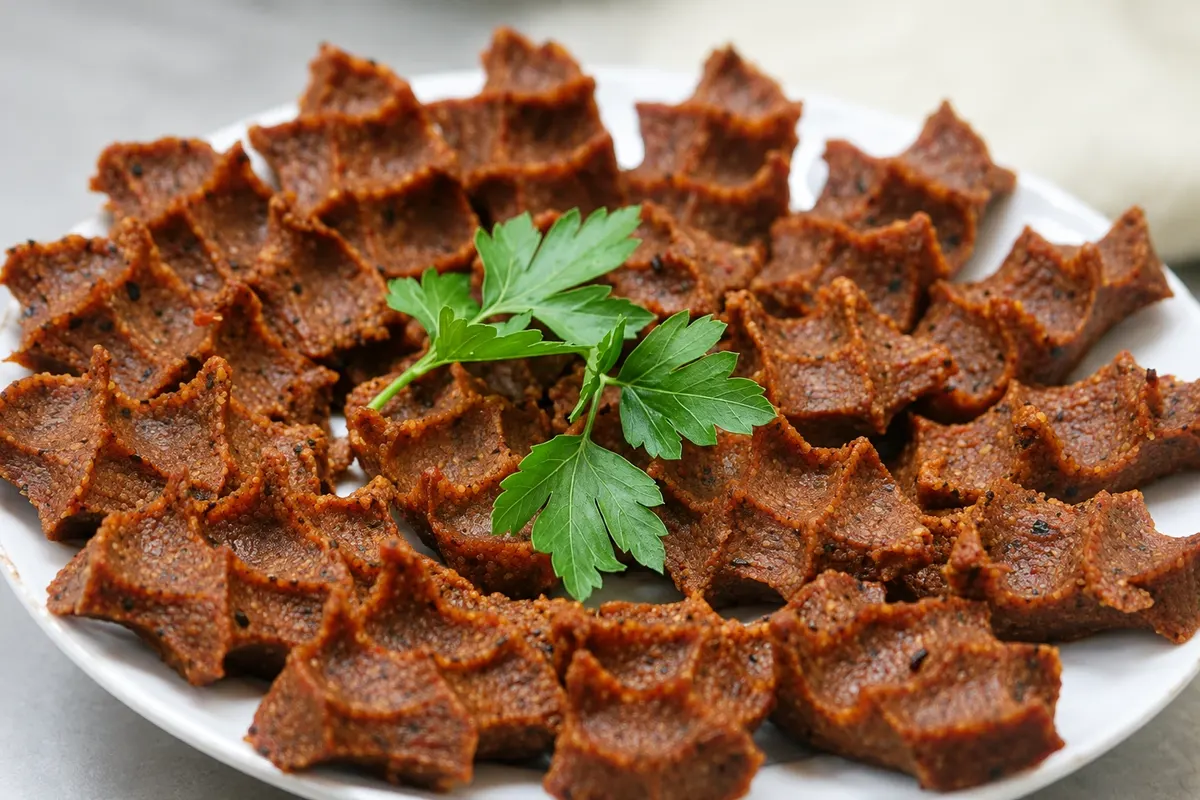
Fine bulgur hand-kneaded with dried pepper (isot), pepper and tomato paste, onion, garlic, walnuts, parsley, pomegranate molasses and spices, meatless, served in lettuce leaves: Adıyaman çiğ köfte.
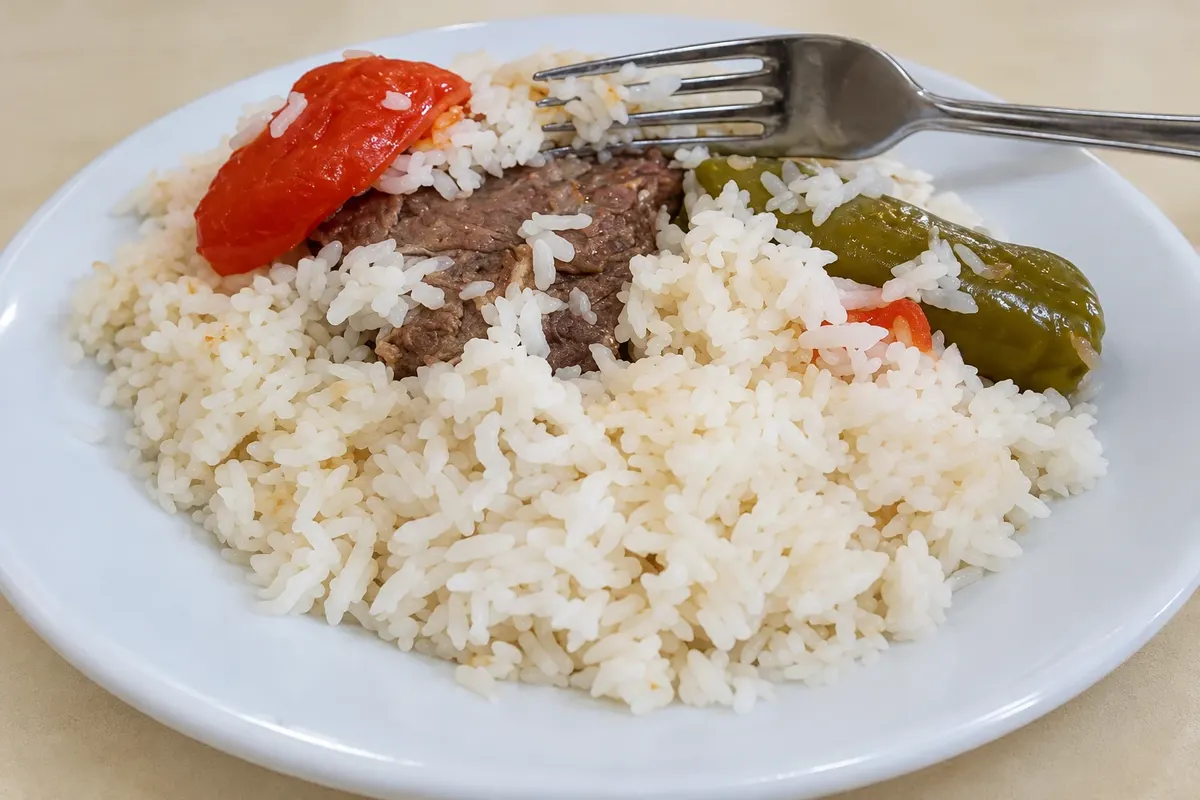
Shoulder and rib of lamb roasted for hours in a stone oven, served over rice cooked in the meat’s broth in a tinned copper dish with lid: the meat dish of the province of Ankara.
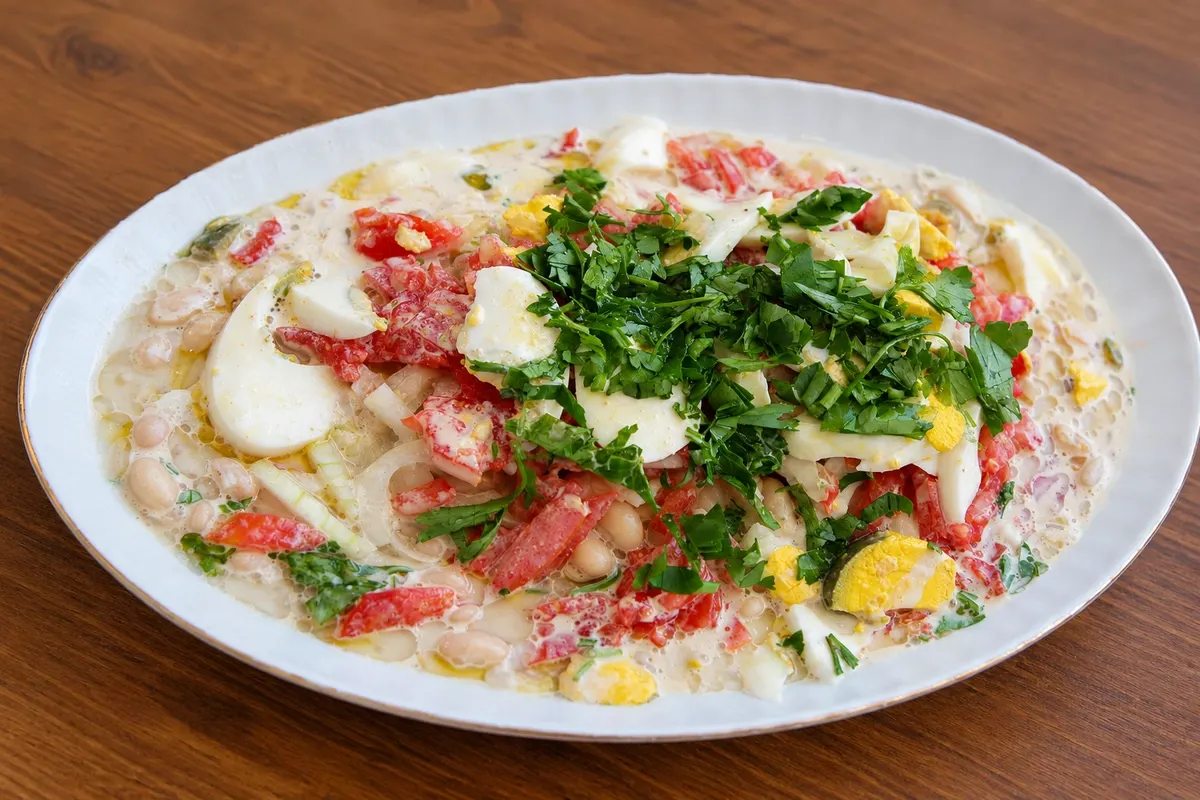
Small white beans with tahini tarator sauce, garlic, lemon and vinegar, boiled egg, tomato and parsley: in other regions piyaz is a salad; in Antalya it is a main course.
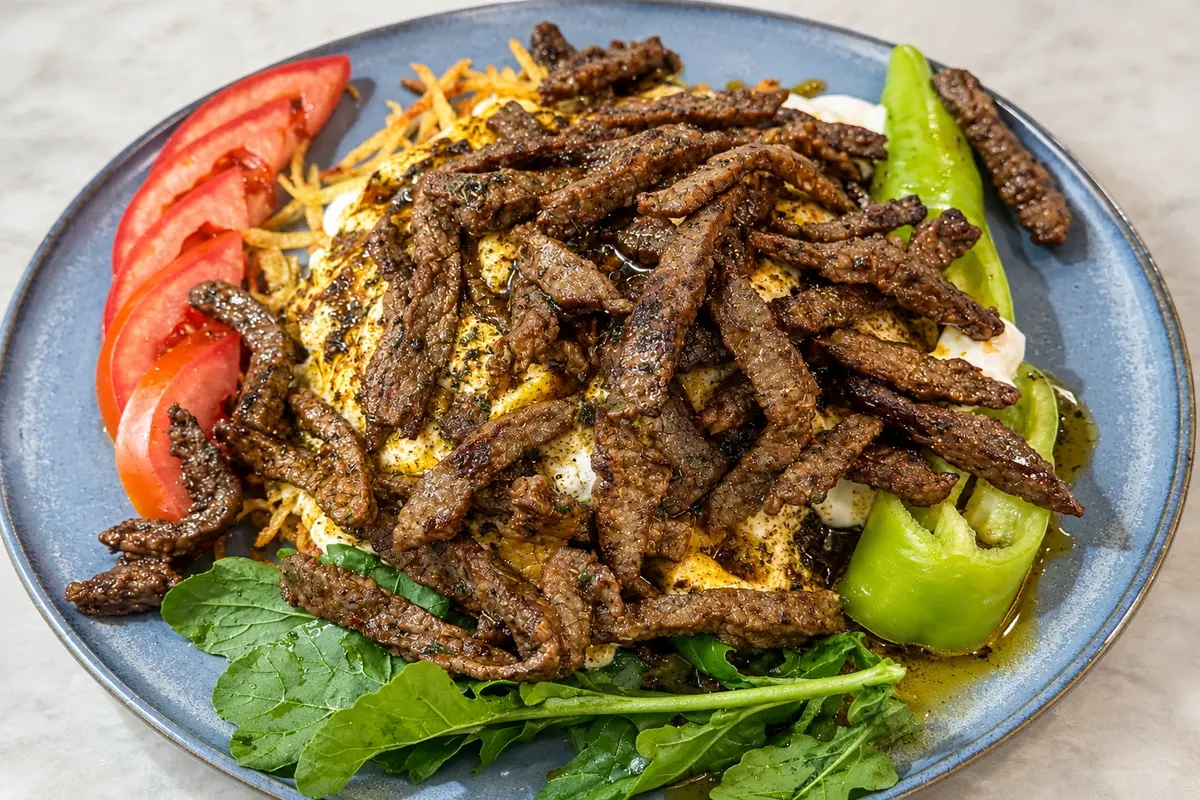
Very thin shoestring fries, garlic yogurt and strips of beef sautéed in butter, layered on the same plate: çökertme is Bodrum’s kebab, served in the district since the 1960s.
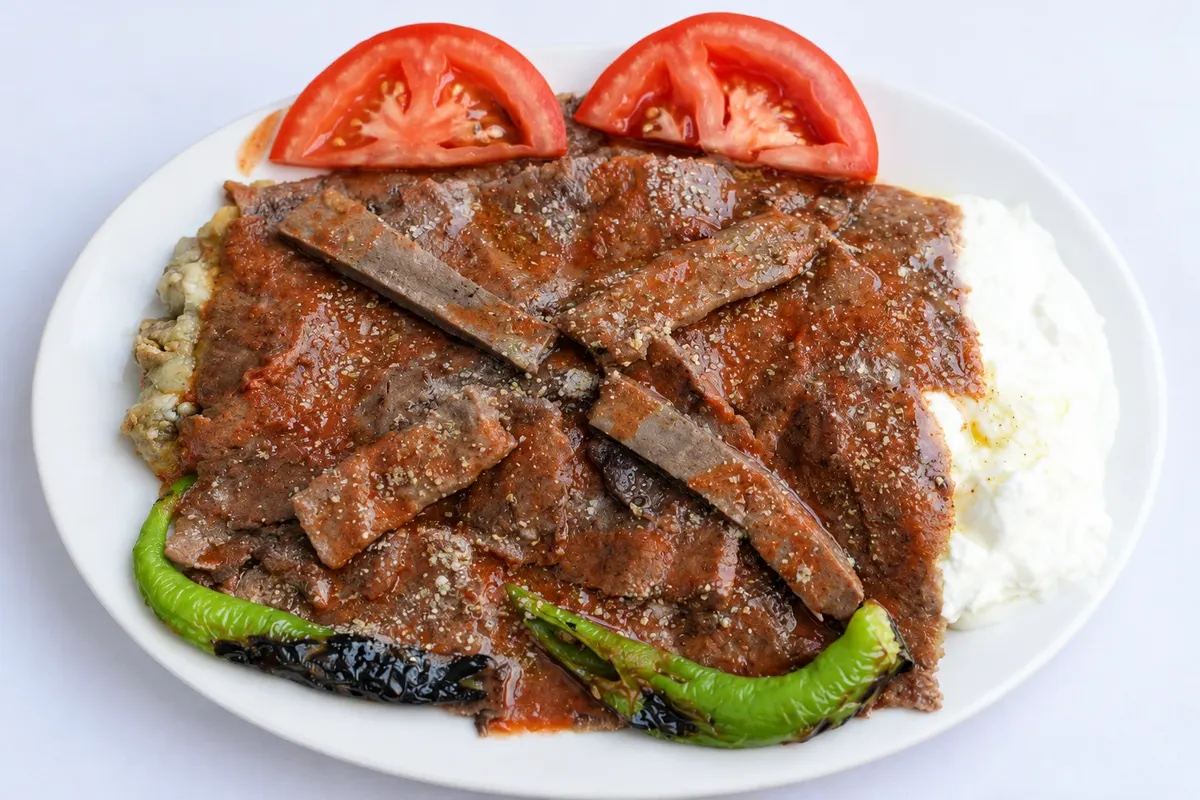
Thin slices of döner atop pieces of pide bread, with tomato sauce, hot butter poured at the table and yogurt on the side: the kebab named after İskender Efendi of Bursa.
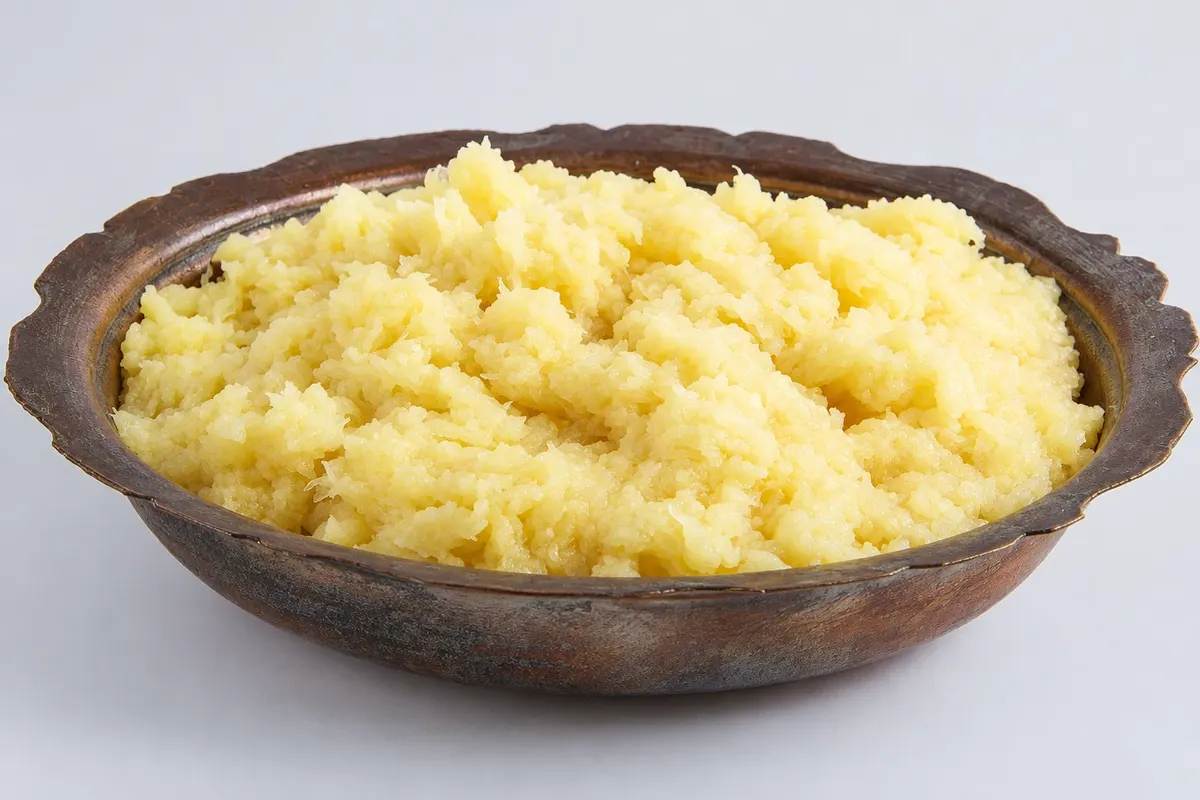
Sweet made from unsalted fresh cheese cooked with wheat flour and sugar until fibrous and glossy, served hot: the specialty of Gelibolu, on the Gallipoli peninsula on the European side of Çanakkale.
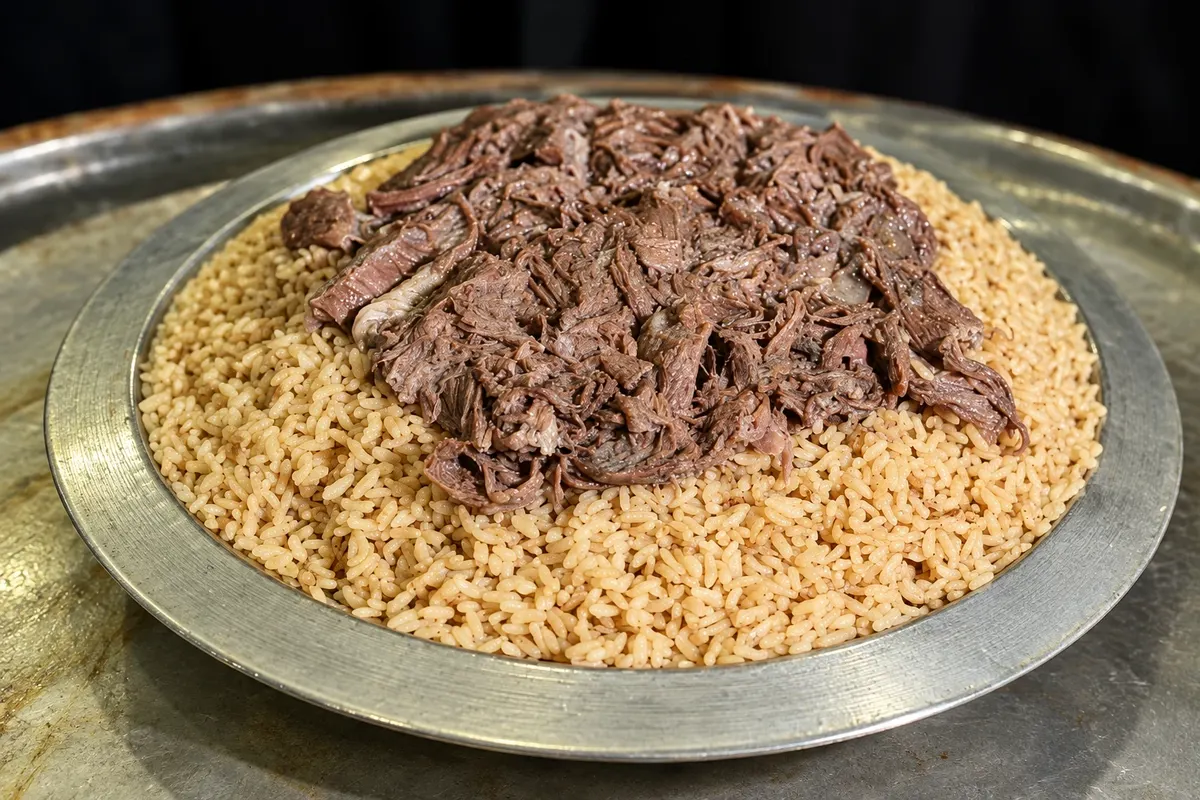
Rice cooked for about 12 hours by steam in a copper pot sealed with dough, over the meat and butter, served in a large copper dish: the wedding dish of İskilip, in Çorum.
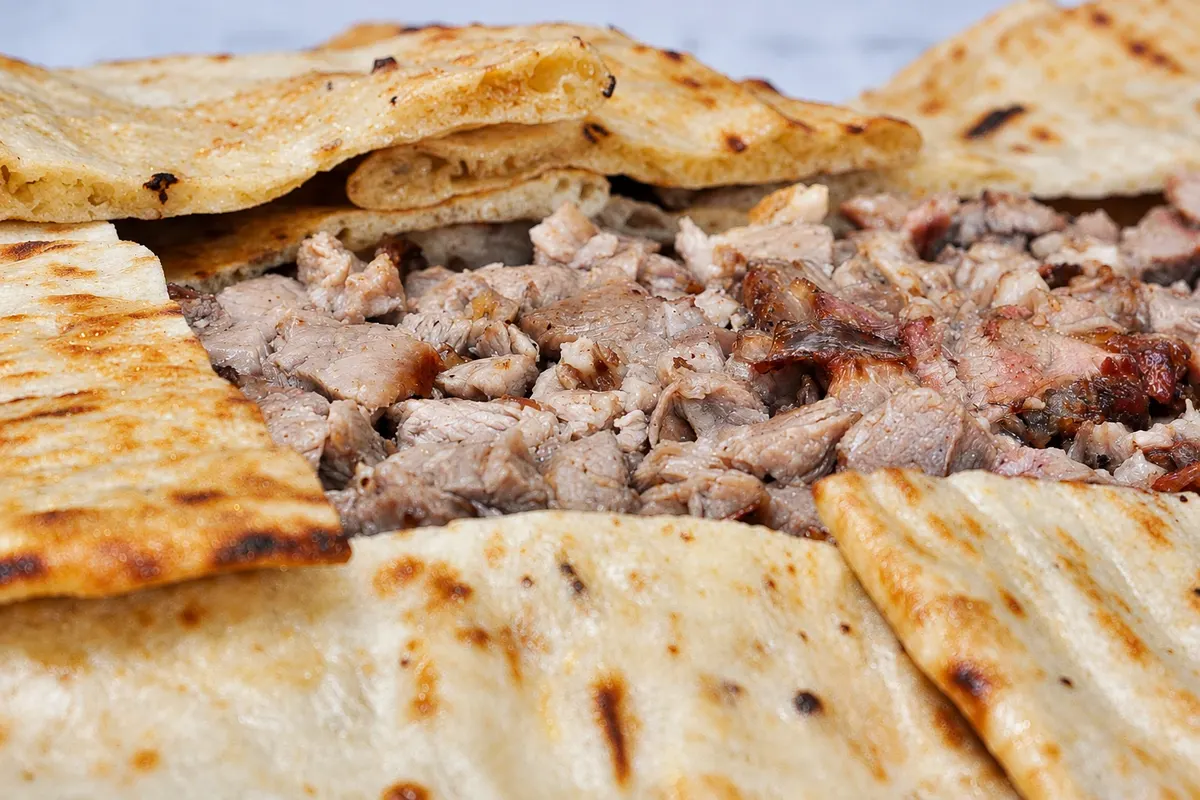
Lamb under one year old roasted for two to three hours in a brick oven with an earthen floor, cut with a butcher’s cleaver and served with pide bread, onion and tomato, to be eaten with the hands.
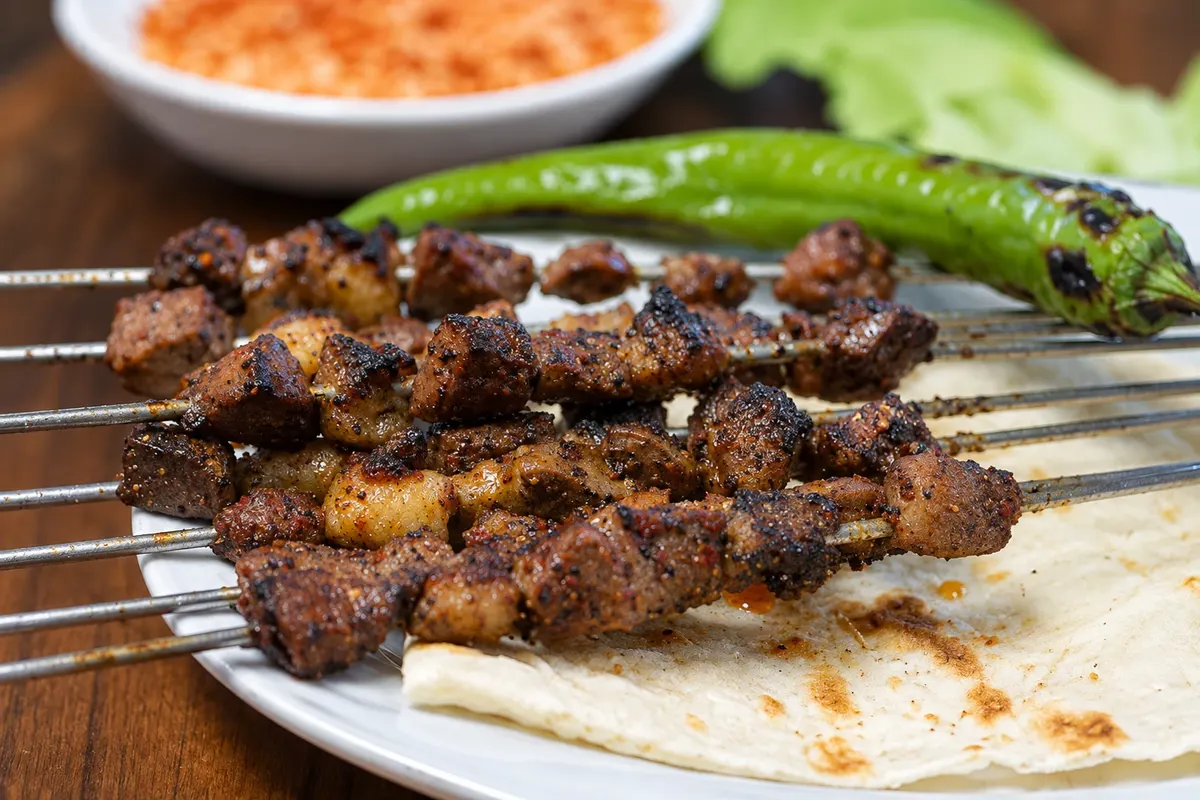
Skewers of lamb liver alternated with tail fat, seasoned with pepper, thyme, coriander and sumac and grilled over coals, served on lavash: in Diyarbakır people even eat it for breakfast.
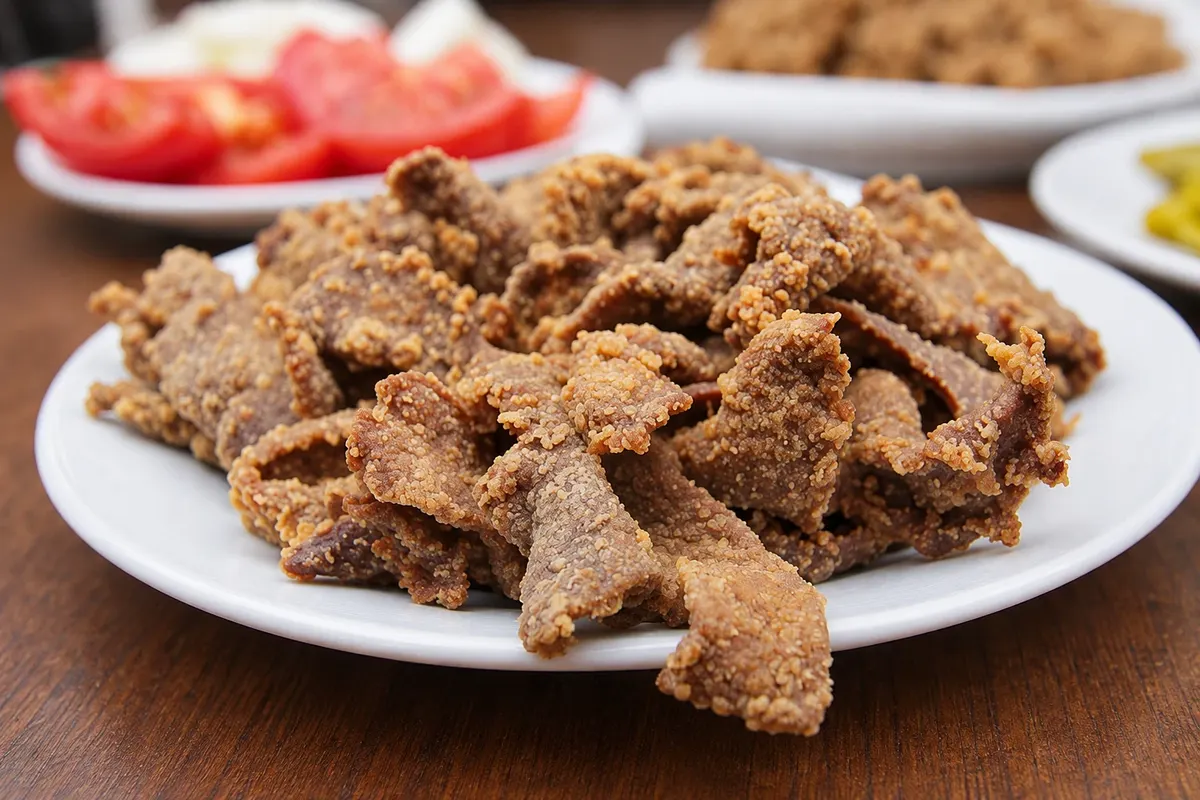
Beef liver sliced into very thin sheets, dusted in flour and fried briefly, served with fried dried red peppers: the best-known dish of Edirne, near the border with Greece and Bulgaria.
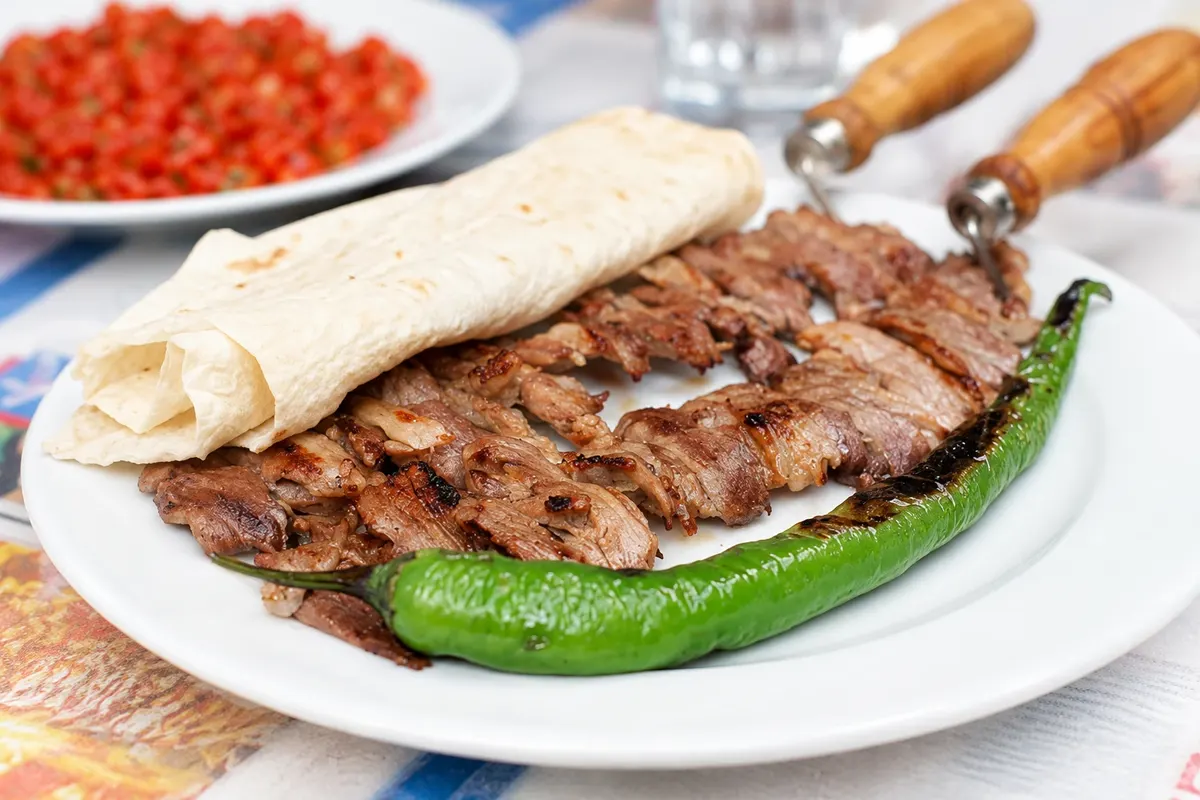
Lamb meat seasoned with onion, salt and black pepper, stacked on a horizontal spit that turns before a wood fire and served on skewers (cağ): the kebab of Erzurum and Oltu.
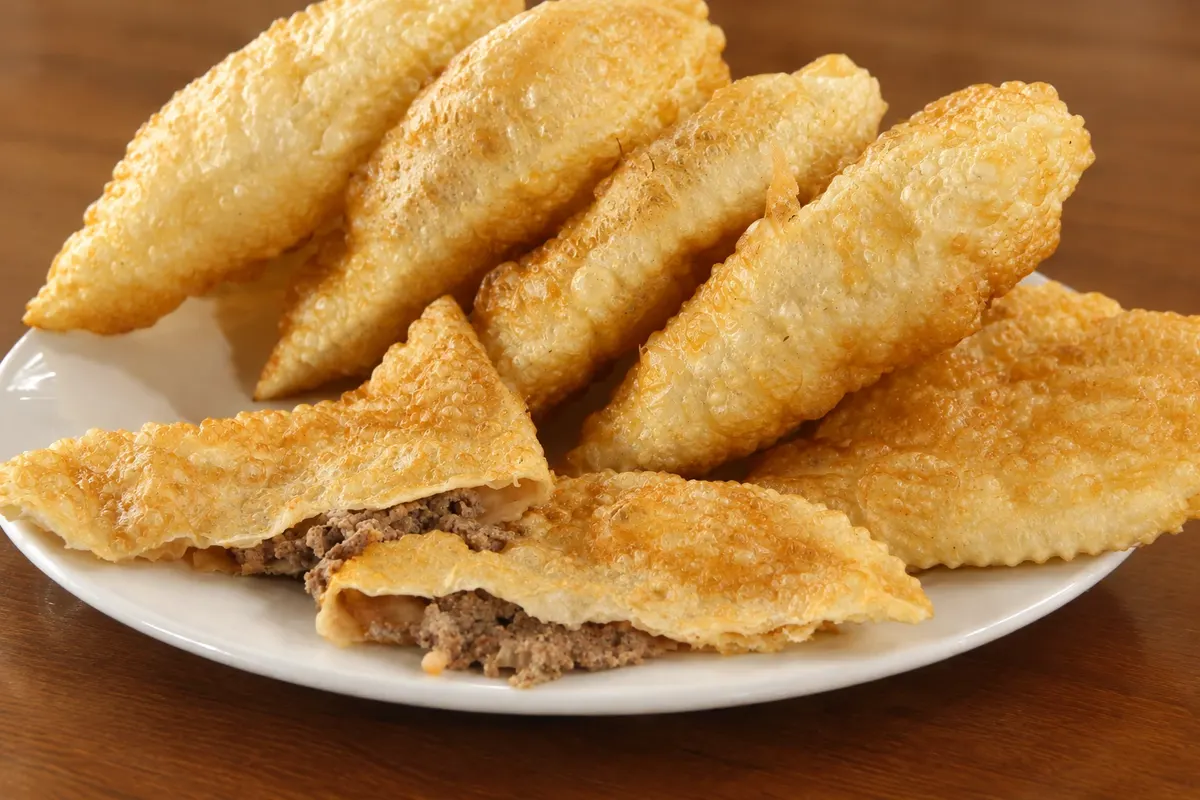
Half-moon pastry made from very thin dough, filled with raw minced meat and onion that cooks during frying and remains juicy inside: the çibörek of the Crimean Tatars, which became Eskişehir’s signature dish.
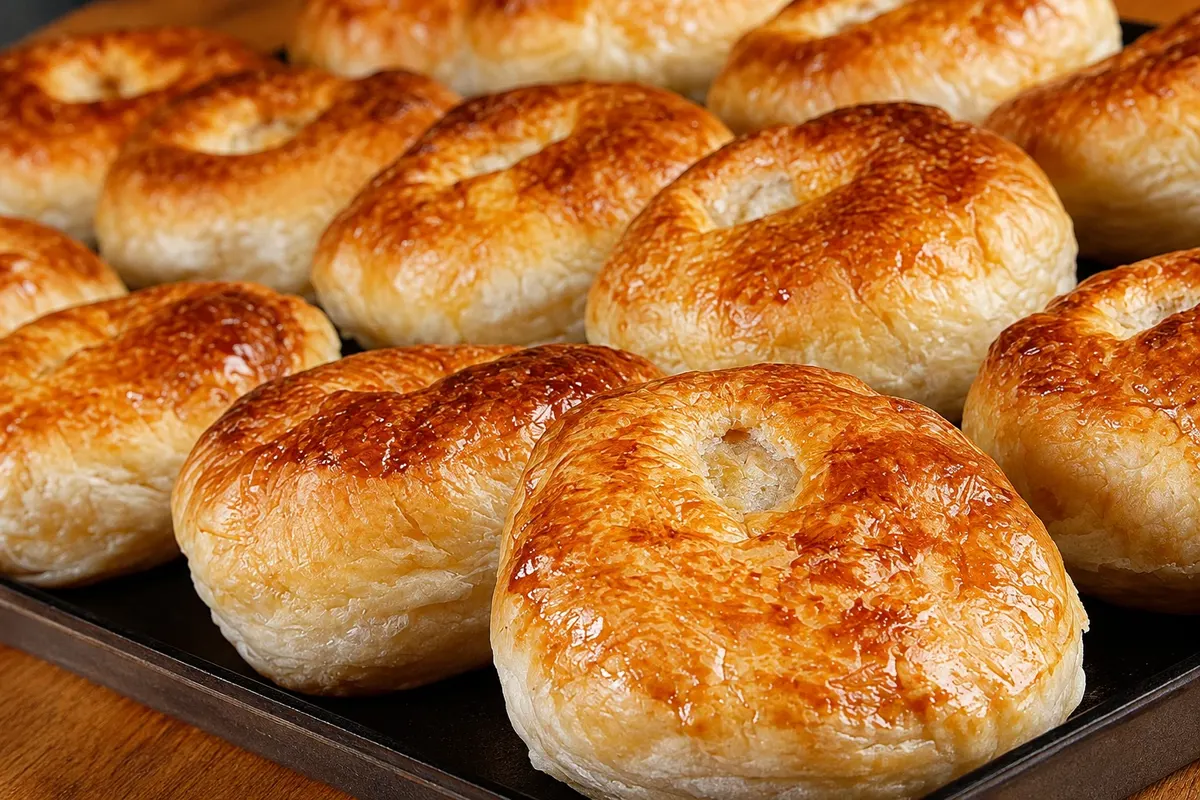
Small round roll of puff pastry made from stretched dough, oil and tahini, baked in a hot oven: boyoz is İzmir’s breakfast, eaten with a boiled egg and tea.
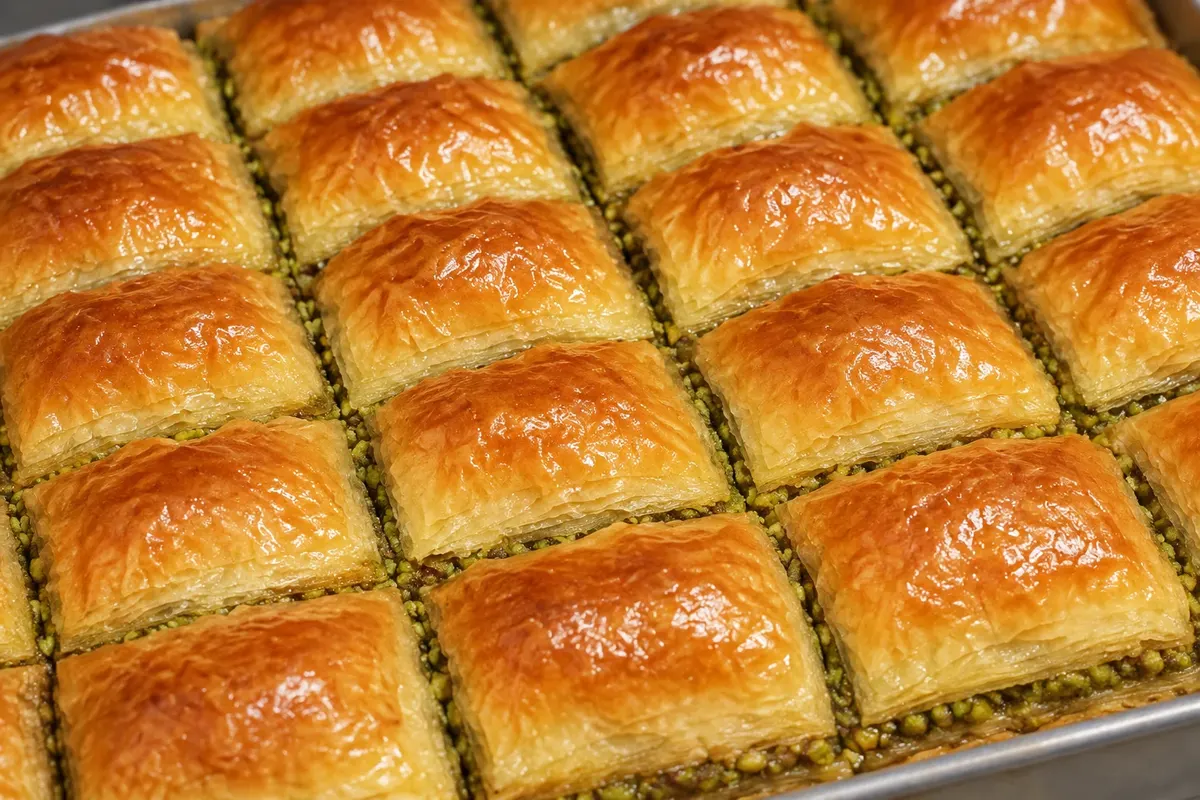
Ultra-thin layers of phyllo pastry with Antep pistachio and butter, drenched in syrup: Gaziantep baklava was the first Turkish product protected as a geographical indication in the European Union.
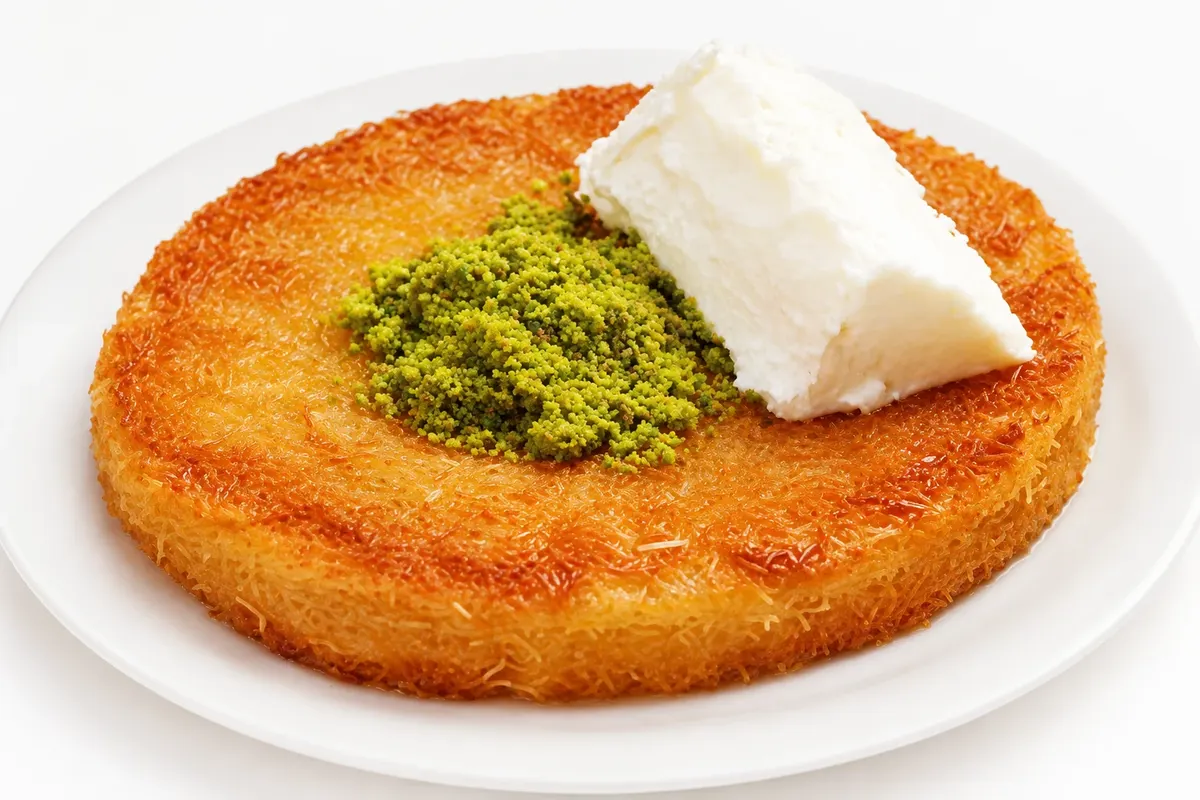
Two layers of kadayıf dough in threads with butter and unsalted fresh cheese in the middle, golden on both sides and poured with hot syrup: Antakya's künefe, a hot dish with the cheese stretching.
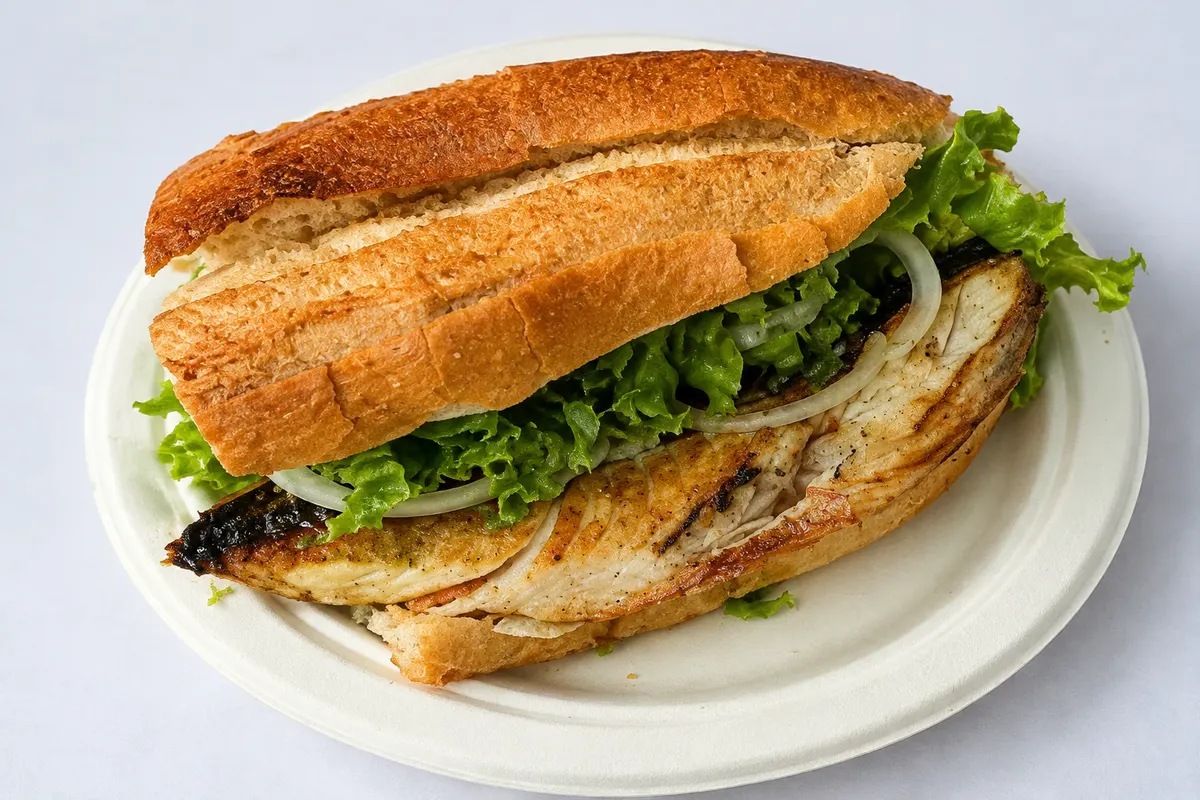
The fish sandwich of Istanbul's historic center: grilled fillet, usually mackerel, inside bread, with lettuce, onion and lemon, sold at the Eminönü piers beside the Galata Bridge.
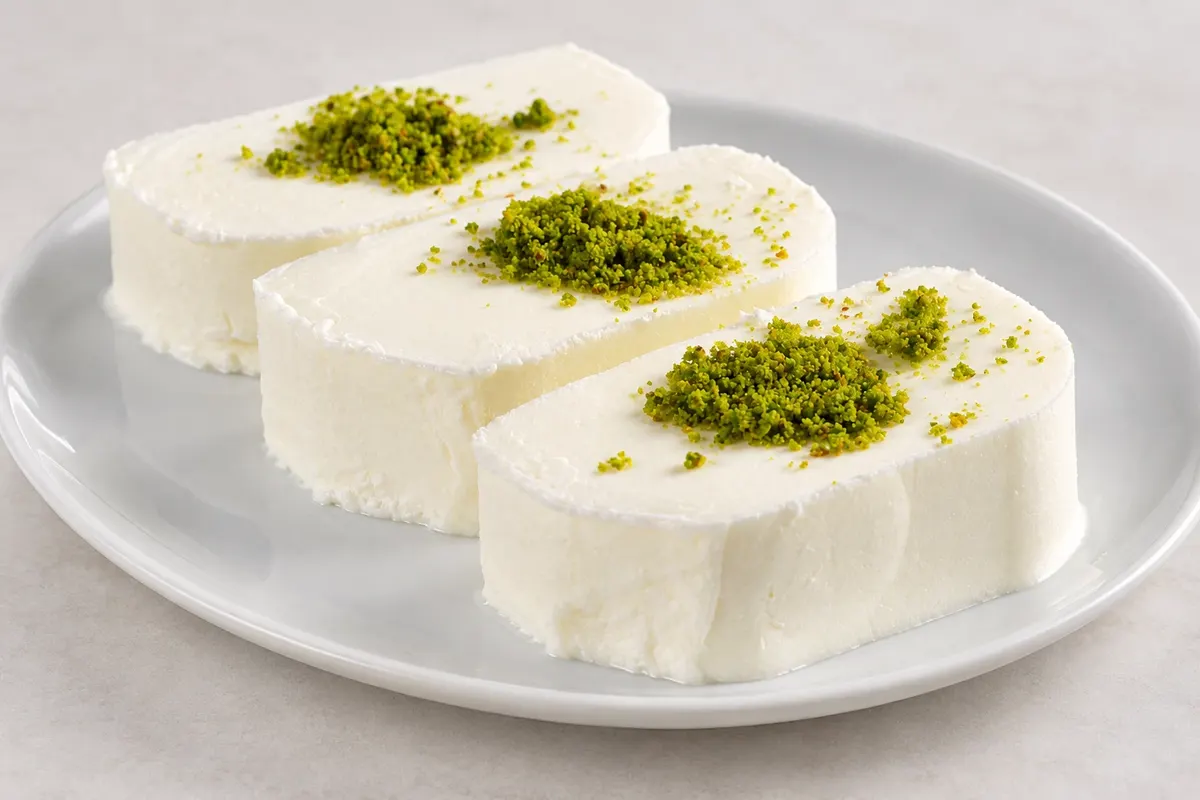
Ice cream made from goat's milk, sugar and salep, dense, elastic and slow to melt: Maraş ice cream, from Kahramanmaraş, that stretches and is chewed.
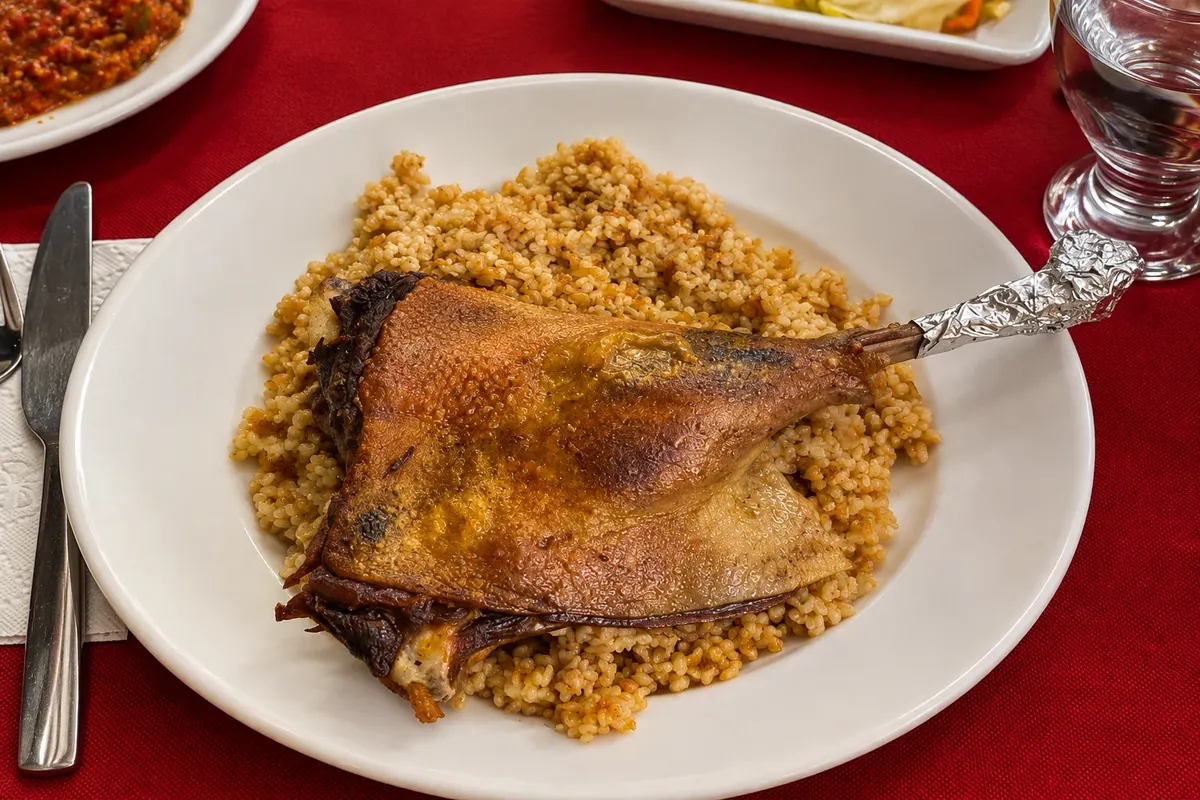
Goose raised on the Kars plateau, salted at the start of winter and roasted in the tandır, with wheat pilaf (bulgur) cooked directly beneath in the fat dripping from the bird: Kars's winter dish.
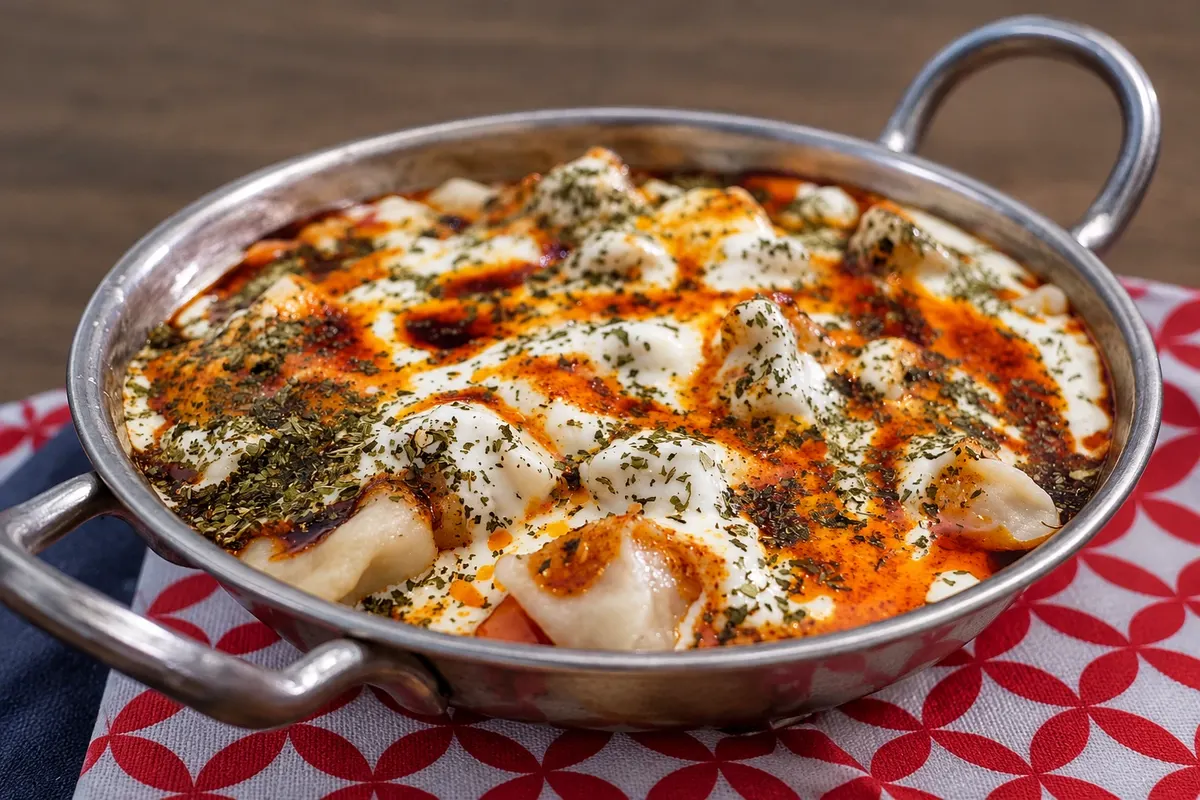
Tiny dough dumplings filled with beef, onion and basil, boiled and topped with butter, tomato paste and pepper, with yogurt and sumac optional: Kayseri mantı.
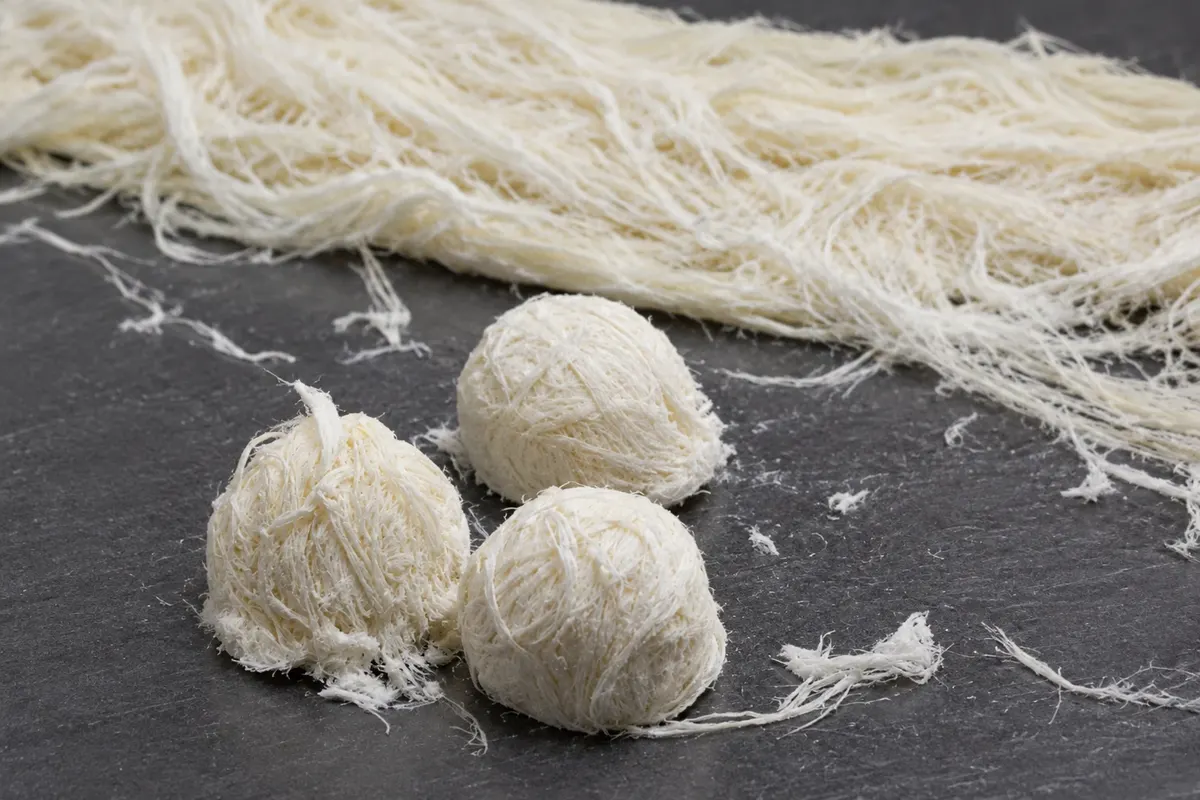
Very fine threads of hand-pulled sugar and wheat flour toasted in butter, with a cotton-like texture that melts in the mouth: İzmit pişmaniye, a sweet memento of Kocaeli.
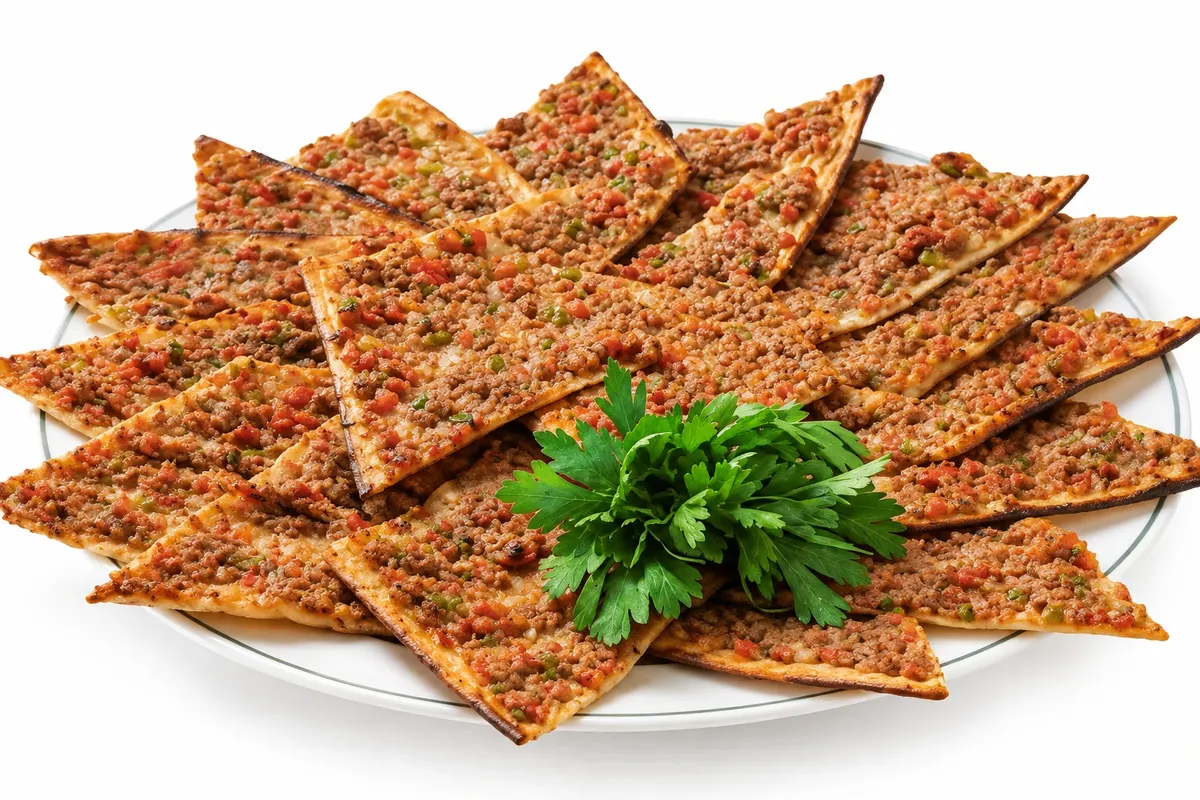
Very thin dough, nearly a meter long, topped with minced meat, tomato, pepper and onion and baked in a wood-fired stone oven: Konya etliekmek is served cut into pieces.
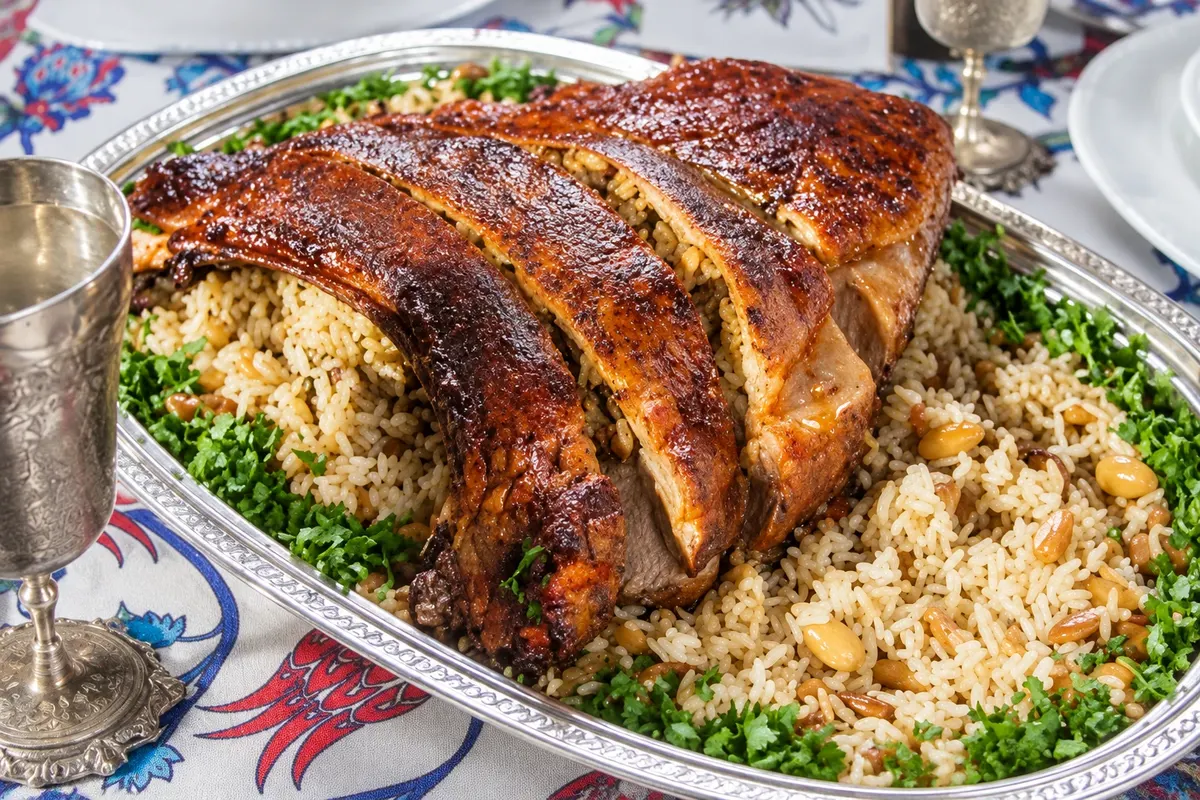
Lamb rib opened like a pocket, stuffed with rice, meat, almonds and spices, sewn up, cooked for hours and browned in the oven: Mardin's celebration dish.
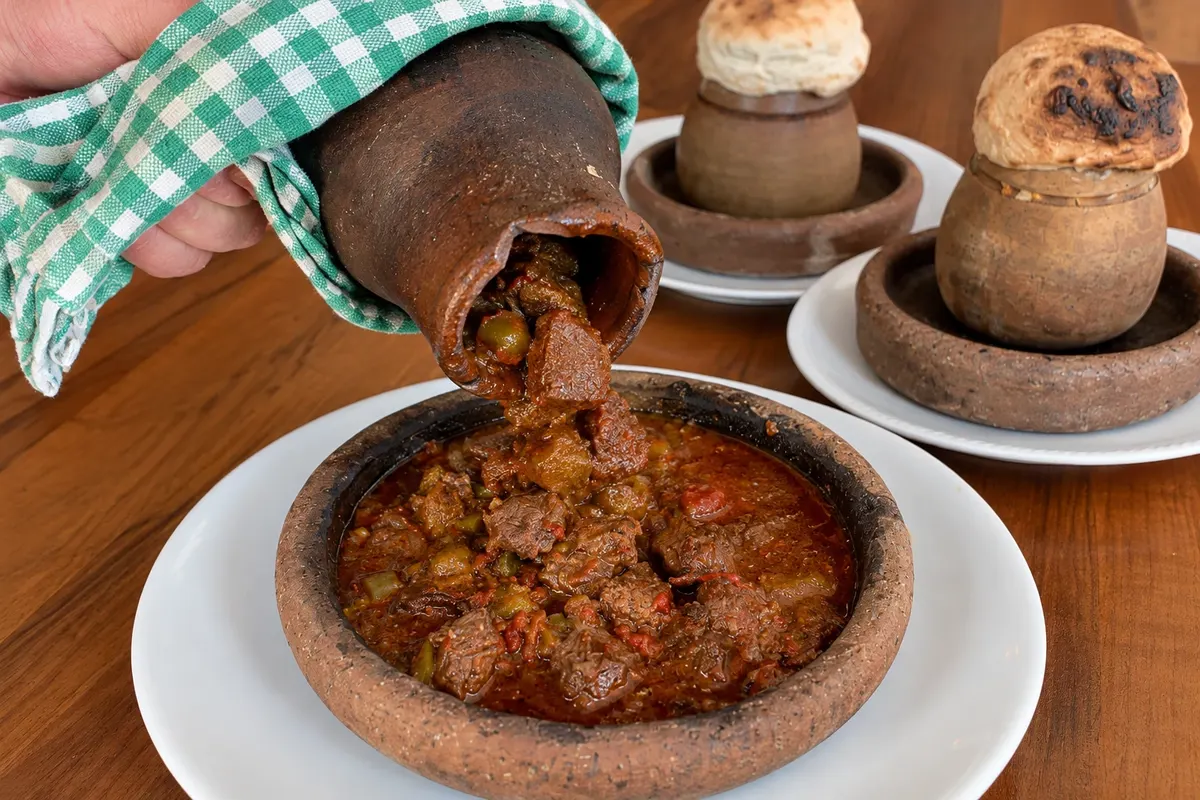
Meat and vegetables cooked inside a clay pot from Avanos, sealed with a flour dough; at the table the pot is broken when served. It is the best-known dish of Cappadocia.
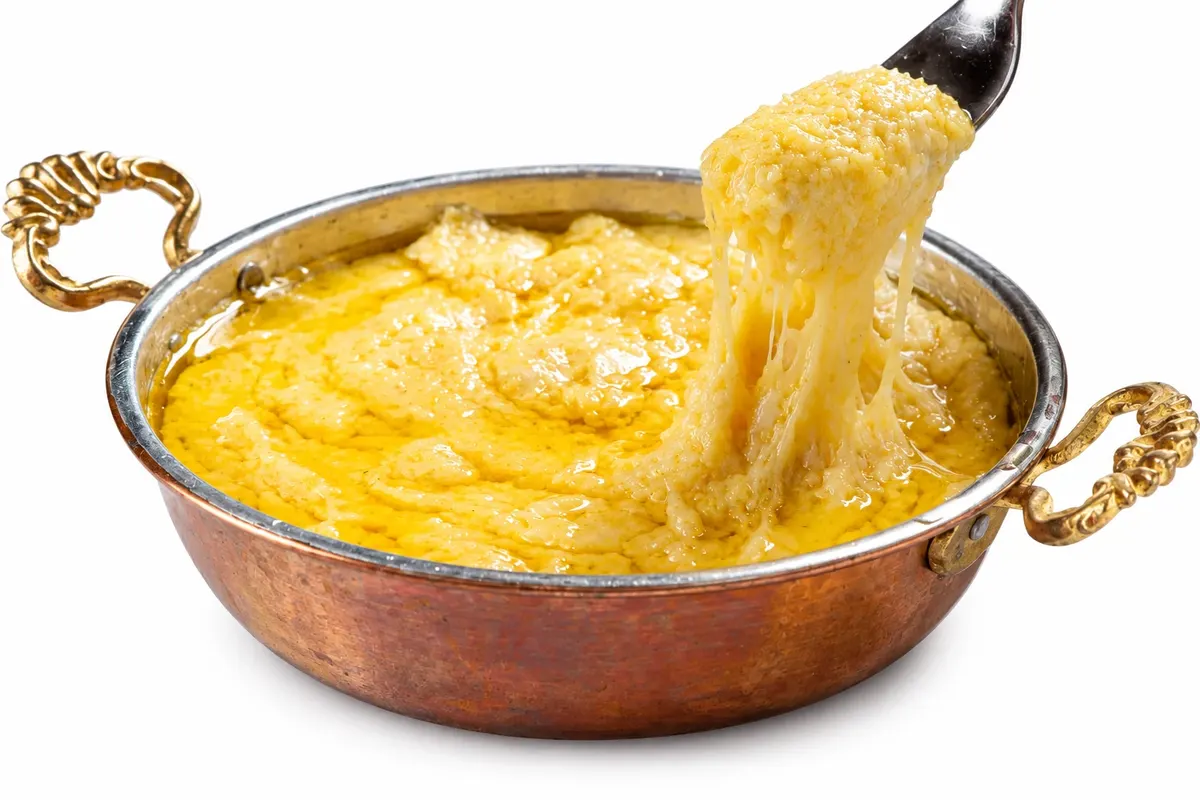
Cornmeal toasted in butter, cooked in water until it becomes a creamy porridge, with melted kolot cheese on top that stretches: Rize muhlama, made in a copper pan with a wooden spoon and served hot.
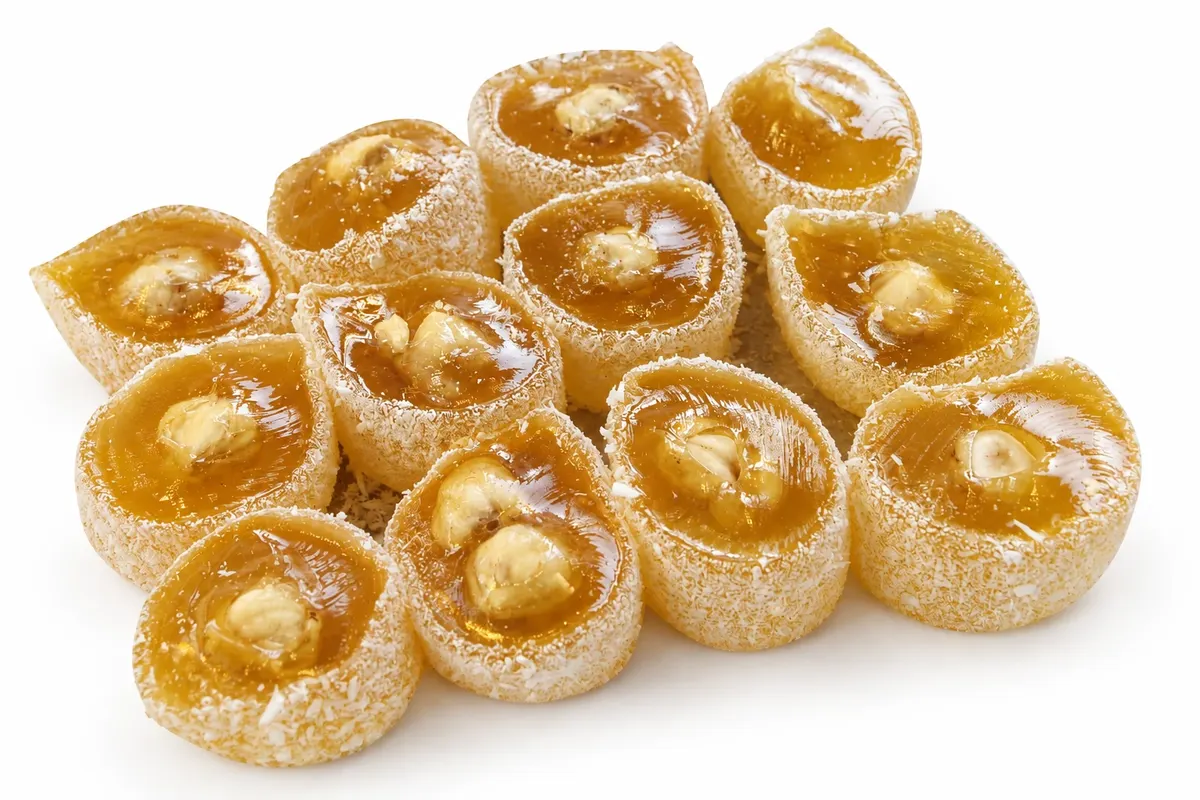
Lokum (the Turkish delight) cooked for hours in a copper cauldron, rolled in coconut and filled with hazelnut; the saffron version, in cubes, recalls the name Safranbolu, an Ottoman town listed by UNESCO.
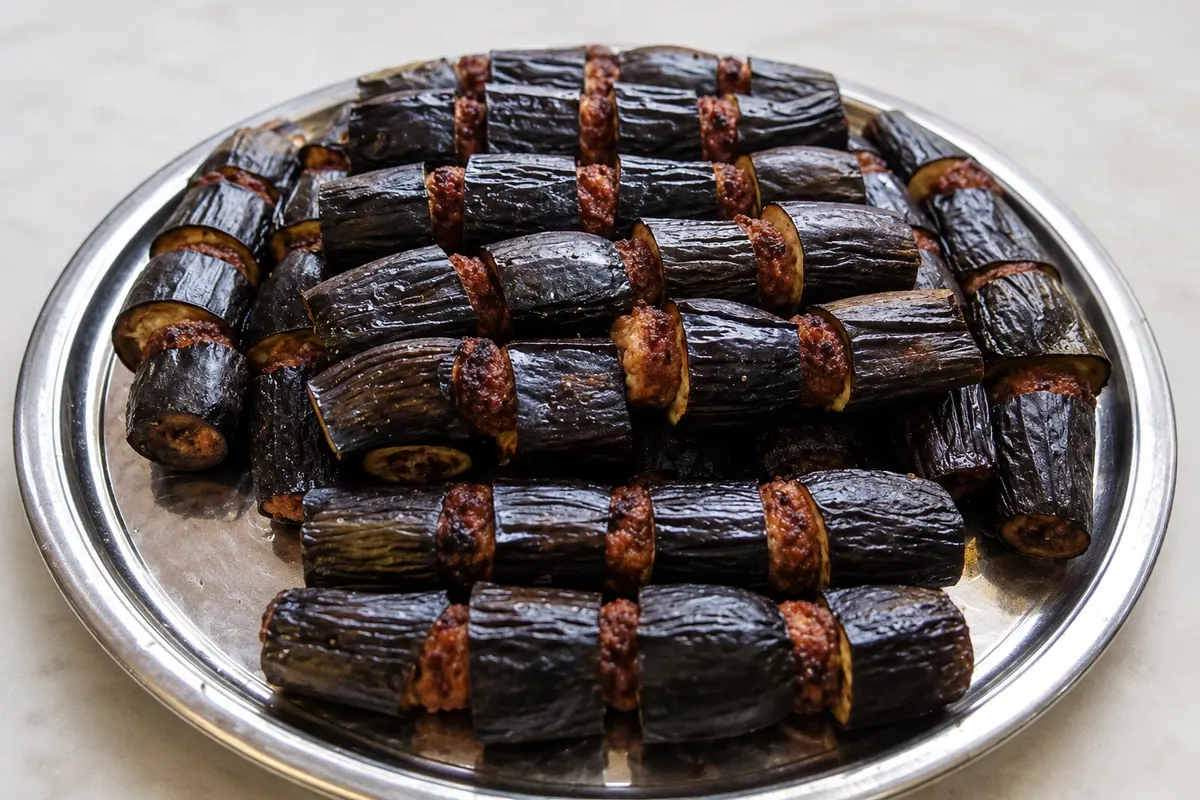
Small meatballs of hand‑chopped lamb alternated with pieces of eggplant on a skewer, grilled over charcoal: Şanlıurfa eggplant kebab, served with grilled pepper, onion and bread.
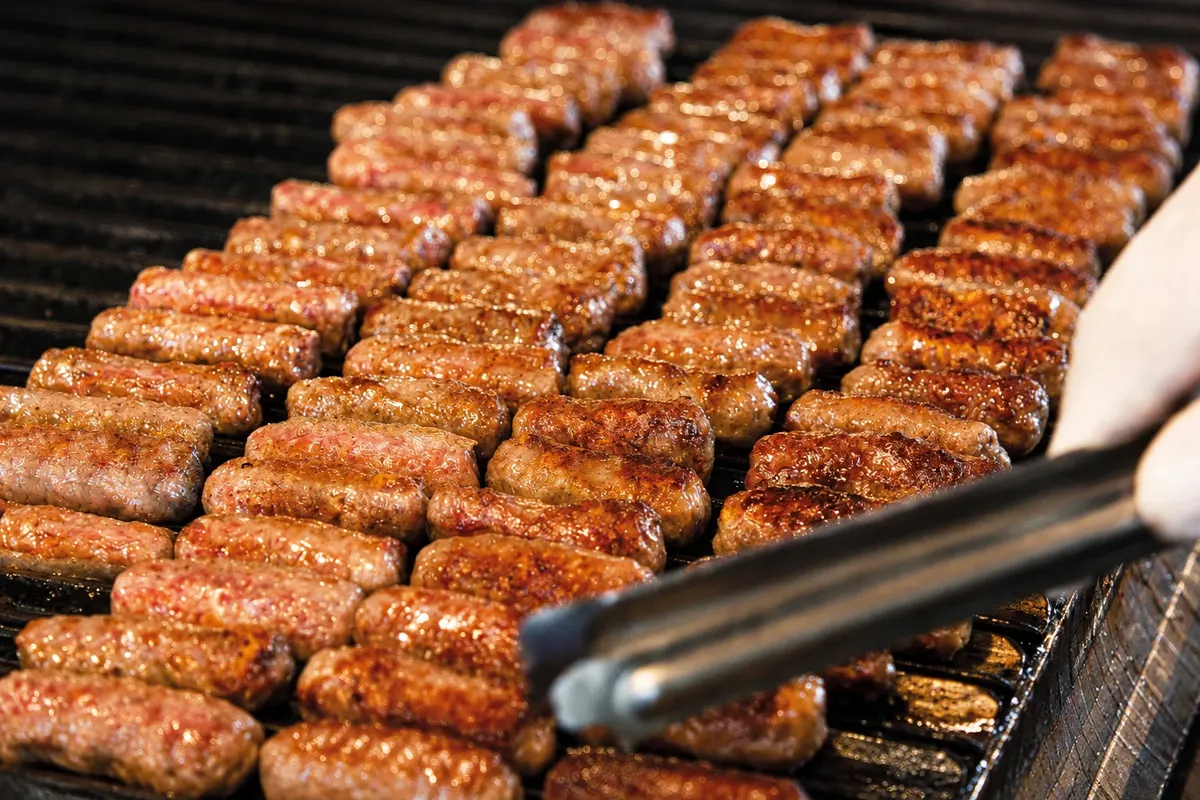
Small cylindrical beef meatballs made with day-old bread, red onion, cumin and pepper, grilled over charcoal and served in portions of ten, with spicy sauce and roasted pepper.
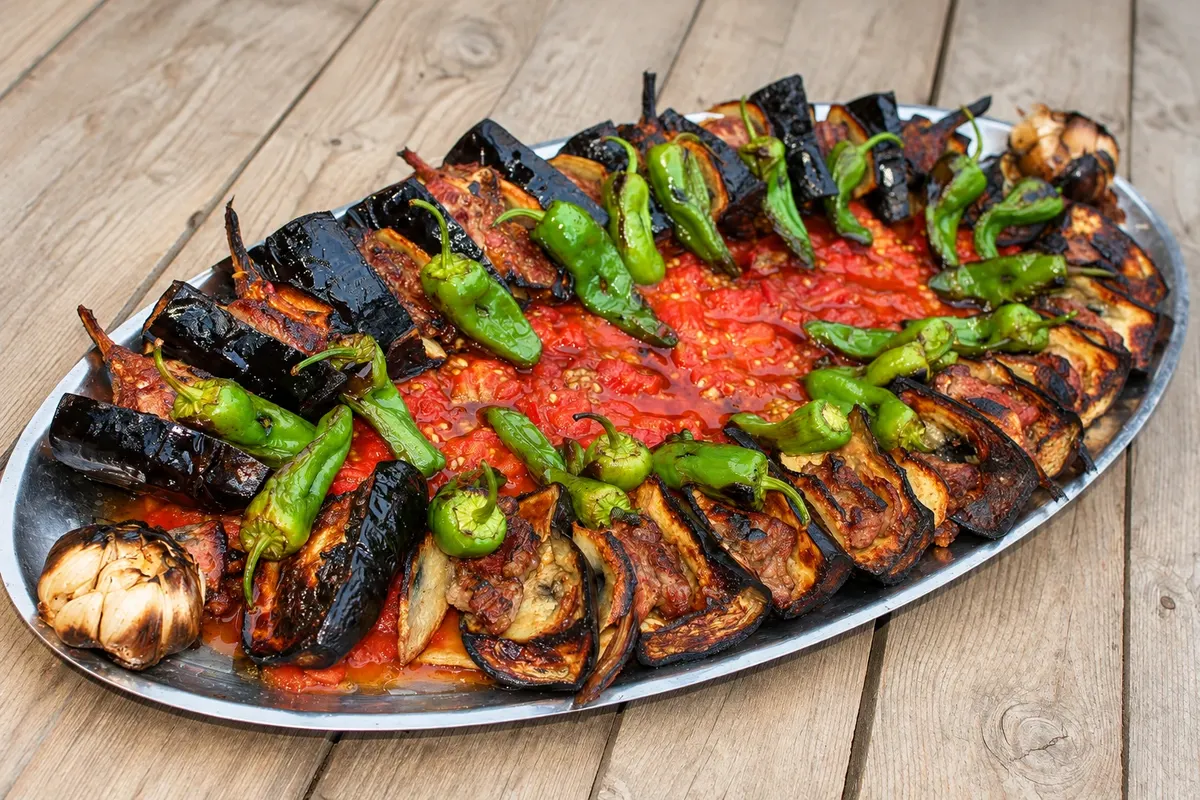
Lamb, tail fat, eggplant and potato on a skewer hung in a dedicated oven, with tomato, pepper and roasted garlic alongside, served on thin bread: the Tokat kebab, born in vineyard houses.
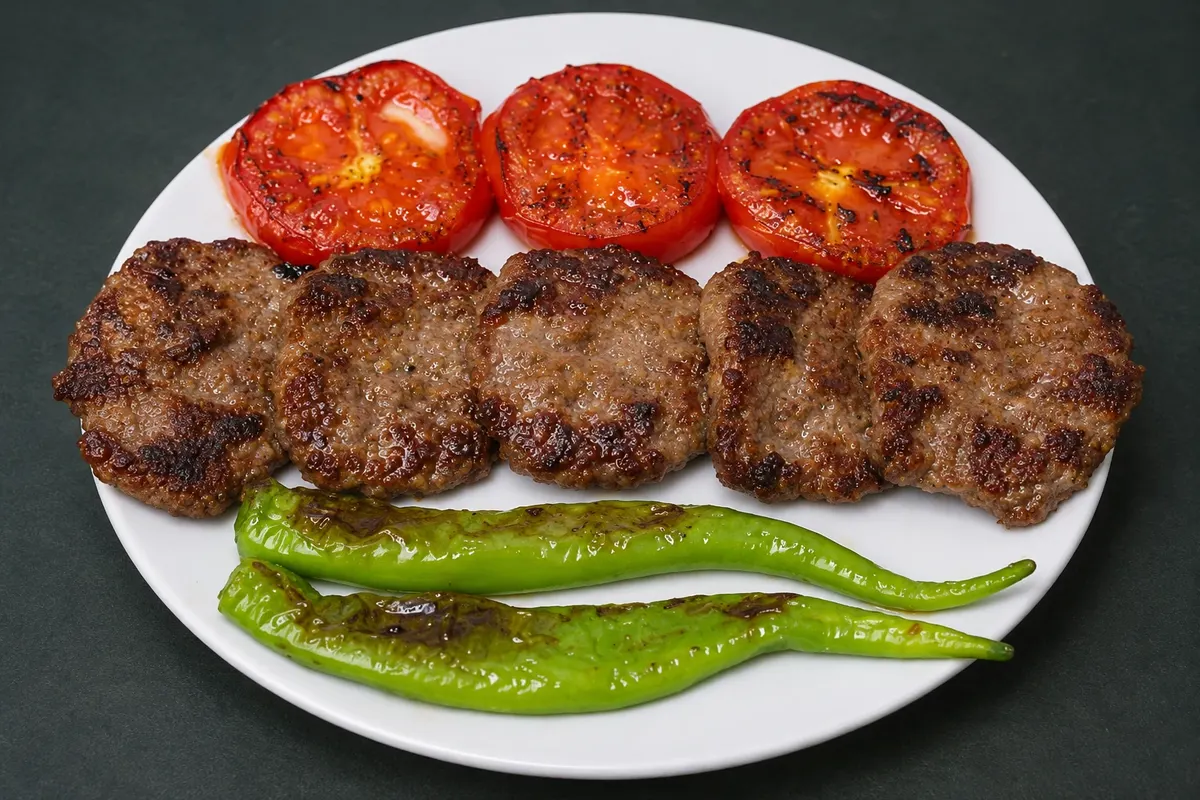
Flattened beef meatballs, day-old bread, garlic and salt, grilled over charcoal and served with grilled pepper and tomato: the Akçaabat köfte, on the shores of the Black Sea in Trabzon.