
 Norway

 Search
 Brazil
 Antarctica
 Argentina
 Bolivia
 Chile
 Colombia
 Ecuador
 Guyana
 French Guiana
 Falkland Islands (Malvinas)
 Paraguay
 Peru
 Suriname
 Uruguay
 Venezuela
 Germany
 Austria
 Belgium
 Croatia
 Denmark
 Slovakia
 Slovenia
 Spain
 Finland
 France
 Greece
 the Netherlands
 Hungary
 Ireland
 Iceland
 Italy
 LuxembourgNorway
 Poland
 Portugal
 the United Kingdom
 the Czech RepublicSweden
 Switzerland
 Turkey
 Bermuda
 Canada
 the United States
 Greenland
 Mexico
 Saint Pierre and Miquelon
 the Dominican RepublicTurkey
 South Africa
 Egypt
 Australia
 Fiji
 New Zealand
 Papua New Guinea
Abisko, Norrbotten
Natural Phenomenon
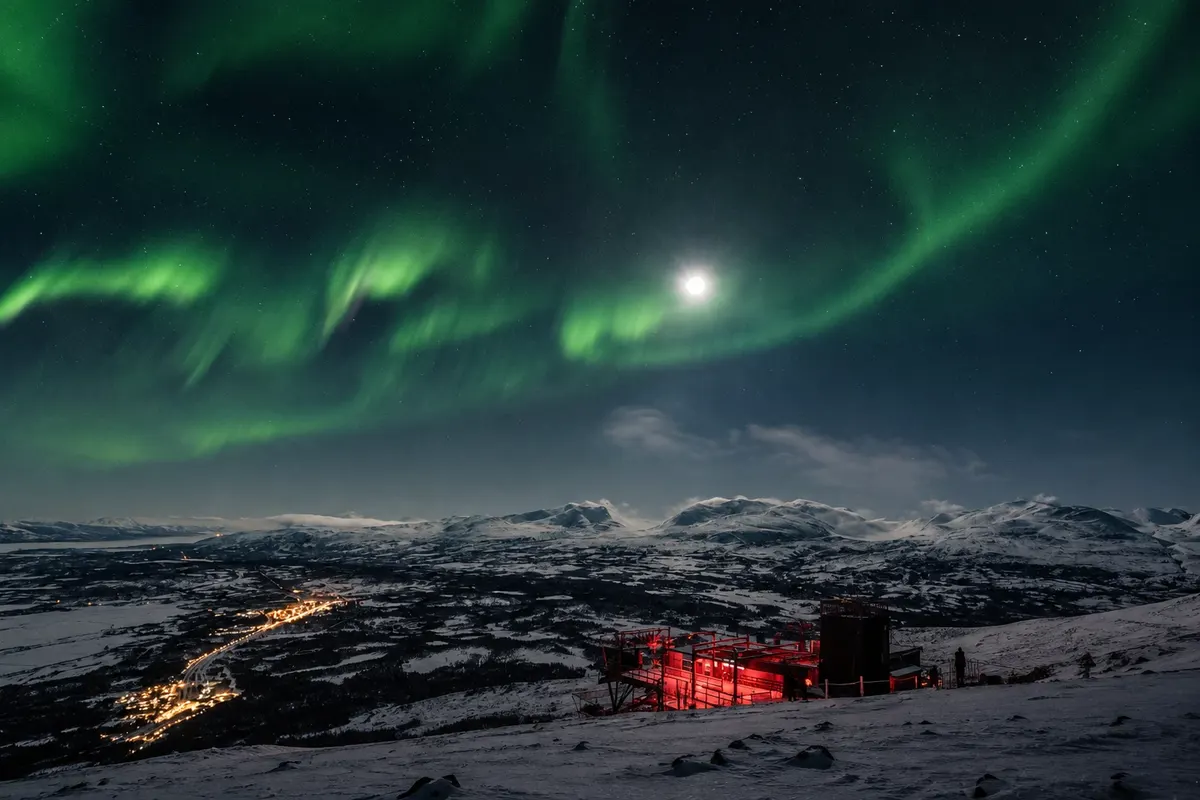
The northern lights season in Abisko, from September to March: the weather in the Torneträsk valley, the Aurora Sky Station and observation spots in the village.
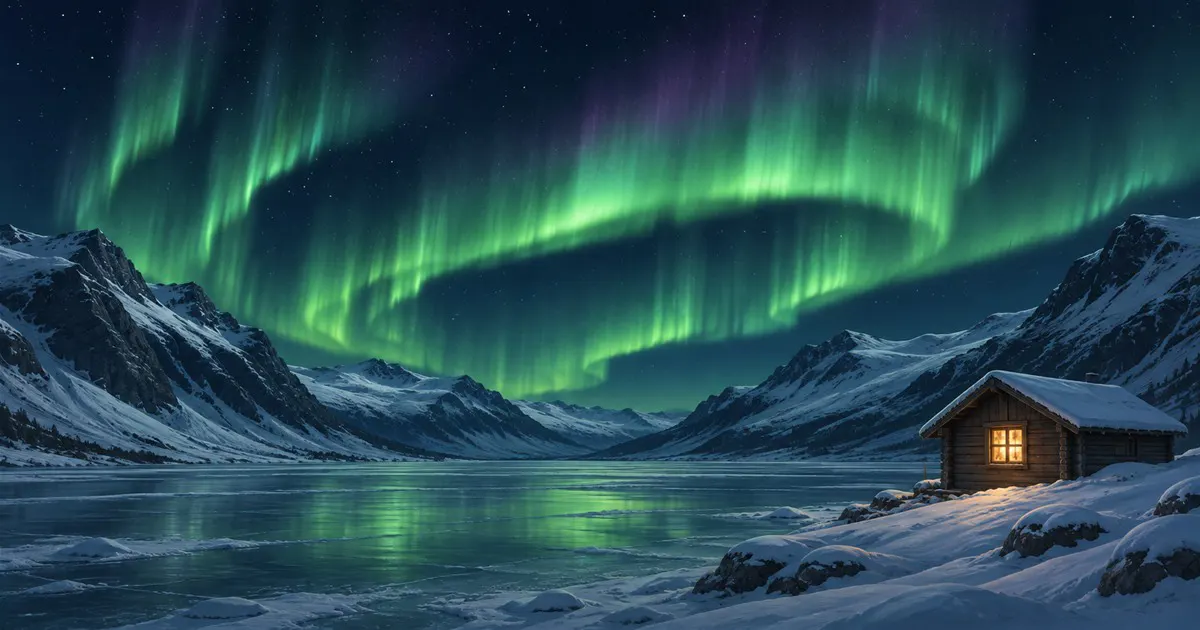
Illustrative images. The pictures in this guide are illustrations based on the real place, not photographs, and may differ from it.
A look at the place
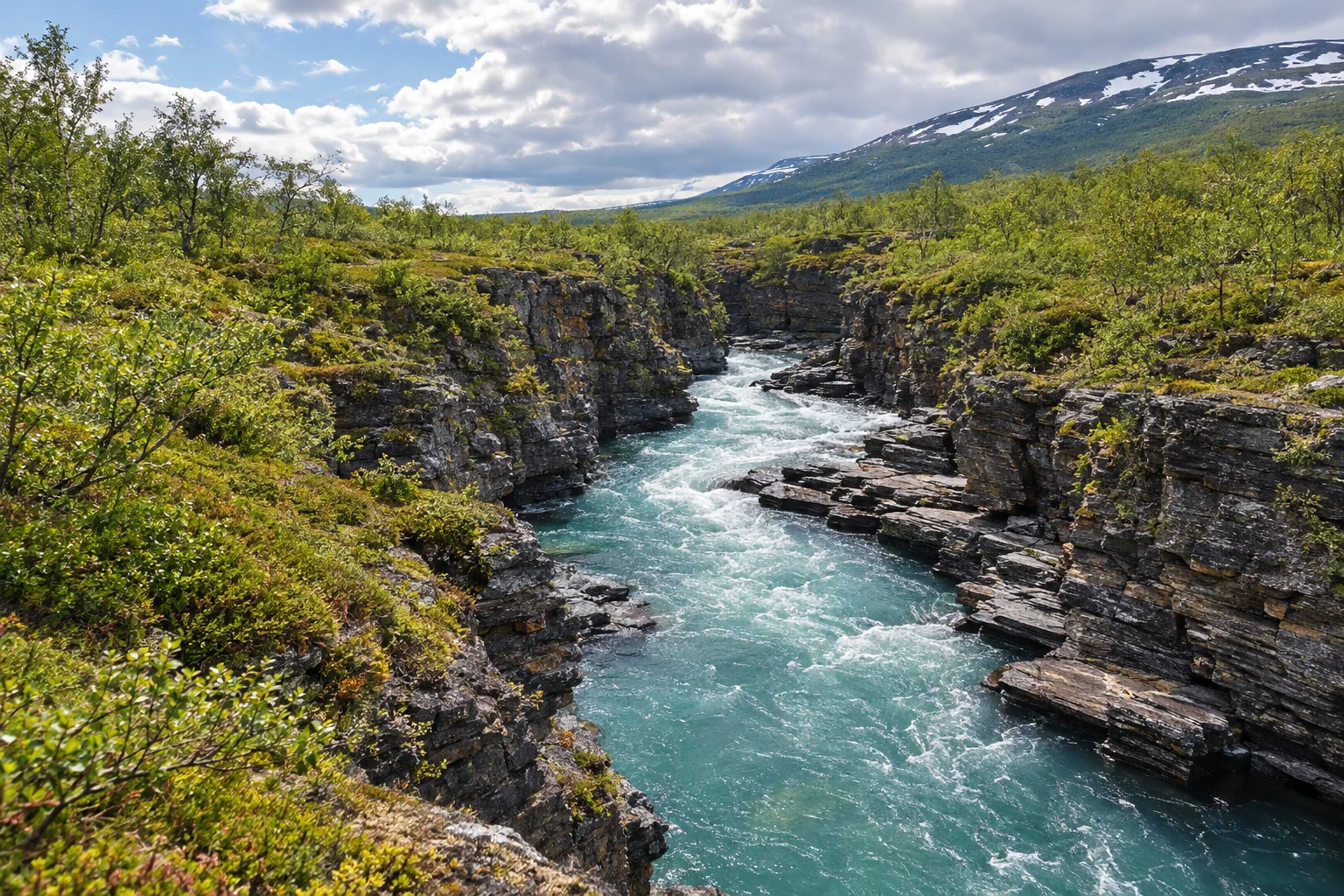
These pictures are illustrations based on the real place, not photographs. They may differ from the place.
Click the picture to enlarge it.
Discover
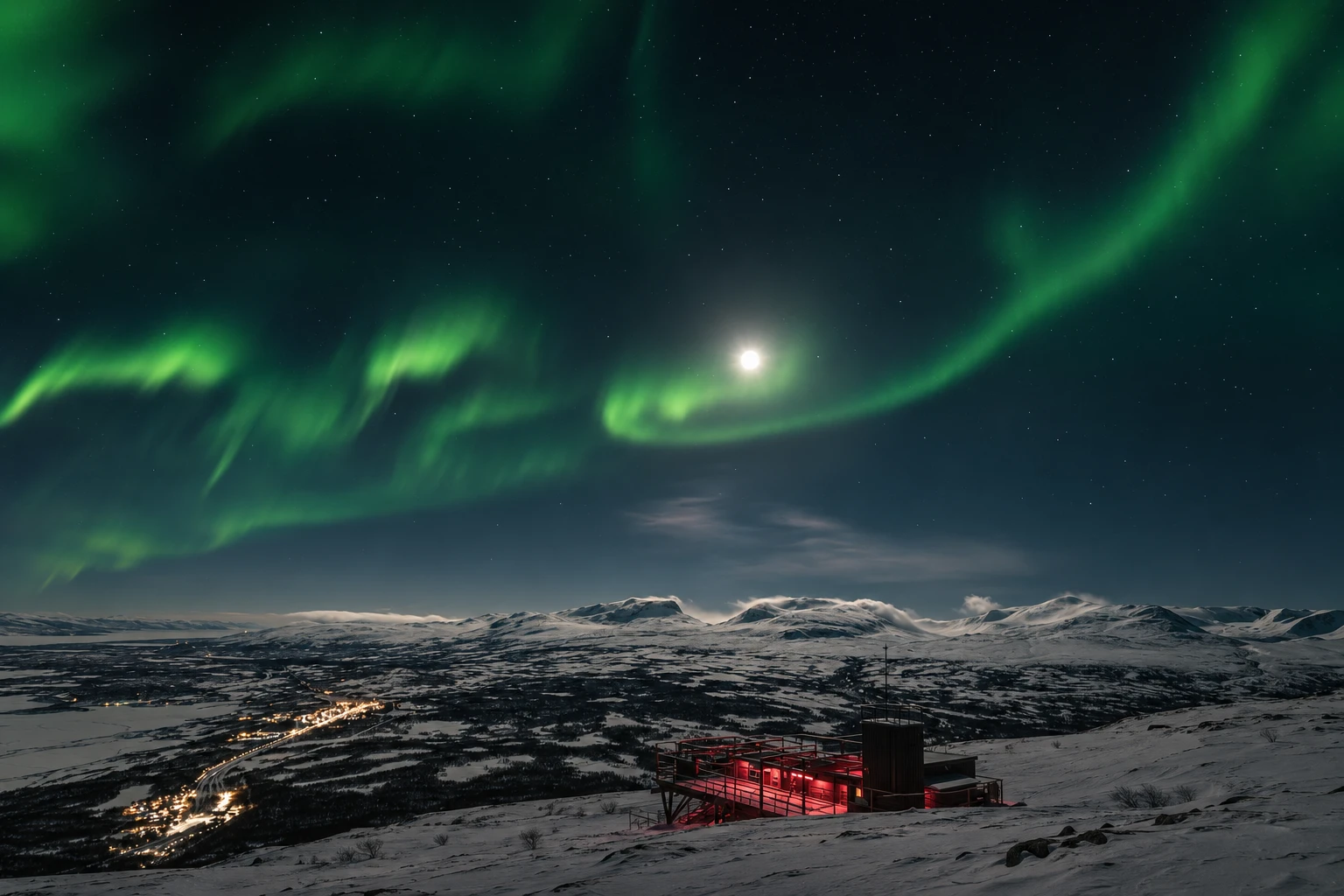
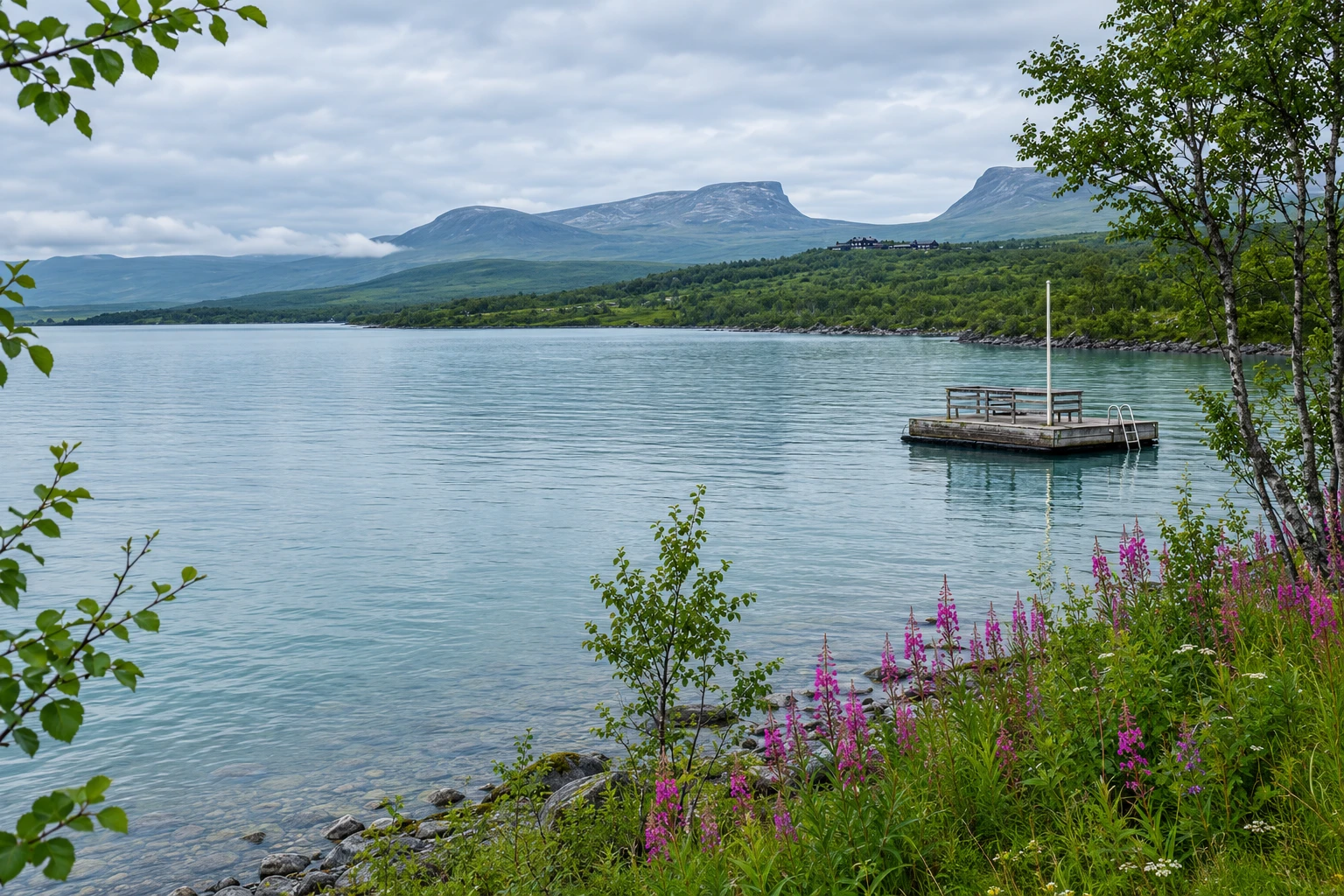
Abisko, in Swedish Lapland, about 200 km north of the Arctic Circle, is a small village on the shore of Lake Torneträsk, next to the national park of the same name. It lies under the ring where the northern lights appear most often and is one of Scandinavia’s best-known places to see them.
The reputation comes from the weather. The mountains on the border with Norway hold back some of the moisture coming from the Atlantic, and the sky over the valley usually has fewer clouds than the coast. That break in the clouds has earned the nickname “Abisko’s blue hole.” It helps, but it does not prevent cloudy nights.
The season usually runs from early September to the end of March. In September and October the unfrozen lake can reflect the aurora; from December to February the nights are longer, colder and snowy; in March the days begin to lengthen. From late May to mid-July is the midnight sun, and the aurora does not appear.
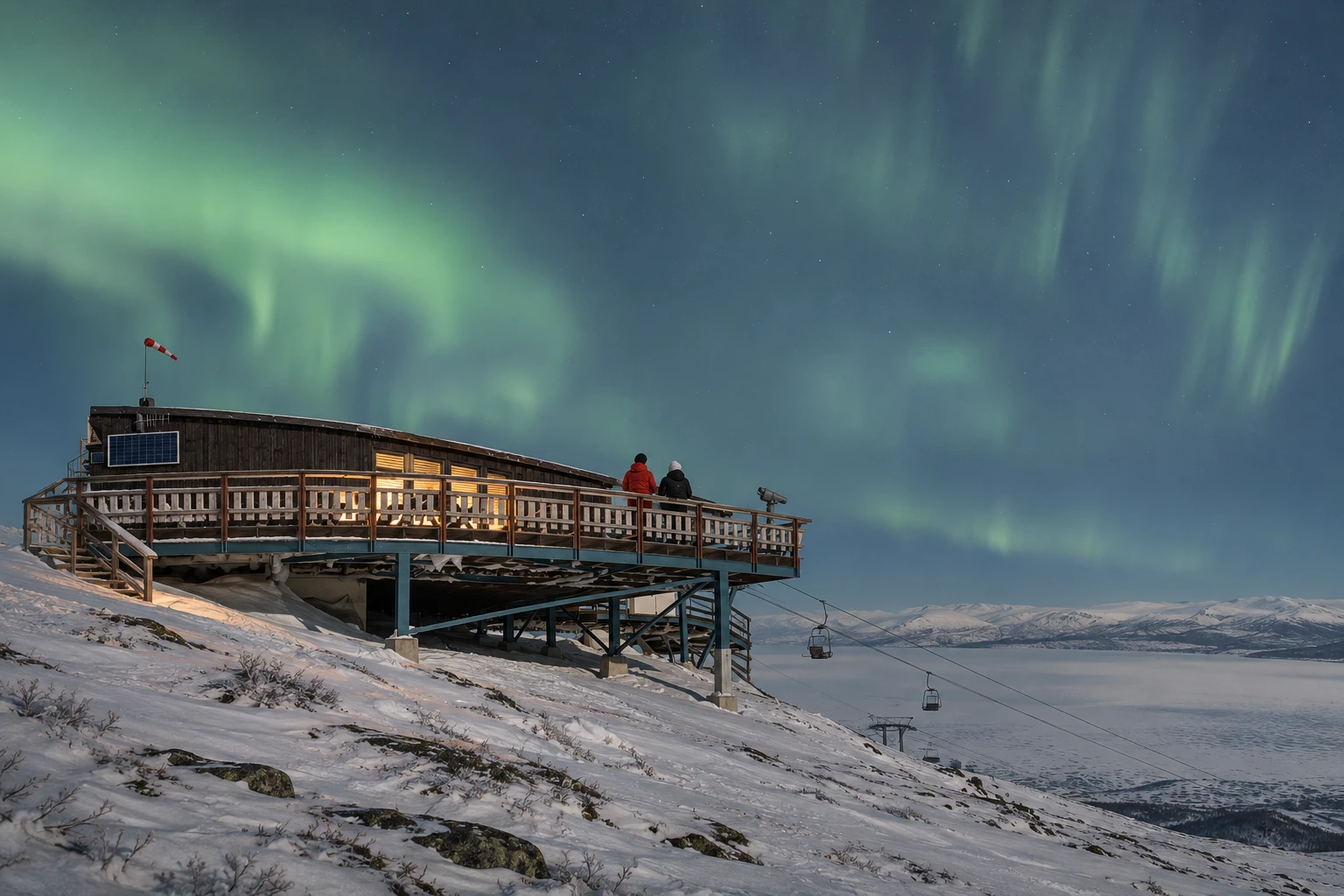
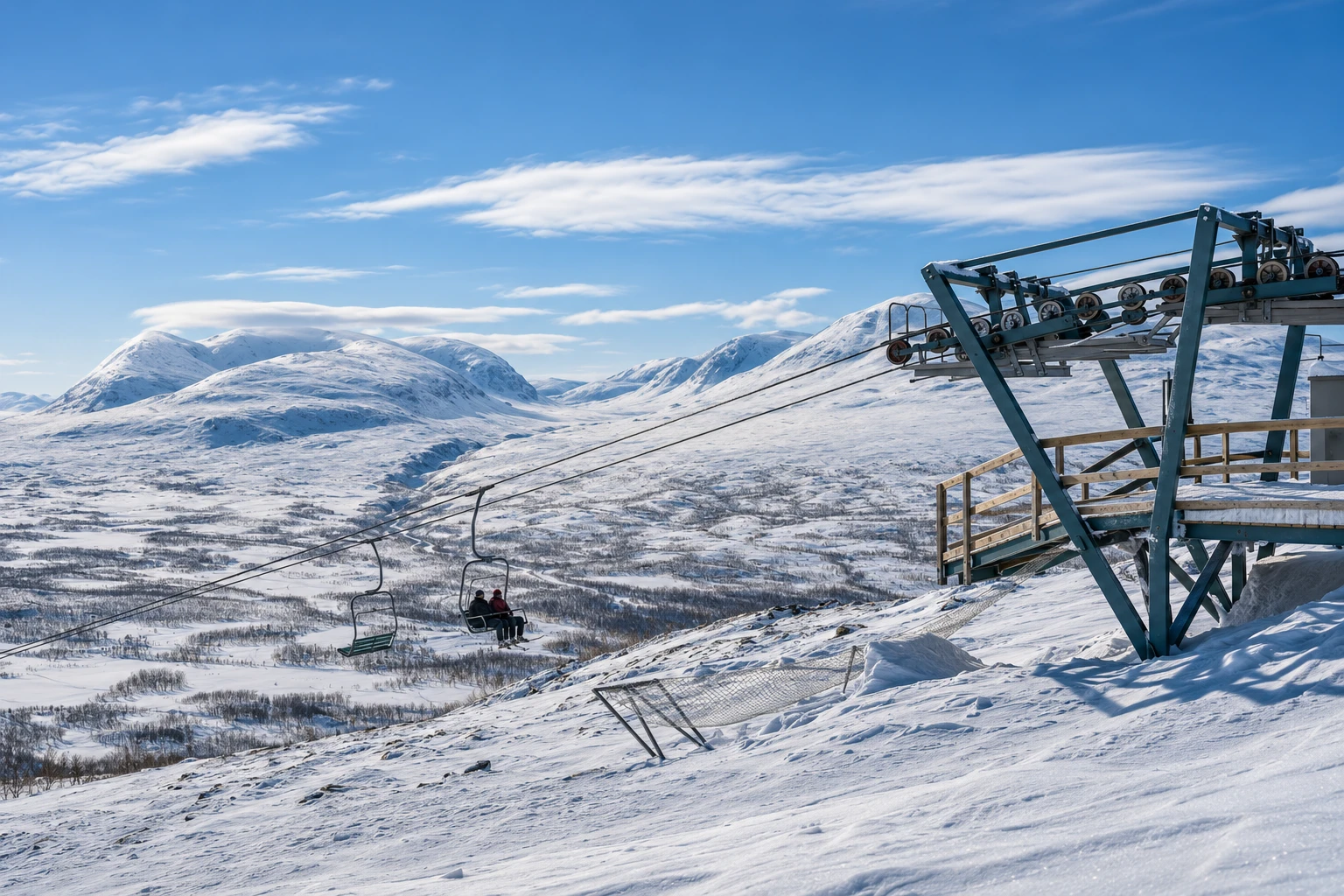
The Aurora Sky Station, on Mount Nuolja at about 900 meters altitude, is the best-known observation point, with views of the lake and the Lapporten valley. You reach it by a chairlift. In the village, the lakeshore near the tourist station and the Torneträsk pier are common viewing spots, away from lights. Sky Station sessions and guided tours change dates and rules: check before you go.
Abisko has few accommodations, which often fill up in season. The village is on the train line that connects Kiruna to Narvik and on the E10 road. Winter cold is severe: thermal clothing, boots and gloves make a difference on a night outdoors.
Before you go
Cidade Turismo reviews its information regularly, but something may have changed. Check with the place before planning your trip.
The months when it usually happens. It depends on the weather and on nature: it is not guaranteed.
A whole night of watching; to increase your chances, two to four nights in the village.
Season from early September to the end of March, between late afternoon and the early hours. September and March combine dark nights with less severe cold.
By train on the Kiruna–Narvik line, with a stop at Abisko Turiststation, or by car on the E10, about an hour and a half from Kiruna.
Book accommodation early. The Sky Station chairlift is exposed and windy: go with full snow gear. Seeing the aurora depends on the Sun and the sky.
Get your questions answered
It’s the nickname for a break in the clouds that often forms over the valley because the mountains on the Norwegian border hold back some of the moisture. It helps, but cloudy nights still occur.
The season usually runs from early September to the end of March. In summer, during the midnight sun, the aurora does not appear.
Usually yes: it’s on Mount Nuolja, away from lights, with views of Lake Torneträsk. Dates and sessions change; check before you go.
By train on the line linking Kiruna to Narvik, or by car on the E10, about an hour and a half from Kiruna.
Other places
Norway
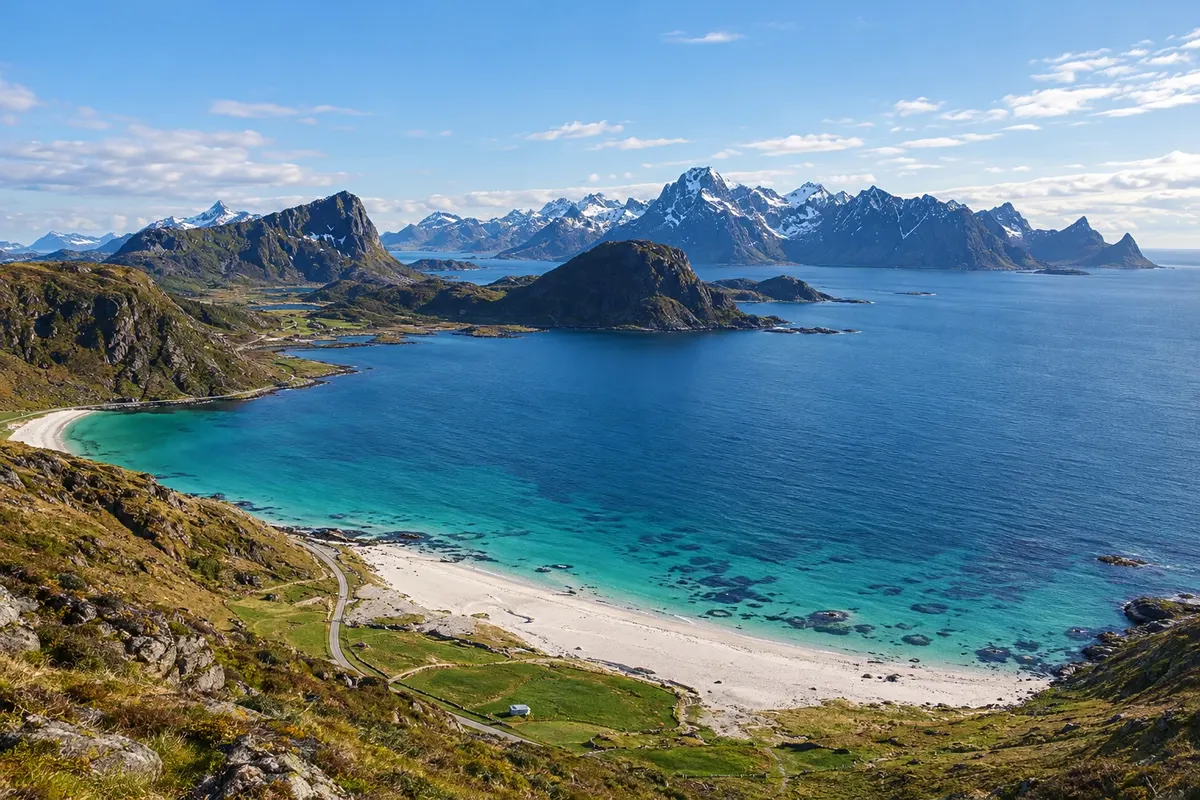 Norway
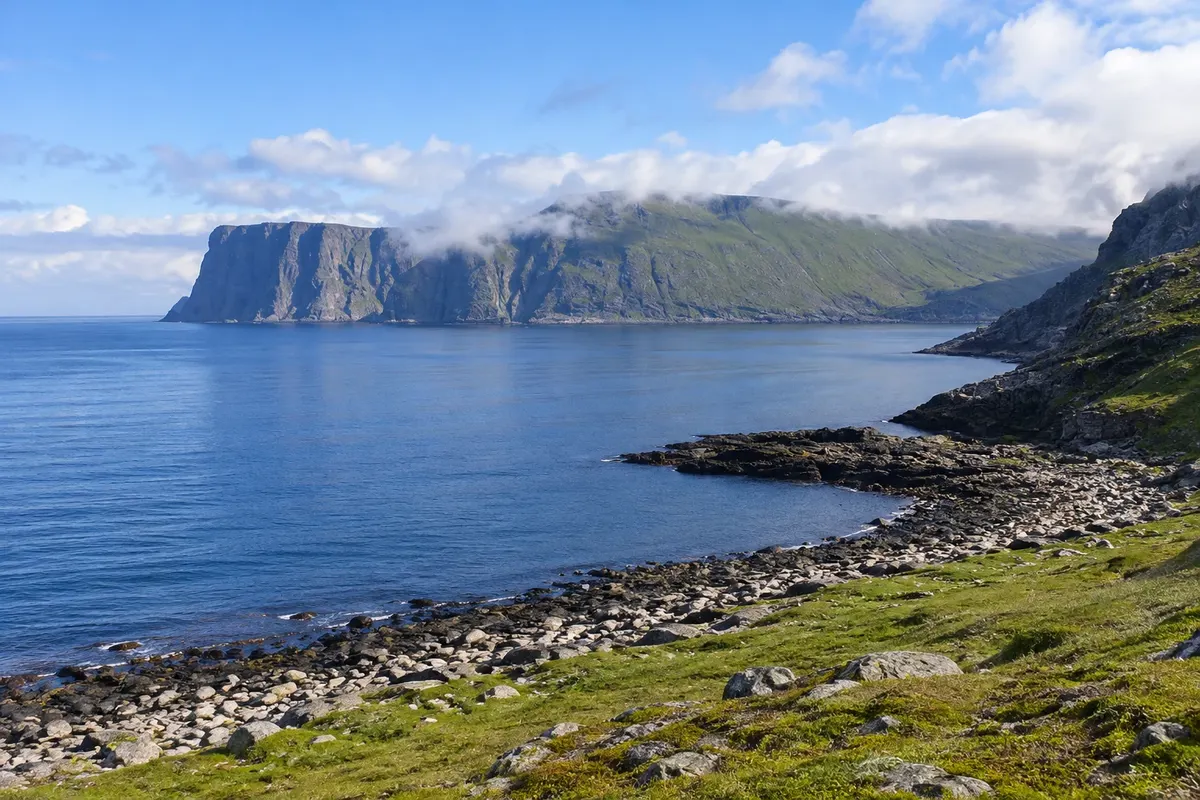 Honningsvåg, Norway
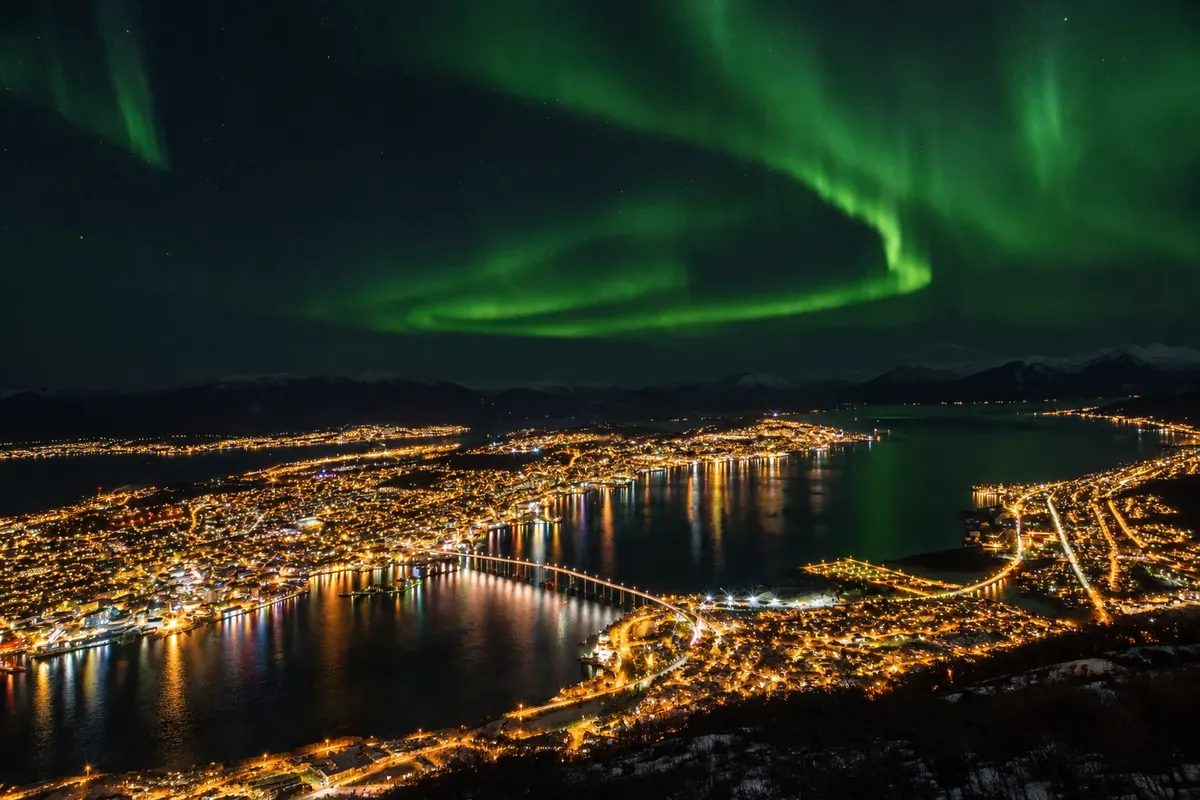 Tromsø, Norway
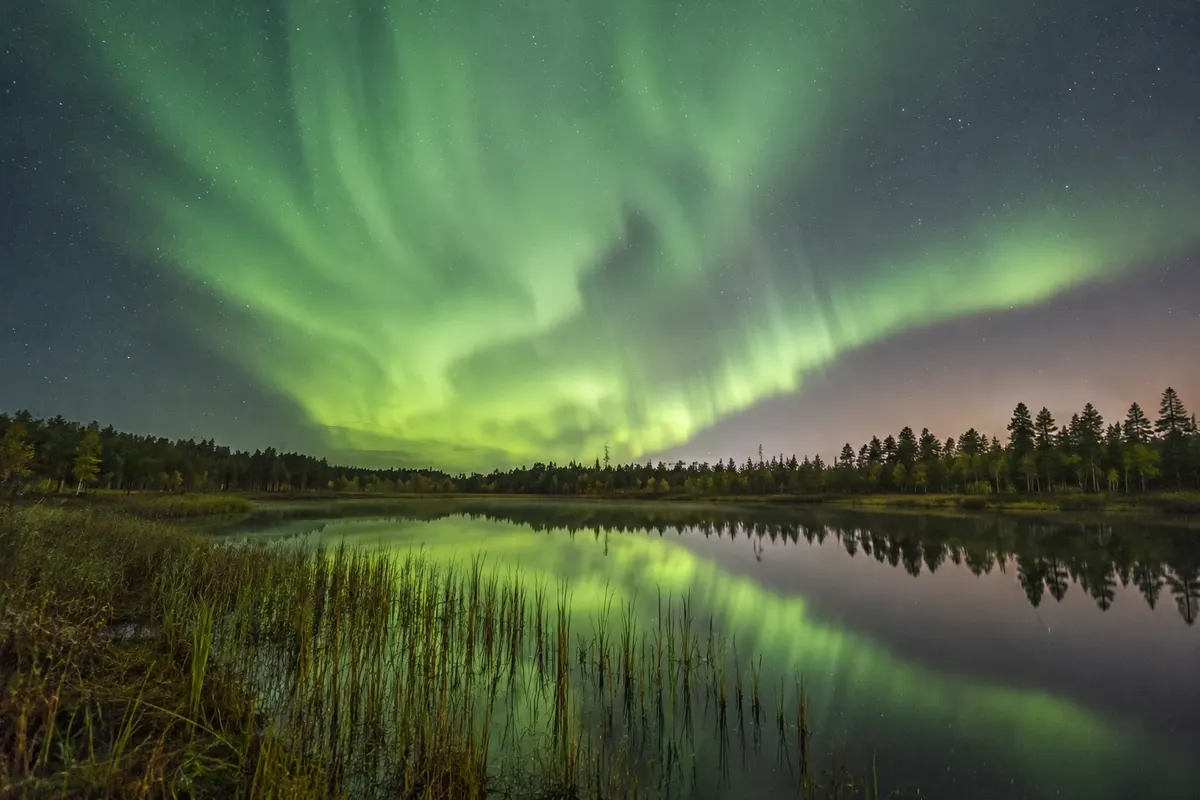 Rovaniemi, Finland
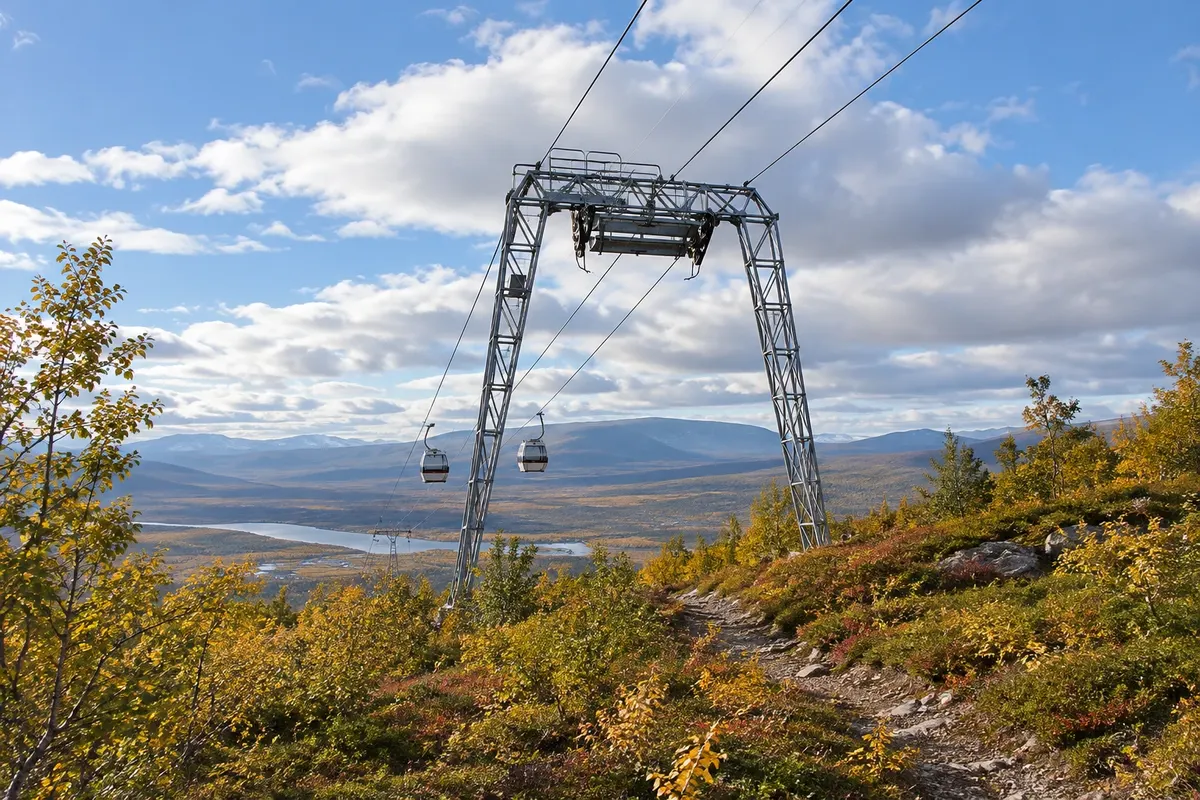 Abisko, Sweden
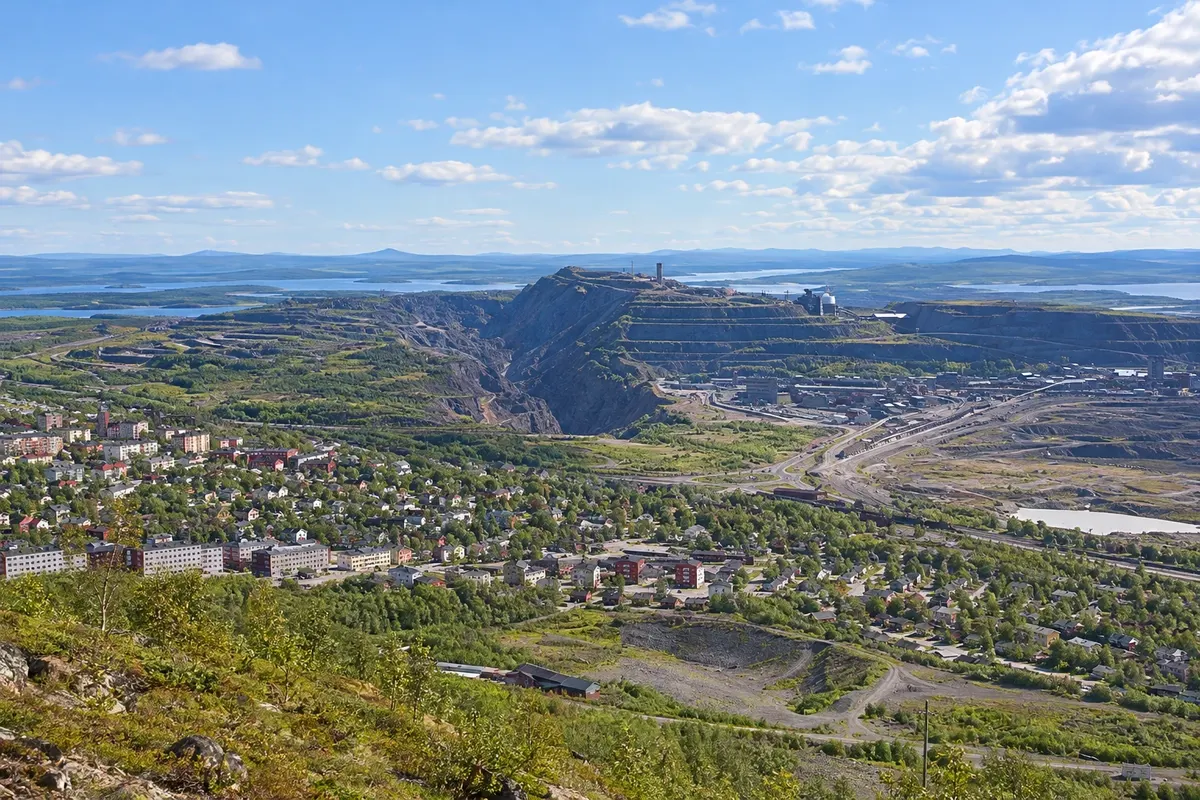 Sweden
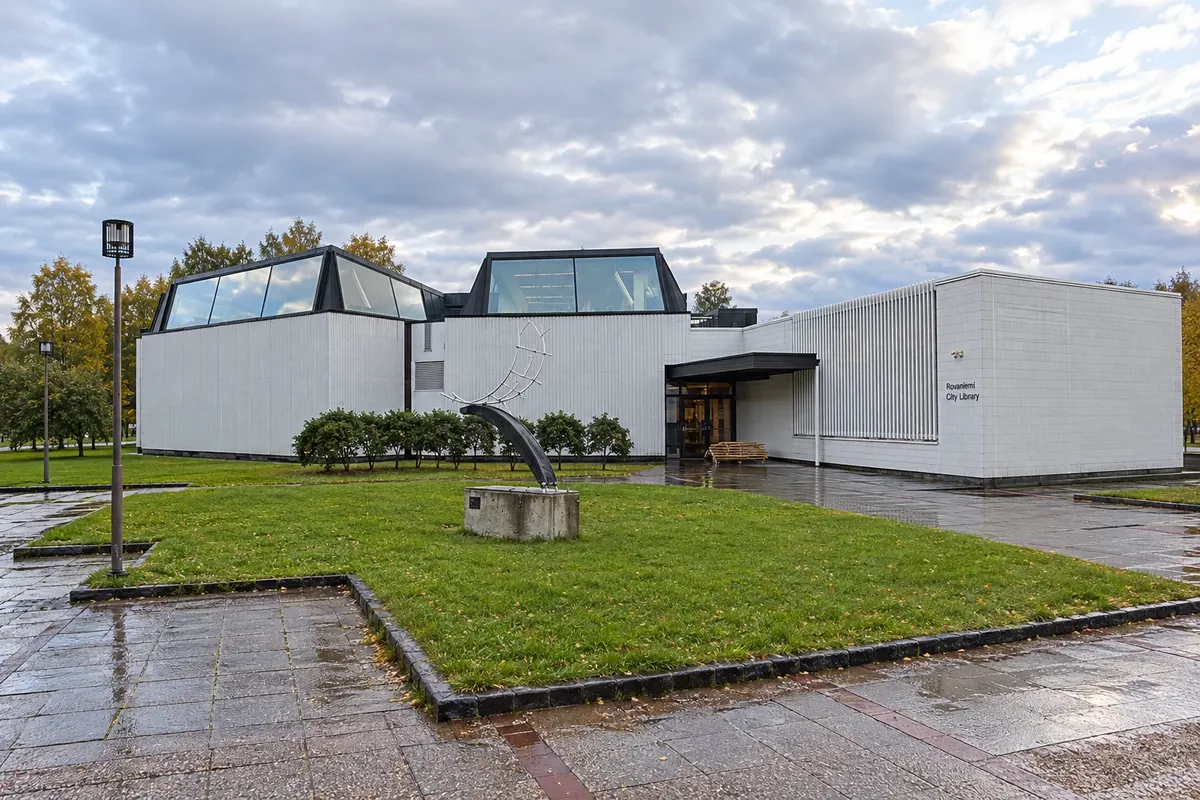 Finland
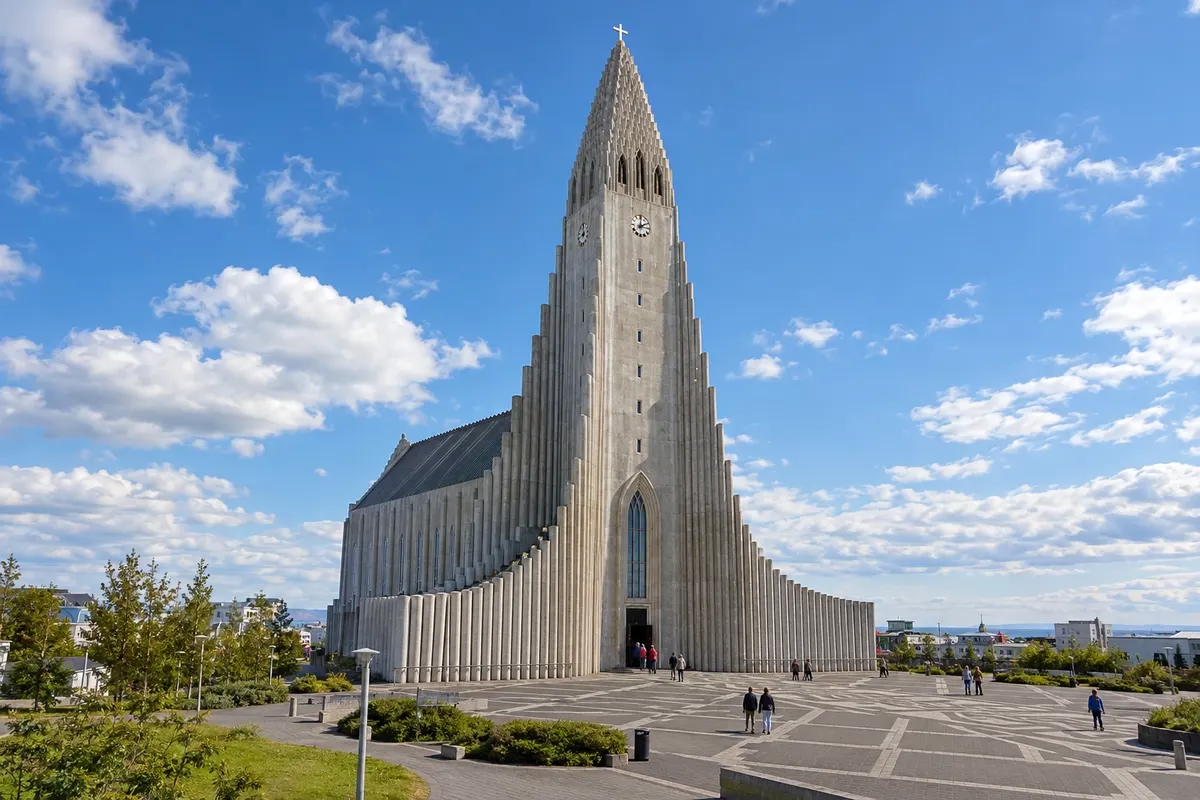 Iceland
 Iceland
Beyond the guide


