Kiruna and Lapland

Norrbotten · Sweden

Kiruna and Lapland

The far north of Sweden, above the Arctic Circle: Kiruna, the mining town, the Icehotel in Jukkasjärvi, sámi culture, Abisko National Park and aurora borealis nights in winter.

Norrland

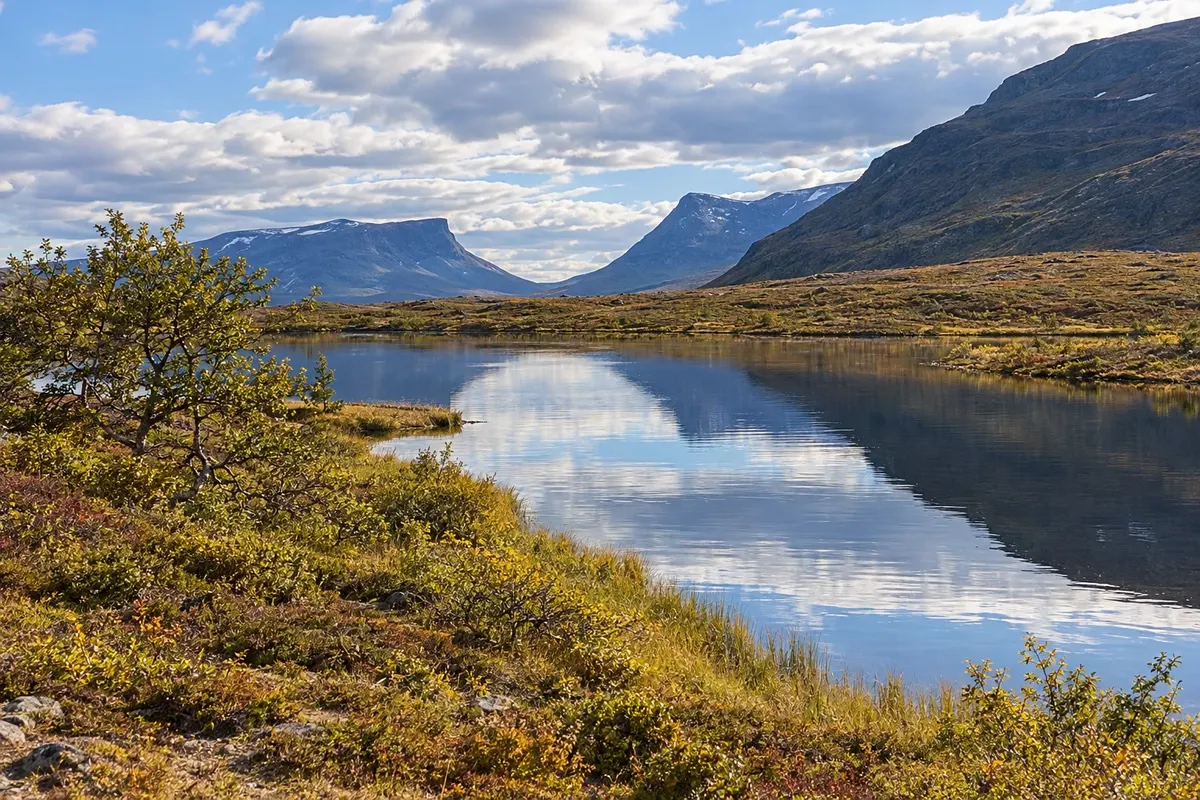
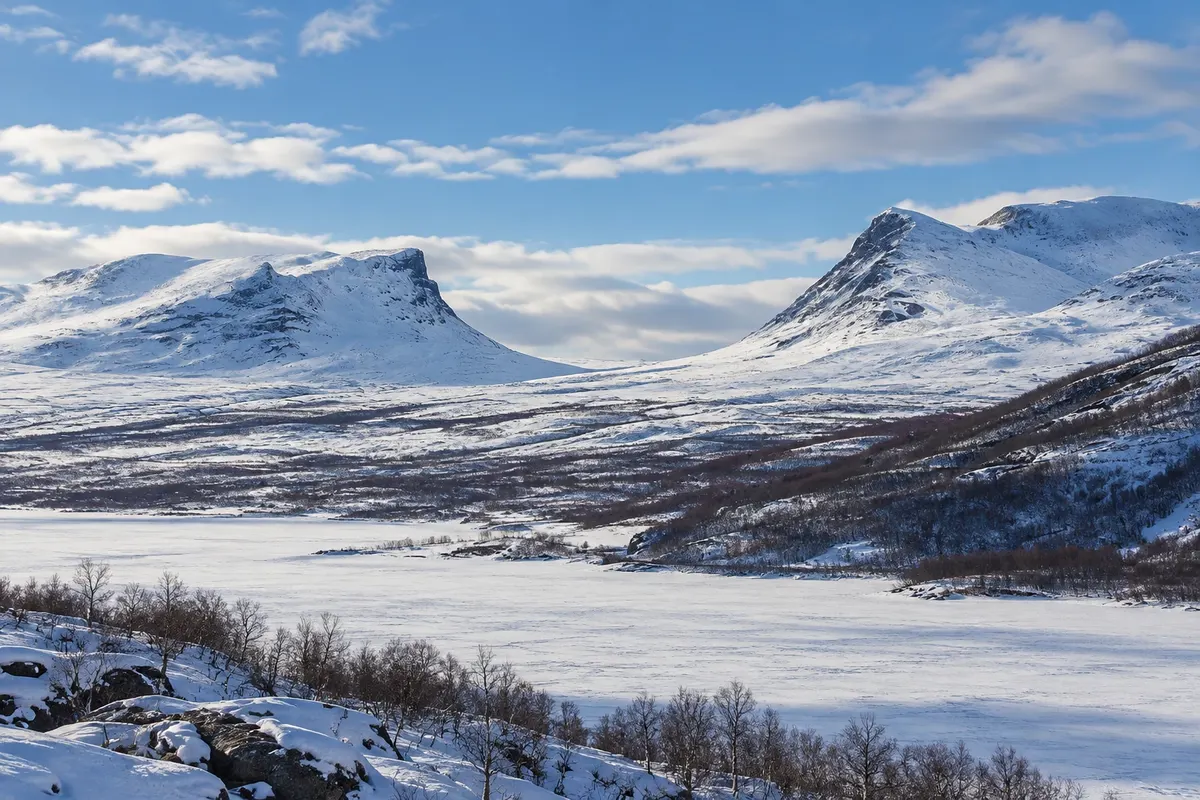
In the photo: Lapporten, Abisko

Illustrative images. The pictures in this guide are illustrations based on the real place, not photographs, and may differ from it.

Get it on Google Play Send your photos

Get to know the place

A region to enjoy
at your own pace.

Swedish Lapland, Lappland, occupies the far north of the country, above the Arctic Circle. It is a region of low mountains, birch forests, wide rivers and lakes that freeze in winter, sparsely populated and with vast open space. It is also part of Sápmi, the land of the sámi people, the indigenous people of northern Scandinavia and Finland, who have lived there for thousands of years and maintain reindeer herding, the language, the joik (traditional singing), and duodji, the handicrafts.

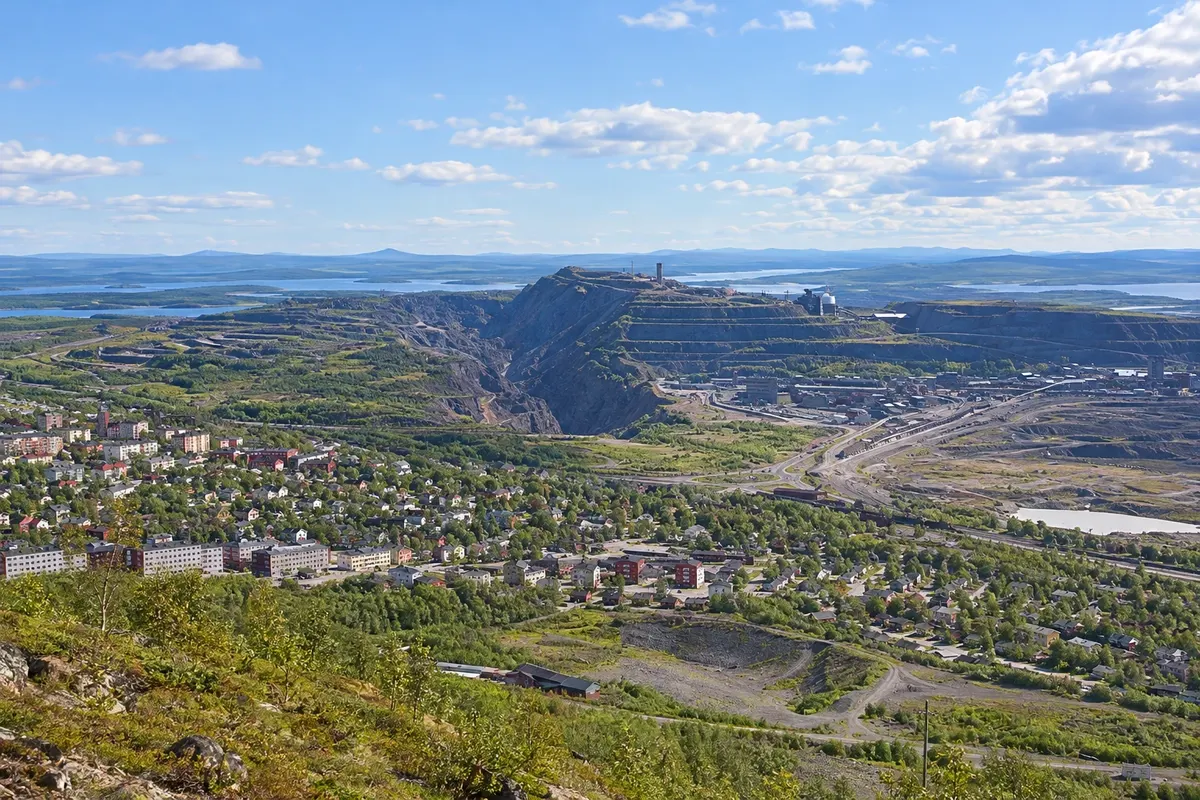
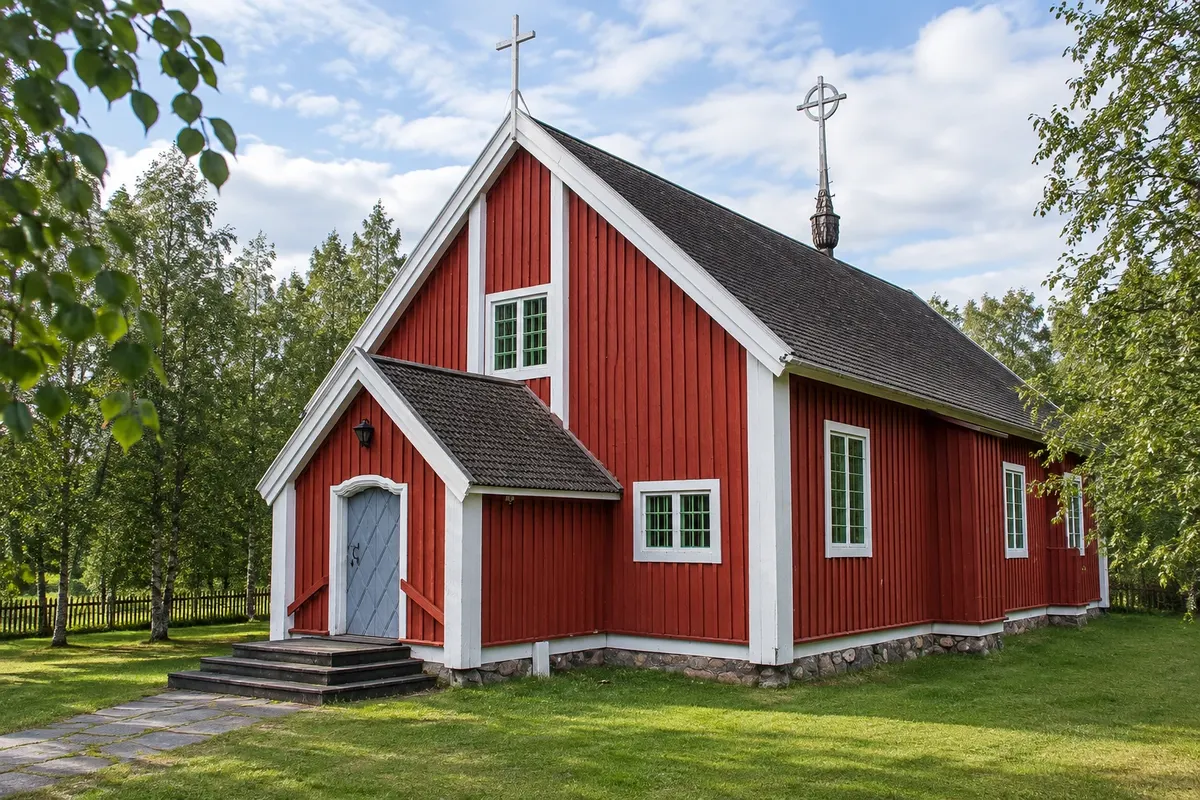
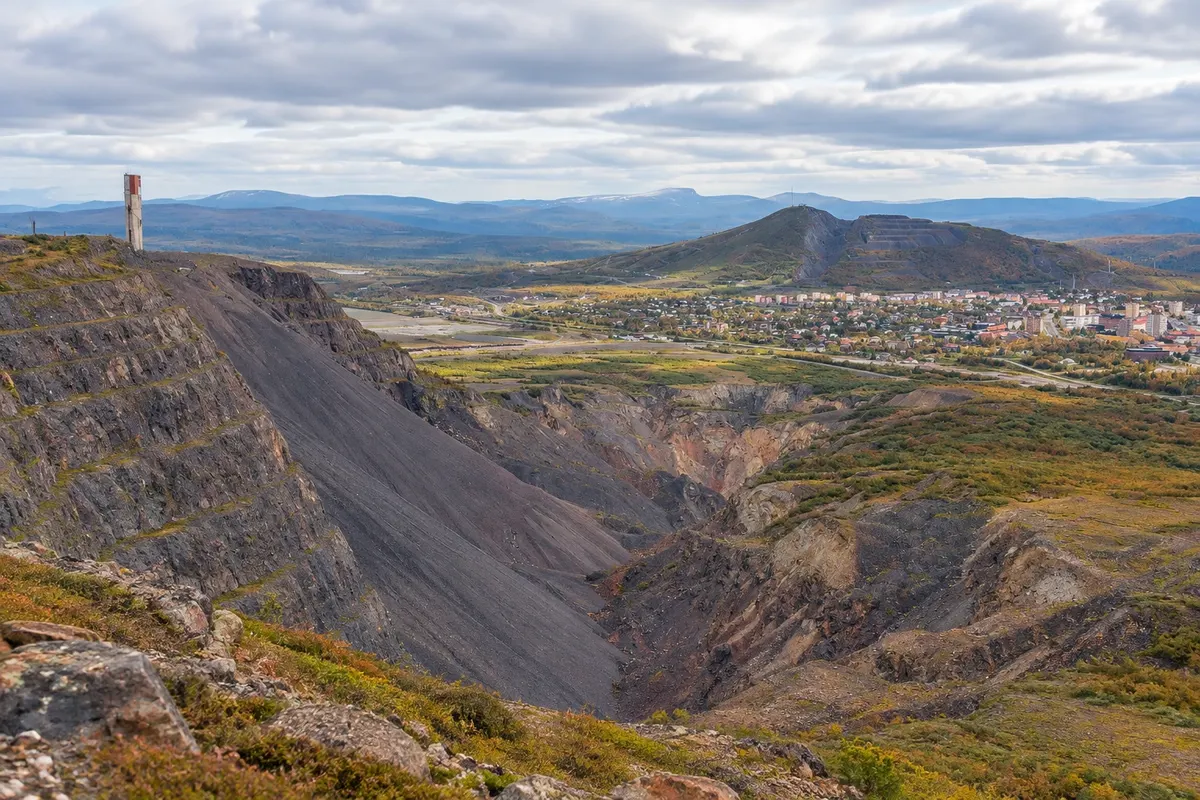
Kiruna, the northernmost town in Sweden, was founded in 1900 around the Kiirunavaara iron mine, one of the largest underground iron mines in the world, which is still in operation. The mine extends beneath the town, and for that reason the center is being moved gradually to the east; historic buildings have been moved whole to the new center. You can visit a mine gallery at 540 meters depth. Seventeen kilometers away, in the village of Jukkasjärvi on the banks of the Torne River, is the Icehotel, the ice hotel rebuilt each winter with blocks taken from the river, and an 18th-century wooden church. In the village, sámi families welcome visitors to show their reindeer and their culture.

About 95 km to the west, Abisko sits on the shore of lake Torneträsk, facing the mountains that border Norway. Abisko National Park has a canyon, trails, the start of the Kungsleden trail and the U-shaped valley view of Lapporten. Being in a low-precipitation area, Abisko often has clear skies more frequently, and the Aurora Sky Station, high on mount Nuolja, is a popular aurora viewing point.

The region is reached by plane from Stockholm or by overnight train.

This destination brings together 2 cities: Kiruna, Abisko.

Share: WhatsApp
Traveler, share your experiences through photos Up to 5 photos of each place you visited.

One destination, many paths

The cities on this trip

Start with one city or combine several in your itinerary.

Where Kiruna and Lapland is
KirunaAbisko

Contornos: Statistics Sweden (SCB), CC0. Adaptação do Cidade Turismo.

How to get there: Kiruna and Lapland

✈ Aeroporto de Kiruna (KRN) · 9 km to Kiruna

Confirm before booking. Flights from Stockholm reach Kiruna Airport in about 1h30. The overnight train leaves Stockholm and reaches Kiruna in about 17 hours, continuing to Abisko and Narvik in Norway. From Kiruna to Abisko it is about 95 km on the E10 road, or 1h20 by train.

Suggested arrival point: Kiruna

The local experience

Things to do in Kiruna and Lapland

Abisko nationalpark
Abisko · Norrbotten · Park

Abisko nationalpark

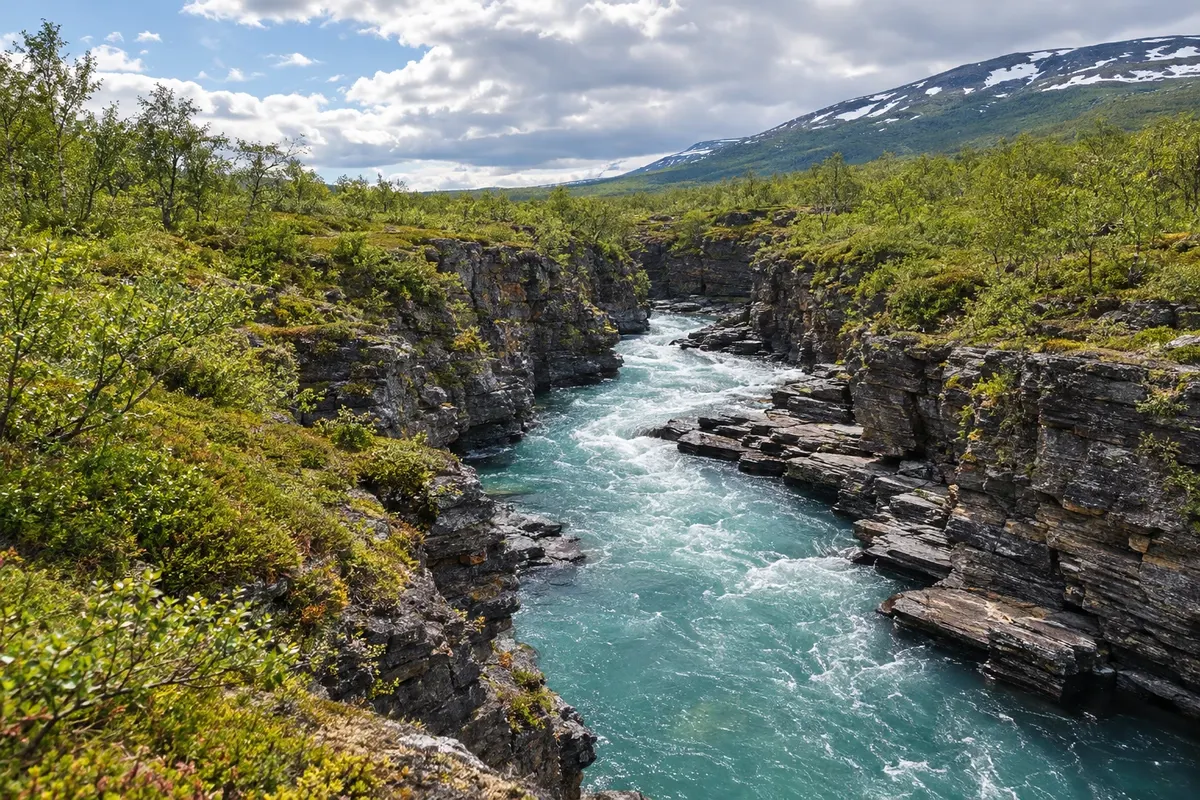
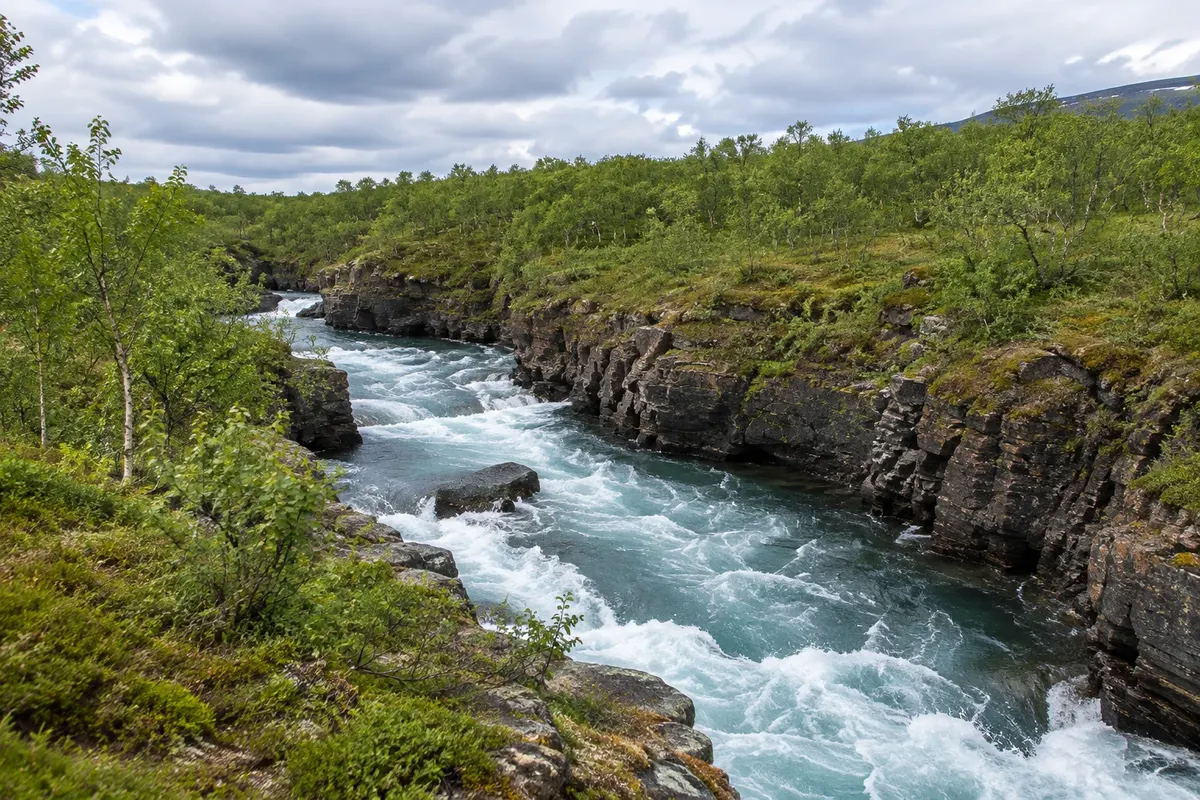
National park on the shore of lake Torneträsk, established in 1909, with the Abiskojåkka river canyon, trails through birch forests, mountains and the start of the Kungsleden trail.

Kiruna · Norrbotten · Hotel

Icehotel

The ice hotel in Jukkasjärvi, 17 km from Kiruna, rebuilt each winter with ice from the Torne River since 1989, featuring suites sculpted by artists and a permanent section open year-round.

Aurora Sky Station
Abisko · Norrbotten · Viewpoint

Aurora Sky Station

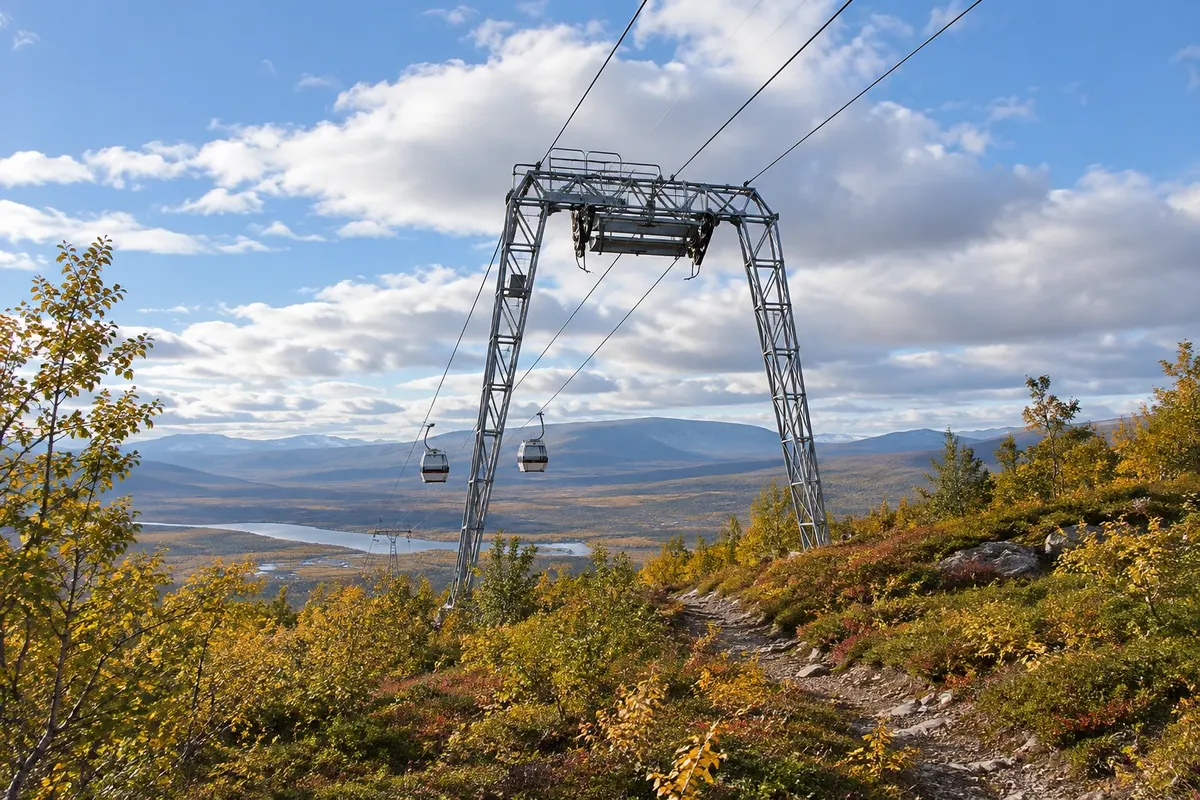
Observation station on Mount Nuolja, at about 900 meters altitude above Abisko, reached by chairlift: aurora nights in winter and the midnight sun in summer.

Jukkasjärvi
Kiruna · Norrbotten · Village

Jukkasjärvi

The village on the shore of the Torne River where the Icehotel is located, with a wooden church from 1726, an open-air museum and visits to Sami families who raise reindeer.

See 3 more places in Kiruna and Lapland
Lapporten
Abisko · Norrbotten · Viewpoint

Lapporten

The U-shaped valley between two mountains, southeast of Abisko, carved by glaciers and called Portão da Lapônia, visible from lake Torneträsk and the E10 road.

Mina de Kiirunavaara (LKAB)
Kiruna · Norrbotten · Mine

Mina de Kiirunavaara (LKAB)

Guided tour of a gallery in the Kiirunavaara iron mine, 540 metres deep: the LKAB visitor centre showcases modern mining, the machines and the history of the town that grew around the mine.

Abisko · Norrbotten · Trail

Kungsleden

The Trilha do Rei, about 440 km through the mountains of northern Sweden, starts in Abisko: the first section follows the Abiskojåkka valley to lake Abiskojaure, with mountain huts along the way.

Before you go

Practical information

A little planning leaves more time to enjoy the journey.

When to go

From September to March the aurora borealis is often seen on clear nights; from December to March there is snow, dog sledding and the Icehotel is open. From late May to mid-July there is usually the midnight sun, good for hiking. In mid-winter there is the polar night and severe cold.

The seasons shown are the most usual ones; nature doesn't always follow the calendar.

How many days to stay

Four or five days are enough for Kiruna, Jukkasjärvi and the Icehotel, the mine and two or three nights in Abisko. To see the aurora, plan for several nights: it depends on clear skies and solar activity.

Which city to stay in

Kiruna has hotels in the new center and near the airport, convenient for those arriving by plane. Jukkasjärvi has the Icehotel, with ice rooms in winter and heated rooms year-round, plus riverside cabins. Abisko has the mountain tourist station, hostels and cabins near the national park; the area has little light pollution, which helps aurora viewing.

Respect the place

Take your trash with you, follow the signs and support local businesses. In natural areas, follow the visiting guidelines.

Get your questions answered

Frequently asked questions about Kiruna and Lapland

What is the best time to see the aurora borealis?

The aurora is commonly seen from September to March on clear, dark nights. It depends on cloud-free skies and solar activity, so it's worth staying several nights. Abisko tends to have clear skies more often.

How to get to Kiruna?

By plane from Stockholm in about 1h30, or by the overnight train in about 17 hours. The train continues to Abisko and Narvik.

Is it very cold in Lapland?

In winter temperatures typically range from -10 °C to -30 °C, with wind on some days. You need thermal layers, a hat, gloves and snow boots. Many excursions lend winter clothing.

What is the polar night?

For a few weeks in December and early January the sun does not rise in Kiruna. There are a few hours of bluish daylight around midday.

Do I need a car in Lapland?

Not necessarily. Buses connect Kiruna with the airport and Jukkasjärvi, and the train links Kiruna to Abisko. Aurora tours, sledding and snowmobile excursions pick up at hotels. In winter, driving requires experience with snow and ice.

What is sámi culture like?

The sámi are the indigenous people of the north. Many families live by reindeer herding and maintain the language, the joik and the handicrafts. Guided visits led by sámi families are the respectful way to learn about this culture.

Explore other destinations Search by state and city
Back