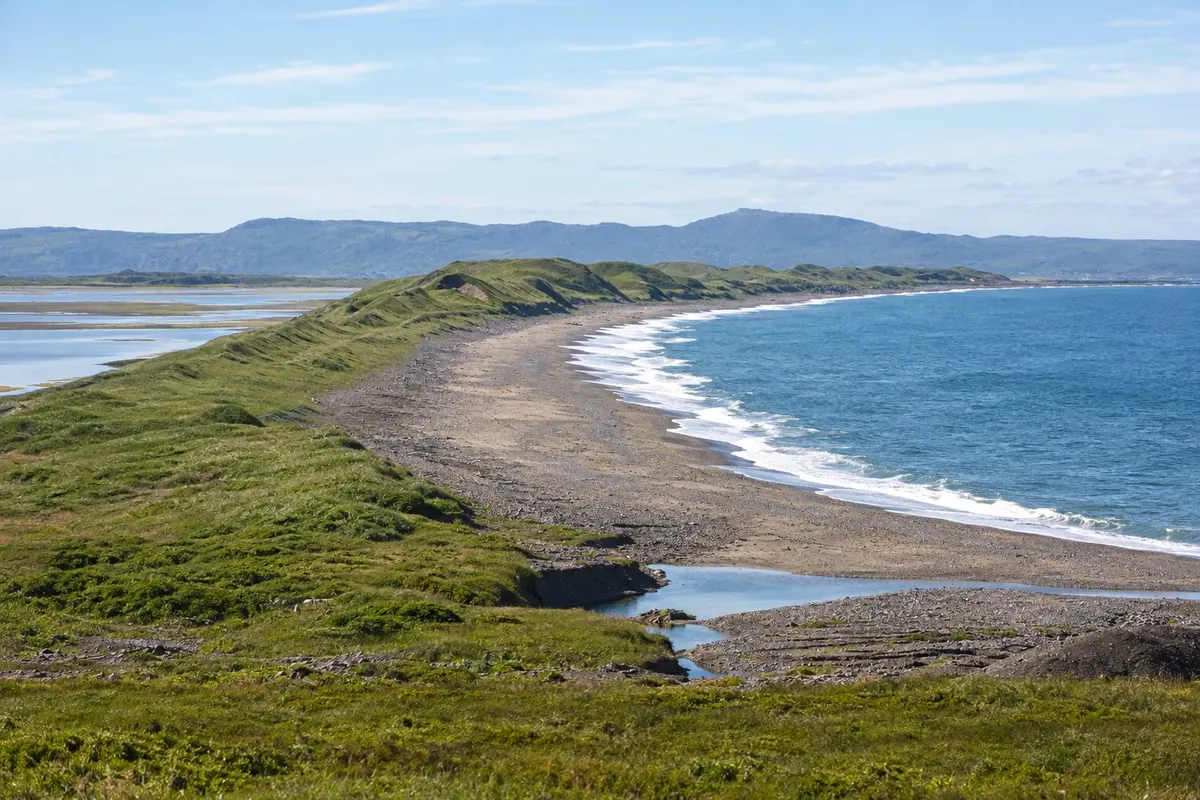
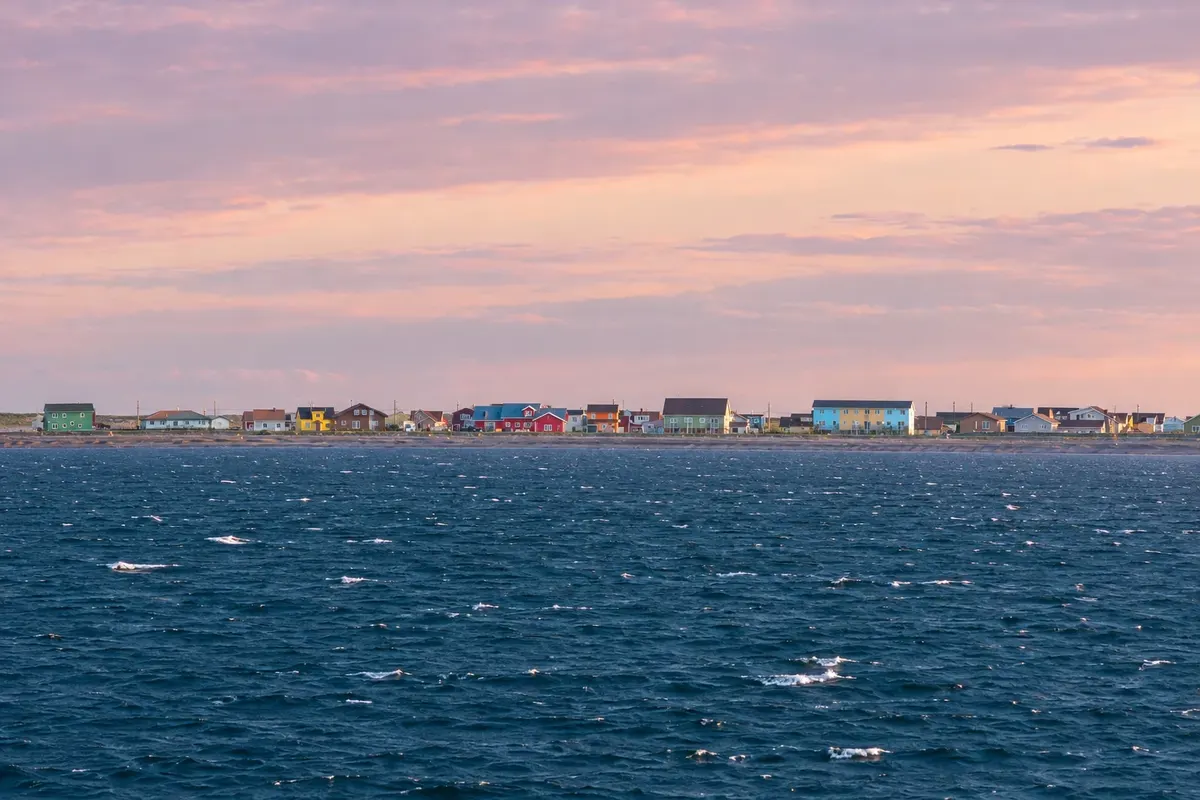
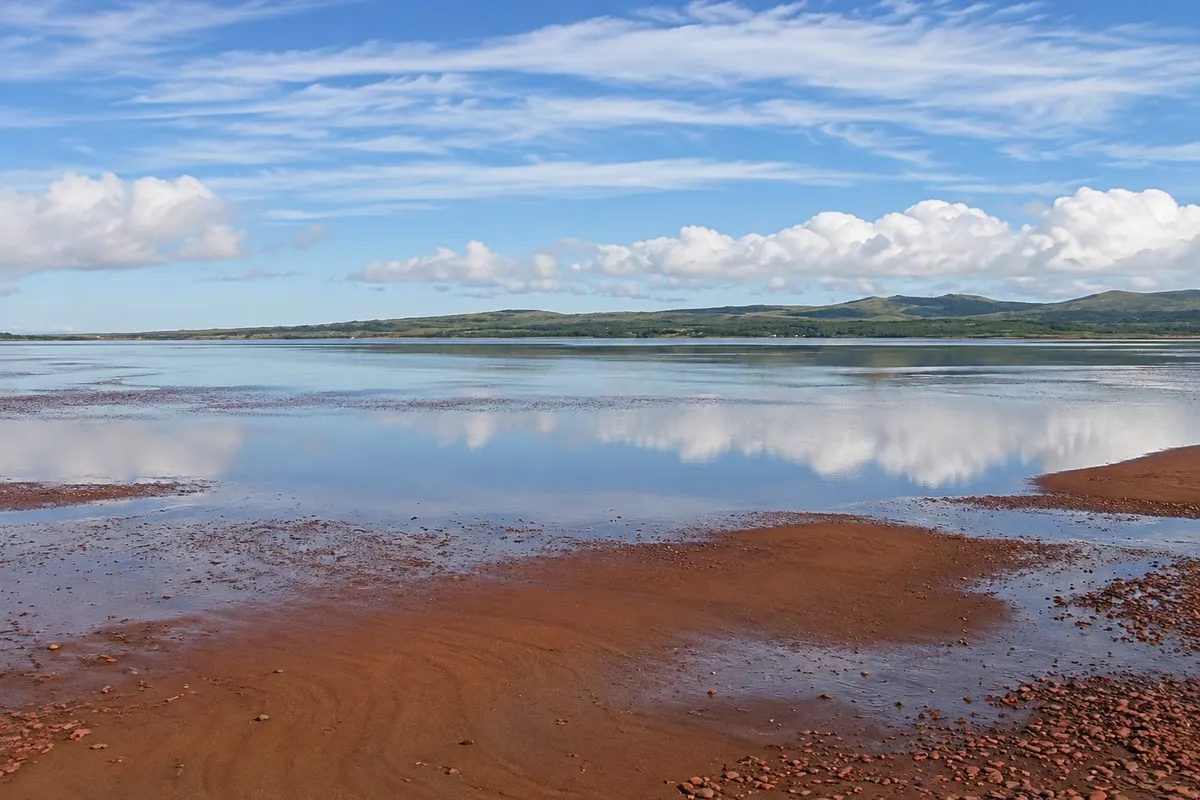
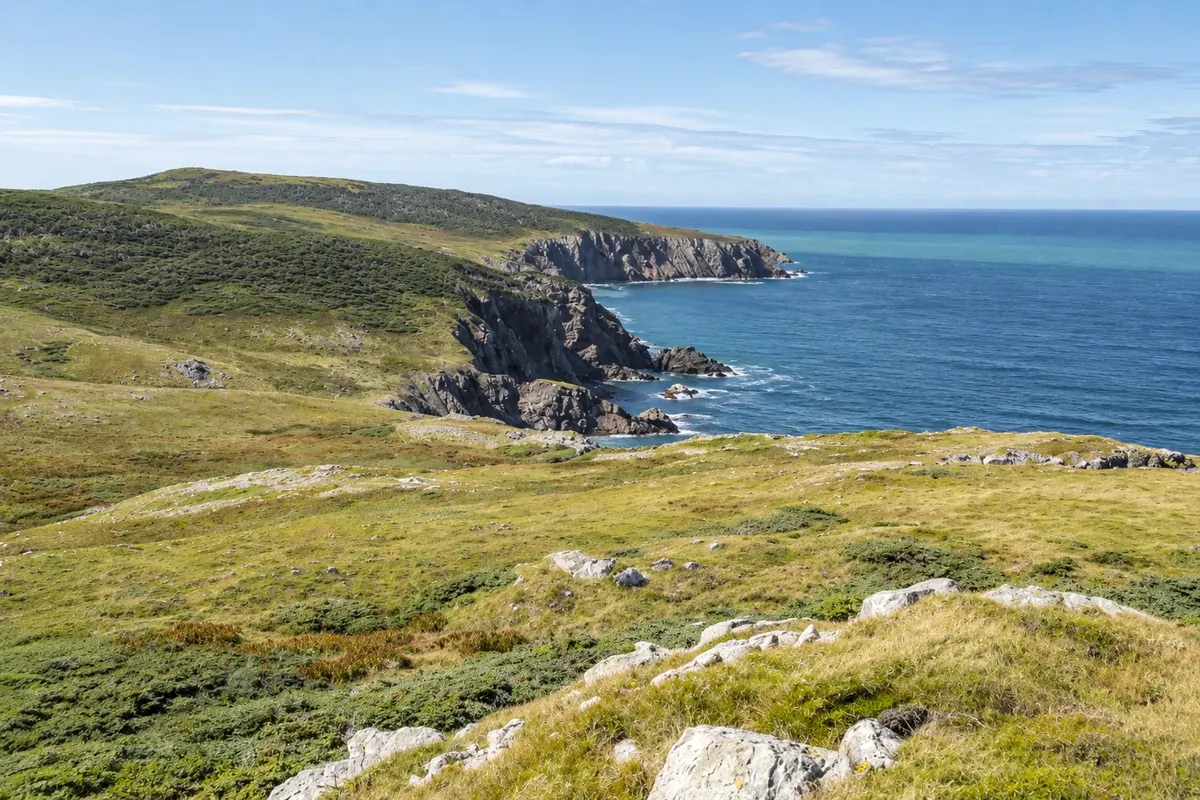
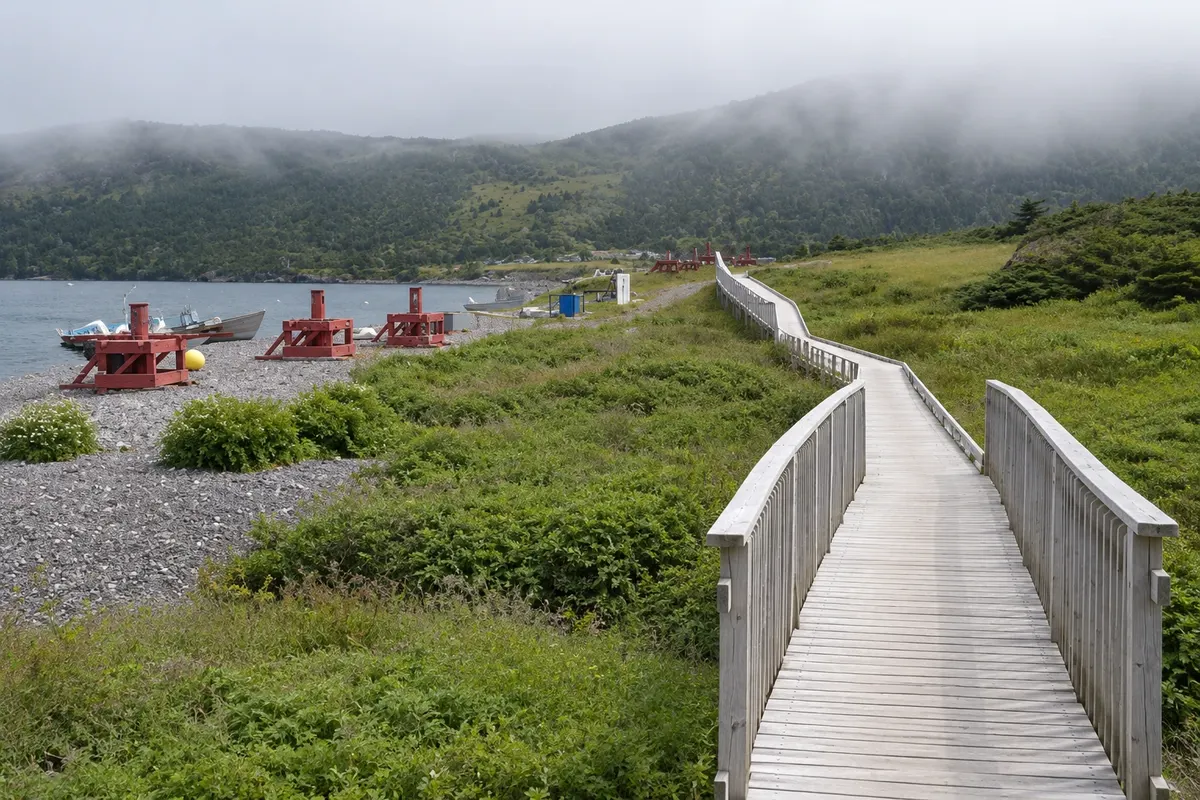
Miquelon–Langlade is the larger of the two communes of Saint-Pierre and Miquelon and the least populated: about 600 inhabitants, almost all in the village of Miquelon in the north. The territory combines three former islands linked by sandbars: Le Cap to the north, Grande Miquelon in the center, and Langlade to the south. Bogs, lagoons, dunes, boreal forest hills and cliffs cover almost everything.
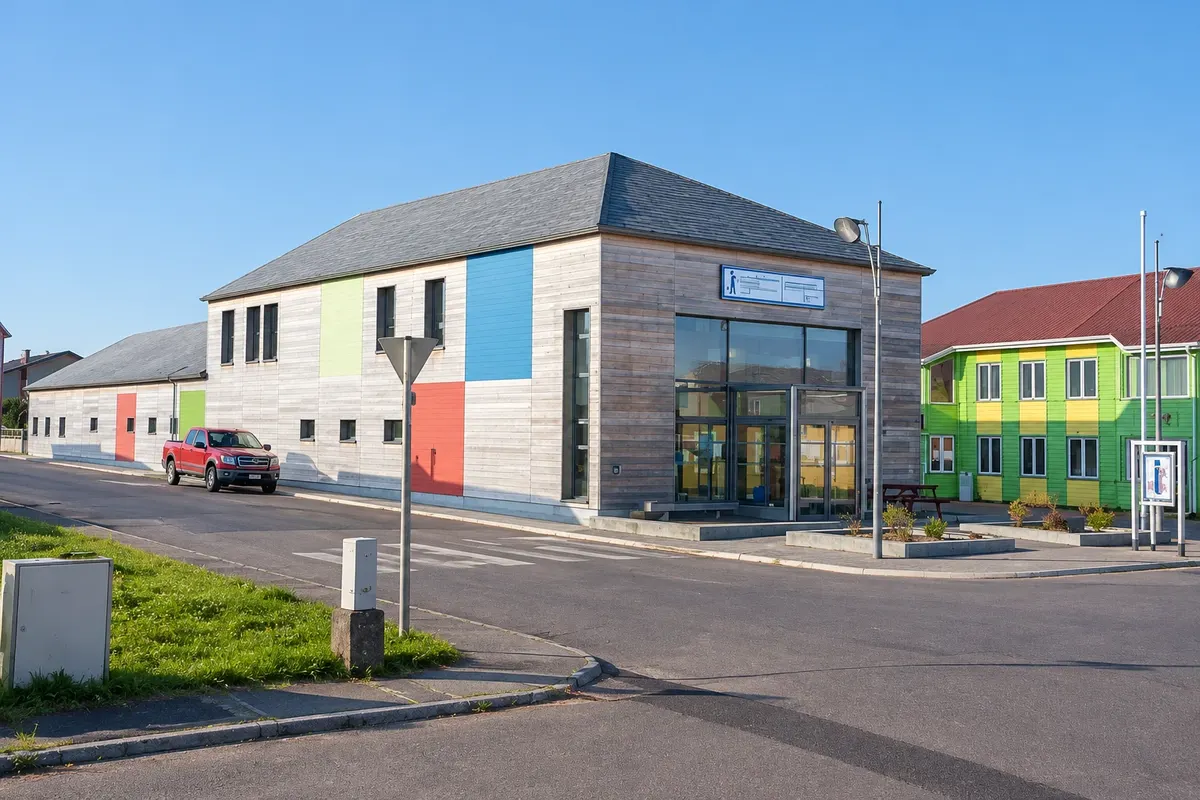
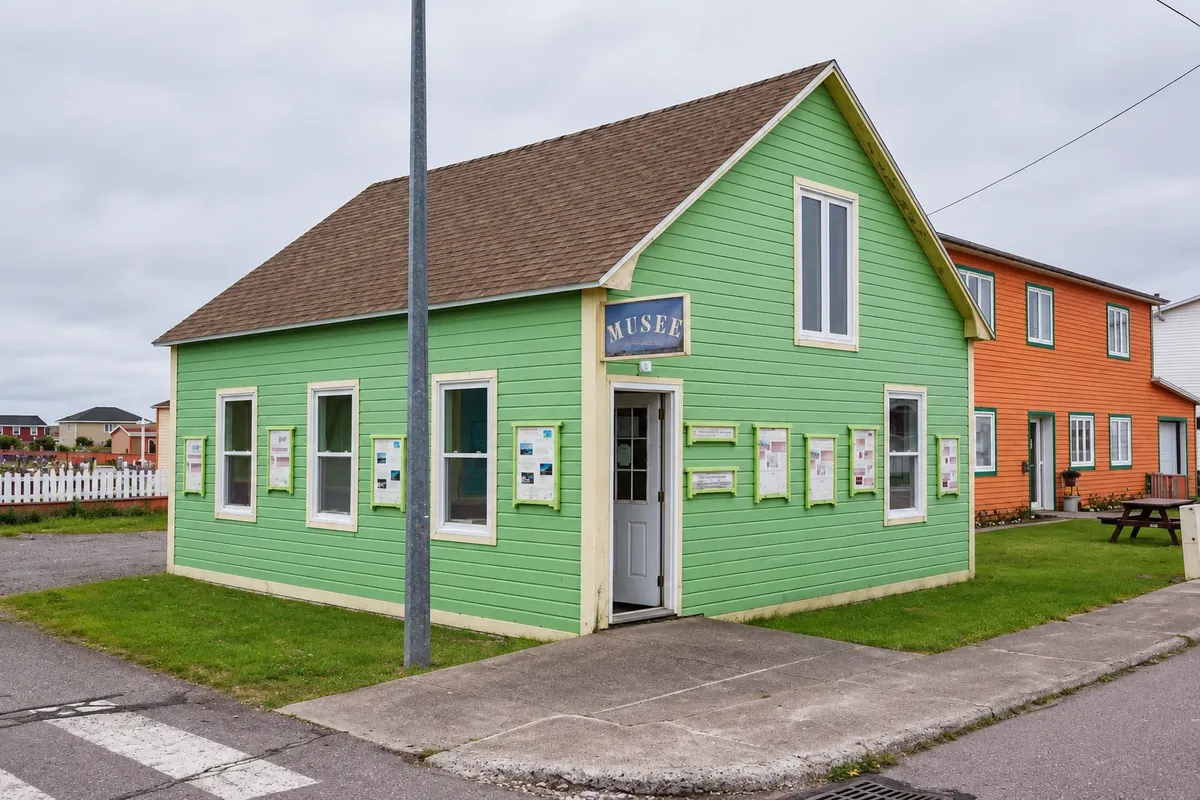
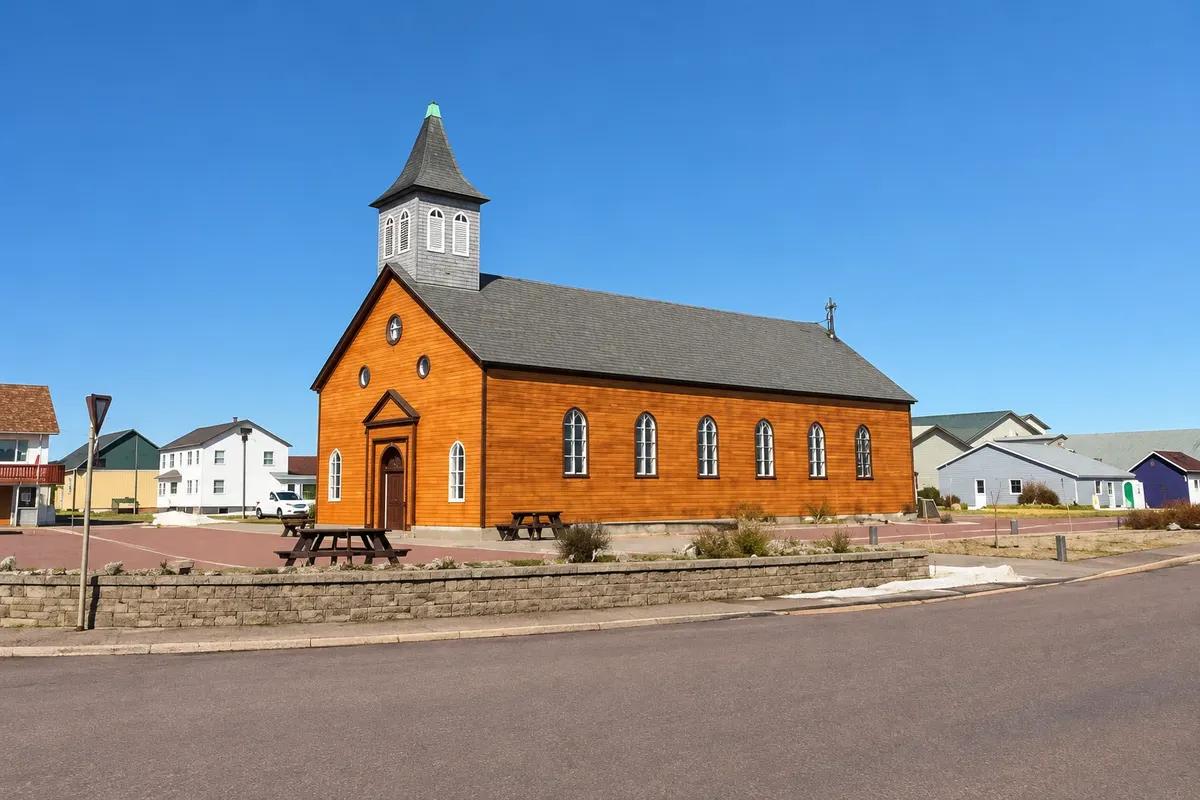
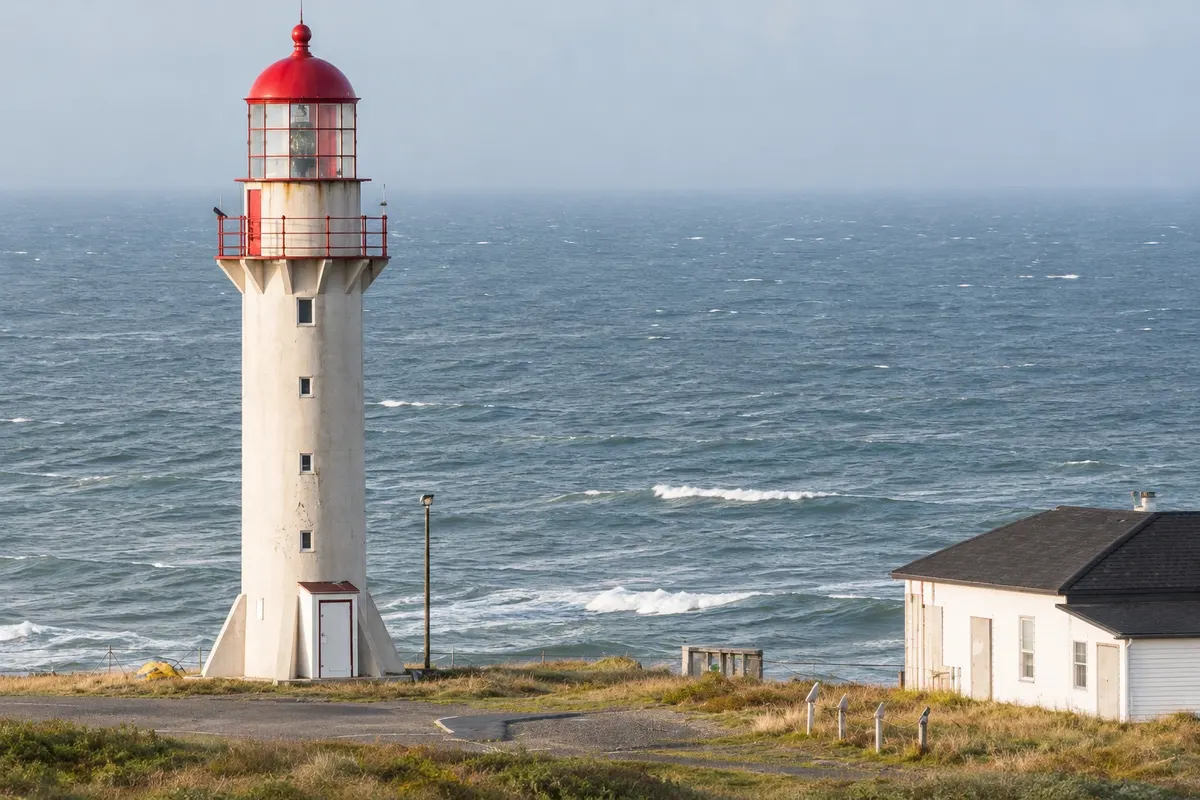
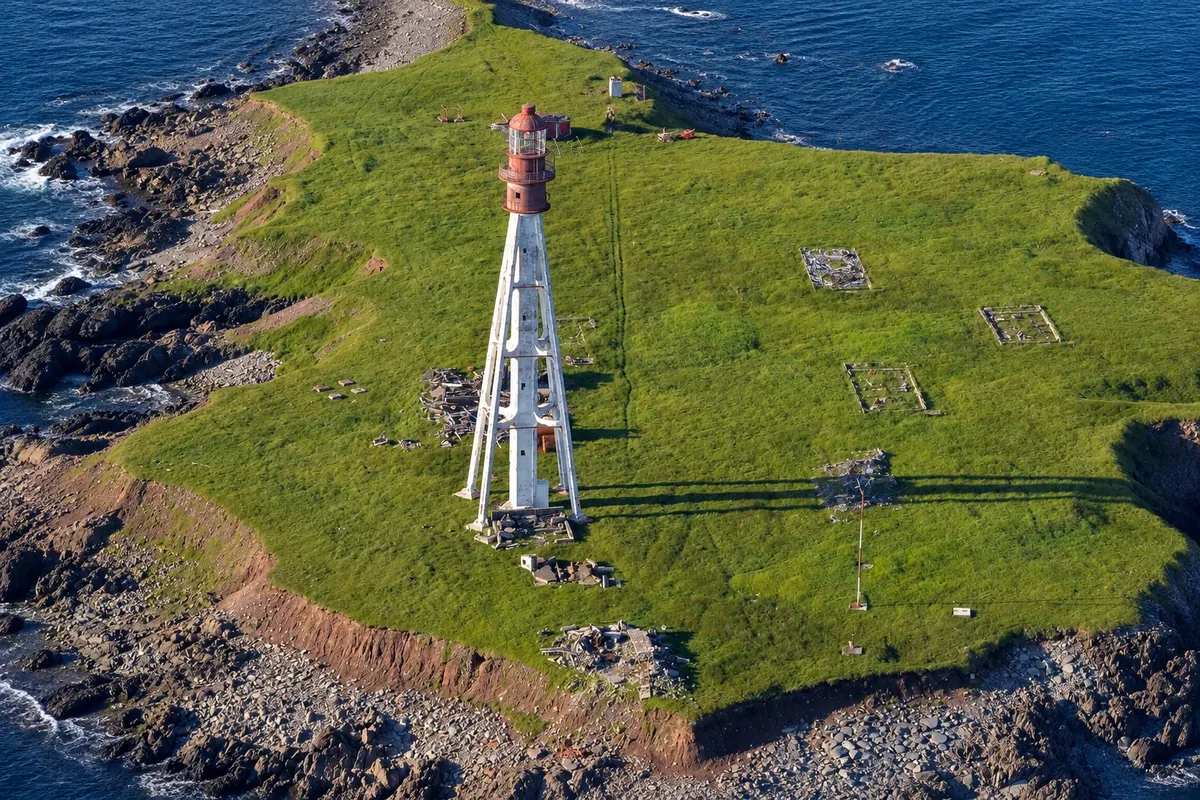
The village grew up around the church of Notre-Dame-des-Ardilliers, the oldest in the archipelago, and the small harbor. Many families are descended from Acadians and Basques, and livestock raising and coastal fishing remain part of local life. The Maison de la Nature et de l'Environnement presents the islands’ fauna and flora and organizes guided walks; the Musée de Miquelon keeps objects from residents’ daily life. On the west coast, the Cap Blanc lighthouse has watched the sea since 1883.
South of the village begins the isthmus, the roughly 12 km stretch of sand and dunes that links Miquelon to Langlade. North of it lies the saltwater Grand Barachois lagoon, where gray and harbor seals often rest on sandbanks and migratory birds stop to feed. North of the village, Cap de Miquelon features cliffs, bogs and the Cormorandière valley, with marked trails.
Langlade has no permanent village: at Anse du Gouvernement there are summer houses used by archipelago residents, the mouth of the Belle Rivière and the seasonal boat dock. Further southwest, a long trail crosses the forest to the Pointe Plate lighthouse.
This destination brings together 1 city: Miquelon.


 Brazil
 Antarctica
 Argentina
 Bolivia
 Chile
 Colombia
 Ecuador
 Guyana
 French Guiana
 Falkland Islands (Malvinas)
 Paraguay
 Peru
 Suriname
 Uruguay
 Venezuela
 Germany
 Austria
 Belgium
 Croatia
 Denmark
 Slovakia
 Slovenia
 Spain
 Finland
 France
 Greece
 the Netherlands
 Hungary
 Ireland
 Iceland
 Italy
 Luxembourg
 Norway
 Poland
 Portugal
 the United Kingdom
 the Czech Republic
 Sweden
 Switzerland
 Turkey
 Bermuda
 Canada
 the United States
 Greenland
 Mexico
 the Dominican Republic
 South Africa
 Egypt
 Australia
 Fiji
 New Zealand
 Papua New Guinea