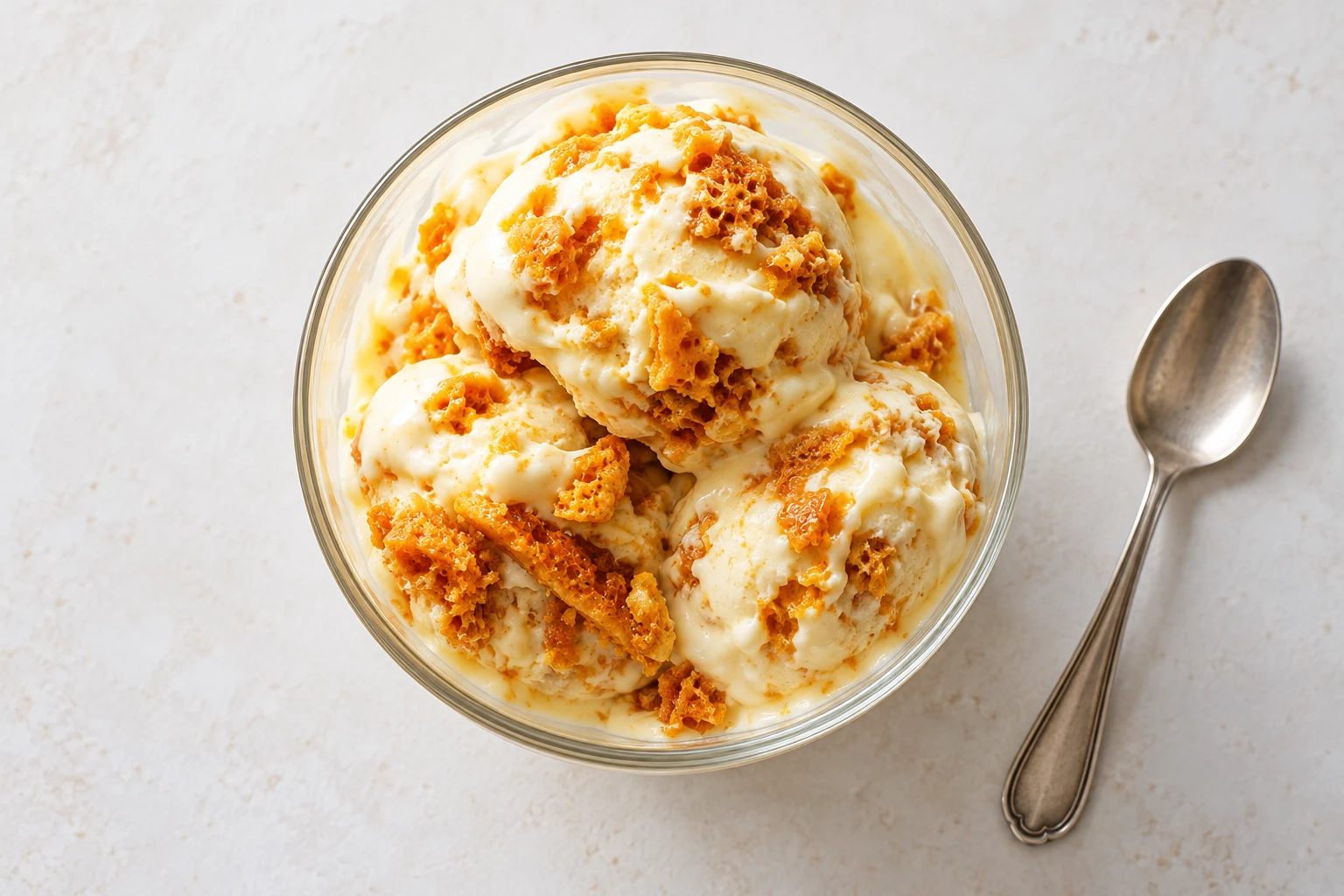
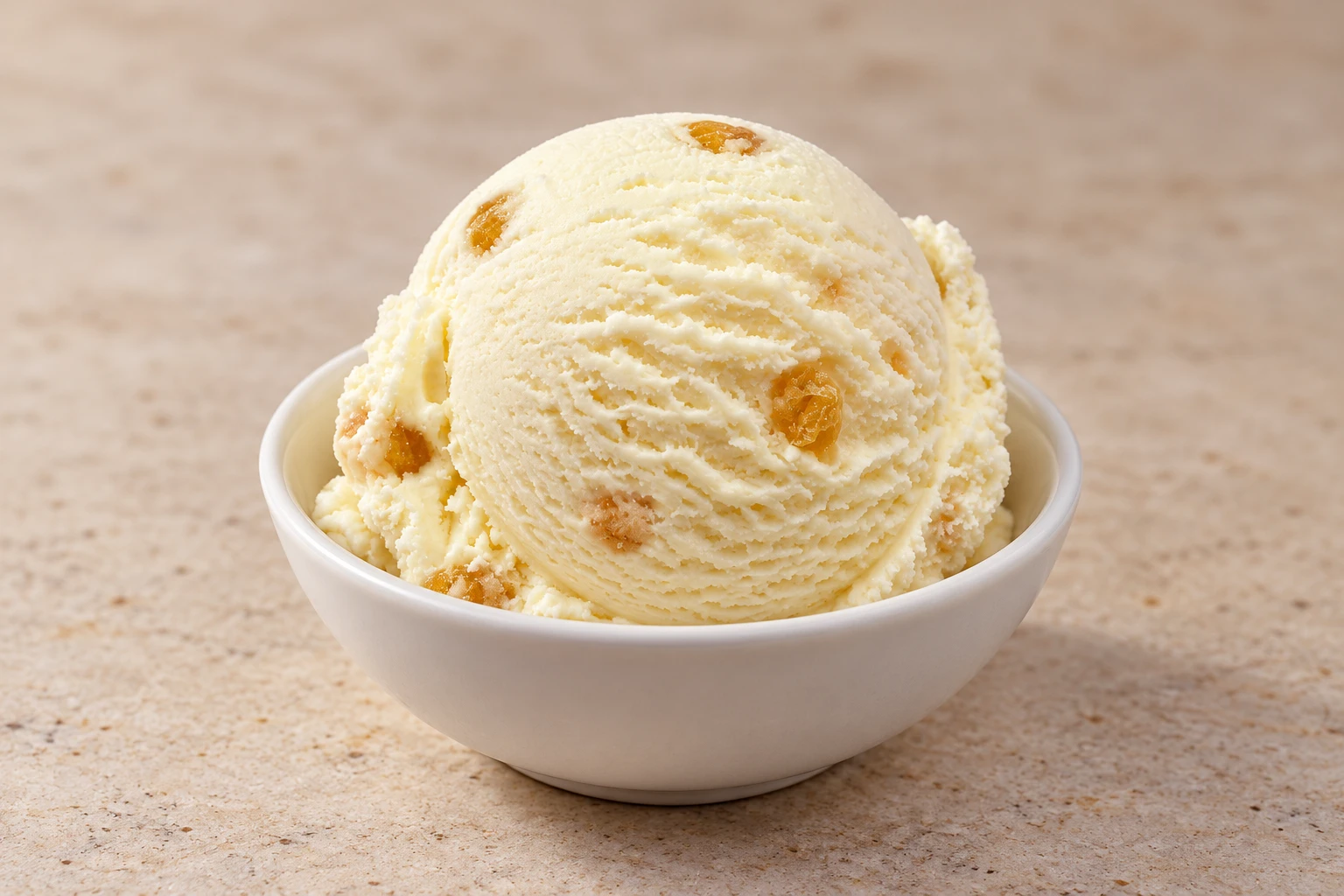
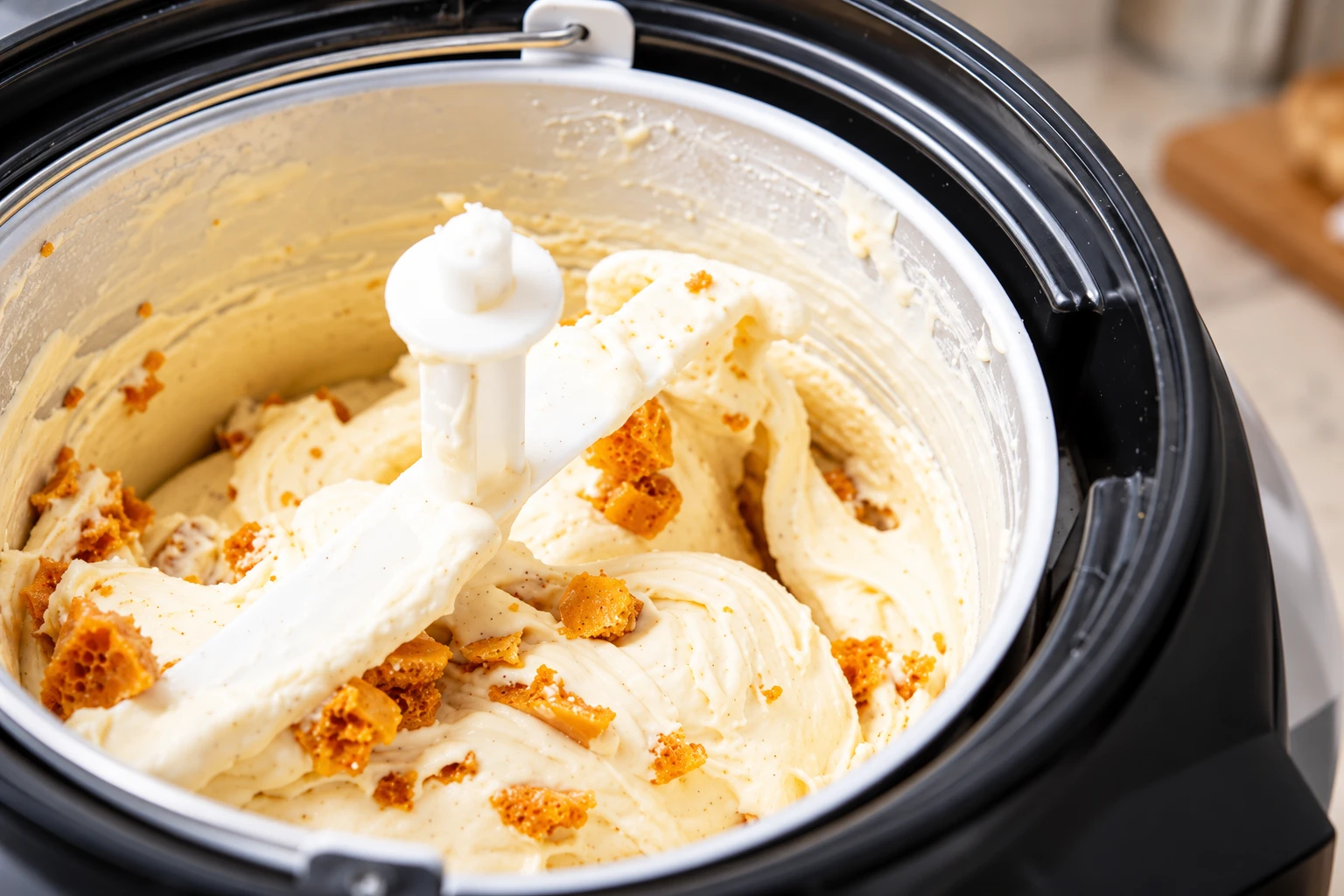
In New Zealand, hokey pokey is the name for the aerated, crunchy caramel made from sugar, syrup and baking soda, known in other countries as honeycomb toffee. Mixed as small pieces into vanilla ice cream, it became the flavor that the country’s official encyclopedia, Te Ara, lists as the second most popular, after plain vanilla. The ice cream is sold nationwide in tubs, cones and ice pops.
The name has a long history. In 19th-century England and New York, hokey pokey referred to cheap ice cream sold by street vendors, many of them Italian. In New Zealand, the word came to designate the caramel: the National Archives holds a patent application for hokey pokey filed in 1896 by William Hatton, a confectioner from Dunedin, with a recipe of sugar, glucose, water and baking soda.
The creation of the ice cream is more recent and contested. Accounts place the mixing with ice cream between the 1940s and 1950s but disagree on who did it first: some versions link Dunedin to the story because of Hatton’s caramel, others credit makers in the Auckland region with the first ice cream, and some cite an ice cream maker from Lower Hutt near Wellington. None has definitive proof, and the flavor became a nationwide emblem.
Hokey pokey also appears in chocolate bars, cakes and biscuits, but it’s in ice cream that it became a symbol of the New Zealand summer.


 Brazil
 Argentina
 Bolivia
 Chile
 Colombia
 Ecuador
 Guyana
 French Guiana
 Falkland Islands (Malvinas)
 Paraguay
 Peru
 Suriname
 Uruguay
 Venezuela
 Germany
 Austria
 Belgium
 Croatia
 Denmark
 Spain
 Finland
 France
 Greece
 the Netherlands
 Hungary
 Ireland
 Iceland
 Italy
 Luxembourg
 Norway
 Poland
 Portugal
 the United Kingdom
 the Czech Republic
 Sweden
 Switzerland
 Turkey
 Canada
 the United States
 Mexico
 the Dominican Republic
 South Africa
 Australia
 Fiji
 Papua New Guinea