In New Zealand, whitebait is the name given to the juvenile fish, 4 to 5 centimeters long, of five native species of the galaxiid family and also of the smelt. The most common in many rivers is the īnanga; the others are the kōaro, the banded kōkopu, the giant kōkopu and the shortjaw kōkopu. In the īnanga life cycle, the adults spawn in estuary vegetation, the larvae spend the winter at sea and, in spring, the juveniles move up the rivers. It is during that run that whitebait are caught.
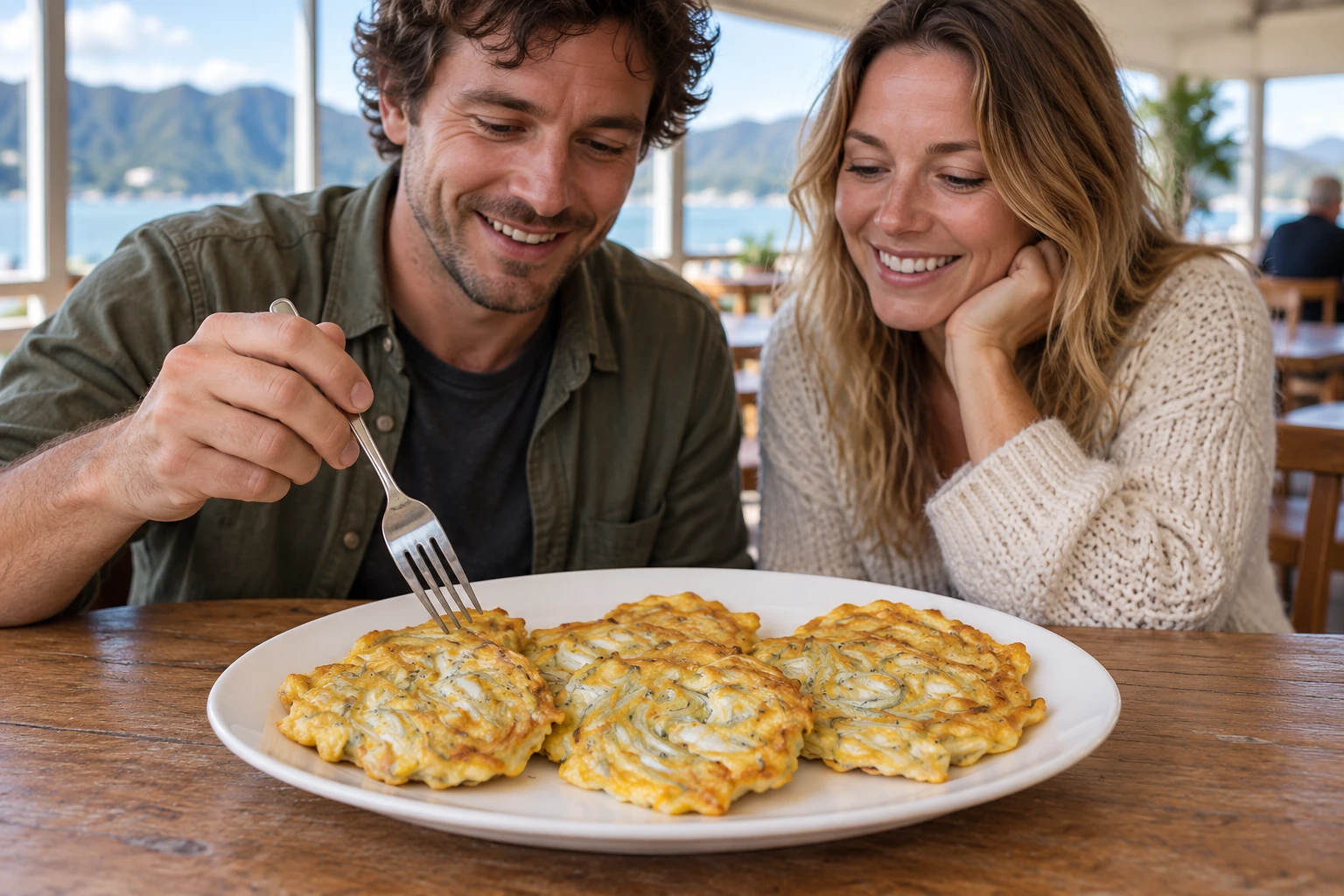
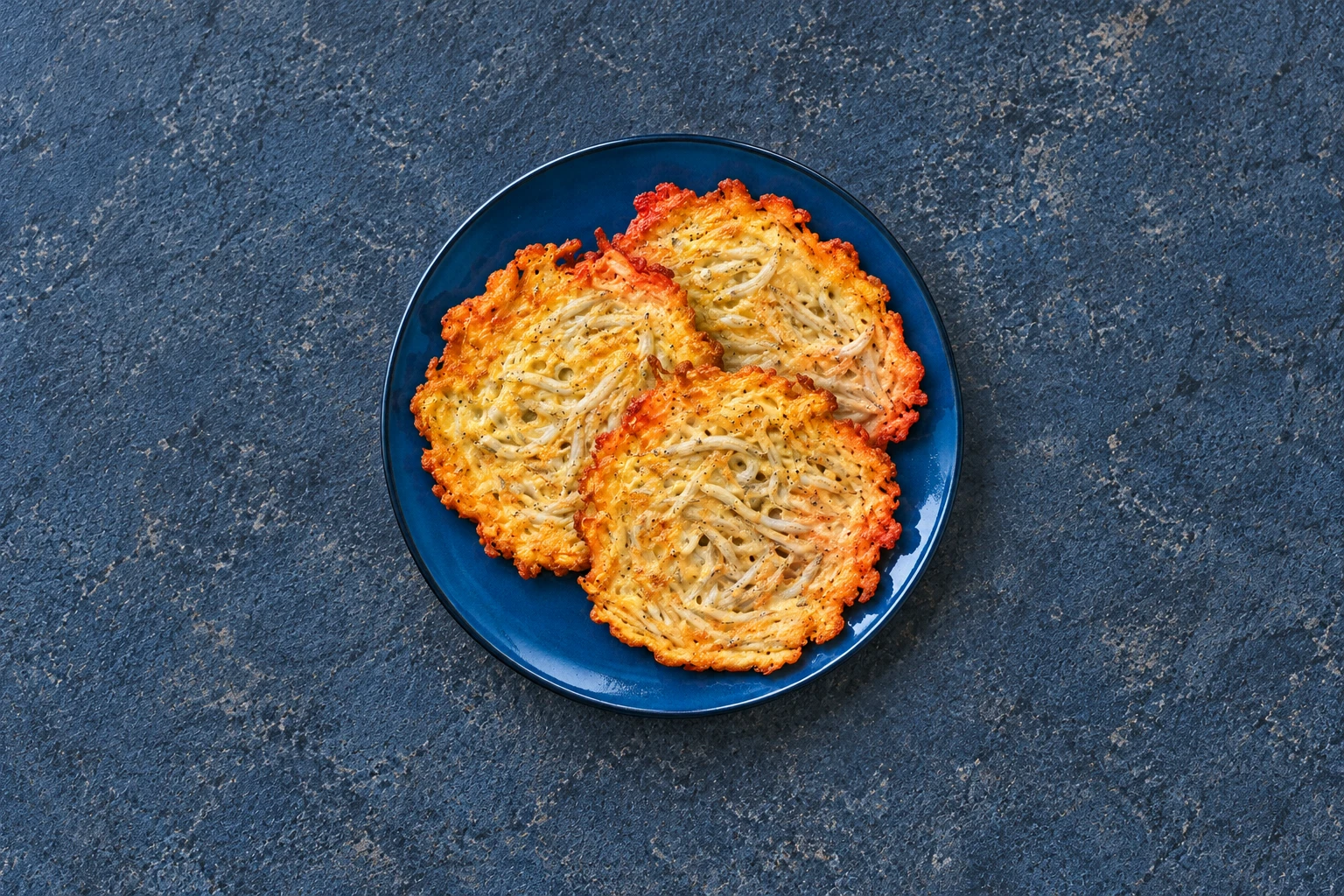
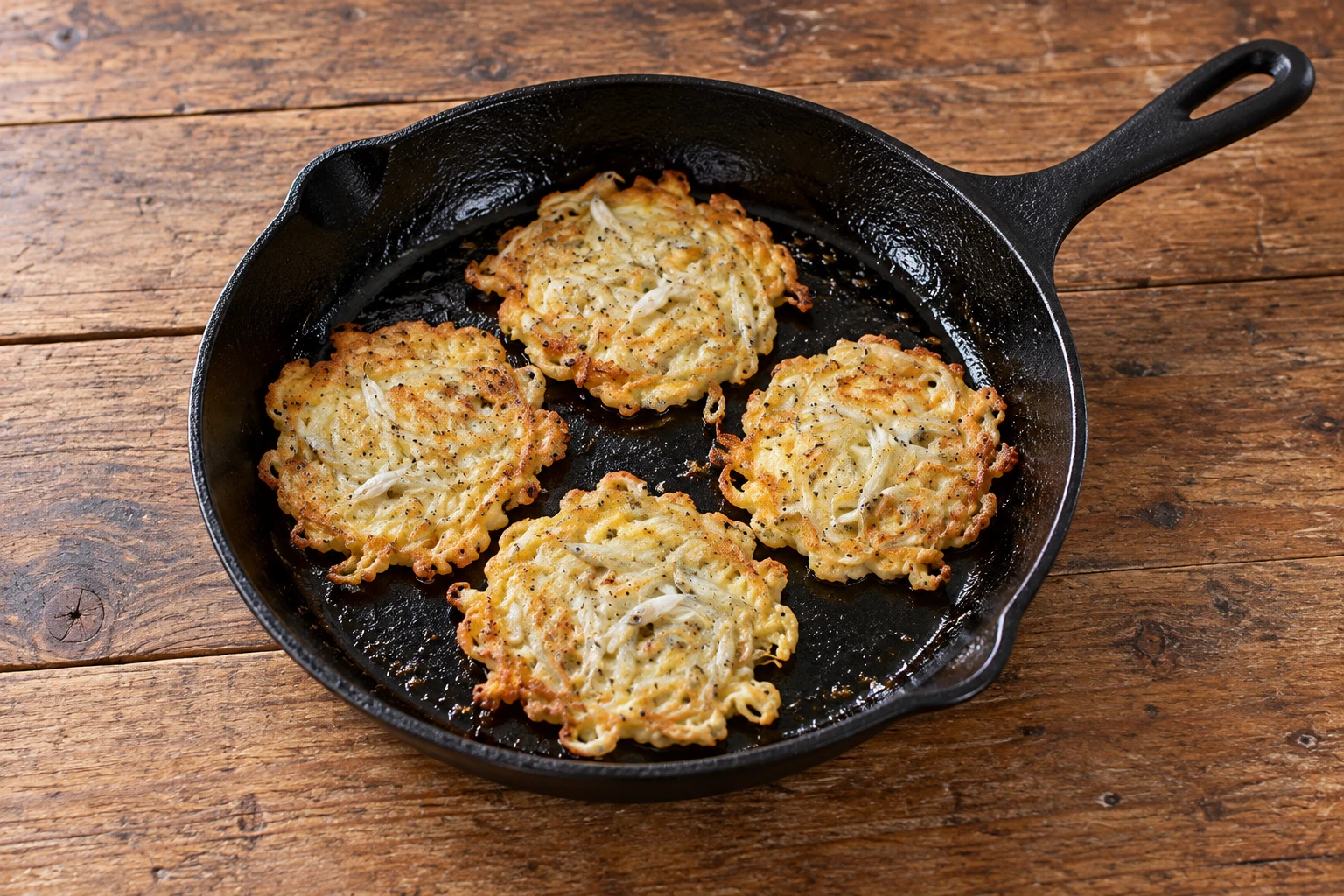
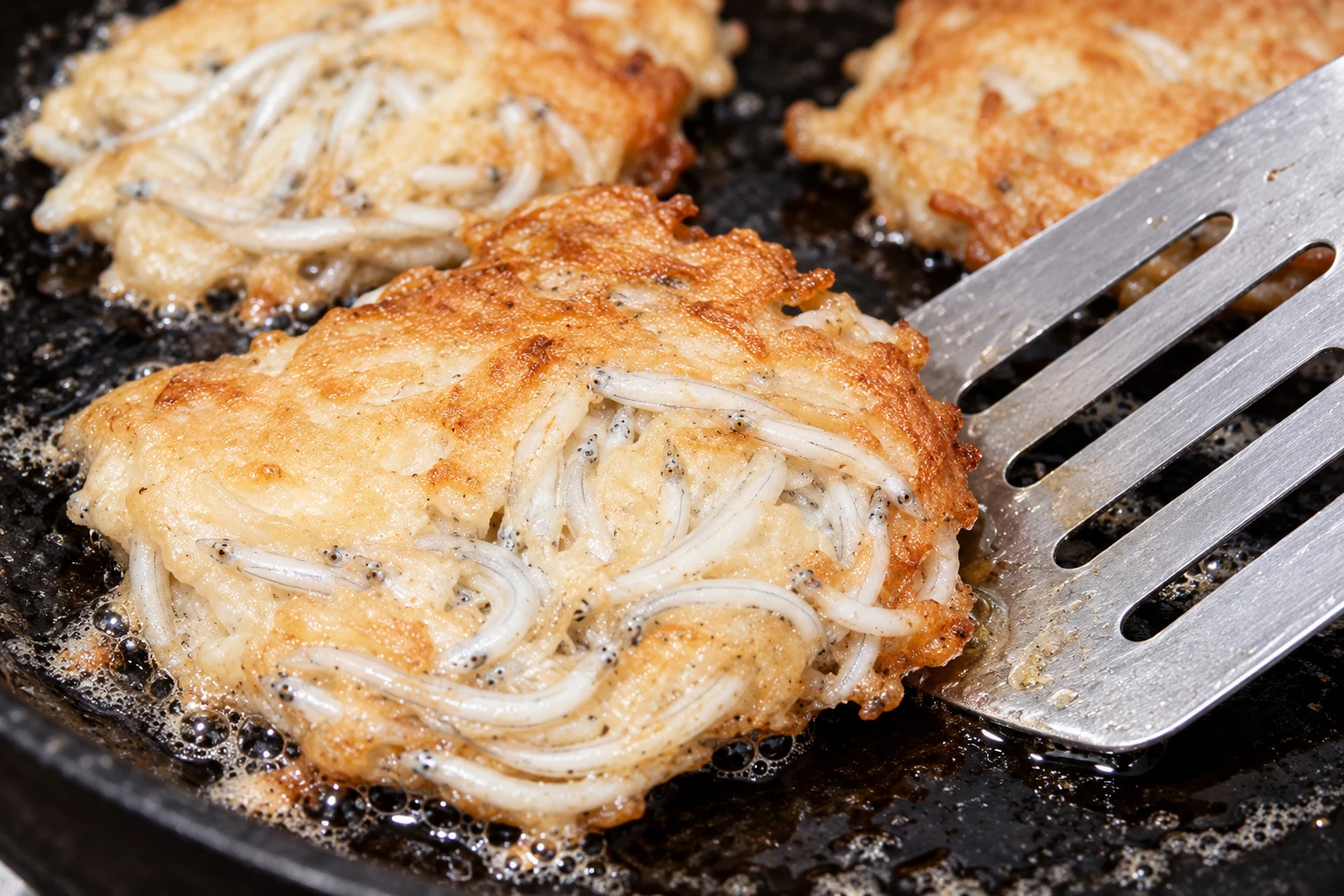
The most common preparation is the fritter, or patty: eggs, a little flour, baking powder, salt and plenty of whitebait mixed and fried by the spoonful in butter or oil. The result is a flattened, soft cake in which the whole small fish appear within the egg. Often it is placed between two slices of white bread with butter. On West Coast menus it also appears in sandwiches and in omelets.
Catching and eating whitebait is part of life on the West Coast, the west coast of the South Island. During the season, many fishers spend weeks by riverbanks in trailers or simple huts and fish from fixed platforms called stands. The South Westland area has the best-known and largest whitebait runs in the country. the region’s tourism body describes whitebait as part of local tradition and notes its place in the customs and diet of Poutini Ngāi Tahu, the Māori people of the coast.
Fishing is managed by the Department of Conservation under the 2021 regulations, and is only permitted from September 1 to October 30; the Chatham Islands have a different season. Outside that period, fishing for whitebait is prohibited. The rules leave some fish to pass so they can grow and spawn again, because runs have declined across much of the country as spawning areas have been lost. Because it is seasonal and sought after, fresh whitebait has been considered a delicacy since the 1920s.
During the season, whitebait appears in fishmongers, markets and regional menus. Outside it may be unavailable. Check before you go.


 Brazil
 Argentina
 Bolivia
 Chile
 Colombia
 Ecuador
 Guyana
 French Guiana
 Falkland Islands (Malvinas)
 Paraguay
 Peru
 Suriname
 Uruguay
 Venezuela
 Germany
 Austria
 Belgium
 Croatia
 Denmark
 Spain
 Finland
 France
 Greece
 the Netherlands
 Hungary
 Ireland
 Iceland
 Italy
 Luxembourg
 Norway
 Poland
 Portugal
 the United Kingdom
 the Czech Republic
 Sweden
 Switzerland
 Turkey
 the United States
 Mexico
 the Dominican Republic
 South Africa
 Australia
 Fiji
 Papua New Guinea