The cuisine
Traditional food of New Zealand
New Zealand food begins with the Māori. Polynesian ancestors brought kūmara (a sweet potato), yam and taro from their islands and learned to cultivate them in a cooler climate. From the forest came ferns, wild fruits and birds; from the rivers, eels; from the sea, fish and shellfish such as pipi, pāua and kina. For cooking large quantities they used the hāngī, an earth oven heated with stones, which remains part of gatherings and celebrations.
European settlers arrived in the 19th century with European cooking methods, first using open fires and later iron stoves. The electric stove, which spread from the 1920s, encouraged baking and home recipes, many collected in church, school and community cookbooks. Later, the country’s table absorbed influences from Asia and Pacific islands, and fish, seafood and lamb remain central to the cuisine.
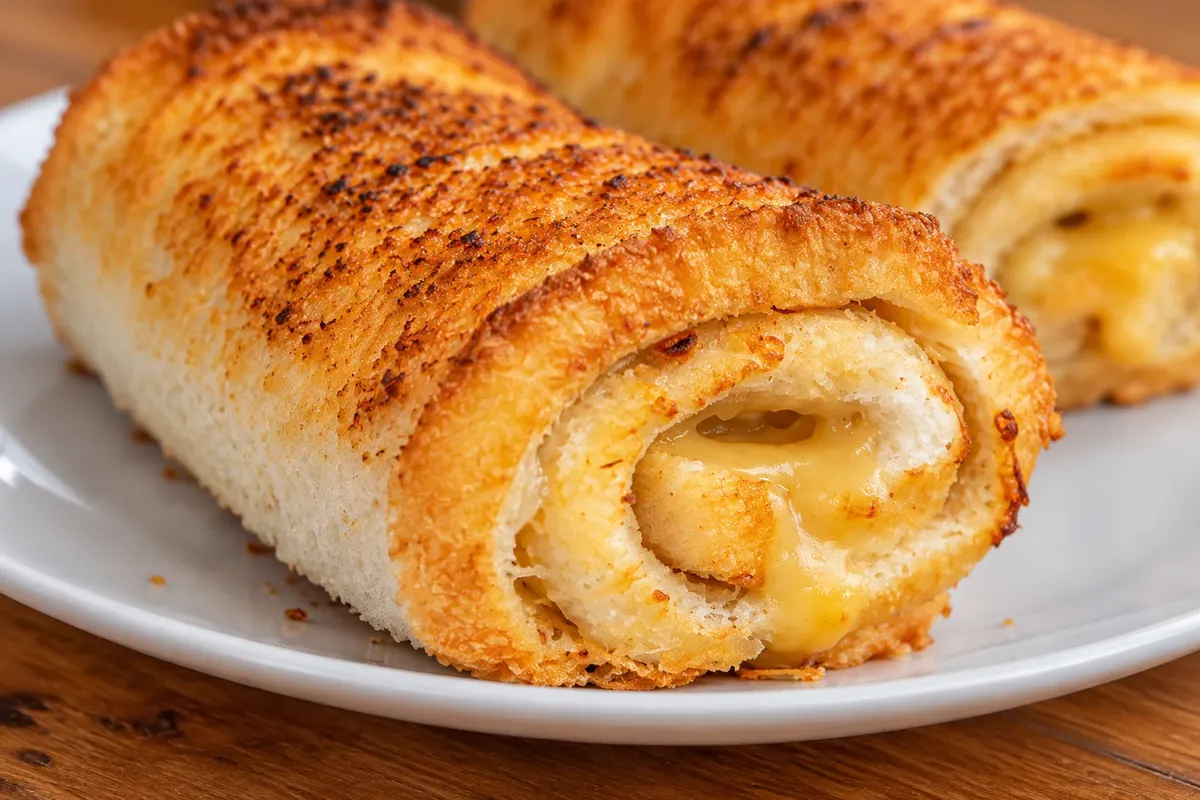
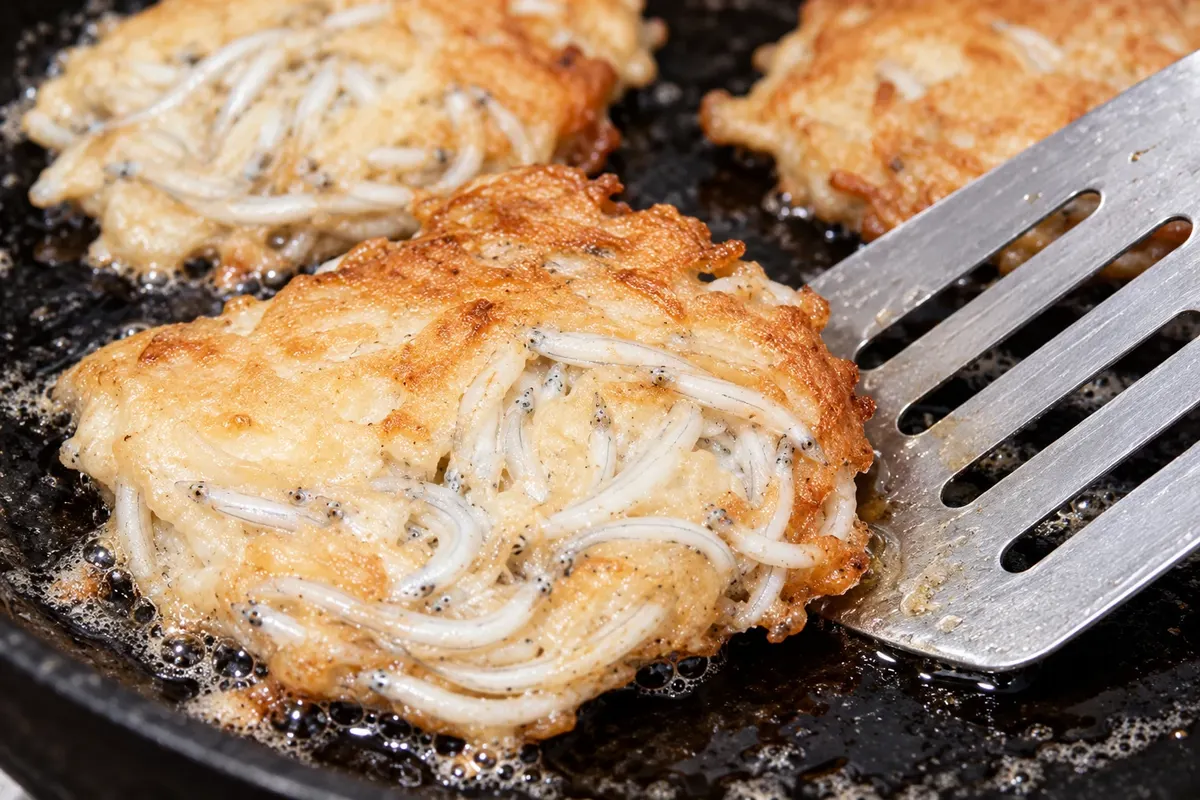
Some specialties are tied to particular regions. On the West Coast, the western shore of the South Island, whitebait—tiny native fish caught in rivers in spring—becomes an egg-based fritter, the whitebait fritter. In Southland, at the far south, the cheese roll—bread rolled with a cheese filling and toasted—is so common it earned the nickname “southern sushi.” In Rotorua, where steam rises from the ground, the village of Whakarewarewa cooks hāngī in geothermal steam boxes, its own version of a Māori tradition found across the country.
Wine also has its addresses. Marlborough, in the north of the South Island, is the country’s largest wine region and became famous for sauvignon blanc from the 1980s onward. Central Otago, set among lakes and mountains, is New Zealand’s southernmost wine region and is known for pinot noir. Both names are registered geographical indications.


 Brazil
 Argentina
 Bolivia
 Chile
 Colombia
 Ecuador
 Guyana
 French Guiana
 Falkland Islands (Malvinas)
 Paraguay
 Peru
 Suriname
 Uruguay
 Venezuela
 Germany
 Austria
 Belgium
 Croatia
 Denmark
 Spain
 Finland
 France
 Greece
 the Netherlands
 Hungary
 Ireland
 Iceland
 Italy
 Luxembourg
 Norway
 Poland
 Portugal
 the United Kingdom
 the Czech Republic
 Sweden
 Switzerland
 Turkey
 the United States
 Mexico
 the Dominican Republic
 South Africa
 Australia
 Fiji
 Papua New Guinea