Marlborough Sauvignon Blanc is a dry white wine made from the sauvignon blanc grape in the Marlborough region, in the northeast of the South Island. The style is marked by intense aroma, with pure fruit, herbal notes and tropical fruit, and a mineral background. The region also produces pinot noir, chardonnay and aromatic whites, but it was sauvignon blanc that became linked to the Marlborough name.
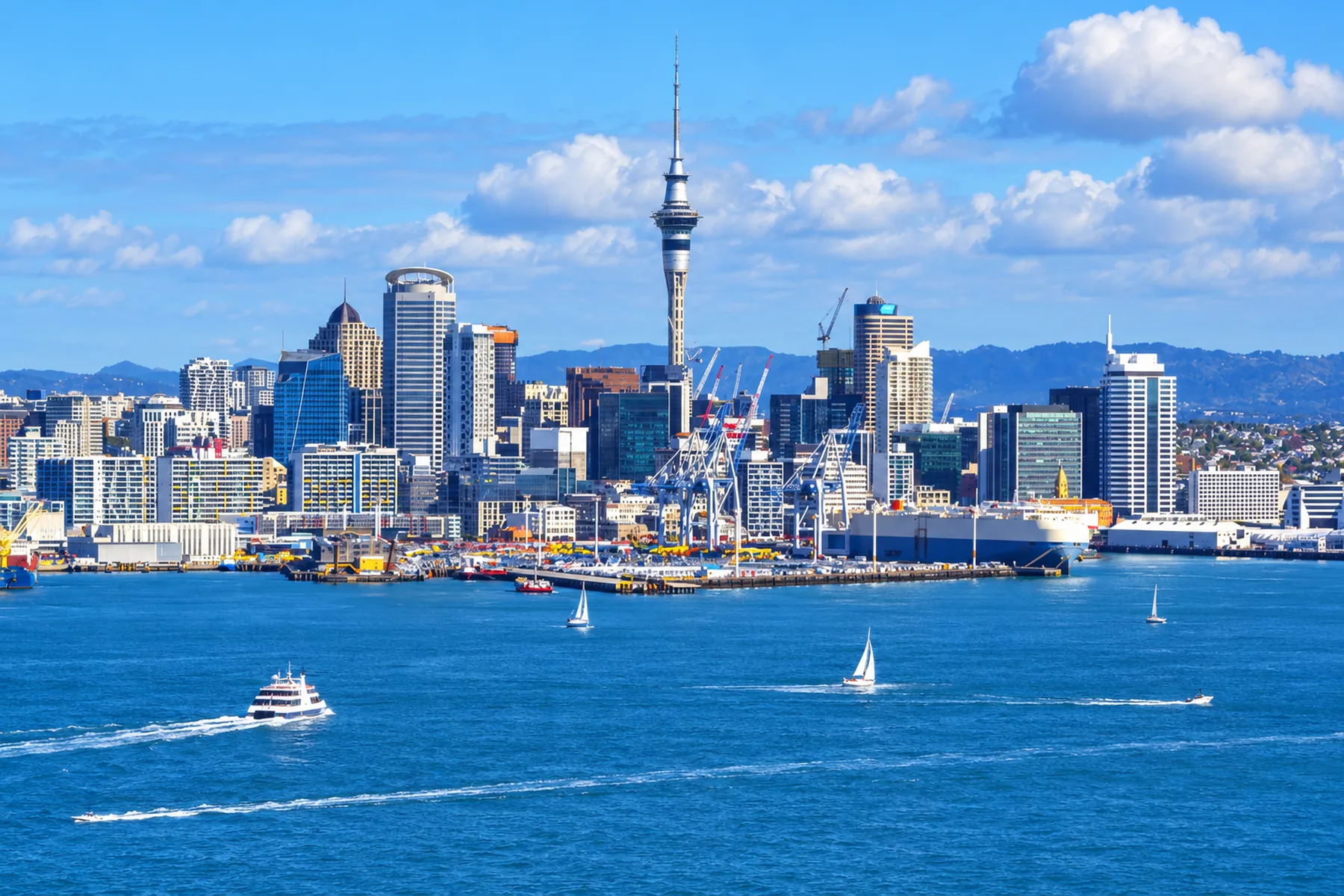
Marlborough’s wine history is recent. In August 1973, a winemaking company from Auckland planted the first vineyards of the modern era in the Wairau Valley; most of them died in the drought the following summer. Within a few years, however, the region was producing quality wines, and other producers followed. The first sauvignon blanc bearing the region’s name was released in 1979, according to the industry, and in the 1980s Marlborough’s sauvignon blanc put New Zealand wine on the international stage. Today Marlborough has almost 31,000 hectares of vineyards, about two-thirds of the country’s total.
The climate is cool and very sunny, with little rain, and the soils drain well. The Wairau Valley, with gravelly soils from ancient riverbeds, is among New Zealand’s driest and sunniest areas. The Awatere Valley, further south, is cooler, drier and windier, producing wines with a distinct profile. The Southern Valleys, with more clay soils, are also known for pinot noir.
Marlborough was registered as a geographical indication for wine in 2018 by New Zealand’s intellectual property office, on behalf of the region’s growers’ association. The registration protects the use of the name on labels. Blenheim and Picton, the region’s towns, lie close to the vineyards.


 Brazil
 Argentina
 Bolivia
 Chile
 Colombia
 Ecuador
 Guyana
 French Guiana
 Falkland Islands (Malvinas)
 Paraguay
 Peru
 Suriname
 Uruguay
 Venezuela
 Germany
 Austria
 Belgium
 Croatia
 Denmark
 Spain
 Finland
 France
 Greece
 the Netherlands
 Hungary
 Ireland
 Iceland
 Italy
 Luxembourg
 Norway
 Poland
 Portugal
 the United Kingdom
 the Czech Republic
 Sweden
 Switzerland
 Turkey
 the United States
 Mexico
 the Dominican Republic
 South Africa
 Australia
 Fiji
 Papua New Guinea