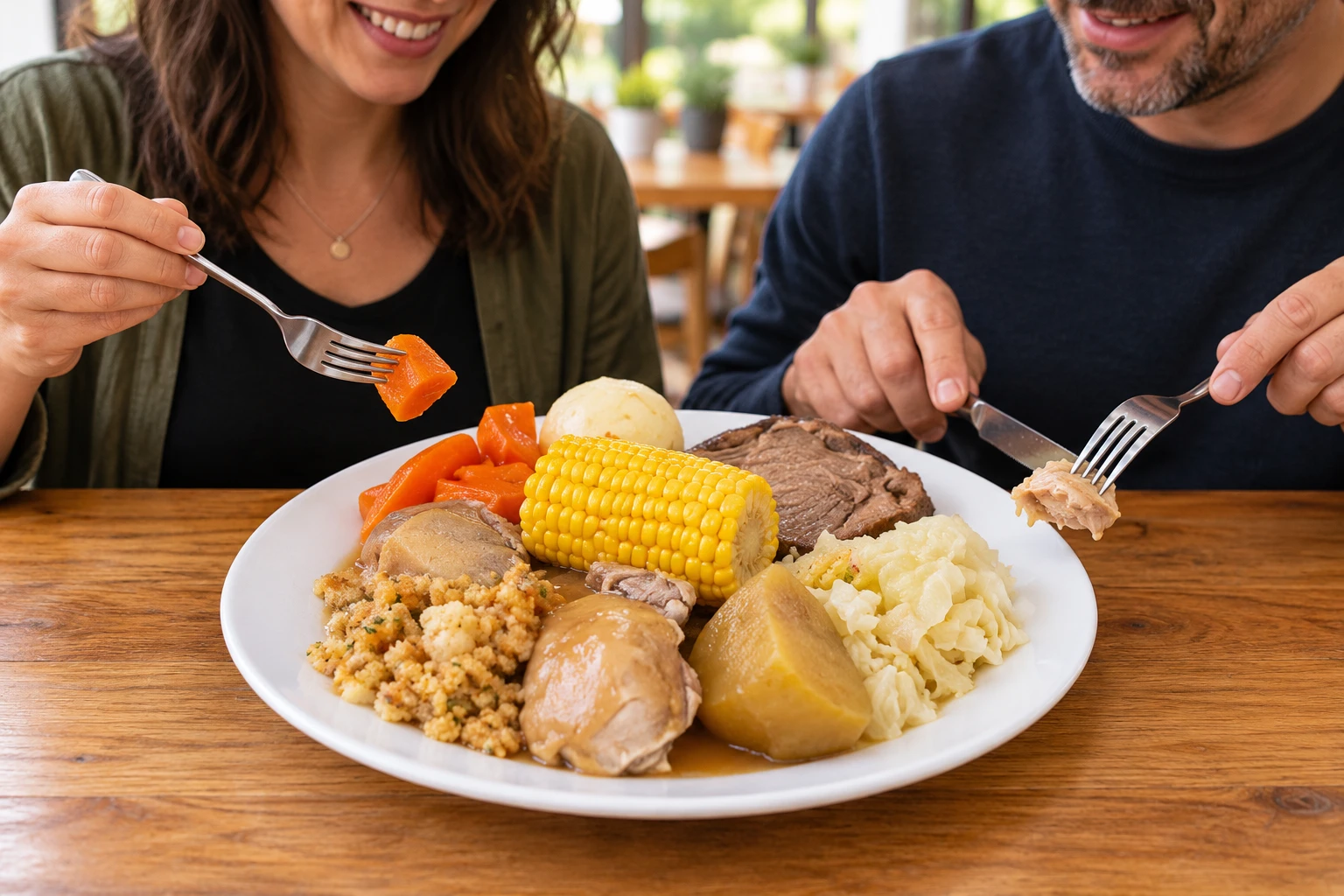
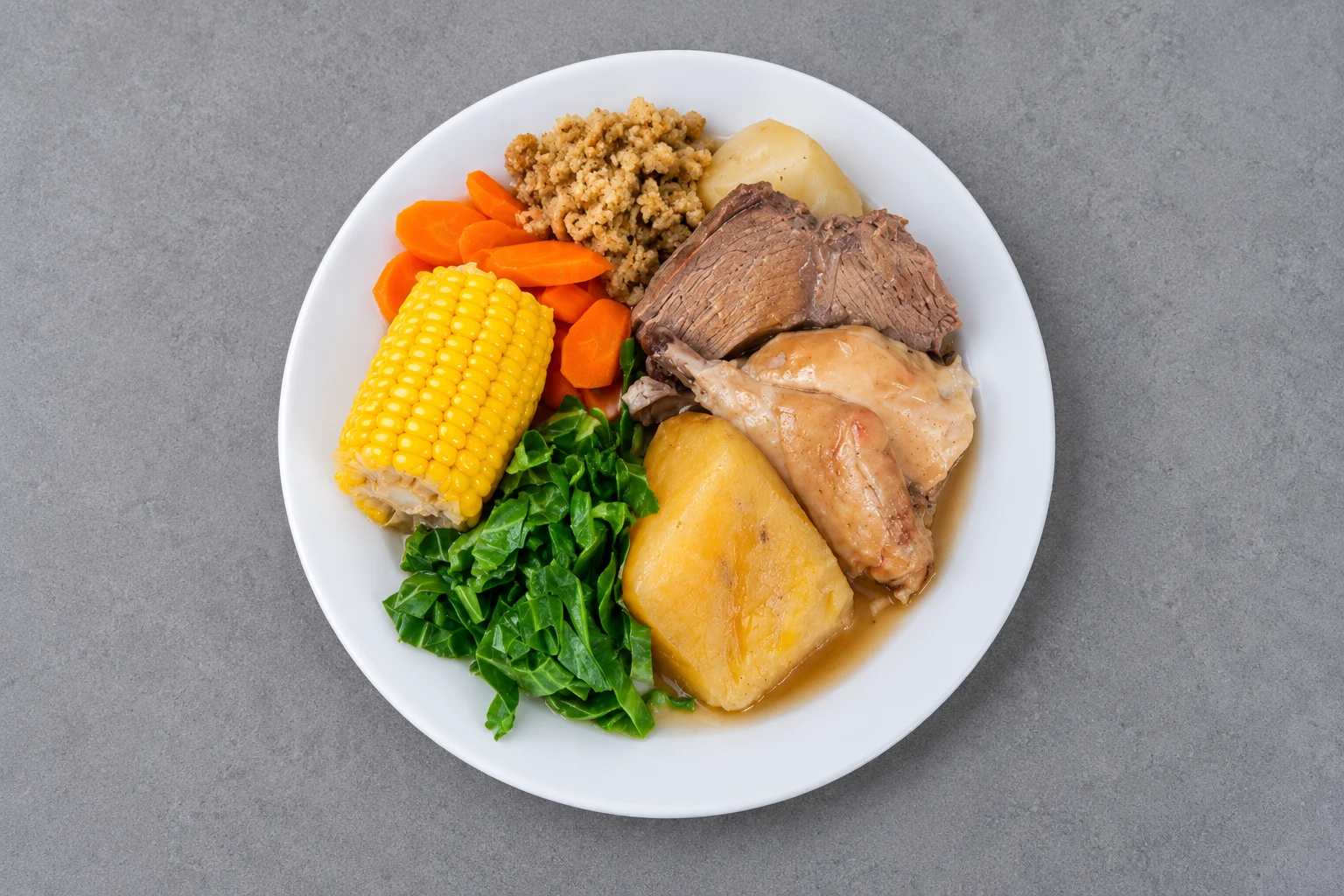
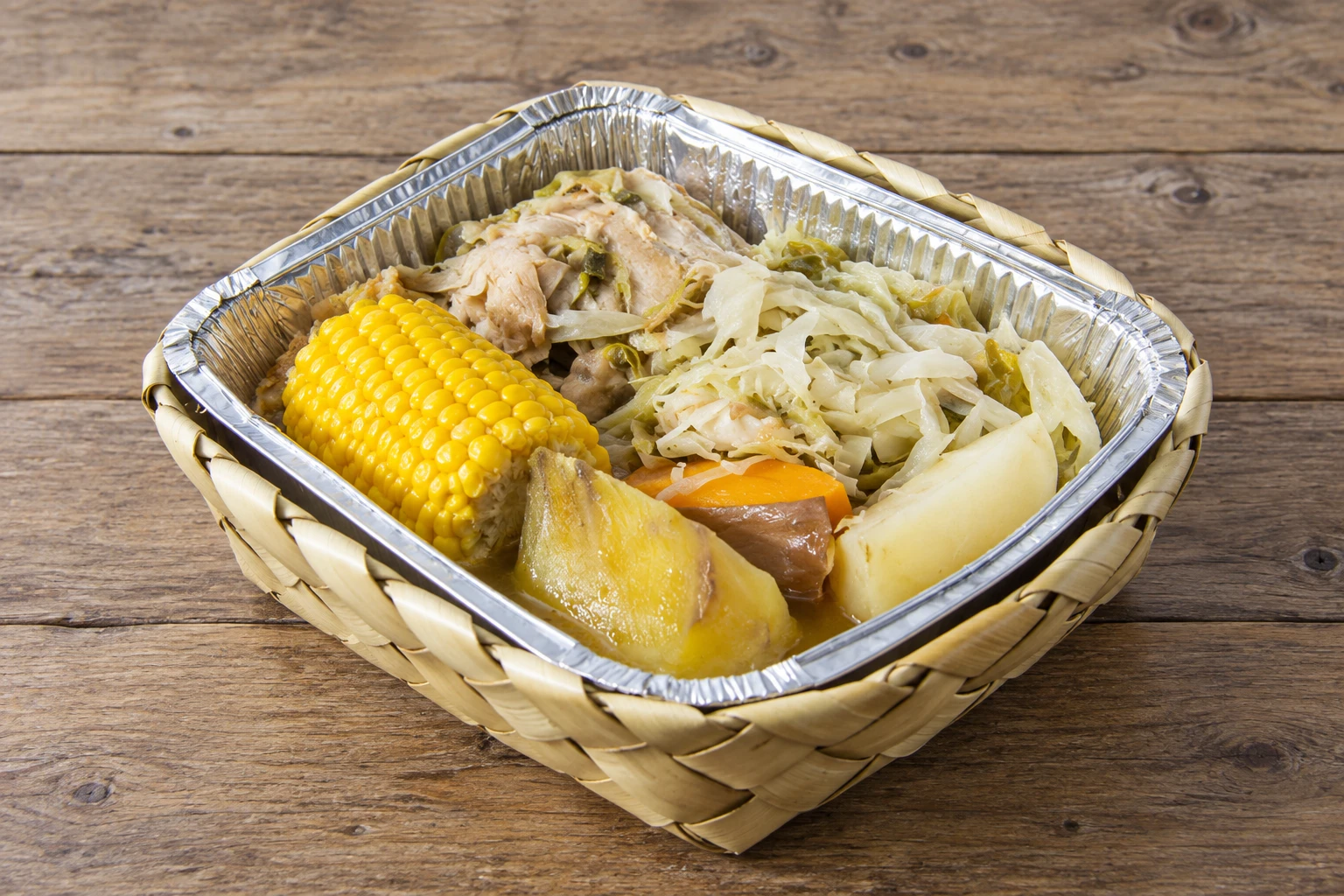
Hāngī is the Maori earth oven and the meal cooked in it. Heated stones and water create steam in a shallow pit dug into the ground. Meat goes in first, then the vegetables, and everything is covered with leaves, flax mats or, more recently, bags and cloths; soil is piled on top to trap the steam. Cooking takes several hours, depending on the quantity. In the past fish and kūmara, the Maori sweet potato, were used; today pork, lamb, potato, pumpkin and cabbage are also common.
Hāngī is made across New Zealand, especially when many people must be fed — at parties, celebrations and gatherings. It is tied to manaakitanga, Maori hospitality: preparing and serving the food is a way of welcoming guests.
In Rotorua, on the central North Island, the heat comes from the earth itself. For centuries the local Maori have cooked hāngī with geothermal steam. Photographs from 1901 show residents of the village of Whakarewarewa cooking in two ways: with food in baskets lowered by ropes into a hot spring, and in a hāngī heated by the warmth of the ground. Both methods are still used.
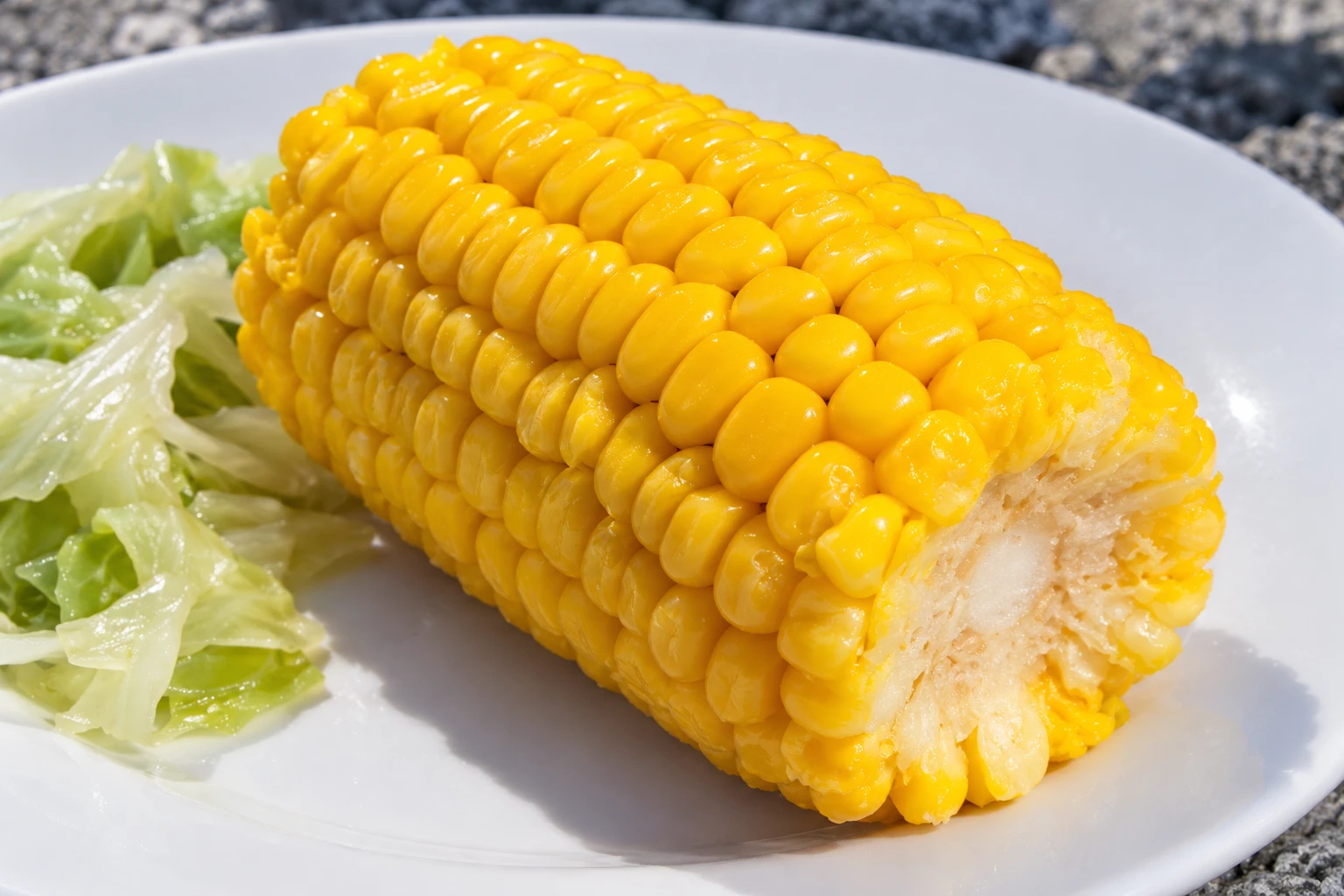
Whakarewarewa is the home of Tūhourangi Ngāti Wāhiao, whose ancestors from the Te Arawa people settled the valley in 1325, according to the village. The residents own and manage the village. There the hāngī does not rely on heated stones: meat and roots cook in geothermal steam boxes, while vegetables, seafood and corn cook in Parekohuru, the village’s largest thermal spring.
For visitors, the Rotorua hāngī is usually part of a cultural visit and requires a reservation. The springs and steam boxes are community-used sites; follow the guides’ directions. There are meat and vegetarian versions. Confirm in advance.


 Brazil
 Argentina
 Bolivia
 Chile
 Colombia
 Ecuador
 Guyana
 French Guiana
 Falkland Islands (Malvinas)
 Paraguay
 Peru
 Suriname
 Uruguay
 Venezuela
 Germany
 Austria
 Belgium
 Croatia
 Denmark
 Spain
 Finland
 France
 Greece
 the Netherlands
 Hungary
 Ireland
 Iceland
 Italy
 Luxembourg
 Norway
 Poland
 Portugal
 the United Kingdom
 the Czech Republic
 Sweden
 Switzerland
 Turkey
 the United States
 Mexico
 the Dominican Republic
 South Africa
 Australia
 Fiji
 Papua New Guinea