Central Otago Pinot Noir is the red wine from the pinot noir grape produced in Central Otago, in the interior of the Otago region in the southern part of the South Island. Pinot noir is the region’s signature variety. The style is described as fragrant, with intense fruit, firm structure and a silky texture, and it varies from one subregion to another.
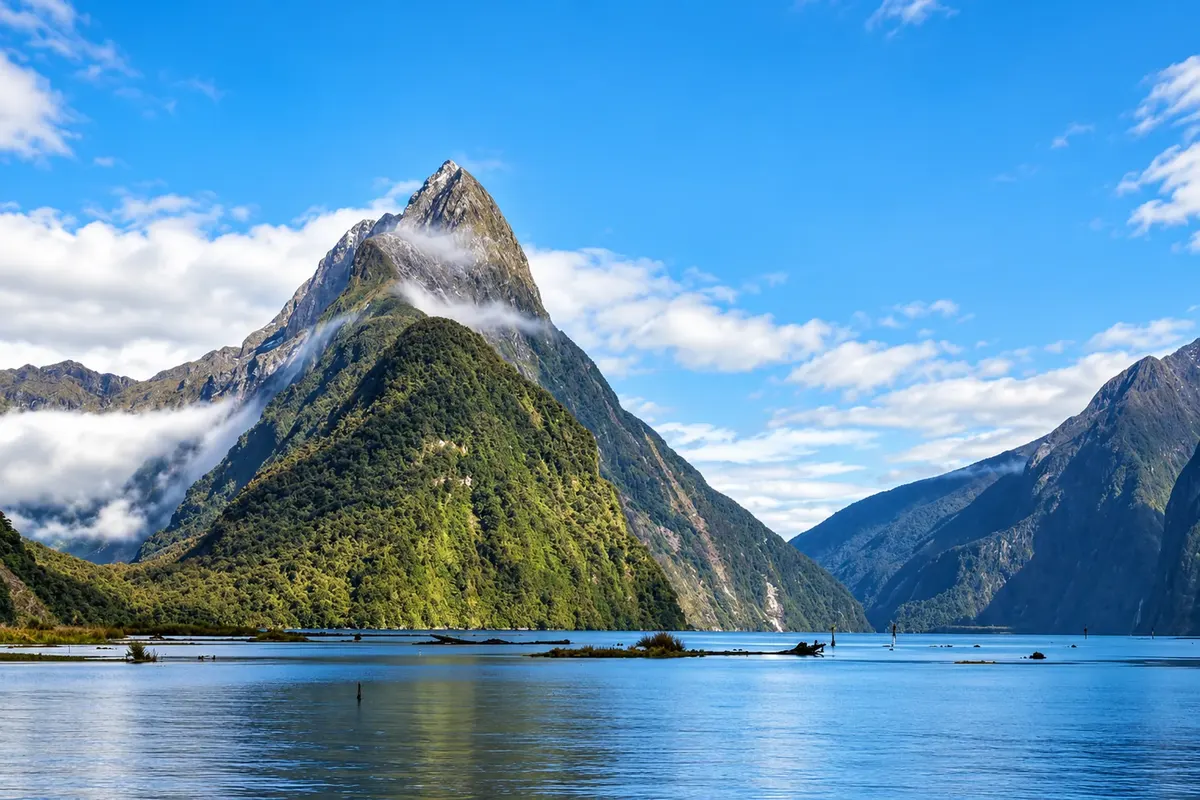
Central Otago is the southernmost wine region of New Zealand. The climate is one of extremes: cold winters, summers with strong sun, long dry autumns and cool, clear nights, with a large temperature difference between day and night up to harvest. This range of temperatures requires careful site selection for each slope and helps give personality to the wines of each place.
The first vines were planted in the 1860s, near Clyde and Alexandra, during the gold rush, and the Frenchman Jean Désiré Féraud is considered the maker of the region’s first wine. By the 1880s wines from there were already winning awards, but that success did not continue for nearly a century, and orchards replaced vineyards. Modern winemaking restarted in 1976 with a vineyard in Wānaka, and the first commercial pinot noir of the new era, from Gibbston, was released in 1987.
The region has subregions with distinct profiles: Gibbston, east of Queenstown, the highest; Bannockburn, on the south bank of the Kawarau River, one of the warmest and driest, with its own geographical indication since 2022; Cromwell, Lowburn and Pisa, by Lake Dunstan; Bendigo, on stony slopes; Wānaka, cooler, by the lake; and Alexandra, the southernmost subregion. Central Otago was registered as a geographical indication for wine in 2018 on behalf of the region’s growers association, based in Cromwell.


 Brazil
 Argentina
 Bolivia
 Chile
 Colombia
 Ecuador
 Guyana
 French Guiana
 Falkland Islands (Malvinas)
 Paraguay
 Peru
 Suriname
 Uruguay
 Venezuela
 Germany
 Austria
 Belgium
 Croatia
 Denmark
 Spain
 Finland
 France
 Greece
 the Netherlands
 Hungary
 Ireland
 Iceland
 Italy
 Luxembourg
 Norway
 Poland
 Portugal
 the United Kingdom
 the Czech Republic
 Sweden
 Switzerland
 Turkey
 the United States
 Mexico
 the Dominican Republic
 South Africa
 Australia
 Fiji
 Papua New Guinea