2 cities

 Search
 Brazil
 Argentina
 Bolivia
 Chile
 Colombia
 Ecuador
 Guyana
 French Guiana
 Falkland Islands (Malvinas)
 Paraguay
 Peru
 Suriname
 Uruguay
 Venezuela
 Germany
 Austria
 Belgium
 Croatia
 Denmark
 Spain
 Finland
 France
 Greece
 the Netherlands
 Hungary
 Ireland
 Iceland
 Italy
 Luxembourg
 Norway
 Poland
 Portugal
 the United Kingdom
 the Czech Republic
 Sweden
 Switzerland
 Turkey
 the United States
 Mexico
 the Dominican RepublicTurkey
 South Africa
 Australia
 FijiNew Zealand
Region · Upper South Island
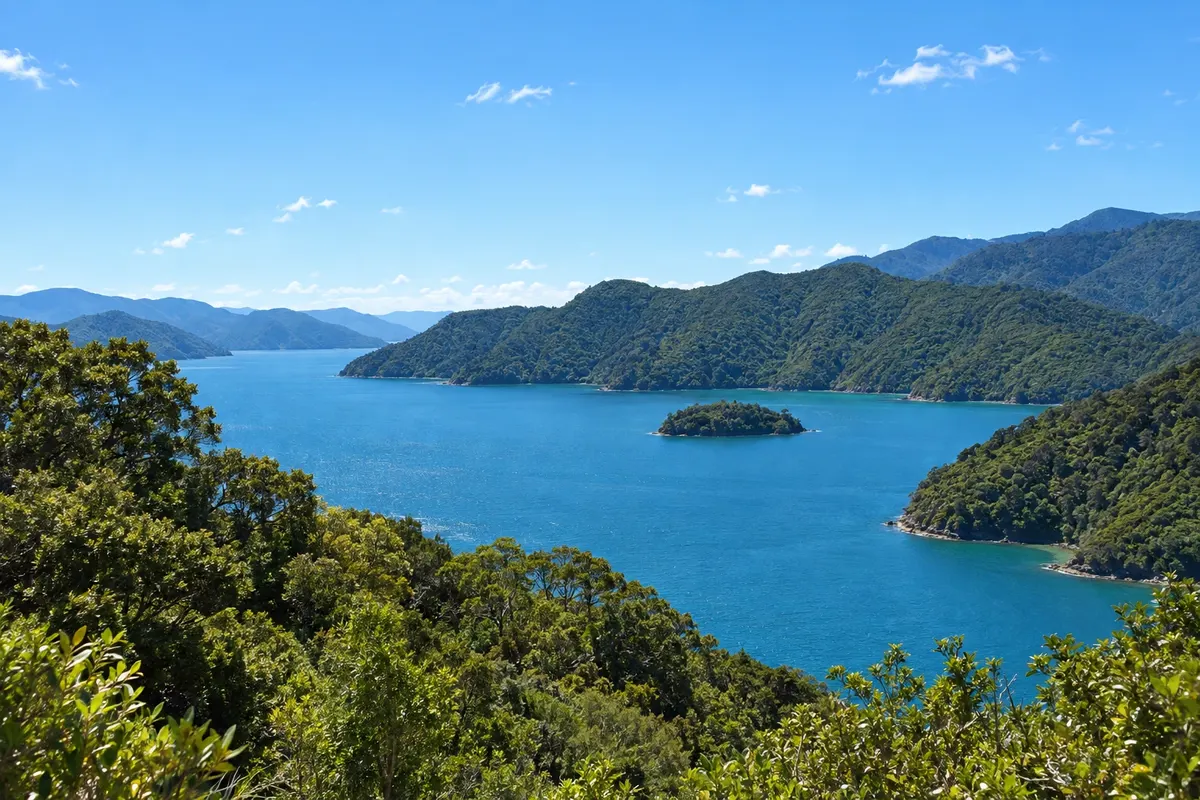
Marlborough includes the Marlborough Sounds, bays and inlets among forested hills, Picton—where the ferries arrive—and the country’s largest wine region around Blenheim.
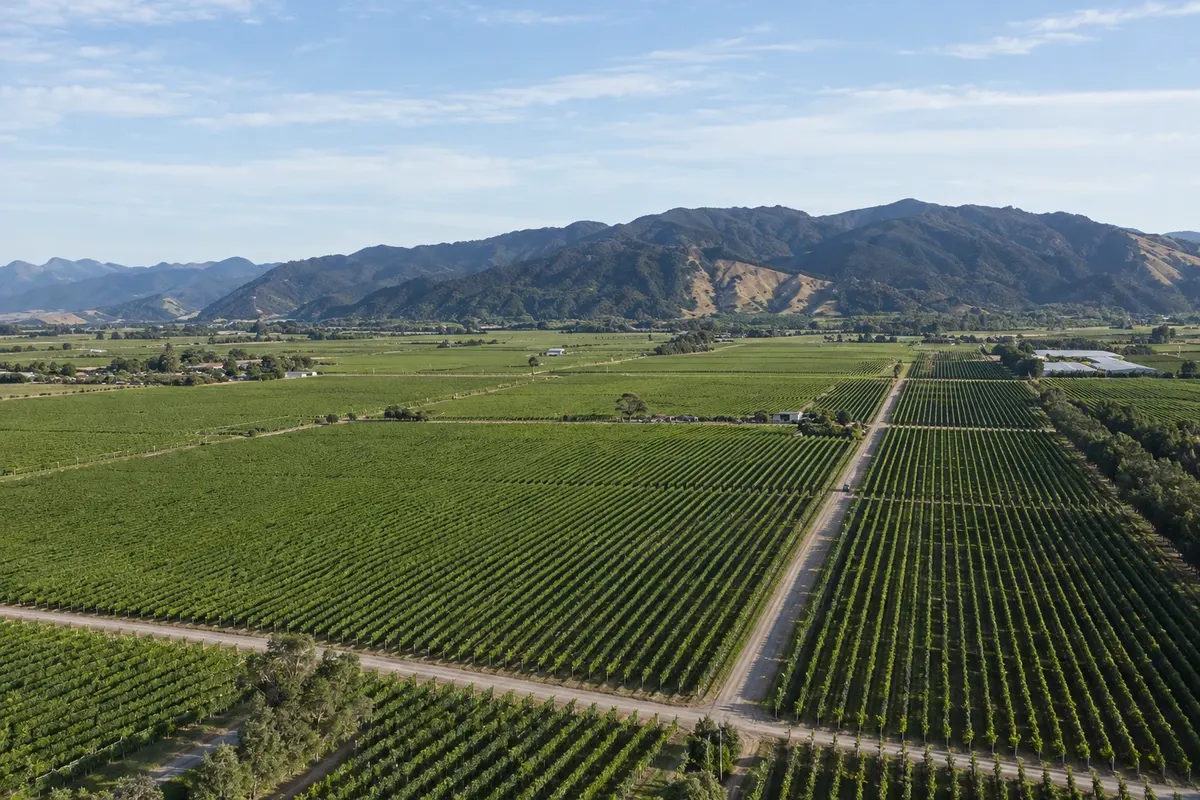
In the photo: Vineyards of the Wairau Valley in Marlborough
Illustrative images. The pictures in this guide are illustrations based on the real place, not photographs, and may differ from it.

The region
Marlborough occupies the northeast of the South Island, opposite Wellington across the Cook Strait. To the north, the Marlborough Sounds are ancient valleys flooded by the sea, creating hundreds of kilometers of indented coastline; to the south, the Wairau River valley concentrates the vineyards. The regional council seat is Blenheim.
Picton, at the head of Queen Charlotte Sound (Tōtaranui), is the port where ferries from Wellington arrive. Boats, water taxis and the mail boat depart from the town to bays in the sounds, many of them accessible only by water. The Queen Charlotte Track, about 73 km long, follows the ridges between Queen Charlotte Sound and Kenepuru Sound, from Ship Cove (Meretoto) to Anakiwa, and can be done on foot or by bike, either in full or in sections.
Blenheim is the centre of Marlborough’s wine region, the largest in the country and the origin of the sauvignon blanc that brought fame to New Zealand wine. Dozens of wineries host visitors for tastings in the Wairau valley, and there are bike tours between them. Near the town, the Omaka Aviation Heritage Centre displays aircraft from the First and Second World Wars.
Havelock, in Pelorus Sound, is known for green-lipped mussels, farmed in the sounds. South of Blenheim, the coast continues toward Kaikōura, already in Canterbury.
Destinations
Cities
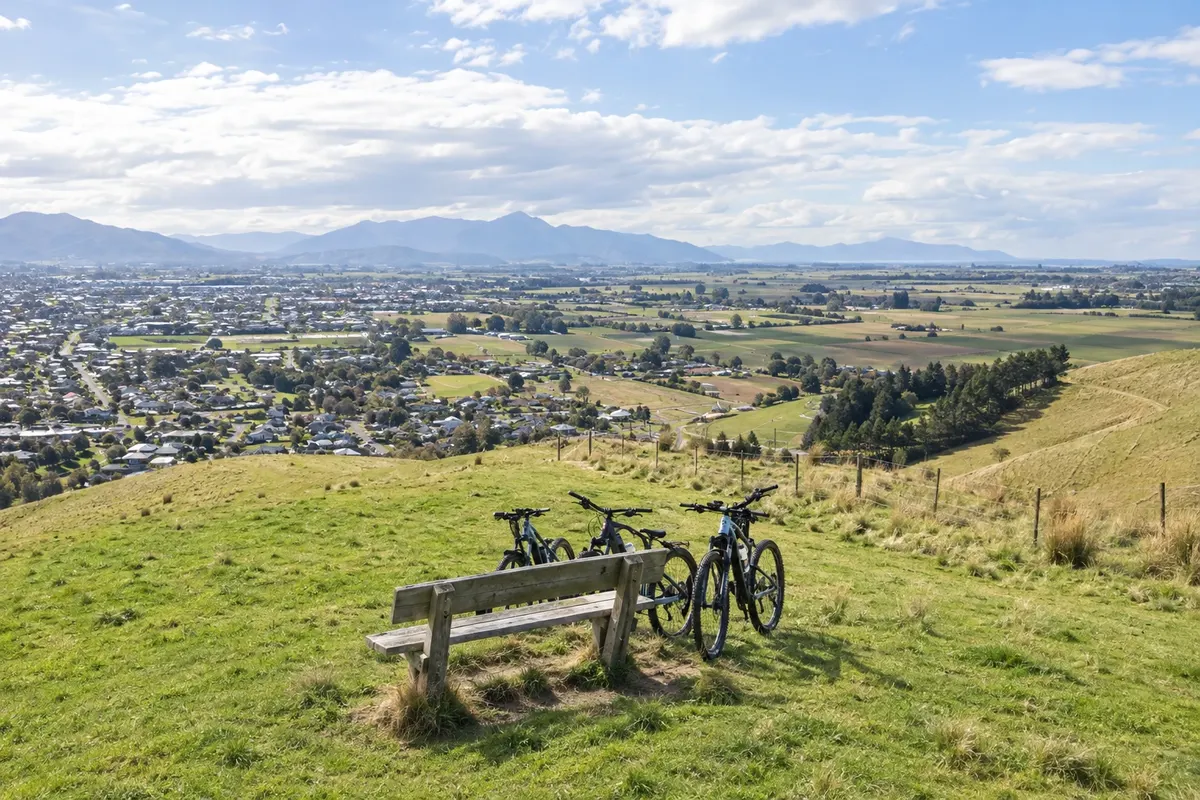
Blenheim is Marlborough’s seat and the region’s largest town, with about 30,000 residents, at the meeting of the Taylor and Ōpaoa rivers. It is surrounded by the vineyards of the Wairau Valley, the country’s main wine region, and hosts a large collection of wartime aircraft at the Omaka aerodrome. The climate is dry and sunny for much of the year.
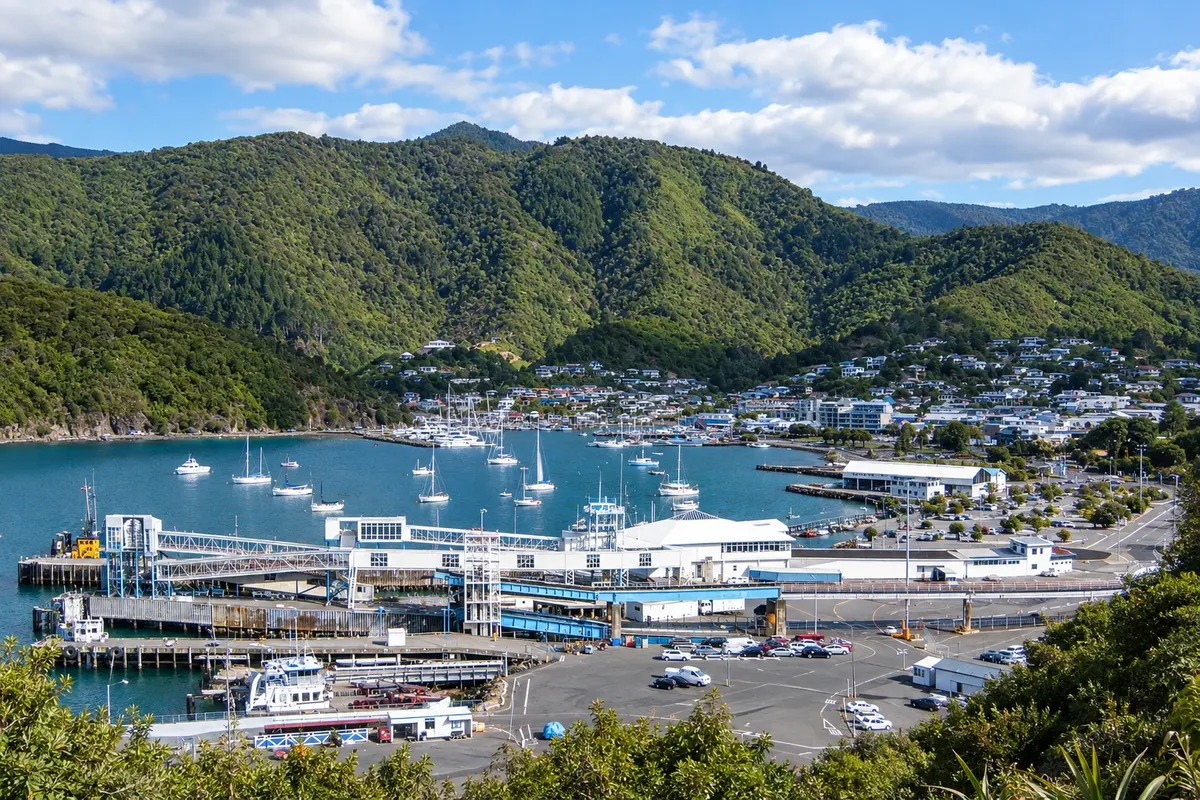
Picton is the port where ferries from Wellington arrive, at the head of Queen Charlotte Sound. The town is small and can be explored on foot: the waterfront with the hull of the Edwin Fox, the harbor for boats to the Sounds, and the start of the trails on the surrounding hills. Boat tours and transport for the Queen Charlotte Track depart from here.
From December to March, the dry sunny weather favours boat trips, kayaking and the Queen Charlotte Track, and it is the busiest time. Harvest usually takes place between March and April, when the vineyards are laden. Winter is cool and dry, with less activity at the wineries.
Ferries from Wellington arrive at Picton with passengers and vehicles. Marlborough Airport (BHE), near Blenheim, has flights from Auckland and Wellington, and Picton receives short flights from Wellington. By road, Blenheim is about 28 km from Picton and about 310 km from Christchurch via SH1, passing through Kaikōura. For part of the year, the Coastal Pacific train runs the Picton–Christchurch route.
Your questions
A boat trip from Picton, such as the mail boat or a cruise through Queen Charlotte Sound, shows bays and inlets in half a day. You can also take a water taxi to a point on the Queen Charlotte Track and walk a section.
Part of the trail crosses private land, and for those sections you need to buy a pass, sold online and at the Picton information centre. On sections across public land there is no access charge.
In the Wairau valley around Blenheim, where dozens of wineries welcome visitors. You can go by car, on a guided tour or by bike rented in Renwick or Blenheim.
Two days allow for a trip around the sounds and a day at the wineries. To complete the entire Queen Charlotte Track, allow three to five days.