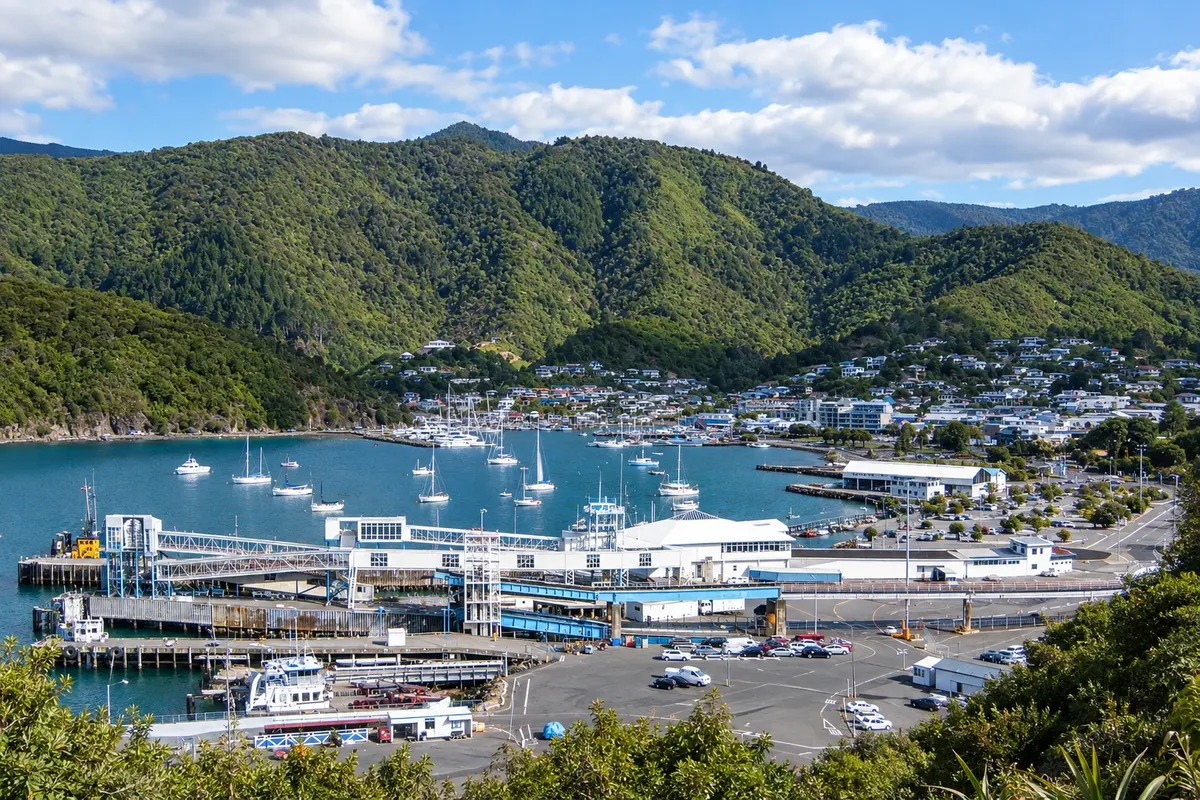
Marlborough occupies the northeast corner of the South Island and is, for those crossing the Cook Strait, the first stop after the sea. Ferries leaving Wellington cross the strait, enter Tory Channel and continue through Queen Charlotte Sound (Tōtaranui) to the port of Picton, a small town of about 5,000 people at the head of the sound.
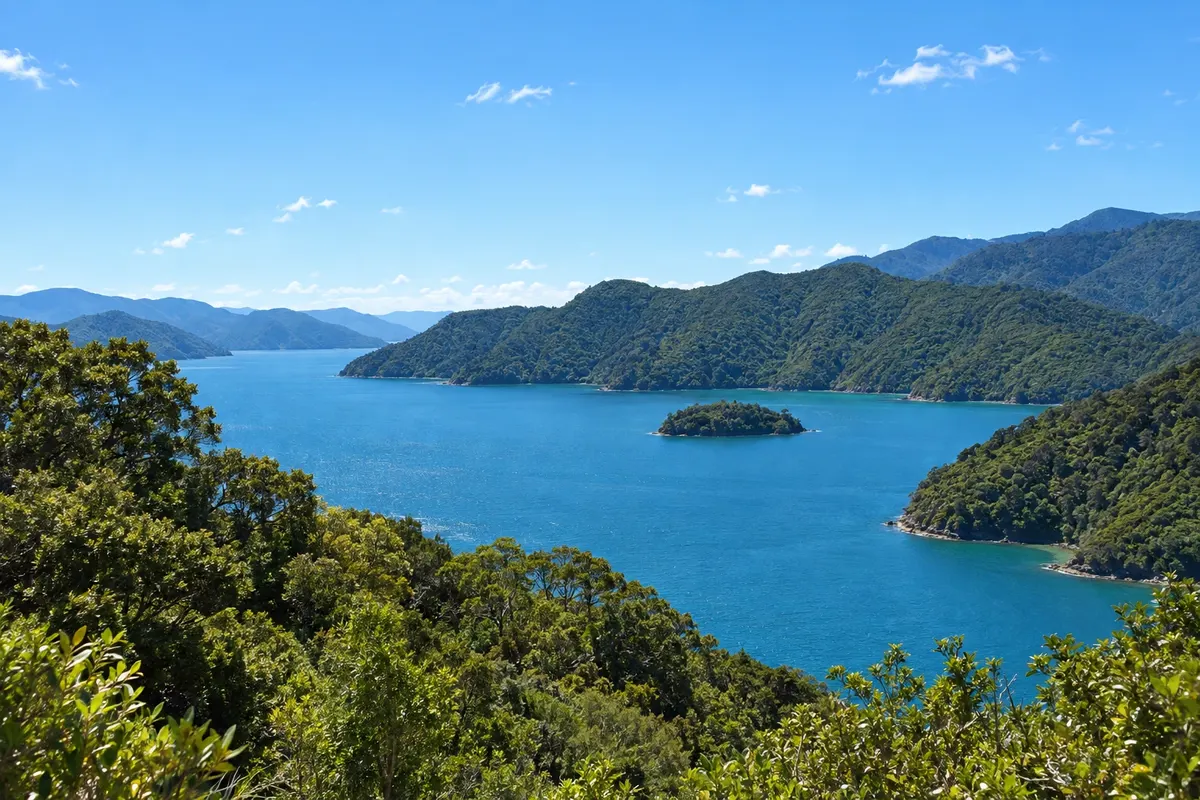
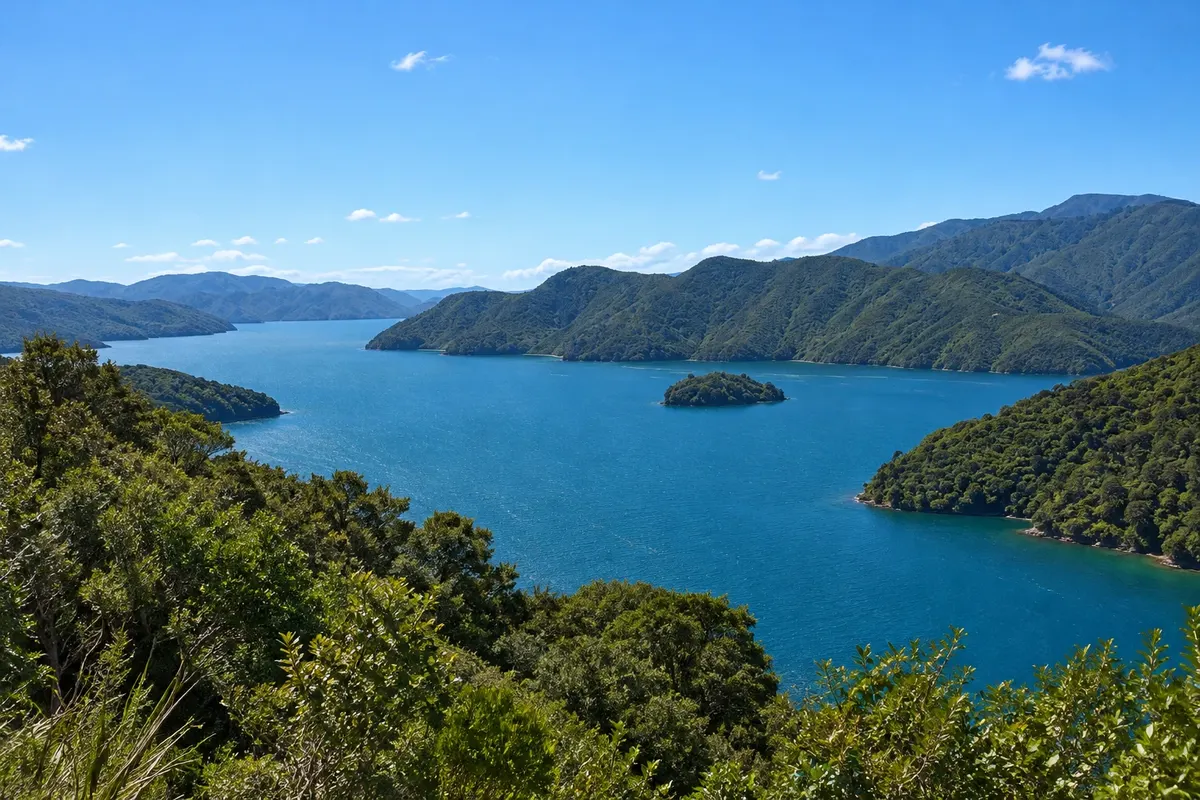
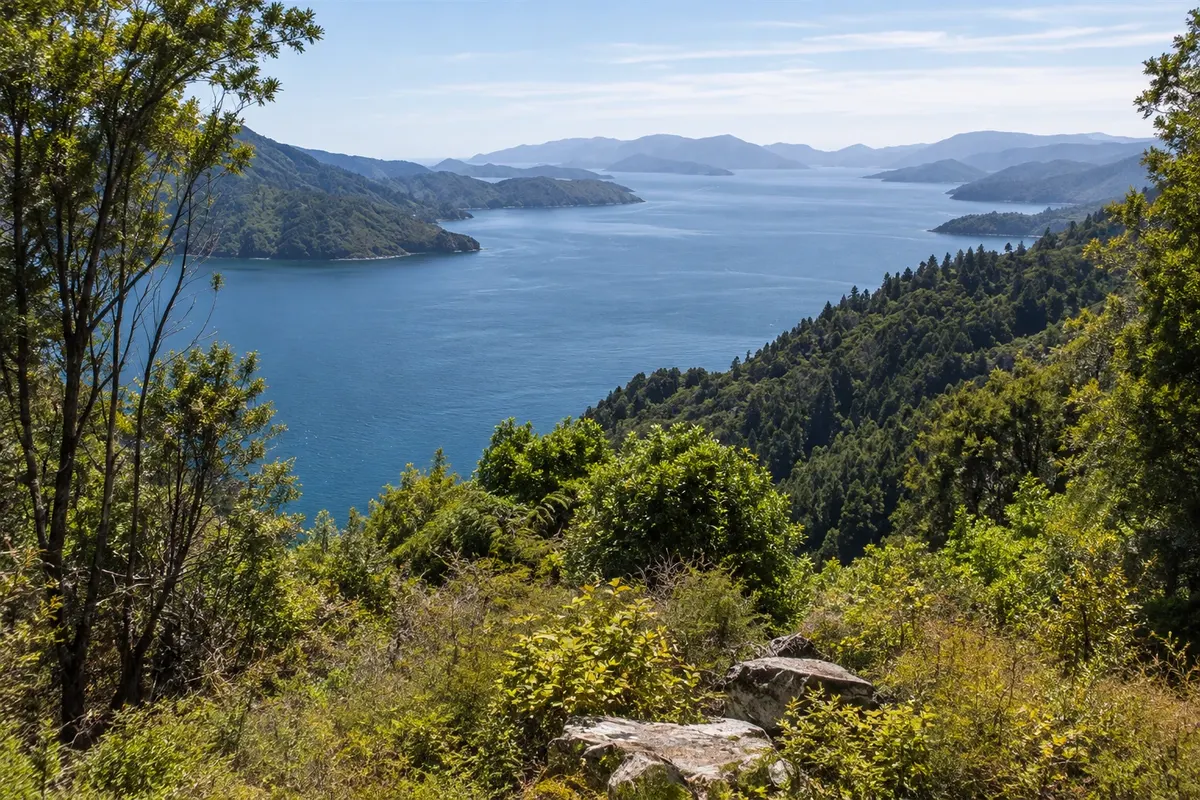
The Marlborough Sounds are ancient valleys flooded by the sea: a maze of coves, peninsulas and islands covered in forest, with houses accessible only by boat. The Queen Charlotte Track runs 71 km along the ridges between Meretoto (Ship Cove), where navigator James Cook anchored on his three Pacific voyages, and Anakiwa. Boats leaving Picton carry walkers, cyclists and people who just want to cruise the sound.
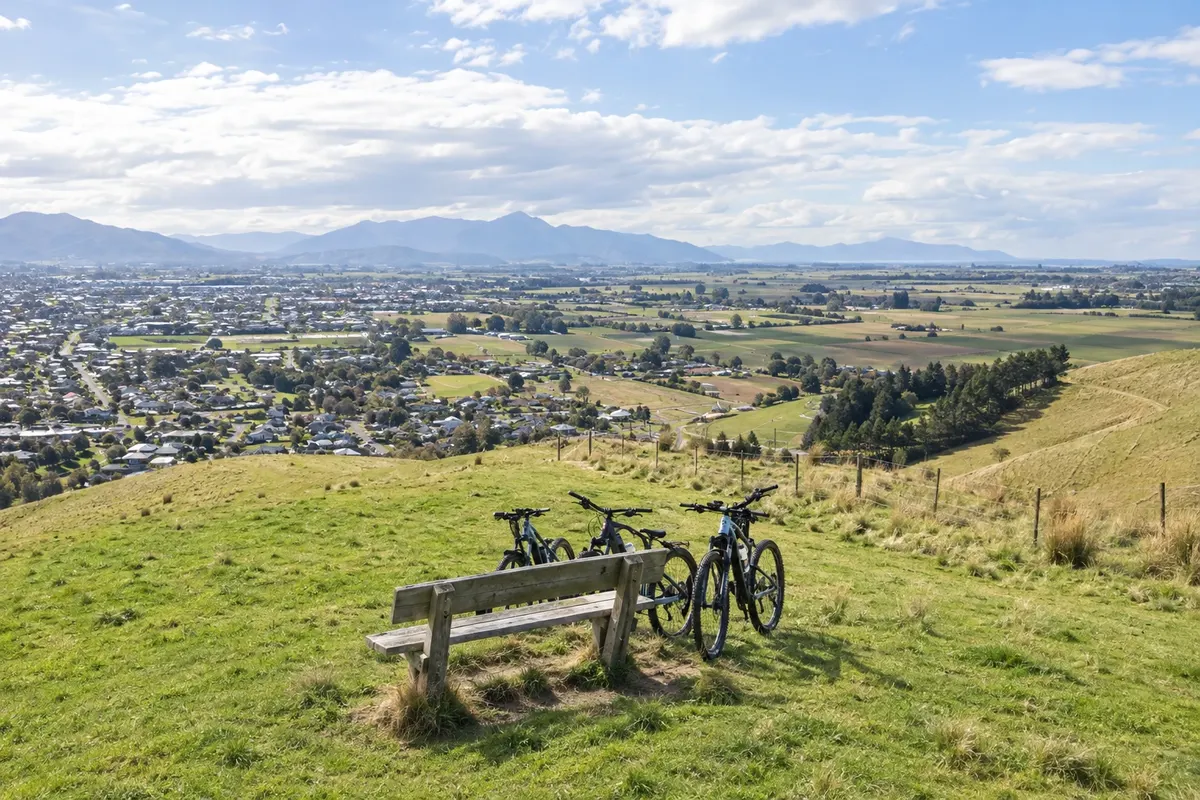
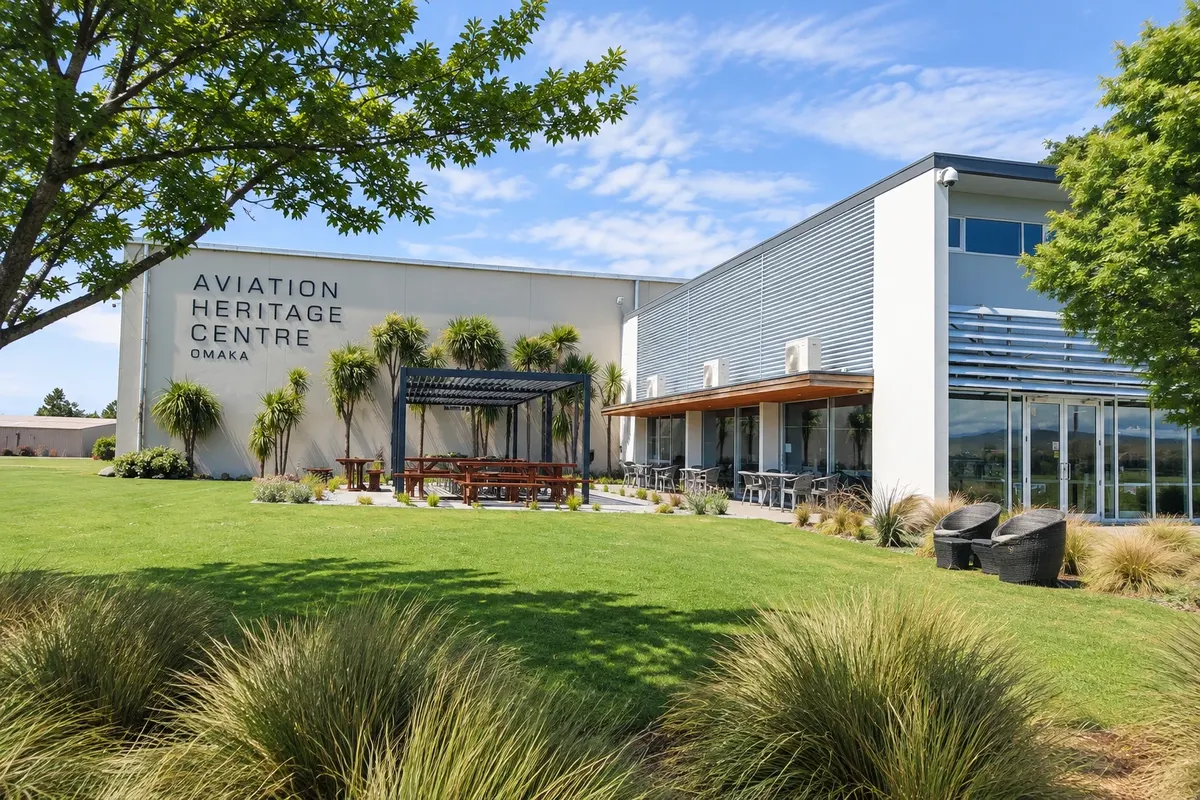
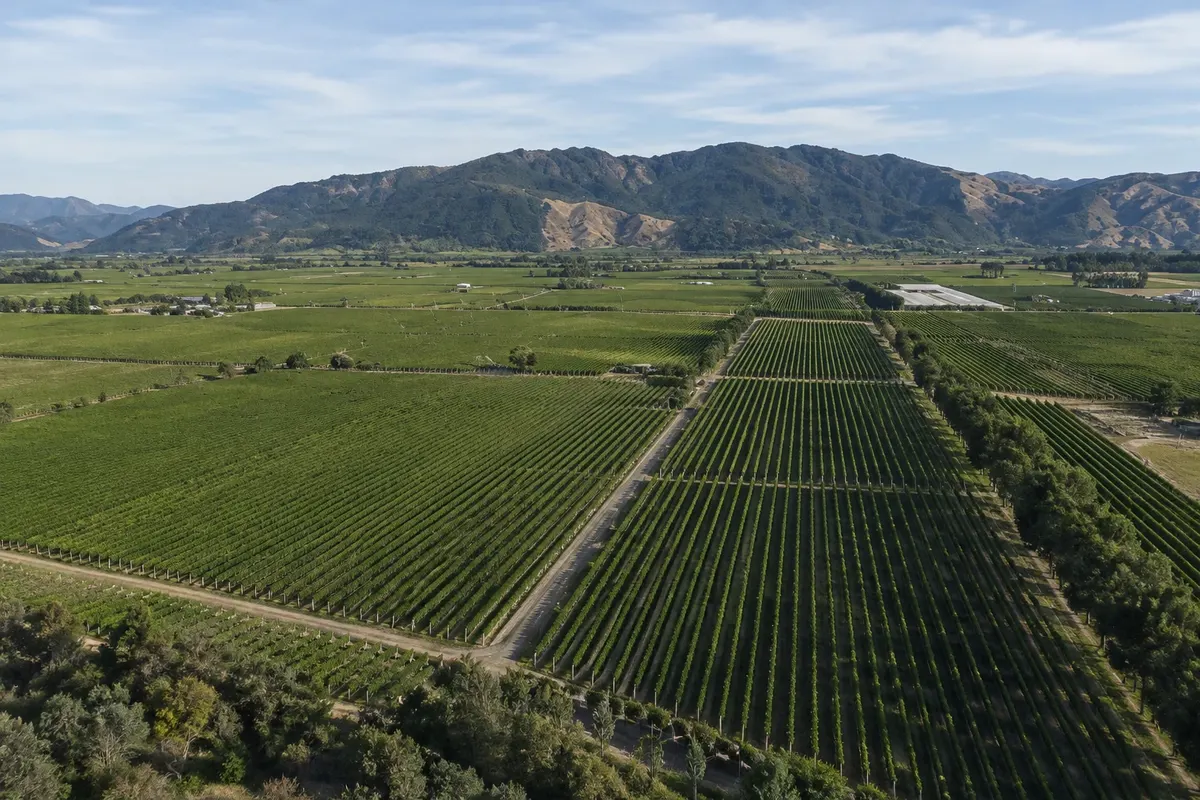
To the south, about 28 km by road, Blenheim is the region’s seat and the centre of the country’s largest wine-growing area. On the plains of the Wairau River and in the Awatere Valley, vineyards planted from 1973 now produce about three quarters of New Zealand’s wine, notably sauvignon blanc. Blenheim also houses one of the country’s best-known collections of First and Second World War aircraft, at the Omaka aerodrome.
The climate helps: Blenheim is among the sunniest places in New Zealand, with dry summers and cold, frosty mornings in winter. The region is a starting point for Nelson and Abel Tasman National Park to the west, and for Kaikōura and Christchurch to the south along the coast.
This destination brings together 2 cities: Picton, Blenheim.


 Brazil
 Argentina
 Bolivia
 Chile
 Colombia
 Ecuador
 Guyana
 French Guiana
 Falkland Islands (Malvinas)
 Paraguay
 Peru
 Suriname
 Uruguay
 Venezuela
 Germany
 Austria
 Belgium
 Croatia
 Denmark
 Spain
 Finland
 France
 Greece
 the Netherlands
 Hungary
 Ireland
 Iceland
 Italy
 Luxembourg
 Norway
 Poland
 Portugal
 the United Kingdom
 the Czech Republic
 Sweden
 Switzerland
 Turkey
 the United States
 Mexico
 the Dominican Republic
 South Africa
 Australia
 Fiji