



 Chile

 Search
 Brazil
 Antarctica
 Argentina
 BoliviaChile
 Colombia
 Ecuador
 Guyana
 French Guiana
 Falkland Islands (Malvinas)
 Paraguay
 Peru
 Suriname
 Uruguay
 Venezuela
 Germany
 Austria
 Belgium
 Croatia
 Denmark
 Slovakia
 Slovenia
 Spain
 Finland
 France
 Greece
 the Netherlands
 Hungary
 Ireland
 Iceland
 Italy
 Luxembourg
 Norway
 Poland
 Portugal
 the United Kingdom
 the Czech Republic
 Sweden
 Switzerland
 Turkey
 Bermuda
 Canada
 the United States
 Greenland
 Mexico
 Saint Pierre and Miquelon
 the Dominican RepublicTurkey
 South Africa
 Egypt
 Australia
 FijiNew Zealand
 Papua New Guinea
Tekapo, Canterbury
Natural Phenomenon
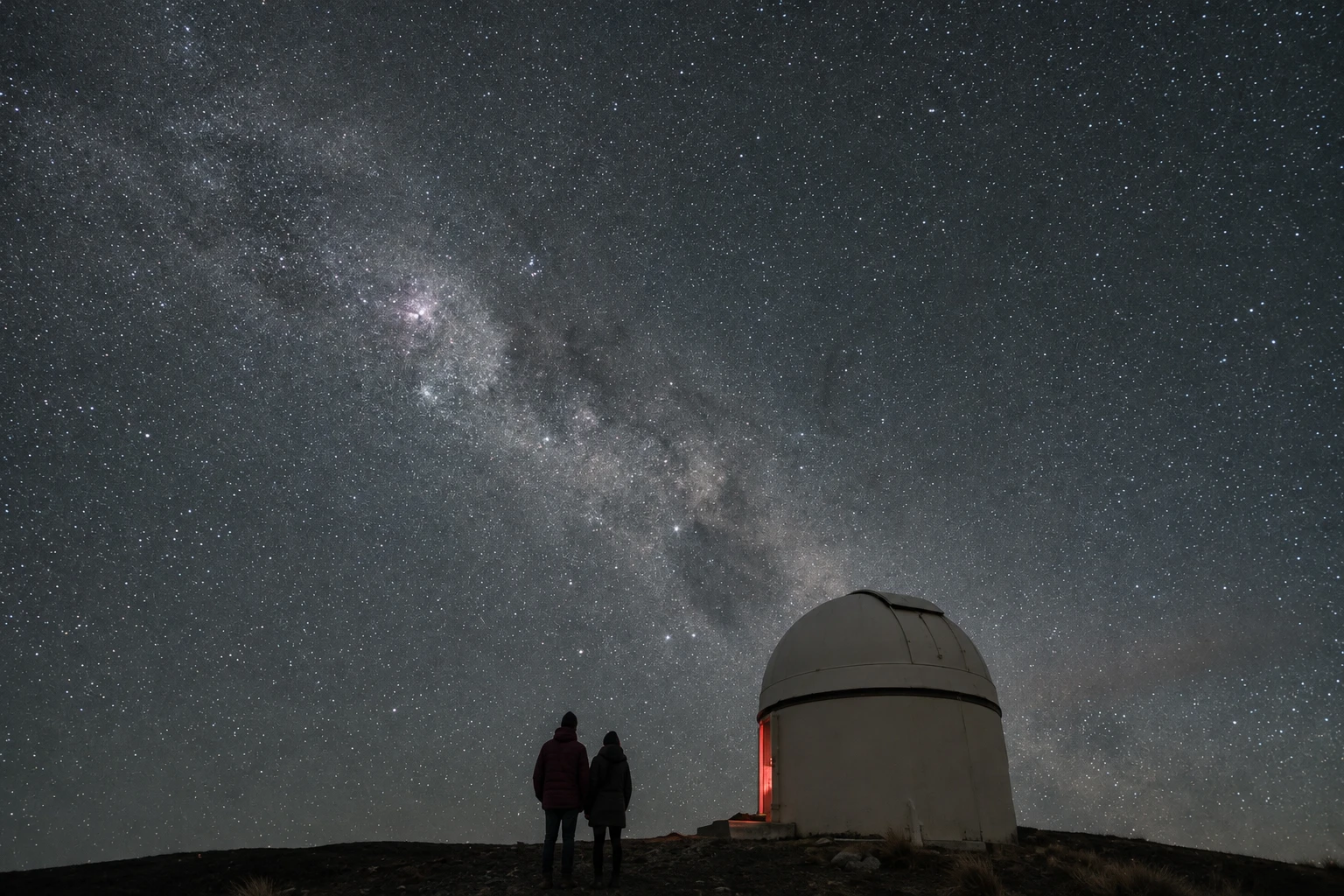
The dark sky of Tekapo, in the Aoraki Mackenzie International Dark Sky Reserve: what you can see in the southern sky, the Mount John Observatory and nights of stargazing.
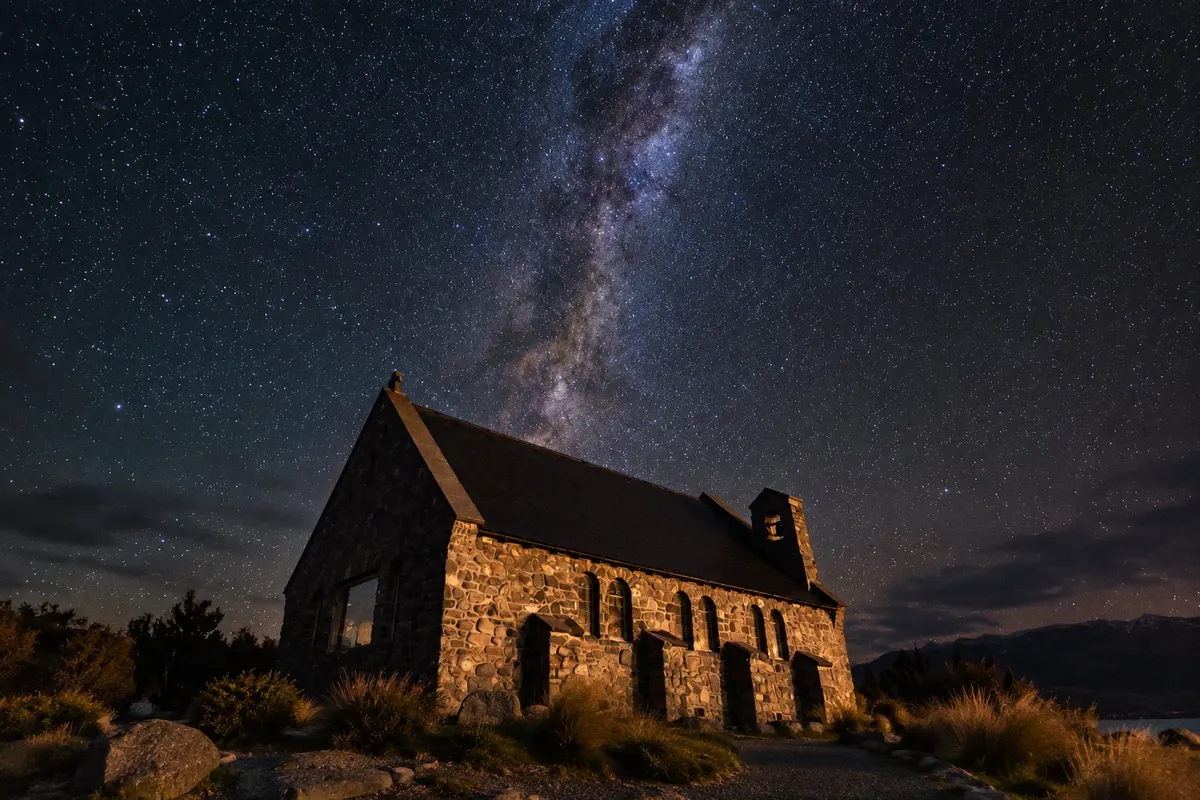
Illustrative images. The pictures in this guide are illustrations based on the real place, not photographs, and may differ from it.
A look at the place
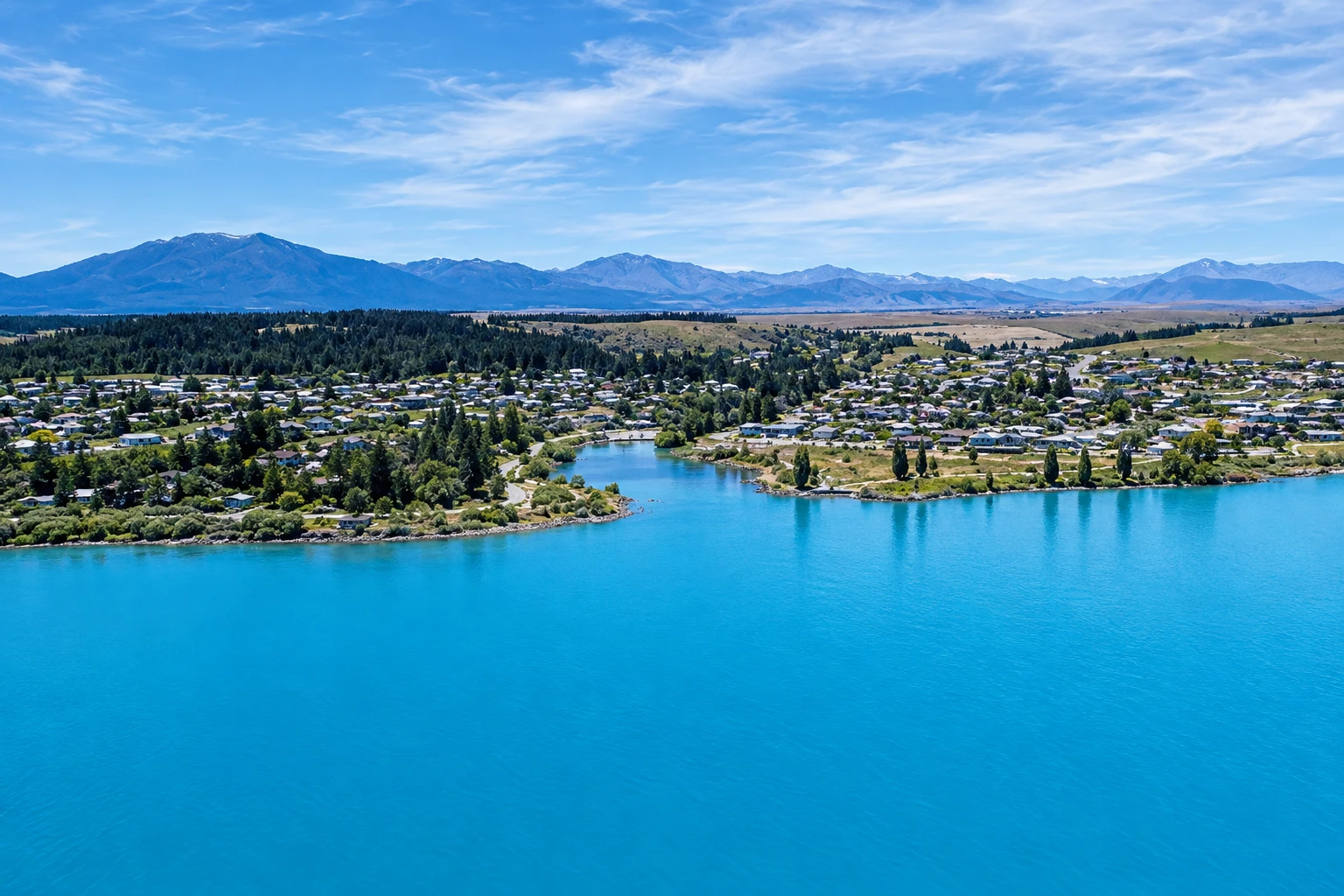
These pictures are illustrations based on the real place, not photographs. They may differ from the place.
Click the picture to enlarge it.
Discover
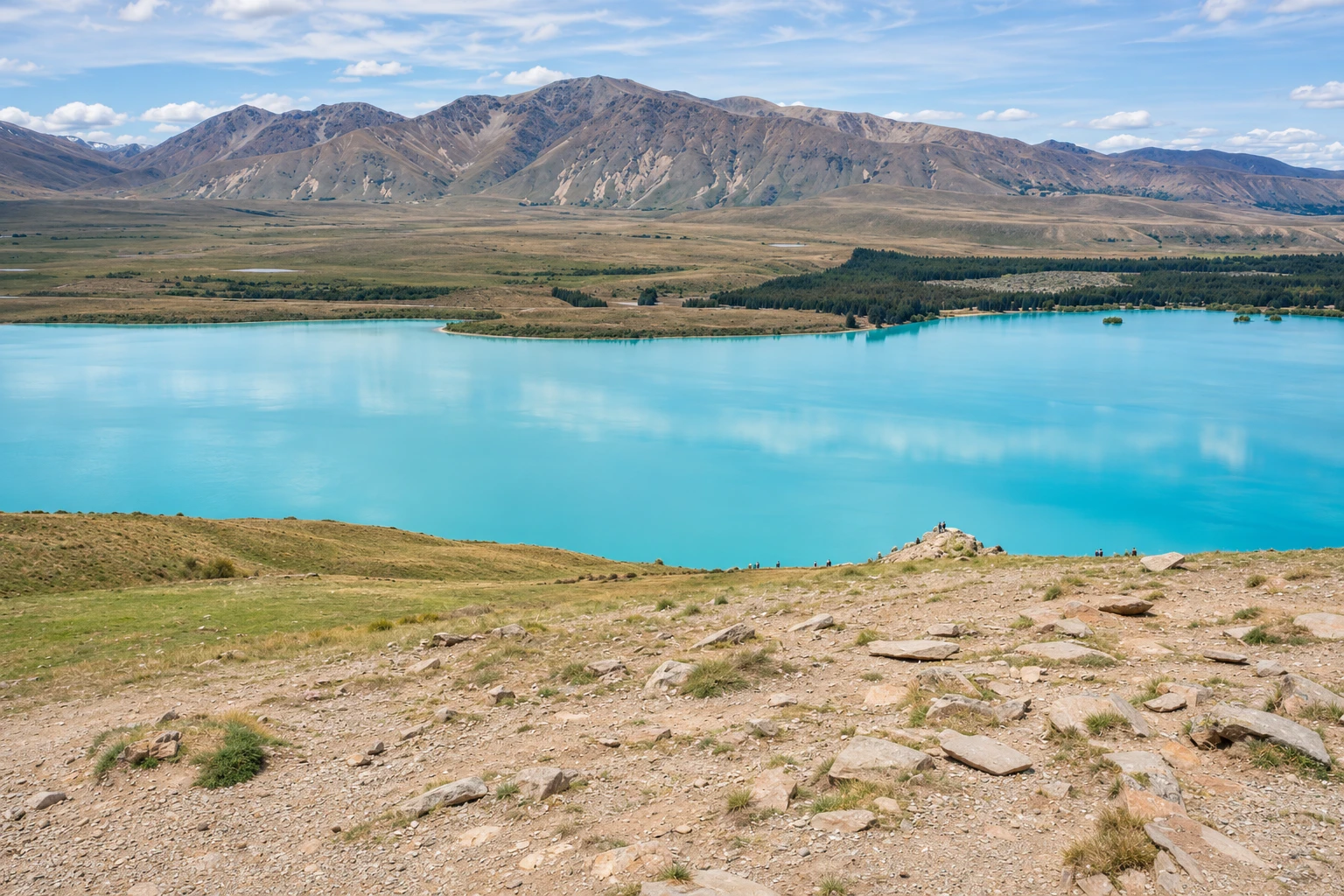
Tekapo (Takapō), a village on the shore of the lake of the same name on the Mackenzie Plateau in New Zealand’s South Island, lies within the Aoraki Mackenzie International Dark Sky Reserve. Created in 2012, the reserve covers more than 4,300 km², includes Aoraki/Mount Cook National Park and the Mackenzie Basin, and sets rules for outdoor lighting in the villages.
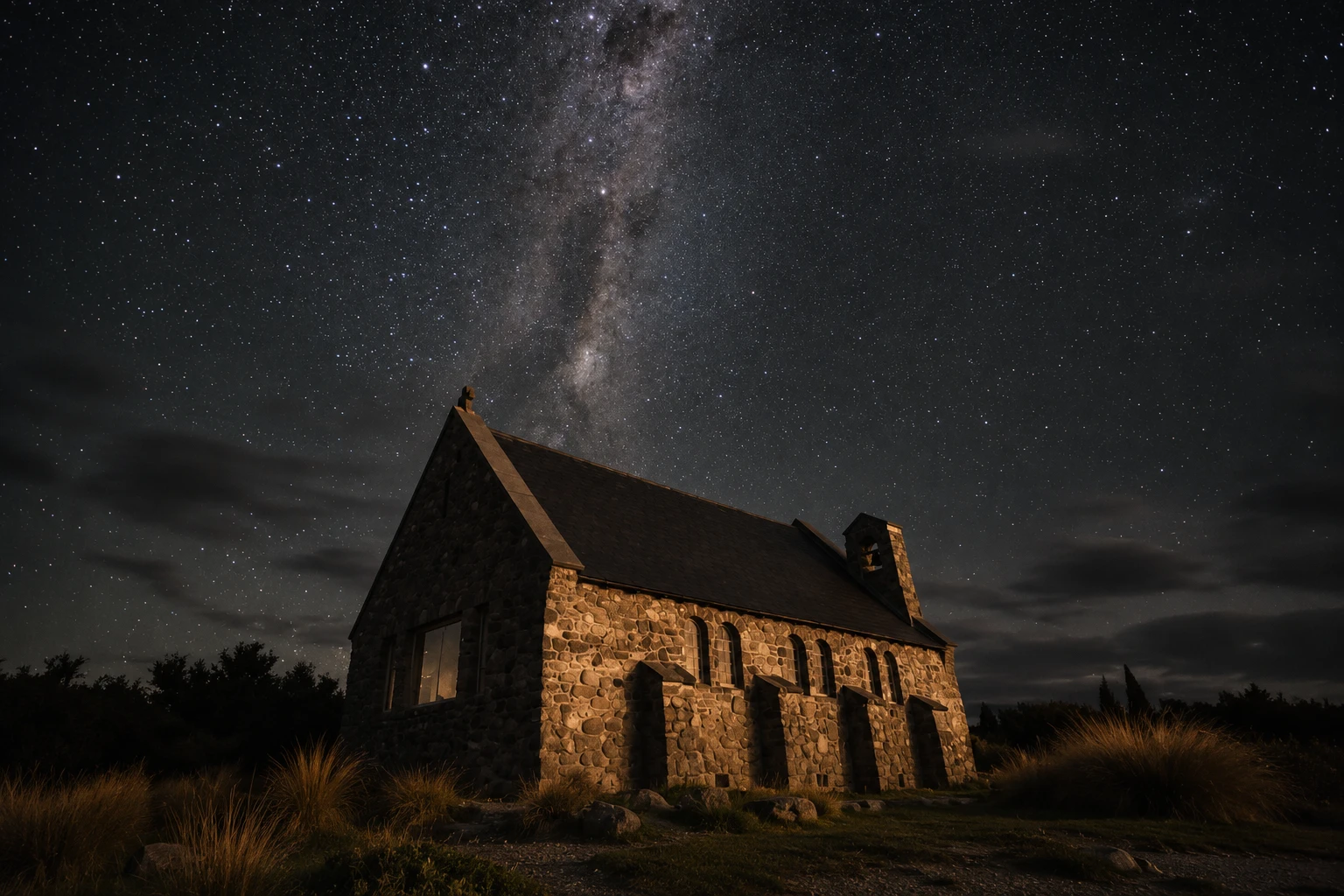
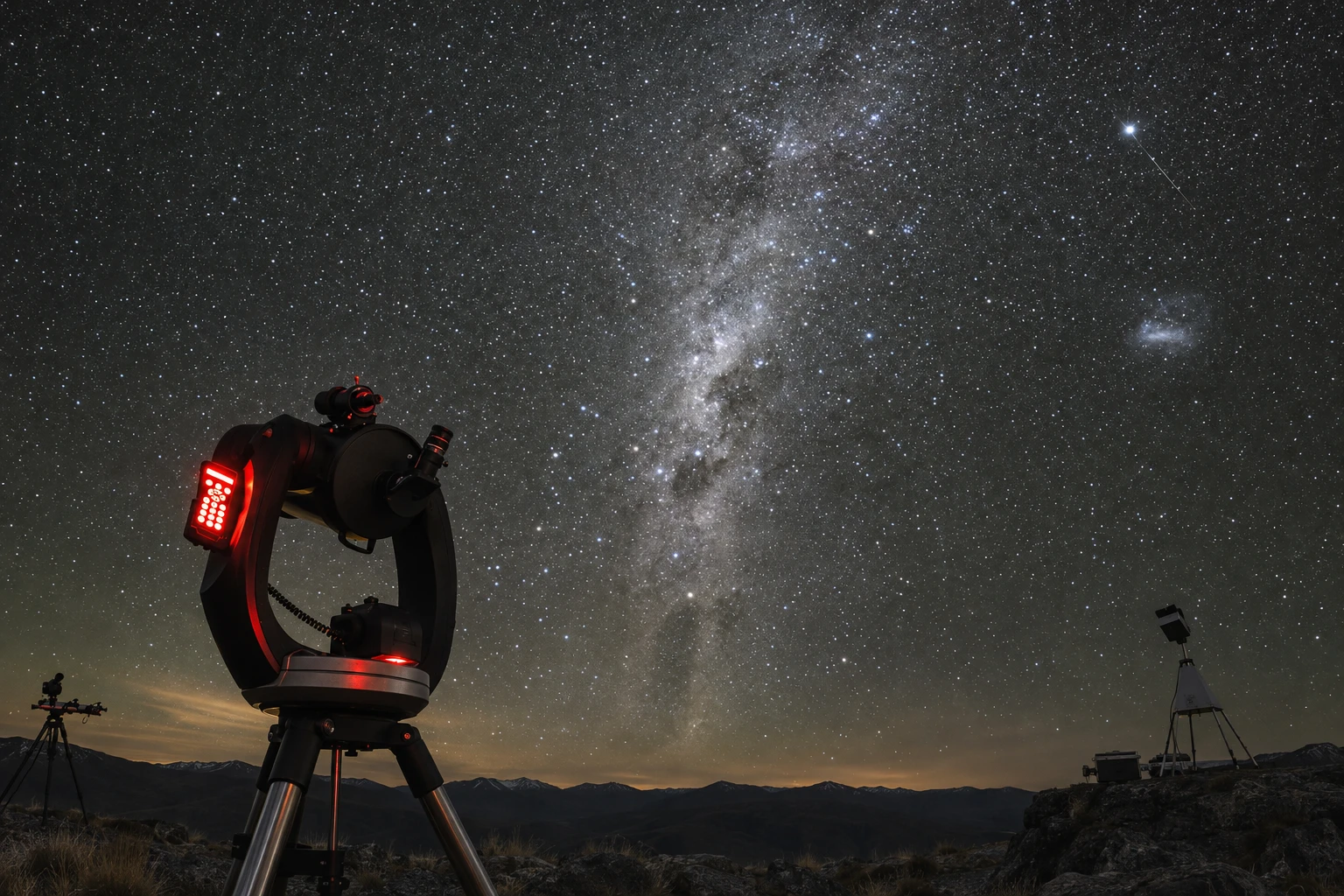
The Southern Hemisphere sky is especially clear there. On clear nights, the Milky Way stretches across the sky, and the Southern Cross and the Magellanic Clouds, two neighboring galaxies, are visible to the naked eye. During periods of strong solar activity, the southern aurora sometimes appears low on the southern horizon.
At the top of Mount John is the University of Canterbury observatory, the country’s main astronomical research center. Guided night tours commonly go up the mountain for telescope viewing; others stay by the lakeshore or at outdoor hot pools. Tours, dates and rules change: check before you go.
By the lake, the stone Church of the Good Shepherd, built in 1935, is a frequent photo setting under the stars. The lake edges and areas around the village, away from lights, often have very dark skies. A full moon brightens the sky and hides the faintest stars: nights near new moon are usually best.
From June to August, in winter, nights are long and cold, often with frost; in summer it gets dark late. Even in summer the plateau cools down at night: bring a jacket.
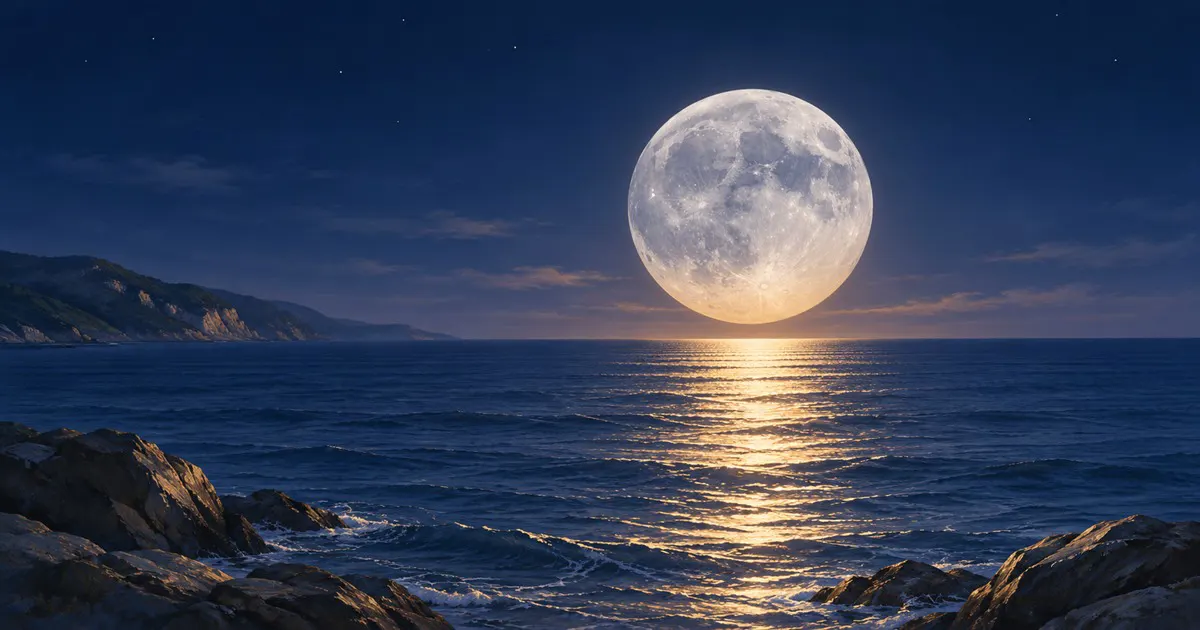
Seeing the Moon and the stars takes clear skies.
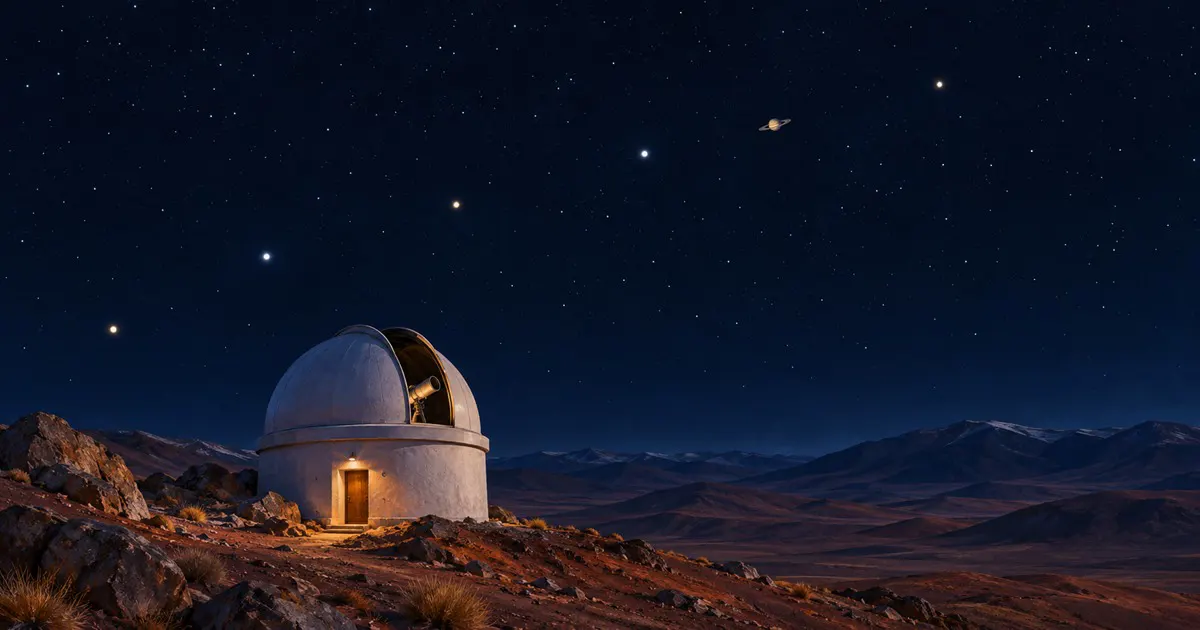
Stargazing depends on the weather and is not guaranteed.
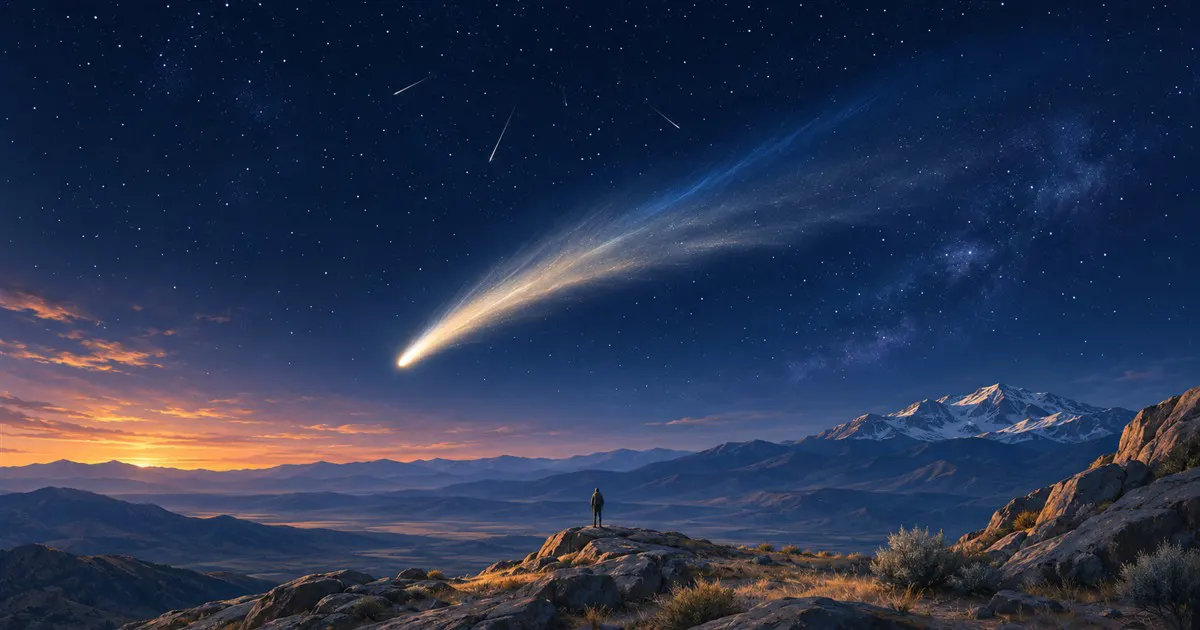
It takes clear skies and no full Moon: it is not guaranteed.
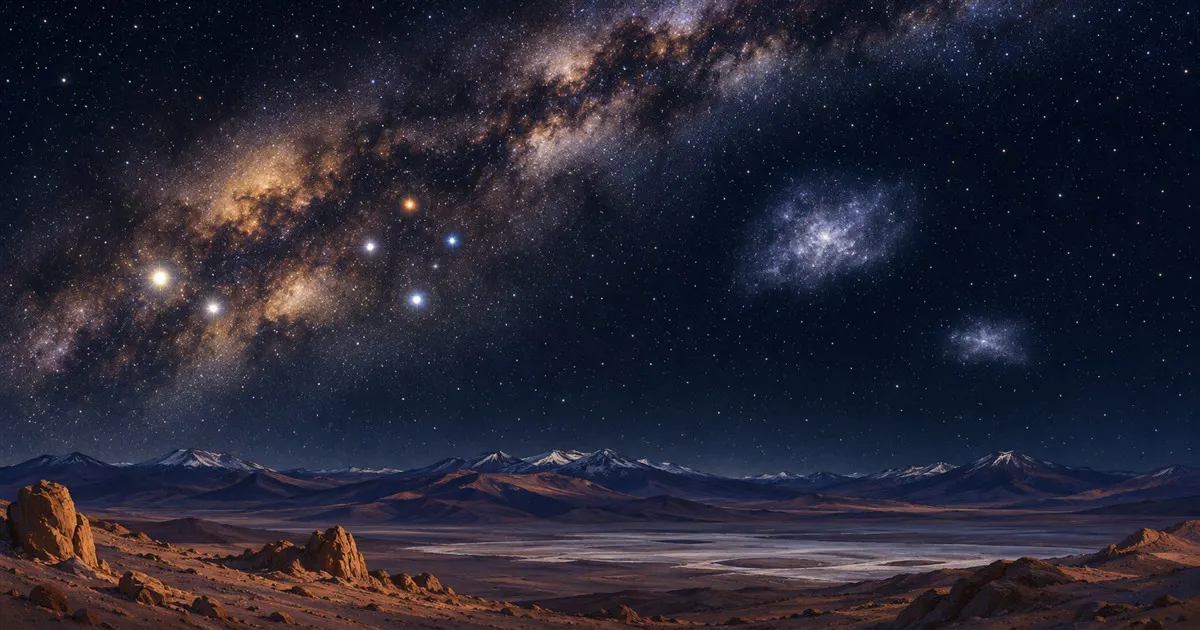
It takes clear skies and no bright Moon: it is not guaranteed.
Before you go
Cidade Turismo reviews its information regularly, but something may have changed. Check with the place before planning your trip.
The months when it usually happens. It depends on the weather and on nature: it is not guaranteed.
One to two hours on guided stargazing tours; a whole night for photographers.
All year round, on clear nights near new moon. In winter, June to August, it gets dark early and nights are long; in summer it gets dark late.
Tekapo is on State Highway 8, about a three‑hour drive from Christchurch. Mount John is just north of the village; night tours usually depart from the town center.
Pick a night near new moon and check the cloud forecast. Close to observers, use only red light. At night, the climb to Mount John is usually only with a guided tour.
Get your questions answered
The village lies within the Aoraki Mackenzie International Dark Sky Reserve, created in 2012, which enforces rules for outdoor lighting and benefits from many clear nights on the plateau.
On clear nights: the Milky Way, the Southern Cross and the Magellanic Clouds with the naked eye. With very active solar conditions, the southern aurora can sometimes appear low on the southern horizon.
All year, on clear nights near new moon. Winters have longer nights; in summer it gets dark late.
Guided tours commonly go up Mount John, both day and night. Dates and rules change; check before you go.
Other places
Chile
 Bolivia
 Brazil
 Brazil
 Spain
 San Pedro de Atacama, Chile
 Vicuña, Chile